Breaking News
‘Failing to do its duty’: SC raps air quality body over Delhi pollution; orders to submit expert report in 2 weeks | India News


'Failing to do its duty': SC raps air quality body over Delhi pollution; orders to submit expert report in 2 weeks

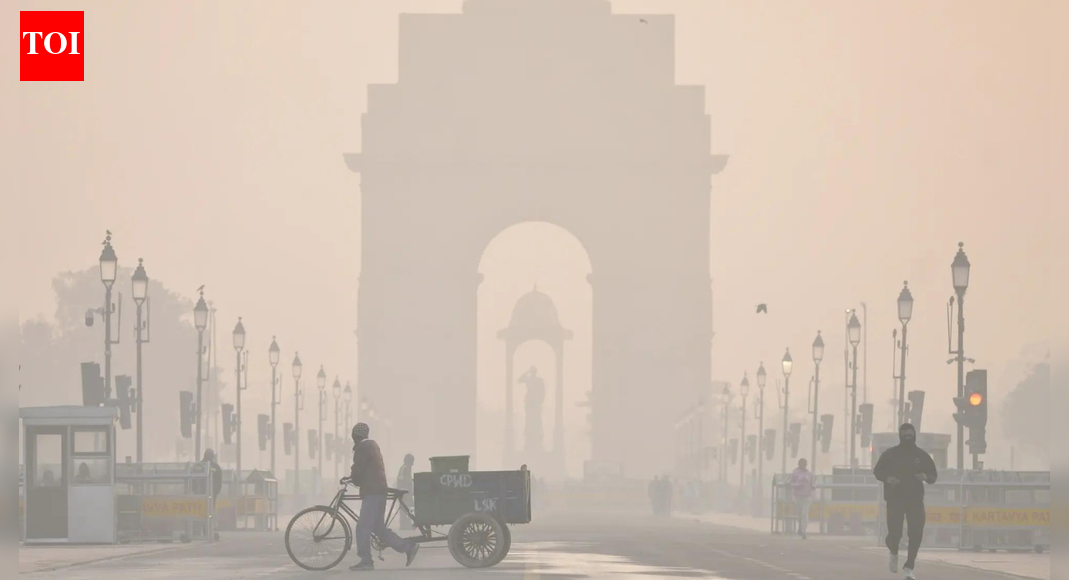
NEW DELHI: The Supreme Court on Tuesday pulled up the Commission for Air Quality Management (CAQM) for “failling to do its duty” as the AQI in the national capital remained in ‘poor’ category.“Have you been able to identify the causes of pollution? During all these days, a lot of material is coming in public domain, experts are writing articles, people are having opinions, they keep on sending to us on mail,” the bench remarked, as reported by PTI.“Heavy vehicles are contributing a large part, so the first question is how do we address that… By holding a meeting on January 2 and telling us that we will come after two months, that is not acceptable to us. The CAQM is failing in its duty,” the bench observed.The top court directed the CAQM to convene a meeting of experts in two weeks and submit a report on the major causes of “worsening” pollution.The court’s remarks came as it rejected CAQM’s request for a two-month adjournment on key measures, including the temporary closure or relocation of toll plazas at Delhi’s borders.The remarks came against the backdrop of deteriorating air quality in the capital. Delhi’s average Air Quality Index (AQI) stood at 293 on Tuesday morning, placing it firmly in the ‘poor’ category, according to the Central Pollution Control Board. Chandni Chowk recorded the worst reading at 352, while 20 monitoring stations logged ‘very poor’ air quality. Forecasts suggest pollution levels are likely to remain poor to very poor over the next six days.During the December 17 hearing, the apex court had directed the Municipal Corporation of Delhi (MCD) and the NHAIto consider temporarily shutting or relocating nine toll plazas at the city’s borders.


Source link

Sonia Gandhi admitted with respiratory discomfort, condition stable | India News


Sonia Gandhi admitted with respiratory discomfort, condition stable

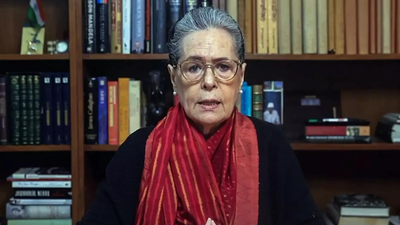
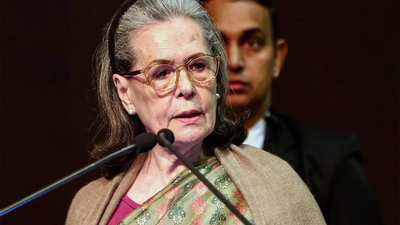
NEW DELHI: Senior Congress leader Sonia Gandhi was admitted to Sir Ganga Ram Hospital late Monday night after she developed respiratory discomfort due to a mild exacerbation of bronchial asthma, hospital authorities said on Tuesday, adding that her condition is now stable.Doctors said the asthma flare-up was triggered by the combined effects of cold weather and high pollution levels in the capital. She was admitted around 10 pm as a precautionary measure for observation and treatment.According to Dr Ajay Swaroop, chairman of the hospital, Gandhi is responding well to treatment and is being managed with antibiotics and other supportive medication.A decision on her discharge will be taken by the treating physicians based on her clinical progress and is likely in a day or two, the hospital said.


Source link

SIR verification: EC summons Mohammad Shami in Kolkata; cricketer seeks fresh dates | India News


SIR verification: EC summons Mohammad Shami in Kolkata; cricketer seeks fresh dates
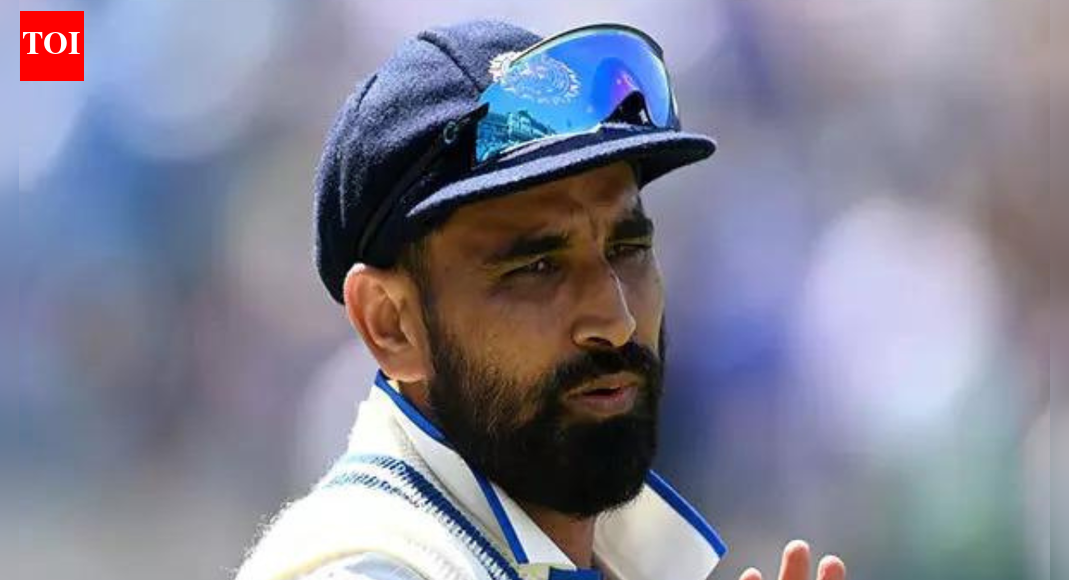
Mohammed Shami (ANI image)

NEW DELHI: The Election Commission has asked Indian cricketer Mohammed Shami to appear in Kolkata for a hearing under the ongoing Special Intensive Revision (SIR) of electoral rolls. The hearing has now been rescheduled after Shami cited professional commitments.Shami was originally called to appear on Monday at a school in Jadavpur along with his brother Mohammed Kaif for voter verification. However, the pacer could not attend as he is currently in Rajkot, representing Bengal in the Vijay Hazare Trophy. Following his request, the Election Commission agreed to give fresh dates and the hearing will now be held between January 9 and 11.Officials said Shami is a registered voter of Kolkata Municipal Corporation’s Ward 93, which falls under the Rashbehari constituency. According to the West Bengal Chief Electoral Officer’s office, the hearing was required after discrepancies were found in the Enumeration Form submitted by Shami and his brother.“The Enumeration Form was incorrectly filled out by the cricketer and his brother, because of which they were called for the hearing,” an official said.Though originally from Uttar Pradesh, Shami has lived in Kolkata for several years due to his cricketing career. He moved to the city at a young age, trained under former Bengal Ranji captain Sambaran Bandyopadhyay and later earned a place in Bengal’s under-22 team.The development comes amid the Special Intensive Revision exercise in West Bengal, which has seen several celebrities being issued hearing notices, placing them on the same footing as ordinary voters. Apart from Shami, actor and Trinamool Congress MP Dev and actor couple Laboni Sarkar and Kaushik Bandyopadhyay, have also been called or identified during the process.Election officials said the SIR exercise is aimed at correcting voter records and ensuring accuracy. All voters, including public figures are required to comply with the verification process.


Source link

Voter list row: Sonia Gandhi seeks time to reply; calls records decades old | India News


Voter list row: Sonia Gandhi seeks time to reply; calls records decades old

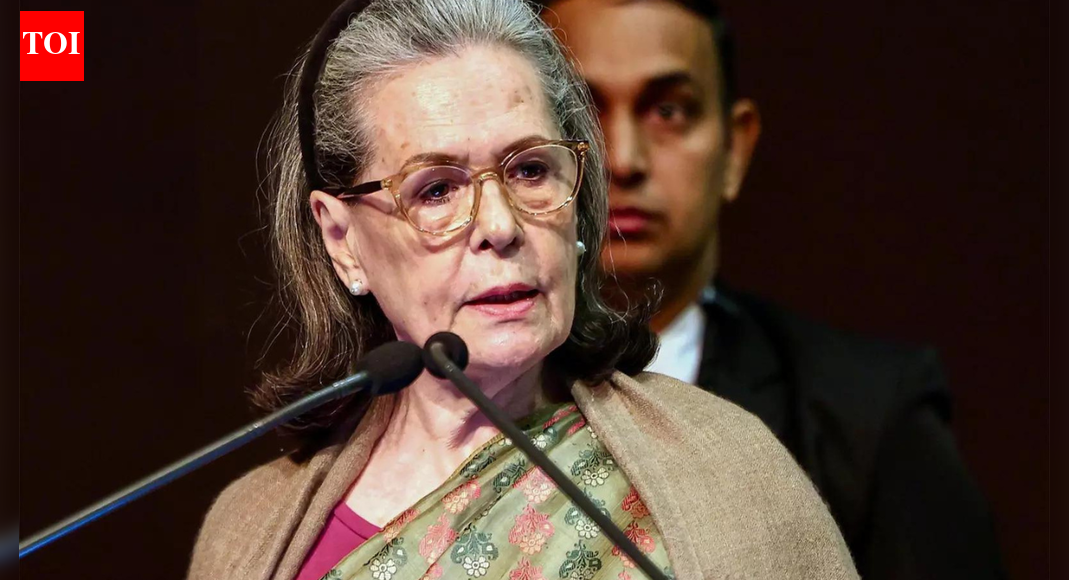
NEW DELHI: Senior counsel appearing for Congress parliamentary party chairperson Sonia Gandhi on Tuesday sought time from a Delhi court to file a reply in a revision petition challenging the inclusion of her name in the electoral rolls. The panel has cited that the records in question are several decades old. The court has now listed the matter for further hearing on February 7.The case is being heard by the Rouse Avenue Court, which had issued notices to the Delhi Police and Sonia Gandhi last month on a revision petition filed by advocate Vikas Tripathi. Tripathi alleged that Gandhi’s name was included in the voter list for 1980–81 before she formally became an Indian citizen. His complaint seeking registration of an FIR was earlier dismissed by an additional chief judicial magistrate.

Sonia Gandhi Targets Modi Govt On ASHA, Anganwadi Workers In Rajya Sabha

The revision petition challenges that dismissal. During an earlier hearing, Tripathi’s counsel argued that the matter required reconsideration, claiming there were serious irregularities in the manner in which Gandhi’s name appeared in the electoral rolls before she acquired Indian citizenship. He alleged that the name was first entered in 1980, later deleted and then re-entered in 1983 based on an application filed in January that year.After hearing the submissions, Sessions Judge Gogne issued notices to the respondents, including Sonia Gandhi and sought their responses. The magistrate, while rejecting Tripathi’s complaint at the threshold, had held that it was based only on uncertified photocopies of old electoral records and lacked legal merit. The court had also observed that issues relating to citizenship and electoral rolls fall within the jurisdiction of the central government and the Election Commission of India and cannot be decided through a criminal complaint.Congress MP Priyanka Gandhi Vadra had dismissed the allegations against her mother as false, asserting that Sonia Gandhi voted only after acquiring Indian citizenship. “Do they have any evidence? This is an absolute lie. She voted only after she became a citizen (of India). I don’t know why they are after her, even though she is about to turn 80. She has dedicated her whole life to serving the nation. She should be spared at her age now,” Gandhi said.


Source link

Civic wars 2026: Thackerays reunite, alliances shift — Maharashtra’s BMC power game explained | India News


Civic wars 2026: Thackerays reunite, alliances shift — Maharashtra's BMC power game explained

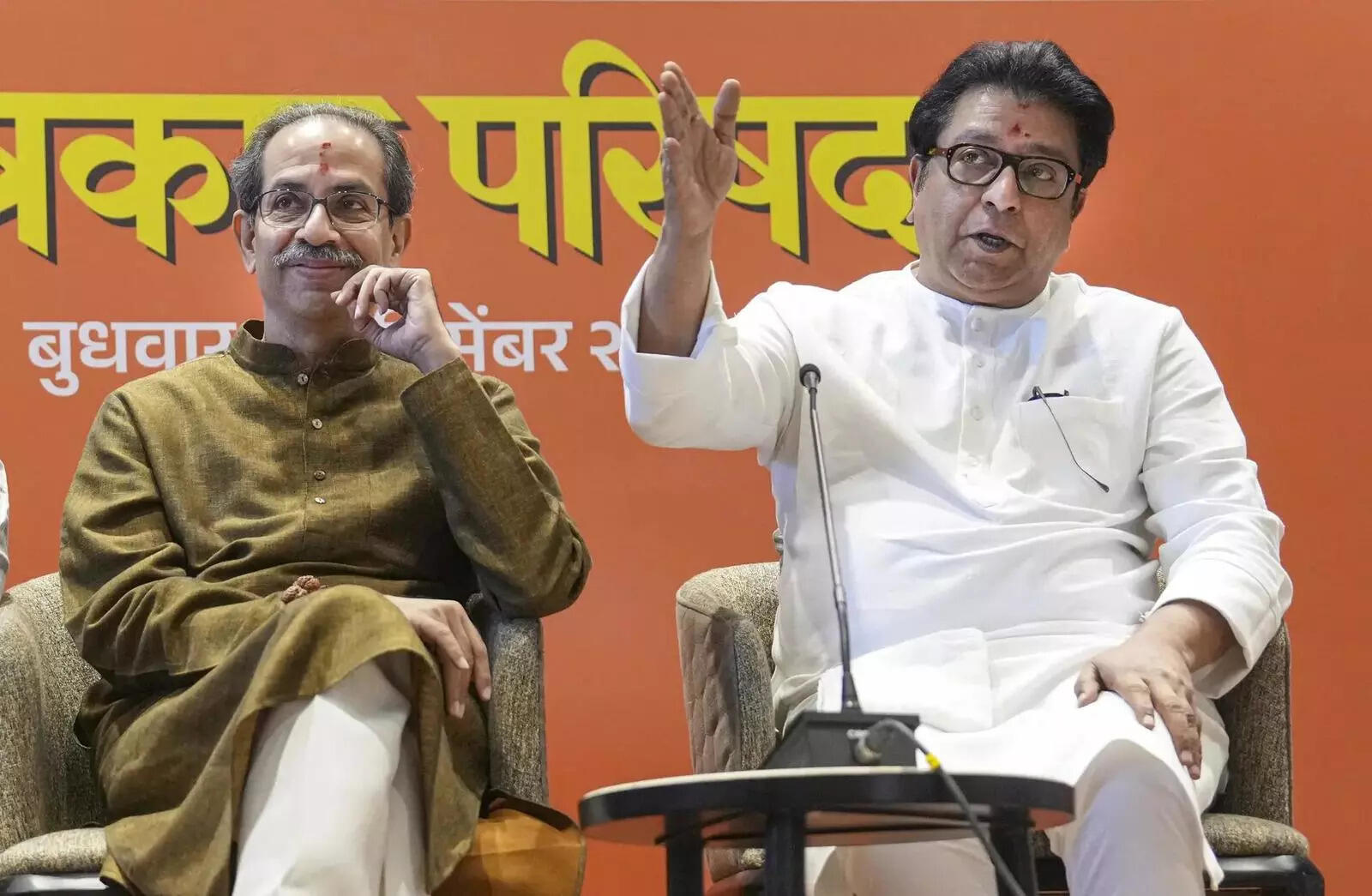
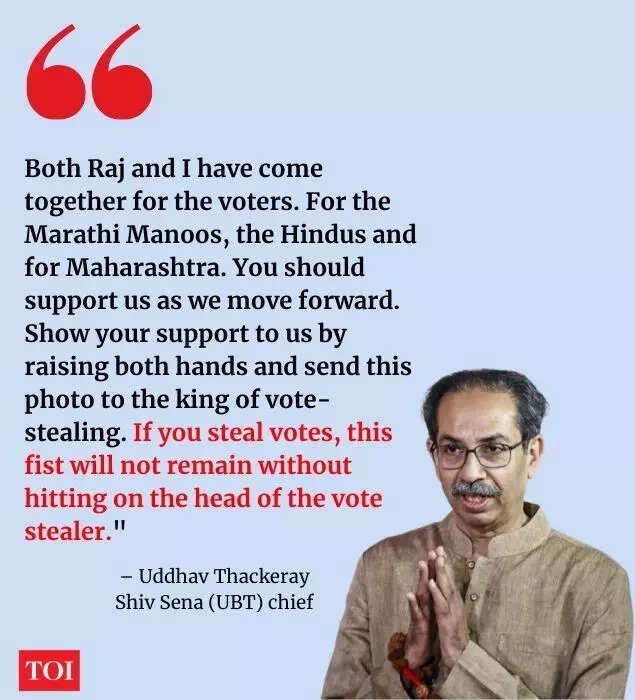
NEW DELHI: The stage is set for the first electoral showdown of 2026 as elections for 29 local bodies in Maharashtra are scheduled for January 15. These elections were long overdue because of legal battles.According to the Maharashtra Election Commission, polls for these corporations were held on different dates between 2015 and 2018. Elections for the Brihanmumbai Municipal Corporation (BMC), which governs Mumbai, and 17 other major cities were last held in 2017. Five municipal corporations, including Vasai-Virar, Kolhapur, Aurangabad, Navi Mumbai and Kalyan-Dombivli, went to the polls in 2015, while four others — Dhule, Jalgaon, Ahmednagar and Sangli-Miraj-Kupwad — had elected their mayors in 2018.Interestingly, many tectonic shifts were witnessed in the run-up to the elections. While the Thackeray and Pawar families ironed out alliances, many corporators from various parties jumped ship just ahead of the polls.What is at stakeThe BMC has a budget of more than Rs 74,000 crore — larger than the GDP of many states in the country and several countries across the world.Geographically, Mumbai, along with its suburbs, Pune and Nashik do not even constitute one-fourth of Maharashtra’s total area. However, this region is significant because of its wealth and the industries it hosts. Therefore, the corporations in these areas are highly important for political parties.It is thus inevitable that these elections become testing grounds for parties and alliances. The Mahayuti and the opposition Maha Vikas Aghadi (MVA) are the main contenders, but regional and smaller parties are also in the fray and determined to make their presence felt at the local level of urban governance.The BJP and Shiv Sena, constituents of the Mahayuti, are contesting 137 and 90 seats, respectively. The third Mahayuti ally, the NCP, is fighting independently and has fielded 94 candidates, meaning the party will take on its state-level partners in nearly 100 seats if no nominations are withdrawn.The opposition Congress has put up 143 candidates, while its new ally, the Vanchit Bahujan Aghadi (VBA), led by former MP Prakash Ambedkar, has fielded 42 contestants even though it was allotted 62 seats in a pre-poll pact with the national party.The Rashtriya Samaj Paksh (RSP), a Congress ally, has fielded six candidates.The Shiv Sena (UBT), led by former chief minister Uddhav Thackeray, is contesting over 150 seats, the NCP (SP) 11, and Raj Thackeray’s Maharashtra Navnirman Sena (MNS) the rest.Thackeray brothers uniteIn the upcoming elections, the Thackeray brothers – Uddhav and Raj Thackeray – have decided to join hands after 20 years and are contesting the elections on the plank of “Maratha pride”.

.

“We will make sure that Marathi people get what they want,” Raj Thackeray said while announcing the alliance between Shiv Sena (UBT) and the Maharashtra Navnirman Sena.

.

Natural allies

  • Both Sena (UBT) and MNS are “natural allies”. They derive their political legacy from the Shiv Sena, founded by the late Bal Thackeray, which was rooted in Marathi identity. Since then, the emotive issue of Marathi pride has remained central to both parties.
  • Since launching the MNS in 2006, Raj Thackeray has leaned heavily on an anti-North India stance as his political trademark. Uddhav, meanwhile, has championed the “Marathi manoos” narrative to advance his agenda.
  • Both parties performed poorly in the Assembly elections held in 2024. Ahead of the local body elections, the issue of Marathi identity—through opposition to the imposition of Hindi—has given both parties renewed energy to ignite Marathi pride among voters.

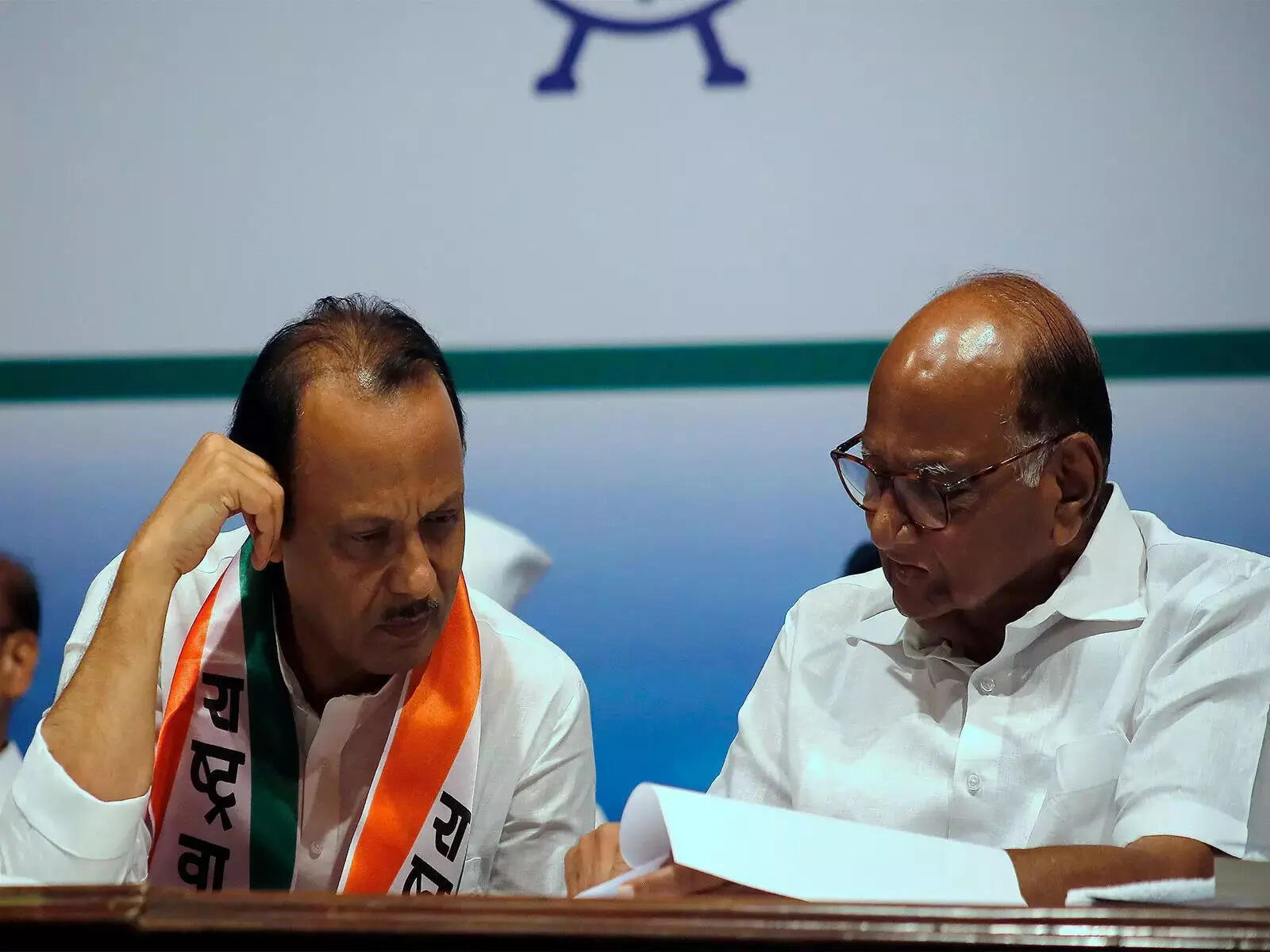
‘Pawar’ allianceMeanwhile, the Ajit Pawar-led NCP also announced that it will contest the Pimpri-Chinchwad and Pune local body elections together with the NCP (Sharad Pawar faction).“For the sake of the Pimpri-Chinchwad Municipal Corporation elections, the ‘clock’ and the ‘tutari’ (trumpet) have united. The parivar has come together,” deputy chief minister Ajit Pawar said while announcing the alliance.The announcement, however, came with a rider — the decision has been taken only for Pune and Pimpri-Chinchwad, and family patriarch Sharad Pawar was not involved in the decision-making process.

.

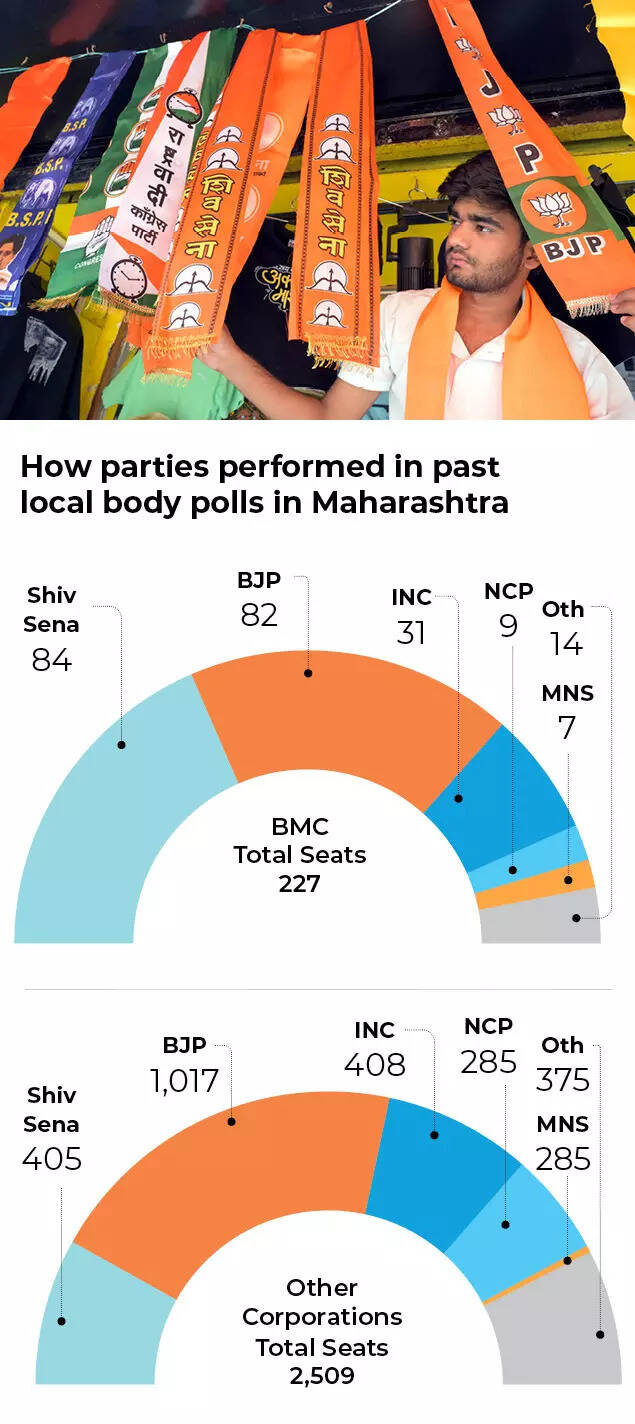
This comes two years after Ajit Pawar, along with a group of senior leaders, split from his uncle Sharad Pawar and joined hands with the BJP and Eknath Shinde’s Shiv Sena in Maharashtra. He had raised objections to Sharad Pawar continuing to lead the party despite his age.Ajit Pawar was sworn in as deputy chief minister under the new alliance. He favoured aligning with the ruling coalition, while Sharad Pawar’s faction insisted on remaining with the opposition.The Election Commission later recognised Ajit Pawar’s faction as the legitimate NCP, retaining the ‘clock’ symbol. Sharad Pawar’s faction, NCP (SP), adopted the ‘tutari’ (curved trumpet) symbol.Both factions contested elections separately. After the 2024 Lok Sabha elections, where his faction faced setbacks, Ajit Pawar acknowledged that turning his back on family had been a “mistake”.In the 2024 Maharashtra assembly elections, Ajit Pawar’s NCP increased its tally from just six Assembly segment leads in the Lok Sabha elections to 41 MLAs, defeating the senior Pawar’s nominees in 27 head-to-head contests; the latter won seven.NCP (SP) to join NDA?During the campaign, Shiv Sena minister Sanjay Shirsat floated speculation over the possibility of the NCP (SP) joining the BJP-led NDA government.He said that local-level adjustments could be a precursor to a broader political understanding.“In the coming future, there is a possibility that Sharad Pawar could join the NDA. Did anyone believe that he would join hands with Uddhav Thackeray? But he did, and they were in power for two-and-a-half years,” Shirsat said.“He opposed Sonia Gandhi and left the Congress, and then immediately made an alliance with them. It would not be surprising if he joins the NDA. If you study politics, this has been his career pattern,” he added.Will MVA disintegrate?The coming together of the Thackeray brothers and the senior and junior Pawars signals a silent end of the Maha Vikas Aghadi (MVA) — the opposition front that Uddhav Thackeray formed with the Congress and Sharad Pawar’s NCP in 2019 to keep the BJP out of power after the assembly elections.The opposition coalition performed strongly in the 2024 Lok Sabha elections, winning 30 of the 48 seats in the state. The glory, however, was short-lived as the MVA was decimated in the Assembly elections held later in the year, collectively winning only 46 of the 288 seats.In the run-up to the local body polls, the Congress has been left out of alliances after it refused to join hands with Raj Thackeray’s MNS, given his aggressive “outsiders” pitch against north Indians.The grand old party, which had earlier asserted it would contest the January 15 polls solo on all 227 wards, has now joined hands with Prakash Ambedkar-led VBA, allocating it 62 seats.Apart from the VBA, the Congress has allocated 10 seats to the RSP and two to the Republican Party of India (Gavai faction), unsettling functionaries of the party’s city unit, leaders said.The Congress move to chart its own course in Maharashtra is a bold gambit. The party, which had a fairly strong presence in state politics till 2009, has since seen its electoral fortunes decline.In the 2024 assembly elections, the Congress won only 16 of the 101 seats it contested. Its vote share stood at 12.42% — the lowest for the party in Maharashtra, though still higher than all other players except the BJP.However, this solo fight pits the Congress directly against the BJP, which has been the undisputed winner in recent electoral contests. The move also divides the opposition space in the civic polls, giving the BJP-led Mahayuti an advantage.Who won the last local body elections?The last elections in the municipal corporations were largely dominated by the BJP and the Shiv Sena, which formed governments in 15 municipal corporations, including Mumbai and Thane.The BJP secured a majority in 13 corporations on its own, including Pune, Jalgaon, Mira-Bhayandar, Nagpur and Pimpri-Chinchwad. The Shiv Sena achieved a majority in its stronghold, Thane. In Mumbai, they ruled as partners until the tenure ended in 2022.Who dominated municipal council polls?The BJP-led Mahayuti delivered a sweeping verdict after two rounds of the first phase of Maharashtra’s civic elections, winning presidents’ posts in nearly 207 of 288 municipal councils and nagar panchayats.The BJP emerged as the biggest gainer with victories in over 117 local bodies, while the MVA was reduced to 44 posts.

.

Despite emerging as a distant challenger statewide, the Congress checked the BJP’s advances in parts of Vidarbha. Western Maharashtra saw Mahayuti allies battling each other as the Congress and NCP (SP) struggled to hold ground.Meanwhile, the BJP made gains in Mumbai and Konkan, encroaching into traditional Shiv Sena, PWP and NCP pockets. The Shinde-led Sena expanded its footprint beyond the Mumbai Metropolitan Region (MMR), finishing second across the state.

Source link

‘Can happen to India’: Chavan slams Centre for not taking stance on Venezuela; claims govt ‘scared of Americans’ | India News


‘Can happen to India’: Chavan slams Centre for not taking stance on Venezuela; claims govt ‘scared of Americans’

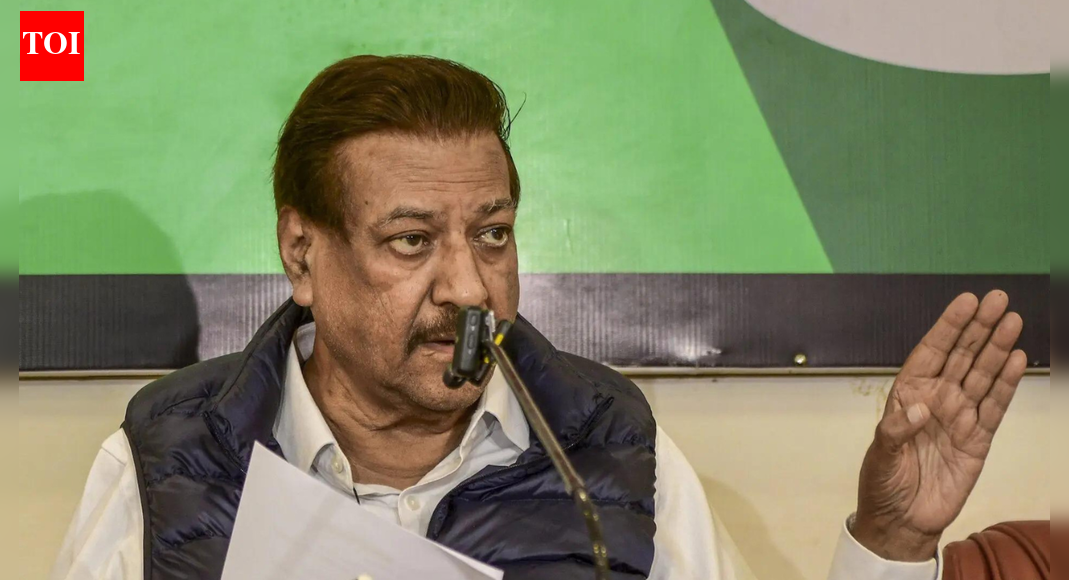
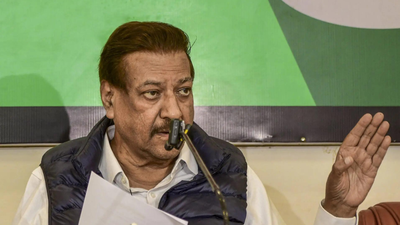
NEW DELHI: Former Maharashtra chief minister Prithviraj Chavan on Tuesday stirred a controversy after he criticised the government for not taking a stand after the US captured Venezuelan President Nicolas Maduro, saying such an incident could also happen to India.“Whatever has happened in Venezuela is against the UN Charter. An elected president has been kidnapped. It’s a very grave concern that it could happen to any other country tomorrow. Tomorrow it can happen to India,” Chavan said.“India has not spoken as usual, not taken a stand on the Venezuela matter. Russia and China have taken a stand and criticised what America has done. The same thing happened in the Ukraine war. We did not take any side. We did not take a stand on the Israel-Hamas matter, and now here we are, so scared of Americans that we are not even trying to criticise what has happened,” he added.This comes after Venezuelan President Nicolas Maduro and his wife, Cilia Flores, were captured in Caracas and flown out of the country on Saturday in a joint operation involving intelligence agencies and US law enforcement.Subsequently, the ministry of external affairs reiterated India’s support for the safety and well-being of people in Venezuela as the situation in the country remains tense amid US strikes.“Recent developments in Venezuela are a matter of deep concern. We are closely monitoring the evolving situation,” the MEA said in a statement.“We call upon all concerned to address issues peacefully through dialogue, ensuring peace and stability in the region. The Embassy of India in Caracas is in contact with members of the Indian community and will continue to provide all possible assistance,” it added.Meanwhile, this is not the first time Chavan has made headlines for controversial remarks. Earlier in December, Chavan claimed that India was defeated on the first day of Operation Sindoor and that Indian aircraft were shot down during the four-day conflict.“On the first day (of Operation Sindoor), we were completely defeated. In the half-hour aerial engagement that took place on the 7th, we were fully defeated, whether people accept it or not. Indian aircraft were shot down. The Air Force was completely grounded, and not a single aircraft flew. If any aircraft had taken off from Gwalior, Bathinda, or Sirsa, there was a high probability of being shot down by Pakistan, which is why the Air Force was fully grounded,” the Congress leader said.Later, Chavan refused to apologise for his controversial statement and said, “Why will I apologise? It is out of the question. The Constitution gives me the right to ask questions.”


Source link

India inaugurates world’s only 2nd such lab for testing & calibration of air pollution equipment, will curb dependence on imported machines | India News


India inaugurates world’s only 2nd such lab for testing & calibration of air pollution equipment, will curb dependence on imported machines

NEW DELHI: Taking, in what it called, an important step towards environmental governance and reducing dependence on foreign certification systems, India has set up the world’s second National Environmental Standard Laboratory here at the CSIR–National Physical Laboratory (NPL) that will develop requisite testing and calibration facilities for air pollution monitoring equipment in the country.Currently, most of the instruments used in India for air pollution monitoring are imported. These imported instruments, however, come with production certification from international agencies based on the environmental conditions of the certificate issuing countries.

Delhi’s Air Pollution Gets Attention, But Most Indian Cities Are As Bad Or Worse | I Witness

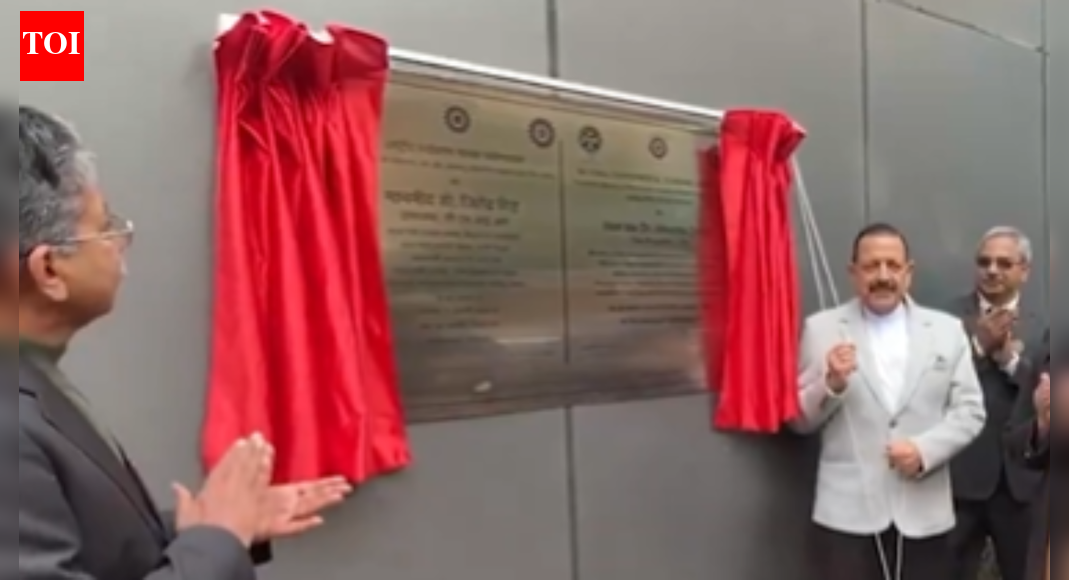
Since environmental conditions of those countries are very different from the conditions prevalent in India, it affects the quality of measurements by the instrument operating for a long time in Indian conditions, CSIR scientists explained. At present, only the UK has such a laboratory.The National Environmental Standard Laboratory, inaugurated by Union science & technology minister Jitendra Singh on 80th Foundation Day celebrations of CSIR–NPL on Monday, will now not only deal with the anomaly arising out of different environmental conditions but also help in manufacturing of standardised monitoring equipment.Domestic production of such instruments will eventually end India’s dependence on import and make it an exporting nation of such equipment to third world countries. The global market value of air pollution monitoring systems is, currently, estimated at $3,997 million.In addition, Singh also inaugurated the National Primary Standard Facility for Solar Cell Calibration, bringing India among a select group of global leaders in photovoltaic measurement standards. Both these facilities will enhance trust in data and drive investment in pollution monitoring and renewable energy.Describing the National Environmental Standard Laboratory as a “critical step towards strengthening India’s environmental governance framework”, Singh said that reliable, India-specific calibration and certification of air pollution monitoring systems was long overdue and would now enable transparent, traceable, and accurate environmental data.The facility will support regulatory bodies, industries, and startups by ensuring that monitoring instruments are tested under Indian climatic conditions. It will thus improve policy enforcement of various schemes including the National Clean Air Programme (NCAP).Terming the facility for Solar Cell Calibration (Solar Energy Complex) a “future-ready facility”, Singh said it would reduce India’s dependence on foreign certification agencies, save foreign exchange, shorten turnaround time for calibration, and enhance investor confidence in the country’s rapidly expanding solar sector.


Source link

Suprme Court denies Umar Khalid, Sharjeel Imam bail; allows it for five co-accused | India News


Suprme Court denies Umar Khalid, Sharjeel Imam bail; allows it for five co-accused

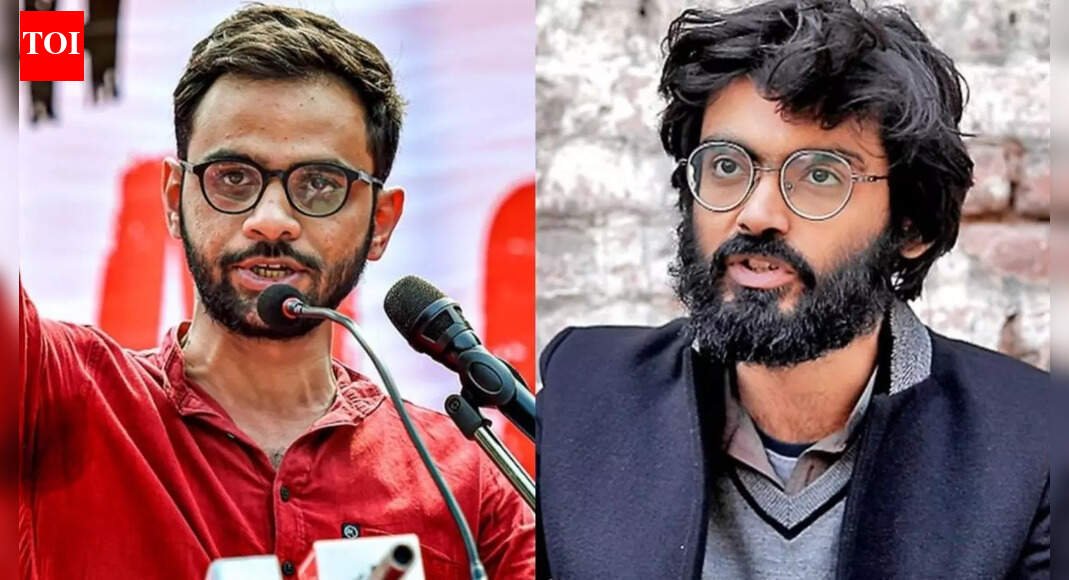
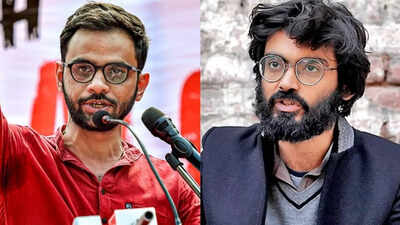
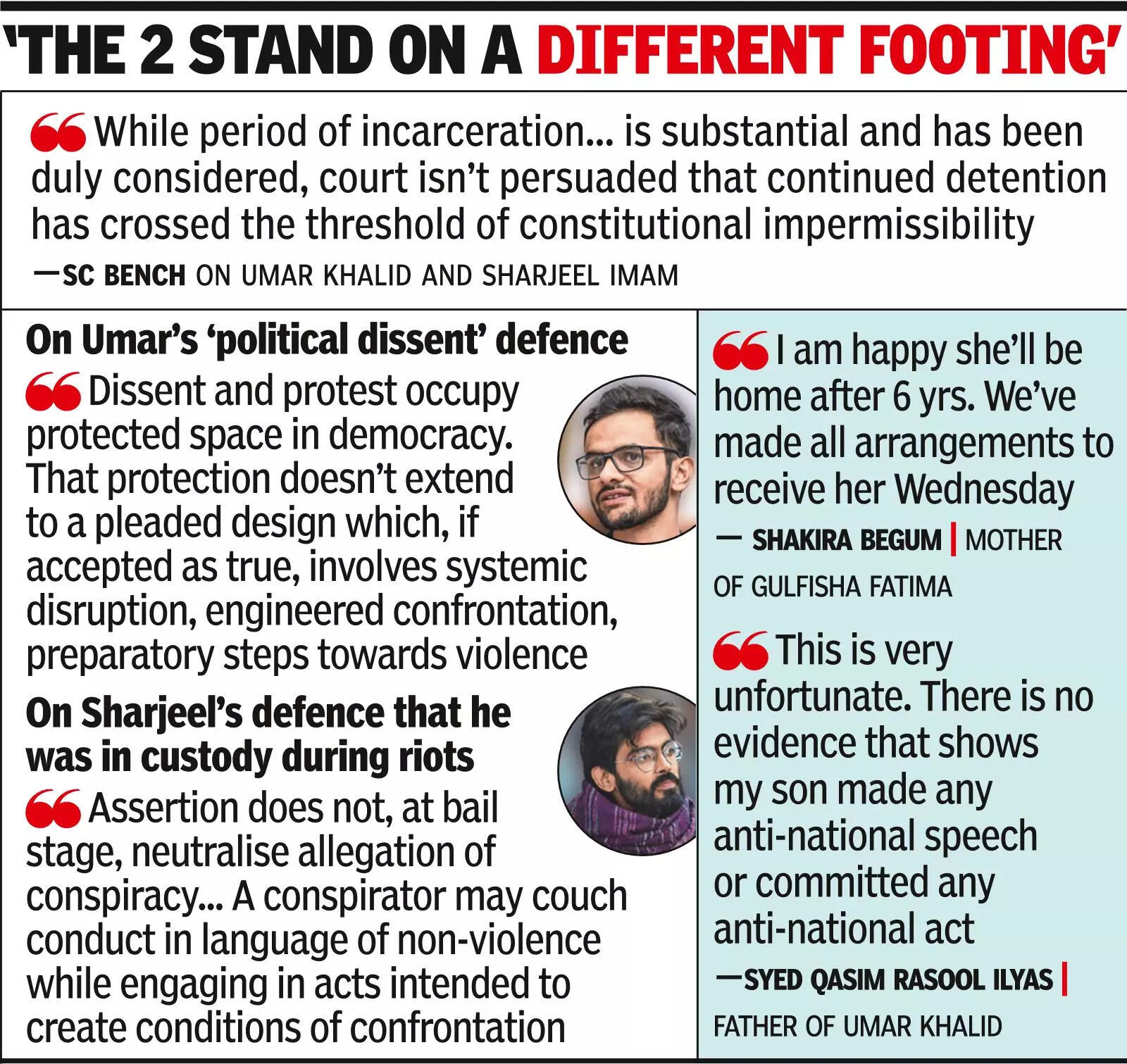
NEW DELHI: Holding that delay in trial and long incarceration cannot be a “trump card” to get bail in UAPA offences and that a court cannot treat liberty of an accused as the sole criterion and societal security as peripheral, Supreme Court Monday rejected bail pleas of student activists Umar Khalid and Sharjeel Imam in the Delhi riots case but granted relief to other five co-accused — Gulfisha Fatima, Meeran Haider, Shifa-ur-Rehman, Mohd Saleem Khan and Shadab Ahmad.

SC denies Umar, Sharjeel bail; allows it for five co-accused

The case relates to protests against the Citizenship (Amendment) Act turning violent, leading to communal clashes during the visit of US President Trump in 2020.

‘Really Happy For Others’: SC Rejects Umar Khalid’S Bail; Partner Shares His Reaction

Khalid and Imam, who along with others have been in jail for over five years, may have to spend another year in prison as the bench of Justices Aravind Kumar and N V Anjaria said they can apply afresh after a year or after all protected witnesses have been examined, whichever is earlier.The bench cited “hierarchy of culpability” to say Khalid and Imam stood on a different footing than the others.

What explains inconsistencies in deciding bail pleas in recent past

Granting bail is the discretionary power of a court and the outcome of a bail plea largely depends on the approach of a bench and that perhaps explains inconsistency of Supreme Court’s in the recent past in deciding cases, particularly those related to serious offences under special acts like PMLA and UAPA which provide stringent bail conditions..In some cases, like those of former Delhi CM Arvind Kejriwal and Tamil Nadu minister, Senthil Balaji, accused’s constitutional right to speedy trial was given precedence over the seriousness of the alleged offence and bail was granted on the ground of long incarceration and delay in trial. In some others; for instance, Gurvinder Singh v State of Punjab, gravity of the offence has been the deciding factor, with SC expressly cautioning against the mechanical invocation of prolonged incarceration as a ground for bail in cases involving serious offences under special enactments.While dealing in UAPA case, a three judge bench had in 2021 held that Section 43D(5) of UAPA per se does not prevent constitutional courts to grant bail on grounds of violation of fundamental rights of accused. “Courts are expected to appreciate legislative policy against grant of bail but the rigours of such provisions will melt down where there is no likelihood of trial being completed within a reasonable time and the period of incarceration already undergone has exceeded a substantial part of the prescribed sentence,” Justice Surya Kant, now the CJI, who penned the judgement for the bench said. Justice Kant had said such an approach would safeguard against the possibility of provisions like Section 43D (5) of UAPA being used as the sole metric for denial of bail or for wholesale breach of constitutional right to speedy trial.While rejecting bail plea of Umar Khalid and Sharjeel Imam, a bench of Justices Aravind Kumar and N V Anjaria referred to 2021 judgement and said “The same decision, however, does not indicate as laying down a mechanical rule under which the mere passage of time becomes determinative in every case arising under a special statute. The jurisprudence of this Court does not support a construction whereby delay simpliciter eclipses a statutory regime enacted by Parliament to address offences of a special category.It said the proper constitutional question, therefore, is not whether Article 21 (right to life and liberty) is superior to Section 43D (5) of UAPA dealing with the higher bail threshold. “The proper question is how Article 21 is to be applied where Parliament has expressly conditioned the grant of bail in relation to offences alleged to implicate national security. The law does not contemplate an either-or approach. Nor does it contemplate an unstructured blending of statutory and constitutional considerations. What is required is disciplined judicial scrutiny that gives due regard to both”.While granting bail to an accused in 2024 who was under custody for four years and trial had not initiated, SC had said the “the over-arching postulate of criminal jurisprudence that an accused is presumed to be innocent until proven guilty cannot be brushed aside lightly, howsoever stringent the penal law may be”.The court had said, “If the State or any prosecuting agency including the court concerned has no wherewithal to provide or protect the fundamental right of an accused to have a speedy trial as enshrined under Article 21 of the Constitution then the State or any other prosecuting agency should not oppose the plea for bail on the ground that the crime committed is serious. Article 21 of the Constitution applies irrespective of the nature of the crime.In an important ruling, SC in 2024 held that the conventional idea ‘bail is the rule, jail is an exception’ should be applicable not only to IPC offences but also other offences for which special statutes have been enacted like UAPA if the conditions prescribed under that law are fulfilled.In cases of Khalid and Imam the court emphasised that they also contributed to the delay in trial.


Source link

Juvenile at time of crime, man walks free after 13 years | India News


Juvenile at time of crime, man walks free after 13 years

DEHRADUN: Uttarakhand high court has ordered the release of a man who had been serving a life sentence in a 2003 murder case, after it found he was a juvenile at the time of the offence. Mobin, who spent over 13 years in prison, was declared a juvenile in conflict with law, rendering his continued detention unlawful under the Juvenile Justice (Care and Protection of Children) Act. The order was passed by a division bench comprising justices Ravindra Maithani and Ashish Naithani.Mobin had been convicted of murder and robbery under sections 302 and 393 of IPC by the additional district and sessions judge in Roorkee on Feb 15, 2008. His conviction was later upheld by HC on March 20, 2013, with the Supreme Court dismissing his appeal for grant of innocence in Aug 2013.The case dated back to June 24, 2003, when Mobin and four others — Imran, Shaharwan, Mustakeem and Farman — intercepted two men travelling on a scooter near Kaliyar in Roorkee. One of the victims, Jaipal Singh, was killed, while the other, Mahendra Singh, sustained injuries and was robbed. During the course of trial, Mustakeem and Farman were declared juveniles, while the remaining three, including Mobin, were sentenced as adults.Several years after his conviction, Mobin filed an application from jail, stating that he too had been a minor on the date of the offence, requesting that his case be reconsidered in light of the applicable juvenile law. The HC received this communication on June 15, 2021, and subsequently sought a report from police to verify his age. However, the report failed to offer a conclusive determination.On Aug 19, 2025, the court directed its registrar (judicial) to conduct an independent inquiry into Mobin’s age at the time of the incident. The registrar submitted a detailed report based on school records, witness statements and official documents, confirming that Mobin’s date of birth was May 22, 1988 — a finding the court deemed credible and reliable.


Source link

Andhra Pradesh attempting to steal Godavari water: Telangana | India News


Andhra Pradesh attempting to steal Godavari water: Telangana

NEW DELHI: Sparks flew in SC as Telangana opposed Andhra Pradesh’s Polavaram-Nallamala Sagar Project (PNSP) with A Revanth Reddy-led govt accusing AP of attempting to misappropriate its share of Godavari water and N Chandrababu Naidu-led govt charging Telangana of attempting to stall farmer-friendly projects even after taking erstwhile capital city Hyderabad.Telangana through senior advocate A M Singhvi repeatedly pleaded with a bench of CJI Surya Kant and Justice Joymalya Bagchi for a stay on tendering process for preparation of the detailed project report for PNSP alleging that AP govt has decided to proceed despite the Union govt forming a high powered committee led by chairman of Central Water Commission, which had asked AP not to go ahead with it.The bench asked whether a writ petition by a state was maintainable when the core issue pertained to dispute over implementation of allocation of Godavari river water share between the two states, which also involved Karnataka and Maharashtra. It asked Singhvi to take instruction within a week whether Telangana would prefer filing a suit under Article 131 of the Constitution making all three states — AP, Karnataka and Maharashtra — parties.AP through senior advocates Mukul Rohatgi, Jaideep Gupta and Balbir Singh told the court that the project had Telangana’s consent at the time of reorganisation of Andhra Pradesh. Rohatgi said the tender is for preparation of DPR for the irrigation project, which is meant to use only the excess flood water flowing through AP, which is the lower riparian state.Singhvi said there was no means to measure excess flood water and alleged that it was a guise to misappropriate around 200 tmc of water allocated to Telangana, which he said is in the process of building various barrages to utilise its share of 968 tmc water. “It is a huge emotive issue in Telangana as commissioning of the irrigation project would cut the state’s share of Godavari water,” he said.Gupta said, “What is an emotive issue? Can one state stop an irrigation project in another state which is a lower riparian one? Telangana has already taken Hyderabad.” Rohatgi said the project is to take water to drought prone areas & the DPR preparation is being pursued after approval of a pre-feasibility report.


Source link