Breaking News
Abhishek Banerjee presents 3 ‘dead’ voters at TMC rally; takes on EC, BJP | India News


Abhishek Banerjee presents 3 'dead' voters at TMC rally; takes on EC, BJP
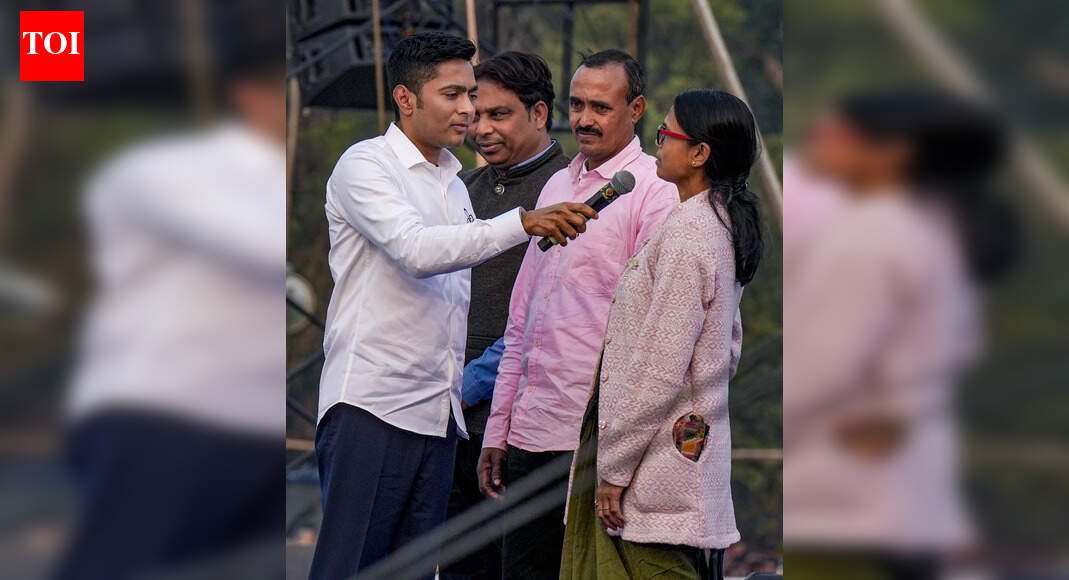
Baruipur: TMC National General Secretary Abhishek Banerjee introduces three people, claiming that they were reported dead in the SIR draft rolls, during a public rally ahead of the West Bengal Assembly election. (PTI Photo/Manvender Vashist Lav)

BARUIPUR: “I will make three ghosts walk,” said Trinamool Congress national general secretary Abhishek Banerjee as he ushered in three people on stage – two men from Metiabruz in Kolkata and a woman from Kakdwip in South 24 Parganas – who he said had been marked dead during the SIR of Bengal’s voter rolls. Flagging off Trinamool’s campaign for the 2026 assembly election with a rally in Baruipur on Friday, Abhishek made it clear that SIR would be the front-and-centre of the party’s poll pitch. Abhishek said, “The day before yesterday, we visited the EC’s office in Delhi. I asked (chief election commissioner) Gyanesh Kumar to publish the list of Bangladeshis whose names have been deleted. He couldn’t do it. Instead, he raised his finger at me. I told him, you are nominated, we are elected. Who are you showing aggression to?” “They thought Trinamool would go on the backfoot if they showed slight aggression. But, we have shown what it is to be a Bengali. One day Abhishek Banerjee went (to meet the CEC), Mamata Banerjee will go, too. Who will save you then?” Abhishek added. Introducing the three people – Monirul Islam Molla, Harikrishna Giri and Maya Das – who were marked ‘dead’, Abhishek said there were many more such instances. “In this (South 24 Parganas) district, 24 people who are alive have been shown dead by EC,” he said. The TMC leader in Lok Sabha then went on to slam BJP, saying: “In the name of logical discrepancies, 1.3 crore people were sent notices to attend SIR hearings. BJP can send (legal) notices to me and Trinamool workers. But why are notices being sent to common people? In 2016, they (BJP) made people stand in line for demonetisation. Ten years later, they are making them stand in line for SIR.”


Source link

Nanda Devi espionage case: No radiation fears from 1965 nuke device lost in Himalayas, says Kakodkar | India News


Nanda Devi espionage case: No radiation fears from 1965 nuke device lost in Himalayas, says Kakodkar
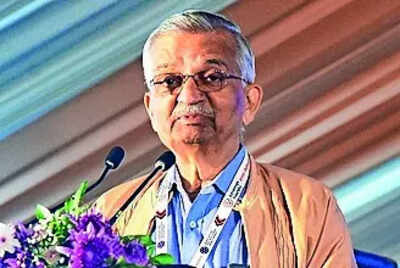
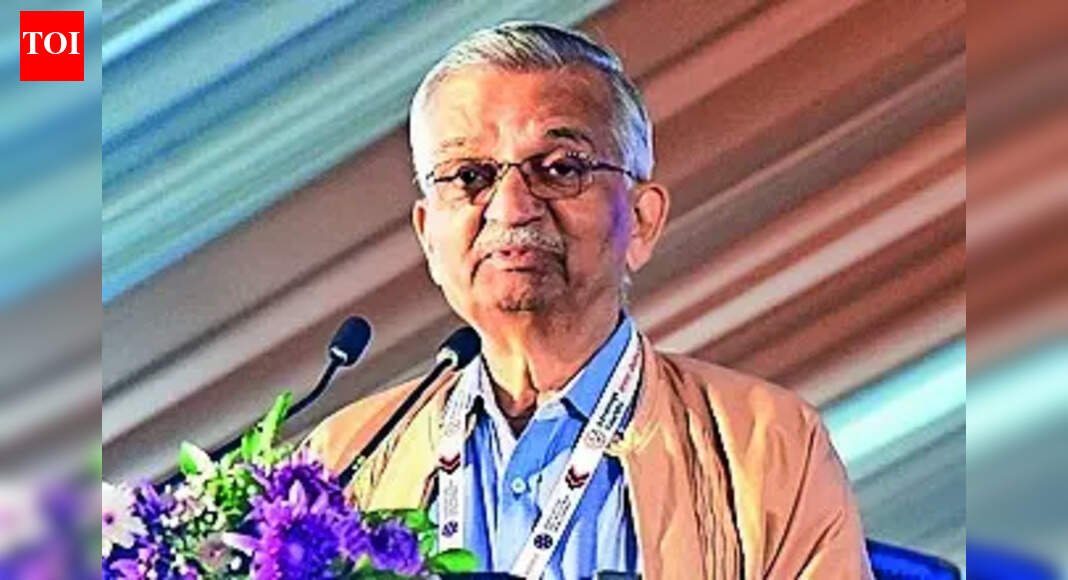
AEC chairman Anil Kakodkar (File photo)

NEW DELHI: Former Atomic Energy Commission (AEC) chairman Anil Kakodkar has allayed fears that a nuclear device, lost in an avalanche over 60 years ago after a failed attempt to place it near Nanda Devi peak in the Himalayas as part of a mission to monitor Chinese nuke tests, could cause radiation in Uttarakhand and the Ganga.“Absolutely nil,’’ Kakodkar told TOI on Friday when asked specifically if there was a chance of the lost device later causing an environmental disaster in areas near Nanda Devi. The statement assumes significance as reports have resurfaced — some as recent as last month — suggesting the SNAP-19-C device of Oct 1965 could cause radiation. The top-secret mission to install the portable nuclear generator was a joint operation of India’s Intelligence Bureau and the US spy agency CIA.Kakodkar asserted the device was “very strong and, above all, corrosion-free”. “So, as per my understanding, there was an extremely slim chance of it getting breached. I know that the integrity of the nuclear capsule was very good so there was no cause for alarm.”The former Indian nuclear chief explained the deployment further, saying “there was a need for power supply for the mission and nuclear power was the answer”.Led by well-known Indian mountaineer MS Kohli, the mission was essentially a response to a nuclear test Beijing had carried out on Oct 16, 1964, at Lop Nor in China’s Xinjiang region.The challenging project was conceived at a cocktail party at National Geographic Society’s office in Washington DC during a conversation between General Curtis Le May, former head of the US Air Force, and eminent American mountaineer Barry Bishop.The story was first broken in US magazine Outside in April 1978 by an investigative reporter, Howard Kohn. It was titled “The Nanda Devi Caper”. India came to know about the super-secret operation when former PM Morarji Desai made a disclosure about it in Parliament on April 17, 1978.Recently, the Uttarakhand tourism ministry expressed fears that the lost device could prove an environmental hazard and requested PM Narendra Modi to take up the issue with US officials.BJP MP Nishikant Dubey has also brought up the matter, wondering on social media whether the device “was causing environmental havoc”. A former RAW official, RK Yadav, had expressed similar fears, publishing a book on the subject in 2019 called Nuclear Bomb In Ganga.


Source link

CDS inaugurates upgraded runway at IAF base in Car Nicobar island | India News


CDS inaugurates upgraded runway at IAF base in Car Nicobar island
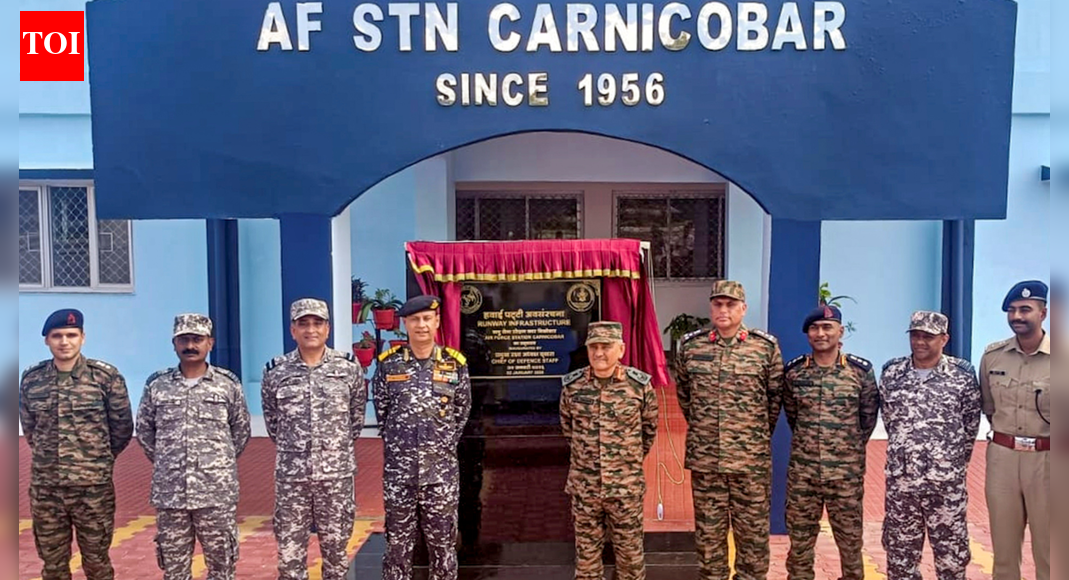
CDS Gen Anil Chauhan with senior military officials during the inauguration of the resurfaced and upgraded runway at the IAF’s Car Nicobar air base in Andaman and Nicobar Islands on FridaY. (Credit: A&N Command)

NEW DELHI: Chief of Defence Staff General Anil Chauhan on Friday inaugurated a major runway upgrade at the Indian Air Force’s Car Nicobar air base, a move aimed at strengthening India’s strategic reach over the vital Malacca Strait.Car Nicobar, which once bore the brunt of a deadly tsunami in 2004, gets the new modernised infrastructure that is designed to enhance the IAF’s rapid response capabilities and strengthen India’s military posture in the eastern Indian Ocean.The CDS, who arrived at Car Nicobar around 11.30 am, was welcomed by Vice Admiral Ajay Kochhar, commander-in-chief of the Andaman and Nicobar Command (ANC) and several other senior officials on the island. Significant changes done as part of the base facelift include the expansion of the apron areas for smooth aircraft movement. The new facility will help the IAF carry out long-range firing exercises in a minimal time.Car Nicobar is a key part of the ANC 0— the country’s only tri-service command integrating the Army, Navy, and Air Force. Positioned at the heart of the Bay of Bengal, it acts as a springboard for operations across the Indo-Pacific. Second, the base enables rapid deployment, humanitarian assistance and deterrence against threats to India’s maritime security. And most importantly, its strategic location near the Malacca Strait underscores its role in safeguarding some of the world’s busiest sea lanes.On Dec 26, 2004, Car Nicobar was shattered by a monstrous tsunami that claimed the lives of 122 air warriors and their family members. Hundreds of civilians were also killed. The coastline was redrawn, villages erased and haunting “ghost towns” left behind.The tsunami forced India to rethink its strategic posture in the Indo-Pacific. Car Nicobar, once a site of grief, was rebuilt as a hub of resilience. Today, the airbase hosts C-130J Super Hercules aircraft, elite paratroopers and advanced surveillance systems.


Source link

‘Abhishek following path shown by Rahul’: Congress, Trinamool spar over credit for exposing ‘vote chori’ | India News


‘Abhishek following path shown by Rahul’: Congress, Trinamool spar over credit for exposing ‘vote chori’

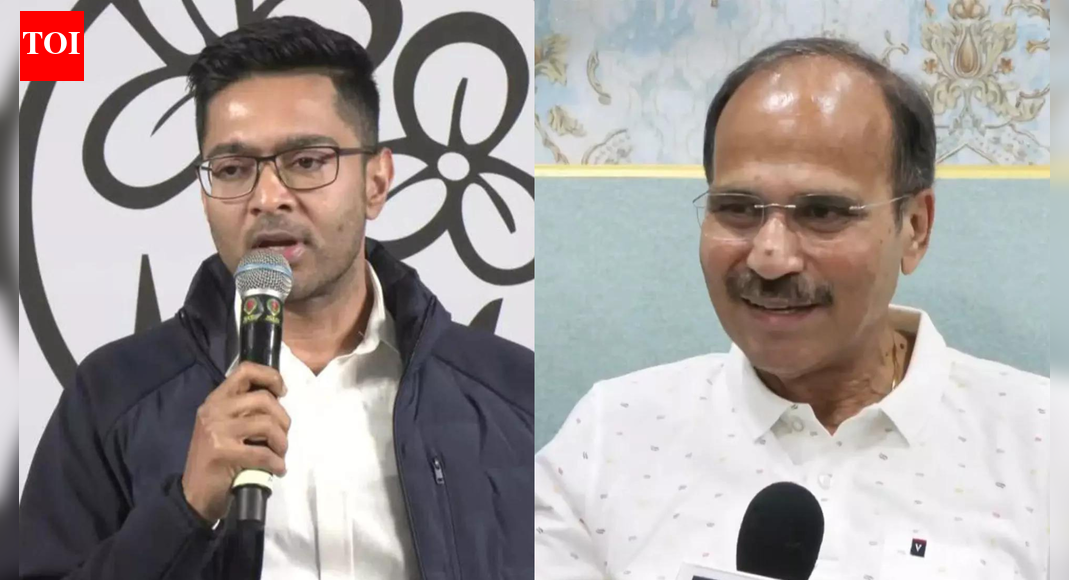
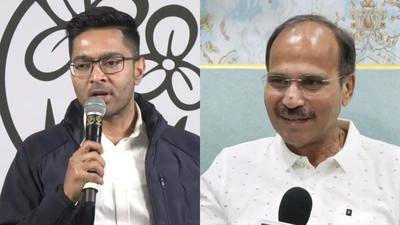
NEW DELHI: The high-decibel “vote chori” campaign led by Rahul Gandhi, which had united the opposition cutting across party lines last year, now seems to have created a divide between them. This, after Trinamool Congress leader Abhishek Banerjee claimed that the Congress and some other regional parties had failed to understand how the game of “vote chori” was happening through the process of Special Intensive Revision (SIR) of electoral rolls under the watch of the Election Commission. The Trinamool leader also questioned the approach of these parties as he asserted that the “fight against vote chori was on the ground at the booth level and not on social media and TV channels.” The Congress reacted sharply to his remarks. And the charge was led by West Bengal leader Adhir Ranjan Chowdhury, who has been one of the strongest critics of Mamata’s Trinamool Congress. Adhir accused Abhishek, who is the nephew of Mamata Banerjee, of following Rahul Gandhi by walking on the path shown by the former Congress president to take credit. “Everyone in India and even across the world knows that it is Rahul Gandhi who had exposed “vote chori” in elections and attacked the Election Commission and it was his sustained campaign that even forced the Supreme Court to intervene at least five times in the process of SIR. This nephew of Bengal is now trying to copy the agenda of Rahul Gandhi and take credit,” Adhir said, attacking Mamata’s nephew.Chowdhury, who is a former West Bengal Congress president, also alleged that Mamata’s nephew always attacked and abused the Congress while not saying anything against the BJP.“When he was called for questioning by the ED, he came out and attacked the Congress, not the ED or the BJP. Now, he went to the ECI office, and then, as he stepped out, he again abused the Congress. Let people see for themselves who he is working for. He doesn’t say a single word against the Bharatiya Janata Party (BJP),” Adhir said.Congress’s reaction came after Abhishek Banerjee claimed that “vote chori” was happening through the electoral rolls and not the EVMs.“Vote chori is happening in voter lists through the electoral rolls and not in the EVMs.If the Congress and other parties could have caught this game, the BJP would have lost all the states it won last year. Such high strike rates of BJP in so many states were not a coincidence. Congress, AAP, RJD could not understand the game,” claimed Abhishek Banerjee.He claimed that opposition parties are failing to understand what “algorithms and software are being run to disenfranchise and remove 50 lakh to 1 crore voters” and said if this is not happening, the “poll panel should release a list of 1.36 crore logical discrepancies.”Abhishek also went on to question the approach of these parties in highlighting the “vote chori” allegations. “Those who think that elections can be won by making a few strong remarks on TV channels have got it wrong. The fight is on the ground and you have to fight at the booth level to prevent it,” he said.Clearly, this was a strong message to the Congress, especially Rahul Gandhi, who was the first to make “vote chori” allegations and tried very hard to make it an election issue in Bihar, but failed.Led by Abhishek, the Trinamool Congress has unleashed an all-out offensive against the Election Commission. The Trinamool leader has locked horns with CEC Gyanesh Kumar over the process of SIR and has asserted that his party will not accept the electoral roll if the discrepancies are not removed.“Our position is unambiguous and non-negotiable: The entire list of voters branded under the vague and arbitrary label of ‘Logical Discrepancy’ must be published immediately, with clear Assembly-constituency-wise and category-wise break-ups. The criteria, methodology, and legal authority used to create this category must be placed in the public domain without delay,” the Trinamool has said after a heated meeting with the Election Commission on Wednesday.


Source link

‘Will safeguard his creative legacy, ideals’: Zubeen Garg’s family announces trust in his memory | India News


'Will safeguard his creative legacy, ideals': Zubeen Garg's family announces trust in his memory

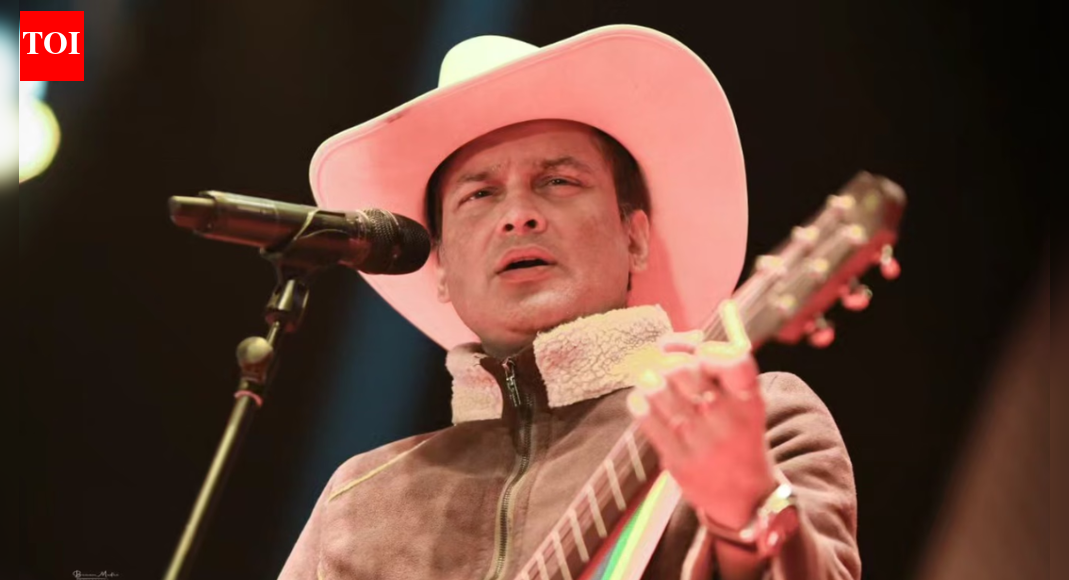
GUWAHATI: The family of celebrated singer Zubeen Garg on Friday announced that they would set up a trust in his name to work for the society in accordance with his vision.The singer’s wife Garima Garg and sister Palmee Borthakur made the announcement at a press conference in Guwahati.

Zubeen Garg’s 53rd Birthday Turns Into Emotional Statewide Tribute In Assam

“We have decided to set up a trust in the name of Zubeen Garg after consultation with our family members, relatives, well-wishers, and people from different walks of life who were associated with him,” Garima said.Members of the ‘Zubeen Fan Club’ will also be working closely with the trust, she added.Garima said the family property in the Kharghuli area of the city will be donated to the trust, which will operate from there.“The trust will work on issues close to Zubeen’s heart, including nature conservation and promoting young talent. It will also take steps for scientific preservation of intellectual property rights of his creations, and have a dedicated research wing that will deal with his life and works,” she said.The trust will work closely with the ‘Kalaguru Artists Foundation’, founded by Garg, in the social and cultural fields, and with ‘Abhinaya: Jonkie Borthakur Performing Arts Academy’, named after the singer’s deceased sister, in undertaking initiatives for the new generation, the family said.They said that through this trust, they were aiming to safeguard his dreams, work, creative legacy, ideals and beliefs for future generations.The 52-year-old singer-composer-actor had died on September 19 while swimming in the sea in Singapore, where he had gone to attend the Northeast Festival.A Special Investigation Team (SIT), which is probing the case, has charged festival organiser Shyamkanu Mahanta, the singer’s secretary Siddhartha Sharma and his two band members Shekharjyoti Goswami and Amritprava Mahanta with murder, and his cousin Sandipan Garg with culpable homicide not amounting to murder.The singer’s two personal security officers (PSOs), Nandeswar Bora and Prabin Baishya, have been charged with criminal conspiracy and criminal breach of trust by misappropriating funds or property entrusted to them.


Source link

Punjab: Mann government expands pregnancy care at Aam Aadmi Clinics; 10,000 women get free ultrasounds in four months | India News


Punjab: Mann government expands pregnancy care at Aam Aadmi Clinics; 10,000 women get free ultrasounds in four months

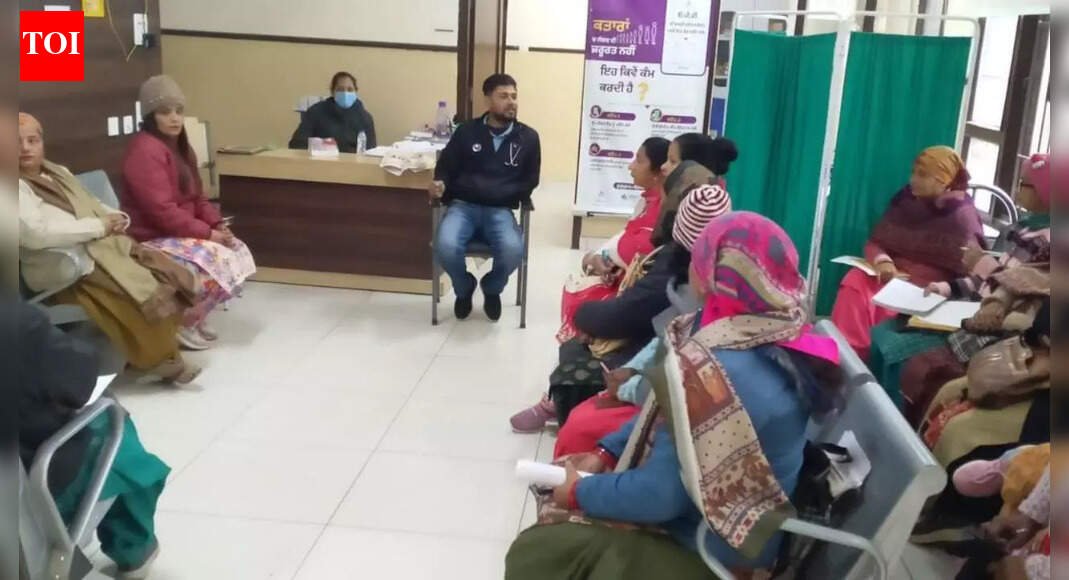
The Punjab government has expanded pregnancy-related healthcare services at Aam Aadmi Clinics, with official data showing increased use of ante-natal care across the state within four months of the rollout.According to the government, more than 10,000 pregnant women have received free ultrasound scans during this period, while around 20,000 expectant mothers are now visiting Aam Aadmi Clinics every month for pregnancy-related check-ups. The initiative aims to strengthen early detection and monitoring at the primary healthcare level amid concerns over maternal health indicators in the state.Punjab records about 4.3 lakh pregnancies annually. Government data shows that fewer than 70% of pregnant women earlier received a first antenatal check-up and less than 60% completed the recommended four visits. The state’s maternal mortality ratio stands at 90 per one lakh live births, above the national average, highlighting gaps in regular monitoring and timely referrals.Under the expanded model, Aam Aadmi Clinics now provide a range of ante-natal tests, including blood tests, sugar, thyroid, haemoglobin, HIV and syphilis screening, along with foetal heart rate assessments. Where ultrasounds are required, doctors issue referral slips that allow women to undergo scans free of cost at nearly 500 government-empanelled private diagnostic centres. The market cost of an ultrasound typically ranges between Rs 800 and Rs 2,000.Officials said the system has helped identify around 5,000 high-risk pregnancies every month, enabling follow-up and referral to higher medical facilities when needed. The government estimates that free ultrasound services alone have provided financial relief of about Rs 1 crore so far.Punjab has 881 Aam Aadmi Clinics, which form the backbone of its primary healthcare network. Health minister Dr Balbir Singh said the expansion of pregnancy care through these clinics is intended to improve access to essential services closer to home and reduce the burden on larger hospitals.The government said the focus remains on improving coverage, early diagnosis and continuity of care for mothers and newborns across the state.


Source link

Delhi: Court convicts 3 including MCD Engineer for demanding bribe for house construction | India News


Delhi: Court convicts 3 including MCD Engineer for demanding bribe for house construction

NEW DELHI: The Rouse Avenue court has recently convicted three people, including MCD’s Junior Engineer, for allegedly demanding and accepting a bribe for allowing the construction of a house. It was alleged that the complainant was threatened if the demand was not fulfilled. One accused was caught red-handed while accepting the bribe.While convicting the accused, the court said there was sufficient evidence to hold all three. The CBI registered a case in 2024 on a complaint filed by Arun Kumar Gupta.Special Judge (CBI) Shailender Malik convicted Surender Kumar, Surender Kumar Jangra and MCD Junior Engineer Ramesh Chand Jain.“Therefore, all three accused persons are held guilty for the offence under Section 7 of the P.C. Act, 1988 (as amended in 2018), read with Section 120B of IPC,” Special Judge Malik said in a judgment of December 24.The court concluded that there is sufficient evidence that Surender Kumar and Surender Kumar Jangra demanded the bribe, and that Surender Kumar was found red-handed accepting it, which was recovered from his possession.The court further concluded that there is sufficient evidence on the record that Surender Kumar and Surender Kumar were doing so in connivance and conspiracy with Ramesh Chand Jain, who was actually working as JE in MCD. It was alleged that on March 18, 2024, the accused demanded Rs. 30,000 to allow construction of the complainant’s house at the behest of Ramesh Chand Jain. This was reported to the CBI. Accused Surender Kumar was arrested while accepting the bribe of Rs. 15,000.The court has listed the matter for hearing arguments on the sentence on January 5.


Source link

‘AQI significantly improved’: GRAP III revoked across Delhi, NCR; stage I, II measures remain | India News


'AQI significantly improved': GRAP III revoked across Delhi, NCR; stage I, II measures remain

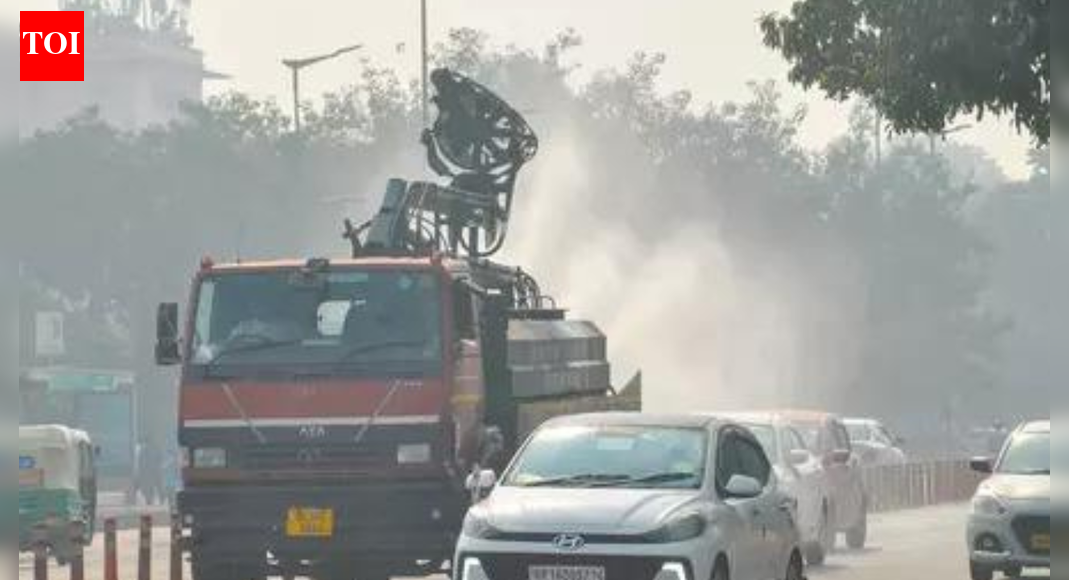
NEW DELHI: The Commission for Air Quality Management (CAQM) lifted GRAP 3 curbs on Friday in Delhi-NCR as air quality showed significant improvement. The air quality index dropped from 380 on Thursday to 236 by Friday afternoon.“The AQI of Delhi, which was recorded as 380 on Thursday, has significantly improved and recorded 236 at 4 pm on Friday, exhibiting a trend. Keeping in view the prevailing trend of air quality, the CAQM Sub-Committee on GRAP decides to revoke all actions as envisaged under Stage-3 of the extant GRAP, with immediate effect, in the entire NCR,” an official, quoted by PTI, said.

‘Can’t Stay Two Days In Delhi’: Gadkari On Severe Pollution, Transport Sector Role

However, the commission will continue to enforce measures under Stages 1 and 2 of GRAP to maintain air quality standards.Delhi-NCR has been struggling with severe pollution levels. All measures under Stage III (‘Severe’ AQI: 401–450) were invoked in December after the AQI rose, slow wind speeds, a stable atmosphere and unfavourable meteorological conditions, leading to poor dispersion of pollutants.What’s banned under GRAP 3

  • Non-essential construction and demolition: earthwork, piling, open trenching, welding, painting, plastering, tile/flooring work, RMC plants.
  • Transportation of construction materials like cement, sand, and fly-ash on unpaved roads.
  • Stone crushers, brick kilns, and mining activities.BS-III petrol and BS-IV diesel four-wheelers; non-essential diesel-powered medium goods vehicles; inter-state diesel buses not running on CNG, electricity, or BS-VI standards.
  • Industries using unapproved fuels.

What’s allowed / exempted

  • Essential infrastructure and public service projects: metro, railway, airport, highway, defence, healthcare, sanitation projects.
  • Construction work for critical projects with strict dust control and waste management.
  • Persons with disabilities using exempted vehicles.Use of public transport and hybrid/online school classes up to Grade 5.


Source link

From wheat to milk: Uttar Pradesh’s agriculture clocks record output, boosts farm incomes | India News


From wheat to milk: Uttar Pradesh’s agriculture clocks record output, boosts farm incomes

NEW DELHI: Uttar Pradesh has recorded remarkable growth in its agricultural sector, driven by government initiatives aimed at increasing productivity, supporting farmers, and promoting diversified farming. These efforts have led to historic outcomes, with higher crop yields, increased incomes for farmers, and a growing contribution to national production.Uttar Pradesh continues to be a leader in staple crop production. In 2024–25, wheat production reached 414.39 lakh metric tons, making the state the largest wheat producer in India, contributing 35.3% to the national total. Rice production also grew significantly, with 219.2 lakh metric tons, ranking Uttar Pradesh second in the country and contributing 14.7% to national rice production.Over the past eight years (2016–17 to 2024–25), wheat and rice productivity saw unprecedented growth. Wheat productivity grew by 42.8%, up from an average of 8.7% during 2001–02 to 2016–17. Similarly, rice productivity increased by 47.7%, compared to only 14.8% in the previous period. The state’s share in national wheat production rose from 12.5% to 30.5%, and rice production from 14.7% to 35.3%, reflecting the impact of progressive agricultural policies.

Oilseeds and pulses

In 2024–25, Uttar Pradesh produced 2.92 lakh metric tons of oilseeds, contributing 6.9% to India’s total production, up from 3.3% in 2016–17. Total pulses production reached 3.56 lakh metric tons, increasing the state’s share from 0.6% in 2016–17 to 1.4% in 2024–25.The government’s timely crop diversification efforts and supportive schemes have been credited for these gains, ensuring higher productivity and income for farmers.

Sugarcane, industrial crops growth

Sugarcane production in the state reached 2,455.3 lakh metric tons in 2024–25, making Uttar Pradesh the leading sugarcane-producing state with a 54.5% share of national production. This growth has also boosted sugar and ethanol production. Since 2017, sugarcane farmers have received fair prices, raising their income by about 7.2 times.Among industrial crops, potato production reached 244.65 lakh metric tons, contributing 40.7% to national output. Banana production increased to 7.17 lakh metric tons, making the state the top banana producer. Other vegetables totaled 42.34 lakh metric tons, and total spice production reached 3.7 lakh metric tons. Flower and aromatic plant production also saw remarkable growth, with the state contributing 20.9% to national output, up from 7.4% in 2016–17.

Livestock, dairy and fisheries development

Uttar Pradesh has strengthened livestock conservation and productivity through improved breeding facilities, medical services, and vaccination campaigns. Total milk production reached 414 lakh metric tons, accounting for 20% of national output. Under the “Rashtriya Gokul Mission,” artificial insemination has expanded to 80% of villages, improving cattle breeds and increasing milk yield from 4.9 kg per day in 2017–18 to 5.32 kg per day in 2024–25.Inland fish production is projected to reach 13.30 lakh metric tons by 2024–25, making Uttar Pradesh a leader in fish production. Egg production and other livestock-based activities have also seen steady growth, contributing significantly to farmers’ incomes.

Farmer welfare

The state government has implemented a wide range of initiatives to improve farmer livelihoods:

  • Financial Support: Over Rs 80,000 crore transferred to 2.86 crore farmers through PM-Kisan Samman Nidhi.
  • Irrigation Projects: 31 irrigation projects completed since 2017–18, benefiting 46.69 lakh farmers, along with modernization of 6,600 government tube wells.
  • Digital Integration: Launch of the “UP Mandi Bhav” app providing free market prices and weather updates.
  • Renewable Energy: 93,062 solar pumps allocated under PM-KUSUM scheme.
  • Women Empowerment: Employment opportunities for 60,000 women through seedling production by self-help groups.
  • Sugar Industry Growth: 3 new mills established, 6 restarted, 38 expanded, generating direct/indirect employment for 1.25 lakh people.
  • Animal Welfare: 7,727 cow shelters established, protecting 16,35,251 cattle.

Additionally, schemes like Mukhyamantri Sahbhagita Yojana and Nandini Krishak Samriddhi Yojana have supported cattle adoption and milk production, while Farmer Credit Cards and fisheries promotion schemes have strengthened farmer access to credit and income diversification.

Horticulture and specialised crops

Specialised agriculture and horticulture have also seen major investments:

  • Centers of Excellence (CoE) established for fruits, vegetables, ornamental plants, potatoes, dragon fruit, date palm, citrus, dryland horticulture, and cactus in various regions.
  • Retail Outlets for organic and natural products set up at divisional headquarters.
  • Krishi Vigyan Kendras: 20 new centers added, bringing the total to 89 operational KVKs.
  • Export Promotion: UP State Horticultural Export Promotion Board established to boost exports of horticultural crops.

As a result of these comprehensive measures, Uttar Pradesh’s agricultural growth rate increased from 8.6% in 2016–17 to 17.7% in 2024–25. The state now produces 400 lakh tonnes of fruits and vegetables annually, with farmers benefiting from higher yields, better prices, and diversified sources of income.The government’s efforts in irrigation, technology, livestock management, and specialized agriculture have positioned Uttar Pradesh as a model state for agricultural development, ensuring sustainable growth and improved livelihoods for farmers.


Source link

Congress at 140: Is the grand old party ready to make a comeback in 2026? | India News


Congress at 140: Is the grand old party ready to make a comeback in 2026?

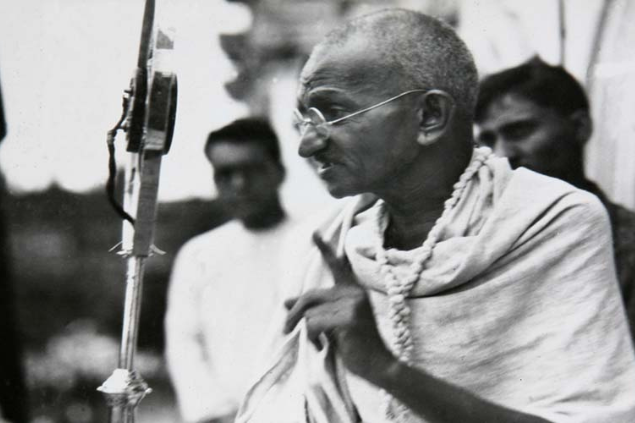
Mahatma Gandhi once envisioned a future where the Congress would quietly dissolve itself into a Lok Sevak Sangh after Independence, having fulfilled its role and returned power to the people. History, as it often does, chose drama instead. The party stayed on, grew older, heavier with legacy — and now, at 140, finds itself older than independent India and still very much in the business of electoral survival.Founded in 1885, the Indian National Congress didn’t just witness the making of modern India; it scripted large parts of it. But fast-forward to the present, and the party that once defined the political centre is struggling to locate it. The slogans are loud, the marches long, the symbolism familiar—but dominance has been replaced by damage control, and nostalgia no longer guarantees votes.

Rahul Gandhi Attacks Modi Govt In Germany, Says ‘West, India Handed Over Production To China’

-

Now, stepping into its 141st year, the Congress has little time to blow out birthday candles and even less room to get things wrong. A series of assembly elections across five states is lining up as its next reality check, testing whether fresh campaign calls, revived alliances, and lessons from a bruising 2025 can finally add up. From rebranding protest politics to fighting key battles in the south and the northeast, the grand old party is once again at the crossroads — older, wiser, and under pressure to prove it still knows the way forward.

Does Congress need to change its campaign calls?

Save the Constitution, vote chori, caste survey — these are some of the battle cries Congress tried to campaign on. Rahul Gandhi walked miles for it. While the leader of the opposition in Lok Sabha may have charmed those he walked with, the votes did not enter its account.2026, however, would see a break from these campaign calls as the Grand Old Party announced nationwide protests against the BJP-led central government for replacing the rural employment scheme – MGNREGA – with VB G-RAM-G law.“We also pledge to democratically oppose every conspiracy to remove Gandhiji’s name from MNREGA,” Mallikarjun Kharge said at the CWC meet as he announced the campaign from January 5.But the question is, would the people who need the scheme relate to “conspiracy to remove Gandhiji’s name from MNREGA”?While the CWC release does highlight what it describes as the systematic dilution of MNREGA, including unilateral changes to the scheme’s structure without consultation or parliamentary debate, the beneficiaries in whose name the Congress is mobilising are unlikely to engage with or prioritise such detailed party statements.Also read: Rahul Gandhi walked 1,300 km but Congress still went downhill

Battle in the South and the Northeast

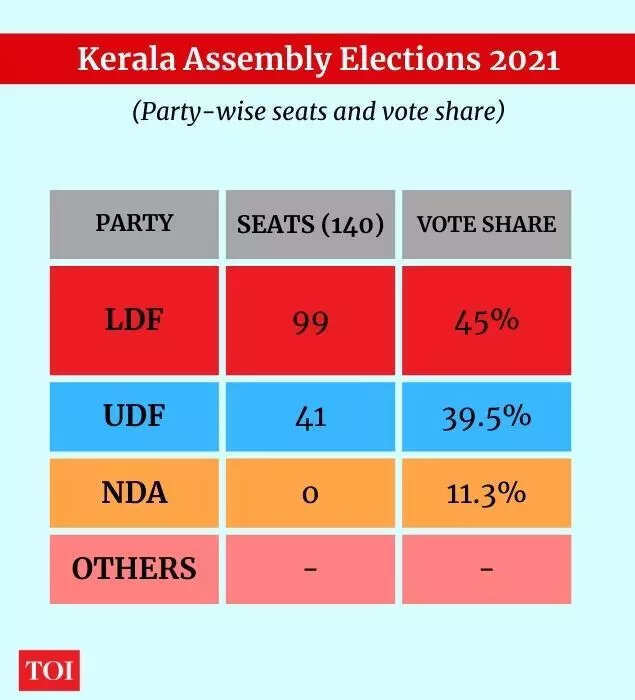
KeralaOut of the five states that are set to see ballot contests this year, Kerala, Assam and Puducherry remain the crucial ones for Congress. The party will directly face the BJP or the Left in these assembly elections.The party is riding on high confidence with a sweeping comeback in the Kerala local body polls. However, the BJP-led NDA’s Trivandrum win cannot be ignored.

-

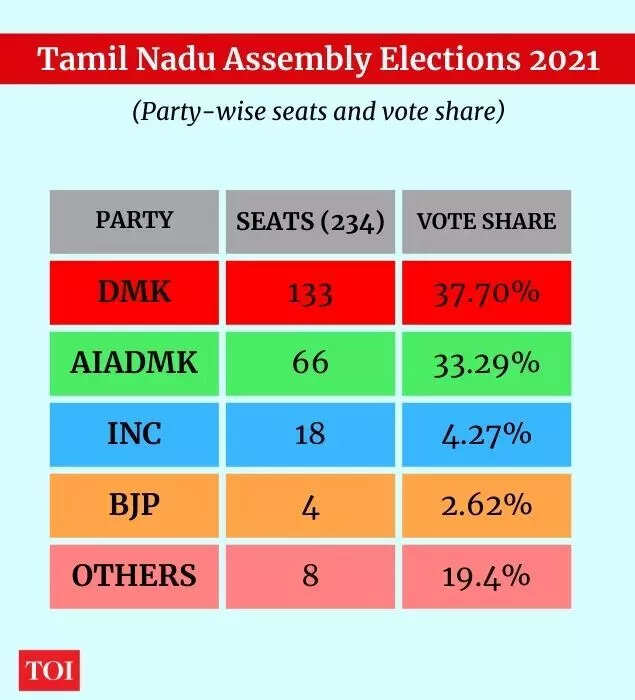
The local body election results offer the Congress-led UDF a clear strategic edge heading into the upcoming assembly polls. A pronounced anti-incumbency wave has cut through the LDF’s welfare and governance narrative, pushing the Left to its weakest grassroots position in years and denting its push for a third consecutive term.While the BJP’s expanding footprint has complicated Kerala’s traditional bipolar contest, the erosion of LDF dominance gives the UDF momentum, credibility, and a renewed claim as the principal alternative as the assembly battle approaches.AssamAfter its 2016 defeat in Assam—driven by deep anti-incumbency, alliance consolidation by the BJP, and voter frustration over corruption, jobs, and governance—the Congress is recalibrating its approach. This time, the party is foregrounding a grassroots-first strategy through its “Raijor Podulit Raijor Congress” campaign, aimed at rebuilding credibility from the bottom up. By crowdsourcing inputs for its manifesto via thousands of “aspirational boxes” and sustained community outreach across regions, the Congress is seeking to address precisely the issues that cost it power earlier: employment, fair wages for tea workers, flood management, public health, and governance delivery.At the organisational level, the Congress is also positioning itself as the anchor of a broad opposition alliance to take on the BJP, while trying to avoid the fragmentation that helped its rivals in the past.However, the decision to contest 100 of 126 seats has exposed fault lines within the alliance, making seat-sharing and coordination a key test of leadership. Balancing assertiveness with accommodation, translating consultation into votes, and countering the BJP’s entrenched narrative on identity and development remain the party’s central challenges as it looks to convert renewed mobilisation into an electoral comeback in Assam.Tamil NaduCongress finds itself walking a tightrope within the DMK-led alliance. While it wants to improve its bargaining position by pressing for a higher number of seats, the party has to contend with its relatively weak independent base in the state and the DMK’s clear upper hand.

-

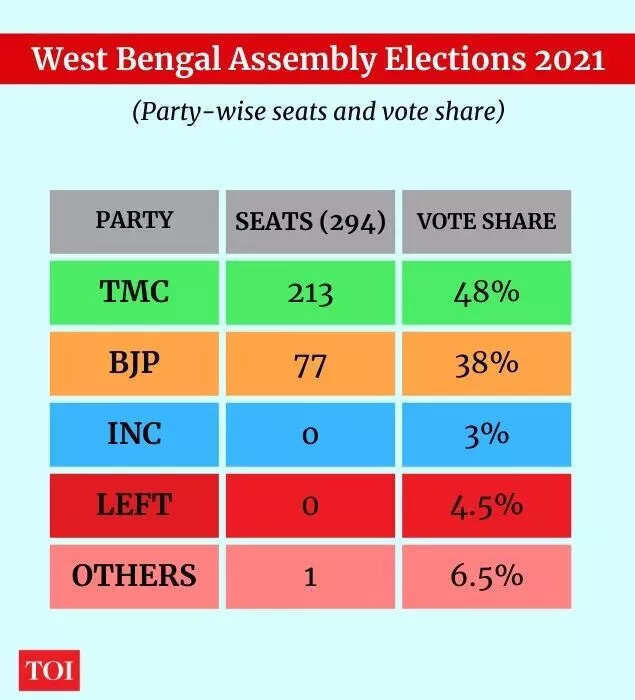
The party’s challenge lies in projecting relevance and cohesion without appearing disruptive, ensuring smooth coordination at the grassroots for vote transfer, and managing internal ambitions—all while avoiding strain in a long-standing alliance that remains crucial for its electoral survival in Tamil Nadu.Conflicting actions by individual leaders, including high-profile meetings outside the alliance framework, have added to doubts about unity and discipline, even if these are intended mainly to strengthen Congress’s hand in talks. West BengalCongress heads into the West Bengal polls facing an existential challenge shaped by years of steady decline and shrinking political space. From being a significant player with strongholds in Malda and Murshidabad a decade ago, the party has slipped into near irrelevance, drawing a blank in the 2021 assembly election and losing even its traditional bases. This collapse has coincided with the BJP’s rapid rise as the principal opposition to the Trinamool Congress, leaving Congress squeezed out of the bipolar contest. Compounding the problem is Mamata Banerjee’s clear insistence on going it alone, shutting the door on any meaningful alliance and reducing Congress’s bargaining power to zero.

-

With no dominant leader, weak organisation, and little clarity on whether it is fighting for seats, vote share or mere visibility, Congress enters the 2026 battle not just struggling to regain relevance, but fighting to remain a credible political force in Bengal at all.

Team Rahul vs Team Priyanka

The recent remarks from within and around the Congress have given fresh momentum to the question of whether the party is informally sounding out Priyanka Gandhi Vadra as a larger leadership option amid its ongoing churn.

-

Priyanka Gandhi The letter by former Odisha MLA Mohammed Moquim, questioning Mallikarjun Kharge’s effectiveness and explicitly citing age and youth disconnect, reflects a deeper anxiety within sections of the party about stagnation and electoral drift. Endorsements of Priyanka—ranging from Imran Masood’s projection of her as a prime ministerial face to Robert Vadra’s acknowledgement of growing demands—suggest an undercurrent that sees her as a potential unifying figure who could reconnect the party with voters. Rather than a clear leadership challenge, the episode points to a Congress struggling to balance generational renewal, organisational reform and its continued reliance on the Gandhi family, with Priyanka emerging less as a declared alternative and more as a symbol of unresolved succession questions.

Rahul was visible, a little too much? A lookback at 2025

2025 was a year of motion without payoff for the Congress. Rahul Gandhi’s 1,300-kilometre march through Bihar—spanning 25 districts and 110 seats—came loaded with slogans, symbolism, and carefully curated local flavour. From gamchas and Bhojpuri soundbites to makhana and motorbike rides, the outreach was exhaustive. The results were not. Voters showed up, but they did not line up behind the Congress, leaving the party staring at one of its weakest performances in the state and once again exposing the gap between optics and organisation.

-

That disconnect played out across the electoral map. The promise of 2024’s Lok Sabha showing evaporated in the 2025 Assembly elections in Haryana, Maharashtra, Madhya Pradesh, Rajasthan, and Delhi. Haryana slipped away amid factional squabbles and the absence of a decisive state leader. Maharashtra saw alliance fatigue within the MVA blunt Congress’s impact. In Madhya Pradesh and Rajasthan, the BJP’s machine, backed by Narendra Modi’s enduring pull, steamrolled Congress campaigns. Delhi remained a write-off. Jharkhand stood apart, where the Congress survived by riding on the back of a strong JMM alliance and a welfare-driven pitch—less a revival than a reminder of where the party still works.Rahul Gandhi ensured the Congress never vanished from the headlines, sharpening his attacks with claims of “vote chori” and warnings of systemic voter fraud. The rhetoric kept the narrative alive, but elections are won on the ground, not in press conferences. By the end of 2025, the verdict was hard to miss: the Congress can still set the conversation, but without organisational discipline and credible state leadership, it continues to lose the contest.

Source link