Breaking News
Himachal Pradesh: Doctors end stir as CM Sukhvinder Sukhu assures sacking ‘review’ | India News


Himachal Pradesh: Doctors end stir as CM Sukhvinder Sukhu assures sacking 'review'

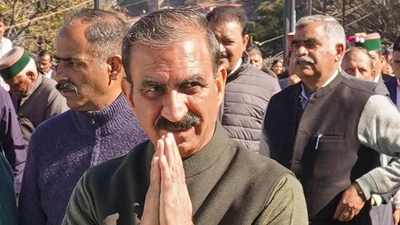
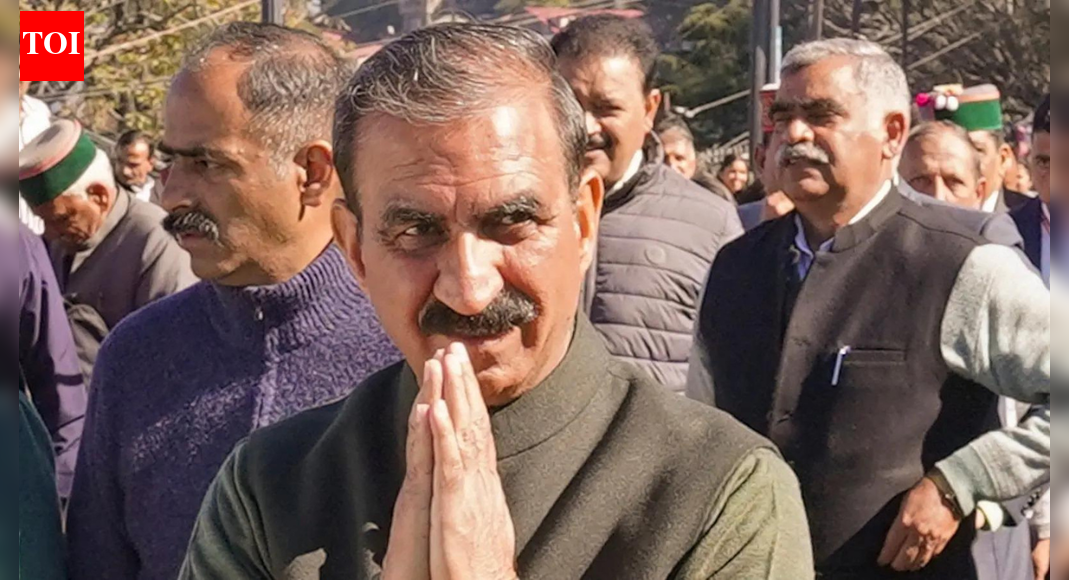
File photo: Himachal Pradesh CM Sukhvinder Sukhu

KULLU: Within hours of Himachal Pradesh CM Sukhvinder Sukhu’s appeal to doctors, Resident Doctors Association of IGMC-Shimla called off its str-ike Sunday. “Instead of trusting me, doctors went on strike,” Sukhu remarked, adding the decision to sack Dr Raghav Narula would be reviewed.“Following the assurance given by the CM that a detailed inquiry would be conducted into the matter and the termination of Dr Narula would be revoked, the indefinite strike has been withdrawn,” RDA president Sohil Sharma said in a statement, adding RDA would remain “completely vested in the inquiry”.Earlier in the day, the CM urged doctors to join duty from Monday, assuring that govt decisions “can be reviewed”.


Source link

10 Indians dead fighting in Ukraine war, says man who went to Russia | India News


10 Indians dead fighting in Ukraine war, says man who went to Russia

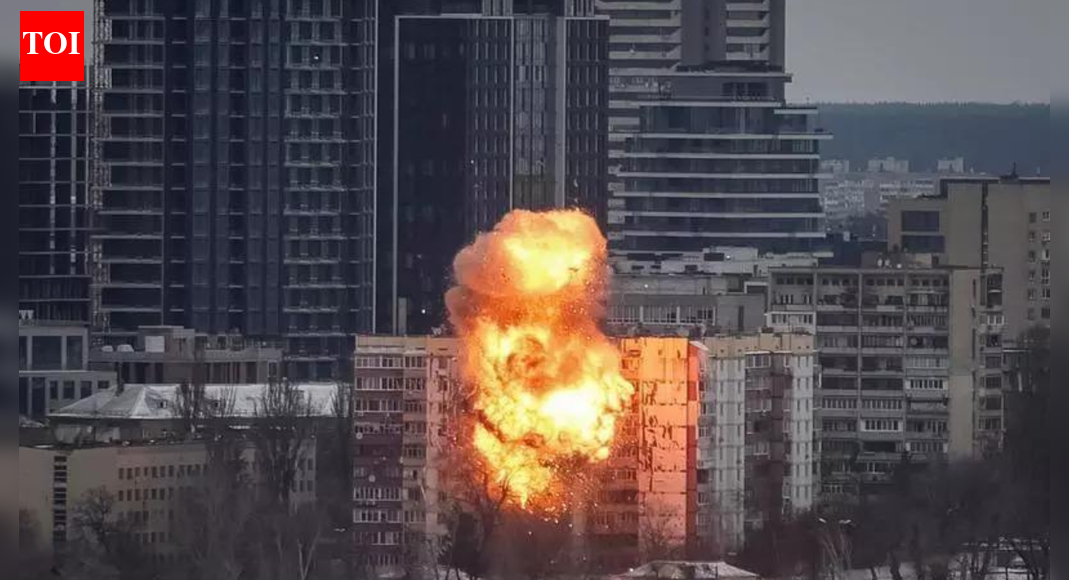
JALANDHAR: At least 10 Indians have been killed in Ukraine, and four are missing after joining the Russian army and being deployed to the frontlines, said a man from Punjab’s Jalandhar, who went to Moscow to look for his missing brother. Three of the dead are from Punjab, and the others are from UP and Jammu.Jagdeep Kumar of Goraya made two trips to Moscow this year in search of his brother Mandeep. After his second visit, he brought back a list of th-ose “confirmed killed according to Russian authorities”.“I have been trying to coordinate with authorities to get their bodies back and called on (Rajya Sabha MP) Baba Seechewal today as he had helped me visit Russia,” he said Sunday. Jagdeep presented all the documents to Seechewal’s office, including those that confirm the deaths.


Source link

‘Mystery doctor’ of Dandakaranya: A shadowy figure with scalpel who’s been aiding Maoists | India News


'Mystery doctor' of Dandakaranya: A shadowy figure with scalpel who’s been aiding Maoists

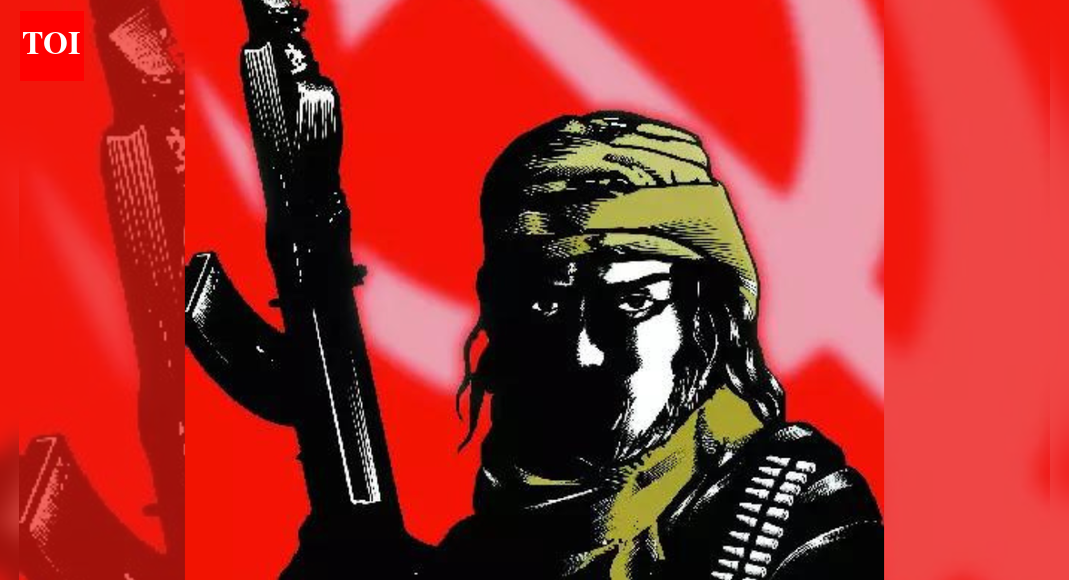
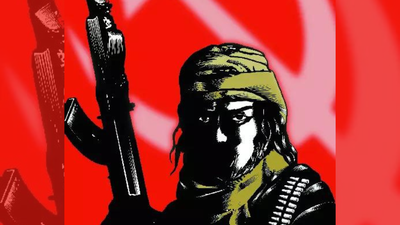
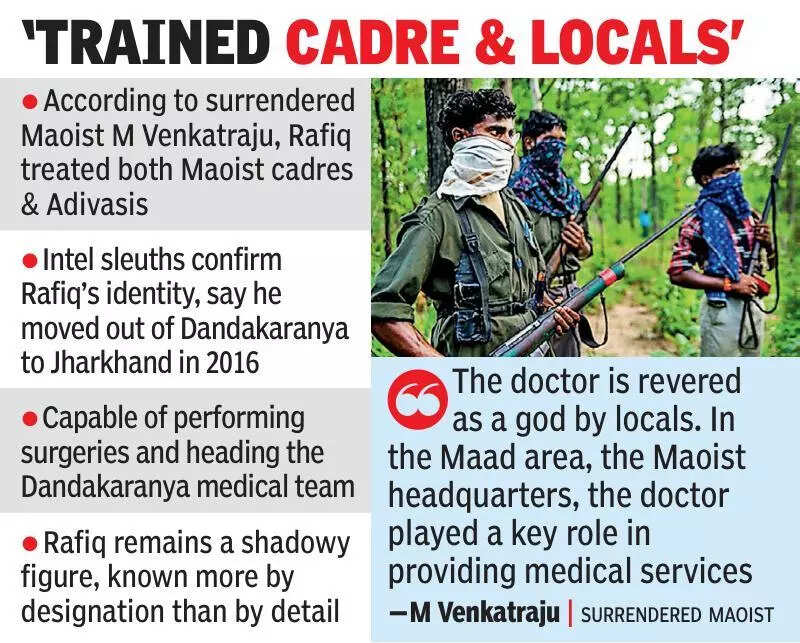
HYDERABAD: By torchlight in deep forest camps, a shadow surgeon once cut close to a beating Maoist heart, fingers steady as a bullet lay lodged centimetres away. For years, the man they called Dr Rafiq worked unseen. Little about him surfaced beyond intelligence files.Now, through surrendered Maoists and security officials, a detailed portrait is emerging of Rafiq alias Mandip — an MBBS from Punjab who joined CPI (Maoist) and spent years building a medical system across Dandakaranya in Chhattisgarh’s Bastar.Surrendered Maoist M Venkatraju alias CNN Chandu described Rafiq as the only formally trained doctor to have joined the movement. He treated cadres and Adivasis, performed emergency surgeries with scarce resources, trained paramedics and documented medicine. He wrote manuals standardising treatment for bullet wounds, malaria, snakebites, gastroenteritis, and battlefield trauma under forest conditions. Chandu told TOI, “He trained locals and cadres in first aid, stitching sutures when a bullet hits, and how to remove the bullet.”Intelligence officers said he moved from Dandakaranya to Jharkhand in 2016, where he remains at large. Rafiq first surfaced in 2013 through confessions of arrested cadres, described then as a “mystery doctor” capable of surgeries and leading Dandakaranya’s medical wing. Police inputs in 2018 referred to “Rinki, wife of MBBS Dr Rafiq”, who allegedly treated senior Maoist commander Prashant Bose.

Dr Rafiq, the ‘mystery doctor’ of Maoists in Dandakaranya

According to Chandu, Rafiq worked from Maad, the Maoist headquarters zone in Abujhmarh. “The doctor is revered as a god by locals,” he said. “People came from far away just to see him.”Forest villages with little or no access to formal healthcare relied on Rafiq for everything from fever treatment to trauma care. Several underground medics, known as “doctors” despite lacking degrees, were trained through Rafiq’s system. Each dalam had at least one trained medical aide, Chandu said. Medical continuity survived even after Rafiq left Dandakaranya.Rafiq also documented herbal medicine knowledge passed down by Adivasi vaddes or pujaris and incorporated it into Maoist man-uals. “Malaria is most common,” Chandu said. “People believed illness meant God was angry. We told them even if they do puja, they should also take medicine.” Prayer and pills coexisted in those manuals, which still circulate in interior areas.While security forces tracked weapons and movement, Rafiq quietly built medical capacity — a parallel health network shaped by war, forests and necessity. As surrenders rise, his trail remains elusive.


Source link
Indus Water Treaty put on hold, government clears another Chenab hydel project | India News


Indus Water Treaty put on hold, government clears another Chenab hydel project

Kishtwar nod comes 2 months after similar OK in Ramban

NEW DELHI: Paving the way for the construction of a project of strategic significance following suspension of the Indus Waters Treaty (IWT), a panel of the environment ministry has approved the 260 MW Dulhasti State-II hydropower project on the Chenab river in Kishtwar district of Jammu & Kashmir.It comes two months after a similar approval was granted for construction of the 1,856-MW Sawalkot hydroelectric project on the same river in Ramban district of the UT. Approvals to the project came from the expert appraisal committee of the ministry on hydel projects.Both these projects will harness the potential of the Chenab – one of the western rivers along with Indus and Jhelum whose waters currently flow unchecked to Pakistan despite India’s right to use it for non-consumptive purposes, including hydro-power generation.Estimated to cost Rs 3,200 crore, Dulhasti State-II is an extension of 390 MW Dulhasti State-I, which has been successfully operating since 2007. Under the plan, water will be diverted from Stage-I through a separate tunnel.The project will require over 8 hectares of private land to be acquired from two villages, Benzwar and Palmer, in Kishtwar district.So far, only 3,482 MW capacity of hydro-power generation units has been constructed by India out of an estimated potential of about 20,000 MW in Jammu & Kashmir which could be harnessed from power projects on its western rivers.IWT was signed between India and Pakistan for sharing of waters of the Indus Basin. Under the treaty, signed in 1960 with the mediation of World Bank, the total waters of the eastern rivers – Sutlej, Beas and Ravi – was allocated to India for unrestricted use while the waters of western rivers – Indus, Jhelum and Chenab – was allocated largely to Pakistan. India has, however, not been fully utilising its legal share due to lack of storage capacity.


Source link

Rural ministry sends detailed report on VB-G RAM G scheme to ministers to counter opposition | India News


Rural ministry sends detailed report on VB-G RAM G scheme to ministers to counter opposition

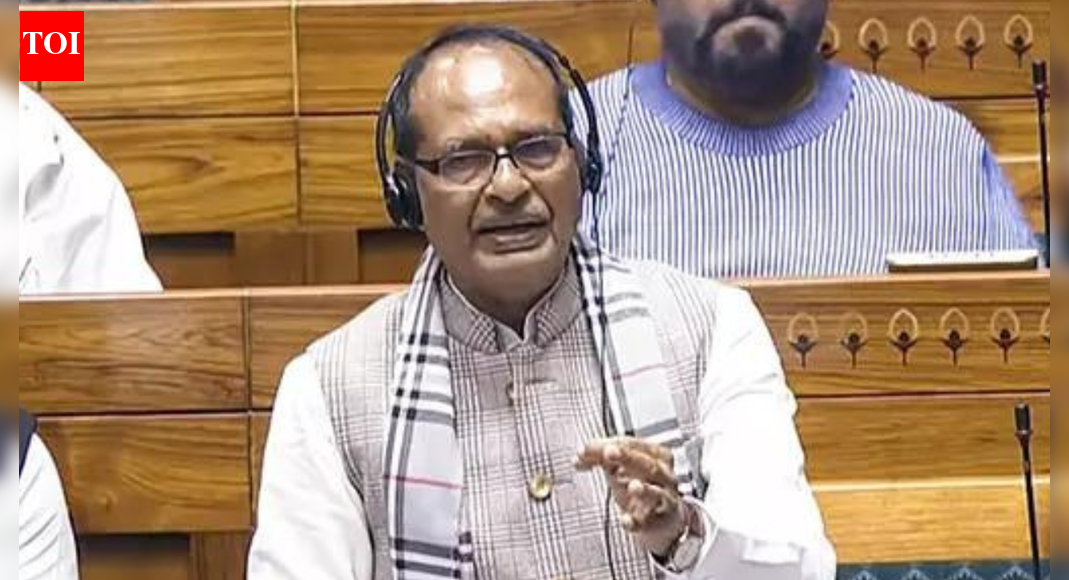
File photo: Union rural development minister Shivraj Singh Chouhan

NEW DELHI: With Congress set to launch a protest against the VB-G RAM G scheme, which replaced the UPA-era MGNREGA, the rural development ministry has sent a detailed report on the new scheme to all central ministers which they can refer to in public meetings to counter the opposition.TOI has learnt that in the cabinet meeting on Wednesday, rural development minister Shivraj Singh Chouhan had briefed ministers about the key features of VB-G RAM G and how it’s better than that of previous rural employment guarantee programme. PM Narendra Modi had also asked ministers to be fully conversant with the provisions of the new scheme.Ministers will highlight the increase of guaranteed 125 days employment under the new scheme compared to the provision of earlier 100 days and creation of durable assets beyond a narrow emphasis on wage expenditure. They will also highlight how the scheme will create stronger local livelihood opportunities to help mitigate distress-driven migration.To counter the opposition charge, ministers have been informed that under normative funding, the central govt allocates funds to states based on predefined norms, ensuring predictability, fiscal discipline, and better budgetary planning. In contrast, demand-driven models often lead to uncertain allocations and fiscal misalignment.


Source link

Dense smog engulfs Delhi-NCR: IMD issues orange alert; visuals show almost zero visibility | India News


Dense smog engulfs Delhi-NCR: IMD issues orange alert; visuals show almost zero visibility

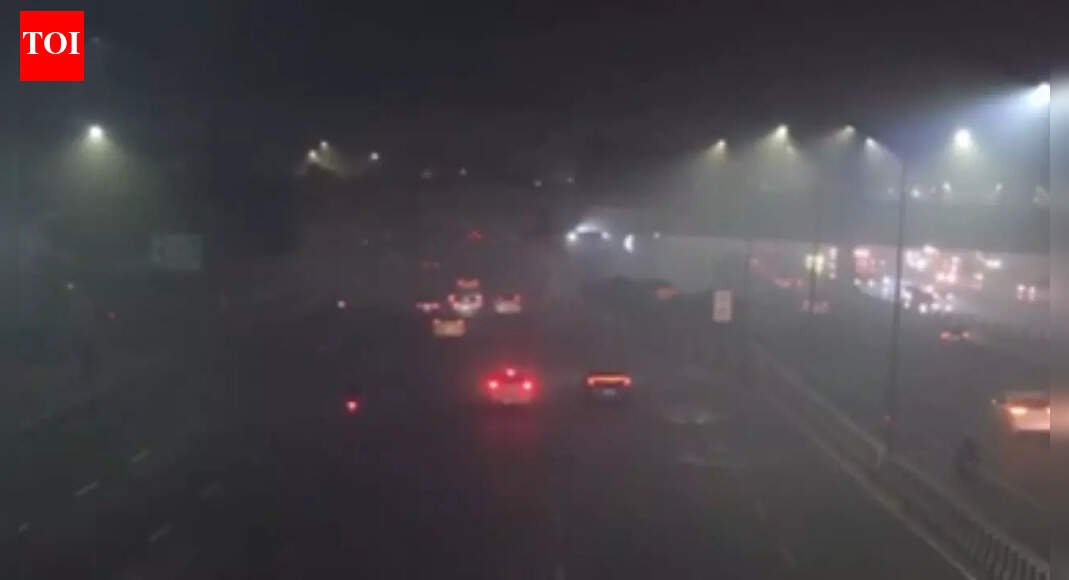
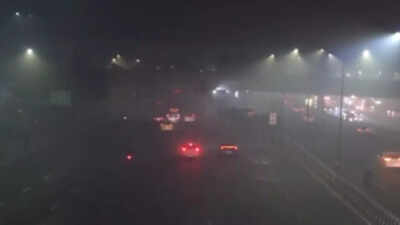
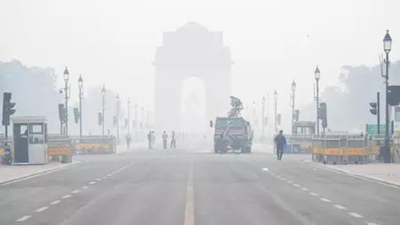
Delhi-NCR witnessed severely reduced visibility late Sunday night as a dense blanket of smog engulfed the region.Visuals from several parts of the region, including AIIMS flyover and Noida’s Sector 37 showed vehicles struggling through a haze of toxic smog, highlighting the severity of the pollution.The blow is twofold, as the city grapples with cold winter temperatures alongside rising pollution levels. The Meteorological Department has issued an orange alert for very dense fog on Monday, warning commuters of restricted visibility on major roads. Maximum and minimum temperatures are expected around 22°C and 7°C, respectively, with Sunday night’s minimum dipping to 6.3°C, slightly below the seasonal average The city’s air quality slipped into the “very poor” category, with several areas, including Anand Vihar, recording hazardous AQI levels above 400. Authorities advised residents, especially children, the elderly, and those with respiratory issues, to stay indoors.Under Stage III of the Graded Response Action Plan (GRAP), officials have imposed curbs on construction and industrial activity, while enforcing the ‘No PUC, No Fuel’ rule to control vehicular emissions.Experts have cautioned that poor air quality will likely continue under the prevailing weather conditions.


Source link

Lottery Martin’s son Jose signals u-turn, says LJK open to TVK alliance for 2026 polls | India News


Lottery Martin’s son Jose signals u-turn, says LJK open to TVK alliance for 2026 polls

CHENNAI: Lottery operator Santiago Martin’s son, Jose Charles Martin, on Friday said his party, Latchiya Jananayaka Katchi (LJK), had expressed interest in an alliance with Tamilaga Vettri Kazhagam (TVK) ahead of the 2026 Assembly election, marking a shift from his earlier criticism of TVK president Vijay’s political messaging.“We have expressed our interest. Now the response has to come from their side. We have conveyed our willingness,” Jose told reporters when asked about the possibility of an alliance, citing Vijay’s stated position against corruption.Jose said he had not yet spoken directly to Vijay. “We have sent a request first. If they show interest, we will go and meet him,” he said, adding that any meeting would depend on a response from the actor-politician.Responding to questions on his earlier remarks that Vijay’s Erode speech lacked clarity, Jose said his position was being misread. “The speech he delivered last time was like that. We said that the response it received was of that nature because of how he spoke.”“When we say there is a lack of clarity, what we mean is that the people around him are not at that level,” he said. “That clarity is supposed to be provided by them, because the information they are giving him is incorrect.”He also cited Vijay’s limited physical presence in Puducherry as a factor. “He is not going to be here regularly,” Jose said. “The people who are here are the ones who can sit down, get involved, and assess things on the ground. In such a situation, for a local party like ours, it would be good if we have their support.”Jose did not name Aadhav Arjuna, Vijay’s aide and his son-in-law, whom he had earlier accused of misleading the TVK leadership.


Source link

Centre to set up coal exchanges to promote competitive markets as production rises | India News


Centre to set up coal exchanges to promote competitive markets as production rises

NEW DELHI: With coal production likely to reach 1.5 billion tonnes by 2030, the Centre has decided to set up coal exchanges to promote competitive markets for the sale of surplus thermal fuel. The Coal Controller Organisation has been appointed as the authority to register and regulate the trade bodies.Officials said the ministry of coal has already prepared the revised draft Coal Exchange Rules and sought comments and suggestions from stakeholders. These exchanges would facilitate the trading of coal as a commodity, and prospective operators will get authorisation from the CCO. A gazette notification appointing the CCO as the body to register and regulate the proposed exchanges was issued earlier this month.According to officials, several policy reforms in the coal sector have contributed to self-sufficiency and led to increased availability in the country. They added that coal production in India, which breached the 1-billion-tonne mark in 2024-25, is likely to grow beyond 1.5 billion tonnes by 2030. As per a recent report by the International Energy Agency, the country’s overall coal demand is also expected to rise by 17% over the next five years.With increased availability and demand for domestic coal, there would be a paradigm shift towards a surplus coal scenario, transforming existing sales mechanisms and necessitating market reforms backed by a regulatory framework.The CCO will have the authority to register the exchanges and revoke registrations, if need be, notify fees and other charges stipulated for the operation of exchanges, conduct market oversight, and keep a tab on their other activities. It will also notify guidelines and procedures for dispute and grievance redressal.Officials said the Mines and Minerals (Development and Regulation) Amendment Act, 2025, enacted by Parliament earlier this year, has empowered the central govt to promote the development of markets, including the trading of minerals, their concentrates or processed forms, through exchanges by framing rules and appointing an authority to register and regulate them.


Source link

Delhi air pollution: City slips into ‘very poor’ category as AQI hits 391; ‘orange alert’ issued for dense fog on Monday | India News


Delhi air pollution: City slips into ‘very poor’ category as AQI hits 391; ‘orange alert’ issued for dense fog on Monday

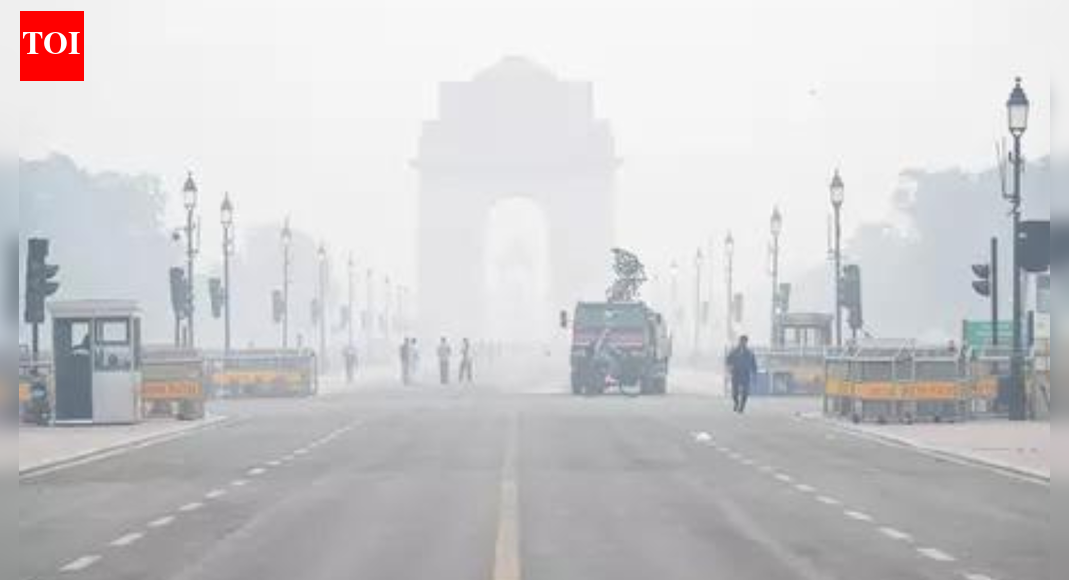
NEW DELHI: Delhi’s air quality slipped into the “very poor” category on Sunday, with the overall Air Quality Index (AQI) recorded at 390, according to the Central Pollution Control Board (CPCB).Several parts of the capital reported AQI levels above 400, placing them in the hazardous category, prompting health advisories for residents to limit outdoor exposure as authorities continued to monitor the situation closely.According to CPCB data, 19 monitoring stations in Delhi reported air quality in the “severe” category, with Anand Vihar recording the highest AQI at 457, while the remaining stations registered “very poor” levels.Under CPCB standards, an AQI between 0 and 50 is classified as “good”, 51–100 as “satisfactory”, 101–200 as “moderate”, 201–300 as “poor”, 301–400 as “very poor”, and 401–500 as “severe”.Meanwhile, the meteorological department has issued an orange alert for very dense fog on Monday, with maximum and minimum temperatures expected to remain around 22 and 7 degrees Celsius, respectively, as cited by PTI. The meteorological department also said Delhi recorded a minimum temperature of 6.3 degrees Celsius, about 0.5 degrees below the seasonal average, while the maximum temperature stood at 22.5 degrees Celsius, around 2.1 degrees above normal.Authorities have implemented Stage III measures under the Graded Response Action Plan (GRAP), including curbs on construction and industrial activities, as the ‘No PUC, No Fuel’ rule is enforced to rein in vehicular emissions. Officials attributed the deteriorating air quality to cold conditions, calm winds and dense fog that prevent the dispersal of pollutants, while experts cautioned that poor air quality is likely to persist under the prevailing weather patterns.


Source link

Households with rooftop solar installations under PM Surya Ghar Muft Bijli Yojana cross 25 lakh mark | India News


Households with rooftop solar installations under PM Surya Ghar Muft Bijli Yojana cross 25 lakh mark

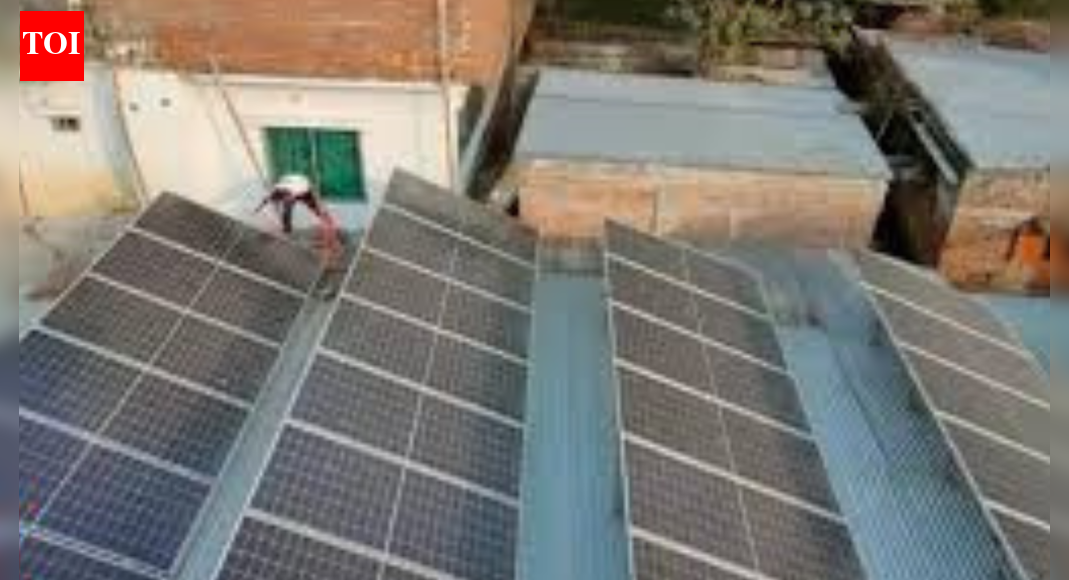
NEW DELHI: The number of households with rooftop solar installations under the PM Surya Ghar Muft Bijli Yojana has crossed the 25 lakh mark, Union minister of new and renewable energy Pralhad Joshi said on Sunday.In a social media post, the minister said these households were now getting cleaner energy and that their power bills also reduced substantially. “India marks yet another proud milestone in its clean energy journey! Guided by the visionary leadership of PM Shri @narendramodi ji, 25 lakh households are now empowered with rooftop solar under the @PMSuryaGhar Muft Bijli Yojana, bringing cleaner power, lower bills and a sustainable future to millions of families,” the minister said in a post on X.In a post from its handle, the Ministry of New and Renewable Energy said that subsidies of up to Rs 78,000 were being provided to people for the installation of rooftop solar plants.Launched in February 2024, the scheme aims at achieving rooftop solar installations in 1 crore households by FY 2026-27, with an outlay of Rs 75,021 crore.The PM Surya Ghar: Muft Bijli Yojana is a demand-driven scheme, under which all residential consumers in the country with a grid-connected electricity connection from local power distribution companies can avail the benefits by applying for a rooftop solar plant on a national portal. Till earlier this month, a total of 7,075.78 MW of rooftop solar capacity was installed under the scheme.


Source link