Breaking News
Jammu and Kashmir: Fisherman recovers stone sculpture of goddess from Jhelum | India News


Jammu and Kashmir: Fisherman recovers stone sculpture of goddess from Jhelum

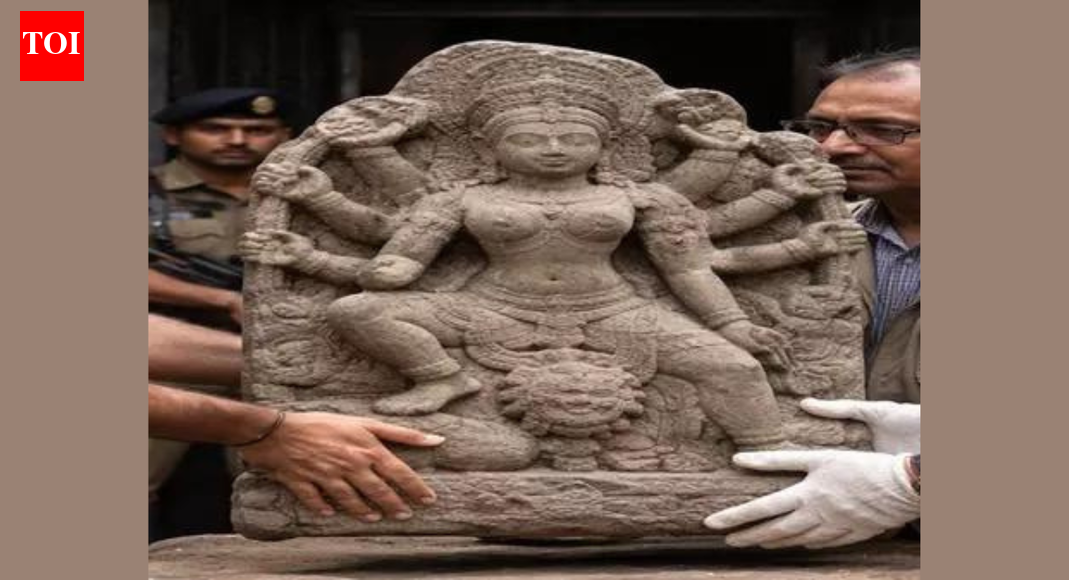
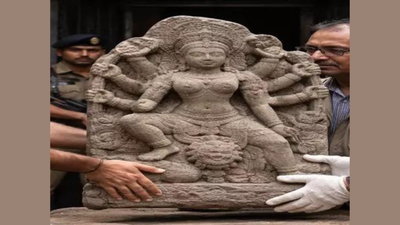
Stone sculpture recovered from Jhelum river handed over to archaeology dept (Picture credit: IANS)

SRINAGAR: Jammu and Kashmir Police on Friday handed over a stone sculpture of goddess Durga, recovered by a fisherman from the Jhelum river in Baramulla district, to the department of archives, archaeology and museums.Police said, fisherman Nazir Ahmad Latoo informed Sheeri police station on Thursday he had found the sculpture while fishing. The police took the artefact in its custody and kept it safely at the police station.Subsequently, police officials called experts from the archaeology department to examine it. After the sculpture was formally identified as that of goddess Durga, it was handed over to the archaeology department.The police said they are committed to protect the cultural heritage of J&K and urged people to promptly inform authorities about any discoveries of historical or archaeological significance.


Source link

‘Erudite and deeply decent’: Congress, leaders across party lines pay tribute to Manmohan Singh on first death anniversary; Tharoor shares heartfelt video | India News


‘Erudite and deeply decent’: Congress, leaders across party lines pay tribute to Manmohan Singh on first death anniversary; Tharoor shares heartfelt video

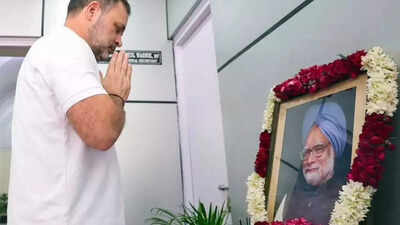
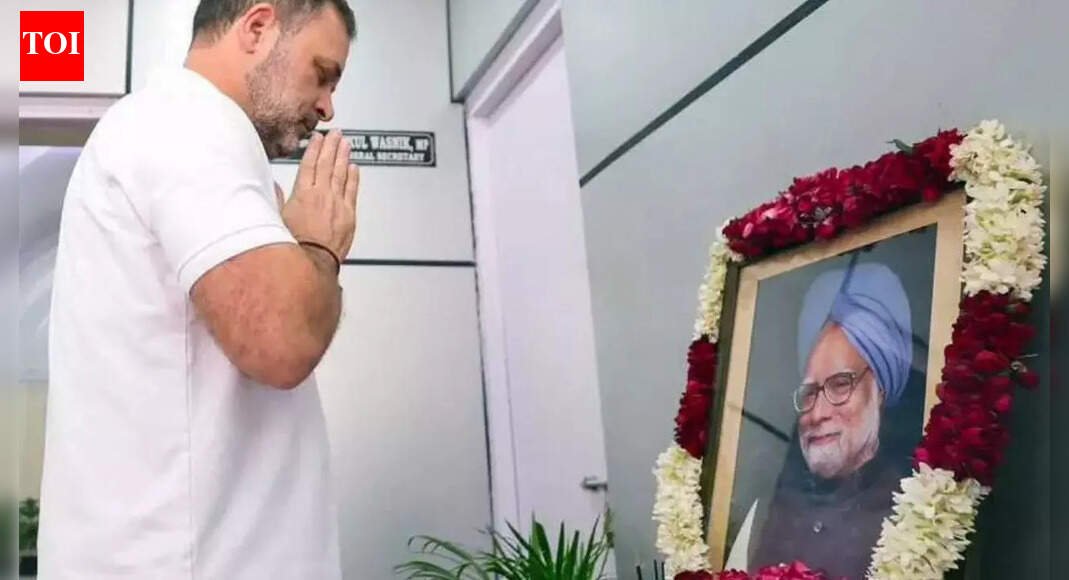
NEW DELHI: First death anniversary of former Prime Minister Manmohan Singh was marked on Friday with leaders paying tributes across the country.Manmohan Singh, who served as Prime Minister from 2004 to 2014, passed away last year at the age of 92.Leader of opposition Rahul Gandhi paid tribute, saying Singh’s decisions helped the poor and underprivileged, and his humility and hard work remained an inspiration.Rahul also paid floral tributes at Manmohan Singh’s residence at 24, Akbar Road in New Delhi. Party leaders and workers remembered Singh at events held in different states.Congress president Mallikarjun Kharge described Singh as a transformative leader who changed the direction of India’s economy. He said Singh’s reforms expanded opportunities and helped millions move out of poverty.

Shashi Tharoor’s video tribute

Shashi Tharoor shared a video message, describing Singh as an “erudite and deeply decent leader”. He said Singh’s quiet nature often spoke louder than political noise.“Today the nation pauses to mark a solemn milestone, the first death anniversary of a man whose silence often spoke louder than the clamour of our current political discourse, our former Prime Minister, the erudite and deeply decent Dr Manmohan Singh. It has been a year since we lost him, yet the void he left in the intellectual and moral landscape of Indian public life remains palpable Dr Singh was in many ways, in the famous phrase, an accidental politician, but he was a very conscious patriot,” Tharoor said in his video message.He said Singh would be remembered as a transformative Prime Minister who combined a quiet manner with firm conviction, pointing to his decision to stake his government on the civil nuclear deal that strengthened India’s position globally.Tharoor added that Singh’s years as Prime Minister were not only about economic growth. They were also about building a framework of rights, including the Right to Information, the Right to Education, MGNREGA, the right to work and the Right to Food Security.

Leaders across parties remember Singh

“On the death anniversary of former Prime Minister, ‘Padma Vibhushan’ Dr Manmohan Singh ji, humble tribute to him. As finance minister and Prime Minister, he made invaluable contributions to the nation’s development,” UP CM Adityanath wrote on X.West Bengal’s CM Mamta Banerjee wrote, “Remembering former Prime Minister of India, Dr Manmohan Singh, on his death anniversary.” Karnataka deputy CM DK Shivakumar, NCP (Sharadchandra Pawar faction) MP Supriya Sule, and Maharashtra deputy CM Ajit Pawar were among the many leaders who remembered Singh.Born in 1932, Manmohan Singh was an economist who served as RBI Governor and finance minister before becoming Prime Minister.


Source link

Unnao rape case: CBI files petition in Supreme Court; challenges suspension of Kuldeep Sengar’s life term | India News


Unnao rape case: CBI files petition in Supreme Court; challenges suspension of Kuldeep Sengar's life term
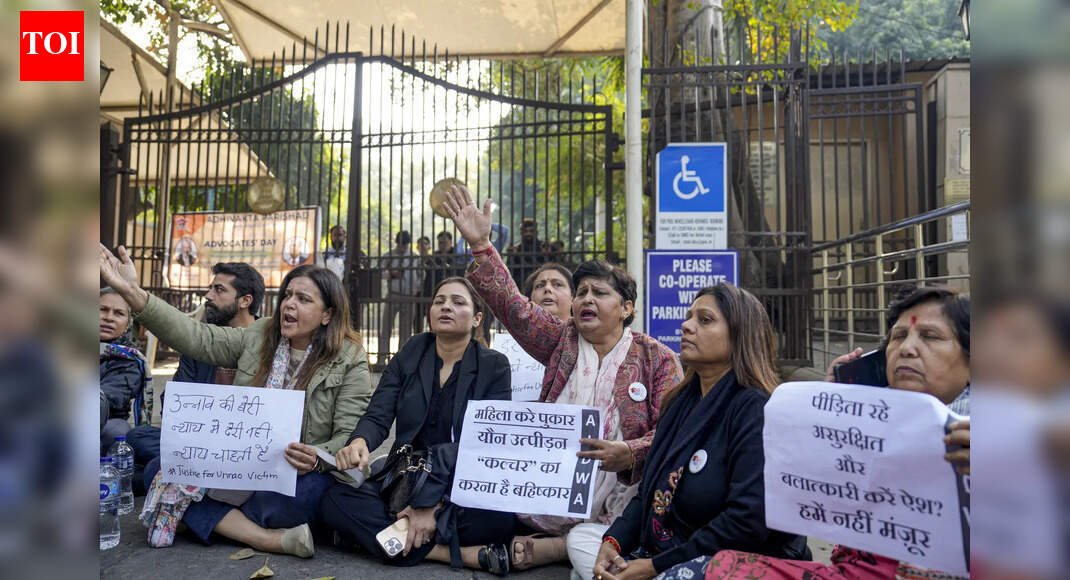
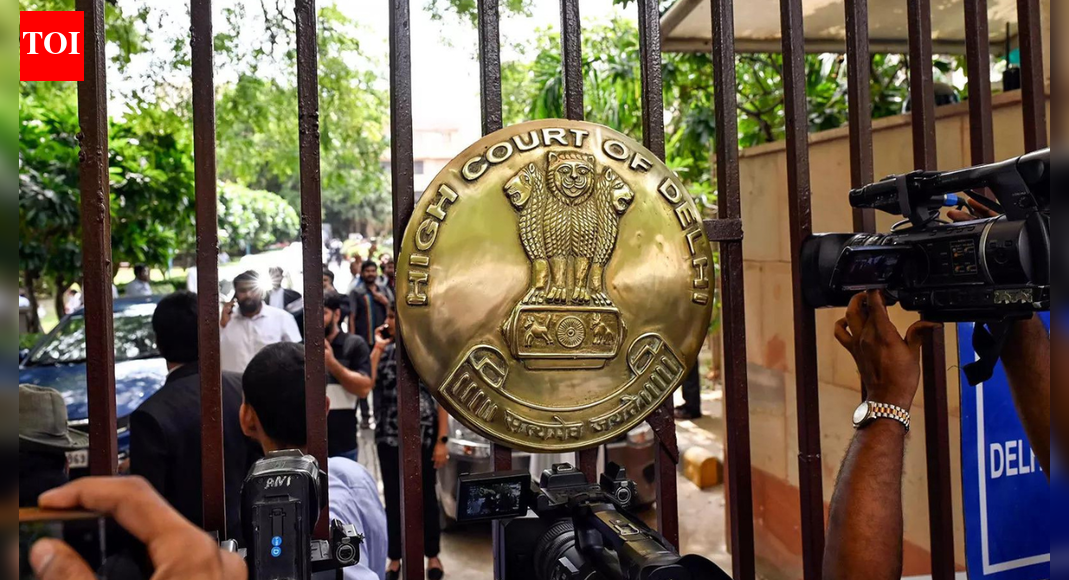
New Delhi: Agitators including women activists, stage a protest against the suspension of the jail term of Kuldeep Sengar, a former BJP MLA who was convicted in the Unnao rape case, outside the Delhi High Court, in New Delhi. (PTI Photo/Salman Ali)

NEW DELHI: The CBI on Friday filed a Special Leave Petition in the Supreme Court challenging the Delhi high court’s order suspending the life sentence of Unnao rape convict and former BJP MLA Kuldeep Singh Sengar.According to a CBI spokesperson, the decision was taken after examining the order passed by the high court’s division bench.The agency’s move came three days after the HC granted relief to Sengar, an order that sparked widespread outrage and led to protests by the survivor, her mother, and women’s groups.The survivor of the June 2017 crime had already said she would approach the top court.On Tuesday, a division bench of Justices Subramonium Prasad and Harish Vaidyanathan Shankar ordered the suspension of Sengar’s sentence during the pendency of his appeal against conviction and life imprisonment, subject to the furnishing of a bail bond of Rs 15 lakh. He was also granted conditional bail. However, the bench imposed strict conditions, directing that the politician shall not enter a five-kilometre radius of the area in Delhi where the victim resides. He has also been ordered to remain in the national capital and to have no contact with the woman and her family members.Senior advocate N Hariharan, along with advocate SP Tripathi, appeared for Sengar and argued that their client was not a public servant at the time of the offence. They also contended that there were “discrepancies” in documents relating to the survivor’s age and said medical evidence should be relied upon. Opposing the bail, advocate Mehmood Pracha, appearing for the survivor, submitted that there had been “serious threats” to her life in the past. Pracha pointed out that she had earlier been provided security, which was later withdrawn, and highlighted that her father was assaulted in police custody and later died due to his injuries — a case in which Sengar was separately convicted. The former MLA remains in judicial custody as he has not been granted bail in that case, for which he was sentenced to 10 years’ imprisonment. He has also challenged his conviction and sentence in that matter.The Uttar Pradesh government transferred the investigation to the CBI in April 2018. In August 2019, the Supreme Court shifted the case and all related proceedings from Uttar Pradesh to Delhi to ensure a fair and speedy trial. Sengar was convicted and sentenced in December that year.


Source link

‘Can’t incite religious frenzy’: Stalin slams BJP for attacks on Christians; asserts no room for religious politics under DMK rule | India News


'Can't incite religious frenzy': Stalin slams BJP for attacks on Christians; asserts no room for religious politics under DMK rule
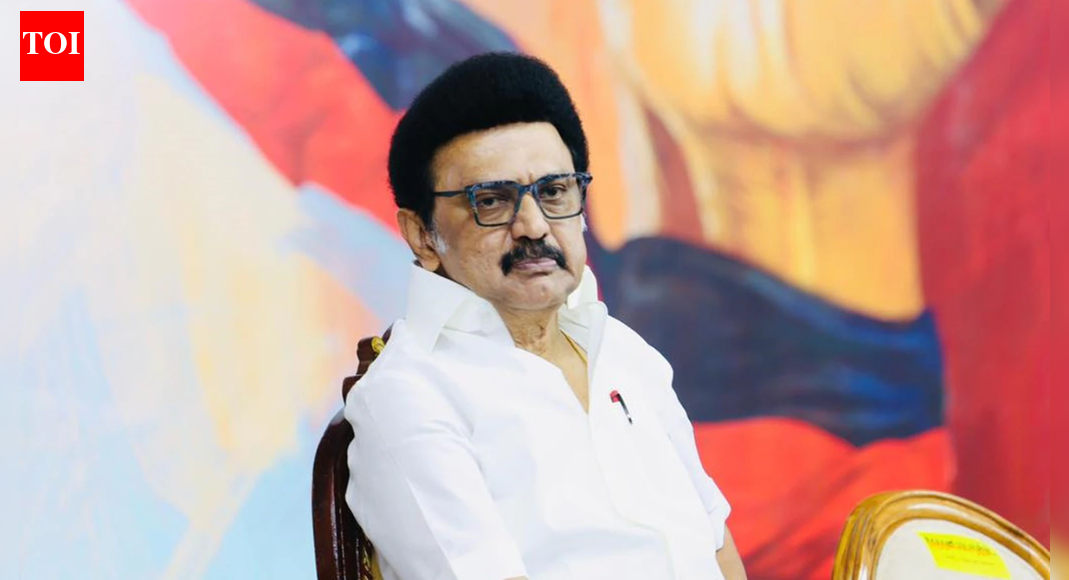
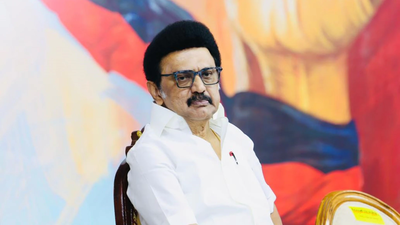
Tamil Nadu chief minister MK Stalin (IANS)

NEW DELHI: Tamil Nadu chief minister MK Stalin on Friday accused the BJP of attempting to sow religious divisions in the state, claiming that the communal harmony in Tamil Nadu “irritates” the party. Addressing a government function, he said, “People of Tamil Nadu are, however, very cautious. The devotees of Lord Muruga bow to the Thirupparankundram Dargah flag. Muslim brothers offer rose milk to Hindus during Madurai Chittirai festival.

Amit Shah’s ‘Tamil Apology’ In Focus As Stalin Speaks Tamil Without Apology In Bihar

Stalin slammed the BJP over alleged attacks targeting Christians and their places of worship, asserting that the party wanted to replicate such incidents in Tamil Nadu. “No matter how many slaves they gather and perform somersaults, they cannot incite religious frenzy among the people of Tamil Nadu who are united,” he said.“As long as this Stalin is here, as long as our Dravidian Model government is here, there is no room for your politics of religious hatred here,” he added.Comparing his government with the previous AIADMK regime, Stalin said Tamil Nadu faced ruin during AIADMK’s 10-year rule from 2011 to 2021. “This is my open challenge! Tell me if you have courage, did you achieve at least 5 per cent of what we have achieved?” he said, highlighting the state’s progress under DMK leadership.The DMK has previously used the term “slave” to criticise the AIADMK for its alignment with the BJP and has recently applied the same term to the fledgling TVK.Stalin, also DMK President, expressed confidence that the party would be re-elected in the 2026 Assembly polls. “The crowning glory of the Dravidian model government’s achievements will be the people’s verdict in the 2026 Assembly election and that will be your (political rivals) reality check. If what I said about Tamil Nadu’s achievements represents a developed, prosperous India, then there is another India in BJP‑ruled states; it is an India of poverty, religious violence, mob lynchings, attempts to ruin education, and unemployment...this is BJP’s India,” he alleged.


Source link

Malaria now limited to pockets in Mizoram, Tripura as India nears elimination | India News


Malaria now limited to pockets in Mizoram, Tripura as India nears elimination

NEW DELHI: India’s malaria burden has shrunk sharply over the past decade and is now increasingly confined to specific districts and pockets, particularly in parts of Mizoram and Tripura, even as most of the country moves closer to elimination, according to the Malaria Elimination Technical Report 2025. The report notes a clear geographic contraction of malaria transmission. While multiple states and Union territories accounted for high malaria burden in 2015, sustained interventions have pushed most regions into low- or very low-transmission categories. What remains, the report stresses, is focal transmission concentrated in select districts, mainly in forested, tribal, and border areas.National data reflect the scale of progress. Reported malaria cases declined from about 11.7 lakh in 2015 to around 2.27 lakh in 2023, a reduction of nearly 80%, while deaths fell from 384 to 83 during the same period. These gains have moved India firmly into a high-impact, low-transmission phase, the report says.Several states that once contributed heavily to the national caseload — including Odisha, Chhattisgarh, Jharkhand, and Meghalaya — have seen sustained declines and are no longer categorised as high-burden at the state level. Other regions such as the Andaman & Nicobar Islands, Madhya Pradesh, Arunachal Pradesh, and Dadra & Nagar Haveli are now reporting only sporadic cases.At the same time, the report cautions that remaining malaria transmission is increasingly heterogeneous, with clusters persisting in difficult-to-reach districts. In the Northeast, districts in Mizoram and Tripura continue to report malaria due to a combination of factors such as forest cover, cross-border movement, seasonal migration, and challenges in early diagnosis and follow-up.Elimination gains are already visible at the local level. Ladakh, Lakshadweep, and Puducherry reported zero indigenous malaria cases, while 122 districts nationwide recorded no malaria cases in 2023, indicating that district-level elimination is advancing faster than statewide milestones.However, as case numbers decline, the report flags new risks. Asymptomatic infections, reduced vigilance, and the emergence of urban malaria linked to construction activity and mosquito breeding in cities could threaten progress if surveillance weakens. The final phase, experts warn, will require precision rather than scale.India has set a national target to eliminate malaria by 2030, with some states aiming to achieve zero transmission earlier. The report concludes that while malaria is no longer a nationwide threat, finishing the job will depend on sustained surveillance, district-specific strategies, and uninterrupted funding in the remaining high-risk pockets.


Source link

Dean of government dental college-Mumbai is crowned ‘Mrs India’, advocates for oral cancer awareness | India News


Dean of government dental college-Mumbai is crowned 'Mrs India', advocates for oral cancer awareness

MUMBAI: Dr Dimple Padawe, the Dean of Government Dental College (GDC) located in the St George’s Hospital campus near CST, Mumbai, was crowned ‘Mrs India’ in the classic category for women aged 40 to 60. She said her victory on December 21 is not a personal achievement but a vehicle to amplify awareness about oral cancer, particularly among tribal communities.The 52-year-old dean, mother of two daughters, participated in the pageant with a mission close to her heart: to educate and prevent oral cancer, which affects about 1.4 million Indians every year. Dr Padawe said oral cancer claims numerous lives, especially in tribal areas where access to dental care is limited. “I mainly wanted to participate to leverage the pageant’s platform to spread this crucial message,” she said.A standout moment in the competition was the national message round where Dr Padawe’s attire created a buzz. “I wore a specially designed, digitally printed saree that vividly depicted the burden of oral cancer. The saree’s ‘pallu’ featured a striking image of a mouth affected by oral cancer, while the rest of the saree was adorned with cigarette prints,” she said. To complete her ensemble, she wore a crown made of artificial cigarettes and skulls, “symbolising the lives lost to the disease.Her journey to the crown was also marked by a personal transformation. “Over eight months, I shed 16 kg, dropping from 74 kg to 58 kg despite battling health challenges such as being a thalassemia minor, having asthma and thyroid issues,” she said.She said she didn’t use slimming medicines but used a common-sense approach provided by her dietician. “Due to thyroid issues, I was told not to have salads. I was told to concentrate on weight training, which really made the difference,” said the senior dentist. She had two meals a day, which started with a protein shake. “I avoided vada pavs and samosas that are popular in the office during any birthday celebrations,” said Dr Padawe, who is also a singer.


Source link

Women’s safety in India: Between official data and lived reality in 2025 | India News


Women’s safety in India: Between official data and lived reality in 2025

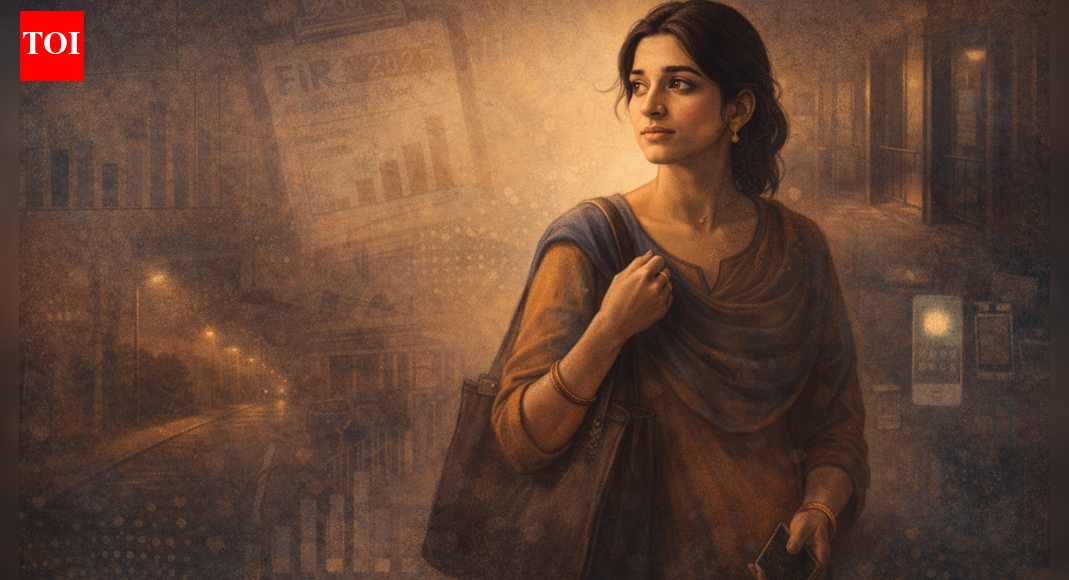
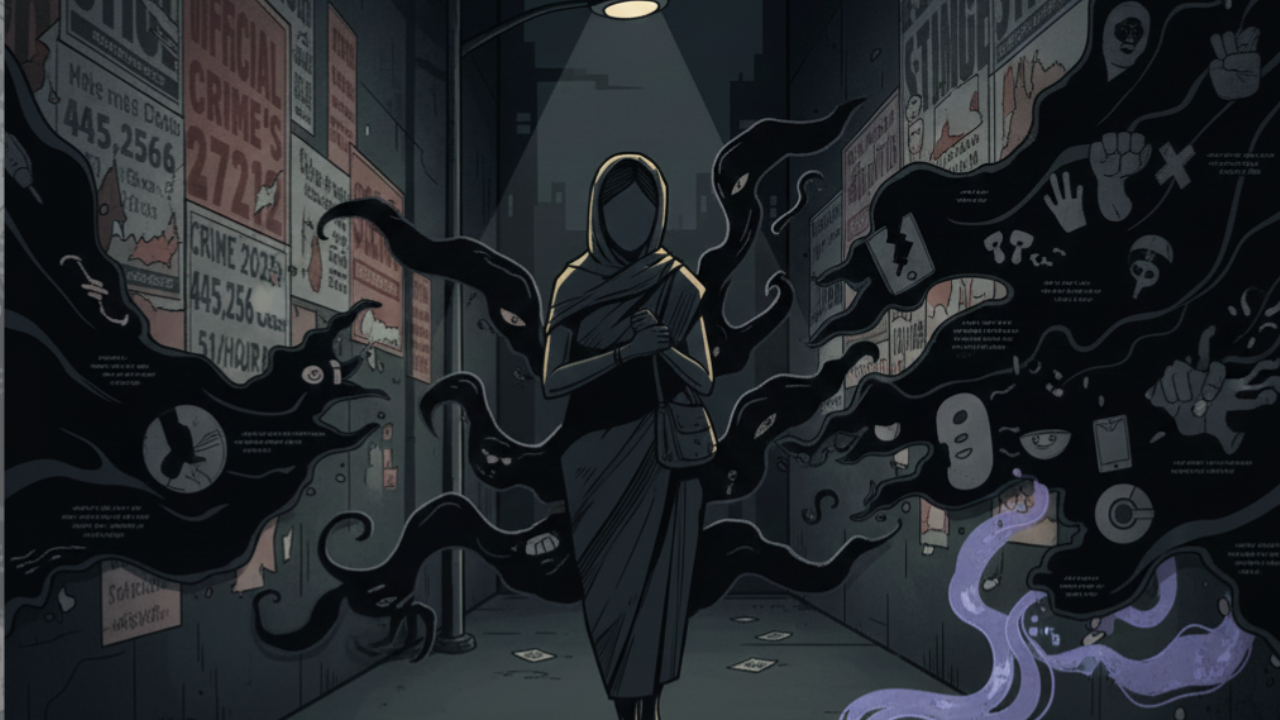
Women’s safety remains one of India’s most urgent and complex public policy challenges in 2025, cutting across domestic, public, and increasingly digital spaces. Despite decades of legislative reform, expanded policing frameworks, and growing public awareness, violence against women continues to persist in multiple forms, ranging from domestic abuse and sexual assault to trafficking, cyber harassment, and workplace exploitation. These crimes are not isolated acts but are embedded within broader structures of gender inequality, social stigma, and uneven access to justice. As India debates legal safeguards and governance reforms, official crime data offers an important, though incomplete, window into the scale and nature of the problem.Every reported crime carries a backstory that never makes it into the case file. Before the FIR, there is the moment of doubt, whether to speak, whom to trust, and what might follow. For countless women in India, that moment ends in silence.That silence is in reality filled with a lot of calculations – the fear that people might not believe you, families asking them to “let it go” because of the risk of retaliation or to protect family honour, the cost of legal battles that can go for years, and the silent understanding that the road to justice, even when promised, can be unforgiving. For most women, safety is not a fixed condition. It is something worked out every day — by calculation which roads to avoid, staying quiet in unfamiliar spaces, adjusting behaviour, and living with harm that feels easier to manage than to report.
.

.

In 2025, crime data remains the main way women’s safety in India is judged. These numbers shape headlines, policy debates, and official claims of progress. But they reflect only those cases that enter the criminal justice system. Far more experiences remain outside the record — abuse within homes, harassment in public spaces, threats online — incidents that never become complaints because the cost of speaking up feels higher than the harm itself.

What the numbers show — and what they don’t

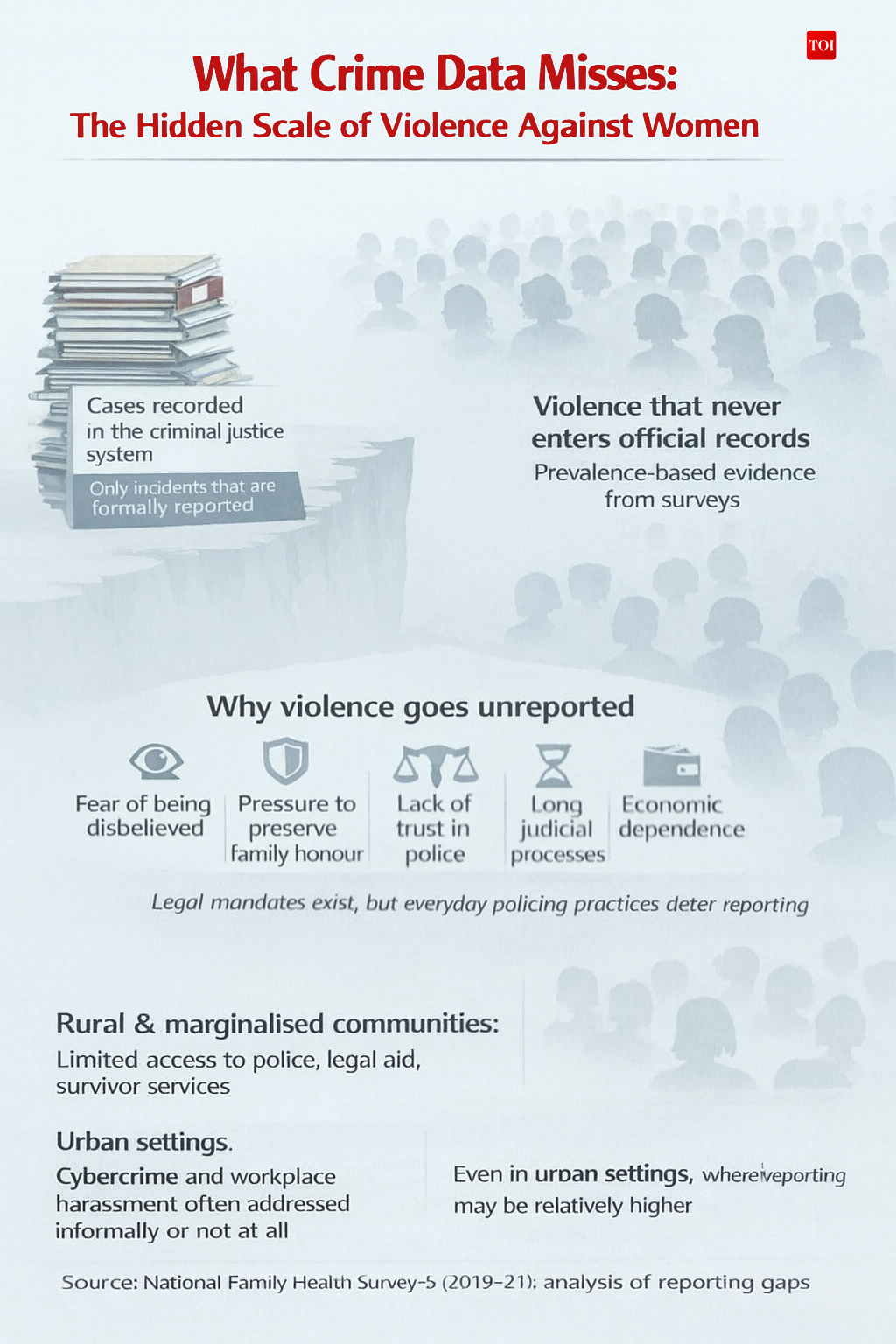
The most recent comprehensive figures from the National Crime Records Bureau (NCRB) are from 2022. Since then, no complete official dataset has been available, leaving a gap in understanding more recent trends. In 2022, India recorded 4,45,256 cases of crimes against women, reflecting a 4 per cent increase from the previous year and translating to an average of 51 complaints every hour. The national crime rate stood at 66.4 cases per lakh women. While these numbers point to the persistence of gender-based violence, they also reveal sharp regional disparities. Union Territory Delhi reported a crime rate of 144.4, more than double the national average, while Haryana (118.7) and Telangana (117.6) also recorded significantly higher rates. Such variations raise critical questions: do higher numbers indicate greater prevalence of crime, better reporting mechanisms, or a combination of both?Official statistics, however, capture only those incidents that enter the formal criminal justice system. A substantial body of evidence suggests that a large proportion of violence against women remains unreported, particularly when it occurs within households or involves perpetrators known to the survivor. Data from the National Family Health Survey–5 (2019–21) paints a starkly different picture of women’s lived experiences.
.

.

According to the survey, nearly one in three ever-married women in India—32 per cent, has faced physical, sexual, or emotional violence at the hands of their husbands at some point in their lives, while 6.1 per cent reported experiencing sexual violence. The contrast between these prevalence-based findings and police-recorded crime figures highlights a persistent gap between reality and reporting.This gap is shaped by multiple factors: fear of retaliation, social pressure to maintain family honour, lack of trust in law enforcement, prolonged judicial processes, and economic dependence. In rural areas and among marginalised communities, these barriers are often compounded by limited access to police stations, legal aid, and survivor support services. Even in urban settings, where reporting may be relatively higher, cybercrime and workplace harassment frequently fall through regulatory cracks or are addressed through informal mechanisms rather than criminal complaints.In 2025, crime data remains an indispensable tool for understanding trends, allocating resources, and holding institutions accountable. Yet numbers alone cannot capture the full extent of women’s vulnerability, resilience, or the systemic failures that allow violence to persist. This feature examines what India’s crime statistics reveal about women’s safety—and, just as importantly, what they leave out, by situating official data alongside social realities, institutional constraints, and the voices often missing from the record.

Reporting versus reality: When FIRs reflect access, not incidence

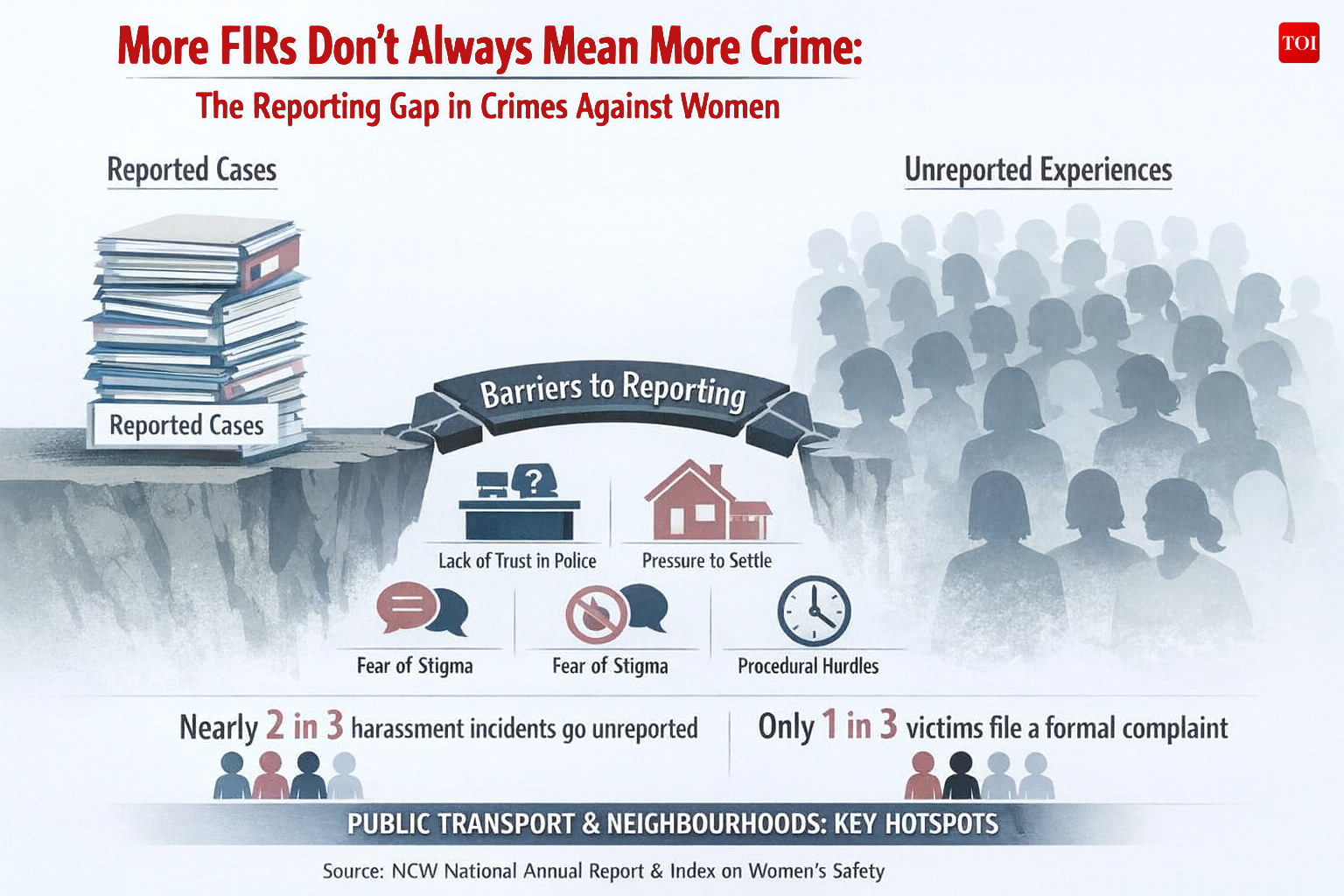
An increase in the number of First Information Reports (FIRs) registered does not automatically signal a rise in crime; in many cases, it reflects changes in reporting behaviour, policing practices, and legal awareness. This distinction is particularly important when interpreting data on crimes against women, where historically low reporting has long masked the true scale of violence.One key factor behind higher FIR counts is improved access to the criminal justice system. Supreme Court rulings mandating the compulsory registration of FIRs for cognisable offences, coupled with state-level women’s help desks, online complaint portals, and dedicated women’s police stations, have lowered procedural barriers that previously discouraged survivors from coming forward. In such contexts, rising FIR numbers may indicate institutional responsiveness rather than an actual surge in incidents.Shifts in social attitudes also play a role. Greater public discussion around gender-based violence, through media coverage, civil society advocacy, and movements demanding accountability, has contributed to increased awareness of legal rights among women.
.

.

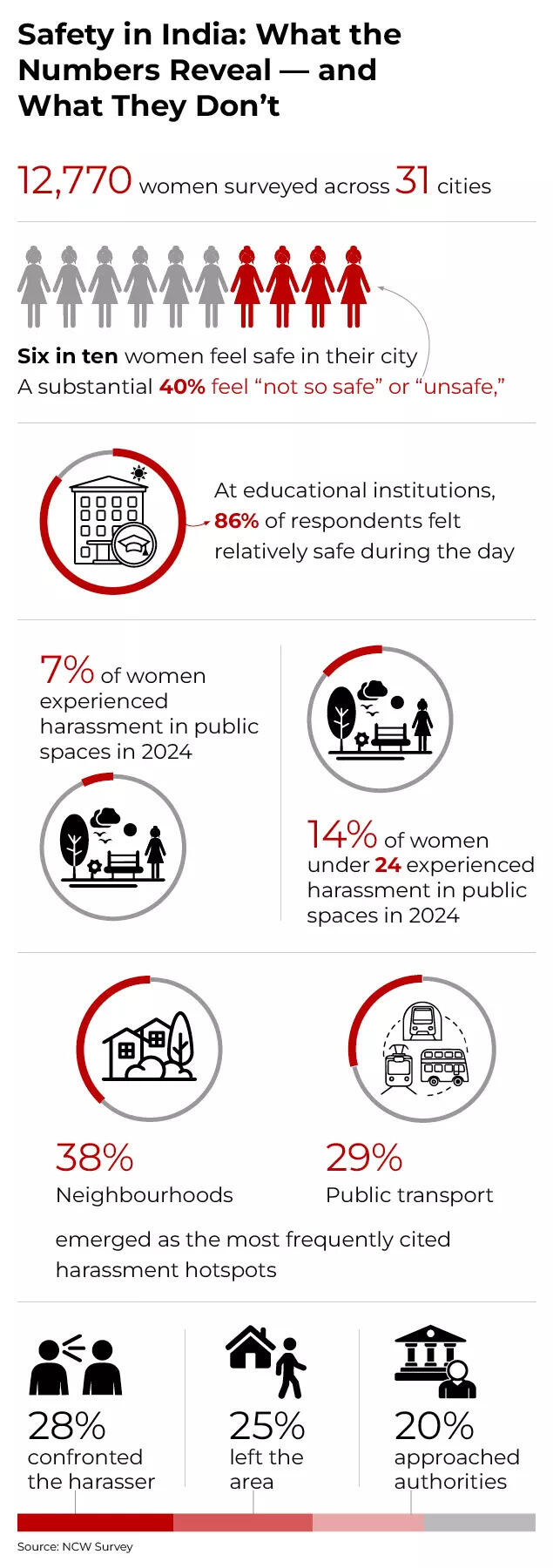
At the same time, increased FIR registration does not eliminate concerns about underreporting. Crimes such as domestic violence, marital sexual abuse, cyber harassment, and trafficking remain significantly underrepresented in police data. In many cases, complaints are withdrawn, informally “settled,” or never converted into FIRs due to pressure from families or local authorities. Moreover, higher FIR volumes are not always matched by proportional improvements in investigations, charge-sheeting, or convictions, raising questions about whether the system is equipped to handle greater reporting effectively.Recent findings from the National Annual Report and Index on Women’s Safety, released by the National Commission for Women (NCW), further underline the limits of relying solely on official crime statistics to assess women’s safety. Based on a survey of 12,770 women across 31 cities, the report seeks to document unreported harassment, everyday experiences, and perceptions of safety that rarely enter police records. India received a national safety score of 65 per cent, with six in ten women saying they felt safe in their city. However, a substantial 40 per cent still described themselves as “not so safe” or “unsafe,” revealing a significant perception gap.
.

.

The data shows that while educational institutions are viewed as relatively safe by 86 per cent of respondents during the day, feelings of safety decline sharply at night and in off-campus spaces. The survey also found that 7 per cent of women reported experiencing harassment in public spaces in 2024, a figure that rises to 14 per cent among women under 24, identifying young women as a particularly vulnerable group. Crucially, the report highlights pervasive underreporting, with nearly two-thirds of harassment incidents never formally reported, suggesting that NCRB figures capture only a fraction of the problem. Neighbourhoods (38 per cent) and public transport (29 per cent) emerged as the most frequently cited harassment hotspots. Women’s responses to harassment varied widely: 28 per cent confronted the harasser, 25 per cent left the area, and only 20 per cent approached authorities reflecting low confidence in institutional redress. Indeed, just one in three victims filed a formal complaint, pointing to enduring trust deficits in policing and complaint mechanisms, and reinforcing the gap between lived experience and recorded crime.

The violence that never reaches the police

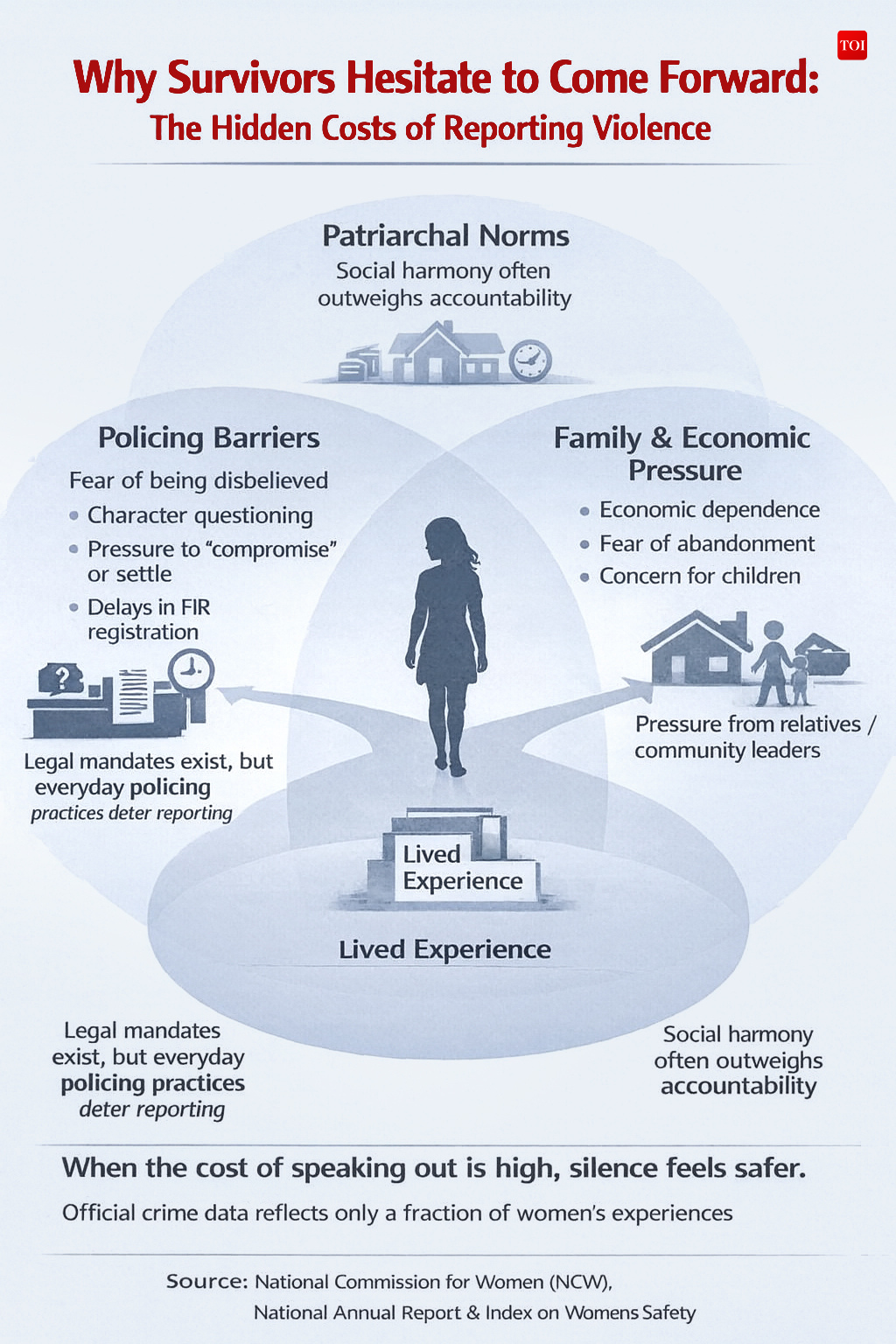
For many survivors of violence, the decision to report an offence is shaped less by the severity of the crime than by the social and institutional costs of speaking out. Policing structures, patriarchal norms, and sustained pressure from families and communities combine to create formidable barriers to reporting, particularly in cases involving sexual violence, domestic abuse, or harassment by known perpetrators. While legal frameworks mandate the registration of complaints, the lived experience of engaging with the criminal justice system often deters survivors from approaching it in the first place.Interactions with the police remain a significant point of friction. Survivors frequently cite fear of being disbelieved, questioned about their character, or pressured into compromise rather than a formal complaint. In cases of domestic violence or sexual assault, women are often encouraged to deal with matters in private spaces, reflecting deeply ingrained attitudes that prioritise social harmony over individual justice. Procedural hurdles, such as repeated visits to police stations, insensitive questioning, or delays in registering First Information Reports, further discourage reporting, especially for women with limited mobility, financial dependence, or caregiving responsibilities.

Policing, patriarchy, and pressure

Patriarchal expectations within families and communities add another layer of pressure. Survivors may be warned that reporting violence will bring shame, damage marriage prospects, or invite social ostracism. In intimate partner violence, economic dependence and concern for children’s welfare frequently compel women to endure abuse in silence. Young women, in particular, face heightened scrutiny, with families often prioritising “reputation” over accountability, discouraging formal complaints even when harm is severe.
.

.

These pressures are compounded by structural weaknesses in survivor support systems.Together, policing practices, patriarchal control, and social pressure create a climate where silence appears safer than disclosure. As a result, official crime data captures only a narrow slice of women’s experiences, masking the depth of violence that continues to shape everyday life.

Statistics and silence: What trauma leaves undocumented

Crime data is designed to count incidents, not to measure the enduring weight of trauma or the complex realities of survival. While statistics can indicate how many cases were reported, registered, or prosecuted, they remain largely silent on what violence does to women’s bodies, minds, livelihoods, and relationships long after the event. The aftermath of abuse, fear, anxiety, depression, disrupted education or employment, and fractured social ties rarely appears in official records, even though these consequences often shape a survivor’s life more profoundly than the crime itself.Numbers also fail to capture the uneven paths to survival. For many women, continuing daily life involves constant negotiation: avoiding certain routes, abandoning jobs, changing schools, or remaining in unsafe homes due to financial dependence or lack of shelter. These acts of adaptation and endurance are invisible in crime statistics, which treat incidents as discrete events rather than ongoing experiences. A closed case or a withdrawn complaint may signal resolution on paper, but it often masks unresolved harm or coercive compromise.Equally absent from the data are the cumulative effects of repeated, low-level violence, verbal abuse, intimidation, stalking, and digital harassment that may not meet reporting thresholds but steadily erode a sense of safety and autonomy. Crime figures can show whether violence is counted, but not whether dignity is restored. Without incorporating survivor-centred perspectives, trauma-informed indicators, and long-term outcomes, data risks reducing deeply personal suffering to abstract totals, obscuring both the cost of violence and the resilience required to live with it.

Source link

‘Cannot be brushed aside’: India responds to attacks on minorities in Bangladesh; issues strong warning to Yunus govt | India News


'Cannot be brushed aside': India responds to attacks on minorities in Bangladesh; issues strong warning to Yunus govt

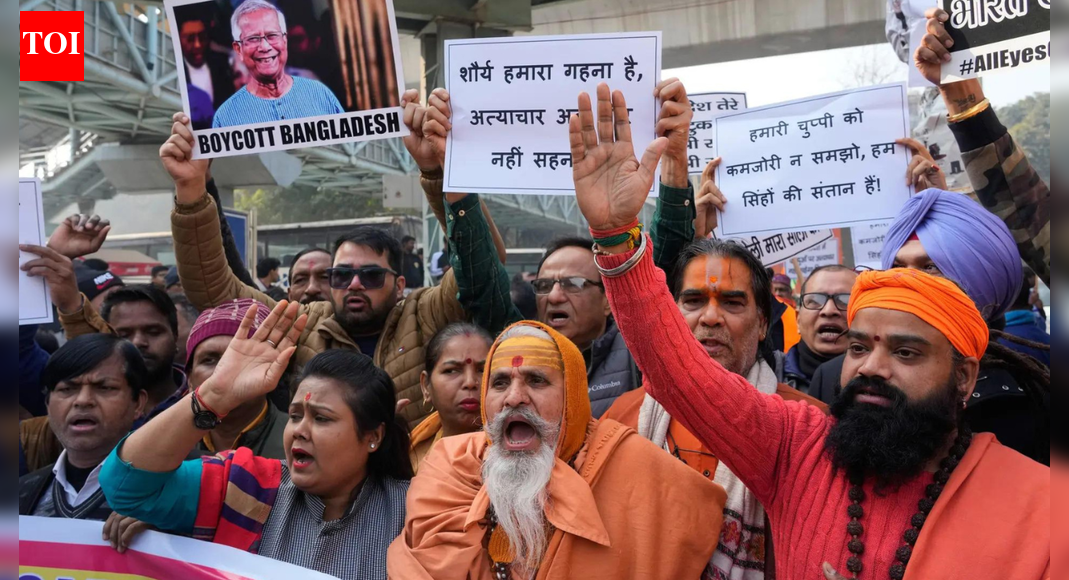
NEW DELHI: The Ministry of External Affairs (MEA) on Friday issued a strong-worded response to the recent incidents of violence in Bangladesh against Hindus and other minorities, warning that these could not be brushed aside as mere “media exaggerations or dismissed as political violence.Responding to the recent developments in Bangladesh, MEA spokesperson Randhir Jaiswal said, “In the last few days, we have issued more than a couple of statements rejecting the false narrative being projected in Bangladesh.”On the killing of another Hindu man, Amrit Mondal, he said, “We are aware of the recent developments in Bangladesh and are closely monitoring the situation.”

Big Test For BNP Chief Tarique Rahman To Rein In Islamists, Calm Bangladesh Amid Violence: Ex-Envoys

“The unremitting hostilities against minorities in Bangladesh, including Hindus, Christians and Buddhists, at the hands of extremists are a matter of grave concern. We condemn the recent gruesome killing of a Hindu youth in Mymensingh and expect the perpetrators of the crime to be brought to justice,” the spokesperson said.“Over 2,900 incidents of violence against minorities, including cases of killings, arson and land grabbing, have been documented by independent sources during the tenure of the interim government,” he added.“These incidents cannot be brushed aside as mere media exaggerations or dismissed as political violence,” the MEA spokesperson said.Also read: Hindu group protests in Dhaka; demand action over minority lynchings in BangladeshA day after another Mondal was lynched in Bangladesh’s Rajbari district, Yunus-led interim government claimed the incident was not related to communal violence. It said Mondal was “accused” in several serious criminal cases.In the statement, the Bangladeshi government said that it has taken note of the spread of what it termed “misleading information” on social media regarding the killing.On the return of BNP leader Tarique Rahman after 17 years, the MEA spokesperson said, “India supports free and fair elections in Bangladesh, and this development should be seen in that context.”


Source link

‘Multi-door courthouse’: CJI Kant’s vision for holistic dispute resolution; calls for alternatives beyond trials | India News


‘Multi-door courthouse’: CJI Kant's vision for holistic dispute resolution; calls for alternatives beyond trials

NEW DELHI: CJI Surya Kant on Friday said he envisions a transition towards a “multi-door courthouse,” where courts function as comprehensive centres for dispute resolution and not merely for trials.The CJI said courts should offer multiple pathways such as mediation, arbitration and litigation, depending on the nature of the dispute.

Justice Surya Kant, Known For Article 370 Ruling And Pegasus Scrutiny, Takes Oath As India’s New CJI

“As we look forward towards the horizon, I envision a transition towards the multi-door courthouse. What I mean to say is that this is a visionary concept where the court ceases to be a singular venue for trials. Rather, it becomes a comprehensive centre for dispute resolution,” he said.When a person approaches a court, “they must find the doors to mediation, arbitration, and ultimately litigation, each tailored to the specific nature of their grievance,” he said.However, he noted that some disputes will still require adjudication. “We must acknowledge that there are bound to be some cases which cannot be resolved through arbitration or mediation. Therefore, the judicial system will always be prepared for fair litigation trials to adjudicate those disputes.”Describing the idea as the “ultimate empowerment of litigants”, the CJI stressed that mediation can significantly reduce judicial pendency. He reiterated that mediation should not be seen as a weakness of the legal system. “Mediation is not a sign of the law’s weakness, but rather its highest evolution,” he said.The CJI said for effective implementation of mediation at all levels, India needs more than 2,50,000 trained mediators. The country currently has around 39,000 trained mediators, facing a serious gap between demand and supply. He cautioned that training mediators requires careful selection and preparation. Mediation, he said, is not merely an art, as the “temperament, behaviour, compassion, passion, commitment, and devotion” of a mediator play a crucial role in ensuring success.CJI Kant was addressing the inaugural session of the Bar Council of India’s national conference and symposium on mediation in South Goa.


Source link

‘Not medical devices’: Centre defers slashing GST on air purifiers; warns of ‘Pandora’s Box’ of similar requests | India News


'Not medical devices': Centre defers slashing GST on air purifiers; warns of 'Pandora's Box' of similar requests

NEW DELHI: The Centre on Friday deferred lowering the GST on air purifiers, a day after the Delhi high court suggested a look into the matter while hearing a plea about the severe pollution plaguing the Capital.Appearing for the Centre, additional solicitor general N Venkatraman told a bench of justices Vikas Mahajan and Vinod Kumar that air purifiers cannot be treated as medical devices as per the decision of the health ministry.Additionally, the Centre told the court that the classification of goods and fixation of GST rates involve a detailed statutory process handled by the GST council, a constitutional body comprising the Centre and all states.Any change, it said, requires consultation, licensing and regulatory scrutiny, and cannot be fast-tracked through a writ petition.The Centre also warned that entertaining such pleas could open the floodgates for similar demands from multiple sectors.Venkataraman further said the issue had already been examined at the highest policy level, including by the finance minister, and that courts cannot direct the GST council to alter tax rates.The bench, however, flagged the public health impact of air pollution and questioned why air purifiers, which cost between ₹10,000 and ₹15,000, should not be made more affordable to the less privileged families.The bench observed that pollution affects everyone and noted that the issue has nationwide implications, even as it accepted the Centre’s request for time.The court deferred any interim relief in a public interest case seeking cheaper air purifiers amid Delhi’s severe pollution. This has given the government more time to file a detailed response.The petitioner, advocate Kapil Madan, argued that he was not asking for the removal of tax but for correct classification under existing GST rules. He claimed air purifiers were wrongly placed under a higher tax slab instead of being treated like medical devices, which attract lower GST.With no counter-affidavit on record, the court said it could not grant any interim relief at this stage. It directed the Union government to file a detailed response within 10 days and listed the matter for further hearing on January 9, after the court vacation.


Source link