Breaking News
‘Attempt to normalise…’: Congress slams Nitish Kumar over hijab row; calls incident ‘disturbing’ | India News


'Attempt to normalise...': Congress slams Nitish Kumar over hijab row; calls incident ‘disturbing’

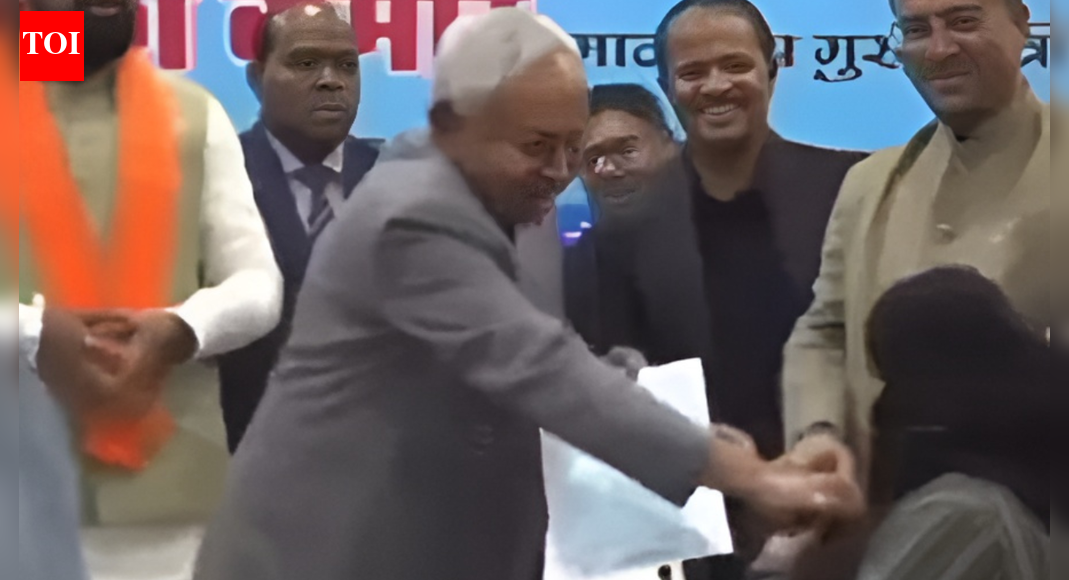
NEW DELHI: The Congress on Sunday slammed Bihar governor Arif Mohammad Khan’s statement over hijab row that erupted after Bihar chief minister Nitish Kumar removed naqab from a woman doctor’s face in an event. Party leader Pawan Khera described the incident as “an attempt to normalise a powerful, ageing politician publicly violating a young woman’s bodily autonomy.Congress leader Khera took to X to criticise Bihar governor Arif Mohammad Khan’s remark describing the incident as a “father-daughter matter.” Khera wrote, “What is being passed off as a ‘father–daughter moment’ is, in reality, an attempt to normalise a powerful, ageing politician publicly violating a young woman’s bodily autonomy. It sends a chilling message to our girls: that unwanted touch is acceptable if the man is influential enough.

Nitish Kumar’s Hijab Shocker: BJP MP Giriraj Singh Defends Bihar CM’s Act With ‘Go To Hell’ Remark

Khera added, “There is nothing more disturbing than this, especially when we know that most survivors of sexual abuse are harmed not by strangers, but by people they know and are expected to trust.”The controversy erupted earlier this week during an appointment letter distribution event at the chief minister’s secretariat in Patna. A video from the programme, widely shared on social media, showed Nitish Kumar questioning the naqab of Dr Nusrat Parveen as she stepped forward to receive her appointment letter along with other Ayush doctors.Meanwhile, Parveen did not report for duty on her joining date on Saturday, officials told news agency PTI, adding that they are not in contact with her or her family.


Source link

Congress mounts protest over ‘desecration of groundbreaking law’, minister alleges ‘conspiracy’ to mislead country in name of MGNREGA | India News


Congress mounts protest over 'desecration of groundbreaking law', minister alleges 'conspiracy' to mislead country in name of MGNREGA
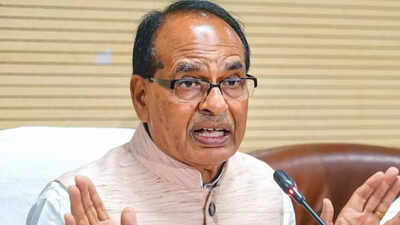
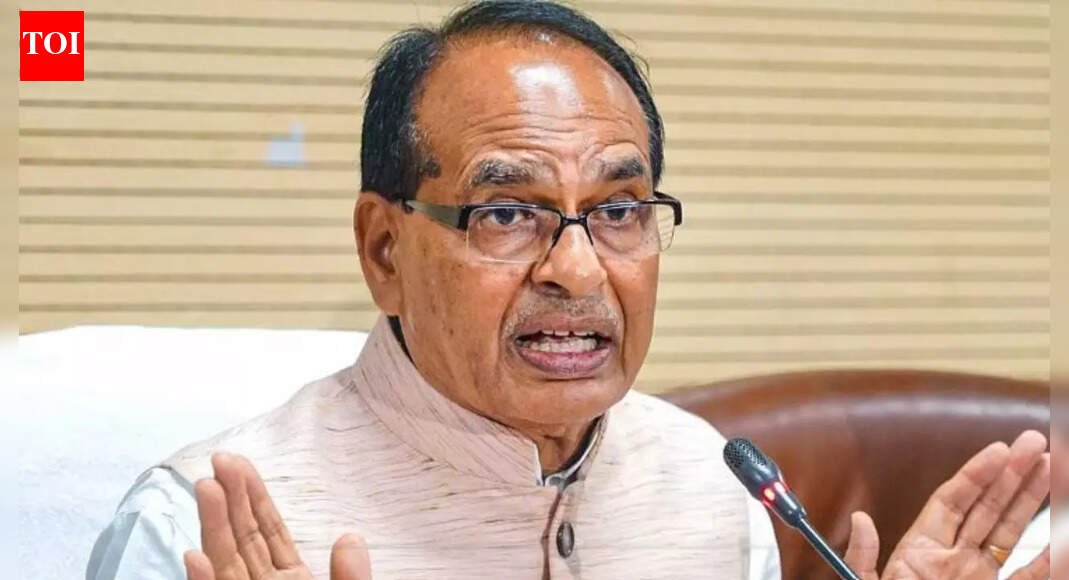
Shivraj Singh Chouhan (PTI file photo)

NEW DELHI: Amid mounting attack from opposition parties, rural development minister Shivraj Singh Chouhan on Sunday in a video message alleged that “once again, a conspiracy is underway to mislead the country in the name of MGNREGA” and said that that “Viksit Bharat – G Ram G scheme is in favour of the poor and development, and that this law provides a complete guarantee of employment to workers”.Meanwhile, the Congress held protests across its district headquarters in the country and accused the Modi government of “effectively dismantled MGNREGA – by converting it from a right to a favour” and “desecration of this groundbreaking law in Parliament over the last week”. Meanwhile, the Left parties have given a call for pan- India protest on Monday, demanding that the government withdraw the Bill passed in Parliament to repeal MGNREGA.

Sonia Gandhi Criticises PM Modi Over VB-G RAM G Bill And MGNREGA Rollback

Parliament on Thursday passed the Viksit Bharat Guarantee for Rozgar and Ajeevika Mission (Gramin) VB-G RAM G Bill that will replace the 20-year-old Mahatma Gandhi National Rural Employment Guarantee Act, or MGNREGA, once it is notified. The passage of the Bill was met with vociferous protests by the opposition in both Houses of Parliament.“Misinformation is being spread, whereas the truth is that Viksit Bharat – G Ram G scheme is the next step forward after MGNREGA,” Chouhan said in a message recorded in Hindi and shared along with a post on X where he addressed the public at large and the rural workers more specifically.Addressing “workers”, he said, “now it’s not 100, but a legal guarantee of 125 days of work. Provisions for unemployment allowance in case work is not provided have been further strengthened. If wages are delayed, provisions have also been made to provide additional amounts.”“For this scheme, a massive amount of more than Rs 1,51, 282 crore has been proposed this year itself, so that there is sufficient money to provide employment, and with that money, comprehensive development of the village can take place,” he added.On the way forward, Chouhan said “for a developed India, developed villages, self-reliant villages, and poverty-free, employment-rich villages will be built by taking up works for water conservation, infrastructure in villages, livelihood enhancing activities, and protection from natural disasters.”He also said that provisions have also been made so that small farmers do not face difficulties during agricultural work. Defending the law, the minister said, “it is in favour of the poor, in favour of development, and this law provides a complete guarantee of employment to workers.”He also highlighted the provision wherein administrative expenses have been increased from 6% to 9%. If we take out 9% from the proposed amount of Rs 1,51, 282 crore, it comes to approximately Rs 13000 crore; with this amount, our all those who get the work done – including panchayat secretaries, employment assistants, and technical staff – will receive timely and adequate salaries, so that they can carry out the work with full capacity.“Let us take the truth to the people,” Chouhan said at the end of his message.On Saturday, Congress Parliamentary Party chairperson Sonia Gandhi in a video message, accused the Modi government of “bulldozing” MGNREGA, and asserted that the “black law” that seeks to repeal it will be defied by lakhs of party workers across the country. She said that she fought for MGNREGA two decades ago, and is as committed to fight for it again. Her statement came a day after Rahul Gandhi said Congress will force the Modi government to withdraw the new law. Slamming the repeal of MGNREGA while addressing the poor, she said, “We are all ready to counter this attack.Building on that message the Congress on Sunday said that it held nationwide protests in all district headquarters across states, “standing with workers whose livelihoods and dignity are under attack.” The party accused the Modi government of “overturning two decades of progress” and “effectively dismantled MGNREGA – by converting it from a right to a favour” by passing the VB-G RAM G Bill.Congress general secretary (organisation) KC Venugopal, in a post on X said, “ MGNREGA was a legal right to work, not a welfare handout. By capping funds, centralising control, and altering its demand-driven nature, the BJP has turned this right into a budget-dependent scheme, pushing crores of rural families into insecurity and distress.”He also highlighted that at the Congress Working Committee meeting on December 27 the party will deliberate and decide the future course of action on the issue. Subsequently, on December 28 – the Foundation Day of the Congress – the party workers will hold programs in mandals and panchayats across India, carrying the portraits of Mahatma Gandhi.Sharing an anthology of 145 field studies conducted on MGNREGA between 2008 and 2012 – including one by the CAG, Congress general secretary in-charge of communications Jairam Ramesh accused the government of “overturning” two decades of progress “without consultation and by sidestepping all Parliamentary convention and procedure”.In a post on X Ramesh shared that it was on July 14 2012 that then Prime Minister Dr. Manmohan Singh had released MGNREGA Sameeksha – an anthology of field studies bought out by the ministry of rural development. “It makes for required reading now, amidst the desecration of this groundbreaking law in Parliament over the last week,” he added.

Source link

‘Zero tolerance’: Defence ministry on army officer’s arrest in alleged bribery case; lauds govt’s ‘proactive approach’ | India News


'Zero tolerance': Defence ministry on army officer's arrest in alleged bribery case; lauds govt's 'proactive approach'

NEW DELHI: The defence ministry on Sunday said the arrest of a serving army officer in an alleged bribery case reflects the government’s “zero tolerance” approach to corruption.Also Read: CBI nabs army officer and another person in bribery case“The present action has been taken in line with the Government of India’s stated policy of ‘Zero Tolerance Against Corruption.’ The arrest demonstrates the government’s proactive approach to curbing corruption through legal and institutional mechanisms,” a senior defence ministry official told news agency ANI.The statement came a day after the Central Bureau of Investigation (CBI) arrested Lieutenant Colonel Deepak Kumar Sharma and Vinod Kumar, a private individual and the alleged middleman, in connection with the case linked to defence-related clearances and favours.The premier investigative agency alleged that the duo acted as “conduits” for the delivery of bribes.Lt Col Sharma, who was serving as deputy planning officer in the Department of Defence Production under the Ministry of Defence, has been accused of “habitually engaging” in corrupt practices, including accepting bribes from private defence firms in return for undue favours.According to the CBI, the officer was in contact with a Dubai-based defence company through its representatives, Rajiv Yadav and Ravjit Singh, who are reportedly based in Bengaluru and managed the firm’s Indian operations. Investigators allege that Yadav and Singh were in regular touch with Sharma and coordinated with him to secure favourable outcomes for the company through illegal means.The case also names Lt Col Sharma’s wife, who is also a serving army officer. Colonel Kajal Bali is currently posted as the commanding officer of the 16 Infantry Division Ordnance Unit in Sri Ganganagar, Rajasthan. The FIR further mentions several unidentified individuals and a Dubai-based company.As per the CBI, on December 18, Kumar allegedly delivered a bribe of Rs 3 lakh to Sharma on behalf of the company.During searches conducted at multiple locations, the agency seized large sums of cash. A search of Lt Col Sharma’s residence in Delhi led to the recovery of Rs 2.23 crore in cash, while Rs 10 lakh was seized from the residence of Colonel Bali.The CBI carried out searches across several locations in Delhi, Sri Ganganagar, Bengaluru and Jammu as part of the probe.The officer and the alleged middleman were produced before a court on Saturday and remanded to police custody until December 23.The CBI said further investigation into the case is underway and additional aspects are being examined.


Source link

Isro LVM3-M6 mission: US BlueBird Block-2 satellite to launch on December 24 – check details | India News


Isro LVM3-M6 mission: US BlueBird Block-2 satellite to launch on December 24 - check details
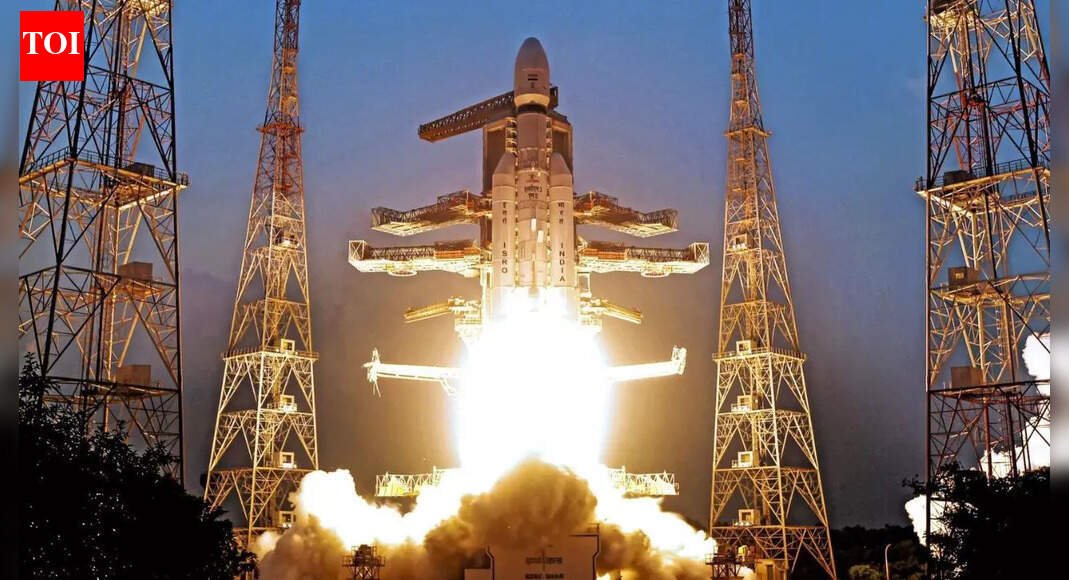
File photo (Picture credit: PTI)

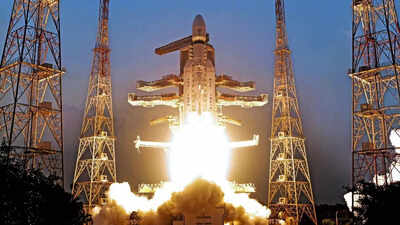
NEW DELHI: Isro’s upcoming LVM3-M6 mission will place the BlueBird Block-2 satellite into orbit on December 24 as part of a commercial agreement with US-based AST SpaceMobile. The mission marks a significant step in global efforts to deliver high-speed mobile connectivity directly to smartphones using satellite technology.The BlueBird Block-2 satellite is a next-generation communications spacecraft designed to provide round-the-clock cellular broadband coverage across the world. AST SpaceMobile, formally known as AST & Science, LLC, is working to build what it describes as the first space-based cellular broadband network that can be accessed directly by standard smartphones, without the need for special devices. “We are on a mission to eliminate the connectivity gaps faced by today’s nearly six billion mobile subscribers and bring broadband to the billions who remain unconnected,” the company said on its website.AST SpaceMobile has already launched five satellites — BlueBird 1 to 5 — in September 2024, enabling continuous internet coverage across the United States and some other regions. The company plans to expand this network further and has partnered with more than 50 mobile operators worldwide.As per Isro, the LVM3-M6 mission will be a dedicated commercial launch under an agreement signed between NewSpace India Limited and AST SpaceMobile. NewSpace India Limited is the commercial arm of Isro.The BlueBird Block-2 satellite will be part of a Low Earth Orbit constellation aimed at enabling direct-to-mobile connectivity. According to news agency PTI, Isro said the network would support 4G and 5G voice and video calls, text messaging, streaming and data services for users anywhere, at any time.The satellite features a massive 223 square metre phased array, making it the largest commercial communications satellite ever deployed in low Earth orbit. It will also be the heaviest payload launched into LEO by Isro’s LVM3 rocket.The LVM3 has previously launched major missions, including Chandrayaan-2, Chandrayaan-3 and two OneWeb missions carrying 72 satellites. Isro’s most recent LVM3 launch was the LVM3-M5/CMS-03 mission, which successfully placed a communication satellite into orbit on November 2, 2025.


Source link

Chillai-Kalan begins: Kashmir sees snow and rain in its higher reaches – watch | India News


Chillai-Kalan begins: Kashmir sees snow and rain in its higher reaches - watch
Representative image (Picture credit: ANI)

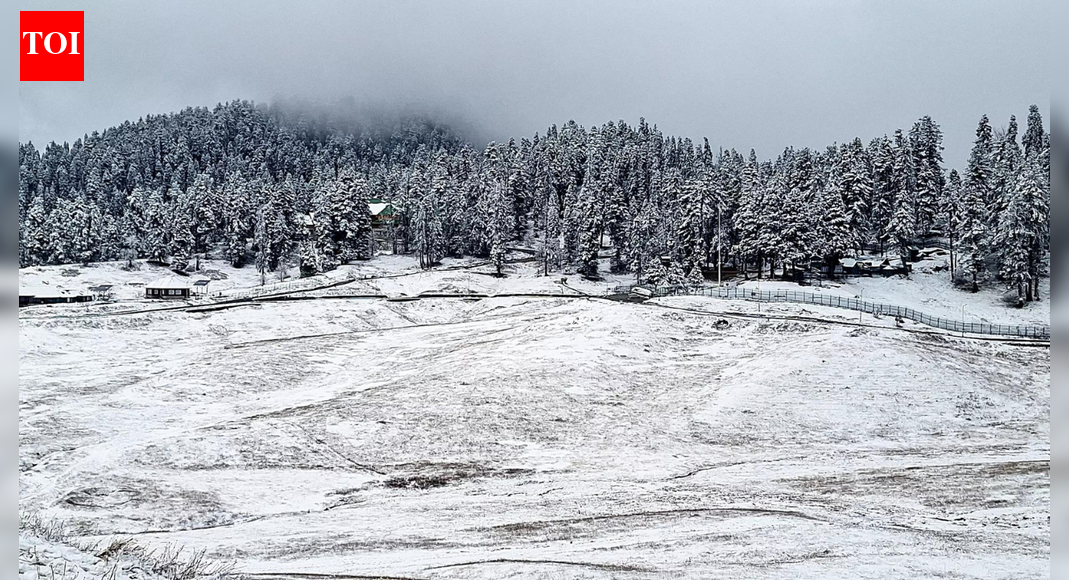
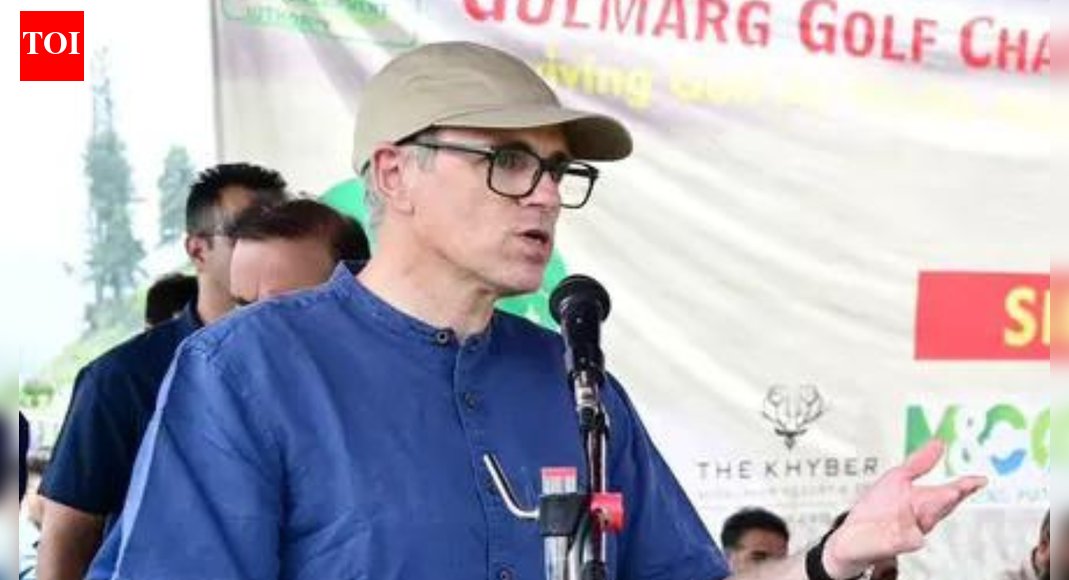
NEW DELHI: The higher reaches of Kashmir witnessed fresh snowfall while the plains received rain on Sunday, bringing relief to residents as Chillai-Kalan, the Valley’s harshest 40-day winter period, set in after a prolonged dry spell, as per PTI.Officials said snowfall was reported from the Gulmarg tourist resort in north Kashmir’s Baramulla district, where around two inches of snow had accumulated.In Sonamarg, located on the Srinagar–Kargil highway, snowfall began early Sunday morning and continued till the last reports were received.Sadhna Top, the mountain pass connecting the Tangdhar sector along the Line of Control with the rest of the Kashmir Valley, recorded moderate snowfall, with about six inches accumulating since Saturday night.Light rainfall was also reported overnight in Srinagar and other parts of the Valley and continued intermittently through Sunday, officials said. The weather department has forecast an increase in snowfall and rain across Kashmir over the next 48 hours.The precipitation has brought much-needed relief after an extended dry spell that had led to a rise in common ailments such as cough and cold, particularly among children and the elderly. The rain and snow on the first day of Chillai-Kalan are traditionally considered a good omen by locals and seen as a sign of ample snowfall in the coming weeks.Authorities said preparations were in place to deal with heavy snowfall, with arrangements reviewed for roads, power and water supply, health services and essential commodities. “I took a review of both divisions, especially areas where it is expected to snow, all districts in the Valley and the higher reaches of Jammu. The administration has finalised all preparations, but, whether that would suffice, will only be known after tomorrow when it starts to snow,” CM Omar Abdullah said on Saturday.Despite possible hardships, the snowfall is expected to improve air quality and give a boost to winter tourism, which had suffered last year due to a largely dry winter.“Even if we face some hardships due to the snow, I do not think anyone should complain because we have been eagerly awaiting snowfall. It will clear the air, mitigate pollution, and kick off the winter tourism season,” he added.Chillai-Kalan, also known as the “big cold”, will continue until January 30, after which the Valley will enter the milder Chillai-Khurd and Chillai-Bacha phases.


Source link

Railways revises passenger fares again; AC and express travel gets ‘little’ costlier | India News


Railways revises passenger fares again; AC and express travel gets 'little' costlier

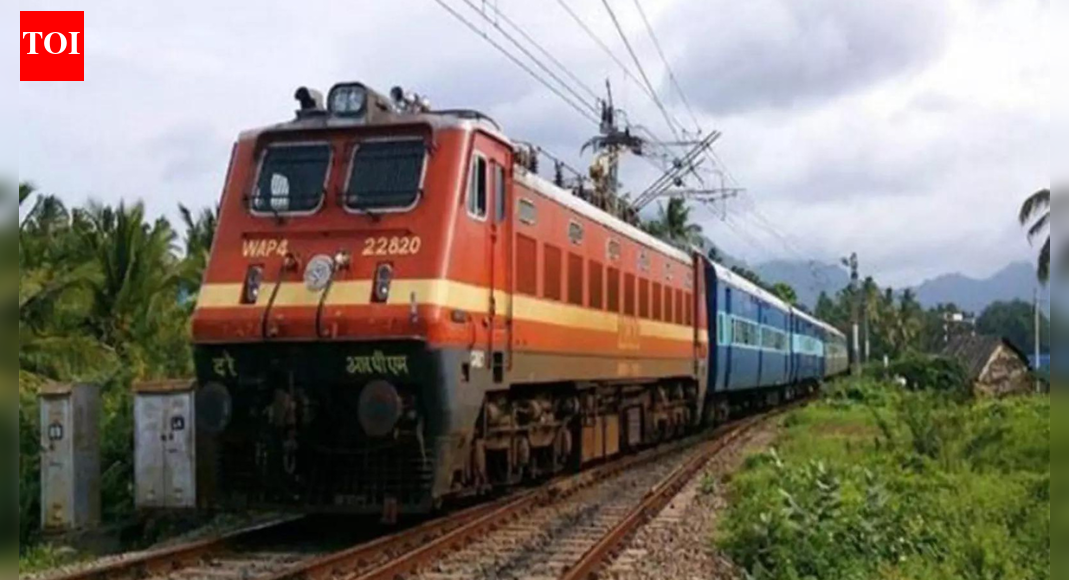
NEW DELHI: Train passengers travelling in AC coaches and non-AC passengers on Mail and Express trains will have to pay slightly more from December 26, as the Railway Ministry has increased fares by 2 paise per kilometre for these categories. A passenger travelling 500 km in a non-AC coach will have to pay Rs 10 extra.This is the second fare revision by Indian Railways during the current financial year. The previous fare revision was implemented in July.Under the current fare rationalisation, there will be no increase in fares for suburban services and Monthly Season Tickets (MSTs), which account for the largest share of railway passengers. In addition, ordinary class passengers travelling up to 215 km will not face any fare hike, a move aimed at protecting short-distance and economically weaker travellers, railway ministry sources said.

After India’s 8.2% GDP Jump, Piyush Goyal Credits Reforms And Predicts Strong, Sustained Expansion

For journeys beyond 215 km in ordinary class, fares will increase by 1 paise per kilometre. In Mail and Express non-AC classes, the fare hike is 2 paise per kilometre, while AC classes will also see a modest increase of 2 paise per kilometre.Indian Railways expects to earn approximately Rs 600 crore during the current year as a result of this fare rationalisation.Officials said that over the last decade, Indian Railways has significantly expanded its network and operations. With more train services, higher speeds, and a strong focus on safety, manpower requirements have increased substantially. As a result, manpower costs have risen to Rs 1.15 lakh crore, while pension liabilities have increased to Rs 60,000 crore. For the 2024–25 financial year, the total cost of operations has reached Rs 2.63 lakh crore.To manage these rising costs, officials said Railways is focusing on higher cargo loading along with limited passenger fare rationalisation.


Source link

Eggs safe, cancer claims baseless: FSSAI | India News


Eggs safe, cancer claims baseless: FSSAI
File photo (Picture credit: ANI)

NEW DELHI: The Food Safety and Standards Authority of India (FSSAI) firmly rejected claims linking eggs to cancer risk, saying eggs sold in India are safe for consumption and that recent reports and social media posts are scientifically unsupported and alarmist.Clarifying concerns over alleged presence of nitrofuran metabolites (AOZ), the regulator said the use of nitrofurans is strictly prohibited at all stages of poultry and egg production under India’s food safety regulations. Any suggestion that eggs contain cancer-causing substances, it said, is misleading.FSSAI explained that the Extraneous Maximum Residue Limit (EMRL) of 1.0 µg/kg for nitrofuran metabolites is set only as a regulatory detection threshold, not as a permissible level. “Trace detections below the EMRL do not amount to a food safety violation and do not pose a health risk,” an official said.The authority said India’s standards are aligned with global practices, noting that the European Union and the United States also ban nitrofurans and use reference values solely for enforcement. Differences in numerical benchmarks reflect analytical methods, not safety standards.On public health, FSSAI said there is no established causal link between trace-level dietary exposure to nitrofuran metabolites and cancer, and no health authority worldwide has associated normal egg consumption with increased cancer risk.Addressing reports tied to a specific egg brand, the regulator said such findings are isolated and batch-specific, often linked to inadvertent contamination or feed-related factors, and do not represent the overall egg supply chain.FSSAI urged consumers to rely on official advisories and scientific evidence, reiterating that eggs remain a nutritious and safe part of a balanced diet when produced and consumed in compliance with food safety norms.


Source link

Vaishno Devi landslide case: Court rejects FIR plea; calls incident ‘natural disaster’ | India News


Vaishno Devi landslide case: Court rejects FIR plea; calls incident 'natural disaster'

NEW DELHI: Katra court on Saturday refused to order criminal proceedings against officials of the Shri Mata Vaishno Devi Shrine Board in connection with the August 26 landslide that killed 35 pilgrims, concluding that the incident stemmed from natural causes rather than prosecutable negligence.The court, however, made it clear that its order would not affect the separate inquiry ordered by Lieutenant Governor Manoj Sinha three days after the incident to examine the circumstances leading to the deaths.The court underlined that criminal liability under Section 106 requires proof of gross negligence or rashness, foreseeability of harm and a direct causal link between the act or omission and the deaths. “Mere error of judgment or an administrative lapse does not suffice,” it said, while also ruling out culpable homicide on the grounds that the complaint itself alleged negligence, not intent.The plea had alleged that shrine board officials, including the chief executive officer, acted negligently by allowing the pilgrimage to continue despite weather advisories issued by the Meteorological Centre in Srinagar and the Jammu and Kashmir Disaster Management Authority. According to the complainant, the failure to suspend the yatra amounted to criminal negligence and warranted the registration of an FIR under Sections 105 and 106 of the Bharatiya Nyaya Sanhita, dealing with culpable homicide not amounting to murder and causing death by rash or negligent acts.Dismissing the plea, Sub-Judge (Judicial Magistrate First Class) Katra, Sidhant Vaid, said the material placed before the court showed that the “proximate and immediate cause” of the incident was a natural calamity. The judge observed that even if the allegations in the complaint were assumed to be true, non-compliance with weather advisories would at best amount to an administrative lapse and did not disclose any element of criminal negligence.


Source link

‘Kochi Biennale challenges the practice of putting certain artists on a pedestal’ | India News


‘Kochi Biennale challenges the practice of putting certain artists on a pedestal’

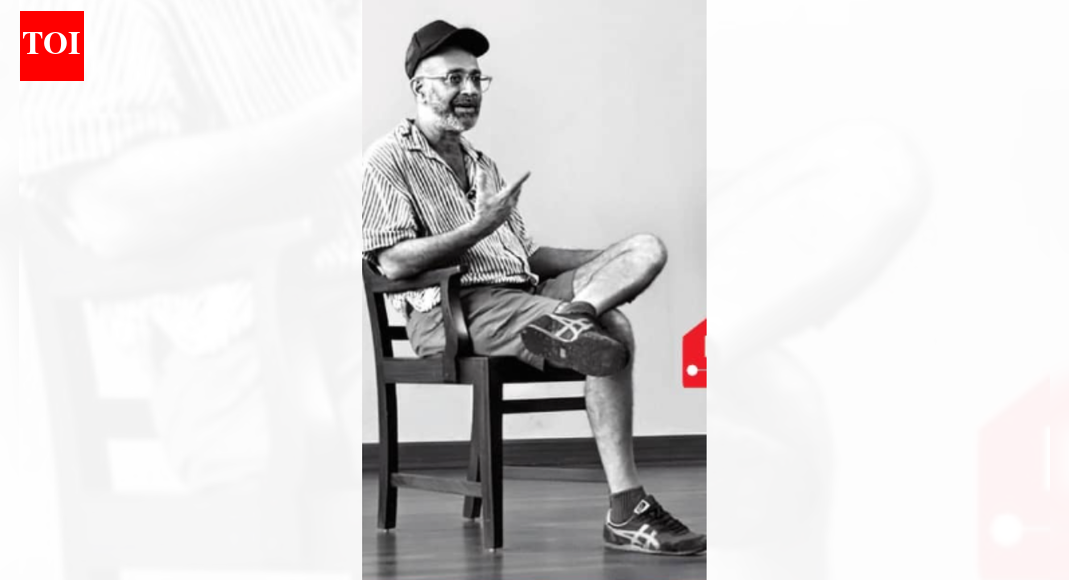
The Kochi-Muziris Biennale has never been about polished spectacle. Instead of wine and cheese, there are fried banana fritters, a curator dressed in shorts, with some works unfinished and others still finding their rhythm. Neelam Raaj spoke to curator Nikhil Chopra on why he wanted to blur hierarchies and invite viewers to experience contemporary art as something dynamic rather than fixedYou were one of the OGs of performance art in India, back when it wasn’t even widely accepted as art. You’ve done things like eating and sleeping at the Metropolitan Museum of Art in New York to trace the legacy of colonialism. As curator, the Biennale feels like it’s part of your attempt to expand the definition of art. Was that your aim?What interested me here was working with forms that don’t sit neatly in one category. Take the performance of French artist Uriel Barthélém. He is a drummer and composer but his was not just a music performance, it was also an experimental percussion and visual work. The drum kit is programmed to generate visuals, creating a multidimensional, multisensory experience. For me, it was almost like watching a live painting unfold.Your curatorial team at HH Art Spaces brought together established artists like Marina Abramovic and our own Gulammohammed Sheikh alongside artists who don’t even have gallery representation. That’s unusual, isn’t it?It was very much about dismantling hierarchy. We wanted to stop working with a pyramid structure where certain artists are placed on pedestals. By placing emerging artists alongside figures with established practices, the intention was to level the playing field and push back against gatekeeping. It allows younger voices to see their own work and research in dialogue with art history and excellence, and to recognise the strength of their own journeys.The Biennale also challenges the idea of art as something static or framed. There is Belgium-based Nigerian artist Otobong Nkanga who is growing a garden at Aspinwall and Argentine artist Adrián Villar Rojas who stuffed decaying food into obsolete fridges.Yes, art here is meant to be dynamic. Take Otobong’s garden, for example. It’s freshly planted now, but it will grow and change over the course of the Biennale. Time becomes a material. We have three months to cultivate this exhibition, almost like a garden, and that duration allows works to transform.The theme is ‘For the Time Being’. What does ephemerality mean to you in this context?It’s a series of moments. The Biennale has a beginning and an end, an entry and an exit. We’re acknowledging that we’re passing through time and place. Many of us have been living in Kochi for months, treating it as a residence rather than a temporary site. That kind of immersion is essential.Kochi itself feels deeply embedded in many of the works. Ghanaian artist Ibrahim Mahama was talking about how he sourced local sacks with the stamps of trade to turn a Mattancherry warehouse—a relic of its mercantile past—into a Parliament of Ghosts. How important was it that artists work closely with the city?Very much so. Many artists sourced materials locally, worked with students, carpenters, craftspeople, and technicians here. We’re crediting everyone involved, and their names will appear alongside the wall texts and in the catalogue. This exhibition was made collectively, with the city.The Biennale positions itself outside the commercial art market, yet collectors are clearly keeping an eye out for promising artists. Are you surprised by that?Artists need to sustain their lives. If art can become an agency for them, there’s nothing wrong with it. For me personally, as a performance artist, I never initially thought about my relationship with the market. Over time, drawing became a sustainable practice that fed my performances, and the performances fed the drawings. It became a symbiotic relationship.I’ve bumped into many locals and tourists here who admit they’ve never been to a gallery before, and many don’t have an ‘arty’ vocabulary. But you’ve spoken about how it’s okay if audiences don’t understand everything.That openness is crucial. Someone told me they didn’t understand everything, but they understood what they liked, and that was enough. Local residents, international visitors, first-time viewers, and specialists, everyone is invited to experience it on their own terms.Finally, what do you think is the function of a Biennale for someone encountering contemporary art for the first time?This Biennale, in many ways, is about demystifying making, watching, and interacting with art. It’s about instilling faith in the idea that art and poetry are essential to people’s lives. Contemporary art has the ability to poetically approach difficult conversations— about caste, gender, patriarchy, sexuality—within a space that feels safe and open. The aim is to allow people in, to break away from the white cube of galleries, and to make art feel lived, shared, and human.There were some grumbles about the spaces opening while many works were still in process. Did that unfinished state bother you?From the beginning, our curatorial note made it clear that we weren’t afraid of inviting people into that process. Some works were still being adjusted, some artists hadn’t fully completed their installations, and that was fine. People could walk through, see what was there, and also sense that things were still being fixed and tuned. Soon, everything will find its place, but the exhibition itself functions as an activation space over time.


Source link

Congress plays down Omar’s dismissal of ‘vote theft’ charge


Congress plays down Omar’s dismissal of ‘vote theft’ charge

SRINAGAR: Days after J&K CM Omar Abdullah described the “vote chori” as an issue of the Congress alone and said the INDIA bloc had “nothing to do with it,” the party on Saturday said being in alliance does not negate a constituent’s political ideology.“Omar Abdullah was present in various meetings of the INDIA bloc, whether they took place in Kolkata or elsewhere. The alliance was very successful in the parliamentary elections, though we have not achieved 100 percent success,” Congress’s Salman Khurshid said responding to question whether Omar is drifting away from the alliance.“Alliance is not a negation of independent political parties. They don’t write off their own identity and own ideology,” Khurshid said at a press conference here.On Dec 15, J&K CM distanced himself from the “vote chori” issue raised by the Congress and said the “INDIA bloc has got nothing to do with it”.Early this week, he repeated the statement in New Delhi.Khurshid said Jammu and Kashmir’s demand for statehood was a fight for its very existence, describing statehood as an identity that had been taken away.He also questioned the removal of Mahatma Gandhi’s name from the rural employment law MGNREGA. “What was the need to change the name of the scheme?” he said, adding that it is an emotive issue for the Congress.Omar echoed his comments, saying no one could erase Gandhi’s legacy, irrespective of whether his name remained attached to the scheme. “Mahatma Gandhi lives in the hearts of the people of India,” he said, describing the original scheme as far-sighted. He accused the NDA government of attempting to weaken the MGNREGA by shifting its financial burden on the states, saying the Centre ultimately wanted to do away with it altogether.


Source link