Breaking News
Ahead of RS polls, Cong corrals Odisha MLAs in K’taka, Haryana netas in HP | India News

Ahead of RS polls, Cong corrals Odisha MLAs in K'taka, Haryana netas in HP

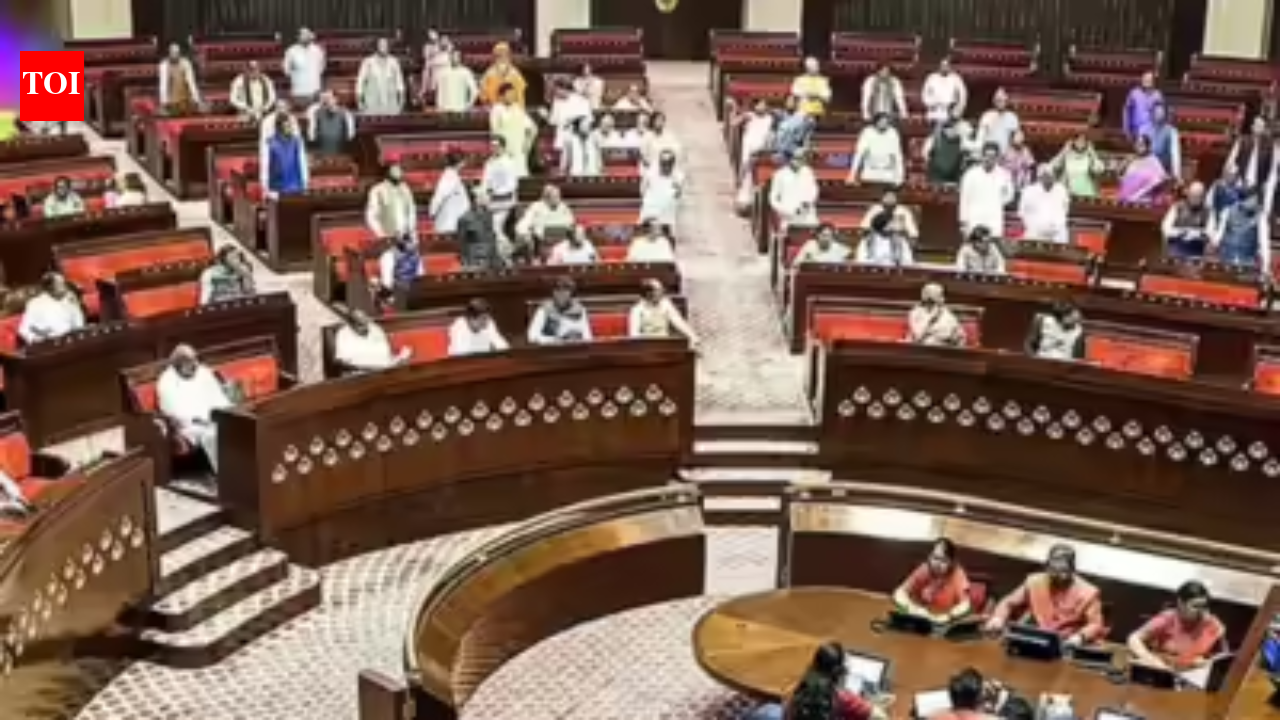
Bengaluru/Chandigarh: Congress has packed off nine of its 14 Odisha MLAs to a Bengaluru resort and 32 of its Haryana legislators to the hills of Himachal Pradesh, kickstarting the familiar ritual of unscheduled political vacations as parties seek to ring-fence the pack from horse-trading ahead of the March 16 Rajya Sabha polls. In Bhubaneswar, ex-CM Naveen Patnaik’s BJD lined up mandatory evening meetings of its legislators for three days to ensure everyone stays in line. Both Congress and BJD are backing independent candidate Datteswar Hota for one of the four seats in the state among 37 in the country going to RS polls. Odisha PCC president Bhakta Charan Das accompanied the Congress flock Friday to the resort at Bidadi in Bengaluru South that will be their home until at least the eve of the election. “Nine of our colleagues are on a leisurely weekend trip while five of us are here. You know how BJP is openly trying to trade MLAs. But our colleagues remain united,” CLP chief Rama Chandra Kadam told TOI. Karnataka deputy CM and state Congress chief DK Shivakumar, overseeing arrangements at Wonderla resort off Mysore Road, said the MLAs were brought to the city after BJP fielded a second candidate in the race for four seats. “There are concerns about cross-voting and attempts to influence MLAs with big offers,” he said. In the 147-member Odisha assembly, governing party BJP has 79 MLAs and is expecting support from three independents. Whereas, BJD has 48 legislators. A candidate needs at least 30 first-preference votes to win a seat. Under this formula, two BJP candidates and one BJD candidate are expected to win comfortably. For the fourth seat, BJP has extended support to independent candidate Dilip Ray, a former Union minister. In Haryana, 32 Congress MLAs assembled at the Chandigarh residence of CLP leader Bhupinder Hooda for a meeting in the presence of AICC general secretary BK Hariprasad and PCC president Rao Narender Singh. They took part in a voting drill before being herded into two buses that ferried them to Shimla, sources said. Among the MLAs who haven’t gone are Chandermohan, who is said to be unwell, and Olympian Vinesh Phogat. With 48 seats, BJP is confident its candidate, Sanjay Bhatia, will sail through. Congress, with 37 members, needs 31 first-preference votes for its candidate Karamvir Singh Boudh to win. Independent candidate Satish Nandal has skewed the equation for the second seat. Congress appears wary of a repeat of the 2022 defeat of Ajay Maken due to cross-voting.
Source link

‘Identifying sites in J&K for new power plants’ | India News


'Identifying sites in J&K for new power plants'

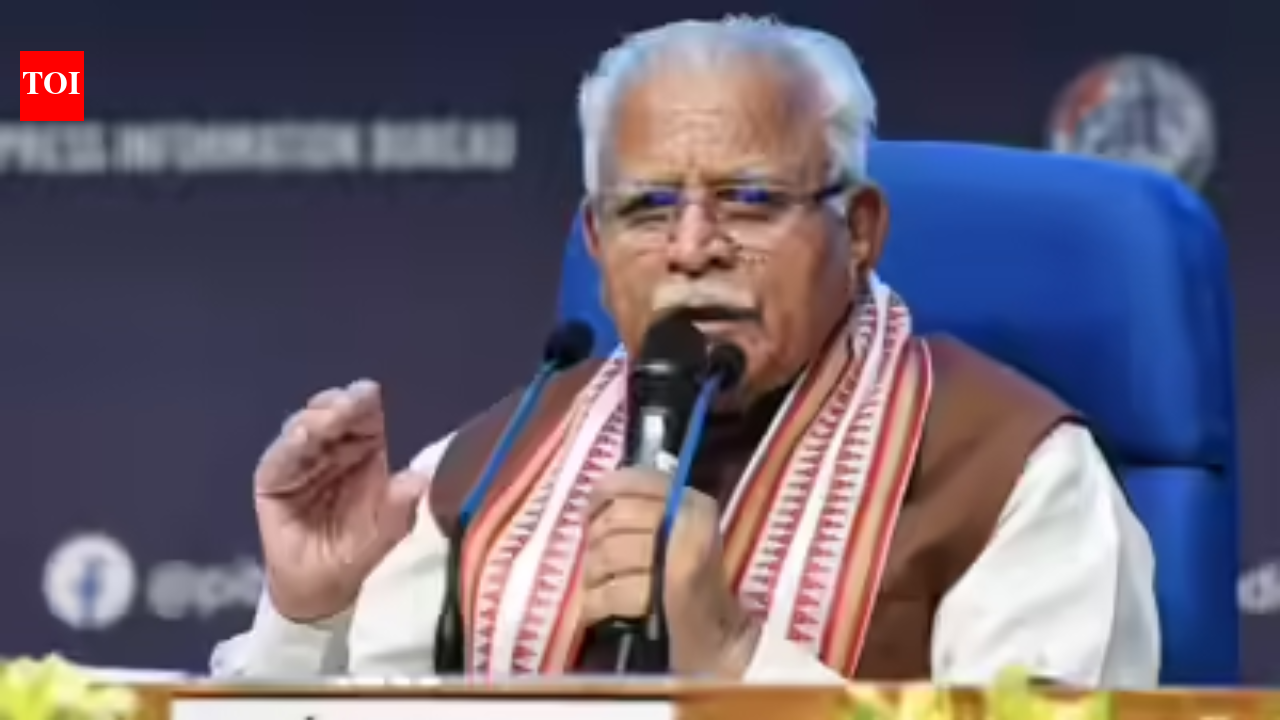
How is govt seeking to ensure that power supply stays ahead of demand?We are continuously expanding our generation. Earlier, the focus was on thermal capacity addition. The priority now is renewable energy, especially solar. Since solar power is not available round the clock, we are focusing on storage solutions. Nuclear energy will also contribute. The current capacity is around 8GW and 12GW is in the pipeline. Our long-term target is 100GW of nuclear capacity by 2047, and states have been encouraged to develop at least one project each. Continuous power can come from thermal, nuclear or gas. Gas is expensive and therefore not a priority. In 2014-15, the demand-supply gap was around 5.5%. By 2024-25, it came down to 0.1%, which is largely due to technical factors. There is pressure from developed countries to shut down coal-based thermal power plants. What will be India’s policy?Our priority is clean and green power. Continuous supply is needed for grid stability, and thermal power provides that. All thermal projects that can be developed up to 2032 have already been planned. Around 20,000MW of capacity is under development. After that, new thermal plants may not be necessary because India has committed to achieving net-zero emissions by 2070. Thermal plants that exist will continue until the end of their life cycle, but the overall share will gradually decline as renewable energy expands. How will the gas shortage impact power generation?I don’t want to comment bec-ause it’s an evolving situation. Discoms have reported a profit of about Rs 2,700 crore. However, the sector still has large debt and accumulated losses. How will this be addressed?Earlier, losses increased because tariffs were not aligned with costs. Govts often announced free or subsidised power, so cost of supply was higher than tariff charged. In some cases, the gap reached Re 1 per unit. Gradually, states have started addressing this issue. AT&C losses have fallen from 23-24% 10 years ago to ar-ound 16%. Illegal connections were removed and billing systems improved. Despite these improvements, accumulated losses remain around Rs 6.7 lakh crore. Earlier, the UDAY scheme transferred discom debt to state govts. A similar approach is being considered along with reforms, such as partial privatisation. Which states are taking steps toward privatisation?Gujarat has begun moving in that direction, Haryana is exploring the option and UP is considering further private participation. Haryana has proposed a model where a separate company will handle ag-ricultural electricity connections. Agricultural feeders wi-ll be separated and power accounting will become clearer. Farmer organisations have protested in some pl-aces against privatisation. What message does the Centre want to give them to address their concerns?Farmers mainly require reliable electricity for irrigation. Whether supply comes from a govt company or a private one does not affect opera-tions. Subsidies will continue. There is discussion about having two discoms in the same area so consumers benefit from competition. Is the idea of multiple suppliers being considered?Yes, it is being examined. Electricity quality cannot be differentiated because once power enters the network, it gets mixed. The system would function somewhat like the telecom sector, where consu-mers choose their service provider. The physical network will remain the same. Wires and meters won’t change. Only the supplier providing electricity behind the network will change, and digital systems will track how much ele-ctricity each supplier provi-des. Consumers will be able to select their supplier based ma-inly on tariff. The concept is still at an early stage and req-uires legal and policy approval before implementation. When will smart meters be installed in all homes? n Initially there was resistance, especially in rural areas, but people have started understanding the benefits. With prepaid smart meters, companies also receive payments in advance. If these are widely adopted, nearly Rs 1 lakh crore can enter the system as adv-ance payments, improving liquidity in the power sector and reducing the need for loans. Some states already provide incentives for prepaid meters. After the suspension of the Indus Waters Treaty, will new hydro projects come up in Kashmir?Some plants are already operating, and desilting work is being undertaken to restore reservoir capacity. Work has also started on three-four projects that were stalled. Additional projects are being pla-nned, and site identification is under way. There are also proposals to divert water towards Punjab and further to Rajasthan, Haryana, UP and Delhi through canals or tunnels. There are two-three possible routes; we have to see which one can be built faster and will be financially viable. One that has been proposed through the city of Jammu may not be feasible. The feasibility of another alignment around the city is being checked.


Source link

Railway board nod to flameless cooking | India News


Railway board nod to flameless cooking

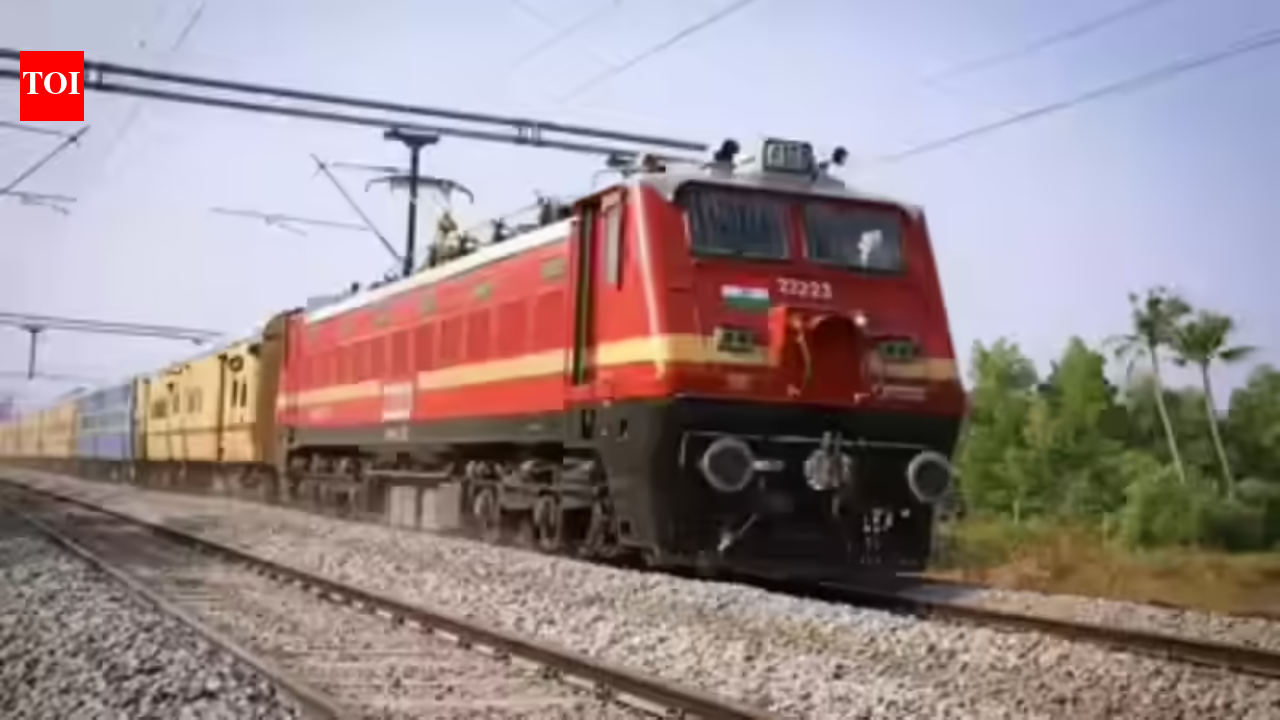
MUMBAI: In a move aimed at ensuring uninterrupted onboard catering services, the Railway Board permitted the use of flameless cooking systems in pantry cars, allowing staff to prepare meals inside trains during the ongoing LPG supply constraints, reports Manthan K Mehta. In a letter dated March 12, addressed to the Principal Chief Commercial Managers of all railway zones and the CMD of IRCTC, the Railway Board allowed the use of flameless cooking in pantry cars during emergency situations, subject to strict adherence to safety protocols.

Poll

Do you support the use of flameless cooking systems in railway pantry cars?


Source link

CBI questions Anil Ambani’s son in Rs 228 crore bank fraud case | India News


CBI questions Anil Ambani's son in Rs 228 crore bank fraud case

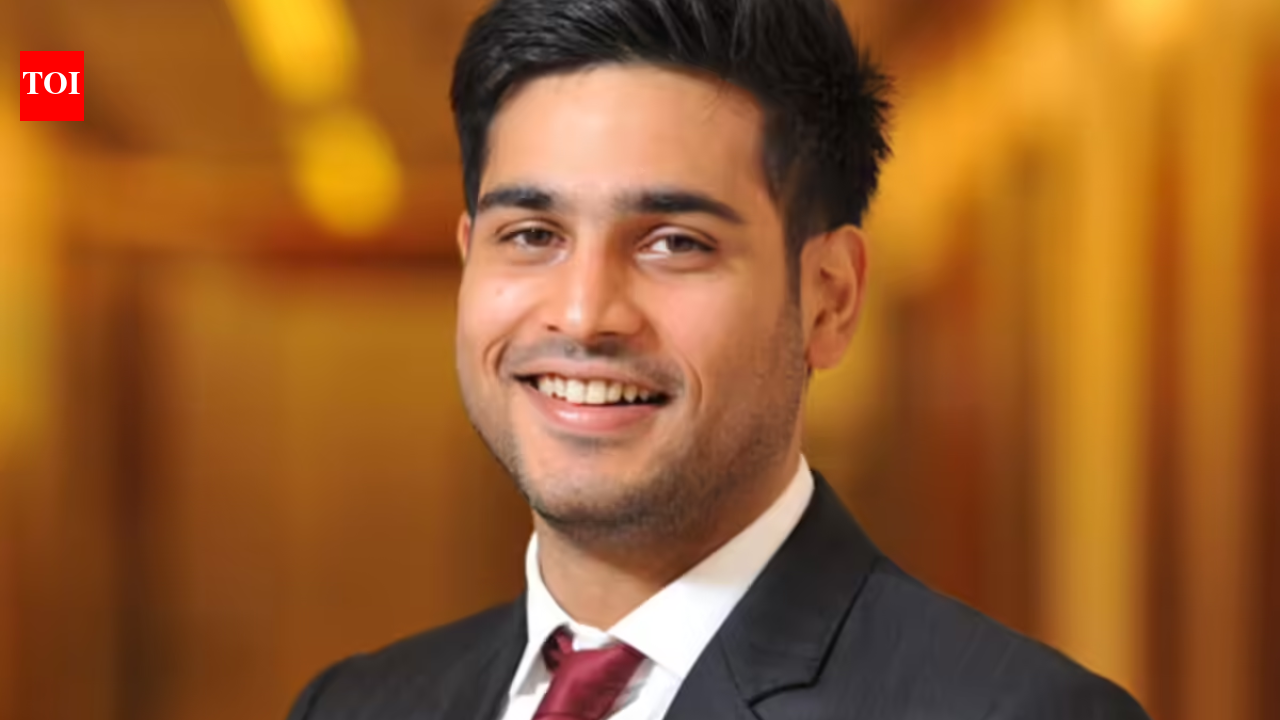
NEW DELHI: CBI Friday questioned Jai Anmol Ambani in connection with their ongoing investigation into an alleged Rs 228 crore bank fraud involving Reliance Home Finance Ltd. (RHFL). The son of industrialist Anil Ambani appeared at the CBI head office in Delhi, where he was examined by investigating officers for around six hours. Following the lengthy session, officials directed him to appear again on Saturday for further questioning as the agency continues to probe the alleged financial irregularities, an agency spokesperson said.

.

The case, which was formally registered on Dec 6, 2025, names RHFL, Jai Anmol Anil Ambani, former CEO Ravindra Sudhalkar, and several public servants and individuals. The legal action originated from a complaint by Union Bank of India (formerly e-Andhra Bank) alleging criminal conspiracy, cheating, and criminal misconduct that resulted in a loss of Rs 228 crore. While the RHFL account was classified as a Non-Performing Asset (NPA) in Sept 2019, it was officially declared a “fraud” account on Oct 10, 2024, the agency said. The scope of the investigation extends beyond a single bank, as RHFL reportedly owed a total of Rs 5,572.3 crore to a consortium of 18 banks, financial institutions, and corporate bodies. Friday’s questioning follows a series of raids conducted on Dec 9, 2025, in Mumbai. Investigators previously searched the official premises of RHFL and the residences of both Ambani and Sudhalkar, seizing several incriminating documents.


Source link

Sleep disorders putting lakhs of Indians at risk: Doctors | India News


Sleep disorders putting lakhs of Indians at risk: Doctors
Insomnia affects nearly 37% of older adults

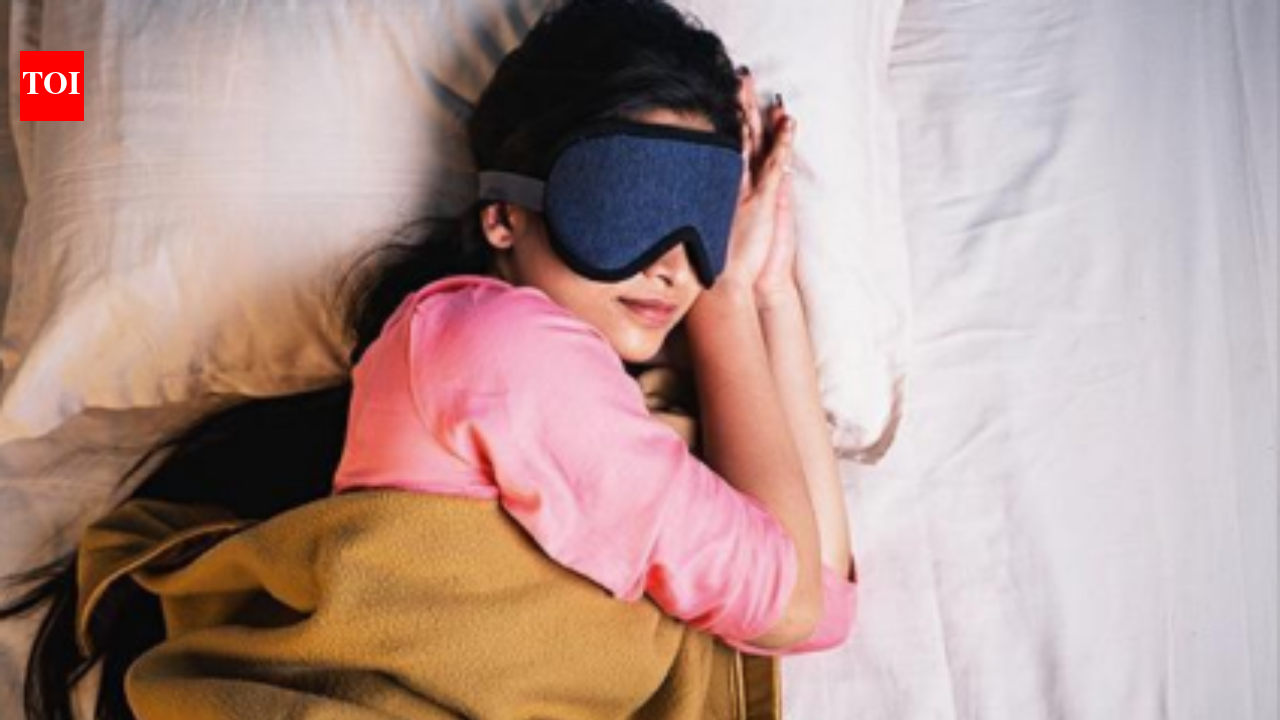
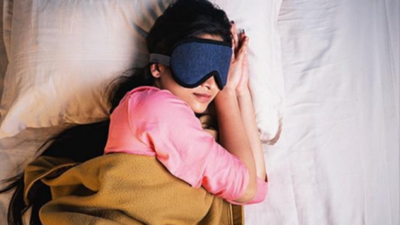
NEW DELHI: Doctors routinely check blood pressure, diabetes and cholesterol. But they rarely ask a question that may be just as important: how well are you sleeping? As the world marked World Sleep Day on March 13, experts warned that sleep disorders may be affecting millions of Indians and quietly increasing the risk of heart disease, diabetes and depression. New research suggests the problem is widespread. A 2025 systematic review in the Indian Journal of Public Health that analysed 100 studies involving nearly 68,000 people found that 25.7% of Indians suffer from insomnia, while obstructive sleep apnea (OSA) affects about 37.4%. Another 10.6% experience restless leg syndrome, a condition that disrupts sleep. Among patients with other illnesses, the burden is even higher. Nearly 48% were found to have sleep apnea and 32%, insomnia, suggesting sleep disorders may worsen chronic diseases. Experts estimate that about 52 million working-age Indians may have sleep apnea, including nearly 29 million with moderate-to-severe disease. Insomnia affects nearly 37% of older adults. Prof (Dr) J C Suri, director and head, Department of Pulmonary, Critical Care and Sleep Medicine at Sitaram Bhartia Institute of Science and Research, said lifestyle habits are worsening the problem. A survey of IT professionals in Hyderabad found 97% used electronic devices for at least an hour before bedtime, while 62% reported difficulty falling or staying asleep. “Sleep deprivation is perhaps the world’s biggest silent epidemic and has been worsening for decades, driven by our shift to a 24-hour society since the advent of electric lighting,” said Dr Vikram Sarbhai, president of the Indian Sleep Disorders Association. “Humans follow a circadian body clock that regulates sleep and wake cycles, making sleep essential for restoring brain and body functions.” He said healthy sleep depends not only on duration but also on quality and regular timing, which are increasingly being disrupted by modern lifestyles, shift work and technology use. Typically, adults in the age group of 18-45 years need 6-8 hours of sleep, those in 45-70 years group about 5-7 hours, and people who are 70 and above around 5 hours. These are estimates for individuals without alcohol or caffeine excess, toxic exposure, behavioural disturbances or medical conditions that affect sleep. The broader crisis may be even larger. A 2025 report by AGR Knowledge Services estimates that three out of five Indians are sleep deprived, with many turning to online remedies instead of seeking medical help. Prof (Dr) J C Suri said that poor sleep is closely linked to hypertension, heart disease, stroke, diabetes, obesity, depression and cognitive decline. Sleep deprivation is also emerging as a road safety risk. Studies by Central Road Research Institute found that about 40% of accidents on the Agra-Lucknow expressway were linked to driver fatigue. Despite these risks, India has no national policy mandating screening for sleep disorders among commercial drivers, unlike countries such as the United States, the United Kingdom and Japan. Experts say poor awareness and the absence of sleep medicine in most medical curricula mean many patients remain undiagnosed. Addressing sleep disorders, they say, could be a major but overlooked opportunity in preventive healthcare.


Source link

Maha anti-conversion bill proposes 7-year jail, Rs 1 lakh fine | India News


Maha anti-conversion bill proposes 7-year jail, Rs 1 lakh fine

MUMBAI: Maharashtra govt on Friday introduced a bill with stringent provisions to prevent religious conversions through coercion, fraud, or marriage if it involves inducement, coercion or deceit, joining other BJP-governed states that have enacted ‘freedom of religion’ laws. The Freedom of Religion Bill, 2026, tabled in the legislative assembly for debate sets a prison term of seven years for persons “involved in unlawful conversions on the pretext of marriage” and a fine of Rs 1 lakh. Treating the offence as non-bailable, the bill makes it mandatory for an officer heading a police station to register a complaint. Civil society bodies have opposed it, saying laws are being weaponised to create a climate of fear against inter-faith marriages. The bill says any child born out of a marriage or a “relationship in the nature of a marriage” due to unlawful conversion shall be “deemed to belong to the religion of the mother before such marriage or relationship”.

.

It mandates that any person intending to convert, as well as any individual or institution organising a conversion ceremony, must give notice in a prescribed form at least 60 days in advance to the competent authority. Upon receiving this, the authority will display the details on the notice board of its office as well as at the office of the village panchayat or the local authority concerned. It will invite objections from the public within 30 days of its publication. The bill requires that the converted person and individual or institution organising the ceremony submit a declaration to the authority within 21 days after the conversion. It allows relatives by blood, marriage or adoption to lodge an FIR if they suspect unlawful conversion. The bill also prescribes a jail term of seven years along with a fine of Rs 5 lakh for those “involved” in mass conversions. Repeat individual offenders may get a jail sentence of 10 years and fine of Rs 5 lakh. Inducements that may be treated as illegal include gifts, employment, education, a better lifestyle or divine healing. The burden of proof that a conversion was not carried out in violation of the provisions of the Act will lie on the person who caused, assisted or abetted the conversion. The bill, described as draconian by critics, says “forceful” and “involuntary” religious conversions in the state are increasing. “The right to freedom of religion guaranteed under the Constitution of India is not absolute, but is su-bject to public order, morality, health and to other provisions of Part III of the Constitution relating to the fundamental ri-ghts of citizens,” says the bill. Dolphy D’Souza of The Bombay Catholic Sabha said, “We are very disappointed that the bill was tabled without discussions with various stakeholders who are going to be affected. It takes away the right to one’s conscience to follow the religion of their choice or marry a partner of their choice. We urge the opposition to raise their voices and also demand that it be referred to a select committee for discussion as some of the clauses are draconian, to say the least. Legal challenges against anti-conversion laws by civil rights groups such as Citizens for Justice and Peace have been taken up by HCs in Karnataka, UP, Uttarakhand and MP. Sections of these laws have been stayed and states have gone before SC.


Source link

Cop, wife die as car falls into stream in J&K’s Doda | India News


Cop, wife die as car falls into stream in J&K’s Doda

JAMMU: A head constable of Jammu and Kashmir Police and his wife died, while their sons were injured when the vehicle they were travelling in skidded off the road and plunged into a stream in Doda district on Friday.The family, from Bani in Kathua district, was heading to Bhaderwah in their SUV when the accident occurred around 9am near Basti village (Bhaderwah). Head Constable Zulfikar Ali (47), posted with Bhaderwah District Special Branch, and his wife, Rehana Begum (42), died on the spot, an official stated.“Police and medical teams from SDH Bhaderwah rushed to the spot, and shifted the family to Bhaderwah Hospital, where the couple was declared dead. Their sons, Arshad Ahmed (20) and Kamran Ahmed (24), remained under treatment,” the official said.Union minister Dr Jitendra Singh condoled the deaths in an X post.


Source link

FASTag Annual Pass to cost Rs 3,075 from April | India News


FASTag Annual Pass to cost Rs 3,075 from April

NEW DELHI: The cost of FASTag Annual Pass for private vehicles will increase by 2.5% to Rs 3,075 from April 1. At present, the annual pass costs Rs 3,000, which allows cars to cross 200 toll plazas without stopping. The pass can be recharged multiple times in a year.Officials said the provision for annual revision of the price was mentioned when the FASTag Annual Pass was notified by the road transport ministry. The pass has been a runaway success with more than 52 lakh highway car users subscribing to the annual pass since August 15.“The increase is in line with the formula for revision of highway toll across the country, which happens every year. Those who recharge by this month can buy it paying Rs 3,000,” said an official.


Source link

Refining relations: India pumps up goodwill as neighbours seek emergency fuel | India News


Refining relations: India pumps up goodwill as neighbours seek emergency fuel

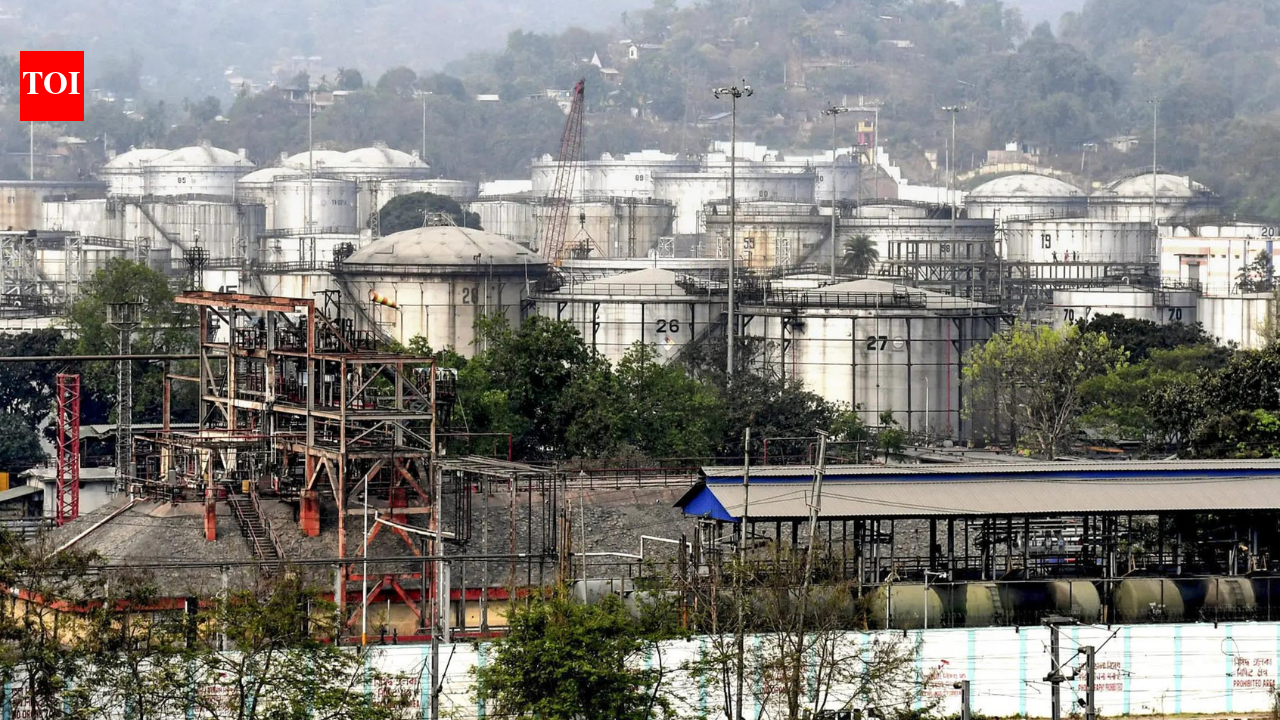
Several countries in the subcontinent have reached out to India seeking additional fuel as the ongoing conflict in the Middle East curtails energy supplies from the Persian Gulf.This comes after the effective closure of the Strait of Hormuz, which has left several countries in South Asia with limited stockpiles and few alternative supply routes.While addressing a press briefing, MEA spokesperson Randhir Jaiswal said that New Delhi is reviewing requests from several nations.“We have received requests from some neighbouring countries for energy exports, including diesel from Bangladesh. Domestic availability and production will be factored in before any decision is taken,” Jaiswal said.He added that similar requests from Sri Lanka and the Maldives have also been received and are under review. Jaiswal emphasised that any decision on supplying petroleum products will take into account India’s internal energy needs.While India has yet to approve the additional fuel requests, New Delhi’s position as the world’s fourth-largest refiner gives it room to respond to the crisis in a way that deepens regional ties and reinforces its standing as a dependable partner in South Asia.Countries that sought India’s helpNepalNepal has asked Indian Oil Corporation to increase its monthly supply of liquefied petroleum gas (LPG) amid the ongoing crisis.Kathmandu requested an additional 3,000 tons of LPG but was told that only the contracted volumes would be delivered for now, the deputy director of the state-run Nepal Oil Corporation told Bloomberg.Nepal currently receives about 48,000 tons of LPG a month from IOC under its existing agreement.Nepal relies entirely on India for its fuel supplies. Panic buying in the country has led households to stockpile cooking gas cylinders, prompting authorities to curb distribution.“The regular LPG cylinder is 14.2 kilograms, and from today we have decided to reduce it to 7.1 kilograms,” said Manoj Kumar Thakur.BangladeshDhaka has also asked India to supply additional diesel beyond the 180,000 tons it receives annually under an existing contract. Bangladesh’s government, in office for only a few weeks, is facing the prospect of acute fuel shortages.Bangladesh, which imports more than 80% of its energy from the Middle East, imposed austerity measures last week, with the newly elected government shutting fertiliser plants and curbing decorative lighting to conserve power.The push for additional supplies comes as New Delhi and Dhaka begin to mend previously strained relations.“We have requested them to increase the oil supply slightly considering the crunch time,” said Bangladesh Energy Minister Iqbal Hassan Mahmood after meeting the Indian high commissioner in Dhaka on Wednesday.Sri LankaSri Lanka’s Foreign Minister Vijitha Herath also held an “emergency meeting” on Friday with Russia’s ambassador in Colombo to discuss oil purchases under a temporary US sanctions waiver, according to a ministry statement.Sri Lanka spent $3.83 billion on fuel imports last year, according to government data, with most shipments arriving from India and Singapore.“Sri Lanka does not have enough storage facilities to store fuel beyond the next few weeks, but there are sufficient confirmed shipments till the end of this month,” said S Rajakaruna, chairman of the state-run Ceylon Petroleum Corporation, while speaking to reporters.Ashok Malik, a New Delhi–based partner at The Asia Group, told Bloomberg that India has stepped in to help meet fuel demand in the past.“I am sure it will get India goodwill as all countries are struggling,” Malik said.“While India’s energy ties with its neighbours are robust, it may not be able to resolve all of their supply challenges,” Malik added.India imports nearly 90% of its annual crude requirements. Amid the crisis, it has been seeking alternative supply routes to offset the disruptions.Earlier this week, New Delhi ordered about 30 million barrels of Russian oil after obtaining a waiver from the US and has been in negotiations with Iran for safe passage for more than 20 tankers.Earlier on Thursday, a Liberian-flagged ship loaded with crude oil from the Saudi port of Ras Tanura also arrived at the port of Mumbai via the Strait of Hormuz.The tanker Shenlong Suezmax, allegedly carrying approximately 135,335 metric tonnes (roughly 1 million barrels) of crude oil, had departed from the Saudi port on March 1 and reached Mumbai, becoming the first India-destined vessel to safely navigate the strategic waterway and reach Indian shores amid the intense fighting in the Gulf.


Source link

Online crimes against women & children: Govt urges law enforcement & IT firms for stronger response | India News


Online crimes against women & children: Govt urges law enforcement & IT firms for stronger response

NEW DELHI: Highlighting the growing challenge of online crimes against women and children, home secretary Govind Mohan on Friday exhorted the law enforcement agencies to ensure prompt and coordinated response to such cases while also urging the information technology (IT) intermediaries to adhere to all legal provisions meant to secure the digital space for women and children. Addressing the inaugural session of the national dialogue on ‘online crimes against women and children’ (OCWC) organised here by the Indian Cyber Crime Coordination Centre (I4C), Mohan asked the states and UTs to strengthen their institutional capacities and develop robust, specialised units and dedicated response mechanisms to ensure timely investigation, victim support and swift action against the perpetrators.The event intends to bring together key stakeholders to deliberate on strengthening coordinated mechanisms to prevent and effectively respond to online crimes targeting women and children. “Under the leadership of Prime Minister Narendra Modi and the guidance of home minister Amit Shah, government of India remains committed to strengthening institutional mechanisms and fostering collaboration among all stakeholders to ensure a safe, secure, and dignified digital environment for women and children across the country,” the ministry said in a statement on Friday.Discussions held during the dialogue dwelt on the emerging trends and patterns in online crimes against women and children; strengthening investigative frameworks and digital forensics capabilities; improving victim support and reporting mechanisms; enhancing coordination with digital platforms for timely removal of harmful content; and promoting multi-stakeholder collaboration for prevention, awareness and enforcement.Addressing the gathering, Mohan called upon all stakeholders to work collectively towards ensuring a safe and secure digital ecosystem.The national dialogue provides a platform for knowledge exchange, sharing of best practices, and collective deliberation on building a coordinated national strategy to address the evolving challenges posed by online crimes in the digital environment.The inauguration also marked the launch of master trainers induction programme in the states/UTs on online crimes against women and children, aimed at creating a national pool of trained officers to lead capacity-building initiatives in their respective states and UTs. The programme seeks to equip selected officers with specialized knowledge, investigative techniques, and best practices required to address emerging cyber threats targeting women and children. These officers will further train law enforcement personnel at the state and district levels, thereby strengthening the country’s response framework to such crimes.Participating in the national dialogue on Friday were senior officials of the state and UT law enforcement agencies, representatives from concerned ministries and departments of the government of India, social media intermediaries, internet service providers, academia, civil society organizations, legal experts, and student representatives.


Source link