Breaking News
RSS plans shakha expansion, wider outreach to mark centenary year | India News


RSS plans shakha expansion, wider outreach to mark centenary year

RSS plans shakha expansion, wider outreach to mark centenary year (Picture credit: PTI)

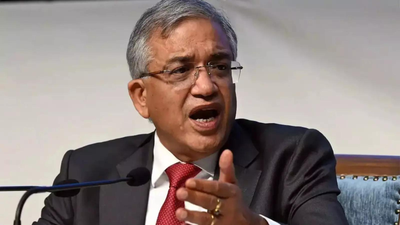
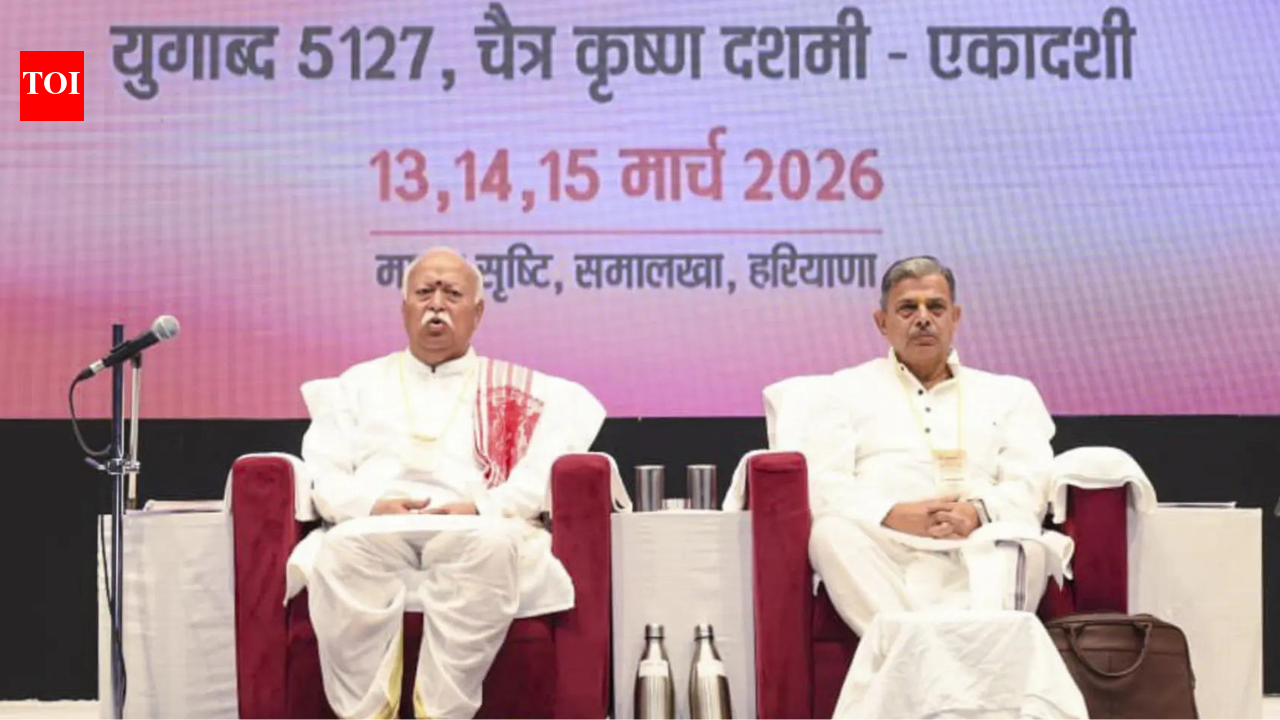
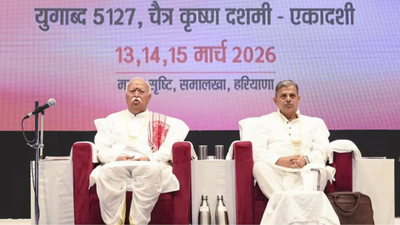
NEW DELHI: The Rashtriya Swayamsevak Sangh (RSS) will focus on expanding its ‘shakhas’ and stepping up public outreach programmes during its centenary year, with the organisation saying it is pushing both organisational growth and wider social engagement as part of its 100th year initiatives.Addressing a press conference in Samalkha, Panipat, RSS joint general secretary C R Mukund said on Friday that “special emphasis” was being placed on the expansion of shakhas and outreach to society as the organisation marks its centenary year, as per news agency PTI.The remarks came as RSS chief Mohan Bhagwat and general secretary Dattatreya Hosabale inaugurated the three-day Akhil Bharatiya Pratinidhi Sabha (ABPS), the Sangh’s top decision-making body, in Haryana’s Samalkha.

Focus on shakha growth and social engagement

Mukund said the Sangh’s centenary-year plans have “two main dimensions” — organisational expansion through shakha growth, and a parallel effort to engage society, build harmony and mobilise people for “social transformation, and public awakening”.He said the RSS has already reached out to more than 10 crore homes under its ‘grihasampark’ (mass contact) programme and covered more than 3 lakh villages across the country.As part of this outreach, Mukund said the organisation has also seen what he described as a positive impact of “sabbhav gosti” and “pramukh nagrik gostis”, according to PTI.

Kerala outreach highlighted

Highlighting outreach efforts in Kerala, Mukund said RSS volunteers visited a wide cross-section of homes, including Muslim, Christian and even communist-leaning households.“In Kerala, over 55,000 Muslim and 54,000 Christian homes were covered under the public outreach initiative,” he said.“We received a warm welcome everywhere we went. Our ‘swayamsevaks’ reached out to 55,000 Muslim and 54,000 Christian homes,” Mukund added, noting that the Sangh also extended the initiative to tribal regions.

Hindu Sammelans, youth meets and social harmony programmes

As this year marks the centenary of the RSS, the ABPS meeting is expected to hold detailed discussions on major campaigns planned for the celebrations. These include ‘grihasampark’, Hindu Sammelans, youth conferences, gatherings of prominent citizens and social harmony meetings.Mukund said Hindu Sammelans have already been held at more than 36,000 places across the country, with more events planned in urban centres, rural areas and remote regions.He also said the Sangh is trying to engage prominent citizens in different localities as community leaders and is working at the block level with local leaders, heads of spiritual organisations and heads of religious centres to promote harmony and social reform.

Panch Parivartan and wider issues

Mukund also spoke about the RSS’ ‘panch parivartan’ initiative, which focuses on social harmony, preservation of family values, environmental protection, selfhood and self-reliance, and adherence to legal, civic and constitutional duties.“Together, we aim to deliberate upon and implement positive initiatives that bring about necessary social reforms. Specifically, the Sangh has identified five transformations. Five key themes representing the changes currently desired within society,” he said, according to PTI.On wider issues, Mukund said the situation in Naxal-affected areas is gradually returning to normal due to the government’s efforts, while “political stability is coming” in Manipur and ongoing dialogue among communities is yielding results.He also said the Sangh wants the Bangladesh government to take necessary steps to protect the rights and interests of Hindus there. Asked about the West Asia conflict, Mukund said the crisis should end soon, adding that this is what “we and the Indian society believe”.

Key meet underway in Samalkha

The three-day ABPS meeting will review the RSS’ activities during 2025-26 and assess major initiatives undertaken across regions, RSS Akhil Bharatiya Prachar Pramukh Sunil Ambekar had said earlier, reported PTI.A total of 1,487 karyakartas, including elected representatives and key office-bearers from across the country, are attending the meeting, along with presidents, general secretaries and organising secretaries of 32 affiliated organisations. BJP chief Nitin Nabin and senior functionaries of the Sangh’s sister organisations are also expected to be present.


Source link

Iran-Israel-US ‘triangle trap’: Decoding India’s stance amid rising Middle East tensions | India News


Iran-Israel-US 'triangle trap': Decoding India's stance amid rising Middle East tensions

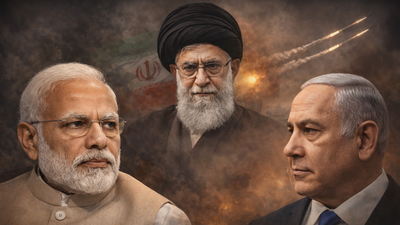
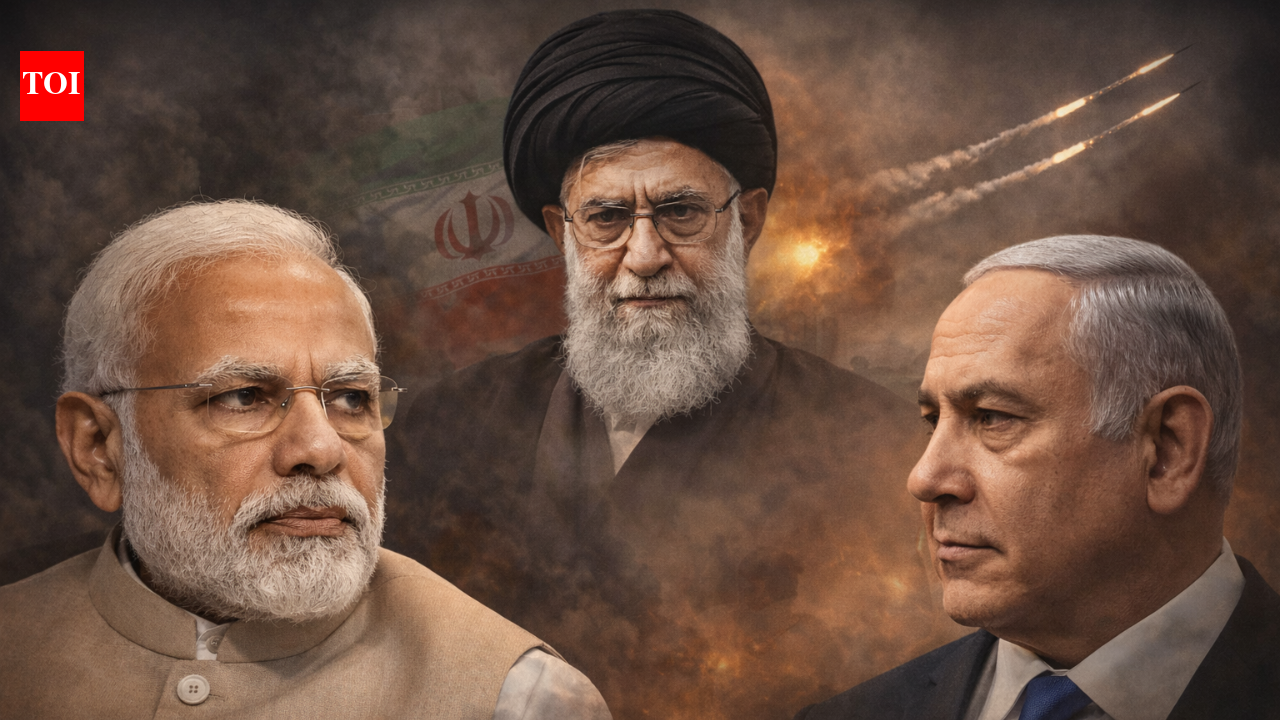
Is New Delhi recalibrating its approach to West Asia? The question has resurfaced after India’s notably cautious response to the latest escalation involving Iran. When the United States and Israel launched strikes on Iran on February 28, triggering retaliatory missile attacks across the region, several global powers reacted swiftly. India, however, avoided taking a clear position on Tehran.In the crucial hours after the escalation, Prime Minister Narendra Modi did not directly comment on Iran. His first response came nearly a day later and focused instead on attacks on the United Arab Emirates. Subsequent conversations with leaders across the Gulf emphasised respect for their territorial integrity and the need for de-escalation, but again avoided directly naming Iran. Even after the death of Iran’s Supreme Leader Ali Khamenei was confirmed, New Delhi stopped short of condemning the killing, offering only a condolence gesture days later.Experts describe this cautious approach as deliberate and calculated. “India’s policy has been very careful. Its interests are far more aligned with the US than Iran. That explains why it condoled and did not condemn Khamenei’s killing, even though it was a clear violation of international law,” said JNU professor Rajan Kumar. He noted that even though both India and Iran are BRICS members, New Delhi chose restraint over confrontation, highlighting the delicate balancing act in play.

How (When) India reacted on Iran war

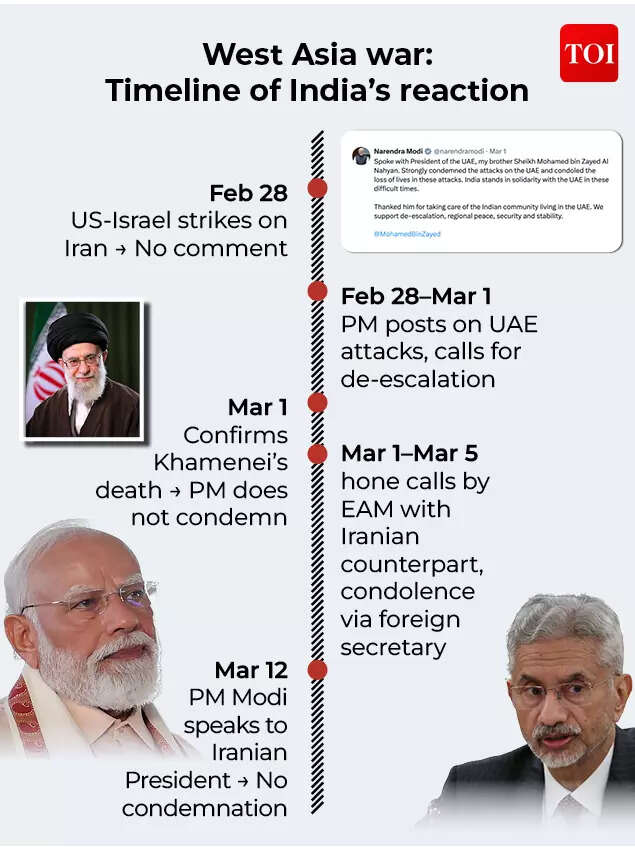
28 Feb: US-Israel attack Iran

The United States and Israel launch strikes on Iran amid negotiations between Washington and Tehran over its nuclear programme.Iran retaliates with missile and air attacks across the region, targeting military sites in Israel as well as US bases in Bahrain, Saudi Arabia, Qatar, the United Arab Emirates and Iraq.Prime Minister Narendra Modi makes over 15 posts on his social media X after the news of the war breaks out, but none of it on Iran situation.

March 1: Khamenei’s death confirmed

By midnight early March 1, the news that Iran Supreme Leader Ayatollah Khamenei is killed in the strikes gets confirmed.India, again, sees no reaction on breach of Iran’s sovereignty or the killing of its Supreme Leader Khamenei, even as its long-standing friend Russia is quick to condemn it in strong words, with President Vladimir Putin calling it a “cynical violation of law”.The first post by PM Modi comes on March 1, his 25th on his X account, at 11.26pm. The post condemns “attack” on the UAE. The Prime Minister was referring to Iran’s retaliatory strikes on US military bases in UAE, which had led to one death. However, he did not directly name Iran in his post.By midnight, PM Modi makes another post where he informs that he had a conversation with Israeli PM Benjamin Netanyahu, whom he had two days before the war broke out. In the post, the PM again makes no mention of Iran, but calls for “early cessation of hostilities”.In a series of posts by the next day, PM Modi speaks to the leaders of Bahrain, Saudi Arabia, Jordan, Oman, Kuwait, Qatar, condemning any violation of their territorial integrity. The PM was again referring to the strikes on US military bases in these nations by Iran in retaliation. India’s reaction to Khamenei’s death came five days after the incident. Foreign secretary Vikram Misri signed the “condolence” book in the Iranian embassy on behalf of the government. MEA dismissed this “delay” argument saying that the book was signed by India the first day it was opened, which was on March 5. However, MEA’s clarification failed to explain why the government itself took five days after the incident to formally convey its condolences.PM Modi’s reaction to Iran came only on March 12 when he spoke to Iranian president. The wording of the post was clear: “The safety and security of Indian nationals, along with the need for unhindered transit of goods and energy, remain India’s top priorities.” No condemnation or solidarity.

-

India did not condemn the death, neither did the PM or EAM make any direct comments on the killing. Then what explains this refusal to condemn the killing?Experts have termed it a “very cautious and very careful” move.“India’s policy has been very cautious and very careful. Its interests are much more aligned with US than Iran. Maybe that’s why it condoled and not condemned Khameinei’s death, while it was Khamenei’s death which was actually a violation of international law, said JNU professor Rajan Kumar, an international relations expert.“In fact, both Iran and India are members of Brics, still India chose not to condemn the attack,” he said.

Why historical Iran ties make current restraint notable

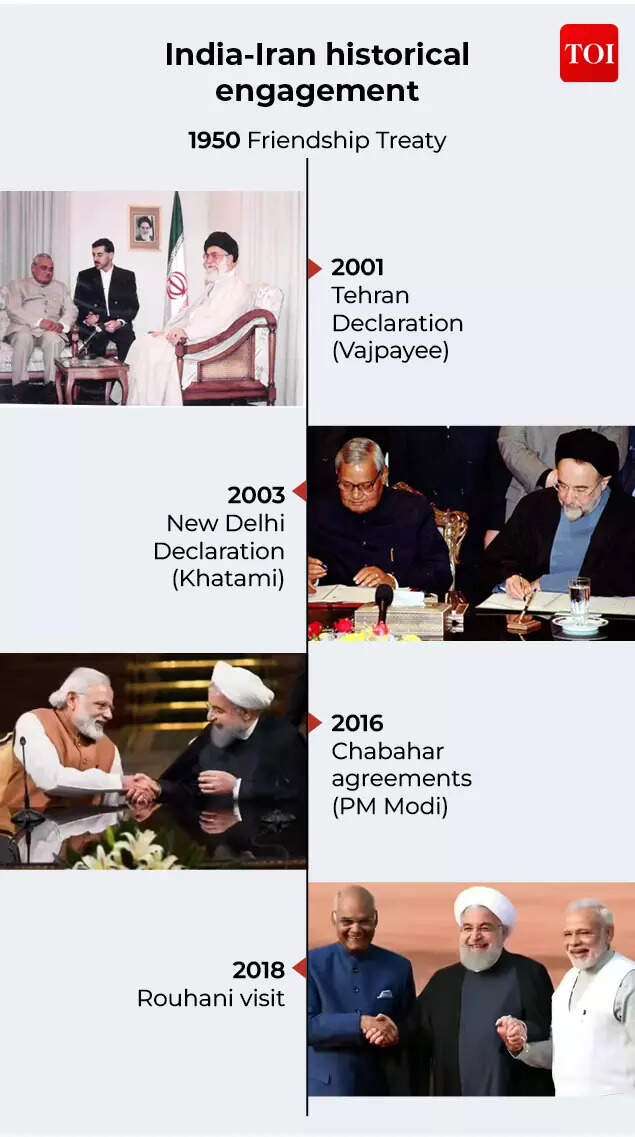
India’s historically close engagement with Iran makes this caution notable. The two countries share civilisational links stretching back centuries, which have shaped a modern partnership built on trade, culture and strategic cooperation. Diplomatic ties were formalised with a Friendship Treaty in 1950, and successive governments in New Delhi invested in maintaining strong political engagement with Tehran.Leaders from the Bharatiya Janata Party (BJP) were also central to strengthening these ties in the past. Prime Minister Atal Bihari Vajpayee’s visit to Iran in 2001 led to the signing of the Tehran Declaration, marking a new phase of strategic cooperation. This was followed by Iranian President Seyyed Mohammad Khatami’s visit to India in 2003 and the New Delhi Declaration, which expanded political and economic engagement between the two countries.Under Prime Minister Narendra Modi, the relationship continued to see high-level outreach. Modi’s 2016 visit to Iran resulted in multiple agreements and the trilateral transit pact with Afghanistan centred on the development of Chabahar Port, a project seen as strategically important for India’s connectivity to Central Asia. Iranian President Hassan Rouhani’s visit to India in 2018 further reinforced cooperation in connectivity and trade.

-

So, what explains this shift away from Iran?

Analysts point to a mix of immediate security concerns and long-term economic dependencies that have pushed New Delhi to adopt a more cautious posture in the current West Asia crisis.A major factor is the safety of the large Indian diaspora across the Gulf. References to the Indian community appeared consistently in Prime Minister Modi’s statements on the unfolding conflict. There are over one crore Indians who work and live in Gulf nations, external affairs minister S Jaishankar informed the Parliament on Monday. This, he said, makes the West Asia war even more concerning for India. He informed that India has already lost two of its mariners, with one missing in the current situation. “We are committed to supporting the Indian community at this time,” Jaishankar said in the Parliament.Moreover, India is significantly dependent on Gulf supplies, especially in energy sector. The key economic concerns include:Oil: India exports nearly 40% of crude oil from Gulf. In 2025, it sourced around $70 billion crude oil and petroleum products from West Asia.LNG needs: The country is heavily dependent on West Asia for LNG requirements. It sourced liquefied natural gas or LNG worth $9.2 billion from West Asia, which is around 68.4% of its total LNG imports.LPG: LPG imports from West Asia were $13.9 billion in 2025, making up 46.9 % of India’s total LPG purchases. Cities such as Bengaluru, Mumbai and Chennai are seeing disruptions in commercial LPG supplies as authorities prioritise domestic cooking gas for households.

Recent closeness towards Israel

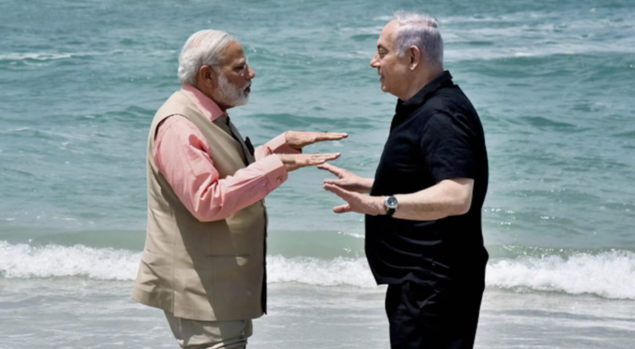
For decades after independence, India’s policy on Israel and Palestine was cautious. New Delhi supported the Palestinian cause and often voted with Arab countries in international forums, even voting against Israel’s admission to the United Nations. At the same time, India recognised Israel in 1950 and maintained limited contact while presenting itself as neutral. India later became the first non-Arab country to recognise the State of Palestine in 1988 and established diplomatic relations with Israel in 1992 after consultations with Yasser Arafat, leader of the Palestine Liberation Organization.Relations with Israel began expanding gradually after the Cold War, particularly in defence and trade. However, earlier governments often kept the relationship relatively low-key to avoid upsetting Arab partners or appearing to move away from India’s traditional support for the Palestinian cause.A more visible shift came after Narendra Modi became prime minister in 2014. Under his government, India’s ties with Israel grew more open and politically prominent. Defence cooperation increased and bilateral trade expanded, with both countries emphasising shared security concerns and technological cooperation.In 2017, PM Modi became the first Indian prime minister to visit Israel, marking a symbolic turning point in the relationship. During the trip, he was warmly received by Israeli prime minister Benjamin Netanyahu, and images of the two leaders walking together on Ogla beach became widely circulated, highlighting the new warmth in ties.

-

PM Modi’s 2017 Israel visit: PM with Israeli counterpart at Ogla beachThe closeness between the two governments has continued in recent years to a point where PM Modi was in Israel merely two days before Israel attacked Iran with the US.Referring to Israel as the “fatherland” and India as the “motherland”, PM Modi’s visit came at a time when Israel faced intense international criticism over its military campaign in Gaza, which has killed more than 60,000 Palestinians according to various estimates. “The timing of it was clearly wrong. The policy makers did not expect that to happen very soon. That sent a very wrong optics from a balanced policy perspective,” professor Rajan said.The war has also drawn renewed scrutiny of Netanyahu’s leadership, with critics and some international legal bodies describing him as responsible for alleged war crimes.The shift under PM Modi reflects both ideological and strategic factors. The Bharatiya Janata Party has long been seen as more openly supportive of Israel than previous governments. At the same time, India sees Israel as a key partner in defence technology, intelligence cooperation and innovation. As a result, India’s West Asia policy today attempts to balance closer ties with Israel while continuing to express support for Palestinian statehood.

-

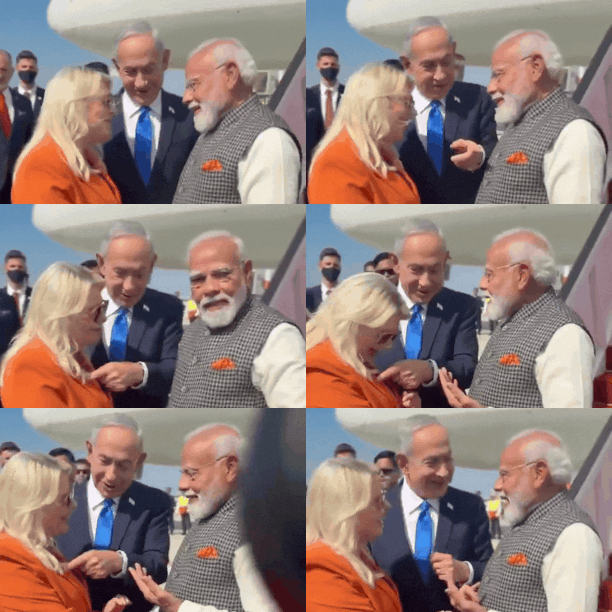
PM Modi’s 2026 Israel visit: Netanyahu pointing out ‘saffron match’ between PM Modi and SaraHowever, professor Rajan said that India’s policy is not “completely determined by Israel”, rather, currently, it is more concerned about “offending” the US.“India’s policy is not completely determined by Israel. Yes, Israel is an important partner but in the past also we have pursued our ties with Israel without damaging our relations with other countries,” he said.“India is primarily concerned about offending the US. At this time, it would not like to offend the Trump administration. And that’s exactly why it is not issuing any statements condemning of killing of Khamenei,” he said.

So, is there a shift?

Rajan Kumar, a professor at JNU, who teaches international relations said that currently, there is no shift in India’s policy towards the Middle East. Rather, he said, that the shift might happen after the war is over.“At the moment, I don’t see any shift happening. It is a continuation of policy where India’s preferred partner was United States and Israel. But at the same time trade ties were linked with many other countries in the region,” he said.“So, a shift is not apparent at the moment, but it might happen after the outcome of the event. Because if India thinks that Iran remains an important part and if the regime survives, it will pursue a different strategy. But if US wins, which is very unlikely, if the regime survives, resistance persists, it will have a different strategy. Now, India is pursuing a wait-and-watch policy in West Asia,” he added.However, he added that there was a need for India to go for a policy of multipolarity, rather than unipolarity under the influence of Israel and the US.Experts argue that India should embrace multipolarity in West Asia, rather than a unipolar tilt toward Israel and the US. While Israel is a valuable partner, destabilizing relationships with other West Asian countries could jeopardize India’s economic and security interests in the region.“India should pursue multipolarity, rather unipolarity under the influence of Israel and US in West Asia. Although we have good ties with Israel, we cannot de-stabilise our ties with other West Asian countries, for the reason that our economic and security interests are aligned there,” he said.

Source link

Evening news wrap: Govt urges calm on LPG supply; 2 Indians killed, 10 injured in Oman attack and more | India News


Evening news wrap: Govt urges calm on LPG supply; 2 Indians killed, 10 injured in Oman attack and more
  • The government has urged citizens not to panic buy LPG as tensions in West Asia disrupt global energy routes and raise supply concerns.
  • US President Donald Trump claimed Iran is “about to surrender”, escalating rhetoric as the Middle East conflict intensifies.
  • Two Indian nationals were killed and 10 others injured in an attack in Sohar, Oman, the MEA confirmed.
  • Four crew members died after a US KC-135 refuelling aircraft crashed in western Iraq during the ongoing Middle East conflict.
  • The BCCI said it has no authority to intervene after Sunrisers signed Pakistan spinner Abrar Ahmed in The Hundred.

Here are the top 5 stories of the day

Govt urges calm over LPG supply amid Hormuz tensions

The government has asked consumers not to queue outside LPG distributors or resort to panic buying despite concerns over supply disruptions linked to the Strait of Hormuz crisis. Officials said domestic LPG production has increased by 30 per cent since March 5 and that no distributor has reported a supply dry-out so far. Authorities added that refineries are operating at full capacity while action is being taken against hoarding and black marketing. Read full story

As LPG Shortage Panic Spreads, Centre Urges Citizens Not To Hoard Cylinders And Opt For PNG

Trump claims Iran is ‘about to surrender’ amid escalating conflict

US President Donald Trump told G7 leaders that Iran is “about to surrender”, according to reports citing officials familiar with the conversation. The remarks came as Washington continued military operations against Iran and tensions escalated across the region with missile and drone strikes. The US military also said the USS Abraham Lincoln carrier strike group continues to support ongoing operations in the conflict zone. Read full story

Two Indians killed, 10 injured in attack in Oman’s Sohar city

Two Indian nationals were killed and 10 others injured in an attack in Sohar city in Oman, the Ministry of External Affairs said. Additional Secretary (Gulf) Aseem R Mahajan confirmed that five injured Indians have been discharged while five others are receiving treatment in local hospitals. The Indian mission in Oman is coordinating with local authorities and the company involved to assist those affected. Read full story

Four US crew members killed after refuelling aircraft crashes in Iraq

Four of six crew members aboard a US KC-135 refuelling aircraft were killed after the plane crashed in western Iraq, US Central Command confirmed. The US military said the circumstances of the crash are under investigation but ruled out hostile or friendly fire. The incident marks another aircraft loss during the ongoing Middle East conflict. Read full story

BCCI says it cannot intervene after Sunrisers sign Abrar Ahmed

The BCCI has clarified it cannot intervene in the controversy surrounding Sunrisers signing Pakistan spinner Abrar Ahmed in The Hundred. Vice-president Rajeev Shukla said the league is played overseas and therefore falls outside the board’s jurisdiction. The signing has triggered criticism on social media, but the franchise has not yet issued a formal statement. Read full story


Source link

‘No need to queue outside LPG distributors’: Govt says avoid panic buying | India News


'No need to queue outside LPG distributors': Govt says avoid panic buying
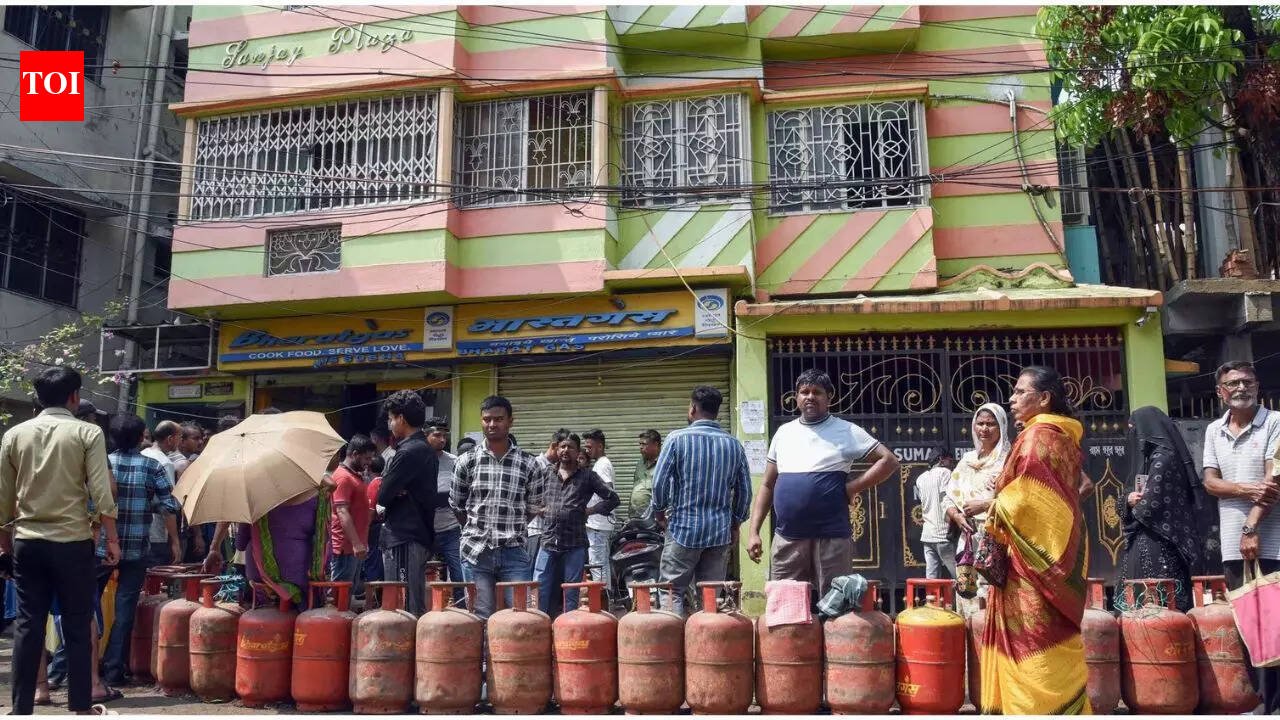
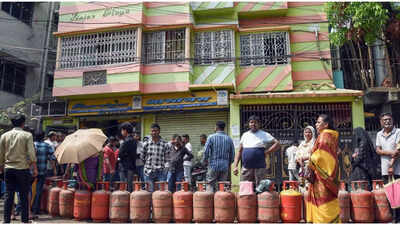
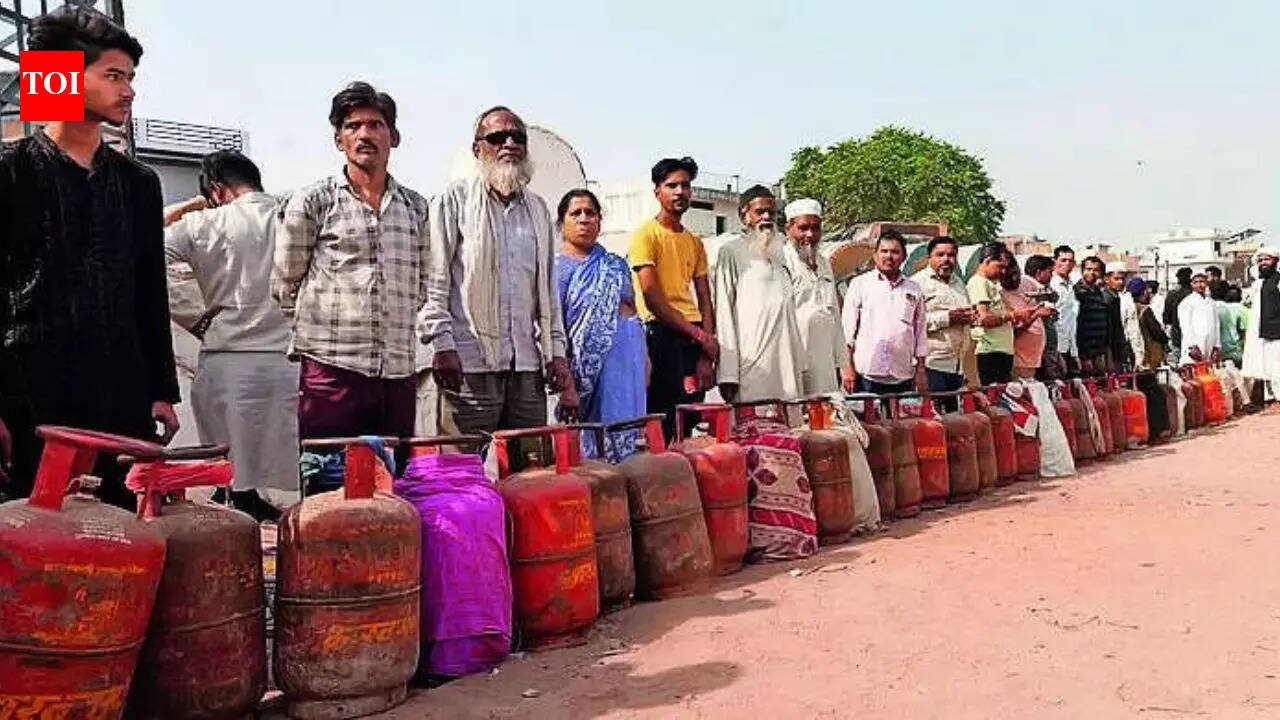
People wait in a queue outside a gas agency to refill the LPG cylinders amid reports of a nationwide shortage of LPG, in Kolkata on Friday. (ANI photo)

NEW DELHI: The government on Friday held a joint inter-ministerial briefing for the third consecutive day to address panic over LPG supplies amid the raging war in West Asia and Iran’s choking of the Strait of Hormuz, which has tightened global energy supplies.The government said there was no need to queue outside LPG distributors and urged consumers to book cylinders online, citing data showing that online bookings rose to 83 per cent in March from 71 per cent in February.Addressing the concerns over the supply squeeze of the LPG cylinders, both commercial and domestic, the central government assured the “uninterrupted supply to households,” claiming that domestic LPG output was up 30 per cent compared to March 5.The ministry, responsible for looking petroleum and natural gases, said LPG supplies are also being provided to hospitals and educational institutions. “Uninterrupted supply to domestic households has been ensured. Similarly, LPG supplies are also being provided to hospitals and educational institutions. Domestic production of LPG has increased by 30 per cent as of today; compared to March 5, our refineries are currently producing 30 per cent more LPG,” said Sujata Sharma, joint secretary in ministry for petroleum and natural gases, during a press brief.Calling LPG as an “issue of concern” after closure of Strait of Hormuz, the joint secretary however said “a dry-out has not been reported by any of the 25,000 distributors”. “LPG is an issue of concern for us, especially as the majority of our imports come through the Strait of Hormuz. Closure of the strait is a matter of concern. However, a dry-out has not been reported by any of the 25,000 distributors. I would urge the people of the country not to trust rumours and not to indulge in panic buying,” Sujata Sharma said.She also said that the government was taking action against people indulging in black marketing and hoarding of the LPG.On the commerical cylinders, the shortage of which has primarily hit food businesses, the central government said supply of it have been placed “at the disposal of the State Governments to facilitate priority distribution”. “Regarding commercial cylinders, these have been placed at the disposal of the State Governments to facilitate priority distribution. We are requesting the State Governments to determine the priority criteria and ensure that these commercial cylinders effectively reach the intended consumers,” she added.The joint secretary also addressed concerns over the crude oil, saying all the country’s refineries “are currently operating at 100% capacity or higher”. “As far as crude oil is concerned, we possess a refining capacity of 258 million metric tons. We are self-sufficient in the production of petrol and diesel; consequently, there is no need to import these fuels into India. All our refineries are currently operating at 100% capacity or higher. The refineries hold adequate inventories of crude oil, and furthermore, supplies are being consistently maintained,” she said.The government said that supply of PNG (Piped Natural Gas) to domestic consumers and CNG (Compressed Natural Gas) is being ensured without any interruptions or cuts. “Given this situation, there is absolutely no need for panic…Furthermore, regarding commercial consumers in our major urban cities and centers, many of whom are currently facing difficulties due to their reliance on LPG supplies, the government of India is making every effort to address their concerns. We appeal to all such commercial consumers to contact their local CGD (City Gas Distribution) network provider or their designated dealer to obtain a PNG connection,” Sharma said.“Petrol and diesel are available in adequate quantities at all petrol pumps… Regarding LPG, I would like to state that this remains a matter of concern for us. Nevertheless, despite this situation, no dry out has been reported at any of our 25,000 distributors. I would like to appeal to all fellow citizens not to give credence to rumors and to refrain from engaging in panic buying,” she further added.


Source link

Middle East crisis: Jaishankar holds fourth call with Iranian FM Araghchi since war began, discusses bilateral ties | India News


Middle East crisis: Jaishankar holds fourth call with Iranian FM Araghchi since war began, discusses bilateral ties
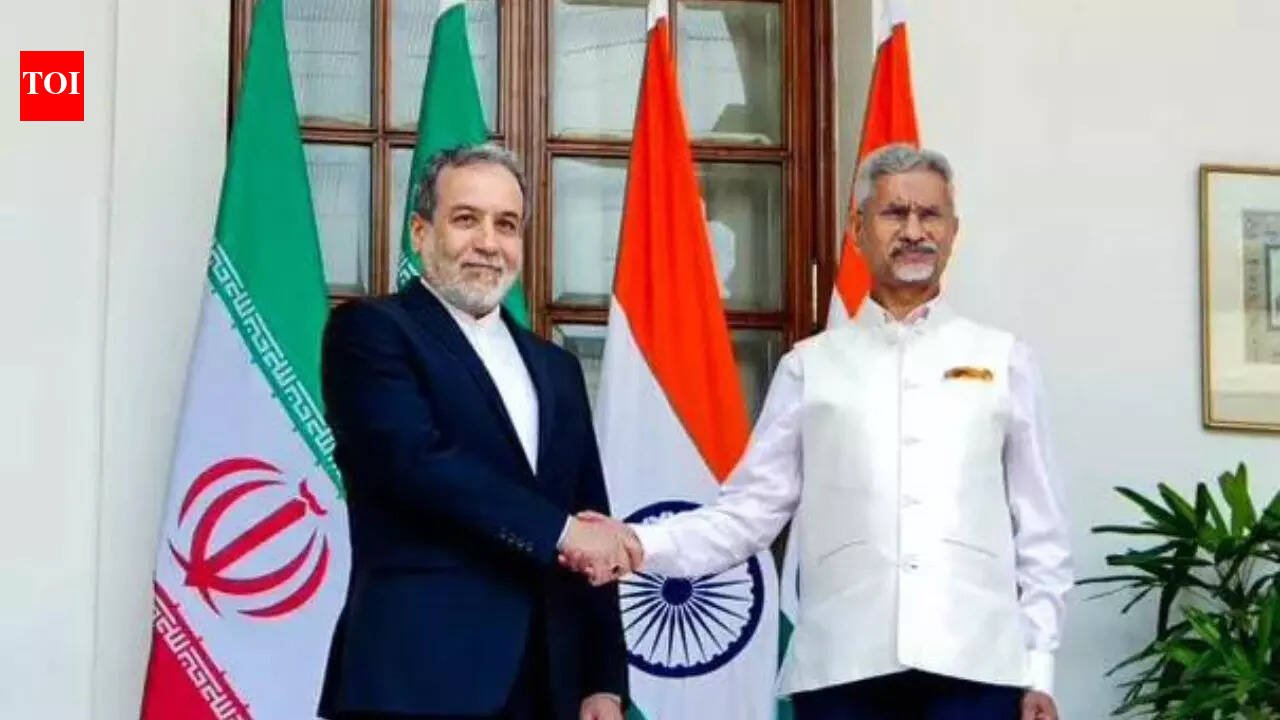
Iran FM Abbas Araghchi with S Jaishankar (Image/PTI)

NEW DELHI: External affairs minister S Jaishankar on Thursday held his fourth phone conversation with Iranian foreign minister Abbas Araghchi amid the ongoing tensions in the Middle East.In a post on X, Jaishankar said that the two leaders discussed bilateral ties and issues related to the BRICS grouping.“Had another conversation with Iranian FM Seyed Abbas Araghchi yesterday night. Discussed bilateral matters as also BRICS-related issues,” he wrote.The latest interaction follows a series of recent calls between the two ministers since the outbreak of the conflict in the region on February 28. Earlier this week, both leaders discussed the situation in the Strait of Hormuz, a critical shipping passage for global energy supplies.During that conversation, Jaishankar emphasised the importance of ensuring safe merchant shipping through the waterway, which connects the Persian Gulf to global trade routes.According to a readout from Iran’s foreign ministry, the two sides also discussed the impact of the ongoing conflict on maritime traffic in the region.The Iranian side said that the instability affecting shipping in the Persian Gulf was the result of “aggressive and destabilising actions” by the United States and called on the international community to hold Washington accountable.Iran’s foreign ministry said Araghchi also raised concerns about the consequences of US and Israeli military actions on regional stability and maritime security.Jaishankar, meanwhile, stressed the importance of maintaining and strengthening bilateral ties between New Delhi and Tehran. He also highlighted the need for continued consultations to help restore stability in the region.


Source link

Opposition submits notices seeking motion for CEC’s removal to both House today | India News


Opposition submits notices seeking motion for CEC’s removal to both House today

NEW DELHI: Stepping up the attack on Election Commission the opposition has submitted notices seeking motion for removal of Chief Election Commissioner Gyanesh Kumar to presiding officers in both Houses of Parliament. This is the first time a notice has been given seeking removal of the CEC. The notices have been signed by 130 Lok Sabha MPs and 63 Rajya Sabha MPs.

After Reviewing Poll Readiness, Election Commission Will Announce Dates For Assembly Polls Next Week

According to rules, at least 100 MPs must sign a notice seeking the removal of the CEC in Lok Sabha, and the required strength in the Rajya Sabha is 50.An Opposition leader shared that even as the requisite numbers had already been reached, opposition MPs kept coming till Thursday afternoon to sign the notice. By around 1.30 pm, as many as 130 signatures had been received from members of opposition parties in Lok Sabha and 63 signatures from those in Rajya Sabha. According to sources, all INDIA bloc parties have signed the notice. Besides this, MPs from AAP, which is not part of the INDIA bloc, have also signed the notice.The 10-page-long notice carries a chargesheet on seven counts. According to sources, these charges range from partisan conduct of CEC to mass disenfranchisement of voters The opposition has also raised the issue of the way CEC handled SIR in previous elections like Bihar and forthcoming elections in states like West Bengal; his “proved misbehaviour”; his partial conduct towards a political party are also issues that find a mention in the notice.The notice for removal of CEC piloted by TMC follows growing accusations from opposition parties against Gyanesh Kumar. They have accused the CEC of bias and carrying out the ongoing Special Intensive Revision (SIR) exercise in an arbitrary manner in a bid to aid the BJP. West Bengal chief minister Mamata Banerjee has been leading protests over the SIR process in her state. Other opposition parties too have been attacking the CEC, with Rahul Gandhi steering the “vote chori” campaign.The process for removing the CEC is similar to that for removal of a Supreme Court judge, and the incumbent can be removed only on “grounds of proven misbehaviour or incapacity”.The fact that the BJP alliance has a majority in both houses makes the move a non-starter, but it allows the Opposition to register its joint protest against the CEC.


Source link

LPG crisis in India: How states are tackling supply disruptions from Iran war and Hormuz crisis | India News


LPG crisis in India: How states are tackling supply disruptions from Iran war and Hormuz crisis

LPG gas shortage: Long lines continue outside LPG refilling stations and booking centres as fears of a shortage grow amid the ongoing Middle East conflict between the United States-Israel and Iran.As a retaliatory measure for the February 28 US‑Israel strikes that sparked the conflict, Iran has blocked the strategic Strait of Hormuz, raising concerns over fuel supply disruptions. The water body a crucial chokepoint, accounting for around one-fifth of the world’s oil supply passes.Although the government has assured that there is no shortage, these reassurances have done little to calm public concern.The issue has also echoed in Parliament, where opposition parties have accused the government of downplaying the seriousness of the situation.Here’s a look at how different states are responding to the LPG supply concerns:DelhiThe Delhi government has assured people that the supply of LPG, petrol, diesel, and PNG is normal, and urged them to refrain from panic buying or hoarding.According to a statement from Delhi chief minister Rekha Gupta’s office, authorities are carrying out rigorous inspections to curb black-marketing and hoarding of LPG cylinders.“The Department of Food, Supplies and Consumer Affairs has deployed field officers to facilitate hassle-free bookings and ensure compliance. Enforcement teams are conducting rigorous inspections to curb black-marketing and hoarding. A strict vigil is being maintained to prevent the diversion of domestic LPG cylinders for commercial use in restaurants and eateries,” the statement read.The government also informed people that the minimum interval for LPG refill bookings has been revised from 21 days to 25 days.“Despite this revision, consumers are receiving refills within an average of two to three days from the date of booking. To streamline the process, the government encourages the use of digital platforms for bookings,” the statement added.MaharashtraThe Maharashtra government has directed oil companies to immediately repair technical glitches in both their LPG booking apps and missed call services to ensure residents can book their cylinders without any hassle.The state government further announced that control rooms would be promptly set up at various levels, and a WhatsApp facility would also be provided for complaint redressal.However, in view of the upcoming festive season, public institutions would be prioritised to receive uninterrupted supply of LPG cylinders.The government has also instructed authorities to seek the assistance of local representatives and gram panchayat members to prevent panic among citizens.It further stated that the responsibility of providing necessary protection to vehicles transporting LPG, as well as to gas agencies, has been entrusted to the police administration.Uttar PradeshChief minister Yogi Adityanath held a review meeting and assured public that there is no shortage of diesel, petrol, and cooking gas in the state.The chief minister was informed that the supply system is operating smoothly.“There is no shortage of diesel-petrol in Uttar Pradesh. Avoid rumours related to shortage of cooking gas. If any distributor agency or private individual is found involved in black marketing or hoarding, an FIR will be immediately registered against them, and the strictest action will be ensured,” Adityanath posted on X after the meeting.He also recommended the use of alternative fuels by communicating with hostels, hospitals, dharamshalas, hotels, and various commercial establishments.According to the Chief Minister’s Office, police personnel would be deployed at LPG distribution centres to assist in maintaining order.KarnatakaIn Karnataka, deputy chief minister DK Shivakumar said that the state government would take up the issue of LPG shortage in a Cabinet meeting.“There is some issue with gas supply; gas is not available. This is causing problems for everyone. People must have all the facilities needed for food. In the coming days, we do not know what situation may arise,” he told reporters.Shivakumar urged the Centre to act immediately to resolve or else, Karnataka’s farmers would have to use firewood as an alternative.Meanwhile, the Karnataka State Hotel Association called for a portion of commercial LPG cylinders to be reallocated for commercial use to ensure kitchens across Bengaluru continue functioning smoothly.BiharIn state capital Patna, district magistrate Thiyagarajan SM said the administrative machinery is working proactively to ensure that domestic LPG consumers do not face any inconvenience.“Any kind of laxity, negligence or irregularity will not be tolerated. Directions have also been issued to immediately register FIRs and arrest the concerned agencies or individuals if complaints of black marketing, hoarding or sale at higher prices are received,” he stated.According to the district administration, booking and delivery are being carried out through missed calls, SMS/IVRS, WhatsApp, and OTP-based systems.The administration also issued a helpline number (0612-2219810) for seamless distribution and monitoring of LPG cylinder supply. The helpline will be open to public grievances from 9 am to 6 pm daily.Holidays of block supply officers and assistant district supply officers have been cancelled till the next order.The district administration also formed 28 Quick Response Teams (QRTs) for the timely resolution of complaints related to the supply of LPG cylinders.Tamil NaduChief minister MK Stalin urged the public not to panic, assuring that the country has adequate fuel reserves.“The Tamil Nadu government would extend full support to the Centre in managing any challenges arising from the international situation,” an official statement quoted Stalin as saying.He emphasised that he had chaired a high-level review meeting and written to Prime Minister Narendra Modi and the relevant Union Ministers regarding the shortage of cooking gas cylinders.The Tamil Nadu Petroleum Merchants Association also clarified that there is no shortage of petrol or diesel anywhere in the state. As per the body, all the petrol pumps across the state, around 7,000 in number, are receiving regular fuel supplies.TelanganaThe state government will meet representatives of oil marketing companies on Friday, civil supplies minister N Uttam Reddy announced.He added that has been no problem in the supply of domestic LPG cylinders so far.“In Telangana, domestic supply is 86 per cent and commercial supply is 14 per cent. There is no problem in 86 per cent domestic supply so far. Some problems have come to our notice over commercial supply,” Reddy told reporters.Chief Secretary K Ramakrishna Rao would also be present in the meeting.As per Hyderabad Hotels Association president Ashok Reddy, the hotels are trying to manage the situation by making use of existing stocks, while some others are using wood as fuel.(With agency inputs)


Source link

‘These are plans to call women inferior’: CJI led-Supreme Court bench rejects plea on menstrual leave | India News


'These are plans to call women inferior': CJI led-Supreme Court bench rejects plea on menstrual leave
Supreme Court of India turned down plea on mandatory period leave. (AI image for representation)

NEW DELHI: The Supreme Court of India on Friday declined to entertain a public interest litigation (PIL) seeking a nationwide policy granting menstrual leave to women students and employees, observing that mandating such a provision could unintentionally reinforce gender stereotypes and potentially affect women’s employment prospects.A bench comprising Chief Justice of India Surya Kant and Justice Joymalya Bagchi, however, said the competent authority may examine the petitioner’s representation and consider the possibility of framing a policy on menstrual leave after consulting relevant stakeholders.The court disposed of the PIL with directions to the authorities to take an appropriate decision on the representation.

Poll

Do you support the idea of mandatory menstrual leave for women?

“These pleas are made to create fear, to call women inferior — that menstruation is something bad happening to them. This is projected as an affirmative right. But one must also think about the employer who has to grant paid leave,” the bench observed.The petition had been filed by Shailendra Mani Tripathi.During the hearing, the Chief Justice raised concerns about the potential social consequences of mandating menstrual leave through legislation, noting that such measures could unintentionally reinforce stereotypes about women.

Voluntary policies welcome: CJI on Kerala example

Senior advocate M R Shamshad, appearing for the petitioner, pointed out that certain states and institutions had already taken steps to accommodate menstrual leave.He cited the example of Kerala, where relaxations have been introduced in schools, and added that several private companies have voluntarily provided menstrual leave to employees.Responding to this, the Chief Justice said voluntary policies were welcome but cautioned against making such provisions mandatory through law.“Voluntarily given is excellent. The moment you make it compulsory in law, nobody will give them jobs. Nobody will take them in the judiciary or government jobs — their career will be over. They will say you should sit at home after informing everyone,” he said.The bench also noted the possible impact such measures could have on workplace perceptions and the professional advancement of women.Taking note of the submissions, the court observed that the petitioner had already submitted a representation to the concerned authorities and said there was no need to repeatedly approach the court seeking a mandamus.


Source link

In a first, EC appoints officers of SDM level & above as returning officers for Bengal polls | India News


TMC Targets CEC Gyanesh Kumar In Parliament As SIR Voter Roll Row Escalates Before Bengal Polls

ECI

NEW DELHI: The Election Commission, in a first for West Bengal, upgraded the returning officers (ROs) across its 152 assembly constituencies to the level of sub divisional magistrate (SDM) or sub divisional officer (SDO) and above, in line with norms followed in the rest of the country.This is seen as a boost to free and fair assembly elections in the state as the senior officers are seen as less prone to bias and partisan conduct, particularly towards the ruling side.

TMC Targets CEC Gyanesh Kumar In Parliament As SIR Voter Roll Row Escalates Before Bengal Polls

Sources termed the move as historic as West Bengal was the only state where the ROs were of the level lower than or equivalent to the SDM since Independence, when every other state/UT was providing officers of SDM/sub-divisional officer (SDO) level and above. “West Bengal is the only state that did not honour the EC instructions dated 26.06.2023 in this regard and had been providing junior officers at the level of block development officer (BDO) etc for appointment as RO. EC had sent reminders to West Bengal govt on January 20 and February 2, 2026, to correct this,” said an EC official.Finally, on EC’s insistence, the state govt consented to spare officers of the requisite seniority as returning officers. Based on this, the EC on Thursday issued the notification appointing ROs for all 294 assembly constituencies for the forthcoming assembly polls, including for the 152 constituencies where the state had earlier offered junior officers.


Source link

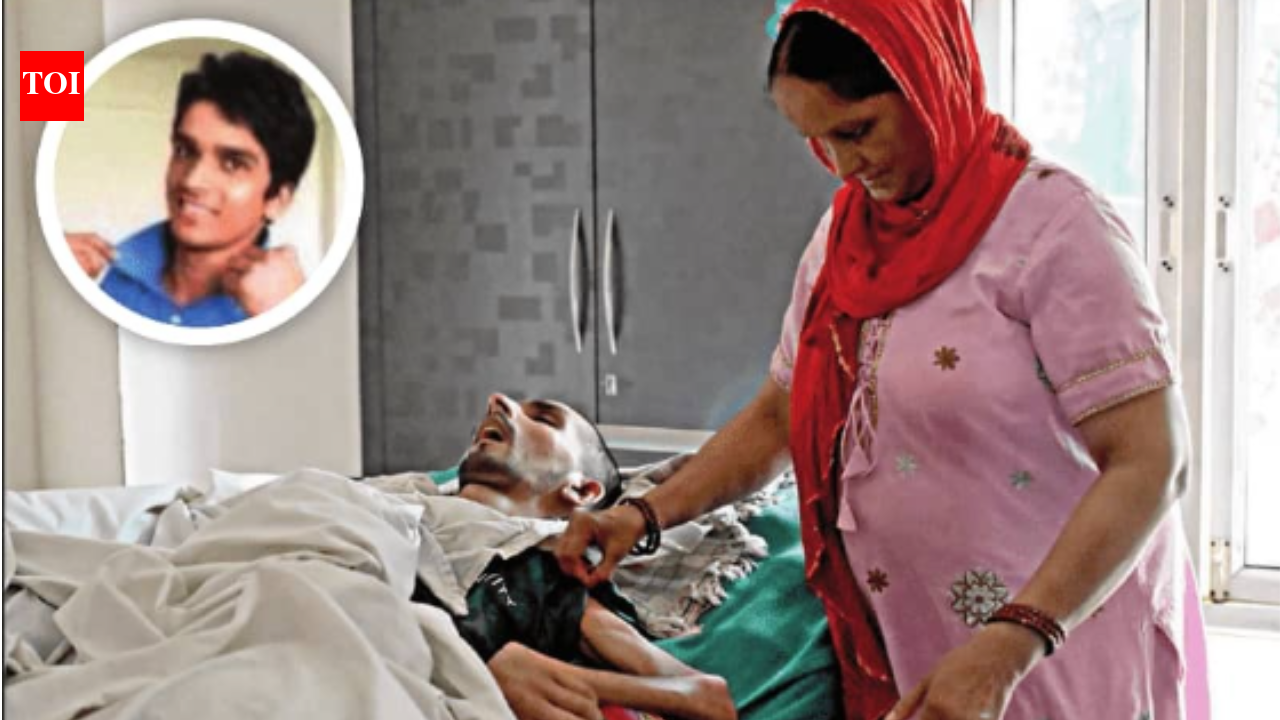
When med care fails: What SC’s passive euthanasia ruling means | India News


When med care fails: What SC’s passive euthanasia ruling means

In a landmark ruling that revisits one of medicine’s most difficult ethical questions, the Supreme Court on Wednesday allowed the withdrawal of artificial life support — or passive euthanasia as it is commonly referred to — for a 31-year-old man who had been comatose for over 13 years. The decision in the Harish Rana case marks the first time the court has directly permitted passive euthanasia for a patient in a permanent vegetative state. Dr Sushma Bhatnagar , former chief of AIIMS and professor of onco-anaesthesia and palliative medicine, tells TOI what this mean in medical practice, and how doctors decide when life support should be withdrawn.What does passive euthanasia mean in medical practice?In simple terms, it involves withdrawal of life support, stopping certain forms of artificial support that prolong life without improving the patient’s condition. For instance, doctors may stop artificial feeding, fluids, or other lifesustaining interventions when they are no longer beneficial. The aim is not to actively end life, but to stop treatments that only prolong suffering, and allow the illness to run its course when recovery is not possible.In what situations do doctors consider withdrawing life support?Doctors consider it when treatments are no longer helping the patient and are only increasing suffering. In such cases, continuing aggressive medical support may not be in the patient’s best interest. Situations may include a permanent vegetative state, severe and irreversible brain injury, terminal cancer, end-stage kidney failure where dialysis is no longer effective, or advanced heart disease where treatment options have been exhausted. It may involve withdrawing ventilatory support, stopping medicines that artificially maintain blood pressure, dialysis, artificial feeding through tubes, or other interventions that sustain bodily functions without improving the patient’s condition.

-

How do doctors determine that a patient has no chance of recovery, and what safeguards must be followed before life support can be withdrawn in India?There are established medical criteria and tests. For instance, specific tools are used to confirm conditions such as coma or a vegetative state. In terminal illnesses like advanced cancer, prognosis and chances of recovery are assessed using evidencebased medical guidelines. In India, decisions typically involve a review by a primary and a secondary medical board before any decision is taken. In some cases, hospital ethics committees may also be involved to ensure that the process adheres to medical ethics and legal guidelines laid down by the Supreme Court. These measures ensure that the decision is medically justified and ethically sound.How important are living wills or advance directives?They are extremely important. If a patient has clearly stated in advance what kind of treatment they would or would not want in such circumstances, doctors and families can follow those wishes. Respecting patient autonomy is a fundamental principle of medical ethics.How often do doctors get requests to withdraw life support in India?It is still relatively rare in India.Awareness about advance directives is limited. Culturally, many families find it difficult to accept death as a natural part of life.What is the difference between active and passive euthanasia, and how is the latter different from assisted suicide or assisted dying?Active euthanasia involves deliberately administering drugs to cause death. Passive euthanasia refers to withdrawing or withholding treatments that artificially sustain life and involves stopping medical interventions that are no longer beneficial. Assisted suicide involves actively helping a person end their life, usually by providing medication that the person takes themselves.What are some common misconceptions about passive euthanasia?Many people believe it means doctors are actively trying to end a patient’s life. In reality, it usually involves stopping medical interventions that are no longer useful, and focusing on comfort, care and dignity at the end of life.From a medical ethics perspective, why are these practices treated differently?Medical ethics emphasises not causing harm and avoiding treatments that offer no benefit. When treatment only prolongs suffering without any realistic chance of recovery, withdrawing it can be considered ethically appropriate.


Source link