Breaking News
SC: Employer has to pay penalty from his pocket for delay in pay | India News


SC: Employer has to pay penalty from his pocket for delay in pay

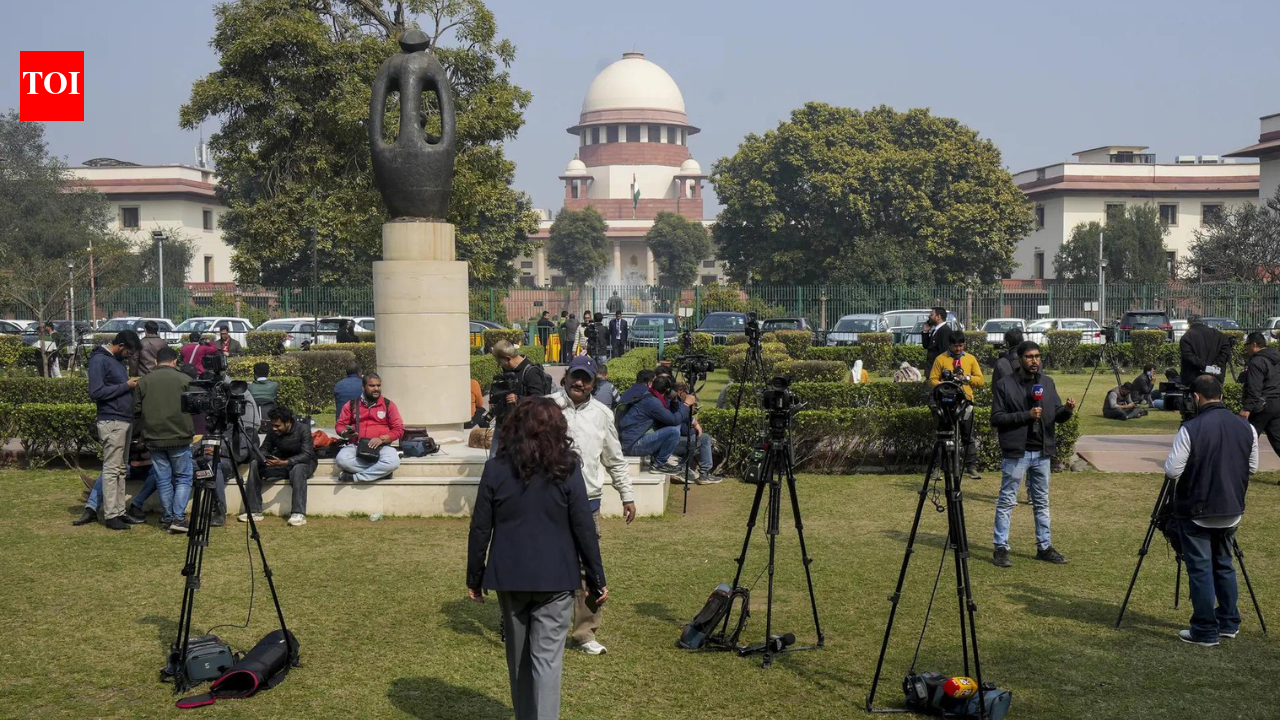
NEW DELHI: Holding that a welfare legislation, enacted to extend benefit to a certain section of society, should be given a “liberal and purposive interpretation” in favour of beneficiaries, Supreme Court has said an employer has to pay penalty from his pocket for delay in payment under the Employees’ Compensation Act, even if the compensation amount – in case of accident – was covered under insurance.A bench of Justices Aravind Kumar and P B Varale said that SC in multiple decisions has stressed upon the liberal interpretation of the law in favour of employees and fastened the liability of paying the penalty component under Section 4A(3)(b) – pertaining to compensation – to the employer.SC passed the order on a plea filed by New India Assurance Company against the Delhi high court ruling that penalty had to be paid by the company and not the employer in case of delay in payment of compensation. The apex court set aside the high court’s order.“The perusal of the statement of objects of the legislation makes it crystal clear that the legislation is a social welfare statute brought in by Parliament to redress grievances of employees in case of accidents that may occur in or during the course of employment by payment of adequate compensation expeditiously so as to enable the employee or his family to defray medical expenses of an employee in case of injury or sustain livelihood in case of death of an employee,” the bench said.In this case, an employee died while driving his employer’s vehicle in Feb 2017 and the deceased’s family approached the labour commissioner in July after compensation was not paid as per the law. The commissioner awarded compensation of Rs 7.36 lakh, with 12% interest, as compensation and imposed a penalty of 35% upon the employer – Rs 2.57 lakh – for delay in payment. As there was a valid insurance policy for the vehicle, the compensation amount was to be paid by the insurance company, except the penalty.The Delhi High Court, however, said that penalty amount was also to be paid by the insurance company and not by the employer.While setting aside the HC’s order, the bench said the law was amended in 1995 by separating the penalty component from compensation and interest component. The legislative intent behind severing the penalty component was to address the larger predicament of easing the burden of the insurance companies, which were adversely impacted by the obligation to pay the penalty that was not even the natural corollary of their obligation, it said.“The employers were reluctant to pay the compensation and interest expeditiously within the stipulated time of one month from the date it fell due, which resulted to levy of penalty upon them, but since the penalty formed part of compensation and interest component by virtue of expression together with the indemnifier (insurance company) was compelled to pay the component of penalty as well, as such, there remained no deterrence for the employers to deposit the compensation amount within a span of one month making the obligation of depositing the compensation within the time frame – one month – redundant and the consequent penalty a mere dead letter,” it said.


Source link

Iran war: Flights from West Asia resume, bring stranded Indians home | India News


Iran war: Flights from West Asia resume, bring stranded Indians home

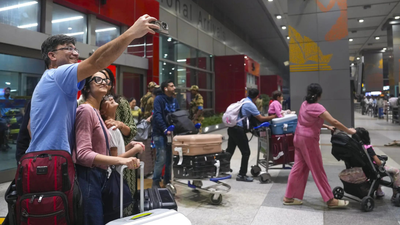
NEW DELHI: In a relief to lakhs of people stuck in West Asia since Saturday, UAE’s Emirates, flydubai and Etihad from Monday started operating a few special flights, including some to India.The Directorate General of Civil Aviation (DGCA) too asked Indian operators to resume flights to airspaces that are open like Oman and Saudi Arabia, with the Air India Group and IndiGo starting services from Tuesday. There is a massive demand for both regular flights and charters from Indians stranded in strife-torn West Asia but operations hinge on the situation in the region. IndiGo has planned 10 special relief flights from Jeddah to India on Tuesday “to facilitate the return of stranded passengers, subject to required approvals and prevailing airspace conditions,” a govt statement said.From Tuesday, Air India Express will resume scheduled flights between Muscat and Delhi, Kochi, Kozhikode, Mangaluru, Mumbai and Tiruchirappalli. Air India has resumed US, Canada, Europe and UK flights.Emirates said it is “accommodating customers with earlier bookings as a priority, and those who have been rebooked to travel on these limited flights will be contacted directly by Emirates.”Its Monday flights included one each to Delhi, Mumbai, Chennai, Bengaluru and Hyderabad. Fifteen passenger aircraft of Etihad also took off, including one each to Delhi, Mumbai, Bengaluru and Kochi, from Abu Dhabi “within a three-hour window” as the airport resumed partial operations.“Special arrangements are being made to facilitate the movement of stranded passengers. Airlines are deploying additional capacity where required and coordinating closely with foreign aviation authorities and Indian missions abroad to ensure safe and orderly passenger movement,” the aviation ministry said in a statement.Air India has contacted Muscat authorities to operate charters (this sector is served by AI Express that has single aisles in its fleet) as the group wants to deploy wide body aircraft to get as many people out as possible. AI also plans to resume regular Jeddah flights from Tuesday using its up to 342-seater Boeing 777s. IndiGo is also planning multiple flights as it is also getting a large number of charter requests. Air India has received a number of requests to operate charters to Muscat, mainly from those stuck in the UAE.“Muscat is served by AI Express and AI does not operate there. AI wants to deploy wide body aircraft as apart from flying more people, they have a longer range for diversion in the region that is currently contained by airspace closures. A wide body can have its diversion airport in Mumbai or Ahmedabad. We are awaiting a word from Muscat authorities,” said a person in the know.Gautam Sahni, a leading Indian charter operator and MD of Subha Aviation, said: “We are getting an unprecedented number of group charter requests from Dubai, Sharjah, Abu Dhabi, Ras Al Khaimah and other places for flying to multiple destinations across India. We are looking at windows when the UAE airspace is open to operate these flights and file for permissions accordingly. The indication we are getting is that that may happen in a day or two.


Source link

Doping crisis grows, doctors told to be careful while prescribing | India News


Doping crisis grows, doctors told to be careful while prescribing

NEW DELHI: Used syringes found in stadium washrooms. Athletes failing dope tests. And now, doctors are being told to check what they prescribe.As doping cases rise across sports, the National Medical Commission (NMC) has asked doctors, hospitals and medical colleges across the country to be cautious while treating athletes. The concern is that banned substances may be entering sport not only through deliberate cheating, but also through contaminated supplements and even routine prescriptions.In a recent public notice, the NMC — following a communication from the Ministry of Youth Affairs and Sports flagging rising doping cases — asked doctors to familiarise themselves with the World Anti-Doping Agency’s prohibited list and ensure that medicines containing banned ingredients are prescribed only when medically necessary and properly recorded.Medical colleges and institutions have been asked to sensitise faculty and practitioners on anti-doping regulations, particularly while treating athletes, and to promote responsible prescription practices. The NMC has also suggested integrating basic anti-doping awareness into undergraduate medical education and continuing professional development programmes wherever feasible.The move comes after a series of positive tests this year. Seven Indian athletes were provisionally suspended in 2025 by the National Anti-Doping Agency. On January 5, Uttarakhand cricketer Rajan Kumar tested positive for three banned substances.At several national and state meets, washrooms were reportedly found littered with used syringes, pointing to organised misuse of performance-enhancing drugs. The situation became serious enough for Union Sports Minister Mansukh Mandaviya to direct authorities to step up action.The Ministry of Youth Affairs and Sports has warned that many doping cases are not always intentional. Athletes sometimes consume supplements that are mislabelled or contaminated. Others may unknowingly take prescription medicines that are banned under global anti-doping rules.A sport medicine specialist said, “Many general practitioners may not always be updated on frequent changes to the WADA prohibited list. A medicine that is routine for the general public — certain painkillers, steroids or even cough syrups — can result in a positive test for an athlete. Responsibility lies on both sides. Athletes must inform doctors that they are subject to dope testing, and doctors must verify whether a prescribed drug is permitted. If a banned medicine is medically necessary, it should be supported by a Therapeutic Use Exemption.”Officials have also raised concerns about imported supplements and products sold online that may contain prohibited substances. The ministry has called for stronger coordination with regulators such as the Central Drugs Standard Control Organisation and the Food Safety and Standards Authority of India to tighten oversight.The message is clear: fighting doping is no longer just about catching athletes. It now involves doctors, pharmacists, supplement sellers and regulators — all of whom play a role in keeping sport clean.


Source link

Delhi govt sets up 50 centres for ‘Pink Saheli’ cards; distribution from Tuesday | India News


Delhi govt sets up 50 centres for 'Pink Saheli' cards; distribution from Tuesday

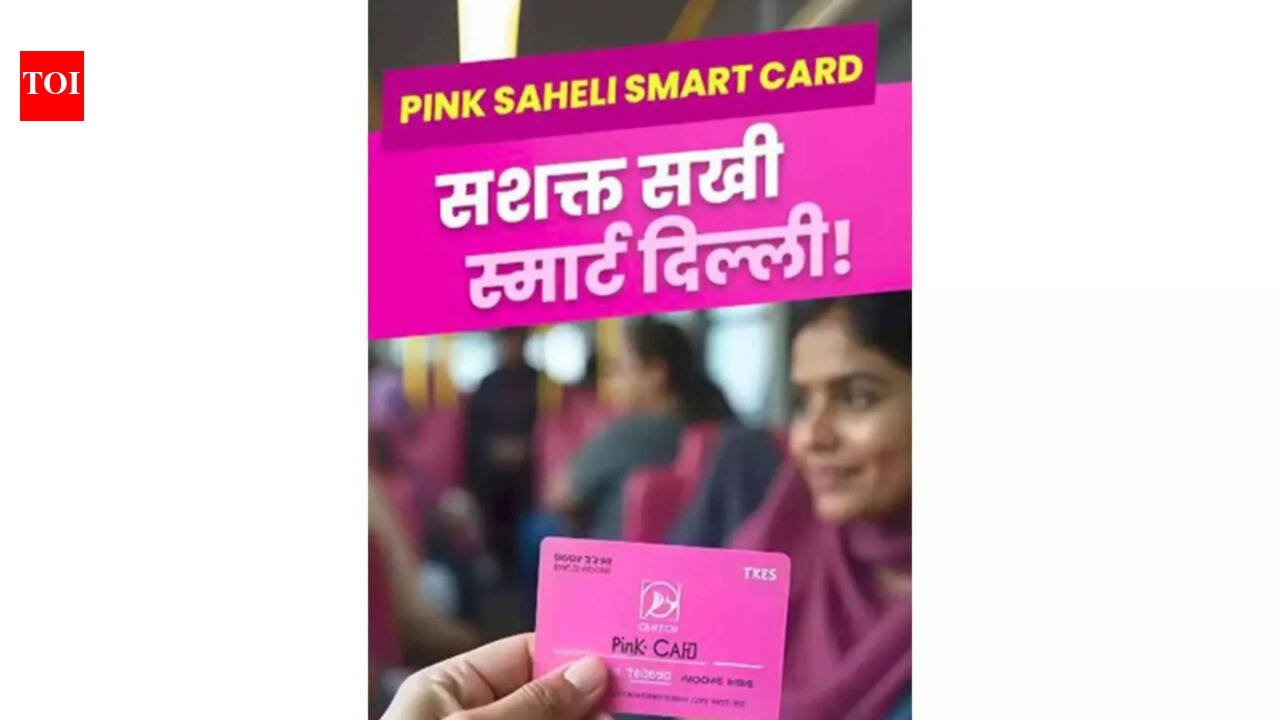
NEW DELHI: The Delhi government has set up around 50 centres across the city to facilitate the issuance of the “Pink Saheli” cards and the distribution process will commence from Tuesday.The Pink National Common Mobility card, launched by President Droupadi Murmu on Monday, will provide women and transgender individuals free bus travel and seamless access to multiple public transport systems through a single smart card, in line with the “one nation, one card” initiative.Around 50 centres, including offices of district magistrates and sub-divisional magistrates, along with select Delhi Transport Corporation (DTC) locations, have been established for card issuance, according to a statement.“The distribution at the 50 centres will take place from March 3 between 9 am and 5 pm on all days,” the DTC said in the statement.Each pink card will be linked to the beneficiary’s mobile number and Aadhaar to verify age, gender and Delhi residency, the statement said.The pink card will allow eligible women residents of Delhi to travel free of cost on DTC buses and cluster buses and it can also be used for paid travel on other public transport services, including the Delhi Metro and the Regional Rapid Transit System (RRTS), enabling commuters to use one card across systems.The pink card will replace the existing paper-based pink ticket, offering touch-free travel, digital journey records and improved transparency in revenue, accounting to make public transport more accessible, technology-driven and safer, while reducing the daily commuting expenses of women, the statement added.Three types of mobility cards will be issued under the programme — pink for eligible women residents, blue for general commuters and orange for monthly-pass users. In the first phase, the pink and blue cards will be rolled out, while the orange card will be introduced later, according to the statement.The DTC has authorised Hindon Mercantile Limited (MufinPay) and Airtel Payments Bank Limited to issue the cards, the statement said, adding that the cards will be integrated with the existing automatic fare collection system across the national capital’s public-transport network.The pink card will be provided free of cost at government expense.There is also a dedicated Pink Saheli Card online portal that contains a guide manual in Hindi for women.


Source link

Air India Express to resume Muscat flights from March 3; Gulf routes remain suspended amid Middle East tensions | India News


Air India Express to resume Muscat flights from March 3; Gulf routes remain suspended amid Middle East tensions

Air India Express will restart operations to and from Muscat on Tuesday, March 3, following a temporary suspension due to the ongoing Middle East conflict, the Tata Group‑owned airline said in a statement on Monday.Services to Bahrain, Kuwait, Qatar, Saudi Arabia and the UAE will remain suspended until 23.59 hours IST on March 3, it added, news agency PTI reported.

Israel-Iran War: AirIndia, IndiGo, Global Carriers Suspend Flights Amid West Asia Airspace Closures

The airline will resume scheduled flights between Muscat and Indian cities including Delhi, Kochi, Kozhikode, Mangaluru, Mumbai and Tiruchirappalli. The first flight to operate will be the Muscat–Tiruchirappalli service, departing at 1025 hours local time on Tuesday.The statement further noted that many airspaces in the Middle East are closed due to the conflict involving the US, Israel and Iran, which has impacted flight operations.


Source link

Grains for all: UP boosts food security with tech, nutrition and robust procurement systems | India News


Grains for all: UP boosts food security with tech, nutrition and robust procurement systems

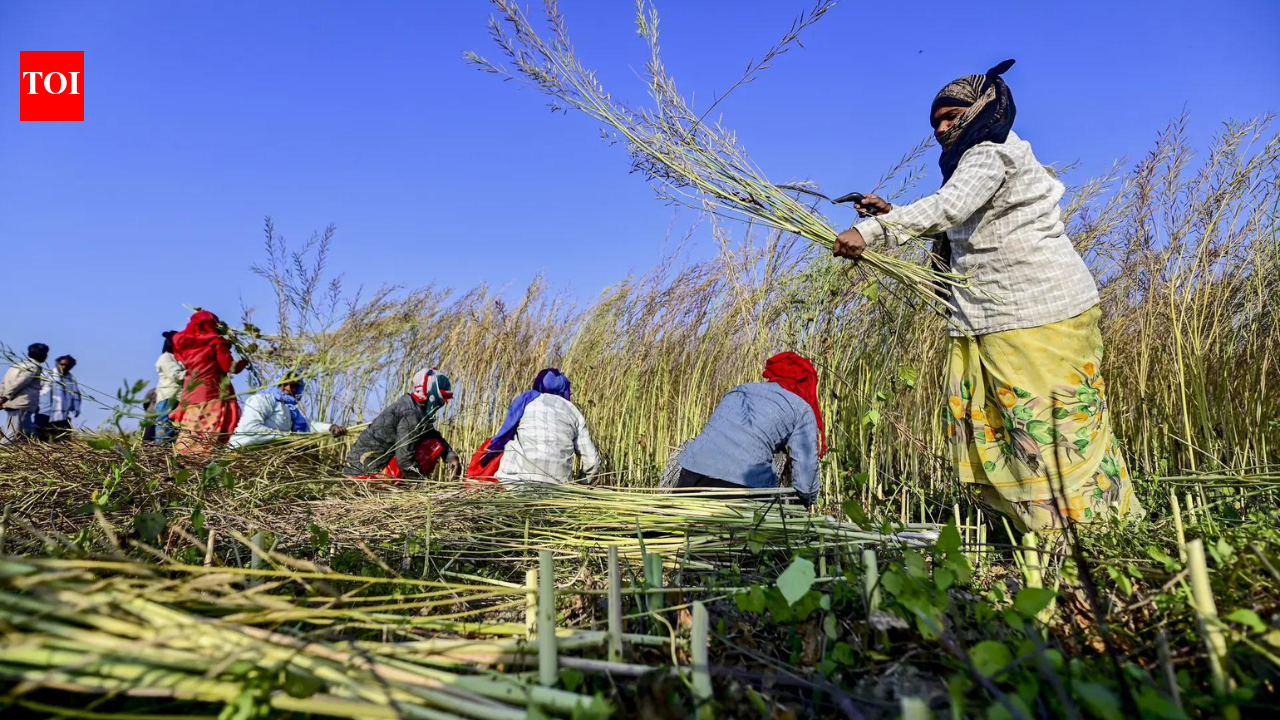
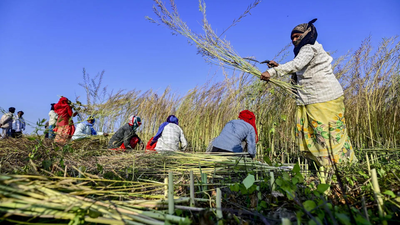
Uttar Pradesh is ramping up efforts to strengthen food security in the state while ensuring farmers are paid promptly for their produce. Government data shows a combination of technology-driven distribution, nutritional support, and direct procurement is being used to reach millions of beneficiaries across the state.The Public Distribution System (PDS) remains central to the state’s approach. About 150 million eligible beneficiaries receive 5 kg of free food grains each month, while the most vulnerable Antyodaya families are provided 35 kg. Antyodaya ration cardholders also receive 3 kg of sugar quarterly at Rs 18 per kg. During the COVID-19 pandemic, the state expanded the distribution basket to include 1 kg of pulses, 1 litre of edible oil, and 1 kg of salt free of cost to all cardholders.To improve transparency and eliminate leakages and “ghost beneficiaries”, electronic Point of Sale (e-PoS) machines have been deployed at distribution centres. These use biometric verification to ensure that benefits reach the intended recipients and prevent leakages or duplication.The government has also moved towards nutritional security. Since 2023-24, all ration cardholders have received fortified rice enriched with iron, vitamin B-12, and folic acid to address malnutrition and anaemia. In addition, the state’s Ujjwala Yojana has provided over 18.6 million free LPG connections, with two free cylinders during Holi and Diwali, enabling cleaner cooking.Between 2017-18 and 2025-26, Uttar Pradesh procured 45.7 million metric tonnes of paddy, with payments exceeding Rs 88,951 crore, and 24.4 million metric tonnes of wheat, amounting to over Rs 45,935 crore. Smaller quantities of coarse grains were also procured: 0.47 million metric tonnes of Bajra, with payments over Rs 458 crore, and 0.13 million metric tonnes of Maize, totalling more than Rs 262 crore.The inclusion of coarse grains such as Bajra, Maize, and Jowar in procurement is part of the state’s effort to widen the range of crops sourced from farmers.The “One Nation One Ration Card” scheme, implemented in May 2020, allows beneficiaries to access food grains across states, helping over 6.7 million UP cardholders. To improve distribution infrastructure, the government is constructing modernised Fair Price Shops, called Annapurna Bhavans, with 7,439 completed and 1,772 under construction. A budget of Rs 200 crore has been allocated for the 2025-26 fiscal year for this purpose.


Source link

‘Can’t win even 25-30 seats without Congress’: TVK leader slams DMK | India News


'Can’t win even 25-30 seats without Congress': TVK leader slams DMK

NEW DELHI: The Tamilaga Vettri Kazhagam (TVK) on Monday took a dig at the ruling DMK in Chennai, saying it would struggle to win even 25 to 30 seats in the upcoming Assembly elections without the Congress in its alliance. TVK leader C T R Nirmal Kumar claimed the DMK’s current strength relied heavily on its partners and could not sustain itself independently, news agency PTI reported.Speaking to the reporters, Kumar said “If the Congress is not there, DMK cannot cross 25 to 30 seats. This is the ground reality today. Even in 2006, the DMK would not have crossed 30 seats without the Congress. The chief minister knows this very well.”Kumar, whose party was founded by actor-politician Vijay, described the Congress as a “natural partner” respected across Tamil Nadu and criticised DMK leaders for showing a lack of “basic respect” to the national party, which he said had led to friction within the ruling coalition.He added, “The DMK is in a state of deep fear after seeing TVK’s field reports and surveys. This is why they are desperately trying to induct anyone into their alliance, even parties like the DMDK, which no one expected them to touch.”Taking aim at the BJP, the TVK leader condemned its “religious-based politics”, specifically citing PM Modi’s visit to Thiruparankundram. He warned against attempts to turn peaceful shrines into “disputed areas like Ayodhya” and criticised the DMK government for inaction. “Stalin, who holds the law and order portfolio, should have at least issued an advisory to the PM’s office or moved the court to prevent this unnecessary controversy. The DMK is intentionally allowing this to happen to pick up religious politics themselves later,” he alleged.On TVK’s electoral plans, Kumar said the party had completed preparatory workshops across all 234 Assembly constituencies.


Source link

Nearly 10m Indians in danger: How a wider Gulf conflict will hit close to home | India News


Nearly 10m Indians in danger: How a wider Gulf conflict will hit close to home

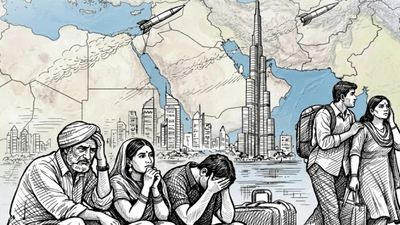
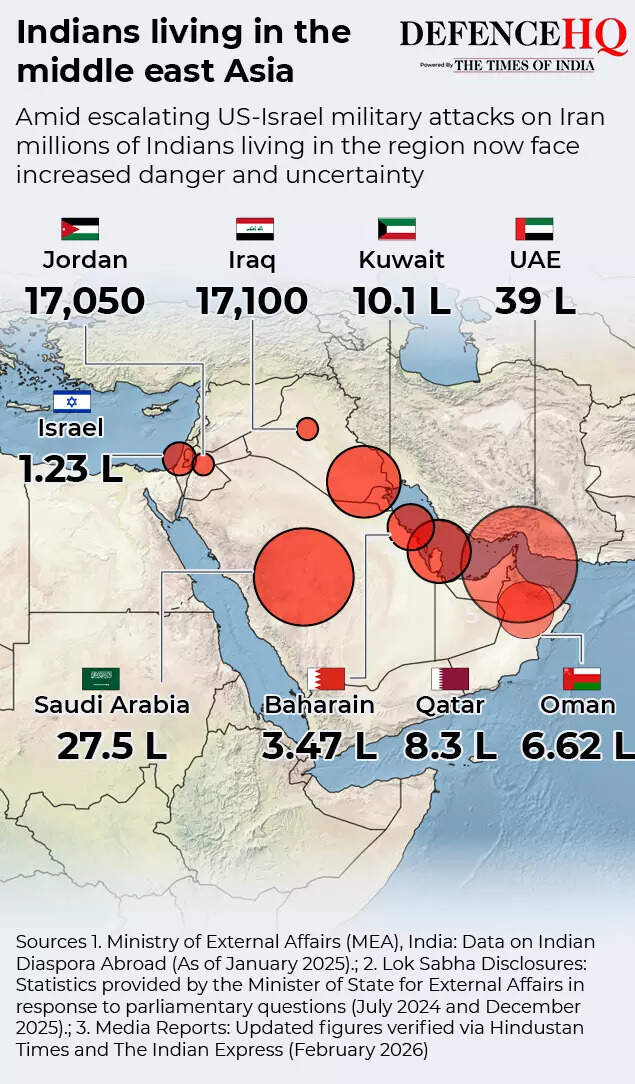
Nearly 10 million Indians living across West Asia could face heightened risk as tensions escalate following the US-Israel military operation against Iran and Tehran’s retaliation.Prime Minister Narendra Modi on Monday described the situation in West Asia as a “matter of grave concern” and reiterated that India supports dialogue and diplomacy to resolve disputes. The ministry of external affairs (MEA) said it is “deeply concerned” and has urged all sides to exercise restraint, while Indian missions remain in touch with nationals and have issued advisories.

Modi Breaks Silence on Middle East Crisis, Urges Calm and Dialogue Amid Israel‑Iran Tensions

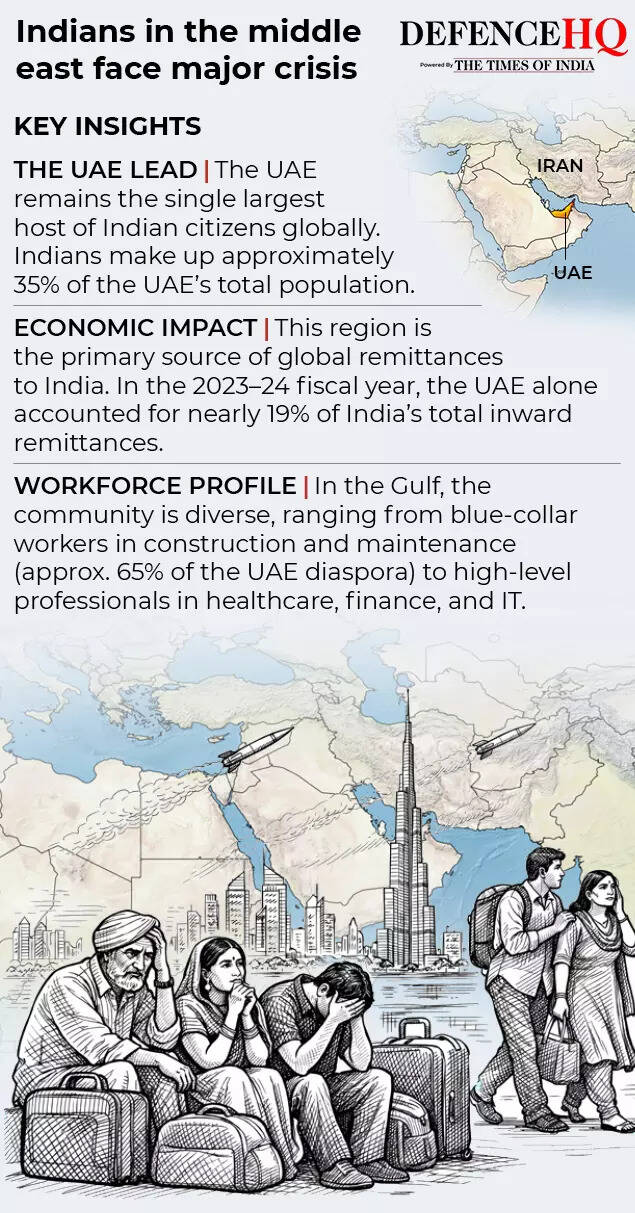
The Gulf hosts one of the largest overseas Indian communities. Around 3.5 million Indians live in the UAE, about 2.7 million in Saudi Arabia, 1 million in Kuwait, nearly 800,000 in Qatar, around 660,000 in Oman and about 350,000 in Bahrain. Smaller communities are also present in Jordan, Iraq and Israel. In the UAE, Indians make up roughly 35% of the population, making it the single largest hub of Indian citizens abroad. The workforce spans construction and maintenance roles as well as professionals in healthcare, finance and IT.

indians in middle east

The military strikes on Saturday also put the spotlight on the Strait of Hormuz, a critical global shipping route for India and other Asian countries, prompting officials here to activate contingency plans to safeguard energy supplies.The region is a major source of remittances to India. In 2023–24, the UAE alone accounted for nearly 19% of India’s total inward remittances, underlining the economic implications of any prolonged instability.

indians in middle east2

External affairs minister S Jaishankar spoke separately with Iranian foreign minister Seyed Abbas Araghchi and Israeli foreign minister Gideon Sa’ar, conveying India’s concern.The Cabinet Committee on Security reviewed the evolving situation and flagged the safety of Indian nationals. Amid airspace closures in Iran, Tehran has allowed stranded foreign students, including Indians, to exit via land borders and reschedule examinations.


Source link

Israel-Iran conflict: What is India’s position amid rising Middle East tensions? | India News


Modi Breaks Silence on Middle East Crisis, Urges Calm and Dialogue Amid Israel‑Iran Tensions

Prime Minister Narendra Modi on Monday said India supports the resolution of conflicts through dialogue and diplomacy, while expressing concern over the escalating situation in West Asia.“India has always called for dialogue and diplomacy to find a solution to such disputes,” PM Modi said, reiterating New Delhi’s consistent position in favour of the peaceful resolution of conflicts.

Modi Breaks Silence on Middle East Crisis, Urges Calm and Dialogue Amid Israel‑Iran Tensions

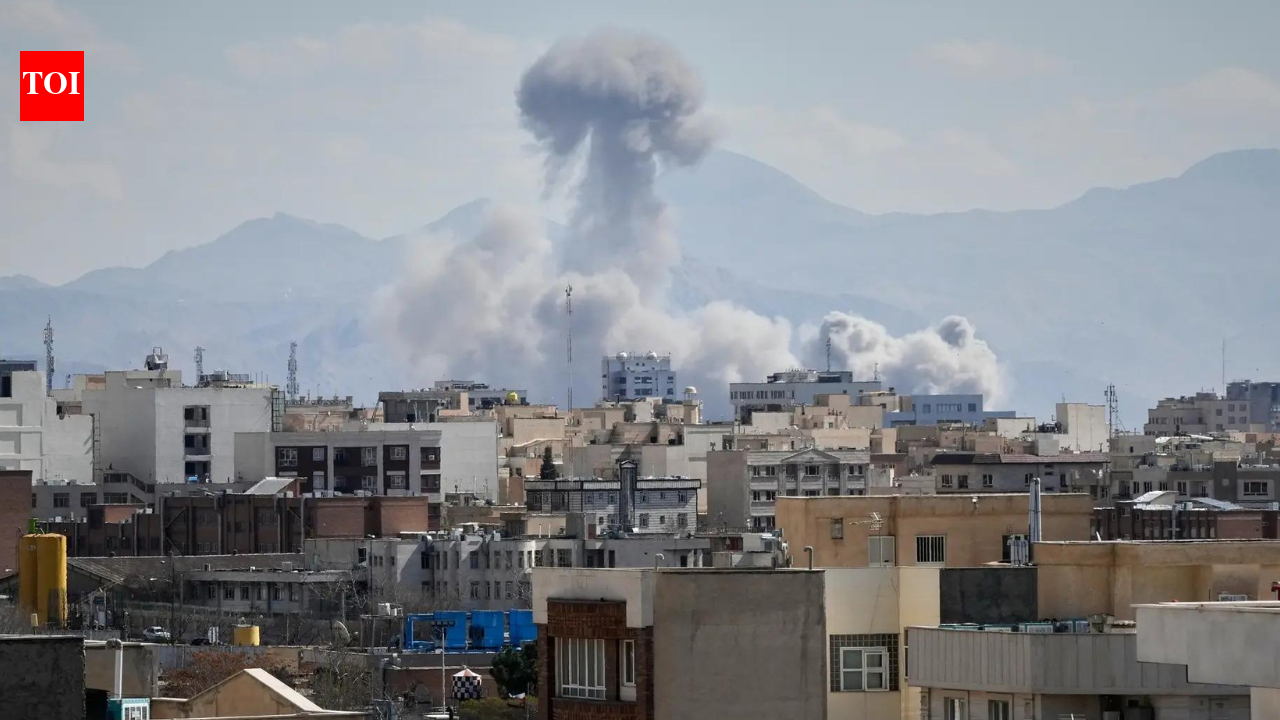
Addressing a press briefing with Canadian counterpart Mark Carney, Pm Modi referred to the ongoing tensions following the US and Israeli military action against Iran that led to the killing of its Supreme Leader Ayatollah Ali Khamenei.“Situation in West Asia is a matter of grave concern for us,” PM Modi said. He added, “we will keep working with countries in West Asia to ensure safety of Indians there.”This comes amid a fresh spell of conflict in the Middle East after the United States and Israel launched a joint military operation against Iran on Saturday. The operation, named “Epic Fury,” involved a series of strikes over the weekend that killed supreme leader Ayatollah Ali Khamenei and several other senior figures, triggering a strong Iranian retaliation and heightening fears of a wider regional war.Allies of the United States have pledged to help counter Iran’s missile and drone attacks. The Lebanese militant group Hezbollah claimed strikes on Israel for the first time in over a year, prompting Israeli retaliatory action.The first US military fatalities have been reported, while additional deaths have been confirmed in Israel and Gulf countries. Iran has said that hundreds of people have been killed within its territory.

India calls for maximum restraint

India has called for maximum restraint after a joint US-Israeli military strike on Iran raised fears of a wider conflict in the Middle East. New Delhi urged all parties to avoid escalation and stressed that the sovereignty and territorial integrity of all states must be respected.In its first official response to the rapidly evolving situation, the government said it is “deeply concerned” about developments in Iran and the Gulf region, and emphasised that “dialogue and diplomacy” should be pursued to ease tensions.“India is deeply concerned at the recent developments in Iran and the Gulf region. We urge all sides to exercise restraint, avoid escalation, and prioritise the safety of civilians. Dialogue and diplomacy should be pursued to de-escalate tensions and address underlying issues. Sovereignty and territorial integrity of all states must be respected. Our Missions in the region are in touch with Indian nationals and have issued appropriate advisories asking them to remain vigilant, stay in contact with the Missions, and follow local security guidance,” the MEA said through a statement. External affairs minister S Jaishankar separately spoke with Iranian foreign minister Seyed Abbas Araghchi and Israeli foreign minister Gideon Sa’ar. During his conversation with Araghchi, Jaishankar conveyed India’s deep concern over the situation in Iran and the wider region.“Had a telecon with Iranian FM Seyed Abbas Araghchi this evening. Shared India’s deep concern at the recent developments in Iran and the region,” Jaishankar said through a post on X.

MEA issues advisories, activates helplines for Indians in conflict-hit Middle East

The Ministry of External Affairs (MEA) has issued urgent advisories for Indian nationals in the region following the US-Israel strike on Iran. Indian embassies in Tehran and Tel Aviv have activated 24×7 helplines and are coordinating with local authorities to assist citizens.Advisories have also been issued for Indian nationals in Qatar, Turkey and Syria, asking them to remain vigilant, monitor official updates and stay in contact with the respective embassies and consulates amid the evolving security situation and flight disruptions.

PM Modi speaks to Israeli counterpart Benjamin Netanyahu

Prime Minister Narendra Modi on Monday held a telephone conversation with his Israeli counterpart, Benjamin Netanyahu, to discuss the situation in Middle East and convey India’s concerns.During the call, PM Modi stressed that the safety of civilians must remain a priority.“Had a telephone call with PM Benjamin Netanyahu to discuss the current regional situation. Conveyed India’s concerns over recent developments and emphasised the safety of civilians as a priority. India reiterates the need for an early cessation of hostilities,” PM Modi said through a post on X.On Saturday night, PM Modi spoke with UAE President Sheikh Mohamed bin Zayed Al Nahyan and strongly condemned the attacks on the Gulf nation, expressing India’s solidarity with the UAE during the crisis.PM Modi also thanked the UAE leadership for ensuring the safety and well-being of the Indian community there. He reiterated that India supports de-escalation and remains committed to regional peace, security and stability.

CCS reviews Iran strikes fallout, flags safety of Indian nationals

The Cabinet Committee on Security (CCS), chaired by Prime Minister Narendra Modi, met on Sunday in the national capital to review the evolving situation in West Asia.According to an official release, the committee was briefed on the air strikes in Iran on 28 February and the subsequent escalation, including attacks in several Gulf countries. It expressed serious concern over the safety and security of the large Indian expatriate community in the region.The CCS also assessed the difficulties faced by Indian travellers transiting through the region and students appearing for scheduled examinations. It reviewed the broader implications of the crisis for regional security, as well as economic and commercial activities.The committee directed all concerned departments to take necessary and feasible measures to assist Indian nationals affected by the developments. It emphasised the need for an early cessation of hostilities and a return to dialogue and diplomacy.

Iran allows stranded foreign students to leave via land borders

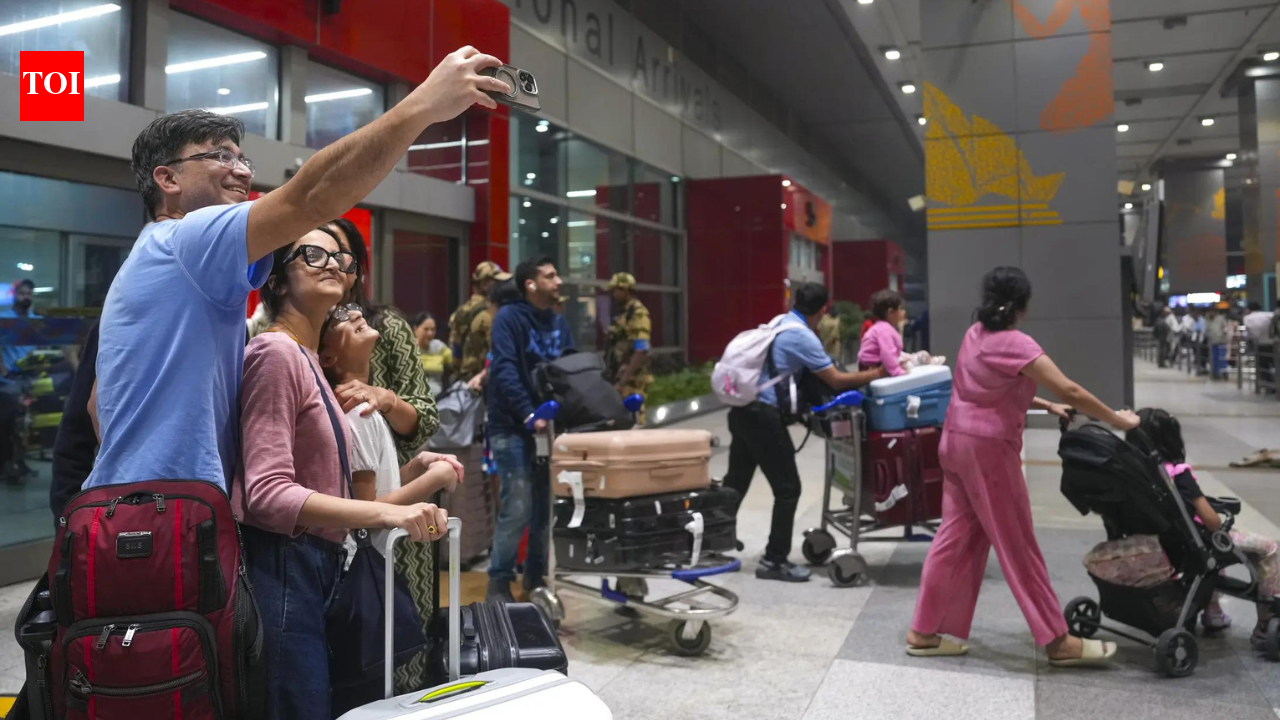
In a relief to foreign students, including several from India, stranded in Iran amid escalating tensions in West Asia, Tehran has allowed them to exit the country through its land borders.Citing Iran’s science ministry, the report said students would also be permitted to appear for their term-end examinations and defend their doctoral theses at a later date. The revised schedule will be announced separately.The decision comes as universities and public institutions remain temporarily closed and Iran’s airspace has been shut to international flights due to the ongoing security situation.“Possibility of Foreign Students Exiting Through Land Borders Without Requiring Permission. Head of the Student Affairs Organization of the Ministry of Science: All universities are obligated to provide necessary cooperation to foreign students for exiting the country, as well as to announce alternative times for holding end-of-term exams or conducting thesis defences,” Tasnim News said through a post on X.

Source link

’90cr given via DBT to 30,000 girls in first phase of ladli scheme’: Delhi CM Rekha Gupta | India News


'90cr given via DBT to 30,000 girls in first phase of ladli scheme': Delhi CM Rekha Gupta
“90cr given via DBT to 30,000 girls in first phase of ladli scheme”: Delhi CM Rekha Gupta

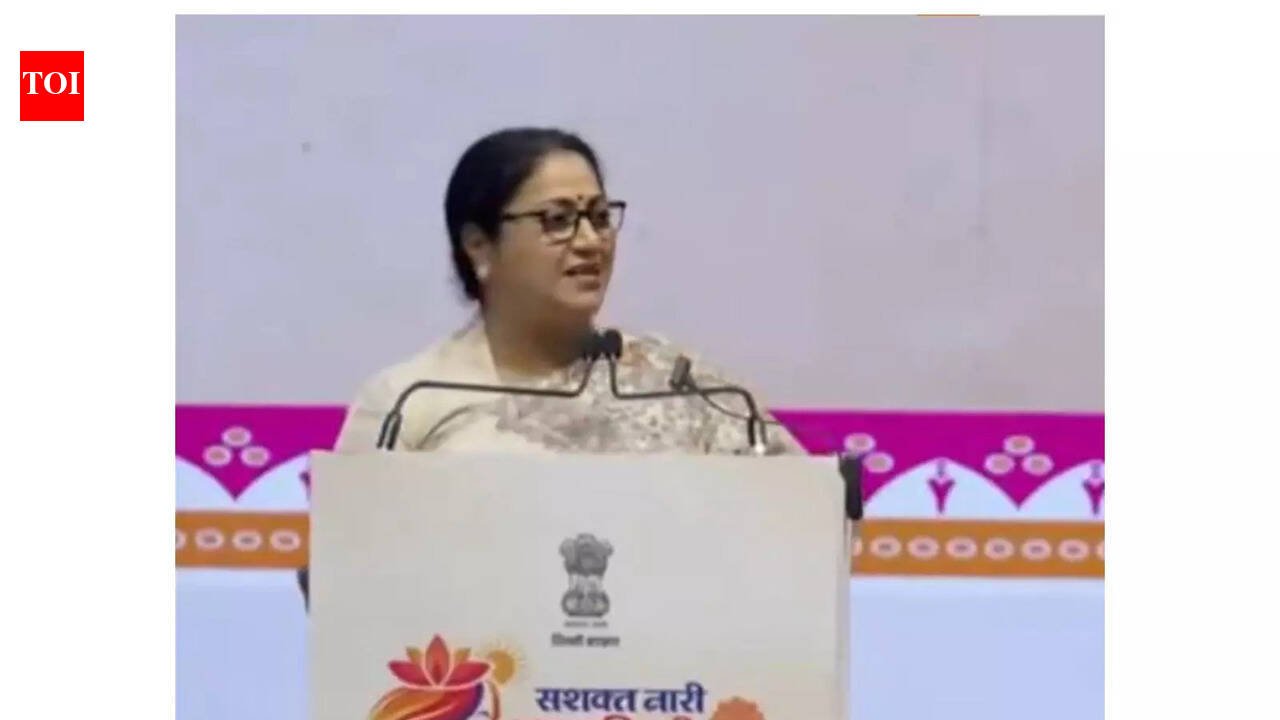
NEW DELHI: Delhi chief minister Rekha Gupta on Monday launched key women-centric initiatives at the Sashakt Nari, Samriddh Delhi programme, including the free LPG cylinder scheme for ration card holders and the Delhi Lakhpati Bitiya Yojana. Highlighting education, mobility, and domestic empowerment, she announced that funds for 30,000 girls under the Ladli-Ladli scheme have been disbursed via DBT.At the event held at the Indira Gandhi Indoor Stadium, the President also launched a scheme providing two free LPG cylinders annually to ration card-holding families on Holi and Diwali.Addressing the Delhi CM said, “This is an attempt to touch three aspects of life: education, mobility, and domestic empowerment. I congratulate the daughters of Delhi…When the government investigated, we found that money meant for the Ladli-Ladli scheme for 1.75 lakh girls was lying in government accounts. So, in the first phase, we found 30,000 girls, and Rs 90 crore was given through DBT…”According to officials, the four schemes are ‘Saheli Pink Smart Card,’ free LPG cylinder scheme, Delhi Lakhpati Bitiya Yojana, and ‘Meri Punji Mera Adhikaar.’Under the initiative, the Saheli Pink Smart Card will be introduced within the National Common Mobility Card (NCMC) framework, providing free bus travel to eligible women and transgender residents. The card will also allow paid travel on the Metro and the Regional Rapid Transit System through a single touch-free smart card. Cards will be issued at about 50 DM/SDM offices and selected DTC centers, with eligibility verified via Aadhaar and linked to the beneficiary’s mobile number.The chief minister stated that this initiative will prove to be a milestone in making public transport more accessible, safe, and digital.In two free LPG Cylinders during festivals, this scheme will be provided through Direct Benefit Transfer (DBT). An amount equivalent to the current price of one cylinder will be deposited into the Aadhaar-linked bank account of the head of the family. Approximately 15.50 lakh ration card-holding families will benefit from this scheme.The third initiative, ‘Delhi Lakhpati Bitiya Yojana’, focuses on the financial empowerment of daughters. Under this scheme, Rs 56,000 will be deposited in the name of a girl child in installments, which, with interest, is expected to exceed Rs1 lakh by the age of 21.The maturity benefit will be transferred directly to the Aadhaar-linked bank account upon meeting educational criteria. Eligibility includes an annual family income of up to Rs 1.20 lakh, Delhi residence for the last three years, and the girl child being born in Delhi. Benefits are limited to two living girl children per family and extend to those pursuing graduate or professional diplomas from recognised institutions.The fourth measure involves the disbursement of pending dues under ‘Meri Punji Mera Adhikaar,’ ensuring citizens’ financial rights are addressed in a timely and transparent manner.


Source link