Breaking News
SC: Make prisons reformative, give women right to open jails | India News

SC: Make prisons reformative, give women right to open jails

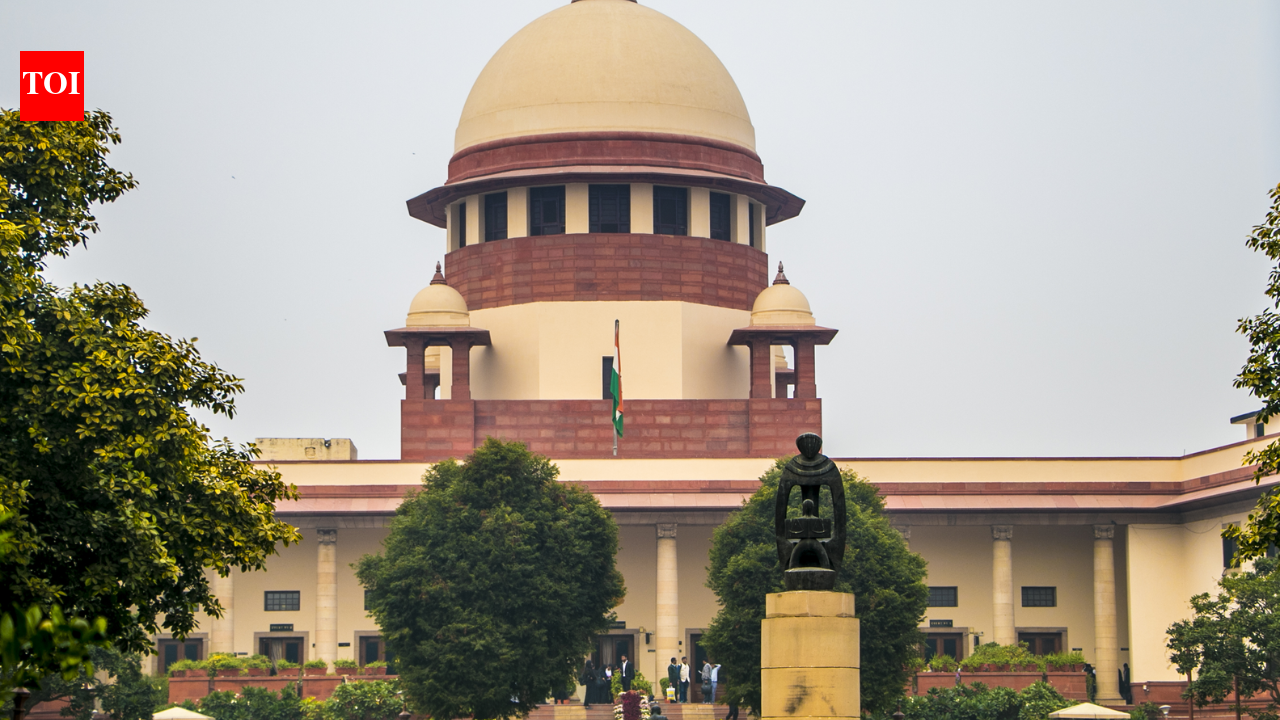
NEW DELHI: In an effort to transform India’s punitive prison system into reformative centres, Supreme Court has mandated radical reforms and ruled that women inmates, like male prisoners, have a fundamental right to be lodged in open correctional institutions (OCIs), which must change character from labour camps to vocational training centres and allow inmates’ to have regular access to their families.Penning a 138-page magnum opus of a judgment on what ails the Indian prison system and the judicially devised antidotes, a bench of Justices Vikram Nath and Sandeep Mehta appointed former SC judge S R Bhat as chairperson of a high powered committee with a honorarium of Rs 10 lakh per month along with other facilities to frame within six months a nationally consistent common minimum standards for “Reforms and Governance of Open Correctional Institutions”. It asked states, which do not have open jails, to establish these institutions and mandated setting up of multi-layered monitoring systems to ensure that its series of directions are scrupulously complied with in a time bound manner. It posted the next hearing on the matter on Sep 1. It directed state committees to file quarterly reports on implementation of SC directed reforms in open prisons before the jurisdictional HCs, which in turn will file yearly reports before SC every March 31.Writing the judgment for the bench, Justice Mehta said, “Exclusion of women from OCIs, or failure to transfer them despite being eligible for transfer from closed prisons to OCIs, amounts to blatant gender discrimination, violative of Articles 14 and 15(1) of the Constitution, and also infringes upon their right to live with dignity as guaranteed under Article 21.”He said, “Denial of access to OCIs deprives women prisoners of equal opportunity for rehabilitation and cannot be sustained in a constitutional order committed to equality, dignity and the transformative promise of justice. Immediate and effective corrective measures are, therefore, imperative in this regard.”The bench frowned at the long wait for a person lodged in closed jails – varying between 4 to 21 years in different states – to become eligible for shifting to an open jail.
Source link

Congress urges govt to help bring Iran conflict to an ‘immediate end’ | India News


Congress urges govt to help bring Iran conflict to an ‘immediate end’
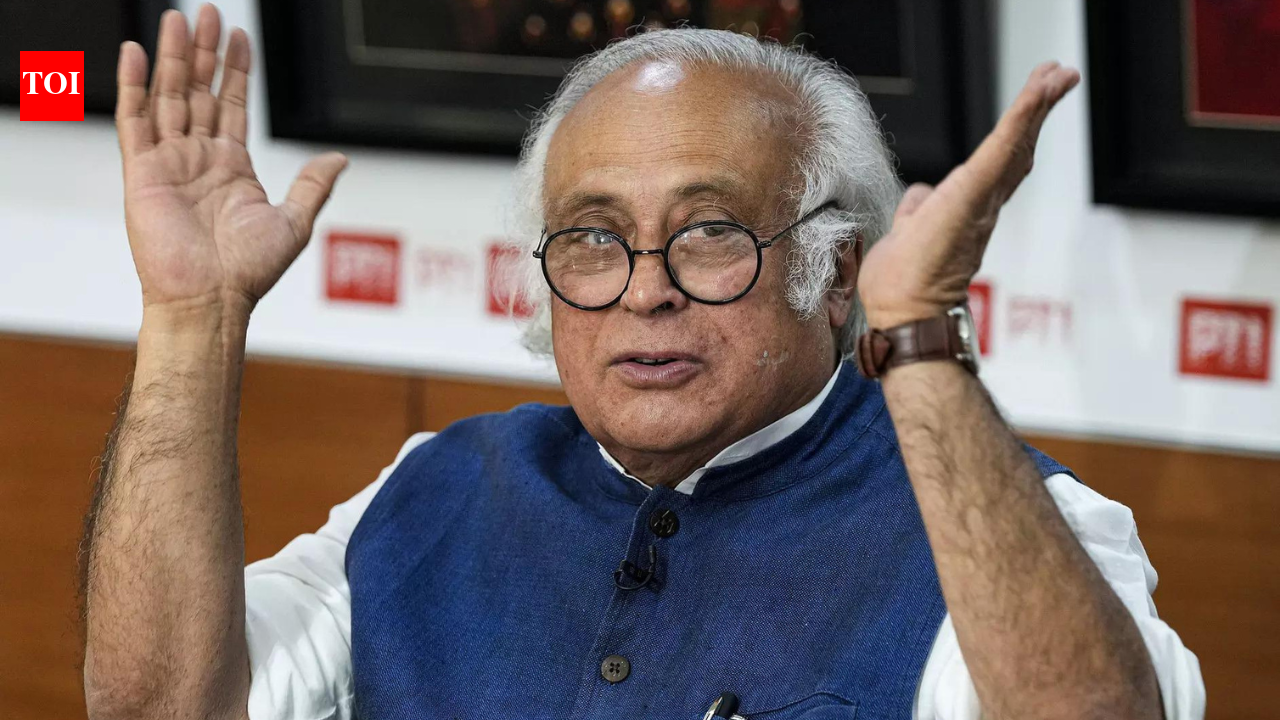
Jairam Ramesh (PTI image)

NEW DELHI: Congress Saturday condemned the attacks launched on Iran by the US and Israel, and called upon Indian govt to help bring the hostilities to an “immediate end” and ensure the safety of all Indians in West Asia.Congress general secretary Jairam Ramesh said, “For weeks President Trump maintained the charade of diplomacy and negotiations with Iran. Egged on by the Israeli PM Mr Netanyahu and hawks in the US, he has launched a military offensive aimed at achieving regime change.” Ramesh said Congress “condemns this attack” and “calls upon the govt to help bring the hostilities to an end.”

‘Urge All Sides To…’: India Calls For Dialogue And De Escalation As US And Israel Attack Iran

MP Rahul Gandhi said, “The rapidly escalating hostilities between US-Israel and Iran are concerning. “The safety and security of every Indian citizen across the Middle East must be our highest priority.”Meanwhile, Congress termed PM Modi’s visit to Israel “shameful” and “ill-timed,” saying it creates perception of a political endorsement of military escalation. Ramesh said that two days after Modi “celebrated his visit to Israel”, Israel and the US began their joint assault on Iran.


Source link

‘India reliable’: PM woos global investors at chip plant launch | India News


‘India reliable’: PM woos global investors at chip plant launch

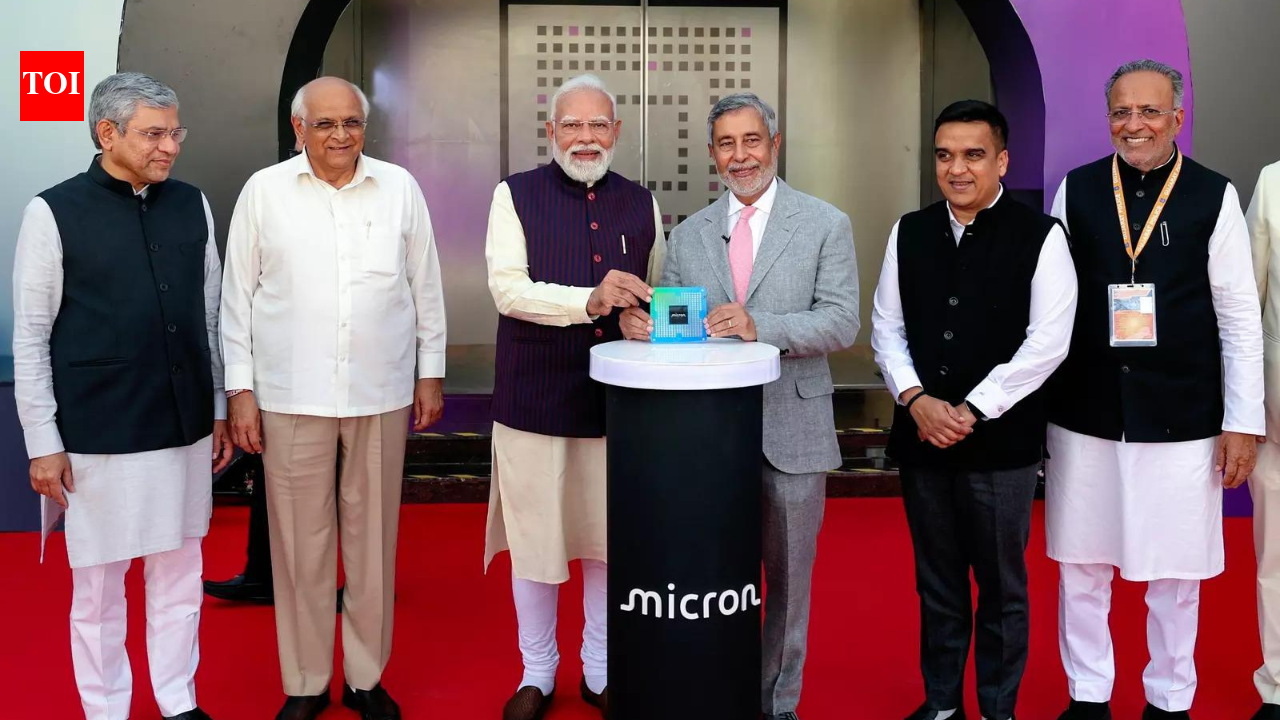
AHMEDABAD: Amid intensifying geopolitical conflicts and trade tensions, Prime Minister Narendra Modi made a strong pitch on Saturday for India as a preferred investment destination. “India is capable, India is competitive, and India is committed. Today, India has only one message for investors worldwide: India is ready, India is reliable, and India will deliver,” Modi said.

‘Historic’: US Envoy Gor Hails Micron’s Chip Plant Launch In Guj, Cites Modi-Trump Friendship

Speaking after inaugurating US-based chip giant Micron Technology’s ATMP (Assembly, Testing, Marking and Packaging) plant at Sanand, the first such facility in the country, Modi said Gujarat would provide the lifestyle and social life that international companies desire.“A small town (Sanand) suddenly found its place on the global map. Development and systems are needed; perhaps even today you may have thoughts like, ‘It would be nice if this were there, it would be nice if that were there.’ I assure you, friends, the lifestyle you desire, the social life you desire, the way you live your life, Gujarat will create that too. We will not let you feel anything is lacking.” He said after establishing itself as a software powerhouse, the country is “firmly establishing its identity” in the hardware sector too. The PM said that until 10-11 years ago, discussions about data and chips in India were confined to very close circles, and these often revolved only around IT services.Speaking about the speed of project approvals, he said, “Today’s India is moving forward with this approach — from policy to production. It is visible. Remember, the MoU for this facility was signed in June 2023. Subsequently, the groundbreaking for this facility took place in Sept 2023 in Sanand. In Feb 2024, machines began to be installed in the pilot facility, and today, in Feb 2025, commercial production has begun at this facility. Anyone who follows this sector can understand the meaning of this speed.”Referring to the start of commercial production at Micron’s ATMP facility, he said it would strengthen India’s role in the global technology value chain. The ATMP facility will manufacture SSD (solid state drive) storage devices as well as RAM-type DRAM and NAND products, a govt release said. The company has invested Rs 22,516 crore in its Sanand plant. “The AI Summit introduced the world to India’s vision. This year is yet another proof of India’s commitment to technology leadership. Today, India is rapidly becoming a part of the global semiconductor value chain,” he said. “This is the century of the AI revolution, and semiconductors are the bridge to this change. If oil was the regulator of the last century, the microchip will be the regulator of this century. India decided to move forward rapidly in the semiconductor sector,” the PM said.India is rapidly becoming an integral part of the global semiconductor value chain, and the entire world wants to secure the supply chains for both these technologies, he said. “The two largest democracies — India and the US — are continuously striving for this,” the PM said, adding their collective effort will also make the global supply chain of critical minerals more secure and reliable.


Source link

Aggressive H3N2 variant prompts changes to this year’s flu shot | India News


Aggressive H3N2 variant prompts changes to this year’s flu shot

NEW DELHI: After a year marked by an early and sharp rise in flu cases in several countries, India is set to update its seasonal influenza vaccine to deal with a fast-spreading new strain, reports Anuja Jaiswal.The WHO has issued its annual recommendations for the 2026–27 northern hemisphere flu season, based on global surveillance data that showed a new A(H3N2) variant, known as subclade K, becoming dominant. India, as part of the northern hemisphere, follows this guidance each year to decide which strains are covered in the flu shot.The new strain appears to spread more easily than the earlier versions. While it is not necessarily more severe for each infected person, its higher transmissibility has led to increased case numbers and earlier-than-usual flu activity in many regions.“The updated recommendations are timely, given the rapid global spread of the new variant,” said Dr Rommel Tickoo, director of internal medicine at Max Hospital, Saket. “H3N2 strains are often linked to more severe illness, especially in the elderly and those with medical conditions. Since influenza viruses keep changing, updating the vaccine each year is critical. High-risk groups’ early vaccination can reduce complications and hospital admissions.”WHO has recommended updated components for H1N1, H3N2 and B/Victoria strains. Indian vaccine manufacturers will now align production to match these strains so that doses are available before peak transmission. Doctors advise getting the flu shot before winter.


Source link

Congress tried to create drama, defame the country at AI summit, says PM Modi | India News


High Drama At AI Summit Amid Congress’ Shirtless Protests, BJP Calls Party ‘Shameless’ | Headlines@8

AJMER: Prime Minister Narendra Modi on Saturday sharpened his election-season attack on Congress, accusing it of divisive politics over its youth wing’s ‘shirtless protest’ at the AI Impact Summit in New Delhi.Addressing a rally in Ajmer, Modi said Congress leaves no “opportunity to malign India”, charging that it had abandoned national interest. “Kabhi Congress INC yaani Indian National Congress thi… aaj wo INC ke bajay MMC ban gayi hai (INC no longer exists in that form. Today, it has become MMC – Muslim League Maoist Congress),” he said.

High Drama At AI Summit Amid Congress’ Shirtless Protests, BJP Calls Party ‘Shameless’ | Headlines@8

“History is witness that Muslim League hated India and divided the nation. Maoists too hate India’s prosperity, our Constitution and our successful democracy. They attack from hiding, and Congress also enters anywhere to defame the nation. The country will never forgive such actions of Congress,” he said.He said the Feb 20 protest by Youth Congress at the summit was staged to embarrass India before foreign guests. “When the world speaks well of India, every Indian feels proud. But Congress tried to create drama and defame the country before foreign dignitaries,” he said.Modi accused the party of lashing out after electoral losses: “Congress has been continuously losing (elections) across the country, and due to its anger, it is taking revenge by tarnishing India’s image.”Turning to national security, Modi said Congress had a record of weakening the armed forces, alleging years of shortages and delays, including ‘One Rank, One Pension’, and defence scams during its tenures. “Defaming the country and weakening the armed forces has been an old habit of the party. It had left our soldiers longing for weapons and uniforms,” he said.Modi contrasted that with the past 11 years, saying, India’s forces had struck “on every front”, citing surgical strikes and Operation Sindoor. “Our Army has been victorious in every mission and every battlefield… they have proven their bravery. But even in these matters, Congress chose to promote the lies of the enemies,” he said, adding, “Congress opposes everything that is good for the country and benefits the people of India. This is why the nation is teaching them a lesson.” On Rajasthan front, Modi attacked Congress’s past rule over alleged corruption, paper leaks and farmer distress.,


Source link

Human brain can grow new cells, remain sharp even in 80s: Study | India News


Human brain can grow new cells, remain sharp even in 80s: Study

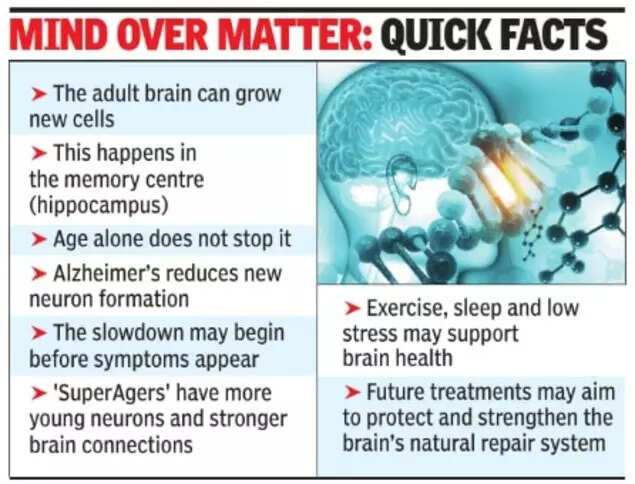
New Delhi: For many people, ageing brings small lapses in memory. A forgotten name, a misplaced key. For others, memory loss becomes something more serious. Yet, some in their 80s remain as sharp as they were decades earlier.A paper published in the journal, ‘Nature’, suggests one reason for this may lie deep inside the brain’s memory centre – in its ability to continue producing new cells even late in life. The study provides strong evidence that the adult human brain continues to generate new neurons in the hippocampus, the region crucial for learning and memory, though this process is disrupted by Alzheimer’s disease.

Mind over matter

Using advanced single-cell genetic techniques, researchers analysed nearly 3,56,000 cells from postmortem hippocampus samples across age groups – from young adults to healthy elderly individuals, early Alzheimer’s cases, diagnosed patients and ‘SuperAgers’ – identifying neural stem cells and immature neurons and tracing a clear pathway from stem cell to mature neuron.Age alone did not shut down this process. Healthy older adults still showed neuron formation. But in Alzheimer’s, immature neurons were significantly fewer. Stem cells remained, yet their development into functioning neurons appeared impaired.Dr Manjari Tripathi, head of neurology at AIIMS, said this reflected neuronal plasticity – the brain’s ability to adapt and renew itself even in adulthood. According to her, this can be strengthened through exercise, balanced diet, adequate sleep, reduced stress, strong social networks and control of cardiovascular risks. Sleep, in particular, is crucial for memory consolidation and neuronal sprouting. She noted that many ‘SuperAgers’ stayed mentally active and socially engaged.Researchers detected early molecular changes in individuals with Alzheimer’s-related pathology but no symptoms, suggesting the disruption in renewal may begin years before memory decline appears.Dr Sudhir Kumar, neurologist at Apollo Hospital, Hyderabad, said adult neurogenesis occurred at a slower pace than in childhood but remain-ed functionally vital. New neurons are adaptable and help distinguish similar memories. He added if this regenerative capacity declined early in Alzheimer’s, future diagnostics may detect it before symptoms appeared. Treatment, he suggested, should focus not only on clearing toxic proteins like amyloid but also on stren-gthening the brain’s repair systems through targeted the-rapies and lifestyle measures.


Source link

Expressing concern, India seeks respect for sovereignty & territorial integrity | India News


'Urge All Sides To...': India Calls For Dialogue And De Escalation As US And Israel Attack Iran

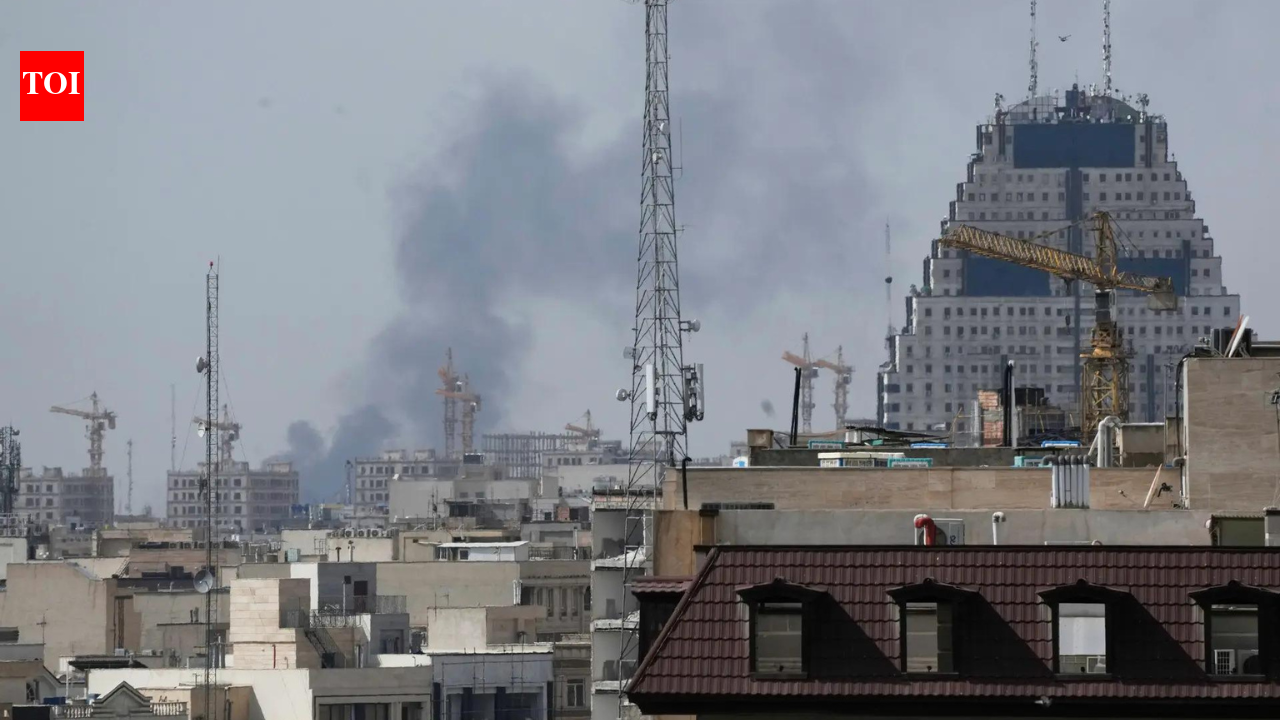
India is deeply concerned at the recent developments in Iran and the Gulf region, said the government hours after the US-Israel joint action against Iran and the latter’s retaliatory targeting of Gulf states where Washington has military assets. While seeking safety of civilians in a region that is home to a nearly 10-million strong Indian diaspora, the government also stressed in its tough balancing act that sovereignty and territorial integrity of all states must be protected. External affairs minister S Jaishankar also spoke to his Iranian and Israeli counterparts, Seyed Abbas Araghchi and Gideon Sa’ar respectively, to express deep concern and to reiterate India’s call for dialogue and diplomacy to de-escalate tensions.

‘Urge All Sides To…’: India Calls For Dialogue And De Escalation As US And Israel Attack Iran

India’s response in the form of a statement by the Ministry of External Affairs (MEA) was carefully calibrated as it said that dialogue and diplomacy should be pursued to de-escalate tensions and address underlying issues. “We urge all sides to exercise restraint, avoid escalation, and prioritise the safety of civilians,” said the Ministry of External Affairs (MEA), adding that Indian missions across the Gulf region were in touch with Indian nationals and had issued appropriate advisories asking them to remain vigilant and follow local security guidance. There are close to 40 thousand Indian citizens in Israel and anywhere between 6 to 10 thousand in Iran.With the US and Israel reportedly looking to precipitate a regime change in Iran, India was again forced to walk a diplomatic tightrope, caught between its steady ties with Iran that are based on common regional interests and strong signs of improvement in the critical relationship with the US after a period of extreme turbulence. The attack on Iran also came barely 48 hours after a bilateral meeting between PM Narendra Modi and his counterpart Benjamin Netanyahu in Israel that saw the leaders discussing the US-Iran tensions and Modi offering, if required, India’s support for any efforts towards a peaceful resolution. Significantly, Modi said in his media remarks during the visit, which took place amidst mounting US –Iran friction, that peace and security in West Asia is directly linked to India’s security interests. The Gulf region is also one of India’s most significant and reliable sources of oil and gas. The diaspora, whose well-being is a major priority for the Indian government, is one of the largest sources of remittances for India. The GCC countries – Bahrain, Kuwait, Oman, Qatar, Saudi Arabia and UAE – are together also India’s largest trading partner bloc. While India has deepened its strategic partnership with Israel in the past decade or so, its ties with Gulf states have also undergone a complete transformation during this period. India, in fact, now has a strategic partnership with 5 out of the 6 GCC countries, moving from the traditional energy buyer-seller relationship to other domains like defence and security, investment, connectivity and technology. India will be worried about the likely impact of a full-blown regional war on the India-Middle East-Europe Economic Corridor (IMEEC) project that has already been delayed by the instability in West Asia. During his visit to Israel, Modi had said both countries will move forward with renewed momentum on initiatives like IMEEC and India–Israel–UAE–USA (I2U2) to promote regional connectivity. For India, however, Iran remains a key regional partner, one that New Delhi has not given up on despite President Donald Trump restoring a maximum pressure campaign against Iran. In January this year, India joined China, Pakistan and 4 other countries in voting against a UN Human Rights Council resolution that strongly deplored the crackdown on protests in Iran and extended the mandate of a fact-finding mission for the country. According to Indian authorities, India’s interest lies in maintaining a functional relationship with Iran, not least because of the strategic Chabahar port in the country that India has helped develop for access to Central Asia and Afghanistan, bypassing Pakistan. The US muddied the picture though last year with its decision to revoke a sanctions waiver for the port that is expected to come into effect in late April.


Source link

India could soon get its first openly queer MP | India News


India could soon get its first openly queer MP

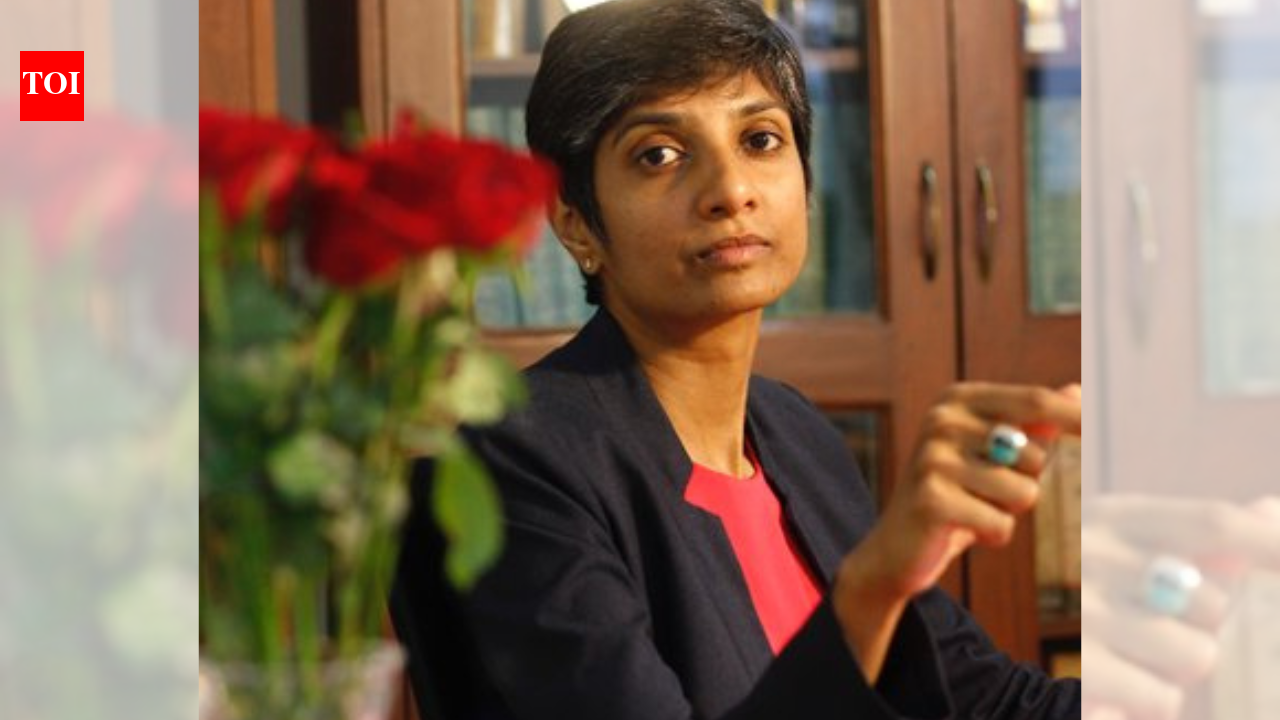
When Menaka Guruswamy walks into Parliament building for the Rajya Sabha election in mid-March, she will possibly be the first openly queer person on the ballot. From the Sept 2018 Supreme Court verdict decriminalising Article 377 to a possible seat in the Upper House has been a long journey. The Trinamool Congress has nominated her as its Rajya Sabha candidate.Perhaps cognizant of the enormity of the moment, Guruswamy on Saturday posted on X, “I am deeply honoured to be nominated to the Rajya Sabha by the All India Trinamool Congress. I am grateful to the Hon’ble Chief Minister of West Bengal Ms Mamata Banerjee for reposing her faith in me. Our Constitution’s values of equality, fraternity & non-discrimination have guided my life & work, I hope to carry these ideals forward into Parliament. I look forward to representing the interests of the people of West Bengal & to serve ‘We the People’ of India.”Guruswamy has been public about her relationship with fellow lawyer Arundhati Katju. In 2023, former diplomat Vivek Katju wrote a personal piece on his journey in accepting his daughter Arundhati and her partner, expressing his initial shock and despair when he found out about her sexuality.Guruswamy is the daughter of public policy analyst Mohan Guruswamy, who was advisor to the finance minister in Vajpayee govt. She started her career in 1997 under former Attorney General Ashok Desai.The nomination has also invited a backlash. Union MoS Sukanta Majumdar says that Guruswamy was nominated as “payback” for fighting Banerjee’s case.Guruswamy was on Foreign Policy magazine’s list of 100 most influential Global Thinkers for 2019 along with Arundhati Katju. In 2017, her portrait was unveiled at Rhodes House in Oxford University.Guruswamy was educated at Oxford University, Harvard Law School and National Law School of India. She was a Rhodes Scholar at Oxford and a Gammon Fellow at Harvard. She has been visiting faculty at Yale Law School, New York University School of Law and University of Toronto Faculty of Law. She was the B R Ambedkar research scholar and lecturer in law at Columbia Law School from 2017-2019, where she taught constitutional design in post-conflict democracies.


Source link

Can J&K’s Ranji triumph heal old wounds? | India News


Can J&K’s Ranji triumph heal old wounds?
Panacea on the Pitch? Cricket has the potential to tackle the sense of alienation that Kashmiris feel and bind them and other Indians closer together

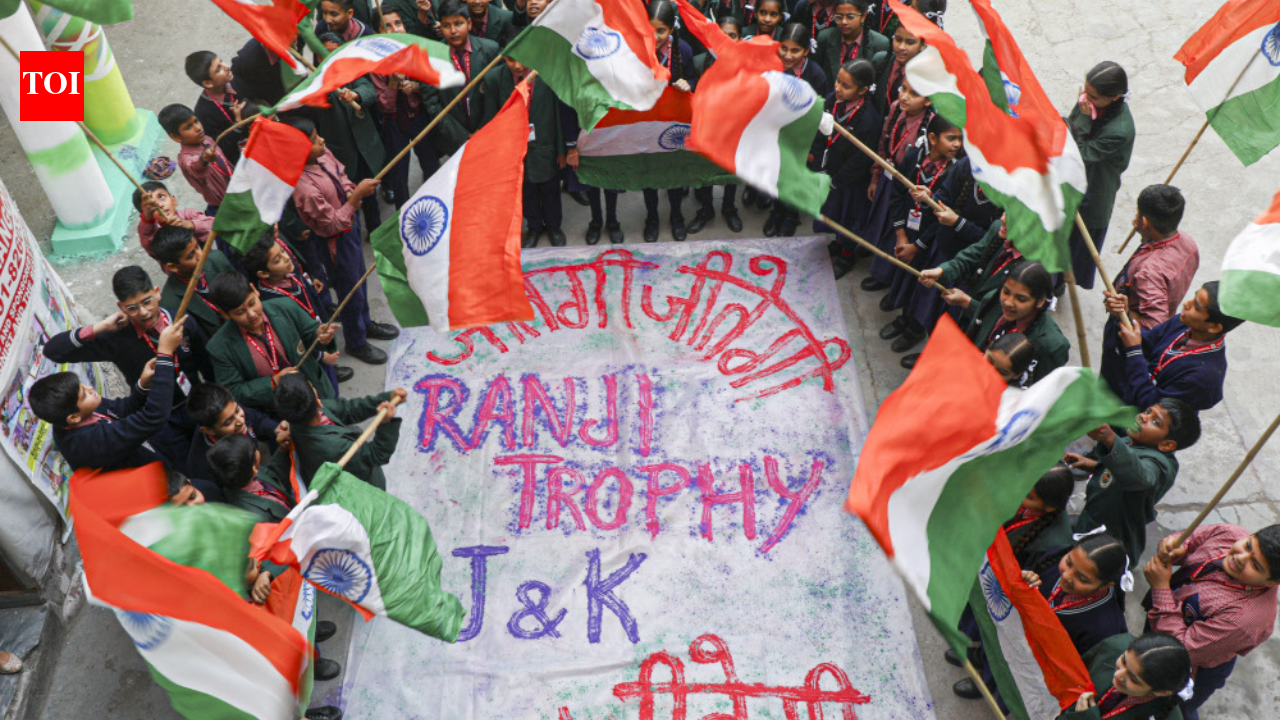
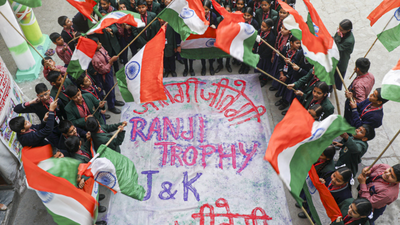
Jammu and Kashmir have become India’s cricketing champs by thrashing favourites Karnataka in the Ranji Trophy finals. This is a fantastic, heart-warming Cinderella tale in a small state long viewed as a no-hoper in cricket. Experts say nobody watches Ranji Trophy cricket because it is not exciting and lacks top stars. But I followed the Ranji semi-final and the final avidly and, by the end, was cheering myself hoarse for J&K. There must have been many more viewers like me. Before this season, J&K had played 334 Ranji Trophy matches over 67 years and won only 45 of them. It took 44 years to win its first match, against the Services in 1982-83. But this year, it steadily eliminated one tough opponent after another—Rajasthan, Hyderabad, Delhi, Madhya Pradesh, West Bengal, and finally seven-time champions Karnataka.Karnataka had five Test players—KL Rahul, Mayank Agrawal, Devdutt Padikkal, Karun Nair, and Prasidh Krishna. J&K had none. A year ago, you would have been hard-pressed to name a single member of its team. Yet it won in commanding style.This is more than a cricketing story. Out of the blue, it provides a non-political avenue to help alienated Kashmiris feel part of the Indian mainstream. They suddenly find themselves kings of Ranji cricket, admired and applauded across India in a manner no one could have imagined a year ago. May Kashmiri youngsters once seduced by terrorism trade Kalashnikovs for cricket bats!Kashmir’s notorious cricket audiences have been known to cheer for Pakistan against India. This has drawn accusations of anti-nationalism and taunts asking them to leave India and go to Pakistan.Kashmiris say this is a grave misunderstanding of their sentiments. My former Economic Times colleague Najeeb Mubarki says that cricketing crowds in the state have no particular love for Pakistan, but they want to express their alienation from India and outrage at violations of human rights in the state. And so, said Najeeb, Kashmir’s cricketing crowds will cheer for any opponent of India — be it Pakistan, or anyone else.In the current World Cup T-20 super-eights, South Africa thrashed India last week. News reports from Srinagar spoke of Kashmiris cheering for South Africa while watching the match on TV. With draconian laws now in place against anything that can be interpreted as anti-national, youngsters are cautious today about celebrations in public. But laws cannot transform what they feel or whom they cheer for.Can the mere winning of a cricket trophy change hearts and minds? No, that is a stretch. But all conventional means of ending Kashmiri alienation — govt jobs, subsidies for industries, encouraging tourism — have not achieved much. Cricket has promise because Kashmir, like the rest of India, is cricket crazy. Team sports are an excellent way to bind together people from different communities. Football is the biggest spectator sport globally, and Manchester United has millions of fans even in China and Africa. Cricket is not too far behind.Once you play for a cricket team, all your teammates become vital partners, regardless of religion or region. This is true, at least in part, for cricketing audiences too, which in India means almost everyone. Once, cheering against India was a Kashmiri way of expressing alienation. But now that J&K is Ranji champion, cricket has the potential to tackle that alienation and bind Kashmiris and other Indians closer together. The state is now central to Indian cricket, not an outlier. Its Ranji victory was a team effort of six Hindus and five Muslims. It scored a mammoth 584 runs in its first innings, with Shubham Pundir (ever heard of him?) scoring a century and five others scoring half-centuries. But the J&K star was unquestionably fast bowler Auqib Nabi, nicknamed the ‘Baramulla Express’. At the age of 29, he is a late developer. But his bowling in the last two Ranji seasons has been so phenomenal that it seems a crime that he is not in the Indian Test team.Nabi took 44 wickets last season and 60 this season, the most by any bowler. Despite having catches dropped he snagged 5 for 54 in Karnataka’s first innings, including the cream of its batting stars. He had earlier spearheaded J&K’s victory in the quarter final against MP (12 wickets for 110 runs) and semi-final against Bengal (9 wickets for 123 runs). His bowling average this season has been an astonishing 12.7 runs per wicket —anything below 20 is outstanding. Very few bowlers can boast of a hat-trick—three wickets in three successive balls. But in the Duleep Trophy six months ago, Nabi (playing for North Zone) got four wickets in four successive balls, a feat so extraordinary that cricket has yet to invent a word for it. Hurrah for Kashmir! Hurrah for India!


Source link

India walks tightrope amid Iran conflict | India News


India walks tightrope amid Iran conflict

NEW DELHI: India is deeply concerned over the recent developments in Iran and the Gulf region, govt said Saturday, hours after US-Israel joint military action against Iran and the latter’s retaliatory targeting of Gulf states where Washington has military assets. While seeking safety of civilians in a region that is home to a nearly 10-million-strong Indian diaspora, the govt also stressed in its tough balancing act that sovereignty and territorial integrity of all states must be protected.External affairs minister S Jaishankar spoke to his Iranian and Israeli counterparts, Seyed Abbas Araghchi and Gideon Sa’ar, respectively, to express deep concern and to reiterate India’s call for dialogue and diplomacy to de-escalate tensions. Late in the evening, Jaishankar also spoke to his counterparts from the UAE, Qatar, Kuwait and Bahrain and sought their cooperation in ensuring the well-being of the Indian community.

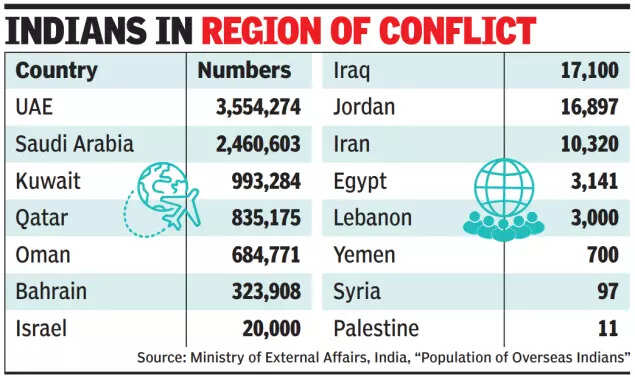
Indians in region of conflict

India’s response in the form of a statement by the ministry of external affairs was carefully calibrated as it said that dialogue and diplomacy should be pursued to de-escalate tensions and address underlying issues. “We urge all sides to exercise restraint, avoid escalation and prioritise the safety of civilians,” said MEA, adding that Indian missions across the Gulf were in touch with Indian nationals and had issued appropriate advisories asking them to remain vigilant and follow local security guidance. There are close to 40,000 Indian citizens in Israel and anywhere between 6,000 and 10,000 in Iran.With the US and Israel reportedly looking to precipitate a regime change in Iran, India was again forced to walk a diplomatic tightrope, caught between its steady ties with Iran that are based on common regional interests and strong signs of improvement in the critical relationship with the US after a period of extreme turbulence.The attack on Iran also came barely 48 hours after a bilateral meeting between PM Narendra Modi and his counterpart Benjamin Netanyahu in Israel that saw the leaders discussing US-Iran tensions and Modi offering, if required, India’s support for any efforts towards a peaceful resolution. Significantly, in his media remarks during the visit which took place amidst mounting US-Iran friction, Modi said that peace and security in West Asia is directly linked to India’s security interests.The Gulf region is also one of India’s most significant and reliable sources of oil and gas. The diaspora, whose well-being is a major priority for the govt, is one of the largest sources of remittances for India. The GCC countries — Bahrain, Kuwait, Oman, Qatar, Saudi Arabia and United Arab Emirates — are together also India’s largest trading partner bloc.While India has deepened its strategic partnership with Israel in the past decade or so, its ties with Gulf states have also undergone a complete transformation during this period. India, in fact, now has a strategic partnership with five out of the six GCC countries, moving from the traditional energy buyer-seller relationship to other domains like defence and security, investment, connectivity and tech.India will be worried about the likely impact of a full-blown regional war on the India-Middle East-Europe Economic Corridor (IMEEC) project that has already been delayed by the instability in West Asia. During his visit to Israel, Modi had said that both countries will move forward with renewed momentum on initiatives like IMEEC and India–Israel–UAE–USA (I2U2) to promote regional connectivity.For India, Iran remains a key regional partner, one that New Delhi has not given up on despite President Donald Trump’s restoring a maximum pressure campaign against Iran. In Jan this year, India joined China, Pakistan and four other countries in voting against a UN Human Rights Council resolution that strongly deplored the crackdown on protests in Iran and extended the mandate of a fact-finding mission for the country.According to Indian authorities, it is in India’s interests to maintain a functional relationship with Iran, not least because of the strategic Chabahar port in the country that India has helped develop for access to Central Asia and Afghanistan, bypassing Pakistan – though the US muddied the picture last year with its decision to revoke a sanctions waiver for the port that is expected to come into effect in late April.


Source link