Breaking News
Husband or parents’ income for OBC creamy layer? SC to rule | India News


Husband or parents' income for OBC creamy layer? SC to rule
SC has asked Karnataka govt to respond to the appeal within two weeks (AI image)

NEW DELHI: To determine whether an OBC woman candidate came within the creamy layer to be disentitled from reservation in govt employment, what should be taken into consideration – income of her husband or that of her parents? Supreme Court has agreed to examine this question.The woman, aspiring to become a judicial officer in Karnataka, belongs to the Hindu Namadhari community which is under II-A of reserved category. In April 2018, she married a man who belongs to III-B of reserved category, and has been residing separately from her parents since then. She has applied for the post of civil judge, where six posts out of 57 are reserved for candidates belonging to category II-A.After her selection, she sought verification of her caste certificate and issuance of ‘Sindhutva’ certificate based on her husband’s income. The district caste and income verification committee rejected her application saying she belonged to the creamy layer owing to the quantum of her parent’s income.Her mother had retired as a district judge from Karnataka judicial service, and her father retired as assistant conservator of forest. She contended before Karnataka HC that eligibility of a married woman should be decided on her husband’s income and not that of her parents. She said her husband’s annual income put her out of the purview of creamy layer disqualification.The state govt had argued that pension of parents should also be considered for this purpose. The HC had rejected her claim and ruled that the pension of her parents would also be considered as family income.Arguing her appeal against the HC decision, senior advocate Sanjay M Nuli told a bench of Chief Justice Surya Kant and justices Joymalya Bagchi and Vipul M Pancholi on Wednesday that the appeal raised a question of law – whether the income of the husband or the income of the parents was to be considered for determining creamy layer of a married woman candidate and, if the income of the parents was to be considered, whether the pension of the parents was to be considered as income or not?The bench issued notice to Karnataka govt and asked it to respond to the appeal within two weeks. It has permitted the appellant to file a rejoinder in a week thereafter and posted the matter for further hearing on April 6.


Source link

Rice Kernels: Government suspends fortified rice rollout in welfare schemes citing shelf-life concerns | India News


Government suspends fortified rice rollout in welfare schemes citing shelf-life concerns

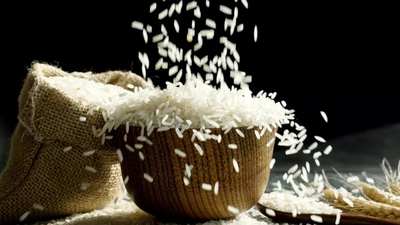
NEW DELHI: The Centre has decided to “temporarily discontinue” the fortification of rice distributed under the free foodgrain scheme (PMGKAY) and other welfare schemes, following a comprehensive review of its implementation and effectiveness.The decision was taken on Friday after a study conducted by IIT-Kharagpur, which assessed the shelf life of Fortified Rice Kernels (FRK) and Fortified Rice (FR) under real storage conditions across diverse agro-climatic zones in the country. The study found that key factors such as moisture content, temperature, relative humidity, storage conditions and packaging materials “critically” affect the stability of fortified rice.As per an official release, the study concluded that FRK and FR are “susceptible to micronutrient reduction and shortening of shelf life during prolonged storage and routine handling. This reduction is rendering the effective shelf life shorter than expected and, in turn, limiting the intended nutritional outcomes”.The food ministry took note that rice procured for distribution often remains in storage for 2-3 years due to high buffer stocks. Against an annual allocation of 372 lakh tonnes under PMGKAY and other welfare schemes, total availability in the central pool is projected at 674 lakh tonnes, including expected receipts from the Kharif Marketing Season (KMS) 2025–26. The extended storage duration has emerged as a key challenge in maintaining micronutrient stability.“In view of these findings, it has been decided to temporarily discontinue fortification of rice until a more robust and effective nutrient delivery mechanism is developed and operationalised,” the ministry said.It also said govt that the move will not lead to any reduction in foodgrain entitlements for beneficiaries.In his address from Red Fort on Aug 15, 2021, PM Narendra Modi had announced the mandatory fortification of rice distributed through govt schemes, including PDS and PM POSHAN, by 2024 to combat malnutrition. This initiative was aimed to supply iron, folic acid, and vitamin B12-enriched rice to vulnerable populations nationwide.


Source link

Trinamool names 4 Rajya Sabha candidates, BJP hits back over ‘non-Bengali’ charge | India News


Trinamool names 4 Rajya Sabha candidates, BJP hits back over 'non-Bengali' charge

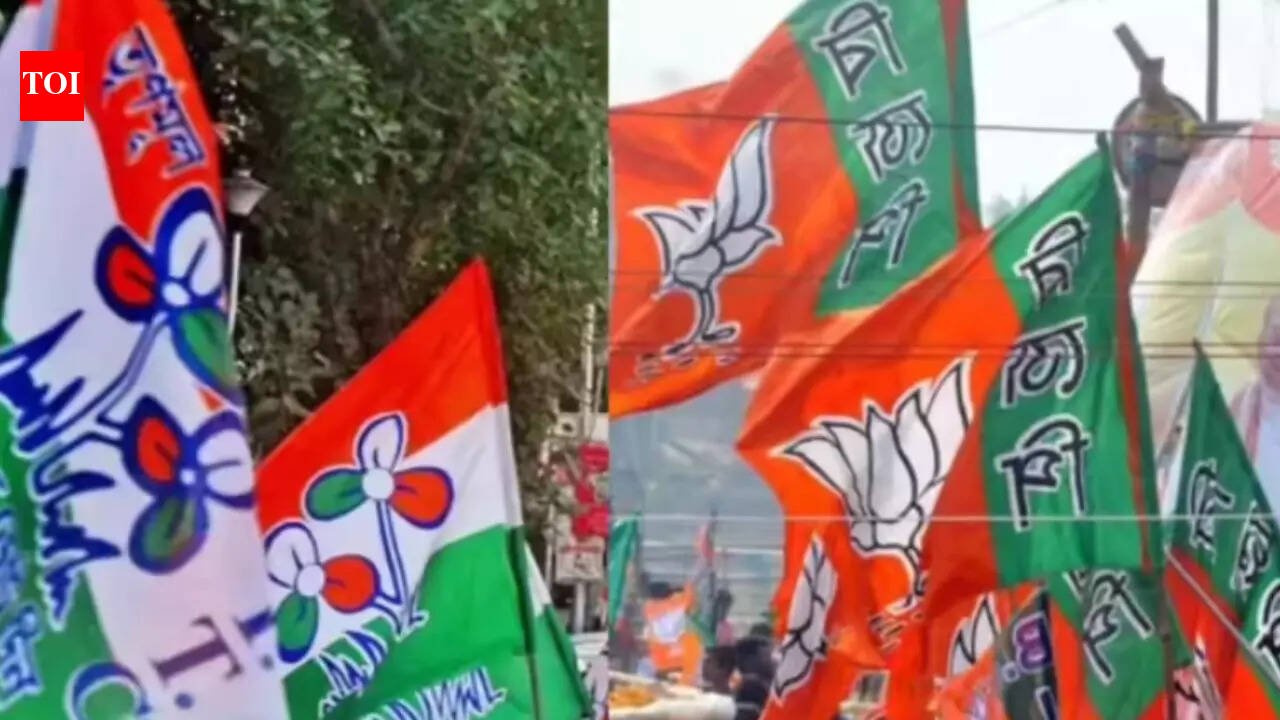
NEW DELHI: The All India Trinamool Congress (TMC) on Thursday announced four candidates for the upcoming Rajya Sabha elections, triggering a sharp political attack from the Bharatiya Janata Party;s West Bengal unit over the choices.In a statement, the TMC said it had nominated Babul Supriyo, former West Bengal director general of police Rajeev Kumar, senior advocate Menaka Guruswamy and actor Koel Mallick. The party said the nominees reflected Trinamool’s commitment to “resilience” and to safeguarding the rights and dignity of citizens.“May they continue to uphold Trinamool’s enduring legacy and its unwavering commitment to the people of India,” the party said in its official announcement.

‘Targeting People Like Terrorists’: Mamata Banerjee Attacks EC Over SIR, Cites Bangladesh Polls

The nominations, however, drew an immediate and caustic response from the Bharatiya Janata Party in West Bengal. The BJP alleged that half of Trinamool’s Rajya Sabha nominees were non-Bengalis, questioning chief minister Mamata Banerjee‘s oft-stated pro-Bengal stance.“Couldn’t Mamata Banerjee find enough Bengalis to nominate? Or is she rewarding those who hold her dirty secrets and are willing accomplices in her crime and corruption syndicate?” the BJP’s West Bengal unit said in a statement, accusing the TMC of using Bengali identity only as an electoral tool.The BJP further alleged that Banerjee “despises Bengalis” while claiming to champion their cause, and said the nominations exposed what it called the hollowness of Trinamool’s regional pride narrative.


Source link

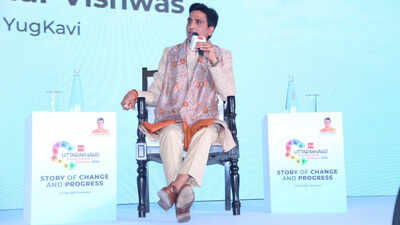
Uk Transformation Dialogue: ‘Uttarakhand is a sentiment, not just a state’: Dr Kumar Vishwas at Uttarakhand Transformation Dialogues | India News


'Uttarakhand is a sentiment, not just a state’: Dr Kumar Vishwas at Uttarakhand Transformation Dialogues

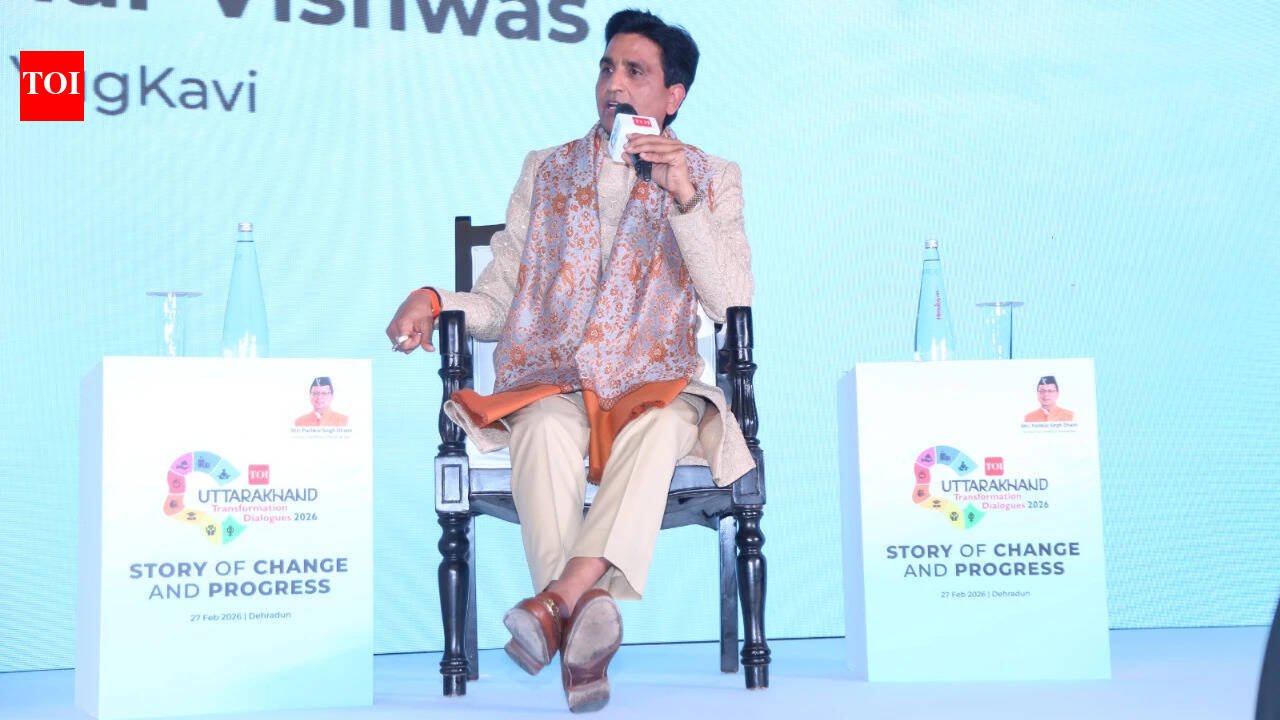
NEW DELHI: At the Times of India’s Uttarakhand Transformation Dialogues held in Dehradun, poet and author Dr Kumar Vishwas discussed the state’s spiritual essence, cultural identity and development journey. He urged people to view Uttarakhand not merely as a destination, but as a sacred space that demands respect.Emphasising the deeper connect people share with the region, he said, “Uttararakhand is not a state, it’s a sentiment. People should enter the state as though they’re entering a temple.” People who visit the Devbhoomi should embody its spirit.Vishwas made a strong appeal to preserve the sanctity of key pilgrimage towns. He urged authorities and visitorsnot to turn Haridwar and Rishikesh into commercial tourism hubs, suggesting that destinations like Mussoorie and Landour are better suited for such activities.Protecting the sacred character of holy towns would ensure that people continue to respect their cultural and spiritual heritage.He said that visitors must come to Uttarakhand with “tameez and tehzeeb,” respecting the traditions of the land.Sharing his views on the idea of religious tourism, Vishwas said, “I’ve been visiting Uttarakhand since many years. These two words should never go together. Places like Haridwar and Kedarnath are not religious, they are spiritual. Anyone can create a religion to fool gullible masses. Spirituality is all about keeping humanity alive in you.”Referring to the Covid-19 pandemic, he highlighted India’s scientific achievements and humanitarian outlook. “India’s scientific temperament helped fight the corona epidemic. We were among the first to create a vaccine and then sent it to countries that couldn’t afford creating one. This is India’s thought process. We want everyone to stay happy, prosper,” he said.He also advised travellers to embrace the local culture. “When you visit Uttarakhand for tourism, you must follow its culture, eat its food, else you might as well visit Switzerland,” he said.When asked about the growing influence of AI on every aspect of life including creative arts, he said “The more AI comes, the more real intelligence will be valued.” Weaving together spirituality, cultural pride and modern realities, Vishwas kept the audience hooked with his anecdotes and wide-ranging knowledge.


Source link

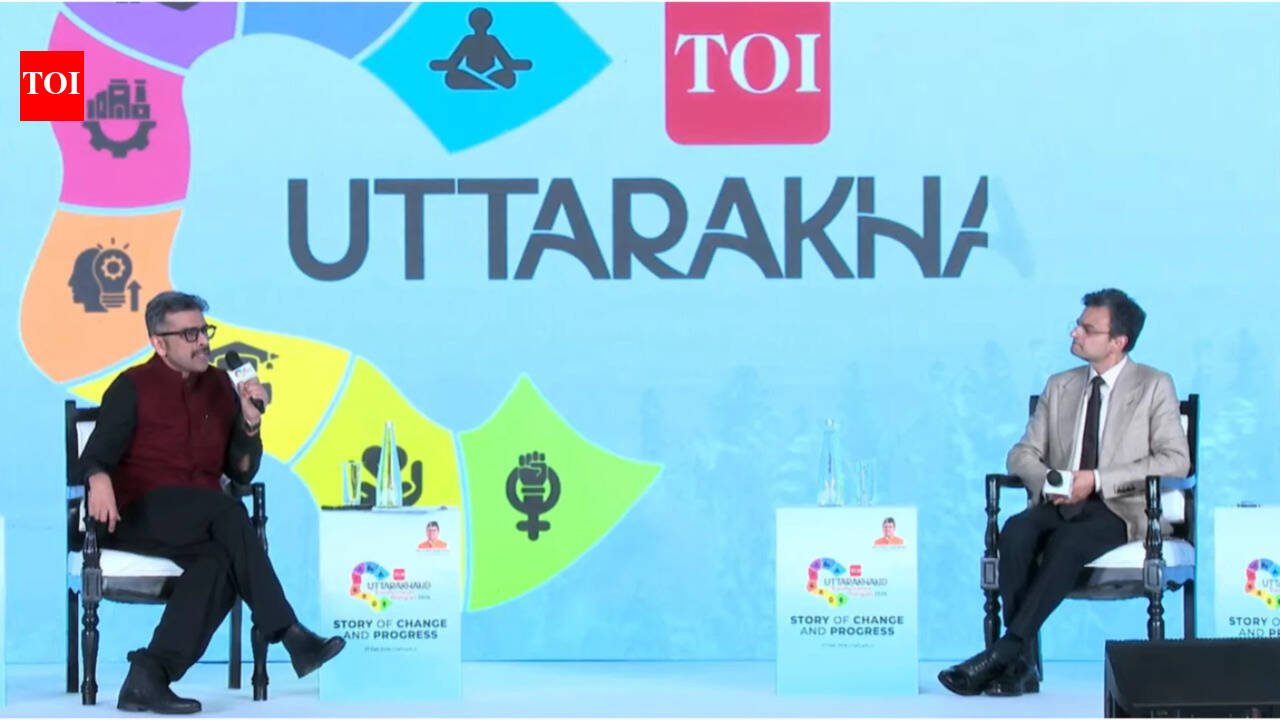
Uttarakhand Transformation Dialogues: TOI Uttarakhand Transformation Dialogues 2026: Digital debate must embrace diversity, says Anand Ranganathan | India News


TOI Uttarakhand Transformation Dialogues 2026: Digital debate must embrace diversity, says Anand Ranganathan

TOI Uttarakhand Transformation Dialogues 2026

NEW DELHI: The Times of India’s flagship Uttarakhand Transformation Dialogues 2026 brought together policymakers, academics and industry leaders in Dehradun on Friday, with a sharp focus on the state’s next phase of growth.Among the key sessions was a fireside chat featuring scientist and author Anand Ranganathan, who spoke on the theme “Digital Education, Governance & Public Reason”. The session explored how digital platforms, education and governance shape public discourse and policy outcomes.The larger event, organised by The Times of India, aims to create collaboration between government, industry and civil society.

Public reasoning has increased in the digital era

Opening the discussion, the moderator asked whether the scope of public reasoning in society has grown or shrunk in the digital age.Ranganathan was clear in his response.“It has certainly increased. There is no two ways about it,” he said.Recalling the 1970s and 1980s, he noted that earlier generations had very limited avenues to respond to opinions published in newspapers or aired on radio and television.“If we didn’t like it, the only option was to roll up the newspaper and fling it against the wall. On rare occasions, you would write a letter to the editor. I had one published once,” he said, adding that there was a sense of frustration in not being heard.In contrast, he described today’s environment as a “problem of plenty”, where people have multiple platforms to voice their views. While acknowledging that extremes can be disruptive, he said he would prefer a noisy democracy over enforced silence.

Labels, ideology and the Left–Right debate

The conversation then moved to whether society is becoming overly opinionated, forming views before facts.Ranganathan argued that political labels are often imposed rather than clearly defined. In the Indian context, he said, Western definitions of Left and Right do not neatly apply.“In India, one can perhaps define the Left, but it’s very difficult to define the Right. In fact, in many domains, I consider the BJP a left-wing party, economically, it is certainly left-wing,” he remarked.He added that labels can sometimes simplify arguments by giving people a sense of belonging to an ideological group. “It’s convenient,” he said, noting that he has learnt to accept such labels in “the right spirit”.

Popularity versus truth in public discourse

Asked whether he faces pressure to adopt popular positions rather than factual ones, Ranganathan said he has consistently relied on a scientific approach since he began writing and appearing in public debates in 2008.“I have always looked at everything through the lens of science. If you do that, you can never go wrong,” he said.He admitted that public reactions often fluctuate. “People love what I say when it conforms to their thinking. The next day, they troll me because I’ve said something they disagree with. That happens almost every day.”

On corruption and selective narratives

Referring to debates around textbook references to judicial corruption, Ranganathan argued that institutions should not be shielded from scrutiny.“Is there corruption in the judiciary? It’s not me saying it, former Chief Justices have acknowledged it,” he said, adding that if students are being educated about institutions, they should understand the “full picture”.However, he cautioned against selective criticism. “If you talk about corruption, talk about it everywhere. Don’t be selective,” he said, pointing out that corruption is discussed in politics, science, medicine and sports.He also criticised what he described as a tendency in the media to portray current problems as unprecedented.“Science teaches you to ask, has this happened before? Look at the data before drawing conclusions,” he said, urging comparisons across states and over time before assigning blame.

Digital media, misinformation and bias

On the role of digital media in spreading both information and misinformation, Ranganathan said eliminating misinformation entirely is unrealistic.“You can’t eliminate misinformation entirely. It happens naturally,” he said.He argued that exposure to diverse viewpoints is the best corrective. Drawing an example from children of civil servants who move across states and encounter different narratives, he said, such mobility often gives them a more balanced understanding.“The only way to circumvent bias is to know the other opinion. Always read two newspapers,” he advised.He described disagreement as healthy. “You and I have agreed on some issues and disagreed on others. I see that as diversity, not difference. The listener benefits by hearing both sides. That is the democratisation digital media has given us.”

Uttarakhand’s growth and structural challenges

Turning specifically to Uttarakhand, Ranganathan presented a mix of achievements and concerns.He said the state’s GDP per capita is about $1,000 higher than the national average. Welfare schemes, including toilets, bank accounts, tap water connections and Ayushman cards, have reached nearly 100% of the targeted population.However, he stressed that long-term planning is crucial. “This is a golden opportunity to draw a roadmap, not for five years, because governments come and go, but for 15 to 20 years,” he said.Highlighting what he termed a “problem of plenty”, he noted that while Uttarakhand’s population is around one million, tourist arrivals are about 6.5 million.“Everything has a flip side,” he said.He pointed out that 80% of the state still depends on agriculture, yet in the past 15 years, about 28% of cultivable land has been lost, largely due to construction, urbanisation and tourism. Agricultural produce availability has declined by around 15%.“You are facing a situation where one sector is doing extremely well — but structural balance must be maintained,” he cautioned.

Digital governance and the role of critics

On governance, Ranganathan observed that merely providing digital information is not enough.“You can provide all the digital information you want. But digital information is not interactive. You tend to pick solutions from those who praise you. Critics are often pushed aside,” he said, underlining the need for inclusive dialogue.The Uttarakhand Transformation Dialogues also featured sessions with various famous personalities, focusing on culture, gender and heritage as drivers of growth.

Source link

‘Unwarranted’: Why Delhi court rapped CBI for ‘South Group’ tag in liquor policy case | India News


"No Overarching Conspiracy" Court Clears Arvind Kejriwal, Manish Sisodia In Excise Case

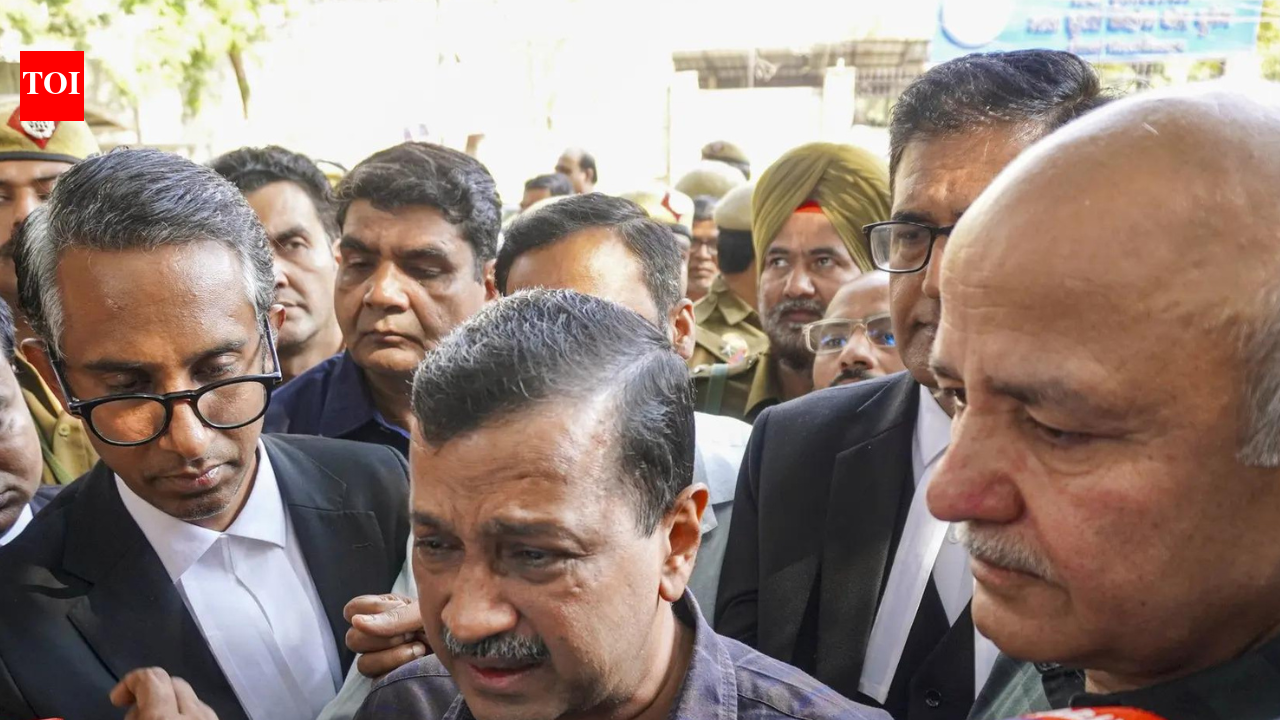
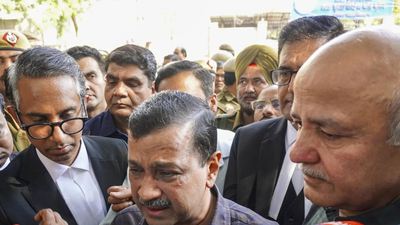
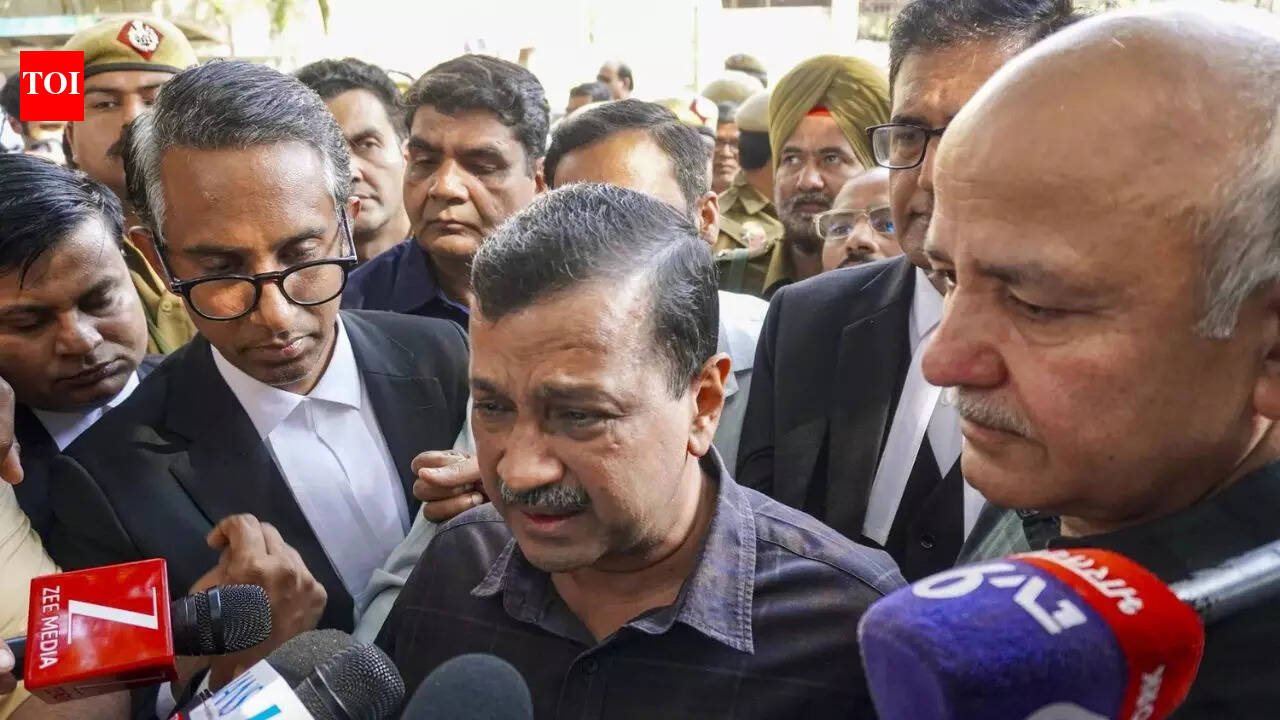
Kejriwal, Sisodia after being cleared of all charges

NEW DELHI: A Delhi court on Friday sharply criticised the Central Bureau of Investigation (CBI) for repeatedly using the term “South Group” in its chargesheet, while it discharged former chief minister Arvind Kejriwal, former education minister Manish Sisodia and 21 others in the liquor policy case.The court said the nomenclature had no basis in law and cautioned the agency to exercise restraint in its choice of language in investigative narratives.

“No Overarching Conspiracy” Court Clears Arvind Kejriwal, Manish Sisodia In Excise Case

Special Judge Jitendra Singh said, “The court considers it necessary to place on record its concern with the repeated and deliberate use of the expression, ‘South Group’, by the investigating agency to describe a set of accused persons, ostensibly based on their regional origin or place of residence.”“It is equally significant that no comparable regional descriptor has been employed for the remaining accused persons. The prosecution narrative does not speak of any ‘North Group’ or similar categorisation. The selective adoption of a geographically-defined label is, therefore, plainly arbitrary and unwarranted,” he added, as quoted by news agency PTI.The court also said that region-based labelling could create a prejudicial impression and was inconsistent with constitutional principles.“The continued use of this label, despite the absence of any legally-sustainable basis, carries a real risk of colouring perception, causing unintended prejudice and diverting focus from the evidentiary material, which alone must guide adjudication,” it said.Observing that the issue was not merely semantic, adding that, “Identity-based labelling, whether by ethnicity, nationality or regional origin, cannot be employed as a prosecutorial shorthand where such identity is irrelevant to the offence. Such labelling is not a mere irregularity of expression, it constitutes a constitutional infirmity capable of undermining the fairness of the proceedings themselves.The Judge Jitendra Singh asked the central agency to exercise “greater care, circumspection and restraint” while drafting chargesheets and investigative narratives. “Descriptions of accused persons must remain strictly neutral, evidence-based and free from expressions that carry a stigmatic, divisive or pejorative overtone,” he said, adding that the use of such terminology violates constitutional provisions.“Persistence with such nomenclature risks undermining the due process of law and is best avoided in the interest of an impartial and constitutionally-compliant administration of criminal justice,” he added.


Source link

Evening news wrap: Arvind Kejriwal challenges PM Modi to hold fresh Delhi polls; HC gives nod to ‘The Kerala Story 2’ release; & more | India News


"No Overarching Conspiracy" Court Clears Arvind Kejriwal, Manish Sisodia In Excise Case

  • Arvind Kejriwal challenged PM Narendra Modi to hold fresh Delhi polls, claiming a court found “no evidence” in the alleged liquor scam case.
  • Kerala High Court stayed its single-judge order halting the release of The Kerala Story 2, allowing temporary relief to the filmmakers.
  • Pakistan launched airstrikes on Afghan cities including Kabul and Kandahar, escalating tensions as the Taliban government sought dialogue.
  • India’s GDP grew 7.8% in Q3 FY26 under the revised base year series, with manufacturing and services driving momentum.
  • BSE Sensex and Nifty50 fell over 1% amid FII selling, weak global cues and rising geopolitical tensions.

Here are the top news of the day:

Kejriwal dares PM Modi to call fresh Delhi polls after court relief

Aam Aadmi Party chief Arvind Kejriwal challenged Prime Minister Narendra Modi to hold fresh elections in Delhi, saying he would quit politics if the BJP wins more than 10 seats. Citing a court order in the alleged liquor scam case, Kejriwal claimed the 600-page ruling found “not even an iota of evidence” to proceed with trial, and accused PM Modi and Amit Shah of hatching a political conspiracy. Follow live updates

“No Overarching Conspiracy” Court Clears Arvind Kejriwal, Manish Sisodia In Excise Case

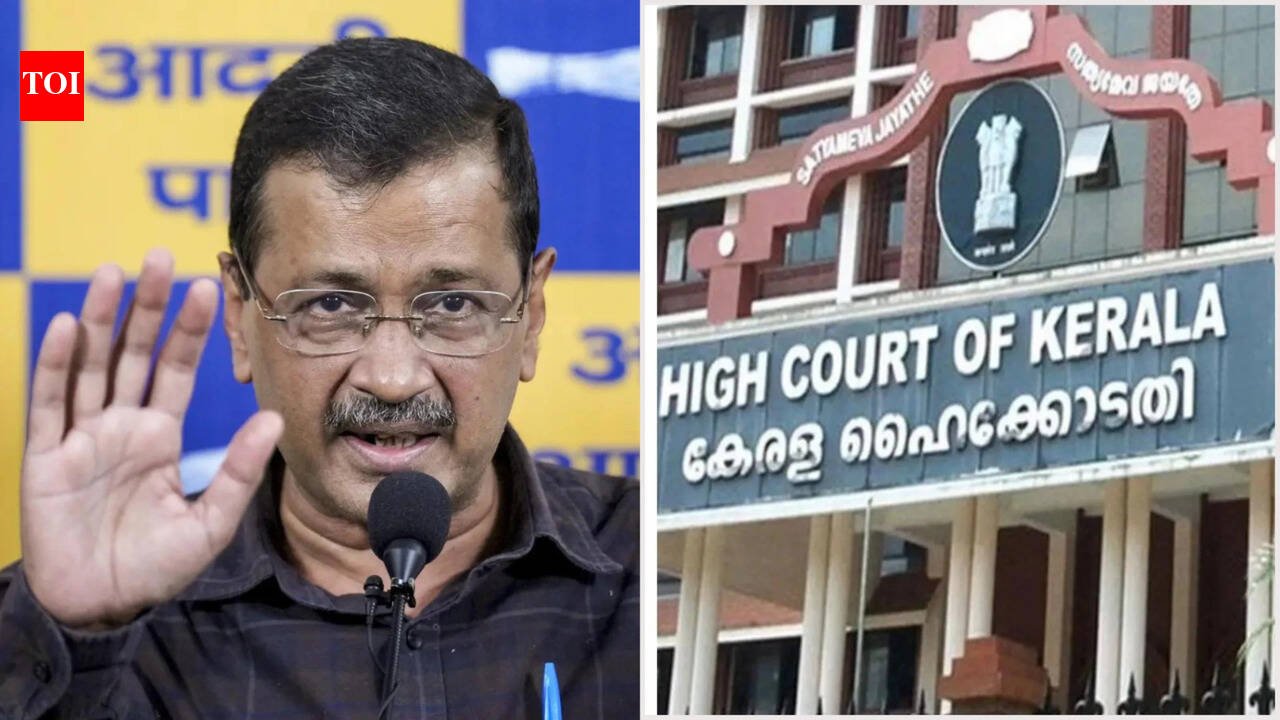
Kerala high court stays order halting release of ‘The Kerala Story 2’

The Kerala high court stayed for two weeks a single judge’s order that had paused the release of The Kerala Story 2 – Goes Beyond. The earlier ruling had cited concerns over communal disharmony and questioned the CBFC’s scrutiny. A detailed division bench order is awaited. Read full story

Afghanistan seeks dialogue as Pakistan launches airstrikes

Afghanistan’s Taliban government called for dialogue to resolve escalating tensions with Pakistan after Islamabad carried out overnight airstrikes on Kabul, Kandahar and other areas, reportedly killing 133 people. Pakistan described the strikes as retaliation for cross-border firing that allegedly killed 55 of its troops. Follow live updates

India’s GDP grows 7.8% in Q3 FY26 under revised base year series

India’s real GDP expanded 7.8% in the October–December quarter of FY 2025-26, according to data released by the Ministry of Statistics and Programme Implementation (MoSPI) under the new 2022-23 base year series. Full-year growth is projected at 7.6%, with nominal GDP rising 8.6%. Read full story

Sensex, Nifty slide over 1% amid FII selling and global jitters

Benchmark indices Nifty50 and BSE Sensex tumbled over 1%, marking a second straight day of losses as foreign fund outflows, weak global cues and geopolitical tensions dented sentiment. FIIs offloaded Rs 3,466 crore in equities, while Wall Street weakness—led by a sharp fall in Nvidia—added pressure. Read full story


Source link

Allahabad HC stays arrest of Swami Avimukteshwaranand in POCSO case | India News


Allahabad HC stays arrest of Swami Avimukteshwaranand in POCSO case
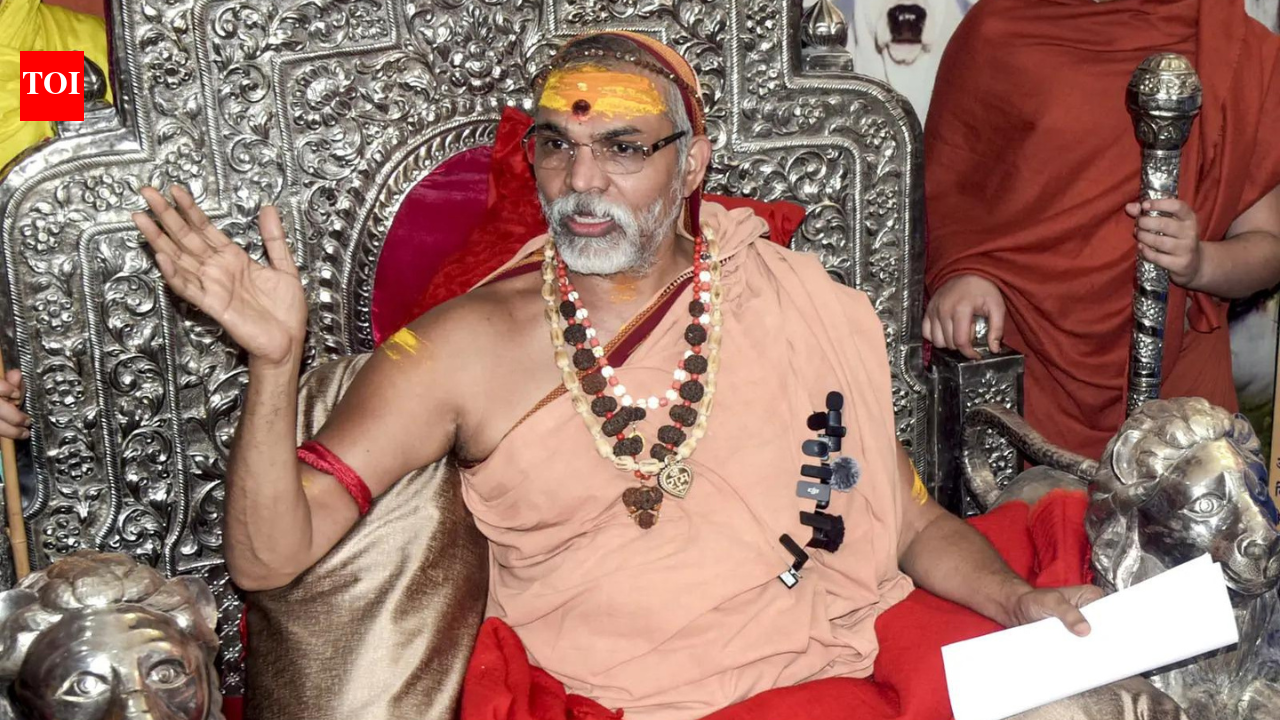
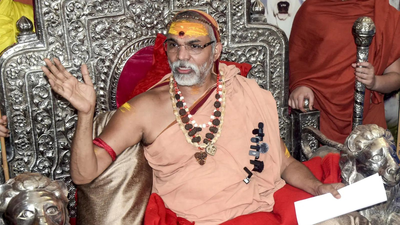
Swami Avimukteshwaranand Saraswati (File photo)

NEW DELHI: The Allahabad high court on Friday gave relief to Swami Avimukteshwaranand Saraswati in the sexual harassment case registered at Jhunsi police station by staying his arrest.The court order grants interim protection from coercive action until the next hearing in the matter.A case was registered against Swami Avimukteshwaranand Saraswati under provisions of the Protection of Children from Sexual Offences (POCSO) Act and relevant sections of the Bharatiya Nyaya Sanhita, following a complaint alleging sexual abuse.The seer has denied the allegations, calling the case “false” and an attempt to defame him. He has maintained that neither he nor his gurukul had any connection with the complainants.Earlier, he publicly said he was willing to undergo a narco analysis test if it helped establish the truth. “If the truth can be ascertained through a narco test, it should certainly be done. Whatever methods are available to uncover the truth should be adopted,” he told reporters.He questioned claims related to medical examination reports, arguing that such reports, conducted days later, could not establish his involvement. He also said that even if any wrongdoing had occurred, it would not automatically link him to the alleged acts.The seer further alleged that the children were staying with the complainant, identified as Ashutosh Brahmachari alias Pandey, and questioned why they were not sent to a juvenile home. Referring to media reports that the children were kept at a hotel in Hardoi, he alleged they were not allowed to meet journalists and accused police of shielding the complainant.


Source link

Kerala High Court Stay On The Kerala Story 2: Relief for ‘The Kerala Story 2’: High court pauses single judge order halting film release for two weeks | India News


Relief for ‘The Kerala Story 2’: High court pauses single judge order halting film release for two weeks

NEW DELHI: The Kerala High Court on Friday stayed for two weeks its single judge order that had put the release of the film ‘The Kerala Story 2 – Goes Beyond’ on hold.The division bench stayed the single judge’s interim order which had put the film’s release on hold for 15 days.The development comes amid a legal battle over the film’s screening in the state, with the producer challenging the earlier interim relief granted against its release.

Kerala Story 2 Sparks Fresh Controversy After Court Notice Over Certification & Content Concerns

On Thursday, Justice Bechu Kurian Thomas had stayed the film’s release for 15 days. The court had observed that there was a prima facie “manifest non-application of mind to the requirement of law” by the censor board, the Central Board of Film Certification (CBFC).The judge had also said that “the possibility of communal disharmony or denigration of a community also being prima facie involved in the movie”, and that releasing it without scrutiny by higher authorities would be legally improper.Referring to the teaser, the court had further noted that it had “a prima facie potential to distort public perception and disturb communal harmony”.Following the single judge’s order, the film’s producer Vipul Amrutlal Shah approached a division bench of the high court late on Thursday night.The appeal was heard by a bench comprising Justices Sushrut Arvind Dharmadhikari and P V Balakrishnan, which passed the interim stay order on Friday after having reserved its verdict on Thursday night. The detailed order is awaited.In his appeal, Shah contended that the film does not harm or denigrate the state of Kerala or any religious community and argued that “the film only portrays a social evil”, according to news agency PTI.He also told the court that halting the release would “financially finish” the producers, as the movie was scheduled to be screened in around 1,500 theatres across India and over 300 theatres abroad on February 27.With Friday’s decision, the operation of the earlier order has now been kept in abeyance for two weeks.


Source link

Delhi excise policy case: How BJP & Congress reacted after Arvind Kejriwal gets relief from court | India News


Delhi excise policy case: How BJP & Congress reacted after Arvind Kejriwal gets relief from court

NEW DELHI: Congress and BJP on Friday reacted sharply to the acquittal of former Delhi chief minister Arvind Kejriwal and former deputy chief minister Manish Sisodia in the Delhi excise policy case.AAP’s on-and-off INDIA bloc ally Congress, however, expressed resentment over the leaders’ discharge alleging that the ruling BJP is a “Icchadhari Naag” who uses central investigative agencies for political purposes.Congress leader Pawan Khera alleged that Kejriwal‘s release ahead of the upcoming Assembly elections in Punjab and Gujarat was part of a “strategy to weaken” the grand old party.

Cong calls BJP ‘Icchadhari Naag’

In a post on X, Khera said the BJP is focused on achieving a “Congress-mukt Bharat” and claimed that cases against Congress leaders tend to intensify before elections, while proceedings against its “convenient allies” slow down. “The BJP is not a political party. It is a shape-shifter, a wishful serpent – Icchadhari Naag. It will stoop to any level for one obsessive goal: defeat Congress – Congress Mukt Bharat,” Khera said.“For 12 years the ruling BJP “spewed venom at the TMC. And now? Narendra Modi himself is showering it with praise – not out of respect, but to land a cheap blow at Congress,” he posted on X.“Elections are coming. So the script is predictable. Cases against Congress leaders will suddenly accelerate and meanwhile, proceedings against their convenient ‘allies’ in the AAP and others will quietly vanish in light of the Gujarat and Punjab elections,” Khera said, adding that P Chidambaram has already been dragged back into the spotlight because Tamil Nadu is heading for polls.“This is the BJP playbook: vendetta as governance and agencies as campaign tools,” he further alleged.His remarks came after Kejriwal and Sisodia were acquitted of all charges by the Rouse Avenue court in the corruption charges linked to the Delhi excise policy case.Hailing the verdict as “truth always wins,” Kejriwal became visibly emotional while speaking to reporters outside the court premises.“We have always said that the BJP treats investigative agencies as if they are part of its own cadre. With elections coming up in Punjab and Gujarat, Arvind Kejriwal is being presented after cleaning from the ‘Washing Machine’, because the BJP’s real objective is a Congress-free India. Everything is linked to elections and how to weaken the Congress. That is the BJP’s sole objective,” Khera told reporters.

BJP says ‘legal process is far from over’

The BJP, however, maintained that the legal battle is not over. BJP IT cell head Amit Malviya said the allegations of kickbacks were serious and argued that the acquittal came from a lower court.He noted that higher courts, including the Delhi High Court and the Supreme Court of India, had made strong observations in related proceedings. “Whether this judgment withstands scrutiny in higher courts remains to be seen. The legal process is far from over,” he said.Malviya also questioned why the Delhi government rolled back the excise policy after irregularities were flagged and raised concerns over the alleged destruction of phones and SIM cards.BJP MP Sudhanshu Trivedi said, “The lower court has acquitted him in the absence of proof. This is a technical subject, and it is also right that mobile phones and SIM cards in hundreds were destroyed…” “The CBI will take appropriate steps to address this issue of destruction of evidence. As far as the party is concerned, it will give a structured reply after it has all the details… If the entire charges were baseless, how did the Court give permission to frame them?…” he added.


Source link