Breaking News
UP’s power surge: From 6GW to 8.3GW capacity, 24/7 urban supply fuels industrial boom | India News


UP's power surge: From 6GW to 8.3GW capacity, 24/7 urban supply fuels industrial boom

NEW DELHI: Uttar Pradesh has made substantial strides in strengthening its power sector over the past eight years, expanding generation capacity, boosting electricity supply across regions, and nearly doubling the number of household connections under its ‘Roshan Pradesh’ vision aimed at achieving reliable and inclusive energy access.According to official data, the state’s total installed power generation capacity reached 8,325 megawatts (MW) in 2024–25, compared with 7,159 MW in 2016–17 — an increase of 1,166 MW in just eight years.This addition surpasses the capacity increase of 1,110 MW achieved over the entire 21-year period between 1995–96 and 2016–17.Total electricity generation also rose sharply, from 3,017 crore kilowatt-hours (kWh) in 2016–17 to 3,566 crore kWh in 2024–25 — an addition of 548 crore kWh, exceeding the growth achieved in the 16 years before 2017. Officials said the improvement reflects higher operational efficiency and more effective utilisation of generation assets.

Industrial use doubles, signalling stronger growth

The jump in power availability has supported accelerated industrial activity. Average annual growth in industrial consumption more than doubled to 8.9 per cent between 2021–22 and 2024–25, compared with 4.1 per cent in the 2013–17 period. The government said this surge highlights growing investor confidence supported by stable power supply.Electrification expands to rural hinterlandUttar Pradesh also recorded a major leap in household and rural electrification. The number of electricity connections increased by 102 per cent, rising from 180.13 lakh in 2017 to 363.98 lakh in 2025, with around 184 lakh new connections added in eight years.Similarly, the number of electrified hamlets grew from 1.28 lakh in 2017 to 2.5 lakh by June 2025, doubling rural coverage and extending power access to many previously unserved settlements.

Reduced losses, longer supply hours

Enhanced grid management and administrative reforms led to a sharp reduction in transmission and distribution (T&D) losses—from 21.47 per cent in 2017 to 13.77 per cent in 2025. The decline of 7.7 percentage points is viewed as a key indicator of operational efficiency and better infrastructure performance.Power availability has also improved across all regions. Supply hours at district headquarters have increased from 17 hours in 2014–17 to 24 hours at present. Tehsil headquarters now receive over 21 hours of power daily, while rural areas get an average of 18 hours, up from 11 earlier. The improved reliability has been particularly beneficial to small businesses, agriculture, and daily life in rural households.

Energy at the core of development

Officials said these achievements underline Uttar Pradesh’s progress toward its ‘Roshan Pradesh’ target of ensuring round-the-clock, affordable, and quality power. Sustained improvements in generation, coverage, and efficiency have positioned energy as a critical enabler of the state’s broader economic and industrial growth strategy.


Source link

Cigarettes after tax: The post-February crisis, and how smokers are reacting | India News


Cigarettes after tax: The post-February crisis, and how smokers are reacting

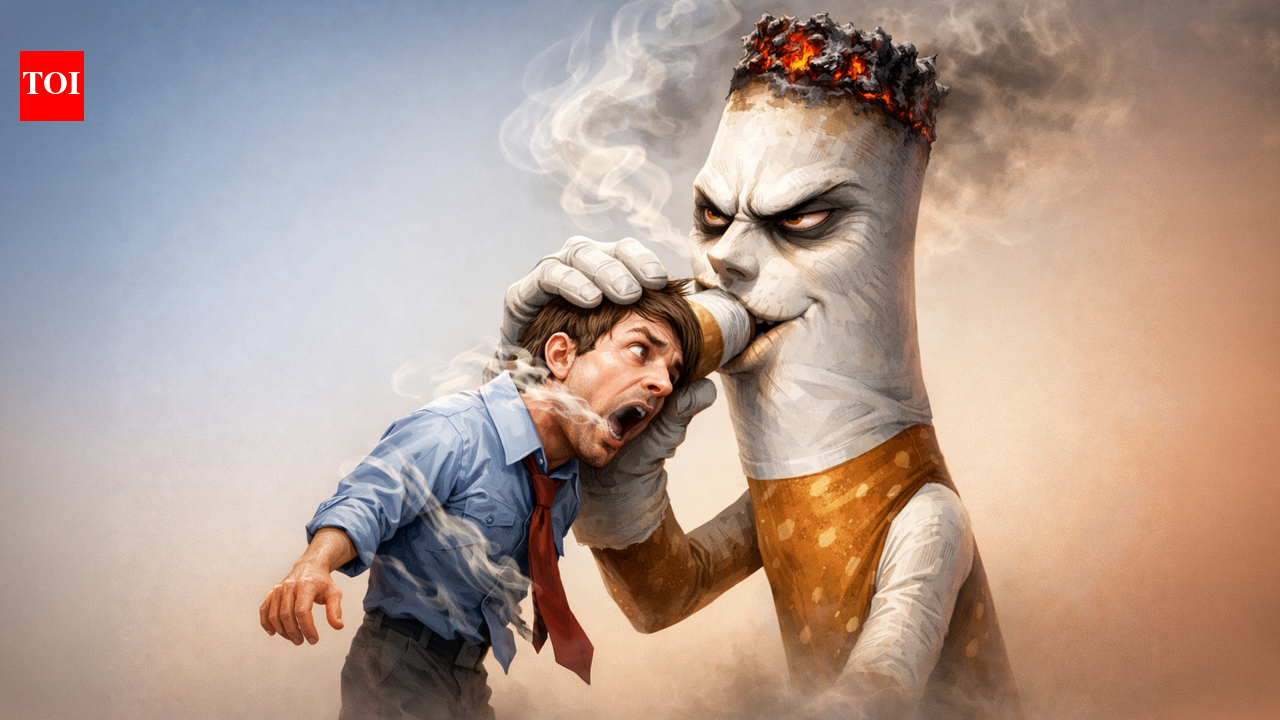
When cigarette prices began climbing across India in early February, the effect was immediate and oddly chaotic. Smokers paid different prices for the same pack on the same street. Retailers blamed wholesalers. Wholesalers blamed the new tax regime. What was framed as a clean public health reform quickly revealed a messier economic story.Popular culture has long understood what policymakers sometimes underestimate. In Money Heist, the Professor insists the real vulnerability is never the vault but the system around it. Apply enough pressure and the cracks appear elsewhere. In The Wolf of Wall Street, excess is not driven by morality but by margins; when the spread is wide enough, someone will step in to capture it. And in Gangs of Wasseypur, power does not shift with speeches but with control over supply. Whoever controls distribution controls the street.India’s 2026 tobacco overhaul sits at the intersection of those three insights. Raise taxes sharply and you do not just change behaviour. You change incentives, redistribute margins and test the resilience of the supply chain. What follows is less a story about cigarettes than about what happens when policy pressure meets market reality.

The scale of the problem

Although the most recent nationally representative surveys predate the 2026 reforms, they remain the clearest benchmark of India’s tobacco burden. According to the Global Adult Tobacco Survey (2016–17), approximately 267 million individuals aged 15 and above, nearly 29% of the adult population, consume tobacco in some form in India. Of these, an estimated 130 million are smokers. The World Health Organisation (WHO) reports that India accounts for nearly 12% of the world’s total smokers.Tobacco use patterns vary significantly across regions and demographics. A survey from 2013 conducted by the International Institute of Population Sciences in collaboration with the ministry of health and family welfare found that Kolkata records the highest smoking rate in the country, with 56.6% of its population identified as smokers. The data further reveals a stark gender disparity in the city: 82% of men and 23.5% of women smoke. Meanwhile, Uttarakhand reports the highest prevalence of beedi smoking. A 2008 health ministry report estimated that around 100 million people — largely from economically disadvantaged and less educated communities — smoke beedis. The report also linked beedi smoking to approximately 200,000 deaths due to tuberculosis, highlighting the severe health consequences associated with tobacco use in India.Since February 1, the legal trade has fractured into what smokers describe as a landscape of sticker-shock and secrecy: packs sold at more than 20 % above MRP, wholesalers hoarding stock, retailers charging different prices to different customers, and a growing presence of non-compliant foreign brands entering through porous borders.

India’s 2026 cigarette tax hike takes effect

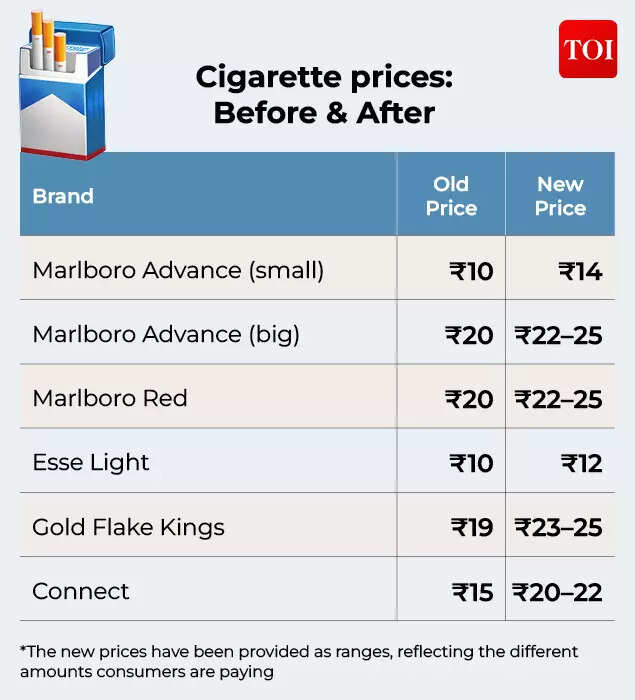
In late 2025, the government enacted a sweeping tax reform to raise cigarette prices further. A December 2025 order imposed high specific excise duties (Rs2,050–8,500 per 1,000 sticks, depending on length) effective Feb 1, 2026. This stacked atop the existing 40% goods-and-services tax (GST). After implementation, the total tax share on cigarettes will jump from roughly 55% to about 66% of retail price. GST on cigarettes was hiked from 28% to 40%, and a new National Health Cess was introduced.Finance Minister Nirmala Sitharaman, announcing major Goods and Services Tax (GST) rate cuts, said the new two-tier system would ease the burden on the common man. “That special rate of 40% has also been proposed, and it’s been cleared and will apply only to paan masala, cigarettes, gutka, and other tobacco products such as chewing tobacco, products like zarda, unmanufactured tobacco, and Bidi,” she said during the GST Council meeting.Cigarette prices have increased by a minimum of Rs 22 to 25 per pack of 10 sticks following the implementation of additional excise duty from Sunday.

Cigarette prices- Before & After

What happened on the ground

The immediate aftermath of the February 2026 tax announcement was marked by confusion and disruption across several Indian cities. Even before the revised duties formally came into effect, retailers began reporting acute shortages and sharp price increases. In Ahmedabad, paan-shop owners said cigarette and paan masala stocks had “virtually disappeared” from shelves in the days leading up to the deadline. Wholesalers were accused of hoarding inventory or supplying retailers only at the full printed maximum retail price, and in some cases above it, in anticipation of the higher taxes.Several shopkeepers reported being forced to procure stock at or near MRP, effectively paying around Rs 10 more per pack than usual, which eroded their margins. To compensate, they began charging customers a premium. Cigarettes were sold at Rs 1–2 above the printed price per stick, with loose cigarettes sometimes marked up by Rs 2–4. One retailer noted that when he ordered ten packs, he often received only six or seven. Consumers, meanwhile, complained that full packs were frequently unavailable and that they were offered only loose cigarettes at inflated rates.Similar accounts emerged from Delhi. In Mayur Vihar, street vendors said wholesalers had abruptly “stopped giving cigarettes”, creating what they described as artificial scarcity. One shopkeeper, who previously sold around 15 packets a day, said sales had fallen to just three after the tax hike announcement. Eventually, he stopped stocking cigarettes altogether, citing constant disputes with customers over prices. Vendors also observed that the price of a popular pack had jumped from roughly Rs 200 to Rs 360 even before the new tax structure officially took effect, almost doubling in a matter of weeks. As prices rose, consumption appeared to fall. Customers who once bought five cigarettes a day were now purchasing only two or three.Reports from other regions, including parts of Kullu district, reflected the same pattern. Stocks began disappearing from shelves in mid-January as the tax increase became imminent. Smokers alleged that both wholesalers and retailers were deliberately withholding supply in anticipation of higher margins once the revised prices were implemented.After the hike, cigarettes were routinely sold at more than 20 per cent above the printed MRP, with sellers citing “new rates” or ongoing shortages. Yet some traders privately admitted that profiteering, rather than taxation alone, was driving the spike. One conceded that in many outlets the prevailing selling price already exceeded what the officially revised prices would be.Consumers described the situation as exploitative. “You cannot justify overcharging simply because the product is taxed more,” said one smoker. “If the government revises GST, that is one thing, but selling cigarettes above the MRP is illegal and unfair.” Another regular smoker pointed to the lack of clarity in policy communication. Although the new rates were effective from 1 February, sellers began raising prices immediately after the January announcement, despite regulations requiring existing stock with old MRPs to be sold at the printed price. The result, he said, was “mayhem, chaos and confusion.” In February, he claimed to have paid four different prices for the same brand, including two different prices at the same shop on the same day.The absence of consistent interpretation and enforcement created extraordinary price variation, sometimes even within individual outlets. On the ground, both smokers and shopkeepers focused less on public health objectives and more on immediate financial pressures. As one Delhi retailer put it, the tax hike “did not increase my income; it only increased the income of the people above us,” a reference to manufacturers and wholesalers.

Rising taxes, rising illicit trade in India

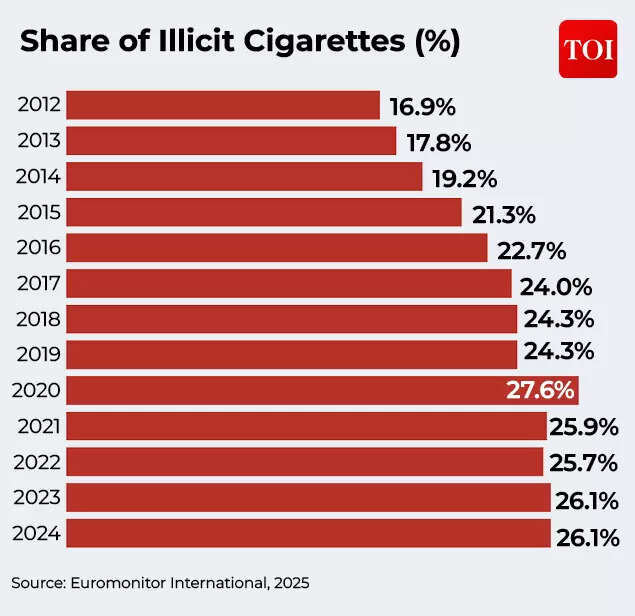
India saw the surge coming. Illicit cigarettes already account for 26.1 % of the market by volume, according to Euromonitor International, making the country the world’s fourth-largest illicit cigarette market. The Tobacco Institute of India estimates illicit volumes are now nearly one-third of legal cigarette sales, more than double the 12.6 % share recorded in 2012.Industry estimates put annual tax losses at Rs 21,000–23,000 crore through 2024.The core economic mechanism is straightforward. When taxes push up legal cigarette prices, illicit cigarettes (untaxed and cheaper) also rise in price because of demand, but remain relatively affordable. That widening price differential increases profit margins for illegal sellers, encouraging smuggling and counterfeiting.

Share of Illicit Cigarettes (%)

Australia’s $40 cigarettes and the rise of tobacco smugglers

The trajectory mirrors developments in Australia, where cigarette taxes rose steeply over a decade, eight hikes in ten years, to drive smoking down. The policy worked and smoking rates declined steadily.But the unintended consequence was dramatic. Australia now has the most expensive cigarettes in the world: a mid-market pack averages about 55 Australian dollars (nearly US $40), almost double the price in New York City. Those prices created a powerful incentive for illicit supply.However, economists warn Australia’s tobacco tax has now “passed a tipping point”. Regular excise hikes have not further reduced smoking rates (already low) but have exploded the black market. The Australian Treasury estimates that roughly 20% of cigarettes for sale are now illegal. Some state officials claim it may be even higher. In 2024 police seized illicit stock worth A$1.8m in Sydney alone (piles of contraband packs). Organized crime has moved in: state premiers reported tobacco smuggling linked to syndicates, and even firebomb attacks on shops selling contraband.The financial fallout is stark. Federal tax receipts peaked in 2019-20 and have since plummeted. By 2024, the Budget forecast tobacco excise will fall from A$7.4bn to A$6.7bn over the next few years – the lowest real revenue in a decade, despite higher rates. Economists like Bob Breunig of ANU argue that each further tax increase is now merely shifting consumers to illicit sources, with “every time we raise excise at this point we are not reducing smoking at all”. In short, Australia’s case shows how relentless tax hikes can top out: once legal cigarette prices become wildly higher than alternatives (licit or illicit), the fiscal incentive tips the balance to the black market.

The UK and other high-tax markets

Australia’s experience is mirrored in other high-tax countries. Take the United Kingdom, which has among the highest cigarette prices in Europe (regular hikes and plain packaging rules). Legal sales in the UK have collapsed in recent years: HM Revenue & Customs data show duty-paid cigarettes fell by ~45% from 2021 (23.6 billion sticks) to 2024 (13.2 billion). A KPMG study (for industry) found that by 2024 over one in four cigarettes consumed in the UK was illicit. (Illicit packs can sell for as little as £5–7, versus ~£15 legal.) The lost tax revenue was enormous – on the order of £3–4 billion per year. Here again, aggressive anti-smoking policies (taxes, flavours ban, generational restrictions) have driven some smokers underground. The lesson is that when demand persists, a parallel contraband market will emerge if it’s profitable and enforcement is stretched.Other countries tell similar stories. For example, illicit cigarettes from Eastern Europe and Asia circulate widely across the EU, wherever prices differ. In the US, high-tax states (New York, California) see border smuggling from low-tax states, though data suggest tight enforcement can mitigate it. Even in Singapore and Malaysia (with notorious price gaps) sophisticated smuggling networks exist. On the prohibition side, Bhutan’s decade-long sales ban (2010–21) offers a cautionary tale: despite a strict ban and high taxes on imports, smuggling became rampant and tobacco use barely fell (prevalence ~25% before and after). Bhutan eventually lifted its ban (after 2021) partly because illicit trade overwhelmed the legal gap. In short, any extreme measure – very high taxes or total bans – can invite a persistent black market unless accompanied by robust enforcement and viable legal alternatives.

Disclaimer

India approaching the same crossroads

India’s tobacco curb has entered a delicate phase. The intent behind the 2026 overhaul is clear: discourage consumption, raise revenue and align policy with global public-health standards. But markets rarely respond in straight lines. They respond to incentives.The early signs, hoarding, arbitrary pricing, shrinking legal supply and a visible uptick in untaxed brands, suggest that taxation alone cannot carry the burden of reform. If price becomes the only instrument, the system strains at its weakest points: border controls, supply chains and enforcement capacity. The result is not simply fewer cigarettes, but a reshaped market.The lesson from Australia, the United Kingdom and elsewhere is not that taxes fail. It is that taxes, when pushed beyond a threshold without equal investment in enforcement and cessation support, change who profits from smoking. The lesson from high-tax economies is not that taxes fail. It is that taxes without enforcement capacity create parallel markets. India’s real test is not how high it can push prices, but whether it can prevent its own policy from financing the shadow economy.

Source link

Veteran CPI leader R Nallakannu passes away in Chennai at the age of 101 | India News


Veteran CPI leader R Nallakannu passes away in Chennai at the age of 101

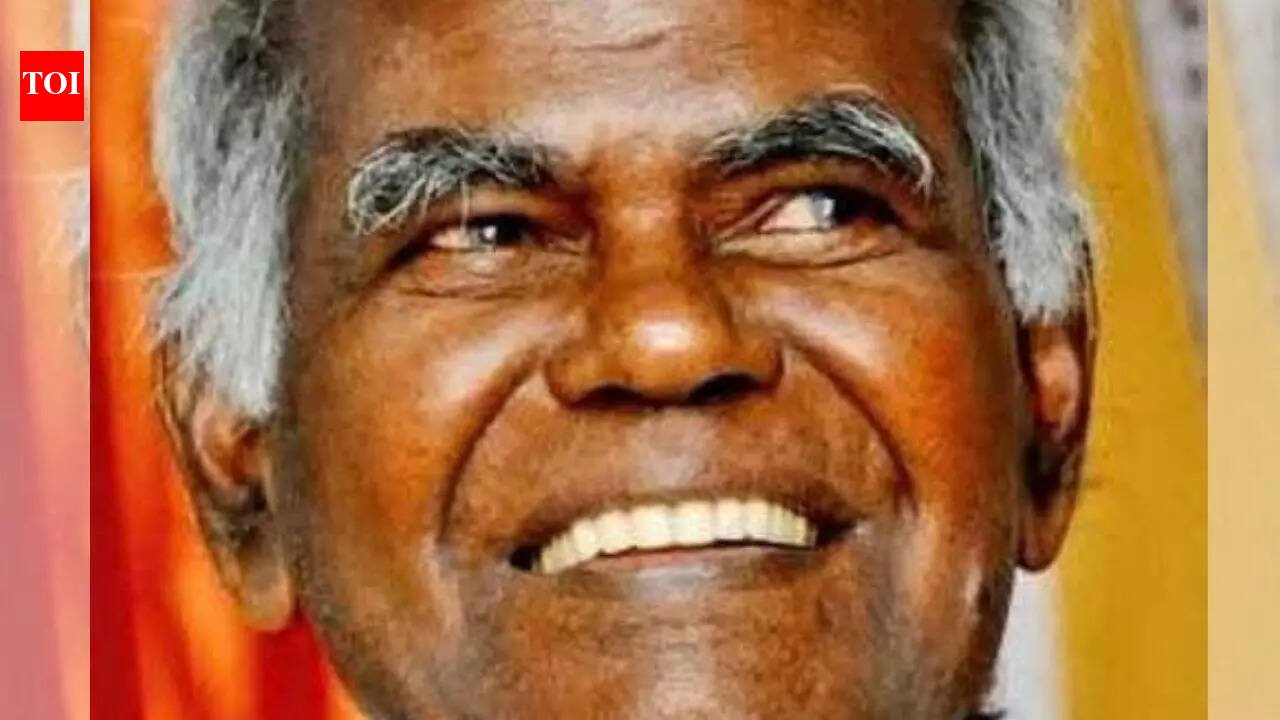
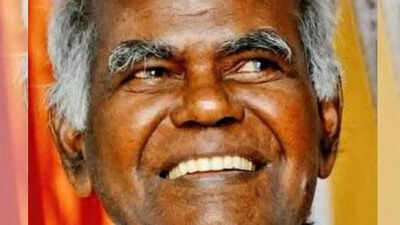
NEW DELHI: Veteran CPI leader R Nallakannu passed away on Wednesday at the age of 101, hospital authorities said.Nallakannu was admitted to Rajiv Gandhi Government General Hospital’s ICU on February 1. He suffered from multi-organ failure on Wednesday and was placed on life support. His condition detoriated on Monday.“He was not able to tolerate treatment and his condition deteriorated further on Wednesday,” a release from the hospital said. This is a developing story.


Source link

Ajmer Sharif Dargah: The woman who keeps Ramzan time with a cannon | India News


The woman who keeps Ramzan time with a cannon

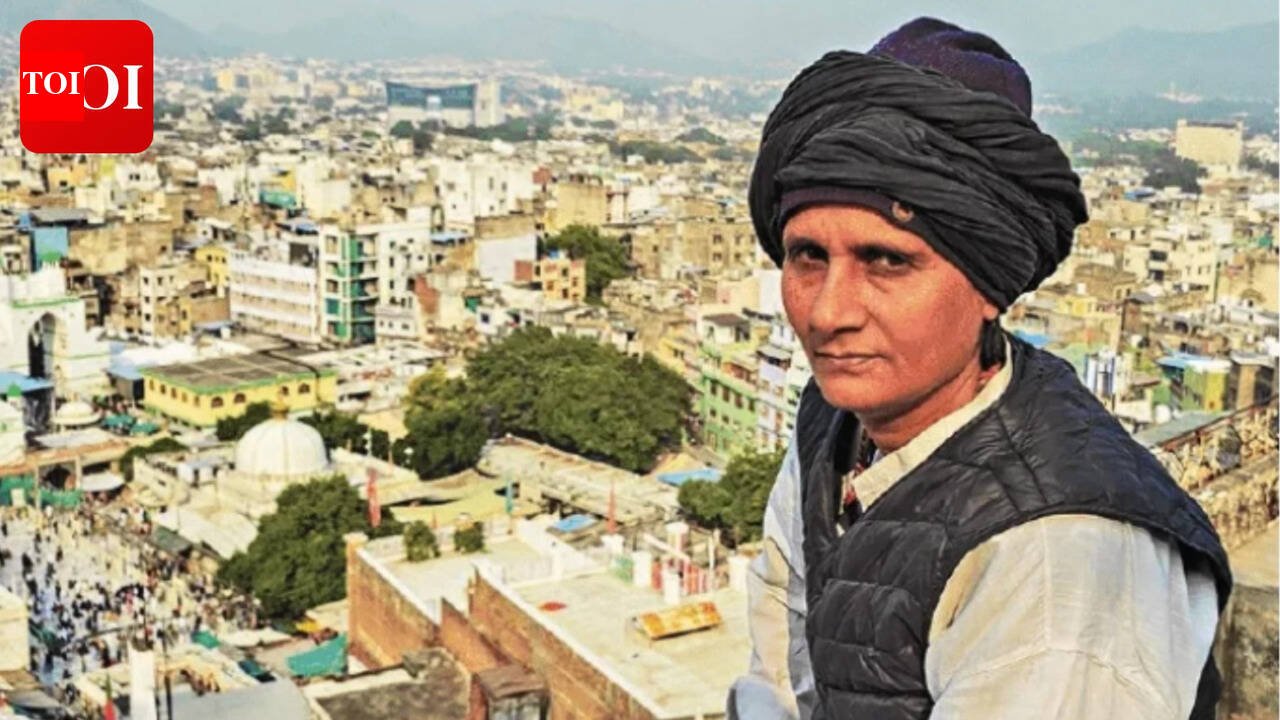
In the heart of Ajmer, the constant bustle and buzz of devotees at Ajmer Sharif Dargah is periodically broken by an unusual sound. It may catch visitors by surprise, but regulars at the shrine and people in the city at large know the unmistakable boom of Fauzia Khan’s cannon, which she has been firing off to mark the beginning of important occasions. With Ramzan under way, she’ll be at it again, diligently fulfilling a labour of love that has earned her the moniker, ‘Topchi’.Every year during the Urs of Khawaja Garib Nawaz, every Friday before Jumma prayers, and through Ramzan, 37-year-old Fauzia fires the ceremonial cannon from the Dargah complex. The blast announces Sehri and Iftar timings and signals prayer hours, continuing a tradition that predates modern clocks and loudspeakers. “ Ye ibadat ka kaam hai, zimmedaari bhi hai aur samman bhi (This is an act of worship, a responsibility and also an honour),” Fauzia says.Dressed in a long kurta, her face covered with a dupatta to shield herself from smoke and sparks, Fauzia prepares the cannon with precision. The tradition dates back to the Mughal era. Emperor Akbar is believed to have introduced it to manage prayer timings during large religious events, especially the Urs and Ramzan. Fauzia learned the work early. She was eight when she began assisting her father, Mohammad Hafeez Khan. “Abba trusted me. He taught me the science, the respect, the devotion behind it,” she says.When her father died in 2008, many assumed the responsibility would pass to a male relative. Instead, Fauzia stepped forward. Dargah officials accepted her claim, and Ajmer saw its first woman artillery keeper. “There were people who said this was not a woman’s job,” she recalls. “But I had grown up doing it.”During Ramzan, her day begins around 2am. She cleans the cannon, prepares the gunpowder, and positions herself on the terrace. The first blast signals Sehri and is followed up by a second to mark the end of eating time. At sunset, the cannon fires again for Iftar.The cannon Fauzia uses today weighs about 35kg and is handheld — a safer version of the older, 53kg wheeled cannon used before Independence. Fauzia’s family follows a rotation system. She performs the duty for two consecutive years, followed by a year when it’s handled by her cousin. She receives Rs 1,500 during Ramzan — an amount she says barely covers the cost of gunpowder. Often, she meets the expenses out of her own pocket. To earn a living, she runs a small tea-and-snack stall. “People think I probably get a lot of respect and money. I do get respect, but not money,” she smiles.She has received no formal recognition from govt or religious institutions. Her only wish, she says, is to perform Umrah (visit Mecca) and receive acknowledgement for her service.The strongest opposition she has faced came from within her extended family. Yet, she has never stepped away — not even on the day her father died. “His body was at home,” she says. “But the cannon had to be fired. Duty comes first. I knew he would want that.”She also says that she doesn’t believe in roles, or symbols. “Roles do not belong to men or women. They belong to those who do them with sincerity. I am not doing this for feminism. I am fighting for tradition. And tradition is stronger when it includes everyone.”


Source link

Communications minister Scindia slams BSNL director’s lavish Prayagraj trip; issues show-cause notice | India News


Communications minister Scindia slams BSNL director’s lavish Prayagraj trip; issues show-cause notice
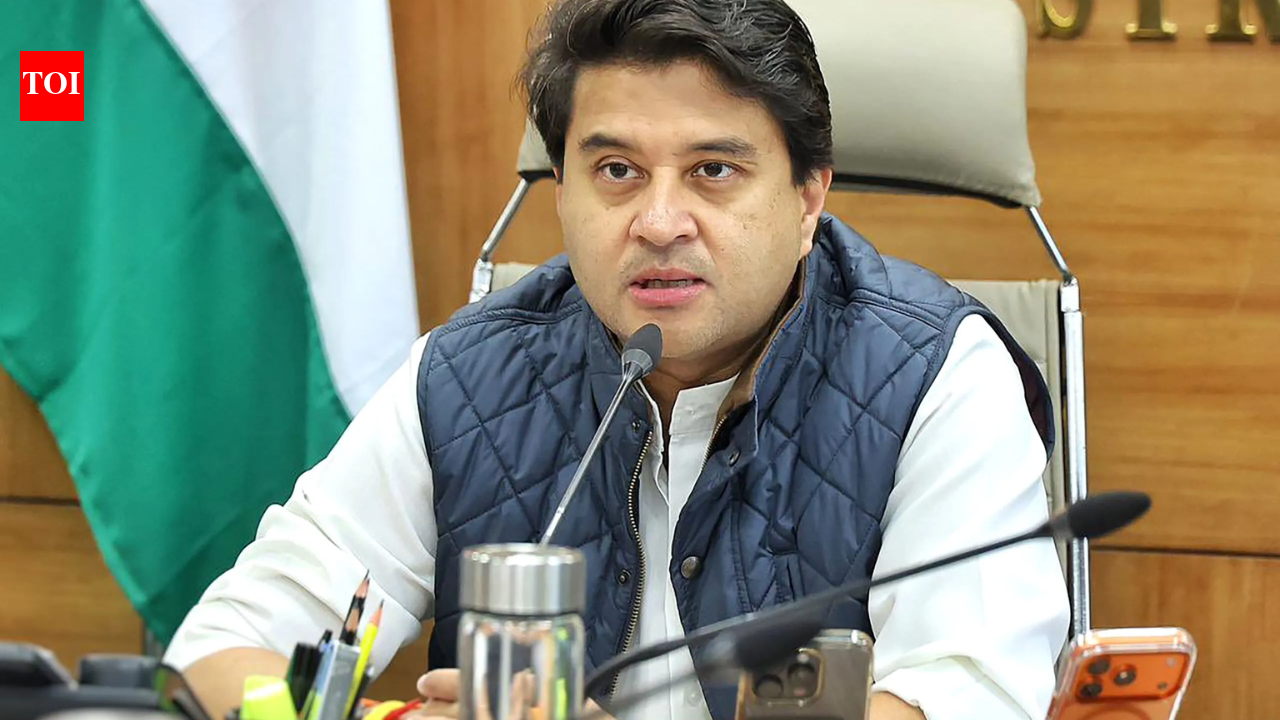
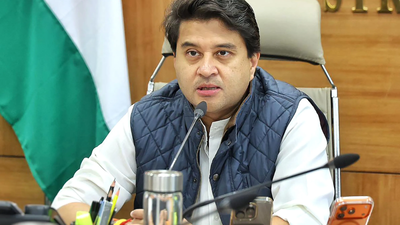
Union minister of communication Jyotiraditya Scindia

NEW DELHI: Union minister of communication Jyotiraditya Scindia strongly criticised a planned visit by Vivek Banzal, director (CFA) of the BSNL Board, to Prayagraj, which came under scrutiny for its highly detailed itinerary involving nearly 50 officials and extensive arrangements.Scindia condemned Banzal’s instructions as a “violation of established rules” and said a show-cause notice has been issued in response to the case.“I have made it very clear that this is improper and a violation of established rules and traditions. It is unacceptable to me. It is shocking. A show-cause notice has already been issued to the Director with a seven-day response period. We will take appropriate action,” Scindia said, as quoted by ANI.The proposed two-day visit, scheduled from February 25-26, was called off after the itinerary went viral on social media. Around 20 tasks were assigned to officials to manage every aspect of the trip, including transport, accommodation, and personal arrangements for Banzal.The office order detailed a tightly planned schedule, including bathing at the Sangam, a boat ride, and visits to Bade Hanuman Mandir, Akshayavat, and Patalpuri temples. ‘Snan’ kits were to include towels, undergarments, slippers, combs, mirrors, soap, shampoo, and oil — six male kits and two female kits in total. One bed sheet was also to be arranged for general use at the ghat. Hotel and Circuit House arrangements included dry fruits, fruit bowls, towels, toiletries, and shaving kits.A senior BSNL officer in Prayagraj, speaking on condition of anonymity to PTI, said the incident appeared to be “an attempt to tarnish (our) image” and declined to comment further.BSNL India, in a post on X on Saturday, stated, “BSNL has standing instructions in place regarding the manner in which official visits are to be handled. An instance of non-adherence to the same has been taken note of. The instance noted is not in conformity with the professional standards and values of BSNL. Appropriate action has been taken against the concerned. Further, instructions have been issued reiterating strict adherence to extant instructions. BSNL employees are reminded to strictly adhere to prescribed conduct rules and instructions in this regard.”


Source link

Family took loan to pay Rs 8 lakh for air ambulance that crashed | India News


Family took loan to pay Rs 8 lakh for air ambulance that crashed

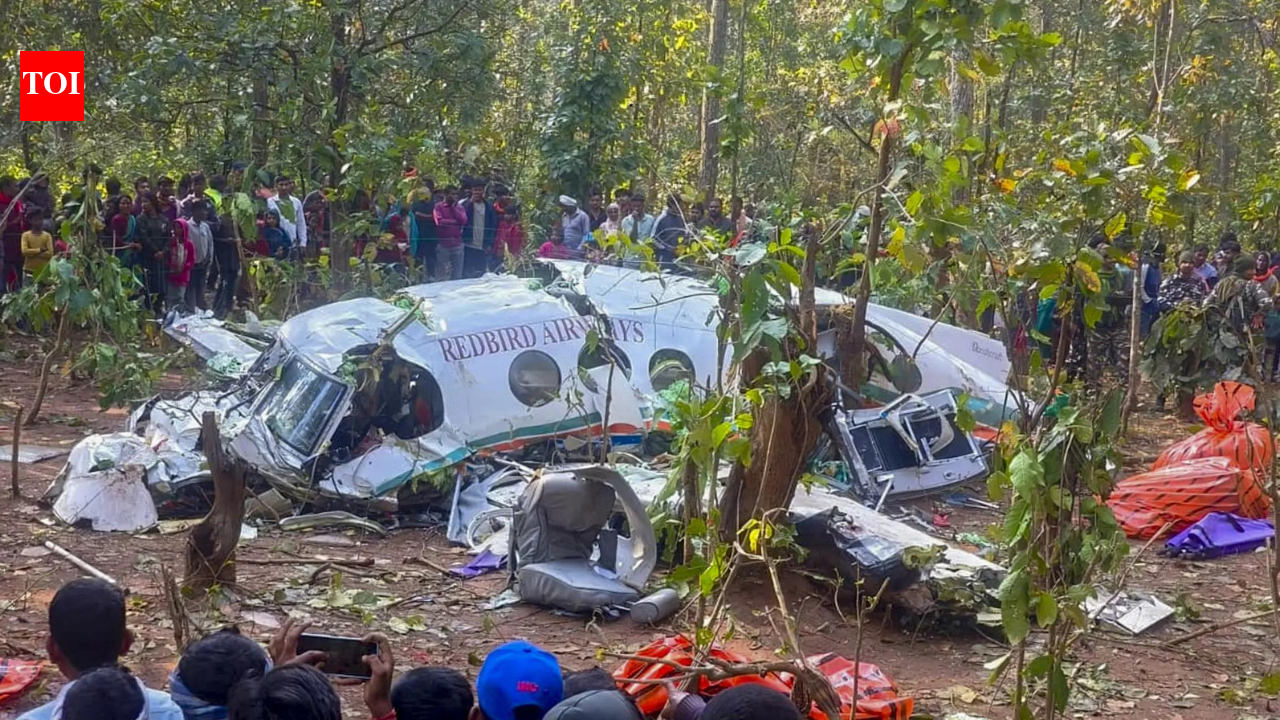
CHATRA: A family sinking in debt after a medical emergency required them to hire an air ambulance for Rs 8 lakh. A young pilot days away from going on leave for a close friend’s wedding. An anaesthetist who stepped in for a colleague at the last moment.These are some of the stories that lie buried in the debris of the Delhi-bound Beechcraft C90 charter that crashed into a forest in Jharkhand’s Chatra on Monday evening, killing all seven people on board. The aircraft had taken off from Ranchi less than 30 minutes earlier, ferrying hotel owner Sanjay Kumar to Delhi’s Ganga Ram Hospital for treatment of burns suffered in an LPG cylinder explosion on Feb 16. Among the seven crash victims were Sanjay’s wife Archana Devi and the couple’s teenage nephew Dhruv Kumar. The family had taken loans and borrowed from relatives to fund Sanjay’s treatment.

.

.

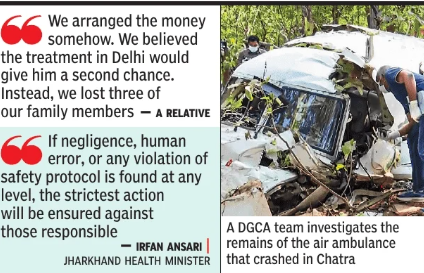
The family had taken loans and borrowed from relatives to fund Sanjay’s treatment after the accident at his roadside hotel, which he jointly ran with his brother. In 2004, Maoists killed Sanjay’s father.Sanjay and Archana’s two teenage sons — Shivam (13) and Shubham (17) — have barely uttered a word since the latest tragedy to befall their family. Their greatgrandfather, Baleshwar Sahu, breaks down every time someone talks about Sanjay.A relative said the family paid Rs 6 lakh in advance for the air ambulance flight and borrowed Rs 2 lakh from someone in Latehar.“Who could have imagined they were paying for a journey to death rather than life,” a relative said.The family of 34-year-old anaesthetist Dr Vikas Kumar Gupta, posted at Ranchi Sadar hospital, said he wasn’t supposed to be on that flight until a request came in at 5pm. “He didn’t think twice. For him, the patient always came first,” a relative said.Vikas, a native of Bihar’s Aurangabad, had been part of multiple air evacuations. “I spoke to him minutes before the aircraft took off. Main barbad ho gaya (I am finished),” his father Bajrangi Prasad Gupta said.Dev Sahay Bhagat, an executive engineer with the rural works department in Chatra, was in his native village of Luti when he received news of the crash. One of the two pilots was his son Vivek Vikas Bhagat, 28. Vivek, who had logged 1,700-odd flying hours, had applied for leave from Feb 27 and was “excited” about a friend’s upcoming wedding, his family said.The co-pilot of the aircraft, Savrajdeep Singh, was a resident of Amritsar with over 300 flying hours to his name. A five-member technical team from aviation regulator DGCA and three officials of the Aircraft Accident Investigation Bureau (AAIB) arrived in Jharkhand on Tuesday to investigate the crash near Simaria in Chatra district. The district administration sealed the site till the team’s arrival. The state govt has also ordered its own probe into the incident.In Kolkata, ATC officials said the pilots didn’t send out any distress call before the aircraft went off the radar at 7.34pm Monday. Minutes before the crash, the captain sought permission for “a deviation due to inclement weather”, they said.


Source link

Delhi to be renamed Indraprastha? BJP MP writes to Amit Shah after Kerala’s name change | India News


Delhi to be renamed Indraprastha? BJP MP writes to Amit Shah after Kerala's name change
Praveen Khandelwal (ANI image)

NEW DELHI: BJP MP Praveen Khandelwal on Wednesday wrote to Union home minister Amit Shah requesting that the national capital, Delhi, be renamed Indraprastha, following the Centre’s recent approval to rename Kerala as “Keralam.In his letter, Khandelwal argued that the name Delhi reflects only a later historical phase, whereas Indraprastha connects the city to its ancient civilizational roots.

Kerala Is Now Keralam: Why The State Wanted Name Change And What It Signals Before The Elections

“As such, the name ‘Delhi’ reflects a limited historical period rather than the deeper and more enduring legacy of the city. Restoring the name Indraprastha would therefore reconnect the capital of modern India with its ancient civilizational foundation. It would symbolise that the seat of the world’s largest democracy stands upon the legacy of one of humanity’s oldest cultural traditions,” Khandelwal wrote.The MP highlighted historical and archaeological evidence linking modern Delhi to the Pandavas’ capital described in the Mahabharata. Excavations at Purana Qila have revealed settlement layers dating back to around 1000 BCE, along with artifacts associated with that era, supporting the city’s ancient heritage.Khandelwal also outlined specific proposals, including renaming Old Delhi Railway Station as “Indraprastha Junction” and Indira Gandhi International Airport as “Indraprastha Airport.” He suggested installing statues of the Pandavas at prominent locations to educate younger generations about the city’s historical and cultural significance.“Delhi holds a very special place among India’s oldest cultural heritages. It is not merely a metropolis, but has been the centre of Indian civilisation, embodying the traditions of religion, governance, and democracy,” Khandelwal wrote. “Renaming it would reconnect us with our roots and mark the beginning of a new chapter in cultural revival.”He cited examples of other cities that reclaimed their historical names, including Mumbai, Kolkata, Chennai, Prayagraj, Ayodhya and Kashi, arguing that such steps restore historical justice and strengthen national pride.A day earlier, the Union Cabinet, chaired by PM Modi, approved the proposal to rename Kerala as ‘Keralam’. The move follows a unanimous resolution passed by the Kerala Assembly on June 24, 2024, urging the Centre to amend the First Schedule of the Constitution to reflect the name ‘Keralam’. The assembly had earlier passed a similar resolution in August 2023, but the Ministry of Home Affairs suggested technical changes, prompting the state to adopt it again.The move to rename Kerala has sparked a political row, with West Bengal chief minister Mamata Banerjee questioning why a similar proposal for her state remains pending. The Trinamool Congress accused the Centre of “vindictive discrimination,” highlighting that West Bengal has repeatedly requested its renaming to “Bangla” since 2018.


Source link

‘Welcome, Modi’: Jerusalem Post front page features PM as he embarks on 2-day Israel visit | India News


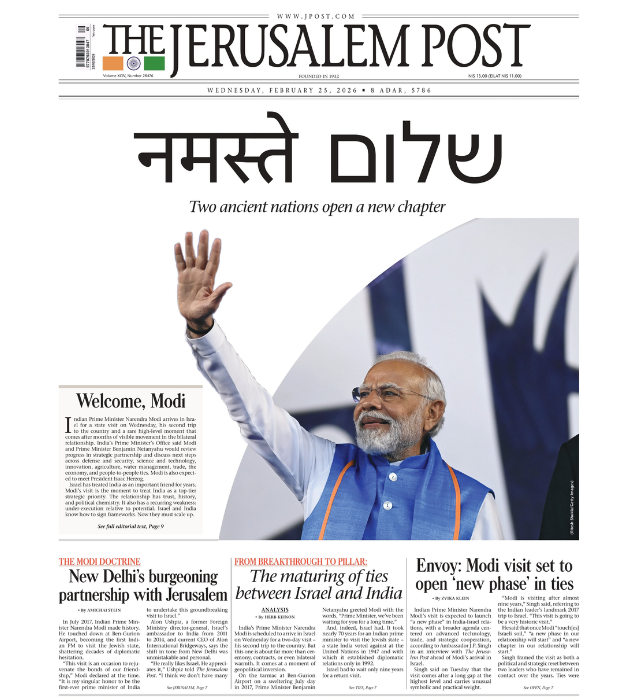
'Welcome, Modi': Jerusalem Post front page features PM as he embarks on 2-day Israel visit
(Image credits: X @ZvikaKlein)

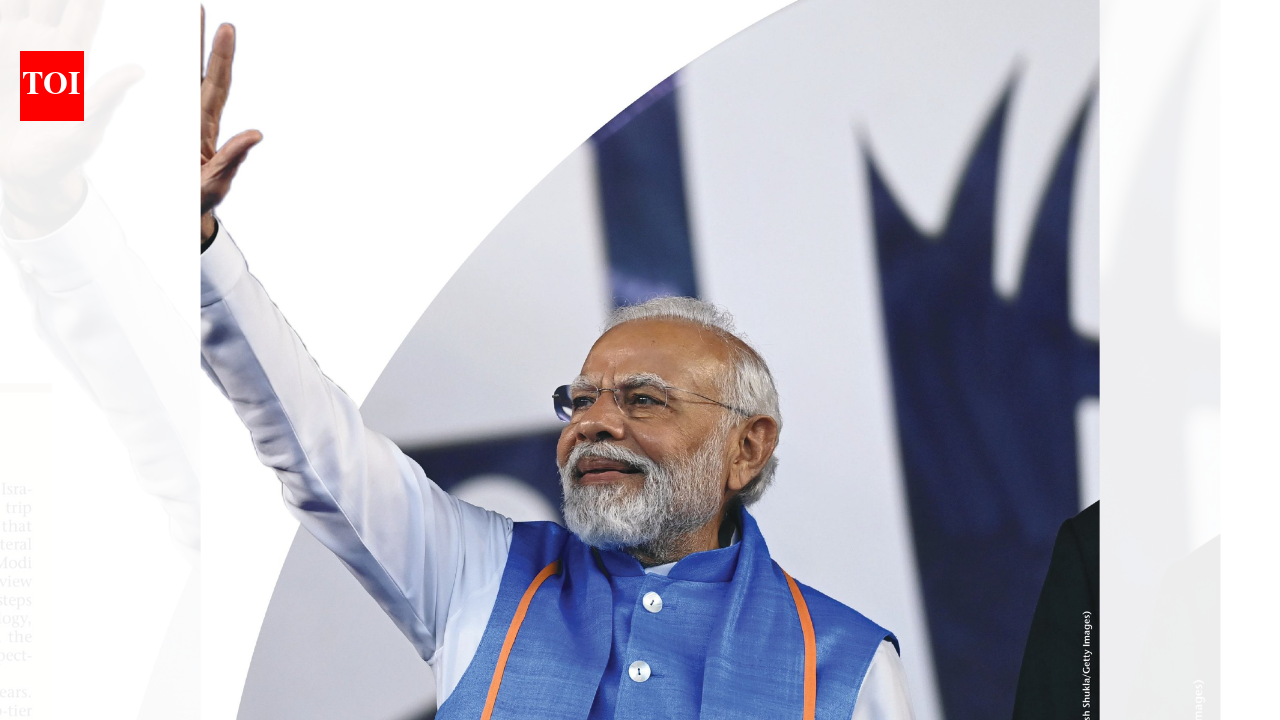
NEW DELHI: PM Narendra Modi featured on the front page of Israeli newspaper The Jerusalem Post on Wednesday (local time) ahead of his visit to Israel.The newspaper’s Editor-in-Chief Zvika Klein shared the front page showing a photograph of PM Modi waving, alongside feature stories on his visit and India–Israel ties. One headline read “Welcome, Modi,” while another said “New Delhi’s burgeoning partnership with Jerusalem”.PM Modi has departed for Israel and will deliver a speech at the Knesset.The edition also carried an interview with India’s envoy to Israel, JP Singh, who highlighted the significance of PM Modi’s planned address to the Knesset. “One of the most important elements will be that he will be the first prime minister from India to address the Knesset,” Singh was quoted as saying by the Jerusalem Post.

​(Image credits: X @ZvikaKlein​)

Singh said the aim is to broaden and deepen bilateral ties beyond a limited number of sectors to a more comprehensive framework including financial cooperation, trade and cross-border payments, with potential future work on financial systems and money-transfer infrastructure.Also read | ‘Will consolidate ties’: PM Modi leaves for Israel — what’s on agendaThe visit, at the invitation of Israeli PM Benjamin Netanyahu, will be PM Modi’s second to Israel after his landmark 2017 trip when he became the first Indian prime minister to visit the country. Reflecting on the importance of the trip, Netanyahu called it “historic” and described PM Modi as a “dear friend”. “This morning, at the opening of our Cabinet meeting, I spoke about the historic visit of my dear friend, Prime Minister Narendra Modi, to Israel this coming Wednesday,” he said.During the visit, PM Modi and Netanyahu will review progress in the India–Israel Strategic Partnership and discuss cooperation in science and technology, innovation, defence and security, agriculture, water management, trade and economy, and people-to-people exchanges. PM Modi will also call on Israeli President Isaac Herzog.


Source link

Parliamentary panel passes resolution against AI summit protest, opposition MPs dissent | India News


Parliamentary panel passes resolution against AI summit protest, opposition MPs dissent

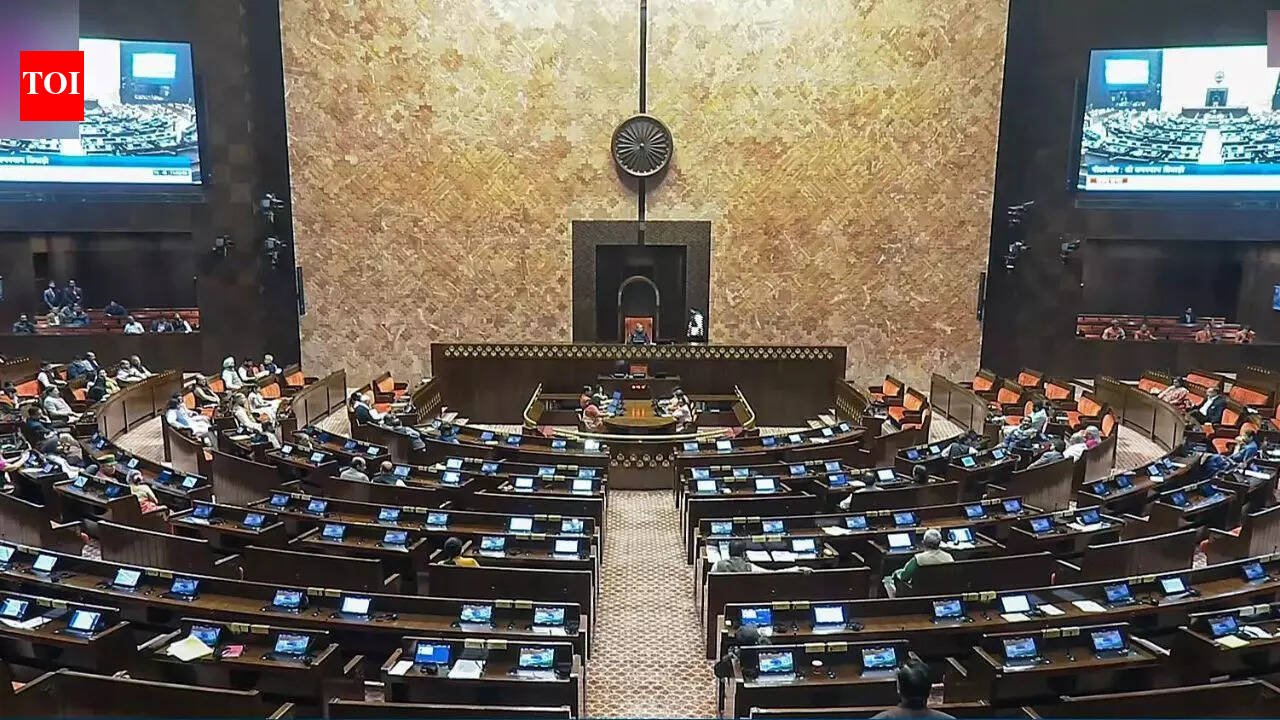
NEW DELHI: The raging political row over the Youth Congress’ protest at the global AI summit echoed Tuesday at a parliamentary committee meeting as it passed a resolution condemning the incident amid dissent by MPs from different opposition parties.“The committee would like to place on record its appreciation for successfully organizing the India Al Impact Summit by the Ministry of Electronics & IT under the able leadership of PM Narendra Modi. The committee also condemns the unfortunate incident happened on 20-2-2026 at the venue of the India Al Summit,” the resolution shared by the panel’s chairperson, Nishikant Dubey, said.It was carried by a majority vote, with 10 MPs affiliated to the BJP-led alliance voting for it and six, including from Congress, TMC, SS(UBT) and Samajwadi Party, polling against it, sources said.Though it is not common for parliamentary committees to take up issues outside their listed agenda, official sources said rules permit them to convey their sense on matters of importance, more so as the summit was hosted by the IT ministry, which is overseen by the Dubey-led panel.An opposition MP claimed they protested because the committee was wading into “politics” over the protest and noted that members of even non-Congress parties voted against the resolution despite some like Samajwadi Party having spoken against the shirtless demonstration of Youth Congress members.BJP MP Amar Pal Maurya proposed the resolution. He told TOI, “The resolution was for condemning the incident that tried to malign the country’s image and was not against any party. Everyone should have supported it. In fact, those who did not were doing politics.”Those who voted against it included Priyanka Chaturvedi of SS(UBT), Devesh Shakya of Samajwadi Party and Saket Gokhale of TMC, sources said.The resolution lauded the five-day summit as a “grand success”, emphasising that its declaration from 91 countries and leading companies committed to inclusive Al development. The companies announced over USD 200 billion Al investment in India, it said, adding that Google besides committing for a big data centre in India also pledged to lay direct sea cable link between India and the USA.


Source link

Ahmedabad Metro, Srinagar airport extension, 3 rail projects get nod | India News


Ahmedabad Metro, Srinagar airport extension, 3 rail projects get nod

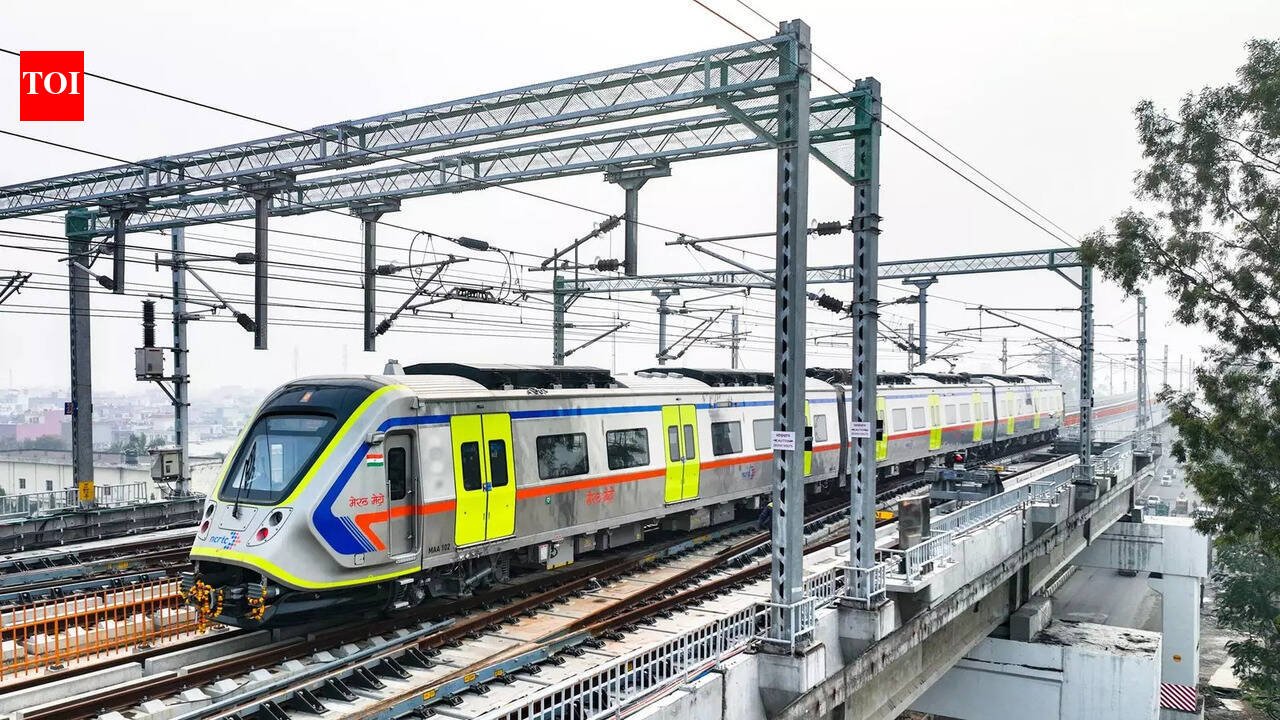
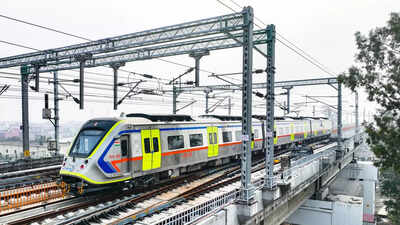
NEW DELHI: The cabinet Tuesday approved three multi-tracking railway projects, extension of Ahmedabad Metro and a new integrated airport terminal in Srinagar with a total investment of Rs 11,806 crore. The cabinet also approved an increase in MSP for raw jute.Announcing the decisions, I&B minister Ashwini Vaishnaw said the railway projects — doubling of Gondia-Jabalpur track and laying of third and fourth lines on Punarakh-Kiul and Gamharia-Chandil corridors — will increase Indian Railways’ network by about 307 km and will enable the national transporter to introduce 38 more express and passenger trains.The total investment in these projects, passing through eight districts across Maharashtra, MP, Bihar and Jharkhand, will be around Rs 9,072 crore and these will be completed by 2030-31.Vaishnaw also announced development of the Civil Enclave at Srinagar airport at an estimated cost of Rs 1,677 crore. “People want to visit the Valley, and there is high demand for air traffic” he said.In an official release, govt said the cabinet approved extension of Ahmedabad Metro at a cost of around Rs 1,067 crore. It will be completed in four years. This extended corridor is expected to benefit approximately 23,700 passengers in 2029.

Govt approves equity investment hike of PowerGrid

The Cabinet Committee on Economic Affairs Tuesday approved a proposal to increase the equity investment threshold of public sector enterprise Powergrid from Rs 5,000 crore to Rs 7,500 crore per subsidiary, enabling it to bid for capital-intensive transmission projects. It will allow Powergrid to expand investments in its core business and support the evacuation of renewable energy capacity, helping achieve the 2030 target of 500 GW from non-fossil fuel-based sources.


Source link