Breaking News
2 planes had taken off from Ranchi minutes before crash | India News


2 planes had taken off from Ranchi minutes before crash

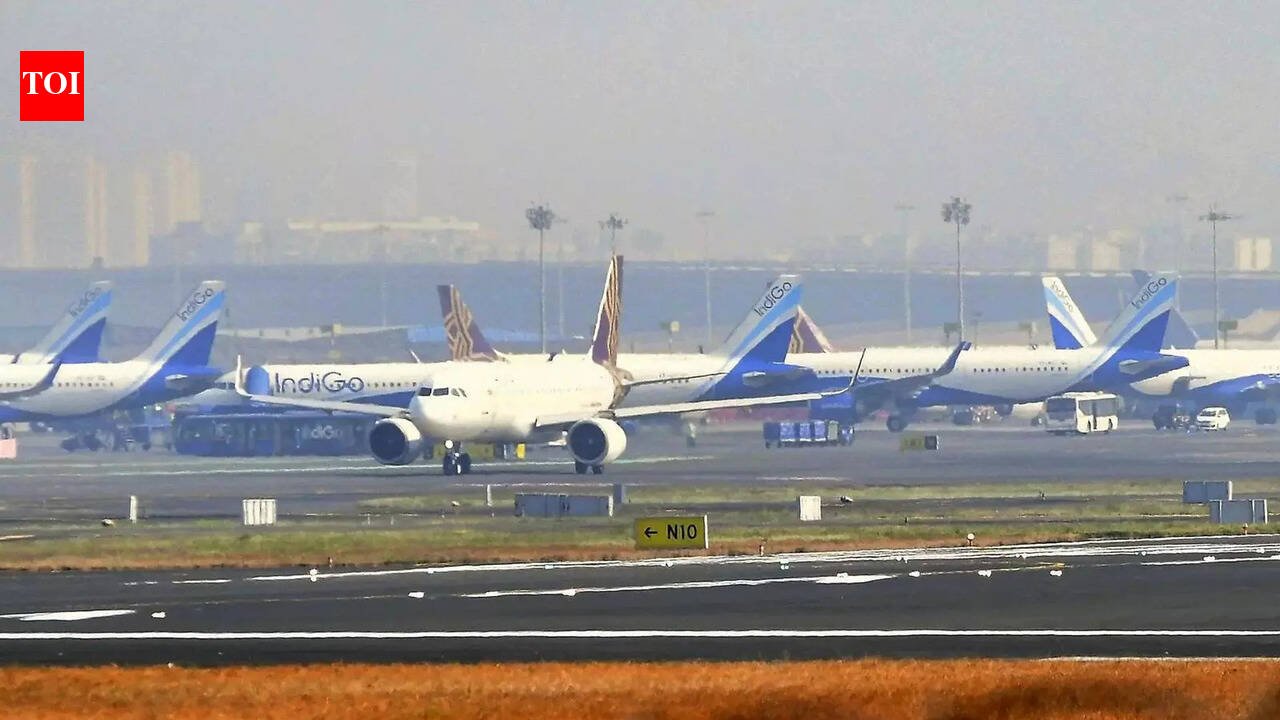
NEW DELHI: Two aircraft, one each of Air India and IndiGo, had taken off safely from RanchiMonday night around the same time as the ill-fated air ambulance that crashed soon after getting airborne. After climbing to 6,000 feet, the pilots of the air ambulance had sought weather deviation from Kolkata ATC and then the Beechcraft C90 aircraft VT-AJV crashed. Ranchi was having bad weather at that time, with cumulonimbus (thunderstorm) clouds at 3,000 feet. An IndiGo aircraft had taken off eight minutes before the air ambulance crashed. “After getting airborne and in a couple of minutes when the IndiGo aircraft was about 37 km away from Ranchi airport, it had requested a right turn to avoid weather,” sources said.Unfortunately, the small air ambulance crashed just eight minutes after the relatively bigger airliners had flown away safely in this weather. The ill-fated Beechcraft C90 of Redbird Airways Pvt Ltd was operating as an air ambulance from Ranchi to Delhi. –


Source link

India to launch HPV vax drive for 14-year-old girls this month | India News


India to launch HPV vax drive for 14-year-old girls this month

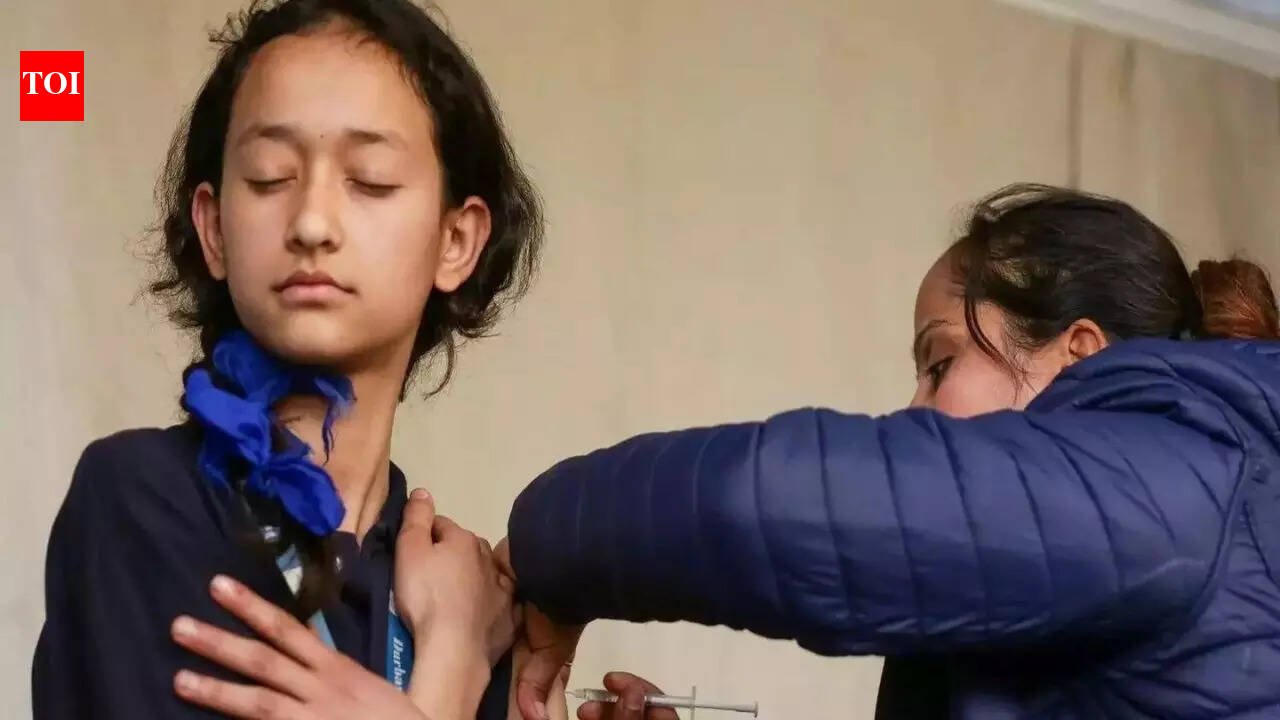
NEW DELHI: In a major preventive health push against cervical cancer, the Centre is set to roll out a nationwide human papillomavirus (HPV) vaccination drive for 14-year-old girls later this month, offering the shot free of cost at govt health facilities across the country.The campaign will target girls turning 14 each year, covering an annual cohort of approximately 1.2 crore adolescents across India. The vaccination will be voluntary and provided at designated govt health centres.Cervical cancer is the second most common cancer among Indian women, which causes nearly 80,000 new cases and over 42,000 deaths annually. Persistent infection with high-risk HPV types, particularly 16 and 18, accounts for more than 80% of cases.The move follows sustained emphasis at the highest level. PM Modi has repeatedly highlighted cervical cancer prevention, calling for vaccination, early screening and affordable treatment, including at the Quad Cancer Moonshot event in Sept 2024.Unlike routine immunisation under the Universal Immunisation Programme, the HPV drive will be conducted as a special campaign on designated immunisation days and tracked through the U-WIN digital platform to ensure rapid coverage.The vaccine, Gardasil, protects against HPV types 16 and 18, along with 6 and 11. Gavi has committed 2.6 crore doses, with about 1.5 crore already delivered. Officials estimate roughly almost 1.2 crore doses will be needed annually to cover girls turning 14 each year.Globally, over 500 million doses of the vaccine have been administered.Dr Abhishek Shankar from the department of radiation oncology at AIIMS described the rollout as a historic step that strengthens India’s push to eliminate cervical cancer, protect lakhs of girls from a preventable disease and reduces the future treatment burden in line with the WHO elimination goal.Dr Pragya Shukla, head of clinical oncology at Delhi State Cancer Institute, said, “vaccination before sexual debut is critical, as HPV infection is silent and irreversible, and the vaccine is safe and proven”.India’s single-dose strategy is backed by global evidence.


Source link

Make reforms’ list, give details, PM Modi tells mantris | India News


Make reforms’ list, give details, PM Modi tells mantris

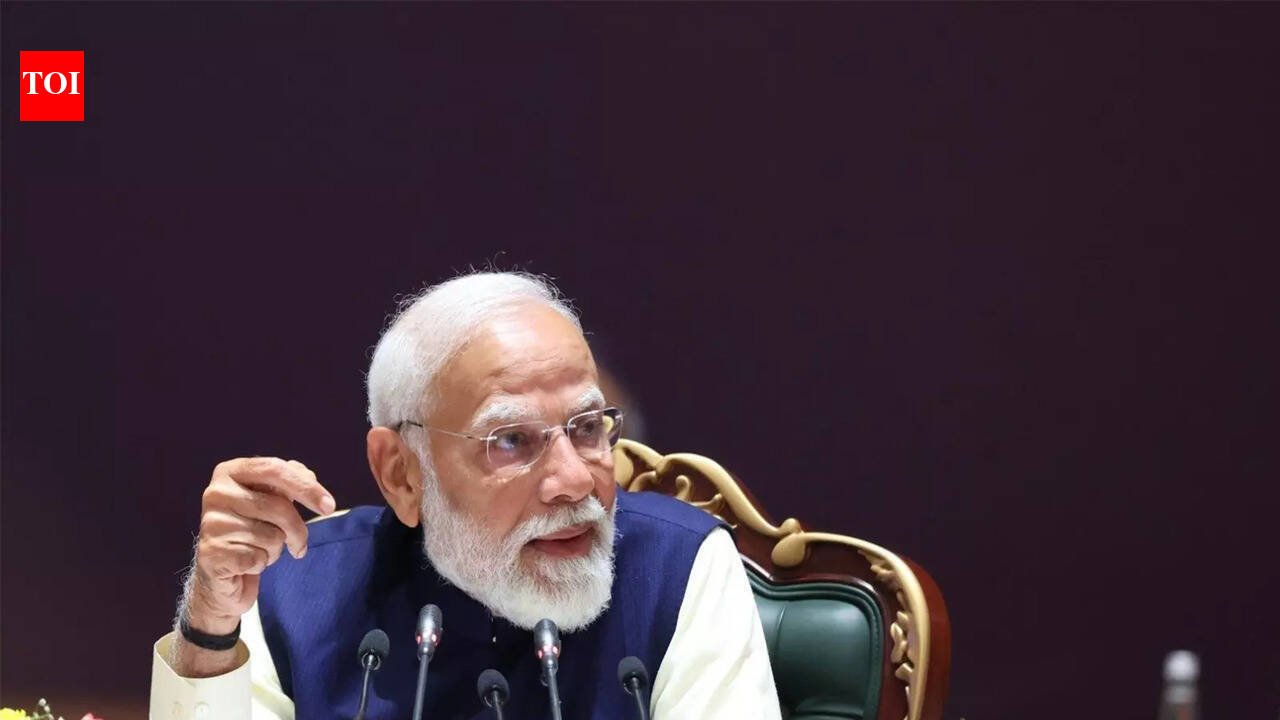
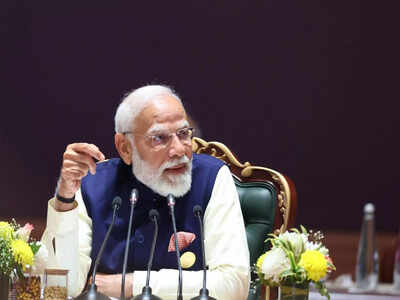
NEW DELHI: Taking forward the “reform express” theme, PM Narendra Modi on Tuesday asked his cabinet colleagues to suggest a list of reforms their ministries intend to initiate over the next few months and provide details of changes already introduced, reports Dipak Dash. He asked them to focus on two themes — ease of living and ease of doing business — while preparing the proposed reform list.TOI has learnt that the PM made these suggestions while chairing the first Cabinet meeting at Seva Teerth, where a resolution was adopted that every decision taken on the premises will be inspired by sentiment of ‘Nagrik Devo Bhava’, and that it will serve as a centre for empowerment of every Indian, not a place for display of power.Already, railway ministry has announced its plan to undertake 52 reforms in 52 weeks, some of which have been rolled out. Several other ministries are finalising ‘non-financial regulatory reforms’ that can be implemented without amending Acts. Soon after the meeting, some ministers asked staff to identify more reform areas.


Source link

Graft in judiciary, cases backlog in NCERT book | India News


Graft in judiciary, cases backlog in NCERT book

NEW DELHI: What slows down a court case, why public trust in courts matters, and how corruption can affect access to justice are now questions Class 8 students will encounter in their civics textbook, with the latest NCERT social science book explicitly listing corruption, massive case pendency and shortage of judges as challenges facing India’s judicial system.The revised chapter, titled ‘The Role of the Judiciary in Our Society’, forms part of the new class VIII social science textbook released by the National Council of Educational Research and Training. Unlike earlier editions that focused largely on the structure of courts, judicial independence and access to justice, the updated chapter includes a detailed section on the problems confronting the judicial system.The book states that “people do experience corruption at various levels of the judiciary” and notes that for “the poor and the disadvantaged, this can worsen the issue of access to justice”. It adds that efforts are being made at both State and Union levels to “build faith and increase transparency in the judicial system, including through the use of technology, and to take swift and decisive action against instances of corruption wherever they may arise”.Highlighting the scale of pendency, the textbook pegs pending cases at around 81,000 in the Supreme Court, 62.4 lakh in high courts, and 4.7 crore in district and subordinate courts. It attributes the backlog of cases to several factors, including an inadequate number of judges, complicated legal procedures and weak infrastructure.A separate section in the civics chapter explains that judges are bound by a code of conduct governing their behaviour both inside and outside courtrooms.It refers to internal accountability mechanisms and an established procedure for receiving complaints through the Centralised Public Grievance Redress and Monitoring System (CPGRAMS), noting that more than 1,600 complaints were received between 2017 and 2021.The chapter also quotes former Chief Justice of India B R Gavai, who in July 2025 said that instances of corruption and misconduct within the judiciary “inevitably have a negative impact on public confidence”. “However, the path to rebuilding this trust lies in the swift, decisive and transparent action taken to address and resolve these issues… Transparency and accountability are democratic virtues,” he is quoted as saying.


Source link

Police attach Pakistan-based terror handler’s Kathua property | India News


Police attach Pakistan-based terror handler’s Kathua property

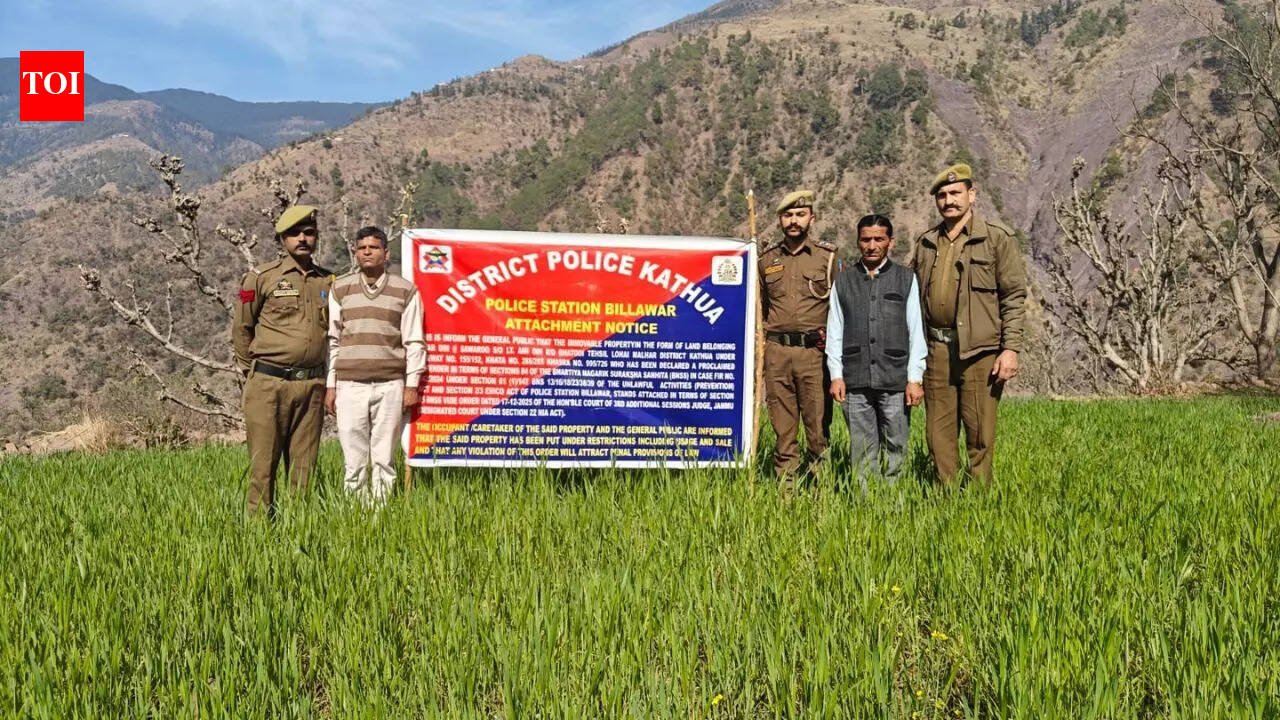
JAMMU: Kathua Police Tuesday attached property belonging to a Pakistan-based terror handler in the district’s Lohai Malhar tehsil on orders of the additional sessions court, Jammu.The attachment of the land (approximately 7.5 marlas) owned by the accused, Swar Din, in Bhatodi area was carried out in connection with an FIR registered at Billawar PS under relevant sections of BNS, Unlawful Activities (Prevention) Act and Egress and Internal Movement (Control) Ordinance Act.Police said Swar Din had earlier moved to Pakistan or Pakistan-occupied Kashmir, and had, since then, been involved in activities inimical to the security and sovereignty of India. The court declared him a “proclaimed offender” due to his continuous evasion of the legal process. “Despite sustained efforts by Kathua Police to secure his arrest, he remained untraceable, prompting the court to order attachment of his immovable property,” a police spokesperson said.The attachment was executed by Billawar SHO Inspector Zaheer Mushtaq, under the guidance of Billawar SDPO Neeraj Padyar, in close coordination with the revenue department, and by following all due legal procedures, verification, and documentation, police stated.Cops said the action was part of a broader and sustained strategy to dismantle the financial and logistical support structures of terror networks, and to ensure that those involved in subversive activities were deprived of resources.


Source link

Omar Abdullah urges Kashmiri students to leave Iran soon | India News


Omar Abdullah urges Kashmiri students to leave Iran soon

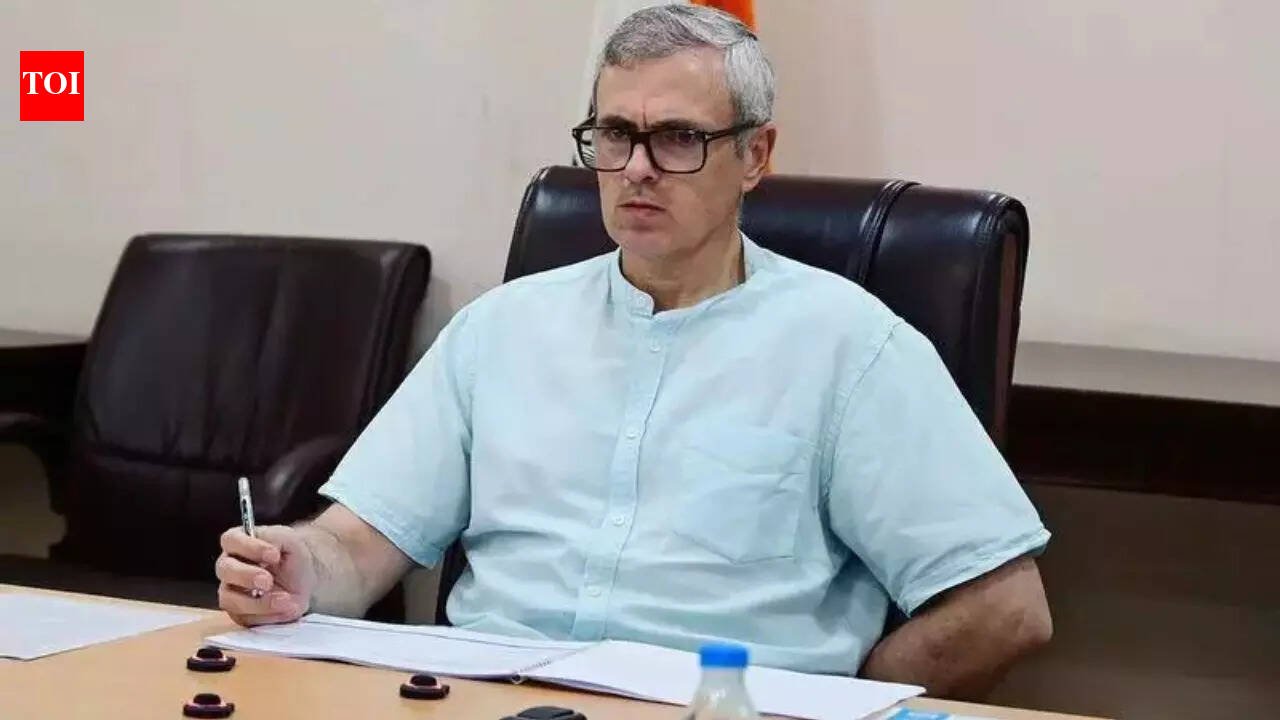
SRINAGAR: Jammu and Kashmir CM Omar Abdullah Tuesday urged Kashmiri students studying in Iran to leave the country at the earliest. “I am saying this very clearly, they should not ignore the govt of India’s advisory. Otherwise, it could become an issue for us tomorrow,” Omar told reporters.He said the students should act swiftly while the situation in Iran is stable and the airports are open. “They should book their tickets and return. If the situation remains normal, they can always go back,” he said. “The Ministry of External Affairs has not issued this advisory without reason. If the situation worsens in Iran later, it will become difficult to ensure their safe evacuation.”National Conference president Dr Farooq Abdullah also appealed to students to return as soon as possible. “If the airspace is closed tomorrow, their parents will be anxious and raise noise here. It is better to leave early because once flights are suspended, evacuation becomes extremely difficult. The advisory has already been issued, and it should be taken seriously,” he said.


Source link

Shootout in Delhi: Unidentified men fire at Lawrence Bishnoi’s legal team | India News


Shootout in Delhi: Unidentified men fire at Lawrence Bishnoi's legal team

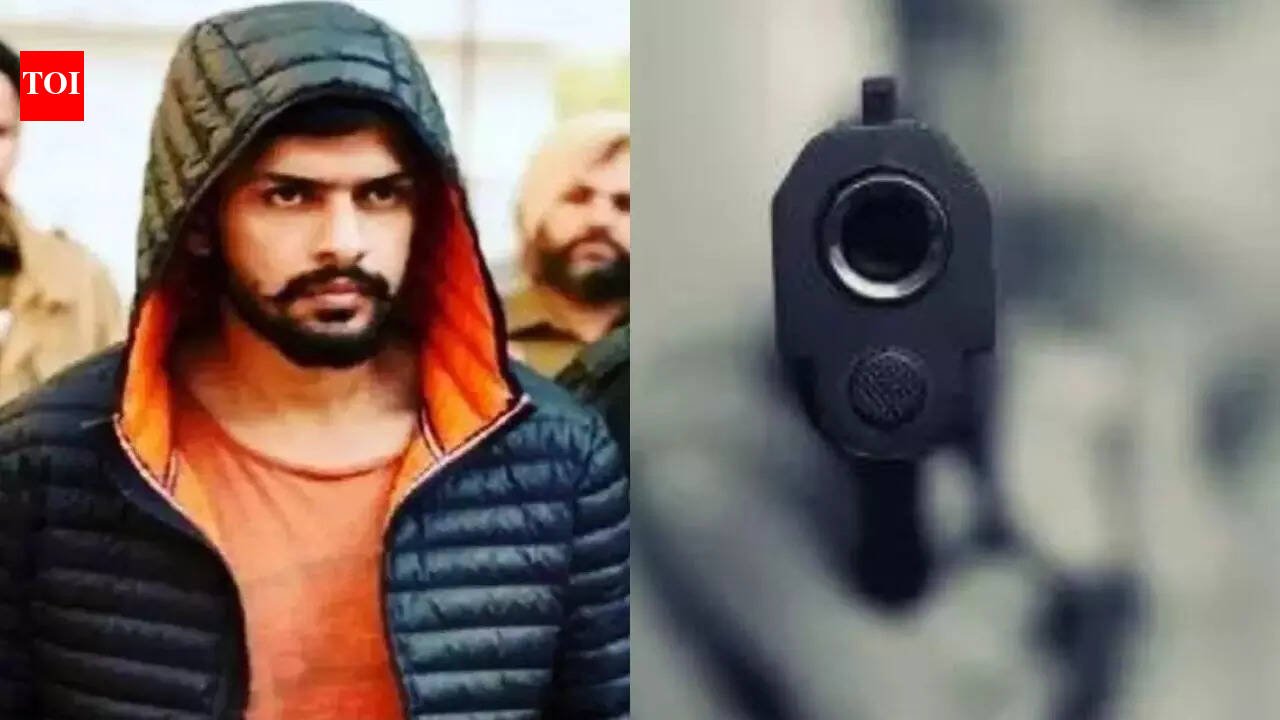
NEW DELHI: Unidentified men fired multiple shots at a car in which Lawrence Bishnoi’s legal team was travelling on Tuesday. The incident occurred around 10.15 pm, in which one of the occupants was shot at. Sources said that the shooters, from a rival gang, intercepted the car in which a lawyer and his staff were present before firing at least four rounds.The police rushed to the spot and have begun an investigation. CCTV footage of the incident is also being analysed. The special cell and crime branch are also probing the incident.


Source link

‘National Declaration 2026’: EC, State poll panels move to align Panchayat, assembly election laws after 27 years | India News


‘National Declaration 2026’: EC, State poll panels move to align Panchayat, assembly election laws after 27 years

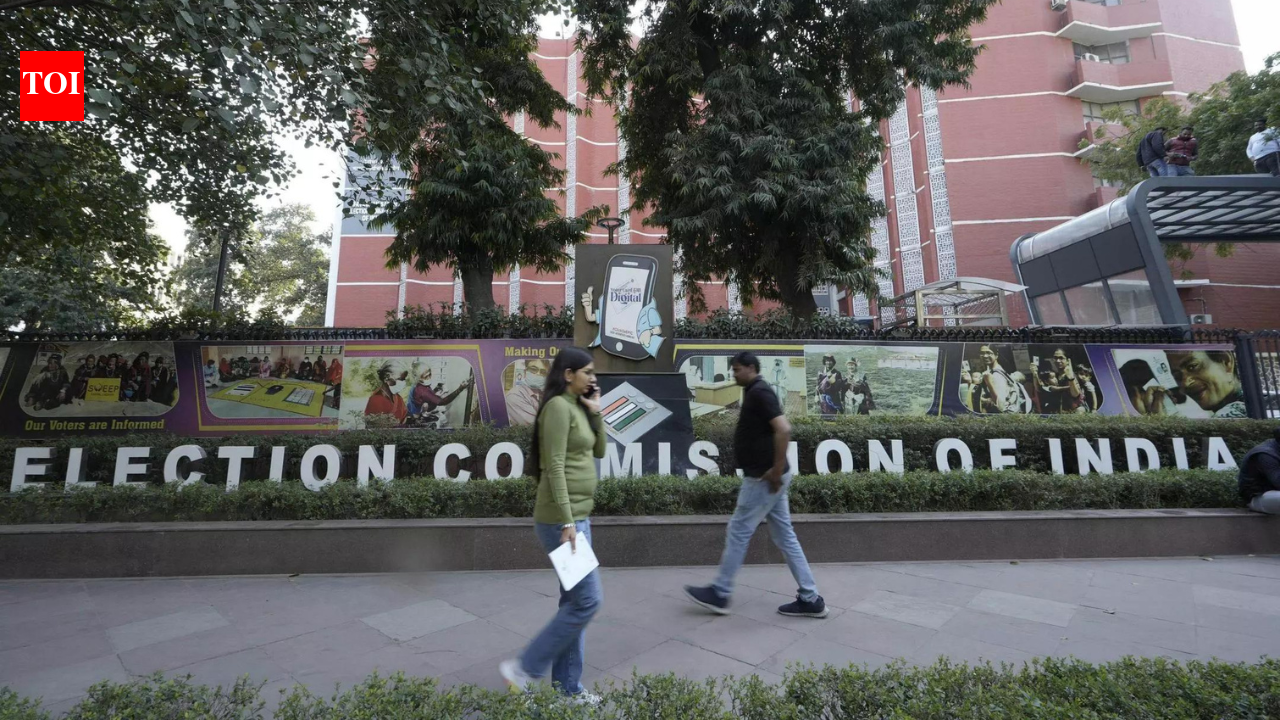
NEW DELHI: The Election Commission (EC), which conducts elections to Lok Sabha and state assemblies, and the state election commissions (SECs), tasked with holding panchayat and municipal polls, on Wednesday reached a broad agreement to work on synergising the laws relating to elections to panchayats and municipal bodies with those relevant to parliamentary and state polls. A ‘national declaration 2026’ adopted at the national roundtable conference of EC and SECs here — held after a gap of 27 years — underlined their concurrence that pure electoral roll and transparent conduct of elections are the bedrock of democracy. EC suggested that acceptable mechanisms and legally viable frameworks be worked out “in Constitutional and national interest” by all SECs, for synergising election processes, including the sharing of ECINET, EVMs, electoral rolls and training resources.All suggestions given by SECs will be studied by a team of legal and technical officers led by senior EC officials, and a state/UT-wise way forward will be submitted to EC in three months “for the best possible decision”.While Lok Sabha and assembly polls are conducted as per provisions of the Representation of the People Act and Conduct of Election Rules, panchayat and municipal elections are held as per laws and rules enacted by the relevant state/UT. Thus, the processes relating to preparation of electoral rolls, conduct of polls and method of voting for parliamentary/assembly polls may differ from those used in panchayat and urban body polls within the same state/UT, even though the pool of state/UT officers engaged is common. “Making the legal frameworks synchronous would ensure logistical ease and pure electoral rolls,” an officer told TOI. Sources said the SECs of BJP-governed states/UTs on Wednesday unanimously backed this proposal. Addressing the SEC’s conference, chief election commissioner Gyanesh Kumar called for institutional coordination between the EC and SECs, within their respective constitutional mandates. He advocated a harmonised approach to electoral roll management, adoption of technology and sharing of best practices to enhance the efficiency of electoral processes.


Source link

Those who mock people for treating gurus as Gods are fools & barbarians: Madras HC Judge | India News


Those who mock people for treating gurus as Gods are fools & barbarians: Madras HC Judge

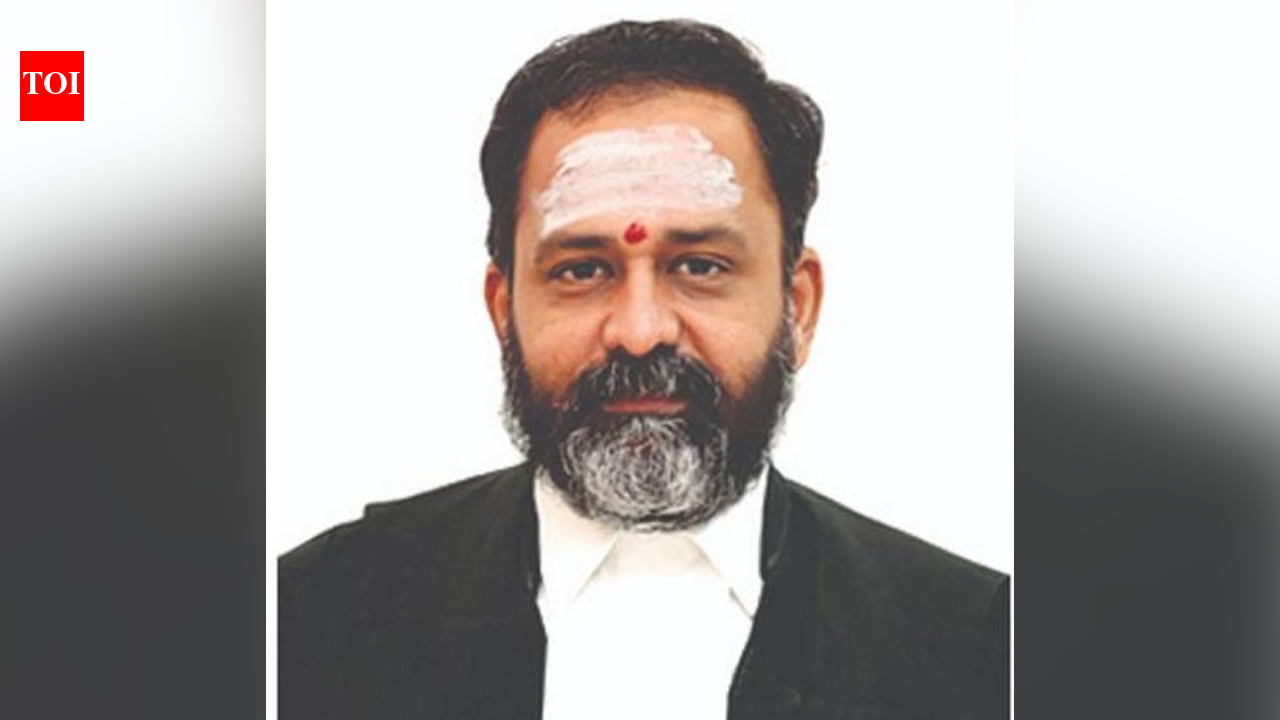
NEW DELHI: A sitting judge of the Madras High Court, making a striking claim, said that those who do not accept spiritual Gurus as divine are “barbaric.”Justice GR Swaminathan declared that those who dismiss the reverence for gurus as unworthy(Ayogya), fools (muttal) and barbarians (kaattumurandi) are, in fact, the real barbarians themselves, LiveLaw reported.“In Tamil Nadu, there are certain rationalists who call us unworthy(Ayogya), fools (muttal) and barbarians (kaattumurandi) for treating Gurus as Gods. But I am saying, those who are saying so are the real unworthy(Ayogya), fools (muttal) and barbarians (kaattumurandi),” he said.The remark, made in Tamil during a “Guru Vandanam Utsavam” organised by the Hosur Satsangh, followed an anecdote of the judge’s personal spiritual experience, which, according to him, changed his understanding of faith.Recalling an incident from his daughter’s graduation trip to Punjab, he said that he and his wife were warned against travelling at night, though they still went ahead with the journey. “The roads were misty, visibility was poor, and then — the car tyre got punctured,” he said.His wife knew how to change the tyres; thus, she, along with the driver, worked to fix it in the freezing fog while he was chanting “Gurunatha” for about 30 minutes.“That chant gave me strength,” he said, describing it as a moment of helplessness that drew him closer to his belief in the guiding power of a guru.Justice Swaminathan then built on this experience to make a larger spiritual point. “God is abstract,” he said. “But a Guru is the living presence of God. You cannot touch the feet of God — but you can touch the feet of your Guru.”It was after this reflection that the judge took aim at what he described as Tamil Nadu’s self-styled rationalists claiming they are the ones who are barbaric, unworthy and fools.The judge had recently made headlines for another remark — that he would “carry Sanatana Dharma close to his heart” for the rest of his tenure.


Source link

DNPA Conclave 2026: Navigating technology, inclusion, and future of news in an evolving digital ecosystem | India News


DNPA Conclave 2026: Navigating technology, inclusion, and future of news in an evolving digital ecosystem

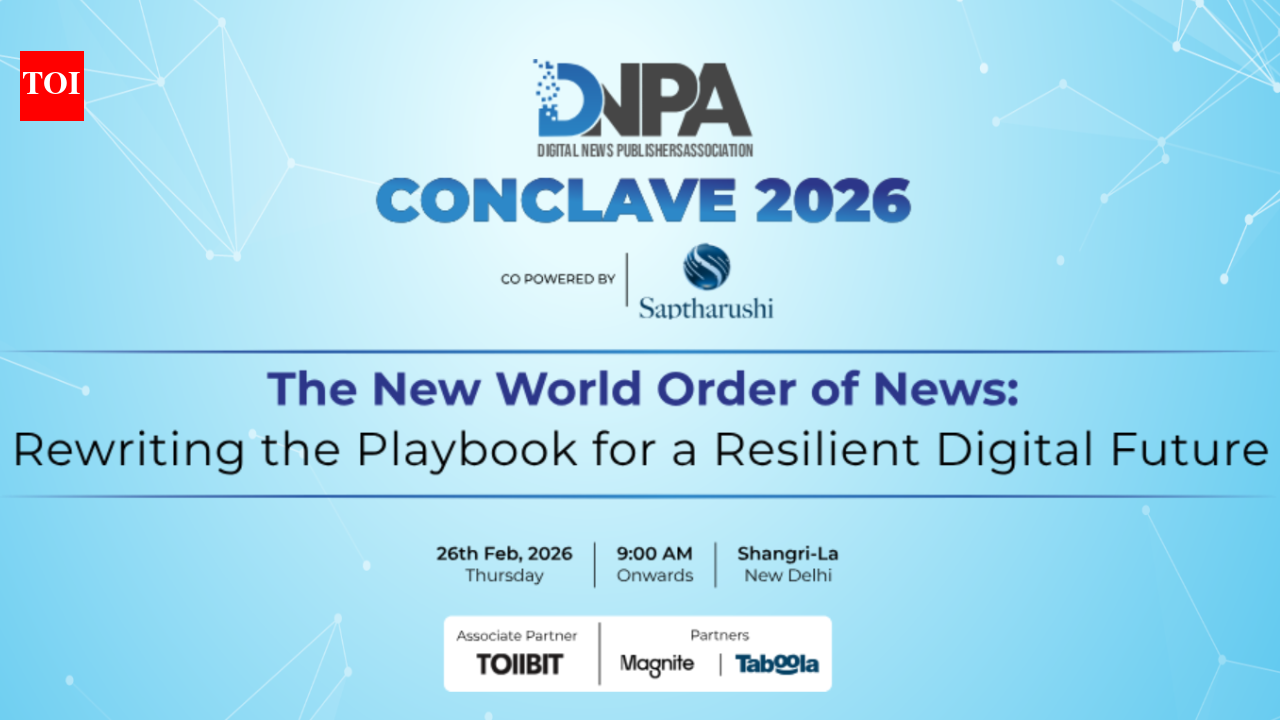
India’s digital public infrastructure is transforming the way citizens interact with the state, the economy, and each other. From governance and finance to identity verification, these systems operate at population scale, reshaping expectations around access, trust, and authentication. For the media industry, this is more than a technological shift, it is a redefinition of the role of news organisations within the ecosystem of digital citizenship.Digital infrastructure increasingly functions as public architecture, determining who can access information and how quickly. Newsrooms must navigate this landscape carefully, understanding that technology now shapes reach, availability, and audience engagement. Authentication and verification systems are establishing new norms for credibility, positioning aligned newsrooms to maintain audience trust in a world of information overload and misinformation.While these systems can broaden reach, they also carry risks of exclusion. Uneven connectivity, literacy gaps, and digital access can deepen divides if not accounted for. Media strategies that prioritise inclusion can ensure these systems expand opportunity rather than widen gaps.Against this backdrop, DNPA Conclave 2026 emerges as a pivotal forum for shaping the future of Indian journalism. To be held in New Delhi on February 26 under the theme “The New World Order of News: Rewriting the Playbook for a Resilient Digital Future,” the conclave will bring together policymakers, media leaders, and industry experts to examine the intersections of news, governance, and digital innovation.Through curated panels and expert-led sessions, the conclave will spotlight emerging trends, shared challenges, and strategic pathways for India’s digital news ecosystem. It will explore how news organisations can thrive in a landscape defined by large-scale public technology, trust-by-design systems, and inclusion imperatives.India’s scale and ambition have captured global attention. International observers view the country as a laboratory for integrating technology and public interest. For media organisations, this adds responsibility and opportunity. They operate under a global spotlight, translating public infrastructure into trusted news for millions. When technology becomes civic architecture, media becomes a stakeholder and not just a user. Engaging with this transformation is essential for credibility, relevance, and sustainable growth.Some years test resilience. Others test clarity. 2026 demands both but rewards only the latter. This is the year when industry leaders must decide what they stand for, how they operate, and whom they serve. It is the year the rules of the next media era will be written decisively.The Digital News Publishers Association (DNPA) represents leading digital media organisations across India. Committed to strengthening credible journalism, upholding ethical standards, and enabling sustainable growth, DNPA Conclave 2026 will be the stage where these defining questions are debated, directions are charted, and the future of Indian journalism takes shape.


Source link