Breaking News
After Amma: AIADMK’s struggle to fill the void left by Jayalalithaa | India News

After Amma: AIADMK's struggle to fill the void left by Jayalalithaa
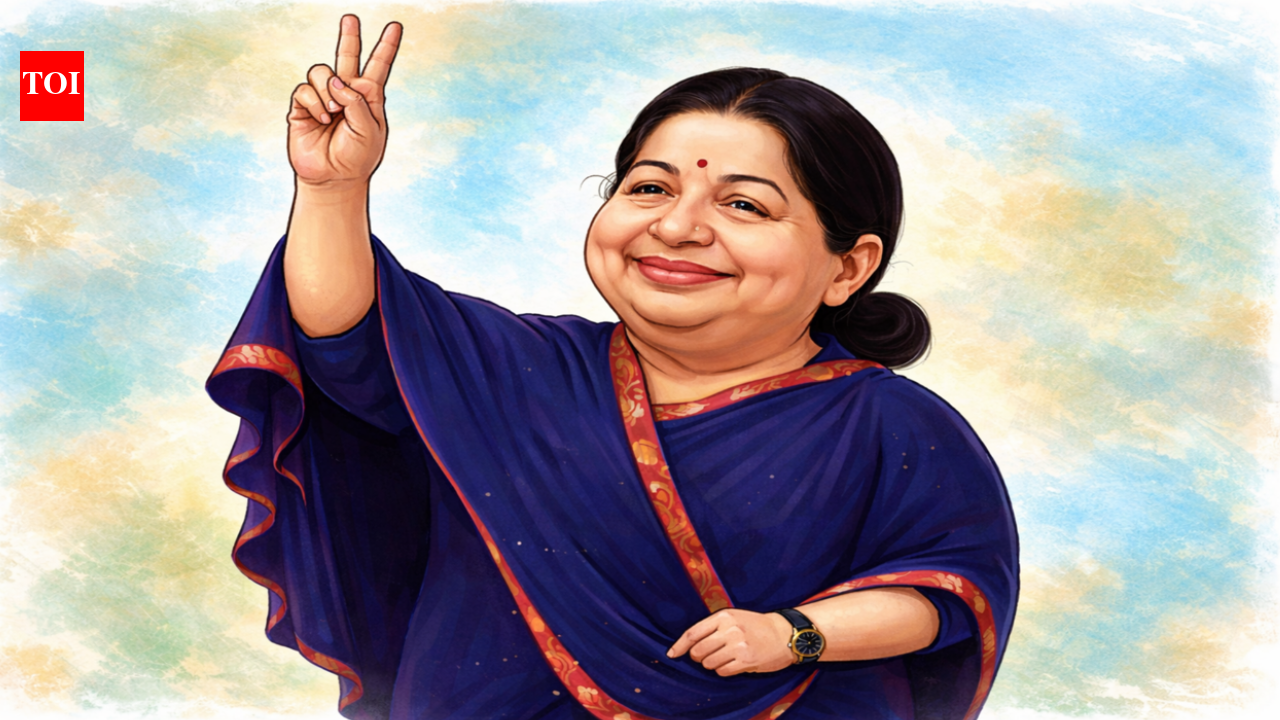
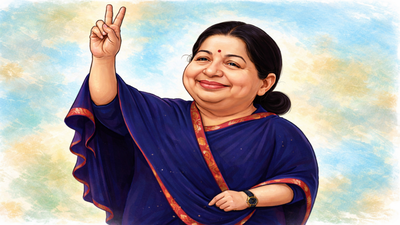
J Jayalalithaa (AI-generated image used for representation)

NEW DELHI: Nearly a decade after J Jayalalithaa’s death, the AIADMK is still trying to rediscover itself. Once held together by Amma’s towering authority, the party has spent years battling leadership struggles, electoral setbacks and shifting alliances, even as it prepares for another high-stakes assembly election in 2026.On Jayalalithaa’s birth anniversary, the question looms large: has the AIADMK truly moved beyond the vacuum she left behind, or is it still searching for a leader who can restore its lost dominance?Once a dominant force under Jayalalithaa’s leadership as party supremo, the AIADMK held significant influence in the state’s political landscape. But how has the party reshaped itself after her death, and how has it navigated internal infighting over her true political heir following the passing of Tamil Nadu’s leading lady in 2016?From delivering a big blow to the Vajpayee government to its on-and-off ties with the saffron party, and now a mention in PM Modi’s ‘Mann Ki Baat’, Amma’s AIADMK has remained impossible to ignore — whether the BJP was vulnerable or politically dominant.
-

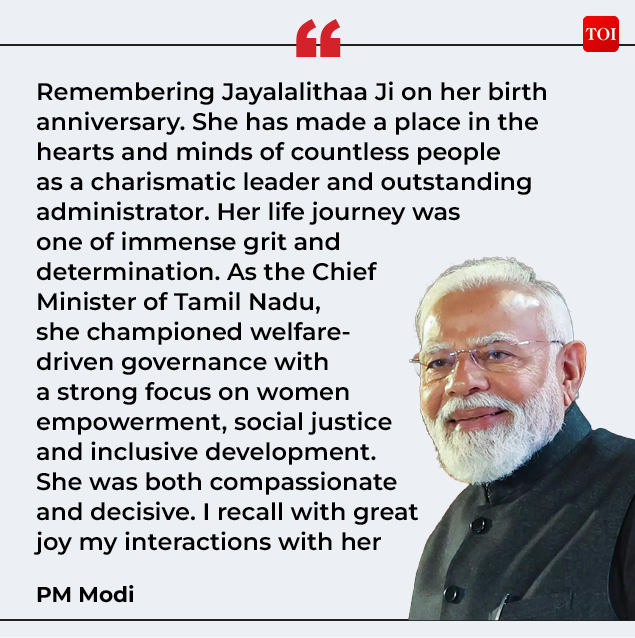
“Remembering Jayalalithaa Ji on her birth anniversary. She has made a place in the hearts and minds of countless people as a charismatic leader and outstanding administrator. Her life journey was one of immense grit and determination. As the Chief Minister of Tamil Nadu, she championed welfare-driven governance with a strong focus on women empowerment, social justice and inclusive development. She was both compassionate and decisive. I recall with great joy my interactions with her,” said PM Modi.With Tamil Nadu heading towards assembly elections scheduled for the summer of 2026, it will be the second such poll without Jayalalithaa’s formidable presence. The 2021 assembly elections had dealt a major blow to the AIADMK, as the party suffered a major defeat at the hands of DMK leader and M Karunanidhi’s son, MK Stalin. Not exactly the void after the strong leadership of Amma was filled as the party struggled with contenders within, for now Edappadi Palaniswamy, known for short as EPS, now in the role of captaining the AIADMK ship, established a strong eye on the Chennai’s chair.

The leadership vacuum after 2016

Immediately after Jayalalithaa’s passing, senior party leader O Panneerselvam, popularly known as OPS, assumed the office of chief minister. However, he was widely away and unable to fully fill Amma’s shoes, given her towering personality and mass appeal.Her gravitas and unmatched mass connect, cultivated over the stretch of years in public life, drew oceanic crowds onto the streets as she was laid to rest at Chennai’s iconic Marina Beach, beside her political guru and AIADMK founder, MG Ramachandran.

OPS vs EPS: Battle for the party’s soul

After Amma’s, senior party leader OPS found himself comfortably succeeding to Jayalalithaa’s chair, but not for long. Within less than a year, he was demoted. In February 2017, EPS rose to the top post. Months later, OPS began serving as deputy chief minister under his new boss, this time not Jayalalithaa, but a man from a rival faction within the party, Edappadi K. Palaniswamy, who is a few years younger than him.The EPS-OPS relationship began to strain as both AIADMK stalwarts engaged in an ugly duel, gradually making the rival DMK appear stronger and ultimately paving the way for MK Stalin to claim a strong chief minister’s chair. Meanwhile, the AIADMK leadership was drawn into a legal battle, with EPS and OPS each denying the other authority and asserting their own claim to the party chief post—the position of general secretary.The dispute between the two veterans was taken up by the Madras high court and later by the Supreme Court, both of which eventually ruled that EPS was the more suitable leader for AIADMK, leading the expulsion of O Panneerselvam.

The Sasikala chapter

However, Amma’s death did not immediately pit EPS and OPS against each other. The real player at the center of the initial power struggle was the Sasikala family. Sasikala, a close aide of the most powerful woman in Tamil Nadu, was often described by some as Jayalalithaa’s shadow and by others as her friend. Yet it was the then-CM and party chief, Jayalalithaa herself, who spoke most kindly of Sasikala, describing her as “almost like a sister.Sasikala, after Amma’s demise, immediately selected unanimously as the acting general secretary of AIADMK and soon after that she was selected as the leader of assembly but sitting-chief minister then, OPS rebelled against Sasikala and reported that he had been compelled to resign as Tamil Nadu CM, bringing in a new twist in state’s politics.Sasikala also installed her nephew, TTV Dhinakaran, as the party’s deputy general secretary. Dhinakaran, who later began leveraging Amma’s legacy for political currency, eventually floated his own party after the EPS-led AIADMK expelled Sasikala from the organisation. He went on to found a new outfit named after Jayalalithaa — the Amma Makkal Munnetra Kazhagam (AMMK).Following her conviction in the disproportionate assets case linked to Jayalalithaa, Sasikala was sentenced to four years in prison and lodged at Bengaluru Central Prison. Before beginning her jail term, she appointed EPS as the AIADMK’s legislative party leader, paving the way for him to assume the office of chief minister.

EPS consolidates control

In a dramatic turn, EPS later expelled members of the Sasikala family from the party and also removed OPS from key positions, consolidating his control over the AIADMK.After sidelining bigwigs such as former CM Panneerselvam and distancing the Sasikala faction, EPS has strengthened his grip on the party command. He now continues to position himself as the AIADMK’s undisputed leader, aspiring to reclaim the top post in the state and challenge incumbent MK Stalin’s leadership.

‘Good news will come’: Sasikala

However, on the occasion of her birth anniversary on Tuesday, Sasikala also floated the idea of launching her own party, yet another attempt to invoke Amma Jayalalithaa’s name and legacy as political currency.
-

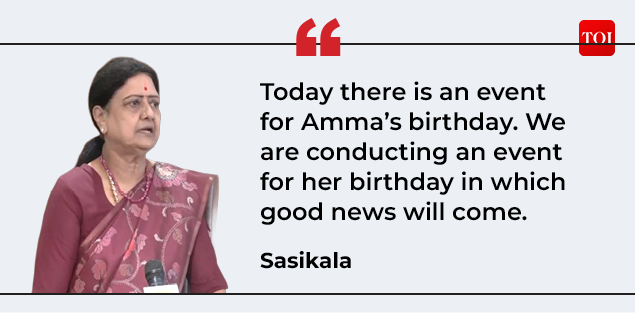
Speaking to reporters, Sasikala said, “Today there is an event for Amma’s birthday. We are conducting an event for her birthday in which good news will come.”

2016: Amma’s final electoral triumph

Amma’s last elections in Tamil Nadu, made her considerably losing control on many seats, declining the number of seats, she had won in 2011 elections. Still Jayalalithaa was able to push her boat beyond the mark of magic numbers — a majority — 118 out of 234 seats, — Amma-led party secured 136 seats, without any support of alliance, not even with the BJP — a national party which has had a bitter and sweet relations with Jayalalithaa’s AIADMK.Under Jayalalithaa’s leadership, the AIADMK won the assembly polls and made history by becoming the first ruling party in Tamil Nadu since 1984 to return to power, albeit with a simple majority.This was the last election contested by J Jayalalithaa and M Karunanidhi, as they passed away later in 2016 and 2018, respectively.

2019: Lok Sabha drubbing after her demise

The AIADMK faced one of its biggest setbacks in the 39-seat Tamil Nadu battleground during the Lok Sabha elections. After the loss of its leading lady, the party was reduced to just one seat, a stark contrast to the landslide victory of 37 seats it had secured in 2014 under Amma’s leadership—clearly highlighting the impact of Jayalalithaa’s absence.However, the AIADMK was in alliance with the BJP, led by Prime Minister Narendra Modi, who secured a commanding victory nationally and returned to power for a second consecutive term as PM. In Tamil Nadu, however, the alliance performed disastrously and delivered a shameful result. No man—neither EPS nor Modi—was able to replicate the sweeping success that a lady, Jayalalithaa had achieved in the state in the 2014 elections.

2021: Assembly defeat and Stalin’s rise

The slide continued in the Tamil Nadu assembly polls as well. The EPS-led and Amma-less AIADMK, hoping to retain power, failed to stage a comeback. After the humiliating tally of just one seat in the Lok Sabha polls, the Amma-less party saw its strength shrink further in the assembly, reduced to double digits—far from what was needed to remain in power.Stalin, meanwhile, emerged stronger despite the passing of his father and DMK stalwart M Karunanidhi. This was also the DMK’s first election without its long-time patriarch. However, unlike the AIADMK, the DMK did not witness visible infighting or petty internal politics. That relative unity may have helped Stalin consolidate his leadership and firmly establish himself in the state’s top post.

2024 Lok Sabha polls: From setback to wipeout

Nothing changed for AIADMK in the 2024 general elections. The party remained at the bottom and, this time, failed to win even a single seat. Once a formidable force under MG Ramachandran and later his successor Jayalalithaa, the party was reduced to insignificance in the Lok Sabha polls.

Old guards, new tensions within AIADMK

The setback has forced the AIADMK to virtually start afresh, even as several old guards continue to cast a shadow over its present. Sasikala and her nephew Dhinakaran intermittently adopt an aggressive stance in the new EPS-led era, while another veteran leader and former chief minister, O Panneerselvam, continues to launch barbs at the party leadership. For many within the organisation, these developments are a far cry from the party’s olden, golden days.

Full circle politics: BJP and AIADMK find their way back

From the Vajpayee era to Prime Minister Modi’s recent tribute to “Amma” on her birth anniversary, the BJP’s ties with the AIADMK have come full circle, alliance, rupture, reunion. Even after electoral setbacks in Tamil Nadu, the saffron party has kept the door open to its old Dravidian ally, signalling once again that political necessity outweighs past differences.Union home minister Amit Shah has described the BJP-AIADMK partnership as a “natural alliance,” arguing that the 2024 Lok Sabha results would have looked dramatically different had the two contested together. “We fought together in 1998, in the 2019 Lok Sabha elections, and in the 2021 assembly polls. But in 2024, we contested separately. If our vote shares are to be combined, we would have won 36 seats,” he said, adding that 2024 and 2025 had been victorious years for the BJP in several states and that the trend would repeat in Tamil Nadu and West Bengal.For the BJP, the outreach specifies a hard truth: Tamil Nadu’s Dravidian voter base remains rooted in regional forces, primarily the ruling DMK and the opposition AIADMK. To rebuild a broader NDA footprint in the state, the party is also engaging smaller players and former allies.AIADMK chief Edappadi K Palaniswami, meanwhile, has called the alliance “essential” to defeat what he terms an “anti-people” DMK regime. “AIADMK will capture power with absolute majority in 2026… Never in the history of Tamil Nadu has there been such a corrupt, incompetent anti-people government,” EPS said.This latest AIADMK-BJP partnership, led once again by Edappadi K. Palaniswami — now once again positioning himself as Jayalalithaa’s political heir and reshaping the party’s lineup, balancing longtime allies with those who keep him in check — aims to take on a strengthened Stalin-led DMK, without Amma’s shadow yet again. Whether this renewed alliance will endure or prove another short-lived truce will ultimately be decided at the ballot box, as Tamil voters weigh legacy, leadership, and promises in the months ahead.
Source link

Rahul Gandhi: ‘Scrap the deal’: Rahul dares PM Modi to abandon trade pact, repeats ‘sold India’ claim | India News


'Scrap the deal': Rahul dares PM Modi to abandon trade pact, repeats 'sold India' claim

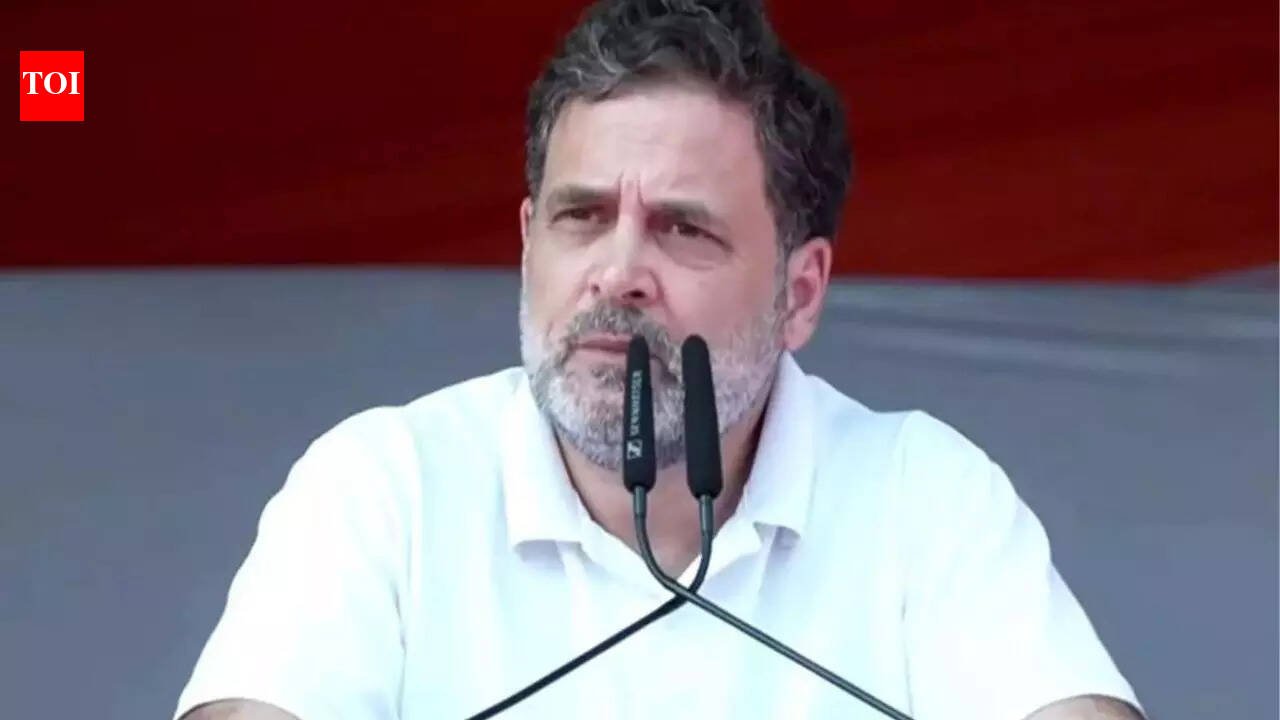
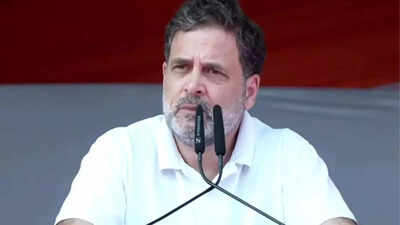
NEW DELHI: Congress leader Rahul Gandhi on Tuesday challenged Prime Minister Narendra Modi to scrap the India-US trade deal, which he described as being against the interests of Indian farmers.Addressing the ‘Kisan Mahachaupal’ farmers’ rally in Bhopal, Gandhi called the interim trade deal an “arrow piercing the hearts of Indian farmers”.“After the US Supreme Court ruling on the trade deal, I challenge PM Modi to scrap it…but he won’t be able to do so,” the Leader of Opposition in the Lok Sabha said.Rahul’s demand comes in the backdrop of the US Supreme Court ruling against Trump’s global tariffs and invalidating it.The Congress leader also made a series of serious allegations against Prime Minister Narendra Modi, claiming the PM rushed into a trade deal with the United States in the interest of his minister Hardeep Puri and industrialist Gautam Adani, who Rahul said is the “BJP’s financial structure”.Rahul Gandhi claimed Union minister Hardeep Puri’s name in the infamous Epstein files was released to “threaten” the PM, and that there are “videos and messages which have not been released from the millions of Epstein files” held up in the US.In another allegation, Rahul claimed that the case against Adani in the United States is not against the industrialist but against PM Modi, adding that these two were the reasons behind PM Modi’s withdrawal from Parliament and finalisation of the trade pact with America that had been stuck for months.“Millions of Epstein files are held up in the US; there are videos and messages which have not been released. Hardeep Puri’s name was released to threaten him. PM Modi must clear his relationship Anil Ambani?… Adani is not a small company; it is the BJP’s financial structure. Adani faces criminal charges in the US. He cannot go to the US or Europe. The target of the case in the US is Modi, not Adani… These were the two reasons why Modi withdrew from Parliament,” claimed Rahul Gandhi. Rahul said: “He left and called Trump, saying, ‘Sir, I’m ready to do whatever you say’, and he sold the country… Narendra Modi is compromised; he was trapped and forced to sign the US-India trade deal.”He claimed that PM Modi called US President Donald Trump to finalise the trade deal on the same day he, as leader of the opposition, questioned the Prime Minister in the Lok Sabha over ex-Army chief MM Naravane’s book. Further questioning the timing of the deal, which had been dragging on for months, the Gandhi scion stepped up his attack on the PM, saying he sealed the deal with Trump “without even consulting his Cabinet”.Rahul, repeating his “PM Modi sold India’s farmers, garment industry and data” charges, said: “I want to say two or three more things. Listen carefully after my speech ends. The moment my speech ended, the Prime Minister left the Lok Sabha. In the evening, without consulting Rajnath Singh, Shivraj Chouhan, Gadkari, in fact, without consulting his Cabinet, Narendra Modi called Trump. Trump tweeted that the Prime Minister of India had called him and said he was ready to sign the US–India deal. For four months, nothing happened, and suddenly Narendra Modi called and sold out India’s farmers, sold out India’s garment industry, and handed over all our data to America.”The Congress leader also said that the ruling NDA made a false excuse that the opposition women MP had planned to attack PM Modi during his reply to the motion of thanks on the President’s address.“I want to ask, this deal had been stalled for four months. For four months, nothing moved. Narendra Modi left the Lok Sabha; you all saw it on TV. The next day, a false excuse was made, saying there was going to be an attack on him. The truth is that the Prime Minister could not stand in Parliament and then directly call Trump. Why did he do this?” the Raebareli MP asked.Cornering the central government over General MM Naravane’s unpublished book, Rahul Gandhi said: “Former Army chief General MM Naravane (Retd) wrote a book mentioning that when the Chinese tanks were entering the Indian boundary, he called Rajnath Singh for the orders, but did not get an answer. He said that even Ajit Doval and S Jaishankar did not answer… The decision of war is taken by the Prime Minister, but the PM did not answer, he hid in his room and asked the Army Chief to do whatever he deems fit... The Army Chief wrote that he was left alone by the Indian government that day.”“Decision to go to war is political, not a military one,” the Congress leader said.


Source link

‘Wounded yet in high spirits’: Army shares update on braveheart dog Tyson who ‘took the first bullet’ | India News


'Wounded yet in high spirits': Army shares update on braveheart dog Tyson who 'took the first bullet'

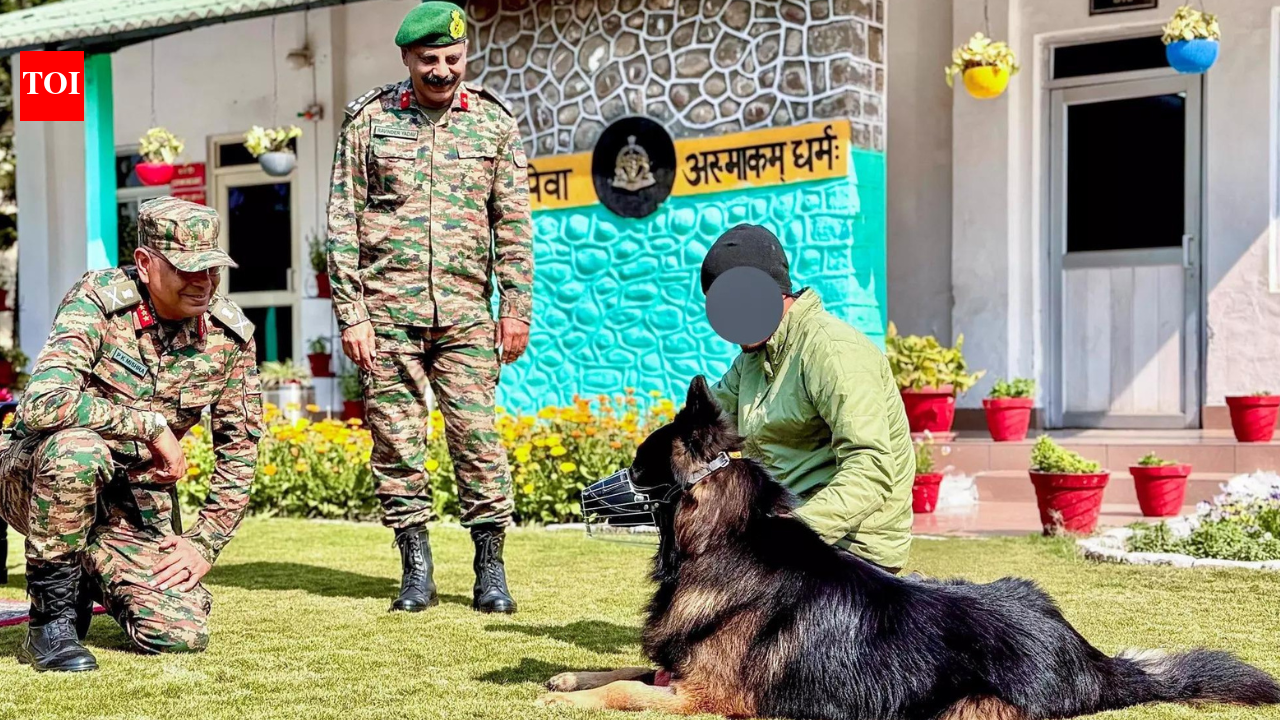
NEW DELHI: Tyson, a four-legged Army hero, was shot in the leg during Operation Trashi-I in Kishtwar, Jammu and Kashmir, and is “recovering well.” The Army on Tuesday said he is “wounded but in high spirits,” showing courage while leading the entry into a terrorist hideout.The German Shepherd, serving in the Army, demonstrated true Indian spirit by playing a key role in neutralising Pakistan-based Jaish-e-Mohammed (JeM) commander Saifullah and his two associates inside their mudhouse hideout (dhok) in the foothills of Passerkut in the Chatroo belt on Sunday.“In the recent Operation Trashi-I at Kishtwar, assault dog ‘Tyson’ displayed extraordinary courage by taking the first bullet while leading the entry into the terrorists’ hideout. Undeterred by his injuries, he pressed forward and launched a fierce assault, compelling the terrorists to open fire and thereby confirming their presence,” the Army’s White Knight Corps said in a post on X.The Army added that Tyson’s fearlessness enabled troops of the White Knight Corps, police, and CRPF to precisely engage and neutralise the three Pakistan-sponsored terrorists.“Wounded yet in high spirits, alert and recovering well, Tyson exemplifies unwavering devotion to duty — a true warrior and a soldier in every sense,” the Army said, adding, “the hunt continues – those who seek to disturb peace will find no sanctuary.”After sustaining an injury to one of his front legs, the K9 soldier was evacuated by helicopter and admitted to a veterinary hospital, officials said.General Officer Commanding of White Knight Corps, Lt Gen P K Mishra, visited Tyson at the veterinary facility and reviewed his medical condition, they added.The corps commander interacted with the attending veterinary team, directed that the best possible care be ensured, and commended the role of Army dog units in counter-terror operations.


Source link

‘Keralamite, Keralamian’? Shashi Tharoor quips after Centre renames Kerala as Keralam | India News


‘Keralamite, Keralamian’? Shashi Tharoor quips after Centre renames Kerala as Keralam

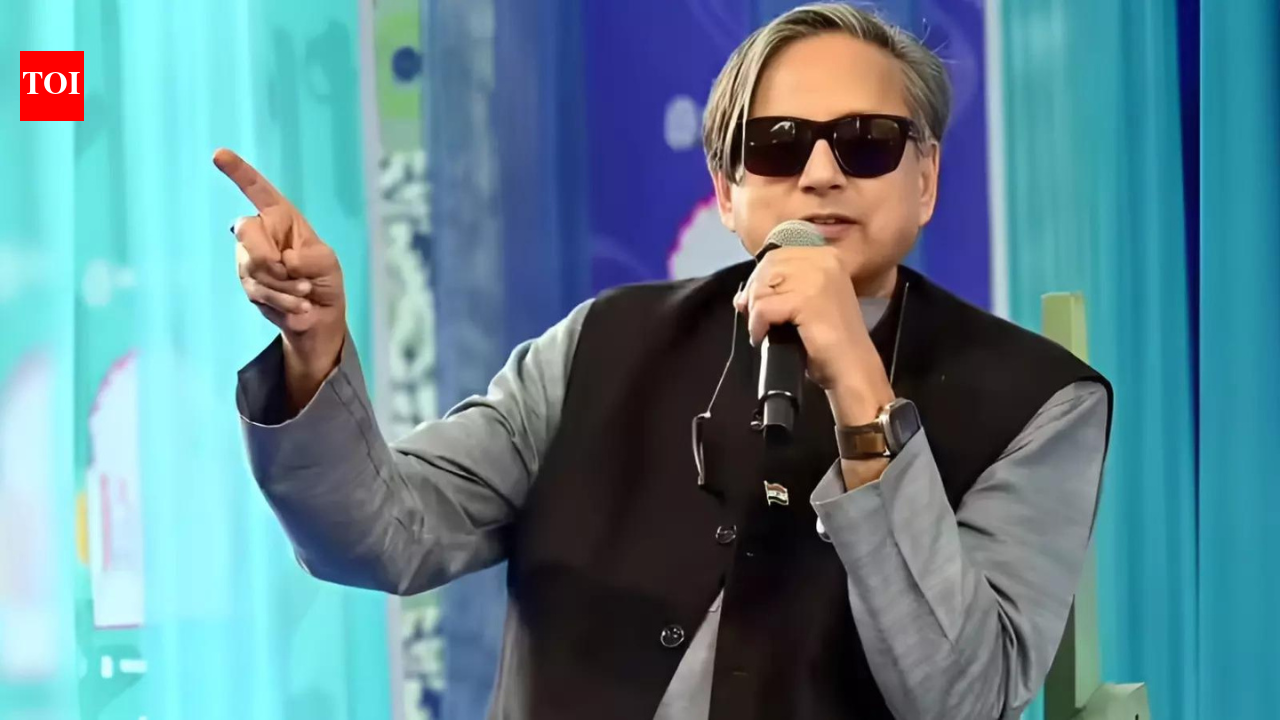
NEW DELHI: Senior Congress leader Shashi Tharoor on Tuesday reacted with wordplay after the Union Cabinet is understood to have approved the proposal to change the name of Kerala to ‘Keralam’, asking what Anglophones would now call residents of the state.The Thiruvananthapuram MP asked how people from the state now would be referred to, and what happens to terms like “Keralite and Keralan”. “All to the good, no doubt, but a small linguistic question for the Anglophones among us: what happens now to the terms ‘Keralite’ and ‘Keralan’ for the denizens of the new ‘Keralam’? ‘Keralamite’ sounds like a microbe and ‘Keralamian’ like a rare earth mineral…! @CMOKerala might want to launch a competition for new terms resulting from this electoral zeal,” Tharoor said in a post on X.Sources cited by PTI said the Union Cabinet, at a meeting held on Tuesday, approved the Kerala government’s proposal to rename the state. The meeting was the first to be held at Seva Teerth, the newly inaugurated Prime Minister’s Office and Cabinet Secretariat complex.The move follows a unanimous resolution passed by the Kerala Assembly on June 24, 2024, urging the Centre to amend the First Schedule of the Constitution to reflect the name ‘Keralam’. The Assembly had earlier passed a similar resolution in August 2023, but the ministry of home affairs suggested technical changes, prompting the state to adopt it again.Chief minister Pinarayi Vijayan, who moved the resolution, had said the state is referred to as ‘Keralam’ in Malayalam and that the demand for a unified Kerala for Malayalam-speaking people dates back to the national freedom struggle. “The name of our state is written as Kerala in the First Schedule of the Constitution. This assembly requests the Centre to take immediate steps to amend it as ‘Keralam’ under Article 3 of the Constitution and have it renamed as ‘Keralam’ in all the languages mentioned in the Eighth Schedule of the Constitution,” Vijayan had said.The resolution sought changes in the First Schedule under Article 3. Upon review, it was indicated that the amendment would be required in the First Schedule of the Constitution.Assembly elections in the state are expected in April-May.


Source link

Pawan Hans helicopter, with 7 onboard, crashes into sea in Andaman; all rescued | India News


Pawan Hans helicopter, with 7 onboard, crashes into sea in Andaman; all rescued

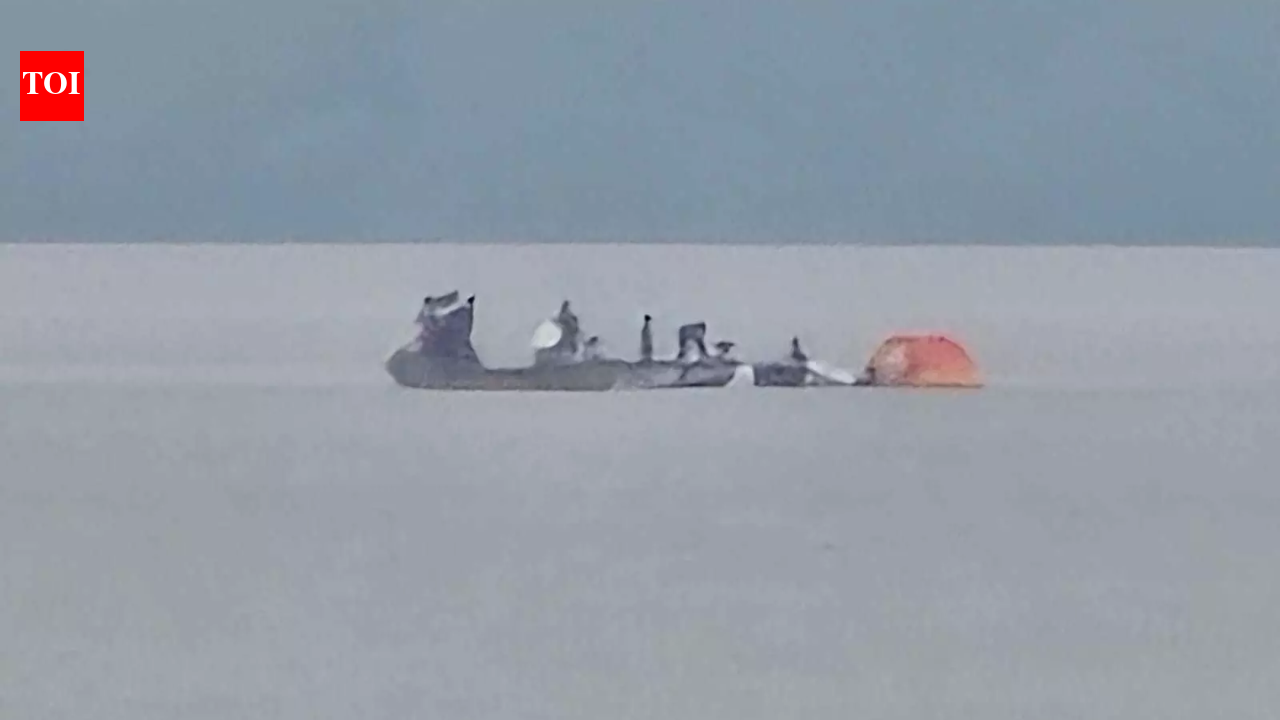
NEW DELHI: A Pawan Hans helicopter carrying seven people, including two pilots, crashed into the sea near Mayabunder in the Andaman and Nicobar Islands on Tuesday morning.The helicopter had taken off from Sri Vijaya Puram around 8.45 am and went down in the sea near Mayabunder at about 9.30 am. “A preliminary inquiry revealed that there was some technical snag, and the pilot made a crash-landing on the sea,” a senior Civil Aviation official said, as quoted by PTI.The passengers on board included three men, one woman, one child, and the two pilots. The rescued passengers—Rajita Devi and her infant Kamal Ch. Das, Sipra Saha, and Nambi Amma—have been admitted to Dr. RP Hospital in Mayabunder, where they are under observation and treatment. The pilots are also safe, local authorities said.“Around 9:30 a.m. today, a Pawan Hans helicopter experienced a short landing incident near Mayabunder in the Andaman and Nicobar Islands. The helicopter had taken off from Port Blair with two crew members and five passengers on board. All have been rescued and are safe. No injuries have been reported,” a Pawan Hans spokesperson said.The spokesperson added, “All necessary safety protocols were followed, and authorities ensured the well-being of the crew and passengers,” as quoted by ANI.Authorities are assessing the situation, and further details regarding the cause and circumstances of the incident are awaited.


Source link

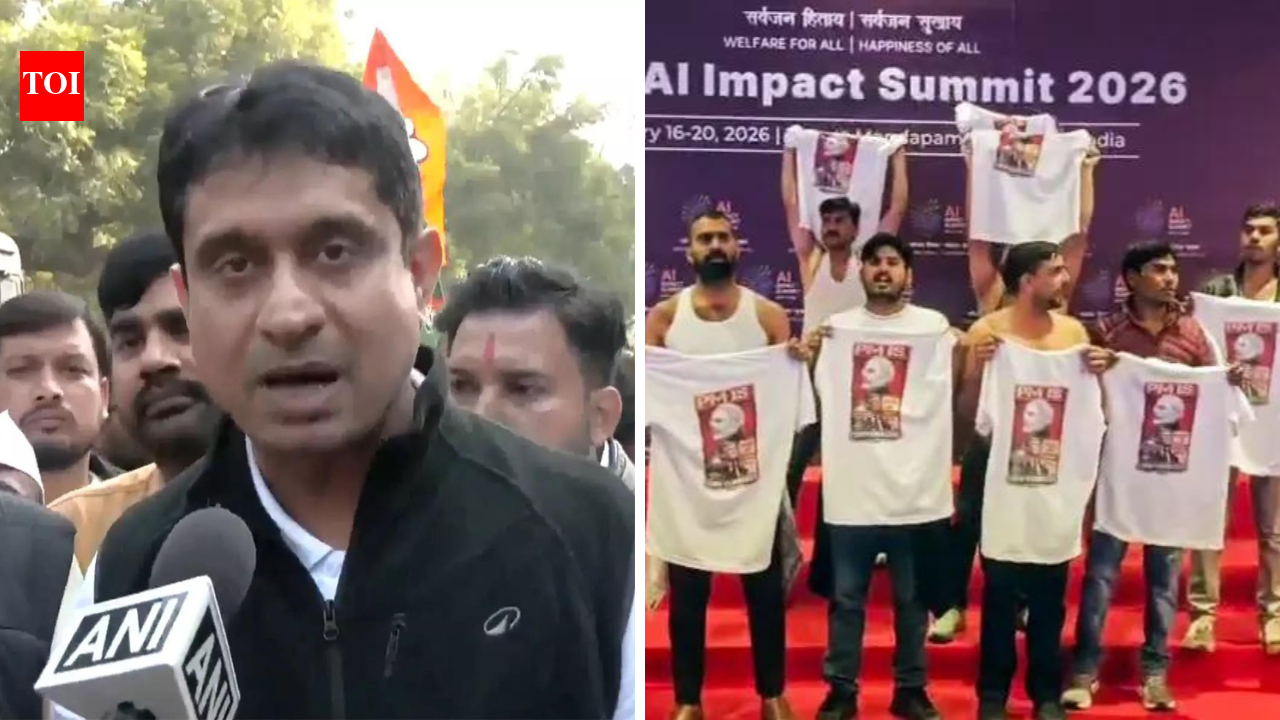
‘Provided logistics’ for ‘shirtless’ protest: Why Delhi Police arrested youth Congress chief Uday Bhanu | India News


Congress Paradox: Tharoor Lauds AI Summit While Youth Stages Shirtless Protest at Venue

NEW DELHI: Delhi Police on Tuesday sought a 7-day police custody of Indian Youth Congress chief Udhay Bhanu Chiba following his arrest in connection to shirtless protest at Bharat Mandapam during AI Summit.Bhanu was brought to the court of judicial magistrate at Patiala House court after he was arrested following interrogation.

Congress Paradox: Tharoor Lauds AI Summit While Youth Stages Shirtless Protest at Venue

Police said that there was a common intention behind the protest and claimed that Chib was the mastermind. It added that the Youth Congress chief hatched the conspiracy and provided logistics as well as fund to the protestors.Delhi police added that the other accused are in other states of Jammu, UP, Himachal Pradesh, therefore the remand is required. Meanwhile, Indian Youth Congress termed Bhanu’s arrest as “anarchy and undeclared emergency” and called for his immediate release. Taking to X, Youth Congress said, “This is anarchy — an undeclared Emergency! A government that fears peaceful protests in a democracy cannot intimidate Youth Congress workers. The BJP is trading away the nation’s interests. Congress will not remain silent over this incompetence,” it said.“Release Uday Bhanu ji and all workers immediately,” it added.Congress spokesperson Pawan Khera also weighed in and said that it is a matter of shame if the government has a problem with someone staging a protest peacefully.“This is a matter of shame that they have a problem with someone staging a protest peacefully. The dictator will put those in jail who show him the mirror. Have all the terrorists behind the Pulwama, Pahalgam attack, Red Fort blast been arrested,” Khera said.“You are not able to arrest those behind the terrorist attacks, but get scared if someone removes their shirt. This is the reality of the government,” he added.This comes moments after Bhanu was arrested by Delhi Police after questioning. With this arrest, the total number of people held in the case has risen to eight.On Monday, three others were arrested and identified as Jitendra Yadav, Raja Gujar and Vimal Ajay Kumar. Yadav, a resident of Gwalior, serves as the national coordinator of the IYC.Gujar is the IYC’s Gwalior district president, while Kumar is an office-bearer from Bhind. Four other accused had been arrested earlier.According to police, the protesters had completed the mandatory online registration process and gained entry to the venue using QR codes. They were dressed casually, wearing sweaters and jackets over their T-shirts.Addressing the issue at the AI Summit, Bhanu had said that the youth of the country “will no longer remain silent”.“The Indian Youth Congress made it clear that the youth of the country will no longer remain silent. ‘PM is compromised’ is not just a slogan, but the anger of millions of unemployed youth. This trade deal with the US is a betrayal of the interests of our farmers and the public, which will only benefit the US. Peaceful protest is our right in a democracy, and we will continue to raise the voice of the youth,” he said.Police said the group allegedly staged a shirtless protest inside the exhibition hall, raised slogans and displayed politically charged messages on their T-shirts, including slogans directed against the Prime Minister.A video of the incident shows the protesters removing their outer layers after entering the venue and revealing T-shirts bearing anti-PM messages. They were later seen carrying the T-shirts and chanting slogans before being escorted out.Videos circulating online show security personnel and some attendees pushing the protesters out of the hall.


Source link

Delhi govt to implement ‘Rah-Veer’ financial incentive scheme: CM Gupta | India News


Delhi govt to implement 'Rah-Veer' financial incentive scheme: CM Gupta

NEW DELHI: The Delhi government will implement the Centre’s ‘Rah-Veer’ scheme to motivate citizens to assist seriously injured road accident victims, Chief Minister Rekha Gupta said on Monday. Under the financial scheme, any person who provides immediate assistance to a seriously injured road accident victim and ensures their transport to a hospital or trauma centre within the golden hour will be rewarded Rs 25,000 along with a certificate of appreciation. “People often hesitate to help due to fear of legal complications or police procedures. However, this scheme will remove such apprehensions and encourage citizens to step forward,” the chief minister said. The scheme aims not only to save the lives of seriously injured road accident victims but also to foster a culture of compassion in society. Delhi government believes that greater public participation can substantially reduce mortality arising from road accidents, she added. According to the chief minister, the Ministry of Road Transport and Highways (MoRTH) has issued detailed guidelines to states and Union territories for effective implementation, and following these guidelines, the Delhi government has decided to adopt the scheme. She added that the initiative has been framed in accordance with the Good Samaritan Rules notified under Section 134A of the Motor Vehicles (Amendment) Act, 2019. For effective implementation, a District Level Evaluation Committee will be constituted, comprising the District Magistrate, a senior police officer, the Chief Medical Officer and the Regional Transport Officer. “The reward amount will be transferred directly to the beneficiary’s bank account through an online process. A separate bank account will be maintained for this purpose, and the entire procedure will be recorded on a digital platform. The Ministry will also provide an initial grant to the states,” the chief minister added. Ten of the most outstanding Rah-Veers selected annually will receive a special national award of Rs 1 lakh each, Gupta added.


Source link

Delhi govt working to resolve all pending problems: CM Gupta | India News


Delhi govt working to resolve all pending problems: CM Gupta

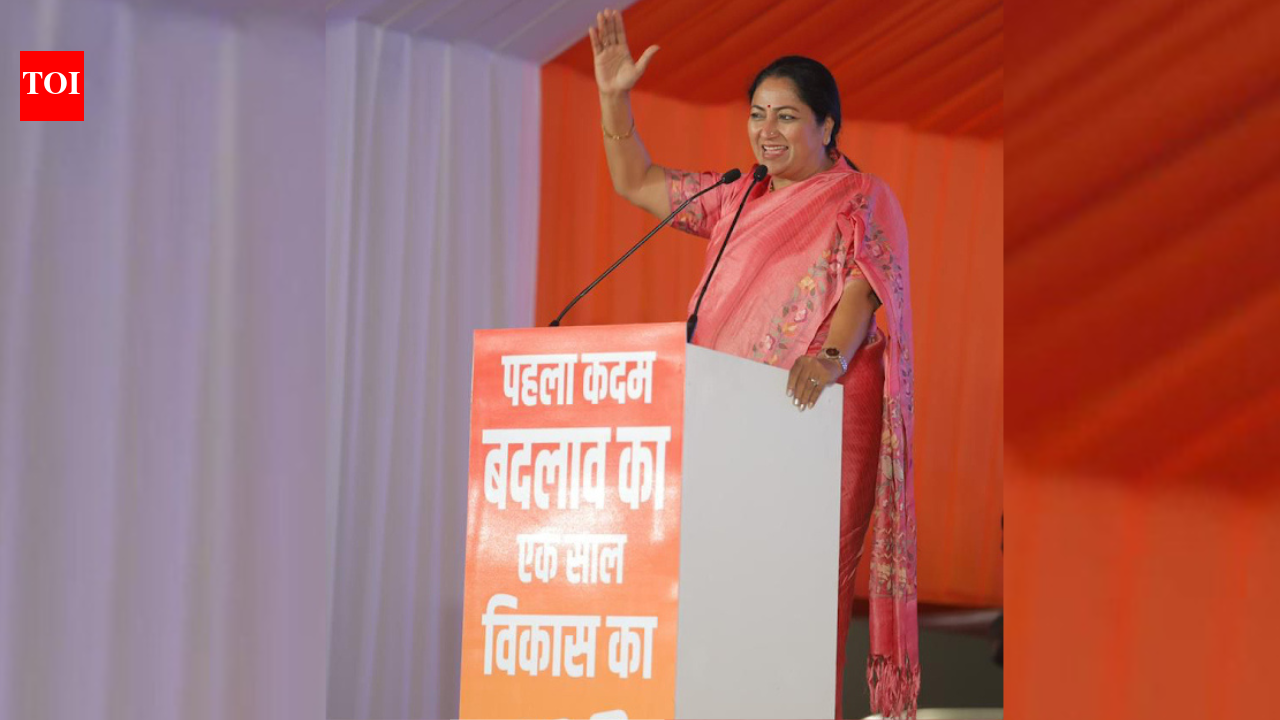
NEW DELHI: Delhi government will work to resolve all the pending problems that the previous governments had caused, chief minister Rekha Gupta said on Monday. Gupta was addressing a gathering of BJP workers at a ‘Pravas’ event organised in North East Delhi Lok Sabha constituency. “We will work so much in Delhi that when the next election comes, whether it’s for the municipal corporation, the Lok Sabha or the Assembly, the public won’t need to say anything,” Gupta said. Whichever doorbell you ring, people will say, ‘Yes, when we voted for you last time, you did so much work in Delhi. We will elect you again and vote for you again,’ she added. The chief minister further said that from the day the Delhi BJP government was formed on February 20, 2025, till this date, “No one felt like sitting down or breathing for a single day because we know that the value of every moment of our day is tied to your dedication.” “I have come here with the government’s one-year report card. In these 365 days, your own government has utilised every day with complete honesty and dedication,” she added. According to the schedule released by the BJP, a week-long public outreach programme will be held across all seven Lok Sabha constituencies of the national capital. CM Gupta and Delhi BJP chief Virendra Sachdeva will hold public interactions and highlight the government’s work in the events across the city.In February last year, the BJP won 48 of the 70 seats in the Delhi Assembly elections and formed the government in the national capital after a gap of more than 26 years.


Source link

‘Was in touch with Hafiz Saeed’: How LeT’s Shabir Ahmed Lone is linked to 8 held for plotting terror attack in India | India News


‘Was in touch with Hafiz Saeed’: How LeT's Shabir Ahmed Lone is linked to 8 held for plotting terror attack in India
Shabir Ahmed Lone behind 8 arrested linked to Bangladesh terror module

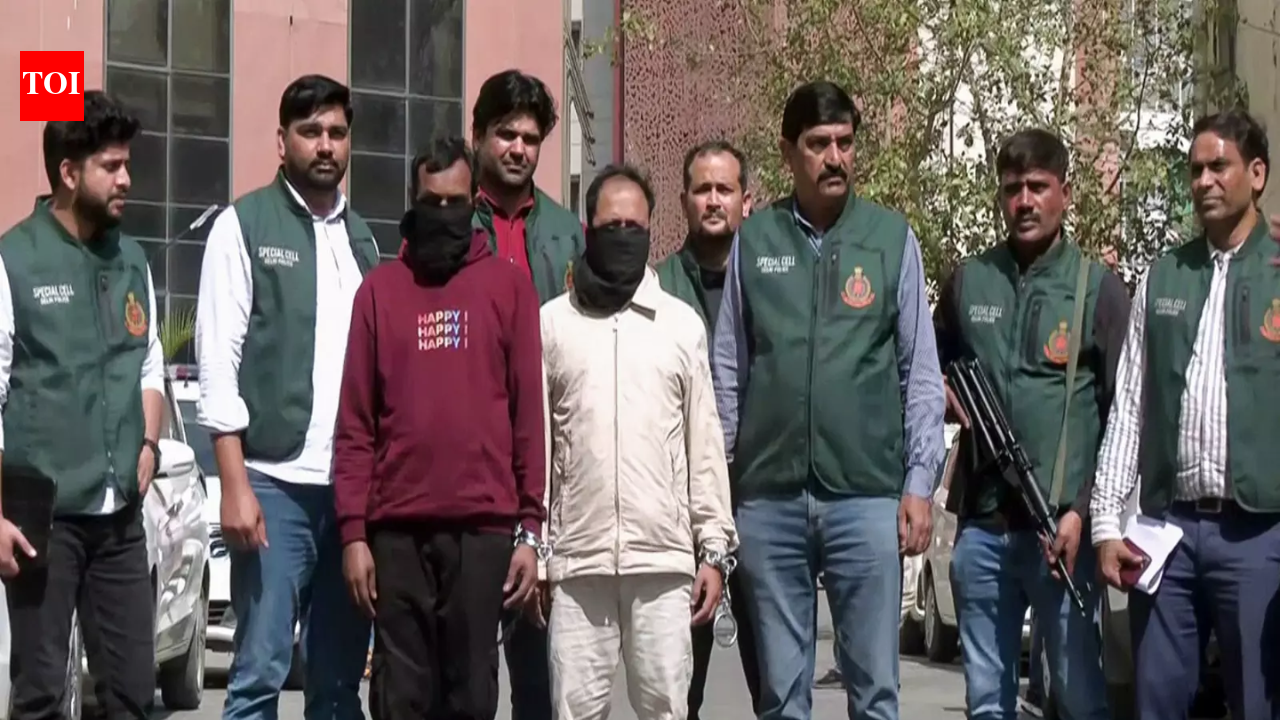
NEW DELHI: The Bangladesh-based terror module recently dismantled by Delhi Police was allegedly run by Shabir Ahmed Lone, an operative investigators say maintained direct links with senior Lashkar-e-Taiba (LeT) commanders.Lone was also in touch with 26/11 mastermind Hafiz Saeed and operations chief Zaki-ur-Rahman Lakhvi.Delhi Police on Monday said it had busted a terror module linked to Pakistan-based LeT handlers operating from Bangladesh, arresting eight suspects and averting what officials described as a “major untoward incident”.

Who is Shabir Ahmed Lone

Investigators describe Lone as a long-time Lashkar-e-Taiba associate who has been on security agencies’ radar for nearly two decades. He’s a resident of Ganderbal in Kashmir, currently based in Bangladesh.He was arrested in 2007 with an AK-47 rifle and grenades and was allegedly part of a planned fidayeen attack targeting a senior political leader.He spent about a decade in jail on terrorism charges before being released on bail in 2019. Officials say that after his release he fled to Bangladesh, where he re-established contact with Lashkar-e-Taiba leadership and rebuilt his network.“Initial investigations have revealed that he reconnected with the LeT leadership and re-established his organisation to carry out terrorist activities,” Special Cell Additional CP Pramod Kumar Kushwaha said.Delhi Police sources say Lone was operating the India-based module on behalf of LeT and remained in direct touch with its top commanders. His alleged contact with Hafiz Saeed places him in the upper tier of the group’s external operations network, investigators believe.According to investigators, Lone coordinated activities from Bangladesh through encrypted messaging platforms and intermediaries. He was allegedly tasked with recruiting and radicalising undocumented Bangladeshi migrants in India, arranging fake identity documents such as Aadhaar cards, and setting up logistics bases, including a rented safe house near Kolkata.Police also linked the network to anti-India posters that appeared in Delhi and Kolkata, which were allegedly printed in Kolkata after a PDF was sent from Bangladesh by Lone.

Arrests and suspected attack plans

The eight arrested suspects, picked up from Tamil Nadu and West Bengal, were allegedly working in the garment sector while concealing their identities with forged documents.Security agencies are probing whether the group was planning attacks on a temple or other crowded locations in Delhi. Alerts had earlier warned of a possible improvised explosive device (IED) strike near the Red Fort and other high-footfall areas.Authorities are also examining whether the network had any link to the November 2025 car blast near the Red Fort that killed 12 people. Lone, believed to be in Bangladesh, remains a key figure in Lashkar-e-Taiba’s cross-border recruitment and operational network targeting India.


Source link

India unveils its first-ever counter-terrorism policy; proportionate reply to attacks part of ‘Prahaar’ | India News


India unveils its first-ever counter-terrorism policy; proportionate reply to attacks part of 'Prahaar'

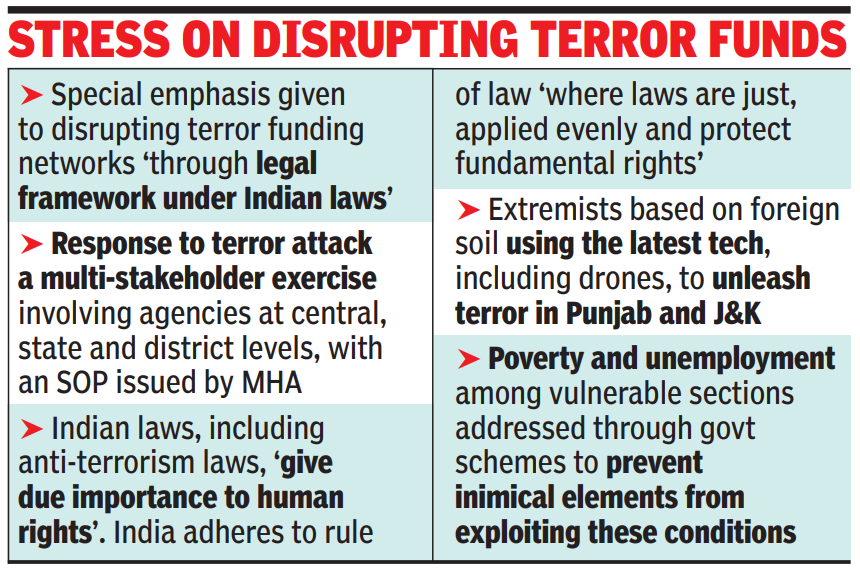
NEW DELHI: Government on Monday unveiled the country’s first-ever anti-terror policy elevating its “pro-active and intelligence-guided” approach to the level of a doctrine, which focuses, apart from the persisting threat of “hostile neighbours” deploying terror, on the new challenges of terrorists using modern communication devices and criminal networks.‘Prahaar’, an acronym for India’s comprehensive counter-terrorism policy and strategy, aims at criminalising all terrorist acts and starving terrorists, their financiers and supporters of funding, weapons, safe havens and cyber resources.The policy rests on seven key pillars, represented by each letter of the acronym. It focuses on ‘prevention’ of terror attacks; ‘responses’ that are swift and proportionate; ‘aggregating’ of internal capacities for a whole-of-govt approach; ‘human rights’ and rule of law-based processes for mitigation of threats; ‘attenuating’ the conditions enabling terrorism, including radicalisation; ‘aligning’ international efforts to counter-terrorism; and ‘recovery’ through a whole-of-society approach.

Screenshot 2026-02-24 050803

.

Stating that India has been at the forefront of the fight against terrorism, the policy refers to ‘neighbours’ which use terrorism as an instrument of the state, highlighting threats from jihadi outfits as well as global terrorist groups such as ISIS and Al-Qaeda.

Prahaar aims at graded police response to radicalisation

Describing the way forward, the policy hints at the scope for further collaboration among various agencies on intelligence collection and investigation. While seeking amendments in the counter-terror legal framework “from time to time”, it underlines the continual need for building capacity of state-level counter-terror mechanisms and unity in their structure, resources, training and investigation methods.Stating that violent extremists based on foreign soil are using the latest technologies, including drones, to unleash terror in Punjab and J&K, the policy flags the use of organised criminal networks for logistics and recruitment, for executing terror strikes in India.

Prahaar calls for global cooperation to tackle terror

Also, drawing attention to the use of social media and instant messaging apps for terror communication and propaganda, the policy concedes how encryption, dark web and crypto have allowed terror groups to operate with anonymity.With foreign-based terror groups relying on infrastructure, logistics and terrain knowledge of local outfits for trans-national terror attacks, Prahaar emphasises the need for international cooperation and collaboration, including to counter the misuse of information and communications technology (ICT) by terrorists, with investments in technology and partnerships with private enterprise.The counter-terror strategy aims at preventing attacks with a ‘pro-active and intelligence-guided’ approach with synergy among the central and state agencies. Similarly, it calls for pro-active disruption of cyber activities of terror groups and continuous disruption of overground worker networks by the law enforcement agencies (LEAs).For timely counter-terror response, the strategy requires all stakeholders at central, state and district level to have a uniform anti-terror structure and standard procedures. As regards “aggregating” capacities, LEAs and security agencies must be modernised with the latest tools, technology and weaponry. Prahaar also seeks to safeguard human rights with legal processes that allow multiple levels of redressal and appeal to terror accused.The policy aims at graded police response to radicalisation with legal action dependent on the level of radicalisation. At the same time, socio-economic conditions of vulnerable youths and groups must be addressed with education and constructive engagement, in addition to de-radicalisation programmes.The need to align and shape international efforts against terrorism with treaties and processes like extradition, deportation as per UN norms are also outlined.


Source link