Breaking News
Rupee touches new low! Currency crosses 90 level mark against US dollar – Why is it important?

[ad_1]

Rupee touches new low! Currency crosses 90 level mark against US dollar - Why is it important?

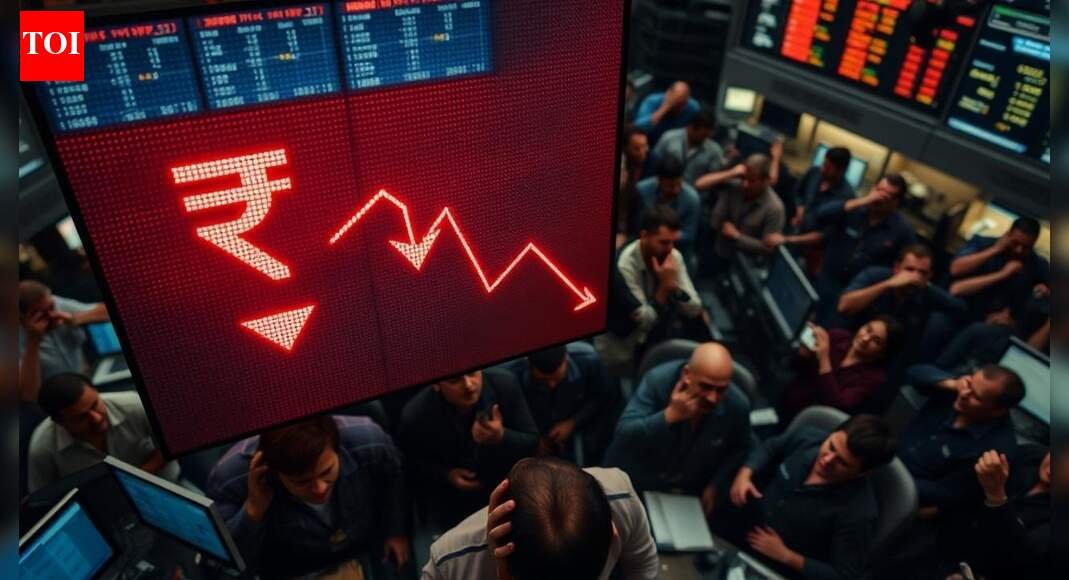
Rupee extended its downward momentum on Wednesday, falling 9 paise to hit its lowest level of 90.05 against US dollar in early trade. With this, the currency continued its week streak, recording new lows since the week began. Earlier on Tuesday, Rupee fell 42 paise to close at 89.95 against the US dollar further down from Monday’s levels, when it tumbled down by eight paise to end at 89.53 against the greenback.This year, Rupee has already fallen over 4%, shedding 0.8% in November alone.The decline was largely driven by banks purchasing US dollars at higher levels and continued FII outflows. However, according to forex experts, a weaker dollar index and falling global crude prices helped limit the drop. Analysts also noted that both domestic and international factors influenced the movement, particularly the strong US dollar and the ongoing delay in the first tranche of the India-US BTA (trade deal).Anil Kumar Bhansali, head of treasury and executive director at Finrex Treasury Advisors LLP told PTI, “the rupee has been weakening with the Government of India and the Reserve Bank of India (RBI) wanting to help exporters and may have kept the dollar well bid in the past few days.” “Nationalised banks were buying dollars at higher levels consistently yesterday (Tuesday)… There was a deal at 90.0050 after the close of market hours on the trading platform. The stalled India-US trade talks and heavy FPI outflows are causing this fall in rupee despite a weakening dollar index,” he further added.

Why is the 90 level mark crucial?

As Rupee has breached the 90 level threshold, the market could push the currency further down the line. Anindya Banerjee, head of commodity and currency at Kotak Securities, pointed out that the 90 level holds major psychological significance for the rupee. “A cluster of buy-stop orders likely sits above it. This is precisely why the RBI must remain active below 90; if the pair starts sustaining above this zone, the market could quickly shift into a higher trending phase toward 91.00 or even higher.” He further said that it is crucial for the central bank to prevent speculators from becoming too confident in a one-way move, as such sentiment could lead to an unnecessary spike in rupee volatility.

Analysts weigh in:

Is this the last fall? Bhansali said that the currency might fall further, hitting 91 levels in this cycle if the RBI support eases at 90. He further added that as the MPC meeting begins on Wednesday, “a rate cut by the RBI could invite further selling of the rupee.” The outcome of the MPC meeting is scheduled to be announced on December 5. Meanwhile, the dollar index — which measures the greenback against a basket of six major currencies — was down 0.13% at 99.22.Prithvi Finmart also told ANI that the currency might keep fluctuating this week. “We expect a rupee to remain volatile this week amid volatility in the dollar index, volatility in the domestic equity markets and ahead of the US Fed monetary policy meetings and a pair could trade in the range of 88.5500-90.6000 this week.” A Bank of Baroda report by economist Aditi Gupta highlighted that the rupee’s November slide was particularly striking given that the US dollar had actually weakened during the same period. “The depreciation in INR was more pronounced (in November) if we consider the fact that the dollar weakened in the same period. Strong demand from importers, low foreign inflows, uncertainty over US trade deal and an elevated trade deficit, weighed on the domestic currency,” the report stated. Gupta also pointed out that even a stronger-than-expected GDP print failed to lift sentiment, with the rupee continuing to hover at a fresh low. “We expect USD/INR to trade in the range of 89-90/$ this month,” the report read.Reversal is on the horizon?According to VK Vijayakumar, chief investment strategist at Geojit Investments Limited, the trend might reverse once the India-US deal is sealed.“The rupee depreciation will halt and even reverse when the India-US trade deal materialises. This is likely this month. A lot, however, will depend on the details of the tariffs to be imposed on India as part of the deal.”“A real concern now, which has contributed to the slow drifting down of the market, is the continued depreciation in the rupee and fears of further depreciation since the RBI is not intervening to support the rupee. This concern is forcing the FIIs to sell despite the improving fundamentals of rising corporate earnings and strong rebound in GDP growth,” the analyst further added.Dharmakirti Joshi, chief economist at CRISIL Limited, also believes the rupee may be nearing a turning point. Speaking to ANI about the currency’s persistent depreciation and the outlook ahead, he said he expects a rebound. “My belief is that if you get a trade deal (with the US), I think the depreciated rupee will again start appreciating, and I think it also depends quite a lot on what the global financial conditions are and our expectation is that rupee will strengthen from these levels in the months ahead,” Joshi said. He also stressed that fluctuations are a natural part of currency markets. “If you see the history of the Rupee since 2013-14, the taper tantrum period, I think we have seen periods when the Rupee weakens much faster. And there are periods when it strengthens also,” he said.


[ad_2]

Source link
Russian influencer dies after extreme weight gain challenge: How an attempt like this puts pressure on your heart and digestive system

[ad_1]

Russian influencer dies after extreme weight gain challenge: How an attempt like this puts pressure on your heart and digestive system

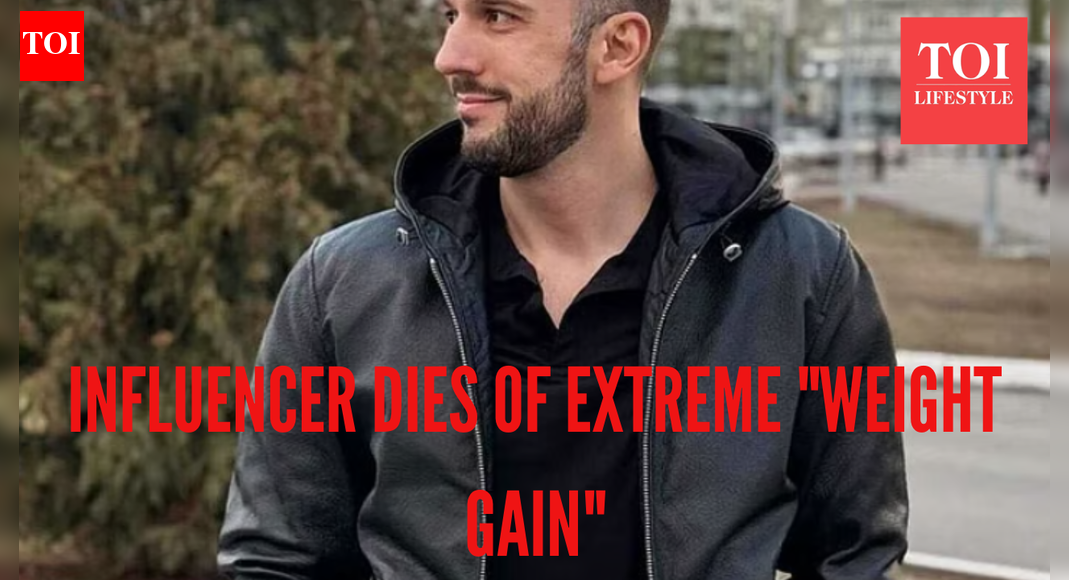
In a shocking incident, a 30-year-old Russian fitness trainer Dmitry Nuyanzin, died from heart failure after consuming 10,000 calories per day for multiple weeks, during his weight gain challenge. The trainer planned to gain 25 kgs through eating junk food, including cakes, dumplings, pizzas and burgers, before starting his weight loss program. A couple of weeks into the challenge, he stopped his training sessions, because of exhaustion, and soon died during his sleep which demonstrated the dangerous nature of extreme eating dangers.The fatal challenge unfoldsThe social media posts of Nuyanzin showed his daily consumption of high-calorie foods, which included breakfast pastries with ice cream, large meals with mayonnaise-covered dumplings, and fast food dinner. His body reached critical levels of metabolic stress, which probably caused cardiac arrest because of his excessive food consumption. The death of the influencer received widespread grief from his friends and social media followers, who described it as a preventable tragedy caused by dangerous stunts. People who participate in such challenges fail to recognize warning signs which include shortness of breath and chest pain. because these symptoms indicate an impending disaster.

3

What happens to the heart when one “suddenly” gains weightResearch indicates that middle-aged people who gain 5% of their body weight, develop thicker heart muscles which reduce their heart function, and increase their risk of developing heart failure. In young adults, obesity links to enlarged hearts and poor function by age 60, with effects accumulating from early overfeeding. The risk of heart disease increases independently of other factors, when people become overweight because they develop 22% higher stroke risk and obese individuals face 64% higher stroke risk.The consumption of high-fat and high-sugar foods leads to elevated triglycerides and decreased good cholesterol, which results in artery hardening and blood pressure elevation. Research showed that people who received 800-1000 extra calories per day through overfeeding, developed fast increases in their blood pressure and cardiac output. The development of sudden cardiac arrest in people with obesity occurs because of their associated medical conditions including high blood pressure, and coronary artery disease. The increase of systolic blood pressure by 3 mm Hg occurs with each 22-pound weight gain, which results in a 24% higher stroke risk. The worldwide death toll from heart disease and its related conditions reached 3.7 million in 2021 because of higher BMI levels.Pressure on the digestive systemThe stomach expands to abnormal sizes when people eat too much, which results in stomach discomfort and prolonged acid exposure, that damages the esophagus. The stomach experiences increased pressure from abdominal fat, which leads to worse acid reflux symptoms, and increases the risk of developing gastroesophageal reflux disease (GERD). The stomach retains food for longer periods, when people eat quickly, which leads to stomach lining irritation and increases their risk of developing gastritis and ulcers. People who are overweight face elevated risks of developing gallstones and fatty liver disease and pancreatic disorders because their bodies experience continuous overload.

3

The additional weight creates digestive problems, which lead to gallbladder issues, diverticula and inflammatory bowel diseases, including Crohn’s disease. The abnormal eating patterns from these challenges, create digestive problems which produce chronic inflammation, that increases the risk of developing esophageal cancer in the long run.Why it can turn deadlyThe heart experiences fatal failure when obesity develops rapidly because of inflammation, fibrosis and systolic dysfunction. The hearts of young obese victims who died suddenly, were found to be twice as heavy as normal hearts, which indicated fatal heart remodeling according to autopsy results. The practice of binge eating creates an independent risk factor for developing metabolic syndrome, which leads to heart-related medical events. The risk of death increases by 44% for people with mild obesity, but reaches 250% for those with severe obesity.Though some heart failure patients with obesity survive longer in an “obesity paradox,” this does not apply to people who experience sudden weight gain without pre-existing medical conditions. The fatal cardiac arrest occurred because Nuyanzin failed to recognize his fatigue symptoms. The fast weight gain period creates a 20-fold increase in diabetes development, which adds to the existing cardiac problems.Safe ways to avoid these risksExercise together with controlled calorie intake, helps people stay healthy without causing heart or digestive problems, that result from eating junk food. Medical professionals advise patients to track their BMI, blood pressure readings, and reflux symptoms whenever they experience weight changes. People who want to stay healthy should adopt portion control, and eat fiber-rich foods while getting regular medical check-ups instead of trying dangerous weight gain methods. People should stay away from viral weight gain challenges because they need to consult fitness experts for proper weight gain training.Disclaimer: This article is informational only and not a substitute for medical advice


[ad_2]

Source link

‘One God for vegetarians, one for …’: Telangana CM Revanth Reddy’s remarks on Hindu deities sparks row | Hyderabad News

[ad_1]

‘One God for vegetarians, one for …’: Telangana CM Revanth Reddy's remarks on Hindu deities sparks row

HYDERABAD: Telangana chief minister A Revanth Reddy on Tuesday addressed the executive meeting of the state Congress, highlighting the diversity within the party and drawing an analogy with Hindu religion.“The Congress takes along all types of individuals. One says he will worship Lord Venkateswara, another says he will worship Hanuman. When we could not bring consensus on gods, I don’t think we can have consensus on political leaders and DCC presidents,” he said, according to news agency PTI.He further explained the variety of Hindu worship practices, saying, “How many gods are there for Hindus? Three crores? There is Hanuman for those who are not married. There is another god for those who marry twice. There are local deities where toddy and non-vegetarian food are served during certain events and there are gods worshipped by those who eat ‘dal rice’ (vegetarians).”The CM’s comments came amid reports of unease within the Congress over the appointment of new District Congress Committee (DCC) chiefs.BJP leaders in Telangana, including Union Ministers G Kishan Reddy and Bandi Sanjay Kumar, criticized the remarks. In a statement, Kishan Reddy said the chief minister, during the recent Jubilee Hills bypoll campaign, had stated that “Congress means Muslims and Muslims mean Congress”.The CM appears to be making arrogant comments against Hindus and Hindu gods and goddesses because of his friendship with the AIMIM, he said. “The time has come for Hindus to unite in Telangana also. The time has come to show the power of Hindus to Revanth Reddy and Congress party,” he said.Sanjay Kumar added, “Hindu society should think now whether they want to face insults by remaining divided or show their power by ensuring unity. BJP never insults other religions. BJP respects all religions.”State BJP president N Ramchander Rao announced protests across Telangana on December 3 against Revanth Reddy’s comments, including the burning of effigies.


[ad_2]

Source link
Stop SC benefits to converted christians, HC instructs UP | India News

[ad_1]

Stop SC benefits to converted christians, HC instructs UP

PRAYAGRAJ: Allahabad high court has directed the Uttar Pradesh govt to ensure that anyone who converts to Christianity automatically forfeits all Scheduled Caste benefits, failing which it would be construed as a “fraud on the Constitution and contrary to the ethos of reservation policies”.Justice Praveen Kumar Giri’s Nov 21 order cites Paragraph 3 of the Constitution (Scheduled Castes) Order, 1950, specifying that nobody other than a Hindu, Sikh or Buddhist can be deemed a member of an Scheduled Caste community.The court directed the principal secretary of the minorities welfare department to take appropriate steps to ensure that the distinction between minority and SC status was strictly enforced.The court said retention of SC status after conversion would amount to fraudulently claiming benefits since there is no caste system in Christianity.It fixed a timeline of four months for all district magistrates to act in accordance with the law to identify and prevent such occurrences.Justice Giri passed the order while dismissing a plea filed by a man accused of “mocking Hindu deities” and promoting enmity.The appellant, Jitendra Sahani, had petitioned the court to quash the charge sheet in the case on the ground that he had sought permission from the authorities to “preach the words of Jesus Christ on my land”.Justice Giri noted that Sahani mentioned his religion as “Hindu” in his affidavit, although he had converted to Christianity.It transpired that the appellant was from the SC community before his conversion.A witness in the case alleged that Sahani ridiculed the Hindu faith by claiming it offered no respect due to caste hierarchies, whereas embracing Christianity would lead to “jobs, business growth and financial benefits from the missionaries”.The court mentioned a recent Supreme Court judgment – C Selvarani Vs special secretary-cum-district collector 2024 – in which the bench held that a person ceases to belong to a particular caste after converting to Christianity.


[ad_2]

Source link

2 lakh acute respiratory caseslinked to pollution: Govt | Delhi News

[ad_1]

2 lakh acute respiratory caseslinked to pollution: Govt

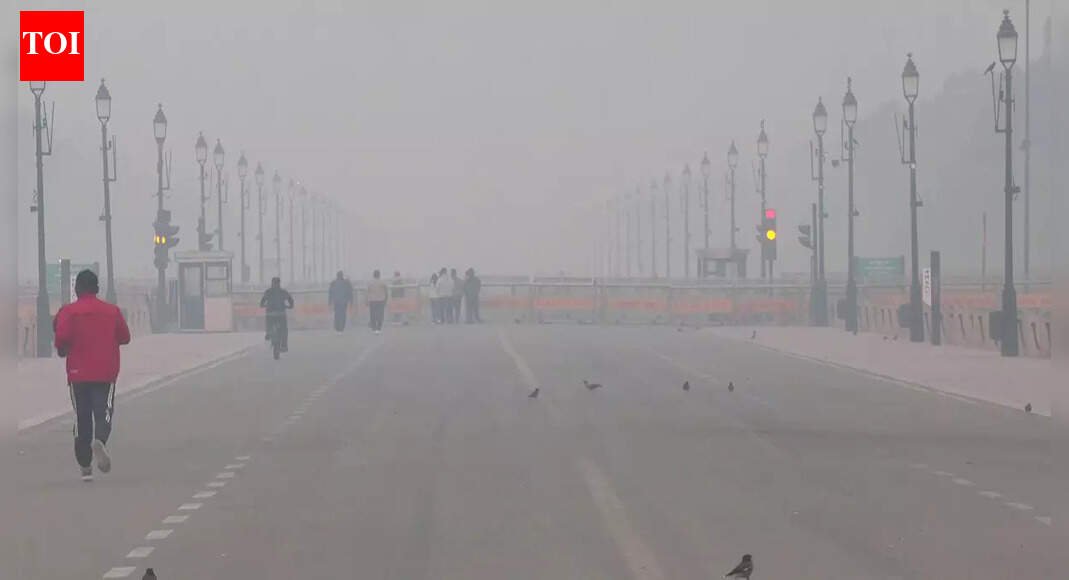
NEW DELHI: What India’s metros are breathing may have a link with rising acute respiratory illness (ARI) cases hospitals are logging. There were 2 lakh ARI cases in Delhi during 2022-24, with thousands needing hospitalisation — a surge the health ministry Tuesday linked to rising air pollution, while noting that the causal pathways remain complex. Responding to a question by Dr Vikramjit Singh Sahney in RS, junior health minister Prataprao Jadhav said polluted air is a “triggering factor” for respiratory diseases, and worsening air quality in urban centres is being closely monitored through an expanding national surveillance system.Govt data shows that Delhi’s six central hospitals together reported 67,054 ARI emergency cases in 2022, 69,293 in 2023, and 68,411 in 2024, with admissions rising from 9,878 to 10,819 over the same period. Similar spikes were seen in Chennai and Mumbai, where thousands sought emergency care for breathing difficulties during severe pollution episodes. According to the Health Ministry, the impact of polluted air is shaped by multiple factors — including food habits, occupation, socio-economic conditions, immunity and medical history — making some people far more vulnerable than others.To capture these patterns in real time, the National Centre for Disease Control (NCDC) now operates over 230 sentinel surveillance sites across 30 States and UTs. Digital ARI surveillance was also launched in August 2023 through the Integrated Health Information Portal.


[ad_2]

Source link
Govt softens stand on pre-installation of Sanchar Saathi | India News

[ad_1]

Govt softens stand on pre-installation of Sanchar Saathi

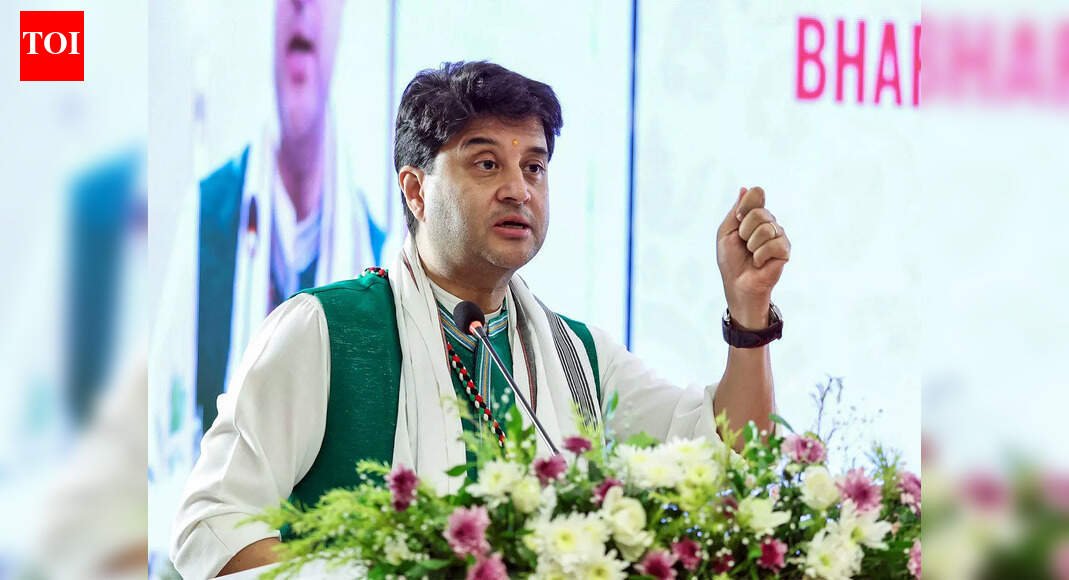
DoNER minister Scindia (File photo)

NEW DELHI: A day after a furore erupted over its decision to mandate pre-loading of state-run Sanchar Saathi app on all new smartphones, govt Tuesday said users are free to delete the application if they do not want to have it on their devices.Amidst concerns over violation of user privacy, communications minister Jyotiraditya Scindia emphasised that the fears were unfounded and added that the app was to protect the users from cyber frauds.Scindia asserted that there is no chance of snooping or call monitoring through the app. “It is our responsibility to make this app reach everyone. If you want to delete it, delete it. If you don’t want to use it, don’t register it. If you register it, it will remain active. If you don’t register it, it will be inactive,” he told reporters outside Parliament.Sanchar Saathi order is for phone makers, not users: GovtCommunications minister Jyotiraditya Scindia Tuesday said mobile users were free to delete Sanchar Saathi app if they wished. However, the department of telecom’s Nov 21 order mandates the pre-installation of the app on phones under the Telecommunications (Telecom Cyber Security) Rules, 2024, and its further amendments. Not doing this will lead to action under the Telecommunications Act, 2023, the Telecom Cyber Security Rules, 2024 (as amended).Also, the govt order had instructed manufacturers to “ensure that the pre-installed Sanchar Saathi application is readily visible and accessible … and that its functionalities are not disabled or restricted”.However, govt sources said the phrase is a direction to manufacturers, not a restriction on users.“It simply means manufacturers must not hide, cripple or pre-install a non-functional version of the app and later claim compliance. Nowhere it has been mentioned in the above clause that the Sanchar Saathi app cannot be uninstalled by the end user. It is up to the citizen if he wants to enable and register Sanchar Saathi or wants to uninstall it. Users remain free to uninstall or delete Sanchar Saathi if they do not wish to use it, as clearly clarified by the govt,” the govt sources said.The move has already seen critics find a parallel to a similar mandate issued by the Russian govt in Aug, requiring pre-installation of state-backed messaging app, MAX.The Union communications minister said there have been more than 1.5 crore downloads of the Sanchar Saathi app, over 2.7 crore fraudulent mobile connections have been disconnected, and around 20 lakh stolen phones have been traced.Attempt to snoop on citizens, says CongCongress called the directive on installation of Sanchar Saathi app in phones as another attempt by BJP to snoop on citizens, with party president Mallikarjun Kharge citing Modi govt’s “record” of “Pegasus snooping” when it “hacked” the telephones of opposition leaders, judges, journalists and even Union ministers. Kharge said, “Why does the Govt want to know what citizens talk about with their family and friends?” Demanding a rollback , AICC general secretary KC Venugopal said, “Big Brother cannot watch us. This DoT directive is beyond unconstitutional.”Global mobile giants concerned over moveThe govt’s diktat to mobile phone makers to mandatorily pre-install the Sanchar Saathi app has raised alarm bells among top global players such as Apple, Samsung and Google. While not officially commenting on the matter, the companies are looking to take up the matter with govt representatives directly, while also raising it through industry body ICEA.“This is a violation of user privacy and also makes the devices susceptible on the cyber security front. We are concerned about this, and will take it up,” said an executive at one of the companies


[ad_2]

Source link

Haryana sports dept gives itself clean chit in deaths of teen basketballers | India News

[ad_1]

Haryana sports dept gives itself clean chit in deaths of teen basketballers

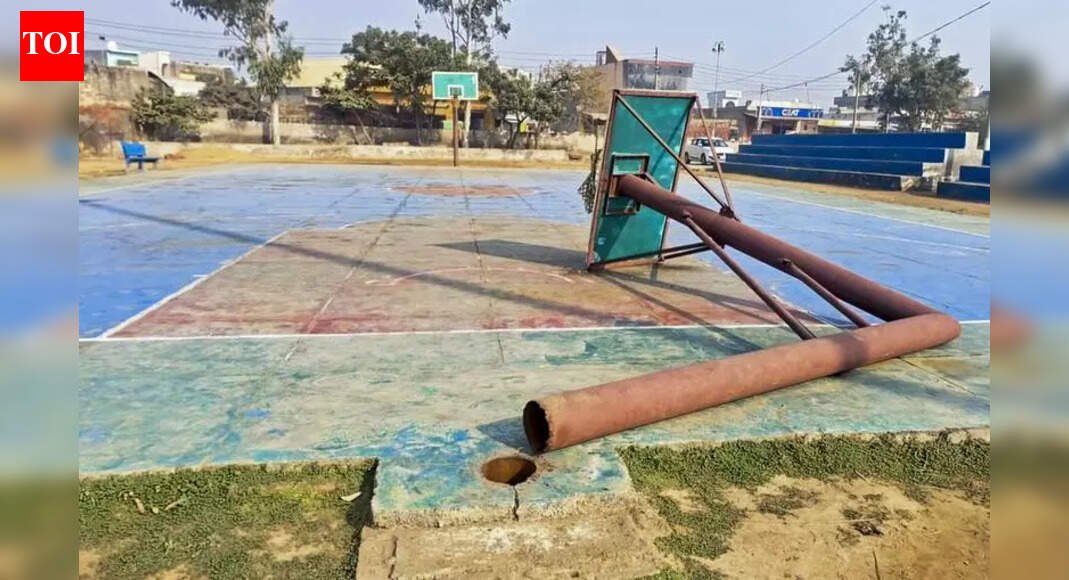
ROHTAK: The families are incensed. Aman’s father, Suresh Kumar, rejected the govt’s compensation of Rs 5 lakh. “We want an FIR against those responsible for my son’s death. It may not be ‘under the sports department’ on paper, but why did the department never intervene on safety? We do not want compensation or clean chits in the name of inquiries,” he said.Strangely, the Rohtak report was prepared by the same district sports officer (DSO), who was suspended after the incident. Hardik died on Nov 25 and DSO Anoop Singh was suspended the very next day. But the report signed by Anoop is dated Nov 26. Does it mean he submitted the report before his suspension? Which would indicate that he wrapped up the investigation into the boy’s death in a matter of hours and gave his department the clean chit.What’s more, the same report was endorsed by sports deputy director Sunita Khatri, who marked it to director-sports, Rohtak division, Panchkula, on Nov 27, while was (and is) still under suspension.


[ad_2]

Source link

India to soon commission 3rd nuclear submarine with ballistic missiles: Navy chief | India News

[ad_1]

India to soon commission 3rd nuclear submarine with ballistic missiles: Navy chief
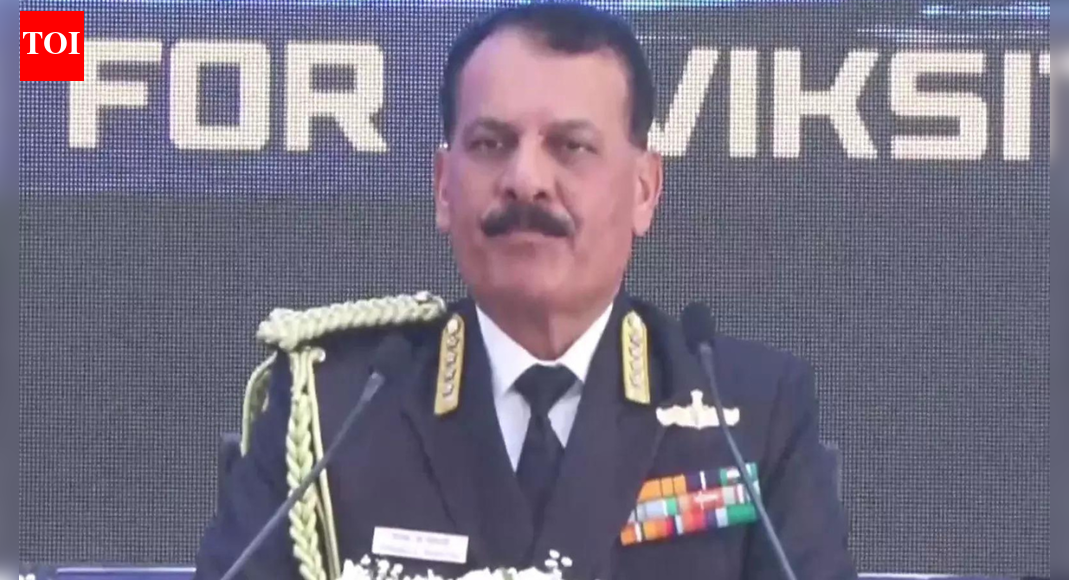
Navy chief Admiral Dinesh K Tripath

NEW DELHI: India will early next year add some sharp teeth to its sea-based leg of the nuclear triad by commissioning its third nuclear-powered submarine, which is larger than the first two and capable of carrying more long-range nuclear-tipped ballistic missiles.The third such submarine, called SSBN in naval parlance, is in “the final stages of trials and will be commissioned soon” as INS Aridhaman, Navy chief Admiral Dinesh K Tripathi said on Tuesday. Sources, in turn, said the fourth SSBN (codenamed S-4*), which will also have a displacement of 7,000-tonne like INS Aridhaman, is likely to be commissioned in 2027. The first two, INS Arihant and INS Arighaat, both with a 6,000-tonne displacement, became fully operational in 2018 and 2024, respectively.Parallelly, India will also get a nuclear-powered attack submarine (called SSN), armed with conventional or non-nuclear weapons for long-range hunting-killing missions, on a 10-year lease from Russia by 2027-28.The delivery of this advanced Akula-class SSN, which will be commissioned as INS Chakra-3, was to take place much earlier under the $3 billion deal with Russia in March 2019 but has been delayed due to the ongoing Ukraine war, as reported by TOI earlier.


[ad_2]

Source link

Trump sanctions: India’s crude imports from Russia at 5-month high – can it continue?

[ad_1]

Trump sanctions: India’s crude imports from Russia at 5-month high - can it continue?

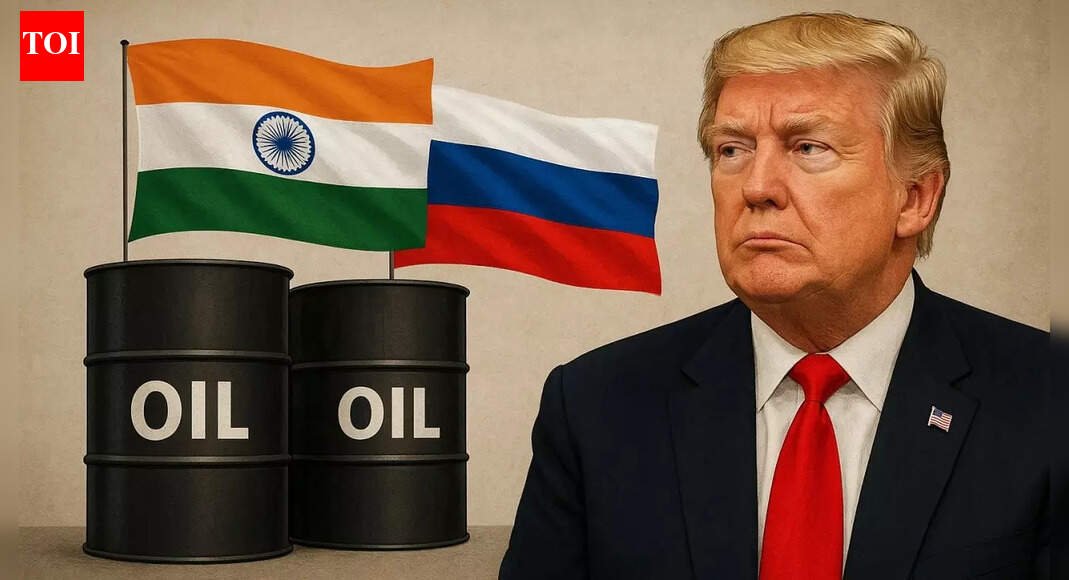
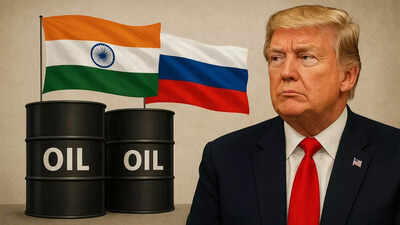
Russia has maintained its position as India’s primary supplier in November, providing over one-third of all crude oil imports. (AI image)

Donald Trump’s sanctions on Rosneft and Lukoil – two of Russia’s major crude firms – may result in India’s imports of oil from Moscow dropping – but will this shift be permanent? Analysts expect India to continue procuring Russian crude through non-sanctioned entities and even indirect and less transparent routes. In fact, Russian grade imports to India in November are set to reach a five-month peak, primarily due to increased purchases before the 21 November sanctions deadline. India’s crude oil imports from Russia have emerged as a major point of contention between New Delhi and Washington. The Trump administration’s 50% tariffs on India – one of the highest by the US – consist of 25% penal tariffs for India’s crude oil imports from Russia. The Trump government has accused India of indirectly funding Russia’s war against Ukraine through its crude oil trade.India has maintained its sovereignty in deciding its trade partners and procure energy through the economically advantageous channels. However, the Trump administration in October this year sanctioned two of the biggest Russian oil firms – major suppliers of crude to Indian refiners. For Trump, the sanctions may finally have the desired impact of Indian refiners reducing their crude oil purchases.How have the sanctions been playing out? Has India reduced its crude oil trade with Russia substantially? And what are India’s alternatives?

India-Russia crude oil trade: Important numbers

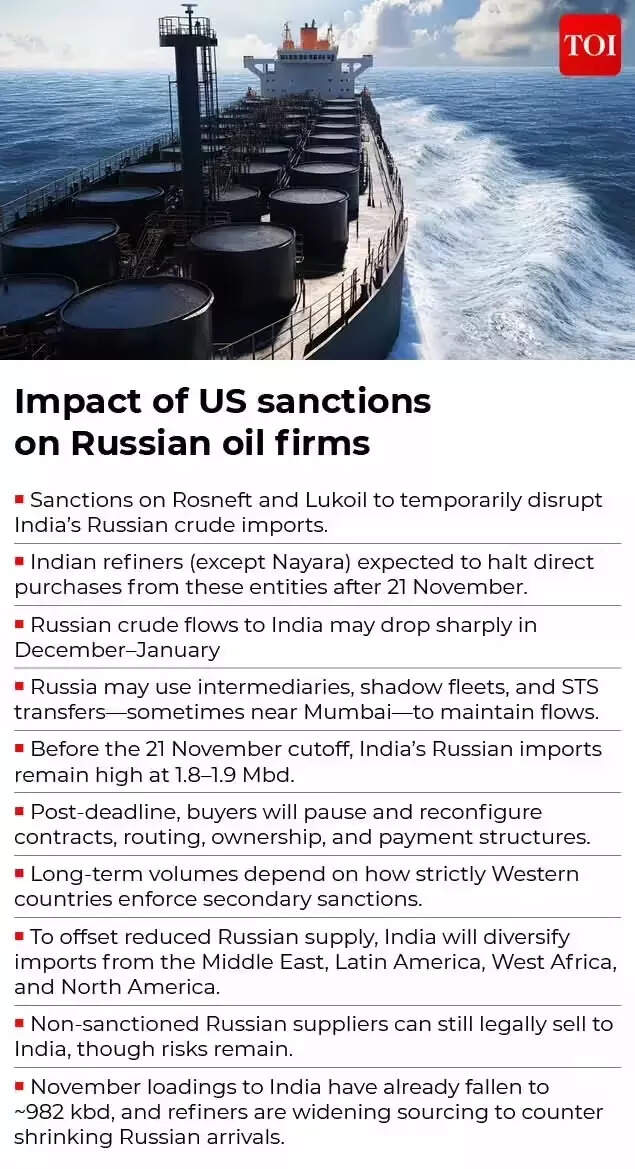
* India became the leading purchaser of Russian crude oil at discounted rates after Western nations boycotted Moscow in response to its invasion of Ukraine in February 2022. India, which traditionally sourced oil from Middle Eastern nations, substantially increased its Russian oil purchases as sanctions and diminished European demand made these barrels available at considerable discounts, raising Russia’s share from less than 1 per cent to approximately 40 per cent of total crude imports. *According to Kpler, a global real-time data and analytics provider, Russia has maintained its position as India’s primary supplier in November, providing over one-third of all crude oil imports.* This situation is likely to shift following the implementation of US sanctions on Rosneft, Lukoil and their majority-owned subsidiaries from November 21, effectively categorising crude associated with these companies as a “sanctioned molecule”.* These sanctions have prompted several companies, including Reliance Industries, Hindustan Petroleum Corporation Ltd (HPCL), HPCL-Mittal Energy Ltd and Mangalore Refinery and Petrochemicals Ltd to temporarily cease imports. Nayara Energy, supported by Rosneft, remains the sole exception, as it heavily relies on Russian crude after European Union sanctions effectively terminated supplies from other global sources. * Russian crude arrivals have maintained robust levels, with an average of approximately 1.8 mbpd, constituting over 35% of India’s total crude imports. Prior to November 21, import levels were higher at 1.9-2.0 mbpd as purchasers expedited shipments before the deadline, following which volumes have decreased. “It looks like refiners stocked up on crude ahead of the sanctions, planning to process it once the rules were in force,” says Sumit Ritolia, Lead Research Analyst, Refining and Modelling at Kpler.A notable decline in Russia’s exports to India has emerged since the OFAC sanctions announced on October 23, current shipping patterns and voyage data suggest. “We expect December arrivals to be in the range of 1.0 mbpd. This aligns with our earlier view that, in the short term, Russian flows could ease toward ~800 kbd before stabilising,” says Ritolia.Several factors contribute to November’s robust performance:* Expedited arrivals prior to 21 November deadline, with refiners enhancing scheduling efficiency and vessel turnaround times, especially for Rosneft- and Lukoil-associated shipments.* Strong domestic fuel requirements and intensive refinery operations during Q4, as Russian supplies remained the most cost-effective additional feedstock.* Enhanced performance at Nayara, operating predominantly on Russian grades, has been noticeable since September. Crude imports attained approximately 400 kbd through November, whilst refinery operations averaged 380-400 kbd in November, showing an increase of 20-25 kbd compared to October.

Will India stop buying Russian crude oil?

Refiners are implementing strategic adjustments for the intermediate future. These include engaging with non-sanctioned Russian entities, utilising less transparent trading channels, and increasing procurement from the Middle East, West Africa, and the Americas, says Kpler.“On the Russian side, the response has been highly adaptive, involving STS transfers near Mumbai, mid-voyage diversions, and more complex logistics to keep barrels moving and increase discounts. As long as broader secondary sanctions aren’t applied, India is likely to continue importing Russian crude—just through more indirect and less transparent routes,” says Ritolia.Concerning market sentiment, oil refiners point out that sanctions apply only to specific entities, not Russian oil in general. They maintain that purchases can proceed when dealing with compliant, non-sanctioned suppliers. The appealing price discounts continue to drive sustained demand.Kpler points out that the workaround is simple and already well-tested: continue buying Russian crude, but through intermediaries. If the barrels are supplied via third-party trading entities, entities that can credibly show they are not Rosneft/Lukoil, then refiners can keep accessing discounted supply while limiting the appearance of sanctionable contact, says Kpler. “This is a trend that has already started with new sellers emerging such as Tatneft, RusExport, MorExport or Alghaf Marine DMCC. However, November numbers may continue to adjust downward / upward as more destination-day and port-call data becomes available,” says Ritolia.

Impact of US sanctions

Impact of US sanctions

Importantly, Ritolia notes that while India’s oil imports from Russia are likely to decrease after sanctions, the decline is most likely to be temporary, allowing the supply chain to reorganise itself. “Unless more expansive secondary sanctions are introduced, India will continue to buy from a non-sanctioned supplier of Russian oil. The reasons are multiple: the geopolitical and economic dimensions are both essential. Political leaders will not want to be seen as bending down to US sanctions. At the same time, Russian barrels remain highly cost-competitive, and workarounds to maintain flows are likely to emerge. In particular, buyers may increasingly pivot to non-sanctioned Russian entities and opaque trading channels,” Sumit Ritolia says.

India’s procurement of US crude & other alternatives

India’s crude imports from the United States reached a peak of 568 kbd in October, the highest level since 2022, as per Kpler data. Although these imports decreased to approximately 450 kbd in November, they remained significantly above the year-to-date average of ~300 kbd. “These flows were almost certainly contracted before the recent US sanctions on Rosneft and Lukoil, given the 45–55-day voyage time, meaning the spike was not sanctions-driven but instead part of India’s ongoing effort to diversify its crude slate and strengthen energy security,” says Kpler.The primary drivers for this increase were economic factors, including a favourable arbitrage opportunity, an expanded Brent-WTI differential, and reduced Chinese demand, which made WTI Midland cost-effective on a delivered basis. However, the November decline indicates the limitations of this opportunity. Current export patterns suggest that December crude imports will likely decrease to 300-350 kbd, with subsequent levels expected to stabilise around ~300 kbd.The potential for substantial growth remains limited due to extended voyage times, increased freight costs, and WTI’s lighter, naphtha-rich composition.

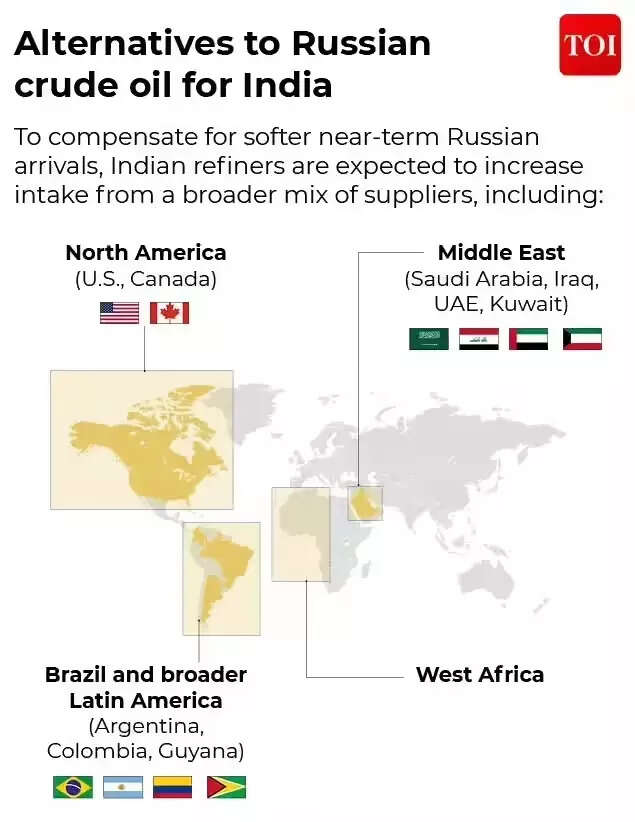
Alternatives to Russian crude

Alternatives to Russian crude

“Even so, the elevated US presence in India’s crude basket underscores the deepening strategic energy alignment between the two countries and supports India’s broader diversification strategy balancing security, economics, and geopolitics,” notes Kpler’s Ritolia.Indian refiners’ technical sophistication allows them to process various crude grades without operational challenges. The primary impact of reducing Russian volumes would be financial rather than technical. To address the temporary reduction in Russian oil supplies, Indian refineries are planning to expand their procurement from diverse sources including:

  • Middle East (Saudi Arabia, Iraq, UAE, Kuwait)
  • Brazil and broader Latin America (Argentina, Colombia, Guyana)
  • West Africa
  • North America (US, Canada)


[ad_2]

Source link

‘Chor ki daadhi mein tinka’: BJP defends Sanchar Saathi app; attacks Congress over privacy row | India News

[ad_1]

'Chor ki daadhi mein tinka': BJP defends Sanchar Saathi app; attacks Congress over privacy row
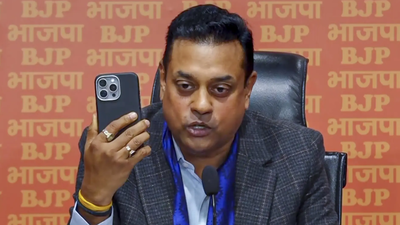
BJP MP and national spokesperson Sambit Patra (PTI)

NEW DELHI: BJP on Tuesday hit back at the Congress after the opposition accused the government of infringing on citizens’ privacy by directing smartphone makers to preload the Sanchar Saathi app on new devices.Taking a jibe at the Congress, BJP MP and national spokesperson Sambit Patra said, “I know who will delete it… ‘Chor ki daadhi mein tinka’ (a guilty conscience needs no accuser)”He also made a veiled reference to the National Herald case, in which Congress leaders Sonia Gandhi and Rahul Gandhi are accused. “You know very well who they are. An FIR has also been filed against them. They have swindled Rs 5,000 crore. At present, they are out on bail,” he told reporters at the BJP headquarters, as reported by PTI.Defending the app, Patra said it is designed to protect users from fraud and crime, not to monitor them, and emphasised that people are free to remove it from their phones if they do not wish to use it. “The app cannot read your messages. It cannot listen to your calls, incoming or outgoing. Sanchar Saathi cannot reach or breach your personal data.” He added that the app helps provide security, check fraud, track stolen mobile phones, and return them to their owners.Minister of communications Jyotiraditya Scindia also,clarified that the app will remain dormant unless users register on it, and can be deleted at any time.Congress has alleged that the directive reflects a “dictatorial” approach, calling Sanchar Saathi a “snooping app” and demanding that the move be withdrawn. Congress president Mallikarjun Kharge accused the government of trying to “strangulate the voice of the people”.Responding sharply, Patra said, “Mr Kharge, it is not meant to strangulate people’s voice but to secure their voice, and their mobile phones, without which life is difficult today. We need to secure the device. That is why the government has brought this app.”“You keep on spreading misinformation. But people know how to move on,” he added, as quoted by PTI.


[ad_2]

Source link