Breaking News
Is Netanyahu dead? Internet claims recent viral video of Israeli PM ‘AI-generated’ as it shows ‘6 fingers’, sets rumour mills running amid Iran vs US-Israel war

[ad_1]
Is Netanyahu dead? Internet claims recent viral video of Israeli PM 'AI-generated' as it shows '6 fingers', sets rumour mills running amid Iran vs US-Israel war
6 fingers and technical glitches: Internet claims Netanyahu’s war speech amid Iran vs US/Israel tensions is fake, ‘AI-generated’ video goes viral

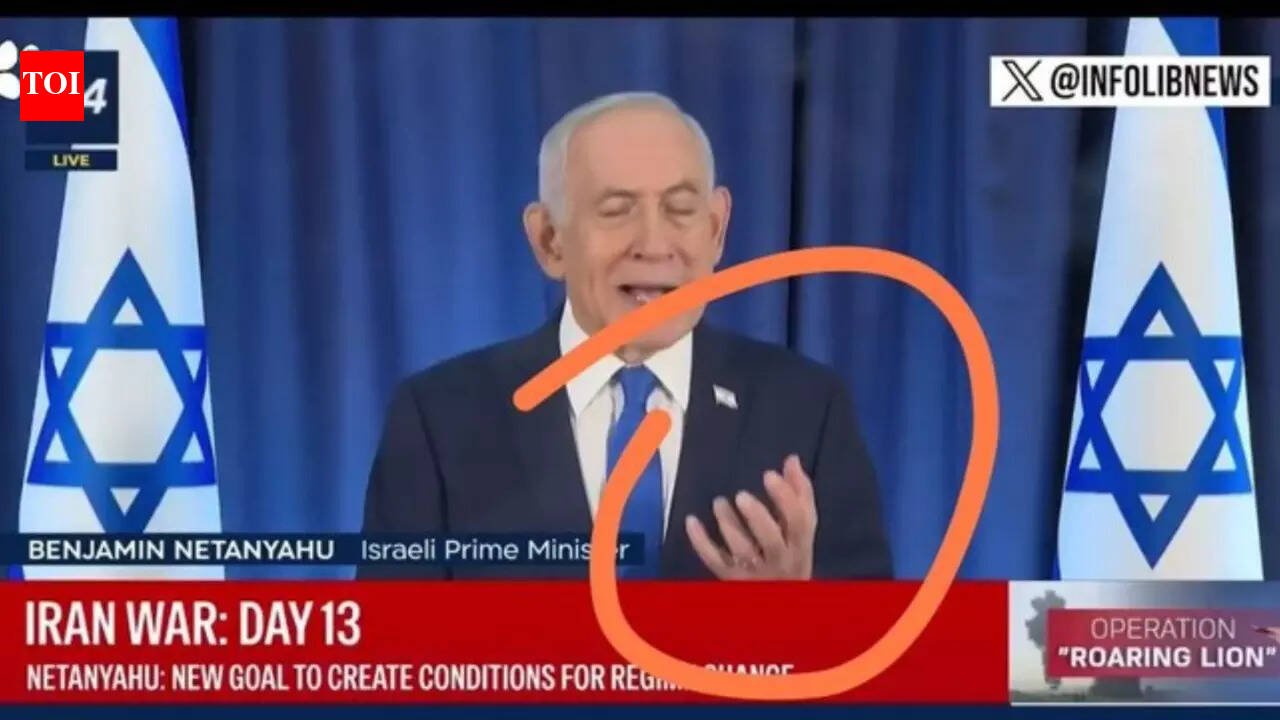
A new controversy is sweeping across social media after a recent video of Israeli Prime Minister Benjamin Netanyahu triggered a storm of speculation online, with thousands of users on X (formerly Twitter) claiming that the footage may have been generated or altered using artificial intelligence. The video, which surfaced amid the rapidly escalating Iran vs US-Israel war, has become the centre of an intense online debate.Screenshots, slowed-down clips and frame-by-frame analyses have circulated widely, with many users insisting the footage shows classic signs of AI-generated media. From claims of extra fingers to “digital glitches,” the clip has ignited what some observers describe as a full-blown Internet storm.

Netanyahu‘s speech that triggered the AI claims amid Iran vs US-Israel war

The speculation started when social media users began examining Netanyahu’s video address in microscopic detail. One particular frame quickly became the focal point of the debate. In that still image, Netanyahu’s hand appears distorted while gesturing near a microphone. Several users claimed that the image appeared to show six fingers instead of five, something frequently cited as a tell-tale sign of AI image generation. Generative AI tools have historically struggled to render human hands accurately. Due to this, distorted fingers have become one of the most recognisable markers people use when trying to identify synthetic images.Within hours, tweets and Instagram posts highlighting the supposed anomaly began spreading rapidly across social media platforms. Viral threads included zoomed-in screenshots with arrows pointing toward the alleged “extra digit,” accompanied by captions like, “Look closely at the hand”, “Classic AI finger glitch” and “This video is clearly synthetic”. The posts collectively amassed millions of views, pushing the controversy into trending territory.

Hashtags and threads on Netanyahu’s speech fuel the rumour amid Iran vs US-Israel war

As the debate intensified, several hashtags linked to the video started trending on X. Some posts framed the clip as evidence of AI manipulation, while others suggested far more dramatic possibilities. A number of viral threads speculated that the video might be part of a digital propaganda strategy, potentially created to deliver messages during the ongoing war without requiring a live appearance.Other posts went even further, claiming the video was proof that political leaders are increasingly using AI avatars or synthetic footage during wartime communications. While one user shared, “BREAKING: LATEST VIDEO RELEASED BY THE ISRAELI GOVERNMENT SHOWS THAT IT WAS AI GENERATED BECAUSE NETANYAHU HAS 6 FINGERS Is Netanyahu dead? (sic)”, another tweeted, “Did this really happen? Why did Israel put out an AI speech by Netanyahu last night? In which the prime minister literally sported six fingers? Where is he? Where is Ben Gvir? And why is no western news outlet asking these questions? #Irán #Israel (sic)” and yet another posted, “There is no getting away from the fact that the video purporting to be Netanyahu 🇮🇱 is AI influenced Why has a man who basks in murder, lies & propaganda not been seen in public for days? Certainly the less the world sees of this monster the better (sic)”.While these claims remain unverified, they reflect how quickly online speculation can snowball into elaborate narratives during geopolitical crises.

The “deepfake era” and public suspicion amid Iran vs US-Israel war

The Netanyahu video controversy highlights a broader phenomenon unfolding across the Internet: deepfake paranoia. Artificial intelligence tools capable of generating hyper-realistic videos have improved dramatically in recent years. With the right software, it is now possible to produce videos of public figures speaking words they never actually said.Due to this technological shift, viewers have become far more sceptical about the authenticity of digital media. Today, when unusual visual artifacts appear in a video, whether a strange shadow, distorted hand or flickering background, many viewers immediately suspect AI manipulation. The Netanyahu clip arrived at precisely the kind of moment when such suspicions are most likely to explode.

War, propaganda and viral misinformation amid Iran vs US-Israel war

The video also emerged during one of the most volatile periods in Middle Eastern geopolitics in years. The ongoing confrontation involving Iran, Israel, and the United States has produced an enormous surge of wartime content online. Across social media platforms, users are already circulating alleged missile-strike footage, battlefield images, military announcements and satellite screenshots.Many of these posts turn out to be misleading, outdated or digitally altered. As a result, the environment is primed for suspicion. Every new video connected to the conflict faces intense scrutiny from online audiences trying to determine whether it is genuine. In this climate, even minor visual irregularities can spark widespread speculation.

The rise of “citizen video forensics”

Another factor behind the viral debate is the growing trend of crowdsourced media analysis. Instead of relying solely on journalists or investigators, social media users increasingly attempt to analyse viral videos themselves. In the case of the Netanyahu clip, users slowed down the video frame by frame, enhanced screenshots, used image filters to highlight edges and asked AI tools to evaluate the footage.This practice, sometimes called “citizen forensics”, has become a defining feature of the modern Internet. While it can occasionally uncover real digital manipulation, it can also lead to misinterpretations when technical artifacts are mistaken for deliberate alterations. However, once a suspicious screenshot begins circulating, the narrative can spread far faster than any attempt to clarify it.

Why hands keep becoming the Internet’s “AI detector”

The intense focus on Netanyahu’s hand is not accidental. Hands have become one of the internet’s most famous AI detection clues. Early AI image generators frequently produced bizarre hand shapes, extra fingers, or fused digits. As a result, Internet users now instinctively examine hands whenever they suspect an image or video might be AI-generated.Memes about “count the fingers” have even become a recurring joke in online discussions about artificial intelligence. So when a screenshot from the Netanyahu video appeared to show a distorted hand, the reaction was almost immediate.

Conspiracy culture in the age of AI

Beyond technical speculation, the controversy also reflects a deeper trend in online culture: the merging of AI fears and political conspiracy theories. The Internet has increasingly embraced narratives suggesting that public figures are replaced by digital doubles, speeches are generated by artificial intelligence and governments secretly deploy synthetic media for messaging.These theories flourish particularly during moments of uncertainty, when official information is limited and audiences search for alternative explanations. The Netanyahu video controversy fits squarely into this environment. Whether the video ultimately proves authentic or manipulated, the viral reaction itself reveals a profound shift in how audiences consume information.For decades, video footage was widely regarded as one of the most reliable forms of evidence but in the age of generative AI, that assumption is rapidly disappearing. Today, every clip, especially those involving political leaders, faces instant scrutiny from millions of online viewers armed with editing software, AI tools, and a healthy dose of scepticism.The Netanyahu video debate may therefore represent something larger than a single viral rumour. It may be a glimpse into the future of information warfare, where the battle is no longer just over events themselves but over whether people believe the images they see.

[ad_2]

Source link
‘Putin might be helping them’: Trump hints Russia could be aiding Iran

[ad_1]

‘Putin might be helping them’: Trump hints Russia could be aiding Iran

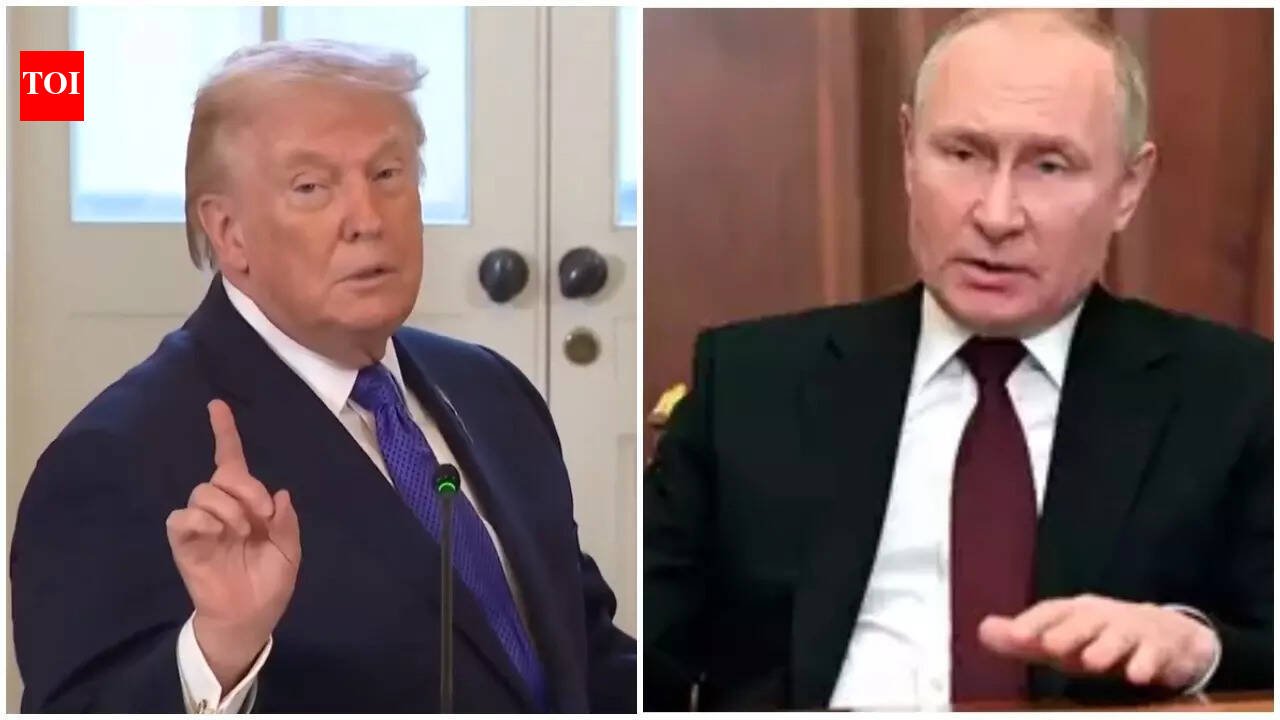
President Donald Trump on Friday said he believed that Russian leader Vladimir Putin was helping Iran in its war against the United States and Israel.Trump’s comment came in a radio interview with Fox News host Brian Kilmeade, and 1 week after the President lashed out at Fox News reporter Peter Doocy for asking him at the White House about reports that Russia was aiding Iran.Kilmeade asked Trump on Friday, “You think Putin is helping them?”

Iran Helps Putin Secure Big Win With Hormuz Blockade; Trump On Knees As U.S. Lifts Russian Oil Curbs

Trump replied, “I think he might be helping them a bit, yeah.”“I guess, and he probably thinks we’re helping Ukraine, right?” Trump continued.“Yeah, we’re helping them also,” Trump said, referring to Ukraine, which was at war against Russia since being invaded in early 2022.“So he [Putin] says that, and China would say the same thing, you know,” Trump told Kilmeade.“It’s like, ‘Hey, they do it, and we do it, in all fairness,’” Trump said. “They do it, and we do it.”Trump had a call with Putin on Monday.US special envoy Steve Witkoff told CNBC in an interview on Tuesday that during that call, “The Russians said they were not sharing” intelligence with Iran.“So, you know, we can take them at their word,” Witkoff said that day. “Let’s hope that they’re not sharing.”

[ad_2]

Source link

Iran allows two India-bound LPG vessels to pass through Strait of Hormuz: Report

[ad_1]

Iran allows two India-bound LPG vessels to pass through Strait of Hormuz: Report

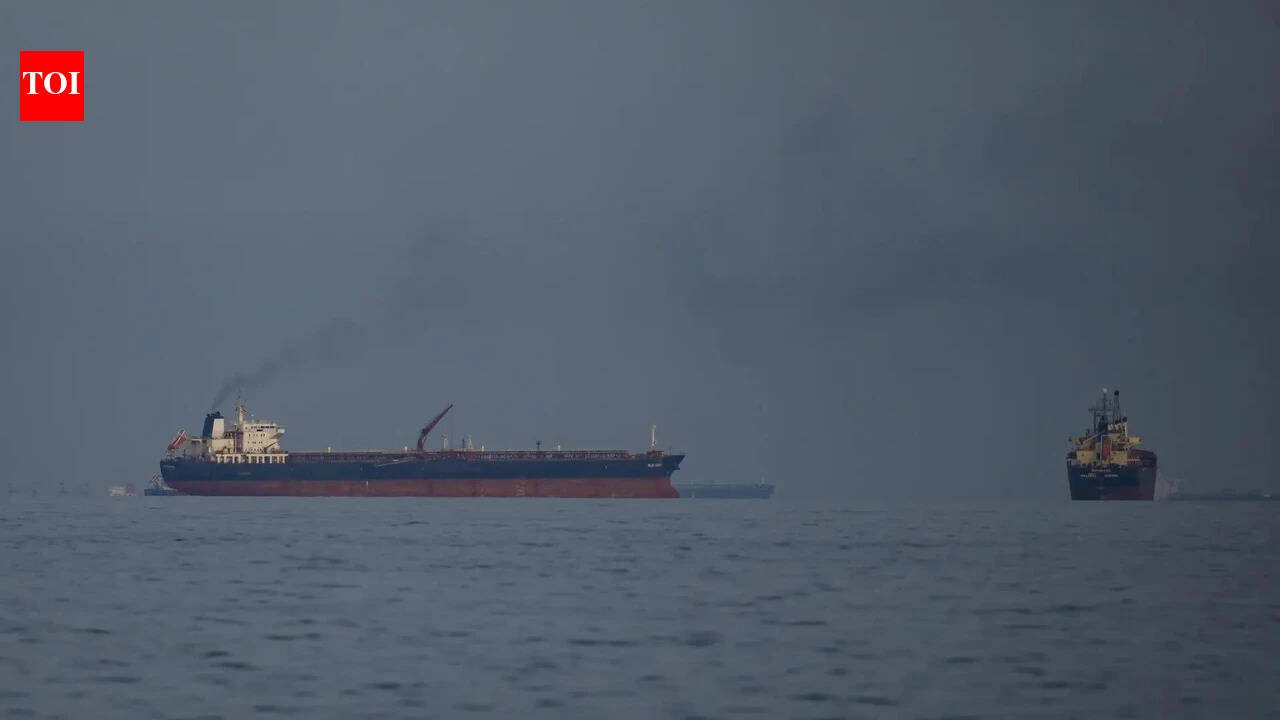
Iran has reportedly allowed two LPG tankers to pass through the Strait of Hormuz to sail to India, while concerns rise on supply diruptions in the country amid ongoing conflict in the Middle East.Additionally, a crude oil tanker carrying Saudi Arabian cargo is set to reach India on Saturday after passing through the Strait around March 1, according to two of the sources and ship-tracking data from Lloyd’s List Intelligence, also cited by Reuters.

‘Will Burn Gas & Oil Sites’: IRGC Shoots Chilling Warning To Trump & Israel Over Energy Strikes

The movement could help ease supply worries for India. This report comes just hours after Iran ambassador to India confirmed that India had safe access to the Strait of Hormuz. “Yes, because India is our friend. You will see it within two or three hours. We believe that Iran and India share common interests in the region,” said Mohammad Fathali on being asked on access for india.The Representative of Iran’s Supreme Leader in India, Dr Abdul Majid Hakeem Ilahi, also spoke about allowing Indian ships. “Actually, there have been some discussions concerning this, and I am sure that India will benefit from oil, gas, and other resources. But I think the complete solution is that the leaders of the world have to come together. They should go to the United States and convince President Trump that this war is an unjust war against civilians and that it has to stop. They should also put pressure on the Zionist regime to stop this war. We didn’t create this war, we didn’t initiate this war, we didn’t start this war… We are ready to share our blood on the earth, but we are not ready to sell our dignity,” he said.The Strait of Hormuz is among the world’s most vital maritime chokepoints for oil and gas trade, and any disruption to shipping through the passage has sparked concern among major energy-importing nations, including India.

[ad_2]

Source link

PAK vs BAN: Pakistan’s Hussain Talat hospitalised during 2nd ODI — what we know so far | Cricket News

[ad_1]

PAK vs BAN: Pakistan’s Hussain Talat hospitalised during 2nd ODI — what we know so far
Hussain Talat (Photo taken from X)

NEW DELHI: Pakistan all-rounder Hussain Talat was taken to hospital after suffering a shoulder injury during the second ODI between the Pakistan national cricket team and the Bangladesh national cricket team at Sher-e-Bangla National Cricket Stadium in Dhaka on Friday.The incident happened in the sixth over of Bangladesh’s chase when Talat sprinted towards the deep cover boundary to stop a shot played by Litton Das off a delivery from Mohammad Wasim Jr. As he tried to pull the ball back from the boundary, Talat stepped on the foam padding and crashed into the advertising boards.

EXCLUSIVE: Rahul Dravid on iconic Eden Gardens win against Australia in 2001

He landed heavily on his left shoulder and appeared to be in significant pain. Team staff and players rushed to help him before a stretcher was brought onto the field and he was taken to a nearby ambulance.Later, the Pakistan Cricket Board confirmed that Talat had suffered a shoulder injury and was taken to hospital for further tests. “Talat received immediate medical attention from the team’s medical staff on the field. Following the initial assessment, he has been taken to a hospital for a detailed examination. The nature and extent of the injury will be determined after the doctors complete further medical evaluation,” PCB said in a media release.Earlier in the match, Pakistan posted 274 all out in 47.3 overs after being put in to bat first. Maaz Sadaqat scored a quick 75, while Salman Agha added 64 and Mohammad Rizwan made 44.Bangladesh struggled early in the chase and were 27/3 in 6.3 overs, with Shaheen Afridi taking two wickets and Mohammad Wasim Jr picking up one before rain interrupted play. Bangladesh still needed 248 runs when the match was halted.

Banner Insert

[ad_2]

Source link

US-Iran war: All 6 crew members dead after American KC-135 refuelling aircraft crashes in Iraq

[ad_1]

US-Iran war: All 6 crew members dead after American KC-135 refuelling aircraft crashes in Iraq
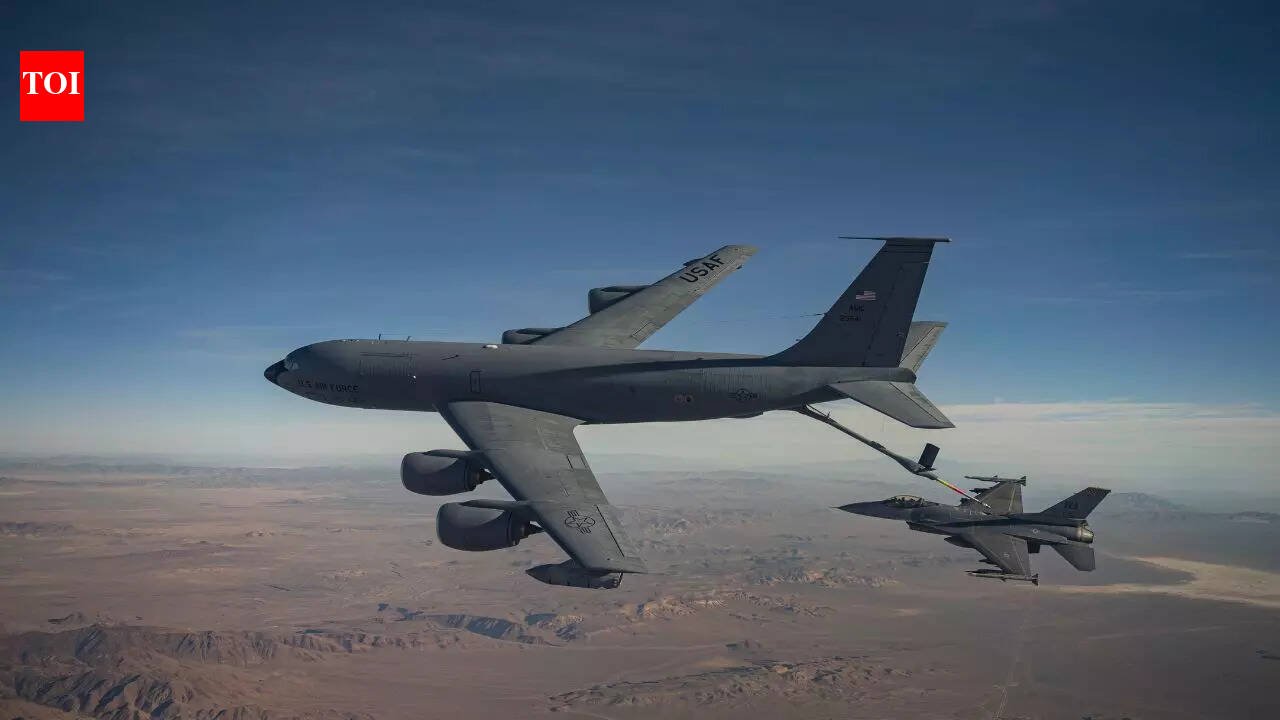
All six crew members aboard a US KC-135 refueling aircraft that crashed in western Iraq on March 12 have been confirmed deceased. The aircraft went down during Operation Epic Fury in friendly airspace. The US military has stated the incident was not caused by hostile or friendly fire, and an investigation is ongoing.

NEW DELHI: All six crew members aboard a US KC-135 refuelling aircraft that crashed in western Iraq have been confirmed dead, US Central Command (CentCOM) said on Friday.The aircraft went down on March 12 while flying over friendly airspace during Operation Epic Fury, according to the US military. Earlier reports had confirmed four deaths while rescue efforts were underway.In a statement posted on X, CentCOM said: “All six crew members aboard a US KC-135 refueling aircraft that went down in western Iraq are now confirmed deceased. The aircraft was lost while flying over friendly airspace March 12 during Operation Epic Fury. The circumstances of the incident are under investigation. However, the loss of the aircraft was not due to hostile fire or friendly fire. The identities of the service members are being withheld until 24 hours after next of kin have been notified.The crash occurred amid the ongoing Middle East conflict involving US and Iranian forces. The US military has said the incident took place during operational activities connected to Operation Epic Fury.Officials have ruled out both hostile fire and friendly fire as the cause of the crash, though the exact circumstances remain under investigation.The KC-135 tanker, a refuelling aircraft that has been in service for more than six decades, is typically operated by a crew consisting of a pilot, co-pilot and boom operator responsible for aerial refuelling. Some missions also include a navigator and additional personnel.The aircraft loss marks another setback for US forces in the region. Earlier in the conflict, Kuwaiti forces mistakenly shot down three American F-15E fighter jets in a friendly fire incident over Kuwait. All six crew members in that incident ejected safely.The broader conflict, which began on February 28, has involved missile, drone and air strikes across the region as tensions between the United States and Iran continue to escalate.

[ad_2]

Source link

‘Certainly does not help peace’: Zelenskyy says US easing of Russian oil sanctions could hand Moscow $10 billion for war

[ad_1]

‘Certainly does not help peace’: Zelenskyy says US easing of Russian oil sanctions could hand Moscow $10 billion for war

File photo: Ukrainian President Zelenskyy (Picture credit: AP)

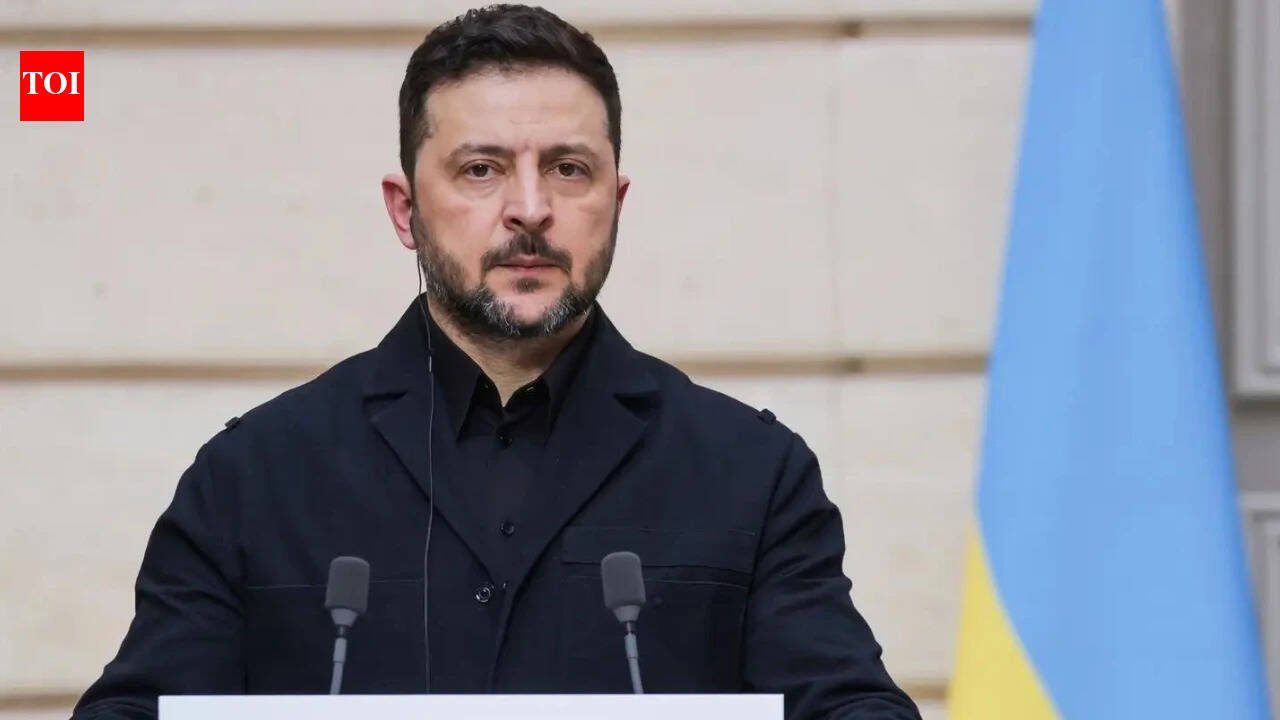
Ukrainian President Volodymyr Zelenskyy on Friday said a US decision to temporarily ease sanctions on Russian oil sales could hand Moscow about $10 billion in extra revenue, warning the move would directly undermine efforts to end the war in Ukraine.“This one concession alone by the United States could give Russia about $10 billion for the war. This certainly does not help peace,” Zelenskyy said at a press conference in Paris alongside French President Emmanuel Macron, as per news agency AFP.Zelenskyy’s remarks came after Washington announced a 30-day licence allowing countries to buy Russian oil and petroleum products already stranded at sea, a measure the US says is aimed at cooling global energy prices that have surged after the war involving Iran.

Zelenskyy, Macron push back against US move

Backing Kyiv’s concerns, Macron said Russia was “mistaken” if it believed the Middle East conflict would reduce international pressure on Moscow.“Today Russia may believe that the war in Iran will offer it respite. It is mistaken,” Macron said during the joint press conference.He added that G7 leaders had made clear earlier this week that rising oil prices “must under no circumstances lead us to reconsider our sanctions policy towards Russia”.The French leader’s remarks reflected growing unease in Europe that the temporary sanctions relief could strengthen Russian President Vladimir Putin at a time when oil prices are already elevated because of the Middle East crisis.

US says waiver is temporary and meant to calm markets

The US Treasury issued a 30-day licence valid through April 11 for the delivery and sale of Russian crude oil and petroleum products that had already been loaded on vessels by March 12.US treasury secretary Scott Bessent said the short-term step was intended to “stabilize global energy markets” and “increase the global reach of existing supply” after oil prices spiked above $100 a barrel in the wake of the war on Iran.As per Reuters, Washington said the move would not provide significant financial benefit to the Russian government. The measure followed an earlier US waiver issued on March 5 specifically for India to allow purchases of Russian oil already stuck at sea.The sanctions easing comes as the US and the International Energy Agency also move to release large emergency oil stocks to contain soaring prices.

Paris talks focus on pressure on Russia

Zelenskyy’s 12th visit to France since Russia’s full-scale invasion in 2022 was aimed at increasing pressure on Russia, particularly by targeting Moscow’s so-called “shadow fleet” of tankers used to move oil in breach of sanctions.The talks in Paris were also overshadowed by concern that the Middle East war has derailed US-brokered efforts to revive peace negotiations between Kyiv and Moscow.German Chancellor Friedrich Merz also criticised the US move on Friday, saying that “easing sanctions now, for whatever reason, is wrong”, according to AFP.The Kremlin, meanwhile, said the Paris meeting would obstruct the peace process and argued that trying to put pressure on Russia was “absurd”.

Wider war and fresh battlefield strain

The debate over sanctions comes as the war in Ukraine continues to intensify. A Russian strike in eastern Ukraine on Friday killed three people on a bus near Kupiansk, where Russian forces are trying to recapture ground.Zelenskyy’s visit also came amid new political friction in Europe, with Hungary blocking a key 90-billion-euro EU loan package for Ukraine as well as a fresh round of sanctions on Russia.The dispute is tied in part to the damaged Druzhba pipeline, which supplies Russian oil to Hungary and Slovakia and which Kyiv says was hit by Russian strikes earlier this year.The temporary US oil waiver, announced against the backdrop of surging global energy prices and disruptions in the Strait of Hormuz, has therefore opened a fresh fault line between Washington and its European allies, even as Kyiv warns it risks fuelling the very war the West says it wants to end.

[ad_2]

Source link

This fish can generate powerful electric shocks, hunt prey, and navigate murky waters |

[ad_1]

This fish can generate powerful electric shocks, hunt prey, and navigate murky waters
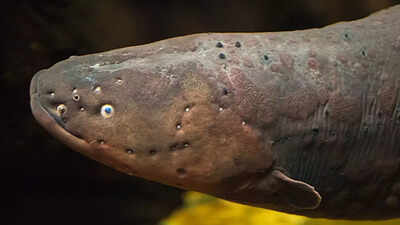
PC: National History Museum

Electric eels are something else. Snake-like fish, long and cylindrical, glide through murky waters. They can deliver a shock that’ll make you jump or freeze. People have been fascinated by them for centuries. For a long time, scientists thought there was just one species. But now it seems there are actually three: Electrophorus electricus, E. varii, and E. voltai. These eels can grow over 2.5 metres, tipping the scales at more than 20 kilograms. And most of their body? Filled with organs that produce electricity. Weird, right? They’re not “true” eels either, but knifefishes, closer to catfish and carp.

Electric eels: how their bodies work like living batteries

It looks as if electric eels are like, well, batteries. Scientists say they have these special muscle cells called electrocytes stacked inside them. Each cell has a positive and a negative side. When triggered, zap, an electric pulse shoots into the water. They have three main organs that make electricity at different strengths. Strong shocks from the main and part of the Hunter’s organ are for defence or stunning prey. Weak pulses, from the Sach’s and the other half of Hunter’s organ, help them find their way or chat with other eels. Apparently, E. varii can generate up to 860 volts. That’s like, almost four times a UK plug.

Eels’ murky world and deadly tricks

Electric eels like murky, slow-moving waters. Pools, swamps, oxbow lakes, basically the Amazon and Orinoco rivers in northern South America. They’re not great at seeing, relying on electrolocation instead. They breathe air too, surfacing roughly every ten minutes. Makes sense. Oxygen levels in their waters can get really low. And in the dry season? Pools shrink, predators circle. Shocks come in handy then, deterring caimans or even jaguars. You wouldn’t want to mess with one.Their negative end stays in the water, creating a full circuit. Zap. Full power. Pretty clever. And sometimes, eels hunt in groups, corralling prey and delivering coordinated shocks. It’s like teamwork. You might not expect such a strategy from something that looks like a wriggly snake.

Could electric eels really be dangerous

Could an electric eel kill a person? Experts say it’s theoretically possible. Multiple shocks could stop a heart or make someone drown. But it seems they’re not aggressive. Mostly defensive. Still, the idea that this fish could literally stop your heart is… unnerving.Other fish make electricity too, mostly weak pulses to sense their environment. Only a few, like stargazers, certain catfish and rays, can really shock. Even some fish mimic eels, like the bluntnose knifefish, pretending to be electric to scare predators away. Clever survival trick, apparently.

Electric eels: Feeding, nesting and inspiring science

Eels breed in dry or early wet seasons. Males build bubble nests, females lay eggs, up to 1,200 in a season. Their diet? Mostly fish, but crabs, insects, even small mammals can make the menu. They might be shocking, but they’re not monsters.People have wondered if eels could power batteries. Not really. They recharge slowly and can’t produce continuous high-power electricity. But scientists are inspired. Lab-grown eel tissue could one day create flexible, tiny bio-batteries for things like pacemakers.

[ad_2]

Source link

Oman Attack: 2 Indians killed, 10 injured in Iranian drone attack in Oman, says MEA

[ad_1]

2 Indians killed, 10 injured in Iranian drone attack in Oman, says MEA

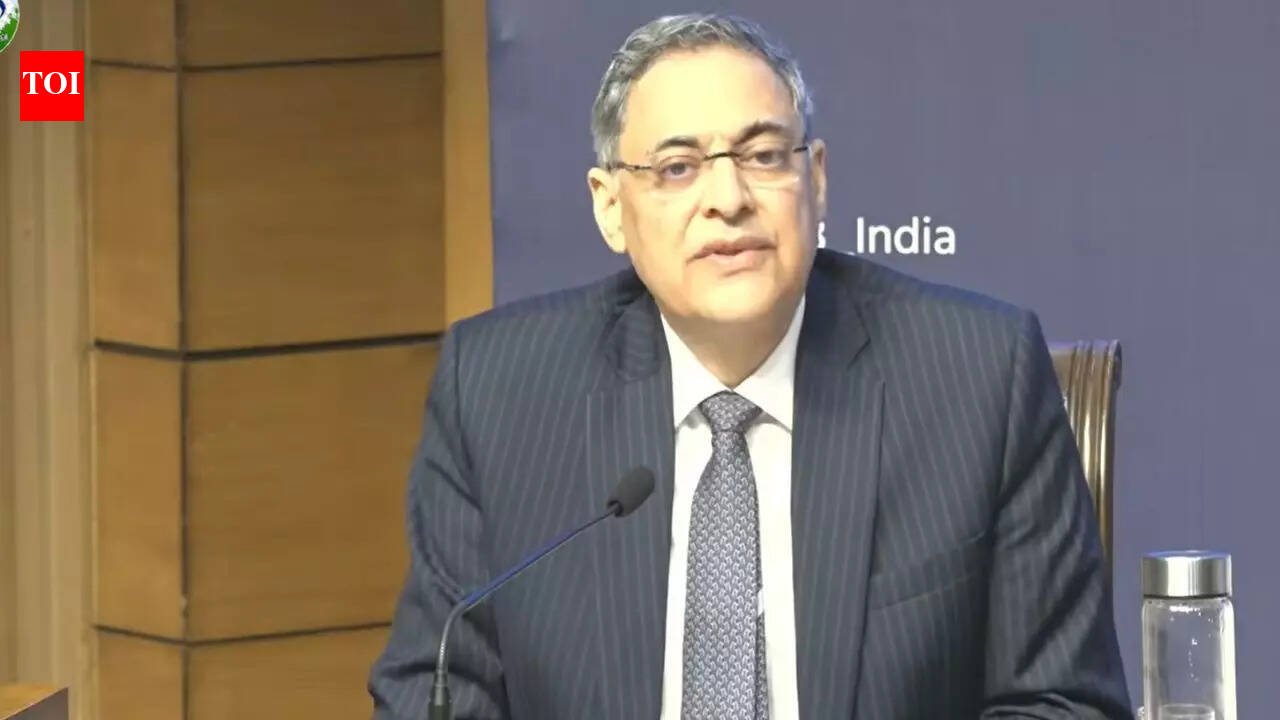
NEW DELHI: Two Indian nationals were killed and 10 others injured in an attack in Sohar city in Oman, the Ministry of External Affairs said on Friday.Speaking about the incident, Additional Secretary (Gulf) Aseem R Mahajan said that a total of 11 people were injured, including 10 Indians. Five of the injured have already been discharged from hospital, while the remaining five are receiving treatment.“There has been an unfortunate incident in Muscat. Sohar city in Muscat city Muscat attack incident 2 Indian nationals died 11 injured 10 are Indian 5 discharged 5 receiving medication,” Mahajan said.According to the MEA, Indian authorities are in touch with Omani officials regarding the incident and are monitoring the situation. Officials said assistance is being extended to the affected Indian nationals.

Poll

Do you think drone attacks pose a significant threat to civilians?

Meanwhile aljazeera in a report said that 2 foreign national were killed in a drone attack quoting Oman’s state news agency. The report said, ” Friday morning one of the drones hit the al-Awahi Industrial Area, killing two foreign nationals and injuring others..”More details awaited.

[ad_2]

Source link

Is India-US trade deal on hold? Centre issues clarification

[ad_1]

Is India-US trade deal on hold? Centre issues clarification

NEW DELHI: India on Friday denied reports that it was holding off bilateral engagement or delaying a trade deal with the United States, saying discussions between the two countries are continuing for a “mutually beneficial agreement.“We have noted a media report regarding ongoing trade talks with the US. It is denied that there is any hold off in bilateral engagement. It is reiterated that the two sides remain engaged for a mutually beneficial trade agreement,” the commerce ministry said in a statement.The clarification came after a Reuters report claimed that India may delay signing a trade deal with the United States for several months while adopting a “wait and watch” approach on tariff policy.According to the report, four government officials familiar with the matter said the timeline for finalising the agreement could slip by several months. However, the commerce ministry rejected the claim, reiterating that engagement between the two sides remains ongoing.The development comes amid fresh trade investigations launched by the administration of Donald Trump into “unfair trade practices” by around 60 economies, including India.The probe focuses on concerns such as forced labour in imports. The United States has also initiated separate investigations into excess industrial capacity among 16 major trading partners.Officials said the Section 301 investigation could potentially lead to new tariffs on several economies, including India, China, the European Union, Japan, South Korea and Mexico, as early as this summer.

What the report said?

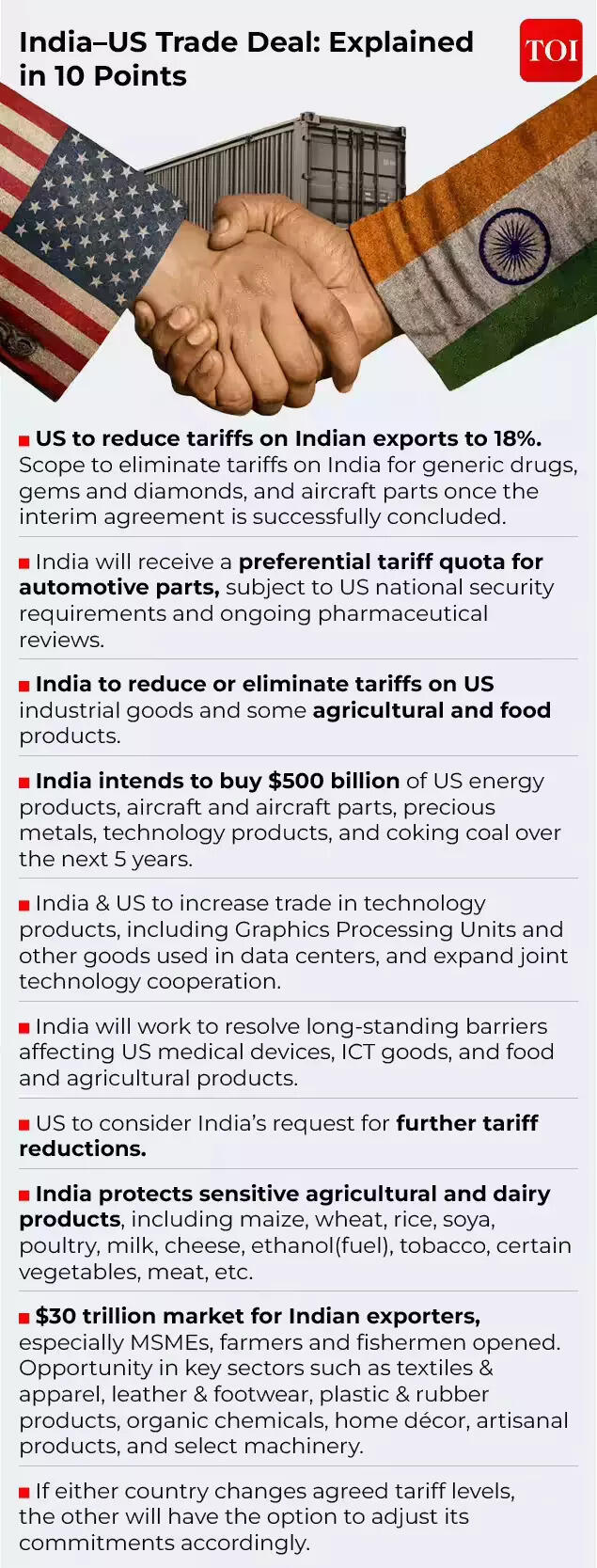
According to the report, negotiations lost momentum after the US Supreme Court struck down Trump’s tariffs in late February. Since then, there have been no substantive talks between the two sides, partly because Washington has been focused on the escalating conflict involving Iran.India had initially hoped to sign an interim trade deal in March, followed by a comprehensive agreement later in the year. The earlier understanding came after Trump agreed in early February to ease steep US tariffs on Indian imports in exchange for several commitments from New Delhi, including reducing purchases of Russian oil, lowering duties on American goods and pledging to buy $500 billion worth of US products.

,

However, India did not halt Russian oil imports, though purchases slowed somewhat. US officials are now urging New Delhi to increase imports to help ease the global energy crunch triggered by the ongoing conflict.“We are not in a hurry to sign any deal,” the source told Reuters. “The new investigation is a pressure tactic to force countries into signing deals after the court order. It’s a spanner in the works,” it addedThe report noted that India would largely adopt a “wait and watch” approach as US tariff policy evolves.Earlier, Trump had announced a 25% punitive tariff on India but later dropped it after saying New Delhi had agreed to curb Russian crude imports. India, however, only said it would diversify its supply sources. At one point, the overall tariff on Indian goods had reached about 50%, among the highest globally.

US expects India to honour commitments

Meanwhile, US Ambassador to India Sergio Gor said Washington expects countries that have negotiated trade deals with the United States to follow through on their commitments.“So we fully expect the nations that we’ve made deals with to honour those deals,” he said at the India Today Conclave on Friday.“I think India will do that because … it’s not just about honouring it – it’s a win-win situation,” he added.Following the Supreme Court ruling, the Trump administration imposed a temporary 10% tariff on imports from all countries until July 24.Under the earlier framework for an interim agreement, Indian exports to the United States were expected to face duties of around 18%. However, New Delhi is now left with a question on seeking clarity on whether Washington will return to that rate or apply a different tariff level.

[ad_2]

Source link

Kuldeep Yadav wedding: Yuzvendra Chahal arrives in Dehradun, says ‘I will dance a lot’ | Cricket News

[ad_1]

Kuldeep Yadav wedding: Yuzvendra Chahal arrives in Dehradun, says ‘I will dance a lot’
Yuzvendra Chahal (Pic credit: Chahal’s X post)

Indian spinner Yuzvendra Chahal arrived in Dehradun on Friday to attend the wedding celebrations of fellow India cricketer Kuldeep Yadav, expressing excitement about being part of the special occasion in Uttarakhand.Kuldeep, fresh from India’s triumph at the 2026 ICC Men’s T20 World Cup, is set to begin a new chapter in his personal life as he ties the knot with his fiancée Vanshika on March 14 in the picturesque hill station of Mussoorie. The ceremony will take place at the iconic Welcomhotel The Savoy Mussoorie, which has reportedly been booked exclusively for the celebrations.

‘Indian cricket no less than Bollywood abroad’ | Bombay Sport Exchange

Go Beyond The Boundary with our YouTube channel. SUBSCRIBE NOW!Speaking to ANI upon arriving in Dehradun, Chahal shared his excitement about his close friend’s wedding and hinted at lively festivities ahead. “I am very excited for my brother’s marriage. I will dance a lot and enjoy,” he said with a smile, reflecting the strong bond the two spinners share both on and off the field.Preparations are already underway at the historic Savoy Hotel, with decorations being put in place for what is expected to be a private yet star-studded affair. Reports suggest the entire property has been reserved for the wedding for several days, ensuring privacy for the families and guests.Several prominent cricket personalities are expected to attend the celebrations, including former India captain Sunil Gavaskar and current internationals Rinku Singh, Suryakumar Yadav and Tilak Varma. According to reports, senior stars such as Virat Kohli, Rohit Sharma and Jasprit Bumrah are also likely to attend the celebrations.Kuldeep and Vanshika were previously engaged in a private ceremony in Lucknow in June last year, attended only by close family members. The upcoming wedding is also expected to be a closely guarded event with limited guests.

Banner Insert

[ad_2]

Source link