Breaking News
Hundred Auction 2026: Top buy James Coles’ Rs 4.8 crore price tag won’t even make IPL Auction 2026 top 10 | Cricket News

[ad_1]

Hundred Auction 2026: Top buy James Coles' Rs 4.8 crore price tag won't even make IPL Auction 2026 top 10
James Coles (Getty Images)

The Hundred Auction 2026 delivered plenty of surprises as franchises spent heavily to secure top talent for the upcoming season. While some big names went unsold, several players attracted massive bids, highlighting the growing financial strength of England’s 100-ball league. However, when discussions around record-breaking auctions begin, it is hard to ignore the Indian Premier League (IPL), which continues to dominate the cricket economy with staggering player salaries every season. The IPL 2026 auction once again saw franchises splurge crores on star players, dwarfing the spending seen in most other leagues.The Hundred vs IPL 2026 Auction: Top 10 Most Expensive Players ComparisonTop 10 Buys in The Hundred 2026 (Converted to INR)

James Coles London Spirit £390,000 Rs 4.8 crore
Tom Curran MI London £260,000 Rs 3.2 crore
Adil Rashid Southern Brave £250,000 Rs 3.08 crore
Heinrich Klaasen Manchester Super Giants (Pre-signed) £250,000 Rs 3.08 crore
Joe Root Welsh Fire £240,000 Rs 2.95 Crore
Dan Lawrence Sunrisers Leeds £210,000 Rs 2.58 crore
Scott Currie Birmingham Phoenix £210,000 Rs 2.58 crore
Aiden Markram Manchester Super Giants £200,000 Rs 2.46 crore
Josh Tongue Manchester Super Giants £200,000 Rs 2.46 crore
James Vince MI London £190,000 Rs 2.34 crore

The biggest buy of the auction was James Coles, who secured a deal worth roughly Rs 4.8 crore with London Spirit. The inclusion of England stars like Joe Root, Adil Rashid, and international players like Heinrich Klaasen and Aiden Markram underlines the growing competitiveness of the league.

Top 10 Buys in IPL 2026 Auction

Cameron Green Kolkata Knight Riders (KKR) Rs 25.20 Crore
Matheesha Pathirana Kolkata Knight Riders (KKR) Rs 18 Crore
Prashant Veer Chennai Super Kings (CSK) Rs 14.20 Crore
Kartik Sharma Chennai Super Kings (CSK) Rs 14.20 Crore
Liam Livingston Sunrisers Hyderabad (SRH) Rs 13 Crore
Mustafizur Rahman Kolkata Knight Riders (KKR) Rs 9.20 crore
Josh Inglis Lucknow Super Giants (LSG) Rs 8.60 crore
Auqib Nabi Delhi Capitals Rs 8.40 crore
Ravi Bishnoi Rajasthan Royals Rs 7.20 crore
Venkatesh Iyer Royal Challengers Bengaluru Rs 7.00 crore

The IPL once again dominated the financial charts with Cameron Green emerging as the most expensive player at Rs 25.20 crore, nearly five times the highest bid in The Hundred.

‘Indian cricket no less than Bollywood abroad’ | Bombay Sport Exchange

IPL vs The Hundred: A Massive Financial Gap

A quick comparison highlights the scale difference between the two leagues:

  • Highest Hundred salary: Rs 4.8 crore
  • Highest IPL salary: Rs 25.20 crore

This means the top IPL player earned over 5 times more than the highest-paid player in The Hundred. The reason behind this massive gap lies because of the broadcasting rights of IPL which is much more globally popular than The Hundred and with higher franchise revenues the IPL boost one of the largest funded T20 League.

Banner Insert

[ad_2]

Source link

VK Sasikala announces new party name and symbol ahead of Tamil Nadu elections | India News

[ad_1]

VK Sasikala announces new party name and symbol ahead of Tamil Nadu elections

NEW DELHI: Jayalalithaa’s long-time aide and expelled from AIADMK, VK Sasikala on Friday announced the name of her new political party — All India Puratchi Thalaivar Makkal Munetra Kazhagam — and said its symbol will be a “coconut tree farm”, as the political ground heats up in poll-bound Tamil Nadu, where multiple stakeholders are eyeing their fortunes.Sasikala will now enter the political battlefield with her own brigade in the tightly contested race, which already features several veterans, including some of her former party colleagues. The key players in the Tamil Nadu elections include MK Stalin, Edappadi Palaniswamy and O Panneerselvam. Meanwhile, national parties like the BJP and the Congress are also looking to expand their footprints in the state.

[ad_2]

Source link

India LPG cylinder shortage: Preset cooking modes, utensils compatibility and other key things to check before buying an Induction Cooktop

[ad_1]

India LPG cylinder shortage: Preset cooking modes, utensils compatibility and other key things to check before buying an Induction Cooktop

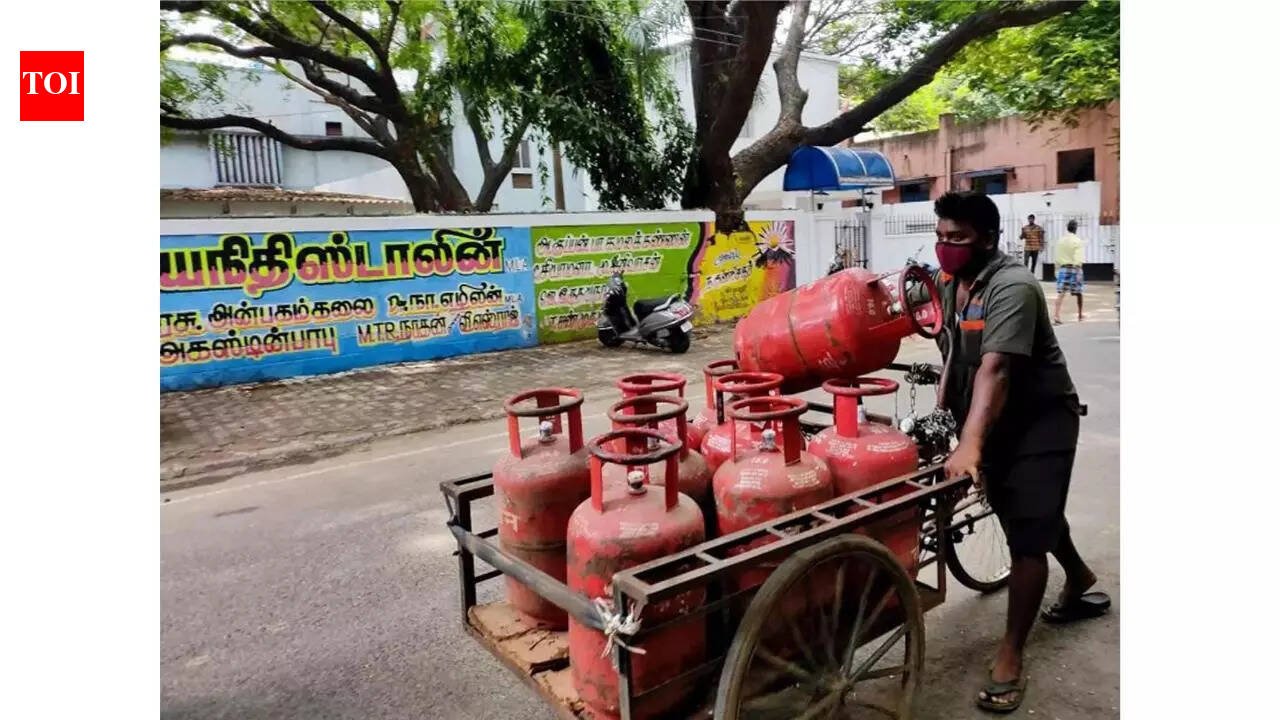
Amid rising tensions in the middle east following the conflict between Iran, Israel and the US, concerns around LPG supply disruptions have increased, especially in India. While the government has prioritized domestic natural gas allocation for LPG production, compressed natural gas (CNG), and piped cooking gas, some restrictions have been placed on commercial LPG supply. As the Israel-US-Iran war 13th day, uncertainty over future availability has resulted in increased sale of electric inductions across the country. According to an Economic Times report, Swiggy Instamart is seeing a 10x spike in inductions sales. Tata-owned BigBasket also said it saw a 5x increase in induction cooktop sales since the start of this week. If you are also looking to buy the electric inductions, then read on. In this article, we have curated a list of some simple tips that can help you choose the right one.

Induction buying guide: Key things to know

Check the power rating

The power rating of an induction cooktop determines how quickly it can heat cookware. Most models available in the market range between 1200W and 2000W. Cooktops with higher wattage usually cook food faster and are suitable for regular use.

‘India’s Fuel Supply Stable’: Hardeep Singh Puri Rejects LPG Shortage, Oil Crisis Fears In Lok Sabha

Look for preset cooking modes

Many induction cooktops offer preset cooking options such as boiling, frying, curry, rice or milk. These presets automatically adjust the temperature and power level during cooking.

Check safety features

Before buying an induction cooktop, one should look for safety features such as auto shut-off, overheat protection, child lock and pan detection. These are important to help prevent overheating and ensure the cooktop switches off automatically if no cookware is detected.

Check utensil compatibility

Induction cooktops are designed to work exclusively with cookware that contains magnetic materials. This includes stainless steel and cast iron.Utensils made of aluminium, copper or glass may not work unless they are designed for induction cooking.

Check build quality

Checking durability of an induction is equally important as most of them come with a glass top surface. Another thing to consider before buying is that the induction is easy to clean and resistant to scratches.Choose the right control type

Check control type

Induction cooktops usually come with touch controls or push-button controls.Touch controls are common in newer models, while push buttons are often found in budget and old models.Check warranty and service support

Check warranty

Consumers should also check the warranty period and service support offered by the brand before purchasing an induction. Most induction cooktops in India usually have at least a one-year warranty.

[ad_2]

Source link

Dubai targeted again: Video shows thick black smoke after blasts rock financial hub, debris hits building

[ad_1]

Dubai targeted again: Video shows thick black smoke after blasts rock financial hub, debris hits building

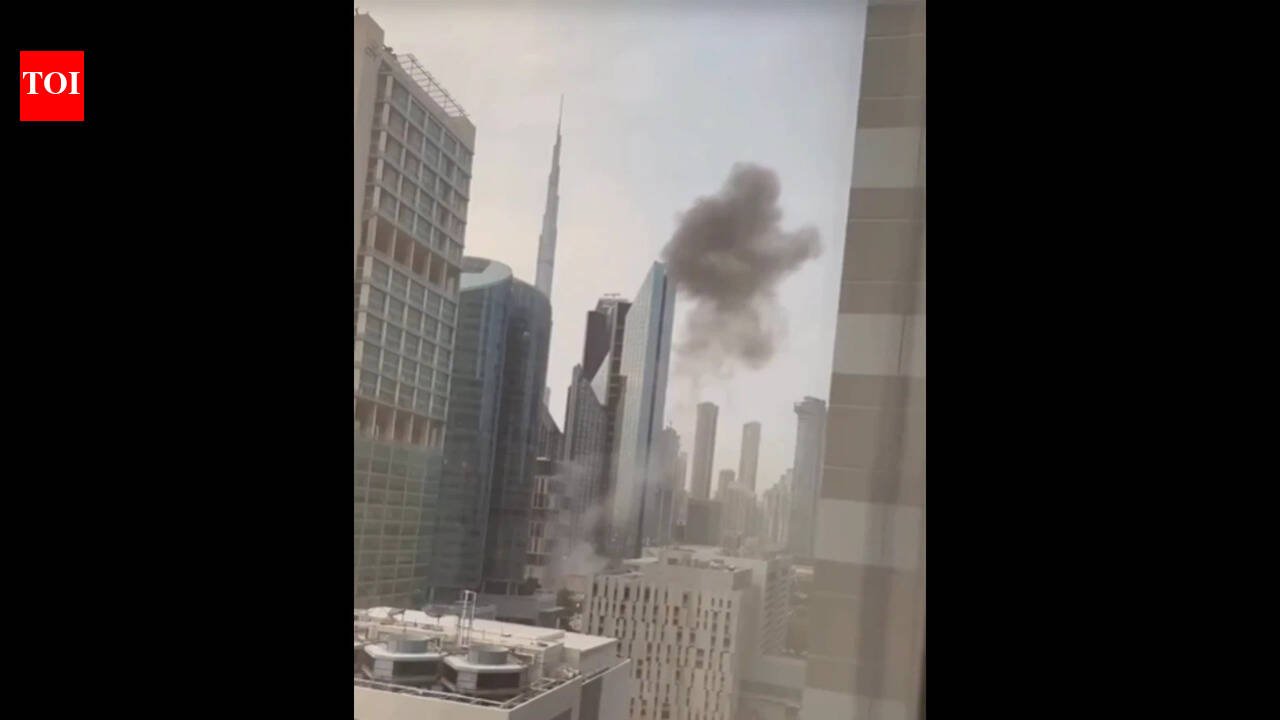
Explosions shook buildings in Dubai on Friday, sending a large plume of smoke over the central area of the Middle East’s financial hub, marking day 14 of the conflict between the United States-Israel, and Iran.Click here for live updates on day 14 of Middle East warAn AFP correspondent on the scene described the building as having “shaken” and reported a “huge explosion.”Sirens were audible from the direction of Sheikh Zayed Road, the main arterial road of the UAE’s largest city.“An explosion at the Dubai International Financial Centre, right next to my building,” Mario Nawfal, a Dubai-based Australian entrepreneur and prominent X user, wrote in a post.He also shared a video of the blast alongside the message.However, Dubai authorities described the event as a “minor incident” caused by a “successful interception.”“Authorities confirm that debris from a successful interception caused a minor incident on the façade of a building in central Dubai. No injuries have been reported,” the Dubai Media Office wrote on X.The development comes a day after a drone fell near the city’s financial district following Iran’s threat to hit economic institutions, prompting some companies to evacuate staff.The UAE has come under repeated Iranian fire during the Middle East war, with Dubai’s airport, one of the world’s biggest, repeatedly targeted as well as its port and luxury real estate including the Palm Jumeirah.Iran, which was struck by joint US‑Israeli attacks on February 28 that triggered the current conflict, has since launched retaliatory strikes on Gulf states hosting US military bases, and by targeting Israel.The US‑Israel operation killed Iran’s Supreme Leader, Ayatollah Ali Khamenei, and his son Mojtaba has since been named the country’s new supreme leader. However, Mojtaba is also said to have sustained injuries during the conflict.

[ad_2]

Source link

‘Acknowledging the obvious’: Russia reacts to US waiver on oil amid Iran war

[ad_1]

‘Acknowledging the obvious’: Russia reacts to US waiver on oil amid Iran war

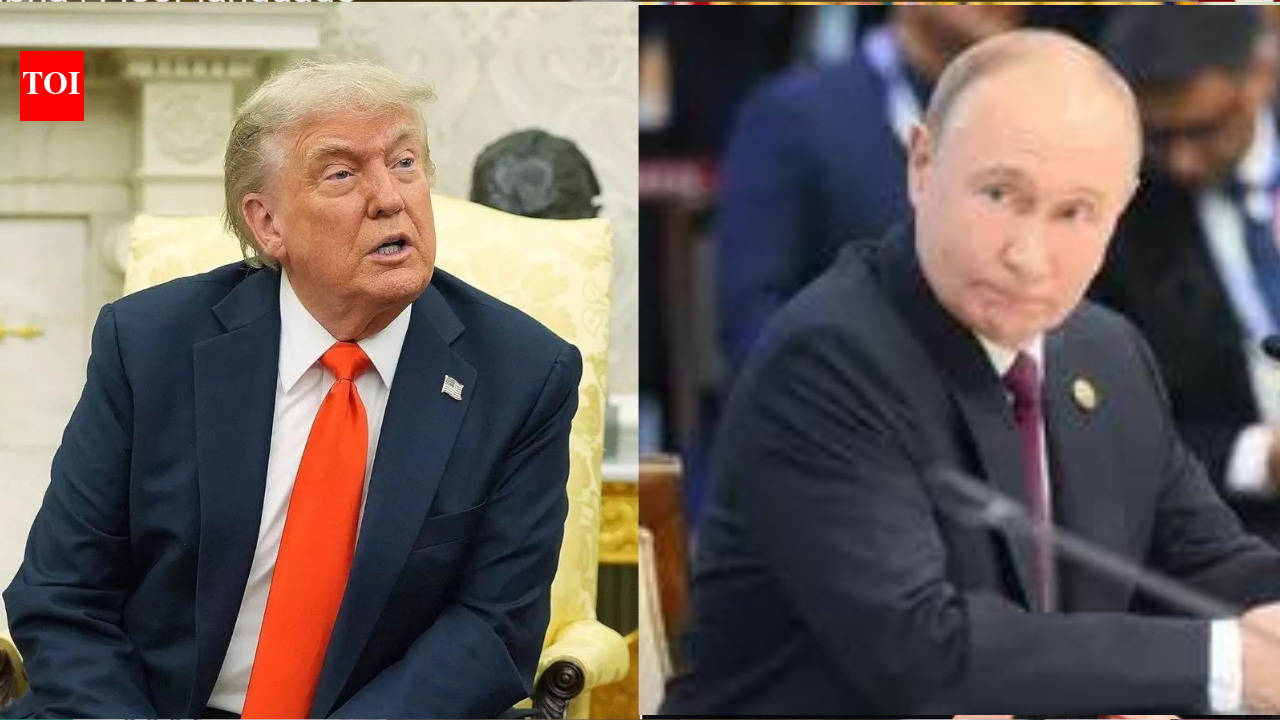
Russia said on Friday that the global energy market “cannot remain stable” without its oil after the United States temporarily allowed the sale of Russian crude already in transit, a move that came as energy prices surged amid the escalating war involving Iran, Israel and the US.Russia’s economic envoy Kirill Dmitriev said the US decision effectively recognised the importance of Russian oil supplies to global markets.“The United States is effectively acknowledging the obvious: without Russian oil, the global energy market cannot remain stable,” Dmitriev posted on Telegram, according to AFP.Earlier, the US treasury department issued a notice “permitting transactions” involving Russian crude oil and petroleum products that had already been loaded onto vessels on or before 12.01am on March 12. The temporary authorisation will remain in effect until April 11.The waiver comes as global energy markets face volatility following US-Israeli strikes on Iran that have pushed the oil-rich Middle East into conflict.Iran has also warned it could target regional energy infrastructure if its own facilities are attacked.“We will set the region’s oil and gas on fire with the slightest attack on Iran’s energy infrastructure and ports,” a spokesman for the Iranian military’s central operational command, known as Khatam al-Anbiya, said.Oil prices surged after the escalation. Brent crude rose 9.2 per cent to settle at $100.46 a barrel, crossing the $100 mark for the first time since August 2022. The US benchmark West Texas Intermediate climbed 9.7 per cent to $95.73.Equity markets also slipped as concerns grew over a prolonged conflict in the Middle East. Ongoing US and Israeli strikes on Iran and Tehran’s retaliation have disrupted trade through the Strait of Hormuz, a key route for global oil shipments.Investors were also unsettled after US President Donald Trump indicated that preventing Iran from obtaining a nuclear weapon was a greater priority for him than keeping oil prices under control.

[ad_2]

Source link

‘They were going to take over Middle East’: Trump says Iran had 1,200 missiles pointed at four countries

[ad_1]

'They were going to take over Middle East': Trump says Iran had 1,200 missiles pointed at four countries

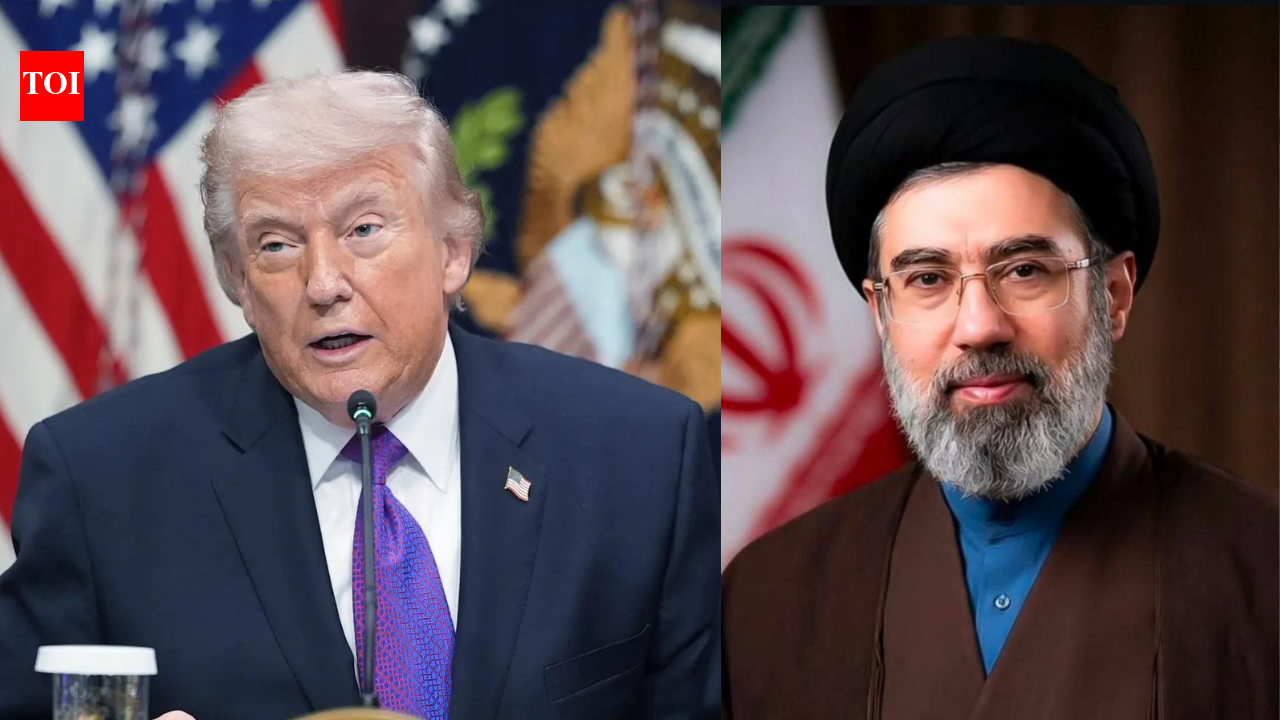
US President Donald Trump claimed that Iran had positioned around 1,200 missiles aimed at several Middle Eastern countries as tensions escalate following fresh threats from Iran’s newly appointed supreme leader Mojtaba Khamenei.Speaking in an interview on Fox’s The Brian Kilmeade Show, Trump alleged that Tehran had been preparing to dominate the region militarily.“Iran had thousands of missiles pointed at all these Middle Eastern countries for the last four months,” he said.“They were going to take over the Middle East, they were going to control it all, UAE, Qatar, Oman and Saudi Arabia,” Trump said, adding that Iran had “1,200 missiles pointed at these countries.”

‘Well, What Can I…’: Trump’s Startling Statement After Two Ships ‘Hit’ In Hormuz By Iran

The remarks came shortly after Khamenei issued a statement on Thursday signalling that Iran would not back down from the ongoing conflict with the United States and Israel.“We will not refrain from avenging the blood of your martyrs,” Khamenei said in a message addressed to the Iranian nation.The statement followed reports that Khamenei had been injured and possibly left in a coma after US-Israeli strikes on a compound in Tehran on February 28 that killed his father.Trump also suggested that Khamenei may still be alive despite speculation over his condition.“I think he probably is. I think he is damaged, but I think he’s probably alive in some form, you know,” Trump told Brian Kilmeade in an interview scheduled to air Friday at 10.06 am (local time).Addressing concerns about maritime security in the region, Trump said vessels should continue to pass through the Strait of Hormuz, a critical global shipping route.“Go through the strait of Hormuz and show some guts,” he said, adding, “There’s nothing to be afraid of. They have no Navy and we sunk all their ships.”His comments come amid heightened tensions in the region following recent military exchanges and growing uncertainty over Iran’s leadership after the strikes.

[ad_2]

Source link

Gulf crisis fallout: US temporarily allows sale of some Russian oil

[ad_1]

Gulf crisis fallout: US temporarily allows sale of some Russian oil

The United States has temporarily permitted the sale of Russian oil already in transit, according to a treasury department notice issued on Friday. This comes as energy prices surged following US-Israeli strikes on Iran that pushed the Middle East into war.The treasury granted a license allowing transactions involving Russian crude oil and petroleum products loaded onto vessels on or before 12.01am on March 12, with the authorization remaining in effect until April 11.The announcement came after Iran threatened to set region’s oil and gas on fire if its energy infrastructure was targeted.“We will set the region’s oil and gas on fire with the slightest attack on Iran’s energy infrastructure and ports,” said a spokesman for the Iranian military’s central operational command, known as Khatam al-Anbiya.Oil prices surged, with Brent crude closing above $100 a barrel for the first time since August 2022, after Iran vowed the United States would “regret” launching military action against it.Brent crude rose 9.2 per cent to settle at $100.46 a barrel, while the US benchmark, West Texas Intermediate, jumped 9.7 per cent to $95.73.Equity markets slipped as concerns mounted over a prolonged Middle East conflict. US and Israeli strikes on Iran continued, while Tehran’s retaliation effectively halted most trade through the Strait of Hormuz.Investors also found little reassurance in US President Donald Trump’s statement that preventing Iran from obtaining a nuclear weapon was a greater priority for him than keeping oil prices under control.

[ad_2]

Source link

Bahrain news: Drone strike sparks fire at airport fuel tanks during Iran vs US–Israel war

[ad_1]

Iran Unleashes Fury: Dubai Tower, Bahrain High-Rise On Fire; Saudi Diplomatic Area Attacked | WATCH

Airport Fuel Tanks in Bahrain Hit by Drone as Iran vs US-Israel War Spreads Across The Gulf

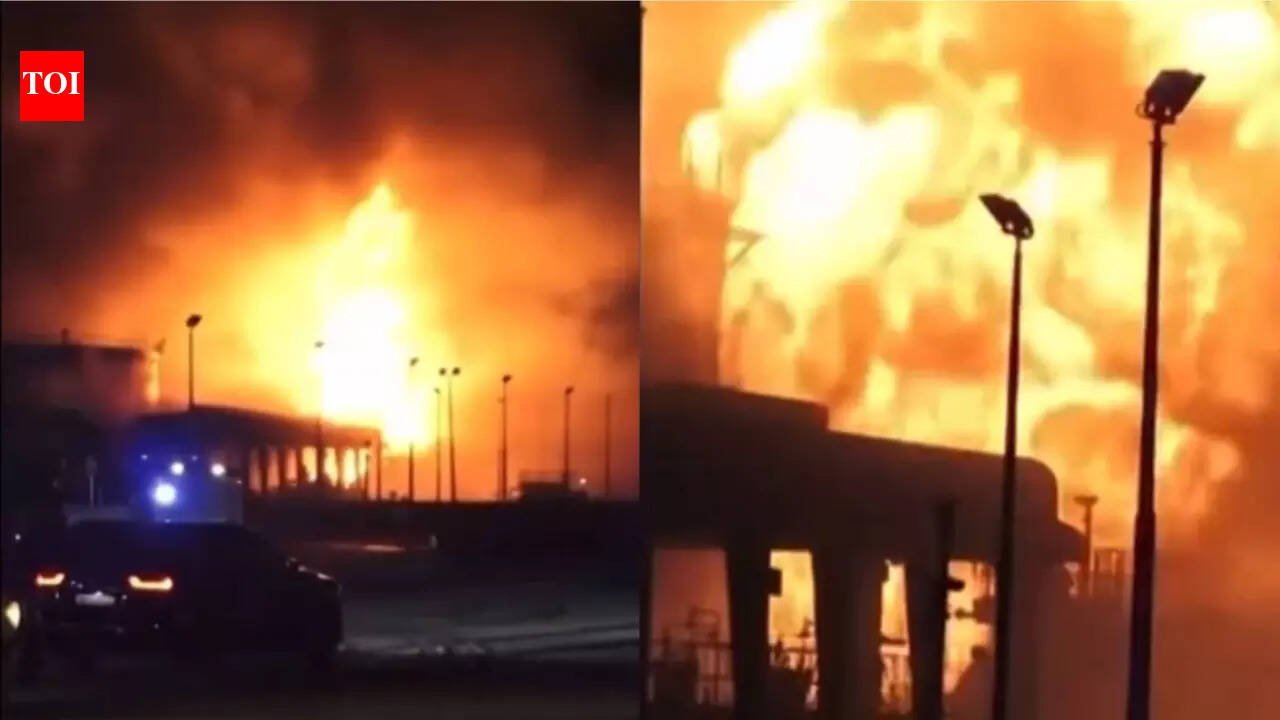
A dramatic escalation in the widening Iran vs US–Israel conflict has reached the island kingdom of Bahrain, after an Iranian drone reportedly struck fuel storage facilities near Bahrain International Airport on Muharraq Island, triggering a massive blaze and raising fears that critical civilian infrastructure across the Gulf is increasingly becoming a target in the regional war. The attack reportedly occurred late at night in Muharraq Governorate, where Bahrain’s main international airport and several energy storage facilities are located.According to Bahraini authorities, the drone strike hit fuel tanks in the area, igniting a large fire that sent thick plumes of smoke into the sky and prompted emergency warnings to nearby residents. Officials urged people living in surrounding neighbourhoods to remain indoors and close windows to avoid inhaling smoke from the burning fuel.

Iran Unleashes Fury: Dubai Tower, Bahrain High-Rise On Fire; Saudi Diplomatic Area Attacked | WATCH

Emergency services and firefighters were deployed quickly to contain the flames, while security forces secured the site to prevent further damage. Videos circulating online showed towering flames and heavy smoke rising from the fuel storage facility as firefighters battled the blaze through the night.

Strategic Iran vs US-Israel target near Bahrain International Airport

The strike’s location raised alarm across the Gulf because the targeted fuel facility sits close to Bahrain International Airport, one of the country’s most critical transport hubs. The storage tanks in the Muharraq area are used for aviation fuel and other petroleum products that support airport operations and the broader energy infrastructure of the island nation.Authorities confirmed that the attack occurred amid an expanding regional conflict involving Iran, the United States and Israel, which has already triggered missile and drone strikes across several Middle Eastern countries. While officials did not immediately report casualties from the Muharraq incident, the attack underscores growing concerns about the vulnerability of civilian infrastructure, especially airports, ports, and energy facilities, in the increasingly volatile Gulf region.

Bahrain Already on the Frontlines amid Iran vs US-Israel war

The drone strike near Bahrain’s airport is not an isolated incident but part of a broader pattern of attacks linked to the ongoing regional war. Since late February 2026, Iran has reportedly launched multiple missile and drone strikes across the Gulf targeting military bases, ports, oil infrastructure and transport hubs. Bahrain, which hosts the United States Navy’s Fifth Fleet, has been a particularly sensitive target due to its strategic military role and proximity to Iran across the Persian Gulf.In recent weeks, Bahraini air defences have intercepted dozens of drones and missiles aimed at the country. Officials say that since the start of the conflict, Bahrain has shot down more than 100 missiles and over 180 drones, reflecting the scale of the aerial threat facing the kingdom. Despite these interceptions, several attacks have still caused damage to infrastructure and civilian areas.

Gulf region facing expanding drone warfare amid Iran vs US-Israel war

The Bahrain incident comes as drone warfare becomes one of the defining features of the ongoing conflict. Across the Middle East, unmanned aerial vehicles have been used to target energy facilities, shipping routes, and strategic infrastructure. Recent weeks have seen similar attacks in Oman, where drones struck fuel storage tanks at the Port of Salalah, as well as incidents in the United Arab Emirates, where intercepted missiles and drones caused debris to fall on buildings in Dubai.Analysts say these strikes appear designed to disrupt the Gulf’s economic lifelines—particularly oil infrastructure and shipping routes. The Gulf region handles a large portion of the world’s energy exports, with tankers passing through the Strait of Hormuz, one of the most critical chokepoints for global oil supply. Any sustained attacks on ports, airports, or fuel facilities could have major implications for global energy markets and international trade.

Regional tensions continue to escalate amid Iran vs US-Israel war

The drone strike on Muharraq comes amid one of the most serious Middle East conflicts in recent years. Fighting began after the United States and Israel launched coordinated strikes against Iranian military and nuclear targets earlier this year. Iran responded with a series of retaliatory attacks across the region, targeting what it describes as military and strategic sites linked to its adversaries.However, Gulf governments have condemned the strikes on their territory as violations of sovereignty and threats to civilian safety. Bahrain’s government has repeatedly warned that attacks on its infrastructure risk dragging the wider region deeper into conflict.

Security concerns grow in Gulf capitals amid Iran vs US-Israel war

The latest incident has heightened anxiety across Gulf capitals as residents watch the conflict spread beyond traditional battle zones. Airports, energy facilities, and shipping hubs are all considered high-value targets in modern warfare, especially during conflicts where drones and long-range missiles can travel hundreds or even thousands of kilometres. The growing frequency of such attacks has forced Gulf states to strengthen air defence systems and increase coordination with regional allies.For Bahrain, the drone strike near its main airport is a stark reminder that the widening Iran vs US–Israel conflict is no longer confined to distant battlefields. Instead, the war is increasingly being fought through long-range missiles, drones, and cyber operations capable of reaching deep into the Gulf. Although the fire at the Muharraq fuel facility has reportedly been brought under control, the attack underscores the fragility of regional security as tensions continue to escalate.With drone and missile strikes already reported in multiple countries across the Middle East, analysts warn that further attacks on critical infrastructure could follow—raising the risk that the conflict could disrupt energy markets, aviation routes and global trade. For now, Gulf governments remain on high alert, hoping to prevent the war from spiralling further while preparing for the possibility that the region’s strategic infrastructure may continue to face new threats.

[ad_2]

Source link

US launches trade inquiries on India, 14 other countries

[ad_1]

US launches trade inquiries on India, 14 other countries

NEW DELHI: As part of its tariff pressure, the US Trade Representative has launched a section 301 investigation against 15 countries, including India, to ascertain if there is structural excess capacity and production in manufacturing sectors.Based on the outcome of the probe – which follows US Supreme Court’s rejection of Donald Trump’s reciprocal tariff using emergency powers – the USTR can impose penalties on the countries whose policies are seen to be hurting American interests.While identifying solar modules, petrochemicals and steel among areas where India has “created significant excess capacity”, USTR Jamieson Greer said that the country’s trade surplus sectors include textiles, health, construction goods, and automotive goods.Probe aimed at reshoring critical supply chains: GreerGreer said, “The US will no longer sacrifice its industrial base to other countries that may be exporting their problems with excess capacity and production to us. Today’s investigations underscore President Trump’s commitment to reshore critical supply chains and create good-paying jobs for American workers across our manufacturing sectors.”“The Trump Administration’s reindustrialisation efforts continue to face significant challenges due to foreign economies’ structural excess capacity and production in manufacturing sectors. Across numerous sectors, many US trading partners are producing more goods than they can consume domestically. This overproduction displaces existing US domestic production or prevents investment and expansion in US manufacturing production that otherwise would have been brought online. In many sectors, the US has lost substantial domestic production capacity or has fallen worryingly behind foreign competitors,” he said.Apart from India, the probe covers China, the European Union, Singapore, Switzerland, Norway, Indonesia, Malaysia, Cambodia, Thailand, Korea, Vietnam, Taiwan, Bangladesh, Mexico and Japan.

[ad_2]

Source link

‘No hostile or friendly fire’: US refueling aircraft crashes in western Iraq; rescue operations on

[ad_1]

'No hostile or friendly fire': US refueling aircraft crashes in western Iraq; rescue operations on

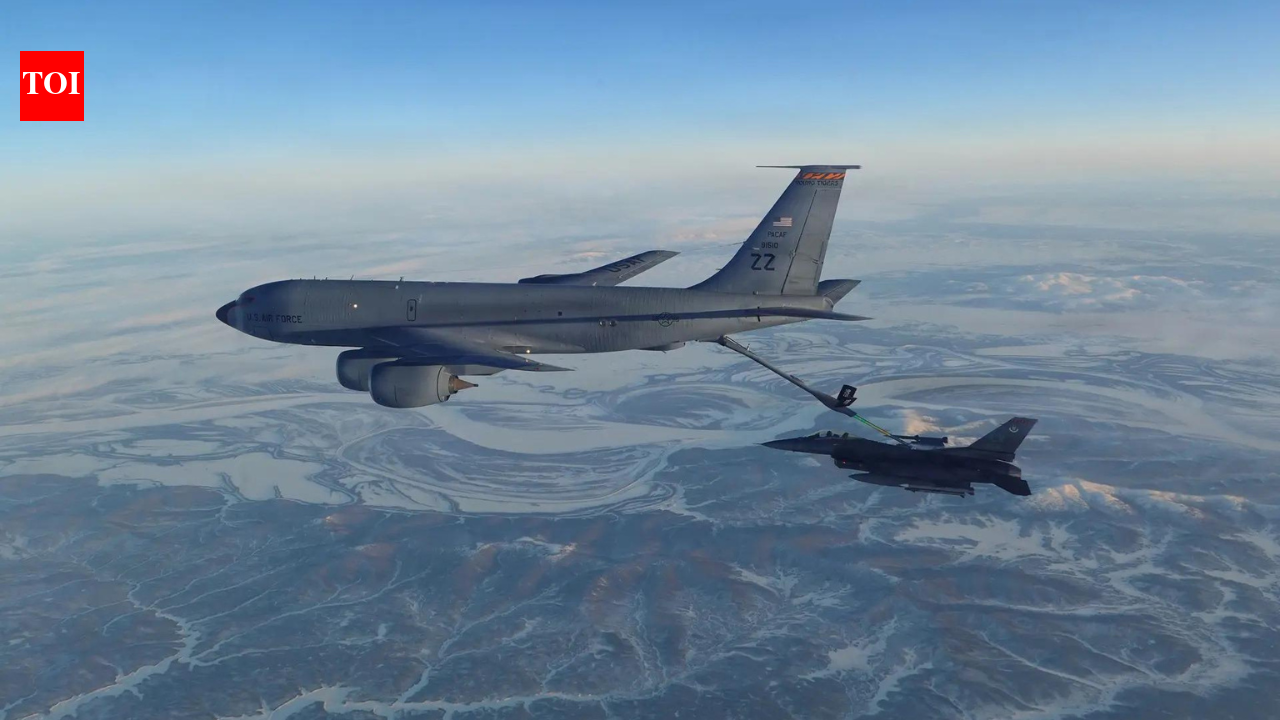
A US refueling aircraft crashed in western Iraq while a second plane involved in the incident landed safely, US military informed on Friday.It further clarified that the crash was not a result of any hostile or friendly fire.“One of the aircraft went down in western Iraq, and the second landed safely. This was not due to hostile fire or friendly fire,” US Central Command, which is responsible for American forces in the Middle East, said in a statement.The KC-135 tanker marks at least the fourth US military aircraft lost in the Middle East conflict, after three F-15E fighter jets were earlier shot down in a friendly-fire incident over Kuwait.

[ad_2]

Source link