Breaking News
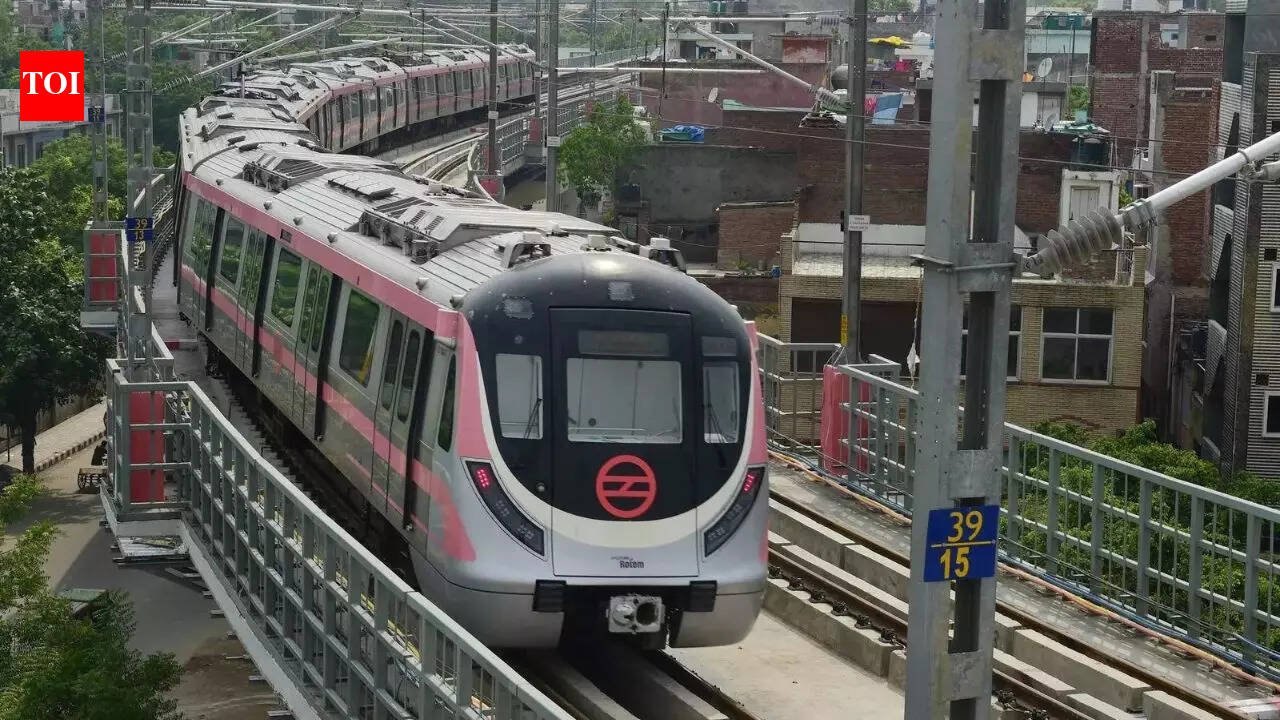
India’s first Ring Metro: PM Modi inaugurates Majlis Park–Maujpur–Babarpur Pink Line; check stations

[ad_1]

India’s first Ring Metro: PM Modi inaugurates Majlis Park–Maujpur–Babarpur Pink Line; check stations

Prime Minister Narendra Modi on Sunday inaugurated two new metro corridors, making Delhi home to India’s first fully operational Ring Metro. Alongside these, the PM also other unveiled major infrastructure projects, marking a significant boost to the city’s public transport and housing networks. The total investment across these projects is around Rs 33,500 crore, including Delhi Metro expansions worth Rs 18,300 crore.Chief Minister Rekha Gupta highlighted the broader benefits, saying the metro expansion “is expected to make daily commuting smoother, cut traffic congestion and help tackle pollution in the capital.” She added that the projects would also improve access for residents of the National Capital Region, particularly commuters from Noida and Faridabad, and provide better connectivity to Indira Gandhi International Airport.

India’s first Ring Metro

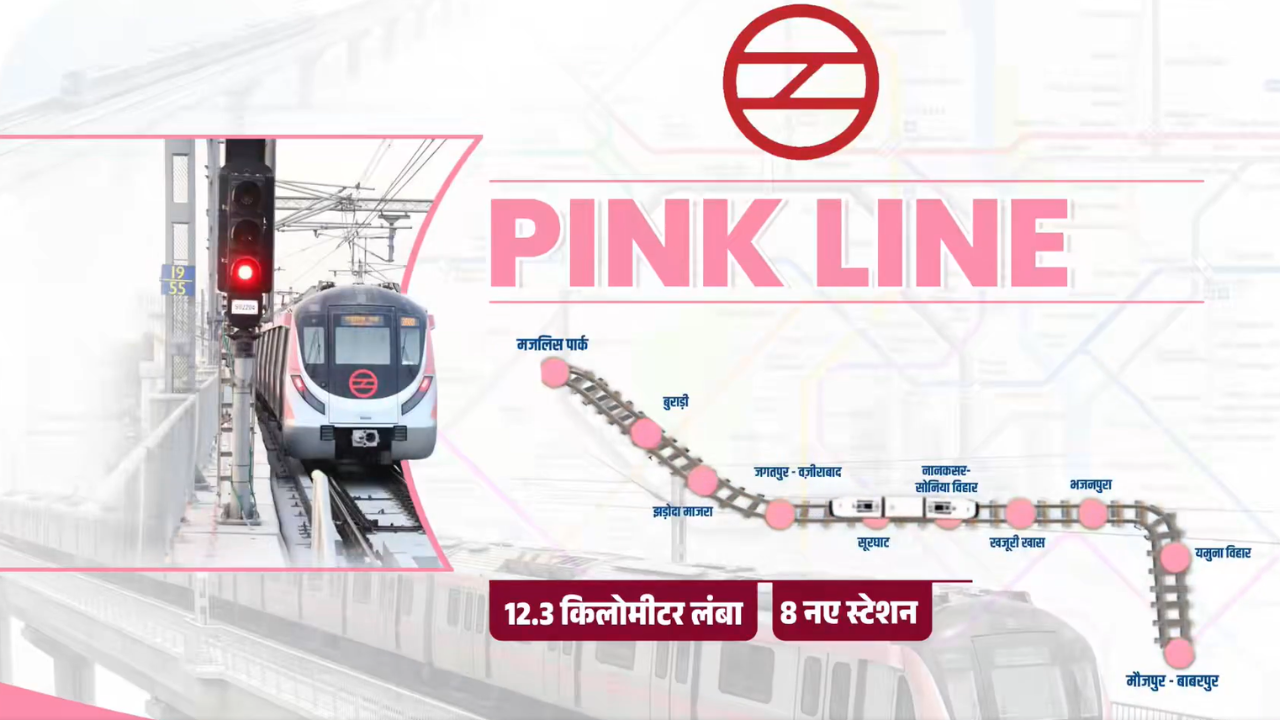
The highlight was the opening of the Majlis Park–Maujpur–Babarpur stretch of the Pink Line, a 12.3-kilometre corridor with eight elevated stations. With this addition, the Pink Line now stretches to 71.56 kilometres, making Delhi the first city in India with a fully operational Ring Metro. Stations on this route include:

  • Majlis Park
  • Burari
  • Jharoda Majra
  • Jagatpur-Wazirabad
  • Soorghat
  • Nanaksar-Sonia Vihar
  • Khajuri Khas
  • Bhajanpura
  • Yamuna Vihar
  • Maujpur-Babarpur

Pink Line

Alongside the Pink Line, the Deepali Chowk–Majlis Park section of the Magenta Line, spanning 9.9 kilometres, was also inaugurated. Officials said the new corridors would improve connectivity between North-East and North-West Delhi, reduce travel time across several parts of the city, and benefit areas including Burari, Jagatpur-Wazirabad, Khajuri Khas, Bhajanpura, Yamuna Vihar, Madhuban Chowk, Haiderpur Badli Mor, Bhalaswa, and Majlis Park. In addition to the inaugurated stretches, PM Modi also laid the foundation stone for three new corridors under Phase V-A of the Delhi Metro, covering a total length of 16.10 kilometres. Before the main ceremony, PM Modi also visited the GPRA Type-5 quarters at Sarojini Nagar to hand over keys to female allottees. He also inaugurated and laid the foundation stone for projects under the GPRA Redevelopment Plan, valued at Rs 15,200 crore. The redevelopment, taking place in Sarojini Nagar, Netaji Nagar, Kasturba Nagar, and Sriniwaspuri, will modernise government housing and offices, providing over 9,350 flats for government employees and creating 48 lakh square feet of office space. The project is being implemented through a self-sustaining model, where a portion of the area is monetised to fund the overall redevelopment.

[ad_2]

Source link
250 million barrel buffer: How much oil does India have and how long will it last

[ad_1]

250 million barrel buffer: How much oil does India have and how long will it last

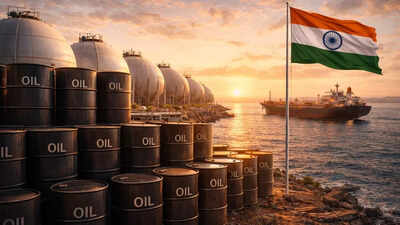
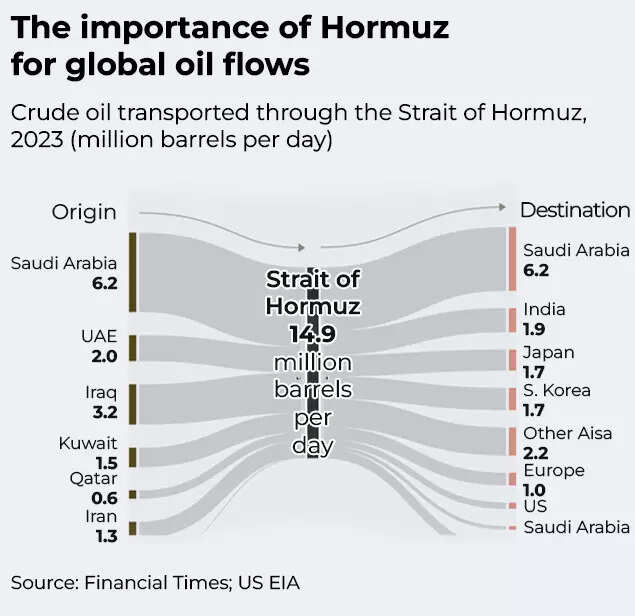
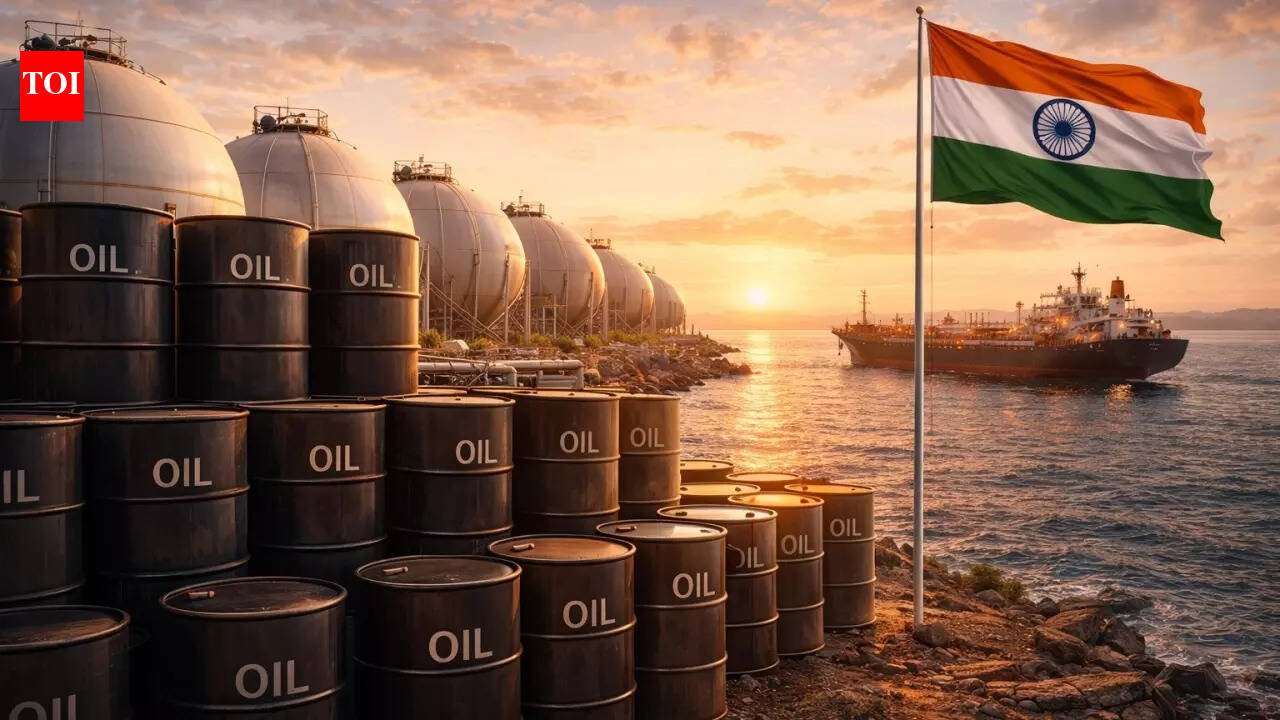
As tensions in the Middle East enter their second week, concerns are rising over whether India’s energy supplies are sufficient. According to a recent government report, the country has more than 250 million barrels of crude oil and petroleum products in reserve, enough to meet demand for nearly two months. The combined reserves, estimated at around 4,000 crore litres, provide coverage for seven to eight weeks across the country’s energy supply chain.The reserves are spread across multiple storage points, including underground strategic caverns located in Mangalore, Padur and Visakhapatnam. Additional volumes are held in above-ground storage tanks, pipelines and offshore vessels as part of the wider distribution network, the report mentioned, as cited by ANI. It also pushed back against claims that the country holds only about 25 days of reserves, stating that the broader supply chain stockpile significantly extends the country’s buffer. It also highlighted a major shift in the way crude oil is imported with procurement now diversified across 40 countries, compared with 27 nations a decade ago, with the strategy described as being “anchored in national interest”.Although the Strait of Hormuz remains one of the world’s most important oil transit routes, the report notes that only around 40% of India’s crude imports pass through the narrow waterway. The majority, about 60%, reaches India through other routes, with supplies coming from Russia, West Africa, the Americas and Central Asia.

Importance of Strait of Hormuz

“The days when India’s energy security rose and fell with conditions in a single maritime chokepoint are over,” the document states, adding that any disruption in one corridor would lead to a “managed sourcing adjustment, not a supply emergency”.Russia continues to be India’s biggest crude supplier as of February 2026. The report notes that despite geopolitical pressure in recent years, India has maintained purchases while complying with the G7 price cap rules.“India has never depended on permission from any country to buy Russian oil. India is still importing Russian oil even in February 2026, and Russia is still India’s largest crude oil supplier,” the document says.It also mentions a recent 30-day waiver from the US Treasury allowing continued purchases of Russian oil, saying the move “removes a friction that was never in anyone’s interest to sustain” and acknowledges India’s contribution to stabilising global energy markets.On the domestic front, India’s ethanol blending programme has also reduced dependence on crude imports. The 20% blending initiative now replaces roughly 44 million barrels of crude oil every year.Meanwhile, the country’s refining capacity has expanded to 258 million metric tonnes per annum, exceeding domestic consumption levels estimated between 210 and 230 million metric tonnes per annum.The report says this capacity enabled Indian refiners to supply fuel to Europe when sanctions on Russian crude created shortages in that market. It notes that “Indian refiners do not depend on a fixed slate from a fixed origin,” highlighting the sector’s flexibility in sourcing crude.Data cited from the Petroleum Planning and Analysis Cell shows that retail fuel prices in the country have remained largely stable over the past four years. Between February 2022 and February 2026, petrol prices in Delhi fell by 0.67%. Over the same period, prices increased by 55% in Pakistan and by 22% in Germany.To maintain stable prices, public sector oil companies absorbed significant financial losses. The report states that these firms bore losses of Rs 24,500 crore on petrol and diesel and about Rs 40,000 crore on LPG.It concludes that decisions in the sector are assessed on the basis of “affordability, availability, and sustainability”, while also noting that no fuel pump outlet in the country has run dry over the past twelve years.

[ad_2]

Source link

Nitish Kumar’s son Nishant enters politics, joins JD(U) | India News

[ad_1]

Nitish Kumar's Son Nishant To Enter Politics, Will Join JD(U) Soon In Signal Of Big Power Shift

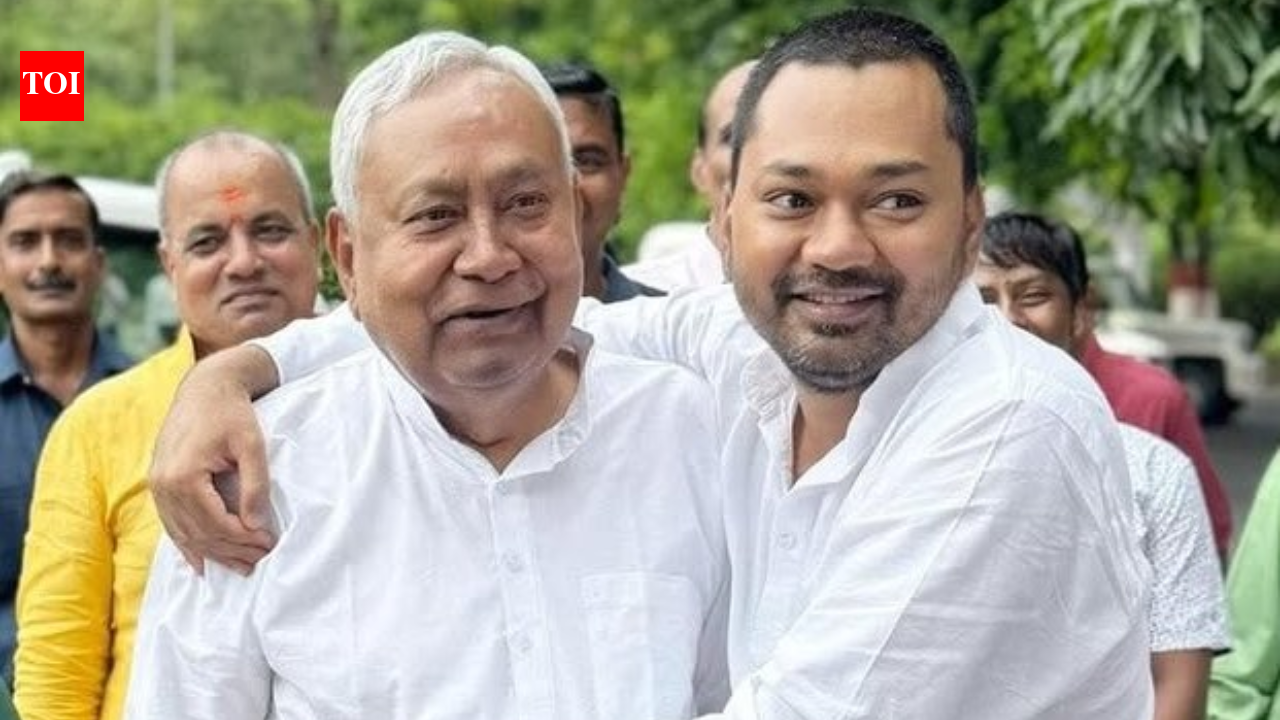
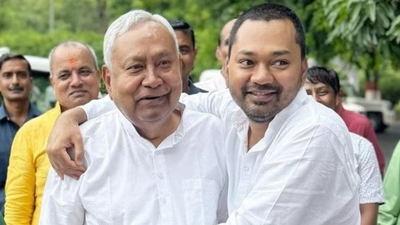
Nitish Kumar and son Nishant Kumar (Picture from X)

NEW DELHI: Bihar chief minister Nitish Kumar’s son Nishant Kumar on Sunday formally joined the JD(U), days after the party chief filed his nomination for a Rajya Sabha seat in the presence of Union home minister Amit Shah.On the rare occasions he has appeared in public, Nishant, an engineering student in his 40s, has earned goodwill for his humility. During brief interactions with the media, he has also shown that he closely follows the work carried out by his father.

Nitish Kumar’s Son Nishant To Enter Politics, Will Join JD(U) Soon In Signal Of Big Power Shift

Meanwhile, speculation is growing that Nishant could be made deputy chief minister in the new government.A close aide of Nitish Kumar claimed on Saturday that a “unanimous” decision had been taken to appoint Nishant as deputy chief minister in the government to be formed after his father’s resignation.As the longest-serving chief minister of Bihar, Nitish Kumar’s decision to step down from the top post has triggered speculation over his successor within the JD(U) and in state politics. Nishant Kumar has largely stayed away from active politics despite being the son of one of the most influential political figures in modern Bihar. Nitish Kumar’s decision to vacate the chief minister’s chair marks a key moment in the state’s political trajectory, potentially paving the way for new leadership in Bihar and possibly its first BJP chief minister. The shift could also signal the end of the long-running Lalu–Nitish era, with both leaders, political disciples of socialist veteran Jayaprakash Narayan, dominating the state’s politics for over three decades.“I seek to become a member of the Rajya Sabha in the elections being held this time. I want to assure you with complete honesty that my relationship with you will continue in the future as well, and my resolve to work together with you to build a developed Bihar will remain steadfast. The new government that will be formed will have my full cooperation and guidance,” the 75-year-old politician announced on X.Although many had anticipated the move amid speculation about his declining health, Nitish Kumar’s sudden announcement still surprised many who expected a smoother transition plan. In the coming days, he is expected to be elected unopposed to the Rajya Sabha, following which he will step down as chief minister.The Janata Dal (United) chief’s decision not only brings to a close the political lineage of leaders such as Jayaprakash Narayan, Ram Manohar Lohia and Karpoori Thakur in Bihar, but also pushes the party into uncharted territory, with no clear roadmap for the future.

[ad_2]

Source link

Failed Israeli mission to recover pilot’s remains leaves 41 dead in Lebanon

[ad_1]

Failed Israeli mission to recover pilot’s remains leaves 41 dead in Lebanon
“The IDF will continue to operate relentlessly, day and night, out of a deep commitment to bringing all of Israel’s sons, the fallen and the missing, back home to Israel,” IDF said later. (Photo from X)

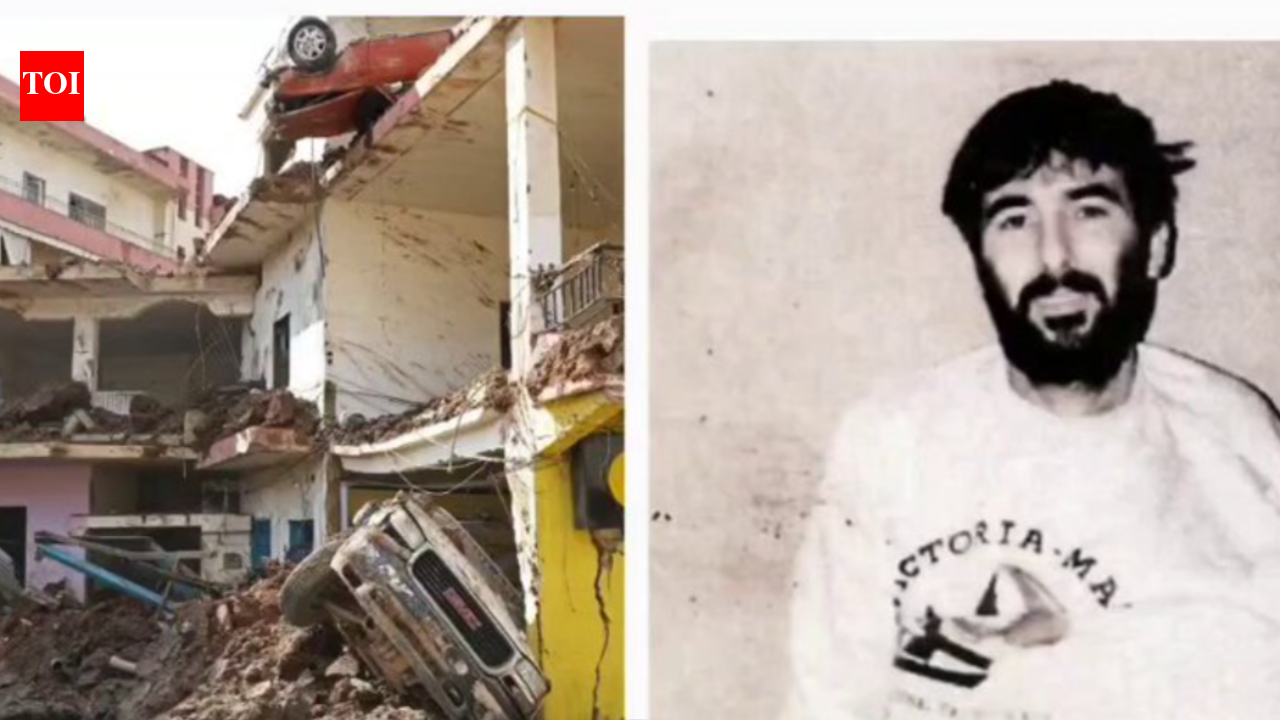
An Israeli special forces operation in eastern Lebanon aimed at locating the remains of missing Israeli airman Ron Arad left 41 people dead and 40 wounded, according to the Lebanese health ministry.The overnight operation targeted the town of Nabi Sheet in the Bekaa Valley and involved air strikes and ground clashes, leaving behind gutted buildings, torn-off roofs and scattered munitions around a large crater in the area.

Hezbollah Ambushes IDF Troops Airdropped To Retrieve Remains Of Soldier From Lebanese Town

“The sounds of the explosions were like something out of a movie,” resident Mohammed Mussa, 55, told Agence France-Presse during a media visit organised by the Iran-backed group Hezbollah. “We later realised there was a commando operation under way,” he said.Residents said the raid triggered clashes between Israeli troops and Hezbollah fighters in the area. The blasts were powerful enough to hurl a car onto the second floor of a nearby building, while several homes were heavily damaged.Lebanon’s health ministry said the strikes on Nabi Sheet and surrounding areas killed 41 people and injured 40 others.Israel’s military said it had issued evacuation warnings earlier on Friday, prompting residents to move children out of the town. “We prepared and evacuated the children from the town to protect them,” Nabi Sheet mayor Hani Moussawi said.The Israel Defense Forces confirmed on Saturday that it had carried out a special operation overnight in Lebanon in an attempt to locate Arad’s remains but failed to find any trace of the navigator, who has been missing since 1986.“The IDF will continue to operate relentlessly, day and night, out of a deep commitment to bringing all of Israel’s sons, the fallen and the missing, back home to Israel,” it said in a statement.Israeli Prime Minister Benjamin Netanyahu later said that although the mission did not succeed, Israel remained committed to finding all its missing servicemen.Arad was captured after ejecting from his aircraft over Lebanon in 1986, when his combat jet went down during a mission. He is widely presumed dead, but his remains have never been recovered.

[ad_2]

Source link

Blast at US embassy in Oslo: Explosion causes minor damage; probe under way

[ad_1]

BREAKING: Loud Explosions Rock US Embassy In Oslo Amid Iran War; Shockwaves Hit NATO Nation

Explosion at US embassy in Oslo.

An explosion struck the consular section entrance of the United States Embassy in Norway capital Oslo in the early hours of Sunday, police said, adding that no injuries were reported and the cause remains under investigation.The blast occurred at around 1.00 am local time (5.30 am IST), according to a statement from the Oslo Police Department.

BREAKING: Loud Explosions Rock US Embassy In Oslo Amid Iran War; Shockwaves Hit NATO Nation

Police incident commander Michael Dellemyr told Norwegian public broadcaster NRK that the explosion hit the entrance to the embassy’s consular section.“At around 1.00 am we received several reports of an explosion. We arrived shortly afterwards and confirmed that there had been an explosion that hit the US embassy,” Dellemyr said, adding that the damage appeared to be minor.Authorities declined to disclose further details about the nature of the blast. “We are not going to comment on the type of damage or what may have exploded because it is very early in the investigation,” he said.Dellemyr later told TV2 Norway that police believe the incident may have been an act carried out by an individual, though investigations are ongoing. Officers are currently speaking with witnesses, while a bomb squad was also deployed at the scene.Police confirmed they are in contact with officials at the US embassy, and a large security presence was established in the area following the explosion.Residents living near the embassy reported hearing a loud blast. A 16-year-old witness identified as Edvard told TV2 that he initially thought the sound came from his own house.“My mother and I first thought it came from our house, but then we saw flashing lights outside the window and a lot of police,” he said, describing the presence of police dogs, drones, armed officers and helicopters.Authorities cordoned off a large area around the embassy and stopped vehicles approaching the site, according to local media reports.The incident comes as US diplomatic missions remain on heightened alert in several regions following recent American military operations targeting Iran, which have raised concerns about retaliatory attacks.However, Dellemyr said there is currently no indication that the Oslo explosion is linked to the conflict.

[ad_2]

Source link

Karnataka Ballari Gurukul Student Attack: Boy goes on rampage at Karnataka school, attacks sleeping students with bed rod; 1 dead, several injured | Bengaluru News

[ad_1]

Boy goes on rampage at Karnataka school, attacks sleeping students with bed rod; 1 dead, several injured

BALLARI: A boy attacked fellow students with a bed rod at a Gurukul residential school in Karnataka’s Ballari district late at night, leaving one student dead and several others injured, police said. According to Ballari police, the incident took place after dinner when the students were asleep in the hostel. The boy went on a rampage and attacked anyone he could find inside the dormitory, according to news agency ANI. In the assault, eight students were injured. One of them later died, while two others sustained serious injuries. Six other children were also hurt in the attack. All the injured students were taken to a nearby hospital for treatment.

[ad_2]

Source link
‘Not helping them much’: Trump downplays reports of Russia sharing intel with Iran

[ad_1]

'Not helping them much': Trump downplays reports of Russia sharing intel with Iran

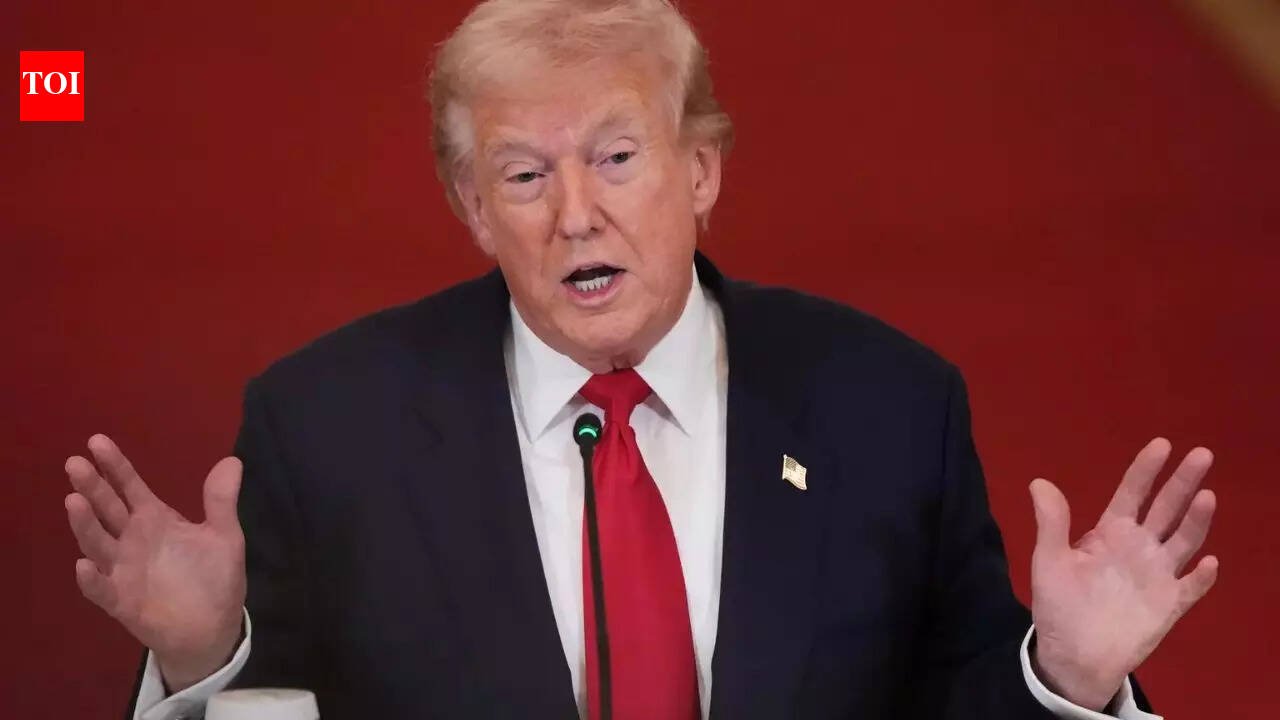
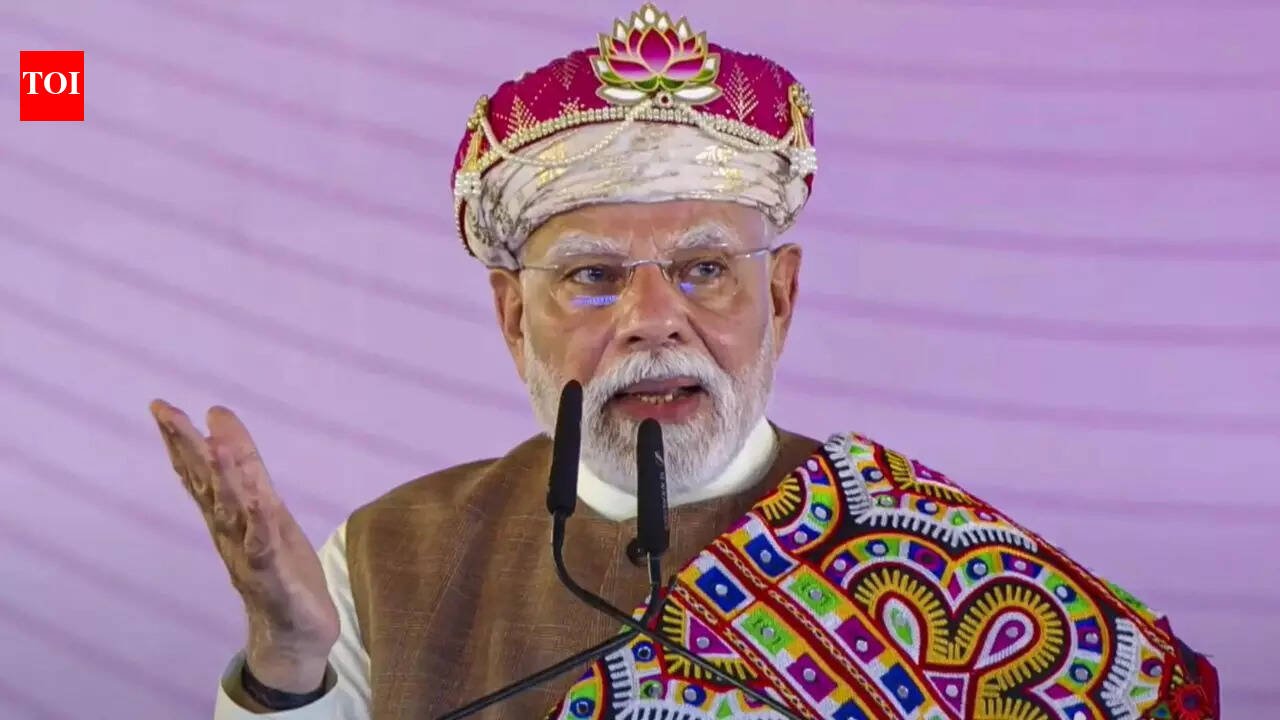
NEW DELHI: US President Donald Trump on Saturday downplayed reports that Russia may have shared intelligence with Iran to help target American forces in the Middle East, saying such information was “not helping Iran much” as the conflict continues to escalate.Speaking to reporters aboard Air Force One while travelling to Miami, Trump suggested that even if Moscow had provided Tehran with targeting information, it had made little difference on the battlefield.“I hope they are not. If you take a look at what’s happened to Iran in the last week, if they’re getting information, it’s not helping them much,” Trump said.The US president did not confirm reports that American intelligence agencies believe Russia may have provided Iran with information to target US military personnel and assets in the region.However, he indicated that even if such intelligence sharing had taken place, Iran had gained little from it.When asked whether Russian assistance to Iran could affect the US-Russia relationship, Trump dismissed the concern.“They’d say we do it against them,” Trump responded. “Wouldn’t they say that we do it against them?”Trump made the remarks after attending the dignified transfer ceremony for six US Army reservists who were killed in a drone strike in Kuwait, a day after the United States and Israel launched military operations against Iran.The week-old conflict has rapidly escalated across the Middle East, rattling global markets and raising concerns about energy supplies.Trump’s comments also came days after the US Treasury Department announced a 30-day waiver allowing India to continue purchasing crude oil and petroleum products from Russia.The decision drew criticism from lawmakers in Washington.Democratic Representative Ted Lieu of California criticised the move in a post on X, urging the administration to reverse the decision.“Reverse your decision to lift oil sanctions on Russia. It is traitorous conduct for you to help Russia,” Lieu said. “Meanwhile, Russia is assisting Iran in targeting American troops.”However, India has maintained that it does not require permission from any country to buy Russian oil.According to a senior government official quoted by PTI, the US waiver merely removes friction rather than shaping India’s energy policy.The Iran conflict has also sent global oil prices sharply higher. The war has disrupted shipping through the Strait of Hormuz, a critical passage that carries about 20 million barrels of oil per day from the Persian Gulf to global markets.With ships unable to safely navigate the route and key energy facilities damaged in the region, supplies from some of the world’s largest oil producers have been affected.

Trump rules out using strategic oil reserve

When asked whether the United States would tap its Strategic Petroleum Reserve (SPR) to ease rising oil prices, Trump appeared to dismiss the idea for now.“We’ve got a lot of oil. Our country has a tremendous amount,” Trump said. “There’s a lot of oil out there. That’ll get healed very quickly.”The reserve currently holds more than 415 million barrels of crude oil, though its total capacity exceeds 700 million barrels.Trump also suggested he was open to other steps to stabilise prices if needed, saying “If there were some, I would do it, just to take a little of the pressure off.”

[ad_2]

Source link

First in 15 years: Temperature crosses 35°C in March’s first week; what’s behind the rise in mercury? | Delhi News

[ad_1]

First in 15 years: Temperature crosses 35°C in March’s first week; what’s behind the rise in mercury?
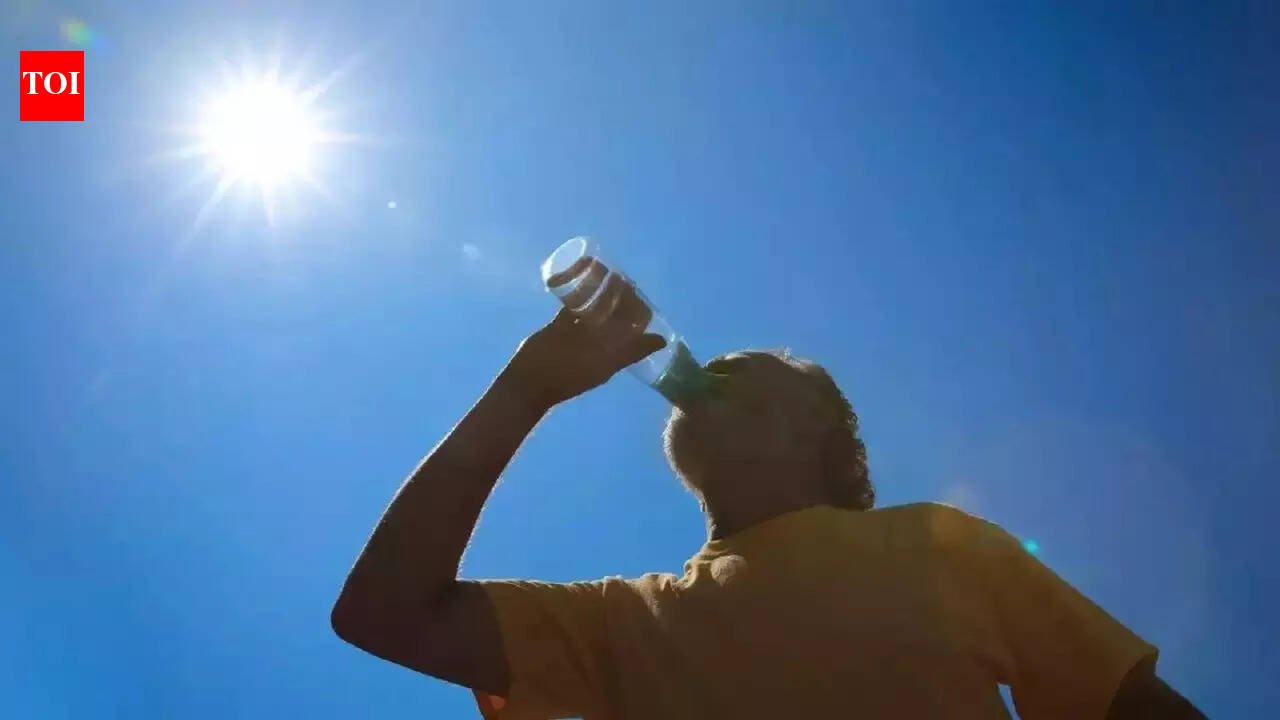
Image Used For Representational Purpose Only

NEW DELHI: The mercury rose to 35.7 degrees Celsius, seven degrees above normal, on Saturday. This was the earliest instance of the temperature surpassing 35 degrees Celsius in the first week of March in at least 15 years, IMD data showed. It was 34.4 degrees Celsius a day earlier. The day temperature is predicted to show a gradual rise and may further touch 37 degrees Celsius by March 11.Last year, the mercury crossed the 35-degree mark in the second week of March at 36.2 degrees Celsius on March 14. In 2024, this happened only in the last week of March, while in 2023, the temperature remained below 35 degrees Celsius throughout March. In 2022, this mark was breached in the third week of the month.“In March 2021, the day temperature surpassed 35 degrees Celsius on March 11. This time, it crossed four days earlier,” said RK Jenamani, senior scientist, IMD.

Clear skies and no active western disturbance lead to rise in mercury

Continuous clear skies have pushed the temperatures. Delhi has been largely experiencing dry weather since the last intense rainfall on Jan 28. Feb brought only two spells of very light showers. With no active western disturbance influencing the region, the city consistently has been recording clear skies, contributing to the rise in mercury.“The day temperature is expected to show a gradual increase. However, a western disturbance would impact the region from March 9 and it may cause rain activity only in hills. Though no rain is expected in the plains, the wind direction may change to easterly on March 10, which may cause a dip in the mercury by one to two degrees in Delhi,” said Jenamani.IMD predicted that the mercury is likely to hover between 34 and 36 degrees Celsius from Sunday to Tuesday. It is predicted to rise to around 37 degrees Celsius by Wednesday. “A rise in maximum temperatures by 1 to 2 degrees Celsius is expected during the next 24 hours and no large change is predicted during the subsequent three days. However, it may rise by 1 to 2 degrees Celsius on March 11 and fall by 1 to 2 degrees Celsius thereafter. The maximum temperatures are likely to be markedly above normal (5.1 degrees Celsius or more) during the next seven days,” said IMD in its bulletin.Apart from days, the nights continue to record temperatures above normal. The minimum temperature settled at 17.4 degrees Celsius, three notches above normal. It may touch 19 degrees Celsius by March 11.Meanwhile, Delhi’s air quality worsened to the poor category with an AQI of 246. It was 172 in the ‘moderate’ range the previous day. It is likely to dip to the moderate category on Sunday and Monday and may again deteriorate to poor on Tuesday, according to the Centre’s Air Quality Early Warning System for Delhi.

[ad_2]

Source link
Peaceful Nepal elections historic, ready to work with new government: PM Modi | India News

[ad_1]

Peaceful Nepal elections historic, ready to work with new government: PM Modi

NEW DELHI: With Rastriya Swatantra Party, led by 35-year-old rapper turned politician Balendra Shah, set to win Nepal polls by a landslide, PM Narendra Modi warmly congratulated the people and govt of Nepal on the successful and peaceful conduct of elections.“It is heartening to see my Nepali sisters and brothers exercise their democratic rights so vibrantly,” said Modi in a post on X. With counting still in progress, the PM didn’t name Shah, the likely new leader whose party RSP is dominating the count in the elections that were held six months after the violent, so-called Gen-Z protests that toppled Nepal’s govt and left 77 dead.“This historic milestone is a proud moment in Nepal’s democratic journey,” said Modi in a post on X.“As a close friend and neighbour, India remains steadfast in its commitment to working closely with the people of Nepal and their new govt to scale new heights of shared peace, progress and prosperity,” added the PM.A former mayor of Kathmandu, Shah hasn’t given much away in terms of what his foreign policy is going to be like, except that it will most likely be driven by his Nepal First hyper-nationalism. He has projected himself as someone who won’t succumb to foreign influence – unlike the established political parties – when it comes to ties with countries like India, China and the US.Shah lashed out at all three countries in a Facebook post last year but later deleted it. In 2023, in his mayoral office, Shah placed a map of “Greater Nepal” – that showed Indian territory as part of Nepal – apparently as a counter to a mural in Parliament depicting the geographical spread of the ancient Ashoka empire.Shah has cultivated the image of an outsider who views all three major powers (India, China, and the US) with equal skepticism and believes in neutrality. His party maintains that it will pursue balanced relationships with major powers.

[ad_2]

Source link

Dera Sacha Sauda chief Gurmeet Ram Rahim acquitted in journalist murder case | India News

[ad_1]

Dera Sacha Sauda chief Gurmeet Ram Rahim acquitted in journalist murder case
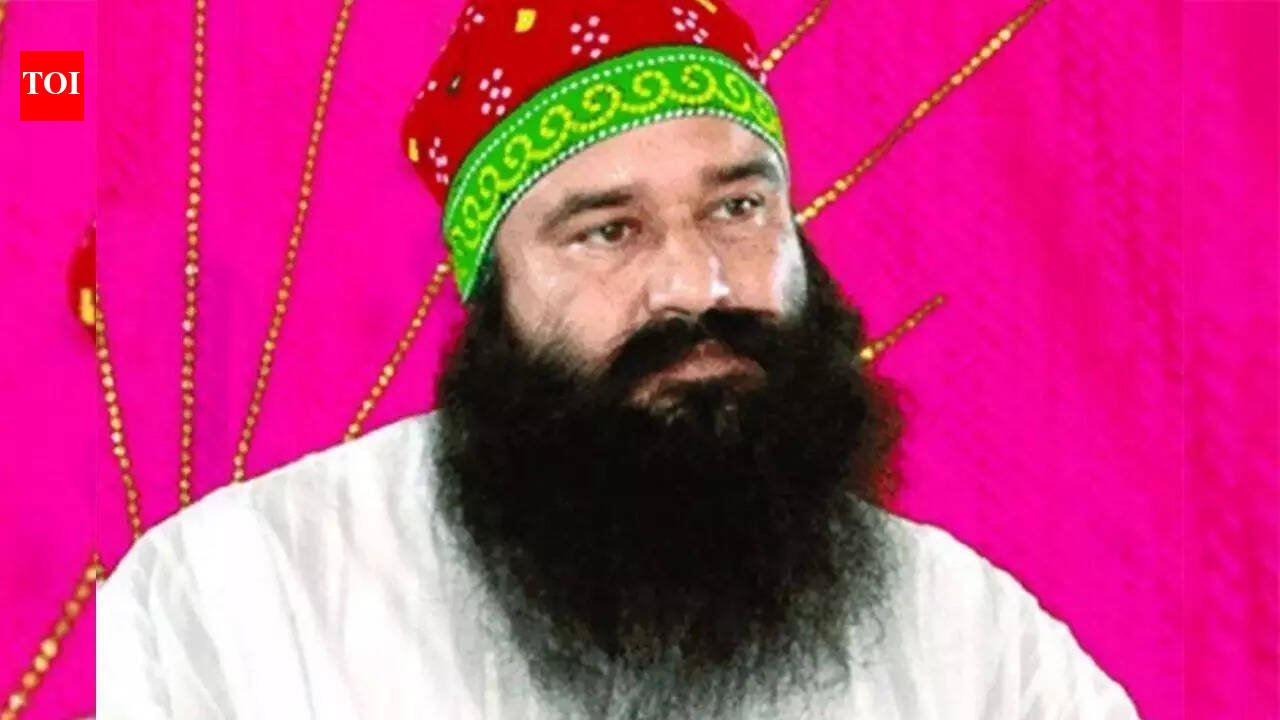
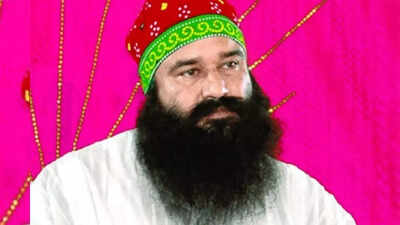
File photo: Dera Sacha Sauda chief Gurmeet Ram Rahim

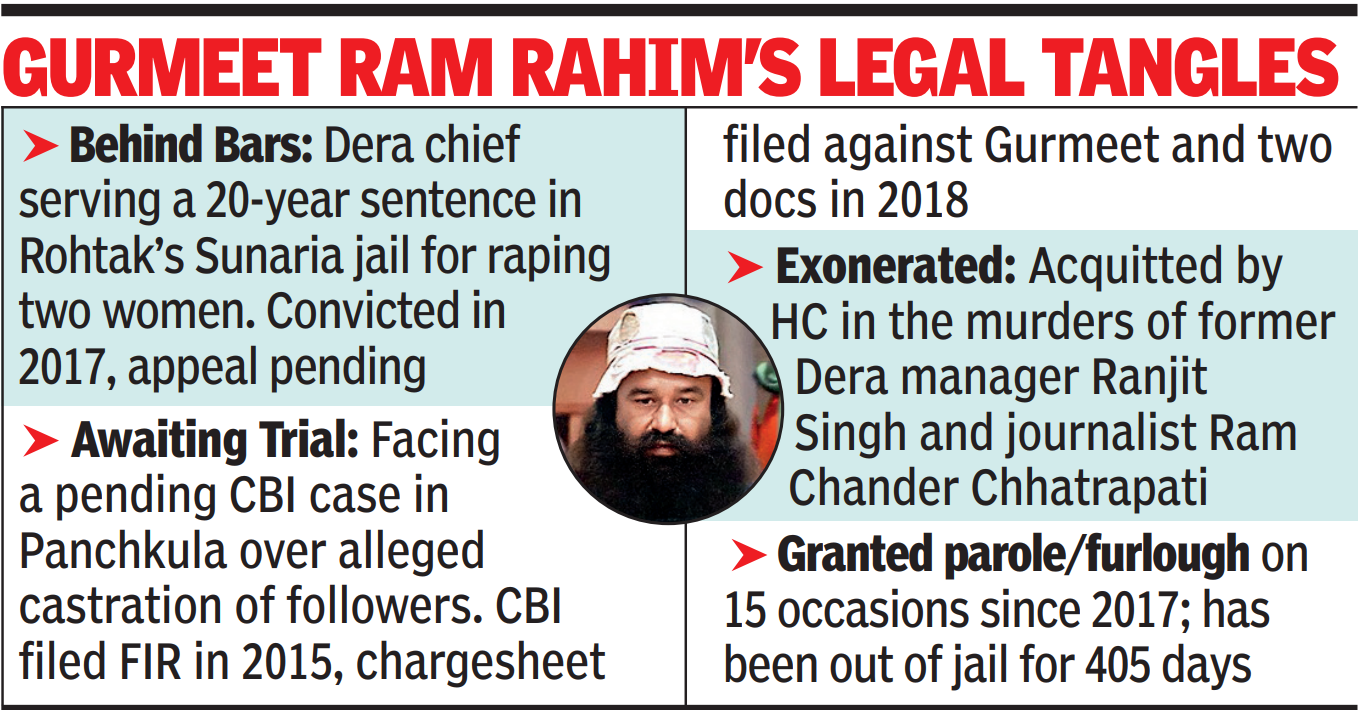
CHANDIGARH: Punjab and Haryana high court on Saturday acquitted the jailed Dera Sacha Sauda chief Gurmeet Ram Rahim in the 2002 murder of journalist Ram Chander Chhatrapati, overturning a life sentence awarded by a CBI court and dealing a blow to the investigating agency.Gurmeet remains lodged in Sunaria jail in Rohtak, serving a 20-year sentence since August 2017 after conviction for raping two women devotees. He has spent more than eight years in prison in that case.He also faces a separate CBI case over the alleged castration of some Dera followers. Trial is pending in a court in Panchkula. HC had earlier acquitted him in the murder case of former Dera manager Ranjit Singh. On Saturday, HC allowed the Dera chief’s appeal against his conviction in the Chhatrapati murder case while upholding life sentences of three co-accused. The slain journalist’s son Anshul, said the family plans to challenge the acquittal in Supreme Court. Chhatrapati was the editor of evening newspaper Poora Sach.

Gurmeet Ram Rahim's legal tangles

He had published reports alleging sexual exploitation of women disciples at Dera Sacha Sauda. Prosecution alleged he was killed in retaliation for the coverage.Dera chief counsel alleges CBI torture and revengeA special CBI court had sentenced the Dera chief and three others to life imprisonment in 2019, along with a fine of 50,000 each. Gurmeet challenged that conviction in HC, saying he had been wrongly accused.“Krishan Lal was tortured by CBI. The name of the Dera chief was thereafter included as an accused by way of revenge,” his counsel said.Lawyers also questioned the testimony of key witness Khatta Singh, saying the claim that a conspiracy was hatched in his presence and wasn’t undisclosed to anyone “stands falsified by the admission of IO, M Narayanan, in his cross-examination”. The defence further argued prosecution failed to show Gurmeet had any grievance against the journalist. “The investigating agency failed to prove even an iota of evidence that the appellant ever read the said newspaper,” the counsel said, adding that the evening paper largely reproduced reports already published by morning newspapers.

[ad_2]

Source link