Breaking News
China boosts military budget by 7%, aims to carry out ‘major defence-related projects’

[ad_1]
China boosts military budget by 7%, aims to carry out 'major defence-related projects'

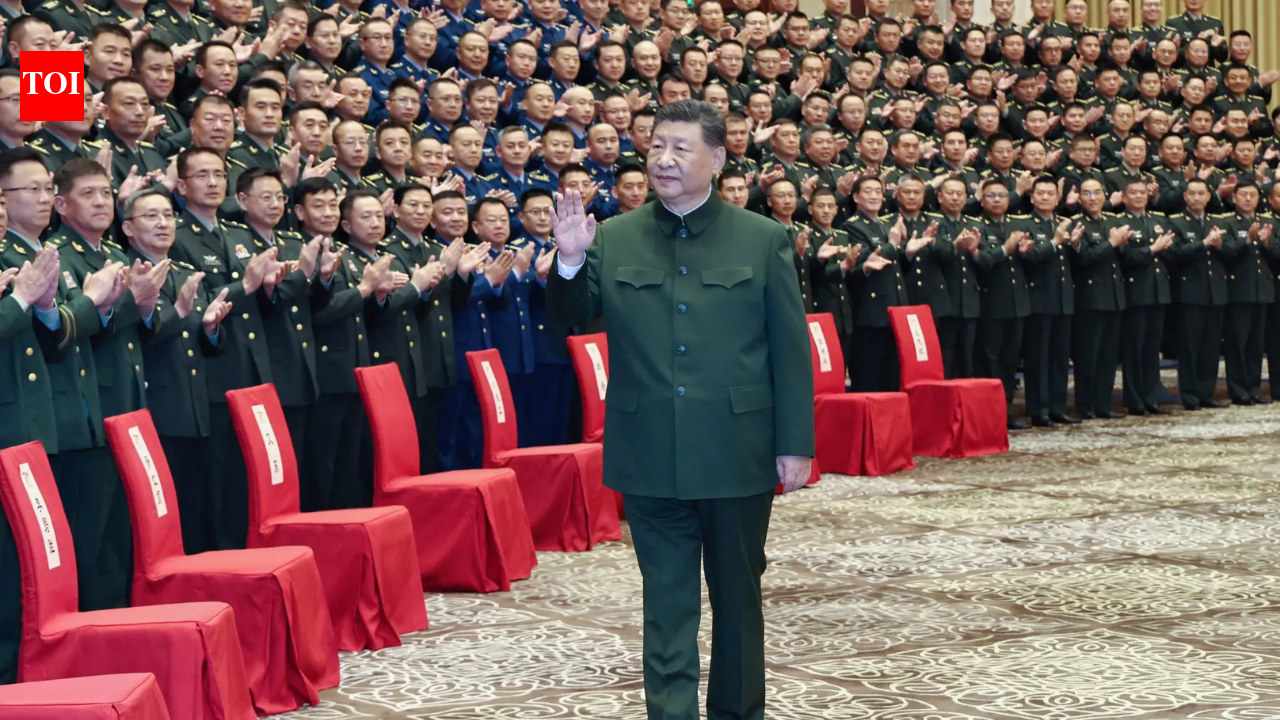
China on Thursday announced a 7% increase in its defence budget for 2026, as it continues to step up its military capabilities to counter the United States and strengthen its claims over Taiwan and the South China Sea. The hike will take the country’s defence spending to about 1.9 trillion yuan, or $276.8 billion, according to a report released at the opening of the annual “Two Sessions” parliamentary meeting.China has been steadily increasing its defence spending in recent years, making it the world’s second-largest military spender, only after the United States. Last year, China increased its defence budget by 7.2% to $249 billion, almost $17 billion higher than 2024.With the latest increase, Beijing’s defence budget remains roughly a third of that of the US, which spent about $997 billion on defence in 2024, according to the Stockholm International Peace Research Institute. Where will the funds be used?Presenting the figures at the National People’s Congress (NPC), Chinese Premier Li Qiang said that over the next five years, the country would continue efforts to strengthen its armed forces and “carry out major defence-related projects.”Analysts cited in the report said that the additional funds are expected to support a range of activities including military salary increases, training programmes, manoeuvres around Taiwan, the development of cyberwarfare capabilities and the procurement of advanced equipment.The increase also comes as Beijing pursues an anti-corruption campaign within the military that has led to the removal of several senior officials, including top general Zhang Youxia earlier this year.Steady defence build-upOfficials from Beijing said that the country’s defence spending remains comparatively modest when compared against indicators such as its share of GDP. According to SIPRI data, back in 2024, China’s defence budget accounted for about 1.7% of its GDP, compared with 3.4% in the United States and 7.1% in Russia.China has maintained annual increases of around 7% to 8% in its defence spending since 2016 as it continues the modernisation of the People’s Liberation Army (PLA).Dragon aims to ‘fully restore’ Chinese jurisdiction Military commentator Song Zhongping, a former Chinese army instructor, said that strong defence capabilities are necessary for the country’s diplomatic independence.“China pursues an independent and self-reliant foreign policy. However, without robust military capabilities and technological prowess, our diplomatic stance would inevitably be subject to coercion or even dictated by certain nations, including the United States,” he told AFP.“China is unwilling to be a vassal state,” Song said, adding that Japan and South Korea “only submit to American dictates”.He also said the PLA must strengthen its capabilities to “fully restore” Chinese jurisdiction over the disputed Spratly Islands in the South China Sea, which are also claimed by the Philippines and are believed to hold vast natural resources.Despite Beijing’s assertion that its defence policy is focused on protecting its territory, including what it considers part of China such as self-ruled Taiwan, the country’s growing military capabilities have raised concerns among neighbouring states.China currently operates only one overseas military base in Djibouti, in contrast to the several hundred bases maintained by the United States worldwide.Niklas Swanstrom, director of the Stockholm-based Institute for Security and Development Policy, said China’s spending level was consistent with the size of its economy but still significant.“That is proportional to its economy and legitimate defence needs,” he said, while noting that “the absolute spending level (second globally) and rapid capability development concern neighbours”.Countering US influenceChina’s military expansion has also prompted countries in the region to deepen defence cooperation with Washington. In Taiwan, leader Lai Ching-te has called for increased military spending in response to Beijing, which has not ruled out the use of force to take control of the island.Philippines has granted the United States access to more of its military bases, while Japan has begun easing its long-standing pacifist stance, approving a record defence budget worth $58 billion in December for the coming fiscal year.Meanwhile, though the Chinese navy is believed to have more ships than any other country, it still trails the US Navy in terms of overall tonnage, nuclear-powered submarines and aircraft carriers.Swanstrom noted that Washington also holds several other advantages, including stronger global logistics networks, more advanced submarines and stealth technology, a larger nuclear arsenal, combat-experienced personnel and a wide network of alliances.He added that the balance could look very different closer to China’s coastline if the US Navy were to intervene militarily, for instance in support of Taiwan.“The US remains the world’s first-class armed forces both in terms of its military hardware and the hard operational experience of its personnel,” said James Char, a Chinese military specialist at Nanyang Technological University in Singapore.“Most critically, neither side could ‘win’ meaningfully,” he said, adding, that economic “devastation, casualties, and nuclear escalation risks would be catastrophic for all parties.”

[ad_2]

Source link
Sanju Samson Ban News: Fact Check: Will Sanju Samson miss T20 World Cup semi-final vs England over a possible ban? | Cricket News

[ad_1]

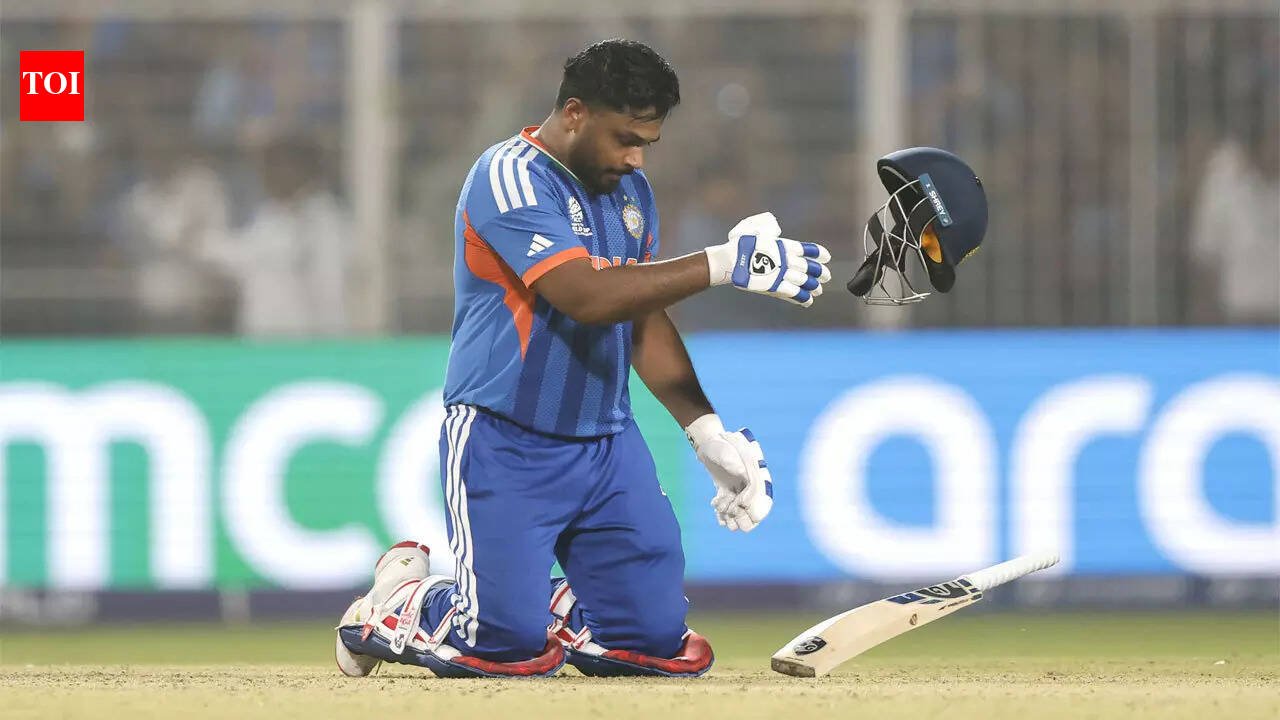
Fact Check: Will Sanju Samson miss T20 World Cup semi-final vs England over a possible ban?
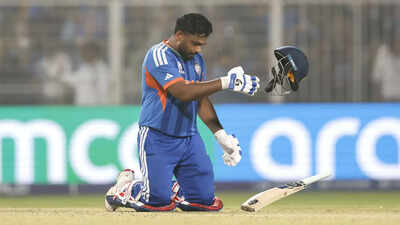
Sanju Samson (Pic credit: BCCI)

NEW DELHI: Speculation surfaced on social media after India’s win over West Indies that Sanju Samson could face disciplinary action — or even a ban — for his emotional on-field celebration in Kolkata. The rumours claimed that the Indian batter might miss the upcoming T20 World Cup 2026 semi-final against England on Thursday because he dropped his helmet to the ground after hitting the match-winning boundary.Go Beyond The Boundary with our YouTube channel. SUBSCRIBE NOW!The moment came at the end of a tense chase when Samson sealed India’s victory with a boundary. As the ball raced away, the right-handed batter removed his helmet and dropped it onto the ground before falling to his knees and offering a prayer. The emotional celebration quickly went viral, with some observers suggesting the act might fall under the International Cricket Council’s Code of Conduct related to equipment abuse.

Why India vs England semi-final match will be a nightmare for bowlers | T20 World Cup 2026

Sanju Samson’s possible ban: What do the ICC rules say?

A closer look at the rules suggests that the fears of a suspension are largely misplaced. Under Article 2.2 of the ICC Code of Conduct, players can be penalised for “abuse of cricket equipment,” which includes actions such as throwing or striking items like helmets, bats, or stumps in frustration. The rule also covers deliberate damage to advertising boards, boundary fences, or dressing room fixtures.Even if Samson’s act were to be reviewed under this provision, it would most likely fall under a Level 1 offence — the lowest category of disciplinary breaches. Level 1 incidents typically attract fines or demerit points rather than suspensions.Former international umpire Anil Chaudhary also dismissed the speculation, explaining that Samson’s gesture appeared to be an emotional celebration rather than an act of anger or protest. According to him, such moments are common in high-pressure matches and are rarely treated as serious offences.Recent examples support this interpretation. Scotland’s George Munsey received only one demerit point earlier in the tournament after throwing his helmet in frustration following his dismissal.As things stand, there has been no official charge or complaint against Samson from match officials. India are scheduled to face England in the semi-final at Wankhede Stadium in Mumbai on March 5, and the wicketkeeper-batter remains fully eligible to play.

[ad_2]

Source link

Got $5,000 in cash, family under ‘threat’: Pakistan man accused of plotting to kill Trump & Biden points to Iran

[ad_1]

Got $5,000 in cash, family under 'threat': Pakistan man accused of plotting to kill Trump & Biden points to Iran

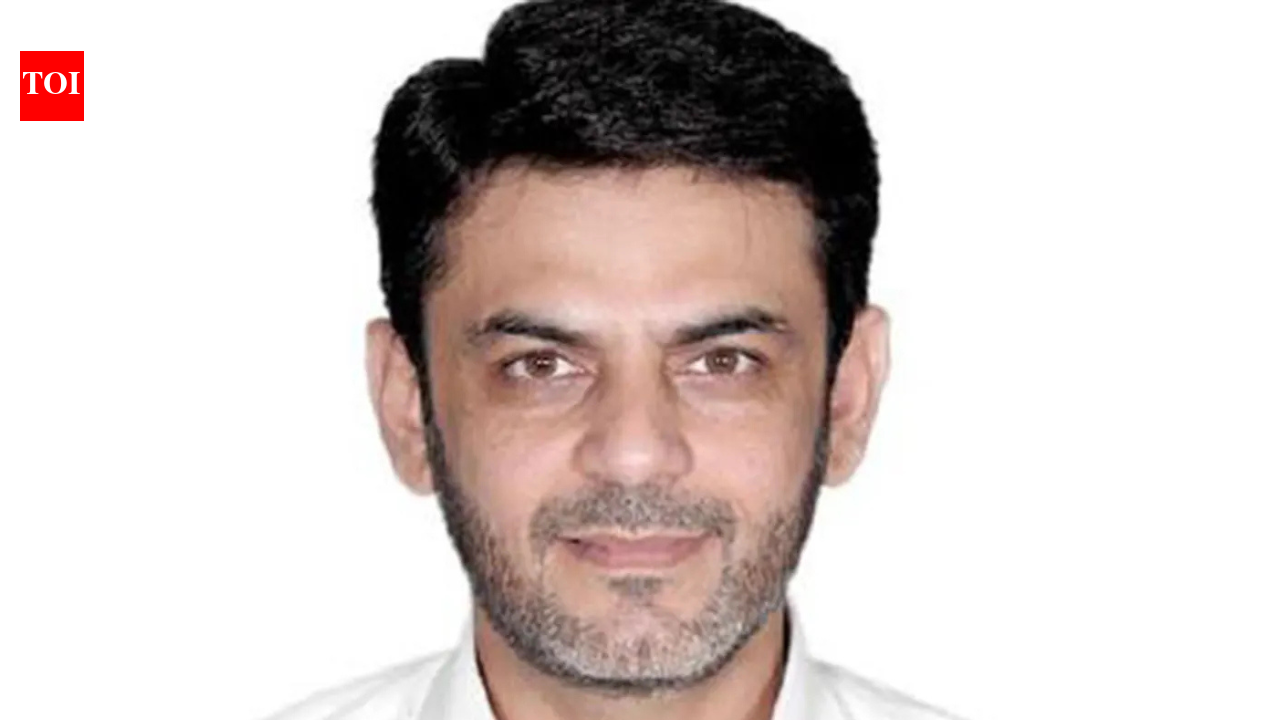
US department of justice on Wednesday charged a Pakistani national – with alleged ties to Iran – for plotting to kill key US politicians including President Donald Trump and Joe Biden.According to authorities, the accused, Asif Merchant, planned the killings in 2024 and attempted to hire two hitmen for $5,000. However, the men he hired, turned out to be undercover FBI agents posing as assassins.Merchant told investigators that an Iranian handler had instructed him in April 2024 to travel to the United States and “maybe have somebody murdered.”“He did not tell me exactly who it is, but he named three people to me: Donald Trump, Joe Biden and Nikki Haley,” Merchant said.Merchant was indicted in July 2024 after he was secretly recorded outlining a plan on a napkin to kill an unnamed politician while speaking to a person who turned out to be an informant. He also attempted to recruit two hitmen and offered them $5,000, though both were undercover agents.Calling the case a serious national security threat, then-FBI Director Christopher Wray said the alleged murder-for-hire plot followed tactics commonly associated with the Iranian regime.While the indictment did not explicitly name Trump, a law-enforcement source confirmed that Donald Trump had been discussed as a potential target, and defence lawyers also referenced him in court documents.During court proceedings, Merchant claimed he acted out of fear for relatives living in Iran and believed he would be arrested before any attack could occur.“My family was under threat, and I had to do this,” Merchant testified through an Urdu interpreter. “I was not wanting to do this so willingly.”He told the court that the handler initially asked him to find US residents willing to work for Iran. Later, the assignment expanded to recruiting a criminal who could organise protests, steal items, carry out money laundering and “maybe have somebody murdered.”Merchant said he felt he had no choice but to comply after the handler indicated he knew the identities and locations of Merchant’s relatives in Iran.The 47-year-old had previously spent nearly two decades working in banking in Pakistan before moving into several businesses, including clothing, car sales, banana exports and insulation imports. He also said he maintained two families—one in Pakistan and another in Iran—where he claimed he was introduced to an intelligence operative linked to the Islamic Revolutionary Guard Corps in late 2022.Despite suspecting he was under surveillance after US immigration agents questioned him at George Bush Intercontinental Airport in Houston in April 2024, Merchant continued researching Trump rally locations. He allegedly sketched a plan for a shooting at a political rally, arranged meetings with the supposed hitmen and gathered $5,000 from a cousin to pay them as a “token of appreciation.”The trial is unfolding amid heightened tensions between Washington and Tehran, following Donald Trump launching a joint military campaign with Israel against Iran under Operation Epic Fury. The offensive, carried out without congressional authorisation, has drawn criticism from several Democratic lawmakers and some Republicans who argue the president initiated an “illegal” war.

[ad_2]

Source link

Reliance, D-Mart & more: Top stocks to watch on March 5

[ad_1]

Reliance, D-Mart & more: Top stocks to watch on March 5
CLSA maintains an outperform rating on Reliance Industries, citing improved confidence in its new ventures. HSBC has a reduce rating on Avenue Supermart, noting its pricing advantage is not substantial. Morgan Stanley raises Delhivery’s target price, expecting strong volume growth and margin expansion due to a favorable industry environment.

CLSA has an outperform rating on Reliance Industries with the target price at Rs 1,800. Analysts said the market’s worry about value erosion from holdco discount after the Jio IPO are overdone. After the IPO, investors will get an option to buy Jio separately which may bring back the holdco discount on the value of RIL’s 67% stake in Jio. However, Jio’s starting free float of just 2.5% may see liquidity limitations. Improved confidence in Reliance’s FMCG, digital OTT and AI forays as well as the ramp-up of new energy and quick commerce businesses are other tailwinds for its sum of the parts (SOTP) value.HSBC has a reduce rating on Avenue Supermart (D-Mart) with the target price at Rs 3,500. Analysts said the company’s pricing differential is marginally better, but not substantial, and pricing is the only moat Dmart has versus other retailers. The company’s store addition trend is on track to touch about 60, but expectations were of an acceleration (post analyst day in July 2025). Analysts await clarity on initiatives from the new CEO, who took over in January 2026.Morgan Stanley has an equal weight rating on Delhivery with the target price raised to Rs 470 from Rs 445 earlier. Analysts said a favourable industry environment would support the thesis of strong players gaining market share and improving volume growth numbers. The company has strong operating leverage in its business model that should allow for healthy margin expansion. The company’s management did reiterate in the last earnings call that industry volumes could grow 15-20% on the year and the company could grow even faster in the medium term.Macquarie has an outperform rating on L&T with the target price at Rs 4,910. Analysts said that 37% of L&T’s order book was directly from West Asia at the end of Oct-Dec quarter (Q3FY26) along with 33% order intake in FY26 till Dec. The total exposure to the Gulf region has increased materially for L&T over years. Further, 55% of the Gulf order book is based on fixed price contracts. They see risk to L&T’s margins due to evolving scenarios in the Gulf region. They have already flagged geopolitical and commodities along with AI-led disruption as key risks for the company. While it is difficult to put a number on margin impact currently as the situation is evolving, margin drop is certain as a possible fallout of the Gulf conflict.JP Morgan has an overweight rating on Cyient with the target price at Rs 1,500. Analysts said the company announced an organizational change with the appointment of a new CFO and creation of a COO role. Shrinivas Kulkarni, ex-CFO of Cyient DLM, has been appointed as the new CFO of Cyient. Prabhakar Atla, the current CFO of Cyient, now becomes the new COO at Cyient. See this change as positive given Shrinivas brings his experience of running business finance and M&A functions, while Prabhakar in his new role can leverage his experience of running Aerospace, Communication, Rail and Utilities businesses.(Disclaimer: Recommendations and views on the stock market, other asset classes or personal finance management tips given by experts are their own. These opinions do not represent the views of The Times of India)

[ad_2]

Source link

Donald Trump Holi Message: ‘A day of hope, peace and unity’: Donald Trump, Melania Trump extend Holi greetings

[ad_1]

‘A day of hope, peace and unity’: Donald Trump, Melania Trump extend Holi greetings

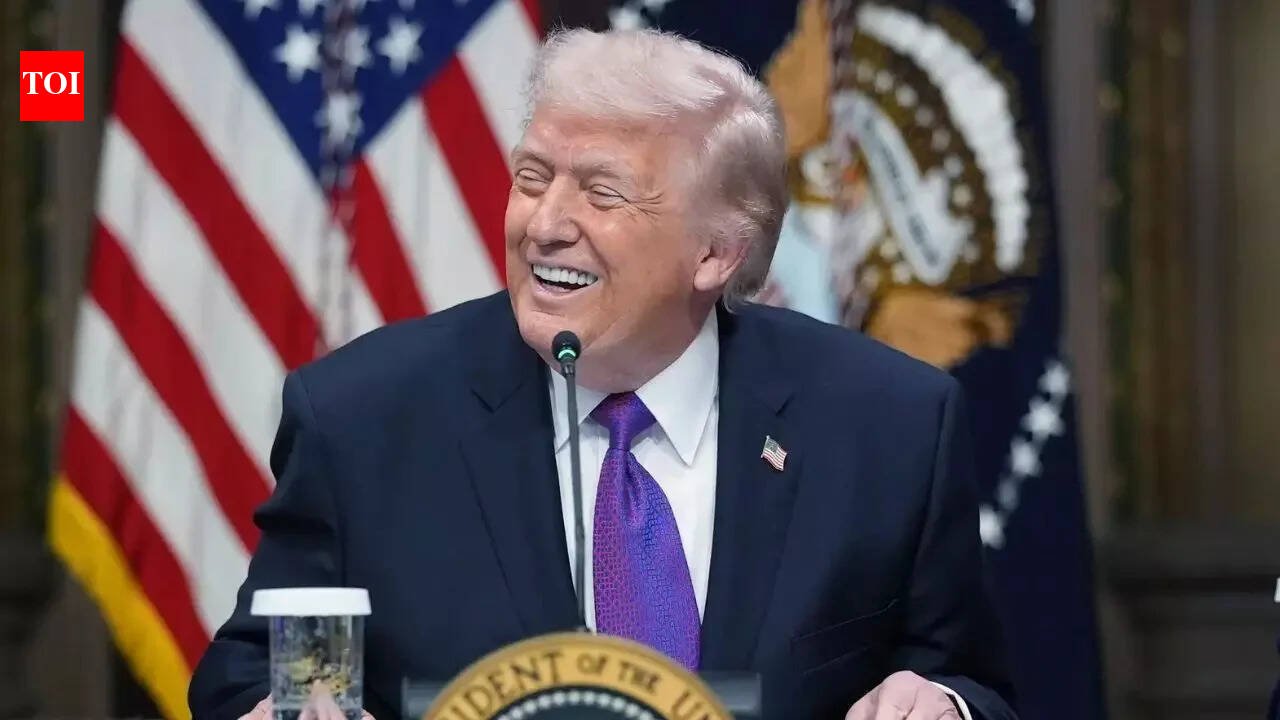
File photo: US President Donald Trump (Picture credit: AP)

US President Donald Trump on Wednesday extended greetings to those celebrating Holi, describing the Hindu festival as a time that marks the arrival of spring and symbolises the triumph of good over evil.The message was shared on X by White House press secretary Karoline Leavitt, who posted the president’s statement under the heading “Presidential Message on Holi.“Melania and I send our best wishes to all who celebrate the Hindu festival of Holi—a day welcoming the arrival of spring and rejoicing in the victory of good over evil,” Trump said in the statement.He added, “Today, as communities gather around the world to celebrate this festival of colours, I wish all Americans who observe Holi a day filled with hope, peace, and unity.”

Holi Colors Light Up Philippines As Filipino-Indian Community Celebrates Festival Of Unity

Holi, often referred to as the festival of colours, is celebrated widely in India and by the Indian diaspora across the globe. The festival typically signifies renewal, harmony and the strengthening of social bonds, as families and communities come together in celebration.The president’s message highlighted the cultural and spiritual importance of the occasion for millions of Hindus and other communities who observe the festival in the United States and worldwide.Trump’s greetings come as Holi celebrations take place in several American cities, reflecting the growing presence and influence of the Indian-American community.

[ad_2]

Source link

Kp Sharma Oli: Nepal votes today: Pitted against Balen, Oli faces litmus test of 50-year-old career

[ad_1]

Nepal votes today: Pitted against Balen, Oli faces litmus test of 50-year-old career
Pitted against Balen, Oli faces litmus test of 50-year-old career

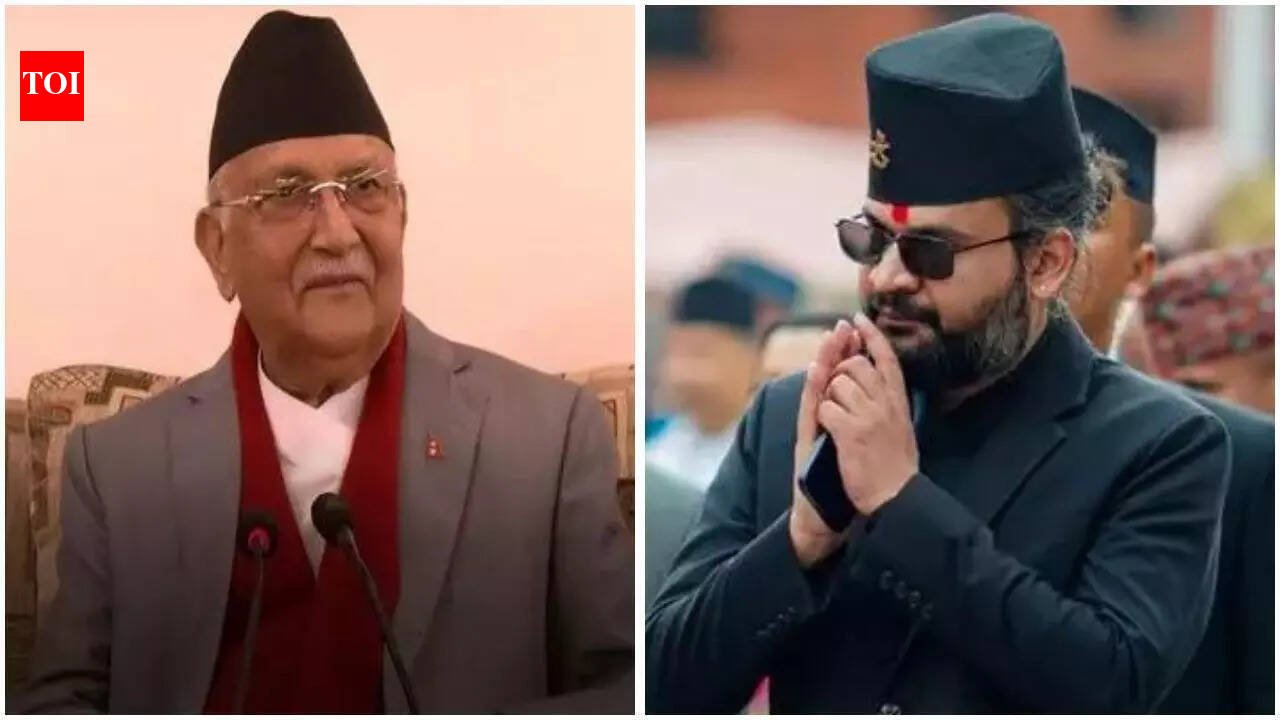
KATHMANDU: As Nepal votes on Thursday, a generational shift has reshaped the political mood in the Himalayan nation. In Kathmandu and other cities, many Gen Z voters – the cohort that toppled the KP Sharma Oli govt and propelled figures like the 35-year-old (Balen) into prominence – have grown impatient with Nepal’s traditional leadership. Yet Oli remains one of the most enduring faces of Nepal’s political establishment.Even after years of turbulence, Oli commands loyalty in Jhapa-5, the constituency along eastern Nepal’s border with India that has anchored his national career. This time though Balen has chosen to challenge him in a direct contest, as if to prove a point.Born in 1952, Oli came of age during Nepal’s Panchayat era, when political parties were banned — in 1970, as a teenage communist activist opposing the monarchy’s partyless system. Arrested in Oct 1973 for his role in the Jhapa rebellion and anti-monarchy activities, he spent 14 years in prison, four of them in solitary confinement. Decades later, the former dissident would become one of the most powerful figures in the very establishment he once fought.

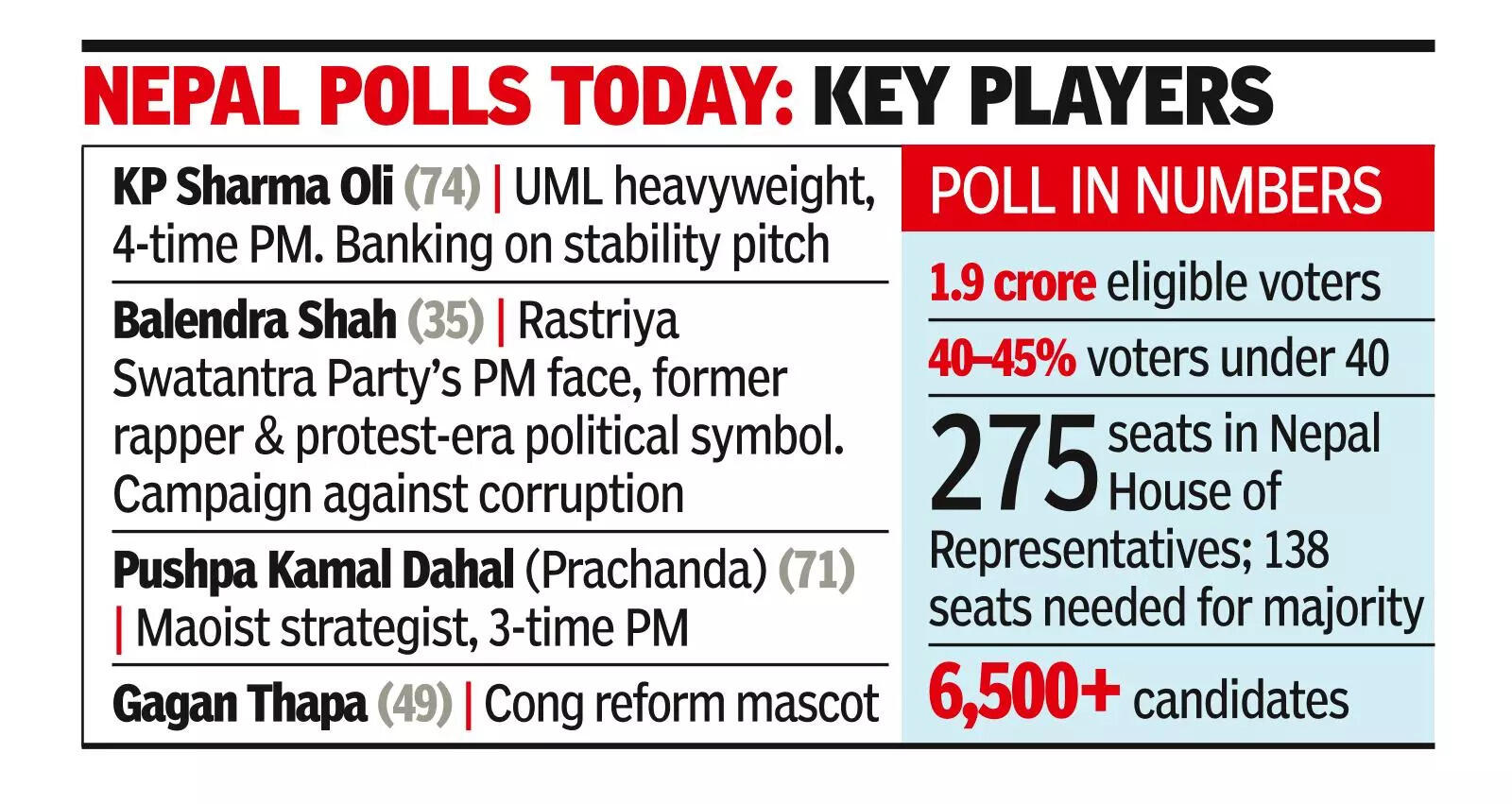
Key players

Those years shaped his political instincts. “Leaders who came through Panchayat-era prisons developed a hard view of politics,” a political analyst told a Nepali daily in 2018. “They believed power had to be exercised decisively because they had seen how easily it could be suppressed.”After the 1990 People’s Movement restored multiparty democracy, Oli entered open politics through the Communist Party of Nepal (Unified Marxist-Leninist). In parliament, he quickly gained a reputation for blunt rhetoric and biting humour. A Kathmandu newspaper wrote in 2014 that Oli approached debate “as a contest of endurance and wit rather than quiet compromise”, often using sarcasm to unsettle opponents.Ever since, he has remained a prominent figure in Nepal’s unstable coalition politics.His national breakthrough came in 2015, when Nepal adopted a new constitution and relations with India deteriorated sharply. Protests along the southern border disrupted the flow of fuel, medicines and essential supplies into the landlocked country. The shortages lasted months and were widely seen in Nepal as an unofficial blockade by India. Oli cast the crisis as a question of sovereignty and national dignity, a message that resonated. The nationalist sentiment that followed helped a left alliance sweep the 2017 elections, bringing him back to office with a rare parliamentary majority.But the stability he promised proved short-lived. Facing dissent within his own party, Oli dissolved parliament in Dec 2020. Nepal’s Supreme Court reinstated it. In May 2021 he dissolved it again, triggering another constitutional confrontation that eventually forced him out of office at that time. “A leader who once spent years in prison resisting state authority was now accused of pushing constitutional limits to retain power,” a constitutional scholar wrote in 2021.Oli returned to office again in 2024 as part of a coalition government and was PM during the deadly Gen Z protests last Sept. Many in Nepal believed that his resignation after the protests would end his political career. Instead, Oli has returned to the ballot from Jhapa-5, a reminder of the resilience that has defined his five-decades-old career.A leader who survived prison, political upheaval and repeated challenges to his authority, he now faces voters who will decide whether the rebel who became the establishment still has a future in it.

[ad_2]

Source link

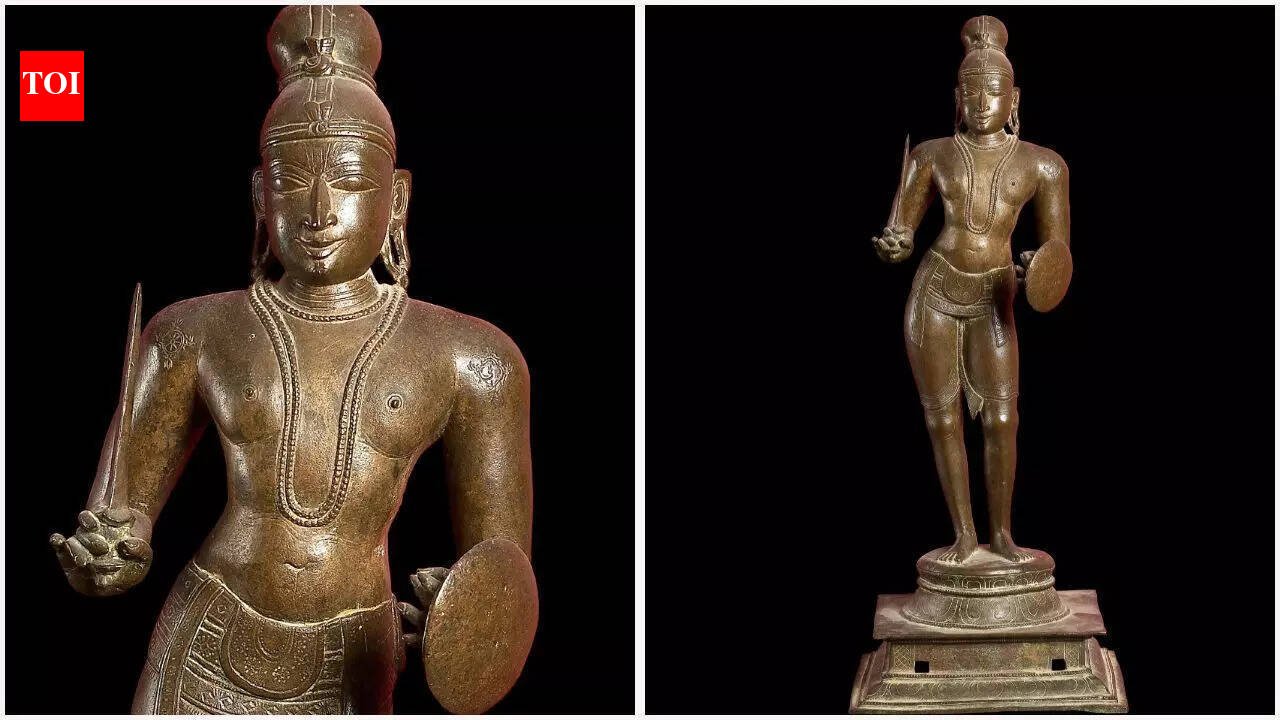
Oxford Ashmolean Museum: Oxford museum set to return 500-year-old bronze statue taken from Tamil Nadu temple

[ad_1]

Oxford museum set to return 500-year-old bronze statue taken from Tamil Nadu temple
Ashmolean museum acquired the statue in 1967. In 2019, a French scholar flagged that its provenance was unclear, leading to a probe

A 16th-century bronze statue of Saint Tirumankai Alvar, taken from a temple in Tamil Nadu, is among several Indian heritage items that are being returned to India from the UK.The Ashmolean Museum in Oxford acquired the 57.5cm tall statue of the South Indian Hindu saint in good faith in 1967 and had it on display. According to Sotheby’s, it was sold to the museum by the private collector, Dr J R Belmont (1886-1981). There is no information on how it entered his collection.However, in Nov 2019, a French scholar alerted the University of Oxford museum to research indicating that a photograph of the bronze had been taken in 1957 in the temple of Soundarrajaperumal temple in Thadikombu, a village in Tamil Nadu. This made the museum aware that its provenance was unclear, so the museum decided to investigate.Although no formal claim had been made, the Ashmolean wrote to the Indian High Commission on 16 Dec 2019, requesting further information and indicating the museum’s willingness to discuss its possible return.On 11 Feb 2020 a temple executive officer filed a police report noting that a modern replica had replaced the original bronze. The Indian High Commissioner then made a formal claim for return of the bronze on 3 March 2020.At request of Archaeological Survey of India (ASI), the museum commissioned metal analysis of the bronze and submitted results to inform a report on its provenance.Director of the Ashmolean Dr Xa Sturgis said: “The Ashmolean is pleased to see this important object returned to India and we are grateful to the Indian authorities and scholars who have helped establish its provenance. The museum and University of Oxford are committed to ethical collections practices and continued research into our collections, their origins and history.”

[ad_2]

Source link
Donald Trump: Middle East crisis: Donald Trump rates US war effort ‘15 out of 10’; vows to push on against Iran

[ad_1]

Middle East crisis: Donald Trump rates US war effort ‘15 out of 10’; vows to push on against Iran

File photo: US President Donald Trump

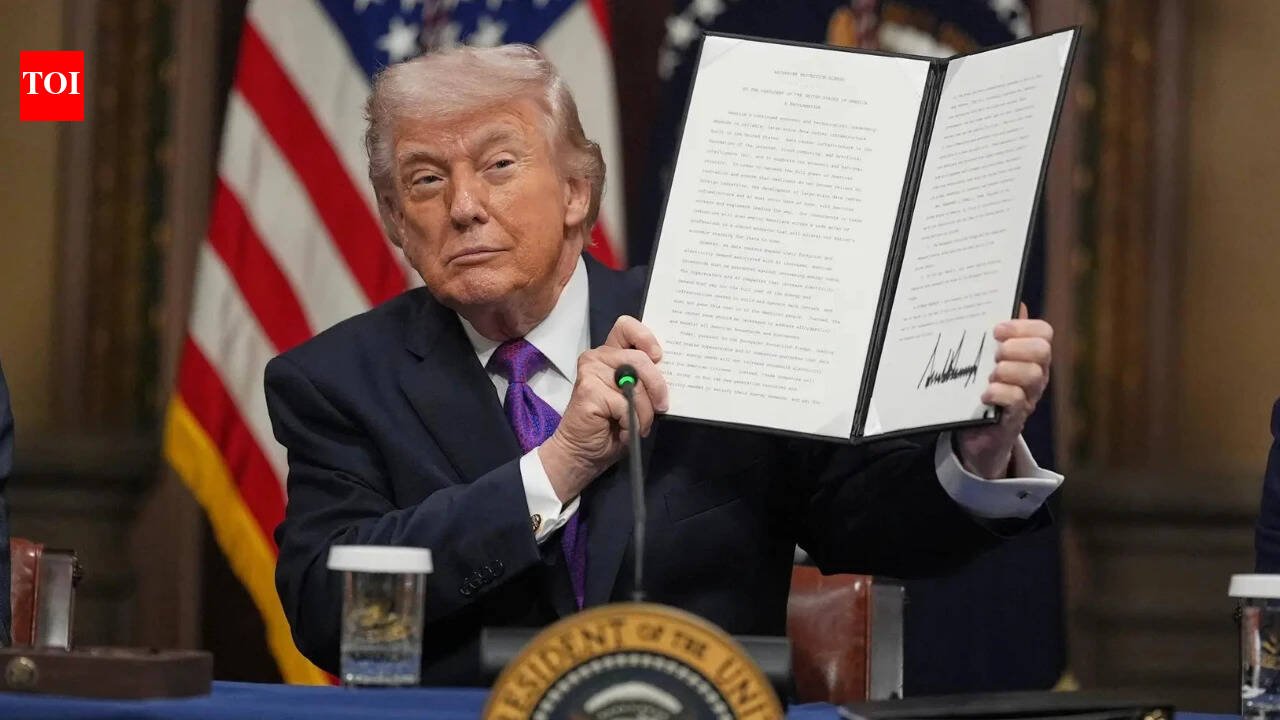
US President Donald Trump on Wednesday said the American campaign against Iran was performing beyond expectations, rating it “about a 15” on a scale of 10 and pledging to press ahead with operations alongside Israel.“We’re doing well on the war front, to put it mildly. Somebody said on a scale of 10, where would you rate it? I said about a 15,” Trump told tech executives at the White House.He claimed Iran’s leadership was being decimated. “We’re in a very strong position now, and their leadership is just rapidly going. Everybody that seems to want to be a leader, they end up dead,” he said, adding that Tehran’s ballistic missile arsenal was being “wiped out rapidly.”

Justification for the war

Trump repeated that the offensive was aimed at stopping Iran from acquiring nuclear weapons. “When crazy people have nuclear weapons, bad things happen,” he said, calling the previous Obama-era nuclear deal “the worst deal ever made” and “a road to a nuclear weapon”.He vowed to “continue forward” with the joint air campaign that, according to AFP, killed Iran’s Supreme Leader Ali Khamenei on the opening day of the conflict.The White House said Iran’s clerical leadership was being “absolutely crushed” and was “paying in blood,” but Press Secretary Karoline Leavitt declined to confirm whether Trump was seeking regime change. She said he was “actively considering” a US role in Iran after the current operation concludes, reported AFP.

Expanding conflict and global fallout

A US submarine sank an Iranian warship in international waters, while Israel launched fresh strikes on Tehran and Hezbollah positions in Lebanon. Iran has fired missiles at Israel and Gulf states.The war has killed more than 1,000 people in Iran, over 50 in Lebanon and around a dozen in Israel, according to officials cited by news agency AP. The United Nations said 100,000 people fled Tehran in the first two days alone.Oil prices have surged after Iranian attacks on traffic through the Strait of Hormuz, rattling global markets.

Domestic and diplomatic pressures

Trump’s stance has drawn criticism, especially given his earlier campaign pledge of starting “no new wars.” The US Senate is preparing to vote on a war powers resolution seeking congressional approval for further action, though it faces long odds.Leavitt rejected reports that Trump had agreed to arm Kurdish separatists in Iran, calling them “false,” though she confirmed he had spoken to Kurdish leaders regarding US bases in Iraq.Trump also referenced Venezuela, saying US engagement there had “worked out really great” and that oil extraction would benefit both nations.Despite mounting casualties and regional instability, Trump insisted the United States was in “very good shape now” and would continue its military campaign.

[ad_2]

Source link

US orders non-emergency consular staff to leave Karachi, Lahore amid Middle East tensions

[ad_1]

US orders non-emergency consular staff to leave Karachi, Lahore amid Middle East tensions

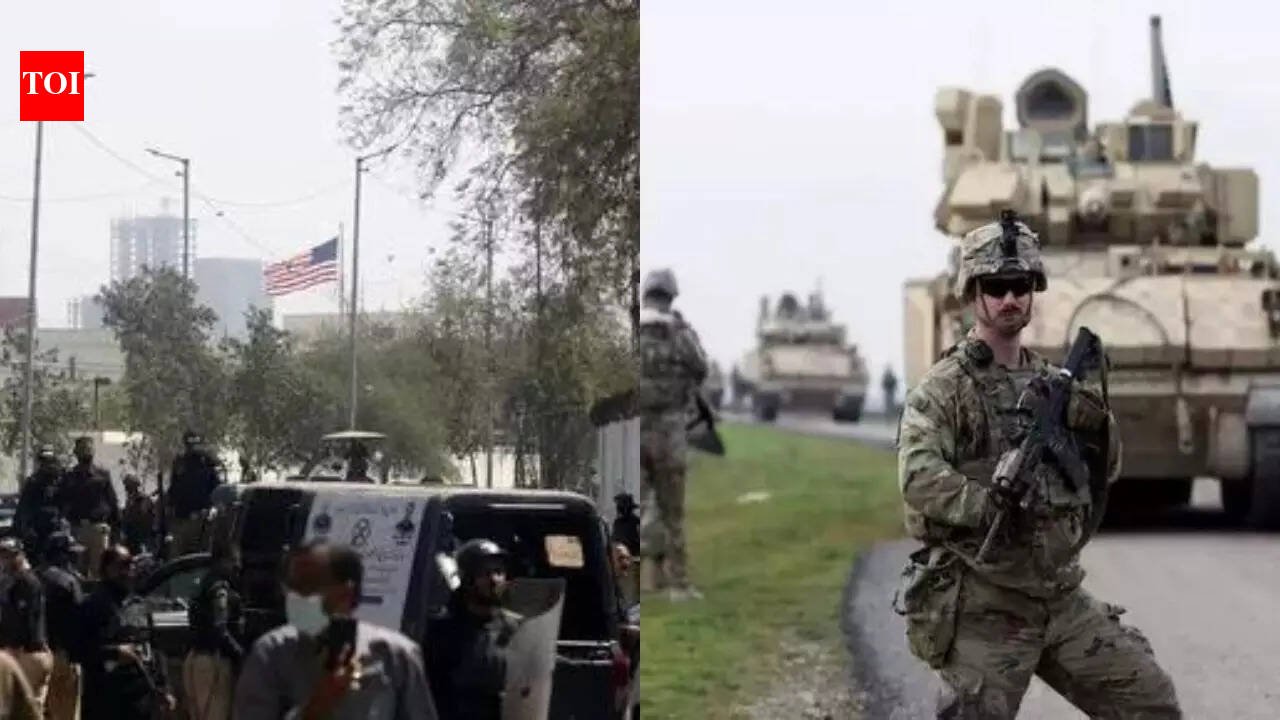
The United States on Wednesday ordered non-emergency staff at its consulates in Karachi and Lahore to leave Pakistan, citing security concerns as tensions escalate across the Middle East following Iranian retaliation to US-Israeli strikes.The US embassy in Islamabad said the State Department directed non-emergency US government employees and their family members at the two consulates to depart due to “safety risks.”The embassy clarified that there was no change in the operational status of the US embassy in Islamabad.The decision comes after protests erupted in Pakistan over the US-Israeli strikes on Iran. At least 25 people were killed in demonstrations over the weekend, according to an AFP tally. Hundreds of protesters also attempted to storm the US consulate in Karachi, the country’s largest city.

Travel advisory expanded across region

The State Department also authorised non-emergency US government employees and their families to leave Saudi Arabia, Oman and Cyprus as tensions spread across the region.In addition, Washington advised American citizens to reconsider travel to the three countries.The advisory related to Cyprus drew attention as the island nation is a member of the European Union.The move came after Iranian-made drones, believed to have been launched by Iran-backed Hezbollah in Lebanon, targeted a British military base in Cyprus.US Secretary of State Marco Rubio spoke with Cypriot Foreign Minister Constantinos Kombos on Wednesday and “reaffirmed the strong partnership” between the two countries, according to State Department spokesman Tommy Pigott.

Drone damage and evacuation plans

In Saudi Arabia, a drone attack also damaged the US embassy in the capital Riyadh, further raising security concerns for American personnel in the region.The State Department said it is preparing charter flights to evacuate American citizens from affected areas as commercial flight operations across the region have been severely disrupted by the ongoing conflict.The regional crisis began after the United States and Israel launched coordinated strikes on Iran on Saturday, killing Iran’s supreme leader Ayatollah Ali Khamenei. The attacks came two days after US envoys had held talks with Iranian officials in Geneva on a potential nuclear agreement.Since then, Iran has expanded its retaliation, launching missile and drone attacks across several parts of the Middle East, raising fears of a broader regional escalation.

[ad_2]

Source link

Middle East Tensions: Middle East tensions: Iran firing fewer missiles as US expands strikes deeper inland, says top General

[ad_1]

Middle East tensions: Iran firing fewer missiles as US expands strikes deeper inland, says top General

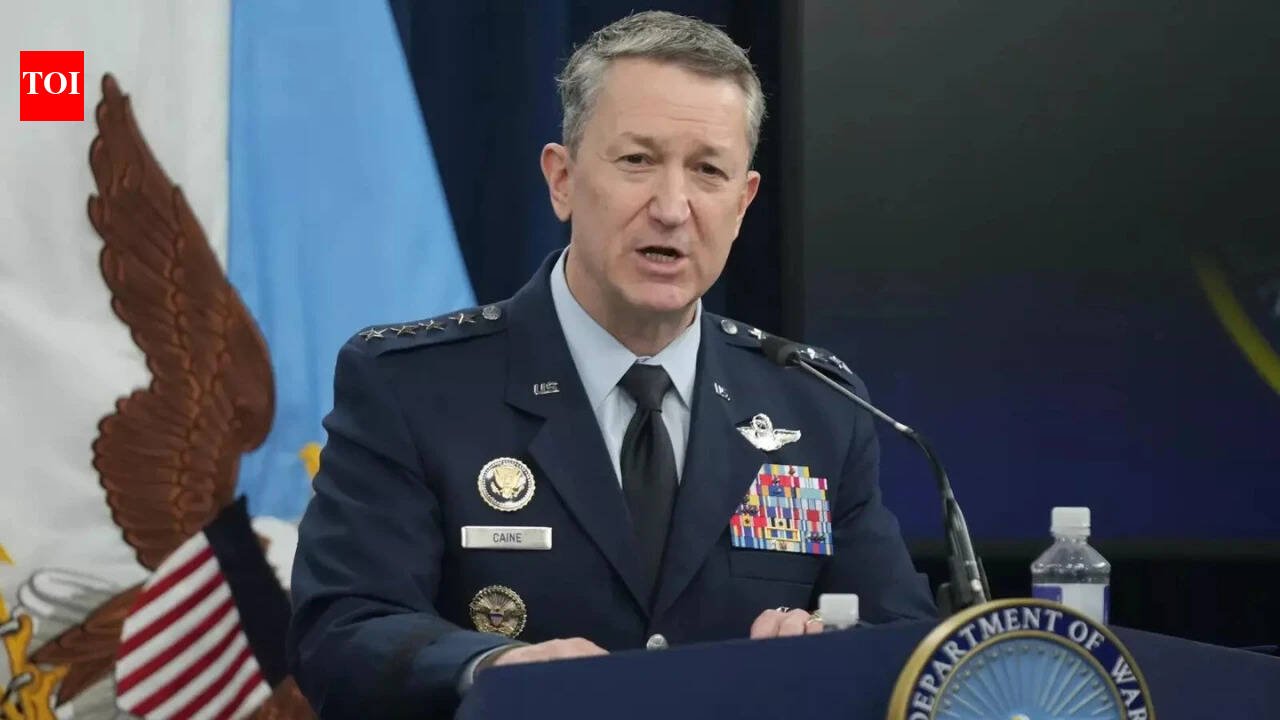
File photo: General Dan Caine, chairman of the Joint Chiefs of Staff

Iran is launching significantly fewer missiles and drones than it did at the start of the war on Saturday, the United States’ top military officer said on Wednesday, even as Washington signalled an expansion of its offensive deeper into Iranian territory.“We will now begin to expand inland striking progressively deeper into Iranian territory, and creating additional freedom of maneuver for US forces,” General Dan Caine, chairman of the Joint Chiefs of Staff, told reporters at the Pentagon.

Sharp drop in Iranian firepower

Caine said the number of ballistic missiles fired by Iran had dropped by 86% from Saturday’s levels, with a 23% decline in launches over the past 24 hours. One-way attack drone launches were also down 73% from the opening days of the conflict, he added, according to news agency AP.However, some experts believe that Iran may be conserving weapons to prolong the conflict.The escalating war has already killed more than 1,000 people in Iran, over 50 in Lebanon and around a dozen in Israel, according to officials in those countries.

US ‘winning the war’: Hegseth

US defense secretary Pete Hegseth said the United States was prevailing in the conflict, even as he confirmed that six American troops had been killed so far.“The United States will outlast Iran,” Hegseth said, as quoted by Reuters.He also confirmed that a US submarine sank an Iranian warship off the coast of Sri Lanka, describing it as the first sinking of an enemy vessel by torpedo since World War Two.“An American submarine sunk an Iranian warship that thought it was safe in international waters. Instead, it was sunk by a torpedo. Quiet death,” Hegseth said.Caine later specified that the US Navy fast-attack submarine used a single Mark 48 torpedo in the strike. A US official confirmed the vessel was the Iranian warship Dena.

War expands beyond Iran

The conflict has widened across the region. Israel struck targets in Tehran and hit the Iran-backed Hezbollah group in Lebanon, while Iran fired missiles at Bahrain, Kuwait and Israel.Turkey said Nato defenses intercepted a ballistic missile launched from Iran before it entered Turkish airspace. Meanwhile, the United Kingdom Maritime Trade Operations agency reported that a Malta-flagged merchant ship was struck in the Strait of Hormuz, with Oman’s navy rescuing the crew.Iranian President Masoud Pezeshkian said Tehran had pursued diplomacy but was forced into self-defence following US and Israeli attacks.“We respect your sovereignty,” Pezeshkian said on X in a message to neighbouring countries, adding that regional stability must come through collective efforts.

Civilian toll and economic shockwaves

The war has triggered mass displacement in Lebanon, with more than 83,000 people uprooted, and nearly 60,000 displaced in the last 24 hours alone, including about 18,000 children, Lebanese authorities and UNICEF said.In Tehran, residents described emptier streets, heavy smoke and intermittent anti-aircraft fire as strikes intensified,.Oil prices have surged following Iranian attacks on traffic through the Strait of Hormuz, and global stock markets have been rattled amid fears that rising energy costs could slow the global economy.Despite the mounting violence, the White House said there are currently no plans to deploy US ground troops into Iran. “It’s not part of the current plan, but I’m not going to remove an option for the president that is on the table,” White House press secretary Karoline Leavitt said.

[ad_2]

Source link