Breaking News
Why Saturday? How Israel-US strikes targeted Khamenei and his inner circle

[ad_1]
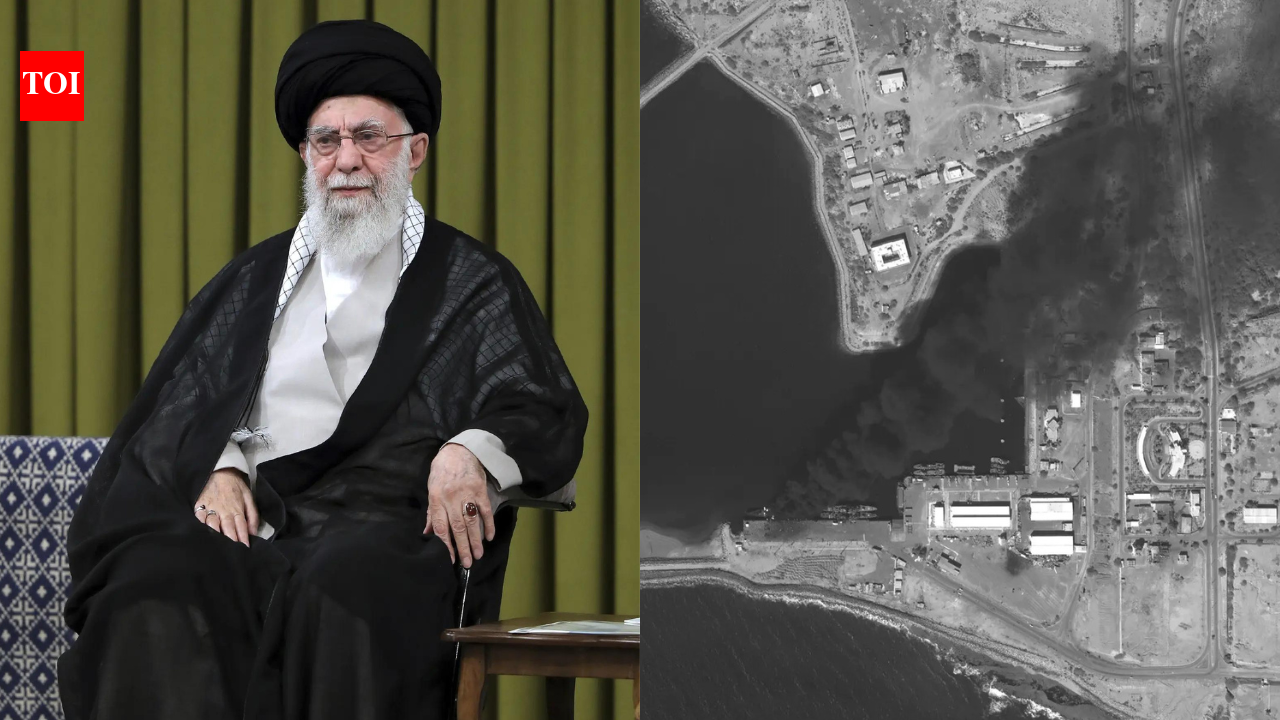
Why Saturday? How Israel-US strikes targeted Khamenei and his inner circle

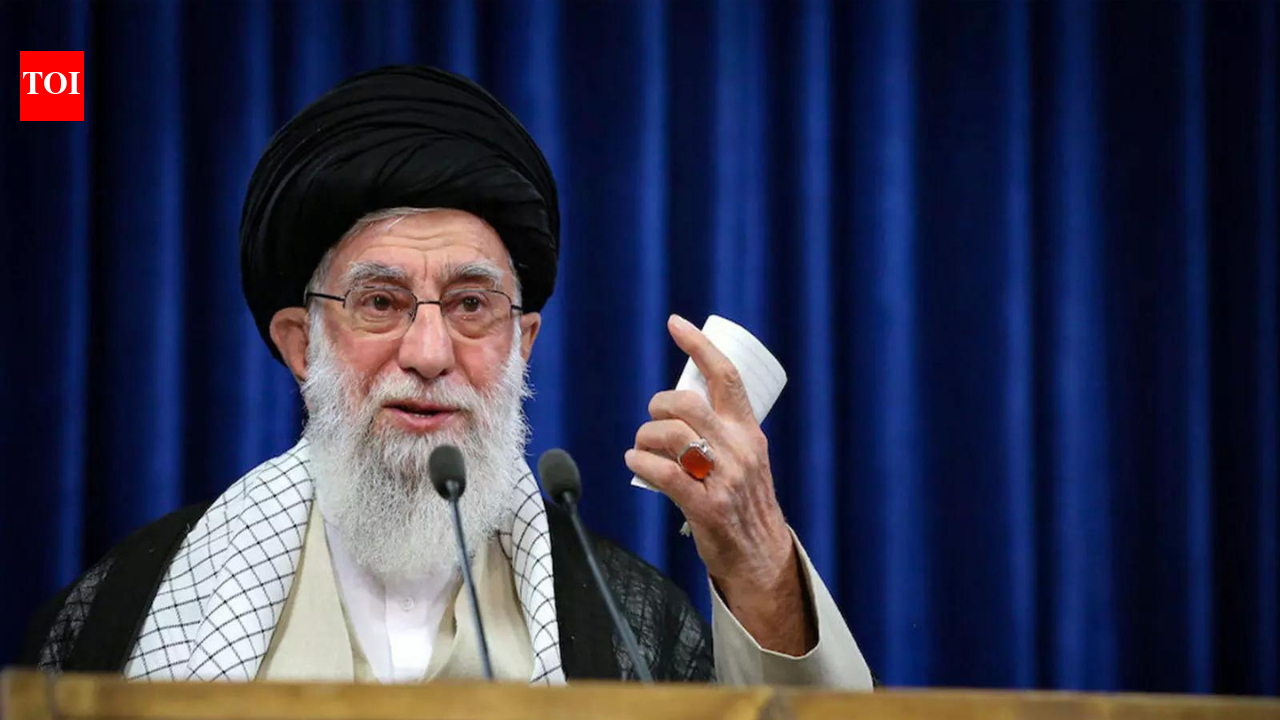
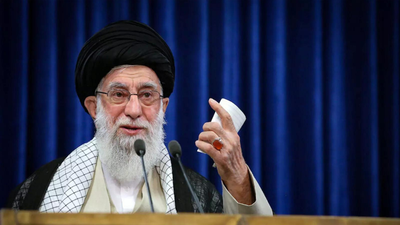
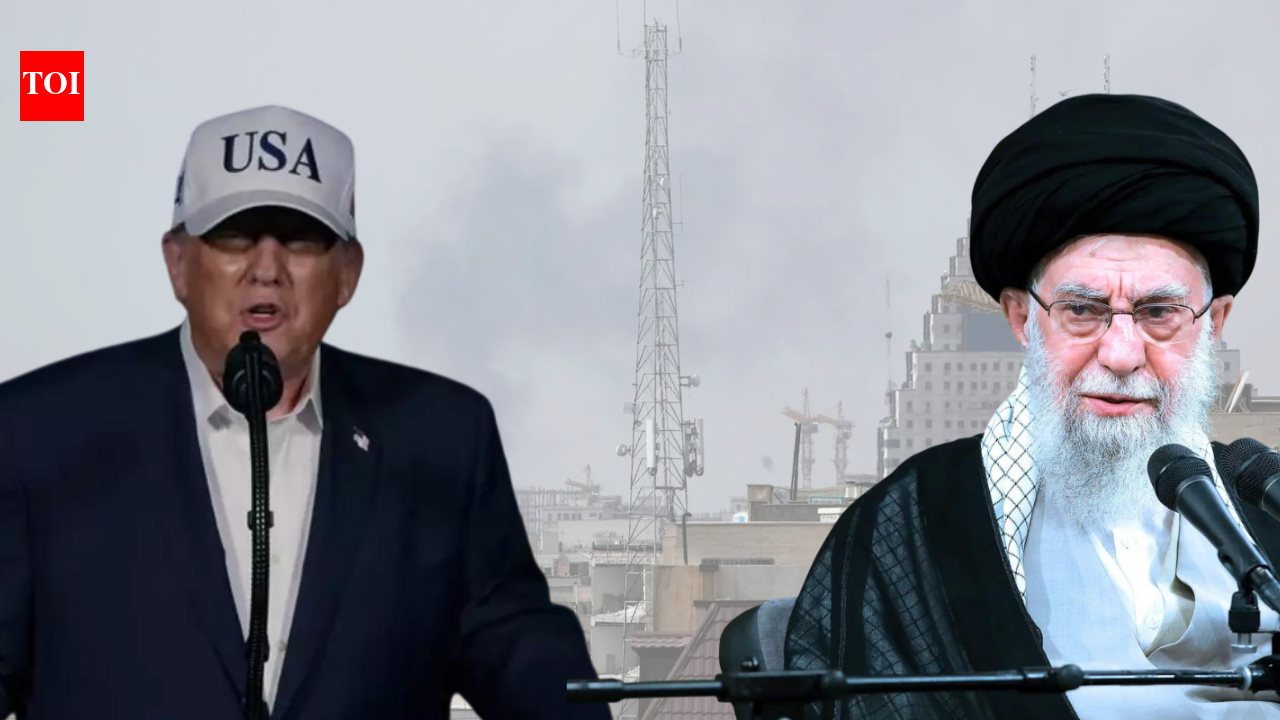
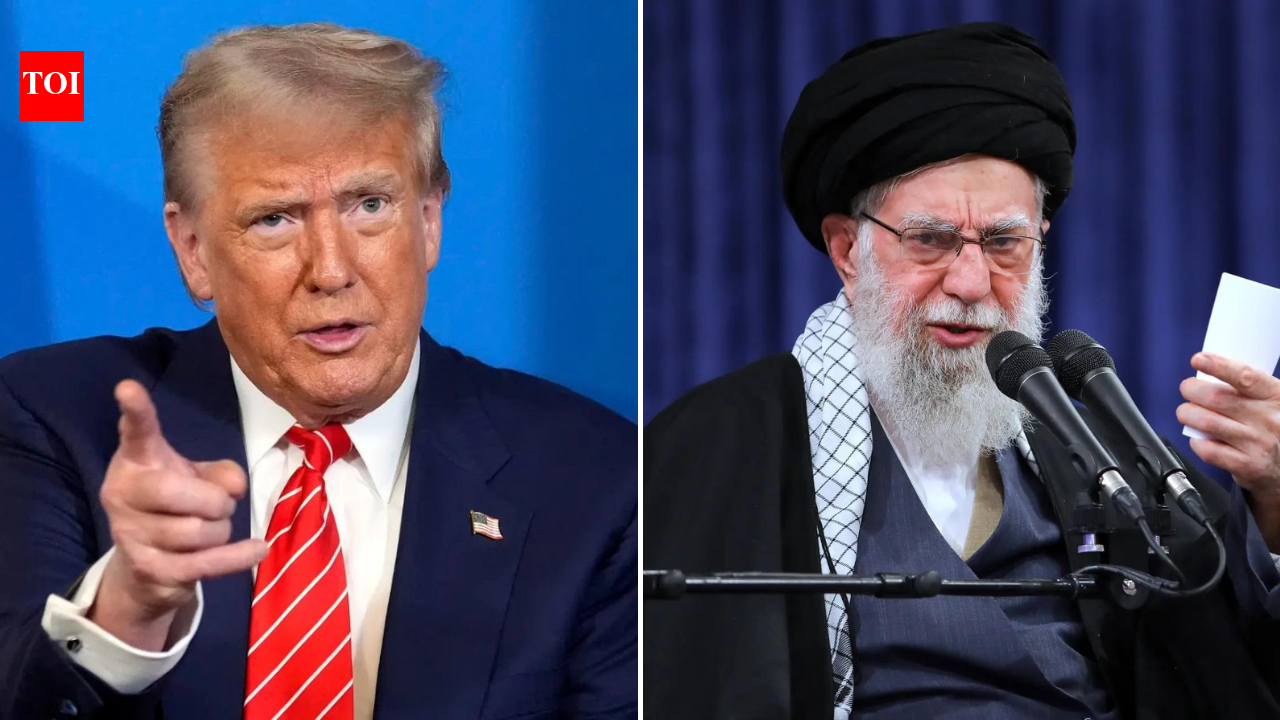
Iran’s Supreme Leader Ayatollah Khamenei was killed in a daylight pre-emptive airstrike in a joint operation by US and Israel on Saturday.Iranian confirmed early Sunday that Supreme Leader Ayatollah Ali Khamenei died following the attack. US President Donald Trump described Khamenei’s death as offering Iranians their “greatest chance” to reclaim control of their country.The operation – dubbed as ‘The Epic Fury’ – was timed to coincide with a meeting of the country’s top leadership, according to US officials.

Why US chose Saturday to carry out the strikes?

The joint US-Israel operation, reportedly planned for months, took place Saturday during the Muslim holy month of Ramadan and at the start of the Iranian workweek.The attack marked a dramatic escalation in US intervention in Iran, raising the risk of retaliatory violence and a broader conflict, while showcasing the military reach of a president who came to office on an “America First” platform and pledged to avoid “forever wars.”A US official added that the strike was designed to target Khamenei first, in order to maintain the element of surprise, amid concerns that he might go into hiding if given the chance, as cited by Reuters. Two Iranian sources told Reuters that Khamenei met on Saturday with Shamkhani and Supreme National Security Council Secretary Ali Larijani at a secure location shortly before the strikes started.Two US sources and a US official, speaking on condition of anonymity, said confirmation of Khamenei’s meeting with top advisers triggered the Israeli-US air and naval operation.The CIA monitored Khamenei for several months and shared detailed, high-confidence intelligence with Israel indicating he would attend a meeting of senior Iranian officials in Tehran on Saturday, according to a report by The New York Times.Israeli intelligence independently confirmed the gathering at a leadership compound, where senior defence officials were expected to convene. US and Israeli officials subsequently advanced plans for a strike to capitalize on the opportunity, the report said.The precise location of Khamenei’s meeting was not immediately known. Nevertheless, his high-security compound in Tehran was targeted at the start of the operation, with satellite imagery reviewed by Reuters confirming that it had been destroyed.One source noted that the meeting had initially been expected on Saturday evening in Tehran, but Israeli intelligence detected it taking place Saturday morning, prompting the strikes to be moved forward, as cited by Reuters.It followed tense negotiations and warnings from Trump, who last year highlighted his administration’s success in limiting Iran’s nuclear program but framed the latest strike as necessary to prevent a potential resurgence.Tensions have escalated in recent weeks as the Trump administration deployed what officials described as the largest concentration of US warships and aircraft in the Middle East in decades. While Trump publicly pushed for a deal to curb Iran’s nuclear program, Iran faced mounting domestic unrest following nationwide protests.Although Trump declared last year that US strikes had “obliterated” Iran’s nuclear program, a senior US official, speaking on condition of anonymity to discuss internal deliberations, said Tehran had begun rebuilding damaged infrastructure. Intelligence assessments indicated that Iran had developed the capability to produce high-quality centrifuges domestically—an essential component for enriching uranium to weapons-grade levels.Iran has said it sought to avoid war but maintained its right to enrich uranium. While Tehran has stated it has not enriched uranium since June, it has barred international inspectors from accessing sites targeted in US strikes. Satellite imagery analyzed by the Associated Press showed renewed activity at two of those locations, suggesting efforts to assess damage and potentially recover material.

[ad_2]

Source link
‘Delivering decisive action as directed’: US releases new videos of strikes on Iran

[ad_1]

'Delivering decisive action as directed': US releases new videos of strikes on Iran

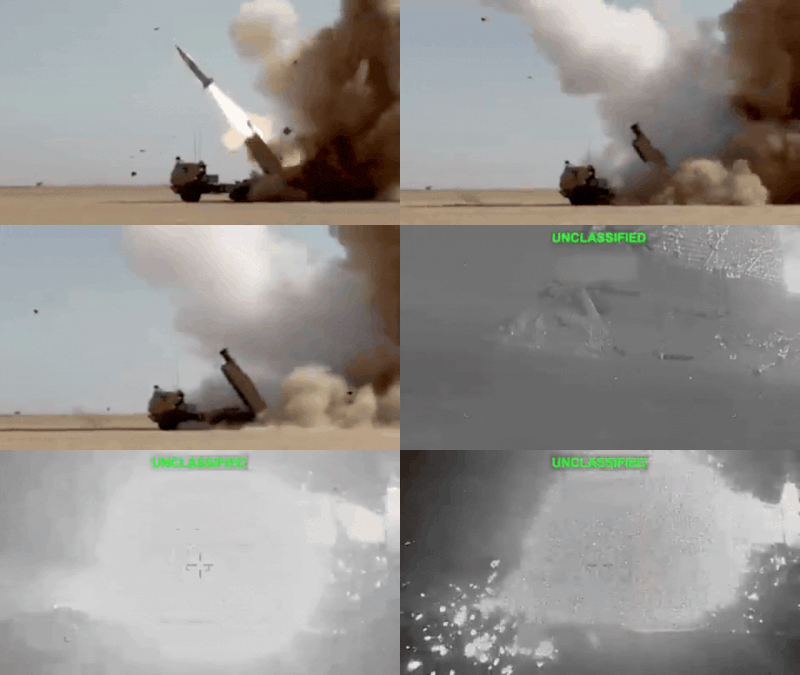
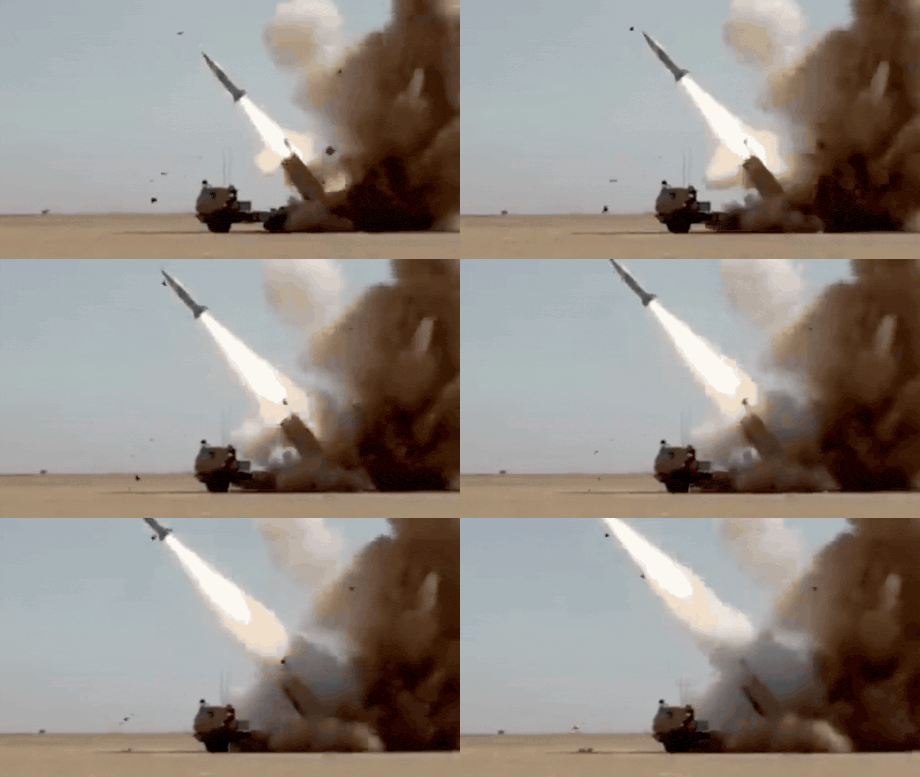
“The Iranian regime was warned,” the United States Central Command said hours after coordinated strikes by the US and Israel shook the Tehran establishment, killing long-time Supreme Leader Ayatollah Ali Khamenei early on Sunday.In an extensive display of military power, the Donald Trump-led US launched Operation Epic Fury, a mission designed to directly target the Khamenei-led rule. The US Central Command also released a video showing a visual display of the military operation, including missiles being launched in precision strikes aimed at the heart of Iran — Tehran and other key locations across the country.The video reportedly showed the HIMARS, or High Mobility Artillery Rocket System, which is operated by US ground forces.Israel also joined the operation alongside the US, acting as a key regional ally in the strikes against Iran and the Khamenei-led regime in the oil-rich country.The missiles and other weapons used in the strikes did not spare the Supreme Leader. Among those reported killed were Khamenei’s daughter and a grandchild.The American strikes relied on a range of modern military systems. With the world’s largest defence budget, the US deployed stealth fighter jets, suicide drones and Tomahawk missiles during the operation.Meanwhile, another video posted hours earlier reportedly captured Tomahawk missiles being launched from a US cruise vessel.The X post of central command’s caption read: “As the President stated, our objective is to defend the American people by eliminating imminent threats from the Iranian regime. The President ordered bold action. CENTCOM forces are delivering an overwhelming and unrelenting blow.”Meanwhile, with the launch of the strikes, Trump once again made clear his long-standing opposition to Khamenei and his rule in Iran, saying it did not serve US interests in the region. Trump announced the operation in an eight-minute video, declaring that the United States was conducting “major combat operations” to prevent Iran from threatening America and its core national security interests. He stated, “We’re going to destroy their missiles and raze their missile industry to the ground.The US military used a combination of missiles and drones to strike targets in Iran while relying on advanced air defence systems to protect its bases in the Middle East from possible retaliation.According to a US official who spoke on condition of anonymity to discuss military developments, American warships launched Tomahawk cruise missiles at Iranian targets, while ground forces deployed the High Mobility Artillery Rocket System, or HIMARS.US forces also used drones and other undisclosed standoff weapons designed for long-range attacks beyond the reach of enemy air defences. The coordinated strikes began on Saturday morning and were carried out using US military assets operating from land, sea and air.

[ad_2]

Source link

Khamenei Successor: After Khamenei, who? How Iran chooses its Supreme Leader and who could be next

[ad_1]

Iran State TV's Shock Announcement On Khamenei: 'Joins Highest Kingdom, Drinks Nectar Of Martyrdom'

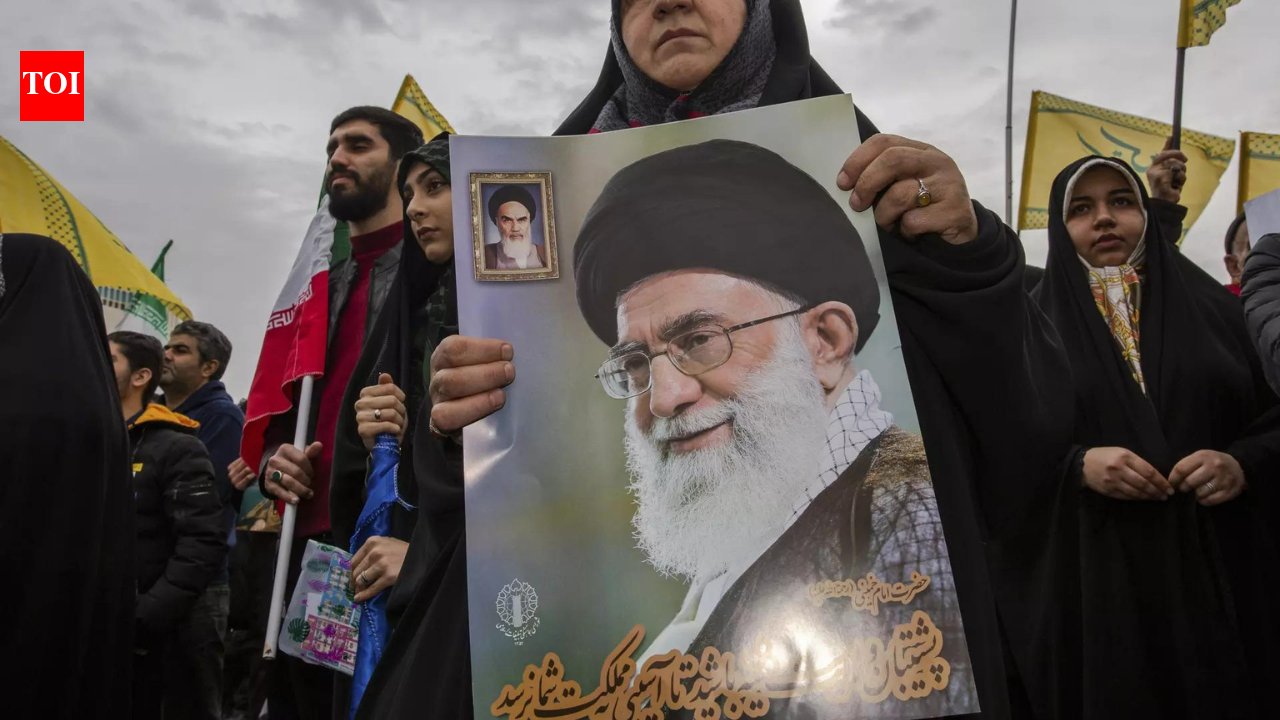
US President Donald Trump on Saturday announced that Iran’s Supreme Leader Ayatollah Ali Khamenei was killed following joint American and Israeli air strikes.“Khamenei, one of the most evil people in history, is dead,” he wrote, calling the strike “justice for the people of Iran” and for Americans and others allegedly harmed by Iran.

Iran State TV’s Shock Announcement On Khamenei: ‘Joins Highest Kingdom, Drinks Nectar Of Martyrdom’

The death of 86-year-old supreme leader has sent Iran into the unknown as Khamenei has left the centerstage without naming any designated successor.Meanwhile, Iranian President Masoud Pezeshkian and two other top officials will lead Iran in the transitional period, state television reported on Sunday. Judiciary chief Gholamhossein Mohseni Ejei and another official from the country’s legal council will be part of the trio overseeing the transition, according to state television, which cited Mohammad Mokhber, one of Khamenei’s advisors.

How succession works in Iran

An 88-member panel of Shia clerics -called the assembly of experts- appoints the supreme leader of Iran. The clerics are popularly elected every eight years and whose candidacies are approved by the Guardian Council, Iran’s constitutional watchdog.According to the Iranian law assembly of experts “must, as soon as possible” pick a new supreme leader.But until then, a leadership council can step in and “temporarily assume all the duties of leadership.” The assembly is made up of Iran’s sitting president, the head of the country’s judiciary and a member of the Guardian Council chosen by Iran’s Expediency Council, which advises the supreme leader and settles disputes with parliament. If that were to happen now, Iran’s reformist President Masoud Pezeshkian and hard-line judiciary chief Gholamhossein Mohseni Ejei would be on that leadership council.There has been only one other transfer of power in the office of the supreme leader of Iran, the paramount decision-maker since the country’s 1979 Islamic Revolution.In 1989, Grand Ayatollah Ruhollah Khomeini died at age 86 after being the figurehead of the revolution and leading Iran through its bloody eight-year war with Iraq. This transition now comes after Israel launched a 12-day war against Iran in June 2025 as well.

After Khamenei, who?

Mojtaba KhameneiAyatollah’s son, Mojtaba Khamenei, is one of the top contenders of succeeding the Supreme Leader. He is the second-eldest son of the now dead leader, and has long been seen as the rational successor to the terrorist-funding regime, Reuters reported citing sources with knowledge.The 56-year-old is inline with his father’s hardline policies, insiders told the outlet.Mojtaba Khamenei was flagged by the US treasury department as one of the parties responsible for transferring $1.5 billion out of Iran last month with Secretary Scott Bessent accusing the leadership of “abandoning ship.”Hassan KhomeiniAnother regime insider is Hassan Khomeini — the grandson of the father of the Islamic Revolution, Ruhollah Khomeini.Hassan Khomeini, 53, has emerged over the past month as a serious contender and is seen as a more conciliatory choice — both internationally and domestically.Maryam RajaviSoon after the strikes, president-elect of the Paris-based National Council of Resistance of Iran Maryam Rajavi called for the overthrow of Iran’s ruling regime and the creation of a democratic republic as conflict intensifies over Tehran’s nuclear and missile programs following Saturday’s strikes by the US and Israel.“Our homeland continues to endure greater pain and destruction under the rule of religious fascism,” Rajavi declared in a statement shared with The Post, urging Iranians — particularly the nation’s “courageous youth” — to protect civilians amid mounting instability.According to the New York Post, NCRI, formed after the 1979 Islamic Revolution, presents itself as a government-in-exile and says it has a ready blueprint for a six-month transitional administration that would organize free elections and transfer sovereignty to the people.Reza PahlaviThe son of last monarch, Reza Pehlavi is also planning for a democratic transition if the Islamic Republic collapses.In a post on X, Pahlavi described the US action as a “humanitarian intervention” aimed at the regime — not the Iranian people.“The final victory will still be achieved by us,” he wrote. “It is we, the people of Iran, who will finish this task in this final battle. The time to return to the streets is approaching.”Pahlavi also called on President Trump to exercise “the utmost possible caution” to protect civilians if strikes continue, adding that Iranians “will not forget your assistance during the most difficult period of Iran’s contemporary history.”Rajavi urged members of the Islamic Revolutionary Guard Corps and other security bodies to lay down their arms and side with the people.Pahlavi warned security personnel they would “sink with Khamenei’s ship” if they continued defending the regime rather than “protect[ing] Iran and the Iranian nation.”Rajavi pointed to her “10-point plan” advocating free elections, separation of religion and state, gender equality and a non-nuclear Iran as the framework for a transitional government.Meanwhile, both Trump and Israeli Prime Minister Benjamin Netanyahu encouraged the Iranian people to take to the streets and seize power of their nation.“Our joint action will create the conditions for the brave Iranian people to take their destiny into their own hands,” Netanyahu said, encouraging Iranians to “take over your government.”

[ad_2]

Source link

‘One-way attack drone’ used by US for first time in Iran strikes: What LUCAS is and how it works

[ad_1]

'One-way attack drone' used by US for first time in Iran strikes: What LUCAS is and how it works
(Photo credit: Central Command)

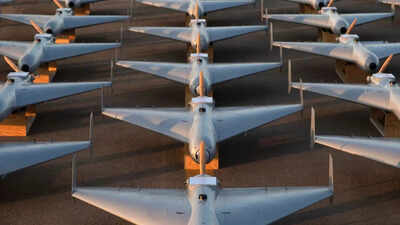
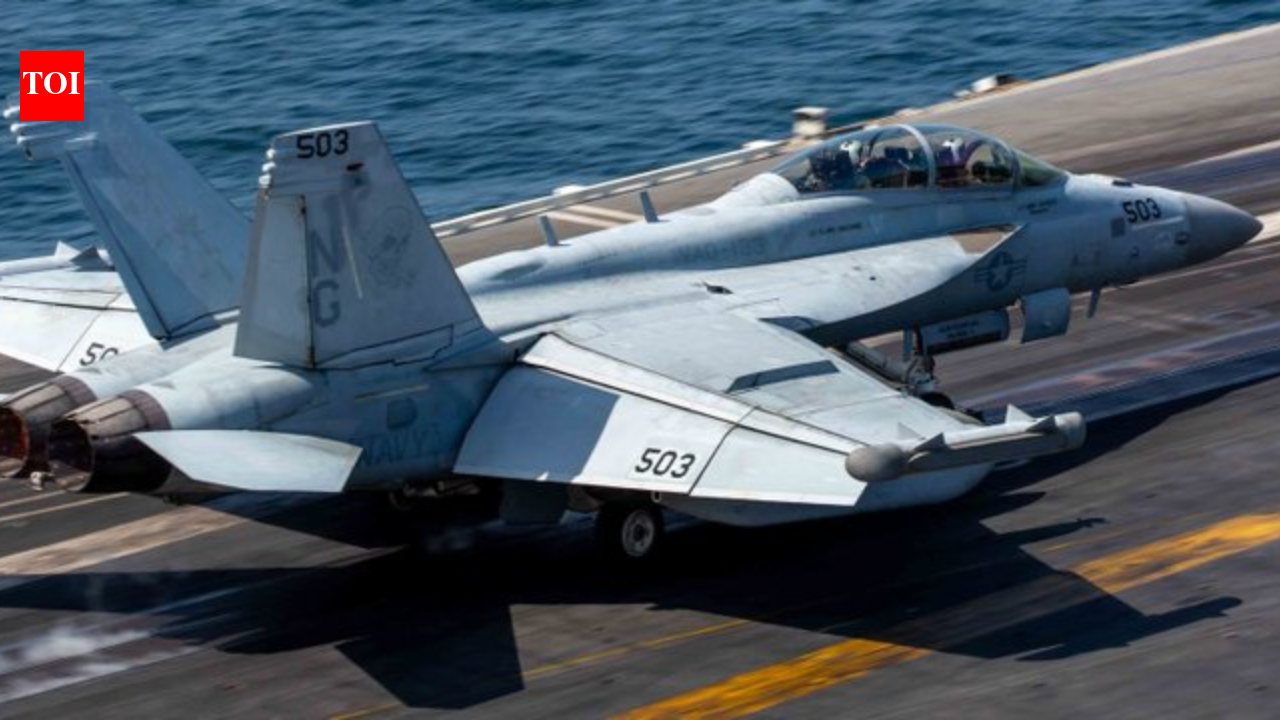
In a significant escalation of its drone warfare capabilities, the United States turned Iran’s own drone strategy against it, deploying its new low-cost, one-way attack drone, the Low-cost Unmanned Combat Attack System (LUCAS), for the first time during coordinated strikes with Israel under Operation Epic Fury.The coordinated strikes on Iran orchestrated by US President Donald Trump and Israeli Prime Minister Benjamin Netanyahu on Saturday targeted key Iranian military assets and resulted in the killing of Tehran’s Supreme Leader Ayatollah Ali Khamenei.The operation saw US and Israeli forces unleash a mix of advanced and cost-effective weaponry, combining next-generation fighter jets and long-range cruise missiles with low-cost autonomous drones, marking a sharp escalation in both scale and strategy.Alongside the newly deployed LUCAS drones, the mission involved Tomahawk cruise missiles and advanced fighter aircraft, including the F/A-18 and F-35 jets. US Central Command (CENTCOM) later released photographs showing Tomahawk missiles and fighter aircraft involved in the operation.

First combat use of LUCAS drone

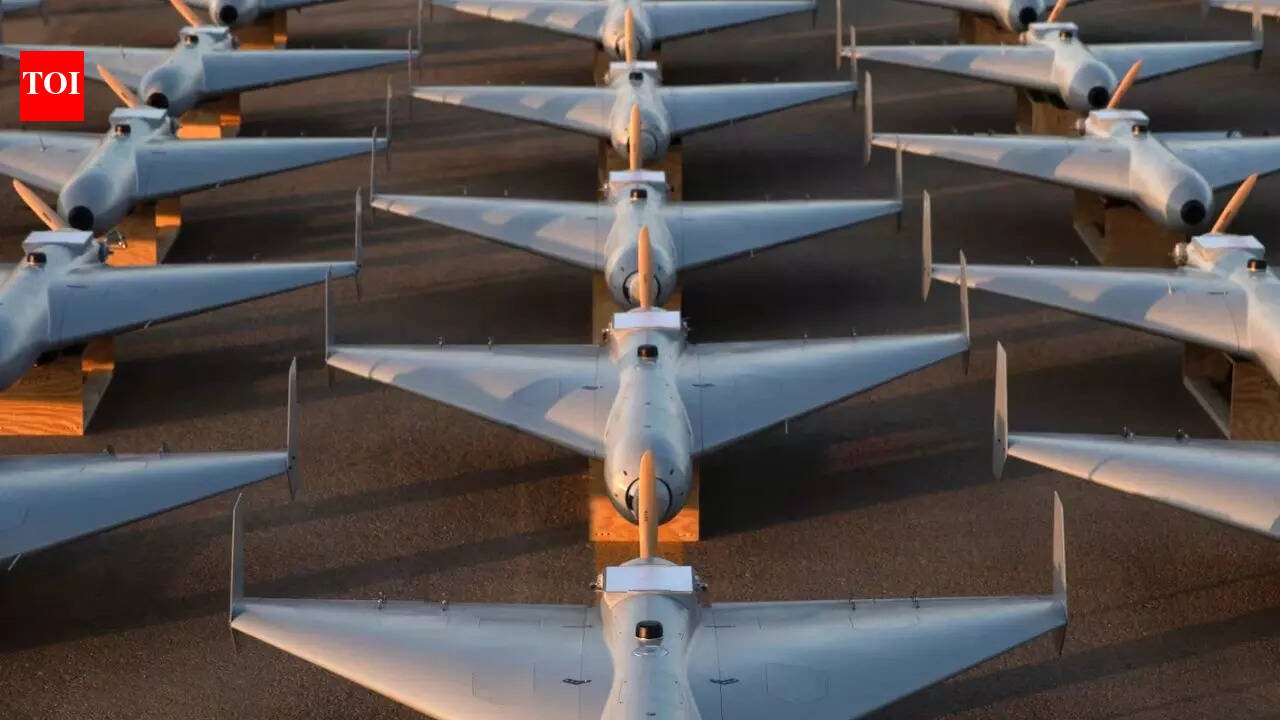
As part of Operation Epic Fury, the US military fielded the Low-cost Unmanned Combat Attack System (LUCAS), a one-way “kamikaze” drone reverse-engineered from Iran’s Shahed-136 platform.“For the first time in history is using one-way attack drones in combat during Operation Epic Fury. These low-cost drones, modeled after Iran’s Shahed drones, are now delivering American-made retribution,” CENTCOM announced on X.

What is LUCAS?

According to the Pentagon, the drones used in the strike appear identical to the LUCAS system manufactured by Spektreworks, a Phoenix, Arizona-based company, Reuters reported.Designed as a low-cost, expendable system, LUCAS is intended for large-scale production by multiple manufacturers.Each unit costs approximately $35,000, making it significantly cheaper than many conventional precision weapons.The growing reliance on such drones reflects a broader military shift toward what officials describe as “affordable mass” deploying large numbers of relatively inexpensive weapons to overwhelm adversaries. The strategy gained prominence following Russia’s invasion of Ukraine, which highlighted the battlefield effectiveness of drones.

How it works?

LUCAS is designed with a modular, open-architecture system that enables it to perform multiple mission profiles, including strike operations, reconnaissance, and communications support. Its flexible configuration allows operators to quickly swap payloads depending on operational needs. It is capable of operating both as a target drone for training and as a combat UAV in active missions. Notably, LUCAS is built to be handled by non-specialized personnel, offering a key logistical advantage in rapidly evolving conflict zones.According to Defence Security Asia, the drone is capable of operating at medium altitudes over extended ranges, further expanding its battlefield utility.CENTCOM said Operation Epic Fury targeted Islamic Revolutionary Guard Corps command-and-control facilities, Iranian air defense systems, missile and drone launch sites and military airfields.

Tomahawk cruise missiles deployed

The strikes also featured Tomahawk Land Attack Missiles, long-range, precision-guided cruise missiles typically launched from sea-based platforms for deep-strike missions.The Tomahawk can strike targets up to 1,000 miles (1,600 km) away, including in heavily defended airspace. It measures about 20 feet (6.1 meters) in length, has an 8.5-foot wingspan, and weighs roughly 3,330 pounds (1,510 kg).According to Pentagon budget documents, the US plans to purchase 57 Tomahawk missiles in 2026 at an average cost of about $1.3 million each. Tomahawks have previously been used in operational settings, including strikes by US and UK naval forces on Houthi targets in Yemen.

Fighter jets in action

The F-35, a fifth-generation stealth fighter, is designed to evade radar detection while carrying precision-guided munitions. It can deploy a range of missiles, including those capable of targeting and destroying enemy radar systems.The F/A-18, manufactured by Boeing, is a multi-role aircraft capable of conducting both air-to-air and air-to-ground missions, carrying various bombs and missiles.The United States has deployed F-35s extensively across the Middle East, and the aircraft is also operated by the Israeli Air Force.

[ad_2]

Source link

Suicide drones, Tomahawks & more: The weapons that powered US-Israel strikes on Iran

[ad_1]

Suicide drones, Tomahawks & more: The weapons that powered US-Israel strikes on Iran
Source: US Central Command (X)

Operation Epic Fury, the coordinated American strikes on Iran orchestrated by Donald Trump, killed Tehran’s Supreme Leader Ayatollah Ali Khamenei. Trump’s weekend military action in the Middle East involved a combination of missiles, stealth fighters and suicide drones targeting Iran’s high-profile military projects, while also relying on advanced air defences to protect US military bases across the region.Benjamin Netanyahu-led Israel also partnered with the United States, deploying its full military muscle in the high-profile coordinated attacks against Khamenei-led Iran, with its Operation Lion’s Roar.The US secretary of war Pete Hegseth described the attack as “the most lethal, most complex, and most-precision aerial operation in history.”The United States on Saturday deployed a range of military assets against Iranian targets, including Tomahawk cruise missiles, stealth fighter jets and, for the first time in combat, low-cost one-way attack drones modelled after Iranian designs.US Central Command released photographs showing Tomahawk missiles, F/A-18 and F-35 fighter jets, along with details of the strikes carried out under Operation Epic Fury.According to a US official who spoke on condition of anonymity to discuss military developments, Tomahawk cruise missiles were launched from American warships, while ground forces fired rockets using the High Mobility Artillery Rocket System (HIMARS).American forces also deployed drones and other undisclosed standoff weapons designed to strike targets from long range, beyond the reach of enemy air defences. The coordinated attacks began Saturday morning and involved US military assets operating from land, sea and air.

Drones

The US military said it used suicide drones during the strikes, which appeared similar to the new LUCAS Low Cost Unmanned Combat Attack System made by Spektreworks, a company based in Phoenix Arizona. Photos released by the Pentagon showed drones that looked identical to the LUCAS system. The company did not respond to requests for comment.In a first for the US Central Command, the military used one way attack drones modeled after Iran’s Shahed drones, the Pentagon said. These kamikaze drones are relatively cheap and are designed to be produced in large numbers by different manufacturers.Each LUCAS drone costs around 35000 dollars. Drones have become an increasingly important part of modern warfare, especially after Russia’s invasion of Ukraine pushed the US and other countries to adopt a strategy known as “affordable mass” — using large numbers of relatively low cost weapons.

Tomahawk

The Tomahawk Land Attack Missile is a long range cruise missile usually launched from ships or submarines to hit targets far away. The precision guided missile can strike targets from about 1000 miles or 1600 kilometers away, even in heavily defended airspace.The missile is about 20 feet long with a wingspan of 8.5 feet and weighs around 3330 pounds. It is produced by Raytheon, a unit of RTX. These missiles are not nuclear armed and can be launched from both land and sea.According to Pentagon budget data, the US plans to buy 57 Tomahawk missiles in 2026. Each missile costs about 1.3 million dollars. The Pentagon is also spending millions of dollars to upgrade the missile’s guidance systems and other features.A recent agreement between Raytheon and the Pentagon aims to increase Tomahawk missile production to about 1000 units every year. The missile has already been tested with GPS guidance and used in real operations, including when the US and UK navies fired Tomahawk missiles at Houthi rebel targets in Yemen.

Fighter jets

US Central Command released photos and videos showing F A 18 and F 35 fighter jets being used in the strikes on Iran.The F 35 is a fifth generation stealth fighter designed to avoid radar detection while carrying precision guided weapons. The US has deployed F 35 jets widely across the Middle East.The F A 18, made by Boeing, is a multi role fighter aircraft that can carry out both air to air and air to ground missions. It can carry a wide range of bombs and missiles.F 35 jets can also carry special missiles designed to locate and destroy enemy radar systems, effectively blinding air defence networks. These jets are also used by the Israeli Air Force.The US has recently increased its military presence in the Middle East and the eastern Mediterranean as Donald Trump indicated the possibility of another round of strikes. The deployment includes more than a dozen warships, among them two aircraft carriers, along with hundreds of fighter jets and support aircraft.

[ad_2]

Source link

Vikram’s House: All you need to know about ‘Cobra’ actor Vikram’s home in Chennai |

[ad_1]

All you need to know about ‘Cobra’ actor Vikram's home in Chennai
Chiyaan Vikram, the acclaimed Tamil actor, embraces a simple, eco-conscious life at his Chennai home in Mahalingapuram. The residence features a minimalist design and natural materials—teakwood and marble—framed by garden pockets and inner courtyards that cultivate serenity and sustainability. His deep commitment to his craft complements a grounded personal life.

Famed Tamil actor Vikram, who is best known for his roles in ‘En Kadhal Kanmani’, ‘Sethu’, ‘Deiva Thirumagal’, and ‘Cobra’, is a force to be reckoned with. While he is also known for his acting prowess on the big screen, in his personal life, he chooses to live a more comfortable and eco-friendly life. Here is all that you need to know about Chiyaan Vikram’s home in Chennai.

About Vikram’s home

As per reports by Housivity, Vikram lives in an upscale neighbourhood in Chennai. He resides at 18, Murali Street, Mahalingapuram, Chennai, which is a well-connected yet peaceful part of the city. Mahalingapuram is located in a green area and is known for its well-connected network to basic facilities. According to reports, a house in the Mahalingapuram area in Chennai can cost anywhere from Rs 15,000 to 25,000 per square foot for independent homes, while premium apartments in the area cost Rs 12,000 to 18,000 per square foot. The area also has options of luxury villas, which cost more and start from around Rs 20,000 and go upto Rs 30,000 per square foot.

Details about Vikram’s home

The actor’s home prioritises minimalist and simplistic themes over all else. Some of the most common materials used in the actor’s home include teakwood, marble, and natural stone. His property also has garden pockets, along with internal courtyards, and a simpler colour palette as well. As for the kitchen, the space is well updated and uses state-of-the-art and modern equipment to cater to his family’s needs.

About Tamil star Vikram

Over the years, the 59-year-old actor has become a force to reckon with. The actor started his career in 1988 and has been working actively in the Tamil entertainment industry since then. He started his career starring in the popular romantic drama film ‘En Kadhal Kanmani’ and never looked back. He last appeared in ‘Veera Dheera Sooran’, a 2025 thriller film which is available for viewing on Prime Video.He has been married to Shailaja Balakrishnan since 1992, and the couple are parents to two children, Dhruv, who is also an actor,and daughter named Akshita.

[ad_2]

Source link

‘In the name of Haidar’: Last Message posted on Khamenei’s X after Trump declares him dead

[ad_1]

‘In the name of Haidar’: Last Message posted on Khamenei’s X after Trump declares him dead

Just minutes after US President Donald Trump announced that “Khamenei is dead,” a cryptic message was shared by Iran’s Supreme Leader’s social media platform XThe message was in Persian, invoking the name of Haidar — the first Shia Imam and a central figure in Shia Islam.“Be nām-e nāmi-ye Heydar, alayhis-salām,” the Persian text read, which translates to: “In the exalted name of Haidar (peace be upon him).”Earlier, Trump announced that Iran’s Supreme Leader Ayatollah Ali Khamenei had been killed in a joint US-Israel strike on Tehran.In a post on Truth Social, Trump wrote: “Khamenei, one of the most evil people in history, is dead.”He claimed the cleric was tracked using “highly sophisticated tracking systems” and described the assassination as “the single greatest chance for the Iranian people to take back their country.” Israeli Prime Minister Benjamin Netanyahu said there were “many signs” that the 86-year-old leader was “no more.”Iran has not formally confirmed his death. However, senior official Ali Larijani warned that the United States and Israel would “regret their actions,” vowing an “unforgettable lesson” from Iran’s armed forces. Within hours, missiles and drones were launched at Israel and at US military bases across the Gulf.Strikes began around 09:30 Tehran time, with explosions reported near Khamenei’s heavily guarded Leadership House compound. Satellite imagery showed blackened buildings and debris within a kilometre of the site. Israeli officials later said the compound had been destroyed in what they described as a “powerful surprise strike.”Khamenei had ruled since 1989, succeeding Ayatollah Ruhollah Khomeini. Over nearly four decades, he consolidated power over the clerical establishment, judiciary and armed forces.There is no publicly confirmed successor. Constitutionally, a panel of clerics selects the next supreme leader, but analysts warn that in wartime, power could shift to a temporary council or to the Islamic Revolutionary Guard Corps (IRGC).With tensions at boiling point, even minor factional splits could destabilise the political system that Khamenei spent decades fortifying.

[ad_2]

Source link

Khamenei killed after US-Israel strike; Iran issues ‘unforgettable lesson’ warning – 10 things to know

[ad_1]

Khamenei killed after US-Israel strike; Iran issues 'unforgettable lesson' warning - 10 things to know

The Middle East is facing one of its most volatile moments in decades after US President Donald Trump announced that Iran’s Supreme Leader Ayatollah Ali Khamenei had been killed in a joint US-Israel strike on Tehran.In a post on Truth Social, Trump wrote: “Khamenei, one of the most evil people in History, is dead.” He claimed the cleric was tracked using “Highly Sophisticated Tracking Systems” and described the assassination as “the single greatest chance for the Iranian people to take back their Country.” Israeli Prime Minister Benjamin Netanyahu said there were “many signs” that the 86-year-old leader was “no more”.Iran has not formally confirmed his death. However, senior official Ali Larijani warned that the United States and Israel would “regret their actions”, vowing an “unforgettable lesson” from Iran’s armed forces. Within hours, missiles and drones were launched at Israel and at US military bases across the Gulf.

10 things to know

How Khamenei was targeted

Strikes began around 09:30 Tehran time, with explosions reported near Khamenei’s heavily guarded Leadership House compound. Satellite imagery showed blackened buildings and debris within a kilometre of the site. Israeli officials later said the compound had been destroyed in what they described as a “powerful, surprise strike”.

-

Trump confirmed US participation, saying the operation aimed to eliminate “imminent threats” from the Iranian regime. The attack reportedly formed part of a months-long joint operational plan between Washington and Jerusalem. If confirmed, Khamenei’s death would mark the first killing of a sitting Iranian supreme leader and the most direct US intervention in Iran’s leadership structure since 1979.

Leadership vacuum in Tehran

Khamenei had ruled since 1989, succeeding Ayatollah Ruhollah Khomeini. Over nearly four decades, he consolidated power over the clerical establishment, judiciary and armed forces.There is no publicly confirmed successor. Constitutionally, a panel of clerics selects the next supreme leader, but analysts warn that in wartime, power could shift to a temporary council or to the Islamic Revolutionary Guard Corps (IRGC). The absence of a clear transition plan risks internal rivalries. With tensions at boiling point, even minor factional splits could destabilise the political system that Khamenei spent decades fortifying.

Iran’s retaliation

Iran’s Islamic Revolutionary Guard Corps said it had launched “Operation Truthful Promise 4”, targeting Israel and five major US facilities in Qatar, Bahrain, Kuwait, Jordan and the UAE.Missiles and Shahed drones were fired in waves. In Israel, around 150 ballistic missiles were reportedly launched. Many were intercepted, though some struck open areas. Iran described the attacks as a proportionate response to what it called an “illegal and illegitimate” act of aggression.

US bases under fire

The headquarters of the US Navy’s Fifth Fleet in Bahrain, Al Udeid airbase in Qatar and Ali Al Salem airbase in Kuwait were among sites reportedly targeted. US Central Command said forces had defended against “hundreds” of incoming missiles and drones.Washington reported no fatalities and only minimal damage. However, footage showed explosions near strategic installations, underlining vulnerabilities. The US has roughly 30,000–40,000 troops across about 13 bases in the region. Even with Patriot and THAAD air defence systems deployed, experts say defences cannot guarantee complete protection against mass drone and missile salvos.

Civilian casualties mount

Iranian state media said at least 201 people were killed and more than 700 injured in the initial strikes across 24 provinces. Among the dead were reportedly dozens of schoolgirls in Hormozgan province, though independent verification remains limited.In the Gulf, falling debris and drone strikes injured civilians in Kuwait and the UAE. A luxury hotel in Dubai caught fire following an explosion nearby. Regional governments condemned the attacks as violations of sovereignty, even as they confirmed intercepting incoming projectiles.

Trump’s call for regime change

Trump went beyond military objectives, openly urging Iranians to overthrow their government. “When we are finished, take over your government. It will be yours to take,” he said in a video address.He offered Iranian armed forces “complete immunity” if they laid down weapons, warning others would face “certain death”. The rhetoric signals that Washington sees strategic opportunity in Khamenei’s removal. Critics argue such language risks inflaming nationalist sentiment inside Iran and uniting factions that might otherwise compete for power.

Israel’s strategic calculus

Netanyahu described the strike as eliminating an “existential threat”. Israel said around 200 fighter jets dropped hundreds of munitions on roughly 500 targets, including missile launchers, IRGC command centres and air defences.Israeli officials also claimed senior Iranian defence figures were killed. The operation builds on last year’s 12-day conflict, which had already weakened Iran’s air defences. Israeli military leaders said planning had intensified after that confrontation, reflecting concerns over Iran’s advancing nuclear capabilities.

How we got here

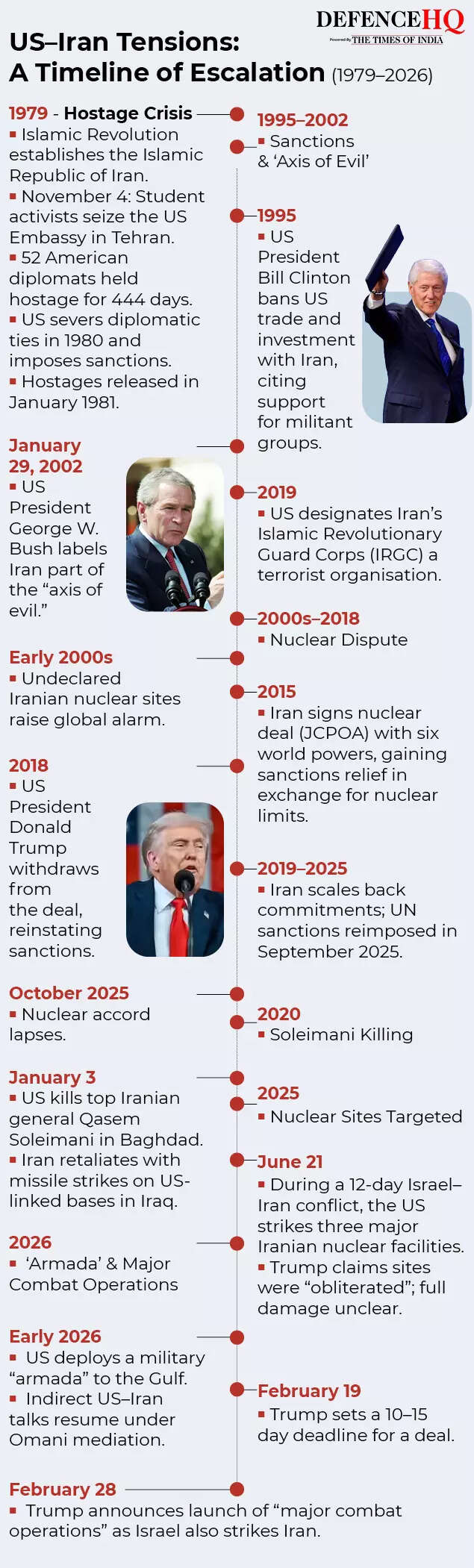
The strike came days after a failed round of nuclear negotiations. Trump had warned that military action would follow if Iran refused stricter limits on uranium enrichment.Iran insists its programme is peaceful. However, US officials say intelligence indicated Tehran had developed advanced centrifuge capabilities. Previous US and Israeli attacks last year damaged nuclear infrastructure but did not fully dismantle it. Saturday’s operation appears aimed at preventing further progress while also reshaping Iran’s political leadership.

Global economic shockwaves

The Strait of Hormuz, through which roughly a fifth of global oil shipments pass, remains a flashpoint. Iranian forces reportedly warned vessels that no ships should transit the waterway.Airlines suspended flights across the Gulf, and several countries partially closed their airspace. Markets reacted nervously amid fears of prolonged disruption. Any sustained closure of Hormuz would send energy prices soaring and strain global supply chains.

What happens next?

Much depends on confirmation of Khamenei’s death and who consolidates power in Tehran. The IRGC, already dominant in security and economic affairs, could assume a more overt governing role.

[ad_2]

Source link

‘Heavy and pinpoint bombing will continue’: What Trump wrote as he announced Khamenei’s killing

[ad_1]

‘Heavy and pinpoint bombing will continue’: What Trump wrote as he announced Khamenei’s killing

US President Donald Trump has announced that Iran’s Supreme Leader Ali Khamenei is dead following a joint American and Israeli assault on key Iranian targets, declaring that “the heavy and pinpoint bombing, however, will continue” until Washington achieves what he called lasting peace.In a post on Truth Social, Trump wrote: “Khamenei, one of the most evil people in History, is dead. This is not only Justice for the people of Iran, but for all Great Americans, and those people from many Countries throughout the World, that have been killed or mutilated by Khamenei and his gang of bloodthirsty THUGS.”He added that the Iranian leader “was unable to avoid our Intelligence and Highly Sophisticated Tracking Systems and, working closely with Israel, there was not a thing he, or the other leaders that have been killed along with him, could do.”Explosions were reported early Saturday in central Tehran, with Iranian media citing blasts near the Supreme Leader’s office compound. Smoke was seen rising across parts of the capital, roads were sealed off and airspace closed. While Reuters had earlier cited sources saying the 86-year-old cleric had been moved to a secure location, two Israeli officials later told the Associated Press that Khamenei had been killed. There was no immediate confirmation from Tehran.Trump described the moment as a turning point. “This is the single greatest chance for the Iranian people to take back their Country,” he wrote, claiming elements of Iran’s Islamic Revolutionary Guard Corps and security forces were seeking immunity. Quoting his own remarks from the previous night, he warned: “Now they can have Immunity, later they only get Death!”He urged Iranian forces to “peacefully merge with the Iranian Patriots” and said the country had been “very much destroyed and, even, obliterated” in a single day of strikes.“The heavy and pinpoint bombing, however, will continue, uninterrupted throughout the week or, as long as necessary to achieve our objective of PEACE THROUGHOUT THE MIDDLE EAST AND, INDEED, THE WORLD!” Trump wrote.The strikes form part of what the White House has described as a major operation to degrade Iran’s military capabilities and halt its nuclear ambitions. US military officials said Revolutionary Guard facilities, air defences, missile launch sites and airfields were targeted.Iran retaliated with missiles and drones aimed at Israel and at US installations in Bahrain, Kuwait and Qatar. Regional airspace closures left thousands of passengers stranded, and global markets braced for disruption, particularly around the Strait of Hormuz, a critical artery for oil exports.If confirmed, Khamenei’s death would mark only the second leadership transition since Iran’s 1979 Islamic Revolution, opening an uncertain chapter for the Islamic Republic amid escalating regional conflict.

[ad_2]

Source link

US, Israel Attack Iran: Top Khamenei adviser among seven security chiefs killed in Israeli strike

[ad_1]

US, Israel Attack Iran: Top Khamenei adviser among seven security chiefs killed in Israeli strike

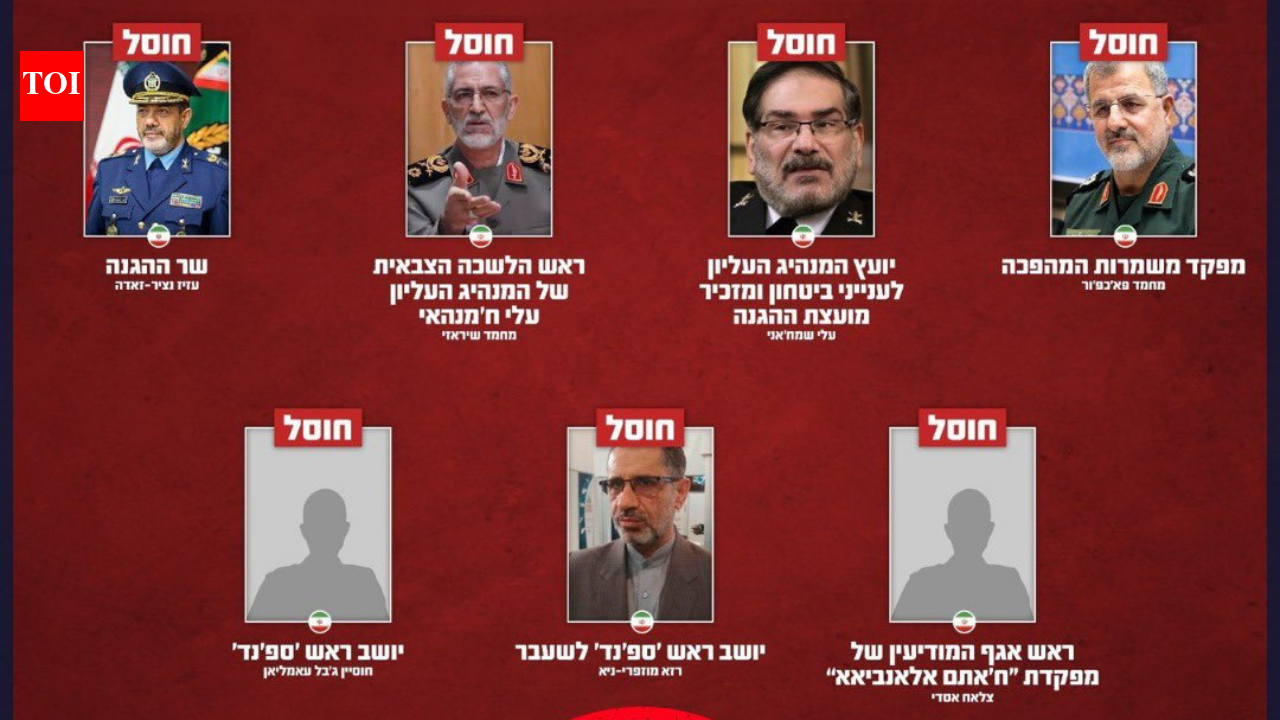
Israel has confirmed it killed seven senior figures in Iran’s security leadership in a series of coordinated strikes on Tehran, including a top aide to Supreme Leader Ali Khamenei. The Israel Defense Forces (IDF) said the operation began with a “surprise attack” after military intelligence identified two locations in the Iranian capital where leading security officials had gathered. According to the IDF, the targets formed part of what it described as Iran’s senior command structure overseeing military operations and strategic weapons programmes.Among those confirmed dead is Ali Shamkhani, a former IRGC Navy chief and army commander who served as a senior adviser to Khamenei. Israel had previously targeted him during last June’s hostilities and initially believed he had been killed then.The IDF also confirmed the death of Mohammad Pakpour, commander of the Islamic Revolutionary Guard Corps (IRGC), accusing him of leading what it called a “plan to destroy Israel”, overseeing missile and drone attacks and backing proxy groups across the region. Salah Asadi, identified as chief of intelligence at Iran’s military emergency headquarters, was also killed, along with Mohammad Shirazi, head of Khamenei’s military bureau since 1989.Israel said Aziz Nasirzadeh, Iran’s defence minister and a former air force chief, died in the strikes. It alleged he was responsible for long-range missile production and weapons transfers to allied groups, as well as oversight of SPND, an organisation linked by Israel to advanced weapons development. Hossein Jabal-Amelian and Reza Mozafari-Nia, both associated with SPND, were also named among the dead.The strikes formed part of a wider joint operation by Israel and the United States. US President Donald Trump described it as a “massive” campaign aimed at crippling Iran’s military capabilities and halting any potential move towards nuclear weapons. In a video message, he urged Iranians to “take over your government” once operations conclude.Iran responded with waves of drones and missiles targeting Israel and US military facilities in Bahrain, Kuwait and Qatar. The US military reported no American casualties and minimal damage to its bases. Israeli emergency services said dozens of missiles were fired, with many intercepted.Reports in Israeli media suggested Khamenei himself may have been killed, with claims his compound was among the first sites hit. However, Iranian officials have denied those reports, insisting he remains alive. Tehran has yet to confirm the deaths of the senior figures named by Israel.

[ad_2]

Source link