Breaking News
‘Hats off’: Cong praises US SC verdict on Trump tariffs, hails ‘American system of checks and balance’ | India News

[ad_1]
'Hats off': Cong praises US SC verdict on Trump tariffs, hails 'American system of checks and balance'

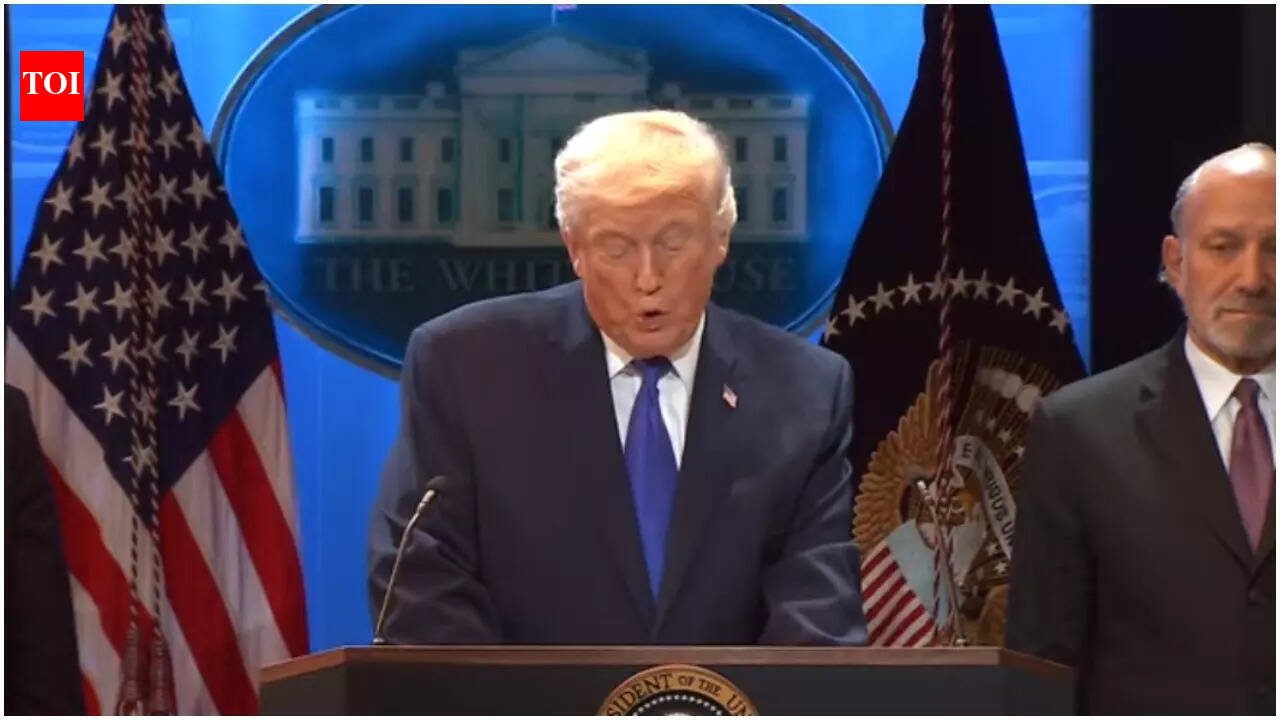
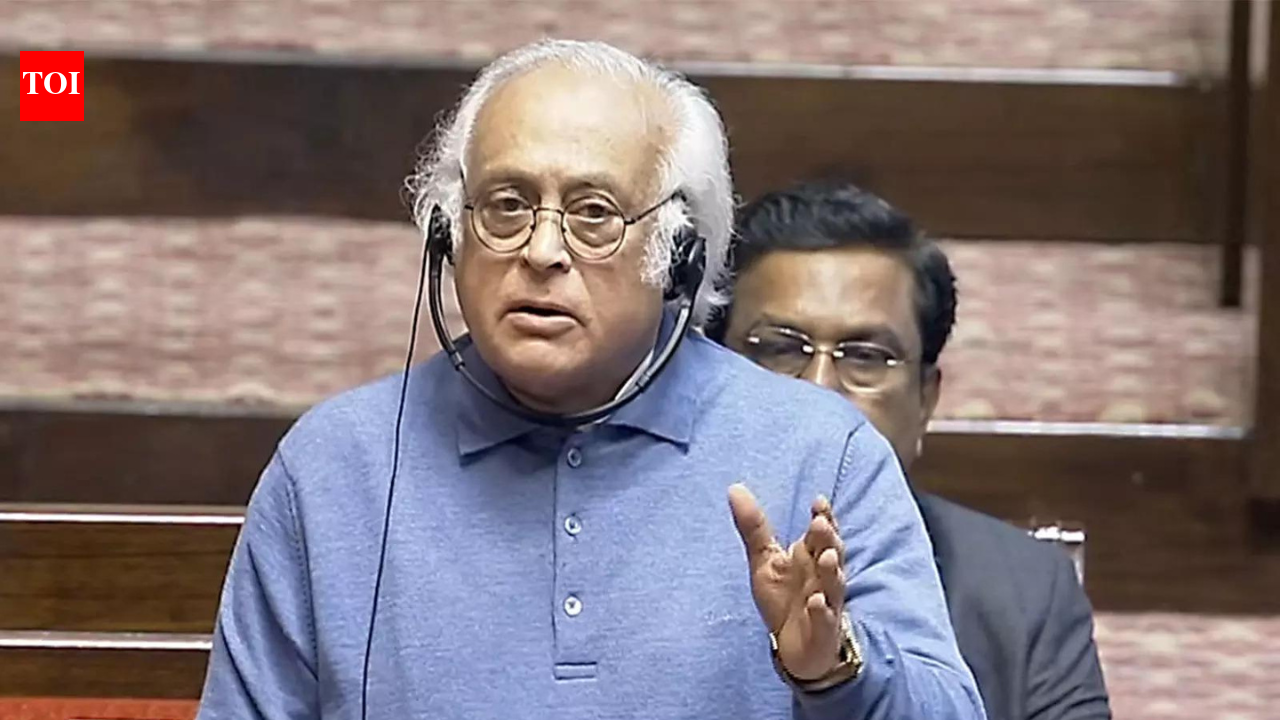
NEW DELHI: Congress on Friday hailed US Supreme Court’s ruling on President Donald Trump’s sweeping tariffs on different countries and said that the verdict shows that “American system of checks and balances still seems to be working.Hours after the US Supreme Court delivered a 6-3 verdict invalidating tariffs imposed by Trump, Congress general secretary Jairam Ramesh said, “Hats off to the US Supreme Court for striking down President Trump’s entire tariff strategy! Quite an amazing decision given its ideological composition. A 6-3 verdict is decisive.”“The American system of checks and balances still seems to be working,” he added.Veteran Congress leader and former finance minister P Chidambaram also demanded that the government must explain the impact of the judgment on the “deal” that was announced on February 6 between the US and India.Chidambaram said he had stated that if the Supreme Court struck down President Trump’s imposition of tariffs, the result would be that the US and India would revert to the status quo ante of before April 2, 2025.“Meanwhile, the US has extracted several concessions from India without conceding any. What will happen to those concessions? The joint statement announced Zero tariff on many goods that the US will export to India; that India intends to import USD 500 billion worth of goods from the U.S.; that India will not buy Russian oil; that India will address the non-tariff barriers to U.S. goods, and so on,” the former finance minister said.“What will happen to those promises? An Indian team is now in the U.S. to finalise the text of the Framework Agreement. What will the team do now?” Chidambaram said.The US Supreme Court on Friday struck down President Donald Trump’s far-reaching global tariffs, handing him a significant loss on an issue crucial to his economic agenda.The 6-3 decision centred on tariffs imposed under an emergency powers law, including the sweeping reciprocal tariffs Trump levied on nearly every other country.The majority found that the Constitution very clearly gives the Congress the power to impose taxes, which include tariffs. Trump, however, said “nothing changes” in the trade deal with India in the wake of the Supreme Court verdict and responded to the ruling by announcing an additional 10 per cent global levies on items imported into the US.Trump lashed out at the Supreme Court justices who ruled against him, calling them “fools and lapdogs”. “The Supreme Court’s ruling on tariffs is deeply disappointing, and I’m ashamed of certain members of the Court, absolutely ashamed for not having the courage to do what’s right for our country,” Trump said in a news conference at the White House Friday, just hours after the verdict came in.

[ad_2]

Source link

Israel launches strike on Lebanon; 10 dead including senior Hezbollah leader —video shows aftermath

[ad_1]

Israel launches strike on Lebanon; 10 dead including senior Hezbollah leader —video shows aftermath

At least 12 people were killed and 24 wounded in Israeli air strikes in Lebanon’s eastern Bekaa Valley on Friday, Lebanese authorities and security sources said, as cited by news agency AFP.Local television footage from one of the strike sites showed what appeared to be an apartment building that had been hit.Israel said it had targeted “command centres” of the Lebanese militant group Hezbollah in the valley, with two security sources telling Reuters that senior Hezbollah leader Hussein Yaghi was among those killed in the strikes.Yaghi is the son of former Hezbollah lawmaker Mohamed Yaghi, and his funeral is scheduled to take place on Saturday, Hezbollah-affiliated media reported.The strikes were among the deadliest reported in eastern Lebanon in recent weeks. They risk testing a fragile US-brokered ceasefire between Israel and the Shi’ite Islamist group Hezbollah, already strained by recurring accusations of violations.Israel and Hezbollah agreed to a US-brokered ceasefire in 2024 to end more than a year of cross-border hostilities that culminated in Israeli strikes weakening the Iran-aligned group. Since then, both sides have accused each other of violating the truce.US and Israeli officials have urged Lebanese authorities to curb Hezbollah’s arsenal, while Lebanese leaders have warned that wider Israeli strikes could further destabilise a country already grappling with political and economic crises.Earlier on Friday, an Israeli strike hit a Palestinian refugee camp in the port city of Sidon, killing two people, as cited by The Guardian.The Israeli military said it had struck a “Hamas command centre” in the Ain el-Hilweh camp. Hamas acknowledged that two of its members were killed in the strike but said the claim it was a command centre was a “flimsy pretext”.Hamas said the targeted building belonged to a joint security force composed of various Palestinian factions responsible for maintaining security in the camp.

[ad_2]

Source link

Meet Asha Sharma: Indian-origin executive named CEO of Microsoft Gaming | World News

[ad_1]

Meet Asha Sharma: Indian-origin executive named CEO of Microsoft Gaming

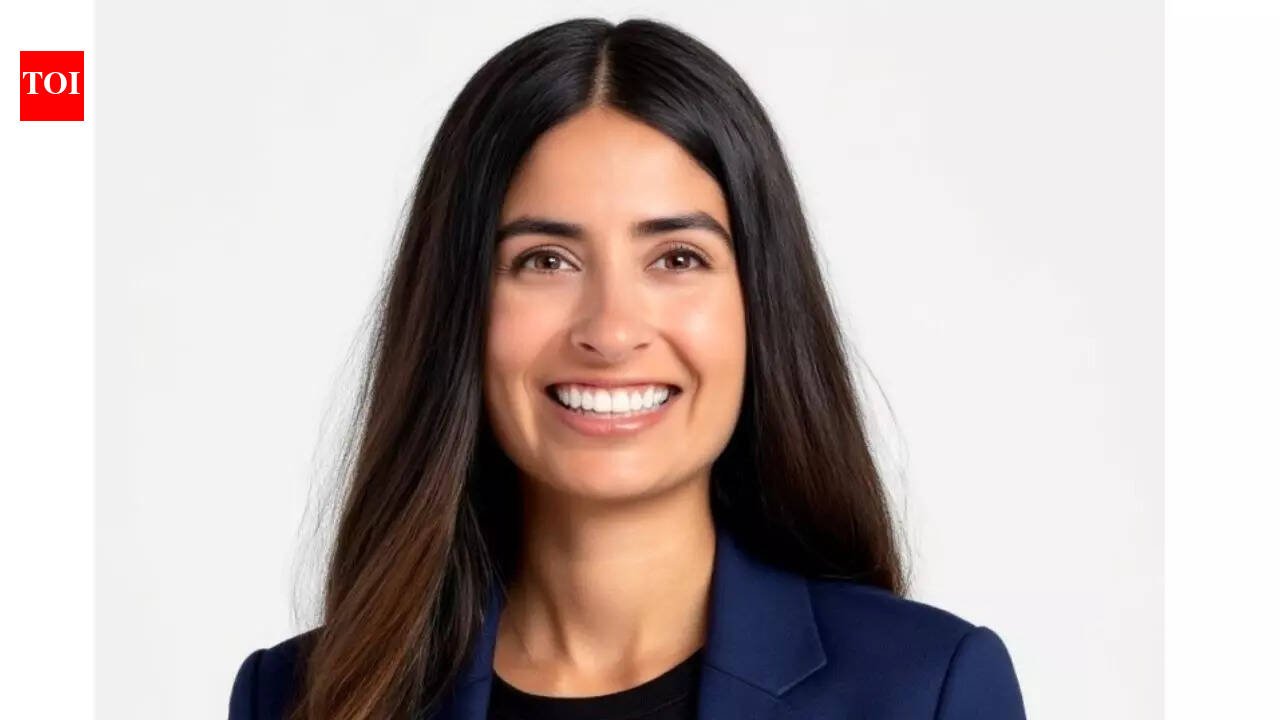
Microsoft has named Asha Sharma as the new chief executive of its gaming division, marking one of the most significant leadership changes in Xbox’s history. Sharma succeeds long-time gaming head Phil Spencer, who is retiring after nearly four decades at the company and will stay on as an adviser through the summer. Her appointment comes at a challenging moment for Microsoft Gaming, which is facing slowing revenue growth, rising costs and intense competition in the global console and content market.Sharma has been appointed Executive Vice President and CEO of Microsoft Gaming and will report directly to Satya Nadella, Microsoft’s chairman and chief executive. In her first comments following the announcement, Sharma said she would refocus on Xbox’s core audience while navigating a rapidly changing gaming landscape shaped by subscriptions, cloud gaming and large-scale acquisitions.

Asha Sharma’s journey to becoming Microsoft Gaming CEO

Before taking charge of Microsoft Gaming, Sharma held senior leadership roles across some of the world’s biggest technology companies. At Microsoft, she most recently worked in AI platform and product leadership, giving her direct exposure to the company’s broader push into artificial intelligence. Before that, she served as chief operating officer at Instacart and held product leadership roles at Meta. Her career has largely focused on scaling platforms, managing large teams and steering products through periods of rapid growth.Sharma is US-educated, with a business degree from the University of Minnesota’s Carlson School of Management. While she is widely described as being of Indian origin, publicly available biographies and official company disclosures provide limited detail about her family background or roots, and she has not spoken extensively in public about her personal history. Her professional profile, however, places her firmly among a growing cohort of global tech leaders with diverse backgrounds.The leadership change comes as Microsoft Gaming faces multiple pressures. Gaming revenue has declined in recent quarters, hardware prices have risen due to cost pressures, and consumer spending remains uncertain. At the same time, Microsoft is still integrating Activision Blizzard, acquired in 2023 in a $69 billion deal that reshaped the company’s position in the gaming industry.Sharma’s background in operations, platforms and AI suggests Microsoft is betting on a leader who can balance content, technology and business discipline.

Changes across the gaming division

Alongside Sharma’s appointment, Microsoft confirmed other senior changes. Matt Booty has been promoted to chief content officer, overseeing game studios and titles, while Sarah Bond is leaving the company to pursue a new chapter. Together, the moves point to a broader reset of the Xbox leadership structure.Sharma takes over at a time when Xbox is reassessing its identity. Competition from Sony’s PlayStation remains strong, especially in console market share and exclusive games. Analysts will be watching closely to see whether Sharma prioritises hardware, subscriptions, first-party content, or deeper integration with Microsoft’s AI and cloud businesses.

A pivotal moment

Asha Sharma’s appointment marks the start of a new chapter for Microsoft Gaming. With Phil Spencer stepping back and a restructured leadership team in place, the company is signalling a willingness to rethink strategy at a time when the global games industry is under pressure. How Sharma navigates this transition will shape Xbox’s direction for years to come.

[ad_2]

Source link

Trade deal on track, relations with India ‘fantastic’: Trump

[ad_1]

Trade deal on track, relations with India 'fantastic': Trump
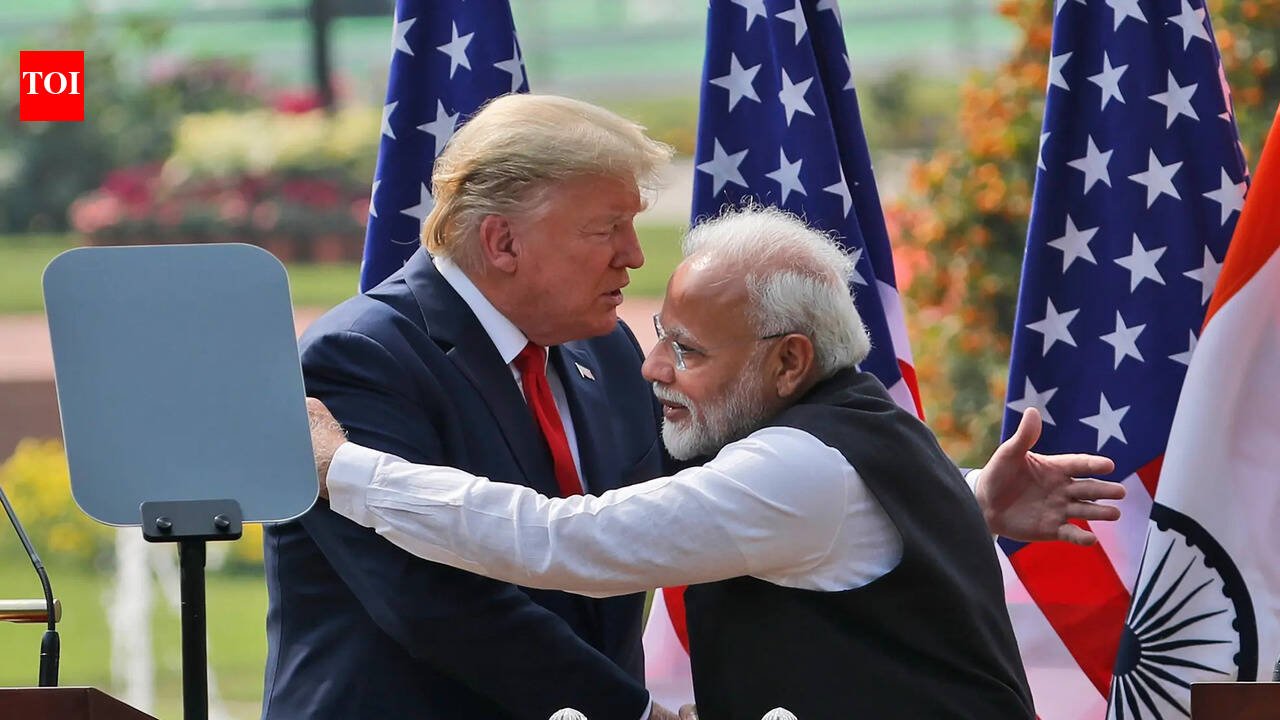
US President Donald Trump and Prime Minister Narendra Modi (File photo)

New Delhi: US President Donald Trump on Friday said that the India trade deal was on track and described his relations with the country as “fantastic”. He said India will continue to pay the 18% tariffs that was decided as part of the interim framework.Indian authorities are closely watching Trump administration’s response to the US Supreme Court decision on tariffs, with some seeing a possible room for manoeuvrer as the interim trade deal is yet to be signed.India has agreed to reduce tariffs on majority of items as part of the interim trade deal in return for the US lowering reciprocal tariffs to 18%, with sector-specific tariffs on iron and steel, copper and aluminum and auto and auto parts staying at 50%. Govt did not comment, with officials saying it was too early to gauge the ruling’s impact.

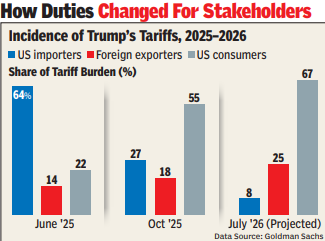
​How duties changed for stakeholders

How duties changed for stakeholders

“India has not signed the agreement yet so there may be some scope for a dialogue. But we will wait and see how the US govt responds to the ruling,” an official said. A team led by India’s chief negotiator Darpan Jain is headed to Washington to finalise the legal text with US Trade Representative Jamieson Greer.The USTR is scheduled to visit Delhi to sign the interim agreement next month.Earlier Friday, commerce and industry minister Piyush Goyal had said that the agreement will be operationalised in April. On Friday, Indonesia became the latest country to sign a trade deal with the US, locking reciprocal tariffs at 19%. It joins Malaysia, Argentina, Cambodia, Guatemala, El Salvador, Bangladesh and Taiwan, which have signed trade agreements. Some American experts have suggested that the validity of the deals is under question as the Congress may step in.Govt is approaching the development with caution, given that tariffs have been a core policy tool used by the American president since returning to office last year.Trump has used ‘Plan B’ by invoking provisions under section 122 of the Trade Act of 1974 – temporary tariffs of up to 15% for balance of payments reasons – and decided to impose 10% additional tariff on all countries. Besides, Trump said he will use section 301 to order investigations against countries for unfair trade practices. The probes may take five months, he indicated, and is likely to follow the action with tariffs. The US is the largest market for Indian exports, accounting for nearly a fifth of the shipments.

[ad_2]

Source link

Cash transactions at NH fee plazas may end from April 1

[ad_1]

Cash transactions at NH fee plazas may end from April 1

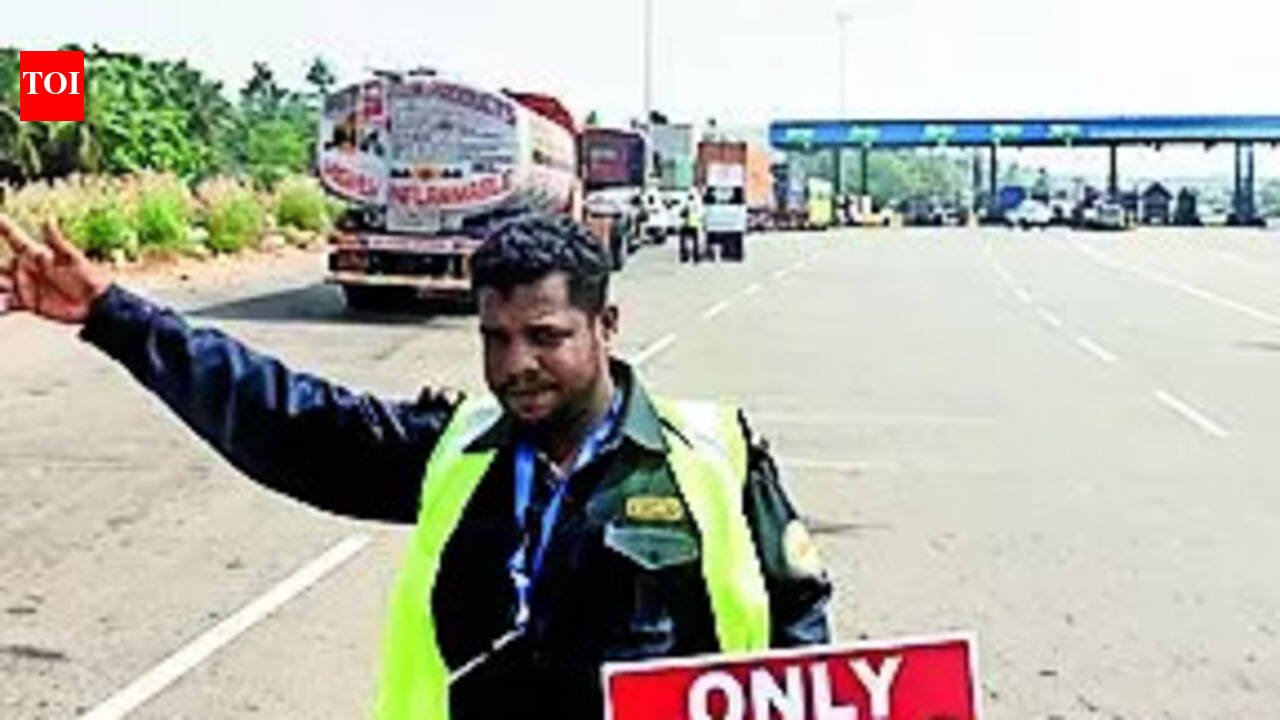
New Delhi: Commuters using national highways may not be able to pay user fees in cash and have to rely entirely on digital payment modes – FASTag and UPI – at toll plazas. NHAI said it was “contemplating” completely discontinuing cash transactions at NH fee plazas across the country from April 1. According to current norms, vehicles passing a toll plaza without a valid, functional FASTag are charged twice the applicable toll if the payment is in cash. Those who opt to pay via UPI are charged 1.25 times the user fee for the applicable vehicle category. “The payment through UPI was introduced in Nov as an alternative to discourage cash payment, which was then around 2% of all toll collection. By now, cash payments have dropped to almost 1%, which is half of what was collected in cash just months back. All toll plazas have a UPI system for making payments,” an official said. TOI has learned that while cash payments are likely to be disallowed from April, govt is working to sort out the issue of penalties for overloading that are presently paid largely in cash. “A proposal is under consideration for rationalising and facilitating cashless overloading penalty payments,” the official added. In a statement, NHAI said, “The proposed measure is aimed at consolidating the gains achieved in Electronic Toll Collection and strengthening the efficiency and reliability of fee plaza operations. The transition will help to enhance ‘Ease of Commuting’ for NH users by improving lane throughput, reducing congestion at fee plazas and bringing greater consistency and transparency in toll transactions.” It also said that plaza-level assessments indicated that cash-based payments contributed to congestion, increased waiting times during peak traffic periods and transaction-related disputes.

[ad_2]

Source link

Indian trucker held in US for fatal crash | India News

[ad_1]

Indian trucker held in US for fatal crash

Bathinda: US Immigration and Customs Enforcement (ICE) has arrested an Indian-origin semi-truck driver with roots in Punjab after he allegedly jumped a red light and caused a three-vehicle pile-up that killed a 64-year-old man at Hendricks County in Indiana on Feb 18. Sukhdeep Singh (25) is the fourth Indian-origin person and third Sikh immigrant to be arrested in the US in last six months for alleged rash driving, leading to crashes in which nine people died. On Aug 18 last year, Harjinder Singh (25) was accused of killing three people in Florida after making what authorities said was a reckless U-turn on a highway. Two months later, Jashanpreet Singh (21) was arrested in California for allegedly driving under influence and triggering a crash that killed three people. He had entered the US through the southern border in 2022. On Nov 24, Rajinder Kumar (32), an undocumented immigrant since 2022, was charged in Oregon after his semi-truck blocked two lanes, causing a crash that killed a pair of newlyweds. After the White House shared a post about the accidents, advocacy group United Sikhs issued a statement, saying the statement reflected unequal treatment of a minority community. It urged govt not to single out Sikh drivers. It cited an April 2025 govt report showing 528,177 truck accidents in 2023 that resulted in 5,472 fatalities. “These tragic numbers represent nationwide roadway safety challenges across all communities.” Separately, the Sikh Coalition is challenging a new rule that seeks to limit the issuance of non-domiciled commercial drivers’ licences.

[ad_2]

Source link

Trump announces new 10% global tariff after Supreme Court ruling: What are Sections 122, 232 and 301? Explained

[ad_1]

Trump announces new 10% global tariff after Supreme Court ruling: What are Sections 122, 232 and 301? Explained

US President Donald Trump said he would sign new orders aimed at restoring tariffs using alternative legal authorities after the Supreme Court struck down a large portion of his previous measures.Speaking after the ruling, Trump said he would rely on a set of trade powers known as Section 122 to impose a global 10% tariff across the board. He also said the administration would use another provision, Section 301, to open investigations into what it describes as unfair trade practices, a process that could lead to additional tariffs.“Effective immediately all national security tariffs under Sec 232 & all existing Sec 301 tariffs remain fully in place and in full force and effect. I will sign an order to impose a 10% global tariff under Sec 122 over and above our normal tariffs.”The Supreme Court ruling against Trump’s tariffs created uncertainty for existing trade agreements with countries such as China, Canada and the UK. It may lead to renegotiations or challenges from those nations as they reassess their positions in light of the court’s decision. This could disrupt ongoing trade negotiations and affect international relations, as countries might reconsider their strategies in dealing with the US.

What is Section 122?

Section 122 of the Trade Act of 1974 allowed a President to impose tariffs of up to 15% to address what the statute describes as “large and serious” balance-of-payments deficits, an issue linked to trade deficits. However, any tariffs introduced under this authority can remain in place for only 150 days unless Congress votes to extend them.At least in the short term, such a move would not differ substantially from the baseline 10% global tariff Trump previously imposed, or the 15% tariff he secured in trade agreements with other countries over the past year.

What is Section 232?

Section 232 comes from the Trade Expansion Act of 1962. It allows tariffs or quotas on imports that threaten national security. Trump invoked Section 232 to impose 25% tariffs on steel and 10% tariffs on aluminum in 2018. These affected Canada, Mexico, the EU, and other countries. The tariffs under Section 232 remain in place after the Supreme Court ruling, as they are separate from emergency powers.

What is Section 301?

Section 301 is part of the Trade Act of 1974. It allows tariffs in response to unfair foreign trade practices. These include intellectual property theft, forced technology transfers, or discriminatory measures. Trump applied Section 301 tariffs against China, reaching 25% on hundreds of billions in goods. The goal was to target anticompetitive behavior.

[ad_2]

Source link

Nothing changes for India: Donald Trump’s big statement on trade deal after US Supreme Court strikes down tariffs

[ad_1]

Nothing changes for India: Donald Trump's big statement on trade deal after US Supreme Court strikes down tariffs
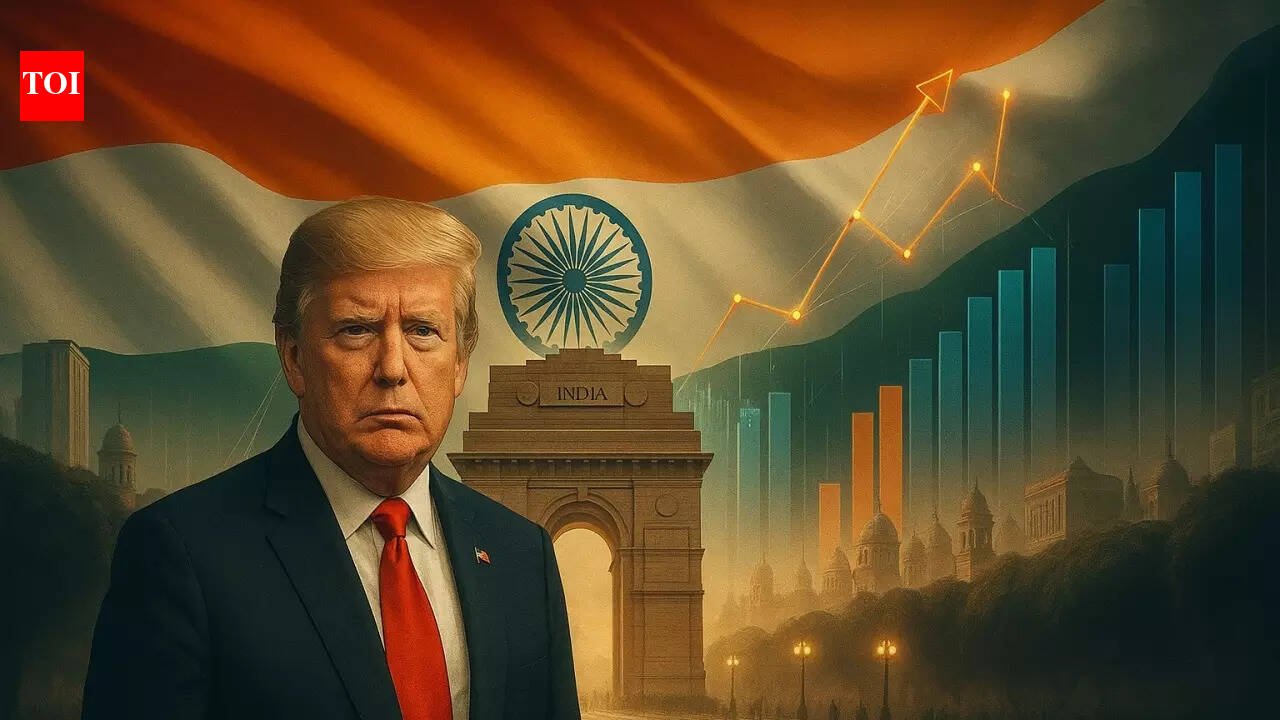
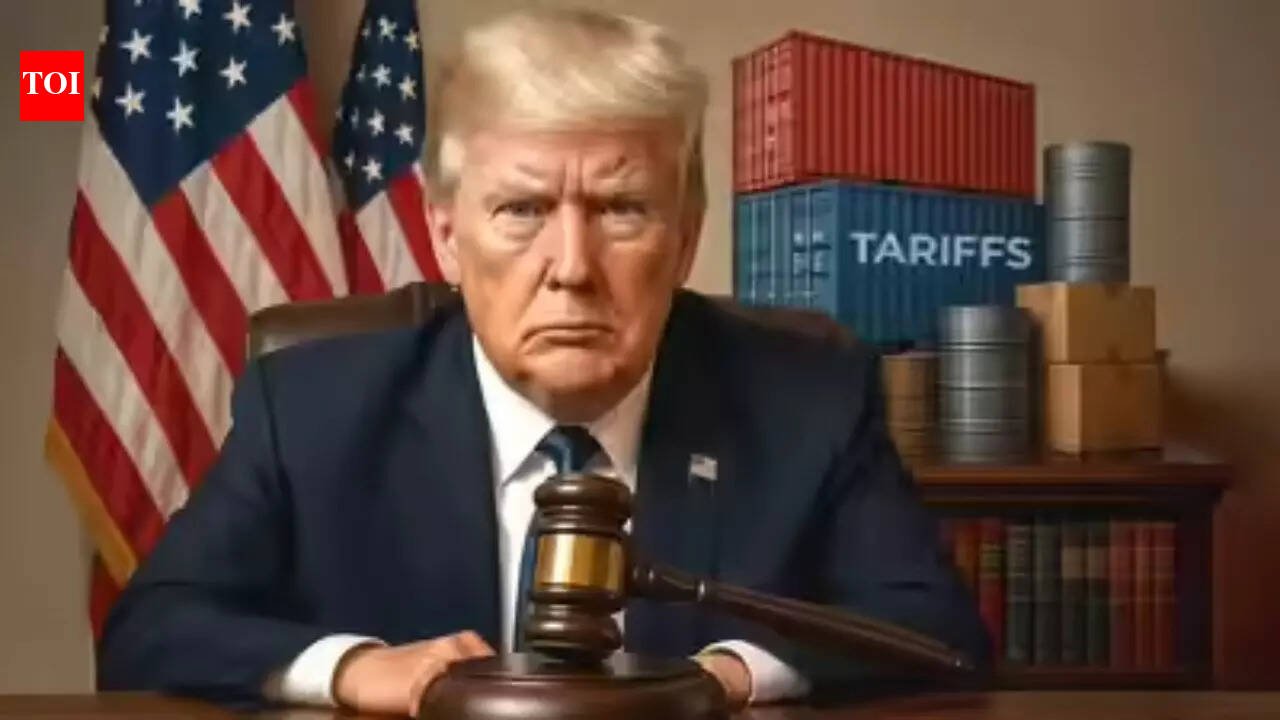
Trump on tariffs (AI image)

US President Donald Trump on Friday said that there will be no change in the India-US trade deal. His comments come after he announced a 10% global tariffs post the US Supreme Court deeming his reciprocal tariffs as illegal. Trump said that India will continue to pay the tariffs that have been decided, and the US will not pay any tariffs.Asked about the impact of the Supreme Court verdict on the India-US trade agreement that is being finalised, Trump said, “Nothing changes, they’ll be paying tariffs, and we will not be paying tariffs. So, the deal with India is they pay tariffs. This is a reversal for what it used to be. I think Prime Minister Modi is a great gentleman, a great man, actually, but he was much smarter than the people that he was against in terms of the United States. He was ripping us off, India. So we made a deal with India, it’s a fair deal now, and we are not paying tariffs to them and they are paying tariffs. We did a little flip.”

India-US Trade Deal:

Earlier this month, US President Donald Trump and Prime Minister Narendra Modi announced agreeing to a trade deal. Under the proposed framework, the US will impose an 18% tariff on Indian exports to the US. Trump has said that the duties on US exports will come down to zero.Also Read | Donald Trump announces 10% global tariffs after SC deems his reciprocal tariffs illegalSoon after, India and the United States issued a joint statement outlining the contours of their interim trade arrangement. At the same time, Trump signed an executive order withdrawing the 25% tariffs earlier imposed on India over its purchases of Russian crude oil.With the revised 18 percent tariff rate, India said it secured a relative edge over several regional competitors in labour-intensive, export-oriented industries. The new rate is lower than those applied to countries such as Vietnam, Bangladesh, China, Thailand, Pakistan and Indonesia, and marks a reduction from the 50% tariff level introduced by the Trump administration in August 2025.Commerce Minister Piyush Goyal said that the agreement provides Indian exporters access to a $30 trillion market. He added that the interim arrangement is expected to deliver significant gains to MSMEs, as well as to farmers and fishermen.Earlier this week it was reported that a delegation is expected to travel to the US in the coming days to finalise the interim trade deal.

Trump’s Angry Reaction to Supreme Court Verdict

On Friday, the US Supreme Court invalidated President Donald Trump’s worldwide tariffs, delivering a sharp setback to a policy central to his economic platform.Angered by the outcome, Trump responded by announcing plans to introduce a uniform 10% global tariff through a different statutory route, noting that the alternative law would limit such duties to a period of 150 days. He said he would continue advancing his trade agenda using other available mechanisms.Also Read | Why were Trump tariffs ruled illegal by Supreme Court? Top points from what SC said in its rulingHis remarks came after he strongly criticized the Supreme Court for dismantling much of his tariff framework, which the justices determined had been enacted through an improper use of emergency authority. Trump said he felt “absolutely ashamed” of the justices who voted against his measures and described the judgment as “deeply disappointing.”He maintained that the ruling was wrong but added that it would not halt his efforts, asserting that other powerful options remain at his disposal.

[ad_2]

Source link

‘Deeply disappointing,’ says Donald Trump on US Supreme Court striking down Tariffs — Top quotes

[ad_1]

'Deeply disappointing,' says Donald Trump on US Supreme Court striking down Tariffs — Top quotes

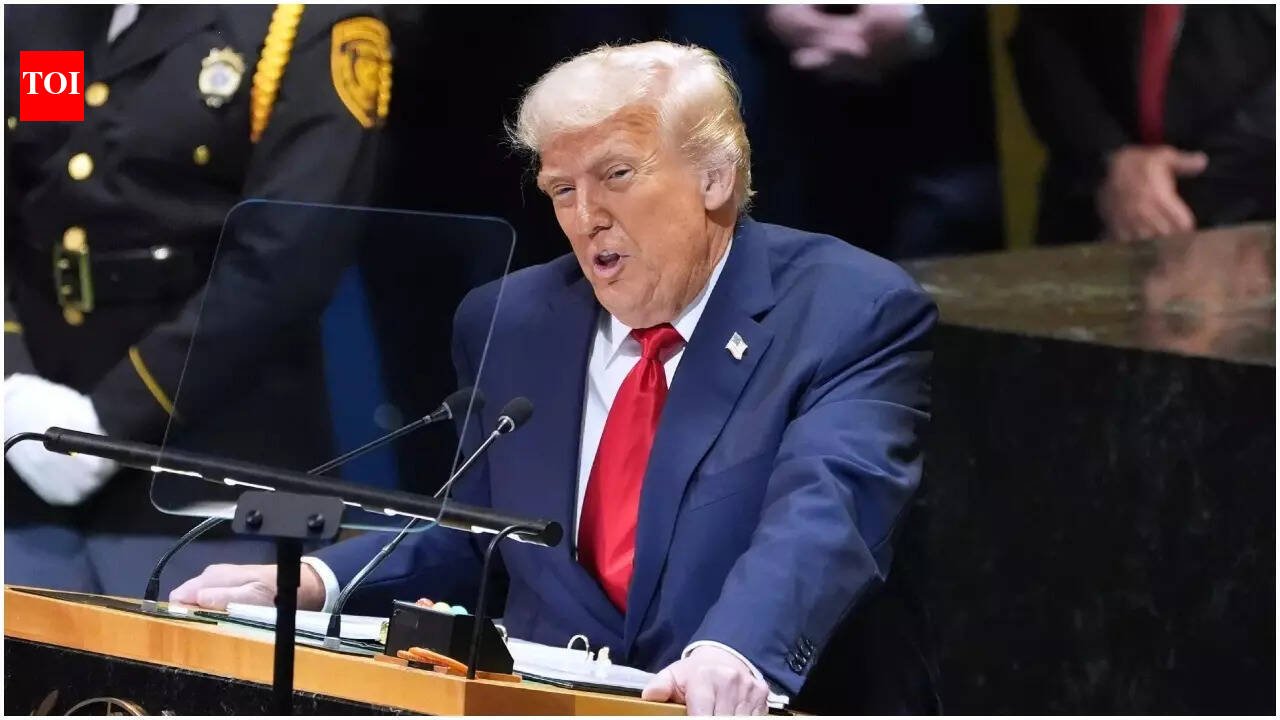
US President Donald Trump on Friday called the Supreme Court’s ruling on tariffs “deeply disappointing.” and said that he is ashamed of certain members of the Court for not having the courage to do what’s right for our country.The US Supreme Court on Friday deemed Trump’s reciprocal tariffs as ‘illegal’, a move that is a big blow to the American President’s trade war. The ruling invalidates country-specific “reciprocal tariffs” and fentanyl-linked duties imposed on imports from major trading partners.Here are the top quotes:

  • Trump said, “The court has been swayed by foreign interests and a political movement far smaller than people would ever think. It is a small movement. I won by millions of votes. We won in a landslide. With all of the cheating that went on.”
  • Others think being politically correct which has happened before far too often with members of this court. They are just being fools and lapdogs for the RINOS and radical left Democrats. They are very unpatriotic and disloyal to our constitution: Trump

[ad_2]

Source link

US Supreme Court ruling: Top court’s decision impacts some, but not all of Trump’s tariffs

[ad_1]

US Supreme Court ruling: Top court's decision impacts some, but not all of Trump's tariffs

The US Supreme Court on Friday struck down a series of sweeping tariffs imposed by President Donald Trump, ruling that he exceeded his authority under emergency economic powers. However, the decision does not affect several sector-specific duties that remain in place.In a 6-3 ruling, the conservative-majority court held that the International Emergency Economic Powers Act (IEEPA) “does not authorize the President to impose tariffs.” In its judgment, the court said, “The United States, after all, is not at war with every nation in the world. The Government instead relies exclusively on IEEPA. It reads the words ‘regulate’ and ‘importation’ to effect a sweeping delegation of Congress’s power to set tariff policy—authorizing the President to impose tariffs of unlimited amount and duration, on any product from any country.” The bench added that “had Congress intended to convey the distinct and extraordinary power to impose tariffs” through IEEPA, “it would have done so expressly, as it consistently has in other tariff statutes.” Chief Justice John Roberts, delivering the opinion, noted that “IEEPA contains no reference to tariffs or duties.”

Tariffs affected by Friday’s ruling

The ruling centres on Trump’s use of the 1977 IEEPA law, which allows the president to “regulate” trade in response to a declared national emergency.Trump first invoked the law in February 2025 to impose tariffs on goods from China, Mexico and Canada, citing drug trafficking as an emergency. In April, he used the same law to introduce “reciprocal” tariffs ranging from 10% to 50% on imports from nearly all US trading partners, arguing that the US trade deficit posed an “extraordinary and unusual threat.” A lower trade court had ruled in May that Trump overstepped his authority with the across-the-board levies and blocked most of them, though the decision had been paused pending appeal. The Supreme Court’s ruling upholds that earlier decision, effectively invalidating the country-wide tariffs imposed under IEEPA.

Tariffs that remain unaffected

The judgment does not impact industry-specific tariffs imposed under Section 232 of the Trade Expansion Act of 1962, which were justified on national security grounds.These include duties on steel, aluminium, lumber and automotive imports. Several government investigations that could lead to additional sectoral tariffs are still underway.Economists say the ruling could significantly reduce the overall US tariff burden. EY-Parthenon chief economist Gregory Daco had told AFP ahead of the decision that striking down the emergency tariffs would likely lower the average US tariff rate from 16.8% to around 9.5%. However, he cautioned that the relief may be temporary if the administration seeks alternative legal avenues to reimpose broad duties.Financial markets reacted positively to the verdict. The Dow Jones Industrial Average rose 207.03 points, or 0.42%, to 49,602.19, while the S&P 500 gained 33.44 points, or 0.52%, to 6,895.33 shortly after the announcement.

[ad_2]

Source link