Breaking News
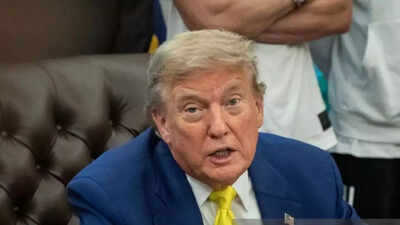
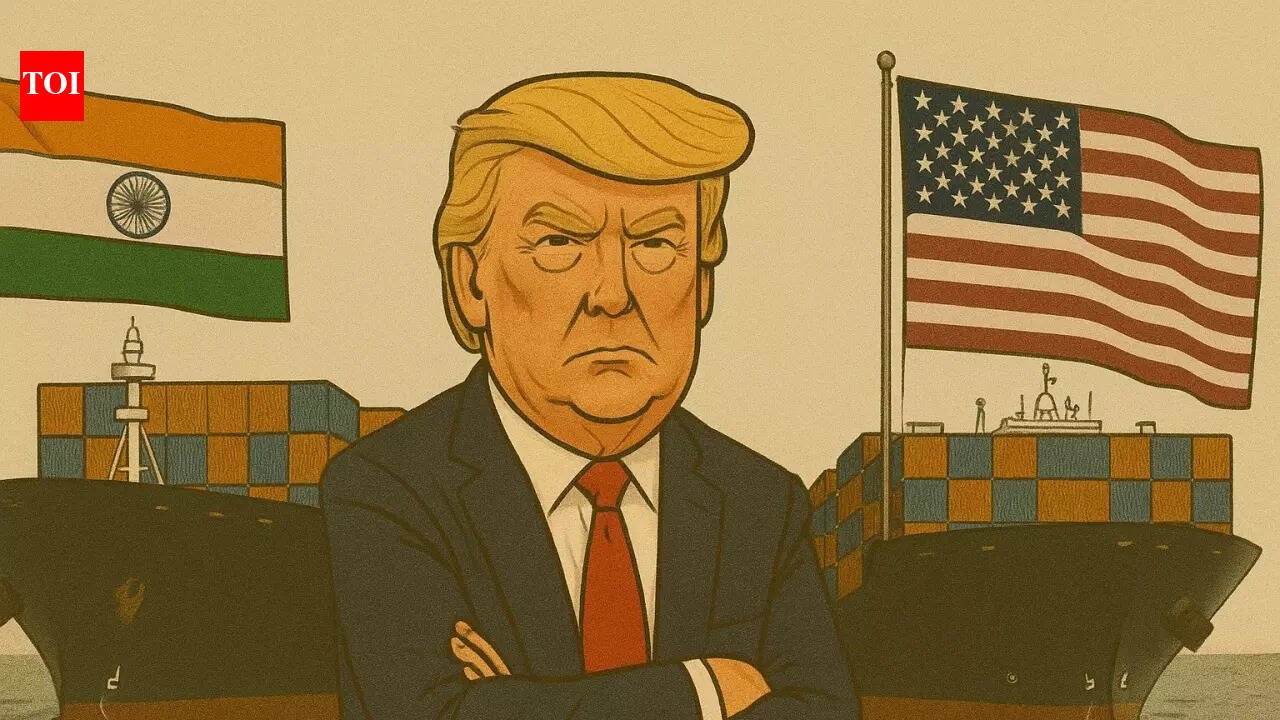
Trump tariffs struck down by US Supreme Court: What it means for India – 55% exports to America free from 18% duty

[ad_1]
Trump tariffs struck down by US Supreme Court: What it means for India - 55% exports to America free from 18% duty

The US Supreme Court’s ruling striking down president Donald Trump’s tariffs will mean that 55% of India’s exports to the US will not face the 18% reciprocal tariffs. The US Supreme Court on Friday deemed Trump’s reciprocal tariffs as ‘illegal’, a move that is a big blow to the American President’s trade war. The ruling invalidates country-specific “reciprocal tariffs” and fentanyl-linked duties imposed on imports from major trading partners. Trump had recently removed the 50% tariffs that he had imposed on India, bringing it down to 18%. An India-US joint statement on the same was issued earlier this month and an Indian delegation is travelling to the US in the coming days to finalise the interim trade deal.

SC ruling on Trump tariffs: What does it mean for India?

According to Global Trade Research Initiative (GTRI) founder Ajay Srivastava, the ruling by the topmost US court should prompt India to re-examine its trade deal with the United States.“Removal of reciprocal tariffs will free about 55% of India’s exports to the US from the 18% duty, leaving them subject only to standard MFN tariffs,” says a GTRI analysis.Also Read | Why were Trump tariffs ruled illegal by Supreme Court? Top points from what SC said in its rulingAccording to the think tank, on the remaining exports; (i) Section 232 tariffs will continue — 50% on steel and aluminium and 25% on certain auto components(ii) products accounting for roughly 40% of export value, including smartphones, petroleum products and medicines, will remain exempt from US tariffs“The decision effectively renders recent trade deals initiated or concluded by the United States with the UK, Japan, the EU, Malaysia, Indonesia, Vietnam and India one-sided and useless. Partner countries may now find reasons to dump these deals,” says GTRI.Commenting on the ruling, Manoj Mishra, Partner and Tax Controversy Management Leader at Grant Thornton Bharat said the decision would be a competitive boost to Indian exports.“The US Supreme Court’s ruling against reciprocal tariffs brings significant legal clarity and reduces tariff uncertainty for India, reinforcing limits on unilateral tariff actions. Notably, under the interim trade arrangement the US had agreed to reduce reciprocal tariffs on India to 18% which shall no longer remain relevant following the Court’s decision,” he said.“Any attempt to levy such tariffs would require Congressional approval. This is likely to give much-needed relief and a competitive boost to Indian exporters, while also paving the way for potential refunds of tariffs collected without adequate legal basis. However, the US is expected to continue relying on sector-specific tariffs under Section 232 in strategic sectors, underscoring the importance of advancing the bilateral trade agreement to secure durable tariff certainty and stable market access for Indian exporters,” he added.

What the US Supreme Court said

The court ruled that President Donald Trump had overstepped his authority by levying tariffs under the International Emergency Economic Powers Act (IEEPA), a 1977 statute that has been designed to address national emergencies. The decision reinforces Congress’s central role in shaping trade policy, significantly limiting the president’s discretion to use tariffs as a strategic tool and redefining how future administrations may rely on emergency economic powers.Chief Justice John Roberts said that IEEPA does not grant the president the power to impose tariffs unilaterally and noted that the administration failed to identify any law that authorized such action.The judgment strikes down the country-specific “reciprocal” tariffs as well as fentanyl-related duties applied to imports from key trading partners. Although Trump may seek to reinstate tariffs under Section 301 or Section 232, those provisions require fresh investigations and formal justification, which would slow implementation and likely trigger additional legal disputes. Moreover, these statutes cannot be deployed as a blanket enforcement mechanism.

[ad_2]

Source link
Donald Trump considering ‘limited strike’ on Iran to force nuclear deal

[ad_1]

Donald Trump considering 'limited strike' on Iran to force nuclear deal

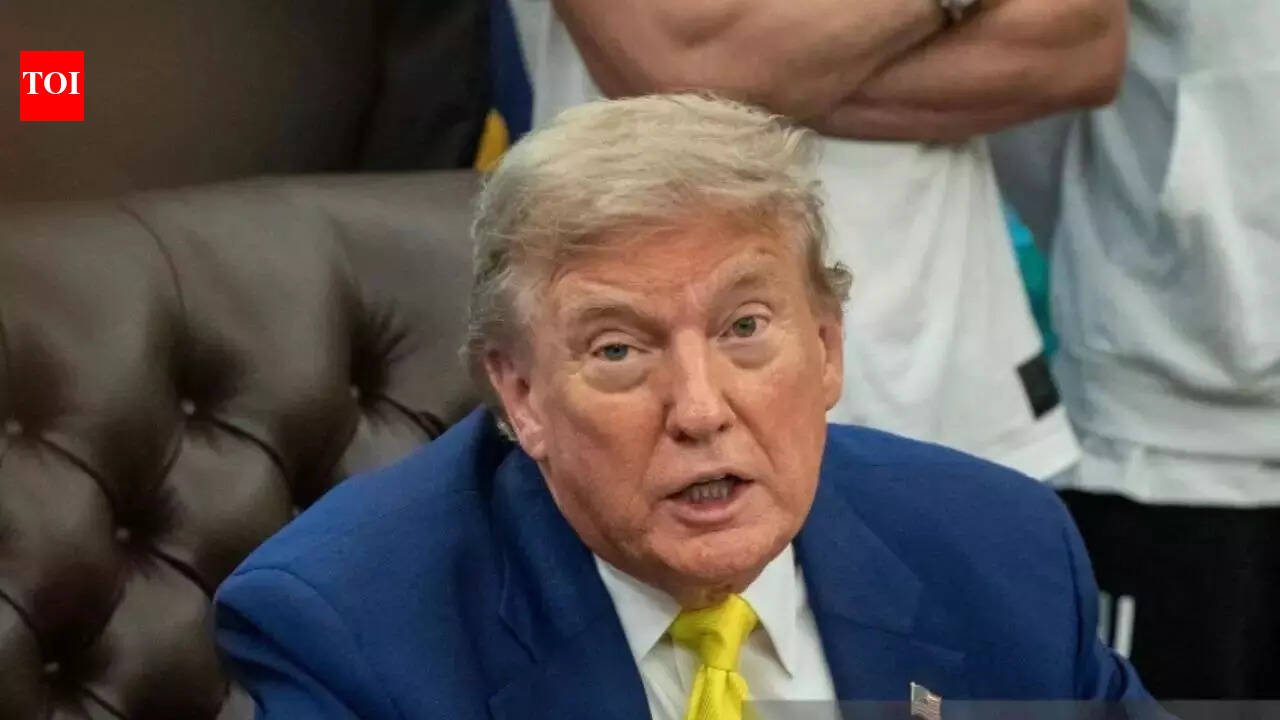
US President Donald Trump said on Friday that he was considering “limited strike” on Iran if it did not make a nuclear deal with America. This comes a day after he served an ultimatum to the Islamic nation to make a “meaningful deal” in 10 days or “bad things would happen”.Asked by a reporter if he is “considering a limited military strike if Iran doesn’t make a deal,” Trump answered: “The most I can say — I am considering it,” AFP reported.Speaking at the Board of Peace event a day earlier, he had said, “And, you know, good talks are being had. It’s proven to be, over the years, not easy to make a meaningful deal with Iran. We have to make a meaningful deal, otherwise bad things will happen.”“So now we may have to take a step further or may not. Maybe we’re going to make a deal. You’re going to be finding out over the next, probably, 10 days,” he added.Trump’s comments come at a time of escalating tensions between Washington and Tehran. As previously reported by Reuters, the United States has expanded its military footprint in the Middle East, sending additional aircraft carriers, fighter jets and defence systems to the region. Satellite images examined by Reuters indicate that Iran has strengthened key nuclear and missile-linked facilities, reinforcing tunnel entrances and adding concrete protection at sensitive sites. Tehran has repeatedly denied pursuing nuclear weapons.The renewed effort to secure a deal follows years of strained engagement. During his first term, Trump pulled the US out of the 2015 nuclear accord and has since pushed for a broader and tougher agreement. Attempts under former President Joe Biden to restore the earlier deal did not result in a final settlement.

[ad_2]

Source link
Abhishek Sharma to get dropped? India coach makes fresh admission amid poor T20 World Cup form | Cricket News

[ad_1]

Abhishek Sharma to get dropped? India coach makes fresh admission amid poor T20 World Cup form
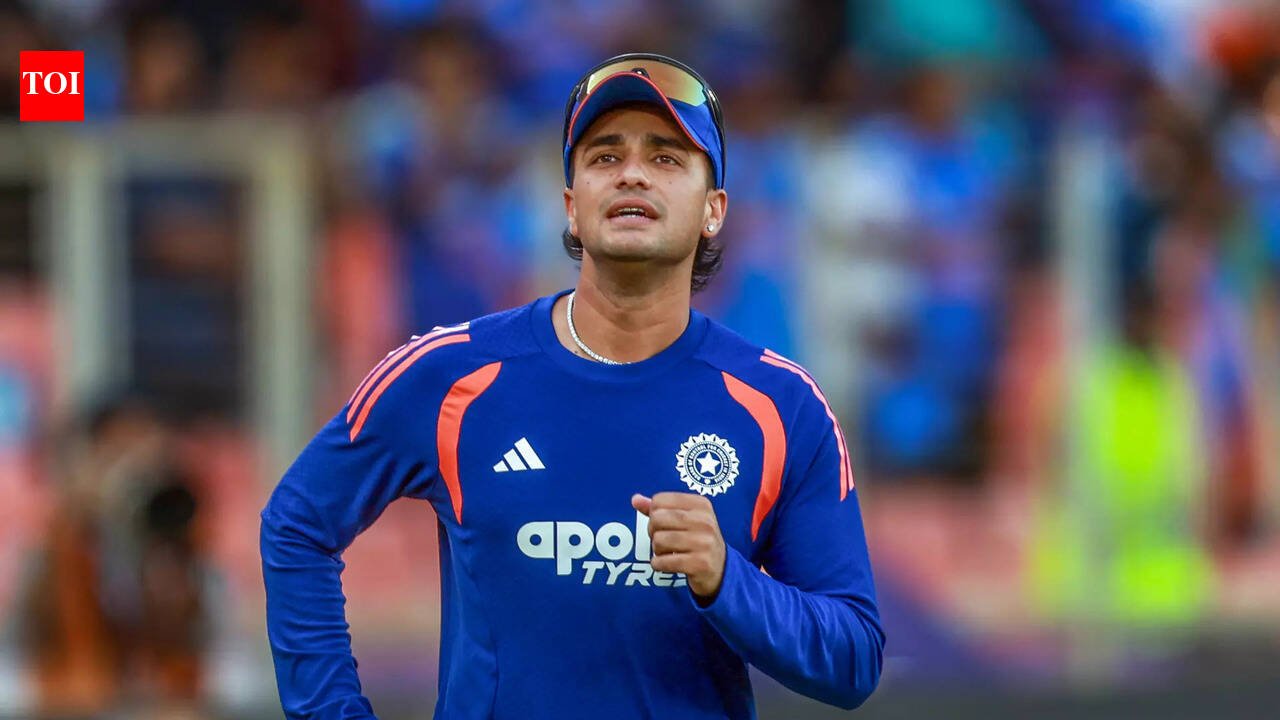
Abhishek Sharma (ANI Photo)

NEW DELHI: India opener Abhishek Sharma has had a rough start in the T20 World Cup 2026, getting out for three ducks in a row in the group stage. His poor run has raised concerns, but the Indian team management is still backing him strongly.Team India bowling coach Morne Morkel dismissed any talk of dropping him and said, “Absolutely no discussion on Abhishek Sharma in the group. He is going to deliver, for the team and viewers. He is entertaining. He is hitting the ball well in the nets.”

How Suryakumar Yadav and Tilak Varma are hurting India | T20 World Cup

Former India captain Sunil Gavaskar feels pressure is affecting the 25-year-old batter. He believes Abhishek is trying too hard to hit big shots from the first ball instead of settling in. “Abhishek Sharma is a lovely guy, but expectations seem to be weighing on him. If he had started well against the USA, it would have been different. Now, the pressure of being the big six-hitter and top batter is showing,” Gavaskar said.“With his shot range, he needs to spend time in the middle. He cannot try to hit a boundary or six on the first ball of his innings. If the big shots come, fine. But he shouldn’t force himself to play the big shots across the line,” he added.He also advised Abhishek to start slowly and build his innings. “Take a single and get off the mark. Even four dot balls don’t matter. He can make up for them later. He needs to play smart. Spend an hour or two settling in, then play his natural game. First, just get off the mark. Every batter wants that first run. Once he gets it, everything will fall into place,” he added.Assistant coach Ryan ten Doeschate also backed Abhishek and said he showed good form in training after recovering from illness. He said Abhishek batted well in the nets and should be fine in the next phase.With India reaching the Super 8s, the team hopes Abhishek will regain confidence and perform when it matters most.

[ad_2]

Source link
From Bill Gates to former prince Andrew: The biggest names felled by the Epstein files | World News

[ad_1]

From Bill Gates to former prince Andrew: The biggest names felled by the Epstein files
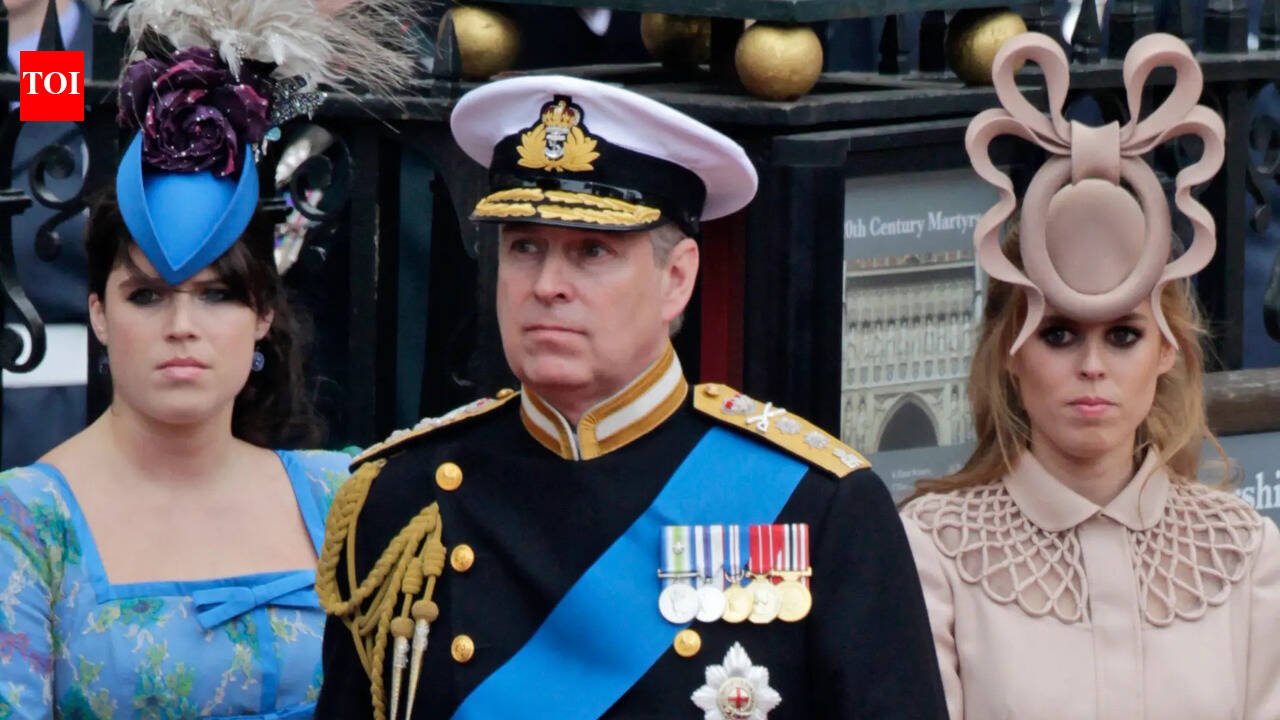
FILE – Britain’s Prince Andrew, center, and his daughters Princess Eugenie, left, and Princess Beatrice leave Westminster Abbey after the wedding of Prince William to Catherine Middleton, in London, April 29, 2011. (AP Photo/Gero Breloer, File)

The latest release of Jeffrey Epstein–related documents has begun to reshape careers across politics, business, and public life by laying out, in detail, the extent of his relationships with some of the world’s most powerful figures. In Britain, Labour veteran Peter Mandelson stepped down from the House of Lords after financial links and correspondence surfaced. In the United States, former senator George Mitchell withdrew from leadership roles as records showed sustained contact over several years. Norway saw a senior diplomat resign and corruption probes open after revelations of financial ties connected to Epstein’s will. And in one of the most consequential developments, Andrew Mountbatten-Windsor, widely known as Prince Andrew, was arrested in 2026 on suspicion of misconduct in public office following disclosures that he may have shared official information with Epstein during his tenure as the UK’s trade envoy.

Former prince Andrew and his links to Jeffrey Epstein: British ex-royal’s scandal explained

Together, the files have shifted the focus from Epstein himself to the wider network of influential individuals who remained in his orbit long after his past convictions were public, turning a long-closed criminal case into an ongoing reckoning for global public life.Peter AttiaA physician, author, and high-profile longevity expert, Attia appeared in the files through informal email exchanges that showed a friendly and sometimes crude tone of communication with Epstein. The correspondence indicated a personal relationship rather than professional interaction. After the disclosures became public, companies with which he was associated moved quickly to distance themselves, leading Attia to step down from advisory roles amid reputational scrutiny.Sultan Ahmed bin Sulayem

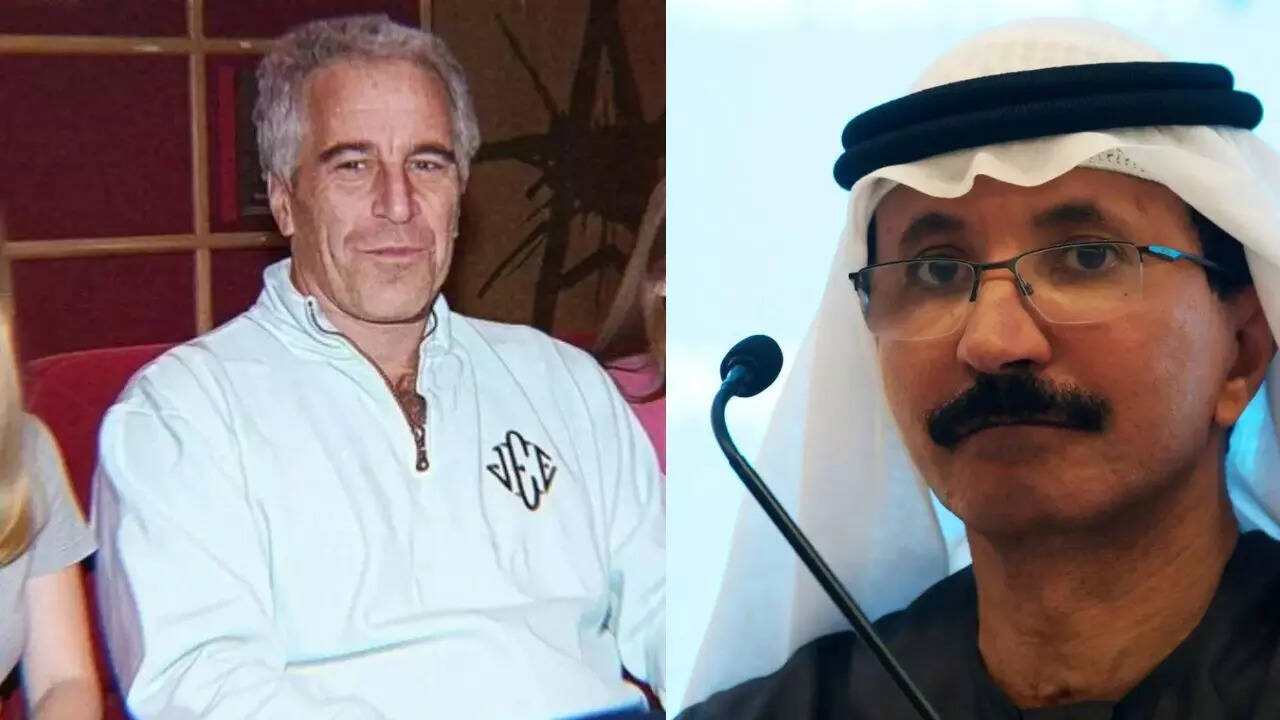
Sultan Ahmed bin Sulayem

Sultan Ahmed bin Sulayem (right)

An Emirati business executive and former chairman of one of the world’s largest logistics firms, bin Sulayem was portrayed in the documents as maintaining a close personal friendship with Epstein through regular correspondence. Although no misconduct was alleged, investor pressure escalated rapidly following the revelations, prompting his resignation to shield the company from reputational fallout.Bill Gates

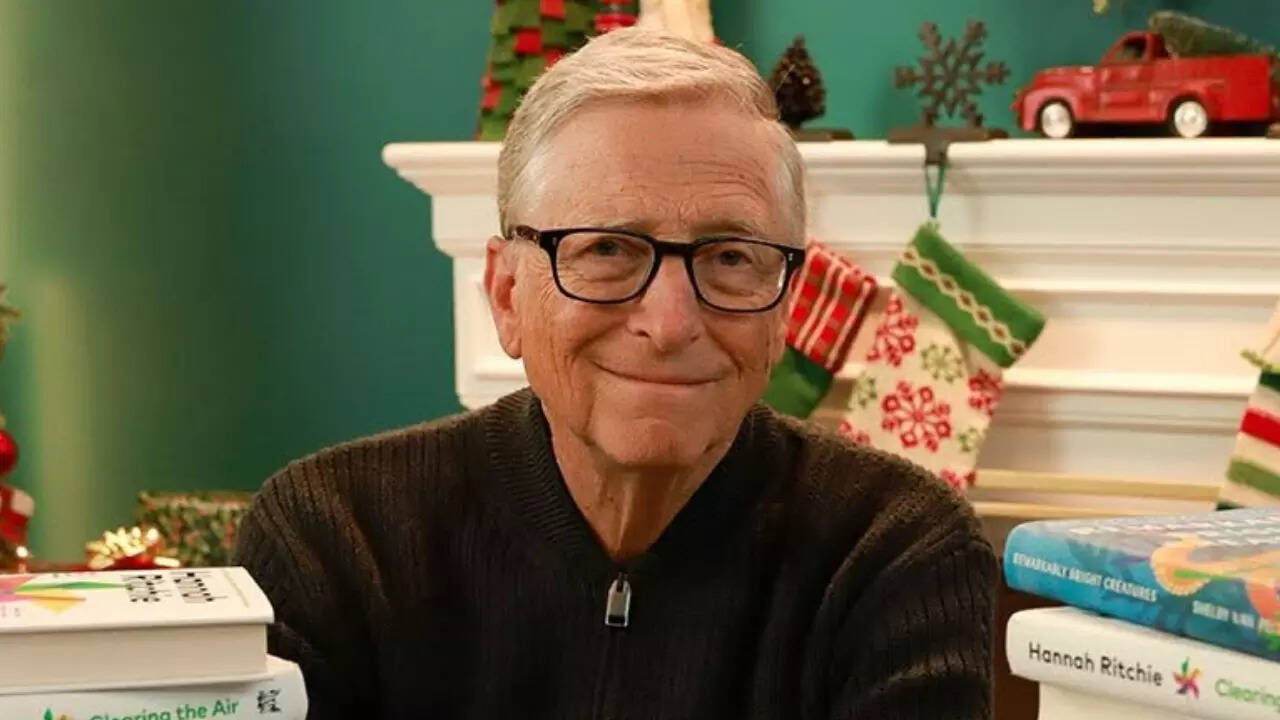
Bill Gates

Bill Gates

Microsoft co-founder and global philanthropist Bill Gates has not faced any investigation or institutional sanction arising from the Epstein files, but the renewed scrutiny of his past association has begun to affect his public engagements. Gates withdrew from delivering a scheduled keynote address at the AI Impact Summit 2026 in India just hours before the event. His foundation said the decision was taken after “careful consideration” to ensure that attention remained on the summit’s priorities rather than the controversy surrounding his earlier interactions with Epstein.Thorbjørn JaglandA former Norwegian prime minister and senior European political figure, Jagland appeared in emails suggesting Epstein attempted to use his diplomatic access to arrange meetings with global leaders. The disclosures led Norwegian authorities to open corruption investigations to examine whether Epstein sought improper influence through those connections.Mona JuulA Norwegian diplomat who served as ambassador, Juul was drawn into scrutiny after reports indicated Epstein had left substantial funds to her and her husband, fellow diplomat Terje Rød-Larsen, in his will. The financial link triggered corruption investigations, and Juul resigned from her diplomatic post as the inquiry began.Brad KarpThe chairman of a major international law firm, Karp appeared in the files through emails showing Epstein had hosted him at private gatherings and maintained ongoing social contact. The visibility of this relationship created reputational risk for the firm, leading Karp to step down from his leadership role.Jack Lang

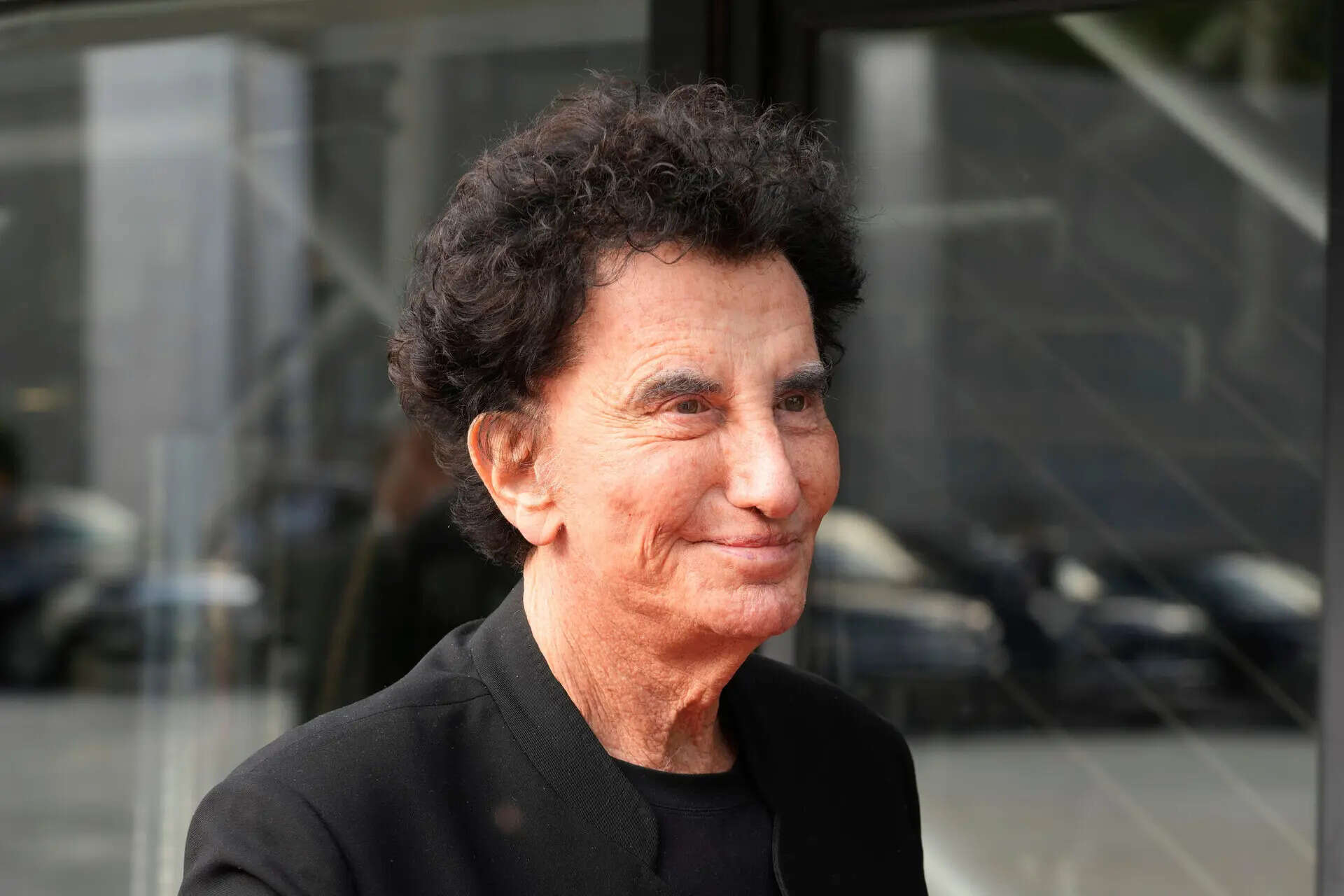
France's former culture minister resigns over Epstein-linked tax fraud probe

FILE – IMA president Jack Lang arrive before visiting the exhibition “Treasures rescued from Gaza” Monday, April 14, 2025 at the Arab World Institute (IMA) in Paris. (AP Photo/Michel Euler, Pool, File)

A former French cultural minister and prominent public figure, Lang became the subject of financial investigations after the documents linked him to transactions connected to Epstein. Although he denies wrongdoing, the scrutiny prompted him to resign from leadership of a major cultural institution while inquiries continue.Miroslav LajčákThe Slovak diplomat and former president of the UN General Assembly appeared in the files through private exchanges that showed informal and friendly communication with Epstein. While the messages contained no evidence of illegal conduct, their tone and timing raised concerns about judgment, leading Lajčák to resign from his role as national security adviser.Peter Mandelson

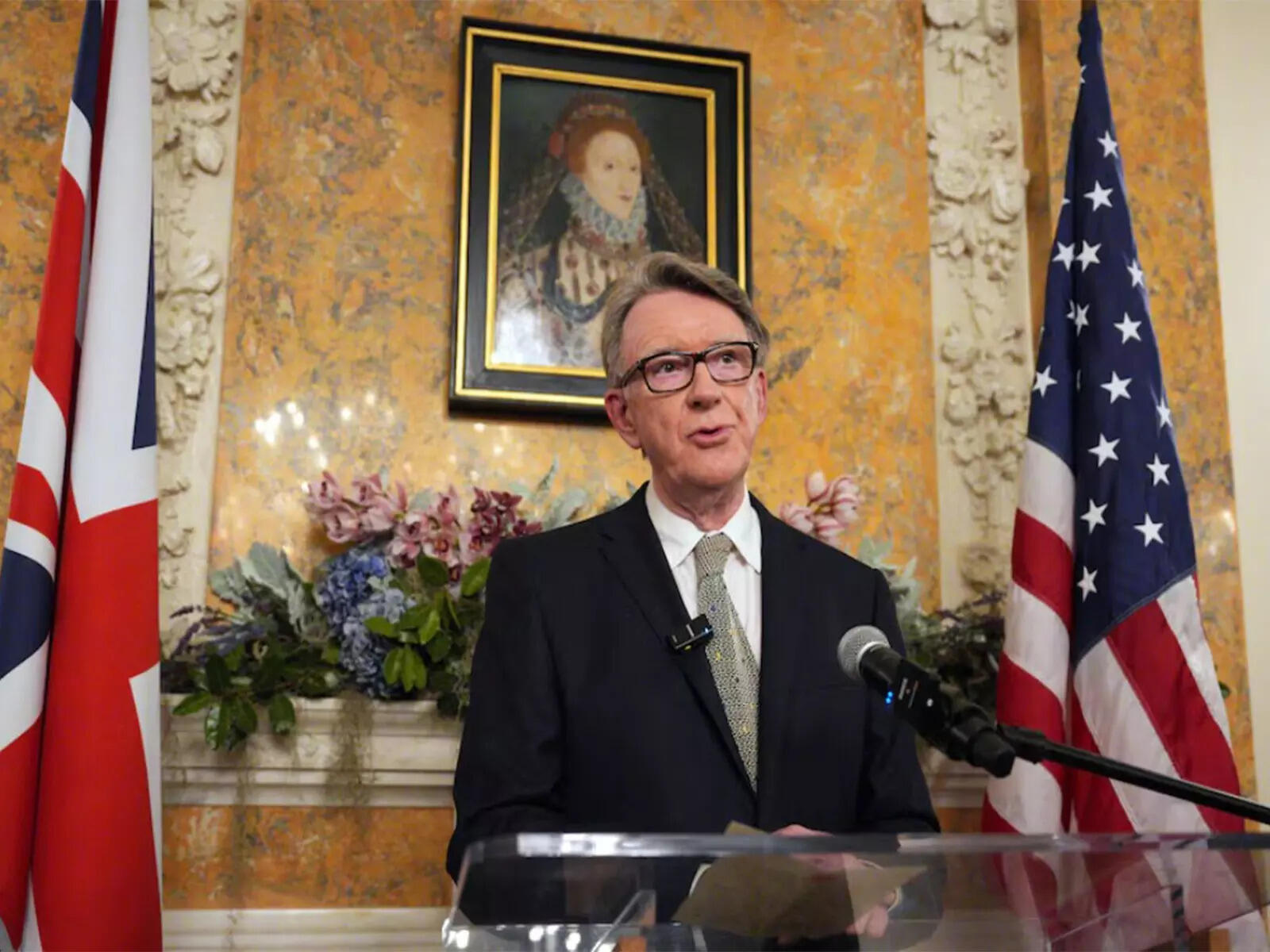
Peter Mandelson

UK PM fires Ambassador to US Peter Mandelson over Epstein links

One of Britain’s most influential political strategists and a former ambassador to the United States, Mandelson appeared in the files through financial records and correspondence suggesting a closer personal relationship with Epstein than previously acknowledged. The disclosures triggered investigations and police searches, leading Mandelson to resign from the Labour Party and step down from the House of Lords.George J. MitchellA former US senator and internationally respected peace negotiator, Mitchell appeared repeatedly across Epstein communication logs, indicating sustained contact over several years. Though no wrongdoing was alleged, institutions bearing his name moved quickly to distance themselves, prompting Mitchell to resign from honorary leadership roles.David RossAn influential figure in the contemporary art world and academic leadership, Ross appeared in the documents through correspondence showing he maintained contact with Epstein even after the latter’s conviction. The disclosures led to his resignation from an academic leadership role due to reputational concerns.Joanna RubinsteinA senior humanitarian leader associated with a UN-linked foundation, Rubinstein appeared in records confirming she had visited Epstein’s private island. Although no criminal allegation was made, the timeline of the visit led to intense public scrutiny, prompting her resignation.Kathy RuemmlerA former White House counsel and later chief legal officer of Goldman Sachs, Ruemmler appeared in the files through emails showing friendly correspondence with Epstein and evidence that she had received gifts from him after leaving government service. She resigned from her corporate role as reputational concerns mounted.Sarah Ferguson

Sarah Ferguson, Duchess of York

Sarah Ferguson, 64, also attended the Easter service alongside her former husband, Prince Andrew. However, the former couple’s daughters — Princess Beatrice and Princess Eugenie — did not appear.

The former Duchess of York appeared in the documents through emails indicating she maintained contact with Epstein years after his conviction. Renewed scrutiny led to the closure of a charity linked to her after institutional support diminished.Steve TischA film producer and co-owner of an NFL franchise, Tisch appeared in emails indicating Epstein introduced him to women and maintained communication. He remains in position but faces an ongoing review by the league.Casey WassermanA prominent entertainment executive and head of a major talent agency, Wasserman appeared in the files through emails exchanged with Ghislaine Maxwell that revealed personal interactions and social planning. The fallout led to client departures, prompting him to sell the agency to limit further reputational damage.Andrew Mountbatten-WindsorThe former prince Andrew, the younger brother of King Charles III and formerly the UK’s trade envoy, has long been one of the most high-profile figures linked to Jeffrey Epstein. The latest Epstein document release included additional photographs and correspondence that reinforced the depth of their association, showing continued contact even after Epstein’s 2008 conviction. In February 2026, British police arrested Andrew Mountbatten-Windsor on suspicion of misconduct in public office as part of an investigation tied directly to material emerging from the Epstein files. Authorities are examining allegations that, during his tenure as trade envoy, he may have shared potentially confidential government documents or official information with Epstein. The arrest is separate from earlier sexual-assault allegations brought in a US civil lawsuit by Virginia Giuffre, which Andrew denied and settled out of court in 2022 without admitting liability. The current investigation centres instead on possible misuse of official position and breach of trust arising from his documented relationship with Epstein.Those who have faced no formal sanctionA defining feature of the latest Epstein fallout is its unevenness. Many individuals named in the documents remain in their positions without investigation or legal consequence. Their involvement typically consists of correspondence, meetings, or social contact rather than evidence of criminal conduct. The documents have therefore reshaped careers not through courts of law, but through public scrutiny, demonstrating how reputational accountability now operates alongside, and often independently of, formal legal processes.

[ad_2]

Source link
‘India diversifying oil sourcing’: US envoy Sergio Gor notes Russia shift – what he said on Venezuela option

[ad_1]

'India diversifying oil sourcing': US envoy Sergio Gor notes Russia shift - what he said on Venezuela option

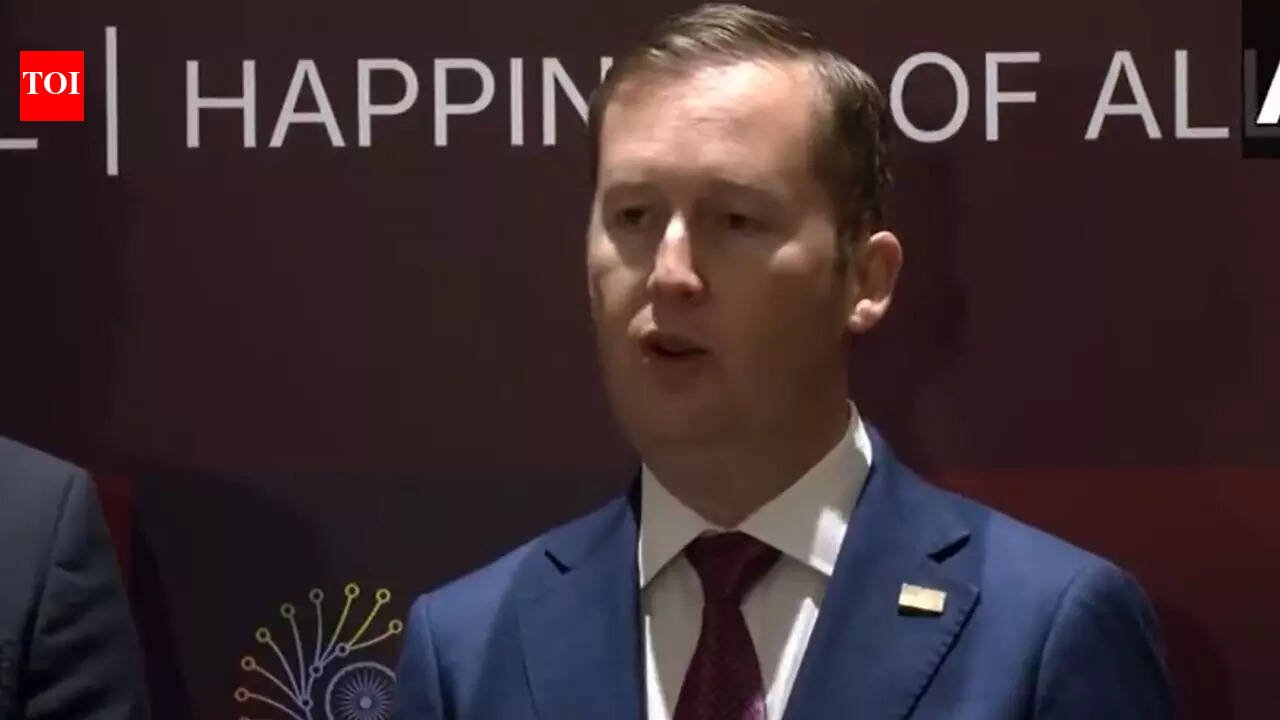
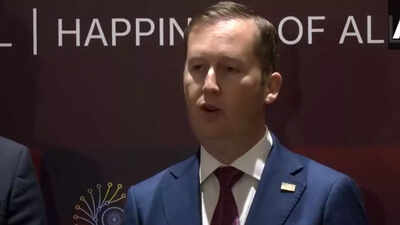
NEW DELHI: India on Friday reiterated its position on Russian oil purchases and the possibility of sourcing crude from Venezuela, after remarks by US envoy Sergio Gor. Clarifying New Delhi’s stance, ministry of external affairs spokesperson Randhir Jaiswal said India would consider Venezuelan crude if it was “commercially viable,” reaffirming the government’s earlier position on the matter.In an official statement, the MEA said, “On Russian oil and on Venezuelan oil, we have issued statements and have made our position very clear. I would once again request you to look at what we have said in the last few weeks on both these subjects. On Venezuela, we had said that if it is commercially viable, then we are exploring buying oil from Venezuela. We clarified our position on Venezuelan oil as also on the other question that you asked. Our position remains the same.”Earlier in the day, the United States reiterated its claim, projecting India’s commitment regarding oil purchases from its long-time trade partner Russia as part of the much-awaited interim trade agreement between New Delhi and Washington. US envoy Sergio Gor expressed confidence, saying the US had “seen India diversify the sourcing of oil.” He also said there were “active negotiations” underway for the potential sale of Venezuelan oil to India, adding that the final trade deal would be signed soon.He also strongly emphasised President Donald Trump’s position, stating that the United States “does not want any country to buy Russian oil.”

PM Modi-Trump Meeting Speculation Grows As US Envoy Sergio Gor Drops Massive Hint, Says ‘Stay Tuned’

Gor made these remarks while addressing a presser on the sidelines of the Global AI Summit taking place in New Delhi.Stressing on India’s oil commitments and the US position, Gor told reporters, “On oil, there’s an agreement. We have seen India diversify their oil. There is a commitment. This is not about India. The United States doesn’t want anyone buying Russian oil. The President has been very clear on this—he wants this war to end. Anyone still involved with that conflict is something the President wants to see come to an end, in hopes that peace will follow.On the possibility of Venezuelan oil being supplied to India, Gor highlighted the ongoing discussions, saying, “The department of energy is speaking to the ministry of energy here, and we’re hoping to have some news on that very soon.”A final trade deal with India will be signed “sooner rather than later,” as only “a few tweaking points” remain, Gor said, adding that President Trump has been invited to India by Prime Minister Modi.The US had proposed supplying Venezuelan crude to India as an alternative to Russian imports, Reuters reported last month. It also granted licences to trading firms Vitol and Trafigura to market and sell millions of barrels of Venezuelan crude following the capture of President Nicolas Maduro and a supply arrangement with interim President Delcy Rodriguez.State refiners Indian Oil Corp, Hindustan Petroleum and Bharat Petroleum, along with private players Reliance Industries and HPCL-Mittal Energy, have already placed orders for Venezuelan crude, according to the Reuters report.Meanwhile, the US has consistently opposed the purchase of Russian oil by other countries, arguing that such transactions support Russia’s war effort in Ukraine. Trump has repeatedly presented himself as committed to ending the conflict and has pushed for reducing global dependence on Russian energy.In a bid to resolve the Russia–Ukraine crisis, Trump has consistently advocated energy decoupling from Russia, with several officials in his second-term administration repeatedly calling for a halt to Russian oil exports.The US has maintained that India would reduce its dependence on Russian oil following the conclusion of the India–US trade deal earlier this month, which came after nearly a year of negotiations between the two major economies.Under the agreement, the Trump administration reduced tariffs on Indian goods and lifted punitive trade measures linked to India’s oil trade with Russia, lowering tariffs from 50% to 18%.Gor also spoke about the possibility of a meeting between PM Modi and President Trump, saying it would take place “at the right time.”

[ad_2]

Source link
Break the spine, but spare the bones: How Taliban is crushing women, one rule at a time

[ad_1]

A new low for women in Afghanistan: Taliban rules spark alarm over legalised domestic violence

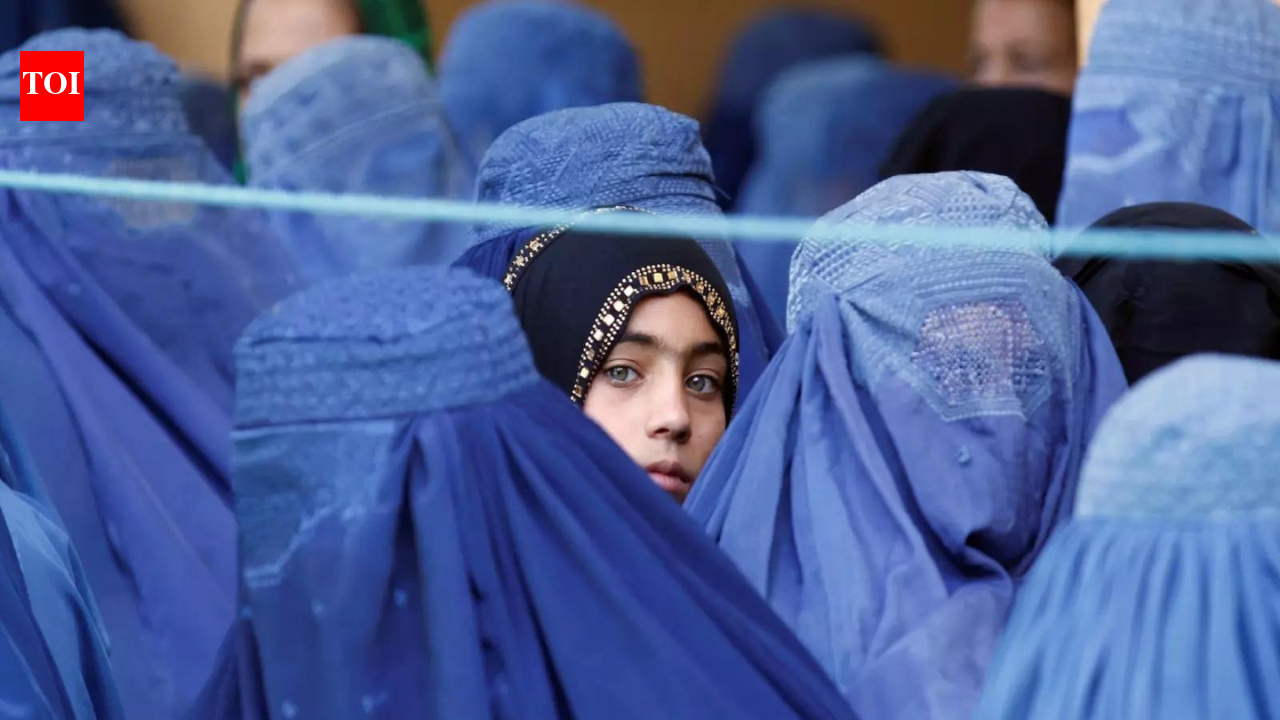
The Taliban has introduced a new penal code in Afghanistan that formalises some of its most hardline policies, prompting concern among human rights groups about the consequences for women and children. Signed by supreme leader Hibatullah Akhundzada, the 90-page criminal code allows husbands to physically discipline their wives and children as long as it does not result in “broken bones or open wounds.”But this is not the first time such a law has been passed. The Taliban have enacted a sweeping set of laws and decrees that dramatically curtail the rights of women and girls across Afghanistan, drawing sharp condemnation from United Nations experts and international human rights organisations.

A new low for women in Afghanistan: Taliban rules spark alarm over legalised domestic violence

Since returning to power, the Taliban leadership has formalised policies that affect nearly every aspect of women’s lives—education, employment, freedom of movement, dress, political participation, access to justice, and personal autonomy—effectively erasing women from public life.

Nationwide ban on secondary and university education for girls

Girls have been barred from attending secondary school beyond grade six, and women have been prohibited from enrolling in universities or sitting for entrance examinations. Entire fields of study—including engineering, agriculture, journalism, mining, and veterinary sciences—have been closed to women.Many girls’ education centres have been shut down, and in some provinces, local orders have reportedly banned girls aged 10 and above from attending even lower grades. Additional regulations require strict dress codes, including full-face coverings, as a condition for attending classes.Curriculum changes have also reduced secular subjects while expanding religious instruction, further narrowing women’s educational and professional prospects.

Broad bans on female workers across government and private sectors

Women have been barred from most government jobs and many private-sector roles, with limited and heavily restricted exceptions in some health and primary education positions. Taliban decrees have also prohibited women from working with national and international NGOs and even the United Nations—previously a major source of employment and essential services for women.Many women-run businesses, including small bakeries and shops, have been shut down. Women have also been barred from roles such as flight attendants and other public-facing professions.The dissolution of state institutions that once supported survivors of gender-based violence has left women without institutional protections in workplaces or homes.

‘Mahram’ requirement enforced

Women are now required to be accompanied by a close male relative, or mahram, for most travel beyond short distances, including trips to health facilities, workplaces, and government offices.Authorities have imposed restrictions preventing women from using public transport independently and have barred cafés and public venues from serving unaccompanied women. In some areas, hospitals have reportedly been ordered not to treat female patients unless accompanied by a male guardian, effectively denying women independent access to healthcare.Women have also been banned from entering parks, gyms, public baths, and other community spaces, severely limiting their participation in public life.

Mandatory coverings and collective punishment

Strict dress codes mandate the wearing of hijab in accordance with detailed guidelines, with some institutions requiring full-body coverings such as the chadari or burqa.Enforcement measures extend beyond women themselves. Women who fail to comply risk losing government jobs, while male relatives who are deemed to have “allowed” non-compliance may face suspension from their posts. Women have also been instructed not to visit male tailors and to limit social interactions outside the home.

Dismantling of legal Protections for women

The Taliban have dissolved shelters, legal aid centres, and state commissions addressing violence against women. Female lawyers have reportedly been denied licenses, effectively barring them from legal practice and restricting women’s access to gender-sensitive legal representation.Women seeking justice must appear fully covered before male judges and be accompanied by a male guardian—often the alleged abuser—making legal redress nearly impossible. Reports indicate that police and judges frequently dismiss domestic violence complaints as “private matters.”

Harsh punishments, limited protections against ‘moral crimes’

Under the new legal framework, husbands face up to 15 days in prison for using “obscene force” resulting in bruises or fractures, but convictions require the wife to prove the abuse in court under strict procedural constraints.Married women can reportedly face up to three months’ imprisonment for visiting relatives without their husband’s permission, even if fleeing abuse. Earlier legal safeguards, including the 2009 Elimination of Violence Against Women (EVAW) law, have been scrapped.Public flogging—up to 39 lashes or more—and prison terms ranging from one to seven years have been imposed for “moral crimes” such as adultery or “illegitimate relations,” with women disproportionately affected. Taliban leaders have also threatened the resumption of public stoning for adultery, though such executions have not been widely reported.

Erasure from governance and public voice

Women have been excluded from senior political, judicial, and security posts. Mechanisms for women’s participation in governance have been dismantled.Women’s rights activists and protesters have faced violent dispersal, arrest, enforced disappearances, and alleged torture in detention. Women journalists have been subjected to strict censorship, harassment, and on-air face-covering requirements, driving many out of the profession.

International condemnation of Taliban

UN experts and rights organisations, including groups such as Rawadari, have described the Taliban’s legal framework as an unprecedented rollback of women’s rights. They argue that the policies constitute systematic gender-based discrimination and may meet the threshold for crimes against humanity.As the restrictions expand, Afghan women and girls continue to face shrinking access to education, work, healthcare, justice, and public life—raising urgent concerns about the long-term social and humanitarian consequences for the country.

[ad_2]

Source link

Bengal vs EC: SC takes ‘extraordinary’ step, judicial officers to be part of SIR duty | India News

[ad_1]

Bengal vs EC: SC takes 'extraordinary' step, judicial officers to be part of SIR duty

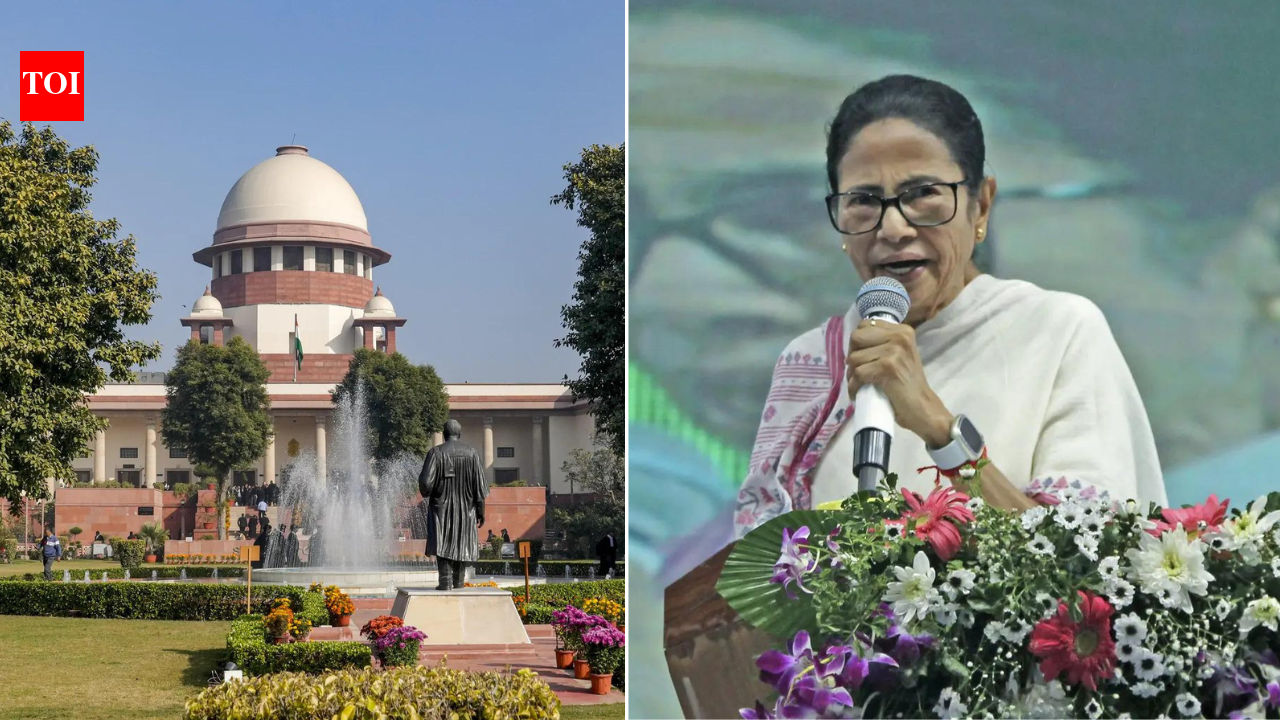
NEW DELHI: The Supreme Court on Friday passed an “extraordinary order”, directing Calcutta HC to appoint serving and former judicial officers in poll-bound West Bengal to act as Electoral Register Officers (ERO) for the adjudication of claims and objections in the Special Intensive Revision (SIR) of the electoral rolls in the State, Live Law reported.The court said that the judicial officers will receive support from micro-observers and officials of the state government.This came as the top court flagged the “trust deficit” between the Mamata Banerjee-led state government and the Election Commission.

‘Targeting People Like Terrorists’: Mamata Banerjee Attacks EC Over SIR, Cites Bangladesh Polls

SC said that the “extraordinary order” came in the wake of the “extraordinary circumstances” that have arisen in the state.Recognizing the exceptional circumstances, a bench headed by the Chief Justice of India (CJI) asked the Chief Justice of the Calcutta high court to appoint both serving and retired judicial officers at the level of district judge or additional district judge to resolve pending claims and objections regarding voter list inclusions and exclusions, especially in cases involving “logical discrepancies.”The intervention came to address the deadlock between the EC and the Bengal government regarding the deputation and rank of officers for the SIR of the state’s electoral rolls, noting that it was “nearly impossible” to decide the appropriate rank of officials to be deployed by either party.The top court comprising CJI Surya Kant, Justice Joymalya Bagchi, and Justice Vipul M Pancholi was hearing SIR-related cases in Bengal.

[ad_2]

Source link

‘Design deficiencies’: Nasa’s harsh ‘mission failure’ verdict on Sunita Williams’ Starliner mission

[ad_1]

‘Design deficiencies’: Nasa’s harsh 'mission failure' verdict on Sunita Williams’ Starliner mission
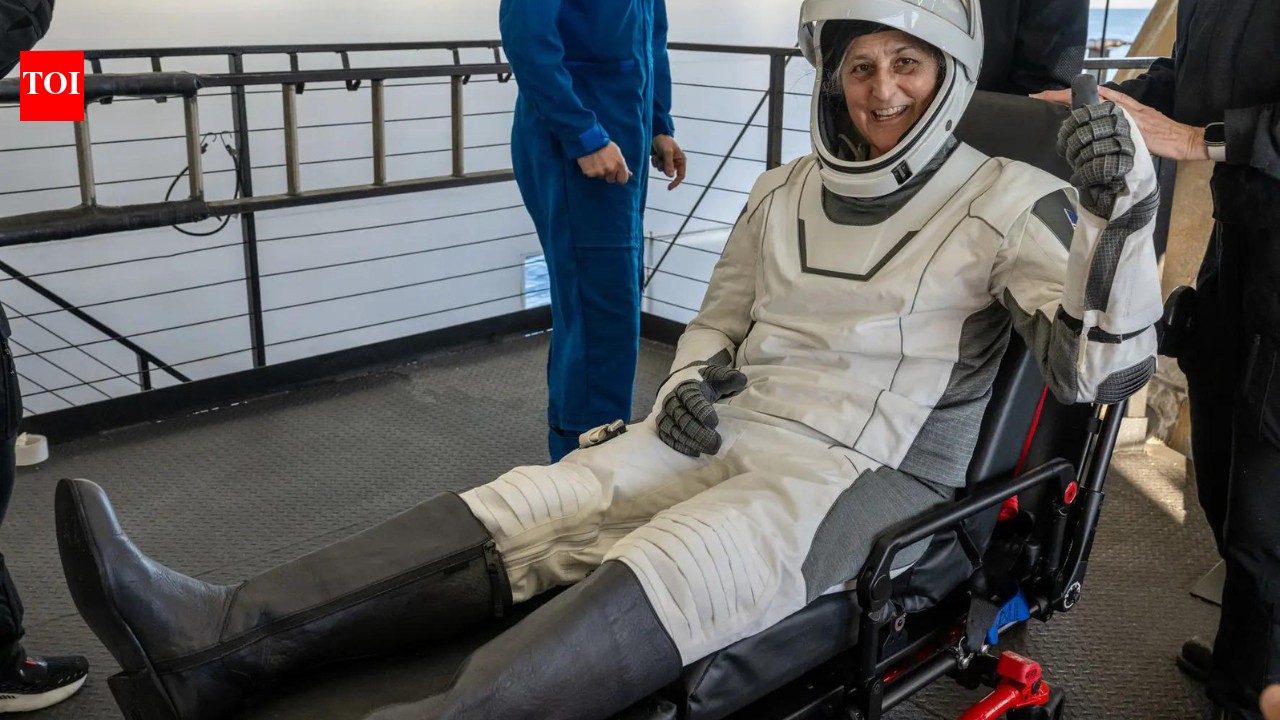
Sunita Williams back to Earth after spending months in space

Nasa has sharply criticised Boeing’s Starliner programme following an investigation into the spacecraft’s troubled 2024 mission to the International Space Station (ISS), that led to astronauts Sunita Williams and Butch Wilmore being stuck in space for months. The agency blamed both technical flaws and management shortcomings for the incident.The US space agency designated the test flight a “Type A mishap” — its highest classification for mission failures, previously used in cases such as the Columbia shuttle disaster that killed Kalpana Chawala and six others and the Challeneger explosion that also killed seven. Nasa said the label for the Starliner mission reflects the “potential for a significant mishap”.“We are formally declaring a Type A mishap and ensuring leadership accountability so situations like this never reoccur. We look forward to working with Boeing as both organizations implement corrective actions and return Starliner to flight only when ready,” said Nasa in a statement.“The Boeing Starliner spacecraft has faced challenges throughout its uncrewed and most recent crewed missions. While Boeing built Starliner, NASA accepted it and launched two astronauts to space. The technical difficulties encountered during docking with the International Space Station were very apparent,” said Nasa Administrator Jared Isaacman. The mission drew global attention after propulsion system failures left Nasa astronauts Butch Wilmore and Sunita Williams aboard the ISS for nine months, far exceeding the planned eight-to-14-day duration. The astronauts were ultimately brought back to Earth via a SpaceX Dragon spacecraft in March 2025.Isaacman said the investigation uncovered serious concerns extending beyond hardware issues. “Starliner has design and engineering deficiencies that must be corrected, but the most troubling failure revealed by this investigation is not hardware. It’s decision-making and leadership,” Isaacman said during a briefing.“If left unchecked,” he added, this mismanagement “could create a culture incompatible with human spaceflight.”According to the report, the most significant risk to the crew occurred when Starliner’s thrusters malfunctioned as the spacecraft approached the space station. Enough thrusters were restored to enable a successful docking, but officials said the outcome could have been far worse. “At that moment, had different decisions been made, had thrusters not been recovered or had docking been unsuccessful, the outcome of this mission could have been very, very different,” Isaacman said.He also said that Nasa would not proceed with another Starliner mission until technical issues are resolved. “Nasa will not fly another crew on Starliner until technical causes are understood and corrected,” Isaacman said, adding that the spacecraft is currently “less reliable for crew survival than other crewed vehicles.”Isaacman also suggested that concerns about Boeing’s reputation influenced earlier internal reviews. “Programmatic advocacy exceeded reasonable bounds and place the mission, the crew and America’s space program at risk in ways that were not fully understood at the time,” he said.However, despite the findings, Isaacman said that Nasa would continue working with Boeing. “Nasa will continue to work with Boeing, as we do all of our partners that are undertaking test flights,” he said.In a statement, Boeing said it remains committed to the Starliner programme. “Boeing has made substantial progress on corrective actions for technical challenges we encountered and driven significant cultural changes across the team that directly align with the findings in the report.”Nasa officials also acknowledged internal accountability. “We managed the contract. We accepted the vehicle, we launched the crew to space. We made decisions from docking through post-mission actions,” Isaacman said. “A considerable portion of the responsibility and accountability rests here.”In a statement by Nasa it further said, “To undertake missions that change the world, we must be transparent about both our successes and our shortcomings. We have to own our mistakes and ensure they never happen again.”Nasa Associate Administrator Amit Kshatriya also described the episode as a failure for the agency. “They have so much grace, and they’re so competent, the two of them, and we failed them,” Kshatriya said. “The agency failed them.”

[ad_2]

Source link

Donald Trump loved his visit to India, told me the culture is unmatched: US envoy Sergio Gor | India News

[ad_1]

Donald Trump loved his visit to India, told me the culture is unmatched: US envoy Sergio Gor

NEW DELHI: US Ambassador to India Sergio Gor on Friday indicated that a meeting between Prime Minister Narendra Modi and US President Donald Trump would take place at an appropriate time, while highlighting growing cooperation between the two countries in artificial intelligence and semiconductor supply chains. Gor underlined the importance that US President Donald Trump attaches to India, saying Prime Minister Narendra Modi has invited him to visit the country.“Stay tuned, I’m sure it’ll happen at the right moment,” Gor told ANI on the sidelines of the India AI Impact Summit when asked about the possibility of a meeting between PM Modi and Trump.On the prospect of a presidential visit, Gor said, “…In terms of the President’s visit, the Prime Minister invited him. I don’t have any announcements for you soon. The president loved his visit to India. When he nominated me to be ambassador here, one thing he said is the vibrancy, the colour, the history and the culture that you’re gonna see in India is unmatched, and so I’m sure he will be back here at some point.”The remarks came as India signed the Pax Silica Declaration alongside US officials including Ambassador Eric Garcetti and Under Secretary of State Jacob Helberg. The initiative, led by the US Department of State, focuses on collaboration in artificial intelligence and strengthening secure semiconductor supply chains among trusted partners.Gor described the partnership as a turning point in bilateral ties.“We’re thrilled that India joined Pax Silica… If you saw the companies that are represented here today, this is an incredible partnership for both of our nations, and we look forward to taking it to the next level.”In his keynote address at the summit, Gor said that by signing the initiative, both nations had chosen to win. He described the evolving bilateral relationship as a “coalition of the capable and the willing” and formally welcomed India as a co founder of the Pax Silica coalition. He said the partnership between the world’s two largest democracies is now “limitless.”He added that the initiative seeks to ensure that the “commanding heights” of technology remain in the hands of free nations.Highlighting technology cooperation, Gor said, “We’re looking for initiatives where the United States and India can work together. And Pax Silica leads at that, AI leads at that. We’re coming here with a message to India that our stacks, our abilities, our AI technology is something that we want to work with Indian companies with. We’re not offering that to everyone around the world. It’s something that we bring specially here to this place.Union Minister Ashwini Vaishnaw described the declaration as a significant step for India’s growing semiconductor and electronics ecosystem. Addressing the summit, he credited Prime Minister Narendra Modi’s leadership and thanked External Affairs Minister S Jaishankar and Commerce Minister Piyush Goyal.“We are not just holding a summit here; we are building the future. We are laying the foundation for the young generation,” Vaishnaw said, adding that India’s youth would drive and benefit from decades of sustained growth.Jacob Helberg, United States Under Secretary of State for Economic Growth, Energy, and the Environment, also welcomed India’s participation in the initiative.He said Pax Silica underscores the importance of economic security translating into national security and stands in the face of coercion and blackmail undermining the prosperity of nations.Helberg described Pax Silica as the declaration that “the future belongs to those who build and when free people join forces.”“We do not wait for the future to be given to us. We build it ourselves,” he said.He also praised Ambassador Sergio Gor for strengthening ties between New Delhi and Washington, calling it a testament “to the vital importance that the United States places on this friendship.”The development comes shortly after India participated in the Critical Minerals Ministerial convened by US Secretary of State Marco Rubio earlier this month, represented by External Affairs Minister S Jaishankar.

[ad_2]

Source link

Venezuela Amnesty Bill: Venezuela passes landmark amnesty bill — who benefits and who’s excluded?

[ad_1]

Venezuela passes landmark amnesty bill — who benefits and who's excluded?

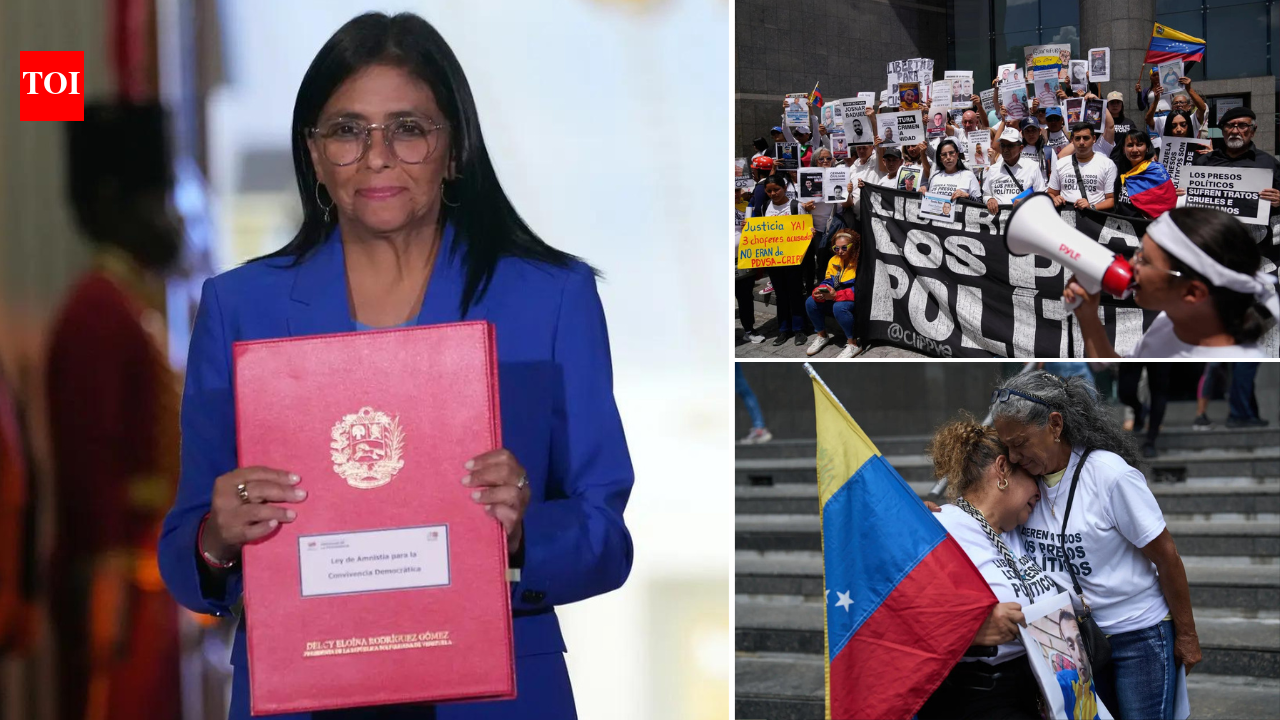
Venezuela’s Interim President Delcy Rodríguez on Thursday signed into law a long-awaited amnesty bill, paving the way for the potential release of hundreds of political prisoners jailed in recent years.The legislation was unanimously approved by the Venezuelan parliament earlier in the day after several previously delayed sittings. Rodríguez enacted the bill at the Miraflores presidential palace in Caracas, framing it as a step towards reconciliation.“One must know how to ask for forgiveness, and one must also know how to receive forgiveness,” she said following the signing ceremony.The move comes amid mounting domestic and international scrutiny over the fate of detainees held during the turbulent final years of former president Nicolás Maduro’s rule.Who Is Excluded?Despite its broad scope, the amnesty law contains significant exclusions.Article 9 specifies that individuals prosecuted or convicted for promoting or participating in armed actions, or for facilitating foreign intervention against Venezuela’s sovereignty and territorial integrity, will not qualify for amnesty.This clause could affect high-profile opposition figures, including Nobel Peace Prize winner María Corina Machado, whom the ruling party has accused of advocating international intervention — including the US military raid that led to Maduro’s capture on January 3.United Nations human rights experts urged caution ahead of the vote, warning that the law’s scope must be carefully limited. In a statement from Geneva, they said it should apply to victims of human rights violations while expressly excluding those responsible for serious abuses and crimes against humanity, whether state or non-state actors.Retroactive Reach and Lingering DoubtsThe new law applies retroactively to 1999, covering major flashpoints in Venezuela’s modern political history.These include the failed coup against Hugo Chávez, the 2002 oil strike, and the 2024 unrest that followed Maduro’s disputed re-election.For families of detainees, the measure has raised hopes that loved ones could soon return home. However, critics fear the legislation could be used selectively — potentially shielding government allies while denying relief to genuine prisoners of conscience.Prisoners and PressureHuman rights groups estimate that hundreds, possibly thousands, of Venezuelans were detained in recent years over alleged plots to overthrow Maduro’s government. Family members have reported torture, mistreatment and neglect of inmates’ medical needs, news agency AFP reported.Citing NGO Foro Penal, the report said around 450 prisoners have been released since Maduro was ousted, but more than 600 remain in custody. In recent weeks, relatives have staged vigils outside prisons, while a small group in Caracas ended a nearly week-long hunger strike on Thursday.Political BackdropRodríguez assumed power after Maduro was captured during a US military raid in early January. Her interim government has operated with the consent of US President Donald Trump, reportedly in exchange for granting Washington access to Venezuela’s vast oil reserves.On Wednesday, the head of the US military command responsible for operations against alleged drug-smuggling vessels in the region met Rodríguez in Caracas, alongside Defence Minister Vladimir Padrino and Interior Minister Diosdado Cabello — both long-time Maduro allies known for their staunch anti-imperialist rhetoric.The amnesty bill marks Rodríguez’s most significant domestic policy move since taking office, and its implementation is likely to serve as an early test of her administration’s commitment to reconciliation in a deeply polarised nation.

[ad_2]

Source link