Breaking News
Iran war costs Ambernath & Dombivli industrial units Rs 1,000 crore in 1 month | Mumbai News


AMBERNATH: Industrial units in the MIDC belts of Ambernath and Dombivli are incurring losses exceeding Rs 1,000 crore per month cumulatively as the West Asia conflict disrupts gas supply and raw material availability, severely affecting production. Nearly 50% of companies at Anand Nagar MIDC and 30% in Dombivli MIDC have been impacted due to shortages of chemicals, PNG and other essential inputs. The crisis has also triggered worker migration, further worsening the situation, industry representatives said.The Ambernath MIDC region houses around 2,000 companies, including nearly 400 chemical units. The Additional Ambernath MIDC area alone has 1,400 companies. Together, these industrial belts provide employment to over one lakh families. Officials said the conflict’s effect has been particularly felt by engineering, chemical, textile, confectionery and pharmaceutical units. PNG is crucial for these units. Umesh Tayade, president of the Additional Ambernath Manufacturers Association (AAMA), said PNG supply has been reduced by 50%. “Units are being forced to either cut production or procure additional gas at almost double the cost,” he said.Also, several industrial canteens have shut due to a lack of commercial LPG supply, while rising food prices at local eateries have made daily meals unaffordable. A large number of workers, particularly from UP and Bihar, rely on commercial gas for cooking. Due to shortages and rising costs, 20-25% of the workforce has returned to their native places. As a result, many companies have reported a 40-50% drop in output. Investment activity in the MIDC region has slowed, leaving entrepreneurs struggling to sustain operations.The industry body AAMA has written to the state government seeking relief measures, including subsidies, reduced loan interest rates, a six-month extension for GST payments, and easier access to diesel for industrial use. Tayade said, “There is no clarity on how long the conflict will continue. Industrial units in Ambernath alone have suffered total losses of over Rs 500 crore. In such a situation, govt support and relaxations are essential for our survival.Kalyan-Ambernath Manufacturers Association president Deven Soni said efforts are being made to ensure food for workers. Prashant Ghorpade, vice-president of the association, said rising input costs – particularly for chemicals – have increased production costs, leading to a drop of nearly 30% in output in Dombivli MIDCs which he said have suffered over Rs 500 crore in total losses.


Source link

Air India 171 crash: 4-second question that could change everything we think we know | Mumbai News


The Air India flight 171 crash inquiry faces a critical question: did the Ram Air Turbine (RAT) deploy before or after the fuel switches moved?

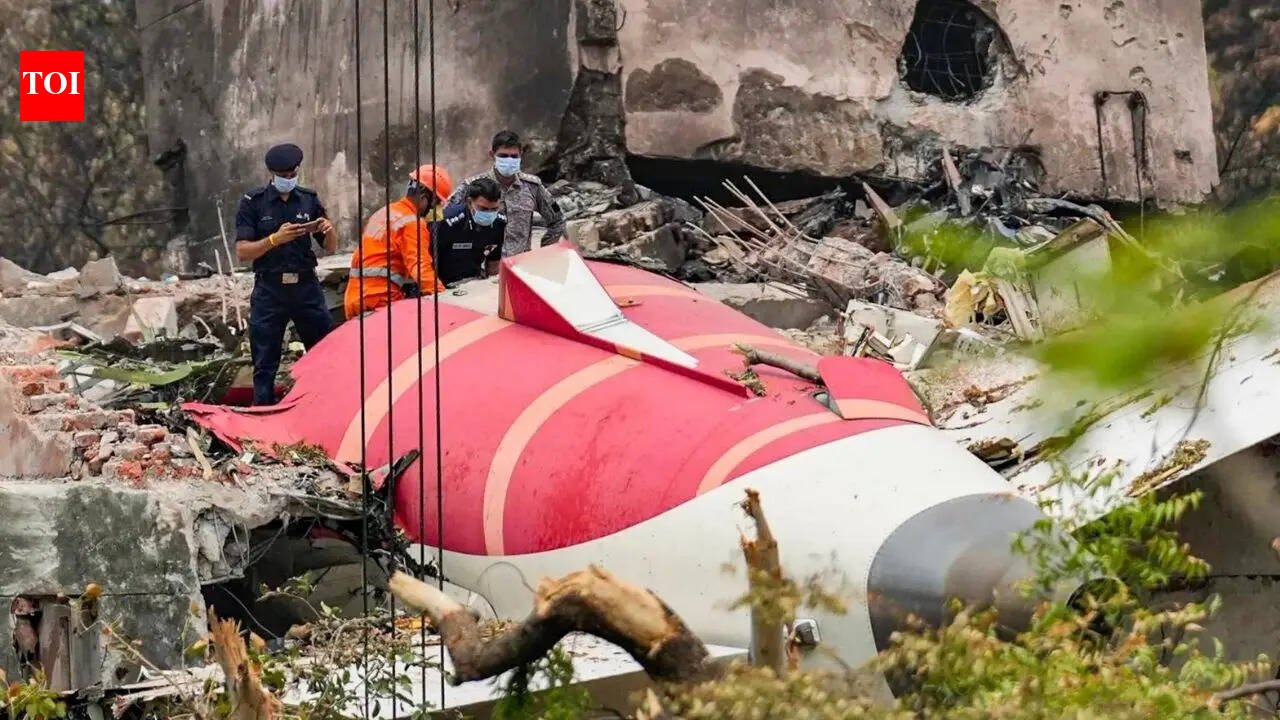
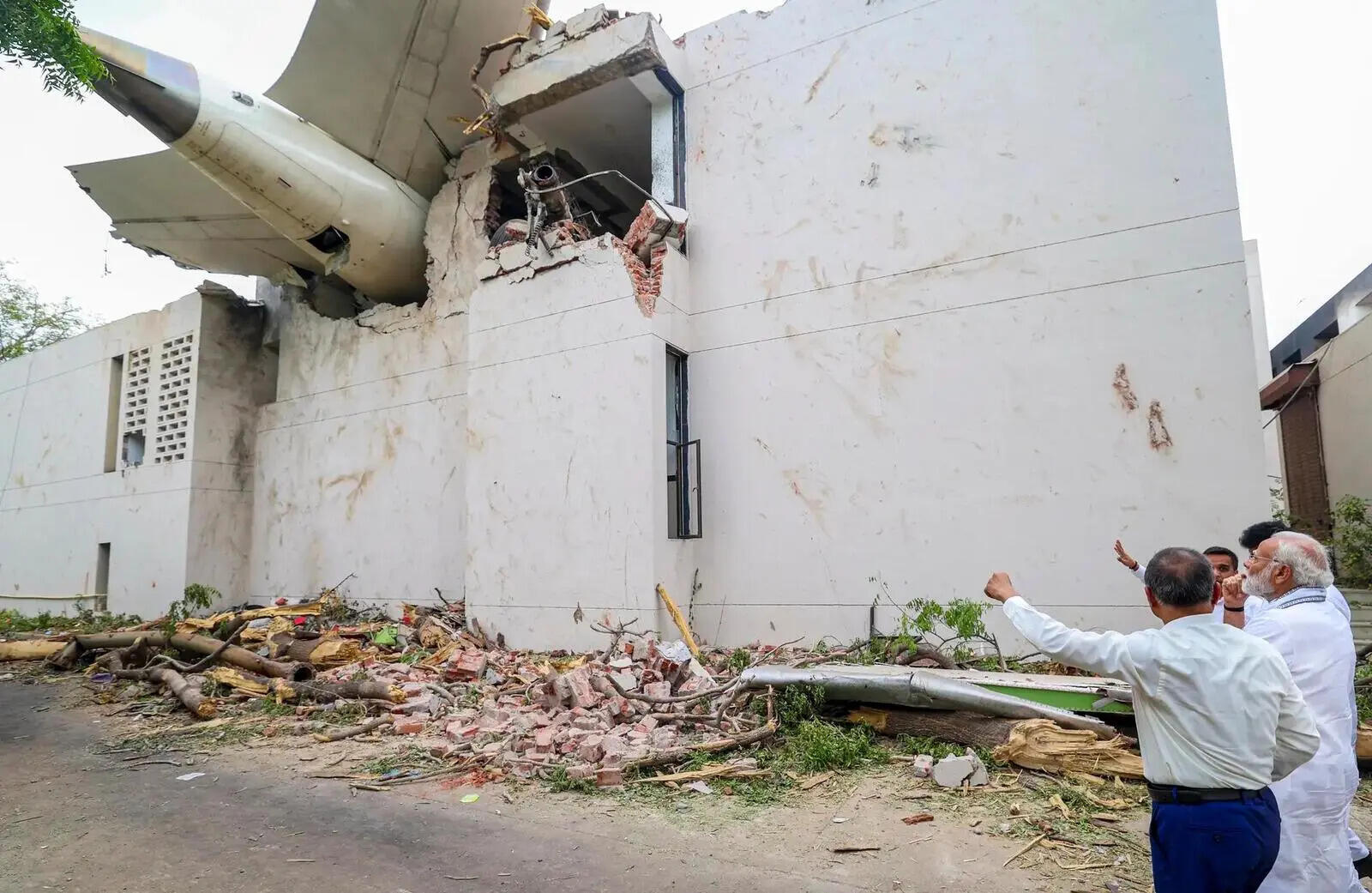
Did India’s deadliest air disaster in decades begin with a mechanical failure, seconds before the fuel switches cutoff? A deep-dive into the central unresolved question of the Air India flight 171 Ahmedabad accident inquiry.MUMBAI: On the afternoon of June 12, a Boeing 787-8 Dreamliner lifted off runway 23 at the Ahmedabad airport, bound for London Gatwick with 242 people aboard. Thirty-two seconds later, the aircraft was falling. By 1:39:05 pm, one of the pilots had transmitted a desperate Mayday, Mayday, Mayday call before the aircraft struck the BJ Medical College hostel complex, 1.6 km from the departure end of the runway. Two hundred and forty-one people died. One passenger survived.In the months that followed, a narrative took hold in certain sections of the international and domestic media and in online aviation forums that the accident was caused by a deliberate act. That the Pilot-in-Command of Air India 171 had, for reasons unknown, reached across the centre pedestal and moved both fuel control switches from RUN to CUTOFF during the initial climb, starving both engines of fuel and causing the crash. The theory took-off, it was simple to grasp and seemed to connect the dots.There was one problem, the official investigation had not said that. But it did not say otherwise, either. The deadline for submission of final report is June 12. Three months before the deadline an Indian pilots’ organisation has formally raised a technical question that cuts to the very foundation of that suicide-narrative.The question is: Did the Ram Air Turbine deploy before the fuel control switches moved?

What is a Ram Air Turbine?

It is Boeing 787’s emergency power system, the absolute last resort that comes to the aid of pilots when every other electrical power generation on the aircraft has stopped. In aviation, everyone calls it the RAT. It’s a small wind turbine that deploys automatically after a complete power failure. It can be deployed manually as well. RAT lives in a small compartment in the under belly of the aircraft, folded away, and in the normal course of events it stays there for the entire life of the plane. When deployed, its small propeller swings out into the airstream. The propeller spins in the wind, drives a hydraulic pump and a generator which keeps just enough of the flight controls alive for the crew to have a fighting chance at landing the aircraft. It’s a bellwether of sorts signalling a catastrophic emergency, if it is visible it means something has gone very badly wrong with the aircraft.Going back to the core question asked by pilots’ body, if the RAT deployed first and the fuel switches moved after that, it would mean the aircraft had already lost electrical power before anyone touched anything, that the emergency had begun on its own, independent of any crew action, and that the fuel switch movements recorded seconds later were not the cause of the disaster but a consequence of the technical problem. The suicide theory won’t hold ground because it would mean the two pilots died trying to save 241 people from the doings of an errant aircraft. On that fateful day, Air India B787’s RAT deployed just as the aircraft lifted off, even before the aircraft could cross the airport boundary wall, said the Aircraft Accident Investigation Bureau (AAIB)’s preliminary report. A larger proof of early RAT deployment also sits in the very same preliminary report that was used to drive the suicide narrative.

The evidence as recorded by AAIB

There is a crucial photograph in the preliminary report. It appears on page 14 of the 15 paged report, the investigators seem to have included that picture almost as an afterthought. It is a CCTV frame, slightly grainy the way airport security footage always is, showing Air India VT-ANB just after it has lifted off runway 23. The aircraft looks normal, it is climbing. The landing gear is still down. Just behind the landing gear, on the underside of the fuselage, circled in the report with a small annotation is the RAT, already deployed, a device that should never be visible on a healthy aircraft, let alone in the first few seconds after lift-off. The RAT already extended, the report notes this and moves on.To know what happened first, the RAT deployment or the fuel switches moved to CUTOFF, it is essential to study in seconds the timeline after the B787 lift-off. The AAIB preliminary report establishes the following sequence taken from data recorded in a black box, the ‘Enhanced Airborne Flight Recorder’ (EAFR) of the Boeing 787-8 involved:

  • 1:38:33 pm — Aircraft crossed the take-off decision speed, at 153 knots indicated airspeed.
  • 1:38:35 pm — Vr speed achieved at 155 kts, the speed at which the control column when pulled back the aircraft lifts off.
  • 1:38:39 pm — Air/ground sensors transitioned to air mode, consistent with liftoff. This tells the aircraft sensors that the plane has left the ground.
  • 1:38:42 pm — The aircraft reached its maximum recorded airspeed of 180 knots.

Immediately thereafter, the report states, Engine 1 and Engine 2 fuel cutoff switches transitioned from RUN to CUTOFF, one after another, with a time gap of approximately one second.Then comes the most interpreted line in the report. “In the cockpit voice recording, one of the pilots is heard asking the other why did he cutoff. The other pilot responded that he did not do so.” The report thereafter speaks about the above-mentioned CCTV footage. “RAT getting deployed during the initial climb immediately after lift-off. “

  • 1:38:47 pm — The RAT hydraulic pump began supplying hydraulic power, as both engine N2 values (rotational speed) had passed below minimum idle speed
  • 1:38:52 pm — Engine 1 fuel cutoff switch returned from CUTOFF to RUN
  • 1:38:56 pm — Engine 2 fuel cutoff switch returned from CUTOFF to RUN
  • 1:39:05 pm — Mayday call transmitted
  • 1:39:11 pm— EAFR recording stopped

(report gives timings in UTC)

Ahmedabad plane crash

The four-second window. why it matters?

At first glance, the AAIB timeline appears straightforward: fuel switches moved at approximately 1:38:42 pm; RAT began supplying hydraulic power at 1:38:47 pm, four seconds later.Using the timeline, the chronology of events the AAIB report implied is: first, the engines starved (either because a pilot manually cut off the fuel to both engines or because the aircraft cut off the fuel without input from pilot, an uncommanded fuel switch cutoff, a technical glitch) and second, the RAT deployed as a consequence.But the Federation of Indian Pilots (FIP), in two letters, dated March 12, addressed to the AAIB director general has identified what it describes a technical discrepancy at the heart of this sequence of events, a discrepancy that has significant implications for the entire causal chain.

The FIP’s argument rests on RAT manufacturer’s documentation

The pilots’ body draws the AAIB’s attention to page 288 of the “Boeing 787 Electrical System Familiarisation” training manual published by Hamilton Sundstrand, now Collins Aerospace, a unit of RTX Corporation, the original equipment manufacturer (OEM) of the B787 RAT system. The document states plainly that the RAT deployment signal is generated 10 seconds after complete loss of electrical supply. Then on page 292 of the same document, it states each Bus Power Control Unit (BPCU) independently requests RAT deployment 15 seconds after either continuous loss of power.To reiterate, the document published by the RAT manufacturer has two trigger thresholds, 10 seconds and 15 seconds, depending on the specific logic pathway activated. After the trigger, the small door that keeps RAT encased in the aircraft belly opens, the small propeller juts out and extends into the air stream to spin and generate power, all of which would take another handful of seconds.That is where the discrepancy is located because the AAIB preliminary report records the elapsed time between the second fuel cutoff switch movement at 1:38:43 pm and RAT hydraulic power supply at 1:38:47 pm as four seconds.The core argument made by the pilots’ body is this: AAIB report states RAT deployed four seconds after power failed, but the equipment manufacturer puts a time of 10-15 seconds for RAT to deploy after power failure. According to the manufacturer’s own system documentation, the RAT on a Boeing 787 cannot begin supplying hydraulic power just four seconds after losing electrical supply.The technical implication is this: if the RAT system’s own design logic requires 10 to 15 seconds to trigger from electrical loss, and the preliminary report records only a 4-second gap between fuel cutoff and RAT hydraulic output, then the RAT may have been triggered by a condition that preceded the fuel cutoff events and not followed them.Something may have gone wrong with the aircraft’s electrical system before the fuel switches moved.

The CCTV evidence and the second fip letter

The FIP’s second letter to the AAIB sent on the same date raises a separate but related line of inquiry rooted in visual evidence.Four sequential photographic frames extracted from CCTV footage obtained from Ahmedabad airport show a small dark object appearing and progressively increasing in size on the aircraft’s underbelly, at the location corresponding to the RAT door, states the FIP letter. This sequence begins while the aircraft is still rolling on the runway, before the fuel control switches could have moved, since the black box data confirms those switches transitioned only after the aircraft was airborne and had reached 180 knots.“The sequence from Frame 1 to Frame 4 appears consistent with RAT door opening and/or RAT deployment while the aircraft is rolling on the runway,” the letter states, highlighting those last few words in a bold font.The FIP letter requested that the AAIB formally correlate this visual sequence with the EAFR-black box timeline. It also suggested that a flight simulator reconstruction be conducted with time-synchronised overlay of the photographic sequence, under two scenarios: an electrical failure leading to automatic RAT deployment, and manual selection of fuel control switches to CUTOFF by the flight crew.“The purpose of the above exercise is to ascertain whether the root cause relates to a technical failure or to deliberate pilot action,” said the FIP letter. It then requests that the Final AAIB report be released only after this simulator evaluation is completed and formally recorded. The deadline for final report release is June 12, 2026.

What the preliminary report does and does not say

The AAIB preliminary report is a factual document, all preliminary reports under UN’s International Civil Aviation Organization (ICAO) Annex 13 conventions are required to carry technical facts and data from black boxes. Under the ICAO provisions, a report should not apportion blame.But the AAIB preliminary report’s structure and language is not neutral. Several details have fed the media narrative of deliberate pilot action.The AAIB report notes that the co-pilot was ‘Pilot Flying’ and the Pilot-in-command was ‘Pilot Monitoring’ for the said flight. The report records the cockpit voice recorder exchange in which one pilot denies cutting off fuel. It paraphrases the conversation. It also offers no analysis of what that exchange means or whether there was any other conversation after that question and answer sequence. It records the transition of fuel switches to CUTOFF “immediately” after the aircraft reached maximum recorded airspeed, without discussing what action, by the man or machine, may have caused those switches to move. One can always argue that these details will be revealed in the final report, the preliminary report comes a month after the accident and so it is too early to put out conclusive arguments.The AAIB report separately notes a detail. A US Federation Aviation Administration’s Special Airworthiness Information Bulletin issued in December 2018 regarding the potential disengagement of the fuel control switch locking feature on Boeing aircraft, based on reports from 737 operators that switches had been installed with the locking feature disengaged. The AAIB notes that this bulletin was advisory and not mandatory, that Air India had not carried out the suggested inspections on VT-ANB. It also notes that there has been no defect reported pertaining to the fuel control switch since 2023 on VT-ANB. The throttle control module was replaced on VT-ANB in 2019 and in 2023.The report does not pursue this thread further, but its presence in the preliminary findings is notable. The locking feature exists precisely to prevent inadvertent movement of fuel control switches. If that feature was compromised on VT-ANB, it could have been worn, disengaged, or otherwise degraded, then switches that should have required deliberate and purposeful action to move could theoretically have moved without deliberate action.

Three possible readings

The discrepancy between the RAT OEM documentation and the AAIB’s recorded timeline can be put into three broad interpretations, said senior pilots.The first is that the timeline is accurate, and the 4-second gap reflects not automatic RAT deployment triggered by electrical loss, but manual RAT deployment, commanded by a crew member almost simultaneously with the fuel cutoff. Manual deployment bypasses the automatic trigger logic entirely. Under this reading, a crew member, perhaps recognising a sudden emergency, may have manually deployed the RAT even as the fuel switches were being moved, whether deliberately or as part of a panicked emergency response.The second is that there is a recording or synchronisation issue in the EAFR data. The FIP letter raises this possibility, asking the AAIB to clarify what specific EAFR parameter was used to determine the time when “RAT hydraulic pump began supplying hydraulic power,” and whether the Bureau has technically validated the parameter definitions, sampling resolution, and time-base synchronisation underlying the recorded 4-second interval. If the EAFR parameter captures the onset of electrical distress rather than the physical output of the RAT turbine, the apparent 4-second interval may represent an earlier trigger event, one that preceded the fuel switch movements.The third is the one the FIP is most explicitly gesturing toward without fully stating, that the electrical failure occurred before the fuel switches moved. That VT-ANB suffered a catastrophic loss of electrical power, from an as-yet unidentified cause, sometime during the initial climb before 1:38:42 pm; that this triggered the RAT deployment sequence. The recorded fuel switch movements were not the initiating event, it happened later, perhaps an inadvertent mechanical displacement caused by the power loss and its effects on cockpit systems, or a crew response to a total electrical failure whose cause they could not immediately identify. This reading would be consistent with the cockpit voice recording of one pilot denying that he moved the switches. It would also be consistent with the FIP’s reading of the CCTV frames showing RAT door movement while the aircraft was still on the runway.

What the AAIB must now answer

The FIP, in its March 2026 letters, has posed specific, technically documented questions to the AAIB that take on the sequencing issue. These questions deserve to be answered, clearly and on the record, in the final report.

  • What is the precise EAFR-recorded timestamp for the RAT deployment command? (not the timestamp for hydraulic output, but the command itself).
  • What specific EAFR parameter was used to determine the 1:38:47 pm figure for RAT hydraulic pump began supplying hydraulic power?
  • Has the AAIB reconciled the 10-second versus 15-second automatic trigger thresholds from OEM documentation with the aircraft’s specific configuration and software standard, and if so, how does either threshold produce a 4-second deployment-to-hydraulic-output interval?

Beyond these specific questions, the FIP has called for a flight simulator reconstruction using the actual photographic frame sequence overlaid on DFDR data, under both the electrical failure and deliberate-crew-action scenarios. Simulator reconstructions are standard tools of modern accident investigation. This is a case where the two scenarios produce fundamentally different moral and legal outcomes for the reputations of the dead crew and for the families of 241 victims.

The stakes of getting this wrong

If the investigation concludes that deliberate pilot action caused the crash without exhaustively ruling out a technical failure scenario the two dead pilots, who cannot speak for themselves, will carry a legacy of mass murder for the rest of recorded history. The airline, Boeing, the OEM, regulators, and the safety system as a whole will be insulated from scrutiny they may deserve. If there indeed is an undetected systemic failure in the B787’s electrical architecture or fuel control system, it will go unaddressed. That would mean the investigation failed in entirety because under ICAO norms aircraft investigations are carried out only and only to learn lessons, to prevent a repeat. The Federation of Indian Pilots has placed specific, technically documented, formally submitted evidence before the investigation authority. With that the question of whether the RAT deployed before or after the fuel control switches moved is now the most crucial one in this investigation. The final report of the Air India 171 Ahmedabad accident will be one of the most consequential aviation safety documents in the history of Indian civil aviation. Before it is published, the four-second question deserves a complete, transparent, and technically rigorous answer.

Source link

New PMJAY rule disqualifies hundreds of cancer specialists | Mumbai News


MUMBAI: Around 15 lakh cancer cases are detected in India every year, adding a patient load equal to the population of a city such as Nashik. Yet several states are excluding hundreds of experienced, fellowship-trained oncologists in the private sector from treating (PMJAY) patients.Their exclusion is not due to inadequate training or lack of experience, but because they do not hold National Medical Commission (NMC)-recognised super-specialty degrees such as DM (Doctorate of Medicine), MCh (Magister Chirurgiae) or DrNB (Doctorate of National Board).Doctors affected by the move told TOI that this ignores the reality that, until a few decades ago, fellowships were the only route into oncology; formal courses did not exist. Even now, it’s considered prestigious for postgrad doctors to bag two- or three-year fellowships at cancer hospitals for hands-on training in head and neck surgery, gynae-oncology, haemato-oncology or paediatric oncology surgery.

New PMJAY rule bars many cancer specialists from treating patients

Veterans Trained Via Fellowships Ineligible, Impacts Critical Care In Several States

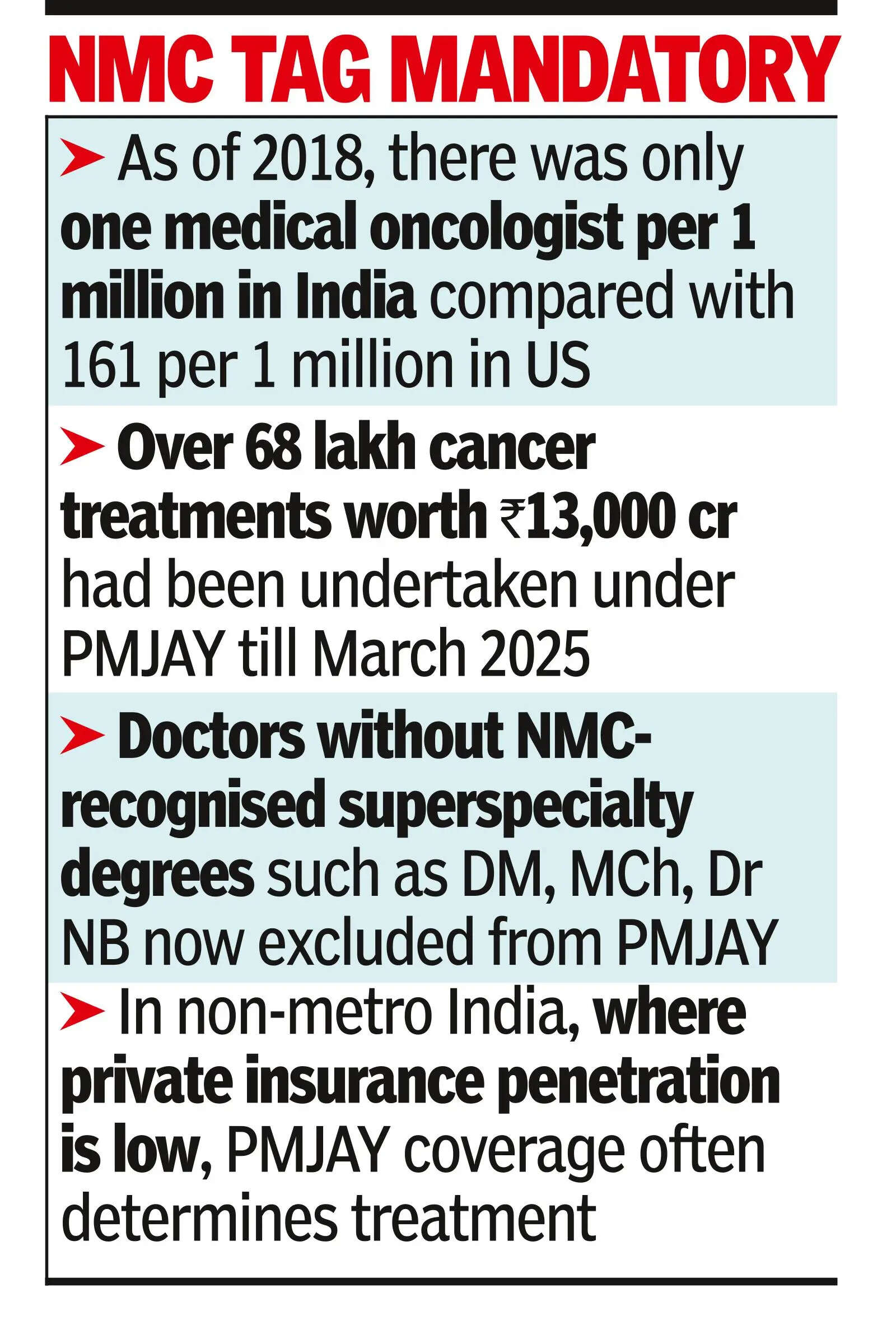
Many of those now rendered ineligible have gone on to become department heads, medical directors, teachers and senior surgeons, each treating cancer patients over decades. Surat-based Dr Hemish Kania, who compiled data showing more than 300 such doctors affected across states, said some of those now barred have even taught oncology to DM or DrNB students.The shift in eligibility criteria is striking not only because of India’s high cancer burden, but also because of its shortage of cancer specialists.Mumbai: Hundreds of cancer specialists have been rendered ineligible for providing treatment under the Ayushman Pradhan Mantri Jan Arogya Yojana (PMJAY) for lack of superspecialty degrees recognised by the National Medical Commission (NMC). India has roughly one medical oncologist per one million and only about 4,000 oncosurgeons. Excluding 300 trained specialists from PMJAY-linked care could reduce access to treatment, especially in smaller cities where private insurance penetration is low, and substantially for many poor patients who avail of govt medical insurance. ‘Meaningless fellowships?’ Dr Ravi (name changed), a 42-year-old general surgeon from Uttar Pradesh, completed a three-year head and neck cancer fellowship at Tata Memorial Hospital, Parel. In 2021, he returned to his Tier-II hometown expecting to fill a gap in cancer care: the city had only six onco-surgeons, four of them fellowship-trained. He, however, finds himself barred from operating on PMJAY cancer patients. “If four of six private-sector cancer surgeons are excluded, PMJAY patients are forced into longer queues,” he said. Whether one spends three years in Tata Memorial in Mumbai, AIIMS Delhi, Gujarat Cancer Research Institute in Ahmedabad, RCC Thiruvananthapuram or B Borooah Cancer Institute in Guwahati, the affiliation seems to have no weight now, he added. In Patna, Dr Arun, 40, (name changed) said he is “safe” because he works in a govt hospital. “In govt hospitals, at least one member in the team is likely to have recognition under PMJAY. But it may be different if I step into the private sector,” he said. His batchmates in private hospitals in Patna and Kochi are no longer operating on PMJAY patients. Some doctors said their names have been removed from the HEM 2.0 portal used by the National Health Authority (NHA) to manage PMJAY, the world’s largest public insurance scheme (see graphic). Doctors said hospitals are ending contracts because these specialists can no longer generate PMJAY claims. Dr Kania said, “PMJAY may just be the beginning. Slowly, other govt schemes, such as CGHS, could have similar eligibility criteria. The genesis of the problem Multiple issues have led to the current problem, especially the interpretation of NHA & NMC rules by state health authorities. The genesis of the problem can be traced to before 2018 when efforts by the erstwhile Medical Council of India (MCI) to increase the number of oncology teachers. Dr K S Sharma, former academic dean of Tata Memorial Centre, recalled that between 2002 and 2010 there were very few DM and MCh seats in medical and surgical oncology. In 2011, after he joined the erstwhile MCI’s board of governors, he framed a plan to fix the shortage of teachers by expanding fellowship programmes at reputed cancer hospitals. “These fellowships were not recognised by MCI, but had sanctity,” he said. MCI introduced a rule that MS or MD post-graduate doctors with two years’ experience in a dedicated cancer hospital as senior residents/ fellows could be regarded as teachers until India had enough degree-holding oncologists. Many trained fellows thus took up teaching posts in public cancer institutes, and over time some moved to smaller cities to build independent practices. But in 2020, MCI was replaced by NMC, which issued guidelines requiring oncologists to hold recognised degrees. Fellowships were not mentioned. Rajasthan Medical Council on Sept 5, 2023, directed that any claim of specialty/expertise must be backed by a qualification in that branch recognised by the MCI or NMC. This became the basis for the Rajasthan state health authority to debar fellowship-trained oncologists from operating on PMJAY patients. A Gujarat state health authority official told TOI that NMC-recognised courses are the basis for enlisting an oncologist under PMJAY. Incidentally, NHA guidelines don’t have the NMC-recognition clause. A Vadodara-bas-ed doctor, who completed a head and neck fellowship from Tata Memorial Hospital 20 years ago, said, “NHA guidelines to this day say that ENT and general surgeons with fellowships can operate on PMJAY patients. Why are state health authorities being different?” The road ahead When contacted, NHA CEO Dr Sunil Kumar Barnwal said NHA empanels hospitals, not doctors, and that doctor qualifications are decided by NMC. Efforts to contact NMC chairman Dr Abhijat Sheth failed, but doctors who met him said he had asked them to approach NHA. State authorities, meanwhile, have asked doctors to obtain written clarification from NHA and NMC in this regard. As no such clarification has been issued, the deadlock continues. Doctors also point to inconsistencies. “One point many fellows have raised is that post-graduate dentists are allowed to operate on oral cancer patie-nts while general surgeons wi-th advanced oncology fellowships are not,” said Dr Kania. Dr Sharma said he has taken up the issue with NHA, “but it wants NMC to give a certificate to these past fellows.” (It’s learnt that NMC is considering recognising fellowships). He said the matter rests with state health authorities. He added that if state authorities do not respond, affected doctors may have to move the high court. Meanwhile, medical associations, including the Indian Medical Association, have taken up the issue with NMC and NHA. Doctors argue that the rule cannot be applied retrospectively. The Indian Association of Surgical Oncology wants eligibility to be extended to trained oncologists from premier institutions with fellowships, or at least two years of training in such centres. IASO’s Dr Rudra Acharya said, “Given the rising incidence of cancer and the long waiting list in government cancer institutions, the eligibility clause needs to be revised.


Source link

Strait Of Hormuz: ‘Gates of hell will open for you’: Iran rejects Trump’s ‘helpless’ 48-hour ultimatum to reopen Strait of Hormuz


Iran on Saturday rejected US President Donald Trump’s ’48-hour ultimatum’, in which he threatened to destroy the nation’s essential infrastructure if a deal is not reached within the stipulated time.Tehran’s central military command issued a strong response, with General Ali Abdollahi Aliabadi of the Khatam al-Anbiya Central Headquarters characterising the American president’s remarks as ‘a helpless, nervous, unbalanced and stupid action.’

Watch

‘VESSEL ABLAZE’: IRGC Navy Targets ‘Israeli-Linked’ Ship Near Hormuz | Detail

Echoing the tone of Trump’s own message, he stated that “the simple meaning of this message is that the gates of hell will open for you,” according to AFP.

What did Trump say earlier?

Trump on Saturday in his Truth Social post warned Tehran of severe military consequences if Iran fails to act on reopening the Strait of Hormuz or reaching an agreement.The US President had earlier imposed deadlines on Iran amid rising tensions in West Asia, particularly over the strategic Strait of Hormuz.In a post on Truth Social, Trump wrote: “Remember when I gave Iran ten days to MAKE A DEAL or OPEN UP THE HORMUZ STRAIT. Time is running out–48 hours before all hell will rain down on them. Glory be to GOD! President DONALD J. TRUMP.”The latest ultimatum comes despite recent indications of diplomatic engagement between the two sides.On March 26, Trump announced a temporary pause on potential strikes targeting Iran’s energy infrastructure. He had said the decision was taken following what he described as a request from Tehran, while maintaining that talks were progressing positively.In that statement, Trump said: “As per Iranian Government request, please let this statement serve to represent that I am pausing the period of Energy Plant destruction by 10 days to Monday, April 6, 2026, at 8 P.M., Eastern Time. Talks are ongoing and, despite erroneous statements to the contrary by the Fake News Media and others, they are going very well.”Also Read | ‘Hell will rain down’: Trump’s fresh 48-hour ultimatum to Iran to make a deal or open HormuzPrior to this, he had also directed the US Department of War to delay possible strikes initially for five days, citing ongoing negotiations.The Strait of Hormuz remains central to the standoff, as it is one of the world’s most critical oil shipping routes.

Poll

What is your overall opinion on Trump approach to Iran?

Trump’s repeated warnings have focused on reopening the strategic passage, with earlier ultimatums also linking failure to comply with potential strikes on Iran’s energy facilities.

Watch

‘HORMUZ REMAINS CLOSED’: Iran DARES Trump With ‘FOREVER WAR,’ Laughs Off 48-Hour Hormuz Deadline


Source link

Strangled, body burnt to erase identity: Tattoo clue exposes killers; wife among 3 arrested in UP | Agra News


AGRA: Three people were arrested in Agra district in connection with the alleged murder of a 39-year-old man, who was strangled and then charred to remove evidence. Police claimed that they’ve solved the crime based on the tattoo on the hand of the deceased.Agra DCP (West) Aditya on Saturday said the matter came to light on April 2 after Shivcharan Singh filed a complaint stating that his brother, Lokendra Singh (39), had gone missing. “A half-burnt body was found the same day, who was identified later as Lokendra,” the DCP added. Investigation revealed that Lokendra’s wife was allegedly involved in an illicit affair with one of the accused, Mahesh Prajapati (35), a local fruit seller.Police said that Lokendra had recently become aware of the affair, which led the accused, along with the wife, to hatch a conspiracy to eliminate him.On April 1, Mahesh and co-accused Dharmveer took Lokendra to an isolated spot near Saiyyan bridge. The trio reportedly consumed alcohol before the crime took place. DCP Aditya said, “Three accused have been arrested under sections (103) (1) (murder) and 238 (destroying evidence) of BNS. Police have recovered two phones and clothes worn during the crime.”

Poll

What do you believe is the best way to address issues of domestic violence?


Source link

Andhra Honour Killing: ‘Honour killing in Andhra Pradesh’: Father confesses police helped track daughter, murdered for marrying against his wishes | Vijayawada News


VIJAYAWADA: The suspected honour killing of a 23-year-old woman in Macherla has taken a dramatic turn with the victim’s father, the main accused, confessing to police that a couple of officers had helped him trace his daughter in lieu of money.According to investigators, Chowdeswari was murdered allegedly by her father Chandra Srinu on March 18 for marrying Nagaraju against his wishes. Srinu had tried to stage her death as suicide and allegedly made a vain bid to tamper with the post-mortem report too. But, the report confirmed murder and he was arrested on April 1.On questioning, Srinu reportedly admitted that a police officer helped trace Chowdeswari’s whereabouts and handed her over to her family in lieu of money. Sources said the father allegedly paid the officer in two instalments.Chowdeswari and Nagaraju, who had a love marriage, had moved to Narasaraopet with the help of a friend, Khaja. Police had detained Khaja and questioned him, during which he revealed the couple’s location. Subsequently, the couple was brought to Macherla.Despite Chowdeswari clearly stating that she was a major and wished to live with her husband, the police allegedly handed her over to her parents. Their decision is now under scrutiny, especially as the officer in question was reportedly on leave on the day of the murder. The incident has sparked widespread anger, with demands growing for strict action not just against the accused, but also against any official found complicit. Higher-ups are expected to initiate a deeper probe into the conduct of the police officials.


Source link

Watch: Explosion at Bahrain’s key oil refinery site after Iran missile strike


Explosion at Bahrain oil refinery (Credit: Press TV X handle)

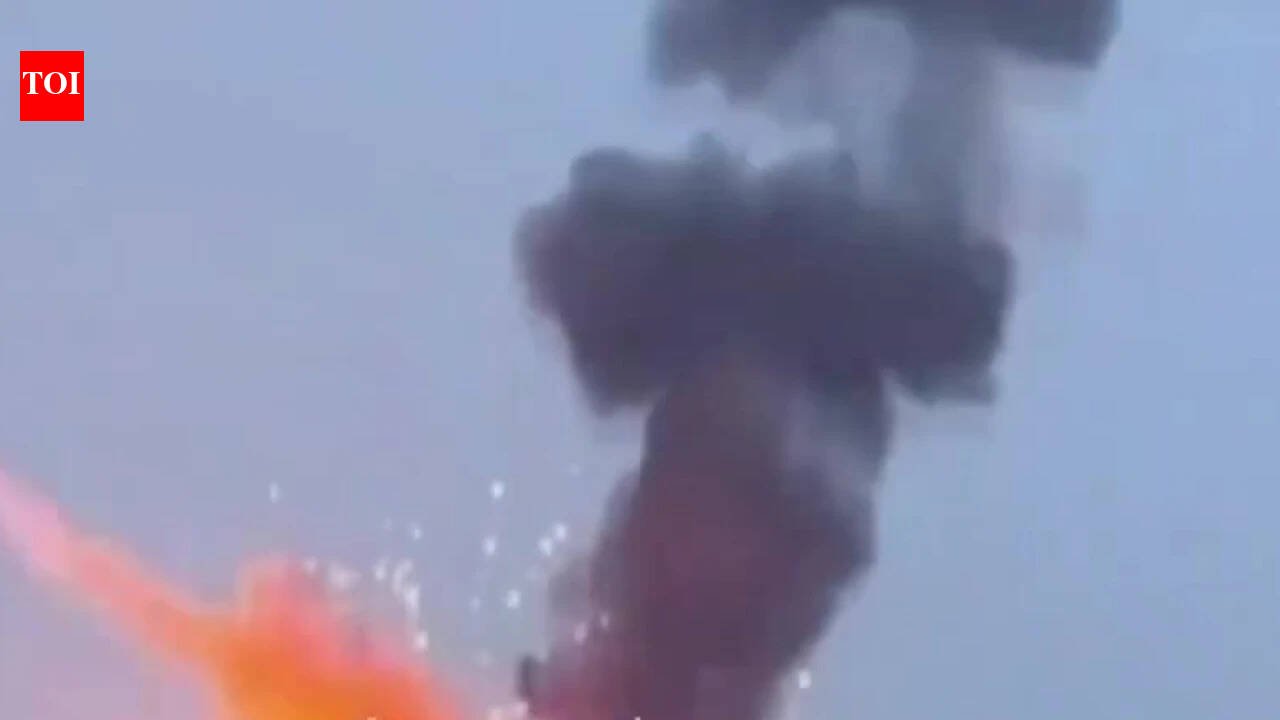
A storage tank at a facility operated by Bapco Energies, the largest refinery in the country, caught fire on Sunday followinga missile attack from Iran.Iran’s state-affiliated media shared video on social media of the moment the facilty exploded and burst into flames. The 10-second clip shows an explosion and then black smoke and fire emerging from the site.In a statement cited by Al Arabiya, the company confirmed that the blaze had been brought under control and that an assessment of the damage was under way.Separately, Bahrain Interior Ministry said sirens were sounded early Sunday, urging citizens and residents to remain calm and proceed to the nearest safe location.

Watch

Iran Bombs Oil Refineries In Kuwait, Bahrain To Avenge U.S. & Israeli Attacks On Iranian Civil Infra

This place had been targeted last month as well, in a somewhat similar manner. That blaze was also contained without any reported casualties. The incident comes amid a widening conflict involving the United States and Israel against Iran, with Tehran launching strikes targeting Israel and parts of the Gulf region. In the latest devlopement as the escalation continues, Iran mocked US for a “bitter defeat” in southern Isfahan following the rescue of a second F-15 crew member, who went missing after Tehran downed the jet. According to news agency ANI, Ebrahim Zolfaghari, spokesperson for Iran’s Khatam al-Anbiya Central Headquarters, said the incident exposed “the hollow nature of the American military and the humiliating failure of its forces.According to Press TV, Zolfaghari said Iranian forces had downed a C-130-class aircraft involved in the operation.


Source link

Big call! Ishan Kishan opts for Rs 13 crore star in clash vs Rishabh Pant-led LSG | Cricket News


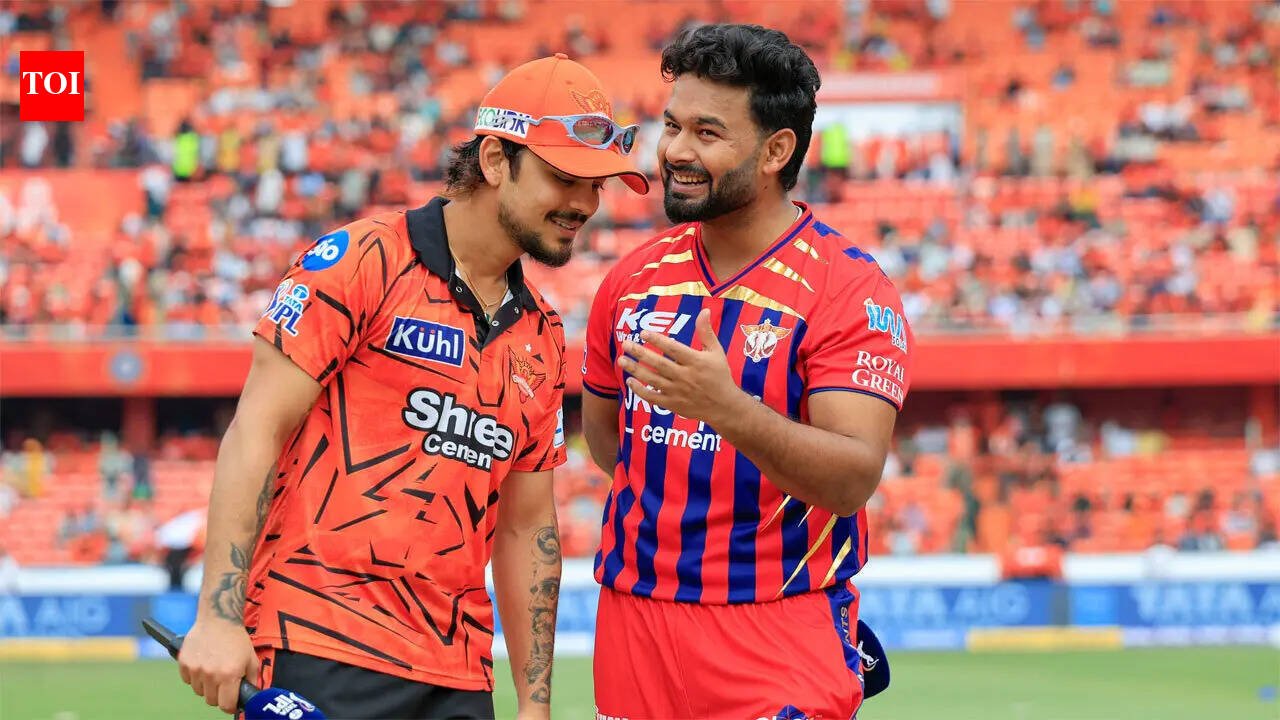
Ishan Kishan and Rishabh Pant (Image credit: BCCI/IPL)

NEW DELHI: Lucknow Super Giants captain Rishabh Pant won the toss and opted to bowl against Ishan Kishan-led Sunrisers Hyderabad in their IPL clash on Sunday.LSG, who lost their opening match of the season to Delhi Capitals, made one change to their playing XI, bringing in Manimaran Siddharth in place of Anrich Nortje.“We are looking to bowl first. The wicket is good, but at the same time, you know, their main strength is batting. So, let them bat first. We can put them under pressure in the second innings. We keep on coming here every year, that’s not a new challenge. But at the same time, this is one team which can hurt you well. But at the same time, whoever plays the better cricket will win,” Pant said.

Watch

Nitish Kumar Reddy breaks down SRH’s masterplan | post-match pc

“(On the conditions) It looks like a good wicket for sure. But at the same time, there is something in the wicket. After the powerplay, I think it might stick into the wicket as much. The ball will get older and it’s going to be harder to score. Just one change, Sid (Manimaran Siddharth) comes in for Nortje. (Will you open today?) We’ll see, we’ll see,” he added.Sunrisers Hyderabad, who lost their opener to Royal Challengers Bengaluru before bouncing back against Kolkata Knight Riders, also made changes to their side.Kishan brought in England all-rounder Liam Livingstone, who was signed for Rs 13 crore at the IPL 2026 auction, along with Harshal Patel.“(Playing in Hyderabad) Very happy. It’s always good to get your home support and the crowd loves the SRH team. So yeah, very happy to be here. There are just two changes. Livingstone comes in and Harshal Patel comes in. Harshal Patel, he’s done well whenever he’s bowled here. And Livi, giving him an opportunity to use his off-spin as well against the left-handers,” Kishan said.“In T20 especially, execution is the most important thing. You need to be in a good headspace, calm and try to save as many runs as we can. So just plan well and execute your balls. And I think let’s see how it goes from there. It’s really important for us to get these two points. But at the same time, we need to be calm, take one match at a time. And that is the whole plan. Be in a good headspace, like I said earlier, and just play your best game possible,” he added.Teams:Sunrisers Hyderabad: Travis Head, Abhishek Sharma, Ishan Kishan (w/c), Heinrich Klaasen, Liam Livingstone, Aniket Verma, Nitish Kumar Reddy, Harsh Dubey, Shivang Kumar, Harshal Patel, and Jaydev Unadkat.Lucknow Super Giants: Mitchell Marsh, Rishabh Pant(w/c), Aiden Markram, Nicholas Pooran, Abdul Samad, Mukul Choudhary, Manimaran Siddharth, Avesh Khan, Mohammed Shami, Digvesh Singh Rathi, and Prince Yadav.Here are the Impact substitutes for both the teams:Sunrisers Hyderabad Impact subs: Eshan Malinga, Salil Arora, David Payne, Shivam Mavi, Zeeshan AnsariLucknow Super Giants Impact subs: Ayush Badoni, Matthew Breetzke, Shahbaz Ahmed, Anrich Nortje, Himmat SinghAlso See: RCB vs CSK Live Score


Source link

Mumbai tempo driver assaulted and doused with petrol over refusal to pay Rs 20 ‘donation’ to owner of illegal dhaba; Manor police arrest 4 accused | Mumbai News


Palghar: As many as 10 men thrashed a tempo driver from Nalasopara and doused him with petrol after he refused to pay Rs 20 ‘donation’ to the owner of an illegal dhaba at Wadakhadkona in Manor on Saturday night. The victim’s friend, who was driving another tempo, was also assaulted when he tried to save him.Manor police arrested the dhaba owner, Vinod Singh, and three of his staff members and booked them for attempted murder under the BNS. Kumar Sushant, holding the charge of Manor police station, said they are trying to identify and trace the remaining accused.On Saturday morning, Danish Khan loaded material in his tempo from Taloja in Navi Mumbai for delivery in Ankleshwar in Gujarat. Around afternoon, he stopped at a Naigaon petrol pump where he met his friend, who was also heading to Gujarat to deliver goods. Around 6pm, the duo took a break at Jai Ambe Dhaba at Wadakhadkona. After visiting the washroom, Khan was not able to find his tempo keys. He enquired with Singh, who was at the cash counter. Singh gave Khan his vehicle keys and demanded that he put Rs 20 in the donation box on the counter.In his complaint, Khan said that when he refused as he didn’t have any change on him, the dhaba owner hurled abuses at him and rained blows on him. Immediately, eight to 10 of his staff members joined in. Khan claimed that he was dragged into another room behind the counter where he was assaulted with belts and sticks and one of the staffers doused him in petrol. Khan said he then fell unconscious and does not remember what happened thereafter. He regained consciousness only in hospital, where he was treated for injuries on his face, head, chest, back, and hands, said a police source.


Source link

Police bust gas cylinder theft racket across Mumbai Metropolitan Region | Mumbai News


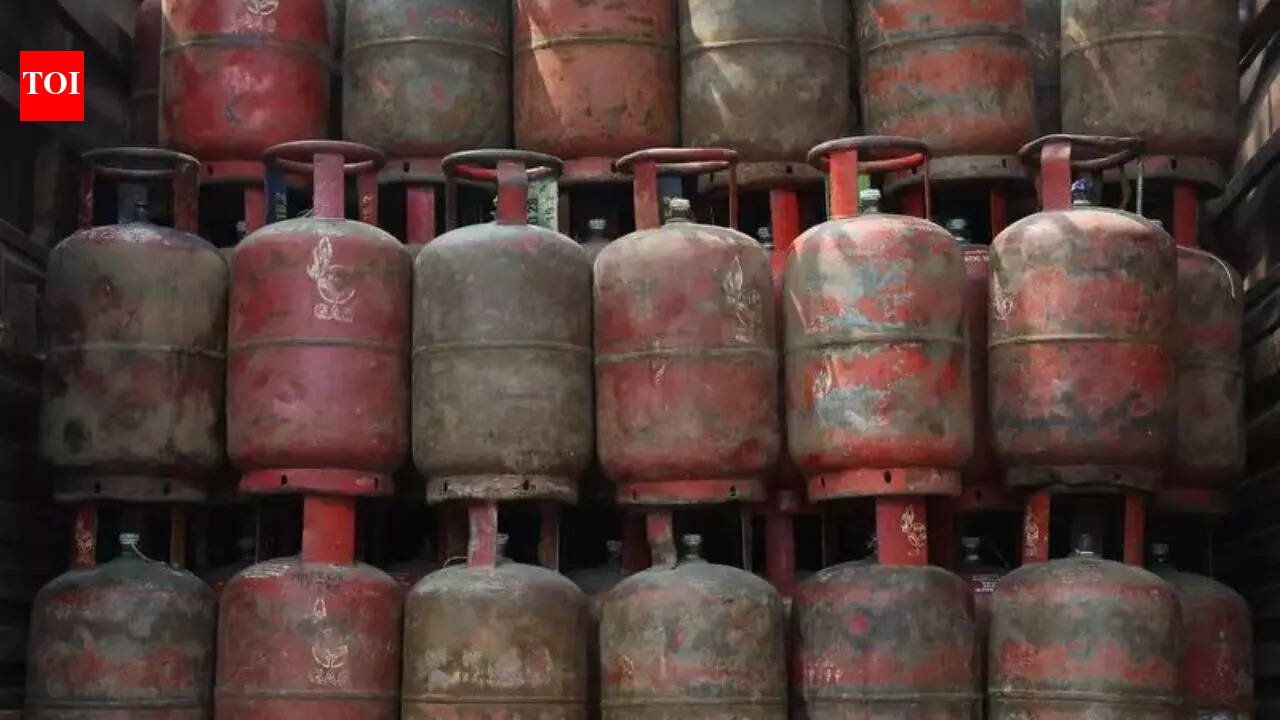
Mumbai: Powai police busted a gas cylinder theft racket operating across Mumbai, Navi Mumbai and Thane, seized 45 stolen gas cylinders and arrested a habitual offender involved in multiple theft cases.Police said the racket came to light after a motorcycle theft was registered at Powai Police Station. During the investigation, police found that the stolen two-wheeler was used to carry out gas cylinder thefts at various locations. Based on technical surveillance and inputs from informants, police arrested Raj Chandrakant Kamble (18), a resident of Thane, and recovered the stolen motorcycle used in the crimes. The accused was involved in at least 15 theft cases registered across several police stations. A Powai police officer said that during the probe they found out that the gang got activated and was involved in stealing gas cylinders ever since the Iran war broke out. The stolen cylinders are sold at higher price to those who want the cylinder immediately. “LPG cylinder thefts have increased in Mumbai amid shortages caused by West Asia conflict-related supply disruptions. Major incidents include 27 cylinders stolen from a parked delivery tempo in Charkop and the recovery of 45 cylinders by Powai police. Residents have resorted to chaining cylinders for security,” said the officer.


Source link