Breaking News
Row erupts in Mumbai civic body after AIMIM chairperson displays husband’s photo in ward office; taken down later | Mumbai News


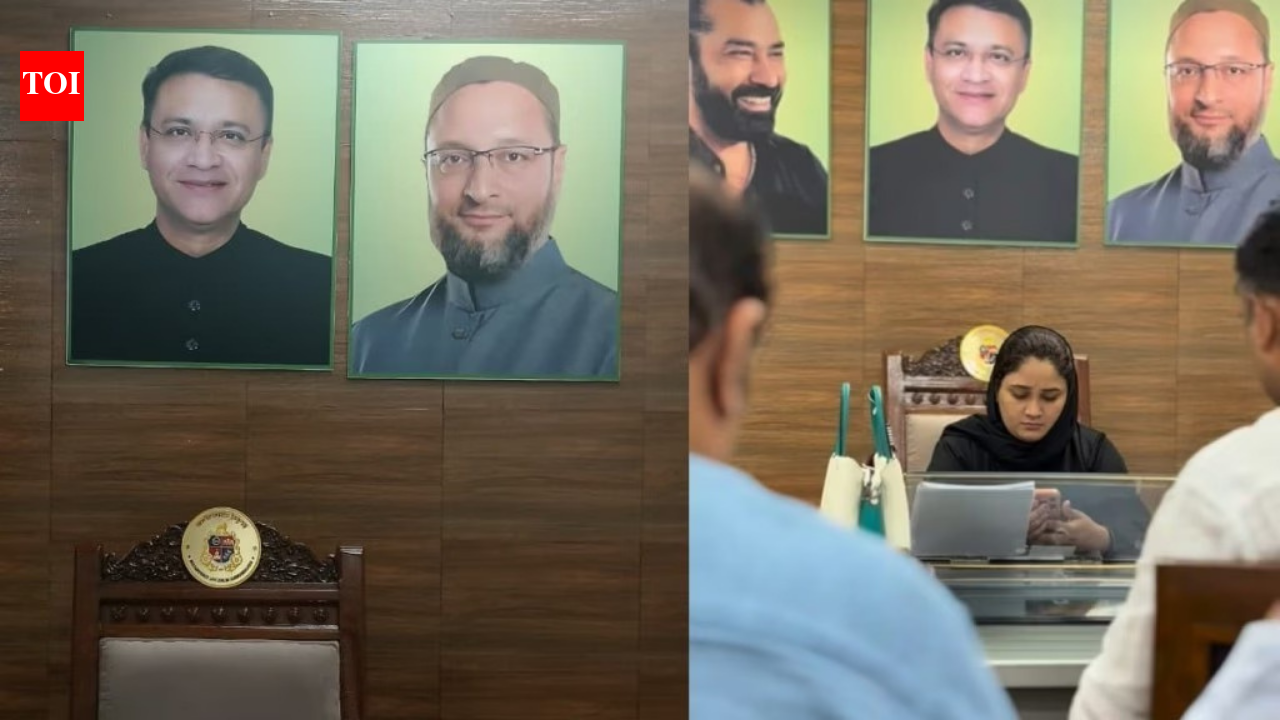
AIMIM’s M East ward committee chairperson Khairunnisa Akbar Hussain faced controversy after displaying her husband’s photograph in her office

MUMBAI: The AIMIM, which for the first time secured a ward committee chairperson’s post in the civic polls, landed in a controversy in M East ward after chairperson Khairunnisa Akbar Hussain put up her husband’s photograph in her office situated in the M East ward office. The photo was displayed alongside that of AIMIM president Asaduddin Owaisi. The BJP objected to the move, following which the photograph of her husband, Akbar Hussain, was removed.AIMIM netas said the chairperson was unaware of the issue and had the picture taken down as soon as it was brought to her notice. Vijay Ubale, the AIMIM leader in the BMC and also a corporator from M East ward, said, “On Friday, when the photo of her husband was spotted in her cabin, she was requested to remove it.”When contacted, Khairunnisa, a corporator from the Cheetah Camp area, said that she feels that the issue is being blown out of proportion. “My husband has always been politically active and previously also contested the assembly elections. His photograph was put up in the office by the party workers, and as soon as the matter was brought to my notice, I ensured it was removed,” she said.


Source link

After delay, Mumbai-Ahmedabad bullet train’s tunnel-boring machines to arrive in city tomorrow | Mumbai News


Two Tunnel Boring Machines for the Mumbai-Ahmedabad bullet train project have arrived

MUMBAI: Two Tunnel Boring Machines (TBMs) for the underground stretch of the Mumbai-Ahmedabad bullet train project are set to arrive at Jawaharlal Nehru Port on Monday, marking a breakthrough after months of delays linked to geopolitical factors that held up consignments in China.Officials said the shipment includes the remaining components of the first TBM-whose cutter head reached Mumbai around Sept 24, 2025-as well as the complete set of parts for the second machine.Sources said, “The consignment left China in early March, reached Chennai port, and was dispatched for Mumbai on March 18.”

Mumbai-Ahmedabad bullet train underground work to begin soon

Mumbai-Ahmedabad bullet train underground work to begin soon

With both TBMs now arriving, work on the underground package can move forward. Boring is expected to begin in about three months after assembly and testing. The machine is equipped with a mixshield configuration, designed to cut through complex geology, and will be deployed for the 20.37-km underground section between Bandra Kurla Complex (BKC) and Shilphata, which includes a challenging 7-km subsea tunnel beneath Thane Creek.The development comes amid a broader easing of economic engagement between India and China. The Centre recently relaxed certain investment norms for firms with limited Chinese shareholding, signalling a calibrated approach to improving business ties even as strategic safeguards remain in place. Officials indicated that such measures have helped smooth project-linked clearances and logistics.The TBMs, though procured from German firm Herrenknecht, were manufactured at its Guangzhou facility and remained stranded at a Chinese port earlier this year without formal clearance. The delay emerged as a major concern for the timelines of the Rs 1.08 lakh crore high-speed rail corridor.The matter was taken up through diplomatic channels, with the railways ministry coordinating with the external affairs ministry. Sources said the issue was also flagged during Prime Minister Narendra Modi’s interaction with Chinese President Xi Jinping on the sidelines of the Shanghai Cooperation Organisation summit in Aug 2025.The underground package, being executed by Afcons Infrastructure Ltd, involves a complex stretch between Bandra Kurla Complex and Shilphata. The bullet train project, India’s first high-speed rail corridor, is designed for speeds of up to 320 kmph, with the Mumbai underground section seen as one of its most challenging components.The tunnel will run at depths ranging from 25 to 65 metres below the surface, dipping to as much as 114 metres beneath Parsik Hill near Shilphata. NHSRCL plans to deploy two TBMs initially, with an option of using a third if required to meet deadlines. The tunnelling will create a single-tube passage carrying both up and down tracks of the bullet train.


Source link

Mohsin Naqvi-led PCB under scanner, Kirsten exposes ‘constant outside noise’ | Cricket News


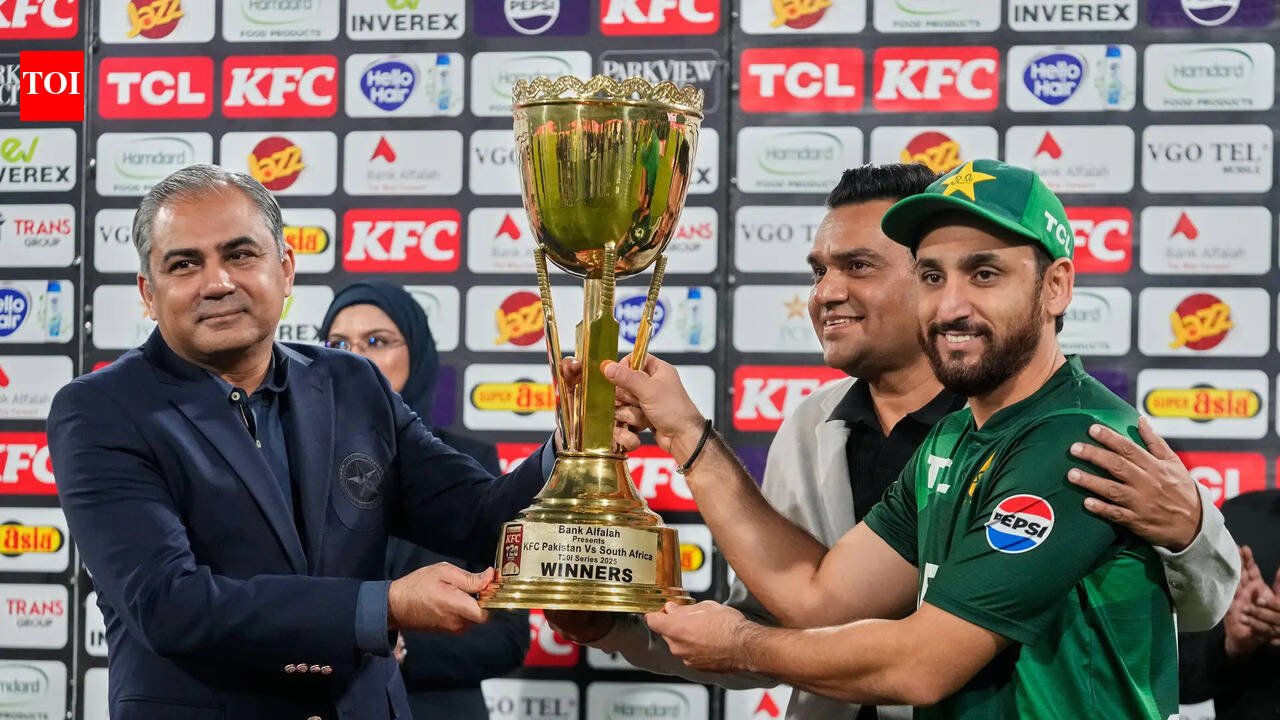
Pakistan’s Salman Ali Agha, right, receives trophy from Pakistan’s Cricket Board Chairman and Interior Minister Mohsin Naqvi (AP Photo)

Former Pakistan head coach Gary Kirsten has opened up on his brief and turbulent stint with the national side, revealing that excessive interference from the Pakistan Cricket Board (PCB) played a major role in his early exit.Kirsten, who was appointed in April 2024 on a two-year deal, stepped down from his role as head coach of Pakistan’s ODI and T20I teams within just six months. His resignation came abruptly, barely a week before Pakistan were scheduled to tour Australia for an ODI series.

Watch

Jay Shah calls 2019 to 2026 as Indian cricket’s golden period

In the immediate aftermath of his departure, the PCB handed over additional responsibilities to Test coach Jason Gillespie, who was asked to oversee the white-ball leg of the Australia tour. However, Gillespie too parted ways with the setup a few months later, adding to the instability within the coaching structure.Reflecting on his experience, Kirsten pointed to the constant external involvement in team affairs as the most challenging aspect of the job.“The thing that surprised me more than anything was the level of interference. I don’t think I have ever seen it at that level before. Did it surprise me? I don’t know, but it was significant,” Kirsten said while speaking to talkSPORT Cricket.He explained that such an environment made it extremely difficult for a coach to implement plans or build a stable working relationship with players.“It is quite difficult for a coach to come and formulate a way that you can work with the players when there is just this constant noise from the outside. It was tough, just this constant noise from the outside and a lot of punitive actions around poor performance and stuff like that,” he added.

Poll

Do you think Jason Gillespie is a good choice to lead the ODI and T20I teams?

Kirsten also highlighted how coaches often become easy targets when results do not go a team’s way, describing it as a counterproductive approach.“As a coach, you are the lowest hanging fruit when the team isn’t going well, so let us get rid of the coach or let us put a restriction on the coach because that is the easiest thing to do when the teams are performing and that is kind of counterproductive in my view,” Kirsten said.

Banner Insert


Source link

Ex-India star quits commentary, alleges ‘colour discrimination’ | Cricket News


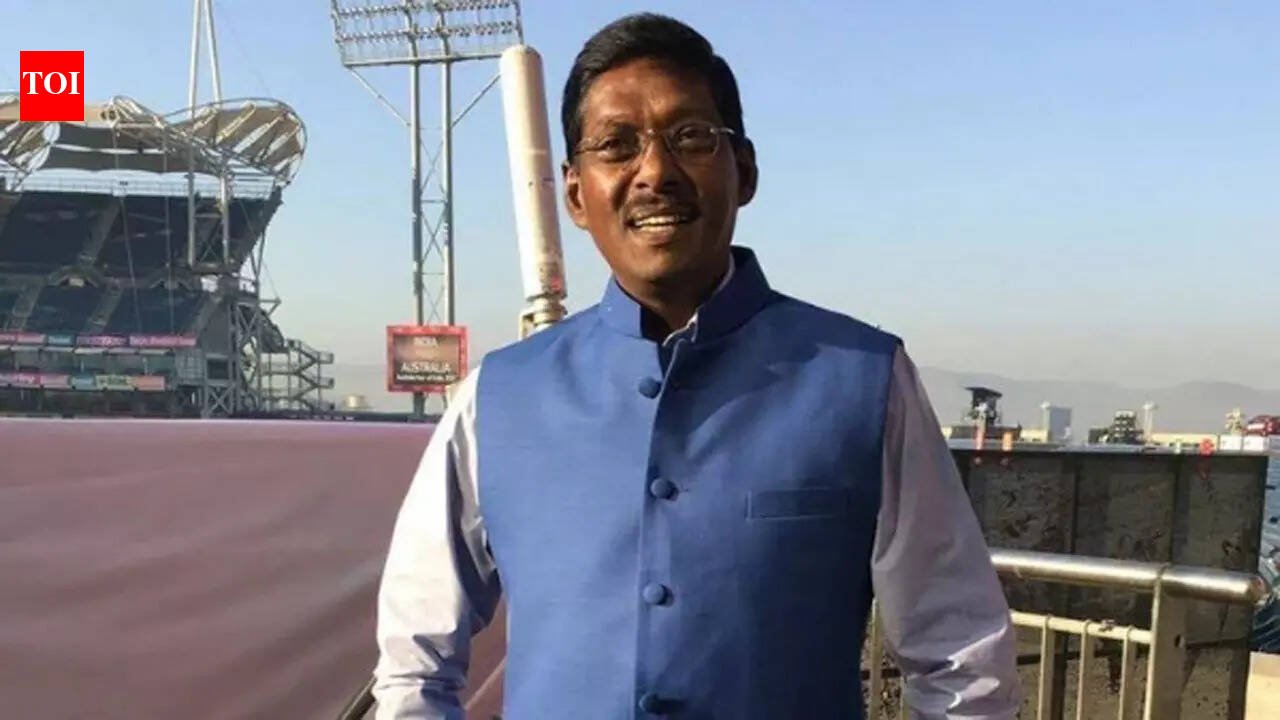
Laxman Sivaramakrishnan (Image credit: X)

Former India leg-spinner Laxman Sivaramakrishnan on Friday announced his retirement from the Board of Control for Cricket in India commentary panel, citing a lack of opportunities to conduct toss and presentation ceremonies.Sivaramakrishnan said he was consistently overlooked for key on-air roles such as toss duties and post-match presentations, despite being part of the setup for over two decades.

Watch

Shashi Tharoor & Samson’s Redemption Story: From Setbacks to Glory

He further pointed out that even when established names like Ravi Shastri were involved with the team, he was not given such responsibilities, indicating a long-standing pattern.“I am retiring from commentary for BCCI”, Sivaramakrishnan wrote on his ‘X’ handle.“If I have not been used for tosses and presentation for 23 years and new comers come in even when Shastri was coaching, what do you think could be the reason,” Sivaramakrishnan said. When a user suggested whether his skin colour could be a factor, Sivaramakrishnan responded, “You are right. Colour Discrimination.”“My retirement is nothing great. But a story of tv production unfolds. Soon you will see the bigger picture,” he added.Sivaramakrishnan, fondly known as Siva, was one of India’s most promising leg-spinners in the early 1980s.He played nine Tests and 16 ODIs between 1983 and 1987, claiming 26 wickets in Tests, including three five-wicket hauls, and 15 wickets in ODIs.He made his Test debut during India’s 1983 tour of the West Indies and drew early attention after taking seven wickets for two runs in a domestic match as a youngster.

Poll

Who do you think should be prioritized for key on-air roles in cricket commentary?

One of his standout performances came in 1984 against England, where he picked up 12 wickets in a match.He was also part of India’s 1985 World Championship-winning team in Australia, finishing as the tournament’s leading wicket-taker.After retiring from cricket, he transitioned into commentary.

Banner Insert


Source link

‘Independent’ Jagdeep Dhankhar forced to quit using ED pressure, claims Sanjay Raut in book | Mumbai News


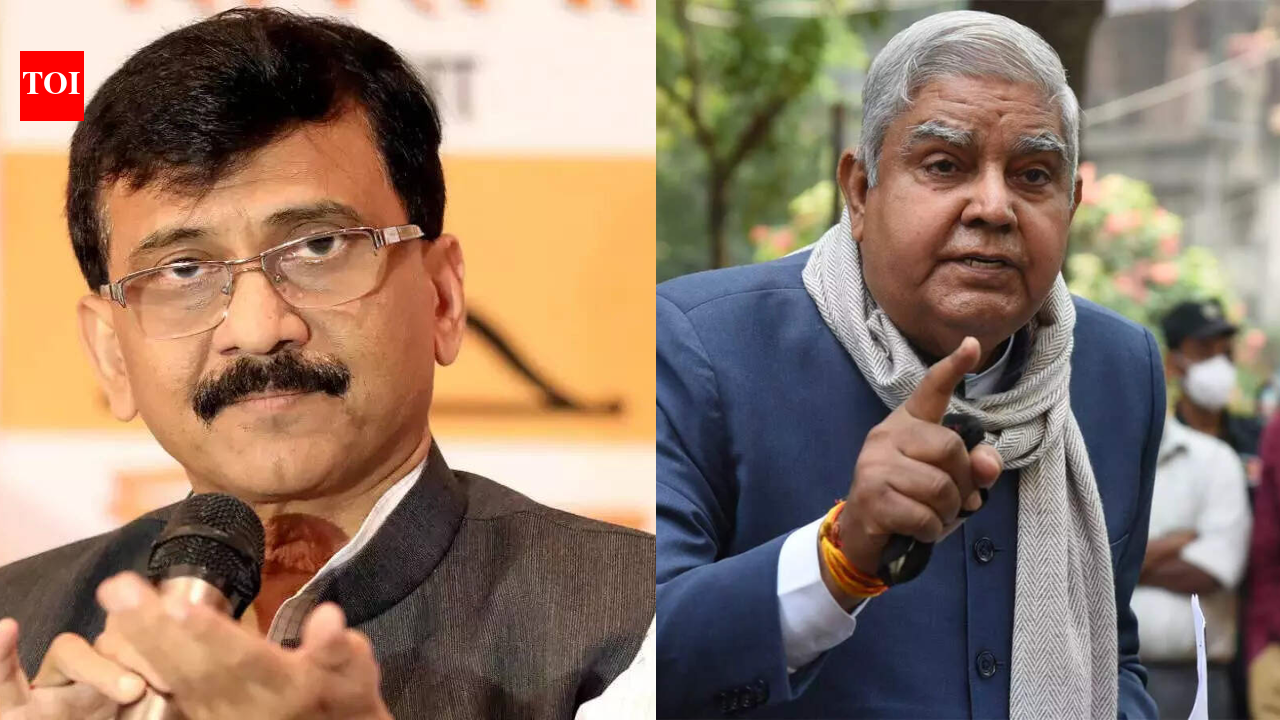
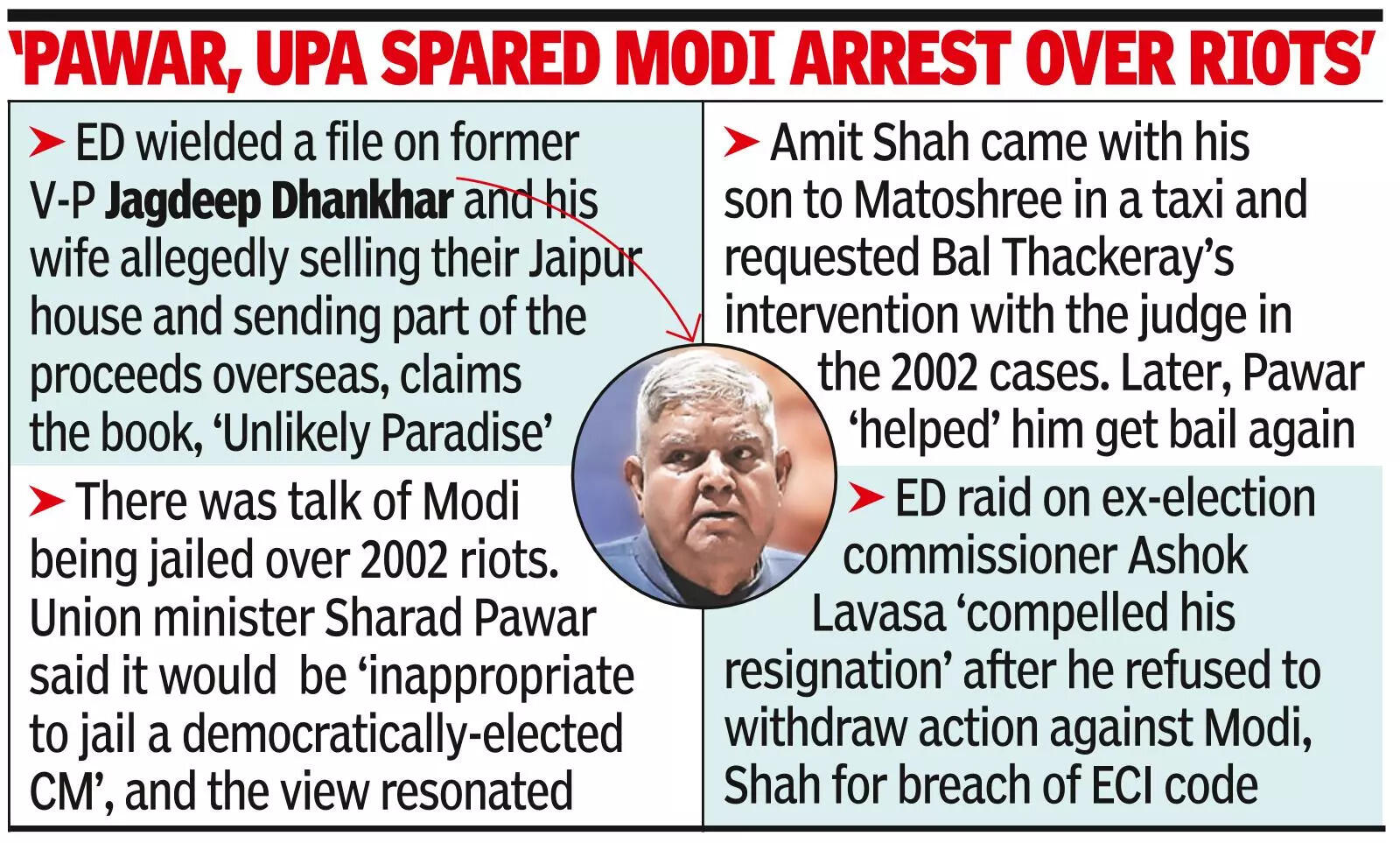
MUMBAI: In his book ‘Unlikely Paradise’, written during his time in prison, Shiv Sena (UBT) leader Sanjay Raut has alleged that former vice-president Jagdeep Dhankhar resigned in 2025 under pressure from ED in response to his “independent political moves against the Modi govt”. The Marathi book came out in 2025 and its English version, which includes more incidents, is set to be released Monday.Rumours had circulated that Dhankhar and his wife had sold their Jaipur house and transferred part of the proceeds overseas, the book says. ED allegedly prepared a file to press charges against him along with other investigative agencies, the book claims.

‘Independent’ Dhankhar forced to quit using ED pressure, claims Raut in book

“When whispers emerged of Dhankhar’s independent political moves against the Modi govt, ED reportedly presented him with the file, pressuring him to resign,” the book claims. “His refusal to comply initially led to intensified scrutiny, leaving him visibly uneasy.”Raut also alleges that former Election Commissioner Ashok Lavasa’s house was raided and his family faced ED summons because he took a dissenting position against PM Modi and home minister Amit Shah’s alleged electoral violations.“Based on complaints citing eight breaches of the Election Code of India, (former Election Commissioner Ashok) Lavasa initiated action to restore public trust in the ECI. Despite advice to remain silent, he refused to yield to pressure. Predictably, Lavasa and his family faced severe repercussions for his dissent,” Shiv Sena (UBT) leader Sanjay Raut has alleged in his book. It says the ED raid on his residence “compelled his resignation” in 2020, and he remained under the agency’s scrutiny even after that. The book also claims that during the UPA govt’s tenure, there were rumours that Modi, then Gujarat chief minister, may be jailed in connection with the post-Godhra riots in Gujarat. However, NCP SP chief, Sharad Pawar, then a Union minister, was among those who were not comfortable with this. “In a cabinet meeting, Pawar had opined, ‘It’s inappropriate to jail a democratically elected chief minister, regardless of political differences’,” the book claims. “This view resonated with many, sparing Modi from incarceration. Does Modi remember these favours and morality in politics?” it asks. The book also claims both Pawar and Shiv Sena founder Bal Thackeray helped Amit Shah secure bail when he faced charges on several cases, with the CBI opposing bail. “A Maharashtra cadre officer in the CBI unit was particularly adamant against granting Shah bail. Modi sought Pawar’s intervention and as was his nature, Pawar helped him and Shah was released on bail. We all know how Shah later treated Pawar and Maharashtra,” the book claims. The book also claimed that Amit Shah faced “grave danger” after the Gujarat riots and Modi could not protect him since the CBI controlled investigations into the riots. Shah arrived at Thackeray’s residence in a black-and-yellow cab with his son and requested his intervention with the judge in his case, the book alleges. “If you speak to the judge, he will listen and not defy your wishes,” the book claims Shah told Thackeray. “It would be unethical to disclose what followed. Balasaheb summoned Manohar Joshi, provided the judge’s name and instructed him to discuss the matter, concluding, ‘You may hold any position but remember that you too are a Hindu’,” the book claims. “That single call altered Amit Shah’s political trajectory. Yet the world witnessed his ungrateful treatment of the Shiv Sena and the Thackeray family,” the book claims.


Source link

Chaos After Death of Cow Vigilante on Delhi-Agra Highway: Protests and Clashes Erupt in Mathura | Agra News


Mathura witnessed significant chaos on the Delhi-Agra Highway following the death of cow vigilante Chandrashekhar

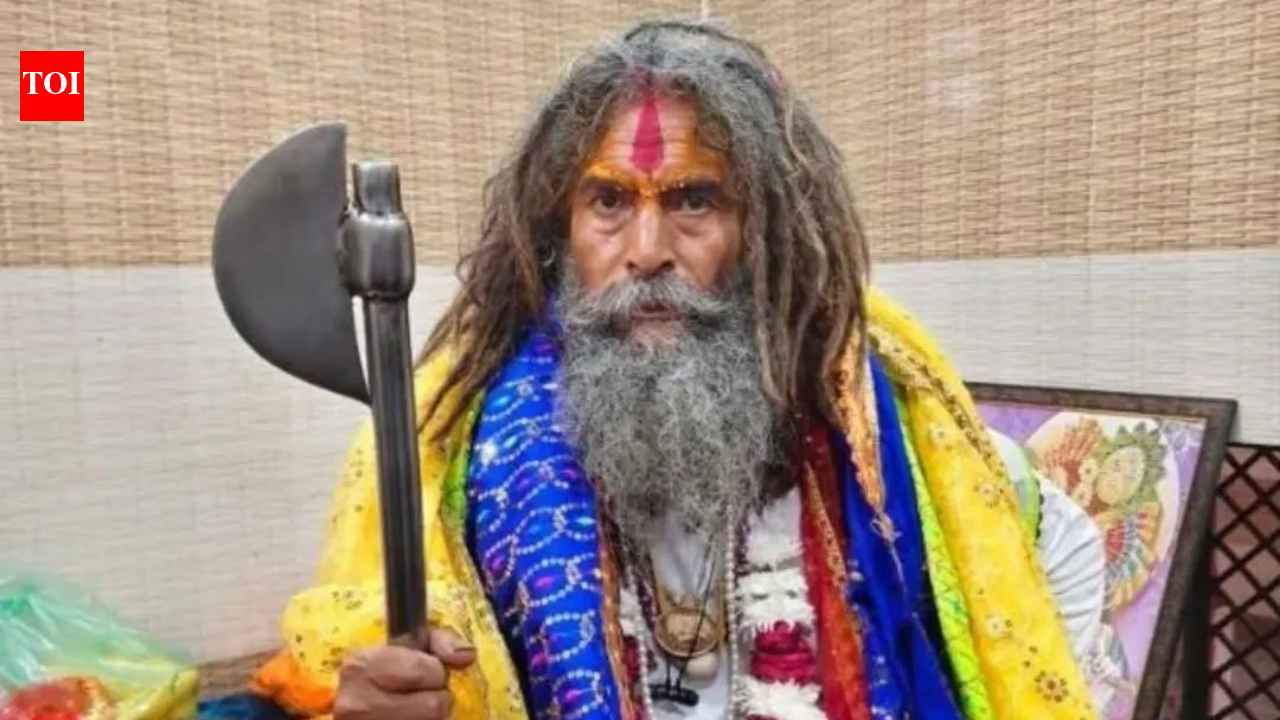
MATHURA: Massive chaos erupted on the Delhi–Agra Highway in Uttar Pradesh’s Mathura after the death of a cow vigilante triggered protests, stone-pelting, and clashes with police, leaving several personnel injured and vehicles vandalised.The unrest followed the killing of Chandrashekhar, popularly known as “Farsa Wale Baba,” a local cow protection activist, who died during a late-night chase near Navipur village under Kosi Kalan police limits. According to initial reports, he was pursuing a truck on his motorcycle after suspecting cattle smuggling when a vehicle allegedly rammed into him, killing him on the spot.However, Mathura SSP Shlok Kumar said the incident may have been accidental. “The truck that Pharsa Baba stopped contained grocery goods, and the truck that collided with him was loaded with wire. This truck is from Rajasthan. The accident happened due to dense fog. Action is ongoing,” he said, indicating that claims of cattle smuggling are still being verified.Soon after news of the death spread, locals and cow vigilantes gathered in large numbers and blocked the Delhi–Agra Highway in the Chhata area early Friday, leading to long traffic snarls and disruption for several hours. The protest quickly escalated as angry demonstrators clashed with police.Stone-pelting was reported during the confrontation, with several police personnel and dozens of locals injured. Around half a dozen police vehicles were vandalised in the violence. Authorities said the situation worsened after police attempted to disperse the crowd, leading to further tensions.Police confirmed that one accused was apprehended at the scene and handed over by locals, while three others managed to flee. Search operations are underway to trace the absconding suspects.Chandrashekhar was known in the Braj region for his involvement in cow protection activities, and his death sparked grief and anger among supporters. Some local leaders said protesters were eventually persuaded to disperse after officials intervened and appealed for calm.Amid the escalating situation, Uttar Pradesh Chief Minister Yogi Adityanath took cognisance of the incident and ordered strict action against those responsible.“The accused will not be spared under any circumstances,” the chief minister said, directing officials to ensure swift justice and maintain law and order.Heavy police deployment has been made in the area to prevent further unrest, and authorities are examining the vehicles involved while continuing to verify the sequence of events, including the initial claims of cattle smuggling.Officials have urged the public to maintain peace as the investigation continues, even as the incident once again highlights the volatile nature of confrontations involving vigilante groups on suspicion of cattle transport.


Source link

Kerala doctor stabbed 27 times with scissors by school teacher in hospital; accused sentenced to life 3 years after murder


A Kerala court has handed a life sentence to G Sandeep, a 42-year-old teacher, for the brutal murder of Dr Vandana Das in May 2023

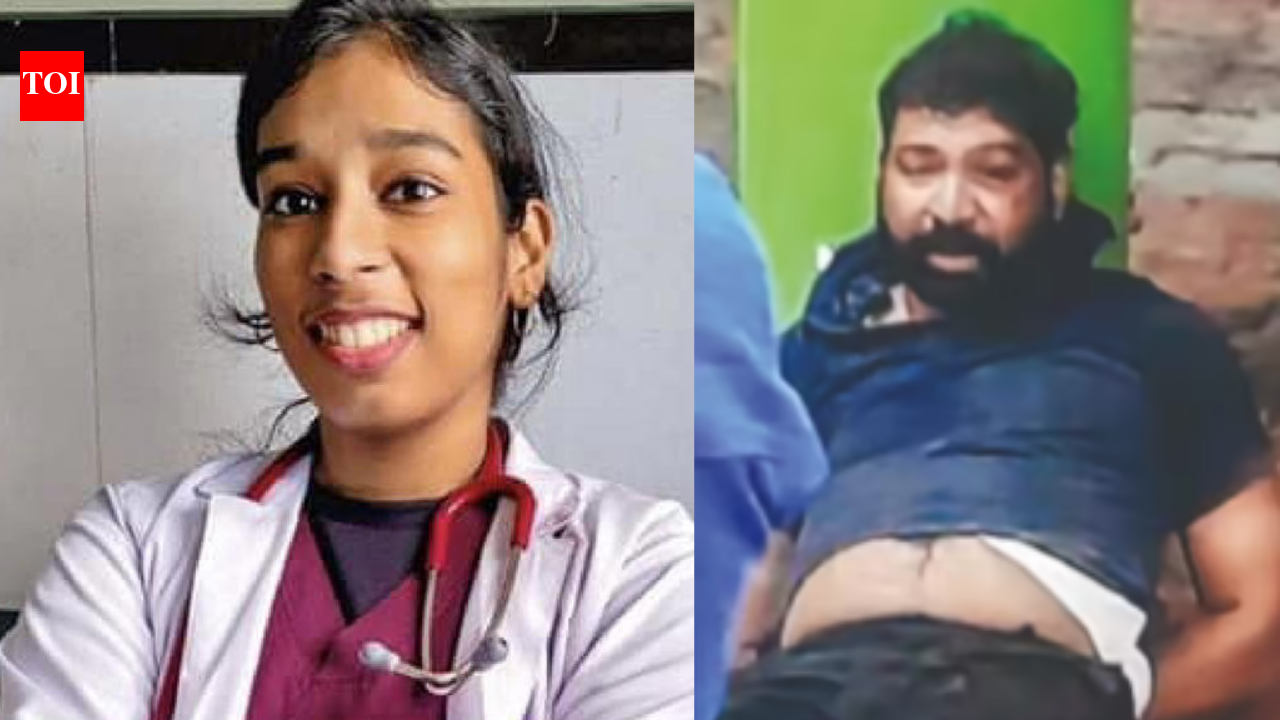
KOLLAM: A Kerala court on Saturday sentenced G Sandeep, a 42-year-old school teacher, to life imprisonment for the sensational murder of Dr Vandana Das at Kottarakkara Taluk Hospital in May 2023. In addition, the court imposed a total of 30 years for other offences under the Indian Penal Code (IPC), which Sandeep will serve before commencing the life term for the murder, according to special public prosecutor Prathap G Padickal. Dr Das, 23, a house surgeon and the only child of her parents from Kaduthuruthy, Kottayam district, was attacked with surgical scissors in the early hours of May 10, 2023. Sandeep, who had been brought to the hospital by police for treatment of a leg injury sustained in an alleged quarrel near his home, first assaulted police personnel and a private individual accompanying him, before fatally stabbing the young doctor. Dr Das succumbed to her injuries at a private hospital in Thiruvananthapuram. The court, which had convicted Sandeep on March 17, found him guilty under multiple IPC provisions, including murder, destruction of evidence, and wrongful restraint, as well as under the Kerala Healthcare Service Persons and Healthcare Service Institutions (Prevention of Violence and Damage to Property) Act, 2012. It rejected the defence claim of schizophrenia, ruling that Sandeep was fully aware of his actions and had premeditated the attack. During the trial, over 70 witnesses testified and more than 200 documents—including medical and forensic reports—were examined. Psychiatric evaluations confirmed the accused’s mental fitness at the time of the incident. Reacting to the verdict, Dr Vandana’s parents expressed relief but also indicated dissatisfaction with the punishment, signaling plans to pursue an appeal seeking the death penalty. The prosecution has confirmed it will recommend filing an appeal to enhance the life term to capital punishment, arguing the attack was a “rarest-of-rare” case. Dr Vandana’s mother tearfully said the family wishes for maximum punishment, noting that her daughter had been stabbed 27 times in the attack. The incident had sparked widespread outrage across Kerala, prompting protests from the medical community demanding stronger protection for healthcare workers.(With agency inputs)


Source link

Silent reading groups thrive in city parks | Mumbai News


Like the ribbon inside this underground train that reads “Ladies Only”, the cover of the book in its only burqa-clad passenger’s hands is pink. ‘A Woman Is No Man’ — the fictional story of a teenage Arab woman resisting an arranged marriage — has transported Sumaiyya Momin to Palestine during her 15-minute, air-conditioned afternoon ride from Hutatma Chowk to Shri Jagannath Shankarseth station on the Aqua Line. “It’s by a Palestinian author,” she says, smiling through her veil. “The book was gifted by my sister long ago. I have been able to read it now as this is the only time I get to read. Unlike local trains, there’s no network and no crowd here.” Mahek Chaudhury, a TYBMM student, is currently reading a desi romance, ‘Red Flags and Rishtas’, which is following ‘The Forty Rules of Love’ and ‘The Palace of Illusions’. But the Metro is only one node in a wider ecosystem. After a knee injury left her bedridden two years ago, Charvi Garg began visiting a park in Versova with a book, seeking relief from “doom scrolling” and isolation. What began as solitude turned into community. Starting with just two people — herself and her father — her reading group now draws 20 to 40 participants per session. They gather on park benches, each absorbed in their own book, sharing a companionable silence. “Not always you’re in the mood to read,” says Garg. “But seeing others read pushes you for another page or two.” Over time, the group has evolved — bonding over book discussions, board games, theatre outings and potlucks. At its core, Garg says, the philosophy is simple: “There’s no entry fee. Human connection shouldn’t be commercialised.” Bookstores are completing the picture. India’s book retail ecosystem has seen steady demand, with independent stores and discount chains reporting consistent footfall post-pandemic. Rinkush Nagda, area operations manager at Bargain Book Hut, has noticed younger readers arriving with requests for specific titles recommended online, while children under nine gravitate toward books based on TV characters. Discovery begins on a screen — but the act of reading finds its way offline. The physical bookstore, too, has quietly repositioned itself as a third space too: a place to browse, linger, belong. What connects these spaces — Metro car, park bench, bookstore aisle — is that they offer something increasingly rare: uninterrupted time that feels legitimate. For many readers, particularly women, this matters acutely. Reading coach Reeta Gupta recalls a four-day workshop that drew around 1,300 women each day. Over 80% said reading fiction at home was often dismissed as unproductive. “They are constantly interrupted or asked to do something ‘useful’,” she says. “Many became commute readers because of this.” The third space, in this reading, is not just convenient — it is quietly emancipatory. Gupta is cautious about overstating the infrastructure argument. Even without Wi-Fi, many stay glued to their phones. “The internet has profoundly reshaped how we acquire information,” she says. “A quick search makes us seem informed — but the motivation to learn more is missing.” Still, she believes the stakes are real. “A world without books won’t be a great world. Reading is not an advantage we should give up.” “Mumbai may not be giving people more time,” says Nirav Mehta, founder of the book club Broke Bibliophiles, “but it is offering micro-moments. Readers are learning to use these small pockets effectively.” Metro compartments, parks, bookstores, even the Gen Z post office at IIT-B — they are becoming temporary sanctuaries where reading can happen collectively, even for those without quiet space at home.


Source link

Chairs ‘dressed’ in coats, bouffants on standby: Inside the Broadway backstage | Mumbai News


For the audience settling into their seats, ‘Wicked’ begins with the sort of theatrical flourish Broadway has perfected over decades. Music from the orchestral pit swells as a witch lifts into the air, a pink bubble floats in, a train rattles towards Oz and one scene melts into another so seamlessly that the mechanics barely register. Mumbai has, in the last two years, grown used to this scale of spectacle. The NMACC stage has been hosting a steady parade of Broadway and West End heavyweights, from ‘The Sound of Music’ and ‘Life of Pi’ to ‘The Phantom of the Opera’ and ‘Mamma Mia!’.With ‘Wicked’ now in the city, TOI was allowed a glimpse into what lies behind the world’s grandest musical theatre where, just past the stage doors, the illusion gives way to something unvarnished yet fascinating. Through a network of service corridors, the backstage area opens up into a temporary village — a hive of makeshift rooms with wardrobe corners, wig stations, quick-change areas — each buzzing close to showtime.One of the most arresting sights is a row of chairs ‘dressed’ in clothes. Shirts, skirts, trousers and jackets hang over their backs as if the actors have simply evaporated. These are quick-change stations where each chair holds the exact garments an actor must slip into mid-show. On the walls above them are visual checklists showing performers in their various looks to prevent mistakes when the clock is ticking. A few steps away sits a room of wigs. Shelves hold hairpieces in every imaginable personality. Straight, curled, braided, bouffant. Next door, a salon-like space holds heads of hair, in various stages of styling but no people in sight. Out in the corridors, velvet coats and satin dresses jostle for space while actors weave through them, practising lip trills.“We have 13 shipping containers worth of equipment and set pieces and costumes,” says James Bilios, executive producer at Broadway Entertainment Group, the company touring ‘Wicked’ internationally. Those containers carry everything needed to recreate Oz. Lighting, sound equipment, sets, costumes and cables that are pre-rigged so the production can be assembled in “four days”.The sets are as international as the tour. “Parts of the production were built in Romania, Britain and Australia, including hand-painted backdrops created by scenic artists used to working on opera stages.” Yet for all the technical sophistication, the show still begins in an old-fashioned way. “Designers first map everything out using a miniature model of the stage where they move things around to see how it works,” says Bilios. The touring company comprises around 85 people, with each city adding local hands, particularly for wardrobe, which handles 166 wigs and nearly 350 costumes, that come from an international supply chain. “Our costumes are made in four different parts of the world… Turkey, Greece, UK and South Korea,” says Bilios. “Britain makes the best army costumes. Turkey and Greece make beautiful bridesmaids, glitzy girly stuff and also great shoes. South Korea makes good funky stuff with velvet and brocades.”At the centre of it is a cast of 30 including swings and understudies. “On show day they will come in four hours before the performance, do a warm up, have prayer notes,” says Bilios. There are rituals, too. “Our Elphaba likes to do a sort of dance warm up before she puts the green makeup on, which took days to perfect and 45 minutes to apply each time,” Bilios says. The cast spans teenagers fresh out of performing arts colleges to seasoned performers. And competition for those roles is fierce. “For this show we had 30 cast positions, and had 3,700 people applying,” Bilios says. “We look for what we call a ‘triple threat’ — performers who can sing, dance and act at the highest level.” The mix has also become more diverse. “We have British Indian and African-English performers. We’re not homogenous anymore and it’s important to not just have white people.Desisting from smoking and drinking to protect their voices, touring productions live a more regimented life than the versions stationed permanently in cities like New York. Despite careful planning though, touring remains a logistical gamble. ‘Wicked’ arrived in Mumbai from Dubai just before tensions in the region escalated. On another tour, a truck carrying costumes was held up at the Romanian border. “They went through the costumes to see if there were any illegal immigrants coming across from Romania into the EU,” recalls Bilios. If everything goes to plan, none of this is visible. For the audience, it will simply look like a witch taking flight.


Source link
Madanpura mosque rewards hafizs & imams | Mumbai News


On the 27th day of Ramzan (March 17), the iconic Sunni Badi Masjid in Madanpura, central Mumbai, held a brief ceremony. At the conclusion of the recitation of the Quran’s final verses, the mosque felicitated a few people, including two hafizs who led the tarawih—the special night prayers during the holy month. Hafiz Jibreel and Hafiz Dilawar received Rs 1.83 lakh each, along with new clothes, packets of attar and other gifts.For many aware of the difficult financial circumstances of clerics—imams, madrassa teachers and hafizs alike—this gesture, echoed at a few other mosques, felt like an Eid bonanza. Most hafizs complete the recitation of the Quran towards the end of Ramzan, just ahead of Eid, and are rewarded —though rarely at this scale.Hafizs are clerics who have memorised the entire Quran. They are in high demand during Ramzan and are invited from near and far to lead tarawih prayers. Yet, like many imams, they often receive respect for preserving the sacred verses, but little financial support.Which is why the windfall just ahead of Eid for the two hafizs—and the mosque’s imam, Mufti Zubair, who received Rs 2.7 lakh—came as a pleasant surprise. “This is just fabulous. This mosque has set an example in how our imams and hafizs should be treated,” said Islam Gymkhana president Yusuf Abrahni, who has long campaigned for better pay for clerics. He often questions why community members who rely on mosques and their leaders during congregational prayers are reluctant to compensate them fairly.The realisation, it seems, may be dawning. “We believe hafizs and imams deserve better remuneration and must be taken care of well. What we gave them at the end of Ramzan was apart from the gifts they received from individual worshippers,” said Iqbal Ansari who is associated with the Sunni Badi Masjid.Given the rigour of memorising the Quran, children often begin training early. Mira Road-based dentist Dr Faisal Ansari completed the course at 13, while in Class 8. “Memory is sharp when you’re young, so the process begins early. I studied secular subjects alongside,” he said. “I continue to revise regularly and have led tarawih prayers every year since 2013.” Even while studying for his BDS, he led Ramzan prayers. “An organisation in Pune paid my fees annually as hadiya for leading prayers. This year, they gave me a handsome amount,” he said.Concerned by the community’s longstanding indifference, some leaders have begun pushing for structural change. “We will soon start a scheme to train students as hafizs, bringing in experts from countries like Iran and Iraq,” said Javed Shroff, chairman, Habib Group of Trusts. For now, the generous rewards at the Madanpura mosque offer a hopeful precedent—one many believe should be replicated across the city.


Source link