Breaking News
AI has created a ‘new status game’ among engineers at IT companies that analysts say is ‘expensive’

[ad_1]

AI has created a ‘new status game’ among engineers at IT companies that analysts say is 'expensive'

Artificial intelligence is changing how engineers work at tech companies, but it has also created what analysts are calling an “expensive status game”. According to a report by New York Times, engineers at Meta, OpenAI and other big tech firms are now competing based on how much they use AI tools, measured in “tokens,” which are units of data processed by AI systems. This trend, being referred to as “tokenmaxxing,” is leading to high costs as employees use large amounts of AI resources to show productivity and stay competitive at work.“A.I. was supposed to help tech companies boost productivity and cut costs. But it has also created an expensive new status game, known as “tokenmaxxing,” among A.I.-obsessed workers who are desperate to prove how productive they are,” NYT report says.

What is tokenmaxxing

Tokenmaxxing is a trend where engineers try to maximize their use of AI tools by processing large amounts of data, known as tokens. In this trend, workers run multiple AI agents or tools at the same time to increase their output and show higher productivity. This often leads to higher usage of computing resources and costs.At companies like OpenAI, Meta and Shopify, AI usage is being increasingly tracked. So much so that some teams use internal leaderboards to show how many tokens each employee consumes. “Generous “token budgets” are becoming a job perk for coders, like dental insurance or free lunch, and some are spending thousands of dollars a month trying to automate as much of their own work as possible,” the report states.“If you have some continuously running agents, you’ll do 700 million tokens a week from a single full-time agent,” said Ege Erdil, a co-founder of Mechanize, an AI start-up, who estimated his own token consumption at between one billion and 10 billion a week. “It doesn’t really take that much.”

Rising costs and competition due to AI

Heavy AI usage is leading to high expenses. At Anthropic, one user reportedly generated a bill of over $150,000 in a month. Some engineers are also spending large amounts to automate their work.Max Linder, a software engineer in Stockholm says “I probably spend more than my salary on Claude”.However, some employees have raised concerns about whether this trend is sustainable. “It doesn’t seem sustainable,” said one OpenAI employee speaking anonymously to the publication. At the same time, experts say not using AI tools could become a career risk.“Inside large tech companies, it’s becoming a career risk to not use A.I. at an accelerated pace, regardless of output quality,” said Gergely Orosz, a software engineering analyst.

[ad_2]

Source link
7kg or 10kg switch in the offing? LPG dealers wary, consumers worried

[ad_1]

7kg or 10kg switch in the offing? LPG dealers wary, consumers worried

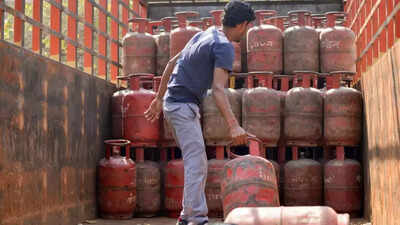
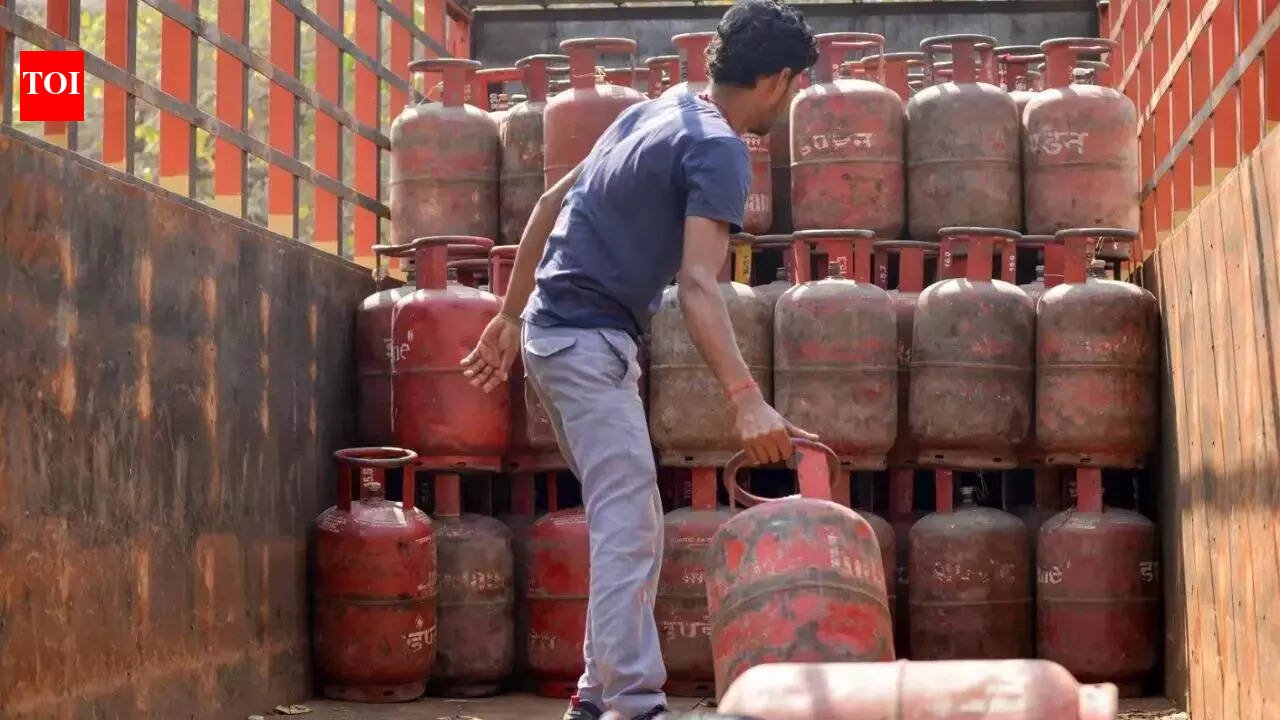
KOLKATA: Mounting uncertainties over global energy supply amid tensions in West Asia have prompted the Centre to explore fresh measures to manage domestic LPG availability, such as providing lesser volume of the fuel in refilled cylinders and further extending the waiting period for ordering a refill.Currently, each domestic cylinder contains 14.2kg LPG. Sources said the Centre has asked oil marketing companies (OMCs) to explore the feasibility of providing 10kg or even 7kg in each cylinder.

Watch

‘Concerning, But No Shortage’: Centre On LPG Situation, Warns Against Hoarding & Black Marketing

Officials said the move is being considered in light of concerns over fuel tanker movement through the Strait of Hormuz. “Some options are being discussed to ensure equitable distribution, prevent shortage and minimise pilferage. Reducing LPG in domestic cylinders is one of them,” an OMC source said.Consumers, however, are unhappy. “One cylinder lasts 15 days in our home. A 10-kg or 7-kg cylinder will be over in 7 to 9 days. You cannot book a cylinder before 25 days (from the date of delivery of the previous cylinder). How will cooking be done?” asked Gaurav Saxena, from Taratala.LPG dealers, too, are worried over the proposal.Change in supply quantity may complicate things: DealersWe are already struggling with rising demand, booking failures and e-KYC issues. Any change in supply quantity will create more complications. We may also face allegations of LPG theft,” said an LPG dealer in south Kolkata.The proposed shift to 7kg or 10kg cylinders, while aimed at stretching available supply across more households, may bring logistical challenges. “Handling more cylinders of smaller size will increase operational pressure. But if it ensures greater access, it may be necessary,” a distributor said.Among consumer complaints of confusion over booking confirmation and delays in receiving cylinders, reports are circulating that the current waiting period for booking may be further increased. “There is a strong possibility the waiting period may be extended from 25 to 30 days from the date of delivery,” a source in an OMC said.“Even after booking is confirmed, there is no clarity on when the cylinder will arrive,” said homemaker Anindita Sen from Chetla. Rajesh Gupta from New Alipore said, “The system lacks transparency.”Distributors said they are caught in the middle of supply constraints and customer dissatisfaction. “We are doing our best to manage deliveries, but supply is tight and rules have to be followed,” a Kolkata-based LPG distributor said.

[ad_2]

Source link

Gold price prediction today: Why are gold prices crashing? Key levels to watch out for March 23, 2026 week

[ad_1]

Gold price prediction today: Why are gold prices crashing? Key levels to watch out for March 23, 2026 week
The immediate resistance is seen near Rs 142,000-145,000, which aligns with the middle Bollinger Band and prior support zone. (AI image)

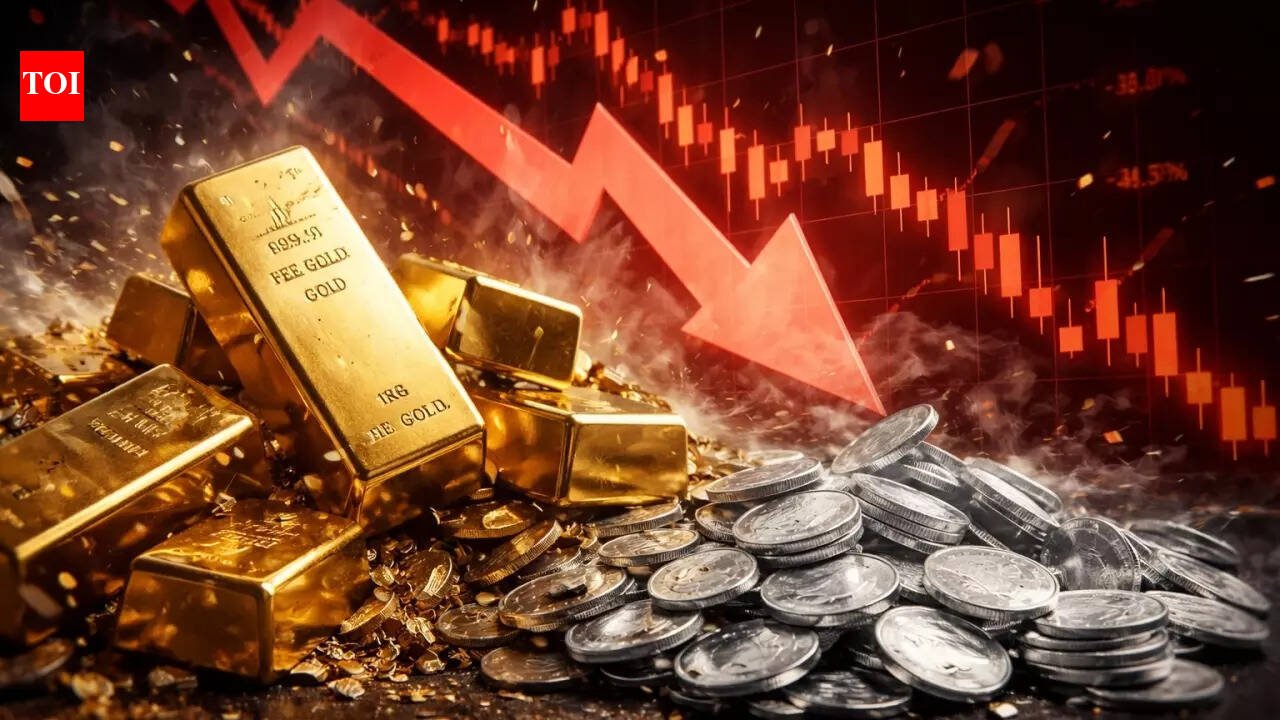
Gold price prediction today: Gold is seeing intense selling pressure and this is likely to continue this week amid global tensions, says Manav Modi, Senior Analyst, Commodity Research at Motilal Oswal Financial Services Ltd.Gold prices have witnessed a sharp decline, marking their worst performances in years, as rising inflation concerns and expectations of prolonged higher interest rates outweighed safe-haven demand. Escalating tensions in the US-Israel-Iran conflict pushed crude oil prices above $100, fueling fears of sustained energy-driven inflation. Central banks have maintained a cautious stance, with the Fed holding rates steady while signaling inflation risks, and others like the RBA hiking rates. Stronger US dollar and rising bond yields further pressured bullion. Despite intermittent stability from easing oil prices, markets shifted away from rate cut expectations, limiting gold’s upside amid persistent geopolitical uncertainty.The focus this week will be on Preliminary PMI reports from major economies. Gold has turned technically weak after a sharp breakdown from the recent consolidation range. Prices have slipped below the middle Bollinger Band (20 SMA), indicating loss of bullish momentum, and are now approaching the lower band—suggesting increased downside volatility. The recent price action resembles a distribution top followed by a breakdown, confirming a short-term bearish structure.The immediate resistance is seen near Rs 142,000-145,000, which aligns with the middle Bollinger Band and prior support zone. A stronger resistance is placed at Rs 150,000, where repeated rejections were observed earlier. On the downside, key support lies around Rs 136,000, and a decisive break below this could extend the fall towards Rs 130,000 -128,000 levels.Volume expansion during the decline indicates strong selling pressure. Unless prices reclaim Rs 145,000 quickly, the bias remains sell-on-rise for the week.(Disclaimer: Recommendations and views on the stock market, other asset classes or personal finance management tips given by experts are their own. These opinions do not represent the views of The Times of India)

[ad_2]

Source link

Gold prices crash: Yellow metal registers worst weekly fall in 40 years, what should investors do?

[ad_1]

Gold prices crash: Yellow metal registers worst weekly fall in 40 years, what should investors do?

As tensions in the Middle East stretch into their fourth week, shockwaves are now being felt across global markets and gold is no exception. The precious metal has taken a sharp hit, tumbling to its steepest weekly fall in nearly four decades, with prices reaching $4,354 per ounce.The fall marks a swift retreat from levels of around $5,200 per ounce seen on March 13, highlighting the speed and scale of the correction. The metal had earlier surged to an all-time high of $5,595.51 before losing momentum.The sharp decline is raising concerns about gold’s traditional safe-haven status. Market participants note that despite ongoing geopolitical tensions, the yellow metal has struggled to hold its appeal, with broader financial factors taking centre stage.Gold prices fallAccording to a report by The Wall Street Journal, the recent decline may open up opportunities for long-term investors looking to enter the market at lower levels.Priyanka Sachdeva told WSJ “this correction is a golden opportunity for staggered entry by long-term buyers,” she said.The report added that a sustained move below $4,400 per ounce has brought the 200-day moving average of $4,154 per ounce into view as a potential support level before any stabilisation.Data from ICE showed spot gold trading 2.0% lower at $4,400.44 per ounce, after touching an intraday low of $4,320.08, its weakest level since early January.The downturn has also been linked to expectations of liquidity-driven selling in global markets amid the ongoing Middle East conflict. Gold proceeds with a ‘cautious tone’Ole Hansen, Saxo Bank’s Head of Commodity Strategy, told WSJ that there is speculation some economies may need to raise liquidity, which could include selling gold.“While not a confirmed driver, it adds to the more cautious tone,” he said.He further noted that gold’s inability to rally despite geopolitical tensions suggests other factors are currently dominating market behaviour.“Gold’s failure to rally despite geopolitical stress highlights the current dominance of higher real yields, a firmer dollar and position adjustment over its traditional safe-haven role,” he said.Analysts broadly indicate that while the correction has been sharp, the current price levels may still present selective buying opportunities for investors with a long-term perspective, even as short-term volatility continues.(Disclaimer: Recommendations and views on the stock market, other asset classes or personal finance management tips given by experts are their own. These opinions do not represent the views of The Times of India)

[ad_2]

Source link

‘Crisis worse than two 1970s oil shocks put together’: IEA chief’s big warning on Strait of Hormuz

[ad_1]

'Crisis worse than two 1970s oil shocks put together': IEA chief's big warning on Strait of Hormuz

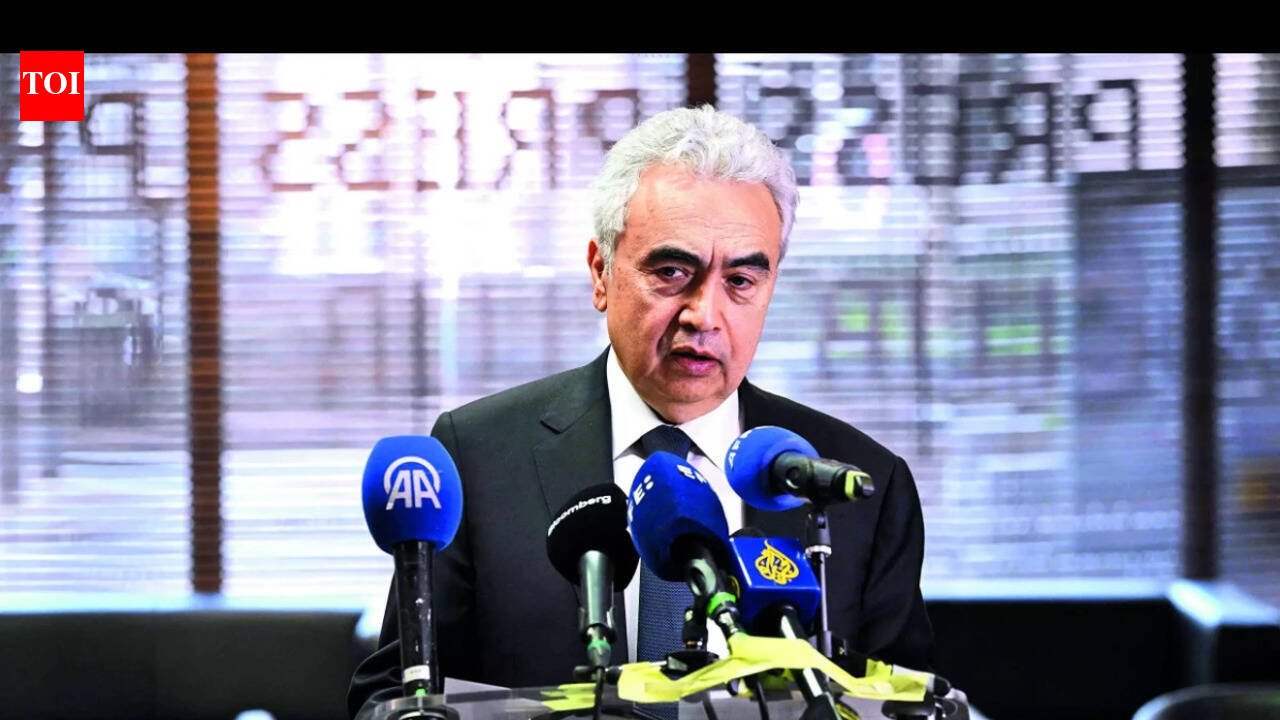
The ongoing war in the Middle East has triggered an energy crisis for the world and “no country is immune” to its shockwaves, the International Energy Agency (IEA) warned on Monday. Addressing the National Press Club in Australia’s capital, Birol said the current situation has evolved into an unprecedented disruption, combining multiple shocks to oil and gas supplies.“This crisis as things stand is now two oil crises and one gas crash put all together,” he said. He also drew comparisons with the oil shocks of the 1970s and the fallout from Russia’s 2022 invasion of Ukraine.Highlighting the broader economic risks, Birol said, “The global economy is facing a major, major threat today, and I very much hope that this issue will be resolved as soon as possible.”Also read | Bigger US strike on Iran today? Trump’s ‘mild’ warning as 48-hour deadline expires todayCommenting on the fallout of the energy crisis, Fatih Birol said, “no country will be immune to the effects of this crisis if it continues to go in this direction,” adding, “so there is a need for global efforts.”The conflict has already caused extensive damage to energy infrastructure, with Birol noting that at least forty facilities across nine countries in the region have been “severely or very severely damaged”.

Hormuz oil

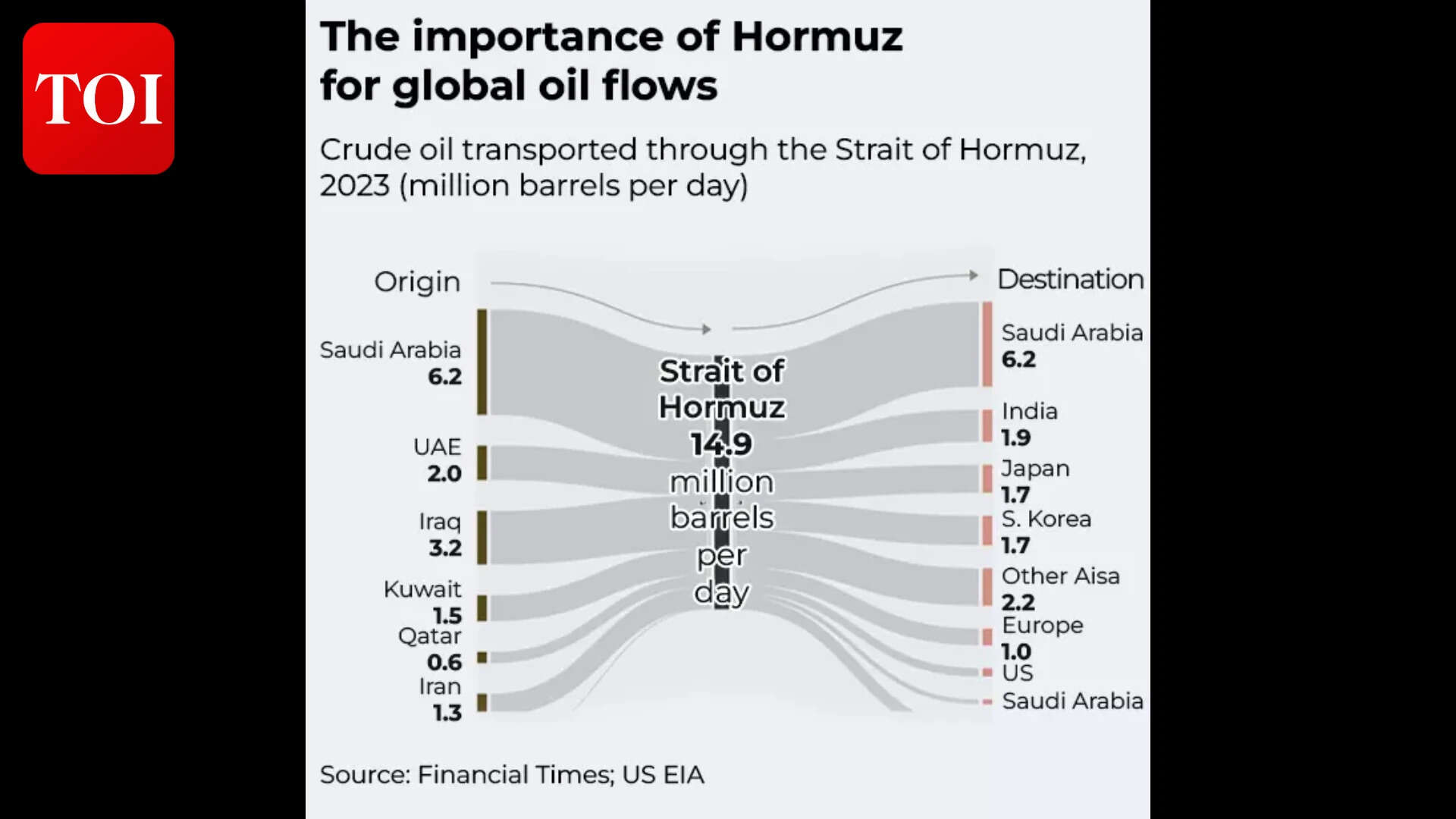
“At least forty… energy assets in the region are severely or very severely damaged across nine countries,” he said.The disruption was intensified by the near shutdown of the Strait of Hormuz, a key transit route for roughly one-fifth of global oil and gas shipments. The standoff has deepened as the war entered its fourth week, with Donald Trump and Tehran issuing repeated threats, including Washington’s demand for the reopening of the waterway.Follow live updates hereBirol identified the reopening of the Strait of Hormuz as the most critical step towards stabilising the situation, while also flagging rising fuel shortages in Asia as a growing concern. Oil markets reflected the strain, with US benchmark crude briefly touching the $100-per-barrel mark early on Monday. As fuel prices continue to rise, he added that there would not be any specific crude level to trigger another release.He added that the agency is currently consulting governments worldwide and remains prepared to release additional oil from emergency reserves if needed, though he clarified that no specific price level would automatically trigger such a move.Also read | Oil prices today: Brent crude steady at $112 as Trump’s ultimatum, Iran threat keep markets on edgeMeanwhile, US President Donald Trump issued an ultimatum to Iran to reopen the strategically critical Strait of Hormuz within 48 hours, warning of military consequences if it failed to comply. He said, “If Iran doesn’t fully open, without threat, the Strait of Hormuz, within 48 hours from this exact point in time, the United States of America will hit and obliterate their various power plants, starting with the biggest one first! Thank you for your attention to this matter.In response, Tehran warned, signalling that any attack on its energy infrastructure would prompt retaliation beyond conventional military targets. The message was conveyed by Ebrahim Zolfaghari and carried by Islamic Republic of Iran Broadcasting. He said any strike on Iran’s fuel and energy sector would trigger action against a broader range of targets linked to the United States and its regional allies.Earlier this month, 32 member nations of the IEA agreed to release 400 million barrels of oil from their emergency reserves to the market, to deal with the ongoing energy supply disruption.

[ad_2]

Source link

Stock market crash today (March 23, 2026): Nifty50 opens below 23,000; BSE Sensex down over 1,300 points on oil prices, US-Iran war

[ad_1]

Stock market crash today (March 23, 2026): Nifty50 opens below 23,000; BSE Sensex down over 1,300 points on oil prices, US-Iran war
Stock market today (AI image)

Stock market crash today: Nifty50 and BSE Sensex plunged in opening trade on Monday with oil prices continuing to remain Hugh amid the ongoing US-Iran war. While Nifty50 went below 23,000, BSE Sensex dropped over 1,300 points. At 9:17 AM, Nifty50 was trading at 22,698.55, down 416 points or 1.80%. BSE Sensex was at 73,168.18, down 1,365 points or 1.83%.The near-term outlook remains heavily dependent on incoming economic data, while geopolitical developments in the Middle East and fluctuations in crude oil prices are expected to be the primary external factors shaping market direction.Dr. VK Vijayakumar, Chief Investment Strategist, Geojit Investments Limited says, “With the war in West Asia getting into the fourth week, there is no clarity on when the war will end. Unfortunately, the war is escalating with President Trump giving an ultimatum to Iran to open the Strait of Hormuz in 48 hours. The Iranian president’s response that “ the Strait of Hormuz is open to all except those who violate our soil” has prevented panic in the oil market. However, the uncertainty is huge and markets will be waiting and watching the outcome.“It is important to understand that the huge risk-off globally has impacted all assets including stocks, bonds and precious metals like gold and silver. In fact, the crash in safe haven gold is worse than in equities. There is nothing that investors can do during this crisis characterised by huge uncertainty. If history is any guide, investors should not panic, but keep cool. The sharp depreciation in the rupee will benefit exporters like pharmaceuticals and autos and auto ancillaries. The beaten down IT segment may surprise with a bounce back.”Asian markets opened on a weak footing, with equities declining and oil prices showing sharp volatility at the start of the week. The ongoing conflict, with no clear signs of easing, has added to investor nervousness, while US Treasury yields continued to climb amid an extended selloff in bonds.Wall Street ended sharply lower on Friday, dragged down by declines in major technology stocks such as Nvidia and Microsoft, as the US-Israeli conflict with Iran entered its fourth week. The prolonged tensions have heightened concerns about rising inflation and the likelihood of higher interest rates.Crude oil prices remained largely steady on Monday, as markets balanced the risk of escalating attacks on energy infrastructure by the US and Iran against the potential increase in global supply following Washington’s decision to allow the release of Iranian oil held at sea.On the domestic front, foreign portfolio investors remained net sellers, offloading equities worth Rs 5,518 crore on Friday. In contrast, domestic institutional investors provided some support to the market, emerging as net buyers to the tune of Rs 5,706 crore.(Disclaimer: Recommendations and views on the stock market, other asset classes or personal finance management tips given by experts are their own. These opinions do not represent the views of The Times of India)

[ad_2]

Source link

Gold, Silver Prices Crash Today Live Updates: Gold sees worst rate drop in over 40 years; silver prices plunge Rs 14,000 per kg

[ad_1]

Gold and silver prices witnessed a steep decline at the opening of trade on the Multi Commodity Exchange (MCX) on Monday, as escalating tensions in the Middle East and inflationary pressures linked to higher crude oil prices reinforced expectations of elevated global interest rates.

Silver futures on the MCX, expiring in May 2026, dropped by Rs 13,606, or 6 per cent, to Rs 2,13,166 per kilogram. Gold futures for April 2026 delivery also saw a sharp fall, slipping Rs 7,115, or 5 per cent, to Rs 1,37,377 per 10 grams.

[ad_2]

Source link

‘You’re fired’: Iran’s IRGC mocks Donald Trump with his own catchphrase after his 48-hour ultimatum

[ad_1]

'You’re fired': Iran’s IRGC mocks Donald Trump with his own catchphrase after his 48-hour ultimatum
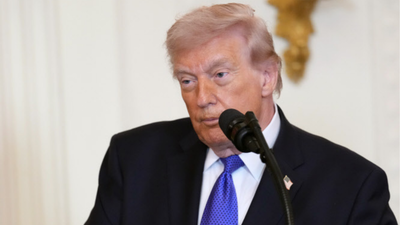
US President Donald Trump

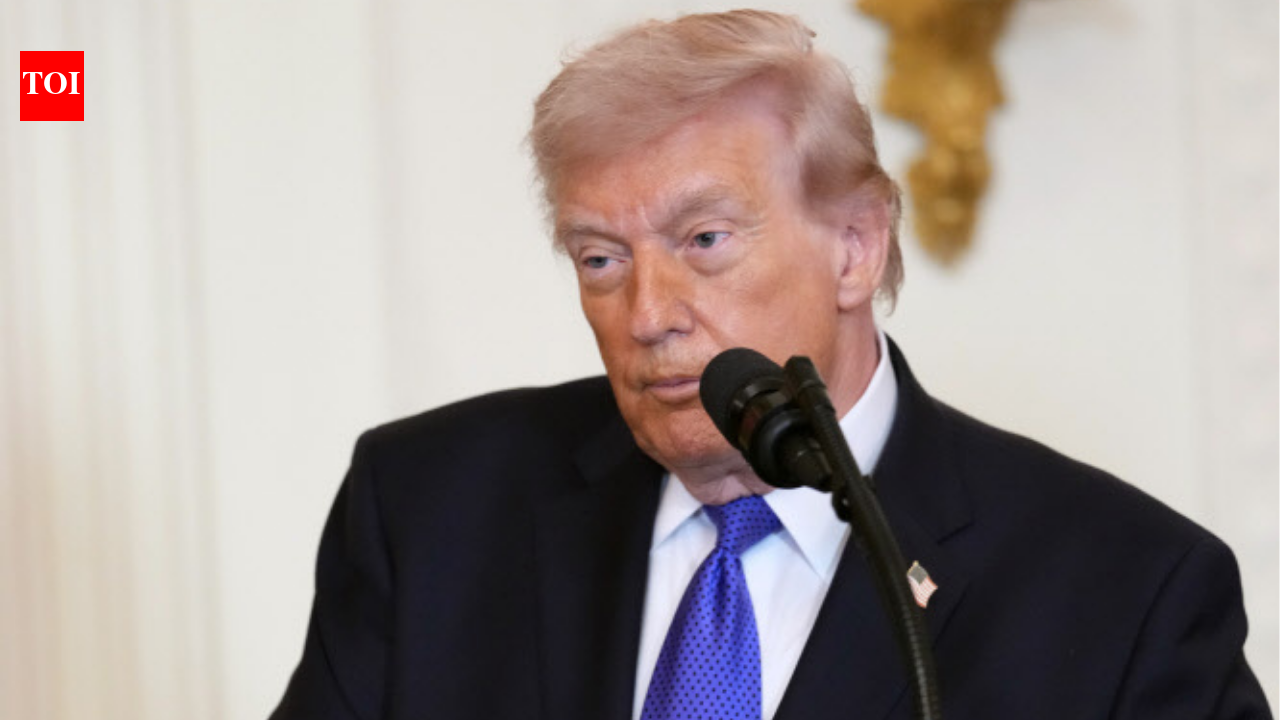
As tensions spike in the Middle East, Iran’s Islamic Revolutionary Guard Corps (IRGC) took a swipe at US President Donald Trump, mocking him with his own catchphrase: “You’re fired.”The remark came from an IRGC spokesperson after Trump issued a 48-hour ultimatum demanding that Iran fully reopen the Strait of Hormuz or face US strikes on its power infrastructure.“Hey, Trump, you’re fired. You are familiar with this sentence. Thank you for your attention to this matter,” the spokesperson said, in a pointed jab that echoed Trump’s signature line from his time as host of The Apprentice. The closing line, “Thank you for your attention to this matter”, also appeared to mimic Trump’s tone on social media posts.

Watch

Iran Missiles Strike Central Israel: Cluster Munitions Damage Petah Tikva, Nir Am Engulfed in Fire

This comes after Donald Trump warned that the United States would “hit and obliterate” Iran’s power plants if Tehran did not reopen the Strait of Hormuz within 48 hours, a move that would directly target critical civilian infrastructure.Iran responded with its own sweeping threat. Military spokesman Ebrahim Zolfaqari said that if Iran’s energy network were attacked, Tehran would retaliate against US-linked assets across the Gulf.“If Iran’s fuel and energy infrastructure is attacked by the enemy, all energy infrastructure, as well as information technology…and water desalination facilities, belonging to the US and the regime in the region will be targeted pursuant to previous warnings,” he said.Iran’s parliament speaker Mohammad Baqer Qalibaf reinforced that warning, saying key infrastructure across the Middle East could be “irreversibly destroyed” if Iranian power plants were hit.At the heart of the standoff is the Strait of Hormuz, a narrow but critical shipping route through which roughly a fifth of the world’s oil and liquefied natural gas passes.Iran has already moved to effectively shut the strait amid the conflict, triggering the worst energy disruption since the 1970s. The IRGC warned the waterway would remain closed until damaged Iranian infrastructure is rebuilt.“The Strait of Hormuz will be completely closed and will not be opened until our destroyed power plants are rebuilt,” Iran said.The near-closure has already rattled global markets, with oil prices rising and European gas prices surging sharply in recent days.The latest war, launched by the United States and Israel on February 28, has now stretched beyond three weeks, with more than 2,000 people reported killed.

[ad_2]

Source link

Oil prices today: Brent steady at $112 as Trump’s ultimatum, Iran threat keep markets on edge

[ad_1]

Trump Issues Desperate Ultimatum To Iran In Last-ditch Effort To Open Hormuz Strait | ‘In 48 Hrs…’

Oil prices remained volatile on Monday as traders assessed escalating geopolitical tensions around the Strait of Hormuz. Brent crude hovered near $112 a barrel, while West Texas Intermediate traded close to $98, as markets reacted to a 48-hour final warning issued by Donald Trump.The WTI crude stood at $98.67 per barrel around 7:55 am IST. At the same time, Brent crude was hovering around $112.02/barrel.Earlier, the US President had threatened to target Iran’s power infrastructure if Tehran failed to reopen the key shipping route within the stipulated timeframe. In a social media post, he wrote, “If Iran doesn’t fully open, without threat, the Strait of Hormuz, within 48 hours from this exact point in time, the United States of America will hit and obliterate their various power plants, starting with the biggest one first! Thank you for your attention to this matter.” Meanwhile, Tehran responded that it would strike critical infrastructure across the Middle East if such action was carried out.

Watch

Trump Issues Desperate Ultimatum To Iran In Last-ditch Effort To Open Hormuz Strait | ‘In 48 Hrs…’

Even with the latest volatility, oil prices remain sharply higher. Brent has surged more than 50% since late February, when the US and Israel carried out strikes on Iran. The prolonged conflict has driven a stronger rally in refined petroleum products than in crude itself, fuelling concerns about inflationary pressures and unsettling broader financial markets.The situation has also left investors grappling with mixed signals from Washington. Shortly before issuing the ultimatum, Trump had indicated he might consider “winding down” US military efforts, adding to uncertainty over the direction of policy.At the centre of the crisis is the Strait of Hormuz, a vital link between the Persian Gulf and global energy markets. Shipping activity through the route has nearly come to a halt, with only limited movements permitted by Iran. As the conflict stretches into its fourth week, officials in Tehran have shown little willingness to engage on reopening the passage, focusing instead on internal stability.The disruption has forced Gulf producers to either hold back large volumes of crude or rely on restricted alternative export channels. The International Energy Agency has described the situation as the largest shock ever faced by global oil markets, even as it coordinated the release of emergency reserves among member nations.Reflecting the supply strain, Goldman Sachs has raised its forecast for Brent in 2026 to $85 per barrel from $77. The bank expects flows through Hormuz to remain at about 5 per cent of normal levels for six weeks before gradually improving. “On the physical side, the largest oil supply shock ever is still mostly a local shock, leading to extreme declines in oil in transit and tightness in Asia,” analysts including Daan Struyven said in a March 22 note, cited by Bloomberg.In a parallel move aimed at easing supply constraints, the US has allowed the sale of Iranian oil and petrochemical cargoes already loaded on tankers. The US treasury department issued a general licence permitting such shipments, as of Friday, to be sold until April 19.

[ad_2]

Source link

Petronet LNG, HDFC Bank & more: Top stocks to watch on March 23, 2026

[ad_1]

Petronet LNG, HDFC Bank & more: Top stocks to watch on March 23, 2026

Nomura has a buy rating on Petronet LNG with the target price cut to Rs 340 from Rs 370. Analysts said the crisis in West Asia may hurt the company’s near-term volumes. They cut the company’s FY27 earnings before interest, taxes, depreciation and amortisation (EBITDA) by 23% as Ras Laffan may take months to come back online. They also said that in a recent interview with Reuters, Qatar Energy’s CEO said that the strikes have caused long-term damage to two of its 14 LNG trains which, according to the CEO, could lead to 12.8 million tons (~17% of capacity) to be offline for 3-5 years. Also understand from Petronet LNG’s management that India-specific trains were not damaged. Therefore, supplies to India might resume once the force majeure is lifted.HSBC has a hold rating on Blue Star with the target price at Rs 2,000. Analysts said the company is an expensive star of the cooling industry. It has a strong R&D and distribution network to help increase market share. Its commercial business absorbs seasonal fluctuations, but valuation is demanding.BofA Securities has a buy rating on HDFC Bank with the target price at Rs 1,175. Analysts said that the unexpected exit of the bank’s chairman adds to uncertainty, although fundamentals remain intact. Analysts believe the exit reflects personal differences between him and the senior management. The bank has demonstrated a consistent track record of best-in-class governance with no significant issues in over the past 25 years. Analysts remained constructive on the bank given current valuations and improving operating performance. Sustainable improvement in loan growth is the key to drive the next leg of re-rating, they said.Citigroup has upgraded Dr Lal Pathlabs to buy from sell with the target price at Rs 1,650. Analysts said India diagnostics has transitioned from COVID-era price wars to rational competition, as digital platforms curtailed cash burn and the predatory pricing regime is over (per managements). While local standalone/hospital competition persists, Dr Lal has maintained pricing discipline with no broad hikes. Despite this, analysts expect it to deliver 10–12% organic revenue growth, driven by core market gains, Tier 3/4 expansion, and a richer mix from specialty and Swasthfit offerings. The company’s EBITDA margins should remain strong at 28–29%, supported by operating leverage, better mix, cost control and supply chain efficiency. A robust, debt-free balance sheet with strong cash flows enables both organic growth and acquisitions. After its recent correction, valuations look reasonable with an attractive risk-reward backed by steady double-digit earnings growth and about 25% return on equity (RoE).Motilal Oswal Securities has a buy rating on Laurus Laboratories with the target price at Rs 1,280. Analysts said that the company has deepening innovator CDMO relationships with capability-led scale-up. It also has dedicated capacity build-out enabling high-growth adjacencies. Laurus Labs has a strategic joint venture with KRKA to build EU/Asia Pacific focused formulations at scale. The company also has a volume-driven antiretroviral (ARV) growth with stable pricing dynamics.(Disclaimer: Recommendations and views on the stock market, other asset classes or personal finance management tips given by experts are their own. These opinions do not represent the views of The Times of India)

[ad_2]

Source link