Breaking News
PM Modi on Middle East war; lists key steps taken on oil & LPG – warns of lasting fallout

[ad_1]
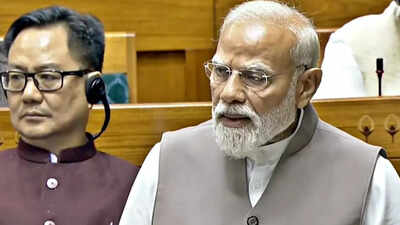
PM Modi on Middle East war; lists key steps taken on oil & LPG - warns of lasting fallout
“The West Asia war set unprecedented challenges for India too,” he said.

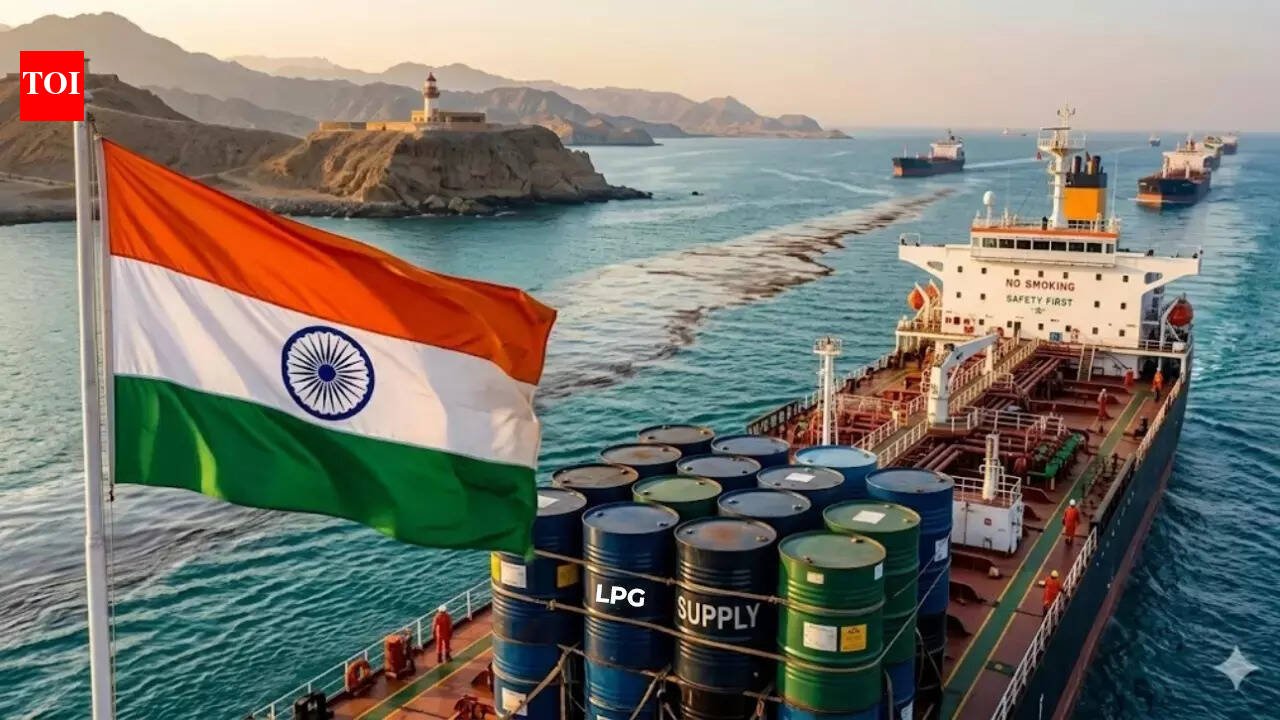
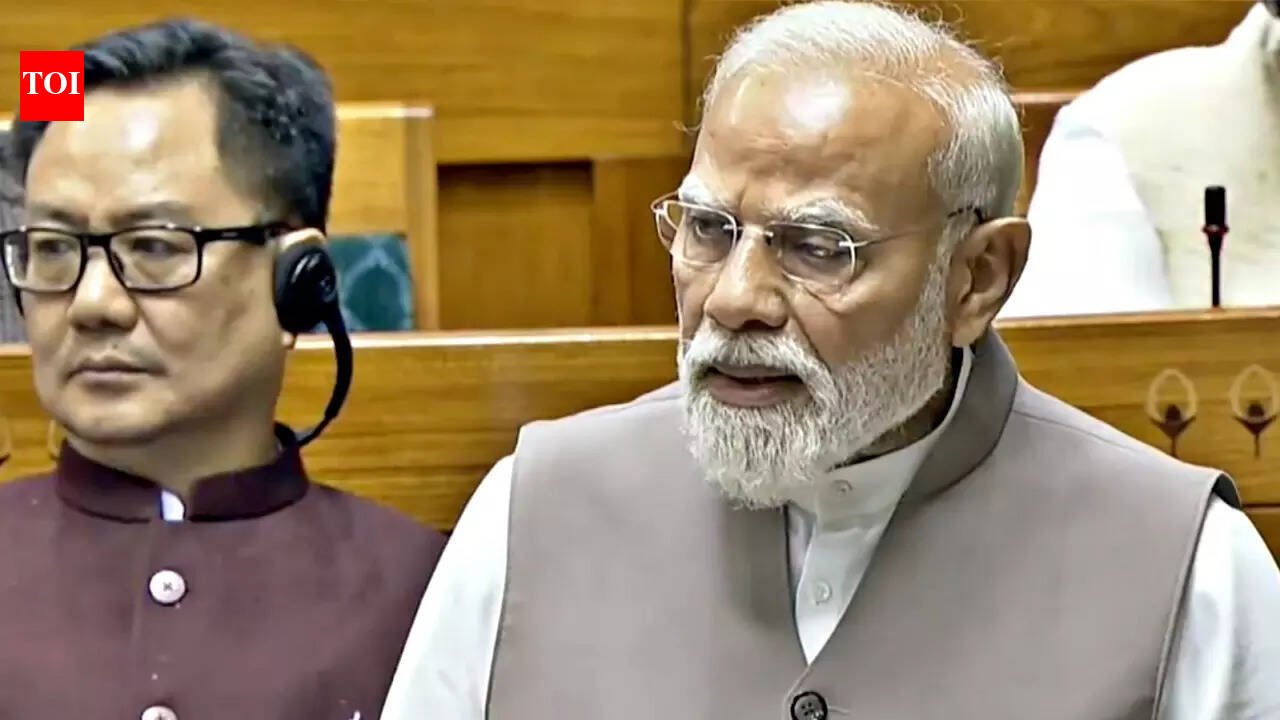
Prime Minister Narendra Modi on Monday described the situation in the Middle East as “worrisome,” noting that it is significantly affecting the global economy as well as people’s livelihoods. “The West Asia war set unprecedented challenges for India too. The West Asia conflict zone is an important route for India’s trade with other nations,” he said.Speaking in the Lok Sabha on the ongoing developments in the region, he emphasised that protecting Indian citizens remains the government’s foremost concern during such conflicts. He added that the Centre is alert, responsive and prepared to provide all necessary assistance.PM Modi also spoke of India’s crude oil, LPG, and LNG situation, stressing on steps taken to manage the ongoing crisis and benefits of diversification.

LPG, Crude Oil Supply: PM Modi lists steps taken

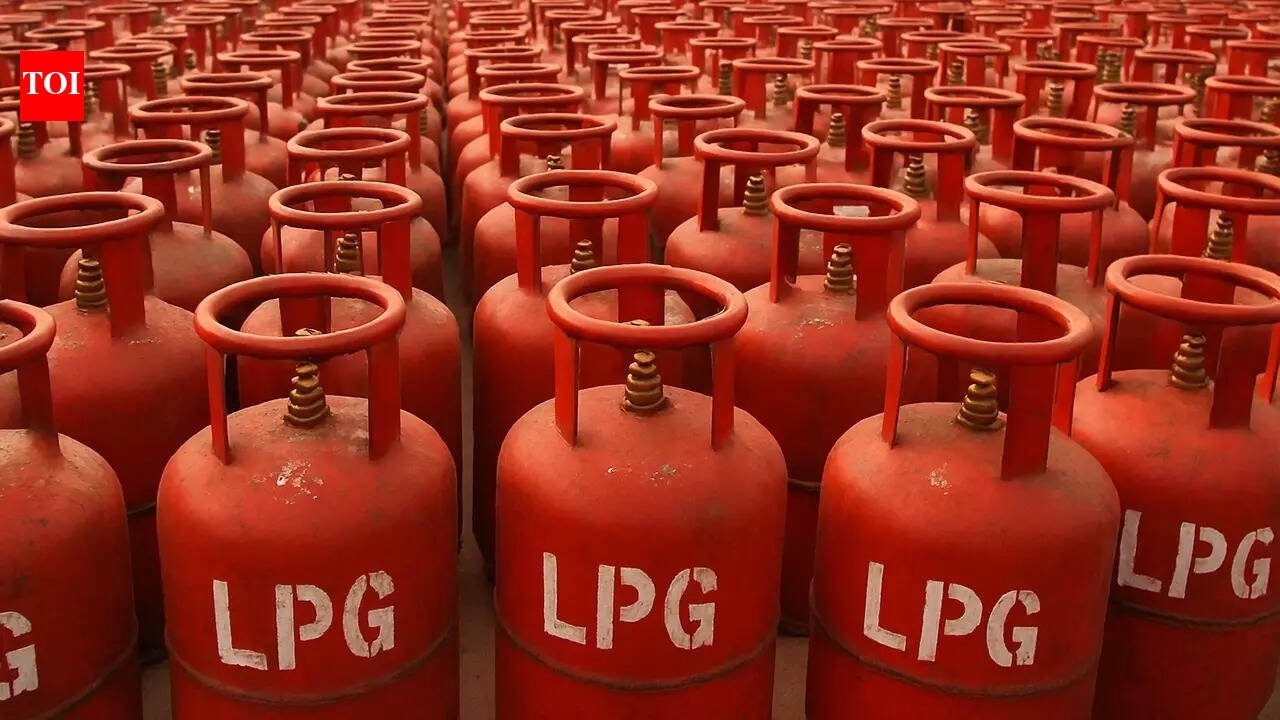
“The current situation in West Asia is worrisome. This crisis has been going on for more than three weeks, having a very adverse impact on the global economy and on people’s lives. The entire world is urging all parties to resolve this crisis as quickly as possible,” Modi said. PM Modi pointed out that cargo movement through the Strait of Hormuz has been challenging since the conflict began, but the government is taking steps to ensure that supplies of gas and fuel face minimal disruption. “We all know that India imports 60 per cent of its LPG needs. Due to uncertain supply, the government is prioritising domestic supply. LPG production in the country is also being increased,” he said.

  • PM Modi said the government has remained focused on minimising public hardship amid disruptions in LPG supply caused by the ongoing West Asia crisis, while assuring that authorities are alert, empathetic and ready to extend all possible support.
  • He added that India has been diversifying its energy sources, with imports now coming from 41 countries compared to 27 earlier, to strengthen resilience against such disruptions.
  • He added that the rise in ethanol blending has helped reduce crude oil imports by 4.5 crore barrels annually.
  • The government, he said, is in continuous engagement with suppliers worldwide to secure oil and gas from all possible sources.
  • He further highlighted that India currently maintains strategic petroleum reserves of over 53 lakh metric tonnes and is working to expand this capacity to more than 65 lakh metric tonnes. The reserves with oil companies is separate.

“Due to ethanol blending, we are saving the import of about 4.5 crore barrels of oil every year. Similarly, railway electrification is also bringing great benefits. If such large-scale railway electrification had not happened, an additional 180 crore litres of diesel would have been required every year.We have also expanded the metro network. In 2014, the metro network was less than 250 km, which has now increased to more than 1100 km,” he said.Also Read | LPG crisis: Argentina emerges as key alternative supplier; shipments more than double in just first three months of 2026“We are in constant dialogue with all our global partners to ensure the safety of our maritime corridors. As a result of such efforts, many of our ships stranded in the Strait of Hormuz have recently returned to India… In the last 11 years, our refining capacity has increased significantly. The government is in constant contact with suppliers from different countries. The effort is to ensure that oil and gas supplies continue from wherever possible...further secure India’s future… The Indian government has also established an inter-ministerial group. This group meets daily, and our input is fully integrated. And this group also continuously works on necessary solutions. I am confident that with the combined efforts of the government and industry, we will be able to better cope with the current situation,” he added.Through its diplomatic engagements with Iran India has managed to secure the safe transit of some LPG and crude tankers, and more are expected in the coming days. India has also stepped up LPG procurement from the US and Argentina, as per reports. Russian crude has come to the rescue with several million barrels of oil procured since the start of the US-Iran war to fill the supply gap from the Middle East.PM Modi said India must be ready for prolonged repercussions arising from the US-Israel-Iran conflict. “Because of this war, the difficult global situation may continue for a long time. Therefore, we must remain prepared and stay united. We have faced such challenges before as well by staying united during the coronavirus pandemic. We must remain very careful and alert. Some people will try to spread rumours to take advantage of the situation. We must not allow such people to succeed,” he said.Also Read | More relief coming soon? Two India-flagged LPG ships transit Strait of Hormuz: ReportThe prime minister further noted that the conflict has given rise to a range of unforeseen challenges, spanning economic pressures, humanitarian concerns and issues linked to national security.He pointed out that the countries involved maintain strong trade ties with India and are crucial for meeting a large share of the country’s crude oil and gas needs. He also highlighted the region’s importance due to the presence of nearly one crore Indians living and working there.He stressed that it is important for Parliament to present a unified and collective stance on the crisis to the global community. Modi said that since the onset of the conflict, all Indians in the affected areas have been extended necessary support. “I have spoken with most of the heads of state in West Asia over the phone in two rounds. And they have all assured the safety of Indians,” he said. Highlighting evacuation efforts, PM Modi said nearly 1,000 Indians have already returned home safely, including over 700 medical students, while a total of 3.75 lakh citizens have been brought back since the conflict began. He pointed out that the West Asia region is critical for India, given that around one crore Indians live and work in Gulf countries, and a significant number of Indian seafarers are employed on commercial vessels operating there.

[ad_2]

Source link

Bihar Board Inter Science Toppers 2026: Bihar Board Inter Science Toppers 2026: Aditya Prakash Aman becomes stream topper with 96.20%, check complete list

[ad_1]

Bihar Board Inter Science Toppers 2026: Aditya Prakash Aman becomes stream topper with 96.20%, check complete list
Bihar Board Inter Science Toppers 2026

The Bihar School Examination Board (BSEB) has declared the Class 12 Inter results 2026. This year, Aditya Prakash Aman from Samastipur topped the Science stream with 481 marks (96.20%), while Sakshi Kumari of Sitamarhi and Sapna Kumari of Nawadah shared the second rank with 479 marks (95.80%) each. The BSEB Inter exams, conducted from February 2 to 13, 2026, were evaluated in just 25 days, covering over 6 lakh answer sheets. Girls continued to outperform boys, reflecting the impact of government initiatives promoting female education. Students can now check and download their Science marksheets from bsebexam.com or other authorised portals using their roll code and roll number.

BSEB Class 12 Science Toppers 2026

Check list of Bihar Board Intermediate toppers for Science stream below:

Rank Student Name Gender District Marks Percentage
1 Aditya Prakash Aman Male Samastipur 481 96.20%
2 Sakshi Kumari Female Sitamarhi 479 95.80%
2 Sapna Kumari Female Nawadah 479 95.80%
3 Anamika Kumari Female Begusarai 478 95.60%
4 Satyam Kumar Male Darbhanga 476 95.20%
5 Palak Kumari Female Muzaffarpur 475 95.00%

BSEB science stream performance highlights

A total of 6,14,710 candidates appeared in the Science stream, including 3,67,798 boys and 2,46,912 girls. Out of them, 3,04,307 students passed in first division, 2,27,694 in second division, and 5,608 in third division, making the overall pass percentage 87.46%.Girls outperformed boys in the Science stream, with 88.79% of girls passing, compared to 86.56% of boys. The strong results reflect the effectiveness of state initiatives promoting girl education and the high academic standards maintained in Bihar’s Science stream.

Girls vs boys performance in Science stream

Girls once again outperformed boys in the Science stream. 88.79% of girls cleared the examination, compared to 86.56% of boys. The strong performance of female students highlights the success of government initiatives promoting girl education, including the Chief Minister Girl Child Bicycle Scheme, CM Girl Child Dress Scheme, and CM Girl Child (Intermediate) Incentive Scheme. The results demonstrate consistent academic excellence among girls and reflect Bihar’s focus on equitable education across genders.

[ad_2]

Source link

‘Stop, stop, stop!’: Cockpit audio captures final moments between pilot, co-pilot before Air Canada crash kills both

[ad_1]

'Stop, stop, stop!': Cockpit audio captures final moments between pilot, co-pilot before Air Canada crash kills both
Air Canada crash (Images/X)

An audio clip from the cockpit has revealed the final moments before an Air Canada Express plane collided with a fire truck at New York’s LaGuardia Airport. The accident killed both the pilot and co-pilot and forced the airport to shut down.The air traffic control recording captures a series of urgent and confused instructions as ground vehicles and aircraft moved on the runway shortly before the crash late Sunday night. In the audio, controllers can be heard repeatedly warning a vehicle to halt. “Stop. Stop. Stop,” the controller says multiple times, moments before informing another aircraft that a collision had occurred on the runway.According to officials, the Air Canada Express CRJ-900, operated by Jazz Aviation, struck a Port Authority aircraft rescue and firefighting vehicle around 11.40 pm (local time) while landing on Runway 4. The truck had been responding to a separate incident involving another aircraft that had reported an issue.Seconds after the impact, the controller is heard telling the aircraft, “I see you collided with the vehicle… hold position”.Emergency responders were immediately dispatched and the runway along with the entire airport, was shut down to manage the situation. “I repeat, Runway 422 is closed at this Time. Tower car 90, LaGuardia Airport is closed at this time,” the audio ended with this message.Authorities confirmed that the pilot and co-pilot of the aircraft were killed in the collision. Several others were injured, including personnel inside the fire truck, though passengers on board the flight largely avoided major injuries. The aircraft was carrying 72 passengers and four crew members.The audio also reveals the rapid escalation of the situation, with repeated announcements that the runway and eventually LaGuardia Airport had been closed, as emergency vehicles rushed to the scene.Initial reports suggest the fire truck had been cleared to cross the runway, but the exact sequence of events leading to the collision remains under investigation. The US Federal Aviation Administration issued a ground stop shortly after the crash, while the National Transportation Safety Board has launched a probe into the incident.Visuals from the scene showed significant damage to the aircraft’s nose, while passengers were evacuated and transported by bus. Flights were diverted or delayed as authorities worked through the night to respond to the emergency.

[ad_2]

Source link

More relief coming soon? Two India-flagged LPG ships transit Strait of Hormuz: Report

[ad_1]

More relief coming soon? Two India-flagged LPG ships transit Strait of Hormuz: Report
The Strait of Hormuz is a crucial passage linking oil and gas producers in the Persian Gulf to global markets. (AI image)

India’s immediate LPG crisis seems to be easing with tankers coming in and domestic production stepped up to meet needs. Two more Indian-flagged ships carrying liquefied petroleum gas (LPG) are currently transiting the Strait of Hormuz, according to ship-tracking data, following a route earlier used by vessels cleared by Iran that stays close to its coastline.The vessels, Jag Vasant and Pine Gas, both classified as very large gas carriers, moved northward from the UAE coast toward Iran’s Qeshm and Larak islands early on Monday, as per the data quoted in a Bloomberg report.The Strait of Hormuz, a crucial passage linking oil and gas producers in the Persian Gulf to global markets, has been largely inaccessible since US and Israeli strikes began in late February. Since then, Iran has significantly restricted maritime traffic through a combination of attacks and warnings. Only a limited number of vessels, mainly those associated with Iran, China, and a few other countries including India that have negotiated safe passage, have been able to pass through.

Two More LPG Ships Headed to India

Instead of indicating a destination, both ships broadcast their Indian identity through transponders, a precaution also adopted by other vessels navigating the route. They are likely headed for India, which is grappling with an LPG supply disruption and has been engaging with Tehran to secure fuel supplies primarily used for cooking.Also Read | LPG crisis: Argentina emerges as key alternative supplier; shipments more than double in just first three months of 2026Earlier this month, two other Indian-flagged LPG carriers successfully completed the same passage.Crossing the Strait of Hormuz typically takes up to 14 hours. If Jag Vasant and Pine Gas maintain their current course without disruption, they are expected to enter the Gulf of Oman by Monday evening.Several vessels that have successfully crossed the Strait of Hormuz have followed a route hugging the Iranian coastline, indicating the presence of a traffic management system enforced by Tehran. Under normal conditions, ships exiting the Gulf would typically navigate closer to Oman. However, a vessel that attempted this conventional path earlier in the month was attacked.India’s two most recent LPG carriers were allowed safe passage after reaching an arrangement with Iran, and one of the tankers was escorted by the Iranian Navy, a senior officer on board told Bloomberg News.Ship-tracking data shows that Jag Vasant entered the Persian Gulf through the Strait of Hormuz on February 26 and loaded LPG from Kuwait just hours before hostilities began on February 28, after which it remained stranded. Pine Gas also entered the Gulf on the same day and took on its full cargo from Ruwais in the UAE.The movement of these two vessels, along with the earlier pair, is expected to provide some relief amid shortages. However, according to Shiv Samrat Kapur, managing director at the India arm of Sentosa Shipbrokers, the combined cargo of all four ships would meet only two to three days of India’s consumption.Also Read | Securing LPG, LNG, crude oil: India plans evacuation for ships near Strait of Hormuz – here’s what’s being considered“Iran is using the Strait as a tool of maritime diplomacy, forcing nations to choose between Western alignment and energy stability,” he said. “The transits have proven India’s capability to maintain neutral relationships during these times of geopolitical uncertainty.”In parallel, India has instructed ports to give priority to LPG carriers. Last week, the Deendayal Port Authority, commonly known as Kandla port, issued a notice directing agents to prioritise berthing for LPG vessels, according to a document reviewed by Bloomberg News. This followed a March 10 directive from the Ministry of Ports, Shipping and Waterways aimed at ensuring uninterrupted LPG supply to households across the country.

[ad_2]

Source link

Rupee Hits Record Low: Rupee nears 94-mark vs USD: Middle East tensions drag currency to new low, what’s next?

[ad_1]

Rupee nears 94-mark vs USD: Middle East tensions drag currency to new low, what's next?

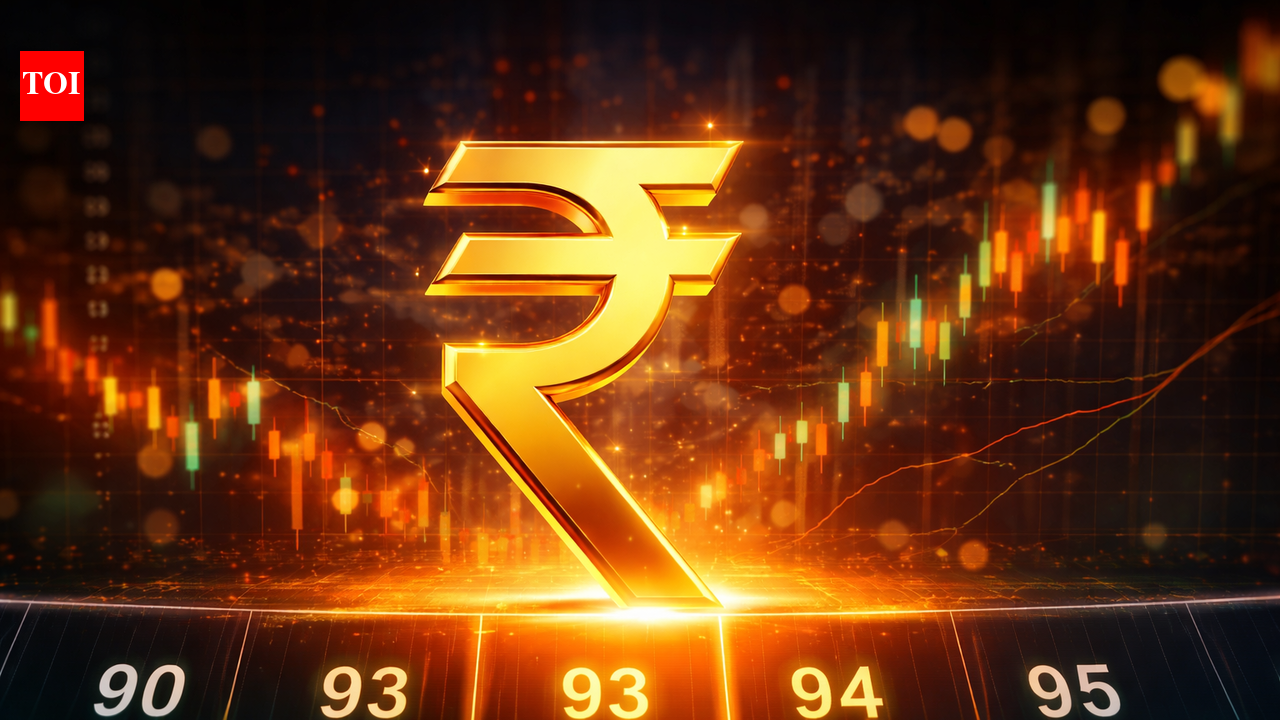
The ongoing crisis in the Middle East continues to rattle financial markets worldwide, sending shockwaves to oil baskets, stock markets and currencies. Rupee is no stranger to the impact! Over the past one year, the currency has continuously slipped to its record lows, first hitting 90 and then eventually beyond the 93 per US dollar mark, inching close to the psychological 94 levels. As rupee continues to drift, questions are mounting over its next move: will it stabilise or extend its slide further? Traders are closely tracking the rising volatility, with the 94-per-dollar level now in sharp focus as the US and Iran tensions continue to boil, fueling fears over potential disruptions to energy supplies.The week earlier, on Friday, the currency had settled at a record closing low of 93.71 per US dollar, and market participants expect its next move to be largely influenced by crude oil prices, developments around the Strait of Hormuz, and overall risk sentiment in global markets. Attention is also on the Reserve Bank of India for any steps it may take to smooth volatility when trading resumes.The latest uncertainty stems from heightened tensions between the US and Iran, with warnings and counter-warnings raising fears of disruption to global oil flows through the critical West Asia shipping route. Any escalation could further tighten supply conditions and weigh on the rupee.According to analysts cited by ET, the currency’s breakdown below the 93.50 level signals continued weakness, with near-term direction hinging on external triggers like oil prices. For instance, if crude oil sustains above the $100 per barrel mark, rupee could drift toward the 94–95 range in the coming sessions.A treasury official at a private sector bank said the central bank is likely to remain active at these levels to curb excessive volatility, although the outlook remains highly fluid. He noted that in the absence of escalation, rupee could see temporary support, but renewed tensions may push it beyond the 94 mark.Geopolitical developments have been dominating sentiment, particularly statements from US President Donald Trump, who has warned Iran over reopening the Strait of Hormuz, a key passage for global energy shipments. Such developments have added to uncertainty in currency and commodity markets alike.According to market experts, rupee’s trajectory is now closely tied to movements in global crude benchmarks. With Brent crude trading near elevated levels, import costs for India could rise, adding further pressure on the current account and the currency.Treasury heads said intermittent intervention from the central bank could help anchor the rupee in the short term, but sustained pressure is likely if oil prices remain elevated and geopolitical tensions continue to escalate.Overall, traders say the coming sessions will be crucial in determining whether the rupee stabilises near current levels or weakens further toward the 94–95 range, depending on global developments and energy market dynamics.

[ad_2]

Source link

Govt trade body DGTR recommends anti-dumping duties on Chinese yarn amid ethyl chloroformate probe

[ad_1]

Govt trade body DGTR recommends anti-dumping duties on Chinese yarn amid ethyl chloroformate probe

NEW DELHI: The Directorate General of Trade Remedies (DGTR), a body under the Union commerce ministry, has recommended the imposition of anti-dumping duties on Chinese viscose rayon filament yarn (above 75 deniers)—a widely used man-made textile fibre, according to a government notification issued on Monday.The proposed duties include $386 per metric tonne for Xinxiang Chemical Fibre Co Ltd, $667 for Jilin Chemical Fiber Co., and $518 for Yibin Hiest Fibre Limited Corporation and related exporters. Other producers would face a duty of $1,071 per metric tonne, the notification stated.The move comes days after the DGTR initiated an anti-dumping investigation into imports of ethyl chloroformate from China. The probe followed a complaint by domestic manufacturer Paushak, which alleged that the chemical was being sold in India at “unfairly low prices,” impacting local industry.Also Read: India opens anti-dumping probe into ethyl chloroformate imports from ChinaThe DGTR’s findings indicated that dumped imports from China had risen significantly, undercutting domestic prices and causing material injury to Indian producers.The duties, if approved by the Ministry of Finance, will be imposed on yarn imports for a period of five years.Paushak’s complaintIn its complaint, Paushak—a Gujarat-based company that describes itself as India’s largest specialty phosgene-based chemical manufacturer—alleged that imports from China had caused “material injury” to domestic producers.The firm also claimed to be the country’s sole producer of ethyl chloroformate, accounting for India’s entire output of the chemical.The DGTR said it would examine whether the product was being dumped in the Indian market and whether anti-dumping duties were necessary to offset the alleged injury to the domestic industry.Ethyl chloroformateEthyl chloroformate is an organic chemical intermediate widely used in the manufacture of pharmaceuticals and agrochemicals. Given its importance to these sectors, any anti-dumping duty could have wider downstream implications.If the DGTR’s recommendations are approved, they could raise input costs for drugmakers and agrochemical firms, even as they provide protection to domestic producers.The body’s preliminary assessment indicated that the dumping margin was above the de minimis threshold, suggesting significant price undercutting by Chinese exporters—one of the key factors examined in anti-dumping cases.The investigation covered the period from October 2024 to September 2025.(With Reuters inputs)

[ad_2]

Source link

LPG crisis: Argentina emerges as key alternative supplier; shipments more than double in just first three months of 2026

[ad_1]

LPG crisis: Argentina emerges as key alternative supplier; shipments more than double in just first three months of 2026
During the first three months of 2026, Argentina exported 50,000 tonnes of LPG to India. (AI image)

LPG crisis: India’s imports of LPG from Argentina have more than doubled in the first few months of 2026 as the ongoing conflict in the Middle East continues to disrupt supplies of liquified petroleum gas for India. India is dependent on global supply for a big portion of its LPG needs and estimates suggest that 60% of imports come through the Strait of Hormuz which has in effect been shut for safe passage since the start of the US-Iran war. India’s diplomatic engagement with Iran has resulted in some LPG tankers transiting successfully through the Strait of Hormuz, but regular supply remains impacted, which in turn has caused a rationalisation of LPG supply domestically, especially for commercial users.

Watch

LPG Tanker ‘Pyxis Pioneer’ With Over 47,000 Tonnes Of Fuel From US Arrives At New Mangalore Port

Argentina Steps Up LPG Supply To India

Argentina has increased its supply of LPG to India as shortages emerge following disruptions caused by the West Asia conflict, according to people aware of the development.During the first three months of 2026, Argentina exported 50,000 tonnes of LPG to India, more than twice the 22,000 tonnes shipped in 2025. Of this, around 39,000 tonnes had already been sent from the Port of Bahia Blanca before the conflict began, while an additional cargo of 11,000 tonnes was dispatched on March 5, according to an ET report.Also Read | Trump sanctions waiver for Iran crude oil: What does it mean for India amid Strait of Hormuz supply disruptions?Data from the Argentine government showed that LPG output, largely derived from natural gas, stood at 259,000 tonnes in January 2026. On an annual basis, production increased to 2.63 million tonnes in 2025, up from 2.6 million tonnes in 2024.Argentina had not supplied LPG to India prior to 2024. However, the country is now expected to expand its presence in India’s LPG market, according to sources familiar with the matter.Argentina is set to operationalise a new natural gas liquids fractionation facility at its Bahia Blanca processing complex in 2026, a move expected to increase output capacity, with the additional volumes primarily targeted at export markets.The country is also strengthening its role as an important economic partner for India in South America. Bilateral trade between the two nations grew by 36.77 per cent to $6.34 billion during the January to November 2025 period. India currently ranks as Argentina’s fifth-largest trading partner as well as a key destination for its exports.Argentina remains a significant supplier of edible oils to India, especially soybean oil. Other major imports from the country include sunflower oil, finished leather, cereals, residual chemicals and pulses. In addition, cooperation is expanding into hydrocarbons and critical minerals.In this context, ONGC Videsh Ltd signed agreements with Argentina’s state-run energy firm YPF in February 2023 to enhance collaboration in the oil and gas sector. Further, marking its first overseas lithium asset acquisition, state-owned Khanij Bidesh India Ltd entered into an agreement on January 15, 2024, with Catamarca Minera y Energetica Sociedad del Estado to lease five lithium blocks for exploration and future development.

US Also Emerges As Big Alternative to Gulf LPG

India has also stepped up purchase of LPG from the US. It is increasingly relying on the United States to ease its ongoing LPG supply crunch as the conflict in the Middle East continues.According to an S&P Global Energy report, India is working to diversify its LPG import sources, boost refinery production, and step up diplomatic efforts to ensure uninterrupted availability of cooking fuel for households as well as critical services such as hospitals and educational institutions during the crisis.Also Read | Securing LPG, LNG, crude oil: India plans evacuation for ships near Strait of Hormuz – here’s what’s being consideredAnmol Bhushan, associate director for LPG at S&P Global Energy CERA, said, “India is increasingly turning to the US for LPG as geopolitical tensions reshape global trade flows.”Data from CAS indicates that imports of US-origin LPG into India have been rising steadily, with volumes now surpassing those sourced from traditional suppliers in the Gulf region.Indian oil marketing companies have also secured a long-term agreement to procure 2.2 million metric tonnes of LPG from the US in 2026, which is equivalent to roughly four very large gas carrier shipments each month. In the first two months of 2026 alone, India imported close to 480,000 metric tonnes of LPG from the US, amounting to around 11 VLGC cargoes.

[ad_2]

Source link

Stocks to buy: What’s the outlook for Nifty for March 23-27 week? Check list of top stock recommendations

[ad_1]

Stocks to buy: What's the outlook for Nifty for March 23-27 week? Check list of top stock recommendations
Top stocks to buy (AI image)

Stock market recommendations: Coal India, and JB Chemicals and Pharmaceuticals stocks that Sudeep Shah, Head – Technical Research and Derivatives, SBI Securities recommends buying for the week starting March 23, 2026. There is also a detailed analysis on Nifty and Bank Nifty:Nifty ViewMarkets tend to have very little tolerance for uncertainty, and the sharp escalation in tensions in West Asia since 28 February has kept risk appetite firmly subdued. Since the onset of the conflict, the Nifty has witnessed a steep correction of over 2000 points, reflecting sustained pressure from adverse global cues and a pronounced risk-off sentiment among investors.The price action during this phase has been particularly revealing. The index has seen three distinct dead-cat bounces, each of which was met with aggressive selling at higher levels—clearly highlighting the strong grip of bears on market direction. Every recovery attempt has been sold into, pointing to a clear lack of conviction among buyers. Although the Nifty managed to close the current week on a flat note, the underlying weakness remains intact, suggesting that the broader trend has not materially improved.Volatility remained elevated throughout the week. The index staged a sharp rebound of nearly 900 points during the first three trading sessions, driven largely by short covering. However, these gains proved unsustainable, as the market gave up all its advances on Thursday, recording the sharpest single-day decline since 4 June 2024. Eventually, Nifty ended the week on a muted note, extending its losing streak to four consecutive weeks, reinforcing the prevailing cautious undertone.On the sectoral front, the pain has been most pronounced in Automobile and Banking stocks, which were among the key outperformers prior to the escalation in geopolitical tensions. These sectors have borne the brunt of selling pressure, primarily due to persistent FII outflows. Foreign investors have offloaded a massive ₹81262 crore in the ongoing March series, and given their significant exposure to these sectors, FII selling has further amplified the downside momentum.Adding to the market’s woes has been the sharp surge in crude oil prices. Brent crude once again spiked to $114.3 per barrel during the week before witnessing some marginal cooling. At the same time, concerns around gas shortages and supply disruptions have intensified, with key energy commodities seeing steep price increases since the beginning of the conflict. Elevated energy prices continue to pose risks to inflation dynamics and corporate profitability, thereby acting as a structural headwind for equity markets.From a technical perspective, the trend remains decisively bearish. The index is currently trading below all its crucial moving averages, underscoring the weakness in both short- and medium-term structures. The formation of a bearish candlestick with a long upper shadow on the weekly chart further indicates consistent selling pressure at higher levels. Adding to the caution, the weekly RSI has slipped to 30.22, its lowest reading since the COVID-led market correction—signaling deeply oversold conditions, albeit without any clear reversal trigger at present.Looking ahead, the 22850–22800 zone is expected to act as an immediate support area. A sustained breakdown below this band could accelerate the decline towards the 22500 level in the near term. On the upside, the 23420–23460 zone is likely to act as a stiff resistance, and any pullback towards this region is expected to face renewed selling pressure.Bank Nifty ViewFor the fourth consecutive week, the banking benchmark index Bank Nifty ended on a negative note, underscoring sustained weakness and persistent selling pressure in the banking space. Most notably, on the weekly chart, the index has formed a small-bodied candle with a long upper shadow, which clearly reflects selling pressure emerging at higher levels and a failure to sustain intraday and weekly recoveries.Furthermore, for the second straight week, Bank Nifty has closed below its 100-week EMA, which is a crucial long-term trend indicator and reinforces the bearish undertone. On the daily timeframe, the index continues to remain under pressure, as it has been trading consistently below its 200-day EMA for the past ten trading sessions. This prolonged stay below the long-term moving average highlights a loss of medium-term trend strength and indicates that rallies are being sold into.Momentum indicators also remain firmly biased towards the downside. Both the daily and weekly RSI are placed in bearish territory and are sloping downward, suggesting weakening momentum and limited scope for any meaningful upside in the near term.Going forward, the zone of 54300–54400 is expected to act as a key resistance area for the index. As long as Bank Nifty trades below the 54400 mark, the broader outlook is likely to remain negative. In such a scenario, the index may continue its downward trajectory and test the immediate support near 52200, followed by the next important support around 51500 in the short term.

Stock recommendations:

Coal IndiaCoal India has staged a strong and steady rebound from the 455–460 zone, a level that previously acted as a key resistance in late January 2026 and is now turning into a solid support base. The up move is backed by a healthy surge in volumes, reflecting strong buying participation. Trend strength remains robust, with ADX continuing to rise, while RSI has reclaimed the 60 mark, signalling sustained bullish momentum. Additionally, the upward sloping MACD further reinforces the positive bias, indicating the stock is well-positioned for continued upside. Hence, we recommend to accumulate the stock in the zone of 465-470 with a stoploss of 453. On the upside, it is likely to test the level of 500 in the short term.JB Chemicals and PharmaceuticalsJB Chemicals and Pharmaceuticals has been consistently holding above its 20-day EMA since forming a bullish flag-and-pole pattern on 2nd March, with this level acting as a strong dynamic support. The price structure remains constructive, highlighting sustained buying interest on dips. With Friday’s close above the Bollinger Bands midline, the bullish bias has further strengthened.Notably, the rising ratio line in JBCHEPHARM/NIFTY ratio chart signals clear relative outperformance versus the benchmark Index. Overall, price action and indicators suggest the stock is well-positioned to extend its outperformance in the sessions ahead. Hence, we recommend to accumulate the stock in the zone of 2134-2144 with a stoploss of 2075. On the upside, it is likely to test the level of 2290 in the short term.(Disclaimer: Recommendations and views on the stock market, other asset classes or personal finance management tips given by experts are their own. These opinions do not represent the views of The Times of India)

[ad_2]

Source link

Bitcoin falls below $70,000 mark, Middle East conflict drags down cryptocurrencies

[ad_1]

Bitcoin falls below $70,000 mark, Middle East conflict drags down cryptocurrencies

With the Middle East conflict now stretching into its fourth week, the impact is rippling across global markets, triggering a fresh wave of selling in cryptocurrencies and pulling Bitcoin below the $70,000 mark. Bitcoin fell to around $68,000 and was hovering near $68,627 after about $243 million in rapid liquidations hit the market, with most losses coming from long positions. The broader crypto space also saw declines. Ethereum dropped 2%, while Bitcoin eased 0.9% over the past 24 hours. Among altcoins, BNB, XRP, Solana, Dogecoin, Hyperliquid and Cardano declined by up to 2%, while TRON managed a marginal gain of 0.3%.However, even as prices soften, market positioning indicates that investors are still eyeing higher levels, with call interest concentrated near $75,000 and $80,000, and a support base forming around $60,000. According to the CoinSwitch, macroeconomic pressures, including elevated oil prices and reduced expectations of US rate cuts, continue to weigh on both equities and digital assets. The desk added that short-term volatility is likely to persist, especially as weekend trading typically sees thinner liquidity, with clearer trends expected once full participation returns during the week. The total crypto market capitalisation slipped by 1% to $2.35 trillion, data from CoinMarketCap showed. Over the past week, Ethereum has declined 8.5%, while Bitcoin has fallen 7%. Among altcoins, BNB, XRP, Solana, Dogecoin and Cardano have dropped by as much as 11%, whereas TRON and Hyperliquid have risen 4% and 0.5% respectively.Here’s what analysts are projecting Riya Sehgal, as cited by ET, said that the market is currently in a cautious consolidation phase amid macro uncertainty. She highlighted that Bitcoin is holding support near $66,000–$67,000, while Ethereum is testing the $2,000 level, pointing to a fragile near-term structure. Vikram Subburaj, CEO at Giottus told the financial daily that the market remains confined to a narrow range and continues to be driven more by oil prices, interest rates and geopolitical developments than by internal crypto dynamics. He added that unless Bitcoin moves back above $70,000–$72,000 with stronger participation and steady ETF demand, the current rebound should be treated with caution.

[ad_2]

Source link

Gold price today: How much 18K, 22K and 24K gold costs in your city? Check prices in Delhi, Mumbai, Chennai & more

[ad_1]

Gold price today: How much 18K, 22K and 24K gold costs in your city? Check prices in Delhi, Mumbai, Chennai & more

Gold futures witnessed a sharp sell-off on Monday, with prices tumbling by Rs 8,089 to Rs 1.36 lakh per 10 grams, mirroring a global downturn driven by inflation worries and a stronger US dollar. On the Multi Commodity Exchange, the April contract fell 5.6 per cent to Rs 1,36,403 per 10 grams. The latest decline adds to last week’s losses, when the yellow metal dropped Rs 13,974, or 8.82 per cent, to settle at around Rs 1.44 lakh per 10 grams. Analysts said gold started the week on a weak note with a gap-down opening and may remain under pressure for a fourth consecutive week. “Gold resumed with a gap down on Monday and is likely to continue its downside momentum for the fourth consecutive week amid tensions in West Asia that have stoked inflation fears and rate hike bets in the near future,” said Aamir Makda. In global markets, gold futures on Comex extended their losing streak for the fifth straight session. The April contract declined by $202.4, or 4.42%, to $4,372.5 per ounce. “Gold fell below $4,400 per ounce as the ongoing Middle East conflict intensified inflation fears, while major economies face pressure to boost liquidity, including through gold sales, to offset the war’s impact,” said Jigar Trivedi. Over the past week, overseas gold futures have dropped $486.8, or 9.6 per cent, settling at $4,574.9 per ounce.Here’s how much gold costs in your city today:

Gold price in Mumbai today

In Mumbai, 24K gold is priced at Rs 14,002 per gram, while 22K stands at Rs 12,835 and 18K at Rs 10,502 per gram.

Gold price in Kolkata today

Kolkata sees gold rates at Rs 14,002 per gram for 24K, Rs 12,835 for 22K and Rs 10,502 for 18K.

Gold price in Bangalore today

Bangalore records 24K gold at Rs 14,002 per gram, with 22K at Rs 12,835 and 18K at Rs 10,502.

Gold price in Hyderabad today

In Hyderabad, 24K gold costs Rs 14,002 per gram, while 22K is Rs 12,835 and 18K is Rs 10,502.

Gold price in Ahmedabad today

Ahmedabad’s gold rates stand at Rs 14,007 per gram for 24K, Rs 12,840 for 22K, and Rs 10,507 for 18K.

Gold price in Jaipur today

Jaipur reports 24K gold at Rs 14,017 per gram, alongside Rs 12,850 for 22K and Rs 10,517 for 18K.

Gold price in Bhubaneswar today

Bhubaneswar has 24K gold priced at Rs 14,002 per gram, with 22K at Rs 12,835 and 18K at Rs 10,502.

Gold price in Kanpur today

In Kanpur, gold prices are Rs 14,017 per gram for 24K, Rs 12,850 for 22K, and Rs 10,517 for 18K.

Gold price in Delhi today

Delhi’s gold prices show 24K at Rs 14,017 per gram, while 22K is Rs 12,850 and 18K is Rs 10,517.

Gold price in Bangalore today

In Bangalore, 24K gold is priced at Rs 14,002 per gram, while 22K gold stands at Rs 12,835 and 18K gold at Rs 10,502 per gram.

[ad_2]

Source link