Breaking News
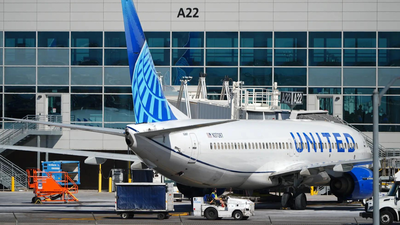
Oil at $175 a barrel? United Airlines CEO paints grim picture, to cut more flights

[ad_1]

Oil at $175 a barrel? United Airlines CEO paints grim picture, to cut more flights

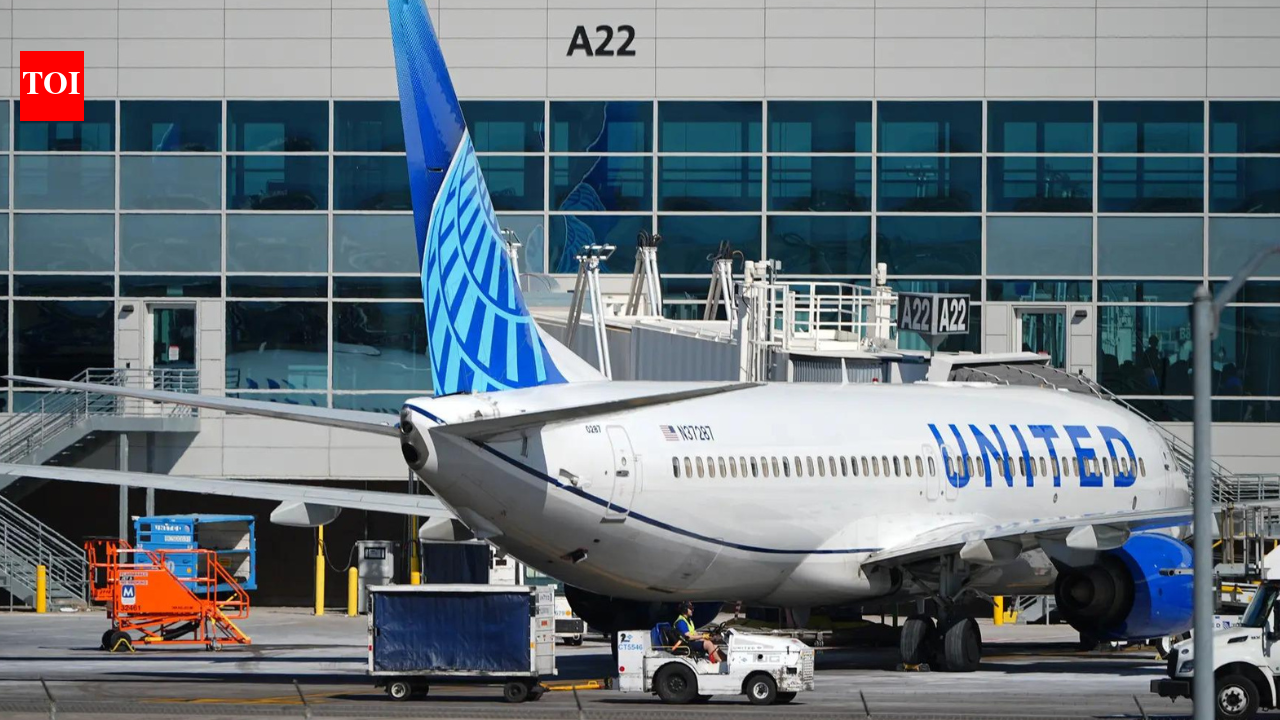
United Airlines will cut more unprofitable flights over the next two quarters as it braces for a prolonged period of elevated jet fuel prices linked to the war involving Iran. However, strong travel demand continues to allow US carriers to raise fares.In a staff memo on Friday, chief executive Scott Kirby said the airline is preparing for oil prices to rise as high as $175 a barrel and remain above $100 through the end of 2027, as cited by Reuters.At those levels, United’s annual fuel bill could increase by about $11 billion, more than twice the profit the airline earned in its best year on record, he said.US airlines have so far managed to push through fare increases, supported by resilient travel demand and tighter capacity, even as the war has triggered a fresh fuel price shock for the industry.“There’s a good chance it won’t be that bad,” Kirby wrote of the airline’s fuel assumptions. “But… there isn’t much downside for us in preparing for that outcome.”The airlines had already begun trimming less profitable flights, including some midweek, Saturday and overnight services.Kirby said the airline would cancel about three percentage points of off-peak flying in the second and third quarters, targeting routes and time periods with weaker demand. United will also remove about one percentage point of capacity from its Chicago O’Hare hub and keep services to Tel Aviv and Dubai suspended, bringing the total reduction to roughly five percentage points of its planned capacity for the year.Kirby said the airline currently expects to restore its full schedule in the fall. The latest cuts build on his comments earlier this week that United would rather leave some demand unmet than continue operating routes that lose money if fuel prices remain high.Jet fuel prices have nearly doubled since late February, driving up costs across the airline industry and disrupting global flight patterns through reroutings and airspace restrictions.Major US airlines say strong travel demand is giving them room to raise fares, helping offset the impact of higher fuel costs. Capacity cuts such as those announced by United are also expected to support the industry’s pricing power.Rival Delta Air Lines, which raised its first-quarter revenue forecast this week, has said it also has flexibility to trim capacity if fuel prices remain elevated.US carriers are particularly exposed to fuel price swings because most do not hedge their fuel costs. In contrast, some European and Asian airlines use hedging strategies to cushion price shocks. Instead, US airlines have been relying on fare increases and tighter capacity to recover part of the additional expense.

[ad_2]

Source link

Nations all set for crucial discussions at WTO MC14, GTRI flags fault lines

[ad_1]

Nations all set for crucial discussions at WTO MC14, GTRI flags fault lines

The upcoming World Trade Organisation (WTO) ministerial conference will discuss key issues such as agriculture, the 28-year moratorium on e-commerce transmissions, fisheries subsidies, and a China-led Investment Facilitation for Development (IFD) proposal. Trade ministers from 166 economies will meet in Yaoundé, Cameroon, from March 26 to 29 for the fourteenth ministerial (MC14), with limited outcomes expected due to ongoing divisions.Officials said the agenda will cover a wide range of contentious issues, including WTO reforms, agriculture, fisheries subsidies, and the continuation of the 28-year moratorium on customs duties on e-commerce transmissions. A China-backed proposal for an Investment Facilitation for Development (IFD) agreement will also be discussed, alongside the possibility of conversations around US tariffs.Commerce and industry minister Piyush Goyal will lead the Indian delegation at the meeting. Despite global trade exceeding $35 trillion, the WTO’s ability to frame and enforce rules remains under pressure. Differences between developed and developing countries across digital trade, farm support, subsidies and institutional reforms are expected to limit progress, making it likely that the conference will focus on extending existing arrangements rather than delivering new agreements.Here’s what the organisation will focus on during the meeting:1-E-Commerce MoratoriumThe e-commerce moratorium, which bans custom duties on electronics transmission, is expected to be a central point of debate. The United States and European Union are pushing for a permanent extension, while India and other developing nations are however opposing it, arguing that tariffs on digital trade are important for industrialisation, job creation and preserving policy space. A Global Trade Research Initiative (GTRI) report said, “India and developing countries oppose this, arguing tariffs remain essential for digital industrialization and job creation. Estimated revenue losses for developing economies will increase as business shifts to digital. For India, the issue is about preserving policy space and avoiding a widening digital divide, not just revenue loss. A key dispute at WTO is also definitional—there is no clarity on what constitutes “electronic transmissions” or whether services are included.Agriculture Agriculture remains another issue under the lens with India’s public stockholding (PSH) programme at the centre of discussions. India’s PSH system, which procures staples like rice and wheat at Minimum Support Prices (MSP) and supports food security, is considered trade-distorting under WTO rules due to the use of outdated 1986–88 reference prices that can inflate subsidy calculations. India argues that these structural inequities disadvantage developing countries, as developed members like the United States and the European Union retain the bulk of subsidy entitlements, and it is seeking a permanent solution for PSH along with stronger Special and Differential Treatment and greater flexibility for supporting small farmers. “This creates inflated subsidy estimates: for instance, a nominal Rs 10/kg support may be recorded even when the real support is only Rs 2, exposing India to breach limits despite minimal actual distortion,” the think tank said.In contrast, the US, EU, and exporters grouped under the Cairns Group oppose broad exemptions, warning they could distort trade and advocating instead for wider negotiations covering market access, subsidy reductions, and transparency. With deep divisions and no agreed negotiating text, a breakthrough at MC14 appears unlikely, and the 2013 Bali “peace clause” is expected to continue as a temporary safeguard while members defer substantive decisions to future talks.FisheriesTalks on fisheries subsidies are also likely to see limited movement. After the 2022 agreement on illegal fishing, negotiations have shifted towards addressing subsidies linked to overcapacity and overfishing. However, differences over balancing sustainability with livelihood concerns, particularly for small-scale fishers, remain unresolved. Turning to India, GTRI said that the country “has maintained that its support is aimed at small, artisanal fishers and has called for stronger Special and Differential Treatment provisions, including longer transition periods.“While developing countries view these provisions as essential for policy space and development, the United States and European Union have argued that major economies such as India and China should no longer benefit from broad flexibilities. India has strongly opposed any dilution, maintaining that development gaps remain significant.”Special and differential treatmentThe issue of Special and Differential Treatment (S&DT) is set to add to tensions, with developed nations pushing to limit such provisions while developing countries argue they remain essential for economic growth and transition. “The US and EU argue large economies like India and China no longer need broad S&DT benefits. They propose limiting S&DT mainly to least developed countries or making it conditional and time-bound.However, India strongly opposes any dilution, arguing that development gaps remain wide and that such flexibilities are still essential. It views S&DT as critical for industrial catch-up, livelihood protection and preserving policy space.Plurilateral agreementsPlurilateral agreements, particularly the proposed IFD pact backed by over 120 countries, are emerging as another point of contention. The agreement seeks to create a pre-investment appeal system to screen all investments through an independent body, but officials have flagged fundamental concerns, including whether investment falls within the WTO’s mandate. “India argues plurilaterals undermine the balance of interests in WTO negotiations between developed and developing countries. It warns such deals could sideline issues like farm subsidies and create a two-tier WTO dominated by major economies,” the GTRI report added.Dispute settlingThe WTO’s dispute settlement system also remains weakened, with the Appellate Body non-functional since 2019. While discussions on restoring the system are expected, differences over its structure are likely to persist. The think tank said that India is in favour of restoring a “fully functional two-tier system with a standing Appellate Body. It also seeks to ensure interpretations remain member-driven and within agreed mandates.Reforms at WTOReforms to the WTO’s decision-making process will also be discussed, especially whether to retain the consensus-based approach or adopt more flexible mechanisms to speed up negotiations. It added that countries like India and South Africa India, along with countries like South Africa, upholds consensus as the basis of a fair multilateral system, arguing that it ensures developing countries have an equal say and protects the process from being dominated by larger economies. It further cautions that weakening consensus could push development priorities to the margins, undermining key MFN and S&DT principles.MC14 is expected to be shaped by deep divisions across major issues including digital trade, agriculture, fisheries, development flexibilities, dispute settlement and institutional reform, leaving little room for compromise.The likely outcome is continuity rather than breakthroughs, with extensions of existing arrangements, reaffirmation of commitments and new work programmes.“For India, the ministerial will be about defending policy space, securing development priorities and building coalitions in an increasingly fragmented WTO,” the report added.Overall, MC14 highlights the WTO’s ongoing struggle to adapt to a changing global economy marked by rising tensions over power, technology and development interests.
[ad_2]

Source link

Dalal Street sees massive bloodbath as Middle East tensions intensify, what should investors do? Here’s what NSE’s Harish Ahuja says

[ad_1]

Dalal Street sees massive bloodbath as Middle East tensions intensify, what should investors do? Here's what NSE’s Harish Ahuja says

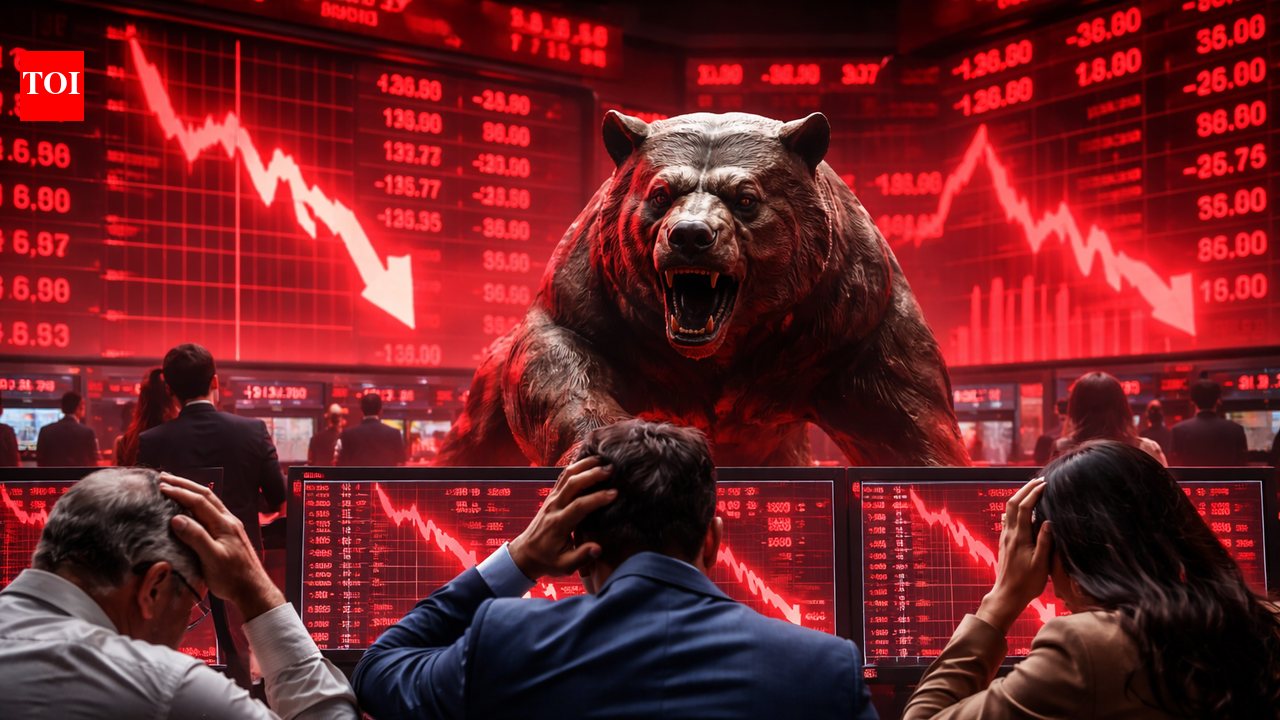
Global markets have been on a bit of a roller-coaster ride lately, shocked by the ongoing Middle East conflict, which has now entered its fourth week. Just by Thursday, he sharp sell off wipped off Rs 12.87 lakh crore from investor’s wealth as Dalal Street witnessed a bloodbath. Going back further, ever since the crisis unfolded in the region, investors have lost over Rs 37 lakh crore as of March 19.As indices swing, investors are left staring at red screens and wondering whether to act or sit tight. The big question is what should you do? Make a move now, or wait for that golden opportunity. But amid the noise, a familiar reminder is making the rounds: market moves may be sharp in the short term, but reacting too quickly can often do more harm than good. Speaking on the volatility in global markets, Harish K Ahuja, head of sustainability, Power & Carbon Markets, Listing & Social Stock Exchange at the National Stock Exchange of India (NSE), has called on retail investors to stay steady and avoid reacting to short-term market swings.Commenting on recent trends, Ahuja said that the correction being witnessed is not restricted to India but is part of a broader global movement. “Most of the exchanges across the globe are seeing a correction of 7% to 10%. And this up and down is a part of the very market,” he said.He cautioned retail participants against panic-driven decisions during periods of uncertainty. “My suggestion to retail investors: don’t panic. Show the patience, you are an investor, not a trader,” he said.According to Ahuja, India’s economic fundamentals continue to remain supportive despite external pressures. “My understanding of the Indian market, India is growing. Indian fundamentals in terms of GDP growth, inflation, most of the indicators, be it industrial growth, electricity consumption, are very positive,” he stated.He also highlighted the strength and scale of India’s capital markets, pointing to strong participation levels and activity. “India has witnessed the largest number of IPOs in the world. We are one of the largest exchanges in terms of the number of unique investors and unique accounts,” he said.Ahuja highlighted that investing should be viewed with a long-term perspective rather than a daily trading mindset. “Investment means, for me, the definition of investment is once you buy a stock, at least for the next five to ten years, don’t watch the stock daily,” he said.Reiterating his outlook, he added that patience and an understanding of macroeconomic fundamentals are key to navigating volatility. “I think I am always positive about the market because I am a patient investor. Once you have patience, once you understand the fundamentals of the economy and the country as a whole, you should not panic.”He further indicated that investors who maintain discipline and focus on long-term horizons are more likely to withstand short-term geopolitical disruptions and benefit from market growth over time.

[ad_2]

Source link

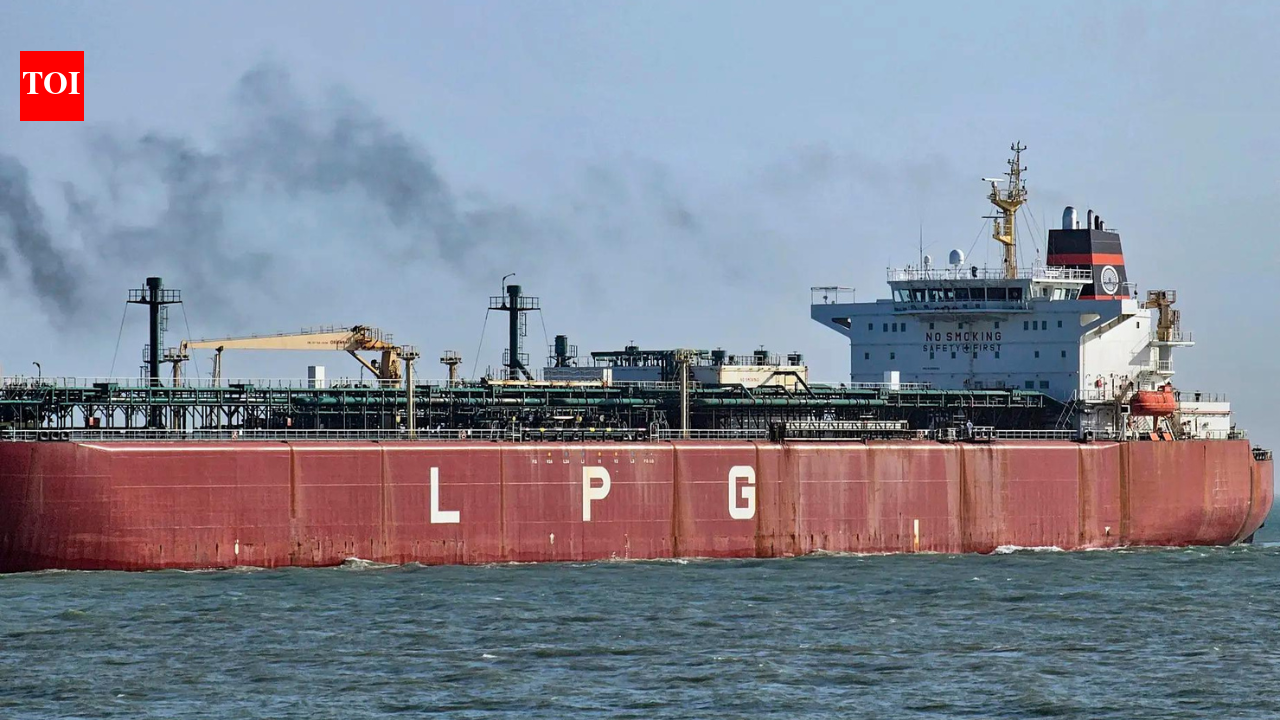
India’s oil, LPG lifeline: Two more tankers set to cross Strait of Hormuz – list of vessels that have arrived

[ad_1]

High Risk Voyage: India LPG Tankers Set To Cross Strait Of Hormuz After Diplomatic Push By Modi Govt

ANI image

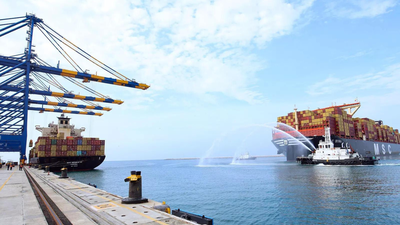
As India welcomed the arrival of three crude oil tankers at its ports that travelled through the Strait of Hormuz, two more vessels are scheduled to arrive in the coming days. The move signals cautious easing in the maritime movement of vessels despite ongoing tensions in the region.According to Reuters, two Indian-flagged LPG tankers, Pine Gas and Jag Vasant are preparing to sail through the Strait of Hormuz.

Watch

High Risk Voyage: India LPG Tankers Set To Cross Strait Of Hormuz After Diplomatic Push By Modi Govt

Both vessels are currently docked near the UAE’s Sharjah port and have indicated readiness to begin their journey, according to ship-tracking data.

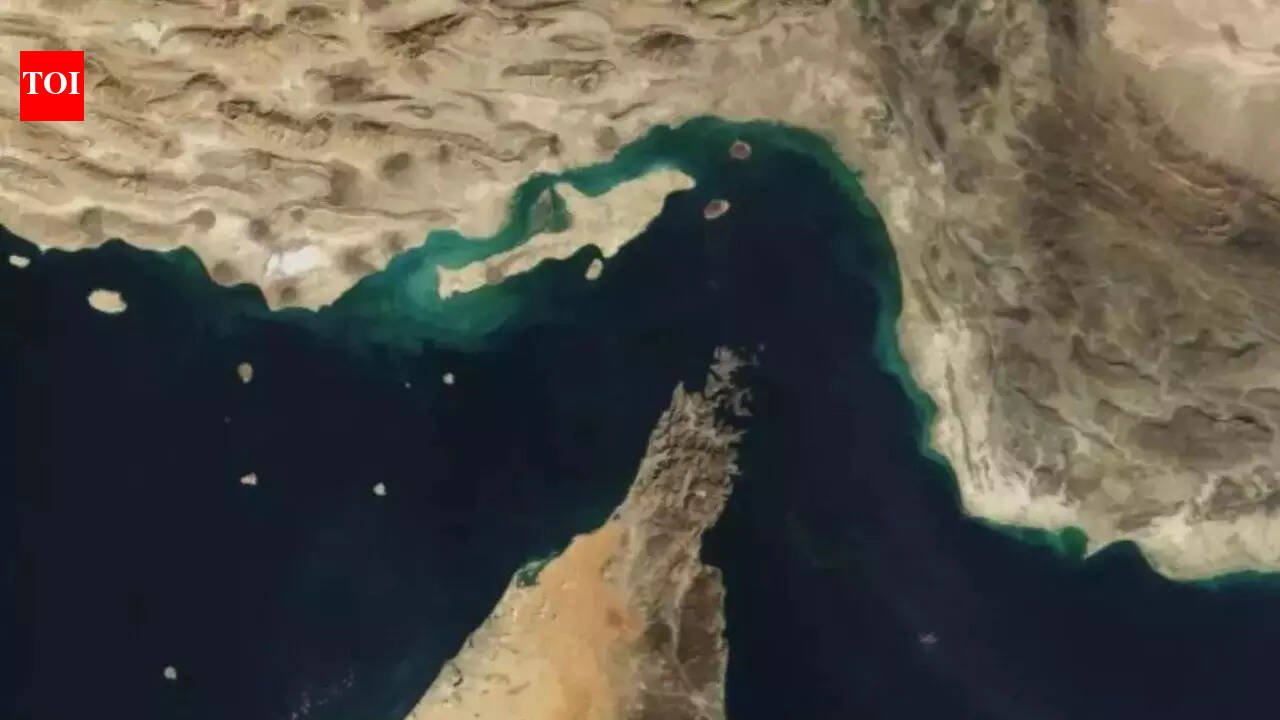
Strait of Hormuz

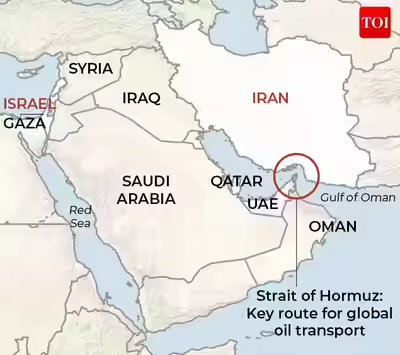
The two tankers could set sail in the coming days, marking a potential resumption of movement through one of the world’s most critical energy corridors. The Strait of Hormuz, which handles nearly 20% of global oil and liquefied natural gas flows, has seen significant disruption after Iran warned of possible attacks on vessels attempting to exit the Gulf. As a result, hundreds of ships have remained anchored, awaiting clarity on safe passage.According to shipping data and trade sources, no crude oil tankers transited the Strait of Hormuz in the past 24 hours, with hundreds of vessels anchoring in Gulf waters after Tehran warned of possible attacks on ships attempting to exit the region.Despite these risks, India has been actively engaging with stakeholders to ensure the safety of its fleet. External affairs ministry spokesperson Randhir Jaiswal emphasised the need for ‘safe and unhindered movement’ of Indian vessels.He highlighted that Prime Minister Narendra Modi is in discussions with global leaders to secure safe passage for Indian ships in the Gulf.

Ships that have already arrived in India

Three Indian-flagged vessels have completed their journey through the Strait of Hormuz in recent days.The latest arrival was the Indian-flagged tanker Jag Laadki, which was docked at Mundra port in Gujarat on Wednesday. It carried around 80,886 metric tonnes of crude oil sourced from the UAE. Earlier, MT Shivalik and MT Nanda Devi reached India’s shore. The two vessels together transported approximately 92,712 metric tonnes of LPG, ensuring a continued supply of essential fuel despite disruptions in maritime traffic.These successful transits came after Iran allowed Indian-flagged vessels to pass through the strait following diplomatic engagements. Authorities in India are closely monitoring the situation. The Directorate General of Shipping is coordinating with shipowners, agencies and Indian missions in the Gulf to manage risks and minimise disruptions.Ports across the country have also been advised to extend support measures, including concessions on charges to ensure smooth handling of cargo amid the evolving crisis.

[ad_2]

Source link

FPI profile: Foreign portfolio investors remain net sellers; withdrew Rs 35,475 crore from Dalal Street this week

[ad_1]

FPI profile: Foreign portfolio investors remain net sellers;  withdrew Rs 35,475 crore from Dalal Street this week

Foreign portfolio investors continued to withdraw from Dalal Street this week, with net outflows amounting to Rs 35,475 crore, as Middle East tensions caused ripples across global markets and weakened investor sentiments. The persistent outflows indicate that foreign investors are adopting a more cautious stance amid an uncertain global environment, with elevated crude oil prices adding to concerns over inflation and economic stability.According to National Securities Depository Limited (NSDL) the selling trend remained consistent through the week. Monday saw the sharpest outflow at Rs 10,827 crore, followed by Rs 9,406.78 crore on Tuesday and Rs 4,376.02 crore on Wednesday. Markets were closed on Thursday on account of the Gudi Padwa festival, while Friday witnessed fresh selling worth Rs 10,965.74 crore. With this, total FPI net selling in March has climbed to Rs 88,180 crore so far, marking the highest monthly outflow recorded in 2026. The figures include transactions across exchanges after accounting for flows in primary markets and other segments. Market watchers pointed out that global cues have played a key role in shaping investor behaviour. Ongoing crisis in the Middle East, coupled with rising crude prices, have contributed to a risk-off approach among overseas investors. Vinod Nair, Head of Research at Geojit Financial Services, said, “Market sentiment remained cautious amid persistent Middle East tensions during the week, with elevated crude oil prices, and continued FII selling. Although the domestic equities saw a brief relief-led recovery on valuation comfort and short covering early in the week, the rally quickly reversed as renewed Middle East attacks pushed crude prices higher, reviving inflationary and macroeconomic concerns. Foreign Portfolio Investment (FPI) refers to investments made by overseas investors in financial assets such as equities, bonds and mutual funds in markets outside their home country. These investments are typically short-term and do not involve control over companies. FPIs are often described as “hot money” due to their high liquidity and ability to move quickly across markets, making them an important component of capital flows in emerging economies like India. In the country, such investments are regulated by the Securities and Exchange Board of India. The sustained withdrawals highlight the sensitivity of Indian markets to global developments, with investors continuing to track geopolitical events and movements in crude oil prices for signals on market direction.

[ad_2]

Source link

From Germany to Pakistan: How Hormuz tensions are hitting economies

[ad_1]

From Germany to Pakistan: How Hormuz tensions are hitting economies

The Middle East conflict has entered its fourth week and the ripple effects are beginning to show up across major economies. Concerns are growing that any further escalation could disrupt energy flows and add pressure to an already fragile global outlook. The strain is not falling evenly on every country.Some nations are far more exposed than others, and have limited room to absorb the shock. Much of the attention is now centred on Iran’s role in the Strait of Hormuz, a critical route for global energy shipments.

Watch

‘Would Be Nice If…’: Trump Urges China To Resolve Hormuz Crisis Even After Getting Ignored

Germany, with its manufacturing-heavy economy, is particularly sensitive to rising energy costs. Industrial activity has only recently stabilised after contracting since 2022. As a major exporter, it also remains vulnerable to any slowdown in global demand. While a sizeable stimulus package announced last year offers some support, budget shortfalls in the coming years limit how much additional assistance can be provided, Reuters reported.Italy’s exposure stems from both its strong manufacturing base and its energy mix, where oil and gas make up a relatively large share of primary consumption in Europe. This leaves the economy more exposed to swings in global energy prices, especially during periods of supply uncertainty.Britain depends more heavily on gas-fired power for electricity generation than many of its European peers, meaning gas prices have a strong influence on overall electricity costs. As gas prices are soaring more than oil, inflationary pressures remain elevated. While an energy price cap may ease the immediate impact, it could also contribute to higher interest rates, keeping borrowing costs among the highest in the G7 for longer, alongside rising unemployment. Limited fiscal space and pressure from bond markets further restrict policy options, Reuters reported.Japan relies heavily on Middle Eastern oil, importing around 95% of its supply, with nearly 90% transported through the Strait of Hormuz. This dependence adds to inflationary pressures already stemming from a weak yen, which raises the cost of imported essentials such as food and raw materials across the economy.India is also facing the threat, importing with about 90% of its crude oil and nearly half of its liquefied petroleum gas, with a large portion passing through the Strait of Hormuz. Growth forecasts have already been revised downward, while the rupee has slipped to record lows. The impact is also visible in daily life, with rising gas prices leading to informal rationing and the disappearance of items such as samosas, dosa and chai from menus in eateries.Turkey, which shares a border with Iran, is dealing with both geopolitical uncertainty and the possibility of refugee inflows. On the economic side, pressure is mounting on the central bank, which has paused its interest rate-cutting cycle for the second time in a year and sold up to $23 billion in reserves to support the currency, signalling renewed strain on monetary stability.Sri Lanka has moved to strict cost-control measures to manage energy pressures, including declaring Wednesdays a public holiday for state-sector workers. Schools, universities and public institutions have been shut, non-essential transport suspended, and a National Fuel Pass system introduced to regulate fuel access and limit consumption.Pakistan, which narrowly avoided a crisis two years ago, has responded with higher petrol prices and temporary school closures. Government departments, according to Reuters, have seen fuel allowances reduced, restrictions placed on purchasing appliances and furniture, and instructions issued to reduce the use of official vehicles as part of broader austerity steps.Egypt is under pressure from rising fuel and food costs, along with potential declines in Suez Canal and tourism revenues, the latter contributing nearly $20 billion last year. Servicing its debt, much of which is denominated in US dollars, has become more difficult, further compounded by a near 9% depreciation of its currency since the conflict began.

[ad_2]

Source link

Will India resume buying Iranian oil? Refiners eye crude return as US grants waiver

[ad_1]

Will India resume buying Iranian oil? Refiners eye crude return as US grants waiver

As the US temporarily eases sanctions on Iranian oil imports, Indian refiners are eyeing a resumption of crude purchases from Tehran.According to Reuters, several Indian refining companies are awaiting government direction and clarification from Washington on payment terms before finalising shipments.

Watch

HUGE VICTORY For Iran? U.S. Forced To Lift Oil Sanctions Under Global Pressure; Trump On ‘BACKFOOT’

Indian refiners who maintain relatively smaller crude stockpiles compared with other major Asian buyers have been exploring options to add Iranian crude to their supply mix since Washington granted a temporary waiver on sanctions. The waiver is valid for 30 days. It is part of broader efforts to ease an energy crunch caused by disruptions in Middle East oil flows amid the US-Israel conflict with Iran.The waiver, outlined by US Treasury Secretary Scott Bessent, covers oil loaded on or before March 20 and discharged by April 19, including cargo on previously sanctioned vessels. This is the third temporary waiver since the start of the ongoing US-Israel war with Iran, designed to ease an acute energy crunch in Asia caused by disruptions in Middle East oil flows.

Millions of barrels waiting at sea

According to consultancy Kpler, about 170 million barrels of Iranian crude are estimated to be in transit, stretching from the Middle East Gulf to waters near China. Asia relies on the Middle East for around 60% of its crude needs. The disturbances in shipments via the Strait of Hormuz have forced many refineries to cut runs and scale back exports.Energy Aspects estimates roughly 130–140 million barrels at sea, representing less than two weeks’ worth of Middle East production losses.With sanctions temporarily lifted, India and other Asian buyers are exploring opportunities to stabilise supplies.A Singapore‑based trader highlighted that it may take time to work through administrative, banking and regulatory hurdles before cargoes can be confirmed for delivery.The temporary waiver does not authorise new Iranian crude production to be exported, but rather covers purchases of oil already loaded onto vessels by the cutoff date. Before sanctions were reimposed, major buyers of Iranian crude included China, India, South Korea, Japan, Italy, Greece, Taiwan and Turkey.Indian refiners have recently turned to alternative sources such as Russian and West African crude to mitigate supply shocks, as disruptions to Middle Eastern exports have tightened markets and pushed up benchmark prices.The potential return to Iranian oil, if formalised with clear guidance from New Delhi and Washington, could help stabilise supply for the world’s third‑largest crude importer.

[ad_2]

Source link

Dhurandhar 2 Full Movie Collection: ‘Dhurandhar: The Revenge’ box office collection day 3 [LIVE]: Ranveer Singh starrer crosses Rs 240 crore net; eyes Rs 300 crore global gross |

[ad_1]

'Dhurandhar: The Revenge' box office collection day 3 [LIVE]: Ranveer Singh starrer crosses Rs 240 crore net; eyes Rs 300 crore global gross
Directed by Aditya Dhar, the high-octane sequel ‘Dhurandhar: The Revenge’ is rewriting box office history, netting a staggering Rs. 246.99 crore in just 60 hours. Following the massive success of the 2025 original, the Ranveer Singh-starrer opened to a record-breaking Rs. 102.55 crore on Day 1, maintaining an iron grip on the domestic market despite its sprawling 3-hour and 49-minute runtime. Upped by the festive Ugadi and Gudi Padwa window, the espionage thriller has seen a massive Saturday surge, with Day 3 morning shows alone raking in Rs. 20.72 crore across 6,622 screenings.

The Indian box office has officially been conquered by the Aditya Dhar directorial and Ranveer Singh led, ‘Dhurandhar: The Revenge. The film continued its record-breaking streak, validating that the massive day 1 opening. Despite being a sprawling 3-hour and 49-minute runtime, the espionage thriller has maintained an iron grip on the domestic market, surpassing the Rs. 240 crore net milestone within just 60 hours of release. The festive window of Ugadi and Gudi Padwa, coupled with the widespread word-of-mouth appreciation has translated into a massive Saturday footfall, with major multiplex chains adding midnight screenings to accommodate the rush.‘Dhurandhar: The Revenge’ Review

‘Dhurandhar: The Revenge’ box office: Day 1 and Day 2 breakdown

The momentum for this sequel has surpassed all trade projections. While technical glitches slightly delayed dubbed versions in the South, the Hindi market witnessed a rampage. The film’s primary strength remains the Hindi heartland, though the Telugu and Tamil versions are seeing a surge following the resolution of early technical issues.

‘Dhurandhar: The Revenge’ Day 3 collections

According to the latest live tracking data, Dhurandhar 2: The Revenge continues its dominant run into day 3. With evening and night show figures still to be tallied, the Ranveer Singh-led spy thriller is well on its way to another record-breaking day at the box office.As of Day 3, ‘Dhurandhar: The Revenge’ continues its unstoppable run, collecting a live net of Rs. 29.44 crore across 8142 shows. This brings its total gross to Rs.304.13 crore and total net to Rs. 255.71 crore so far, with final collections yet to be reported.

Day wise collections of ‘Dhurandhar: The Revenge’

Day 0: Rs. 43 croreDay 1: Rs. 102.55Day 2: Rs. 80.72 croreDay 3: Rs. 29.44 crore

Language wise breakdown for day 3:

Hindi: Rs. 26.78 croreTamil: Rs. 0.54 croreTelugu: Rs. 2.12 croreTOTAL: Rs. 255.71 crore

More about ‘Dhurandhar: The Revenge’

The film secured an ‘A’ (Adults Only) certificate with the CBFC mandating 21 modifications, including the reduction of a graphic “beheading” sequence and the muting of strong language. Critics have pegged the sequel as “angrier and louder” than the first part, focusing heavily on the origins of Jaskirat Singh Rangi and his infiltration of the Karachi underworld. Picking up directly from the 2025 blockbuster, the sequel is being hailed as the epic conclusion to Dhar’s two-part saga. Ranveer Singh’s visceral performance is aptly aided by the supporting cast featuring R. Madhavan, Sanjay Dutt, Rakesh Bedi, Arjun Rampal. While some critics noted a propaganda-heavy second half, the technical brilliance and emotional payoff of the climax have resulted in widespread standing ovations across single screens and multiplexes alike.DISCLAIMER: The box office numbers and data in this article are compiled from diverse public and industry sources. All figures are approximate unless explicitly mentioned, offering a fair representation of the movie’s box office performance. These totals may change as official studio data is updated or as additional international market reports are finalized. This data is provided for informational and entertainment purposes only.

[ad_2]

Source link

Mathura cow vigilante ‘Farsa Wale Baba’ run over by ‘smugglers’ during chase; scuffle erupts between locals, police | Agra News

[ad_1]

Mathura cow vigilante ‘Farsa Wale Baba’ run over by ‘smugglers’ during chase; scuffle erupts between locals, police

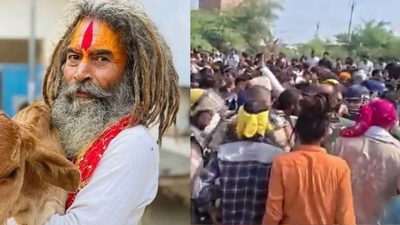
MATHURA: A cow vigilante was killed in Uttar Pradesh’s Mathura district after he was allegedly run over by a vehicle linked to suspected cattle smugglers during a late-night chase, triggering protests and clashes.The deceased, identified as Chandrashekhar, popularly known as “Farsa Wale Baba,” was a local cow protection activist in the Braj region. The incident took place near Navipur village under Kosi Kalan police limits. According to police, Chandrashekhar was chasing a truck on his motorcycle after suspecting it was being used for cattle smuggling when the vehicle allegedly rammed into him, killing him on the spot.One accused was apprehended from the scene, while three others managed to flee. A search operation has been launched to trace the absconding suspects. Police are also examining the vehicle involved and verifying claims related to illegal cattle transportation.The incident sparked immediate outrage in the area, with locals and members of cow protection groups taking to the streets. Protesters blocked roads in the Kosi and Chhata areas, demanding swift action against the accused. The situation escalated when police attempted to disperse the crowd, leading to a scuffle.Tensions flared further after a lathi charge, with some protesters pelting stones at police personnel. Several police personnel and dozens of locals were reported injured in the clashes, while multiple police vehicles were vandalised during the unrest. Heavy police deployment was rushed to the area to bring the situation under control, and security was tightened to prevent further escalation.Amid the rising tension, Uttar Pradesh chief minister Yogi Adityanath took cognisance of the incident and directed officials to ensure strict and immediate action against those responsible.“The accused will not be spared under any circumstances,” the chief minister said, underlining the government’s commitment to maintaining law and order and delivering justice swiftly.(With agency inputs)

[ad_2]

Source link

Will Putin cut Iran loose for Ukraine? What Russian envoy said on quid pro quo claims

[ad_1]

Will Putin cut Iran loose for Ukraine? What Russian envoy said on quid pro quo claims
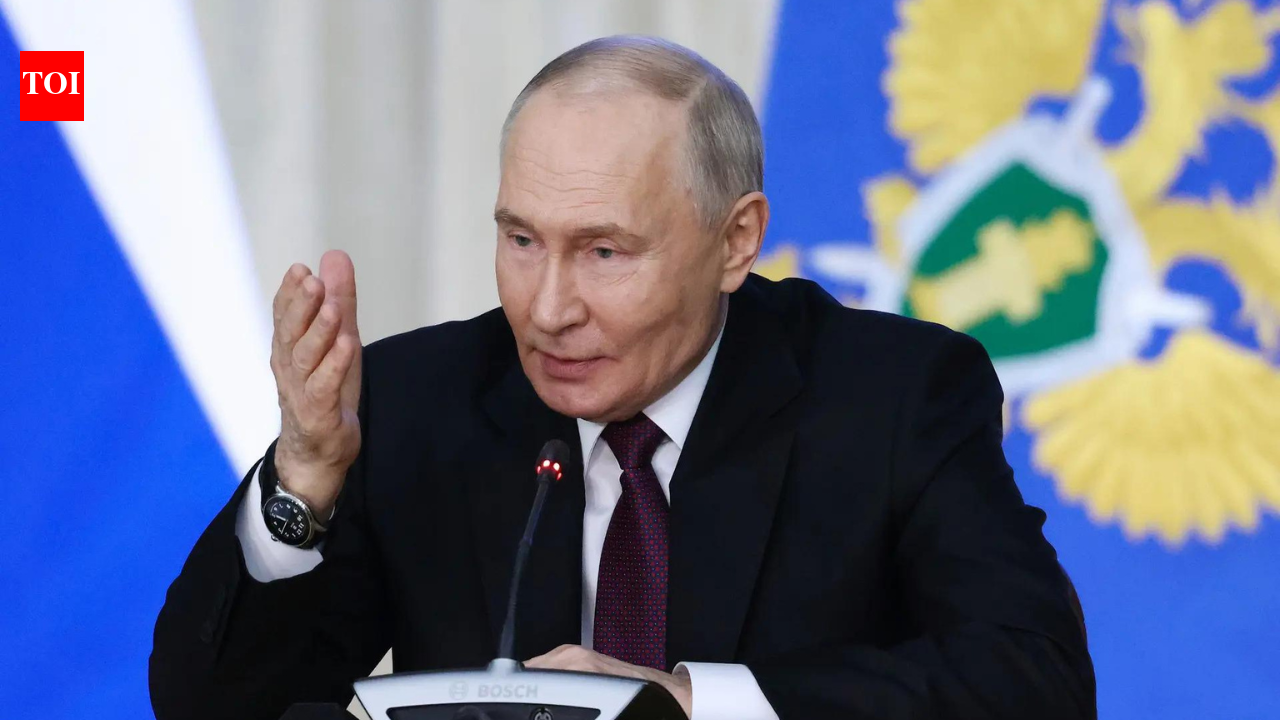
Russian President Vladimir Putin (AP photo)

Russia on Saturday dismissed reports claiming Moscow had offered a quid pro quo to Washington to halt intelligence sharing with Iran amid the ongoing escalation involving the US and Israel, in exchange for easing pressure in Ukraine.The reports, which also said the United States rejected the proposal, were termed unfounded by Russian officials.Follow for live updates on Iran war newsA Russian envoy Kirill Dmitriev publicly denied the claims, calling them “fake” in a post on X.According to Politico, Moscow had proposed a deal under which it would stop sharing intelligence with Iran if the US halted intelligence support to Ukraine. Citing two people familiar with the matter, the report said Russian envoy Kirill Dmitriev raised the proposal with Trump administration envoys Steve Witkoff and Jared Kushner during a meeting in Miami last week. The US declined the offer, it added.However, Dmitriev rejected it later.The report further claimed the proposed arrangement involved Russia halting intelligence sharing with Iran on sensitive details, including the coordinates of US military assets in the Middle East, in return for Washington cutting off intelligence assistance to Kyiv.The Kremlin also rejected the Politico report, describing it as “Western disinformation” aimed at creating divisions between Moscow and its Middle Eastern allies.

[ad_2]

Source link