Breaking News
Gold prices crash: Yellow metal registers worst weekly fall in 40 years, what should investors do?


Gold prices crash: Yellow metal registers worst weekly fall in 40 years, what should investors do?

As tensions in the Middle East stretch into their fourth week, shockwaves are now being felt across global markets and gold is no exception. The precious metal has taken a sharp hit, tumbling to its steepest weekly fall in nearly four decades, with prices reaching $4,354 per ounce.The fall marks a swift retreat from levels of around $5,200 per ounce seen on March 13, highlighting the speed and scale of the correction. The metal had earlier surged to an all-time high of $5,595.51 before losing momentum.The sharp decline is raising concerns about gold’s traditional safe-haven status. Market participants note that despite ongoing geopolitical tensions, the yellow metal has struggled to hold its appeal, with broader financial factors taking centre stage.Gold prices fallAccording to a report by The Wall Street Journal, the recent decline may open up opportunities for long-term investors looking to enter the market at lower levels.Priyanka Sachdeva told WSJ “this correction is a golden opportunity for staggered entry by long-term buyers,” she said.The report added that a sustained move below $4,400 per ounce has brought the 200-day moving average of $4,154 per ounce into view as a potential support level before any stabilisation.Data from ICE showed spot gold trading 2.0% lower at $4,400.44 per ounce, after touching an intraday low of $4,320.08, its weakest level since early January.The downturn has also been linked to expectations of liquidity-driven selling in global markets amid the ongoing Middle East conflict. Gold proceeds with a ‘cautious tone’Ole Hansen, Saxo Bank’s Head of Commodity Strategy, told WSJ that there is speculation some economies may need to raise liquidity, which could include selling gold.“While not a confirmed driver, it adds to the more cautious tone,” he said.He further noted that gold’s inability to rally despite geopolitical tensions suggests other factors are currently dominating market behaviour.“Gold’s failure to rally despite geopolitical stress highlights the current dominance of higher real yields, a firmer dollar and position adjustment over its traditional safe-haven role,” he said.Analysts broadly indicate that while the correction has been sharp, the current price levels may still present selective buying opportunities for investors with a long-term perspective, even as short-term volatility continues.(Disclaimer: Recommendations and views on the stock market, other asset classes or personal finance management tips given by experts are their own. These opinions do not represent the views of The Times of India)
Source link

‘Crisis worse than two 1970s oil shocks put together’: IEA chief’s big warning on Strait of Hormuz


'Crisis worse than two 1970s oil shocks put together': IEA chief's big warning on Strait of Hormuz

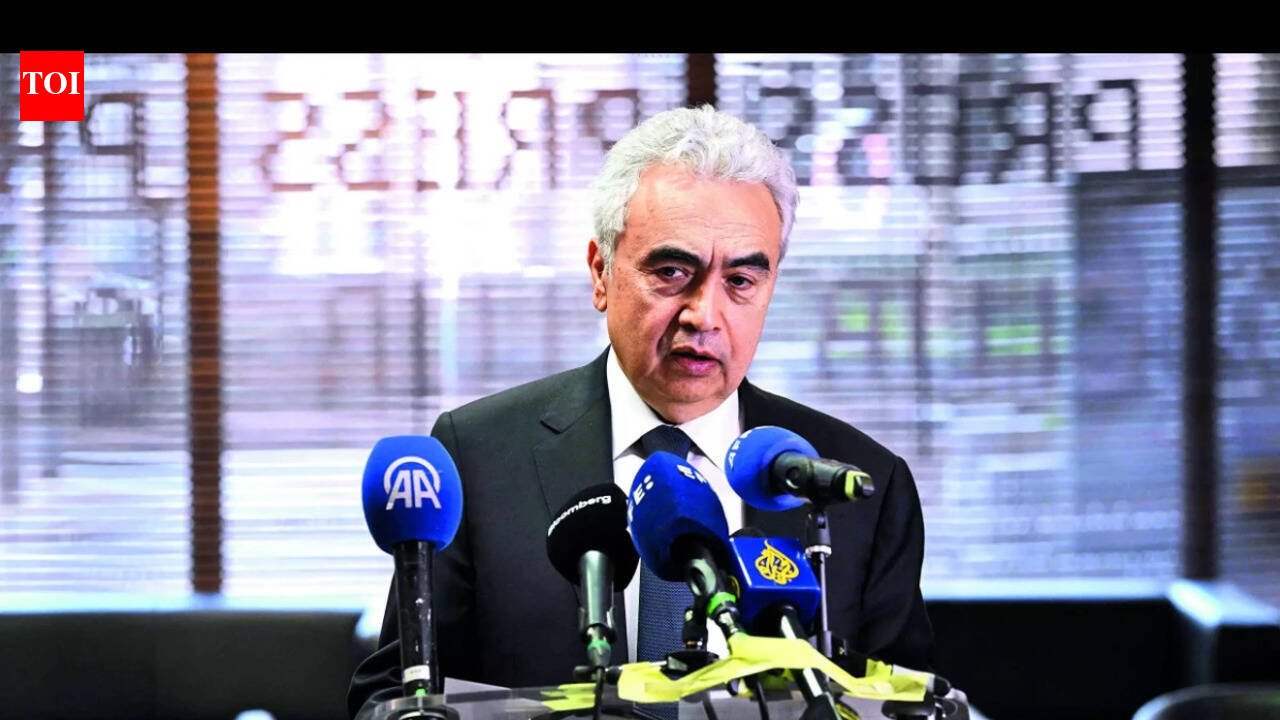
The ongoing war in the Middle East has triggered an energy crisis for the world and “no country is immune” to its shockwaves, the International Energy Agency (IEA) warned on Monday. Addressing the National Press Club in Australia’s capital, Birol said the current situation has evolved into an unprecedented disruption, combining multiple shocks to oil and gas supplies.“This crisis as things stand is now two oil crises and one gas crash put all together,” he said. He also drew comparisons with the oil shocks of the 1970s and the fallout from Russia’s 2022 invasion of Ukraine.Highlighting the broader economic risks, Birol said, “The global economy is facing a major, major threat today, and I very much hope that this issue will be resolved as soon as possible.”Also read | Bigger US strike on Iran today? Trump’s ‘mild’ warning as 48-hour deadline expires todayCommenting on the fallout of the energy crisis, Fatih Birol said, “no country will be immune to the effects of this crisis if it continues to go in this direction,” adding, “so there is a need for global efforts.”The conflict has already caused extensive damage to energy infrastructure, with Birol noting that at least forty facilities across nine countries in the region have been “severely or very severely damaged”.

Hormuz oil

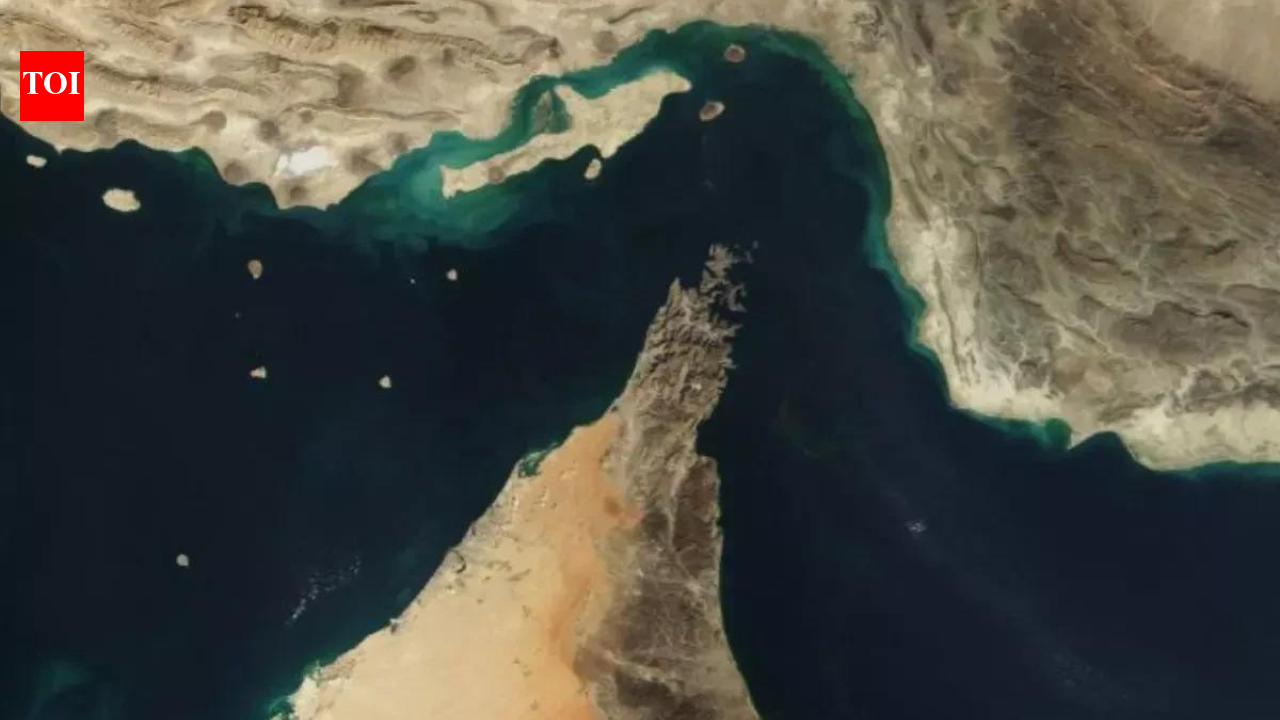
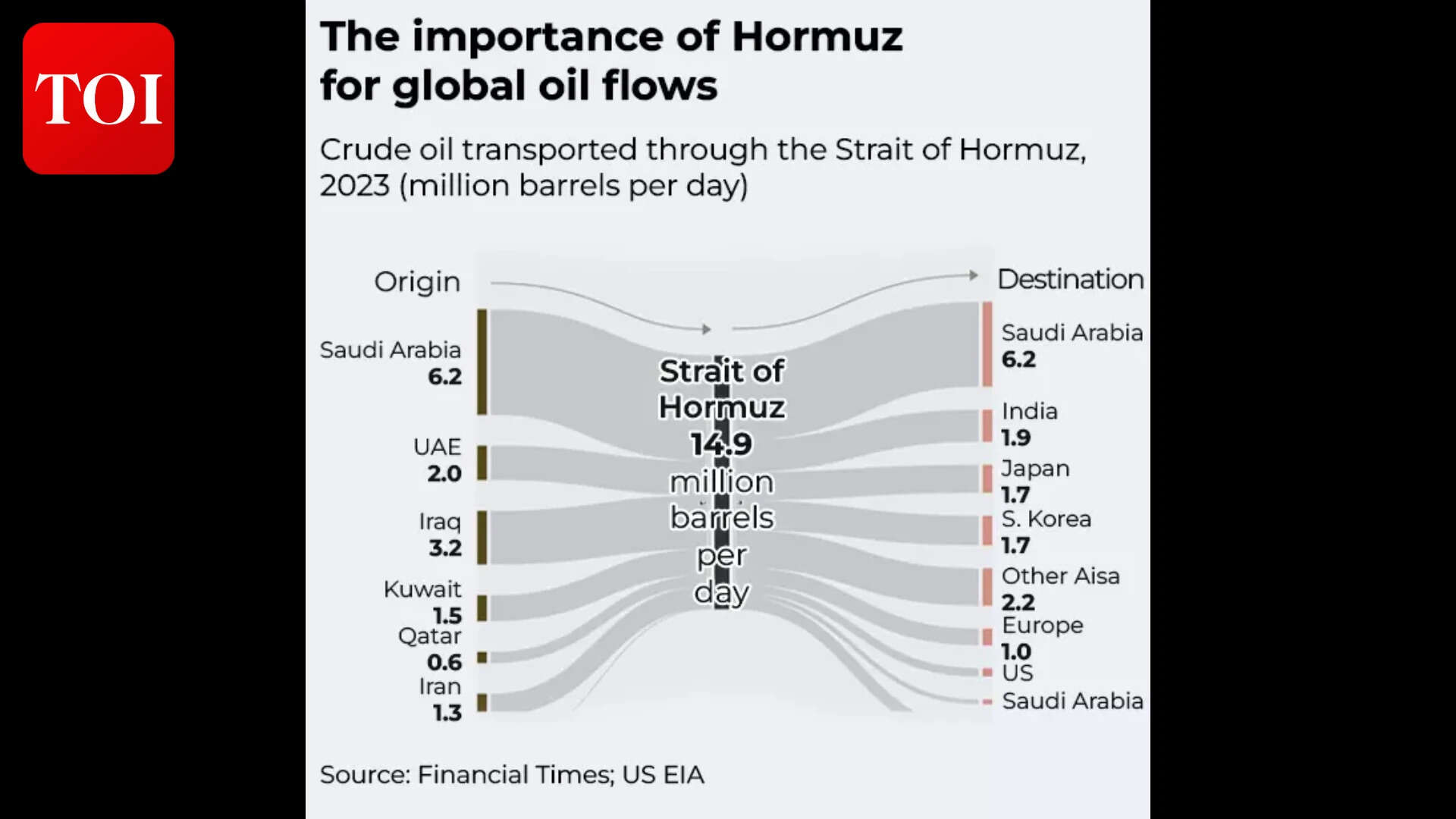
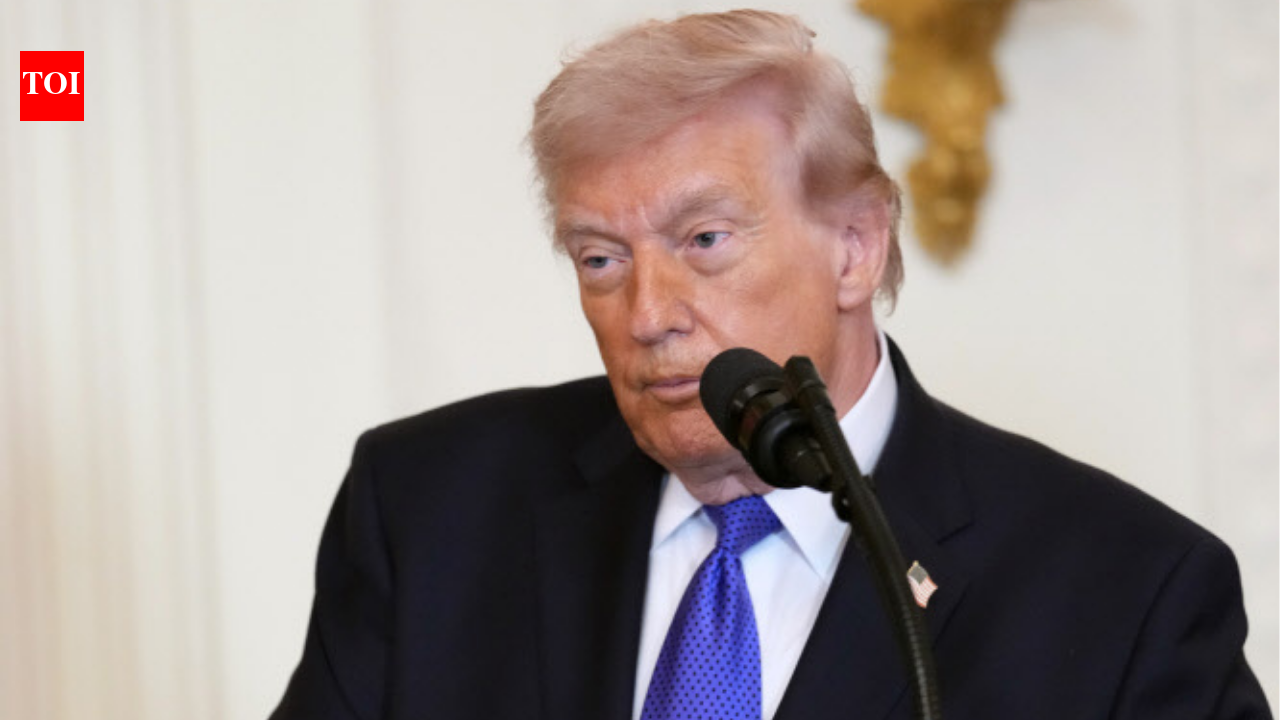
“At least forty… energy assets in the region are severely or very severely damaged across nine countries,” he said.The disruption was intensified by the near shutdown of the Strait of Hormuz, a key transit route for roughly one-fifth of global oil and gas shipments. The standoff has deepened as the war entered its fourth week, with Donald Trump and Tehran issuing repeated threats, including Washington’s demand for the reopening of the waterway.Follow live updates hereBirol identified the reopening of the Strait of Hormuz as the most critical step towards stabilising the situation, while also flagging rising fuel shortages in Asia as a growing concern. Oil markets reflected the strain, with US benchmark crude briefly touching the $100-per-barrel mark early on Monday. As fuel prices continue to rise, he added that there would not be any specific crude level to trigger another release.He added that the agency is currently consulting governments worldwide and remains prepared to release additional oil from emergency reserves if needed, though he clarified that no specific price level would automatically trigger such a move.Also read | Oil prices today: Brent crude steady at $112 as Trump’s ultimatum, Iran threat keep markets on edgeMeanwhile, US President Donald Trump issued an ultimatum to Iran to reopen the strategically critical Strait of Hormuz within 48 hours, warning of military consequences if it failed to comply. He said, “If Iran doesn’t fully open, without threat, the Strait of Hormuz, within 48 hours from this exact point in time, the United States of America will hit and obliterate their various power plants, starting with the biggest one first! Thank you for your attention to this matter.In response, Tehran warned, signalling that any attack on its energy infrastructure would prompt retaliation beyond conventional military targets. The message was conveyed by Ebrahim Zolfaghari and carried by Islamic Republic of Iran Broadcasting. He said any strike on Iran’s fuel and energy sector would trigger action against a broader range of targets linked to the United States and its regional allies.Earlier this month, 32 member nations of the IEA agreed to release 400 million barrels of oil from their emergency reserves to the market, to deal with the ongoing energy supply disruption.


Source link

‘You’re fired’: Iran’s IRGC mocks Donald Trump with his own catchphrase after his 48-hour ultimatum


'You’re fired': Iran’s IRGC mocks Donald Trump with his own catchphrase after his 48-hour ultimatum
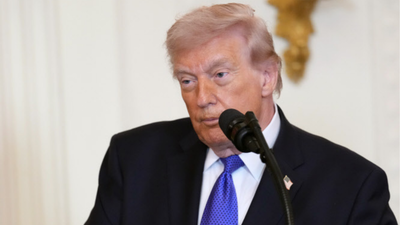
US President Donald Trump

As tensions spike in the Middle East, Iran’s Islamic Revolutionary Guard Corps (IRGC) took a swipe at US President Donald Trump, mocking him with his own catchphrase: “You’re fired.”The remark came from an IRGC spokesperson after Trump issued a 48-hour ultimatum demanding that Iran fully reopen the Strait of Hormuz or face US strikes on its power infrastructure.“Hey, Trump, you’re fired. You are familiar with this sentence. Thank you for your attention to this matter,” the spokesperson said, in a pointed jab that echoed Trump’s signature line from his time as host of The Apprentice. The closing line, “Thank you for your attention to this matter”, also appeared to mimic Trump’s tone on social media posts.

Watch

Iran Missiles Strike Central Israel: Cluster Munitions Damage Petah Tikva, Nir Am Engulfed in Fire

This comes after Donald Trump warned that the United States would “hit and obliterate” Iran’s power plants if Tehran did not reopen the Strait of Hormuz within 48 hours, a move that would directly target critical civilian infrastructure.Iran responded with its own sweeping threat. Military spokesman Ebrahim Zolfaqari said that if Iran’s energy network were attacked, Tehran would retaliate against US-linked assets across the Gulf.“If Iran’s fuel and energy infrastructure is attacked by the enemy, all energy infrastructure, as well as information technology…and water desalination facilities, belonging to the US and the regime in the region will be targeted pursuant to previous warnings,” he said.Iran’s parliament speaker Mohammad Baqer Qalibaf reinforced that warning, saying key infrastructure across the Middle East could be “irreversibly destroyed” if Iranian power plants were hit.At the heart of the standoff is the Strait of Hormuz, a narrow but critical shipping route through which roughly a fifth of the world’s oil and liquefied natural gas passes.Iran has already moved to effectively shut the strait amid the conflict, triggering the worst energy disruption since the 1970s. The IRGC warned the waterway would remain closed until damaged Iranian infrastructure is rebuilt.“The Strait of Hormuz will be completely closed and will not be opened until our destroyed power plants are rebuilt,” Iran said.The near-closure has already rattled global markets, with oil prices rising and European gas prices surging sharply in recent days.The latest war, launched by the United States and Israel on February 28, has now stretched beyond three weeks, with more than 2,000 people reported killed.


Source link

After Trump’s warning, Iran threatens to close the Strait of Hormuz


After Trump's warning, Iran threatens to close the Strait of Hormuz

Iran on Sunday threatened to “completely close” the Strait of Hormuz if US President Donald Trump acts on his warning to strike Iranian energy facilities within 48 hours. The Islamic Revolutionary Guard Corps (IRGC) said energy sites in countries hosting US bases would become “lawful” targets.The US President had warned: “If Iran doesn’t fully open, without threat, the Strait of Hormuz, within 48 hours from this exact point in time, the United States of America will hit and obliterate their various power plants, starting with the biggest first.”In response to Trump, Iranian Parliament Speaker Mohammad Baqer Qalibaf warned that if Tehran’s infrastructure is targeted, then key facilities across the region could be “irreversibly destroyed.” Iranian military officials also said they could target US-linked energy, technology and water infrastructure in the Gulf.Iran’s Revolutionary Guards said the Strait of Hormuz would remain shut. “The Strait of Hormuz will be completely closed and will not be opened until our destroyed power plants are rebuilt,” the Guards said in a statement.The Strait of Hormuz is one of the world’s most important shipping routes, carrying a large share of global oil and gas supplies. Iran shut the route on February 28. Disruptions in this narrow waterway have already reduced tanker movement, pushed up fuel prices and affected global markets.The situation on the ground remains volatile. Air raid sirens sounded across parts of Israel after fresh missile launches. Strikes increased on March 21, with US-Israeli attacks focused around Tehran and spreading across central and southern Iran, including areas near the Strait of Hormuz. Iran responded with strikes on Israel and parts of the Gulf.According to the IDF, Iran has launched more than 400 ballistic missiles since the war began, with about 92 per cent intercepted before hitting targets.The impact of the conflict is being felt on both sides. In Iran, the Red Crescent said more than 81,000 civilian homes and buildings have been damaged in US-Israeli strikes. In Israel, authorities said over 2,700 people have been forced to leave their homes due to Iranian attacks, with government agencies providing support and shelter.At the same time, Iran-backed Hezbollah has launched repeated rocket attacks on Tel Aviv. Israel has responded with strikes and ground operations in southern Lebanon.The tensions are also affecting the global economy. Oil prices have surged to multi-year highs, with Brent crude around $110 per barrel after reaching $119 earlier in the day.


Source link

PBKS playing XI for IPL 2026: Shreyas Iyer to lead, who will fill Ferguson’s void? | Cricket News


PBKS playing XI for IPL 2026: Shreyas Iyer to lead, who will fill Ferguson’s void?

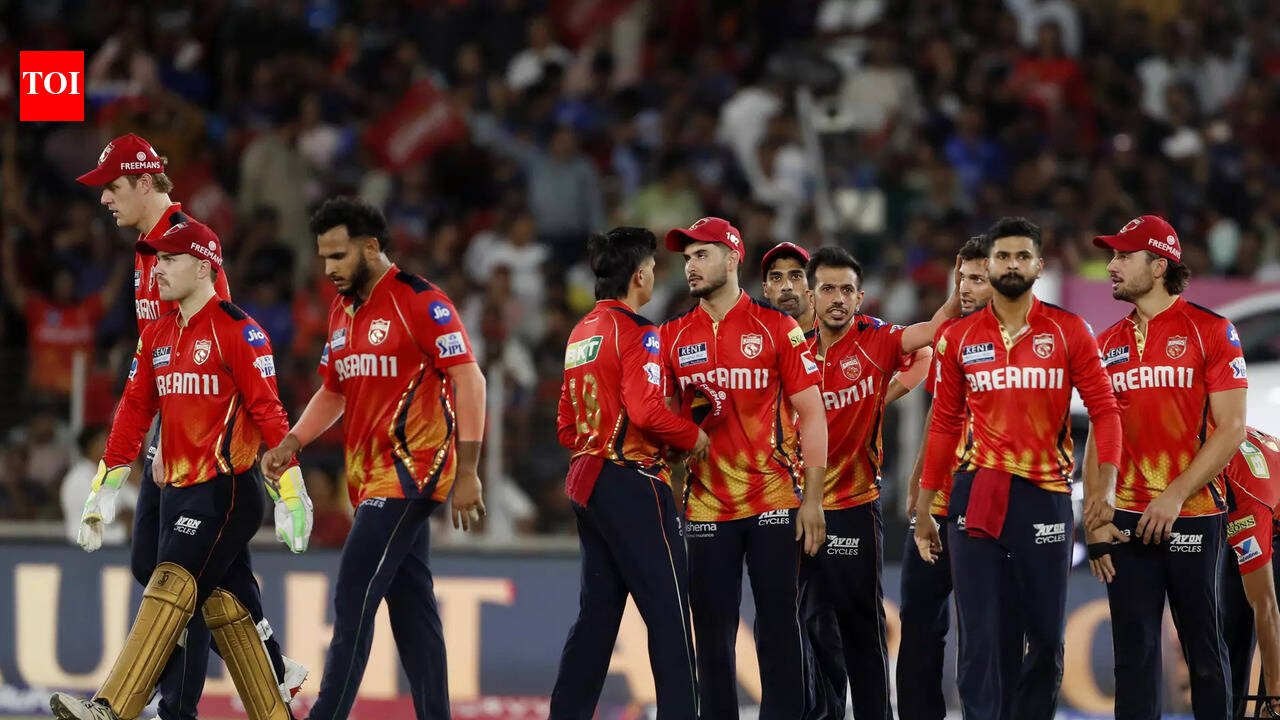
The Punjab Kings enjoyed a breakthrough campaign in IPL 2025, emerging as one of the most consistent teams of the season. Under the leadership of Shreyas Iyer, they topped the league stage and advanced to the final, marking their first title clash after 2014.For the IPL 2026 season, Punjab Kings (PBKS) built upon a strong retained core by adding four players in the mini-auction, including Australian all-rounders Ben Dwarshuis (Rs 4.4 crore) and Cooper Connolly (Rs 3 crore), aiming to strengthen their bowling and middle-order.Here is the Punjab Kings strongest predicted playing XI for IPL 2026: Prabhsimran Singh (WK): Prabhsimran Singh delivered a breakout performance in IPL 2025, emerging as a leading, consistent opener for Punjab Kings. He scored 549 runs in 17 matches averaging 32.29 with a 160+ strike rate. He will continue with his opening role and wicket-keeping duties.Priyansh Arya: Priyansh Arya had a sensational debut IPL 2025 season for Punjab Kings, scoring 475 runs in 17 innings at a blistering 179.24 strike rate, setting the record for most runs by an uncapped debutant. He will partner with Prabhsimran at top.Shreyas Iyer (C): Shreyas Iyer was acquired by Punjab Kings for a whopping Rs 26.75 crore and he delivered accordingly leading the Punjab side he took the team to final after 11 years and had a breakthrough season with 600-plus runs. He will anchor Punjab at no.3.Nehal Wadhera: At no.4 Nehal Wadhera has a built a respectful reputation. In IPL 2025, he scored 369 runs in 16 matches at a strike rate of 145.84, including standout fifties against Rajasthan Royals. Nehal Wadhera will be crucial in middle overs.

Watch

IPL 2026 should be audition for the next India T20I captain

Shashank Singh: Shashank Singh is a proven finisher for Punjab Kings in recent years, he scored over 350 runs across the season, featuring prominently in their run to the final, including a 61*(30) knock in the summit clash vs RCB, though PBKS fell six runs short.Marcus Stoinis: Marcus Stoinis had a mixed 2025 IPL season with Punjab Kings (PBKS), often playing as a late-order finisher at No. 7. While having a relatively quiet season, he shone with a key 44* off 16 balls against Delhi Capitals. He will aim to bounce back this season.Marco Jansen: In IPL 2025, Marco Jansen was a standout performer for the Punjab Kings (PBKS), who acquired him for Rs 7 Crore at the auction. In 2026 his pace and will be vital for Punjab alongside his lower-order hitting.Azmatullah Omarzai: Azmatullah Omarzai was acquired by Punjab Kings (PBKS) for INR 2.4 crore in the 2025 IPL auction. During the 2025 season, he established himself as a key all-rounder for PBKS. His role will be important in the squad.Xavier Bartlett: Xavier Bartlett joined Punjab Kings last year as a replacement of Lockie Ferguson in mid season who was ruled out due to injury. As he is in for full season his role increases in absence of Ferguson.Arshdeep Singh: Arshdeep Singh is the key bowler for Punjab Kings especially in the powerplay, Last season he was the leading wicket-taker for Punjab with 21 wickets. Yuzvendra Chahal: Yuzvendra Chahal had a significant 2025 IPL season for Punjab Kings (PBKS) after being bought for Rs 18 crore, claiming 16 wickets in 14 matches. The 2026 season might see the comeback of IPL’s highest wicket-taker.Impact Sub Vyshak Vijaykumar/ Harpreet BrarPunjab Kings may go either with Vyshak Vijaykumar or Harpreet Brar as Impact player depending upon the situation of the pitch and requirement of the management. Punjab Kings Predicted XI: Prabhsimran Singh (Wk), Priyansh Arya, Shreyas Iyer (C), Nehal Wadhera, Shashank Singh, Marcus Stonis, Marco Jansen, Azmatullah Omarzai, Xavier Bartlett, Arshdeep Singh, Yuzvendra Chahal, Impact Sub Vyshak Vijaykumar/ Harpreet Brar

Banner Insert


Source link

AI to deploy more pilots for Dreamliners on West route


AI to deploy more pilots for Dreamliners on West route

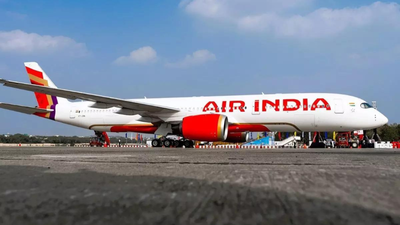
NEW DELHI: With airspace restrictions to the west of India increasing at a furious pace in the last 11 months, Air India is finally sending reinforcement pilots for its long haul backbone fleet of Boeing 787 Dreamliners that are deployed on ever-lengthening Europe and UK routes. The conversion of about 28 to 30 pilots of Boeing 777s to the Dreamliner is nearly complete and they will start on the B787s next month. Conversion training for another batch of about 15 narrow body pilots to the B787 will begin from March 23.This was conveyed to the fatigued-by-now wide body pilots of AI last Saturday by the airline management. The airline is going to convert more narrow body pilots to the B787 and Airbus A350 as the more of the latter type are expected to join the fleet later this year. The B777s’ numbers in AI fleet is falling as the legacy planes are being sent for retrofitting.In the most recent instance, Pakistan airspace for Indian carriers was closed on April 23, 2025. Since then Indian carriers’ flights to and from the west have been taking longer routes – going over Arabian Sea seeing clear of Karachi airspace and then heading to their destinations. These routes got even longer when Iran had to be avoided. The Israel-Iran war has further increased the no fly areas and this keeps increasing, pushing airlines more to the south of Saudi.“The airline seeks and gets dispensation from the DGCA from pilot flight duty time limitation (FDTL) rules, allowing it to now operate longer flights of upto 11.5 hours with just two pilots. We are completely fatigued now as the buildup has been happening for a year and instead of getting any relief, its keeps getting worse with more punishing FDTL dispensations,” said numerous pilots.


Source link

CAFE 3.0 rollout: Penalty recovery for carmakers remains a grey area | India News


CAFE 3.0 rollout: Penalty recovery for carmakers remains a grey area

NEW DELHI: Power and road transport ministries have been asked for clarity on recovery of penalties imposed on carmakers for failing to meet the Corporate Average Fuel Efficiency (CAFE) norms. CAFE, a mandatory regulatory standard, sets limits on average CO2 emissions or fuel consumption for the entire fleet of vehicles sold by a carmaker.It’s learnt that the PMO has asked the stakeholder ministries to address the issue considering that the next phase of CAFE (CAFE 3.0) will have stricter norms for compliance.On March 17, TOI had reported that going by the presentation made by power ministry to PMO, out of the top five carmakers (80% market share), only Tata Motors would be able to meet the target for all five years – FY28 to FY32. Officials had also said that the proposed regime would end up levying high penalty in case of non-compliance.“In such a condition, the responsibility of evaluation, approval and recovery of penalty must be defined properly. The PMO’s concern is valid considering that there has been no recovery of penalty from companies that didn’t meet CAFE 2.0 requirements,” said an official.Around Rs 8,800 crore of penalties have been levied on 10 major carmakers for failing to meet CAFE 2.0 targets up to FY23. Officials said that while Bureau of Energy Efficiency has carried out the calculation of penalty for each carmaker, they can be recovered by the adjudicating officer under State Electricity Regulatory Commission, as per the Energy Conservation Act, 2001.A person familiar with the developments said, “Ideally, the ministry or department which enforces an Act, frames norms for assessment and makes the penalty formula should implement the task of recovering the penalty.”


Source link

Energy crisis: Govt pushes for PNG connections, asks all ministries to assess demand | India News


Energy crisis: Govt pushes for PNG connections, asks all ministries to assess demand

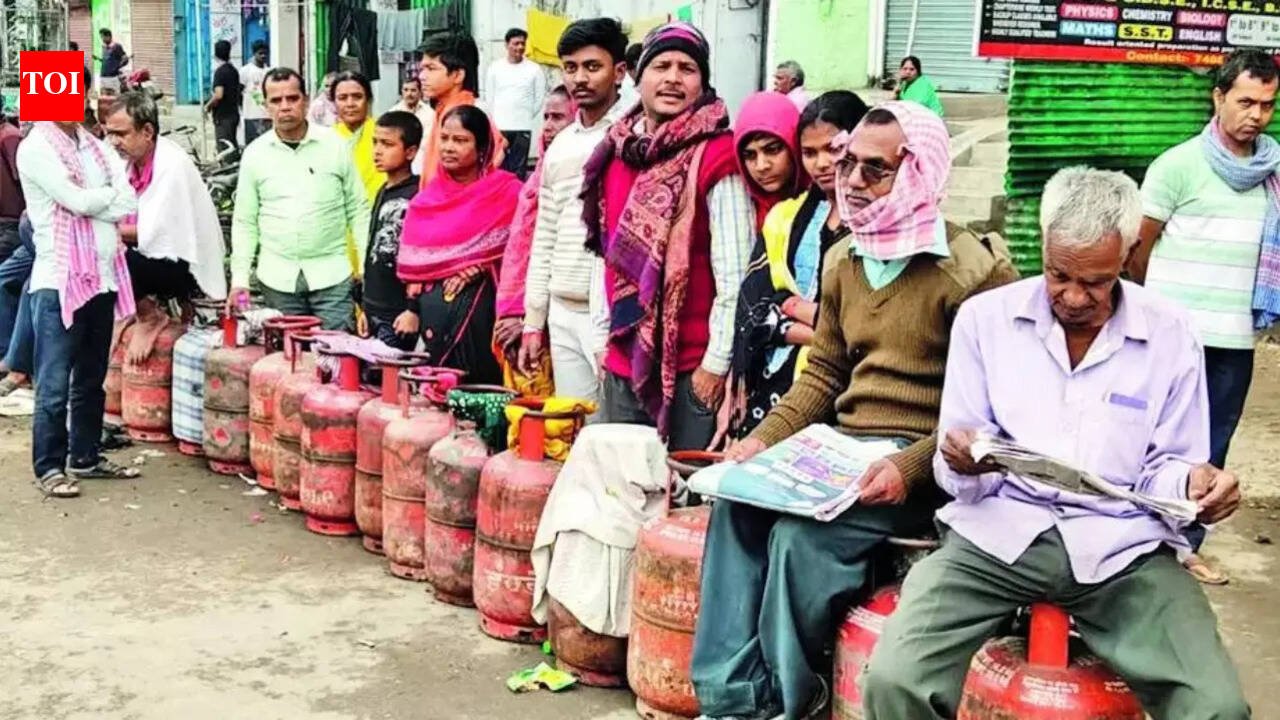
NEW DELHI: Amid the LPG supply crunch, the Centre has asked all ministries to assess the potential demand of piped natural gas (PNG) across canteens and pantries at govt departments and offices, and push for its expansion.It has also urged govt establishments, residential colonies and canteens to switch to PNG, while city gas distribution (CGD) companies are being extended support to expand their networks. The push for PNG is also aimed at reducing dependence on imported LPG in the long term. Domestic LPG supplies continue to be ring-fenced, with commercial users bearing the brunt of pressures.The ministry of petroleum and natural gas said on Sunday that LPG supply remained a concern amid the evolving situation in West Asia. To offset disruptions, domestic refineries have maximised LPG output, while supplies are being sourced from alternative geographies such as the US, Russia and Japan.The ministry said CGD entities have been advised to prioritise PNG connections for commercial establishments, such as restaurants, hotels and canteens.“CGD entities have been directed by the petroleum and natural gas regulatory board to shorten the timeline between the submission of applications and the commencement of gas supply to households,” the ministry said. The Petroleum and Explosives Safety Organisation has also instructed its offices to dispose of CGD applications within 10 days.Gas distribution companies are offering incentives to encourage both domestic and commercial LPG consumers to switch to PNG, while states and UTs have been urged to expedite approvals required for CGD network expansion.


Source link

Back in Ladakh to rousing reception, Wangchuk calls for ‘give and take’ solution | India News


Back in Ladakh to rousing reception, Wangchuk calls for ‘give and take’ solution

SRINAGAR: As hundreds of people gathered in Leh to welcome environmental activist and Leh Apex Body (LAB) member Sonam Wangchuk after his release from jail, he struck a conciliatory tone on Sunday, urging the Union govt to ensure that forthcoming talks with Ladakhi leaders are based on a “win-win” approach for both Ladakh and the Centre.While he emphasised on a “give and take” formula without mentioning the Sixth Schedule or statehood in his address to the gathering, at the same time, Wangchuk said he would continue his struggle, if needed.The reception was organised by LAB, which along with Kargil Democratic Alliance, is seeking statehood and a Sixth Schedule for the UT of Ladakh.“My fight was for Ladakh’s people, its culture, environment, for its rivers, flora and fauna, and glaciers. Their success is my success,” Wangchuk said, as people carried banners reading ‘Justice for Ladakh’, ‘Withdraw Sept 24 cases’, and ‘Ladakh will not forget its fallen heroes’, along with portraits of four people killed in the police firing in Leh on Sept 24 last year.Describing the movement as a “new dawn”, he said it was entering a “new phase”, but he called for “flexible steps”. He said he had been told the govt had acknowledged the Sept 24 firing as a mistake and was seeking to rectify it. He hoped that justice would be delivered in the case and those arrested would also be released.Wangchuk was arrested on Sept 26, 2025 under NSA and lodged in Jodhpur jail. Last week, MHA revoked his detention stating the govt remains committed to providing all necessary safeguards for Ladakh and hoped that the issues concerning the region will be resolved through “constructive engagement and dialogue”.The last round of talks took place on Feb 4, but remained inconclusive. Ladakhi leaders have sought another round of talks soon.Wangchuk said Ladakhi leaders will go for talks with hope that there is a win-win outcome, not otherwise, as is being rumoured in the region. Holding his cards close to his chest, Wangchuk said after forthcoming talks, Ladakhi leaders would again reach out to people across the country and convey whether the talks resulted in a “win-win or a lose-lose outcome”.


Source link

Iran war not to end soon? Treasury’s Bessent says US has ‘plenty of money to fund this war’


Iran war not to end soon? Treasury's Bessent says US has 'plenty of money to fund this war'

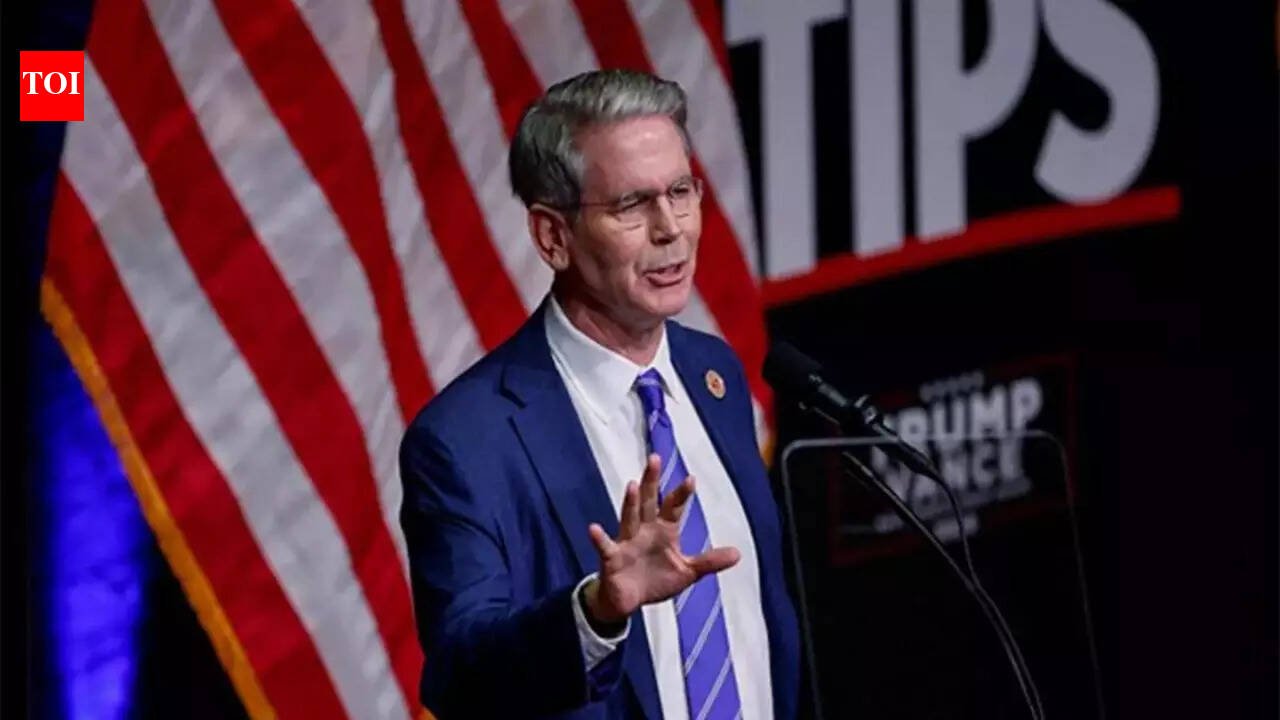
US treasury secretary Scott Bessent on Sunday said the United States has “plenty of money to fund” its war against Iran, asserting that President Donald Trump is keeping “all options on the table” amid the ongoing Middle East conflict.Speaking to NBC News, Bessent defended the administration’s actions, saying Trump acted within his legal authority. “President Trump was within his authority under the War Powers Act to initiate this action, and we actually now have plenty of money to fund this war. What we are doing is supplemental,” he said.“President Trump has built up the military as he did in his first term, as he is now doing in his second term, and he wants to make sure that the military is well supplied going forward,” he added.Earlier, Trump indicated that his administration may seek around $200 billion in additional Pentagon funding amid the war, calling it a “small price to pay” to maintain US military readiness. Speaking from the Oval Office, he said the funds would help ensure military superiority and denied any shortages of weapons.“We’re asking for a lot of reasons, beyond even what we’re talking about in Iran…Munitions in particular – at the high end, we have a lot, but we’re preserving it,” Trump had said.US Secretary of War Pete Hegseth also confirmed that the Pentagon plans to request additional funding from Congress to support ongoing operations and replenish stockpiles. “As far as USD 200 billion, I think that number could move, obviously. It takes money to kill bad guys,” Hegseth said, referring to operations under “Operation Epic Fury” against Tehran.Bessent stressed that the administration would maintain strategic ambiguity. “He is not going to give away what we are going to do. As President Trump always does, he is leaving all options on the table,” he added.The remarks come amid an escalating conflict that began on February 28 following joint US-Israeli strikes on Iran, triggering retaliatory attacks by Tehran on Israel and US-linked targets across the region, disrupting key shipping routes and impacting global energy markets.


Source link