Breaking News
Census 2027: How India’s population count will be conducted in two phases | India News


Census 2027: How India’s population count will be conducted in two phases

NEW DELHI: Union MoS Nityanand Rai on Wednesday informed the Rajya Sabha in a written reply that Census 2027 will be conducted in two phases across the country.According to the reply, the first phase will involve Houselisting and Housing Census, during which information on housing conditions, household particulars including the name and sex of the head of the household, as well as amenities and assets possessed by households will be collected. The sex of the head of household will be recorded under three categories: Male, Female and Transgender.The second phase, i.e., Population Enumeration will collect information on each individual, with the detailed questionnaire to be notified later.The government said that enumerators will undertake house-to-house visits across the entire enumeration area to collect census data and ensure that no household is excluded. In addition, respondents will have the option of self-enumeration, allowing them to submit their data online. The data will be later verified by enumerators before final submission.To ensure data accuracy, the self-enumeration portal will include FAQs, tool tips and validation checks, while enumerators and supervisors will receive adequate training for census work. Validation rules have also been built into the mobile application used for data collection and information gathered by enumerators will be monitored and verified by supervisors.The government further stated that all suitable measures have been taken to ensure data security during mobile data collection, transmission and storage at the server level.Earlier, Union home minister Amit Shah launched four digital platforms and two mascots: Pragati and Vikas for India’s first fully digital census exercise. The tools include a self-enumeration portal, houselisting operations mobile application, houselisting block creator application and a census management and monitoring system portal, developed by Centre for Development of Advanced Computing.The Census 2027 will be the world’s largest census exercise, with around 30 lakh enumerators and supervisors engaged in the data collection process. The first phase will be conducted between April and September 2026, while the second phase is expected in February 2027.


Source link

Where is Iran’s Supreme Leader? Officials drop hint on Mojtaba Khamenei’s condition amid intense US-Israel strikes


Where is Iran’s Supreme Leader? Officials drop hint on Mojtaba Khamenei’s condition amid intense US-Israel strikes

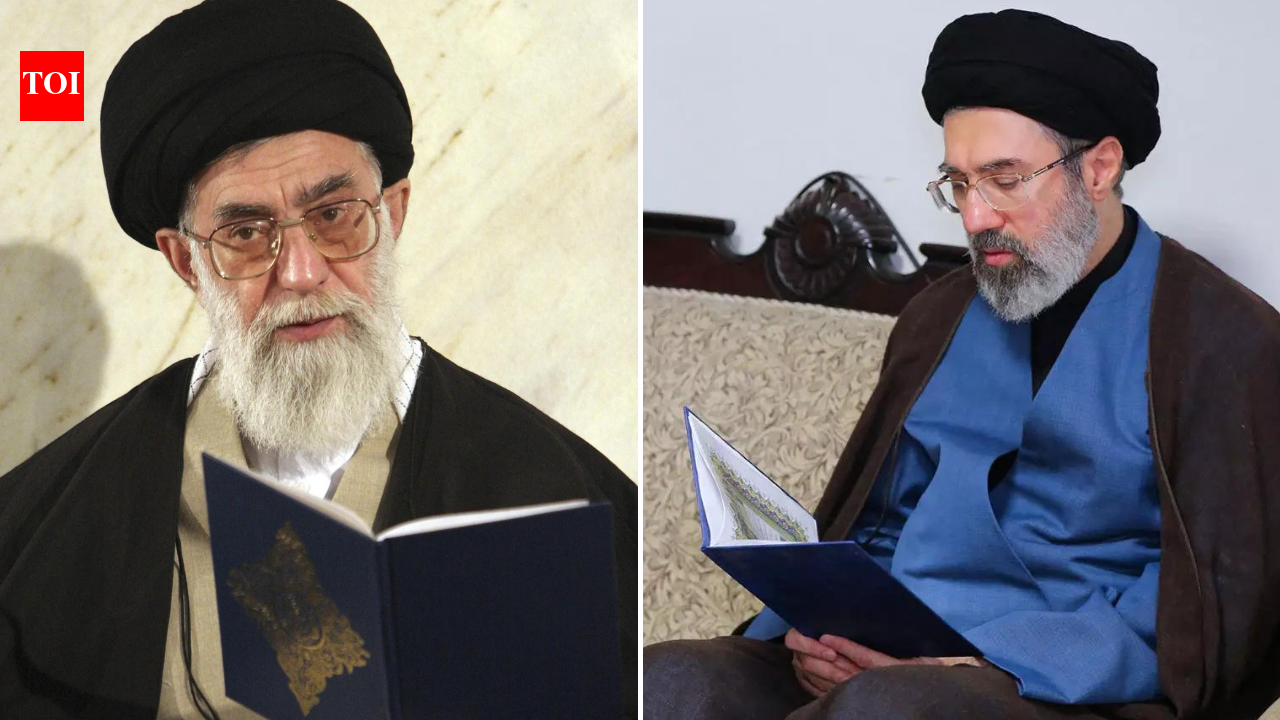
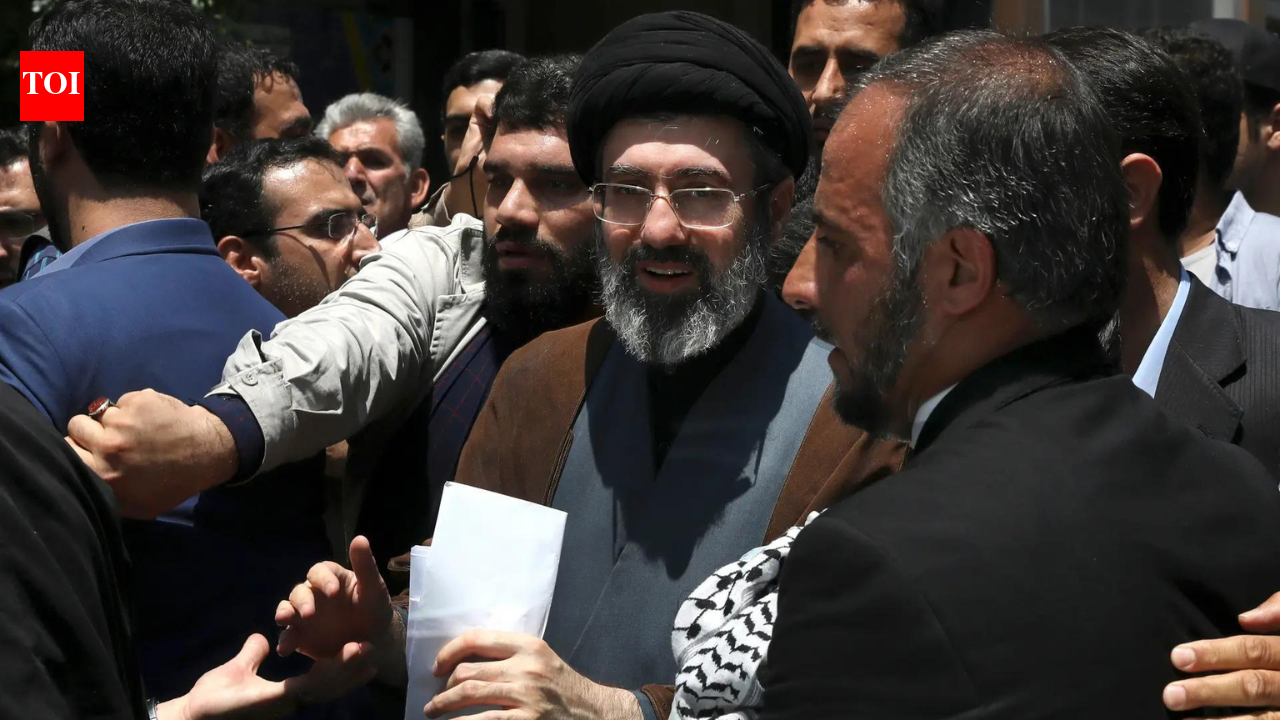
Iran’s newly appointed supreme leader, Mojtaba Khamenei, is “safe and sound” despite reports that he was injured during the ongoing war with the United States and Israel, said the son of Iran’s president. The update comes as questions continue to swirl about the cleric’s whereabouts after days without a public appearance.Yousef Pezeshkian, the son of Iranian President Masoud Pezeshkian and a government adviser, said he had sought confirmation after hearing rumours that Khamenei had been hurt in the fighting. In a post on Telegram on Wednesday, he wrote: “I heard news that Mr Mojtaba Khamenei had been injured. I have asked some friends who had connections. They told me that, thank God, he is safe and sound.”

Iran Issues Chilling Warning As Mojtaba Khamenei Takes Power; ‘IRANIANS MAY FACE…’ | Watch

The remarks appear to be the first indirect reassurance from officials about the condition of the 56-year-old cleric since he was elevated to the country’s highest political and religious position. His father, Ali Khamenei, who ruled Iran for decades, was killed in US-Israeli strikes on February 28 that triggered a wider regional conflict.Despite becoming the Islamic Republic’s new supreme leader earlier this week, Mojtaba Khamenei has not addressed the public or released any written statement since his appointment on Sunday. His absence has fuelled speculation inside and outside Iran about his health and location as the war intensifies.A report by The New York Times, citing three unnamed Iranian officials, said Khamenei had sustained injuries during the attacks, including wounds to his legs. The officials said he remained alert but was sheltering in a highly secure location with extremely limited communication.Iranian state television has also referred to the cleric as a “wounded veteran of the Ramadan war,” though it has not clarified the nature of his injuries or how they were sustained.The uncertainty surrounding Khamenei’s condition comes as the conflict across the Middle East continues to expand. The war began with US-Israeli strikes on Iran and has since drawn in several regional actors, with missile attacks, drone interceptions and naval incidents reported across the Gulf.Iranian forces launched fresh barrages of missiles towards Israel, while Gulf states including Saudi Arabia reported intercepting multiple ballistic missiles and drones targeting military bases and oil facilities. Iran’s Revolutionary Guards also said missiles had been fired towards a United States base in Kuwait, though Kuwaiti authorities have yet to confirm the claim.


Source link

Who is Harish Rana? Ghaziabad man in vegetative state for 12 years at centre of Supreme Court’s passive euthanasia ruling | Ghaziabad News


Who is Harish Rana? Ghaziabad man in vegetative state for 12 years at centre of Supreme Court's passive euthanasia ruling
The Supreme Court has permitted passive euthanasia for Harish Rana, a 31-year-old man in a permanent vegetative state since 2013

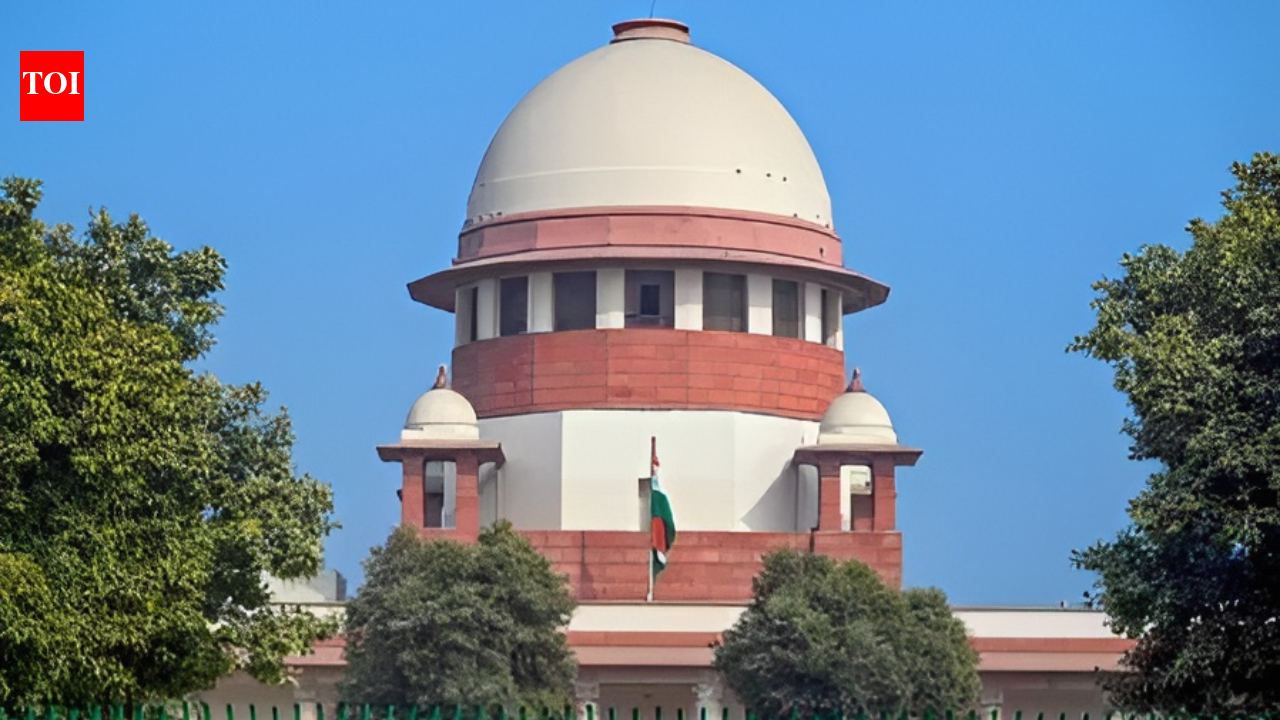
NEW DELHI: The Supreme Court has permitted the withdrawal of life-sustaining treatment for 31-year-old Harish Rana, who has remained in a permanent vegetative state for more than a decade after suffering a severe brain injury in a fall in 2013.A Bench of Justices JB Pardiwala and KV Viswanathan allowed the plea for passive euthanasia filed by Rana’s family after noting that his condition had shown no improvement despite years of treatment. The court said the medical board may exercise its clinical judgment on withdrawing life support in accordance with the guidelines laid down in the landmark 2018 judgment in Common Cause v. Union of India, which recognised passive euthanasia and living wills.Harish Rana was a BTech student in Chandigarh when he fell from the fourth floor of his paying guest accommodation in August 2013. The accident left him with a severe traumatic brain injury and complete quadriplegic disability. Since then, he has remained bedridden and dependent on others for all activities of daily life.According to the court, Rana exhibits sleep-wake cycles but shows no meaningful interaction with his surroundings. He has been receiving clinically assisted nutrition through a percutaneous endoscopic gastrostomy (PEG) tube, and doctors have found no sign of recovery over the years.

-

After prolonged treatment failed to improve his condition, Rana’s parents approached the courts seeking permission to withdraw life-sustaining treatment. They argued that their son had been living in a persistent vegetative state for over a decade with no hope of recovery and that continuing treatment was only prolonging his suffering.Earlier, the family had moved the Delhi high court requesting the constitution of a medical board to examine Rana’s condition. However, the high court declined the plea, noting that he was not on mechanical life support and was able to sustain himself without external aid, and therefore did not fall within the scope of passive euthanasia.The family then approached the Supreme Court in 2024. As Rana’s condition remained unchanged and irreversible, his father filed a fresh petition seeking withdrawal of life-sustaining treatment, including clinically assisted nutrition and hydration.During the proceedings, the court noted the findings of medical experts that Rana had been in a permanent vegetative state for over a decade and had shown no meaningful neurological recovery.Allowing the plea, the court said the competent medical board may take an appropriate decision on withdrawing treatment in accordance with the procedure and safeguards laid down by the Supreme Court.In its landmark 2018 ruling in Common Cause, a Constitution Bench had held that the right to life under Article 21 includes the right to live with dignity, which also encompasses the right to die with dignity in cases of terminal illness or irreversible vegetative states. The judgment allowed passive euthanasia under strict safeguards and recognised the validity of living wills or advance directives.Harish Rana’s case is among the rare instances where the Supreme Court has considered and permitted the withdrawal of life-sustaining treatment in an individual case under these guidelines.

Banner Insert


Source link

Harish Rana Case Verdict: SC allows withdrawal of life support in Harish Rana passive euthanasia case | India News


SC allows withdrawal of life support in Harish Rana passive euthanasia case

The Supreme Court on Wednesday allowed the withdrawal of medical treatment to 31 year old Harish Rana in a first passive euthanasia case in the country. The top court directed Delhi’s AIIMS to admit Rana and provide all necessary facilities in carrying out exercise of withdrawing life support system.A bench of Justices JB Pardiwala and KV Viswanathan pronounced the momentous verdict.Rana has been in a vegetative state with 100 percent disability and quadriplegia, that required him continuous medical assistance for breathing, feeding, and daily care.The top court held that an individual can choose death when prolonging life through artificial life support goes against their dignity and there is no hope of recovery.


Source link

What happened at Epstein’s mysterious New Mexico Zorro Ranch? ‘Macabre and strange’ claims surface


What happened at Epstein's mysterious New Mexico Zorro Ranch? 'Macabre and strange' claims surface
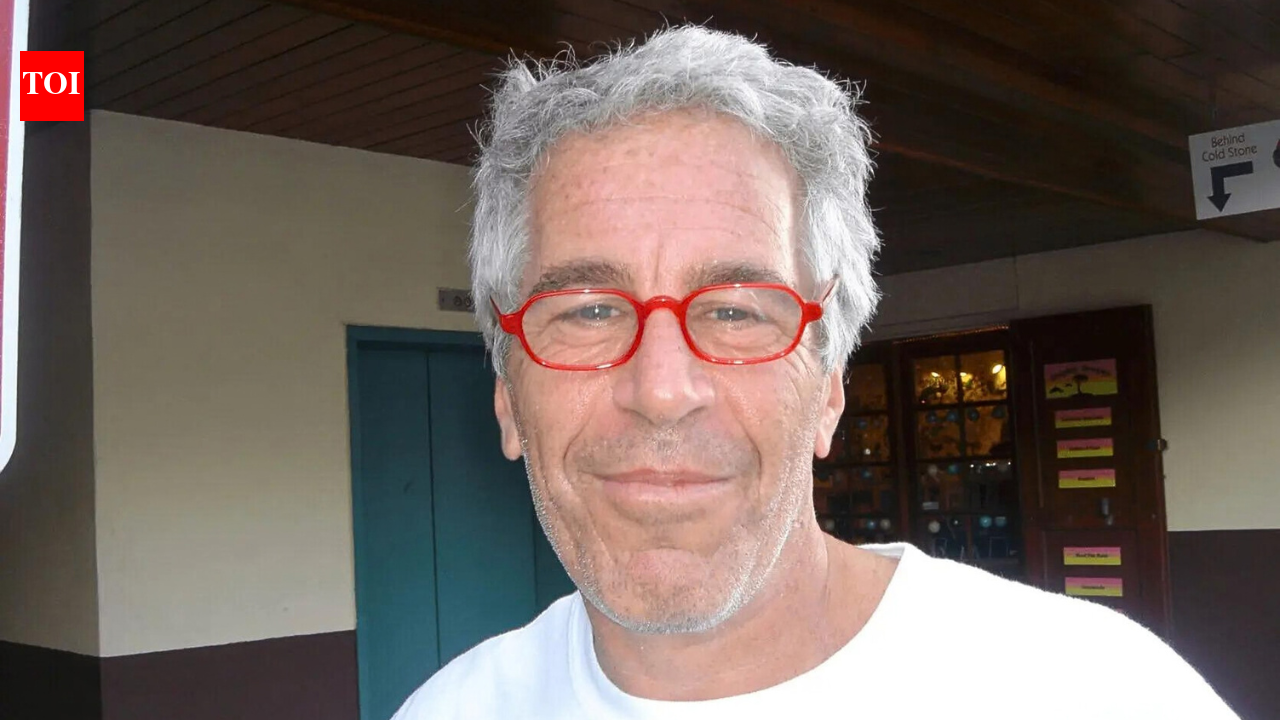
Jeffrey Epstein (AP file photo)

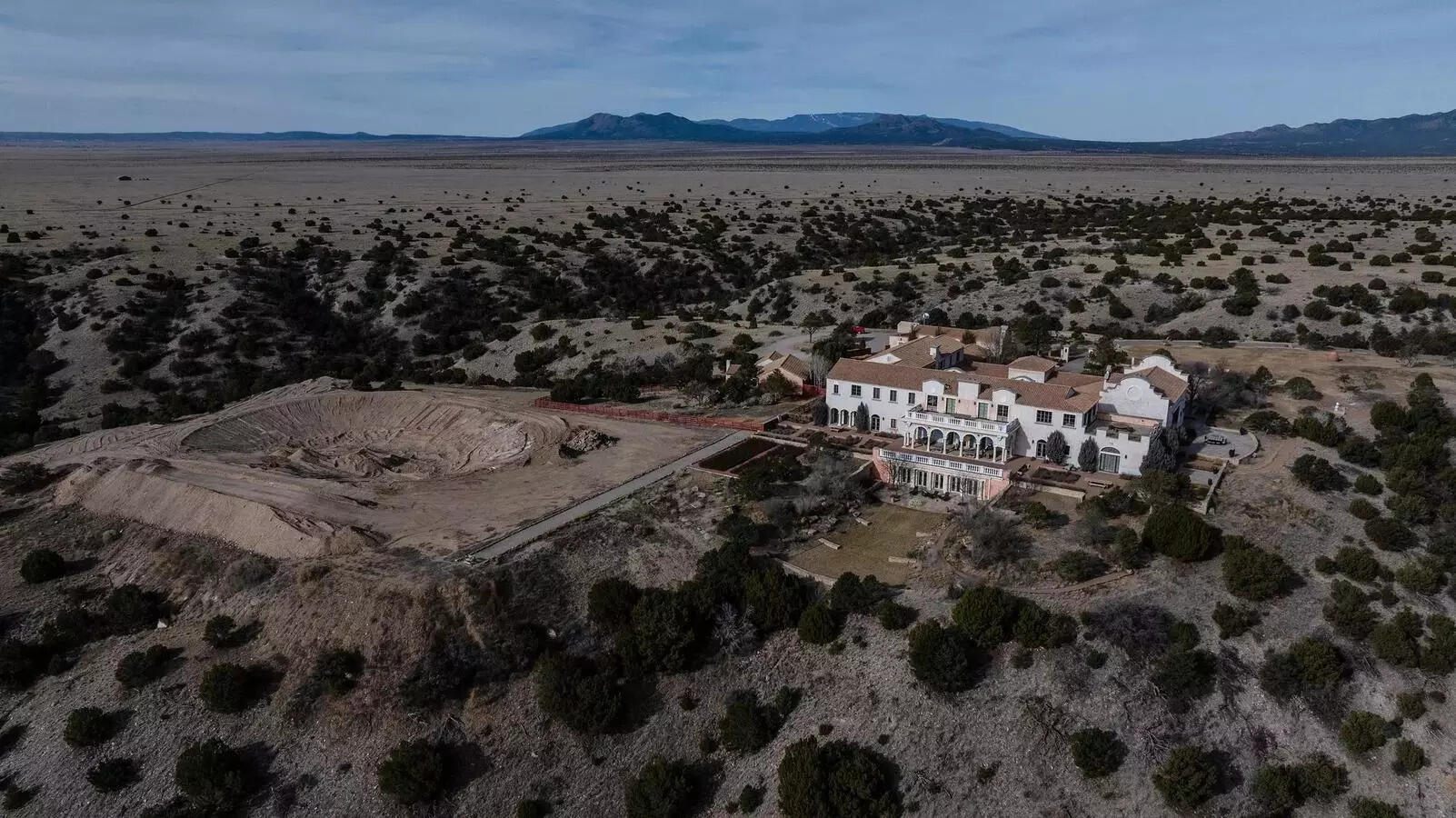
What is damning about Jeffrey Epstein is yet to be written, an email said, as sexual offender and paedophile Jeffrey Epstein’s Zorro Ranch in New Mexico has come under the scanner of authorities following an investigative campaign highlighting “macabre and strange” claims about the property.According to a New York Post report, millionaire paedophile Jeffrey Epstein, who had links with many high-profile figures around the world, allegedly planned to use his Zorro Ranch in New Mexico as a “baby factory” to seed the Earth with “more perfect humans”. He was also accused of burying victims of deadly sex games on the property, filming horrific child pornography there and building a strange labyrinth-like garden that is now a large hole in the ground.

Chilling Photo From Epstein Mansion Appears To Show Andrew Windsor With a Victim On His Lap | WATCH

Despite the disturbing claims about Zorro Ranch, law enforcement had never carried out a thorough search of the property.Much of the recent push to investigate the 33,000-square-foot compound came from local radio host Eddy Aragon, who received a disturbing tip in November 2019 — just three months after Epstein died in jail.Aragon has spent the years since looking into the claims about Zorro Ranch. He believes the secrets the property may hold will “horrify the world”.“This is way beyond just burying bodies at Zorro Ranch. This is something far more macabre and strange than you think or have thought of,” he recently told the Santa Fe New Mexican.

Epstein's New Mexico's Zorro Ranch

“These are things if I were to say them would make me seem crazy or conspiratorial, and it’s not,” he added.Aragon said he received an anonymous email about the compound.“Did you know somewhere in the hills outside the Zorro, two foreign girls were buried on orders of Jeffrey and Madam G?” the message said, referring to Epstein’s associate Ghislaine Maxwell.“Both died by strangulation during rough, fetish sex,” the email added. “What is damning about Jeffrey Epstein is yet to be written.”Maxwell, who is serving a federal prison sentence after being convicted of sex trafficking charges, has not been charged with any crimes related to deaths at Zorro Ranch.The email — which claimed to be from a ranch employee “that has been there and seen it all”, did not provide further details about the alleged deaths. Instead, it demanded that Aragon pay one Bitcoin, worth about $6,500 at the time, to an anonymous digital wallet within a day in exchange for a USB drive containing damaging information.Aragon did not pay. Instead, he forwarded the message to the Federal Bureau of Investigation, saying it “could be real.”It is still unclear whether the FBI investigated the tip. However, on Monday — more than six years later — Zorro Ranch was swarmed by police in New Mexico in one of the first major searches of the property since Epstein’s activities became public.The ranch, located about 30 miles south of Santa Fe, has since been sold to the family of former Don Huffines, a former Texas state senator. The family is cooperating with the investigation.The final sale price has not been disclosed, but the property had been listed for around $18 million shortly before the sale.Authorities have not said exactly what investigators are searching for. However, parts of the land have already been dug up since the ranch was sold in 2023. Recent photos show a deep pit where the sprawling maze-like garden, once as large as the mansion itself, used to stand.Although Aragon never received a response from the FBI about the tip, he says his own investigation has convinced him that authorities could uncover major new details about the Epstein scandal.He also said he believes he knows which former Epstein staff member sent the email. According to him, the person claimed they had kept information about the alleged bodies and videos of Epstein as “insurance in case of future litigation.”


Source link

Ali Khamenei opposed his son’s succession, but IRGC stepped in; how Mojtaba became supreme leader


Ali Khamenei opposed his son’s succession, but IRGC stepped in; how Mojtaba became supreme leader

Iran’s military establishment appears to have played a decisive role in elevating the country’s new supreme leader, even though his own father reportedly opposed the idea of him inheriting the post.According to reports, the appointment of Mojtaba Khamenei followed intense pressure from Iran’s Islamic Revolutionary Guard Corps (IRGC), which saw him as a leader likely to back its hardline agenda.The 56-year-old cleric became the third supreme leader of the Islamic Republic after the death of his father, Ali Khamenei, who was killed in US-Israeli strikes on Tehran on February 28 amid an escalating regional war. Iran’s Assembly of Experts, the body responsible for choosing the country’s supreme leader, formally announced Mojtaba’s appointment days later.

Ali Khamenei reportedly opposed the idea

One of the most striking claims to emerge after the leadership transition is that the elder Khamenei himself did not want his son to succeed him.“In Khamenei’s will, he explicitly asked Mojtaba not to be named as successor,” Khosro Isfahani, research director for the opposition-linked National Union for Democracy, told the New York Post.Isfahani said the late supreme leader believed his son lacked the experience needed to run the Islamic Republic.“Mojtaba is an impotent young cleric who has achieved nothing in terms of political life,” he said. “All these years, he has been nothing without his father’s name.”According to the report, Mojtaba had never held a formal government post before being elevated to the most powerful office in Iran. Instead, he spent much of his career working behind the scenes within his father’s office, known as the beyt, where he developed strong links with security and military figures.Leaked US diplomatic cables from the 2000s had previously described him as “the power behind the robes,” suggesting he wielded influence within the system long before his public rise.

Revolutionary Guards’ decisive role

Several Iranian insiders told Reuters that the Revolutionary Guards were instrumental in securing Mojtaba’s appointment.The Guards, already one of the most powerful institutions in Iran, reportedly pushed hard for his selection, seeing him as a more pliant leader who would support their hardline policies both at home and abroad.Sources told Reuters that senior clerics and political figures initially raised objections, partly because the succession appeared hereditary and partly due to fears that it would strengthen the military’s dominance of the political system.The opposition delayed the announcement of Mojtaba’s appointment for hours, according to Reuters, but the Guards eventually forced the issue.One insider said the IRGC had directly contacted members of the Assembly of Experts, pressing them to support Mojtaba’s elevation. Another source said critics of the decision were warned against opposing it.The Guards also argued that the wartime situation required a rapid decision and a leader who would stand firmly against the United States.Alex Vatanka, a senior fellow at the Middle East Institute in Washington, told Reuters that Mojtaba “owes his position to the Revolutionary Guards and as such he is not going to be as supreme as his father was”.Some Iranian insiders fear the development could accelerate the transformation of the Islamic Republic into what one source described as a “military state with only a thin veneer of religious legitimacy”.The elder Khamenei had spent decades balancing competing power centres — clerical elites, elected politicians and the Revolutionary Guards — while keeping the military establishment in check.But with Mojtaba’s rise, that balance may have shifted.Sources told Reuters the Guards have already expanded their influence since the outbreak of war and are likely to wield greater control over strategic decisions under the new leadership.


Source link

Watch: US destroys multiple Iranian minelayers in Strait of Hormuz


Watch: US destroys multiple Iranian minelayers in Strait of Hormuz

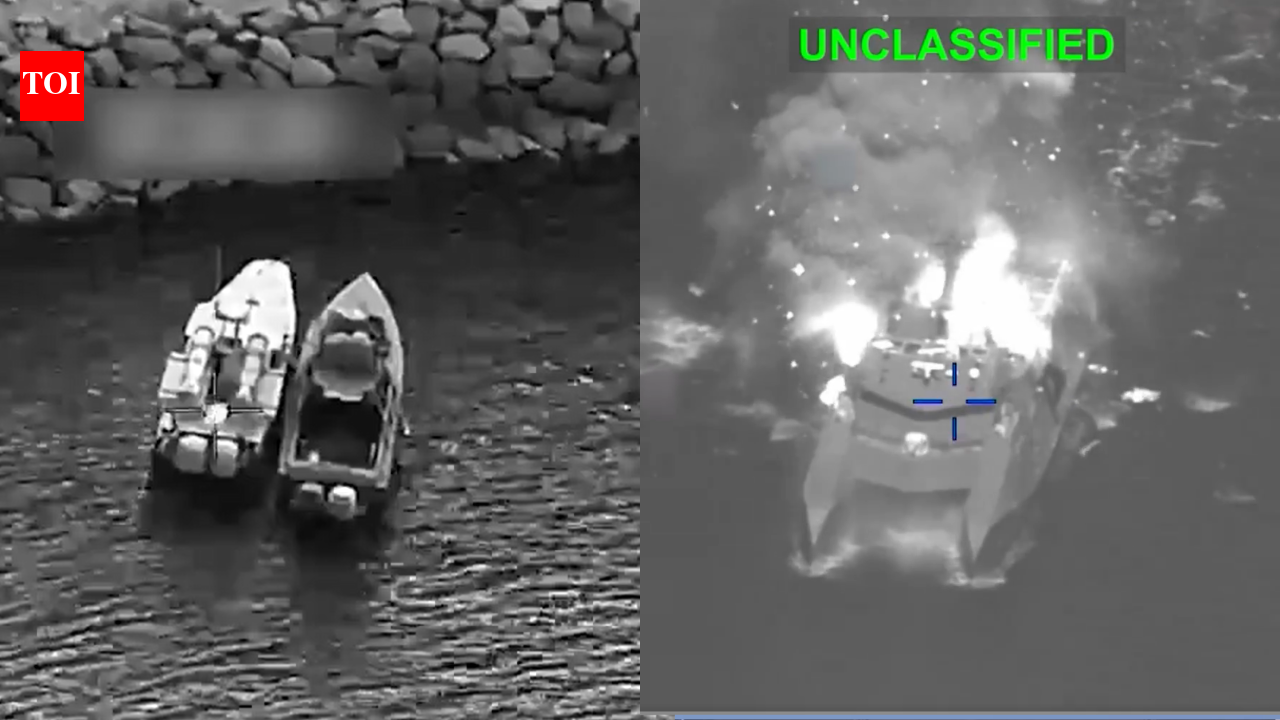
The United States military has destroyed several Iranian vessels believed to be capable of laying naval mines near the strategic Strait of Hormuz, according to the US central command, as concerns grow around Tehran’s attempt to disrupt shipping in the critical waterway.In a post on X, the United States central command (CENTCOM) said US forces targeted and destroyed multiple Iranian naval vessels on Tuesday. “US forces eliminated multiple Iranian naval vessels, March 10, including 16 minelayers near the Strait of Hormuz,” the command said, sharing a video showing some of the strikes.The claim followed comments by US president Donald Trump, who earlier said American forces had struck Iranian vessels capable of laying mines in the area. But interestingly, according to Trump 10 vessels were destroyed, contradictory to the military’s claim of 16. In a post on Truth Social, Trump wrote: “I am pleased to report that within the last few hours, we have hit, and completely destroyed, 10 inactive mine-laying boats and/or ships, with more to follow!”

.

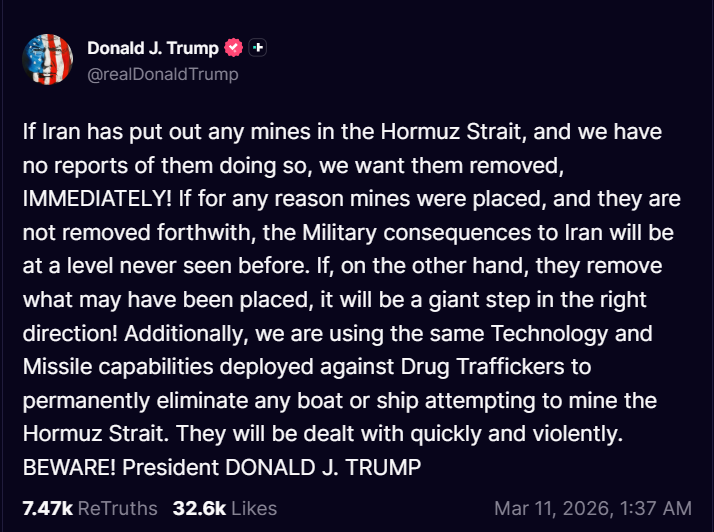
The US president also warned Tehran against deploying naval mines in the key shipping corridor. “If Iran has put out any mines in the Hormuz Strait, and we have no reports of them doing so, we want them removed, IMMEDIATELY!” he wrote.Trump added that failing to remove such mines could lead to a strong military response. “If for any reason mines were placed, and they are not removed forthwith, the Military consequences to Iran will be at a level never seen before,” he said, while adding that removing any devices would help ease tensions. “If, on the other hand, they remove what may have been placed, it will be a giant step in the right direction.”

.

The warning comes after reports by CBS News citing US officials suggested Iran could be preparing to deploy naval mines in the strait. People familiar with US intelligence told CNN that a small number of mines may already have been placed in the waterway. The Strait of Hormuz, located between Iran and Oman, is one of the world’s most important energy chokepoints, with roughly 20 per cent of globally traded oil passing through it each day.Control of the waterway is shared by Iran’s navy and the Islamic Revolutionary Guard Corps (IRGC), which has warned that ships transiting the channel could be targeted.Since the war escalated, officials have described the strait as an increasingly high-risk transit zone for commercial shipping.


Source link

‘Wish we had 2–3 players like him in Pakistan’: Ex-cricketer’s blunt take on this Indian cricketer | Cricket News


'Wish we had 2–3 players like him in Pakistan': Ex-cricketer's blunt take on this Indian cricketer

NEW DELHI: Former Pakistan cricketer Basit Ali has criticised ex-Pakistan pacer Mohammad Amir for his remarks about India’s young opener Abhishek Sharma following the ICC Men’s T20 World Cup 2026.Abhishek, who had been under heavy criticism for his poor form earlier in the tournament, bounced back in style in the final against New Zealand national cricket team. The youngster smashed a crucial half-century, giving India national cricket team a blazing start and laying the foundation for victory.

Suryakumar Yadav receives grand homecoming after India’s T20 World Cup win

India went on to defeat New Zealand by 96 runs at the Narendra Modi Stadium in Ahmedabad, clinching their third ICC Men’s T20 World Cup title after earlier triumphs in 2007 and 2024.The road to the final, however, was far from smooth for Abhishek. The left-handed opener endured a difficult start to the tournament, registering three consecutive ducks at the beginning of the campaign.During that lean phase, Amir criticised the youngster and labelled him a “slogger”. However, the criticism proved premature as India went on to lose just one match in the tournament, with Abhishek playing a key role in the final.Basit Ali expressed disappointment over the harsh criticism directed at the young batter and said he would welcome players of Abhishek’s calibre in Pakistan’s team.“Even if he has scored three ducks, form is temporary, but class is permanent. When people start giving such a classy player names, it honestly feels disappointing to me. The kind of names being thrown around… I just wish we had two or three players like him in our country as well,” Ali said at TV show on ARY News.After India’s title-winning victory over New Zealand in Ahmedabad, Abhishek spoke about the difficult phase he experienced during the tournament and the support he received from the team management.“I mean, of course, but the one thing was very clear… the coach and the captain, they had the faith in me. And even I was doubting myself because it was not an easy tournament for me. I’ve never experienced this before, but still playing the first World Cup,” he said while speaking to the broadcasters after the final.The young opener added that the confidence shown by captain Suryakumar Yadav and head coach Gautam Gambhir played a big role in helping him stay focused despite his struggles.“Everyone was so, so much into me that you’re going to win one game, one big game, one big game. So I was just doing my process, but it wasn’t that easy as a young player… going through this phase.”Abhishek also spoke emotionally about the support he received from his teammates throughout the competition.“I think I just love this team, the way they treated me in those days. It was… I’ve never felt it before.”


Source link

Middle East war enters day 12 as US, Israel unleash ‘heaviest strikes’ on Iran as Tehran rules out ceasefire


Middle East war enters day 12 as US, Israel unleash 'heaviest strikes' on Iran as Tehran rules out ceasefire

The war between United States, Israel and Iran entered its 12th day on Wednesday with no sign of easing, as American and Israeli forces carried out what officials described as the most intense strikes yet on Iranian targets while the conflict spread across the region. US defense secretary Pete Hegseth said Tuesday would see the largest wave of US attacks since the war began, with more aircraft, bombers and intelligence-guided strikes deployed against Iranian military infrastructure. Iran, whose military capabilities have been battered by days of bombardment, vowed to continue fighting. Iranian parliament speaker Mohammad Bagher Ghalibaf rejected the possibility of a ceasefire, saying Tehran intends to punish what it calls aggression by Washington and Tel Aviv. Another senior Iranian figure, Ali Larijani, issued a warning to US President Donald Trump on social media, saying Iran does not fear US threats. Israeli Prime Minister Benjamin Netanyahu meanwhile said the broader aim of the war was to weaken Iran’s leadership to the point where popular forces could overthrow the government. “We are breaking their bones,” Netanyahu said of the ongoing campaign.

Strikes expand across the region

The fighting has spread well beyond Iran’s borders, with new strikes reported across Lebanon and Iraq. Lebanon’s health ministry said Israeli strikes killed at least seven people across southern Lebanon early Wednesday, including five in the town of Qana. Additional airstrikes in the Tyre and Bint Jbeil districts also caused casualties. Israeli forces also launched strikes on infrastructure linked to Hezbollah in the southern suburbs of Beirut after issuing evacuation warnings for the densely populated area. Elsewhere, drones targeted military installations at Baghdad International Airport in Baghdad late Tuesday, according to Iraqi security officials. The drones landed near facilities used by US-led coalition forces, including the American-operated Victoria Base, though no casualties were reported.

Heavy bombardment in Tehran

Residents of Tehran reported some of the war’s “heaviest bombardment” overnight, with powerful explosions shaking neighborhoods and causing electricity outages across parts of the capital. Witnesses said the strikes lasted for extended periods around midnight, with some residents describing residential buildings being hit. Many businesses in Tehran closed early amid fears of further attacks, AP reported. Tens of thousands of civilians have reportedly fled major cities, seeking refuge in rural areas.

US targets Iranian naval assets

The US military said it had destroyed 16 Iranian mine-laying vessels near the strategic Strait of Hormuz amid fears Tehran could attempt to block the vital shipping lane. The waterway, through which about one-fifth of the world’s oil supply passes, has become a focal point of the conflict. President Trump warned that if Iran deploys naval mines in the strait, they must be removed immediately or face severe military consequences.“If Iran has put out any mines in the Hormuz Strait, and we have no reports of them doing so, we want them removed, IMMEDIATELY! If for any reason mines were placed, and they are not removed forthwith, the Military consequences to Iran will be at a level never seen before. If, on the other hand, they remove what may have been placed, it will be a giant step in the right direction! Additionally, we are using the same Technology and Missile capabilities deployed against Drug Traffickers to permanently eliminate any boat or ship attempting to mine the Hormuz Strait. They will be dealt with quickly and violently. BEWARE!” he said.

140 US service members wounded

The Pentagon said about 140 US service members have been wounded since the conflict began, though most injuries are minor. Eight troops were reported to be severely injured, while several have already returned to duty. Civilian and military casualties have mounted across the region as well. In Lebanon alone, authorities say hundreds have been killed and more than a thousand wounded since the latest round of fighting began.

Markets and global concerns

Despite the escalating conflict, financial markets showed relative stability Tuesday after days of volatility triggered by uncertainty about how long the war might last. The S&P 500 slipped slightly, while oil prices stabilized after plunging from nearly $120 per barrel earlier in the week to around $90. Global leaders are closely monitoring the conflict’s economic consequences. Leaders of the Group of Seven are expected to hold emergency talks on energy security and potential measures to stabilize oil markets. With both sides rejecting calls for negotiations and intensifying military operations, fears are growing that the conflict could further destabilize the Middle East and disrupt global energy supplies.



Source link

Nod to changes to widen transgender definition | India News


Nod to changes to widen transgender definition

NEW DELHI: Cabinet Tuesday approved a proposal to amend the Transgender Persons (Protection of Rights) Act, 2019, seeking to expand the definition of transgender persons in what is being cited as an attempt to make the law more “inclusive” so that all bona fide persons receive benefits and protection.There has been debate over the implementation of the law, with community leaders raising concerns from time to time. Even Supreme Court has expressed concern over the tardy implementation of the law.While no official details of proposed changes were shared Tuesday, TOI has learnt that the bill proposes to bring clarity to the definition of transgender persons compared to the current provision. Officials said the bill proposes that the criteria for identifying transgenders would be spelt out more elaborately and ensure there is no misuse of provisions.The Transgender Persons (Protection of Rights) Act, 2019, which came into effect on Jan 10, 2020, lays down provisions to provide legal recognition, prohibit discrimination, and mandate welfare measures for transgender individuals. The rules to implement the law were notified on Sept 25, 2020.Sec 2 of the law deals with definitions and states that a “transgender person” includes trans-men/women, intersex persons, gender queer individuals, hijra and others, irrespective of surgery.“A ‘transgender person’ means a person whose gender does not match with the gender assigned at birth and includes trans-man or trans-woman (whether or not such person has undergone sex reassignment surgery or hormone therapy), person with intersex variations, genderqueer and persons having such socio-cultural identities as kinner, hijra, aravani and jogta,” the law states.


Source link