Breaking News
‘Give him a break’: Ex-India batter urges India to drop Abhishek Sharma for T20 World Cup final | Cricket News


'Give him a break': Ex-India batter urges India to drop Abhishek Sharma for T20 World Cup final

Former India batter Mohammad Kaif has urged the team management to consider a bold change ahead of the T20 World Cup 2026 final, suggesting that out-of-form opener Abhishek Sharma should be rested for the title clash against New Zealand national cricket team. India will face the Kiwis in the summit clash at the Narendra Modi Stadium in Ahmedabad on Sunday.Kaif believes the Indian think tank, led by head coach Gautam Gambhir and captain Suryakumar Yadav, should not hesitate to make a change for such a crucial game. Abhishek has endured a difficult campaign in the tenth edition of the tournament, crossing the 50-run mark only once and repeatedly struggling against spin bowling.

T20 World Cup Final: Greenstone Lobo predicts India vs New Zealand winner | Astrological analysis

Opposition teams have targeted this weakness by introducing spinners during the powerplay. On four occasions in the tournament, Abhishek has fallen to spin, often while trying to attack from the outset. The aggressive approach that usually defines his batting has not paid off this time, and he has struggled to adapt by rotating the strike or taking time to settle at the crease.The situation has also been complicated by a health issue before the tournament began. Abhishek suffered a stomach infection and had to be hospitalised shortly before the competition started. The illness resulted in noticeable weight loss, and the lack of physical strength appears to have affected his bat swing and overall confidence. His struggles have also extended to the field, with the left-hander dropping two catches during India’s Super 8s encounter against the West Indies cricket team.Considering these factors, Kaif believes the team could benefit from bringing in Rinku Singh for the final.“India can give Abhishek Sharma a break. He has played many matches now. There is no harm in making changes. You can make changes in the shortest format. Roston Chase opened against India as Brandon King was out of form. They backed him for five or six matches, but they gave him a break for a big match. I believe that, like you brought in Sanju, and he did a great job, so that change worked in your favour,” Kaif said on his YouTube channel.“India have proven players. Rinku Singh scores runs everywhere, be it Tests, Ranji Trophy, or the IPL. Kuldeep Yadav and Mohammed Siraj also take wickets everywhere. When you look in the dugout to see who can replace Abhishek Sharma, you see Rinku Singh sitting there. So, bring him in. A guy is struggling, and another guy is sitting outside despite doing well,” he added.Abhishek’s lack of runs at the top also prompted the team management to reintroduce Sanju Samson into the playing XI. The wicketkeeper-batter responded impressively, producing match-winning knocks against the West Indies and the England cricket team and earning Player of the Match awards in both games.Kaif also pointed out that Samson’s experience in high-pressure tournaments sets him apart from Abhishek, who is still relatively new to global events.“The biggest difference between Abhishek Sharma and Sanju Samson is that Abhishek Sharma is still quite new to ICC events. He has a fantastic record, if you leave ICC events aside. There is a big difference when playing in an ICC event like the World Cup,” said Kaif.“Sanju has scored over 8000 runs in T20S. Be it the runs or six-hitting ability, his name comes in the top 10 in the IPL. He is already an established player. Abhishek Sharma is still young and has to work on his game. He is not a finished product. Don’t compare him with Sanju. Sanju is already a finished product. He made his India debut 11 years ago,” he concluded.


Source link

Bombay High Court: Why Bombay high court said Cross or statue of Jesus cannot prove conversion to Christianity


Why Bombay high court said Cross or statue of Jesus cannot prove conversion to Christianity

In a significant ruling on caste verification and allegations of religious conversion, the Bombay high court held that the mere presence of a Cross or a statue of Jesus Christ in a household cannot be treated as proof that a person has converted to Christianity or abandoned their Hindu caste identity.The decision came from the Nagpur Bench of the Bombay high court, where a division bench of MS Jawalkar and Nandesh S Deshpande set aside an order passed by the District Caste Certificate Verification Committee, Akola. The committee had earlier rejected a college student’s claim that he belonged to the “Mang” Scheduled Caste on the ground that his ancestors had allegedly converted to Christianity.Allowing the petition, the court observed that allegations of religious conversion must be supported by concrete documentary evidence. It held that authorities cannot infer conversion merely from religious symbols in a household or isolated entries in records without proof of formal religious rites such as baptism.The ruling came in a petition filed by a 19-year-old student from Akola challenging the committee’s decision that invalidated his caste claim despite the presence of multiple pre-constitutional documents showing that his family belonged to the Mang caste.

Background of the case

The case arose from a petition filed by Stavan Wilson Sathe, a student from Akola, who challenged an order dated September 27, 2023, passed by the District Caste Certificate Verification Committee, Akola. The committee had invalidated his claim that he belonged to the Mang community, which is listed as a Scheduled Caste at serial number 46 in Maharashtra.The petitioner had submitted several documents in support of his caste claim, including school leaving certificates of his great-grandfather Ganpat Bhika dated August 10, 1932, and of Chattarsingh Bhikaji dated July 16, 1934, both recording the caste as Mang. His caste validation proposal had been forwarded through Rajashri Shahu College, Paradhi in Jalna.The case was subsequently referred to the Vigilance Cell for verification. The Vigilance Cell raised objections based on certain records indicating that the petitioner’s grandfather was described as Christian in a school certificate and on statements suggesting that the family professed Christianity.Despite the petitioner submitting explanations and additional documents, including a certificate issued by Alliance Church, Akola in 2009 stating that the family belonged to the Matang caste, the scrutiny committee rejected the caste claim.

Appellant’s arguments

The petitioner argued that the scrutiny committee had wrongly ignored substantial documentary evidence showing that his ancestors belonged to the Mang caste. He relied on several official records, including school certificates and service documents, which consistently recorded the caste as Mang or Matang.He further explained that the entry showing Christian religion in a school record relating to his grandfather was made due to social circumstances. According to the petitioner, his grandfather faced caste discrimination while studying in school and therefore shifted to another school where the religion was recorded as Christian to avoid harassment. However, the family never actually converted to Christianity.The petitioner also relied on several judicial precedents, including decisions in Tejashree Mangilal Dambale, Bhanudas Hona Gajbhiv, Parvi Ashish Chakravarti and Suvarna Vijay Kharat, to argue that mere references to Christian identity in records or the presence of religious symbols cannot be treated as proof of conversion.

Response of respondents

The State opposed the petition and supported the findings of the scrutiny committee. It argued that the petitioner’s ancestors had converted to Christianity and therefore the petitioner could not claim the benefit of Scheduled Caste status.The government relied on certain entries in the family records and statements indicating that the petitioner’s grandfather and father had accepted Christianity. It also referred to judicial precedents such as Kiranlata Wamanrao Sontakke and C. Selvarani vs Special Secretary-cum-District Collector to justify the committee’s decision.According to the authorities, once a family had converted to Christianity, they could not continue to claim benefits reserved for Scheduled Castes.

High court’s analysis

After examining the documents and the family records, the high court found that the scrutiny committee had failed to properly evaluate the evidence on record. The bench noted that except for one entry describing the family as Christian, all other documents consistently recorded the caste as Mang or Matang.The court also observed that the petitioner had produced important supporting documents, including a caste validity certificate issued earlier to a relative and old school records showing Mang caste.Addressing the committee’s reasoning regarding the presence of Christian symbols, the court held that such circumstances alone cannot establish that a person has converted to Christianity. The bench emphasised that allegations of conversion must be supported by clear evidence of formal religious practices.Citing earlier judicial decisions, the court noted that proof of conversion generally requires evidence such as baptism or other religious ceremonies formally accepting the Christian faith. In the present case, there was no such evidence on record.The bench also observed that even visiting a church or having religious symbols in a house cannot be treated as proof that a person abandoned their original caste identity.

Legal significance

The ruling reinforces the principle that caste claims cannot be rejected merely on the basis of assumptions about religious conversion. Authorities dealing with caste verification must rely on concrete documentary evidence and not on symbolic or circumstantial indicators.The judgment also clarifies that proof of religious conversion must involve evidence of formal religious rites or official documentation. Without such proof, authorities cannot conclude that a person has abandoned their original caste identity.

The final order

Allowing the writ petition, the high court set aside the order dated September 27, 2023, passed by the Akola Caste Scrutiny Committee that had invalidated the petitioner’s caste claim.The court declared that the petitioner belongs to the Mang Scheduled Caste and directed the concerned authorities to issue a caste validity certificate within two months.

Key takeaways from the judgment

• Presence of a Cross, painting or statue of Jesus Christ in a house cannot be treated as proof of conversion to Christianity.• Religious symbols alone cannot establish that a person abandoned their original caste identity.• Authorities must rely on concrete documentary evidence to prove religious conversion.• Proof of conversion generally requires evidence such as baptism or other formal religious rites.• Caste scrutiny committees must carefully evaluate documentary evidence before rejecting caste claims.• The Akola scrutiny committee’s decision was found to be legally unsustainable.

Why this matters

The ruling has broader implications for caste verification proceedings across the country. It highlights the need for authorities to adopt a careful and evidence-based approach when examining allegations of religious conversion in caste claims.By clarifying that symbolic religious markers cannot substitute for documentary proof, the judgment strengthens procedural safeguards in caste verification cases and prevents arbitrary denial of constitutional benefits available to Scheduled Castes.

Read full judegement:


Source link

Can Suryakumar Yadav do what Dhoni and Kohli couldn’t? This T20 World Cup stat vs New Zealand may worry India | Cricket News


Can Suryakumar Yadav do what Dhoni and Kohli couldn't? This T20 World Cup stat vs New Zealand may worry India
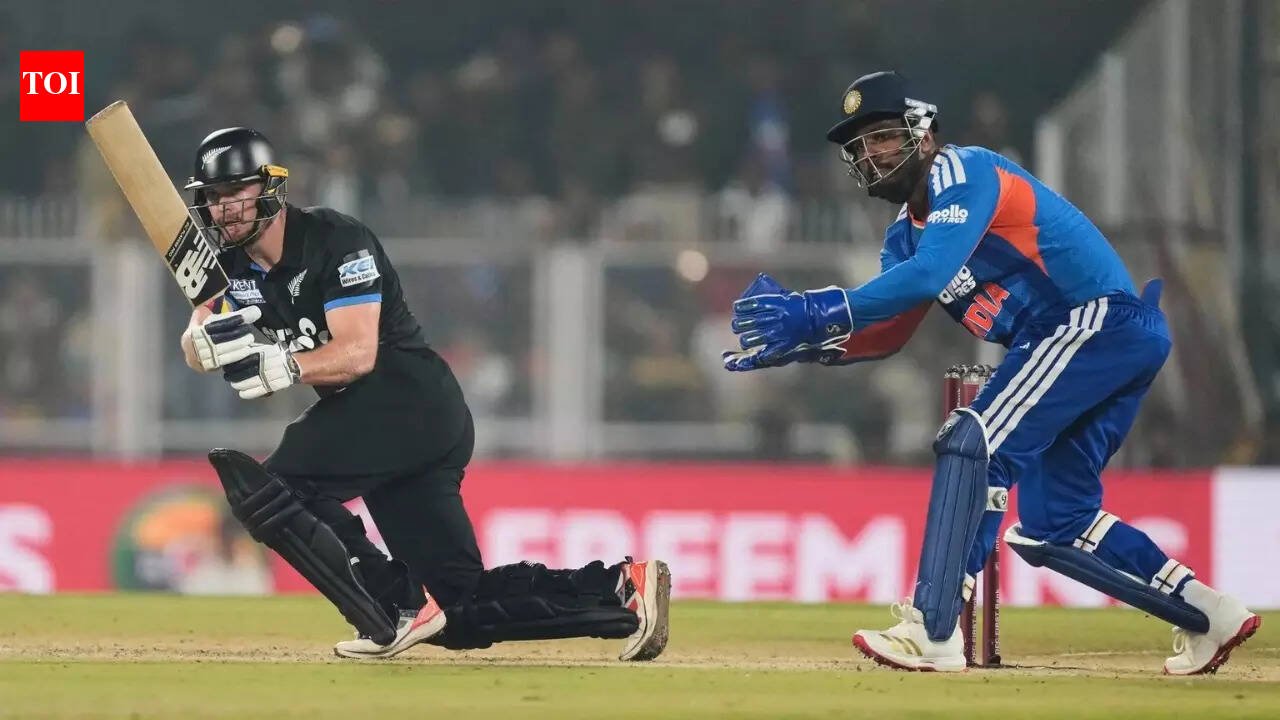
New Zealand’s Glenn Phillips plays a shot during the third T20 cricket match between India and New Zealand in Guwahati, India, Sunday, Jan. 25, 2026. (AP)

India will face New Zealand in the final of the ICC Men’s T20 World Cup on Sunday in Ahmedabad, with the hosts aiming to achieve several milestones in the tournament’s history.The defending champions are looking to become the first team to defend the T20 World Cup title and also the first side to win the tournament three times. India won the previous edition in 2024 after defeating South Africa in the final.

T20 World Cup Final: Greenstone Lobo predicts India vs New Zealand winner | Astrological analysis

India suffered a heavy defeat to South Africa on February 22 in a Super 8 match of the tournament, but recovered to win their remaining Super 8 matches and reach the semi-finals. They then defeated England in a close and high-scoring semi-final.More than 100,000 spectators are expected at the Narendra Modi Stadium in Ahmedabad for the final. While India will aim for another world title in front of a home crowd, New Zealand will look to win the trophy for the first time.India enter the final as hosts and defending champions and have also recorded recent bilateral series wins against New Zealand. However, New Zealand hold a strong record against India in T20 World Cup matches, having won all three previous meetings between the teams in the tournament.

T20 World Cup 2007: New Zealand won by 10 runs in Johannesburg

In the first edition of the ICC Men’s T20 World Cup, New Zealand captain Daniel Vettori delivered a strong all-round performance. He took 4 for 20 and also scored 15 runs from five balls to help New Zealand defeat India during the group stage.New Zealand had set a target of 191. India were 76 for 1 when Vettori came into the attack and dismissed Robin Uthappa and current India head coach Gautam Gambhir, who had scored 51 from 33 balls.Spin bowling then tightened New Zealand’s control. Jeetan Patel dismissed Yuvraj Singh, MS Dhoni was run out for 24, and Vettori returned later to remove Irfan Pathan and Dinesh Karthik.Earlier, Brendon McCullum scored 45 at the top of the order, while Craig McMillan and Jacob Oram added runs towards the end to take New Zealand to a total that India could not chase.

T20 World Cup 2016: New Zealand won by 47 runs in Nagpur

The two teams met again in the 2016 edition in Nagpur. New Zealand defended a total of 126 by bowling India out for 79, with three spinners taking nine wickets between them.Corey Anderson scored 34 from 42 balls for New Zealand, while Luke Ronchi added 21 not out from 11 balls after coming in at number eight.India struggled against spin bowling, with Virat Kohli scoring 23 and MS Dhoni making 30. When Ish Sodhi dismissed Kohli at 39 for 5 in the ninth over, India were already under pressure.Dhoni was dismissed in the 18th over and Adam Milne then took the final wicket by removing Ashish Nehra three balls later.Nathan McCullum finished with 2 for 15, Sodhi took 3 for 18 and Mitchell Santner returned figures of 4 for 11 along with scoring 18 runs. Milne was the only fast bowler to take a wicket in the match.

T20 World Cup 2021: New Zealand won by 8 wickets in Dubai

India and New Zealand met again in the 2021 T20 World Cup in Dubai. India scored 110 for 7, which New Zealand chased comfortably.Trent Boult took a wicket in the powerplay and later picked up two more in the 19th over. Ish Sodhi returned figures of 2 for 17, Tim Southee took 1 for 26 and Adam Milne finished with 1 for 30.Mitchell Santner did not take a wicket but bowled an economical spell of 0 for 15, including 11 dot balls.In reply, Martin Guptill and Daryl Mitchell started the chase well. Mitchell scored 49 from 35 balls before being dismissed with New Zealand needing 15 runs. Captain Kane Williamson then finished the chase to seal the win.India vs New Zealand head-to-head in T20 World CupsPlayed: 3New Zealand: 3India: 0India and New Zealand will now meet again in the final of the T20 World Cup on Sunday, March 8, at the Narendra Modi Stadium in Ahmedabad.The two teams had also reached the final of the Champions Trophy in 2025, and nearly a year later they will again face each other in the final of an ICC tournament.


Source link

US clears $151.8m sale of 12,000 bomb casings to Israel as conflict with Iran escalates


US clears $151.8m sale of 12,000 bomb casings to Israel as conflict with Iran escalates
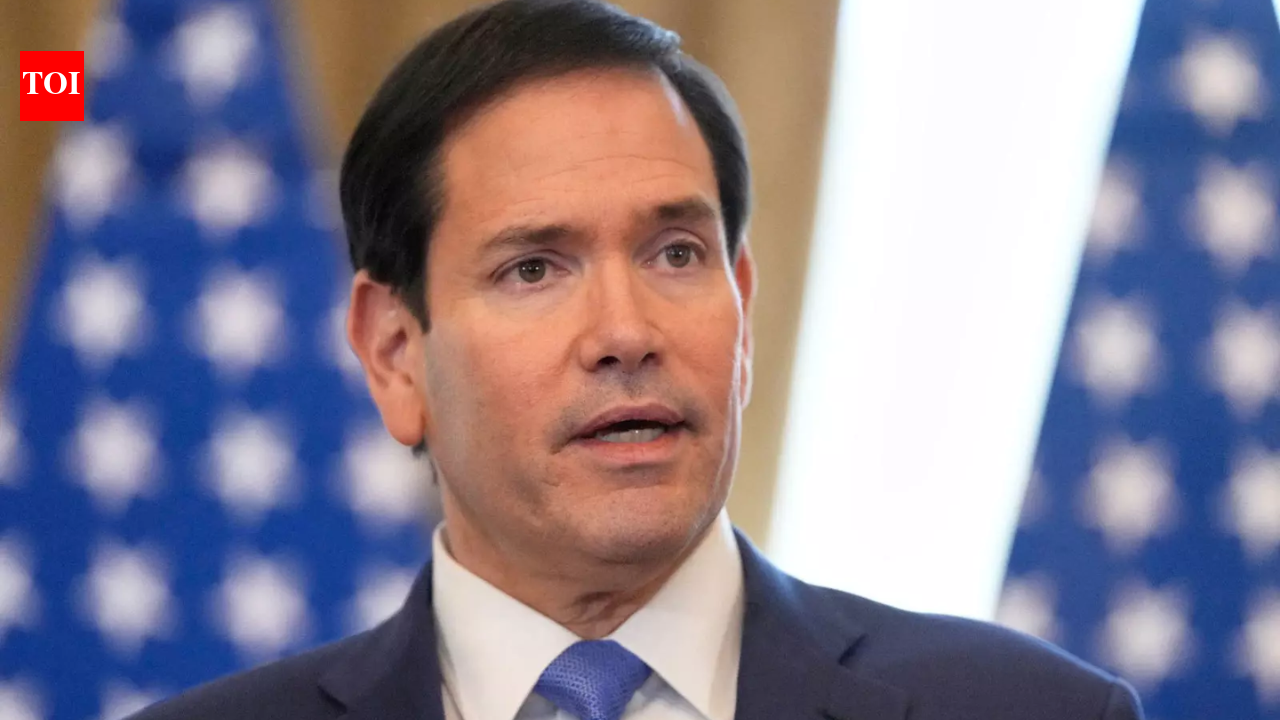
US secretary of state Marco Rubio

`The United States approved an emergency arms sale worth $151.8 million to Israel as the conflict in the Middle East continues to escalate.The US State Department’s Bureau of Political-Military Affairs approved the sale of 12,000 requested 1,000-pound (450-kilogram) bomb casings, according to a press release issued on Friday. The munitions are intended to strengthen Israel’s military capabilities amid the intensifying conflict.In addition to the bomb casings, the deal includes engineering, logistics and technical support services provided by US government and contract personnel. Some of the equipment will be supplied from existing US stockpiles.“The proposed sale will improve Israel’s capability to meet current and future threats, strengthen its homeland defense, and serve as a deterrent to regional threats,” the bureau said in a statement cited by AFP.

iran vs israel

The state department said secretary of state Marco Rubio approved the deal using emergency authority under the Arms Export Control Act, allowing the administration to bypass the usual congressional review process.“The Secretary of State has determined and provided detailed justification that an emergency exists that requires the immediate sale to the Government of Israel of the above defense articles and defense services is in the national security interests of the United States,” it said.The approval comes as fighting between Israel, the United States and Iran continues to intensify. Explosions sent clouds of dark smoke over the Iranian capital early Saturday, while Tehran responded by firing missiles at Israel.US and Israel have carried out repeated strikes on Iran targeting its military capabilities, leadership and nuclear programme. The stated goals and timelines of the war have continued to shift, with US officials at times suggesting the conflict could lead to the removal of Iran’s government or the emergence of new leadership from within.The emergency approval has drawn criticism from some lawmakers. Congressman Gregory Meeks, a Democrat on the House Foreign Affairs Committee, said bypassing congressional review raised concerns about the administration’s claims that it was prepared for the conflict.“The Trump administration has repeatedly insisted it was fully prepared for this war,” Meeks said in a statement. “Rushing to invoke emergency authority to circumvent Congress tells a different story.”“This is an emergency of the Trump administration’s own creation.”


Source link

Pakistan’s Asim Munir meets Saudi defence minister: Is ‘Islamic Nato’ in play?


Pakistan's Asim Munir meets Saudi defence minister: Is 'Islamic Nato' in play?
Pakistan army chief Asim Munir meets Saudi Arabia defence minister (Picture from X)

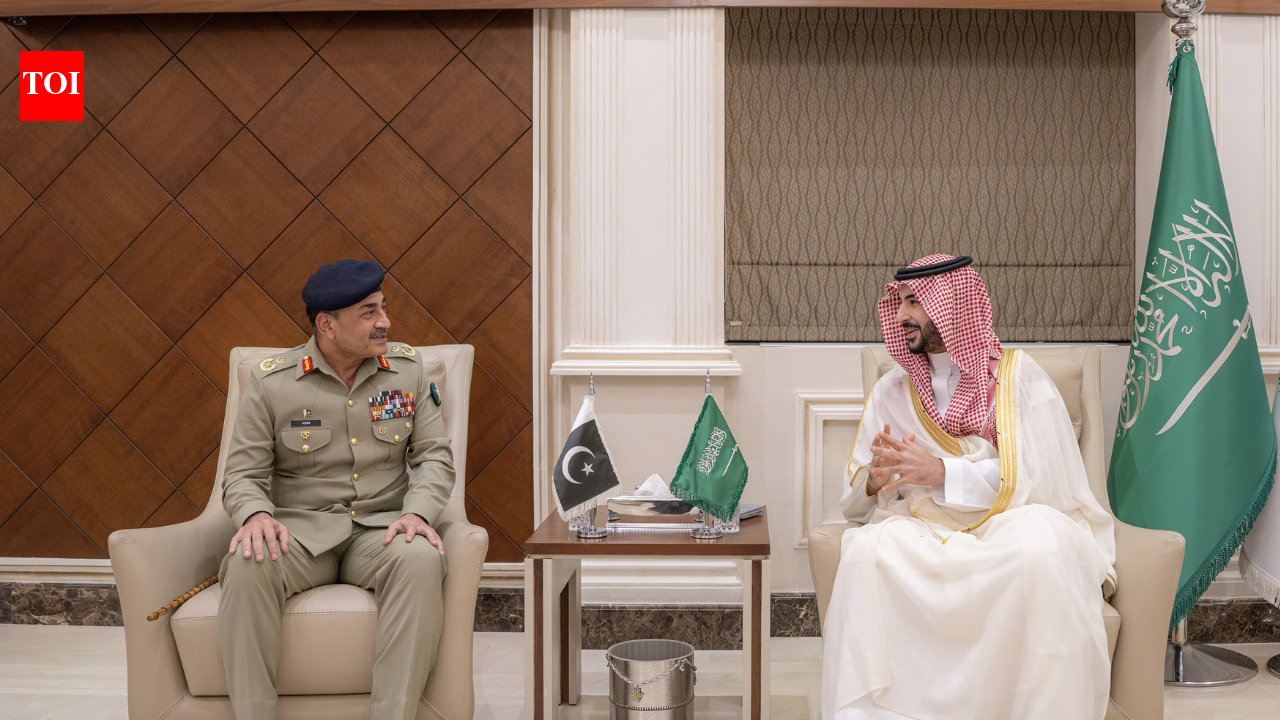
Pakistan army chief and the country’s de facto leader Asim Munir has met Saudi Arabia’s defence minister Khalid bin Salman amid the constantly evolving situation in the Middle East. The meeting comes days after Saudi Arabia’s Aramco oil refinery was hit and after US-Israel joint strikes killed Iran’s Ali Khamenei, triggering Tehran to launch strong retaliatory military actions across the Middle East region and raising fears of a wider regional conflict.The Saudi defence minister shared details of the meeting on X while highlighting Iranian strikes on the Kingdom. Sharing a picture with Munir, he wrote, “Met with Pakistan’s Chief of Army Staff and Chief of Defense Forces, Field Marshal Asim Munir. We discussed Iranian attacks on the Kingdom and the measures needed to halt them within the framework of our Joint Strategic Defense Agreement. We stressed that such actions undermine regional security and stability and expressed hope that the Iranian side will exercise wisdom and avoid miscalculation.”The meeting can be viewed as strategically important. Months earlier, according to a Bloomberg report, Turkey had sought a defence alliance with nuclear-armed Pakistan and Saudi Arabia in a triangular form of an “Islamic Nato”, an effort aimed at reshaping security alignments in the now-disturbed Middle East and beyond.

Middle East Crisis: Will Pakistan Go to War for Saudi Arabia?

Days ago, when Saudi Arabia’s Aramco refinery was struck by Iranian attacks, Pakistan issued strong reactions, expressing solidarity with Riyadh as well as with other Gulf countries.As tensions continue to rise, with Iran maintaining its missile and drone attacks, questions are being raised about whether Islamabad’s response will go beyond verbal condemnation, given its 2025 Strategic Mutual Defence Agreement with Riyadh.The pact, initially signed by Pakistan and Saudi Arabia in September, reportedly states that “any aggression” against one member would be treated as an attack on all, a provision similar to Article 5 of Nato, under which member states commit to collective defence.Talks on Turkey’s possible entry into the arrangement are said to be at an advanced stage, with a deal appearing likely, people familiar with the matter told Bloomberg on condition of anonymity. According to the report, the proposed expansion reflects the growing overlap in the strategic interests of Turkey, Saudi Arabia and Pakistan across South Asia, the Middle East and parts of Africa.

Will Pakistan step up?

The pact’s collective defence clause treats aggression against one as an attack on both, building on decades of military ties. However, its core provisions focus on conventional cooperation such as joint exercises, intelligence sharing and drones, without nuclear commitments.Pakistan Prime Minister Shehbaz Sharif, in a call with Crown Prince Mohammed bin Salman, pledged “full solidarity” and support for peace efforts rather than military deployment.Experts say sending troops could draw Pakistan into a wider conflict, further straining its fragile economy and security situation.“The Saudi-Pakistan defence pact is more of a political and strategic partnership rather than a classical defence pact akin to Nato. Pakistan has publicly condemned the Iranian attack on the Saudis and expressed solidarity and nothing beyond that. Pakistan in no way will get into any kind of military involvement as it has enough on its hand both externally with Afghanistan and internally with TTP and BLA. This once again exposes the double standards which Pakistani leadership has been exhibiting from time to time,” said Major General Rajan Kochar (Retd).Experts add that Islamabad is more likely to limit its support to diplomacy, logistics or overflight rights rather than sending troops.


Source link

D Gukesh apologises to fans; Indian chess stars slip in rankings — what’s going wrong? | Chess News


D Gukesh apologises to fans; Indian chess stars slip in rankings — what’s going wrong?
India’s top chess Grandmasters suffering from poor form at the moment

NEW DELHI: When Grandmaster (GM) Gukesh Dommaraju paused in the middle of the Prague Masters to apologise to fans, the moment felt unusually raw and emotional.“I really appreciate all the fans coming here every day. But I want to apologise to them. This tournament has been tough for me, and on some days I just want to be left alone,” the youngest-ever world chess champion said. “I generally make sure to give autographs and photographs after the game, but I haven’t been in a great mood here.”The admission carried weight, especially for a player who has only been navigating the highs and lows of being a world champion for less than 24 months.

Inside the Life of Belarus’s Top Chess Player Amid Russia-Ukraine Turmoil | Denis Lazavik Exclusive

Champions rarely reveal vulnerability so openly, almost never during tournaments. Yet this apology struck a chord across the chess world as it seemed to hint at something deeper.Indian chess, which has enjoyed a golden phase in recent times, is currently undergoing an alarming dip at the top of the pyramid.For example, the first FIDE rating list of 2026 in January featured three Indian GMs, Arjun Erigaisi, Rameshbabu Praggnanandhaa, and Gukesh, in the top 10.Two months later, in March, the scenario changed drastically. Erigaisi and Praggnanandhaa have slipped out of the top 10, while Gukesh, occupying the 10th spot in the latest rating list, risks losing more points after a difficult run (only one win in 10 rounds) in Prague.
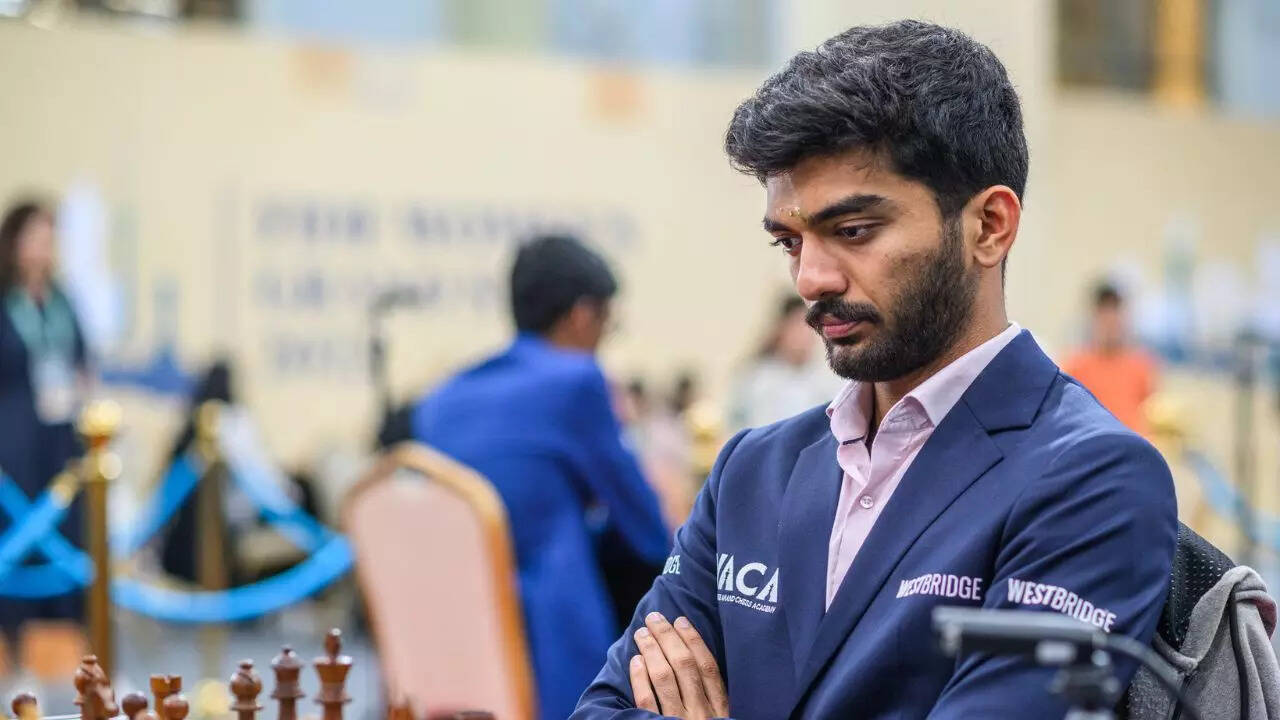
D Gukesh (Photo by Michal Walusza/FIDE)

D Gukesh (Photo by Michal Walusza/FIDE)

At a time when the chess calendar is heading toward a crucial phase, with the Candidates Tournament followed by the World Chess Championship, the dip has prompted questions.Is this just a temporary fluctuation? Or are there deeper issues affecting India’s brightest talents?Does the current dip in form for Indian top grandmasters sound alarm bells?“Of course, it’s a matter of concern,” veteran Grandmaster Pravin Thipsay told TimesofIndia.com during an exclusive interaction.“When players who were approaching or crossing 2800 suddenly drop by 40 or 50 points, it certainly deserves serious attention.”The reasons, according to Thipsay, are complex but interconnected.

Playing too much chess

Ironically, one of the biggest factors behind the slump could be the sheer volume of chess the young stars are playing.“The first reason, in my opinion, is that they are simply playing too much,” Thipsay explained. “Because they have become very strong, they receive a lot of invitations. Naturally, they end up playing far more tournaments than most players usually do.”He continued, “Top players often receive appearance fees that can be higher than the prize money itself. Earlier, they played mainly for prizes. Now, the starting money becomes a major factor. Financially, it can be difficult to refuse invitations.”Relationships with organisers also play a role. “Many organisers supported these players when they started out in their careers. Naturally, players feel obliged to accept those invitations,” he added.
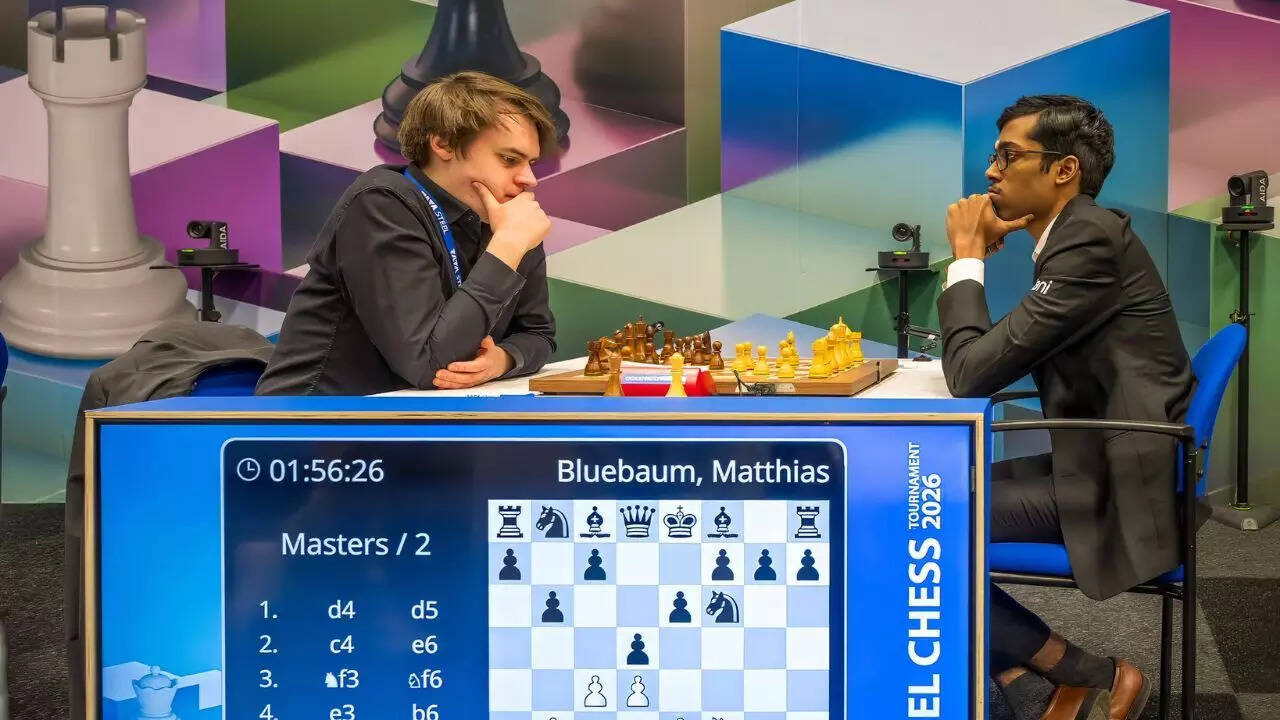
Praggnanandhaa R against Matthias Blübaum (Photo by Frans PeetersTata Steel Chess)

Praggnanandhaa R against Matthias Blübaum (Photo by Frans Peeters/Tata Steel Chess)

What follows next is a relentless tournament schedule. From classical tournaments to online events such as Titled Tuesdays and Freestyle Friday, the calendar rarely allows breathing space.Grandmaster Shyam Sundar M, whose relentless contribution through coaching has gifted India multiple GMs in recent times, echoes the same concern about the modern schedule.“The top 10 fluctuates frequently, not just for Indians,” Shyam Sundar added. “Players today compete in classical tournaments, rapid, blitz, Chess960 team events and many other competitions. Without enough breaks, it’s natural that results will fluctuate.”The consequence, he explains, is that players often arrive at the most important tournament not fully refreshed.

Stardom and distractions

Another factor, Thipsay believes, lies in the unique status Indian chess players enjoy at home.“The social status of Indian players today is much higher than what players like Nodirbek Abdusattorov, Alireza Firouzja or Fabiano Caruana experience in their countries,” he said.In India, chess stars have become celebrities. And recently, this idea was put into perspective by FIDE itself when they put out a social media post comparing Instagram follower counts of the Candidates. And unsurprisingly, two of the top three were Indians.“They receive huge media attention, encouragement, and financial offers. Endorsements and brand collaborations bring good money, but they also take a lot of your time and mental energy,” Thipsay added.These commitments may appear minor compared to the rigours of professional chess; but over time, they can shift focus. “Financial rewards outside chess can become a distraction and may hamper concentration,” Thipsay told this website.

The closed circuit problem

Another factor shaping modern chess is the structure of tournaments themselves. Today’s leading players often compete repeatedly against the same small group of elite opponents in closed events.“Since the days of Garry Kasparov, the top players have mostly played among themselves in elite events,” Thipsay stated. “Even Anatoly Karpov played many open tournaments against ordinary players. That tradition has largely disappeared.”The result is a tight competitive ecosystem.
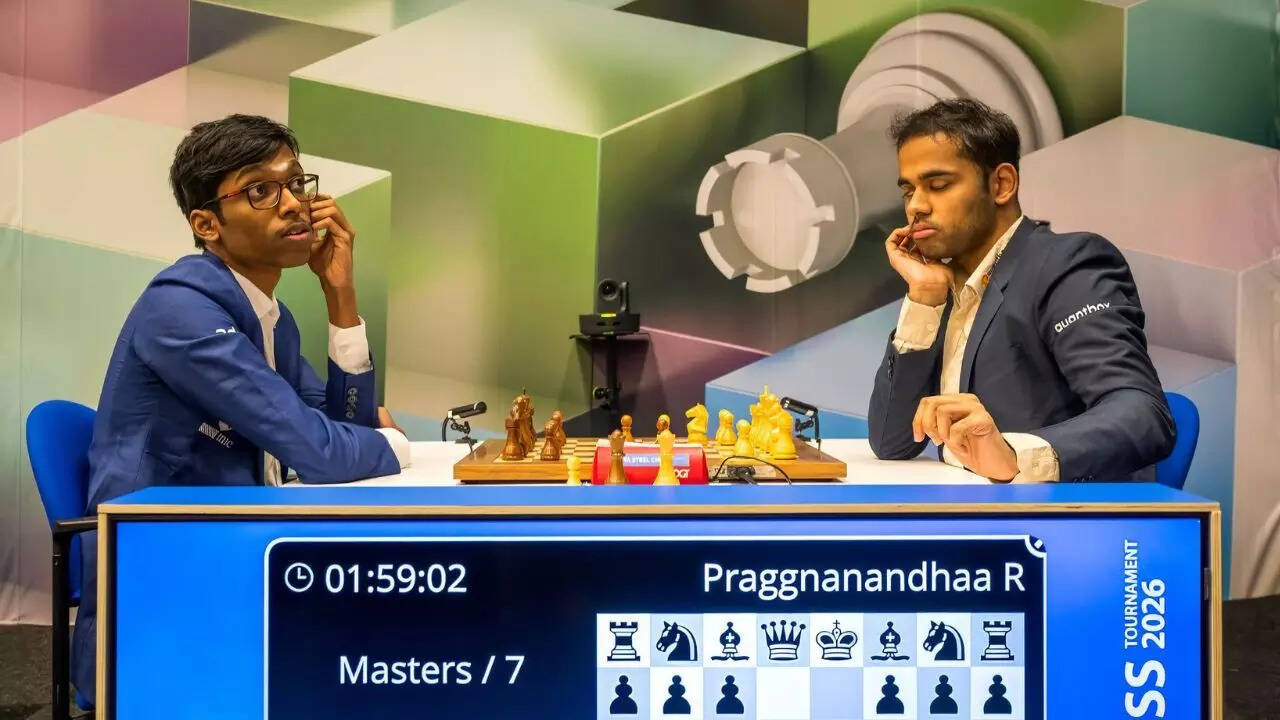
Arjun Erigaisi vs Praggnanandhaa R (Photo by Frans Peeters/Tata Steel Chess)

Arjun Erigaisi vs Praggnanandhaa R (Photo by Frans Peeters/Tata Steel Chess)

“When you play the same opponents repeatedly, you become very familiar with their styles. Preparation becomes about guessing what your opponent will play rather than discovering new ideas.”In contrast, open tournaments force players to think independently, which the top stars are lacking these days.“When these players rose rapidly in 2022 and 2023, they were playing many Swiss tournaments. You faced unknown opponents, unpredictable positions, and that sharpened their creativity. New strategic ideas won’t come to you if you are playing the same players, again and again. So that’s very serious.”

The engine era dilemma

According to Thipsay, the overwhelming role of computer preparation has subtly changed how players think.“Today, many players buy enormous amounts of prepared material from analysts or trainers. Often, these analysts are not strong players themselves; they simply run engines and provide computer suggestions,” he revealed. “A human process is different. You understand the position, identify strategic ideas, analyse tactics, and then reach a logical decision. With engine preparation, you are given the move, but you may not understand why it works.”He cites a famous remark by José Raúl Capablanca, adding, “Almost 100 years ago, Capablanca once said: ‘The best way to win is the easiest way.’ But the easiest path is different for every player.”When players follow computer lines that do not suit their style, problems emerge. “You might know that the engine says a move is best, but you have not truly grasped the idea behind it,” the veteran GM added.

Losing their natural strengths

Thipsay feels the Indian trio’s distinctive styles have slightly faded in recent months.“Praggnanandhaa was once one of the most dangerous attacking players, but he isn’t getting many attacking positions now. Gukesh was phenomenal defensively, as his accuracy in events like the Olympiad was extraordinary.”He believes opponents are now adapting.“Rivals are preparing specific strategies to complicate games. Meanwhile, Arjun and Gukesh have lost some accuracy, and Praggnanandhaa some initiative.”However, all is not lost as Thipsay remains optimistic.
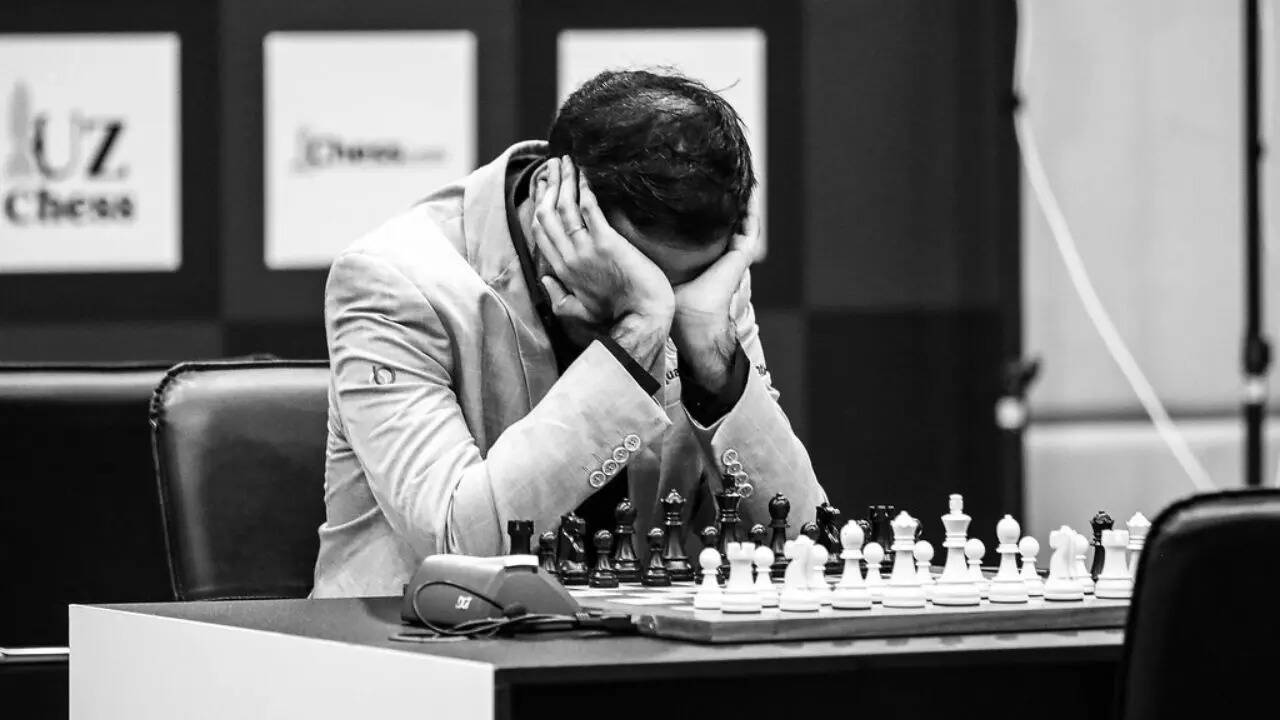
Arjun Erigaisi (Photo by Mukhammadbobur Makhmarayimov)

Arjun Erigaisi (Photo by Mukhammadbobur Makhmarayimov)

“If these players return to playing their natural games and perhaps include more open tournaments, the situation can change quickly,” he added.Shyam Sundar, on the other hand, cautions against reading too much into short-term dips.“Sometimes players experiment with their games as well,” he added.“For example, Gukesh himself has spoken about trying new things after becoming world champion. When players experiment, results can suffer temporarily even though the quality of chess remains strong.“When players are competing across formats and experimenting with ideas, you will naturally see ups and downs in results. But that doesn’t mean the players have suddenly become weaker.”

If these players return to playing their natural games and perhaps include more open tournaments, the situation can change quickly

GM Pravin Thipsay

Coach Shyam Sundar insists Indian players still command immense respect globally. In fact, according to him, the temporary dip might even serve as motivation.“Wherever you go, when someone faces an Indian player, they know they have to be fully prepared. That respect hasn’t changed,” added the 33-year-old.

The bitter truth about Indian chess

Beyond individual performance, the structure of Indian chess itself raises some alarm bells. “Indian chess has always been very individualistic. None of these champions has been created by a system,” Thipsay, who became a GM in 1997, admitted.Unlike the Soviet model that produced legends such as Mikhail Tal and Kasparov, India’s success stories often emerge from personal and family effort.“Parents sacrifice careers, invest time and resources, and players build themselves through sheer dedication,” 66-year-old Thipsay added. “Just because three players reach the top 10 today does not mean we will automatically produce three more in ten years.”READ ALSO: India gets its 93rd GM: Mother quit job for chess — the making of Aarav Dengla influenced by D Gukesh and Arjun ErigaisiThat model makes sustained dominance difficult, as Thipsay said, “Out of millions who play online chess, only about 36,000 players in India are registered for AICF over-the-board tournaments.”For now, India’s chess revolution continues to be powered by extraordinary individuals. Whether it can evolve into a system capable of producing champions generation after generation remains the bigger game still to be won.



Source link

Plumes of smoke, planes ablaze: Iran’s Mehrabad airport on fire as Israel launches airstrike – watch


Plumes of smoke, planes ablaze: Iran's Mehrabad airport on fire as Israel launches airstrike - watch

Israeli strikes hit Tehran on Saturday as the conflict between Iran, Israel and the United States intensified, with explosions reported at the capital’s Mehrabad International Airport and other parts of the city.Footage posted on social media showed strikes and large fires at Tehran’s Mehrabad International Airport, with eyewitnesses reporting burning planes on the tarmac after explosions rocked one of the Iranian capital’s main commercial airports.Israel said it had launched “broad-scale” strikes on targets in Tehran, while Iranian state media reported an explosion in the western part of the city. “The IDF (Israel Defense Forces) has begun a broad-scale wave of strikes” on government targets in the Iranian capital, an Israeli military statement said.

‘HELLFIRE OVER ISRAEL’: Iran Hits Ben Gurion Airport; Fires Fattah, Khorramshahr-4 Missiles | Watch

Follow US-Israel-Iran War Live UpdatesWitnesses described the Israeli airstrikes as particularly intense, saying the blasts shook homes and sent columns of smoke rising. Others reported explosions around the Iranian city of Kermanshah, an area home to several missile bases. The witnesses spoke anonymously for fear of retribution, as reported by AP.The Israeli military earlier said it had detected another round of Iranian missile fire headed toward Israel. A series of explosions was later heard in Tel Aviv following the launches.Israel’s emergency services, the Magen David Adom, said it received no reports of casualties after the barrage. The military later issued a statement saying people were free to leave their shelters “in all areas of the country.”As Israeli warplanes bombed Tehran and Beirut, Iran launched more retaliatory strikes against Israel and Gulf countries on the seventh day of the war. Many thunder-like booms were heard over Jerusalem shortly after midnight local time as Israel said it was working to intercept missiles launched from Iran.US Treasury Secretary Scott Bessent said in a television interview that the “biggest bombing campaign” of the war was still to come.The United States and Israel have carried out repeated strikes on Iran targeting its military capabilities, leadership and nuclear programme, as the goals and timelines of the war have continued to shift.The latest developments come after tensions in West Asia escalated following a joint US-Israel military strike on February 28 on Iranian territory that killed its Supreme Leader Ayatollah Ali Khamenei, along with other senior figures.In retaliation, Iran launched waves of drone and missile attacks across multiple Arab countries.


Source link

Infosys makes four days a week compulsory for more employees, HR says in email: It is imperative for us to lead by …


Infosys makes four days a week compulsory for more employees, HR says in email: It is imperative for us to lead by …

Infosys has reportedly asked more employees to work at least four days every week from the office. In an email to employees, the company noted that “it is imperative for us to lead by example” and that it would extend its existing four-day office mandate to employees at job level 6A and above in specific units. The policy previously applied to employees at job level 7 and above, including delivery managers, senior managers, and programme directors. The recent HR communication broadens that requirement to a lower job band, pointing to a phased rollout of stricter in-office expectations across the organisation.In the letter (seen by the Economic Times), Infosys wrote, Please note, as per our unit guidelines, JL6+ have to be in office four days a week,” adding that some employees had fallen short of the mandatory 10-day-a-month office attendance requirement. “We continue to follow a hybrid model of work that enables self-development, collaboration, innovation, and business deliverables, and as managers, it is imperative for us to lead by example and ensure our teams adhere to the hybrid working guidelines,” the email added. The email also noted that HR managers would be reviewing monthly return-to-office data for employees.]

How Infosys has been changing its hybrid work policies

The email follows a series of steps Infosys has taken to increase employee presence in the office. In January, the company added new conditions for employees seeking extra work-from-home days.At Infosys, each job level has two sublevels: B and A, with employees in band A moving to the next level upon promotion. A senior employee, who asked not to be named, told ET that while staff could previously choose any 10 days in a month to visit the office, recent emails have directed them to spread those visits across all four weeks.A second employee told ET “We haven’t been told to come to the office four days a week yet, but we are being asked to tell junior employees that they must come to the office regularly.”“My bosses come in only once a week, and it’s hard for me to convince my reportees to come in,” a third employee added.During the January earnings call, Infosys CEO Salil Parekh said there was no change to the company’s approach to the hybrid work model.

What Infosys rivals are handling hybrid working and what experts said

Like its competitors, Infosys has now done the same. In 2026, Wipro implemented a new policy requiring workers to report to work three days a week and spend at least 6 hours there. In a similar vein, TCS implemented a new policy at the start of the year mandating that its workers report to work five days a week, with their variable pay based on attendance.According to Anil Ethanur, co-founder of specialist staffing firm Xphen, “Productivity did improve for organisations that started allowing flexible working. However, the challenge for organisations is to maintain that over the long term.”“As market conditions tighten and margins come under pressure, organisations are focusing more on operational efficiency and output. Enterprises are integrating AI and automation into their processes, which requires tighter coordination and quicker iteration between teams… particularly for senior and critical talent, to maintain productivity and drive high-value outcomes,” Ethanur told ET.


Source link

Iran delays naming supreme leader out of security concerns: Officials


Iran delays naming supreme leader out of security concerns: Officials

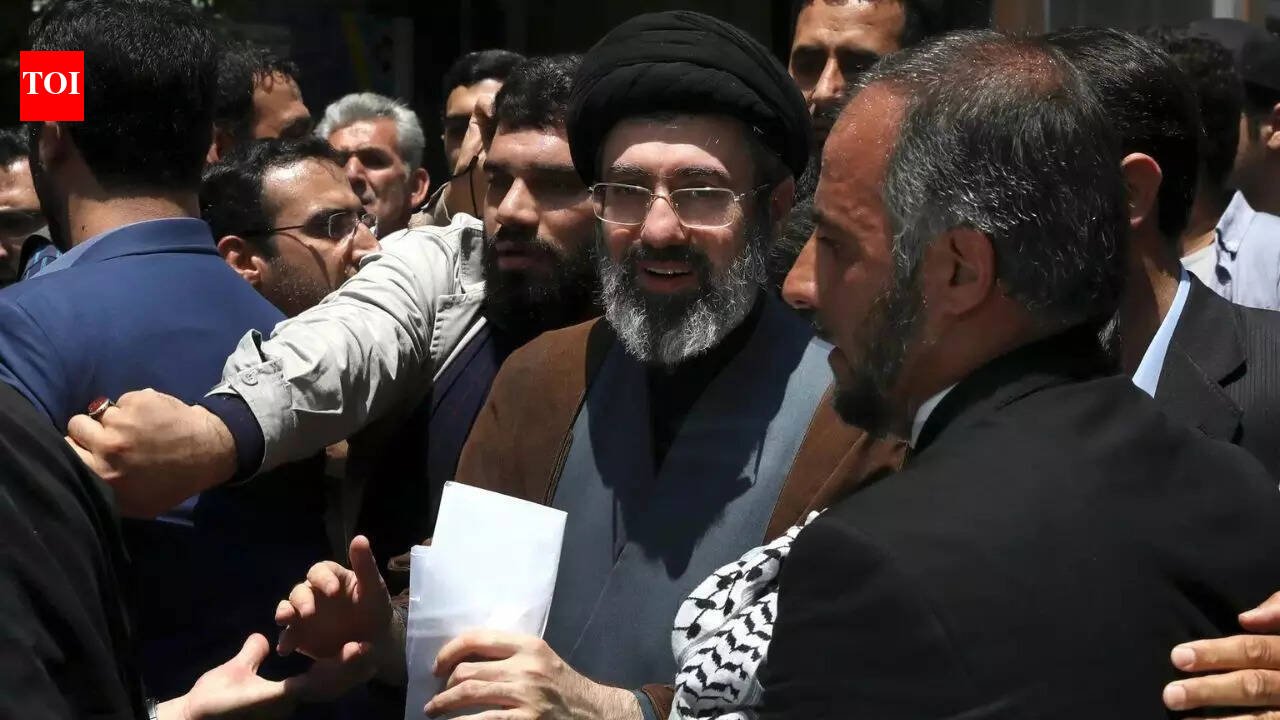
Iran has delayed the naming of a successor to its slain supreme leader, Ayatollah Ali Khamenei, out of security concerns following American and Israeli comments that the new leader could also be targeted, according to two Iranian officials.Ayatollah Khamenei’s son, Mojtaba Khamenei, 56, has emerged as a top contender for the post, but concerns over his security mounted following reports in the media that he may be the new face of Iran, said the two officials, who asked not to be named to discuss sensitive issues. Once Khamenei’s name began to circulate as the favoured candidate to succeed his father, the US said he would not be acceptable and could be eliminated. “They are wasting their time,” President Trump told Axios on Thursday, adding that the former supreme leader’s son is “a lightweight” and an “unacceptable” choice. Israel’s defence minister, Israel Katz, said in a social media post on Wednesday that any leader appointed by Iran to succeed Khamenei would be “an unequivocal target for elimination.” American and Israeli strikes have so far killed Ayatollah Khamenei, and top military commanders and figures involved in defence – but not clerics. The leaders of Iran’s three branches of govt – the presidency, judiciary and parliament – are alive.If Khamenei is appointed as the top religious, political and military figure in Iran, it signals the continuity of hard-line conservative rule. Khamenei, a mysterious but influential figure who has operated in the shadows of power, has close ties to the powerful IRGC.


Source link

‘Jana Nayagan’ heads for censor review on March 9; Film may arrive in theatres In THIS date – Reports | Tamil Movie News


'Jana Nayagan' heads for censor review on March 9; Film may arrive in theatres In THIS date - Reports
Thalapathy Vijay’s ‘Jana Nayagan’ is nearing its censor certification, with a screening scheduled for March 9, 2026. This development could pave the way for a release, potentially before the Tamil Nadu elections in late April or early May. The film’s release was initially planned for Pongal but was delayed.

Thalapathy Vijay‘s most awaited actioner ‘Jana Nayagan’ is reportedly moving closer to completing its censor formalities. The movie, directed by H. Vinoth, has been awaiting its certification for some time. Now, new reports suggest that the process could finally move forward.According to a report by Valai Pechu, the makers of Jana Nayagan have received an email from the Revising Committee of the Central Board of Film Certification (CBFC). The committee is said to have scheduled a screening for the film on March 9, 2026. Apparently, the film will be screened by the committee on March 9, 2026, at 2 pm. If everything proceeds without complications the certification could be issued soon after the screening. That would allow the team to finalize the film’s theatrical release plans.Film initially planned for January releaseJana Nayagan was originally planned for a Pongal release. The film was earlier scheduled to hit theatres on January 9, 2026. However, the release did not happen as expected.The delay was primarily due to the film still awaiting its censor certificate. Without certification from the CBFC, the movie cannot be released in theatres.

Toxic postponement creates opportunity

Recently, the makers of Yash’s ‘Toxic’ announced a change in their release plan.‘Toxic’ production house confirmed that ‘Toxic’ would not release on March 19, 2026, as originally planned. Instead, the team is now targeting June 4, 2026 which was a move influenced by the current situation in Middle Eastern countries.This postponement disappointed many fans who were eager for the film’s release. However, the change has also created an open window in the theatrical calendar.For the team behind ‘Jana Nayagan’ this newly available slot reportedly could a blessing in disguise. With fewer major releases around that time, the film might enjoy a clearer run at the box office.

Makers avoid clash with ‘Toxic’

Earlier reports had suggested another possible release date for ‘Jana Nayagan’. Some sources claimed that the film might arrive in theatres on June 18, 2026.However, the producers reportedly do not want Vijay’s film to release too close to ‘Toxic’. Releasing just two weeks after a major pan-Indian film could affect box office performance.A report by the Valai Pechu YouTube channel stated that the Jana Nayagan team expects the newly revised censor board committee to complete the film’s review and issue certification by March 17, 2026. If the process moves as planned the film may arrive sooner than anticipated.Because of this, the makers are said to be exploring an earlier release window instead of waiting until June.Another factor that could shape the film’s release is the upcoming Tamil Nadu legislative assembly elections.Sources indicate that if the censor approval comes through on time, ‘Jana Nayagan’ could be released exactly a week after the Tamil Nadu legislative assembly elections.Although official election dates have not yet been announced, the voting is expected to take place in the third week of April 2026.If that timeline holds, Vijay’s film could arrive in theatres by late April or early May. However, the makers are yet to confirm the final release date.


Source link