Breaking News
‘Misleading narrative’: Chirag Paswan hits out at opposition over VB-G RAM G protest, calls it ‘help’ in winning Bengal | India News


‘Misleading narrative’: Chirag Paswan hits out at opposition over VB-G RAM G protest, calls it ‘help’ in winning Bengal

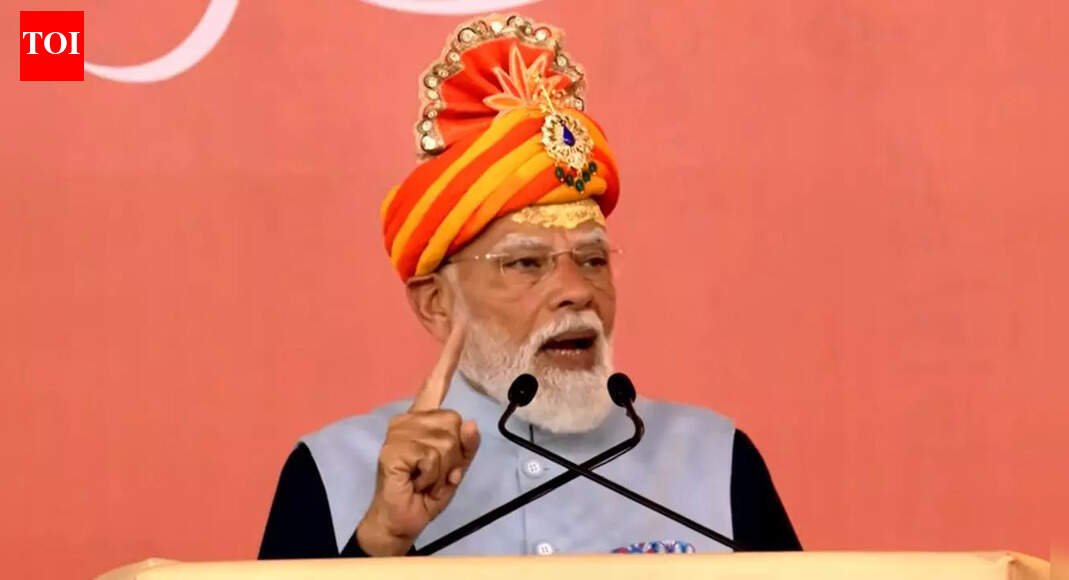
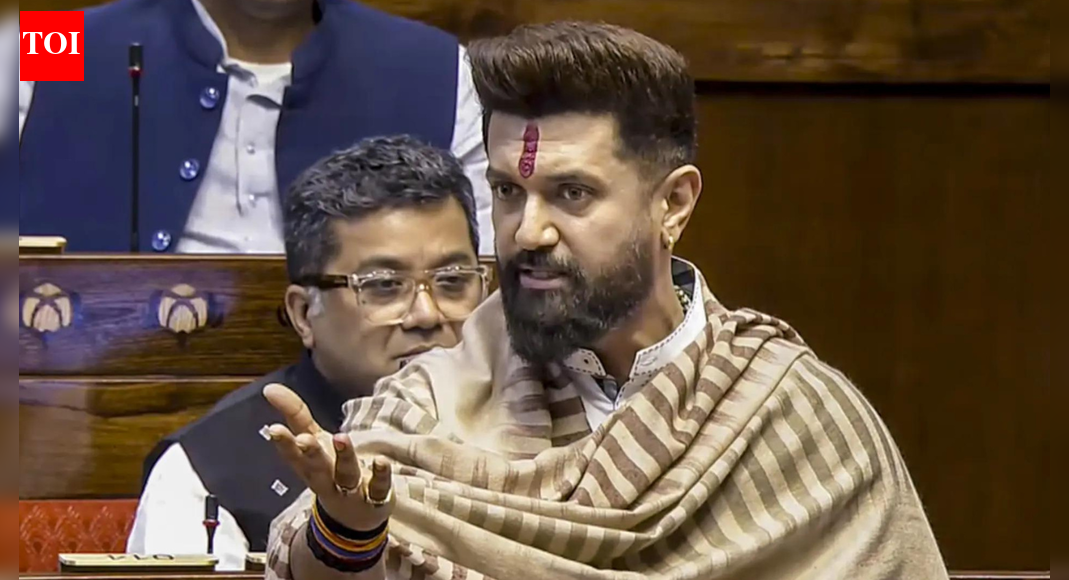
NEW DELHI: Union minister and Lok Janshakti Party (Ram Vilas) chief Chirag Paswan on Sunday accused the Congress and RJD of spreading a “misleading narrative” around government schemes, including MGNREGA and its replacement, VB-G RAM G, and said such protests would ultimately help the NDA electorally, including in West Bengal.Addressing reporters, Paswan said, “Parties like Congress and RJD have been doing politics of instigating fear among the people by weaving a misleading narrative around laws and schemes like CAA, NRC, Mukhyamantri Mahila Rozgar Yojana, and VB-G RAM G,” reported PTI.He alleged that the opposition was sensationalising the renaming of MGNREGA by invoking Mahatma Gandhi’s legacy, and said the NDA was open to debating the merits of the new scheme rather than its name. “They even challenge a ‘crucial and regular’ exercise like special intensive revision of electoral rolls,” he said, adding that “people of Bihar have answered their vote chori allegations through a democratic process.”Paswan claimed the opposition’s protests would backfire politically. “Just like they helped us win Bihar by creating a ruckus around SIR, they will assist us in clinching West Bengal and Assam by trying to make an issue out of VB-G RAM G,” he said.Defending the VB-G RAM G act, the Union minister said it symbolised “collective responsibility on the lines of federal structure” and rejected claims that it imposed an unfair financial burden on states. “Congress and RJD claim that the VB-G RAM G Act has placed an extra burden on states… Little do they realise that this has been done to ensure collective responsibility on the lines of the federal structure of the country,” he said.Paswan argued that the absence of such collective responsibility was a key reason behind MGNREGA’s failure, claiming states lacked a sense of ownership. He said VB-G RAM G had increased the number of working days, shifted focus from “earth digging” to infrastructure projects, and improved monitoring to plug loopholes.Taking a swipe at the Congress, he said, “Why are they worried about the burden on states? In how many states do they have a government anyway?” He added that the NDA would form “double-engine governments” in remaining states, including West Bengal and in the south.He also alleged that the Congress was uneasy because the Modi government had dismantled a scheme “they devised for carrying out corruption,” claiming MGNREGA had become a “den of corruption” benefiting middlemen rather than the poor.


Source link

‘Evolving, yet unchanged’: Mohan Bhagwat on RSS’s growth; draws seed–tree parallel | India News


'Evolving, yet unchanged': Mohan Bhagwat on RSS’s growth; draws seed–tree parallel
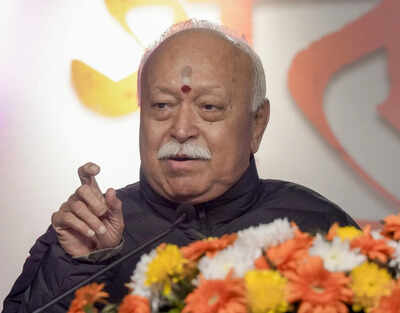
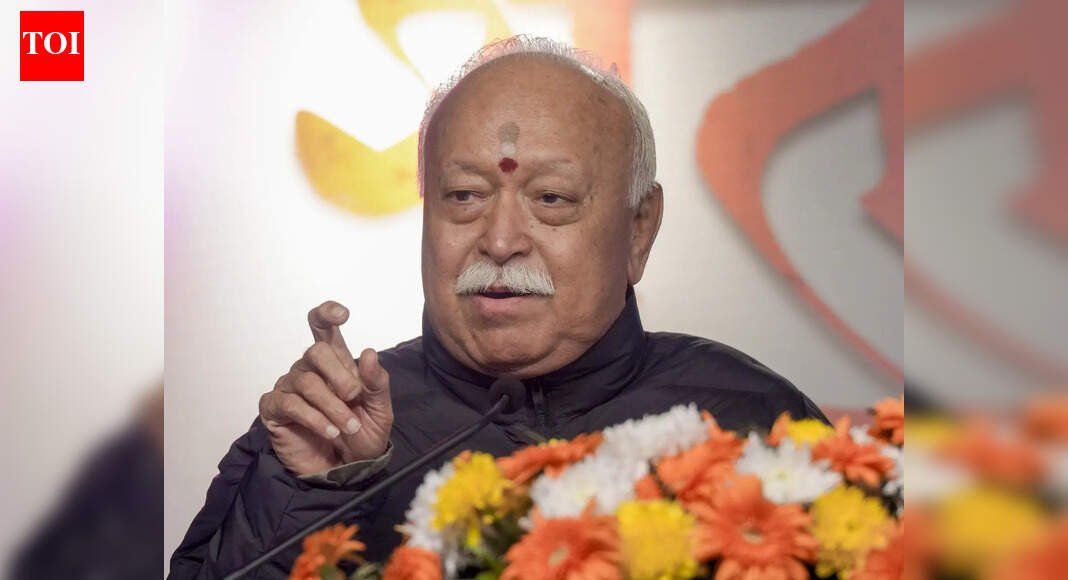
New Delhi: RSS chief Mohan Bhagwat during an event marking the official launch of songs of the film Shatak, chronicling the 100-year journey of the Rashtriya Swayamsevak Sangh, in New Delhi. (PTI Photo/Shahbaz Khan)

NEW DELHI: RSS chief Mohan Bhagwat on Sunday likened the organisation’s growth to that of a tree rising from a seed, saying the RSS continues to evolve and take on new forms while remaining fundamentally unchanged.Bhagwat made the remarks while addressing an event at the Sangh headquarters in the national capital to mark the organisation’s 100 years, which it completed in September last year.

RSS Chief Mohan Bhagwat Calls For Hindu Unity, Says India Will Lead World In 20–30 Years

“The RSS is celebrating its centenary. But as the organisation evolves and takes on new forms, people perceive it as changing. However, it’s not actually changing; it’s simply unfolding gradually,” news agency PTI quoted Bhagwat as saying.“Just as a sprout emerges from a seed, and the mature tree, laden with fruits and flowers, is a different form, these two forms are distinct. Yet, the tree is fundamentally the same as the seed from which it grew,” he added.Bhagwat also remembered RSS founder Keshav Baliram Hedgewar, calling him a “born patriot” who “dedicated his life to the service of the nation.”Referring to Hedgewar, a physician, he said, “The Sangh and Doctor saheb are synonymous terms.”The Sangh chief remarked that despite losing his parents at a very young age, Hedgewar did not allow the trauma to adversely affect his personality.“When such a great trauma occurs at a very young age, one often becomes isolated and prone to negative effects on one’s nature and personality, but that did not happen in his case. His personality had the ability to withstand even the greatest shocks without his faith or nature wavering in the slightest — a sign of excellent mental health and a strong, healthy mind, which he possessed from the beginning,” Bhagwat observed.He noted that such psychological strength could itself be a subject of study and research.


Source link

When disasters strike, preparation saves lives — is India ready when crisis hits? |


When disasters strike, preparation saves lives — is India ready when crisis hits?

Disasters don’t just cause infrastructure losses, cripple economies, or claim lives. They shake something far deeper, that is, the very fabric of human existence.Each disaster leaves scars that statistics cannot fully capture silent grief, disrupted childhoods, fractured communities and lives permanently divided into “before” and “after”. Homes swallowed by raging floods erase decades of memory. Landslides bury entire villages in a single night. The suffering often stretches long after the debris is cleared and relief camps shut down.Tiny fingers that once wrapped around toys lie helplessly trapped under rubble. Cyclones obliterate years of hard-earned investments, stripping families of assets and security. Some survive in body but are torn in spirit, carrying the lifelong burden of outliving loved ones.We cannot stand against nature or turn its course. But when nature’s wrath presents itself, we can be prepared.For India , one of the world’s most disaster-prone countries , that preparedness often decides whether tragedy is counted in thousands or dozens.

2025: A year that laid bare India’s vulnerabilities

The year 2025 starkly illustrated how deeply disasters are now woven into India’s everyday reality. Extreme weather events were recorded on most days of the year, with floods, landslides, heatwaves and storms exacting a heavy toll on lives, livelihoods and infrastructure across regions.In North India, the monsoon triggered one of the most devastating flood seasons in decades. Punjab, Uttarakhand, Himachal Pradesh and Bihar bore the brunt as intense rainfall, cloudbursts and swollen rivers overwhelmed both natural systems and human settlements.Punjab, the bread basket of India, witnessed one of its worst flood episodes in decades. Exceptionally heavy monsoon rainfall in August, 253.7 mm, 74% above normal and the highest in 25 years , pushed the Sutlej, Beas and Ravi rivers into spate. Thousands of villages were inundated. At least 57 people lost their lives. Over 20 lakh people across all 23 districts were affected, nearly seven lakh displaced, and preliminary estimates put economic losses at more than Rs 13,800 crore. Over 4 lakh acres of farmland were destroyed, along with extensive damage to roads, bridges and homes.In Uttarakhand, the fragility of the Himalayan ecosystem was once again laid bare. In early August, a cloudburst-triggered flash flood struck Dharali village in Uttarkashi district. Torrents of water, mud and debris surged down the Kheer Gad stream, sweeping away homes, hotels and the entire market area within minutes. At least four people were killed, dozens reported missing, and scores of people, including pilgrims and tourists, were airlifted as rescue operations continued under hazardous conditions.Neighbouring Himachal Pradesh endured one of its most destructive monsoon seasons in decades. Between late June and early September, the devastating monsoon claimed over 400 lives through rain-related incidents and road accidents. Official estimates placed losses at more than Rs 4,000 crore, with over 135 landslides, nearly 100 flash floods and dozens of cloudbursts damaging thousands of homes and cutting off large parts of the state as roads, highways, power lines and water systems collapsed. The monsoon also caused damage to livestock, with at least 1,464 animal deaths and 26,955 poultry deaths reported.Across Delhi-NCR, rising levels of the Yamuna forced thousands of evacuations from low-lying areas and relief camps for displaced residents. Transport systems were paralysed by waterlogging. Haryana, Rajasthan and parts of Jammu & Kashmir also experienced flooding and landslides.Beyond floods, 2025 also saw intense heatwaves affecting more than half of India’s districts, raising serious public health concerns. Industrial accidents, fires, crowd crushes and aviation incidents highlighted how infrastructure stress intersects with natural hazards in densely populated regions.Together, these events underscored a sobering reality: extreme weather and geological hazards are no longer episodic shocks, but recurring tests of India’s preparedness and resilience.

Why India is one of the World’s most disaster-prone countries

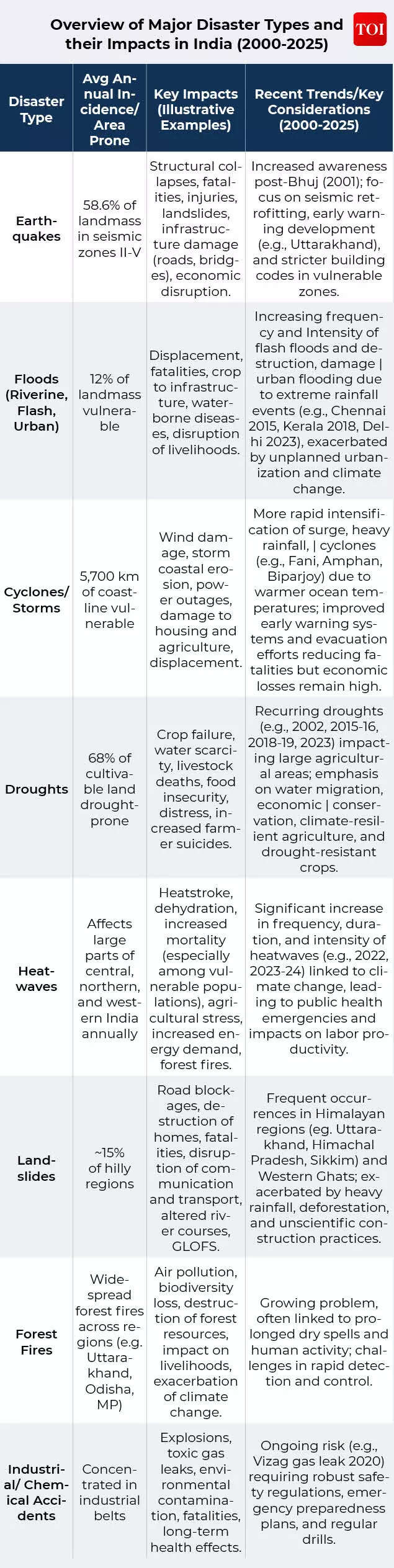
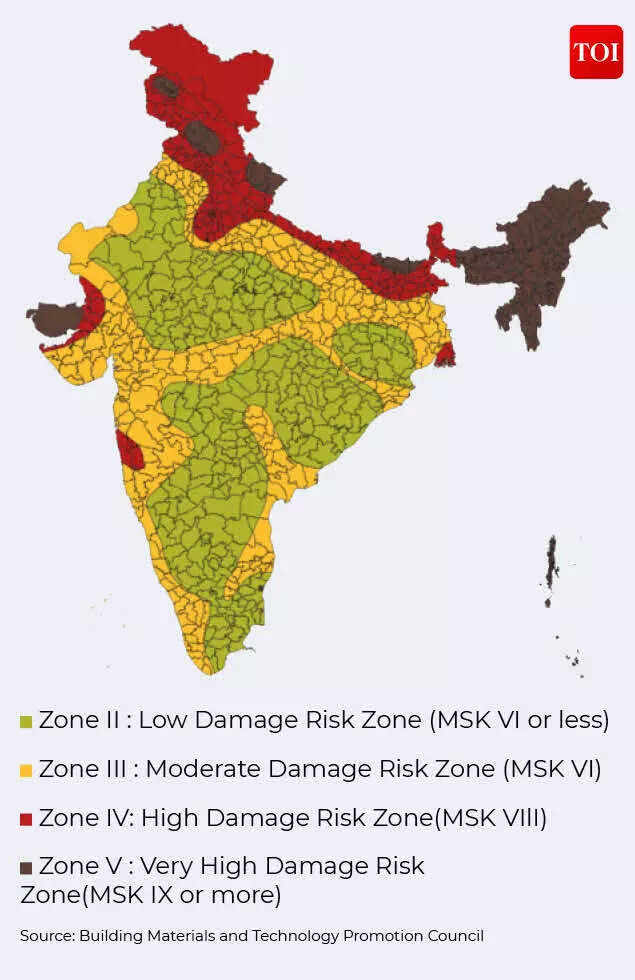
India’s susceptibility to disasters is not accidental but a consequence of the interplay between its geography, climate, population density, and development patterns. According to the World Population Review, India ranks as the third most disaster-prone country globally. Of its states and UTs, 27 remain prone to being exposed to cyclones, floods, droughts, earthquakes, and landslides. The country’s topography significantly contributes to this risk: the Himalayas are vulnerable to earthquakes and landslides, while the vast plains are prone to flooding. Additionally, tectonic activity in surrounding oceans makes India susceptible to tsunamis. Climate change has further exacerbated this vulnerability, increasing the frequency and intensity of natural disasters across the country.According to official assessments by the National Disaster Management Authority (NDMA) and the National Institute of Disaster Management (NIDM):

  • Nearly 58.6% of India’s landmass is prone to earthquakes
  • Over 12% is vulnerable to floods and river erosion
  • About 8% per cent of the areas are vulnerable to cyclone related disasters of various degree.
  • Around 68% of cultivable land is drought-prone
  • More than 5,700 km of coastline is exposed to cyclones and storm surges
2 cyclone2

Globally, India ranks third after the United States and China in the total number of recorded natural disasters since 1900. Between 1900 and 2022, the country experienced 764 major disaster events, with 361 occurring after 2000, underscoring the accelerating frequency of extreme events.Yes, India was ranked 9th in Germanwatch’s Climate Risk Index (CRI) 2026, reflecting significant impacts from extreme weather (1995-2024) with over 80,000 deaths, 430 extreme weather events, and $170 billion in economic losses, affecting 1.3 billion people and highlighting urgent needs for adaptation. The report, released at COP30, noted frequent floods, heatwaves, and cyclones, showing India’s high vulnerability despite efforts, emphasizing the need for climate finance and stronger resilience.
2 cyclone

India is highly vulnerable to floods as they alone account for around 41% of all disasters, making them India’s most persistent hazard.Climate change has intensified rainfall variability, increased the frequency of extreme precipitation, amplified heatwaves and altered cyclone behaviour. At the same time, rapid urbanisation, deforestation, encroachments on floodplains and infrastructure expansion into hazard-prone zones have sharply increased exposure. The result is a dangerous compounding of natural risk with human-made vulnerability. In a country where geography and climate collide with dense populations, India faces some of the harshest and most frequent disasters in the world.

What is a ‘disaster’ under Indian law?

India’s disaster framework is anchored in the Disaster Management Act, 2005, which defines a disaster as:“A catastrophe, mishap, calamity or grave occurrence… arising from natural or man-made causes… beyond the coping capacity of the community.”Notified disasters eligible for national assistance include floods, cyclones, droughts, earthquakes, landslides, avalanches, cloudbursts, heatwaves, cold waves, lightning, forest fires and pest attacks.The Act established a multi-tiered institutional structure,from the NDMA at the national level to State and District Disaster Management Authorities intended to focus not only on response, but on prevention, mitigation and preparedness.India’s disaster management framework is anchored in the National Disaster Management Authority (NDMA), created under the Disaster Management Act, 2005, after the 2004 Indian Ocean tsunami exposed gaps in coordination and preparedness. Mandated to steer policy across prevention, mitigation, preparedness and response, the NDMA has helped strengthen early warning systems and response mechanisms. Yet, as experts point out, the larger challenge lies in shifting sustained attention from visible relief operations to the quieter, less visible work of preparedness, a gap that continues to shape outcomes when disasters strike.

Climate change and the environmental cost of development behind disasters

While geography makes India vulnerable, environmentalists warn that human activity is rapidly amplifying natural hazards , turning extreme weather into recurring disasters.Kavita Ashok, a Delhi-based environmentalist who has worked on climate and urban ecology issues, argues that development patterns are accelerating climate risk rather than absorbing it.“In the name of development and urbanisation, human activities are clearing forests and burning fossil fuels for transport, industry and energy, thereby raising global temperatures,” she says.“Certain types of livestock farming, industrial activities and landfill decomposition release greenhouse gases that trap heat close to the Earth’s surface, leading to global warming.”She adds how the cumulative impact of these pressures is destabilising natural systems that once acted as buffers against floods, heatwaves and landslides.“Constant harassment of the Earth and its resources is stripping the planet of its natural wealth and rhythm,” she says.

quote 2 (11) (1)

Kavita Ashok further warns that despite years of climate conferences, scientific reports and public protests, action has not kept pace with the scale of the threat.“Sadly, climate conferences and protests are not reaching the deaf ears of authorities and short-sighted capitalists,” Ashok says.“The threat of a global climate collapse is round the corner, even if we turn a blind eye or a deaf ear to this catastrophe.”Her warning adds a critical layer to the disaster preparedness debate: preparedness cannot succeed in isolation if development itself continues to generate risk.

Preparedness vs response: A persistent imbalance

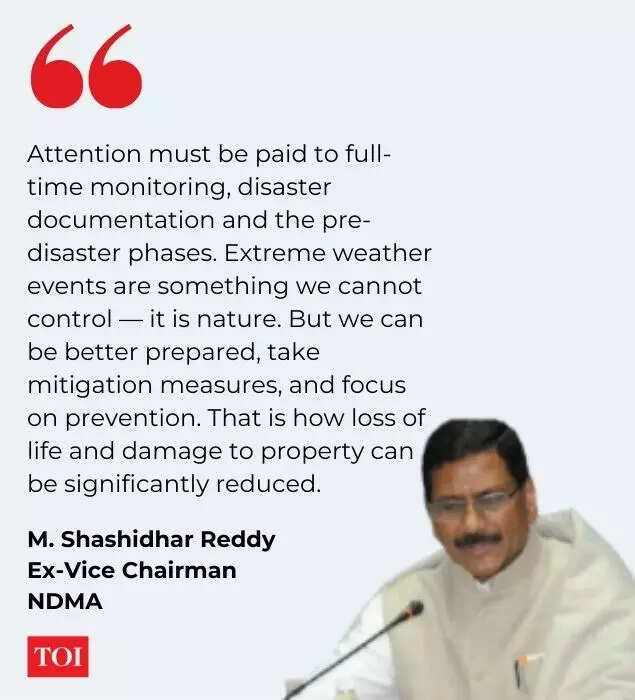
Few individuals have observed the evolution of India’s disaster management system as closely as M. Shashidhar Reddy, the former Vice Chairman of the National Disaster Management Authority who served from 2011 to 2014 and played a key role in operationalising the Disaster Management Act.“Whenever there is a disaster, everybody focuses on response and relief,” Shashidhar Reddy says. “But very little is being done on the pre-disaster phases , prevention, mitigation and preparedness. These are very important stages of disaster management, but not enough attention is being given to them.”
quote 2 (10) (1)

The reason, as he explains, is visibility. “Response and relief are visible , the media is there, people are affected, governments act. Preparedness does not get that attention.”Over the past two decades, India has significantly strengthened its response capacity , from the National Disaster Response Force to early warning systems and relief financing. Disaster preparedness, however, remains an area for improvement.

Cyclone Phailin: When preparedness saved lives

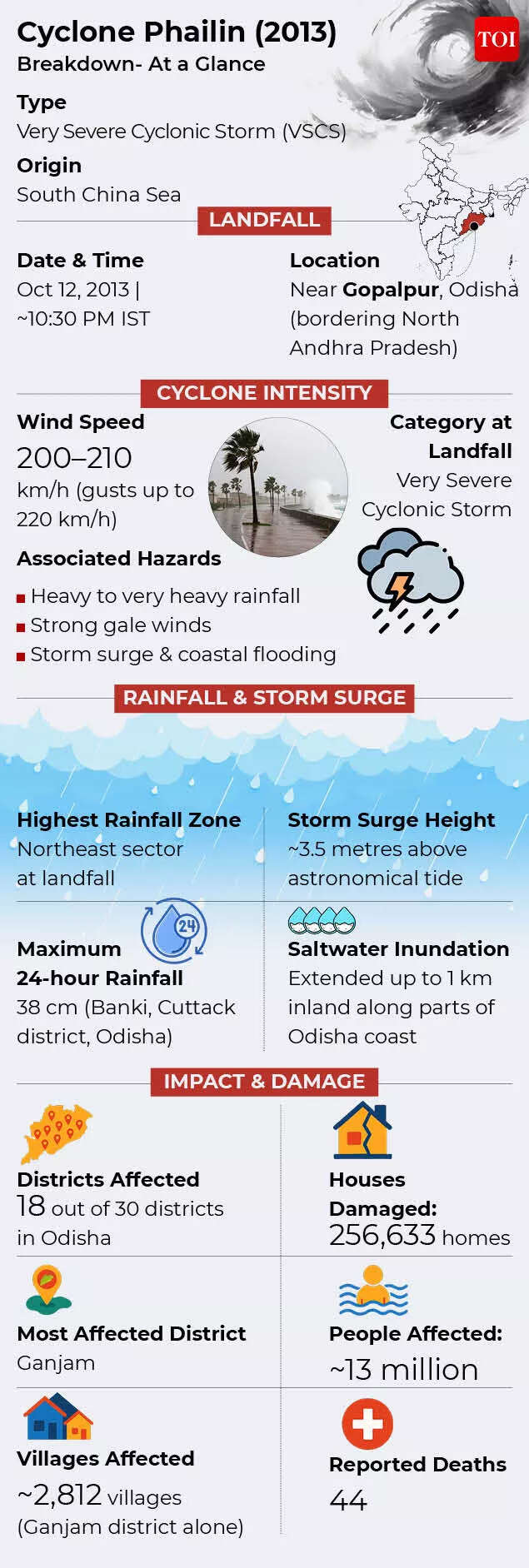
Few episodes illustrate the life-saving power of preparedness as clearly as Cyclone Phailin, which made landfall near Gopalpur in Odisha’s Ganjam district on the night of October 12, 2013.Phailin was the strongest cyclone to hit India in 14 years, packing winds of over 200 km per hour at landfall. Early global assessments warned of catastrophic consequences, with projections suggesting thousands of lives could be lost along the densely populated eastern coast.
2 cyclone3

“During Cyclone Phailin, international agencies predicted that thousands of lives could be lost,” recalls Shashidhar Reddy, adding that “IMD maintained that it would not be a super cyclone, and their forecast about landfall and wind speed turned out to be accurate.”

2 cyclone4

What followed was one of the largest pre-emptive evacuation exercises in history. Acting on accurate forecasts and rehearsed protocols, the Odisha administration moved over one million people out of harm’s way before the cyclone struck.“Because of preparedness measures, the loss of life was reduced to a great extent,” Reddy says. “This was possible only because of preparedness.”The World Bank also described Phailin as “one of the most successful disaster management efforts in the world”, noting that years of planning dramatically reduced fatalities from a very severe cyclonic storm , stronger than Hurricane Katrina at landfall.In one of the most successful disaster management efforts in the world, India’s eastern state of Odisha evacuated close to 1 million people before Cyclone Phailin, the strongest cyclone to hit the country in 14 years, struck the coast in October 2013. Years of planning and preparation dramatically reduced the death toll from this very severe cyclonic storm, which was stronger than Hurricane Katrina upon landfall. The project is in line with the IDA16 special theme on climate change. – World Bank report titled “India averts devastation from cyclone Phailin”For survivors, preparedness meant survival. “Had this cyclone shelter not protected us, we would have become one with the earth,” said P. Bhimraju Prushty, a resident of Prayagi village in Ganjam district.

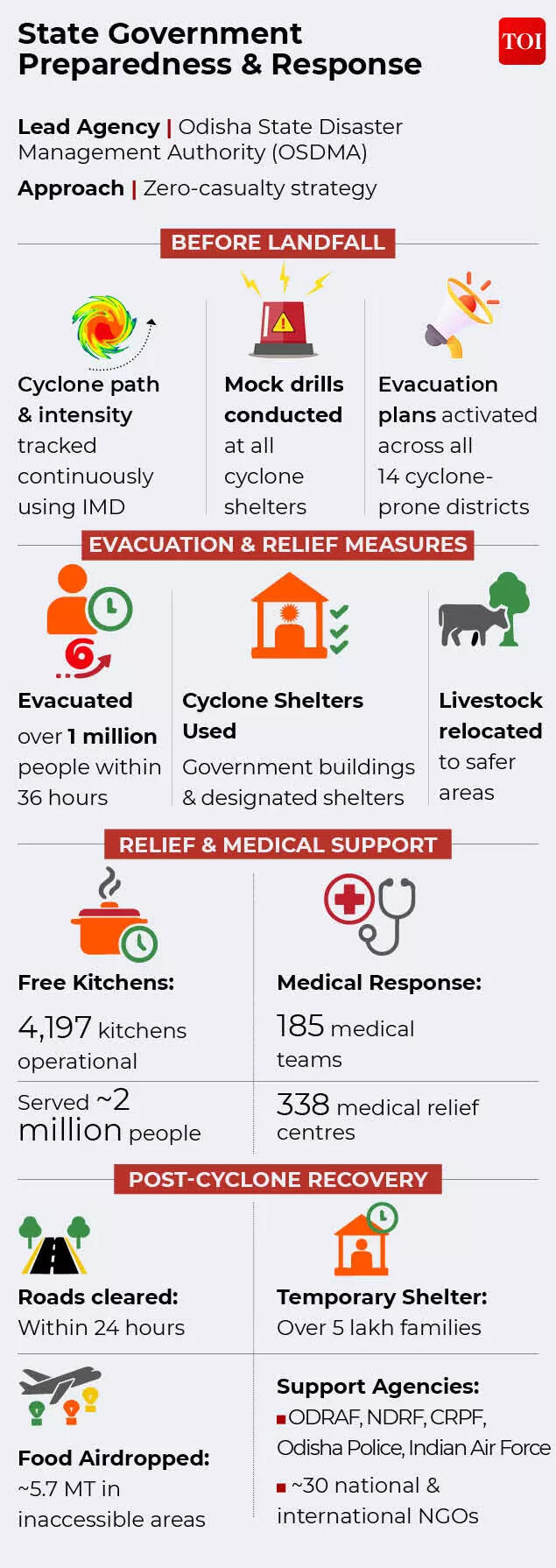
What preparedness achieved on the ground

  • Over one million people evacuated in record time
  • Death toll significantly low as compared to over 10,000 deaths in the 1999 Odisha Paradip cyclone
  • 4,000+ free kitchens serving over two million people
  • 185 medical teams and 338 medical centres deployed
  • 5.7 metric tonnes of dry food airdropped in inaccessible areas
  • Half a million families provided temporary shelter
  • Major roads cleared within 24 hours due to pre-positioned resources
2 cyclone5 (1)

This response was not improvised. “NDMA had conducted mock drills a month before the cyclone,” Reddy explains. “When the actual cyclone occurred, the administration knew exactly what to do.”

Bihar: Where flooding is a persistent lived reality

If Phailin shows preparedness at its best, Bihar illustrates the cost of recurring disasters without long-term risk reduction.Nearly 73.63% of north Bihar’s geographical area is flood-prone. Of the state’s 38 districts, 28 are affected by floods, with 15 categorised as severely affected. Rivers originating in Nepal carry heavy sediment loads that raise riverbeds, while monsoon flows can increase up to 50 times within three months.The 2008 Kosi floods devastated livelihoods, damaging over 3.5 lakh acres of paddy and affecting nearly five lakh farmers. More recently, floods have impacted over 25 lakh people across ten districts, including Bhagalpur, Patna and Vaishali.The cycle repeats annually: evacuation, relief and reconstruction , often in the same vulnerable locations.

What can we learn from Japan?

Japan, like India, is one of the world’s most disaster-prone countries. Like, Indonesia, Phillipines, its location along the Pacific “Ring of Fire” exposes it to frequent earthquakes, tsunamis, and volcanic eruptions, while typhoons and heavy monsoon rains bring additional risks. Decades of investment in early warning systems, resilient infrastructure, strict building codes, and, importantly, regular nationwide disaster drills, from school exercises to city-wide tsunami and earthquake simulations, have transformed vulnerability into managed risk and that frequency of disaster has somehow made it very resilient, setting an example in disaster management. Citizens routinely rehearse evacuation routes, hospitals test emergency readiness, and local governments coordinate large-scale response exercises. These drills are deeply embedded in daily life, creating a culture where everyone knows what to do when disaster strikes, they are prepared.Japan also leverages innovative technology to reduce disaster risk. Researchers at the Tokyo Institute of Technology have developed a dynamic seawall system (SMS) that harnesses microtidal energy to power gates rising from the seafloor, protecting ports from tsunamis, storm surges, and high waves. Such systems exemplify how combining engineering, early warnings, and community drills can dramatically reduce loss of life and economic damage.India can draw valuable lessons from Japan’s model. Robust urban planning, stringent construction standards in hazard-prone zones, and well-rehearsed evacuation protocols can drastically reduce loss of life and economic disruption. Integrating technology with public awareness campaigns, such as real-time alerts, GIS-based risk mapping, and local disaster response teams, can make communities self-reliant while supporting national emergency efforts. Just as Japanese children practice earthquake drills at school and families rehearse escape plans at home, India could benefit from making preparedness a routine, community-wide practice. Japan demonstrates that high disaster exposure does not have to equate to catastrophe; what matters is preparation, coordination, and a culture that treats disaster readiness as a shared responsibility.

Lessons from Turkey

Turkey sits on multiple active fault lines, making it highly susceptible to devastating earthquakes. On 6 February 2023, the Kahramanmaraş earthquake sequence, consisting of two major quakes of magnitudes 7.8 and 7.7, struck southeastern Turkey and northern Syria. In Türkiye alone, the disaster caused over 50,000 confirmed deaths and over 107,000 injuries across 11 provinces, affecting an estimated 15.7 million people. Damage assessments revealed that hundreds of thousands of buildings were damaged or destroyed, including tens of thousands that collapsed or were heavily damaged, while many more sustained moderate or minor damage. The resulting direct economic losses were estimated at around $34 billion, highlighting how disaster exposure without robust preparedness can magnify both human and economic tolls.

Urban flooding: When cities grind to a halt

Urban flooding is emerging as one of India’s most disruptive disaster risks, threatening not just lives but the very engines of the economy. Rapid urbanization, inadequate drainage systems, and unplanned construction have made cities like Mumbai, Delhi, Chennai, and Bengaluru highly vulnerable to even short bursts of heavy rainfall.When streets turn into rivers, transport comes to a standstill, hospitals face access issues, supply chains are disrupted, and businesses halt. Airports, IT corridors, and industrial hubs can grind to a halt, resulting in losses that ripple far beyond city limits. In 2025, flash floods in Delhi-NCR and Mumbai caused massive disruption: offices, factories, and markets were forced to shut down for days, highlighting how urban flooding is no longer just a local inconvenience but a serious economic threat.Experts warn that without proper urban planning, investment in drainage infrastructure, and early warning systems, cities could see recurring economic losses that far outpace those from rural disasters. Urban flooding is a stark reminder that preparedness must extend beyond evacuation and relief, it must protect the lifelines of India’s economy.

Why documenting disasters is a critical step

The former NDMA Vice-Chairman also pointed out that, despite India facing recurring disasters, systematic documentation remains a key area of improvement. “Unfortunately, our disaster events are not properly documented,” says M. Shashidhar Reddy. “Failure stories, where there was inaction or wrong action, are sometimes downplayed. But that is how systems improve. It is not about blaming anyone; it is just about learning from what went wrong or where improvement is needed.” Drawing an analogy, he adds, “When there is a plane crash, investigators launch an immediate search and look for the black box to understand the cause and prevent future accidents. We need the same kind of seriousness in disaster management to mitigate impending risks.”(For context, a black box, the flight data recorder and cockpit voice recorder, stores critical information about a plane’s systems, speed, altitude, and cockpit communications. By analyzing it after a crash, investigators can reconstruct exactly what happened, identify failures, and recommend changes to prevent future tragedies) In the similar vein, documenting and analyzing disaster response gaps can help India strengthen its preparedness, reduce losses, and save lives.Disasters and extreme weather events are no longer rare and are increasingly shaping the news cycle. Climate change is turning what were once occasional shocks into recurring tests of resilience. While we cannot control the weather, floods, or earthquakes, we can prepare for them. Early warning systems, community awareness, and well-rehearsed evacuation plans make the difference between survival and tragedy.Preparedness is more than a technical requirement; it is a moral, economic, and developmental necessity. Whether a disaster becomes a national tragedy or a story of resilience depends largely on what is done before the first siren sounds. Relief and rescue are critical, but documenting gaps, learning from missteps, and applying those lessons is what strengthens the nation’s defenses.The Prime Minister’s 10-point Disaster Management Plan complements this perspective. From strengthening early warning systems and local response teams to integrating climate risk into urban planning, the plan outlines practical steps to reduce vulnerability. Coupled with community drills, public awareness campaigns, and technological solutions, these measures help ensure that cities, towns, and villages are better prepared when nature strikes.For India, preparedness is a moral, economic, and developmental imperative, one that we can say the country has the expertise, technology, and human capital to achieve. It should be a vital part of our development plans and should be carried out consistently. Disasters will strike. But whether they become national tragedies that cripple the economy, devastate communities, and overwhelm hospitals, or whether they become stories of survival, resilience, and coordinated action, depends entirely on what is done before the warning siren sounds, not after. Relief, rescue, and humanitarian aid are necessary, but they are reactive; proactive planning is transformative.


Source link

‘From Ghazni to Aurangzeb’: PM Modi invokes history at Somnath; underscores temple’s resilience | India News


‘From Ghazni to Aurangzeb’: PM Modi invokes history at Somnath; underscores temple’s resilience
PM Modi during an address at Somnath Swabhiman Parv

NEW DELHI: Prime Minister Narendra Modi on Sunday invoked the history of Somnath Temple and how ancestors had “staked their lives for the temple 1,000 years ago”, saying “flag hoisting at Somnath Mahadev Mandir shows the power of India and its capabilities to the entire world”.“From Ghazni to Aurangzeb, all religious fundamentalists thought that by their sword they had won Somnath,” PM Modi said, adding that in the cycle of time “those fundamentalist invaders are now reduced to pages of history, but Somnath temple still stands tall”.Addressing a gathering during the “Somnath Swabhiman Parv”, PM Modi said: “Those present here, your ancestors, our ancestors, bet their lives for their faith, for their belief, for Mahadev – they sacrificed everything they had”.“When I am interacting with you, the question arises again and again – exactly 1000 years back, at the same place, what would have been the atmosphere? Those present here, your ancestors, our ancestors, bet their lives for their faith, for their belief, for Mahadev – they sacrificed everything they had. A thousand years back, the invaders thought they had defeated us, but today, even after 1000 years, the flag hoisting at Somnath Mahadev Mandir shows the power of India and its capabilities to the entire world,” PM Modi said.The attack on the Somnath temple marked the beginning of a long period during which the temple was repeatedly destroyed and rebuilt over centuries. Despite this, Somnath never ceased to exist in the collective consciousness of the people. The cycle of the temple’s devastation and revival is unparalleled in world history. It demonstrated that Somnath was never merely a stone structure, but a living embodiment of belief, identity, and civilisational pride.‘History of hatred was hidden’PM Modi claimed that the “true history of hatred, atrocity and terror was hidden” and, without taking names, attacked the Congress-led government for “whitewashing the history” that encapsulates the multiple attacks by Mughal invaders on the temple located at Gujarat’s coast.“If Somnath was attacked for wealth, then the first attack was enough, but it was attacked repeatedly, and its deity was desecrated,” PM Modi said. “The True history of hatred, atrocity and terror was hidden from us; we were taught that the attack was attempt to loot the Somnath temple. Those involved in appeasement knelt before such religious extremism,” he said.Somnath Swabhiman ParvThe Somnath Swabhiman Parv, being observed from January 8 to January 11, 2026, commemorates 1,000 years since the first attack on the temple in 1026. That assault marked the beginning of a long period during which Somnath was repeatedly destroyed and rebuilt.Despite these repeated attacks, the temple remained deeply embedded in the collective consciousness of the people. Its cycle of destruction and revival is often described as unique in world history, underscoring Somnath’s lasting spiritual and cultural importance.Before his address, PM Modi offered prayers at the Somnath Temple after completing the Shaurya Yatra in the temple town.

image (8)

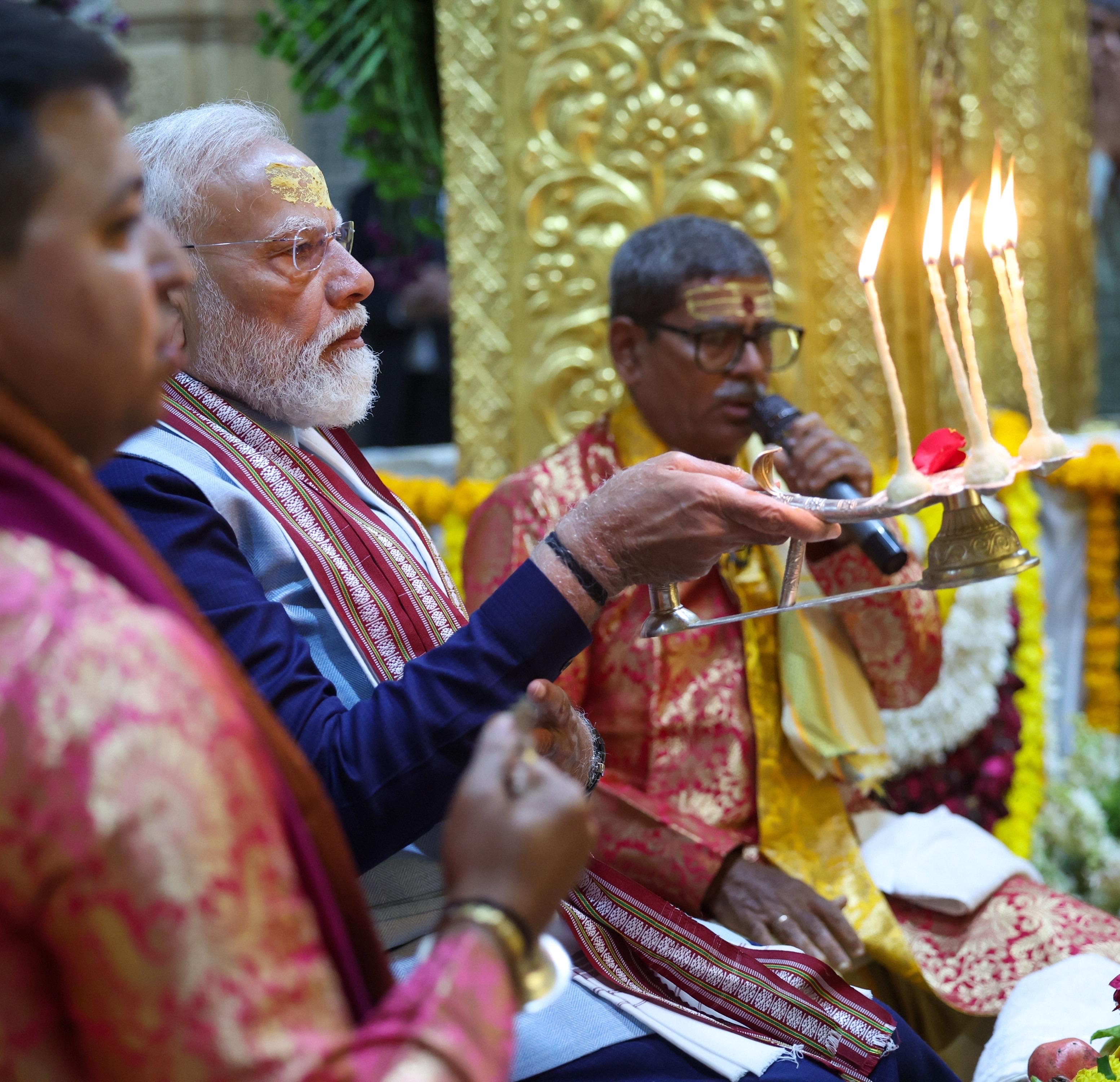
PM Modi performing puja at Somnath Temple

During his visit, the Prime Minister paid floral tributes to the statues of Veer Hamirji Gohil and Sardar Vallabhbhai Patel. Veer Hamirji Gohil is remembered for laying down his life in 1299 AD while defending the Somnath Temple during an invasion led by Zafar Khan. Earlier in the day, PM Modi participated in the Shaurya Yatra as part of a four-day national observance marking 1,000 years of uninterrupted faith and resilience since the first recorded attack on the Somnath Temple in January 1026 by Mahmud of Ghazni. The Prime Minister was accompanied by Gujarat chief minister Bhupendra Patel and deputy chief minister Harsh Sanghavi during the visit. As the procession moved through Somnath, Modi was seen blowing a conch shell and acknowledging people who had gathered along the route. The Shaurya Yatra is a ceremonial procession organised as part of the Somnath Swabhiman Parv, an event that symbolises courage, sacrifice and the enduring spirit that helped preserve Somnath through centuries of destruction and rebuilding. Ahead of the yatra, 108 horses from the Gujarat Police Mounted Unit arrived to participate in the procession, adding to its ceremonial significance.


Source link

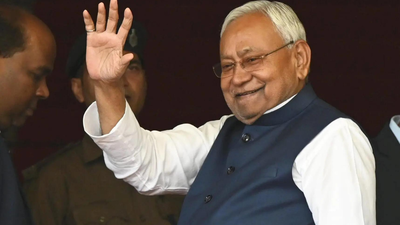
‘Undoubtedly a ratna’:RJD takes jibe at Nitish Kumar amid Bharat Ratna push; questions merit | India News


‘Undoubtedly a ratna’:RJD takes jibe at Nitish Kumar amid Bharat Ratna push; questions merit

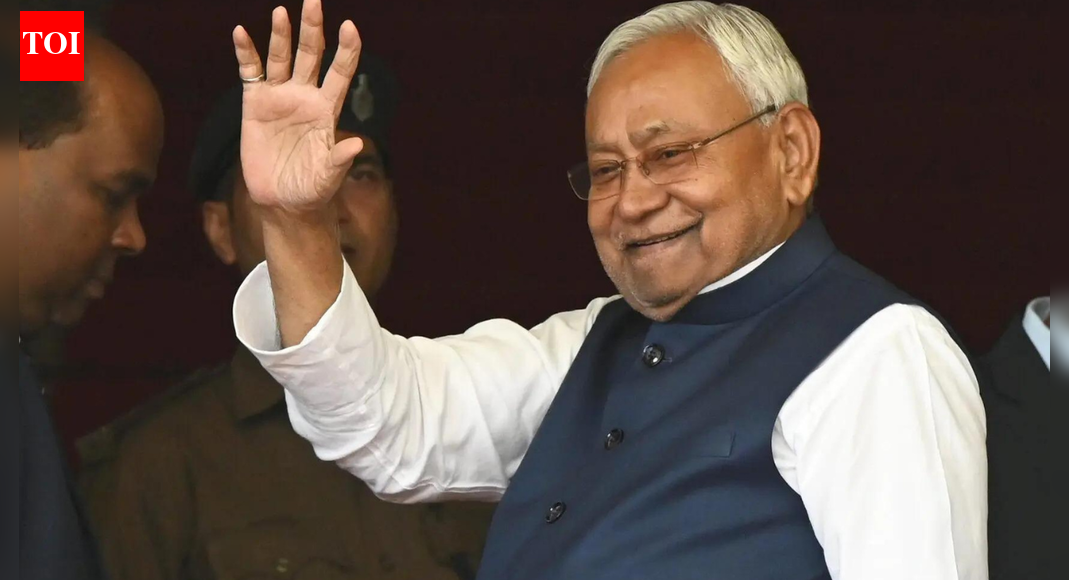
NEW DELHI: The Rashtriya Janata Dal on Sunday took a jibe at Bihar chief minister Nitish Kumar amid a growing push to honour him with the country’s highest civilian award, the Bharat Ratna.RJD MP Sudhakar Singh said that despite being ill, Nitish Kumar has served as Bihar’s chief minister for 20 years, which makes him worthy of an honour.“Nitish Kumar is undoubtedly a ‘Ratna’. There is no doubt about that. But I cannot say which one,” the RJD MP said.“Running a government for 20 years while being ill proves that he is a ‘Ratna’,” he added.This comes after Union minister Jitan Ram Manjhi and Chirag Paswan demanded Bharat Ratna for Nitish, asserting that he is a leader who has provided “exemplary governance” to the state over the past two decades.Taking to X, former Bihar CM and key NDA leader Jitan Ram Manjhi wrote in Hindi, which roughly translates to: “Bharat Ratna Nitish Kumar Ji… How wonderful it would sound to hear those words, wouldn’t it? We have complete faith that the esteemed Prime Minister Ji, known for stunning everyone with his decisions, will once again leave the nation in awe by deciding to bestow the Bharat Ratna upon Bihar’s esteemed chief minister Nitish Kumar Ji. Bharat Ratna Nitish Kumar…”Earlier, JD(U) leader KC Tyagi also demanded Bharat Ratna for the Bihar CM “while he is still alive”“PM Narendra Modi had conferred Bharat Ratna on late Chaudhary Charan Singh and late Karpoori Thakur. We extend our gratitude. Nitish Kumar is one of the most fantastic leaders associated with the socialist movement who is still alive. He is one of the founders of NDA. He is ‘sushasan babu’. We have urged that he too should be awarded the Bharat Ratna while he is still alive,” Tyagi said.In a letter to the prime minister on Thursday, the former Janata Dal (United) [JD(U)] MP also said that Nitish, who is a “precious gem” of the socialist movement, is worthy of the highest civilian honour.“March 30, 2024 was a day to honour our ancestors. Thanks to your efforts, they were bestowed with the highest honour, the ‘Bharat Ratna’,” Tyagi said.


Source link

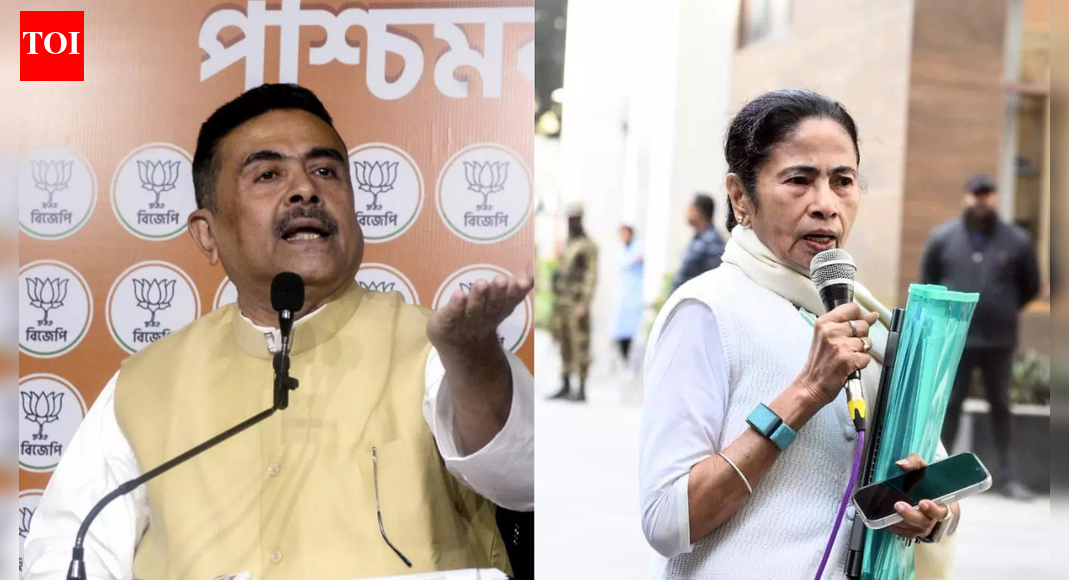
‘Desperate, politically motivated’: Suvendu Adhikari writes to EC; rejects Mamata Banerjee’s allegations on SIR | India News


‘Desperate, politically motivated’: Suvendu Adhikari writes to EC; rejects Mamata Banerjee’s allegations on SIR

NEW DELHI: West Bengal leader of opposition Suvendu Adhikari on Sunday hit out at chief minister Mamata Banerjee, strongly rejecting her allegations about the Special Intensive Revision (SIR) of electoral rolls.In a letter addressed to the Chief Election Commissioner, Gyanesh Kumar, Adhikari highlighted that Mamata Banerjee’s letter to the EC “appears to be a desperate and politically motivated attempt to derail the ongoing Special Intensive Revision (SIR) exercise, which is a crucial step toward ensuring free, fair, and transparent elections in our state.”

Mamata Banerjee Hits Streets, Leads Kolkata Rally Against ED Raids

“This process, undertaken by the Election Commission of India (ECI) with utmost diligence, has evidently exposed vulnerabilities in the electoral rolls that threaten the prospects of her Trinamool Congress (TMC) party, prompting such unfounded outbursts,” Adhikari added.Adhikari dismissed Mamata’s claims that the Special Intensive Revision is “unplanned, insensitive, and inhuman” as exaggerated and politically motivated.He said allegations of harassment, intimidation, and excessive workload on citizens are unsubstantiated. He also criticized her attribution of 77 deaths, four suicide attempts, and 17 hospitalizations to the exercise, calling the figures fabricated or opportunistically linked to unrelated incidents.“There is no verifiable evidence connecting these tragic events to the electoral revision; instead, it reflects a pattern of scapegoating central institutions to mask local governance lapses. The SIR is a verification process, not a punitive one, and any genuine hardships can be addressed through the appeals mechanism already in place. To sensationalize such matters for political gain undermines the gravity of real human tragedies and disrespects the affected families,” Adhikari said.Adhikari defended the Election Commission’s handling of the Special Intensive Revision, saying its actions reflect impartiality, not overreach, and ensure that no one is above scrutiny.He called it selective and misleading to label certain cases as a “profound shame,” noting the broader goal is to maintain electoral integrity for all.He also claimed that concerns over women changing surnames after marriage and the treatment of migrant workers are overstated.Adhikari further rejected claims of selective targeting or “logical discrepancies” in certain constituencies, emphasizing that the process is data-driven and uniform statewide.“This letter from the Chief Minister is a frantic bid to sabotage the SIR, as it has inflicted irreparable damage to the TMC’s prospects by exposing the rot in the voter rolls; rot that has allegedly been nurtured through years of unchecked additions of bogus voters, including infiltrators from across borders. Halting or diluting this exercise would betray the democratic ideals enshrined in our Constitution and disenfranchise genuine voters who deserve clean elections,” Adhikari said.Mamata Banerjee had earlier criticised the ongoing SIR in the state, alleging that a process intended to be constructive has already resulted in 77 deaths and left several others hospitalized.Mamata alleged that the ECI carried out the procedure without proper planning, creating an atmosphere of fear and intimidation. “This is attributed to fear, intimidation and disproportionate workload due to unplanned exercise undertaken by ECI,” the chief minister wrote in her letter addressed to the Chief Election Commissioner.


Source link

Obscene images row: ‘X’ admits ‘mistake’; thousands of posts, over 600 accounts taken down | India News


Obscene images row: ‘X’ admits ‘mistake’; thousands of posts, over 600 accounts taken down

NEW DELHI: Elon Musk-owned X admitted its mistake and stated it would comply with Indian law as it blocked 3,500 pieces of content and deleted over 600 accounts linked to obscene imageries generated using the platform’s AI tool, Grok.“The social media platform ‘X’ has admitted its mistake and stated that it will comply with Indian law. Around 3,500 pieces of content were blocked, and over 600 accounts were deleted. Going forward, X will not allow obscene imagery,” government sources told news agency ANI.The Ministry of Electronics and Information Technology (MeitY) had raised concerns over obscene and harmful content allegedly generated by Elon Musk’s chatbot Grok. The ministry sent a letter to X (formerly Twitter), the social media website owned by Elon Musk, pointing out failures in moderating AI-generated content on its platform. The ministry highlighted concerns that the Grok and other services of xAI have been used to generate and distribute obscene or non-consensual images, particularly targeting the dignity and privacy of women. Through the letter, the government has also sought a report on the actions taken by the company, and the immediate removal of illegal materials.ALSO READ | AI tool to ‘undress women’: Grok under fire for generating non-consensual sexualised images; Musk pokes funNow, X has submitted a reply to the ministry, however, the officials described it as ‘not adequate’, saying the response by the social media platform lacked specific actions taken and preventive steps implemented.Earlier, Shiv Sena (UBT) MP Priyanka Chaturvedi had written to IT minister Ashwini Vaishnaw, urging the government to urgently step in over what she described as a disturbing rise in the misuse of AI tools to sexualise women on social media, particularly on X.In her letter, Priyanka Chaturvedi called for strict “guardrails” on AI chatbots such as Grok, saying social media platforms must be made “a safe space for women”. She also underlined the need for better education of men from an early age to prevent such behaviour.“Have sought urgent attention and intervention of the IT Minister to take the issue of increasing incidents of AI apps being prompted to sexualise and undress women by unauthorised use of their images on social media,” Chaturvedi said in a post on X.In the letter shared publicly, the Shiv Sena (UBT) leader flagged what she called an emerging trend on X, where men operating fake accounts allegedly upload photos of women and use AI prompts to minimise their clothing or sexualise them.“It is not just limited to sharing photos through fake accounts but are also targeting women who post their own photos,” she wrote.Calling the practice an “unacceptable and gross misuse of an AI function,” Chaturvedi also criticised Grok for “enabling this behaviour by adhering to such requests”.She described such acts as a “breach of women’s right to privacy” and termed them “criminal”, adding that similar instances were “going absolutely unchecked” across other platforms as well.ALSO READ | Elon Musk’s Grok AI restricts image editing features to paid X users after Deepfakes go viral across the world


Source link

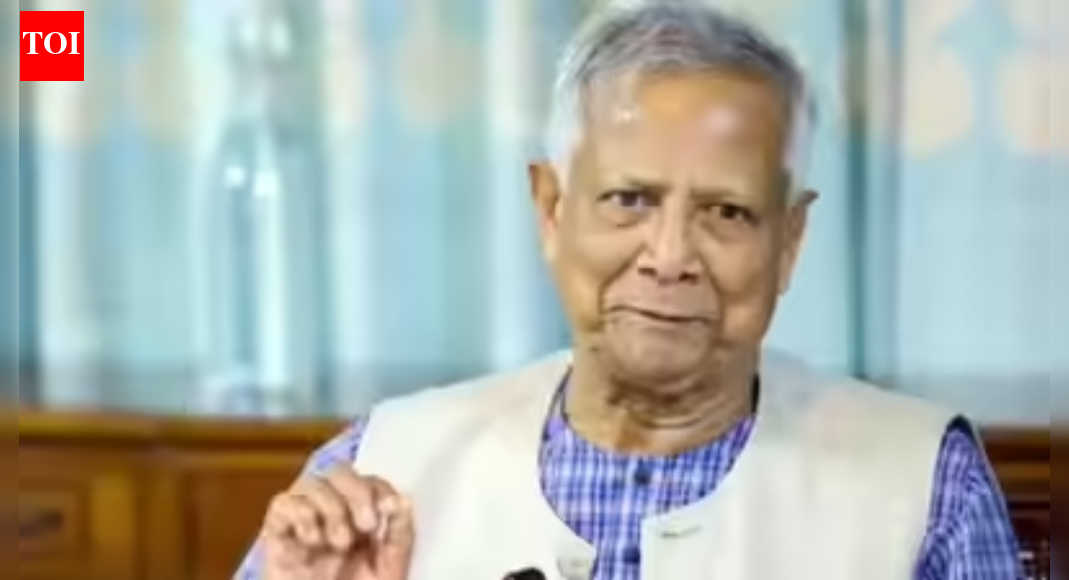
Violence against minorities: Yunus government slammed for poor probe, trial | India News


Violence against minorities: Yunus government slammed for poor probe, trial

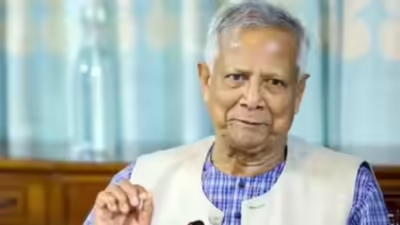
DHAKA: A total of 32 prominent citizens and rights activists on Saturday condemned the planned killings, especially the killing of minorities, serial violence and the burning of houses in the country, stressing that the Prof Yunus-led interim govt is failing to prosecute the perpetrators of violence against the minorities. They demanded that those responsible for the incidents be brought to justice and strict punishment be meted out to them. “We also note with surprise and anger that the govt is repeatedly failing to promptly investigate the incidents and bring to justice those responsible for the sabotage, murder and attacks,” the eminent citizens said in a statement released to the media on Saturday. The signatories include Sultana Kamal, Khushi Kabir, Rasheda K Chowdhury, ZI Khan Panna, Iftekharuzzaman, Anu Muhammad, Shaheen Anam, Firdous Azim, Shamsul Huda, Nur Khan and Samina Lutfa.


Source link

Shadow minister Priti Patel calls for UK intervention to protect Hindus in Bangladesh | India News


Shadow minister Priti Patel calls for UK intervention to protect Hindus in Bangladesh

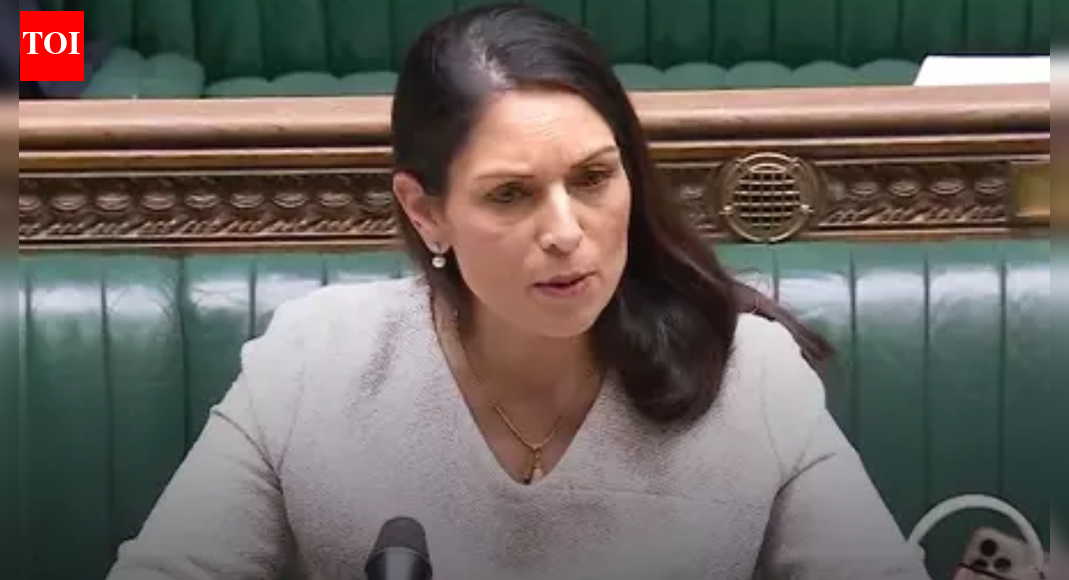
LONDON: UK shadow foreign secretary Priti Patel has called on the British government to intervene in the “increase in violence” in Bangladesh that has involved murders of Hindus and use its influence to bring about stability in the country. The British Indian Opposition Conservative MP posted her letter to Foreign Secretary Yvette Cooper on social media on Friday, which also calls upon the Labour Party government to make a statement on the issue in the House of Commons. “The situation in Bangladesh is very concerning. Religious freedoms should be protected and the murders of Hindus and persecution taking place are wrong and must stop,” said Patel. “The UK government must use its influence and convening powers to work to bring about stability in Bangladesh and a future where religious freedoms are protected and Hindus as safe,” she said. In her letter to Cooper, the shadow minister points to reports of at least six Hindus being killed within an 18-day period in recent weeks. “This level of persecution and violence is unacceptable… Given the increase in violence, can you advise what steps have been taken over the last year to monitor and make representations? “Given the wider political situation in Bangladesh, what work is underway with partners in the region to use our diplomatic influence and convening powers to bring about stability in Bangladesh and respect and protections for minorities,” she questions in her letter. Meanwhile, the Ministry of External Affairs (MEA) has condemned a “disturbing pattern” of recurring attacks on minorities in Bangladesh. “We continue to witness a disturbing pattern of recurring attacks on minorities as well as their homes and businesses by extremists. Such communal incidents need to be dealt with swiftly and firmly,” MEA spokesperson Randhir Jaiswal said. “We have observed a troubling tendency to attribute such incidents to personal rivalries, political differences, or extraneous reasons. Such disregard only emboldens the perpetrators, and deepens the sense of fear and insecurity among minorities,” he said. British Hindu groups led by the Bengali Hindu Adarsha Sangha (BHAS) UK have been coordinating protests in London against the attacks on minorities in Bangladesh. “The minority communities of Bangladesh are facing long-standing concerns over discrimination, violence, murder and demographic decline,” BHAS UK said at a protest recently. The protesters condemned the “unethical arrest of interfaith voice Chinmaya Prabhu and public lynching of Dipu Das by Islamic extremists”. Chinmoy Krishna Das is a Hindu monk who was arrested in Bangladesh in 2024 on sedition charges. Das, a 25-year-old garment factory worker, was lynched to death by a mob over alleged blasphemy in Mymensingh city on December 18 last year. His body was then set on fire.


Source link

Indian envoy to Bangladesh meets new BNP chief Tarique | India News


Indian envoy to Bangladesh meets new BNP chief Tarique

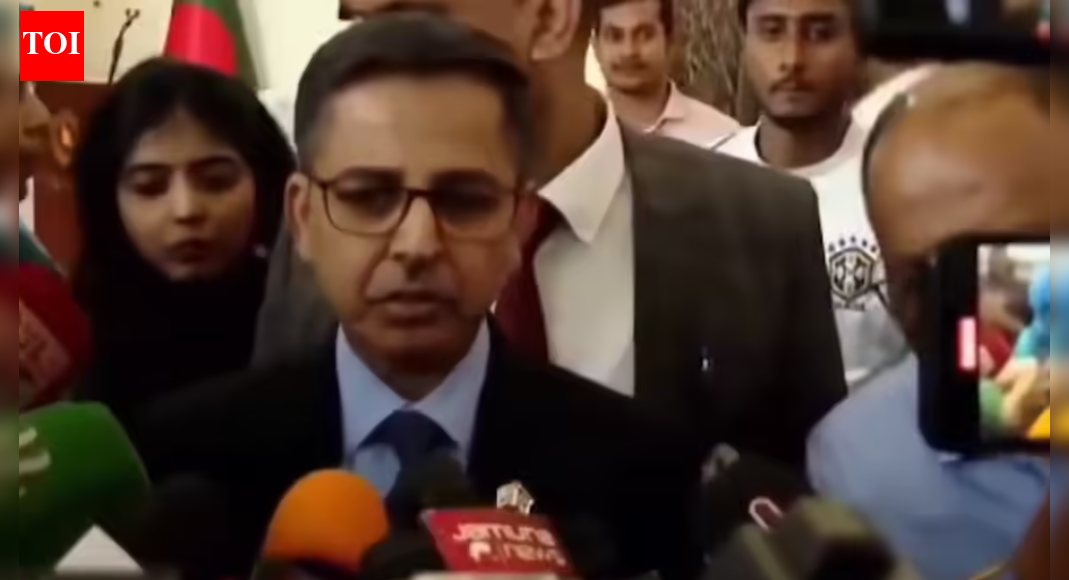
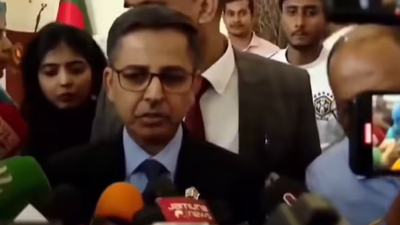
DHAKA: Indian high commissioner to Bangladesh Pranay Verma on Saturday paid a courtesy call on newly elected BNP chairman Tarique Rahman and discussed issues of mutual interest between the two countries.The Indian envoy went to Rahman’s Gulshan office in the evening and held a nearly hour-long meeting with him, BNP media cell member Sayrul Kabir Khan told reporters without further elaboration.

MEA Calls For Firm Action As India Flags Disturbing Pattern Of Attacks On Minorities In Bangladesh

The meeting followed India’s external affairs minister S Jaishankar’s recent visit to Dhaka and Indian PM Narendra Modi’s personal letter to Rahman after the demise of his mother, former Bangladesh Prime Minister Begum Khaleda Zia.Earlier, exchanging greetings with editors and senior journalists at his first event after taking charge as BNP chairman, Rahman spoke about taking Bangladesh out of the politics of revenge and violence, stressing that political differences should not push the country towards division that will only invite frustration and sufferings.He said violence, revenge and counter-revenge always lead to dangerous consequences and the democratic process and accountability at all levels must be ensured to bring positive change in the country. “We have seen on Aug 5 what violence, revenge and vindictiveness can result in, whether by an individual or by a political party,” said Rahman, who formally took charge as BNP chairman on Friday night.


Source link