Breaking News
SIR work being ‘hindered’ in states: SC takes serious note of BLOs being threatened; asks EC to ‘deal with situation’ | India News


SIR work being 'hindered' in states: SC takes serious note of BLOs being threatened; asks EC to 'deal with situation'

NEW DELHI: The Supreme Court on Tuesday raised concerns over reports of Booth Level Officers (BLOs) being threatened and obstructed while carrying out the Election Commission’s Special Intensive Revision (SIR) of electoral rolls in West Bengal and other states, PTI reported.“Bring to our notice instances of lack of cooperation, threatening of BLOs; we’ll pass orders,” the bench told the Election Commission of India (ECI) after it claimed that its work was being “hindered” in some states.The ECI later stated that if the situation continues to worsen, it would have no option but to take police under deputation. The Commission told the Supreme Court that it has all constitutional powers to deal with the threatening of BLOs and other officials engaged in SIR work.

Mamata Banerjee Warns BJP With Nation-Shaking Threat As SIR Battle Erupts In Bengal Ahead Of Polls

“Deal with situation or it will cause anarchy,” the SC warned the ECI, referring to the lack of cooperation from certain state governments in facilitating the SIR exercise.The apex court asked the Election Commission to take a firm view of the lack of cooperation from state governments and ensure the exercise is carried out without intimidation or interference.During an earlier hearing, the bench led by Chief Justice Surya Kant had flagged the heavy workload placed on BLOs, noting claims of severe stress, pressure, and even deaths linked to the SIR drive. The court directed states to immediately deploy additional manpower, reduce working hours, and consider exemption requests on an individual basis where justified. It reiterated that governments are duty-bound to provide adequate staff.The EC has repeatedly defended SIR as a constitutionally mandated obligation to “clean” the voter lists. It argues that maintaining correct and current electoral rolls is essential to the integrity of the electoral process, and that it retains the exclusive discretion to decide when and how to revise rolls.’This came after several petitions and PILs were filed before the Supreme Court, contending that the design and implementation of SIR threatens the fundamental right to vote of large numbers of genuine voters. Petitioners argue that the documentation requirements, tight deadlines, and house-to-house enumeration make the exercise arbitrary and could lead to large-scale disenfranchisement, particularly of marginalised, poor, migrant, or otherwise vulnerable populations. They contend that the new procedures deviate from older rules, create a “citizenship test,” and fail to ensure proper notice or due process before deleting names. On June 24, the EC issued an order triggering SIR, starting with the Bihar, which was due for assembly elections, and indicating that other states and union territories would follow in a phased drive.


Source link

Congress betrayed national song under pressure from Jinnah: PM Modi | India News


Congress betrayed national song under pressure from Jinnah: PM Modi

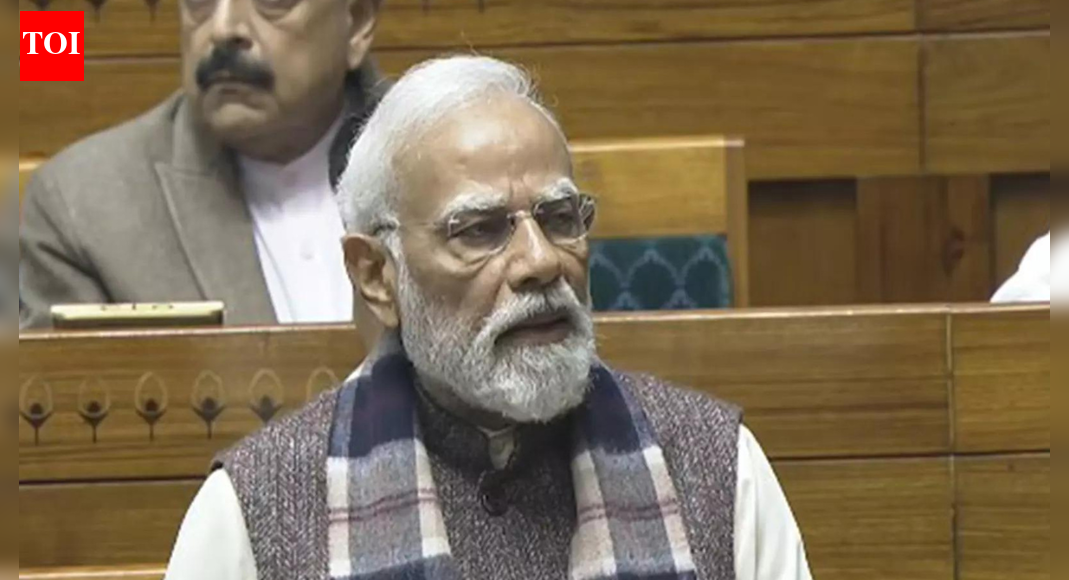
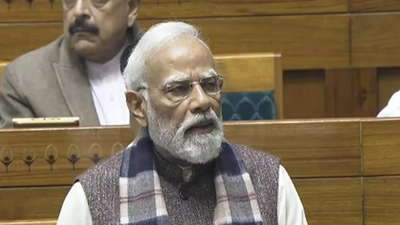
NEW DELHI: PM Narendra Modi Monday accused Congress of betraying ‘Vande Mataram’ and bowing to pressure from Mohammed Ali Jinnah to “divide” it despite Mahatma Gandhi’s praise that the patriotic song had become like a national anthem, saying the party meted out the “grave injustice” due to its appeasement politics.Initiating a discussion in Lok Sabha on the national song’s 150th anniversary, Modi traced its evolution to becoming a rallying cry for patriots and unifying spirit against the British rule, including in the popular agitation against Bengal’s division in 1905.

The Truth Behind Curtailed Vande Mataram : Politics, Unity And A Century Of Cultural Tension

Also read: NDA, opposition trade barbs over national song; Bengal poll takes centre stageHe said Gandhi, who then practised law in South Africa, had recognised its immense appeal in Bengal. Quoting Gandhi’s statements on the song in a weekly, Indian Opinion, in 1905, Modi said: “it is so popular that (it is almost) as if it has become our national anthem. Its sentiments are great, and it is sweeter than anthems of other nations. Its sole motive is to ignite the patriotic spirit in us. It sees India as mother and worships her”.

Modi: Nehru compromised instead of taking on Jinnah

If it was such a great song, then why was it betrayed in the last century?” asked PM Narendra Modi before taking aim at first PM Jawaharlal Nehru. “Which were the forces whose wishes prevailed on the sentiments of revered Bapu? A sacred song like ‘Vande Mataram’ was dragged into controversy,” he said, in reference to Congress’s decision in 1937 to confine its recital to the first two paras.Also read: Priyanka Gandhi’s ‘chronology’ jab at Centre; questions PM Modi’s ‘selective’ historyThe current generation must know the reasons behind the betrayal of a song which had frightened the British so much that they banned it and repressed those who chanted it as a nationalist slogan. He also took a swipe at Trinamool Congress, saying parties having Congress in their name keep raising controversy around the song, which often draws criticism from a section of Muslims for its vivid Hindu themes, including invocation of deities. Modi appeared to be responding to critics, who have found the song’s imagery of nation as agoddess objectionable, with a strong articulation of cultural nationalism, a foundational guide to the Sangh Parivar, as he noted that even the Vedas have visualised India as a mother.Modi’s over 55-minute speech was heard without any serious disruption, and he made a concession to TMC MP Saugata Roy when the latter rose to object to his use of ‘da’ and not the more respectful ‘babu’ after the songwriter Bankim Chandra Chatterjee’s first name, thanking him for the suggestion. Modi used the suffix “babu” for Bankim from that point onwards.With the song’s association with Bengali icons like Bankim Chandra Chatterjee and Rabindra Nath Tagore, who set it to music, BJP hopes to deepen its connect with the people of West Bengal, which goes to the polls in a few months, as it takes on CM Mamata Banerjee-headed Trinamool which has often championed its regional identity to corner its main rival.Modi said when Jinnah protested on Oct 15, 1937, against the song, which was sung in Congress sessions, Nehru, as the president of his party, felt insecure and “agreed” with the Muslim League leader’s criticism by writing to Subhas Chandra Bose that its Anandmath background may irritate and provoke Muslims. Nehru compromised instead of taking on Jinnah and the Congress, at its Kolkata session on Oct 26 pruned the song to its first two paras, he said, hammering home the irony of that conclave being organised in Chatterjee’s state.He added, “History is witness that Congress bowed down to Muslim League. Due to its appeasement politics, Congress bent to divide Vande Mataram, and that is why it had to bow down to the division of India later.”With the national song a fixture at BJP events, Modi said his party owed a debt to Vande Mataram that it needed to repay by ensuring it got its due.


Source link

Give Vande Mataram same status as Jana Gana: Rajnath Singh | India News


Give Vande Mataram same status as Jana Gana: Rajnath Singh
Defence Minister Rajnath Singh proposed adding a fundamental duty to the Constitution, mandating equal respect for ‘Vande Mataram’ as the national anthem. He accused Congress of communalizing the song due to appeasement politics, urging parliamentarians to restore its glory and honor its author. Singh highlighted historical attempts to truncate the song, deeming it an injustice to national identity.

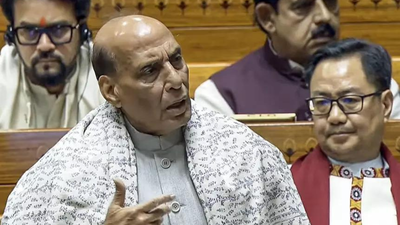
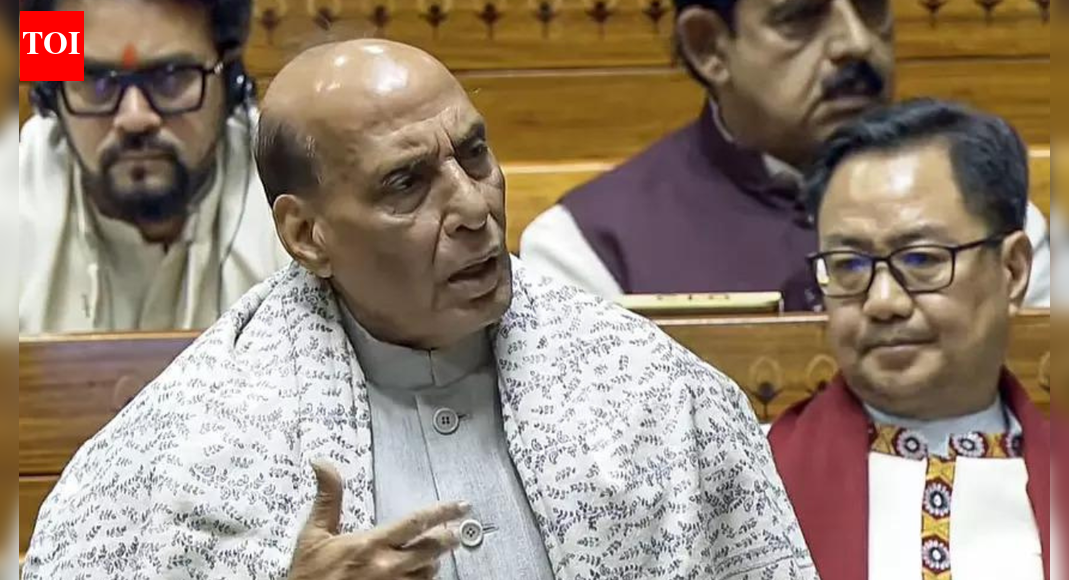
NEW DELHI: Accusing Congress of portraying ‘Vande Mataram‘ as “communalist” on account of its own appeasement politics – which made it see the national song through the lens of MA Jinnah – defence minister Rajnath Singh on Monday urged parliamentarians across party lines to restore its glory by adding a new fundamental duty in the Constitution that mandates according the same respect to ‘Vande Mataram’ as is given to the national anthem.“My request to all members is that we all come together and consider whether we can add a new fundamental duty under Article 51A of the Constitution – that all citizens shall accord the same respect to ‘Vande Mataram’ as we accord to the national anthem. If we do this, it will be a perfect tribute to ‘Vande Mataram’, its author, and Bengal’s great nationalist thinker Bankim Chandra Chatterjee,” Singh said while participating in a discussion in Lok Sabha on the 150th anniversary of the national song.Singh said that after Independence, it was decided that the national anthem and the national song would be given equal status, but only the national anthem ‘Jana Gana Mana‘ became an integral part of the country’s consciousness, while the national song ‘Vande Mataram’ was treated like an “extra”.“On the very soil where ‘Vande Mataram’ was composed, the Congress took the decision to truncate the song in 1937. Every generation must know about the political deceit and injustice done to ‘Vande Mataram’. This injustice was not only to a song but to the people of independent India and the freedom fighters who fought for freedom with chants of ‘Vande Mataram’,” he said.‘Vande Mataram’ is complete in itself, yet attempts were made to make it incomplete. “However, it has remained the immortal song of our nation, and it will remain so,” he added.Singh emphasised that future generations must understand the mentality of those who undermined the song, calling it an injustice to India’s cultural and national identity.Earlier, LS Speaker Om Birla described ‘Vande Mataram’ as a reflection of India’s harmony and strength. In his opening remarks, Birla said that as the country commemorates the 150-year glorious journey of ‘Vande Mataram’, it remains etched in the heart of every Indian even today. Former Union minister and BJP MP Anurag Thakur said, “Vande Mataram’ is not just a song; it is a ‘Maha Mantra’. It is neither a religious song nor a party, nor individual, song. ‘Vande Mataram’ represents national pride and Indian culture.”


Source link

Mandaviya defends Labour Codes, flags safeguards for women tea workers in Assam | India News


Mandaviya defends Labour Codes, flags safeguards for women tea workers in Assam

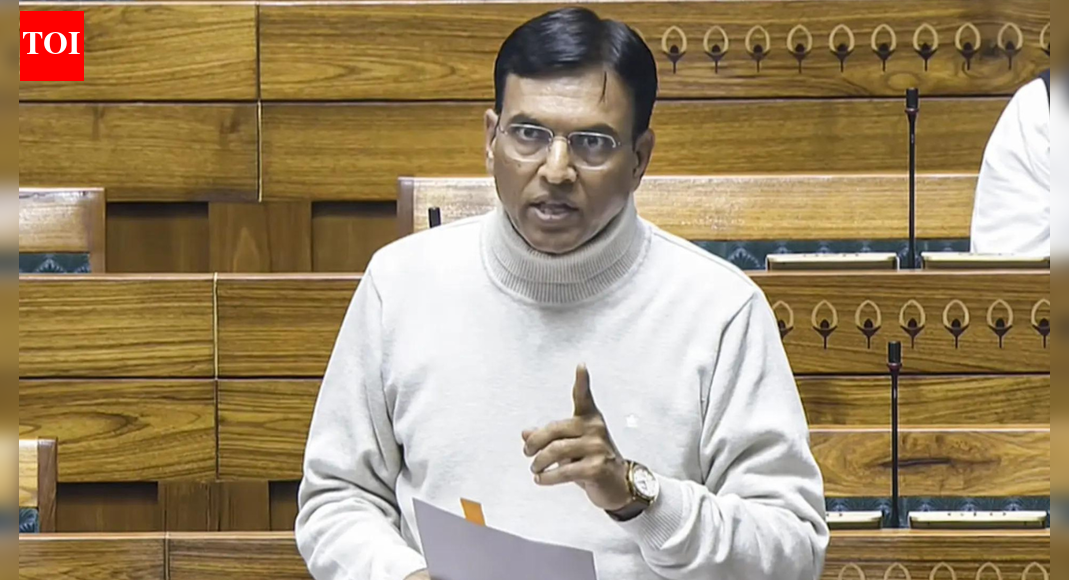
NEW DELHI: Union labour minister Mansukh Mandaviya on Monday defended the four Labour Codes in the Lok Sabha, citing their impact on women workers, particularly in Assam’s tea plantations, amid opposition’s criticism that the reforms dilute labour protections. His remarks came in response to questions on implementation and safeguards under the Codes.Responding to a question on women workers in tea gardens, Mandaviya said: “Whether it is a tea garden or any factory or establishment anywhere in the country, the Labour Codes have made strong provisions for the dignity, safety, health, and rights of women workers.” He said equal wages for men and women for the same work had been guaranteed, health facilities ensured and maternity benefits strengthened through provisions such as crèche facilities and paid leave.Referring to social security cover, the minister told the House that under Ayushman Bharat and ESIC, women workers and their families are entitled to cashless treatment, including for illnesses linked to hazardous work. He added that wherever 50 or more women workers are employed, housing, drinking water and sanitation facilities have been made mandatory. “In every establishment, an Internal Complaints Committee or grievance redressal committee is mandatory, and it is compulsory to include women members in it,” he said.Mandaviya noted that women constitute 70–80% of the tea garden workforce and said over 12 lakh plantation workers were benefiting from the Codes. He questioned the Opposition’s resistance, asking whether it objected to equal wages, maternity benefits and health security for women.Opposition parties, including Congress and Trinamool, have argued that the Codes favour employers through longer work hours and weaker enforcement. The government maintains that the reforms modernise labour laws and expand social security coverage. After the debate, Mandaviya reiterated his position on social media, listing equal pay, health security, maternity benefits, safe workplaces and mandatory grievance committees as core safeguards for women workers.


Source link

Will Trump make Buddha ‘smile’ again? 27 years after Pokhran nuclear tests, India at critical point | India News


Will Trump make Buddha 'smile' again? 27 years after Pokhran nuclear tests, India at critical point

In an era where global powers are flexing their nuclear muscles and dormant arsenals hum with renewed urgency, India stands at a perilous crossroads: should it reignite the fire of nuclear testing to assert its strategic sovereignty, or maintain the delicate restraint that has balanced diplomacy and deterrence for decades? The shadow of India’s 1998 Pokhran-II tests still lingers, marked by geopolitical reverberations and economic sanctions. Yet today, with US President Donald Trump publicly accusing rival states like Pakistan and China of clandestine nuclear tests, India faces a high-stakes dilemma.

Putin, Modi Supercharge India’s Atomic Future With Big Reactor Push And Next-Gen Mini Reactors

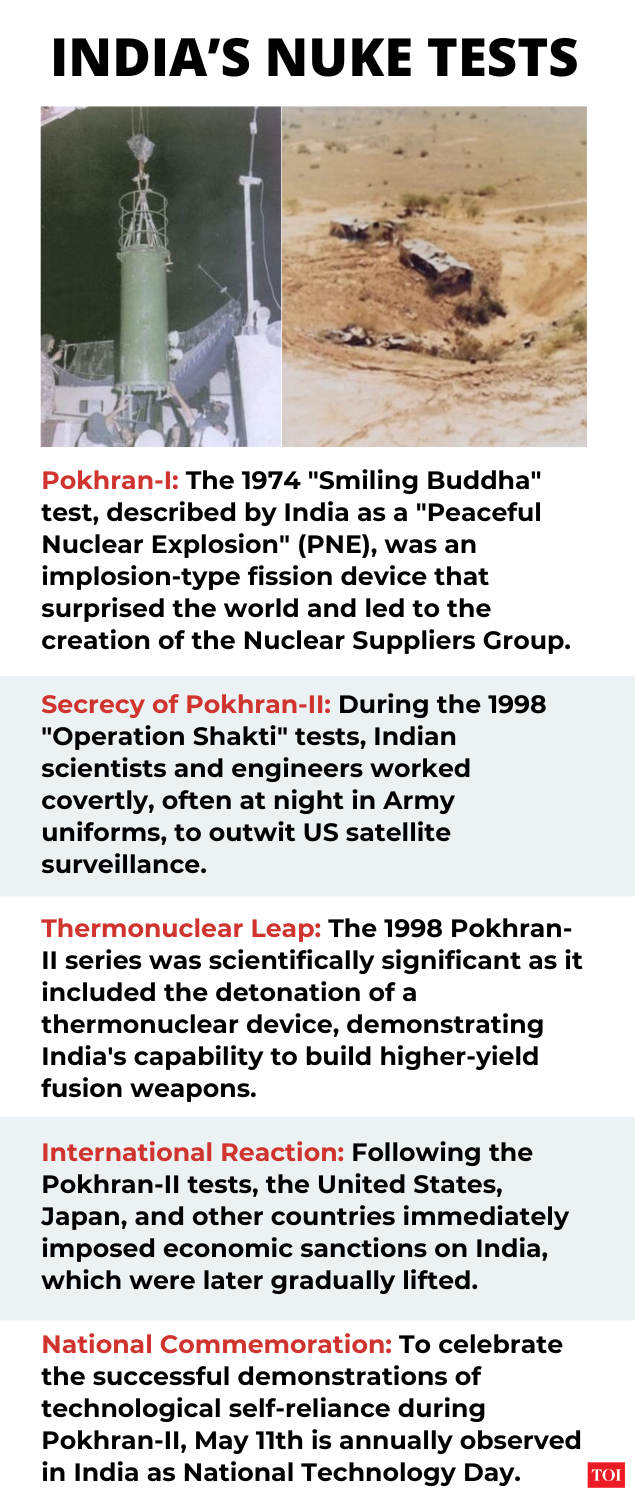
India’s nuclear journey began with its first nuclear test, code-named ‘Smiling Buddha’, in 1974, which stunned the world with a bold demonstration of atomic capability. However, there was then a long gap of 24 years before India conducted its next round of tests, the definitive Pokhran-II in 1998.

India's nuke tests

Now, 27 years after that landmark moment, the clock ticks again — prompting a crucial question: Is it time for India to conduct another series of nuclear tests to secure its place amid a shifting geopolitical order? The answer may shape not just India’s nuclear strategy, but the future stability of South Asia and its global standing.Daryl Kimball, executive director of the Arms Control Association in Washington, said that a resumption of US atomic tests would “open the door for states with less nuclear testing experience to conduct full-scale tests that could help them perfect smaller, lighter warhead designs”.Joseph Rodgers, fellow at the Washington-based Centre for Strategic and International Studies, said that states such as China or India stand to profit from a resumption of nuclear tests.“It makes more sense for them to test” than it does for the US or Russia, the two states that have conducted most atomic tests to date, Rodgers said.

Tump triggers debate

Ahead of his meeting with Chinese president Xi Jinping in South Korea on October 29–30, 2025, Trump posted on social media that, because other countries were conducting nuclear tests, he had instructed the US military to begin testing nuclear weapons again on “an equal basis” with those nations, and that this process would “commence immediately”.Trump’s comments were interpreted by many as a sign the US was preparing to restart full-scale nuclear blasts for the first time since 1992.

Tsar Bomba

In an interview with 60 Minutes on CBS, Trump reiterated his position. “I am saying that we’re going to test nuclear weapons like other countries do, yes,” Trump said when asked by if he planned for the US to detonate a nuclear weapon for the first time in more than 30 years.“Russia’s testing, and China’s testing, but they don’t talk about it,” he added. “I don’t want to be the only country that doesn’t test,” he said, adding North Korea and Pakistan to the list of nations allegedly testing their arsenals.

What he probably meant

Just days after Trump’s remark, US Energy Secretary Chris Wright clarified that America is not planning to conduct nuclear explosions.“These are not nuclear explosions,” Wright told Fox News on Sunday. “These are what we call sub-critical explosions.” But Wright, whose agency oversees testing, said people living in the Nevada desert should have “no worries” about seeing a mushroom cloud.“Americans near historic test sites such as the Nevada National Security Site have no cause for concern,” Wright said. “So we’re testing all the other parts of a nuclear weapon to make sure they deliver the appropriate geometry, and they set up the nuclear explosion.”

What are sub-critical nuclear tests

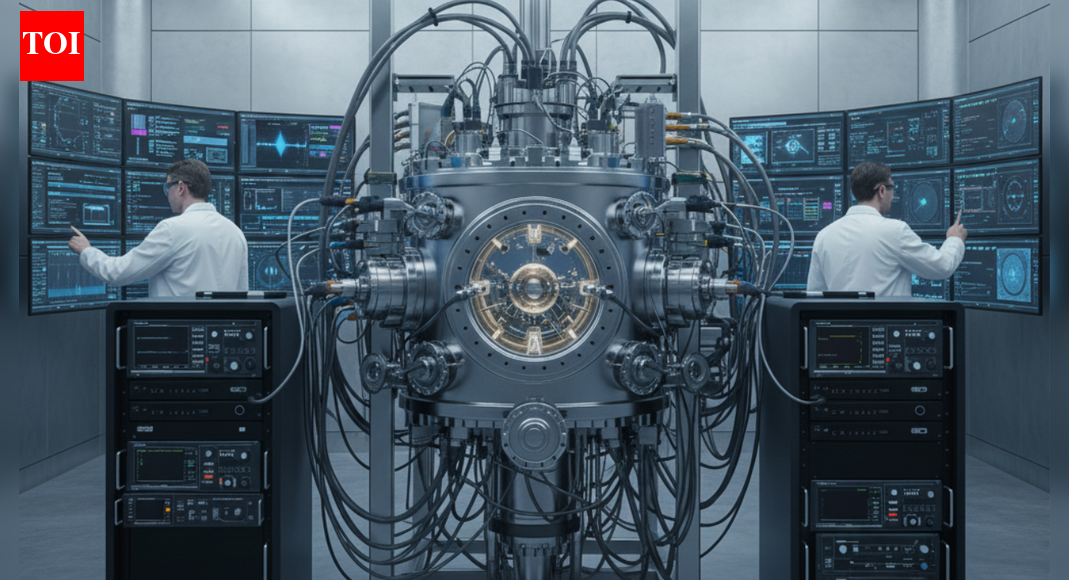
Sub-critical nuclear testing refers to experiments that involve nuclear materials like plutonium but use less than the amount necessary to start a chain reaction that would cause a nuclear explosion. No nuclear explosion occurs because the test does not achieve “criticality,” the point at which a self-sustaining nuclear reaction happens.These tests involve compressing or shocking small amounts of fissile material with high explosives to study how the material behaves under extreme conditions.Subcritical tests help scientists validate computer models and ensure the safety, security, and reliability of nuclear weapons without performing full nuclear detonations.They are usually done underground to contain any radioactive byproducts and prevent a nuclear blast.Countries like the US, Russia, and China use subcritical tests to maintain their nuclear stockpiles under international test bans like the CTBT.Thus, subcritical tests are a way to “test” the components of nuclear weapons at a small, safe scale without violating nuclear test bans or triggering nuclear explosions.

Can sub-critical nuke tests be detected

Sub-critical nuclear tests are generally very low-yield and do not produce a nuclear explosion, so they release minimal energy and radiation. Because of this, subcritical tests are often difficult or impossible to detect by international monitoring systems like the Comprehensive Nuclear-Test-Ban Treaty (CTBT) International Monitoring System (IMS).The IMS uses seismic, hydroacoustic, infrasound, and radionuclide stations to detect nuclear explosions worldwide. While it can detect all full-scale nuclear tests, the very low yield of subcritical tests—often below a threshold of about 1 kiloton equivalent—means they usually do not produce detectable seismic or atmospheric signatures. Radionuclide detectors also rely on gases released during an explosion, which do not occur in subcritical tests.Sub-critical tests are mostly not picked up by the IMS or satellite monitoring, making them effectively clandestine from the perspective of existing international nuclear test detection systems unless detected through other intelligence sources or on-site inspections after the CTBT enters into force.

What India’s next nuclear test could look like

If India were to conduct a nuclear test today, it would reflect significantly evolved scientific, strategic, and geopolitical conditions compared to the 1998 Pokhran-II tests. The characteristics of a modern Indian nuclear test would likely include:

  • Advanced Warhead Designs India’s nuclear program has progressed since 1998, including development of thermonuclear weapons and miniaturised warheads suitable for its ballistic missile arsenal like the Agni series. Tests today would likely focus on validating thermonuclear yield and sophisticated warhead designs to ensure reliability and accuracy.
  • Subcritical and Computer-Simulated Testing While explosive nuclear tests are possible, India might also incorporate subcritical tests — experiments that do not produce a self-sustaining chain reaction — and extensive computer simulations. These methods enhance warhead performance confidence without a full-scale test, but a full test could be opted for if strategic or political signals require it.
  • Test Site and Environmental Measures Like Pokhran in Rajasthan, the test would likely occur at a well-established test site with extensive monitoring and safety protocols. Satelite and seismic detection globally would instantly detect the test, making secrecy impossible.
  • International Fallout India would anticipate immediate diplomatic repercussions, including likely suspension of nuclear cooperation with the US under the 123 Agreement and possible sanctions.

What is the 123 Agreement

The 123 Agreement, formally called the India–United States Civil Nuclear Agreement, is a bilateral pact signed in 2008 that allows civil nuclear trade and cooperation between India and the United States. It was a landmark deal that ended decades of nuclear isolation for India, enabling it to engage in global nuclear commerce despite not being a signatory to the Nuclear Non-Proliferation Treaty (NPT). The agreement requires India to separate its civilian and military nuclear facilities, with civilian reactors subject to International Atomic Energy Agency (IAEA) safeguards while retaining control of its nuclear weapons program. The 123 Agreement facilitates technology transfer, fuel supply, and nuclear commerce, strengthening India’s civilian nuclear energy capabilities and strategic partnership with the US.

What happens if India tests nukes

Per Article 14 of the 123 Agreement, should India conduct a nuclear test explosion, the United States holds the right to immediately terminate all nuclear cooperation. This has significant ramifications for India’s civilian nuclear energy expansion plans and international standing. Past statements by US policymakers, including former US president Barack Obama, emphasized pushing for India’s eventual ratification of the Comprehensive Nuclear-Test-Ban Treaty (CTBT) as part of broader nonproliferation goals.

Are sub-critical tests covered under 123 Agreement?

The 123 Agreement between India and the United States does not explicitly mention subcritical nuclear testing. The agreement is primarily focused on prohibiting “nuclear explosive devices” testing and maintaining a moratorium on nuclear testing as a condition for continued civil nuclear cooperation.Subcritical tests, which do not involve a self-sustaining nuclear chain reaction or an actual nuclear explosion, typically fall outside the scope of what is conventionally defined as nuclear explosive testing. This nuance means subcritical tests are not explicitly banned under the 123 Agreement’s terms related to nuclear testing moratoriums.However, any full nuclear explosive test would constitute a breach, prompting the US to have the right to terminate cooperation and possibly impose sanctions.

World’s nuclear arsenal

At present there are 9 countries (Russia, US, China, France, UK, Pakistan, India, Israel and North Korea) that possess nuclear weapons. These countries have roughly 12,331 nuclear warheads, with over 9,600 in active military stockpiles, according to the Federation of Atomic Scientists’ 2025 Status of the Worlds Nuclear Forces. While this is a significant decline from the approximately 70,000 warheads owned by the nuclear-armed states during the Cold War, nuclear arsenals are expected to grow over the coming decade.Russia has the most confirmed nuclear weapons, with nearly 5,500 nuclear warheads. The US follows behind with 5,177 nuclear weapons. Total nuclear warheads owned by these 2 countries alone counts for nearly 90% of nuclear weapons in the world.Over 2,000 nuclear weapons tests have been carried out since 1945. The first nuclear device was detonated as a test by the United States at the Trinity site in New Mexico on July 16, 1945, with a yield approximately equivalent to 20 kilotons of TNT.The largest nuclear weapon ever tested was the Tsar Bomba of the Soviet Union at Novaya Zemlya on October 30, 1961, with the largest yield ever seen, an estimated 50–58 megatons.

Source link

Centre pushes PPP medical colleges nationwide; 11 projects get nod under new funding model | India News


Centre pushes PPP medical colleges nationwide; 11 projects get nod under new funding model

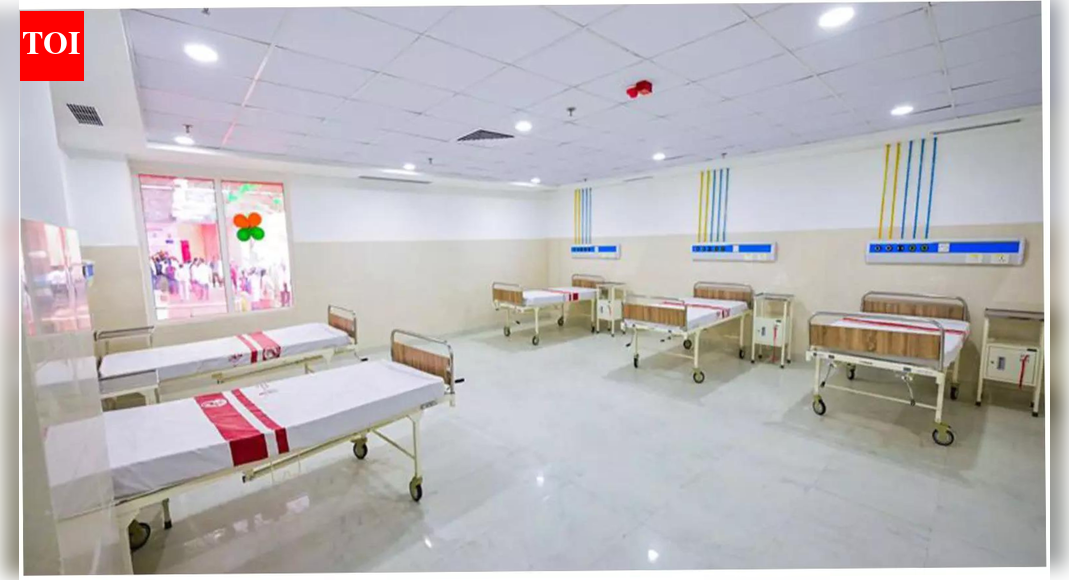
Representative image (ANI Photo)

NEW DELHI: India’s push to expand medical education into underserved districts has entered a new phase, with the Centre revealing in the Lok Sabha that 11 new medical colleges have received in-principle approval under a Public–Private Partnership (PPP) model. These colleges will come up by upgrading district hospitals — a shift in strategy aimed at accelerating MBBS seat creation without waiting for full government-backed infrastructure.The projects cleared so far are spread across Jharkhand (Giridih, Dhanbad, Jamtara, Khunti), Arunachal Pradesh (Namsai) and Uttar Pradesh (Baghpat, Mainpuri, Hathras, Kasganj, Mahoba, Hamirpur).The government explained that the model will rely on Viability Gap Funding (VGF) — a financial support mechanism designed to make socially important but commercially unviable projects feasible for private partners. Under the scheme, the Centre may fund up to 30% of the project cost, with states allowed to match this amount. For pilot projects, support can go up to 40% of the cost, plus 25% of operations-and-maintenance expenses for the first five years.In return, States must allow full and free access to district hospital facilities for the attached medical colleges and must provide land on concessional terms — conditions aimed at ensuring that medical education does not dilute public-hospital services.The Lok Sabha reply also stressed that faculty norms, curriculum rules, equipment standards and staffing requirements will remain under the National Medical Commission’s Minimum Standard Requirement (MSR) Regulations, ensuring that PPP colleges follow the same quality benchmarks as government medical colleges.Alongside the PPP push, the government also confirmed that the existing Centrally Sponsored Scheme for upgrading district hospitals into government medical colleges has already sanctioned all 157 planned institutions, including 14 in Madhya Pradesh and two in Maharashtra.While the PPP model is still at an early stage, the approval of 11 projects signals the Centre’s intent to create a parallel pathway for strengthening medical infrastructure, especially in districts that have historically lacked teaching hospitals.The next challenge lies in execution — from faculty recruitment to readiness of hospital facilities — but policymakers say the new structure opens a crucial opportunity to expand medical education faster, in areas that need it most.


Source link

‘Remain alert’: UP CM Yogi Adityanath’s warning to public against ‘infiltrators’; asks people to ‘verify identity’ | India News


'Remain alert': UP CM Yogi Adityanath's warning to public against 'infiltrators'; asks people to 'verify identity'

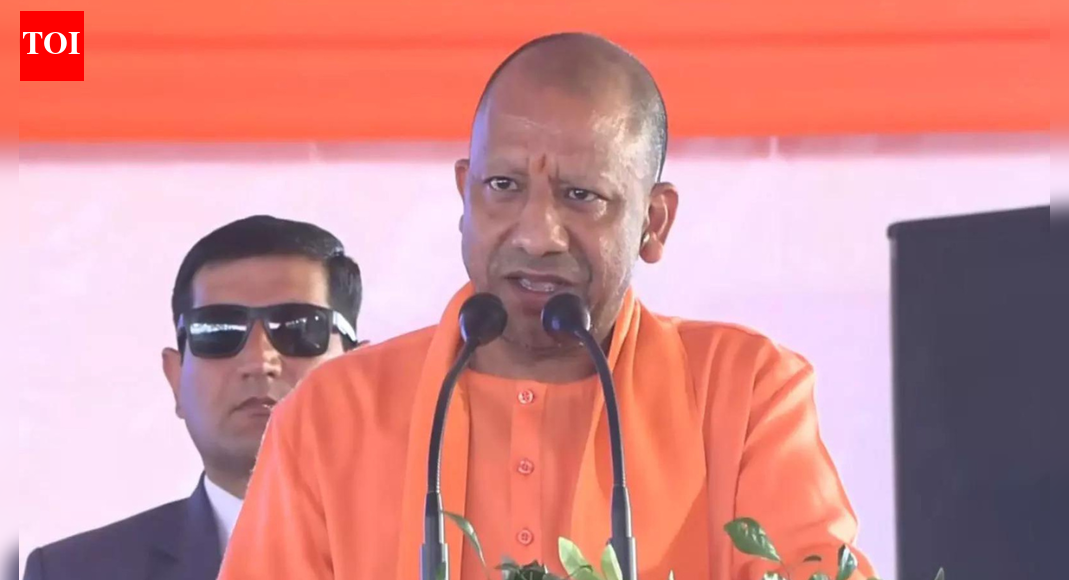
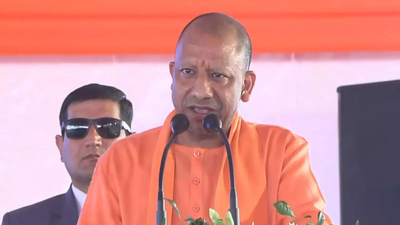
NEW DELHI: Uttar Pradesh chief minister Yogi Adityanath on Monday warned of a “strict and decisive” action against Bangladeshi and Rohingya “infiltrators” in the state. He advised the state residents to ensure that the “identity of any individual is thoroughly verified before employing them in domestic or business activities.“My esteemed residents of the state, The security of Uttar Pradesh, social harmony, and robust law and order are our utmost priority. Strict and decisive action has been initiated against Rohingya and Bangladeshi infiltrators residing illegally in the state,” he said in a post on X.“I appeal to the vigilant public of the state to remain alert and ensure the identity of any individual is thoroughly verified before employing them in domestic or business activities. The security of the state is the collective responsibility of us all, for security is the foundation of prosperity,” he added.The state police initiated an operation against Rohingya and Bangladeshi individuals suspected of residing unlawfully in the state. The action follows growing concerns about foreign nationals securing Indian identity papers through fraudulent methods.As per senior officials, authorities in 17 municipal bodies have been directed to quickly compile a list of foreign workers whose presence or employment appears suspicious. The government has emphasized that anyone attempting to settle in the state using forged documents will face strict action. A widespread verification drive for identity papers is also in progress after officials uncovered attempts by several Rohingya and Bangladeshi individuals to secure Aadhaar, voter IDs and other Indian documents to pass as local citizens. Authorities said the coordinated effort between police and the administration will ensure thorough scrutiny of every doubtful case.


Source link

Uttar Pradesh: FIR against SI, constable over cop’s suicide | India News


Uttar Pradesh: FIR against SI, constable over cop's suicide

AGRA: A week after the death a 32-year-old woman constable posted at Banna Devi in Aligarh district on November 29, a case of abetment to suicide has been registered against sub-inspector Sandeep Kumar posted in Kasganj and constable Kulveer Balyan posted in Roravar police station.“A case under section 108 (abetment of suicide) has been registered, after the woman’s brother alleged the two were mentally tormenting and harassing her, forcing her to take the extreme step,” said Banna Devi SHO Shiv Pratap Singh.According to the family, Balyan and she knew each other, and before her death, she had spoken to his family and informed them that they would come to meet them as they were planning to get married.In his complaint, the brother said, “She was working on Integrated Grievance Redressal System portal at Rorawar police station. Some time back, she told us that talks for marriage were going on with SI Kumar, posted at Banna Devi. He was later transferred to Kasganj and the matter ended.” “Later, she was transferred to Rorawar where she met Balyan and became close to him… Balyan came to know that my sister and Kumar had earlier talked about marriage. He then met Kumar, and theystarted harassing her,” he alleged.


Source link

Dessert storm: Mithai marauders strike sweet shop 10 times in 9 years | India News


Dessert storm: Mithai marauders strike sweet shop 10 times in 9 years

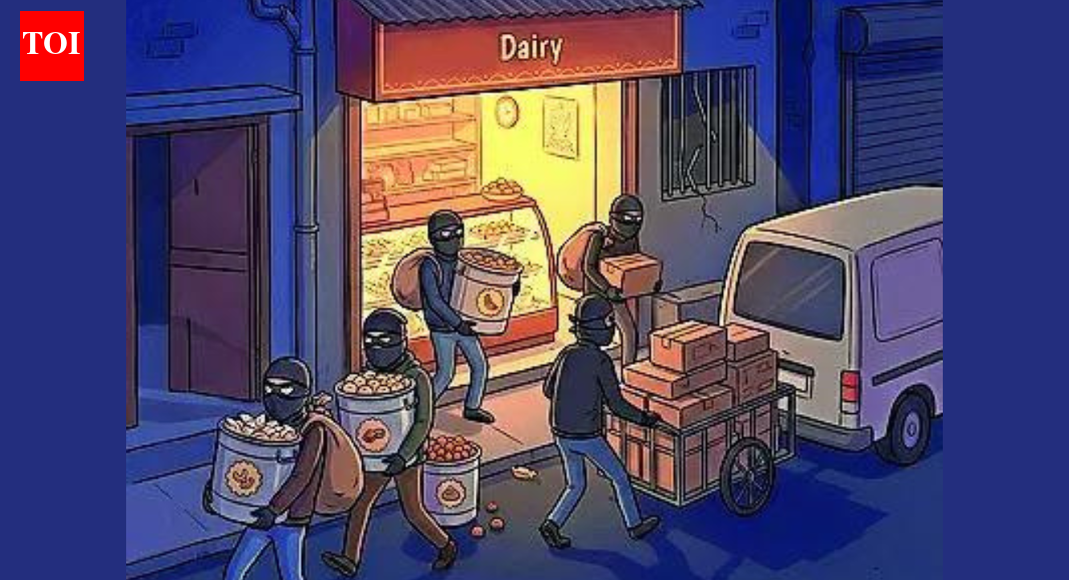
In repeated burglary cakewalks, thieves have been raiding a Nadiad confectionery, Krishna Dairy Products, and have had criminally sweet success 10 times in nine years. The shop’s owner, Mukesh Pandit, 44, said the burglars seem to treat money only as a light dessert. “Most of the time, thieves took some cash but loads of mithai – to the tune of quintals,” he said.Pandit, who opened the shop in 2015, told TOI, “I filed complaints three times. Police merely made ‘janva jog’ (station diary entries). None of the burglaries were cracked.” He installed CCTVs to signal the sour consequences of pilferage, but burglars thought the digital video recorder is the cherry on top of their booty and nicked that too. “Before I could reinstall CCTVs, burglars struck again,” Pandit said. “I have done everything to stop burglaries, from putting up iron grills to placing high-tech cameras.“A point outside my shop has a police picket. But during VVIP visits and festivals, the cops leave to join bandobusts. The burglaries occur on these days,” he said. The latest theft was on Nov 30, during which burglars stole 12kg of kaju katri worth Rs 12,000, 73.5kg of mixed mawa sweets worth Rs 38,200, and 35kg of shrikhand worth Rs 13,300. Other purloined items were mixed biscuits worth Rs 15,000, 70kg of namkeen worth Rs 16,800, and Rs 3,500 in cash. The total loss from the break-in was Rs 98,800, Pandit said.


Source link

CJI Surya Kant bats for tech-enabled jail reforms, UK-style monitoring | India News


CJI Surya Kant bats for tech-enabled jail reforms, UK-style monitoring
File photo: Chief Justice of India Surya Kant

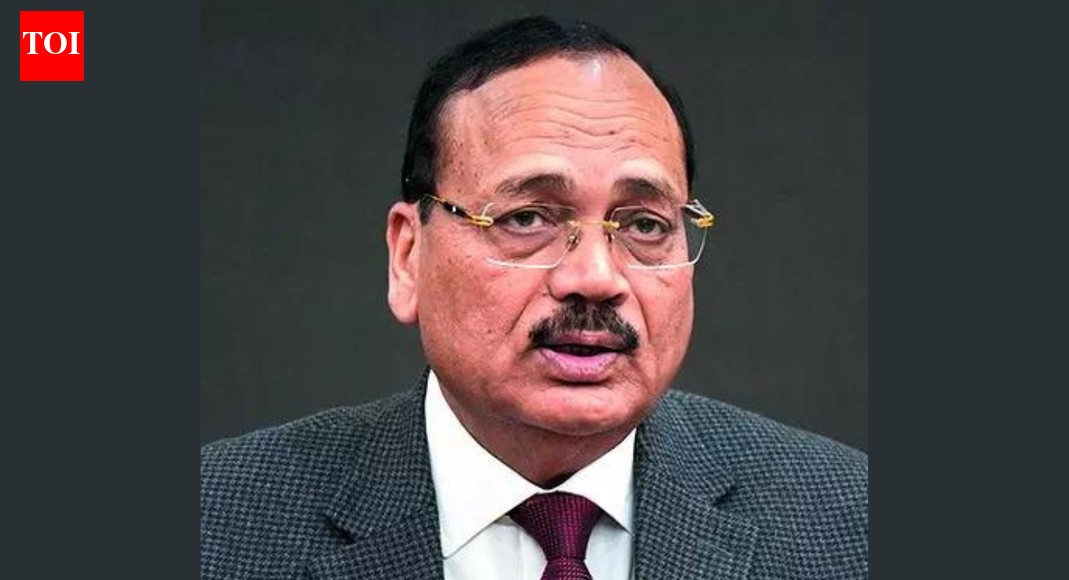
CHANDIGARH: In a significant push for modernising the country’s prison ecosystem, CJI Surya Kant has advocated bold, tech-integrated reforms, ranging from digital-skills training to UK-style inmate-monitoring systems, aimed at transforming prisons from punitive spaces into “engines of reintegration”.Highlighting the need to align prison training with the “economy of tomorrow”, the CJI stressed that inmates must be equipped with digital competencies, logistics expertise, & modern vocational skills. He urged deeper industry collaboration, proposing a model where companies “adopt” prisons, offer apprenticeships, & eventually recruit trained inmates, turning ability into opportunity.

Former CJI B.R. Gavai Clarifies He Never Faced Political Or Executive Pressure During His Tenure

CJI Kant was speaking on correctional reforms in Gurgaon on Saturday while inaugurating skill development and polytechnic courses inside Haryana jails.While giving one of his four “thoughtful proposals” to strengthen correctional justice framework, the CJI said that the suggestion is regarding opening or establishing either the open jails or just following paradigm shift that has taken place in the United Kingdom with the help of a software company based in Bangalore, where a chip is provided to the convicts, who are allowed to stay at homes within defined radius.“Their movements are monitored through advanced software, ensuring compliance while allowing individuals to maintain family life, emotional bonds, financial stability, and continuity for their children, often the ‘invisible victims’ of incarceration,” the CJI said.The CJI also pushed for creating or expanding open prisons in India as part of this humane rethinking of criminal justice.He concluded by reminding that data-driven reforms are essential. “A modern incarceration system must track behavioural progress and post-release trajectories, ensuring that rehabilitation is measurable, accountable, and effective. Such a system, he said, would help measure the real effectiveness of rehabilitation programmes and reduce recidivism,” he said.The CJI said that when individuals step out of prison and return to society without adequate support, their reintegration becomes not only difficult but dangerously uncertain. Without guidance, many are pulled back into a cycle of marginalisation and renewed conflict with the law. He said that in the absence of education, skills, psychological support, and structured reintegration, a prison, what he prefers to call a “correctional home”, can unintentionally become a place where disadvantages deepen and custodial cycles repeat.Reformative justice today demands clear thinking, coordinated action, and systems designed for renewal rather than return, he said.CJI Kant has long been known for championing correctional reforms for jail inmates. Even during his tenure as a judge of Punjab and Haryana high court, he delivered a landmark judgment in the Jasbir Singh case, holding that the right of convicts or jail inmates to have conjugal visits – or alternatively to seek artificial insemination for progeny – is a Fundamental Right.Justices Ahsanuddin Amanullah, Rajesh Bindal and Augustine George Masih of SC and Sheel Nagu, chief justice of Punjab and Haryana HC, HC judge Justice Lisa Gill and executive chairperson, Haryana State Legal Services Authority, along with Judges of HC and other dignitaries from the state administration, attended the programme.


Source link