Breaking News
42 Muslims in batch of 50: J&K CM says Vaishno Devi college admissions are merit-based; BJP seeks changes — what’s the row? | India News

42 Muslims in batch of 50: J&K CM says Vaishno Devi college admissions are merit-based; BJP seeks changes — what’s the row?

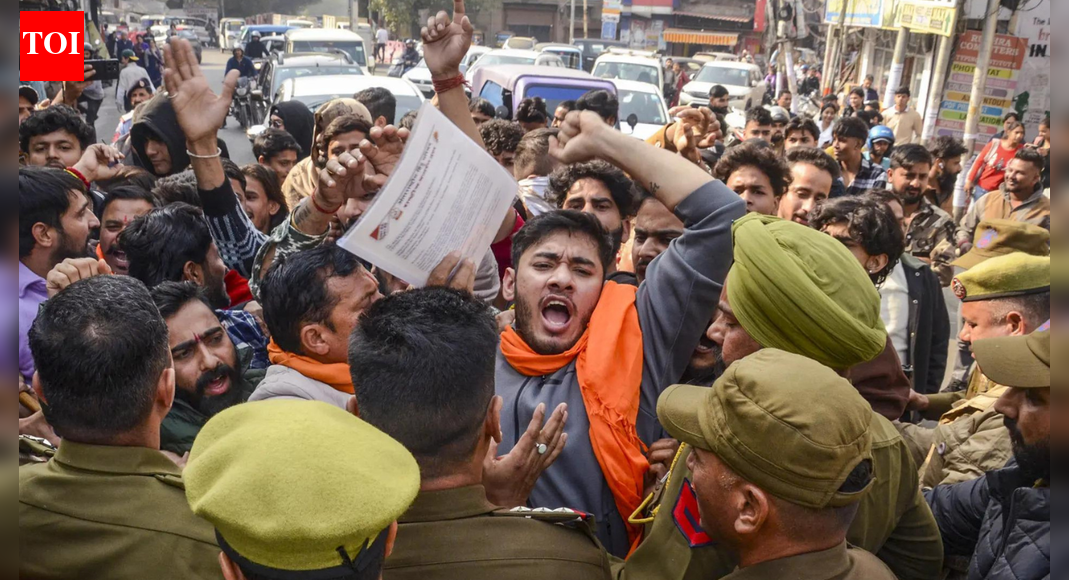
NEW DELHI: Admissions into the newly established Shri Mata Vaishno Devi Institute of Medical Excellence in Jammu and Kashmir has sparked a political row after 42 Muslim students were selected in a batch of 50.The Bharatiya Janata Party, Vishwa Hindu Parishad and Bajrang Dal protested, with the BJP demanding cancellation of admission list and questioning the merit of the students who got admission. Meanwhile, Jammu and Kashmir chief minister Omar Abdullah called dismissed such accusations saying that the admissions were based on merit.

What sparked the controversy?

The political row erupted after the medical college completed admissions through NEET’s merit list earlier this month. The college admitted students on NEET merit and allocated 85% of its seats to J&K residents. Eight Hindu students from Jammu were selected for the inaugural MBBS batch of 50.Following the completion of admissions, Vishwa Hindu Parishad and Bajrang Dal staged the initial protests, claiming that a college financed by the Mata Vaishno Devi Shrine Board should prioritise Hindu candidates. They further argued that, as the institution is supported by donations from Hindu devotees, it ought to advance Hindu interests.Officials maintained that admissions were merit-based since the institute lacked minority status and therefore could not apply any religion-based reservations.

‘Seats should be for Mata Vaishno Devi devotees’

The Hindu outfit organisations demanded “minority” institution status for the medical college. Meanwhile, BJP demanded that the admissions should be given to those who have faith in “Mata Vaishno Devi”, arguing that “donations to the shrine board come from Hindus, for the welfare of Hindus.” “Donations to the shrine board come from Hindus, for the welfare of Hindus. We are upset with the board and the college because they did not consider this sentiment. We told the LG that only those who have faith in Mata Vaishno Devi should get admission. This year’s admission is not acceptable to people here. The rules should be changed,” said BJP’s Sunil Sharma, who lodged a protest with J&K LG Manoj Sinha.

‘Our constitution has the word secular’

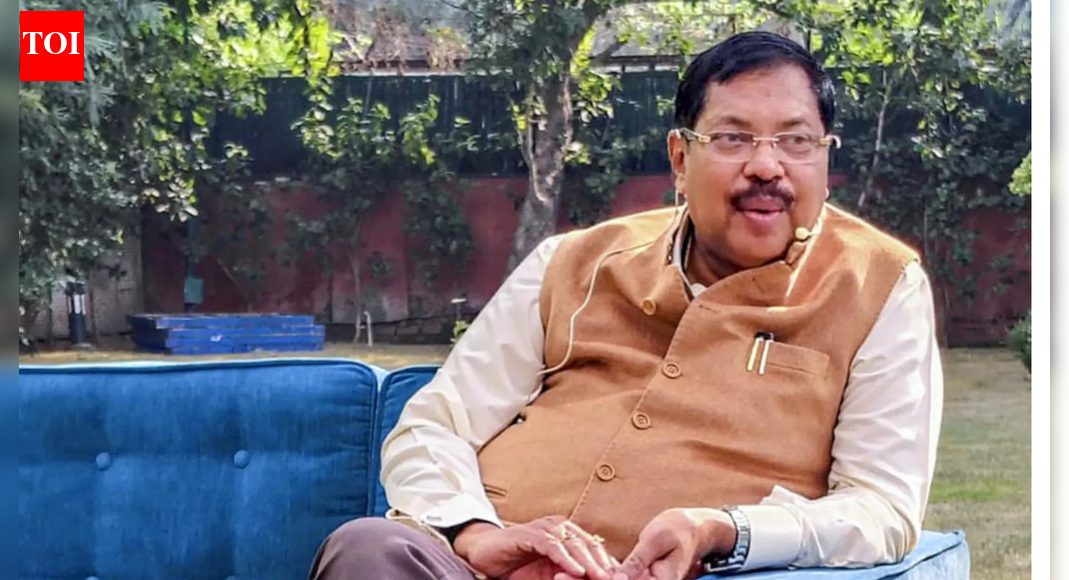
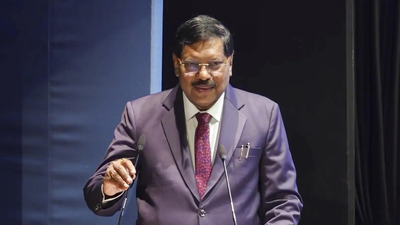
Criticising the outrage over the admissions, J&K CM Omar Abdullah said that the admissions were “merit-based” and those who wanted admissions otherwise should “take permission from the Supreme Court”. He further questioned the BJP’s demands saying that “if you do not want to keep this country secular, remove that word”.“Some people do not seem to like merit-based admissions. If you want admissions without merit, take permission from the Supreme Court because as far as I know, you cannot give admission without merit,” he said.“There is a demand that admissions be given on the basis of religion, by keeping merit aside, which is not permissible according to the Constitution. Will police perform their duty on the basis of religion,” the chief minister asked. “Our constitution has the word ‘secular’. If you do not want to keep this country secular, remove that word,” he added.Regarding Sharma’s assertion that LG promised to review their demands to scrap the admission list and introduce reservations in the future, Abdullah said, “How can anyone assure such a thing? Then why are you separating the Mata Vaishno Devi University and the hospital? Then say that the hospital was set up from the donations received at the shrine, and that Muslims and non-Hindus won’t be allowed to get treatment there.


Source link

Aatmanirbhar Bharat boost: Navy commissions ‘silent hunter’ INS Mahe; all about the anti-submarine warfare vessel | India News


Aatmanirbhar Bharat boost: Navy commissions ‘silent hunter' INS Mahe; all about the anti-submarine warfare vessel

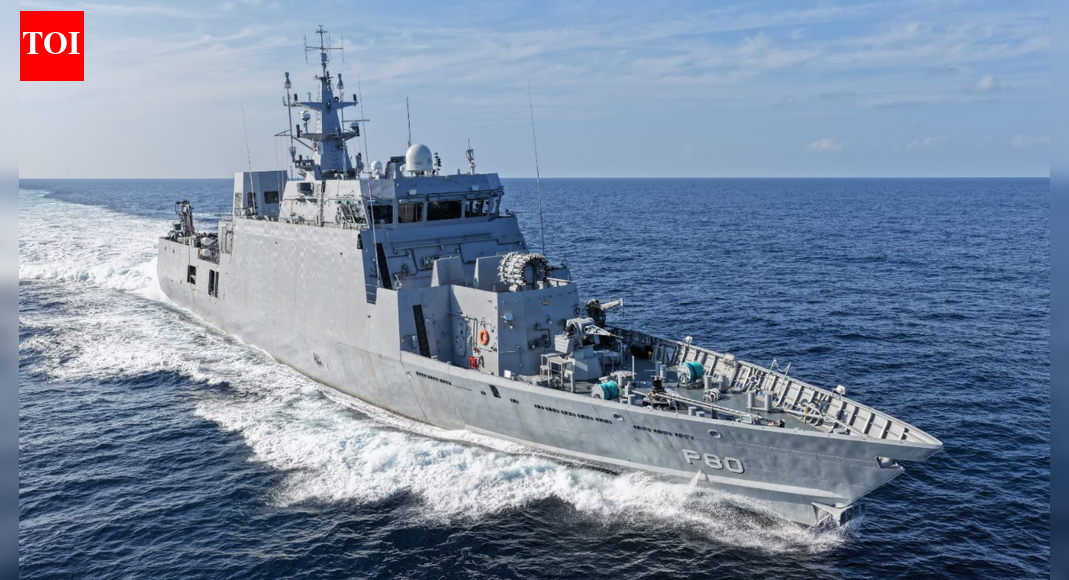
NEW DELHI: The Indian Navy on Monday commissioned INS Mahe, the first vessel of the Mahe-class Anti-Submarine Warfare Shallow Water Craft (ASW-SWC), marking a major milestone in India’s coastal defence and indigenous shipbuilding capability. The ceremony took place at the Naval Dockyard in Mumbai.Army Chief General Upendra Dwivedi, who presided over the commissioning, said, “Bravo salute to the commanding officer, officers and men of Mahe. It’s a moment of immense pride to witness the commissioning of the first of eight Anti-Submarine Warfare Shallow Water Crafts built by Cochin Shipyard.” “This marks our nation’s increasing capability to design, construct and field complex combatants with indigenous technology,” he added.INS Mahe, delivered to the Navy on 23 October 2025, is designed for high-tempo ASW missions, coastal patrol, underwater surveillance, and mine-laying in shallow and constrained waters where larger ships cannot operate effectively. With its compact 78-metre frame and displacement of around 1,100 tonnes, it combines speed, stealth, and high agility for frontline coastal defence.

Indigenous technology at the core

More than 80% of the ship’s components are Indian-built, reflecting strong collaboration between naval designers, Cochin Shipyard Limited (CSL), and domestic defence manufacturers. Key indigenous systems include:

  • Propulsion and power management systems
  • Integrated combat management suite
  • Medium-frequency hull-mounted sonar
  • Multi-function surveillance radar
  • Torpedo and ASW rocket systems

Combat power built for India’s littorals

INS Mahe features next-generation detection and engagement systems tailored for shallow-water ASW operations. Its sensors include an indigenous medium-frequency hull-mounted sonar, a multi-function surveillance radar, and an Electronic Support Measures (ESM) and EW suite.The ship’s weapons package consists of lightweight acoustic-homing torpedoes, multi-functional ASW rocket launchers, an optional 30mm Remote Weapon Station for self-defence, and mine-laying rails for coastal mine patterns.It delivers a top speed of 25 knots, a range of 1,800 nautical miles at cruising speed, and 14 days of endurance. Its shallow draughr, under 3 meters, allows effective operations close to the coastline.

Why ‘Mahe’?

INS Mahe is named after the historic coastal town of Mahe on the Malabar Coast. Its crest features the Urumi, a flexible sword from Kalarippayattu, symbolising agility, precision, and fluid lethality.INS Mahe is the first of eight ships in the class being built by CSL, with the remaining seven scheduled for delivery through 2027. Once fully inducted, the Mahe-class will replace the Navy’s older Abhay-class corvettes, strengthening the anti-submarine warfare grid along the coastline and improving tracking of underwater threats in the littoral zone. It will also enhance monitoring of diesel-electric submarines operating in the Indian Ocean.

Technical Annex: INS Mahe (ASW-SWC)

INS Mahe is built by Cochin Shipyard Limited and measures 78 metres in length, displaces about 1,100 tonnes, has an 11-metre beam, and carries a crew of roughly 60.It uses twin-shaft diesel propulsion generating over 6 MW of power, giving it a top speed of 25 knots, a range of 1,800 nautical miles at 14 knots, and an endurance of 14 days.Its mission profile includes littoral ASW dominance, coastal defence and surveillance, mine warfare, Low Intensity Maritime Operations (LIMO), and protection of offshore assets, ports, and choke points.


Source link

HC CJ retired, escaped probe for NCLAT ‘interference’: CJI Gavai | India News


HC CJ retired, escaped probe for NCLAT 'interference': CJI Gavai

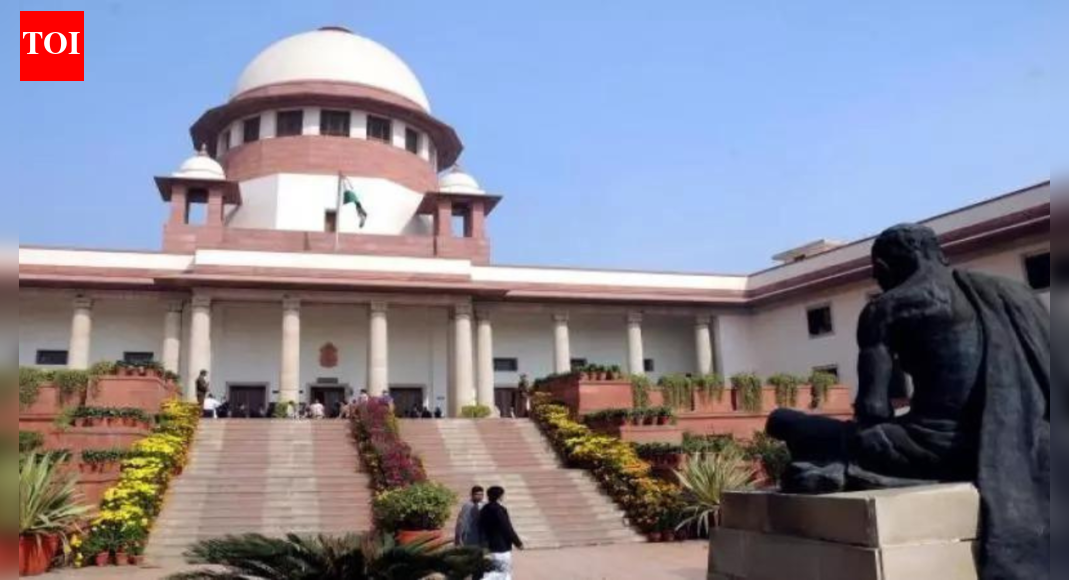
The CJI said he had sought a report from NCLAT judicial member Justice Sharad Kumar Sharma who had startled everyone by disclosing in open court on Aug 13 that “one of the most revered members of the higher judiciary of this country” had approached him to secure a favourable order and recused himself from hearing the case.The CJI said by the time Justice Sharma sent a detailed report, the HC chief justice in question had retired; thus, a formal in-house inquiry could not be ordered against the errant member of the judiciary.Ex-HC CJ not in ambit of detailed in-house proceedingsThe CJI said that shortly after he initiated deliberations among his colleagues over the process or procedure to be adopted to weed out such attempts in future, the President appointed Justice Surya Kant as his successor to the post of CJI. “That is why I thought it better to leave it to the new CJI to take appropriate action on the issue,” he said.The retired HC CJ is out of the ambit of detailed in-house proceedings, an adverse finding in which could persuade the CJI to recommend govt to initiate a motion in Parliament for the judge’s removal. However, he may not be completely out of the arc of accountability as the new CJI, Justice Surya Kant, could still recommend registration of FIR under Prevention of Corruption Act.On November 14, addressing the matter, a bench of CJI-designate Justice Kant and Justice Joymalya Bagchi had told advocate Prashant Bhushan, who was appearing for a petitioner, that “action will have to be initiated at the highest level (of the judiciary, that is the CJI) against the one who attempted to interfere with the administration of justice. If Supreme Court takes up this issue on the judicial side, then it would run counter to the power vested in the highest authority. The highest authority cannot be guided by judicial orders to take a decision.”Noting the seriousness of the matter, the bench had said that under the existing legal framework for fixing accountability on constitutional court judges, the issue raised by the petitioner should be dealt with on the administrative side.


Source link

No double standards in global terror fight: PM Modi at G20 | India News


No double standards in global terror fight: PM Modi at G20

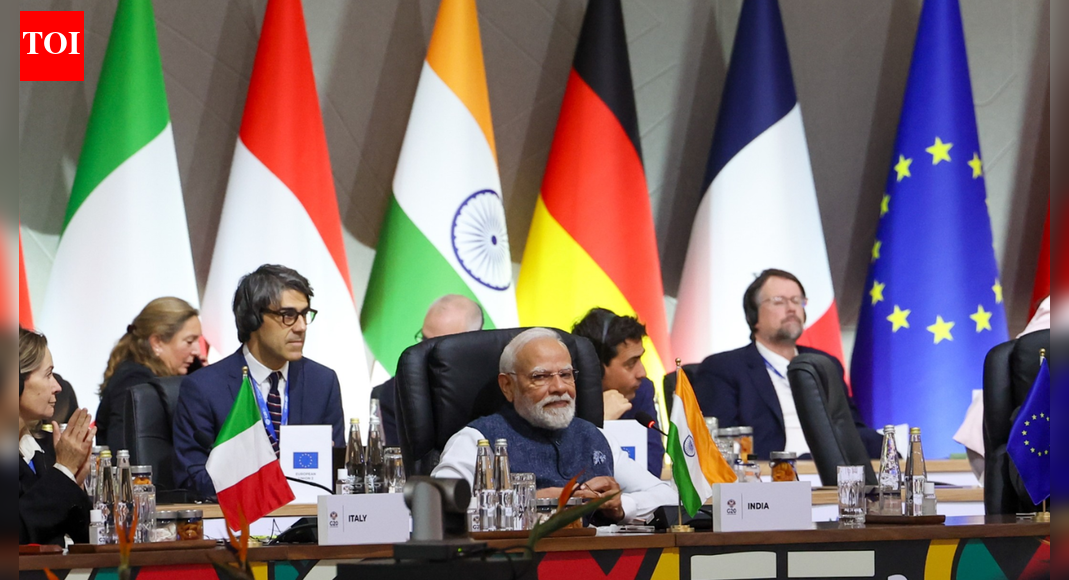
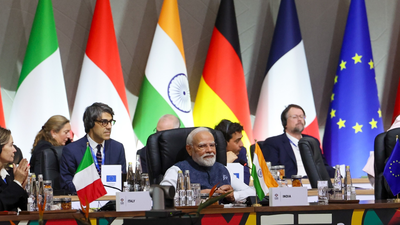
PM Narendra Modi participated in the IBSA Leaders’ Meeting on G20 margins, stressing that UNSC reform is imperative, and said that there should be no room for double standards while fighting terrorism. PM Modi joined the trilateral mechanism meet hosted by South African President Cyril Ramaphosa and attended also by Brazil President Luiz Inacio Lula da Silva.While all three countries have had their share of problems with the US under Trump, diplomatic sources played down suggestions that the meeting was a response to the Americans as they cited the fact that a substantive IBSA summit meeting took place on the margins of 2024 G20 summit too in Rio.The US boycotted the G20 summit in South Africa because of alleged mistreatment of white Afrikaners.PM Modi said global institutions do not reflect the realities of 21st century. “None of us is a permanent member of UN Security Council. This clearly demonstrates that global institutions no longer represent today’s world. Therefore, IBSA must send a unified message to the world: institutional reform is not an option but imperative,” he said. “Similarly, we must work in close coordination in the fight against terrorism. On an issue of such gravity, there can be no room for double standards. For the sake of global peace and prosperity, united and decisive action is essential,” he added, calling for institutionalising the NSA-level meeting of the countries to strengthen security cooperation.Describing the meeting as timely, PM Modi noted it coincided with the first G20 summit on African soil and marked the culmination of four consecutive G20 presidencies by Global South countries, of which the last three were by IBSA members. This, he said, had resulted in several important initiatives focused on human-centric development, multilateral reform and sustainable growth. Modi emphasised IBSA is not just a group of three countries but an important platform connecting three continents, three major democratic nations and three major economies.“Highlighting technology’s crucial role in ensuring human-centric development, the PM proposed establishing an ‘IBSA Digital Innovation Alliance’ to facilitate sharing of Digital Public Infrastructure like UPI, health platforms like CoWIN, cybersecurity frameworks and women-led tech initiatives among the countries,” said an Indian readout, adding the PM also emphasised IBSA’s potential to contribute to development of safe, trustworthy and human-centric AI norms. He invited IBSA leaders to the AI summit next year.“Appreciating IBSA Fund’s work in supporting projects across 40 countries in sectors like education, health, women empowerment and solar energy, the PM proposed IBSA Fund for Climate Resilient Agriculture to further advance South-South Cooperation,” said the Indian government.


Source link

In a 1st, SC goes all-swadeshi in Presidential reference opinion | India News


In a 1st, SC goes all-swadeshi in Presidential reference opinion

NEW DELHI: For the first time, a five-judge bench of the Supreme Court in a matter relating to interpretation of constitutional provisions abjured citing rulings of Supreme Courts of foreign countries to buttress their logic and referred only to the SC’s past judgments while penning its opinion on the Presidential Reference.CJI B R Gavai, who led the five-judge bench also comprising Justices Surya Kant, Vikram Nath, P S Narasimha and A S Chandurkar, said the bench wanted to speak in one voice and support its opinion with ‘swadeshi’ interpretation of constitutional provisions relating to the power and functions of the President and governors with regard to bills passed by assemblies.Another five-judge bench on Wednesday pronounced a judgment on promotions in judicial services without any of the judges taking credit for authorship. This trend of speaking in one voice, without any single judge taking credit for authoring the judgment, started with Ayodhya verdict. A five-judge bench led by then CJI Ranjan Gogoi didn’t have the author’s name.For the last six months, Justice Narasimha, since he started presiding over benches, has also rendered judgments without taking authorship credit and passing the verdicts as that of the bench. However, his bench colleague has been persuaded to take credit for judgments authored by him. It is likely that Justice Narasimha could have suggested an unanimous yet anonymous opinion by the five-judge bench on the reference.In the presidential reference opinion, the five-judge bench explained why it did not want to be influenced by foreign judgments. The SC said, “Copious written submissions and extensive arguments have been employed by counsel to underscore the functioning of the Westminster parliamentary model and its workings in the UK. They sought to draw parallels on the discretionary powers of the Crown and the limitations thereon.It added, “This court believes that our constitutional truth does not lay in either of these extremes but is grounded in the way we have successfully, and if we may add, proudly, worked our Constitution over three quarters of a century. While our constitutional text may have been inspired by comparative outlook, its interpretation and working, we believe, is truly swadeshi.”It explained how the working of India’s constitutional federal democracy was different from that of the UK and the US. “Unlike the English experience of an unwritten constitution, we have a written text. English constitutional law did not have to grapple with vital questions of federalism and an inherently diverse country,” it said. “The American experience is different due to the strict separation of powers between executive and legislature, necessitating the presidential veto. Indian constitutionalism has evolved to a parliamentary model where legislative agenda, business and enactment is overwhelmingly executed at the behest of the executive,” it said.


Source link

SC quota debate: Outgoing CJI Gavai defends collegium; pushes ‘creamy layer’ exclusion | India News


SC quota debate: Outgoing CJI Gavai defends collegium; pushes 'creamy layer' exclusion

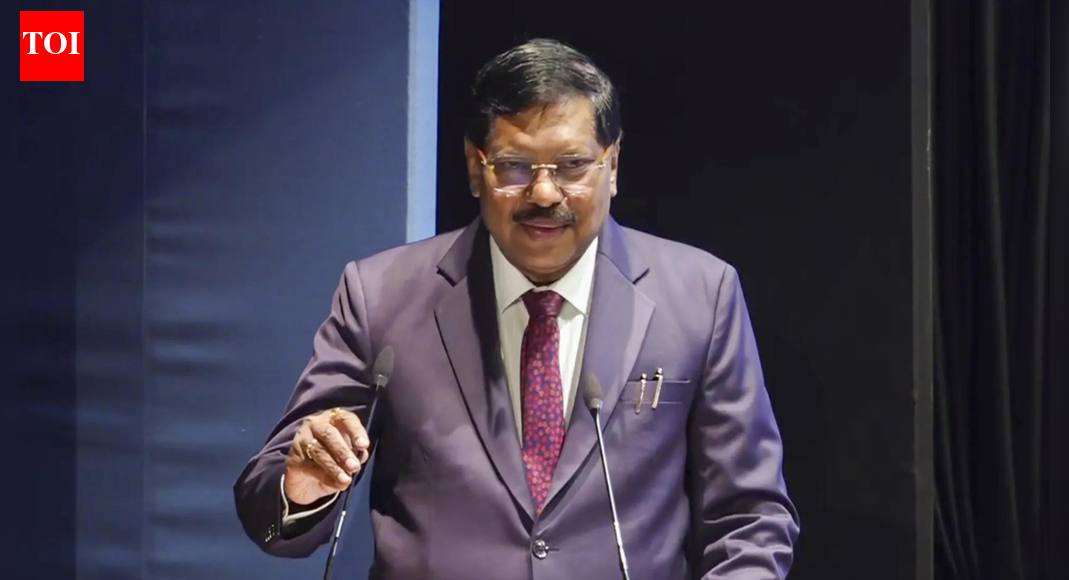
NEW DELHI: Defending the collegium, the outgoing Chief Justice of India BR Gavai, emphasised the need to exclude the creamy layer from the Scheduled Caste quota, and expressed regret over not appointing any women judges during his tenure.According to PTI, Gavai said he leaves the institution with a deep sense of satisfaction and contentment. Reiterating his decision not to accept any post-retirement assignments, he said, “I made it clear when I took office that I would not take up any position after retirement. For the next 9-10 days, it’s a cooling-off period. After that, a new chapter begins,” he said.BR Gavai is the 52nd Chief Justice, the first Buddhist and second Dalit to head the Supreme Court after KG Balakrishnan. Addressing the issue of the “creamy layer” within caste-based reservations, CJI Gavai said the Supreme Court has “done its part,” but it is now up to the government and Parliament to implement changes to ensure that benefits reach the truly marginalised sections.Last year, as part of a landmark judgment, the Supreme Court approved subclassification within scheduled castes and scheduled tribes, a move aimed at preventing the creation of a “class within a class” in reservation benefits.Justice Gavai, who was part of the bench for that judgment, emphasised that equality must permeate through all levels and cautioned against the continued misuse of reservations by families that have already progressed socioeconomically.“We have seen many Scheduled Caste families prosper, yet they still avail reservation benefits,” he said, pointing out cases where children of SC/ST IAS officers seek quota-based advantages.In his judgment, he wrote, “The State must formulate a policy to identify the creamy layer among SC/ST categories and exclude them from affirmative action. This is the only way to achieve true equality.”Chief Justice Gavai, who retires tomorrow, remains a significant figure as only the second Dalit to lead India’s highest judicial body. His reflections highlight ongoing challenges in implementing caste-based reservation reforms effectively.


Source link

How a program helped Bombay Jayashri re-learn how to stand, walk & sing… virtually | India News


How a program helped Bombay Jayashri re-learn how to stand, walk & sing... virtually

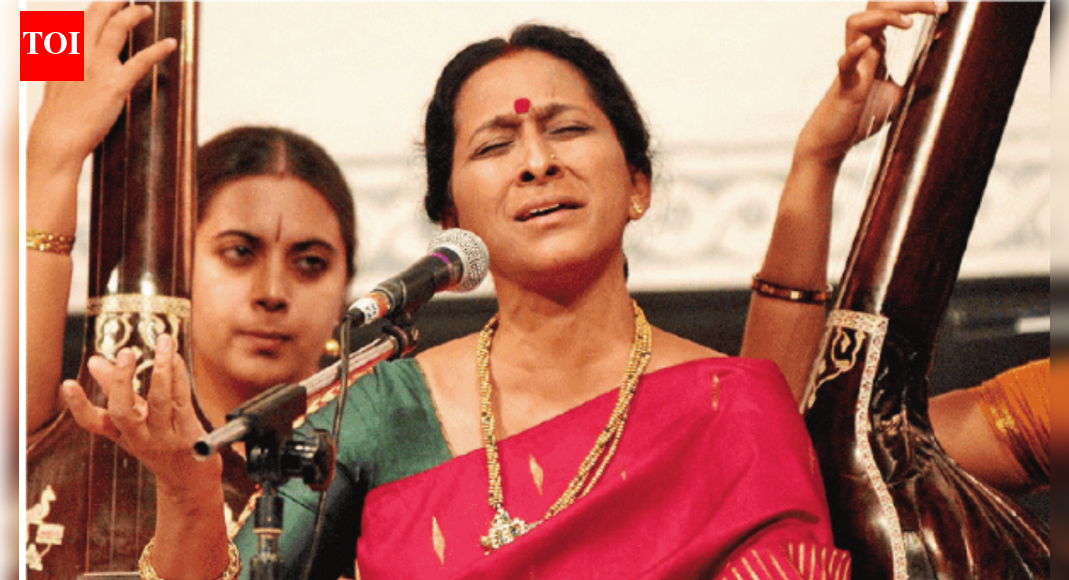
When Carnatic vocalist Bombay Jayashri Ramnath suffered a brain haemorrhage in March 2023, the singer was unable to sit, stand, or move. Involuntary neck and jaw tremors made even speech, an uphill task, forget singing. Traditional physiotherapy, with its repetitive routines, felt painful, monotonous and dispiriting. Recovery seemed distant, and she shut herself from social circles. Then came Jerry — not a real person, but a lively, animated coach inside a virtual reality (VR) rehabilitation program.Restoring mobility with cartoonsIn one of the games, “Save the Jerry”, set on a sunlit beach, the avatar nudged her to stand up and walk. Through immersive sessions, each small motion made Jerry dance and cheer, turning therapy into play. Other games targeted different challenges — like restoring neck mobility, controlling her left shoulder, or helping her relax and reduce involuntary movements. They were set in storylines featuring forests and snowy mountains, where she rescued birds and gathered fruit for penguins, or prayed peacefully at a temple.“I looked forward to these sessions. Recovery became less about gruelling effort. It was about play, progress, and hope,” said the 60-year-old singer, who has sung in multiple languages, including Tamil, Telugu, Kannada, Malayalam, Hindi, and English.A year later, in Dec 2024, Jayashri, the fourth generation of artistes in her family and trained by legends like Lalgudi Jayaraman and T R Balamani, stood on stage once again, this time to receive the Music Academy’s Sangita Kalanidhi award. “I haven’t done a fullfledged concert yet. But I’ve begun recording again. It may not be this Dec, but I plan to restart my kutcheries (Carnatic concerts) soon,” she said.After undergoing brain surgery in the UK, Jayashri returned to India for therapy. She chose to continue most of her physiotherapy at home. The immersive VR program tapped into neuroplasticity, helping her brain rebuild damaged motor pathways through visual and emotional feedback. “It was slow, but I gradually regained strength, coordination, and confidence. These sessions even encouraged me to perform better in speech therapy, too,” she said.While her therapy included the usual mix of physiotherapy and speech exercises, her therapists gradually increased the time spent on digitally prescribed routines to match her progress. Her physiotherapist, Raja from ReWin, a company using digital therapeutics to enhance rehabilitation, said that unlike conventional physiotherapy, the system integrates a wearable motion sensor that tracks joint movement with precision, eliminating human error.“It also gives us quick, repeatable measurements to monitor progress. Combining this technology with immersive VR creates a powerful tool for lower-limb and gait rehabilitation, allowing patients to visualise and experience leg movements for strengthening neuromuscular pathways,” he added.

.

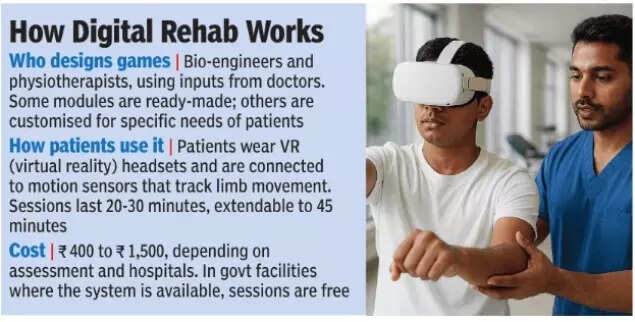
Exercising via virtual AartisPhysiotherapists point to research showing that engaging in virtual tasks stimulates dopamine release, enhancing motivation and speeding up neural recovery. Dopamine plays a key role in motor memory formation and motivation pathways, which means patients train more effectively and recover faster from neurological injuries. VR and gaming-style immersive tasks activate dopamine-driven reward circuits, improving motor and cognitive outcomes.Digital exercises also allow room for creativity. In one instance, a 66-year-old woman with a frozen shoulder was taken on a virtual journey to the Sai Baba temple in Shirdi. Her therapy involved reaching out to offer digital flowers and rotating her hands during a virtual aarti. These movements were designed to mirror the stretches she needed for recovery, without drawing her attention to the pain. After just one session, she said she felt so much better.“Places of worship are very popular with my patients with Parkinson’s and dementia,” said senior orthopaedic surgeon Dr Thineshchandar Andiappan. “It helps them regain a wide range of hand movements.”Doctors say VR is here to stayDigital exercise prescriptions also ensure continuity of care through remote monitoring, progress tracking and consistent engagement. This is why hospitals and rehabilitation centres are increasingly integrating them into postsurgical routines. Dr Andiappan began briefly using the system a year ago, but has steadily increased its use.“Now patients do about half an hour of digital exercises along with traditional ones. Earlier, it was just 15 minutes of digital and 45 minutes of traditional,” he said. The digital format, he added, improves adherence, affordability and accessibility. “Quality of life improves for most patients. The sensors alert them when movements are incorrect or the range is insufficient. They can correct themselves in real time.At least two govt hospitals in Chennai — the Government Institute of Rehabilitation Medicine and the National Institute of Ageing — now combine traditional and digital therapy. “We cannot replace traditional exercises. They supplement traditional exercises well. We track patient movement range and make timely corrections, improving outcomes,” said physical medicine and rehabilitation specialist Dr P Thirunavukkarasu. In the private sector, several companies are offering portable, interactive systems for home use, complete with real-time feedback and guided routines — bringing a new dimension to rehabilitation outside the clinic.How digital rehab worksWho designs games | Bio-engineers and physiotherapists, using inputs from doctors. Some modules are ready-made; others are customised for specific needs of patientsHow patients use it | Patients wear VR (virtual reality) headsets and are connected to motion sensors that track limb movement. Sessions last 20-30 minutes, extendable to 45 minutesCost | 400 to 1,500, depending on assessment and hospitals. In govt facilities where the system is available, sessions are free


Source link

Srinagar man detained over JeM threat posters | India News


Srinagar man detained over JeM threat posters

SRINAGAR: J&K police’s State Investigation Agency (SIA) detained Saturday a man from Srinagar’s Batamaloo area for allegedly circulating posters threatening police and security forces in mid-Oct — material that later helped expose an alleged Jaish-e-Mohammed inter-state terrorist module involving doctors and others.Police sources said he was detained in connection with the Jaish posters that surfaced on Oct 17 in Bonpora, warning security personnel. Saturday’s detention marks SIA’s first action since it assumed control of the poster probe from J&K police.The man is also suspected of being a conduit in delivering an AK-47 rifle to Dr Adeel Majeed Rather, an accused in the transnational network linked to the Nov 10 car explosion in New Delhi. The weapon was discovered in a locker assigned to Adeel at Govt Medical College (GMC) in Anantnag, where he worked as a resident doctor before moving to a private hospital in UP’s Saharanpur. Adeel was arrested when police forces from J&K, UP and Haryana busted the alleged JeM module of medics before the Delhi blast.Earlier, the posters led to the detention of three youths, whose interrogation resulted in the arrest of suspect Moulvi Irfan Ahmad Wagay, also known as “Mufti Sahab”. The cleric allegedly guided police towards the network.Medical Faculty Association (MFA) of GMC Srinagar condemned Delhi blast, saying violence is “painful and disturbing”, and such acts have no acceptance in civilised society. On Saturday, MFA expressed deep concern over the alleged involvement of medics, who it said have “desecrated the sanctity of this noble profession”.


Source link

Govt unveils tougher car safety test norms under BNCAP 2.0 | India News


Govt unveils tougher car safety test norms under BNCAP 2.0

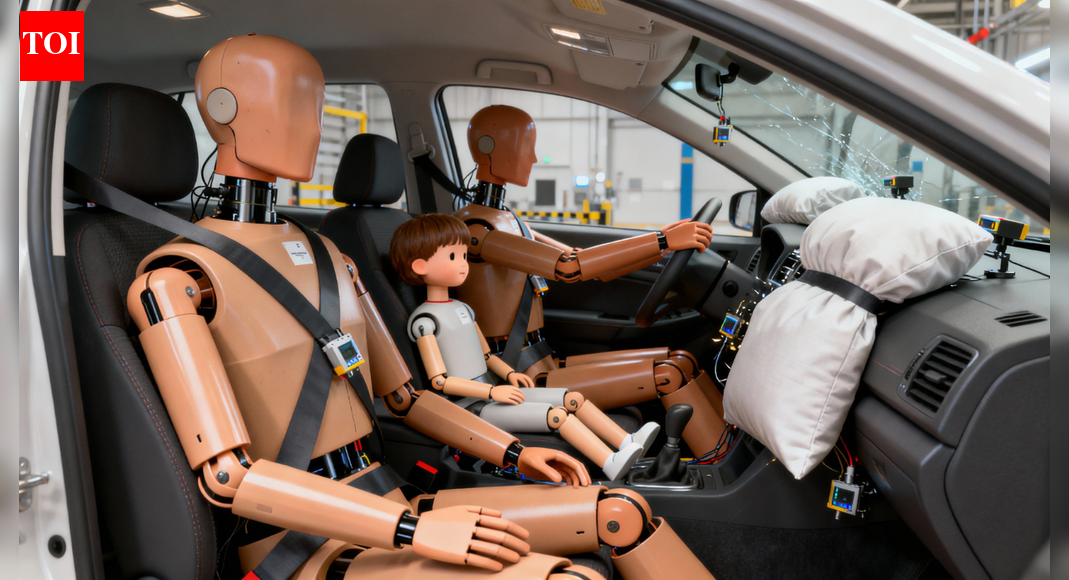
NEW DELHI: For car manufacturers, obtaining a five-star safety rating will become tougher under the next phase of Bharat NCAP, which will be rolled out from October 2027. Under BNCAP 2.0, cars will need to undergo five crash tests, compared with the current three. The new regime will add full frontal and rear crash tests to the existing offset (frontal), side, and side-pole impact tests.Cars will be evaluated on five broad parameters — safe driving, accident avoidance, crash protection, vulnerable road-user protection, and post-crash safety of occupants. This means vehicles equipped with advanced safety features such as autonomous emergency braking (AEB) and electronic stability control (ESC), which help reduce the chances of a crash, will receive higher ratings. The assessment will also factor in features such as drowsiness detection, lane-departure warning, and forward-collision alerts.The road transport ministry published the draft protocol for star ratings — Automotive Industry Standard (AIS) Code 197 — on Thursday and has invited feedback from stakeholders. “This will bring a paradigm shift in car-safety ratings and will be superior to many global standards. The main focus of NCAPs worldwide is to ensure that cars do not become death traps for occupants,” said a private-sector expert involved in preparing the new protocol.The first phase of BNCAP is valid until September 2027.The new assessment protocol will also evaluate female occupant safety, going beyond regulatory requirements, and the safety of belted minor occupants, specifically assessing 6- and 10-year-old children. It proposes the use of advanced crash-test dummies during side-impact and pole-impact tests for better analysis of occupant protection.The proposed standard also includes post-crash safety requirements for both conventional and electric vehicles, which are crucial for safe evacuation of occupants. These include mandatory assessments of energy management for fire and electrical hazards and occupant extrication. Optional assessments will include multi-collision braking (MCB), SOS or e-call systems, and hazard-warning light functions.The test protocol will also assess features aimed at minimising the impact on pedestrians and other vulnerable road users in the event of a crash.


Source link

‘Going since Trump is boycotting it’: Congress targets PM Modi over G20 summit; takes ‘huglomacy’ dig | India News


'Going since Trump is boycotting it': Congress targets PM Modi over G20 summit; takes 'huglomacy' dig

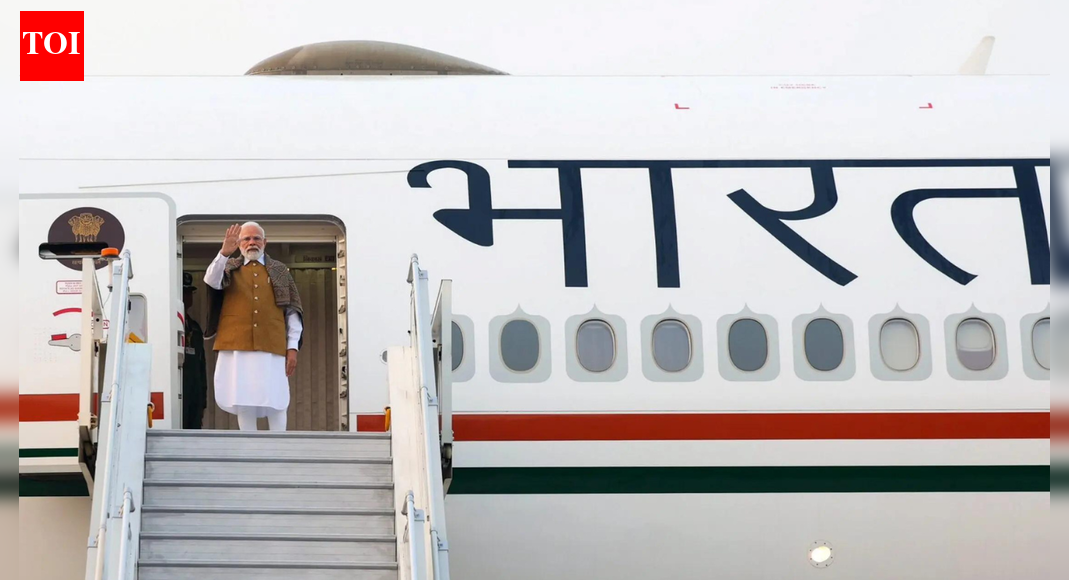
NEW DELHI: Congress on Friday took a swipe at Prime Minister Narendra Modi as he left for Johannesburg, the venue for this year’s G20 Summit. Congress leader Jairam Ramesh suggested the prime minister was attending the event “safely and securely” because US President Donald Trump has chosen to boycott it, and wondered whether “huglomacy” with “my good friend” would revive when the next Summit takes place in the US.The prime minister embarked on a three-day visit to South Africa on Friday to attend the G20 Summit.

MEA Outlines Agenda For PM Modi’s South Africa Visit For G20 Summit In Johannesburg

Ramesh, Congress general secretary in charge of communications, noted that the next G20 Summit, a year from now, will be held in the United States and that by then India’s trade “(or)deal” with Washington would presumably be completed.“But if in the past seven months, President Trump has claimed 61 times that he halted Operation Sindoor, imagine how many more times he will repeat those claims in the next twelve months,” Ramesh said on X.He said the prime minister was attending the Johannesburg Summit “safely and securely” since “President Trump and the US are boycotting the summit”.“Recall that Mr Modi didn’t go to Kuala Lumpur a few days back for the India-Asean Summit since he would then have to come face-to-face with President Trump,” he added.Calling the situation “extraordinary,” Ramesh criticised US Secretary of State Marco Rubio for opposing South Africa’s G20 themes of solidarity, equality and sustainability on grounds that they amounted to anti-Americanism.“It is incidentally the very same Marco Rubio who was the first, at 5:37 PM on May 10th, to announce to the world the abrupt halt to Operation Sindoor,” he said.Ramesh also pointed out that the G20 presidency rotates annually: India assumed it from Indonesia in November 2023 and handed it to Brazil in November 2024. South Africa is now set to hand it to the US, which will not be present at the Summit.“So the next G20 Summit a year from now will be in the US. By then, presumably, India’s trade (or)deal with the US will be done. But if in the past seven months, President Trump has claimed 61 times that he halted Operation Sindoor, imagine how many more times he will repeat those claims in the next twelve months,” he reiterated.“Will huglomacy with ‘my good friend’ revive or whether there will be just handshakes or whether Mr. Modi doesn’t go — time alone will tell,” he said.In his departure statement, Modi said he would present India’s perspective at the forum in line with its vision of “Vasudhaiva Kutumbakam” and “One Earth, One Family and One Future”.“Will be attending the G20 Summit in Johannesburg, South Africa. This is a particularly special Summit as it is being held in Africa. Various global issues will be discussed there. Will be meeting various world leaders during the Summit,” Modi posted on X.On the sidelines, the prime minister is expected to hold several bilateral meetings and will also attend the sixth IBSA Summit. He is visiting South Africa from November 21–23 at the invitation of President Cyril Ramaphosa.This year’s G20 theme is “Solidarity, Equality and Sustainability”.The Ministry of External Affairs said on Wednesday that Modi is expected to speak in all three sessions of the Summit.The G20 represents 85% of global GDP, 75% of international trade, and two-thirds of the world’s population. Its members include Argentina, Australia, Brazil, Canada, China, France, Germany, India, Indonesia, Italy, Japan, South Korea, Mexico, Russia, Saudi Arabia, South Africa, Turkiye, the UK, the US, the EU and the African Union.


Source link