Breaking News
AI can never perform core job of judgment writing: SC judge | India News


AI can never perform core job of judgment writing: SC judge

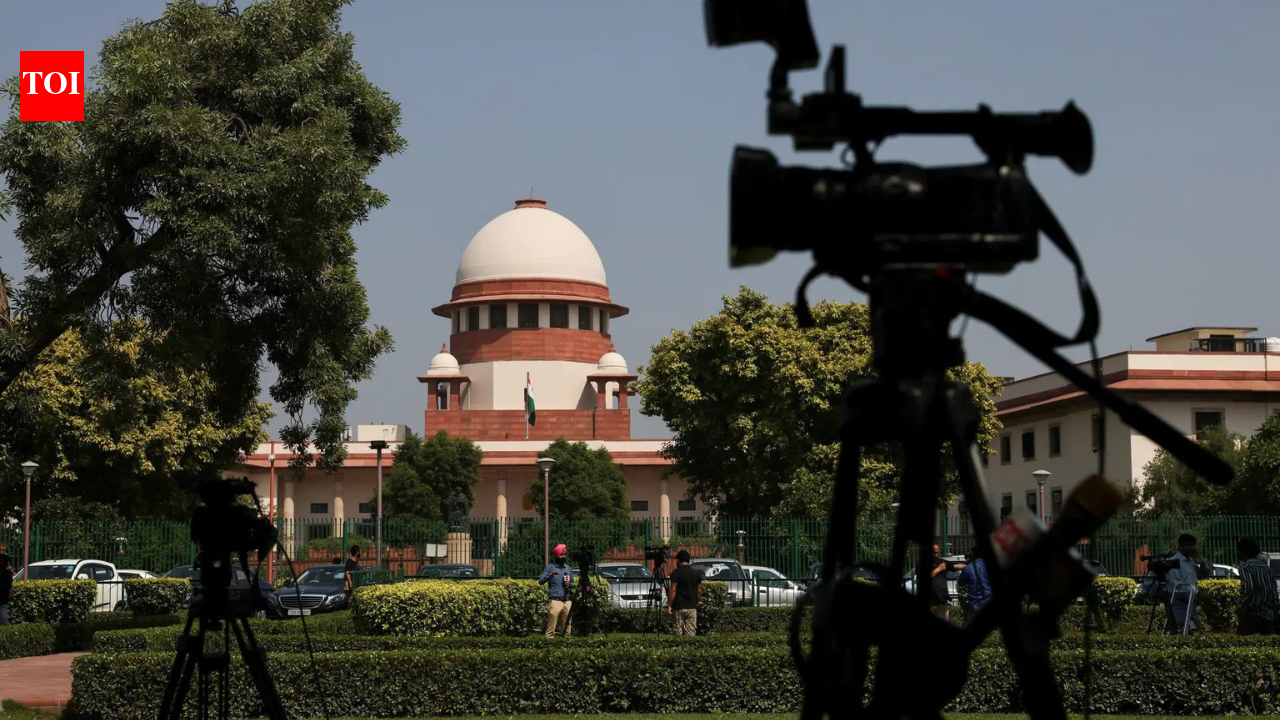
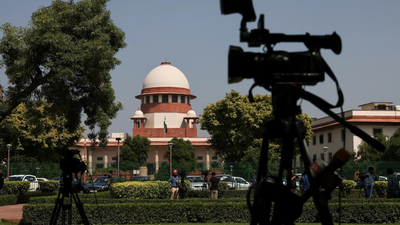
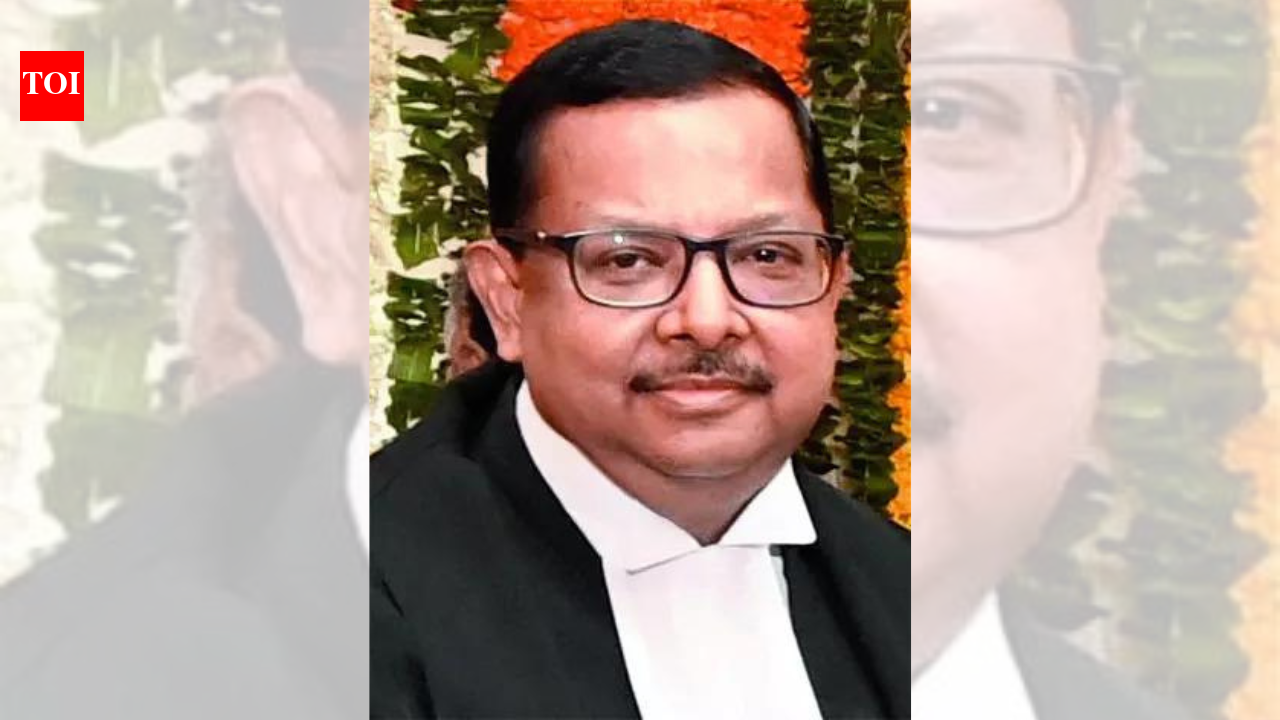
NEW DELHI: Supreme Court’s most senior judge, Justice Vikram Nath, on Sunday said artificial intelligence could at best be a facilitator for the justice delivery system but could never replace the core task – writing judgments – which would always remain with judges.Speaking on ‘Challenges, innovations and role of AI in judicial governance’ at the Supreme Court Bar Association’s first national conference in Bengaluru, Justice Nath said, “AI can be used as a tool to augment the judicial system, but it cannot replace the judgment or judges’ minds as to what is to be decided.” Justice Nath said, “There can be no fixed data set in millions of cases dealt by courts. Take, for example, matrimonial cases, settlement of commercial cases, balancing equities – the court can understand the nuances of each case, which is factually different from the other, by reading papers and hearing the counsel. Judges alone know how to strike a balance in family partition suits.”He added, “AI cannot decide cases involving constitutional issues. There are innumerable complexities in criminal cases – how to appreciate the evidence, when to grant bail; in the same FIR there can be 10 accused, court may grant bail to nine but deny one. AI can’t deal with all these. AI is there to help us in several aspects – collate data, categorise cases, translations etc. But the judgment will remain with judges only.Justice Nath also commended the initiative taken by SCBA president Vikas Singh on the conference.SC judge A G Masih said, “AI is not here to replace lawyers and judges. Data-driven intelligence cannot replace human conscience. The act of the courts rests on public faith to deliver justice by carefully balancing rights and liabilities and undertaking an assessment of factual circumstances with a human heart. Feelings cannot be replicated by AI, which can facilitate judicial activities but cannot substitute them.The judge said there seemed to be a need to institutionalise guidelines for court technology and, perhaps, create a judicial-tech oversight board to maintain and check AI tools for bias and to review an automated draft. Senior advocate Sajan Poovayya said hallucination was implicit in mankind and mankind made AI. Therefore, hallucination was also implicit in AI and it was that which made it dangerous for the judiciary as it presented case law and logic that was non-existent or imaginary, he said.Delhi HC Chief Justice D K Upadhyay brought up the use of AI-assisted judgment drafting software in countries like Brazil, Argentina, Singapore, the UK, the UAE and China. “Collectively, AI is increasingly integrated in multiple domains of judicial governance from administrative efficiency to substantive support functions, while simultaneously raising important questions about accountability, fairness and limits of automation in the judicial system,” he said.Justice Upadhyay added, “AI-manipulated images, deepfakes deployed maliciously undermine the integrity of evidence and adversely impact administration of justice. Courts may have to re-examine the traditional reliance on photographs and videos… Burden on parties to establish authenticity will increase and the judiciary would have to rely more on forensic tests of such evidence.”
Source link

Few women get past collegium’s subjective assessment: SC judge | India News


Few women get past collegium's subjective assessment: SC judge

NEW DELHI: Supreme Court judge Justice Ujjal Bhuyan on Sunday said in merit-based selections, women secure more than 50% of judicial officers’ posts across states, but in the collegium’s subjective assessment criteria, only a minuscule get selected as judges of high courts and SC.Addressing the Supreme Court Bar Association’s first national conference at Bengaluru, Justice Bhuyan said that judicial services across states had a very good representation of women, some even crossing the 50% mark. “But has it been replicated in constitutional courts? That is the question. That is where the scrutiny of the collegium system comes in. Why is it that when the assessment becomes subjective, women do not make the grade? Out of 287 SC judges since 1950, we had a total of only 11 women judges. Why? Starting with Fathima Beevi and now Justice Nagarathna, it is some 2%,” he said.Justice Bhuyan said women made up only 14% of HC judges. “In the 25 HCs, we have only two women chief justices (CJs) – Gujarat and Meghalaya. One more will become CJ in a month’s time. That is also highly inadequate, three out of 25 HCs,” he said. “My research shows that whenever the recruitment process is objective, more women enter the judicial space. When India becomes a developed nation (Viksit Bharat by 2047), there should be more parity in gender representation in judiciary. SC must be a rainbow institution, truly reflecting the diversity of the nation,” Justice Bhuyan said.Former CJI B R Gavai said there were multiple SC rulings that stated if the name of a person recommended for judgeship in an HC was returned for reconsideration by govt and reiterated by the collegium, govt had no option but to appoint them. “But there are many instances where even after repeated reiterations, the persons have not been appointed,” he said, adding, “The collegium is not a perfect system but at least for the time being, it is best suited for the country.He said the judiciary had been criticised mainly for its inability to tackle arrears and backlogs, delay in disposal of cases at various levels, lack of transparency in administrative decision-making (appointment of judges), long vacations, and lack of diversity, particularly representation of women in constitutional courts.The former CJI said SC had erred on many instances, including in the first major judgment related to right to life in the A K Gopalan case to the Emergency-era A D M Jabalpur case. “Criticism is important for any institution, including the judiciary,” he said.He recalled the first speech of the first CJI, Harilal Jekisondas Kania, who had said SC must operate independent of the legislature and the executive while interpreting the Constitution as a living document.Justice Bhuyan said, “SC must earn the respect of citizens, not demand it… Judicial power relies not just on law but trust and legitimacy. Accountability, integrity and transparency must be made essential for the judiciary to function effectively in a democratic society. The judiciary neither has the purse nor the sword. Its only asset is the goodwill of people, which is the core of judicial strength.”He said in a developed nation, institutions must have functional autonomy. “Investigating agencies as well as the media should be able to discharge their duties without any political interference or control. Development should be in accordance with directive principles of state policy and no one should be left out of development, especially those who have been historically neglected.”


Source link

UAPA misuse not a model for Viksit Bharat: SC judge | India News


UAPA misuse not a model for Viksit Bharat: SC judge

NEW DELHI: SC judge Ujjal Bhuyan Sunday said the political executive’s goal of Viksit Bharat by 2047 requires more room for debate and dissent without criminalising these, and erasure of “deep social fault lines” reflected in caste-based discrimination and atrocities on Dalits. Addressing the first national conference of SC Bar Association in Bengaluru, Justice Bhuyan said mindless arrests under anti-terrorism law Unlawful Activities (Prevention) Act with minuscule convictions “cannot be a model of Viksit Bharat”. He said, “My model of Viksit Bharat is equal distribution of wealth and disappearance of acute disparity… which is also the goal set in directive principles of state policies in Constitution.” He said in Viksit Bharat, “judiciary must remain judiciary… it can’t be an eternal critic or a cheerleader.”‘Low convictions under UAPA show overuse, if not misuse, of the law’Presenting data — from 2019 till 2023 — of people arrested under UAPA, he said thousands have been arrested, but the average conviction rate hovered around 5%. “It shows consistently low conviction. What does it indicate — overuse if not misuse (of the law) and its impact on the criminal justice system. How much burden does it put on courts? This shows the vast majority were arrested but could not be convicted. This indicates many arrests were premature and unsupported by sufficient evidence,” he said.“With a general conviction rate of 5% or less, and acquittal of more than 95% of UAPA cases, why should an accused be kept in jail without even filing a chargesheet against him? This can’t be a model of Viksit Bharat,” said Justice Bhuyan, adding that such case overload causes backlog, pendency, and delay in justice delivery, together impacting the general principle of ‘bail is the norm and jail the exception’.

Watch

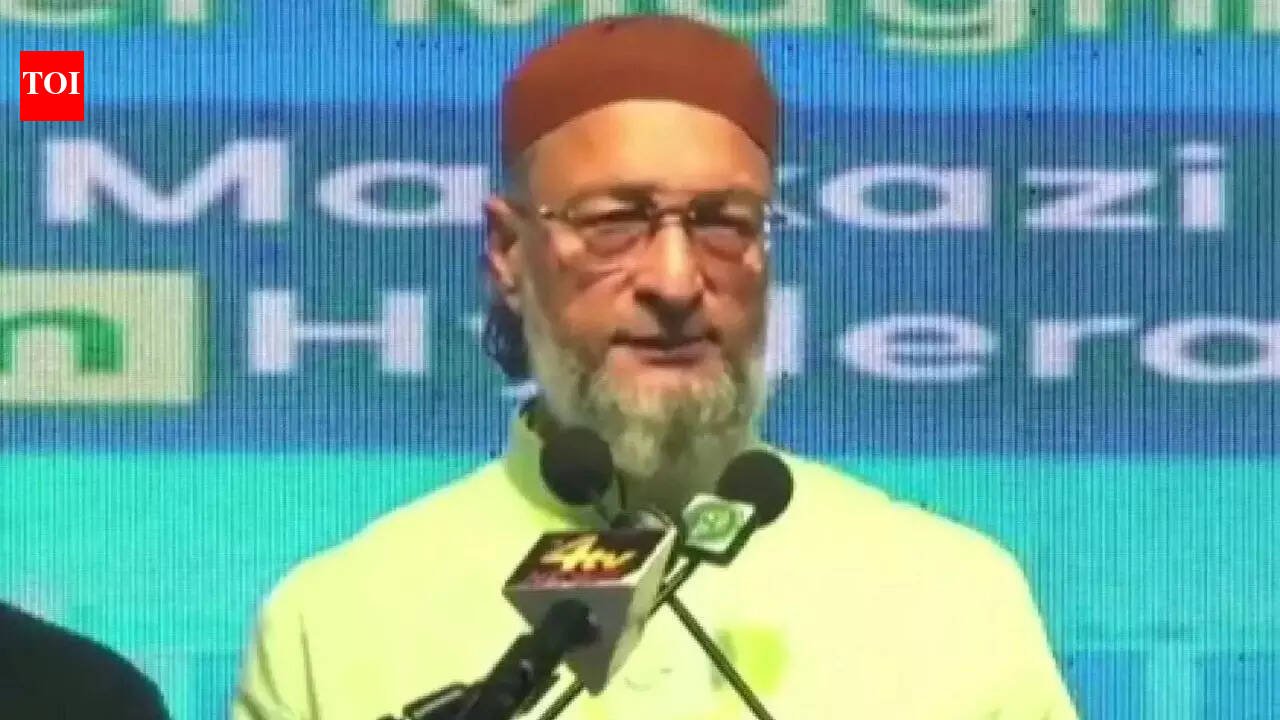
Owaisi Blames Congress, Hits Out at UAPA After SC Denies Bail To Umar Khalid

He said in Viksit Bharat there should be more room for debate and dissent. “Debate should not be criminalised. There should be more tolerance towards diverse views. Divergent views should be respected. There should be more tolerance towards diverse views and criticism,” he said.Justice Bhuyan said the political executive has fixed a goal for a developed India. “With all key players in the economic and social sector performing well, this is certainly an achievable target. After all, why should India not be a developed country for so long.” But, he said at the end of the day it is a political statement, recalling that the political executive had created a catchy slogan like ‘garibi hatao’ in the 1970s.“I have doubts whether the judiciary, though an organ of the State, but separate and distinct from other organs, should join this bandwagon. Without meaning any disrespect, the appropriate target for the judiciary should be the year 2050.”“By then, both our Constitution and SC would have completed 100 years, which is a significant milestone to look back and take stock of how we have travelled this far and what is the roadmap ahead,” he said.Referring to the Aug 1986 SC judgment in the Bijoe Emmanuel case in which the court had ruled in favour of children from Jehovah’s Witnesses sect refusing to sing the national anthem in school, Justice Bhuyan said only a courageous judge like O Chinnappa Reddy could have penned such a judgment. He said tolerance, which is taught by our tradition and Constitution, must be practiced.On societal imbalances caused by atrocities on Dalits coupled with caste-based discriminations, Justice Bhuyan said, “Deep social fault lines are there. Viksit Bharat cannot countenance such fault lines.”“Parents cannot insist that their children will not have food prepared by a Dalit woman. That cannot be a Viksit Bharat model. We cannot have Viksit Bharat when Dalit people are made to stand in the corridor and people urinate on them. This can’t be the model of development. Respect for the individual must be protected.”


Source link

PM Modi is India’s longest serving head of govt | India News


PM Modi is India's longest serving head of govt

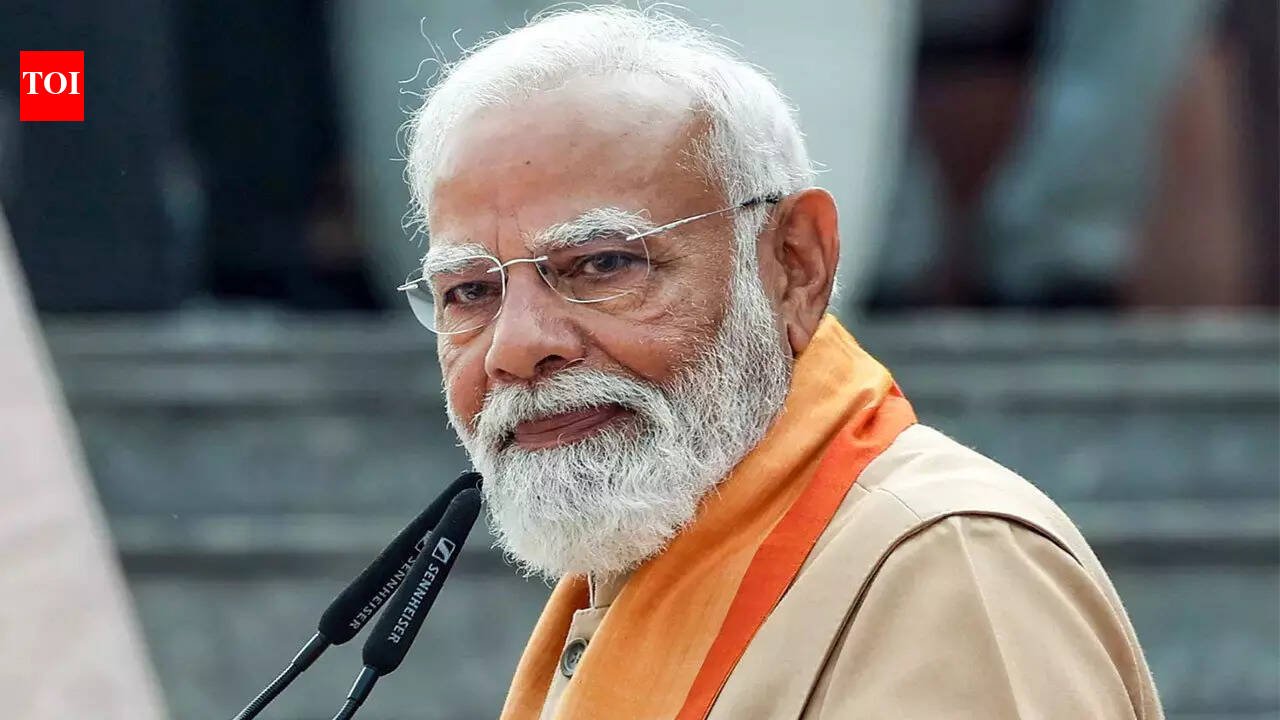
NEW DELHI: PM Narendra Modi on Sunday reached the milestone of being the longest serving head of govt, which includes his tenure as Gujarat CM, drawing accolades from the governing NDA, with home minister Amit Shah describing it as a rare legacy built on unprecedented trust and unparalleled service.Till now, the feat was held by former Sikkim CM Pawan Kumar Chamling who kept the seat for 8,930 days between Dec 1994 and May 2019. Officials noted that Modi has ticked the landmark in his 25th year as head of govt, an uninterrupted journey he began as Gujarat CM in Oct 2001, before taking over as PM in May 2014. PM Modi only leader after Nehru to notch three consecutive Lok Sabha victoriesPM Modi — who was the longest-serving Gujarat CM — is also the only PM apart from Jawaharlal Nehru to notch up three successive stints after leading his alliance to victory in as many Lok Sabha polls.Shah called it a milestone rooted in service, hardwork and unwavering commitment. It reflects a deep dedication to nation-first governance, integrity in action and tireless service to every citizen, he said. “Modi ji’s decades of seva have shaped an era of his own. Whether it is giving the poor their rights, setting new landmarks in development or enhancing the nation’s pride on global platforms, the Modi era has transformed India unrecognisably,” he said.

Watch

Narendra Modi Reviews Energy Security As Middle East Crisis Deepens

He added serving the nation without taking a holiday for more than 24 years is the manifestation of his sheer commitment. “This explains the unprecedented affection he received from people, three times as Gujarat CM and three times as India’s PM. People’s trust, affection and support for him have only grown with every passing day,” he said.Defence minister Rajnath Singh said pure devotion to the nation and its people defines Modi. “From his unwavering commitment as CM of Gujarat to his dedicated leadership as the Prime Minister, his life has been a continuous journey of service,” he said.TDP neta and Andhra Pradesh CM N Chandrababu Naidu called it an extraordinary achievement that reflects Modi’s dedication, visionary leadership and tireless commitment to the progress and prosperity of country. “His vision of a Viksit Bharat by 2047 continues to inspire us all and guide India toward a brighter future,” he said.


Source link

CCS recognises ‘significant impact’ of West Asia conflict | India News


Narendra Modi Reviews Energy Security As Middle East Crisis Deepens

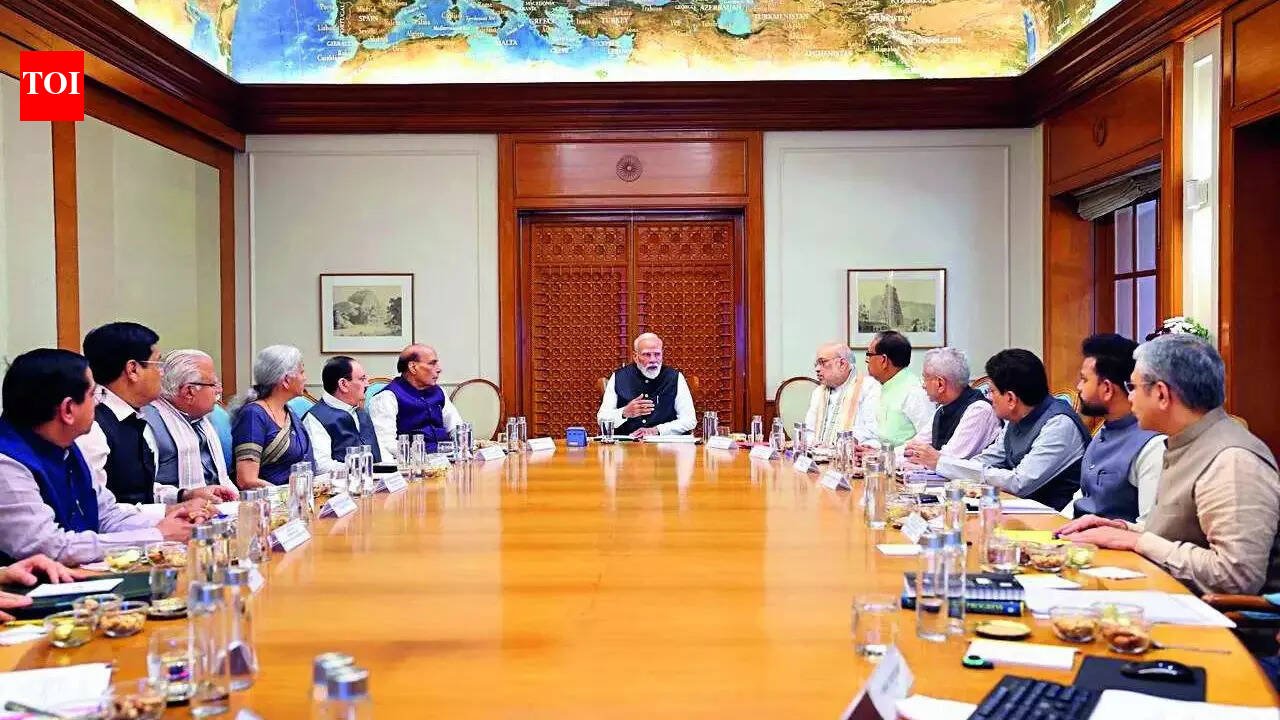
NEW DELHI: Recognising the “significant impact” of the conflict in West Asia on the global economy and its effect on India, the cabinet committee on security led by PM Narendra Modi on Sunday discussed steps to diversify the sources of import of chemicals, pharma, petrochemicals and other industrial sectors, while drawing comfort from the stock of fertiliser and coal.“We had extensive discussions on short-, medium- and long-term measures, including ensuring continued availability of fertilisers for farmers, diversifying import sources for key sectors, promoting exports to new destinations and more. We are committed to safeguarding our citizens from the impact of the conflict,” the PM posted on X after the meeting of the panel comprising the home, defence, finance and external affairs ministers.

Watch

Narendra Modi Reviews Energy Security As Middle East Crisis Deepens

The assessment was that there may not be a significant domestic impact in the immediate term, but there was a need to prepare for the medium and long term. Currently, the challenge before policymakers is that there is no clarity on when and how the conflict will end.“The ongoing conflict in West Asia will have significant short-, medium- and long-term impact on the global economy and its effect on India were assessed and counter-measures, both immediate and long-term, were discussed,” an official statement said.Sunday’s meeting was also attended by other ministers, including of agriculture, health, chemicals, power, shipping, civil aviation, commerce & industry, I&B, food & civil supplies and railways.While Modi has been holding talks with his counterparts from other countries, particularly those in the Gulf region – home to a large Indian diaspora and the source of a large chunk of energy imports – this was the first meeting at the level of CCS to work out a strategy with an assessment that the impact of the conflict is going to last for some time.The PM has suggested a dedicated group of ministers and a panel of secretaries to deal with the issue, with detailed stakeholder consultations lined up through sectoral groups. He has also asked the Centre to coordinate with states to check black-marketing and hoarding.“PM said that the conflict is an evolving situation and the entire world is affected in some form. In such a situation, all efforts must be made to safeguard citizens from the impact of this conflict. PM instructed that all arms of govt work together to ensure least inconvenience to citizens,” an official statement said.It added that several measures proposed by different ministries would be prepared and implemented in the coming days.At the meeting, cabinet secretary TV Somanathan made a presentation on the global situation, and the mitigation measures taken so far and those being planned by different departments. “The expected impact and measures taken to address it across sectors like agriculture, fertilisers, food security, petroleum, power, MSMEs, exporters, shipping, trade, finance, supply chains and all affected sectors were discussed. The overall macro-economic scenario in the country and further measures to be taken were also discussed,” the statement said.


Source link

Abdul Basit: If America strikes us, we should attack Indian cities like Delhi and Mumbai: Ex-Pak envoy | India News


If America strikes us, we should attack Indian cities like Delhi and Mumbai: Ex-Pak envoy

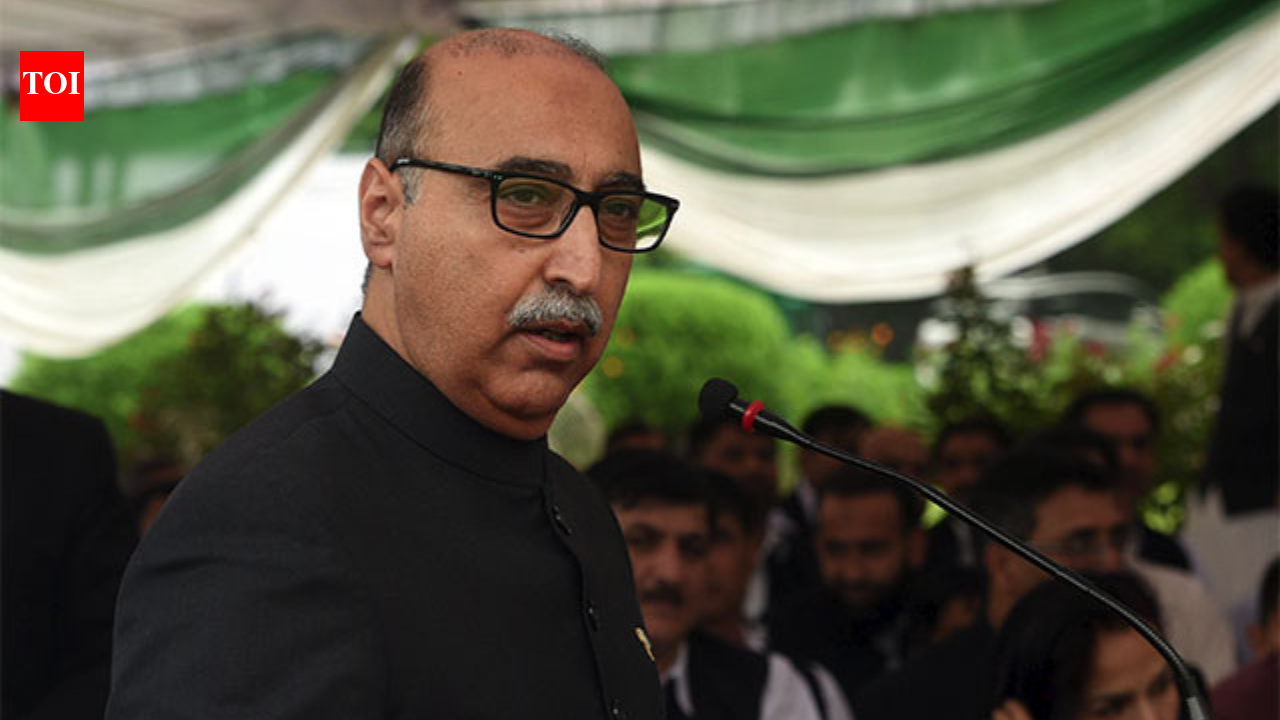
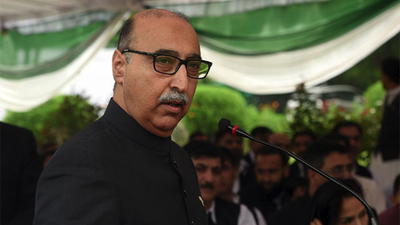
In a hugely provocative statement, Abdul Basit, former high commissioner of Pakistan to India, has said that striking Indian cities like New Delhi and Mumbai should be Islamabad’s “default move” if the country comes under attack from the US.“America won’t attack Pakistan’s nuclear arsenal. Even if we believe that in a hypothetical situation, America attacks Pakistan, we won’t be able to hit back as America does not fall within our nuclear range. (Asking a TV anchor) What do you think will be our option then? India,” Basit asserted during an interview with a local Pakistani channel. “If somebody casts an evil eye on us, we will attack Mumbai and New Delhi in India without even thinking twice. We will see whatever happens later,” he told ABN News.The ex-envoy-turned-defence strategist further said, “Right now, neither America nor Israel is under our nuclear range. But the world should know that if we come under attack, we will, in turn, attack India wherever we want.” Basit made the controversial remark while reacting to US National Intelligence director Tulsi Gabbard’s recent statement before the Senate intelligence committee in which she had said that Pakistan’s long-range ballistic missile programme could develop into a threat for the US homeland.Some media reports also quoted Basit as saying that Gabbard’s “anti-Pakistan” worldview was a known fact. “Pakistan’s deterrence is India-specific. Tulsi Gabbard saw our missiles, but not India’s Agni-5 and Agni-6. They are intercontinental missiles,” he was reported to have said.Presenting the 2026 Annual Threat Assessment to the House intelligence committee, Gabbard had said that Pakistan is among countries “researching and developing an array of novel advanced or traditional missile delivery systems with nuclear and conventional payloads that put our homeland within range”.According to the Center for Arms Control and Non-Proliferation, Pakistan has six operational types of nuclear-capable ballistic missiles. Its overall arsenal consists primarily of short to medium-range ballistic missiles, but it is making significant progress in strengthening its cruise missile capabilities. Its ground arsenal consists of 106 land-based missiles with yields of 5-40 kt. Pakistan’s roadmobile ballistic missiles include short-range Abdali, Ghaznavi, Shaheen-1 and NASR, as well as the medium-range Shaheen-2 and Ghauri. The Shaheen-3 and the Ababeel medium-range ballistic missile (MRBM) are currently under development.The longest-range Shaheen-3 can hit targets up to 2,750 km. But Shaheen-3 is not an ICBM. To call a ballistic missile ICBM, it needs to have a minimum range of over 5,500 km. The distance between the US and Pakistan is over 11,200 km.Reacting sharply to Basit’s statement, BJP national spokesperson Tuhin Sinha said on Sunday, “Abdul Basit’s threat that Delhi and Mumbai will be blown up with bombs from Pakistan shows that even today, Pakistan is rattled by strikes during Operation Sindoor. It has lost its mental balance.”Soon after Gabbard’s statement, Tahir Andrabi, spokesman for Pakistan’s ministry of foreign affairs, said, “Pakistan categorically rejects the recent assertion by a US official alleging a potential threat from Pakistan’s missile capabilities.” Pakistan’s strategic capabilities are “exclusively defensive” in nature, he said, and are “aimed at safeguarding national sovereignty and maintaining peace and stability in South Asia”.


Source link

Datta Meghe: Veteran BJP leader Datta Meghe passes away at 89; great loss for Vidarbha, says Gadkari | India News


Veteran BJP leader Datta Meghe passes away at 89; great loss for Vidarbha, says Gadkari

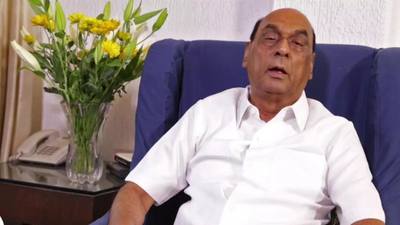
NAGPUR: Veteran BJP leader Datta Meghe passed away on Sunday evening at the age of 89, his close aide and former Nagpur deputy mayor Raghunath Malikar said.Meghe is the father of Hingna MLA Sameer Meghe and former MLC Sagar Meghe.Datta Meghe was a four-time Congress Lok Sabha MP from Nagpur, Ramtek and Wardha and was also Rajya Sabha member between 2002 and 2008. He was part of the Sharad Pawar-led (undivided) NCP when it was formed in 1999 and was a state minister.He joined the Bharatiya Janata Party in 2014. He is survived by his wife, two sons, two daughters and grandchildren.Union Minister Nitin Gadkari said Meghe was a like an elder brother and the news of his passing away was heart-breaking.“My heartfelt tribute to him. With Dattabhau’s passing, the political and social spheres of Vidarbha have suffered a great loss. Such a leader with a generous heart, broad and pure mind, will not come again. Dattabhau’s contributions to the educational and medical fields in Vidarbha are noteworthy and significant,” he said.From Gadchiroli to Melghat, in the tribal areas, Meghe made utmost efforts to improve the health of tribal brethren through free medical camps, Gadkari said, adding that at Sawangi Meghe, he provided free medical treatment to the poor.“To provide higher education opportunities to the youth of Vidarbha, he created educational institutions. May God grant peace to the departed soul and give strength to his family and everyone to recover from this grief,” the Union minister said.


Source link

Drug peddler held with heroin worth Rs 1.5cr | India News


Drug peddler held with heroin worth Rs 1.5cr

JAMMU: Jammu Police arrested a drug peddler and seized from him around 262g heroin, worth approximately Rs 1.5 crore in the international market, along with Rs 1.5 lakh cash, a cellphone, and a weighing machine, on Saturday.A police naka team, led by PSI Rajan Choudhary, was deployed at Tutray Chowk Ring Road and spotted the suspect around 7.40pm. The accused tried to escape but was caught. Police identified him as Harpal Singh, a resident of Kathua district.Cops registered a case under NDPS Act at Miran Sahib PS. Further investigation was underway to unearth the forward and backward linkages of the nexus, police said.


Source link

‘Fighter Didi’ teaser casts Mamata as Bengal’s lone shield, signals TMC’s battle pitch for polls | India News


'Fighter Didi' teaser casts Mamata as Bengal's lone shield, signals TMC's battle pitch for polls

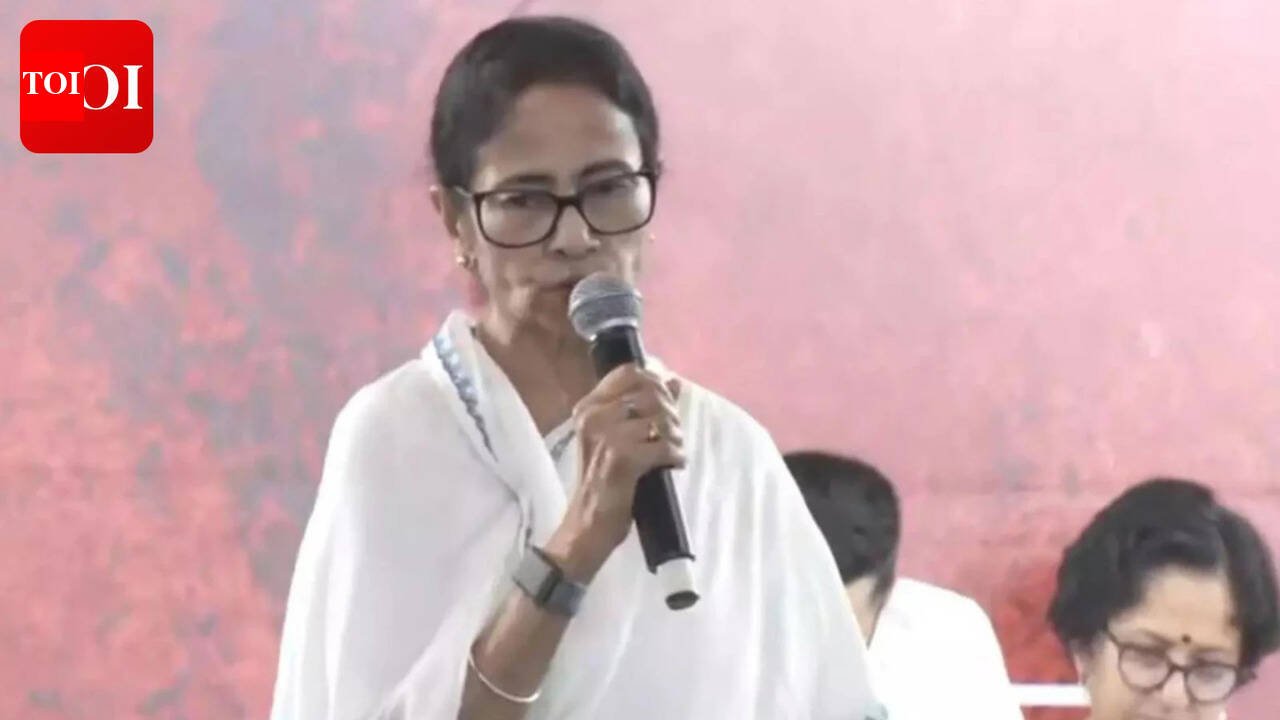
KOLKATA: With the battle lines for the 2026 West Bengal assembly polls steadily sharpening, the Trinamool Congress on Sunday rolled out an animated teaser titled ‘Fighter Didi’, projecting chief minister Mamata Banerjee as the last line of defence for the Bengali identity against what the party calls “outsider forces”.The slick 16-minute video, divided into episodes, released on the party’s social media platforms, blends political messaging with cinematic symbolism- dark clouds gathering over Bengal, worried citizens looking skyward, and a looming silhouette carrying a saffron flag, an unmistakable dig at the BJP.

Watch

Eid Politics Heats Up Bengal: Mamata Banerjee Attacks BJP, Suvendu Adhikari Pushes Sanatan Narrative

If the opening frames evoke a state under threat, the closing sequence is designed to deliver the punchline- a resolute Banerjee emerging as a combative figure, flanked by imagery of Goddess Durga and a Royal Bengal Tiger, before the screen flashes the slogan ‘Fighter Didi’.The teaser is the second instalment of the TMC’s campaign video series and comes days after the party unveiled its “10 pledges” and released a candidate list for 291 seats, signalling that the ruling party has begun shifting gears for what promises to be one of the fiercest electoral battles in the state’s recent political history.At the heart of the teaser lies a theme the TMC has increasingly foregrounded in recent years – the defence of Bengali identity.In one of the striking frames, a giant hand stamps the word “Bangladeshi” on official-looking documents as Bengali text flashes across the screen, warning against attempts to “snatch away identity”.The imagery is widely seen as a swipe at the BJP’s push for the National Register of Citizens (NRC) and the Citizenship Amendment Act (CAA) -the issues the TMC has repeatedly framed as existential threats to Bengalis and migrants in the state.The teaser also dips into Bengal’s cultural psyche – a terrain where Banerjee has often sought to counter the BJP’s aggressive Hindutva narrative with a blend of regional pride and cultural symbolism.Animated sequences show portraits of Bengal’s icons, such as Rabindranath Tagore and Netaji Subhas Chandra Bose, being vandalised, while a statue of Tagore is shown collapsing – an apparent reference to past political flashpoints that the TMC has used to accuse the BJP of disrespecting Bengal’s heritage.Another character, visually resembling a prominent BJP leader with glowing eyes and shadowy enforcers behind him, appears as the antagonist in the sequence – reinforcing the narrative of an external political force threatening the state’s cultural fabric.Political observers said the teaser underscores a campaign template that has served Banerjee well in the past- turning elections into a binary contest between “Bengal’s daughter” and “Delhi’s outsiders”.The formula played a decisive role in the 2021 assembly elections, when Banerjee defied a massive BJP campaign blitz to secure a third consecutive term, riding a wave of Bengali sub-nationalism and welfare politics.With the BJP once again positioning itself as the principal challenger in the 2026 contest, the TMC appears keen to revive that narrative early in the campaign cycle.Within the party, the ‘Fighter Didi’ pitch is being seen as more than just campaign branding.Strategists said the idea is to frame Banerjee not merely as an incumbent seeking re-election but as a combative protector of Bengal’s political and cultural autonomy – a narrative aimed at consolidating the TMC’s core support base while energising cadres ahead of the long election grind.The message is blunt: the coming polls are not just another electoral contest but, in the TMC’s telling, a battle to defend Bengal itself.If the teaser is any indication, the 2026 assembly elections are likely to be fought not only on governance and welfare but also on the emotive terrain of identity, culture and regional pride themes that have repeatedly shaped the state’s political battles.And in that storyline, the TMC is making it clear who it wants cast as the protagonist.


Source link

Owaisi announces alliance for Bengal polls: AIMIM to contest with Humayun Kabir’s AJU party | India News


Owaisi announces alliance for Bengal polls: AIMIM to contest with Humayun Kabir’s AJU party

All India Majlis-e-Ittehadul Muslimeen (AIMIM) chief Asaduddin Owaisi on Sunday announced that the party will contest the upcoming West Bengal Assembly elections in alliance with Humayun Kabir’s Aam Janata Unnayan Party (AJUP).Announcing the tie-up, Owaisi said, “AIMIM has decided to form an alliance with Janata Unnayan Party for the West Bengal elections. We want to strengthen the AIMIM and ensure that our candidates in every corner of the country, succeed, and raise the voice of the poor and oppressed in the assembly… In West Bengal, 5 lakh backward category certificates have been cancelled, majority of which belong to Muslims. There are many stories of oppression as well. They secure votes in the name of secularism but when the Majlis advocates for share and representation, they don’t like it…”He also said, “I will hold a press conference in Kolkata with Humayun Kabir on March 25.”

Watch

‘Bunch Of Lies’: Bengal Poll War Heats Up As BJP And Congress Attack TMC’s Poll Manifesto Claims

Kabir, a former All India Trinamool Congress leader and founder of AJUP, had earlier said his party would contest 182 seats in the 2026 West Bengal Assembly elections. “I had already announced 15 candidates earlier. Now, Humayun Kabir will contest from Raninagar; he is also doing an additional job. Then, another businessman named Humayun Kabir will contest from Bhagwangola. Also, Manisha Pathak Pandey will contest from the 64-Murshidabad seat. So, with the 15 announced earlier and these three now, we have opened a list of 18 candidates today,” he said.He added, “My party, along with the alliance we are in, will contest in 182 seats. All India Majlis-e-Ittehadul Muslimeen (AIMIM) will be a partner and will contest in approximately 8 of those seats.”The West Bengal Assembly elections will be held in two phases on April 23 and April 29, 2026, with counting scheduled for May 4, according to the Election Commission of India. The first phase will cover 152 constituencies, while the second phase will cover 142 seats.West Bengal has a total of 294 Assembly seats and over 6.45 crore electors, including more than 5.23 lakh first-time voters aged 18 to 19 years.The main contest is expected between the ruling Trinamool Congress led by Mamata Banerjee and the opposition Bharatiya Janata Party.In the 2021 Assembly elections, the Trinamool Congress retained power with a decisive victory, while the Congress and Left Front failed to win any seats.


Source link