Breaking News
The hidden costs of excessive screen media use in kids | India News


The hidden costs of excessive screen media use in kids

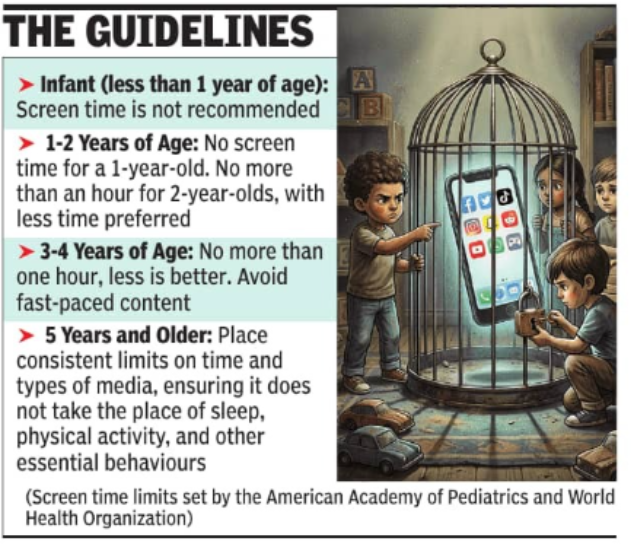
New research highlights how children in India exceed global screen time guidelines, with lasting impact on health and cognitive abilitiesMultiple screens have become an integral part of children’s lives. But is it safe for young adolescents to be spending so much time on screen? Findings from existing research suggest that while devices like smartphones, laptops, tablets and TVs can aid learning, their excessive use is linked to adverse health and developmental outcomes.A recent study*, published in Indian Journal of Psychiatry, examined children and adolescents with mental disorders to assess their screen use habits. The findings are striking: Average daily screen time was 3.1 hours. Importantly, two-thirds of the 212 study participants (average age 13 years) exceeded the recommended screen time limits set by the American Academy of Pediatrics (AAP) and World Health Organization (WHO). These guidelines recommend no screen exposure for children under two years (except video calls), less than one hour per day for ages two to four, and a maximum of two hours daily for those five years and older.
-

The study revealed that television (66%) and mobile phones (70.3%) were the most commonly used devices, among 212 children and adolescents who were part of the study. Alarmingly, 22.2% of children met the criteria for screen media addiction, based on DSM-5 standards for Internet Gaming Disorder. DSM-5 is Diagnostics and Statistical Manual of Mental Disorders, fifth edition, a guide used by researchers to diagnose, classify and treat mental health disorders.Addiction was more prevalent among boys, those from joint or extended families, and children diagnosed with neurodevelopmental or disruptive disorders.Excessive screen use contributes to obesity, sedentary behaviour, poor dietary habits, and disrupted sleep. Cognitively, prolonged exposure can impair language development, executive functioning and emergent literacy skills. Research even suggests structural brain changes in preschool children with high screen exposure, particularly affecting white matter tracts (which act as brain’s communication networks), critical for learning and communication.Psychosocially, children addicted to screen media often display deception (sneaking or lying to use devices), preoccupation, withdrawal symptoms and conflicts within families. Screen use also interferes with friendships and family activities, while increasing vulnerability to cyberbullying, unsafe online content and negative emotional states.The study underscores the urgent need for parental awareness and regulation. Parents often allow children with neurodevelopmental disorders extra screen time as a coping mechanism, but this leads to more problems. In joint family settings, inconsistent parenting rules can further exacerbate the issue.In conclusion, screen media use among children is not inherently harmful, but its excessive and unregulated use poses significant risks to physical health, cognitive development and emotional well-being. With nearly one-fourth of children in psychiatric care showing signs of addiction, routine evaluation of screen habits and strict adherence to recommended guidelines are essential steps toward safeguarding the next generation.(* Problematic screen media use in children and adolescents attending child and adolescent psychiatric services in a tertiary care center in North India, by Venkatesh Raju, Akhilesh Sharma, Ruchita Shah, Ravikanth Tangella, Sana Devi Yumnam, Jyoti Singh, Jaivinder Yadav, and Sandeep Grover)
Source link

Rahul Gandhi’s speech sparks row in Lok Sabha | India News


Rahul Gandhi's speech sparks row in Lok Sabha

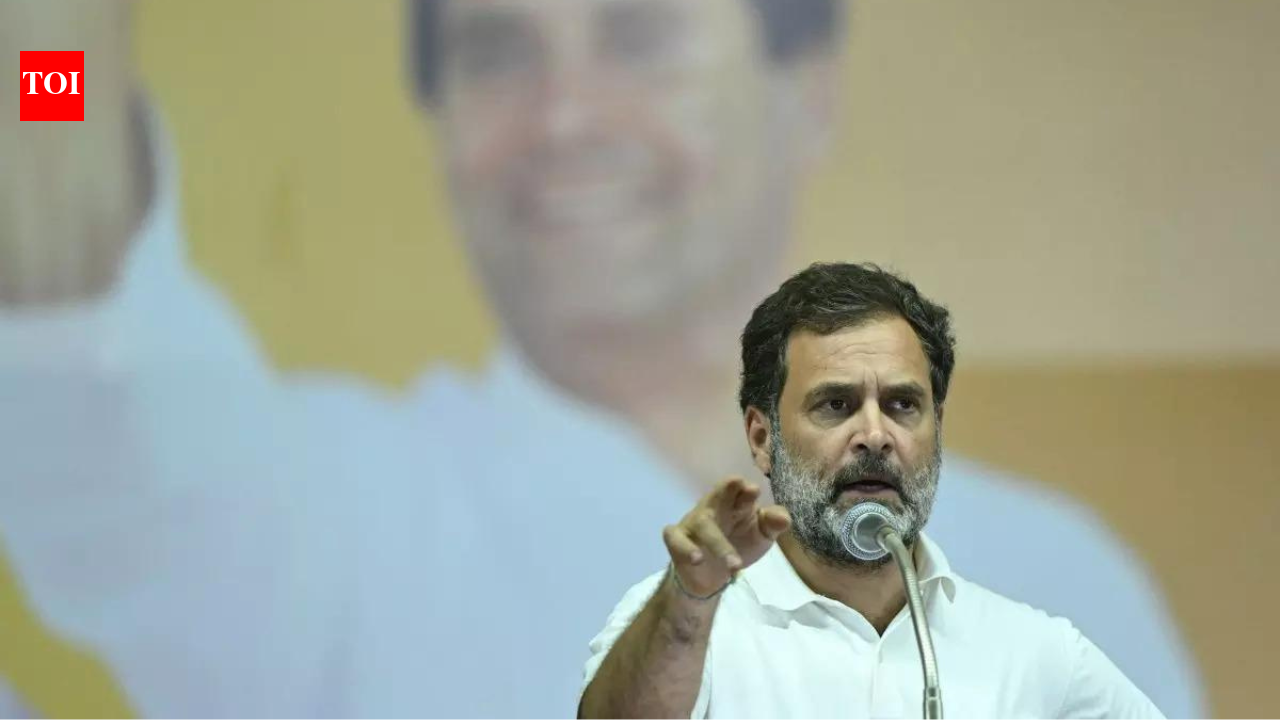
NEW DELHI: The Lok Sabha on Thursday witnessed a ruckus after Rahul Gandhi was interrupted during his speech on the energy crisis when he took a jibe at oil and gas minister Hardeep Puri for his name allegedly appearing in the files of an American sex-offender. He also attacked the govt over the US waiver to India to buy crude from Russia. “It has been a very puzzling fact why a nation the size of India would allow any other nation... the President of another nation to give us permission to buy Russian oil… I have figured the puzzle out. And the puzzle is about compromise,” he said and referred to Puri’s alleged link.This led to interruptions in the House, forcing Speaker Om Birla to intervene, saying the member cannot raise this issue, even as Gandhi insisted that he was speaking on energy and economic security. Later, opposition members entered the well of the House and Puri had to read out his statement amid sloganeering.


Source link

After row, TMC team wanted to meet President but was denied time | India News


After row, TMC team wanted to meet President but was denied time

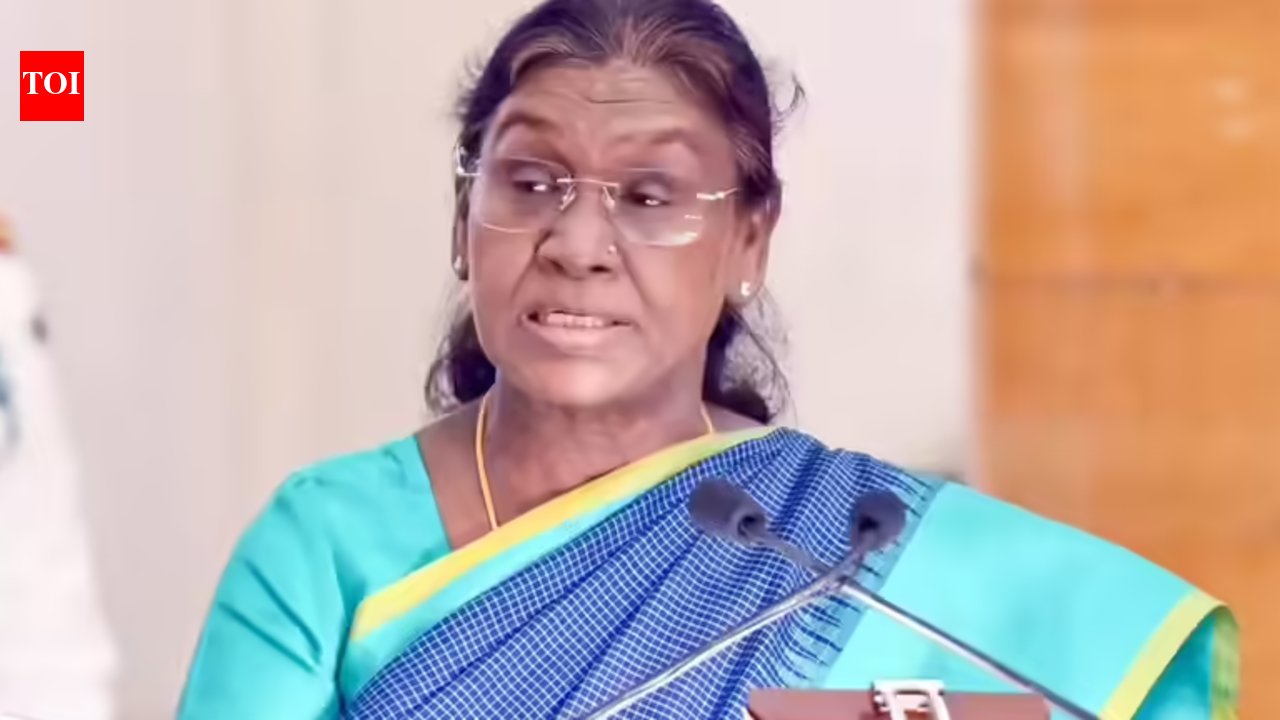
NEW DELHI: In an unusual development, TMC MPs had sought an appointment with President Droupadi Murmu to apprise her about the welfare initiatives taken by the Bengal govt. However, Rashtrapati Bhavan turned down their request citing “paucity of time”, as per sources.This comes after a political row errupted over allegations of protocol lapses during Murmu’s Bengal visit on March 7.A senior TMC members wrote to the President on March 9 submitting that a delgation of AITC comprising members of LS and RS and ministers of West Bengal want to meet her to share the many initiatives by the state govt for inclusive development of all sections of society.However, Rashtrapati Bhavan sent a communication informing TMC that its request was considered but could not be acceded. TMC has yet again written to the President’s office, requesting time next week.


Source link

Government defends barring certain groups from list of blood donors | India News


Government defends barring certain groups from list of blood donors

NEW DELHI: Centre on Thursday justified the exclusion of transgender persons, men having sex with men, and female sex workers from list of potential blood donors, saying the decision was not discriminatory but one based on health studies which found six to 13 times higher incidence of HIV among these groups.Additional solicitor general Aishwarya Bhati told a three-judge bench led by CJI Surya Kant that the National Blood Policy focused on sourcing blood from safe donor pools. “Sourcing blood and components from high-risk groups is against the tenets of the policy,” said Bhati.Health ministry said in its affidavit, “There is substantial evidence to show that transgender persons, men having sex with men, and female sex workers are ‘at risk’ for HIV, Hepatitis B or C infections.” Citing the annual report of the department of health and family welfare for 2020-21, it said, “HIV prevalence among transgenders, men who have sex with men, and female sex workers is six to 13 times higher than adult HIV prevalence.“Similar restrictions for blood donors in respect of population groups with a high prevalence of HIV and other transfusion-transmitted infections exist all over the world. For instance, in most European countries, sexually active MSM are permanently deferred from donating blood,” the ministry said.The ministry said blood transfusion system is one of the last resorts for critically ill patients and the risk of TTI must be eliminated.Bhati said, “The issue must also be judged from the lens of a public health perspective and not merely from an individual rights perspective, being mindful of the practical realities of unequal access to quality healthcare in a vast and diverse nation.”


Source link

Birla back in his chair, says rules same for all, and leader of oppn won’t get special privilege | India News


'I Have Always Tried To...': LS Speaker Om Birla's First Remarks After No-Confidence Motion Fails

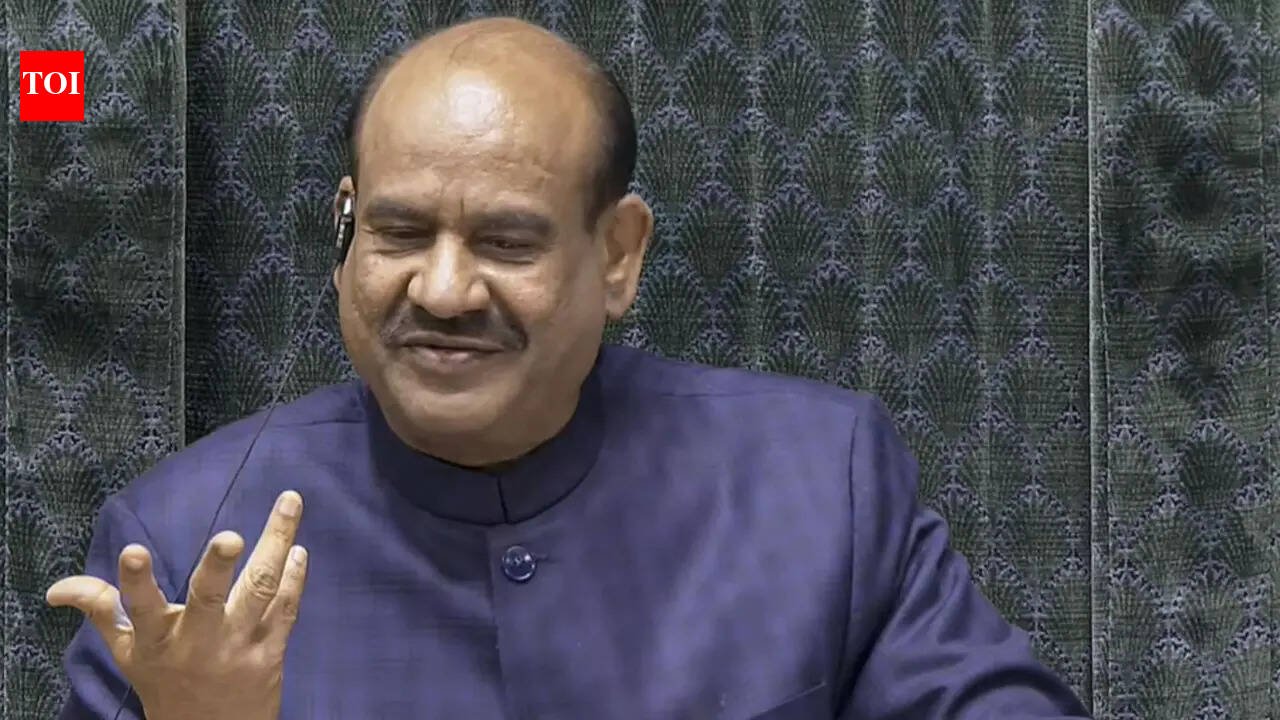
NEW DELHI: A day after the vote of no-confidence against him was rejected, Lok Sabha Speaker Om Birla resumed duty and asserted that he would stick to rules and not allow special treatment to any member, including leader of the opposition.“Some members believe that leader of the opposition may stand at any time and speak on any subject of their choice as their special privilege. I wish to clarify that the House functions according to rules framed by the House itself. These rules apply equally to every member,” said a confident Birla as he repudiated the charge – the principal justification of the Congress-led move to bring a motion against him – that he did not let Rahul Gandhi speak.

‘I Have Always Tried To…’: LS Speaker Om Birla’s First Remarks After No-Confidence Motion Fails

He rejected the charge that he has been unfair to opposition and switches off microphones when they are speaking. “I would like to clarify once again that the Chair does not have any button to switch microphones on or off. The system in the Houses activates the microphone only of the member who has been granted permission to speak,” he said.

Poll

Do you believe that all members of the Lok Sabha should have equal speaking time during debates?

Birla’s assertion came a day after home minister Amit Shah and other speakers from NDA turned the debate on no-confidence motion against the Speaker into one on Gandhi’s alleged sense of entitlement and the resultant expectation of privileged treatment.The Speaker, with Shah and defence minister Rajnath Singh, with others looking on, said all members enjoy the same status. “Each member comes here with the responsibility to raise the concerns of the people and to fulfil their hopes and expectations.”Birla, who had annoyed Congress by saying that he had been tipped off about the opposition party’s plans to get its women members to surround PM Narendra Modi last month when he was scheduled to participate in the debate on motion of thanks to President, denied that he had shown disrespect to women members. “I have always held the highest respect for all women members. My endeavour has always been to ensure that every woman member gets the opportunity to speak in this House. During my tenure, every woman member, including first-time members, has had the opportunity to express her views.”He also denied that opposition members were not given enough time to speak. To the contrary, opposition members have often received more time than allocated during debates. “I frequently extend the time allotted for debates and Zero Hour so that more members can express their views.”Birla, however, was firm about not allowing sloganeering, display of placards, the tearing and throwing of papers, and movement into the Well of the House, and said they are inimical to the smooth functioning of Parliament. “Disagreement and intense debate are natural in a democracy, but there is a clear line between democratic discourse and disorder.”After he concluded, KC Venugopal of Congress again raised the issue of the notice by LoP seeking permission to speak on LPG crisis. The Speaker told him he has informed the minister concerned in govt, and the LoP will be allowed to raise the issue once he is present in the House.


Source link

India co-sponsors GCC-led UNSC resolution against Iran | India News


India co-sponsors GCC-led UNSC resolution against Iran

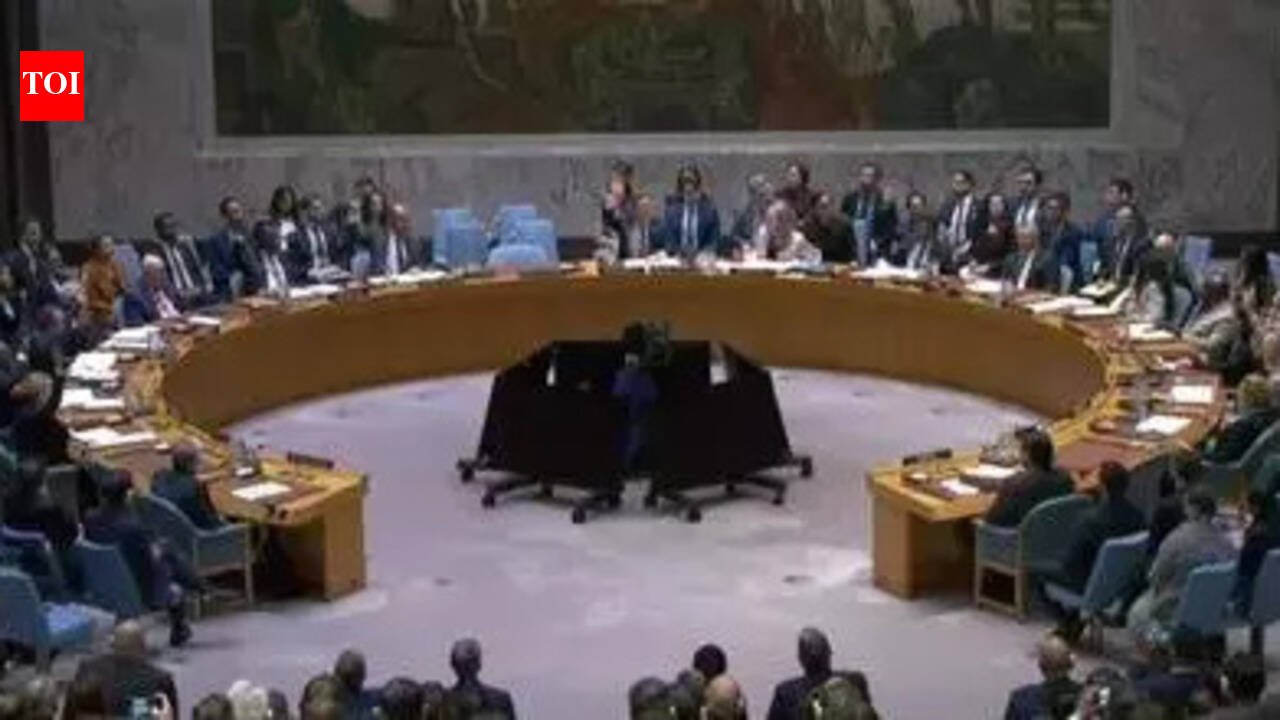
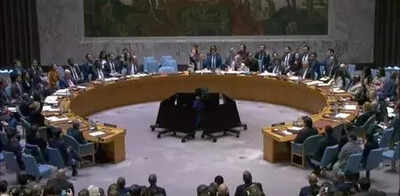
NEW DELHI: India co-sponsored a resolution in UN Security Council that condemned the “egregious” attacks by Iran against Gulf Cooperation Council countries and Jordan and demanded immediate cessation of all attacks by Tehran while denouncing its threats of closure of the Strait of Hormuz.The 15-nation Security Council, currently under the presidency of the US, adopted the resolution on Wednesday with 13 votes in favour, none against and abstentions by veto-wielding permanent members China and Russia.Ministry of external affairs said India had co-sponsored the GCC-led resolution at the Security Council as it reflected its position on the issue. “We have 135 countries who have co-sponsored this particular resolution. The resolution reflects several of our positions… we have a large diaspora in GCC countries and their well-being and welfare is of utmost importance,” spokesperson Randhir Jaiswal said, adding the Gulf is also very important for India’s energy security needs.Without naming Iran, PM Narendra Modi had earlier condemned attacks on all GCC countries.India co-sponsored the Bahrain-led resolution along with over 130 nations, including Australia, Austria, Bangladesh, Bhutan, Canada, Egypt, France, Germany, Greece, Italy, Japan, Kuwait, Malaysia, Maldives, Myanmar, New Zealand, Norway, Oman, Pakistan, Qatar, Saudi Arabia, Singapore, Spain, Ukraine, UAE, UK, US, Yemen, and Zambia. The resolution, which had a total of 135 co-sponsors, reiterated its strong support for the territorial integrity, sovereignty and political independence of Bahrain, Kuwait, Oman, Qatar, Saudi Arabia, UAE, and Jordan.It condemned in the “strongest terms the egregious attacks” by Iran against the territories of Bahrain, Kuwait, Oman, Qatar, Saudi Arabia, UAE, and Jordan and determined that such acts constituted a breach of international law and were a serious threat to international peace and security.The resolution demanded immediate cessation of all attacks by Iran against GCC countries and Jordan and that Tehran “immediately and unconditionally” cease from any provocation or threats to neighbouring states, including the use of proxies.


Source link

The story of our times and the tesseract of truth | India News


The story of our times and the tesseract of truth

Time is the fourth dimension, in addition to the length, width and height of the usual spatial cognition of our world, though most may not realise its ubiety. It is what takes our square existence beyond the humdrum two-dimensional flatness, beyond even the stereoscopy of the cube to the refracting multifacetedness of the hyper-cube, the tesseract. Understanding the tesseract, then, is the key to understanding the story of us and deciding the way forward.Nowadays, when information is abundant but discernment is not, truth very often gets obscured. Only a detailed chronicling of time – our times – reveals the intricate contours of the tesseract, the geometry of truth, going beyond the 3D of what has been all-too-easily accepted as reality down the ages, or even the only reality. Time provides the crucial context, tracks and marks every change, and therefore determines the diverse perceptions of truth too.Humankind has been on a quest for truth even before the concept of time dawned on us. Beyond what was, what is and even what will be, though, is the fourth axis of ‘what could’. It has always been there but not perceived until minds were awakened to its prescience. Transcending the three axes to the reflective fourth one, the tesseract, has become an imperative in our times of clashing truths and blinding contradictions that defy reason and confound the mind.A tesseract is complex but not complicated. As a metaphor for our space-time continuum, it is lucid and yet profound, liberating and illuminating, and yes, utterly mind-bending and mind-blowing in its vividness. When the curtain rises on The Tesseract: The Geometry of Truth at the National Centre for the Performing Arts (NCPA) in Mumbai today, take a journey into the story of our times and understand the clarion call to Let Truth Prevail.


Source link

US-owned oil tanker set ablaze in attack in Iraq, Indian crew dead; another ship hit


US-owned oil tanker set ablaze in attack in Iraq, Indian crew dead; another ship hit

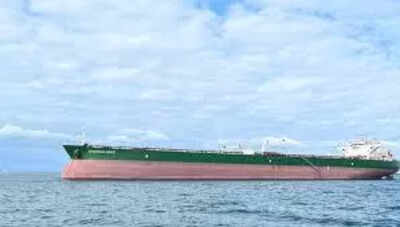
A US-owned oil tanker Safesea Vishnu, sailing under the Marshall Islands flag, was attacked near Basra in Iraq on Wednesday, claiming the life of an Indian crew member. Another ship, Malta-flagged ‘Zefyros’ owned by a Greek entity, was also attacked.Safesea Vishnu was chartered by an Iraqi company contracted with the State Organisation for Marketing of Oil (SOMO), Zefyros was loaded with condensate products from Basra Gas Company and was in a ship-to-ship loading area in Iraqi waters. The incident occurred at Iraq’s Umm Qasar anchorage during a fuel cargo transfer with the Safesea Vishnu tanker late on Wednesday, Benetech Shipping SA said.The Indian embassy in Iraq has confirmed that “a US-owned crude oil tanker Safesea Vishnu was attacked near Basra in which one Indian crew member unfortunately lost his life.” In a series of posts on X, the mission said, “The remaining 15 Indian crew have since been evacuated to a safe place”. The mission also noted that the “embassy of India Baghdad is in regular contact with Iraqi authorities and rescued Indian sailors and is offering all possible assistance”. All 23 crew members of tanker Zefyros are safe and accounted for, authorities said.In response to the deteriorating security situation, oil terminals at Iraqi ports on Thursday suspended operations. Farhan al-Fartousi, director general of the state-owned General Company for Ports of Iraq, confirmed to the Iraqi News Agency that “the operation of oil ports has been suspended”, though commercial ports continue to function.Earlier, a Thai vessel bound for the Kandla port in Gujarat was attacked in the Strait on Wednesday, prompting criticism from New Delhi. “India deplores the fact that commercial shipping is being made a target of military attacks in the ongoing conflict,” the foreign ministry said on Wednesday, adding that its citizens had also died.Earlier, the Indian govt said that at present 28 Indian-flagged vessels are operating in the Persian Gulf region. Of these, 24 vessels are located west of the Strait of Hormuz carrying 677 Indian seafarers, while four vessels are east of the Strait with 101 Indian seafarers onboard. The ministry said their safety and security was being actively monitored.


Source link

TMC seeks Prez meet after protocol row; Rashtrapati Bhavan declines citing time crunch | India News


TMC seeks Prez meet after protocol row; Rashtrapati Bhavan declines citing time crunch

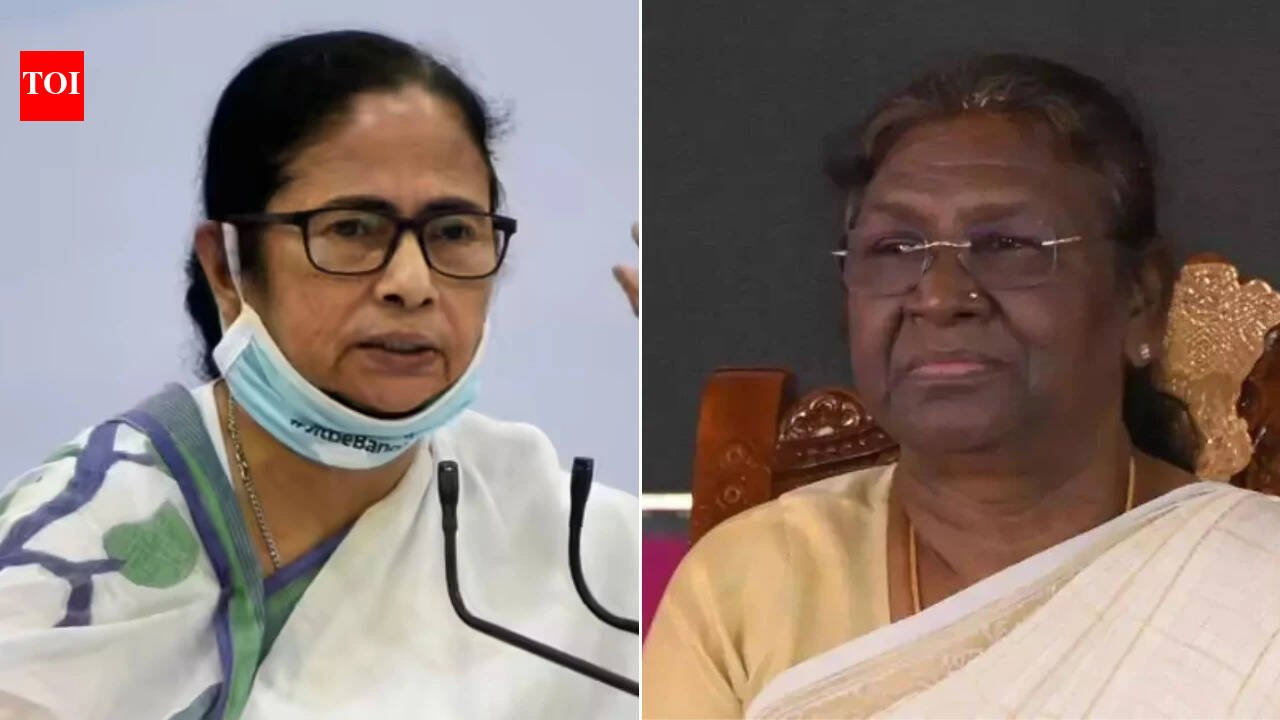
NEW DELHI: In an unusual development, Trinamool Congress MPs had sought an appointment with President Droupadi Murmu to apprise her about the welfare initiatives taken by the West Bengal government. However, the Rashtrapati Bhavan turned down their request, citing “paucity of time”, as per sources.This comes after a political row erupted over allegations of protocol lapses during Murmu’s visit on March 7 to West Bengal. The President had on Saturday expressed displeasure over the change of venue of the Santal conference, which she attended in the state, and the absence of West Bengal chief minister Mamata Banerjee and her ministers during her visit.According to a source, a senior TMC leader wrote to President Murmu on March 9 submitting that a delegation of AITC comprising members of Lok Sabha and Rajya Sabha and the ministers of West Bengal want to meet her at a time convenient to her to share with her the many initiatives by the state govt for the inclusive development of all sections of society and special measures taken for upliftment and improvement of quality of like of SC, ST and OBC communities.In the letter, the TMC leader, as per sources, had requested that the President give an appointment for this week itself for a 12-15-member delegation to meet her.However, Rashtrapati Bhavan sent a communication informing the TMC that its request was considered but could not be acceded to due to “paucity of time”, the source claimed and added that the TMC has yet again written to the President’s office, requesting time next week.Besides this, TMC chief whip MP Nadimul Haque has written to Rajya Sabha Chairman C P Radhakrishnan seeking expunction of what he has alleged to be “factually incorrect details” raised during zero hour on Wednesday by BJP MP Baburam Nishad on concern over alleged protocol violation during the visit of the President to West Bengal.The TMC MP has cited the rule book on the conduct of business to highlight certain rules applicable to members while speaking in the House. For instance, he has cited Rule 238 (v), which states that a member, while speaking, shall not reflect upon the conduct of persons in high authority unless the discussion is based on a substantive motion drawn in proper terms.Haque also referred to Rule 238 (vi), which states that members shall not use the President’s name for the purpose of influencing the debate.He also added that “making a misleading statement deliberately may be treated as a breach of privilege and contempt of the House”.


Source link

‘Some people trying to create panic’: PM Modi plays down LPG crisis; targets opposition | India News


'Some people trying to create panic': PM Modi plays down LPG crisis; targets opposition

NEW DELHI: Prime Minister Narendra Modi on Thursday played down the energy crisis in the country triggered by the ongoing conflict between thejoint forces of United States and Israel with Iran. While addressing the NXT Summit, the Prime Minister indirectly targeted those who are “trying to create panic” and claimed that, by doing so, they are exposing themselves in front of the public.“We will have to make collective efforts, keeping the national interest supreme and fulfilling our duties. Nowadays, there is a lot of discussion about LPG. There are some people who are trying to create panic. They want to push their own agenda,” PM Modi said. “At this time, I do not wish to make political comments on them. But I will certainly say that by doing so, they are not only exposing themselves in front of the public but also causing great harm to the country,” he added.The Prime Minister said that the government has prioritised self-reliance in the energy sector to ensure that the country doesn’t have to rely solely on foreign sources for energy.“To ensure we don’t have to rely solely on foreign sources for energy, emphasis was placed on self-reliance in the energy sector. Until 2014, there were only 14 crore LPG connections in the country. Today, there are more than double that—33 crore household LPG connections. In 2014, there were only 4 LNG terminals in the country,” PM Modi said.“Today, their number has also doubled. Today, no country is untouched by the impact of this global crisis that has arrived. In lesser or greater measure, everyone is a victim of this crisis. India too is leaving no stone unturned to deal with this crisis,” he added.The Prime Minister also said the government is making every possible effort to ensure that the burden of situations arising from war does not fall on the citizens of India.“The Government of India has always made every possible effort to ensure that the burden of situations arising from war does not fall on the citizens of India,” he said.“This time too, we will make every possible effort to ensure that the war has the least possible impact on the lives of the country’s farmers and the citizens of the country,” he added.Fears of LPG shortage began spreading across the country as the escalating conflict in the Middle East disrupts global energy supply chains.The closure of the Strait of Hormuz following Iranian retaliation against US–Israel strikes has triggered panic buying, long queues at LPG agencies and petrol pumps, and forced restaurants and small businesses to switch to alternative cooking methods.With certain measures helping raise domestic LPG production by 28 per cent and some alternative sources being tapped overseas, the government has decided to allow some sale of commercial LPG to meet a fifth of the demand, Sujata Sharma, Joint Secretary in the Oil Ministry, said.“The state governments will have to identify the beneficiaries,” she said.As panic buying escalates, the government has extended the LPG refill ordering window for rural users to 45 days, up from 25 days set last week for all users, which itself had replaced the previous 21-day limit. The move aims to manage demand and ensure equitable distribution amid the ongoing energy supply disruptions caused by the West Asia crisis, she said.The increase in the monthly quota of kerosene released to states is the first in more than a decade and temporarily reverses the government’s stated objective of phasing out the fuel, which, besides being heavily subsidised, was also used for adulteration in petrol.


Source link