Breaking News
Rekha Gupta inaugurates 120 mist spray systems at Delhi airport | India News


Rekha Gupta inaugurates 120 mist spray systems at Delhi airport

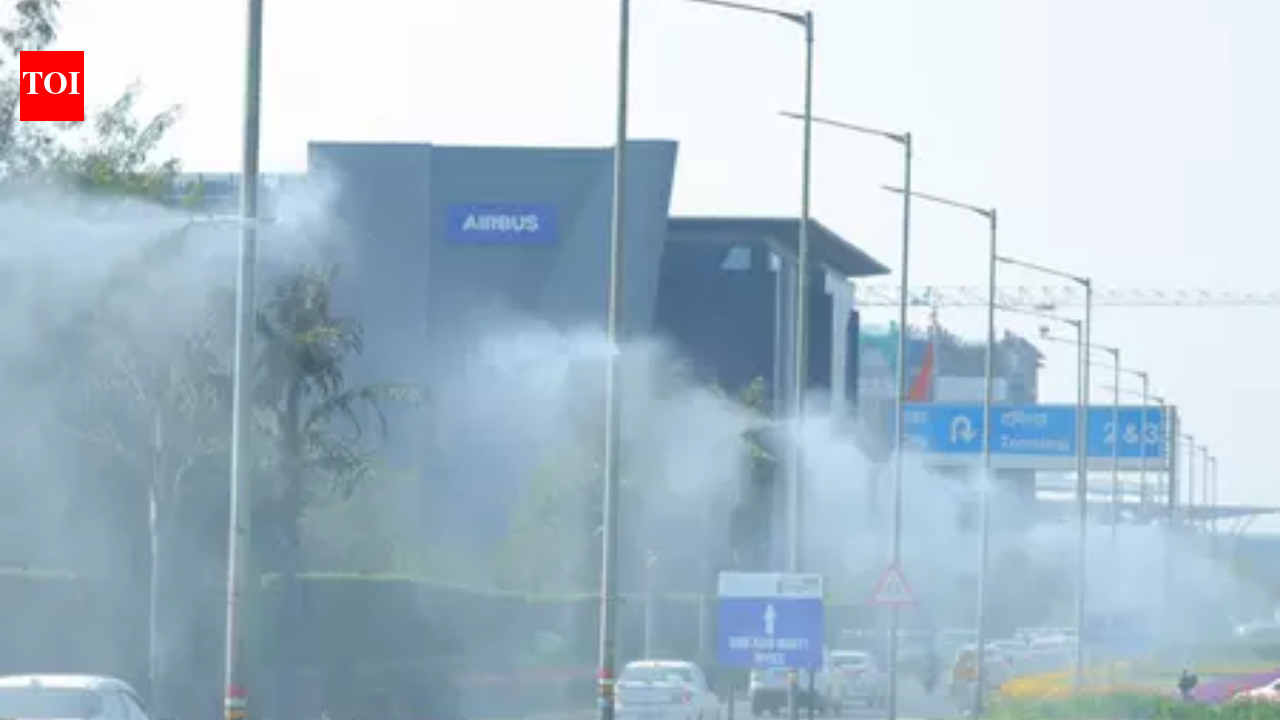
NEW DELHI: Delhi chief minister Rekha Gupta on Saturday inaugurated 120 mist spray systems at the IGI Airport premises, reiterating her government’s commitment to the ‘Clear Air, Clean Delhi’ initiative.The mist spray systems have been installed by the GMR Group at the Indira Gandhi International Airport with the objective to control air pollution and ensure a clean and healthy environment for passengers.The Delhi International Airport Limited is a joint venture, formed as a consortium between the GMR Airports Limited and Airports Authority of India.The chief minister said that the Delhi government is working scientifically on short-term, mid-term and long-term strategies to tackle pollution.She also said the Delhi government has already installed mist spray systems on major roads across the capital and at 143 elevated metro stations.Additionally, the real-time monitoring network has been expanded to 46 metro stations, making it the largest such network in any city in the country, she added. Through the ‘Vayu Rakshak’ initiative, strict compliance with pollution control norms is also being ensured.The mist systems installed at the airport will provide passengers with an improved air quality experience and strengthen the environmental image of the capital, she said, thanking the GMR Group for the initiative.The mist spray system will be expanded to 600 poles in the future, further strengthening dust control at the airport and surrounding areas, a Delhi CMO statement said.The Delhi government aims to fully electrify the public bus fleet by 2029, expand the metro network, develop EV charging infrastructure, deploy more than 1,000 water sprinklers across the city, and implement AI-based dust monitoring at construction sites, Gupta said.


Source link

‘Made Puducherry ATM of Gandhis’: Amit Shah on ex-CM Narayanasamy; says NDA aims to win 60% votes in 2026 polls | India News


'Made Puducherry ATM of Gandhis': Amit Shah on ex-CM Narayanasamy; says NDA aims to win 60% votes in 2026 polls
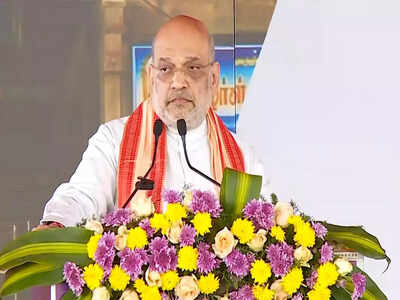
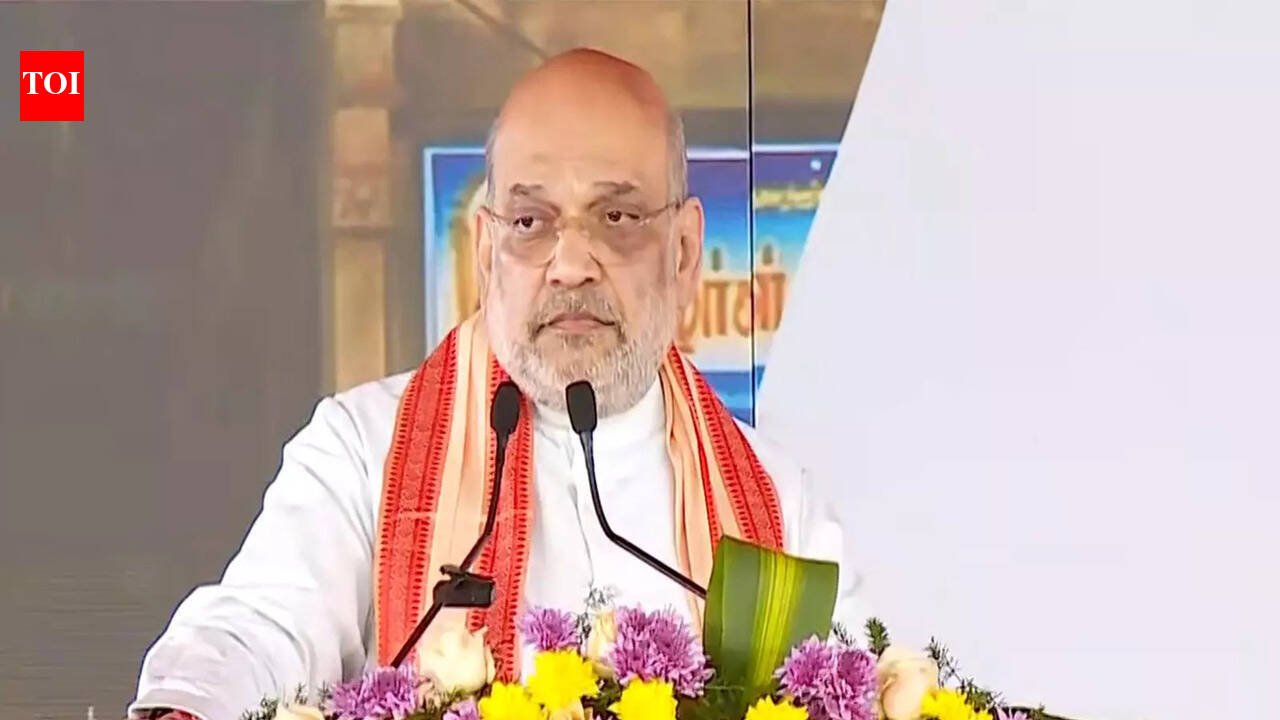
Amit Shah addressing a public meeting in Puducherry’s Karaikal

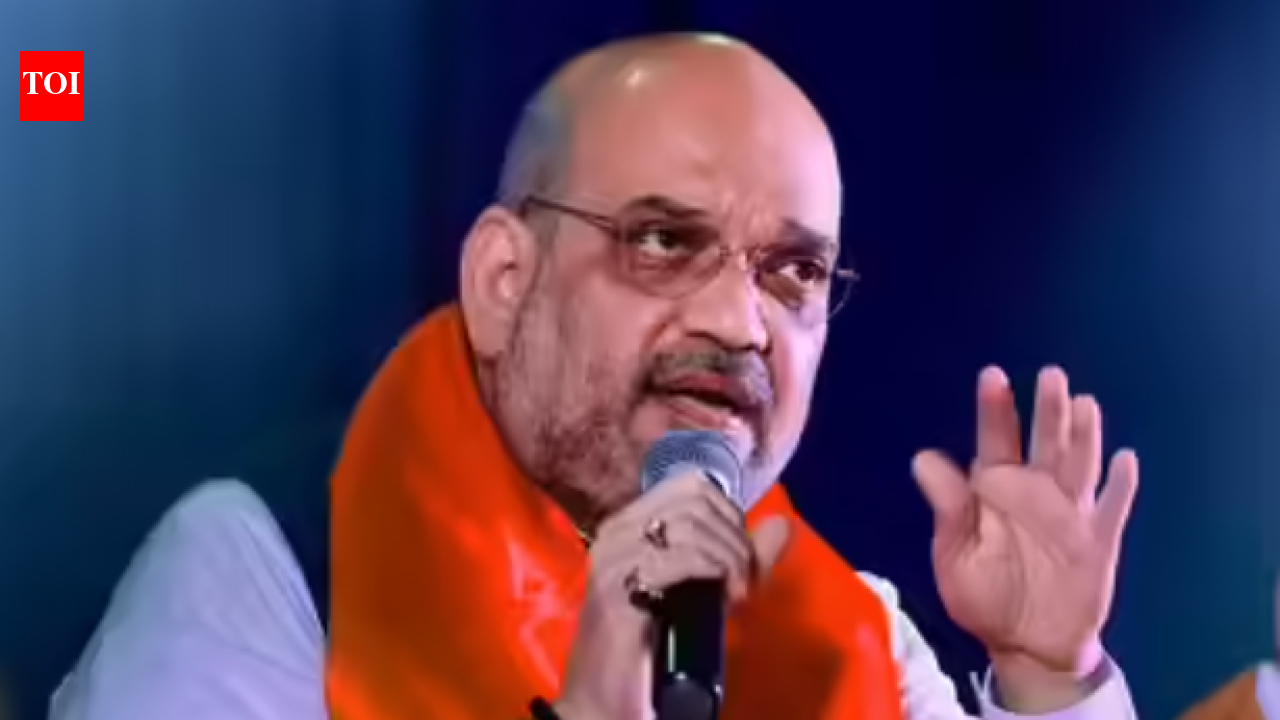
NEW DELHI: Union home minister Amit Shah on Saturday accused Congress leader V Narayanasamy of turning Puducherry into an “ATM for the Gandhi family” during his tenure as chief minister of the poll-bound Union territory.The senior BJP leader also alleged that the Narayanasamy administration “sold” PG and diploma seats, including those for reserved category candidates, to “wealthy individuals.”Narayanasamy served as chief minister from June 2016 to February 2021.“Narayanasamy’s government had turned Puducherry into an ATM for the Gandhi family. They openly auctioned PG and diploma seats and even sold the reserved seats for SC and ST to wealthy individuals for the sake of money. Transport mafias were given free rein to trouble the public,” Shah said at a public meeting in Puducherry’s Karaikal.The former BJP president added that Congress leader’s tenure as chief minister was marked by “corruption and chaos,” which the BJP — part of the All India NR Congress-led incumbent government — has worked to eliminate.He further asserted that the saffron party’s focus is now on transforming Puducherry into a developed Union territory over the next five years.“For five years, the Congress government created an environment of corruption and chaos here. In five years, we eliminated corruption and transformed chaos into order, and now it is time to transform Puducherry into a developed Puducherry in the next five years. Earlier, the decisions regarding Puducherry were taken by the Gandhi family in Delhi; now the decisions regarding Puducherry are being taken by Puducherry itself,” Shah told the gathering.Noting that the BJP-All India NR Congress alliance secured 44% of the vote in the 2021 Puducherry assembly elections, he set a target of 60% for the upcoming polls, expected in April.“PM Narendra Modi has worked to make India prosperous as well as secure. The people of Puducherry have expressed their trust in the NDA, BJP, and our leader N Rangaswamy and PM Modi. In the 2021 assembly elections, the people of Puducherry gave us 44% of the votes. This time, the alliance of BJP, AINRC and AIADMK is aiming to secure 60% of the votes,” he added.(With ANI inputs)


Source link

Punjabi actor Himanshi Khurana gets Rs 10 crore threat email: FIR filed against foreign-based gangster | India News


Punjabi actor Himanshi Khurana gets Rs 10 crore threat email: FIR filed against foreign-based gangster
Himanshi Khurana (Image/Instagram)

NEW DELHI: Punjabi actress Himanshi Khurana has filed a complaint with the Mohali police, alleging that she received an extortion threat of Rs 10 crore from a foreign-based gangster.According to police, an FIR has been registered based on the complaint submitted by the actress. Khurana informed the police that she received an extortion email on her official email ID.Acting on the complaint, the police registered an FIR on Saturday at the Sohana police station under Sections 308(4) (extortion) and 351(3) (criminal intimidation) of the Bharatiya Nyaya Sanhita (BNS).Superintendent of Police (Investigation) Saurav Jindal said, “As per the complaint, the email contained a voice note allegedly sent by a foreign-based gangster demanding Rs 10 crore as extortion money.”Police have begun an investigation into the matter and are working to trace the origin of the email and the voice message. Further action will be taken in accordance with the law, officials added.Himanshi Khurana is an actress and model known for her role in the 2013 Punjabi film Sadda Haq. She has appeared in several music videos and also participated in the thirteenth season of the reality television show Bigg Boss.The complaint comes weeks after Punjabi singer Dilnoor approached the Mohali police, alleging that he received a threatening call demanding Rs 10 crore and referencing popular singer B Praak.

SHEFALI JARIWALA DEAD AT 42: HIMANSHI KHURANA CALLS BIGG BOSS ‘CURSED’, STARS BREAK DOWN


Source link

Uttarakhand CM, JP Nadda attend 8th convocation of Swami Rama Himalayan University in Dehradun | India News


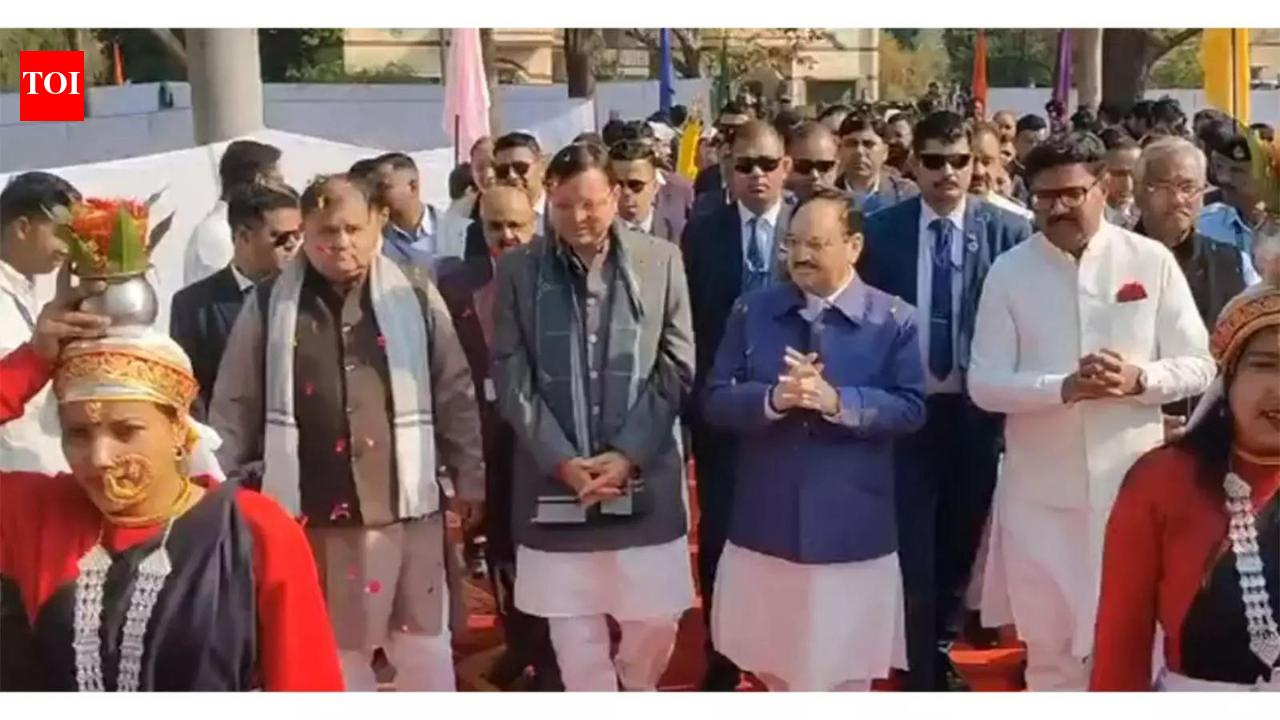
Uttarakhand CM, JP Nadda attend 8th convocation of Swami Rama Himalayan University in Dehradun

DEHRADUN: Uttarakhand chief minister Pushkar Singh Dhami and Union health minister Jagat Prakash Nadda on Saturday attended the 8th Convocation Ceremony of Swami Rama Himalayan University at Jolly Grant, Dehradun.Addressing the gathering, the chief minister said that the third decade of the 21st century will be “Uttarakhand’s decade,” fulfilling Prime Minister Narendra Modi‘s vision. He highlighted the state’s efforts through special action plans and public welfare schemes, noting that once-emptying villages are now witnessing a revival and the hills are being repopulated.“Prime Minister Modi had said that the third decade of the 21st century will be Uttarakhand’s decade, and to make his words meaningful, we are continuously working with full commitment. In the past years, by preparing special action plans in each sector, we have been striving to ensure the overall development of the state through various public welfare schemes… Today, our emptying hills are being repopulated again, and the villages that once endured the pain of migration are now seeing vibrancy return,” CM Dhami.Union health minister JP Nadda, who was also present at the event, said that under Prime Minister Narendra Modi’s leadership, India is now the world’s fourth-largest economy. He added that citizens are witnessing the results of initiatives aimed at building a developed India by 2047 and will be the “architects and eyewitnesses” of the next 25 years of progress.“Today, we must reflect on the fact that all of you are truly fortunate to have witnessed the first 25 years of the 21st century, and you will also have the opportunity to witness the next 25 years of the 21st century… You are going to be the architects and eyewitnesses of a developed India… The results of the steps taken under the leadership of the Prime Minister for a developed India by 2047 are now visible. It’s heartening that, emerging from the fragile five over the past 11 years, we now stand as the world’s fourth-largest economy,” he said.


Source link

‘Victory is not declared by mere rhetoric’: CDS Gen Anil Chauhan takes swipe at Pakistan | India News


'Victory is not declared by mere rhetoric': CDS Gen Anil Chauhan takes swipe at Pakistan
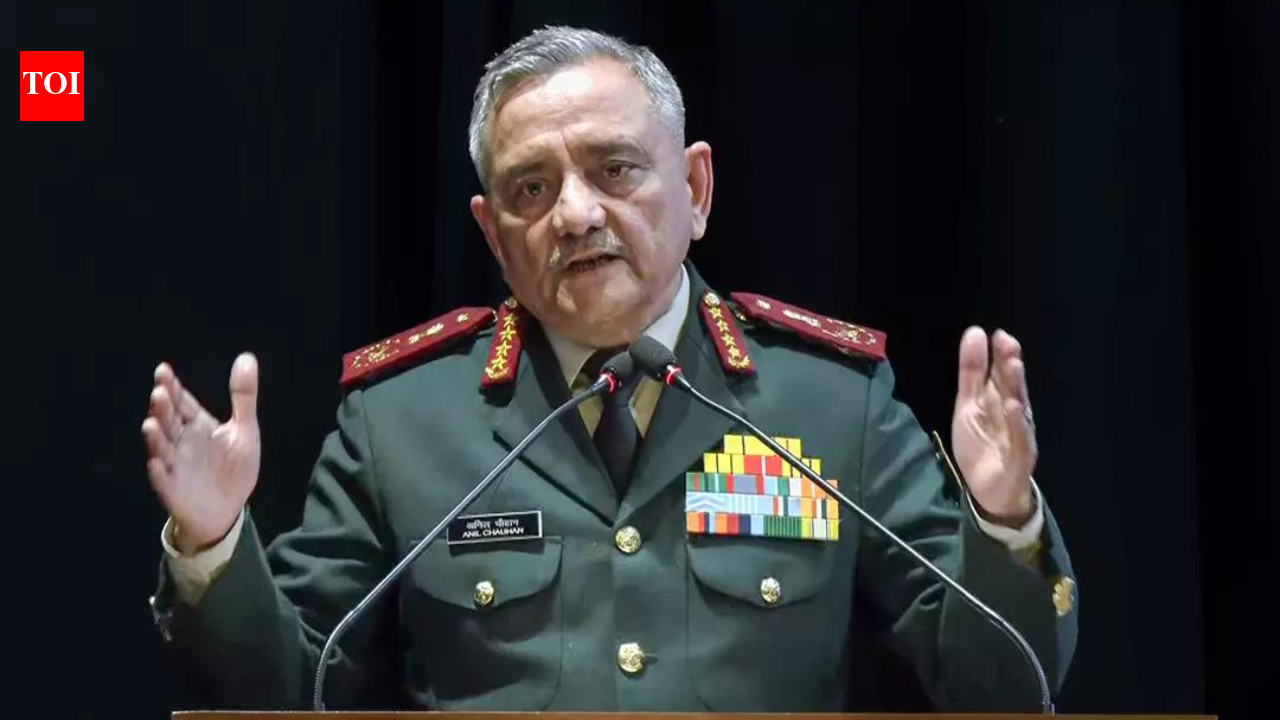
General Anil Chauhan (File photo)

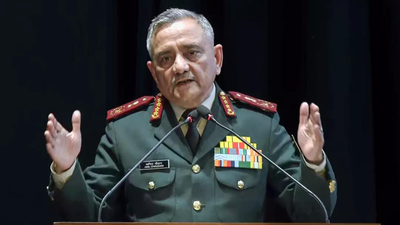
NEW DELHI: Chief of defence staff General Anil Chauhan on Saturday took a swipe at neighbouring Pakistan while referring to Operation Sindoor, saying “victory is not declared by mere rhetoric.” He made the remarks while reflecting on India’s defence preparedness and stressing the need to strengthen national security systems. He also said that a sense of victory cannot be built on “dysfunctional air defence systems.”Speaking at the opening session of the ‘JAI Se Vijay’ seminar in Pune, Gen Chauhan referred to India’s success in Operation Sindoor and emphasised that “actual vijay lies in demonstrated evidence.” He said India must carry out a “sober assessment” of its defence systems to prepare for present and future challenges.

CDS General Anil Chauhan Links History With Border Disputes With China, Recalls Nehru Knew About It

Without directly naming Pakistan, the CDS highlighted the damage it suffered during India’s counterterror operation in May, launched after Pakistan-sponsored Pahalgam terror attack in April 2025.“With respect to the defence forces, victory is not declared by mere rhetoric. As some entities in our neighbourhood have done so, but demonstrated through evidence, like what we showcased during Operation Sindoor. A sense of victory cannot be built on demolished terror infrastructure, damaged runways, crippled airfields, and dysfunctional air defence systems. Such kinds of victories or slogans do not endure. Actual Vijay lies in demonstrated evidence rather than verifiable outcomes…,” the CDS said.Highlighting future risks, General Chauhan said India’s defence posture over the next decade must be based on a realistic evaluation of emerging threats.“Why this is important is because currently, India’s defence posture for the next decade is required to be shaped by a sober assessment of what lies ahead, what kind of challenges lie ahead. And I believe it’s increasingly becoming very competitive, confrontational, combative, fragile, and technologically very disruptive,” he added.He also said that in today’s changing global environment, countries can no longer assume permanent friendships or rivalries, and India must be ready to act independently if needed.“Assumptions about permanent friends or adversaries are increasingly becoming unreliable. In today’s world, it is difficult to define who your friends are, who your allies are, who your enemies are and who your adversaries are. India must therefore be prepared mentally, structurally and materially to act independently when required,” he said.The CDS said partnerships remain important but cannot replace India’s own capabilities or freedom to make independent decisions. He stressed the need to strengthen domestic defence capacity to ensure strategic autonomy.Explaining the theme ‘JAI Se Vijay,’ Gen Chauhan said that in modern warfare, victory cannot be based on rhetoric or symbolic claims but must rest on “demonstrated evidence and verifiable outcomes.” He warned that damaging infrastructure or airfields alone does not guarantee lasting victory.Referring to Prime Minister Narendra Modi’s idea of JAI — which stands for Jointness, Aatmanirbharta and Innovation — Gen Chauhan said it reflects freedom from foreign dependence and outdated thinking. “It is not just victory over an adversary, but equally victory over inertia, prejudices, and institutional comfort,” he said.


Source link

Rahul Gandhi’s policy is to lie, lie loudly and repeat it: Amit Shah | Puducherry News


Rahul Gandhi’s policy is to lie, lie loudly and repeat it: Amit Shah

PUDUCHERRY: Union home minister Amit Shah took a dig at the leader of the opposition in the Lok Sabha, Rahul Gandhi, accusing him of lying repeatedly about the India-US trade deal. Addressing a public meeting at Karaikal, Puducherry’s enclave, 140km south of its headquarters, during his two-day visit to Tamil Nadu and Puducherry, Shah brushed aside the opposition charges and maintained that the interests of the farmers and fishermen were “protected 100%” in the agreement. He said the farmers’ interests were compromised only during the previous UPA govt. “Rahul Gandhi’s policy is to lie, lie loudly and repeat it,” he said. Shah paid tributes to the CRPF personnel martyred in the Pulwama terror attack. He said the previous Congress-led UPA govt had not retaliated strongly to the terror attacks, but the NDA govt led by Prime Minister Narendra Modi carried out Balakot airstrikes targeting terrorist camps in Pakistan. Shah complimented the NDA govt led by All India NR Congress (AINRC) founder-president and chief minister N Rangasamy of curbing corruption, ensuring political stability and strengthening Puducherry’s autonomy. He charged that the previous Congress govt led by former chief minister V Narayanasamy of turning Puducherry into an ‘ATM for the Gandhi family’. He said the previous govt had sold UG, PG and diploma medical seats, including those reserved for SC and ST candidates, to rich people. The NDA secured 44% vote share in the 2021 assembly polls and the alliance “aims at securing 60% and winning 24 out of 30 seats in Puducherry in the ensuing polls,” he added. Shah later met the office-bearers of the BJP party’s Puducherry unit and chaired a meeting with Rangasamy, election in-charges and state in-charges at Karaikal in the afternoon, marking the commencement of seat-sharing talks.


Source link

Do jism, ek jaan? No thanks: How Gamophobia is changing the language of love | India News


Do jism, ek jaan? No thanks: How Gamophobia is changing the language of love

In a world where relationships have become both more visible and more complex, a curious psychological phenomenon has been quietly gaining attention — gamophobia, the fear of commitment or marriage.It is more than just the occasional cold feet, jitters before a proposal or hesitation about settling down. Gamophobia is a deeply rooted, lived experience that can colour every connection, shape life choices, and define what love looks like for many individuals. Increasingly, mental health professionals, writers and even everyday couples are referring to this concept not just as a quirky term, but as a genuine emotional resistance.Ankur Halder, 27-year-old IT professional, put it perfectly- Like Abhay Deol says in Zindagi Na Milegi Dobara, “mujhe do jism ek jaan nahi chahiye.” The word “gamophobia” itself comes from the Greek gamos (marriage) and phobia (fear). At its core, it speaks about the fear of marrying or entering into long-term intimate commitment. Yet, in practice, it is far more nuanced. People who struggle with gamophobia are not necessarily afraid of love or companionship. Instead, they fear the permanence, vulnerability, expectations, and potential loss of autonomy that life-long attachment can entail.But why is this fear becoming more visible now? Why are more people open to calling themselves “afraid of commitment”? Is this simply a symptom of a generation spoiled for choice, or is it rooted in deeper psychological and social shifts? And importantly — what does this look like in a place like India, where marriage still carries cultural gravity unlike many parts of the world?To explore these questions, we must go beyond the label and into the lived realities that make gamophobia resonate in the twenty-first century.

The many faces of gamophobia

Gamophobia is not a clinical diagnosis in major psychiatric manuals like the DSM-V; it is a loosely defined term used in psychological, cultural and pop-psychology circles. Yet, its emergence reflects real emotional and relational patterns that therapists see every day.For some, it manifests as anxiety or panic when conversations about the future get serious. For others, it shows up as chronic relationship sabotage — starting strong, pulling away, or falling into self-fulfilling breakups before things get too real. Some experience sleeplessness, avoidance, or physical symptoms at the thought of tying their life to another.Importantly, gamophobia is not just about fear of marriage. It can express as:

  • Fear of dependency or vulnerability
  • Fear of repeating past relational trauma
  • Fear of losing one’s identity
  • Fear of failure in love
  • Fear of societal expectations tied to marriage

For a growing number of young Indians, this fear is not abstract. It surfaces at a very specific moment — when romance begins to gather weight.

AI image

In this country, relationships rarely remain suspended in emotional possibility. They are expected to culminate. They must formalise. They must move toward marriage.And it is often at this threshold that something shifts.

When love is easy, but forever is not

Aarav, 32, who works at an MNC in Mumbai said over the past decade, he has been in three serious relationships. Each followed a similar rhythm: an intense beginning, emotional intimacy, shared vacations. For months, sometimes years, everything felt certain.Then came the conversations about meeting parents. About timelines. About “where this is heading,” and began to withdraw.“I don’t know what happens,” he says. “It’s like something switches off. I start imagining all the ways it could go wrong. What if I lose my freedom? What if I’m not ready? What if I choose wrong and can’t undo it?”Gamophobia often unfolds in exactly this way. Individuals form romantic bonds with ease. They are affectionate, attentive, emotionally engaged. But when a relationship approaches formal commitment — engagement, marriage, shared finances — anxiety spikes. The future stops feeling romantic and starts feeling irreversible.

Not equal to inability to love

One of the most persistent myths about gamophobia is that it signals emotional immaturity or incapacity for deep feeling. This assumption could not be further from the truth.People who struggle with commitment anxiety often love intensely. They may be attentive partners, emotionally available in the present, and genuinely invested in their relationships. The difficulty does not lie in affection. It lies in anticipation.For some, the fear is rooted in childhood experiences. For others, it stems from witnessing marital dissatisfaction. And for many in contemporary India, it arises from the weight of making the “right” decision in a world that offers both endless choice and irreversible consequences.In that sense, gamophobia is less about rejecting love and more about fearing a mistake that cannot be undone.A 29-year-old woman (choosing to stay anonymous) grew up watching her parents argue behind closed doors while maintaining a composed public image. Divorce was never discussed. Silence was easier than separation.“When people talk about marriage,” she says, “I don’t picture romance. I picture staying even when you’re unhappy.”Children absorb more than they realise. When marriage is modeled as endurance rather than companionship, commitment can subconsciously begin to resemble confinement.

AI image

Why fear of commitment might be growing

A culture of choice and comparison

We live in an age where options, especially romantic ones, feel infinite. Dating apps, social media, global mobility, and curated images of “the perfect relationship” create an illusion of endless possibility. When one believes that the next swipe might be better, committing to one person can paradoxically feel limiting rather than reassuring.This reflects deeper cognitive patterns of comparison, fear of missing out, and choice overload. Instead of narrowing options feeling comforting, it can trigger anxiety about losing potential alternatives forever.

Individual identity over collectivism

In recent decades, individualism has become central to people’s sense of self. Career goals, personal growth, and self-discovery are prioritized more than ever. While this is empowering, it also changes how relationships are viewed. Commitment starts to feel like a trade-off — balancing autonomy with attachment. Ankur Halder said, “I believe a healthy relationship should consist of two independent individuals choosing to be together. Relationships today have evolved, unlike older generations like say my grandparents, where partners were often overly dependent on each other. I appreciate that relationships now allow more individuality.”

Witnessing relationship breakdowns

We grow up surrounded by stories of failed marriages, divorces, and high-profile celebrity breakups. Seeing relationships fall apart shapes our ideas about commitment — making it feel risky rather than romantic.

Trauma and attachment styles

How we bond emotionally is influenced by early life experiences. People with avoidant attachment often fear losing independence in close relationships. Those with anxious attachment may fear being abandoned, even in healthy partnerships. Someone whose early friendships ended abruptly may struggle to fully commit to a partner, worrying that closeness will lead to inevitable loss.

Changing gender roles and expectations

Traditional roles, like men as sole breadwinners and women as primary caregivers, have changed, but old expectations don’t disappear overnight. Women don’t want to be bound by household duties, and years of social conditioning have made many feel that, at some point, they’ll have to sacrifice their dreams to fulfill the expectations of a relationship. People everywhere often find themselves balancing new possibilities with inherited norms, creating tension in romantic relationships as they navigate who does what, how decisions are made, and what each partner “should” contribute.

Gamophobia in India: Between tradition and modernity

In India, marriage has long been treated as a central life milestone- expected, celebrated, and often orchestrated by family. Urbanisation, increased female workforce participation, and exposure to global culture have changed how young Indians think about partnership. Emotional compatibility and personal growth matter more than ever before.At the same time, entrenched expectations persist:

  • Marriage as familial responsibility
  • Pressure to settle down early
  • Fear of “what will people say”
  • Arranged marriage traditions
  • Gendered expectations around roles

In this environment, gamophobia can take on unique contours. For some, it becomes resistance against pressure, a boundary against societal coercion. For others, it reflects genuine uncertainty about whether traditional marital structures align with their evolving identities.Adding another layer of complexity, leaving a partner in India is often socially difficult. Relationships are not just between two individuals — they are entwined with family expectations, social judgment, and, in many cases, children. In India, many hesitate to end relationships even when they feel unfulfilled, fearing the stigma of separation or the impact on their children. This has created a common misconception: staying despite unhappiness is often interpreted as commitment or proof of love, when it may instead reflect social pressure and obligations.

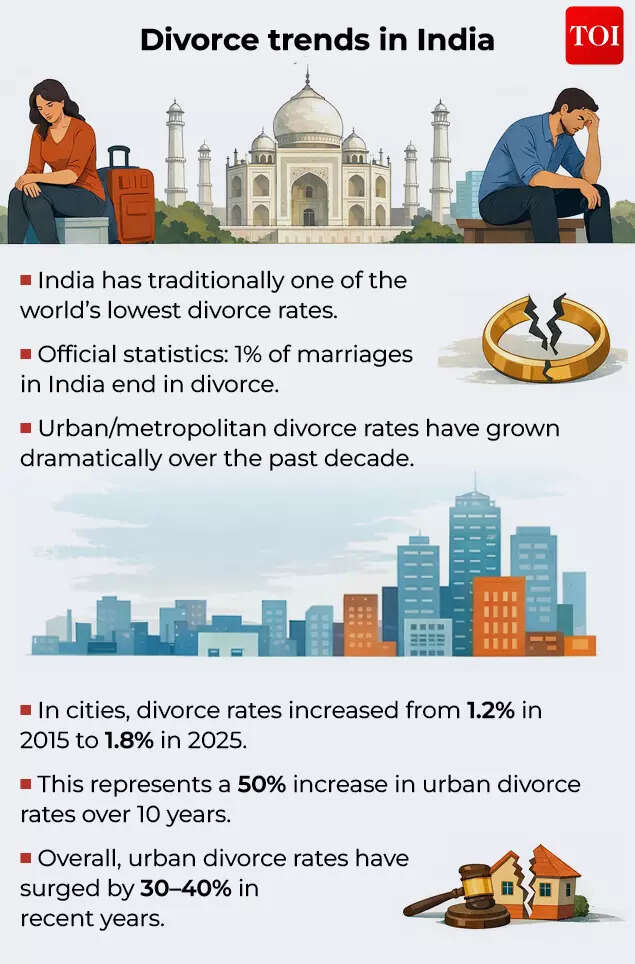
Divorce trends in India

Intergenerational values also play a role. Many Indian families prize endurance and sacrifice in relationships. While admirable, these ideals can unintentionally silence emotional needs. Young adults may find themselves torn between honoring tradition and honoring their own readiness.Mental health awareness in India is still developing. Anxiety around commitment may be dismissed as stubbornness or irresponsibility rather than understood as emotional complexity. Without language for their fears, many individuals internalise guilt instead of seeking support.

Not all fear is pathology

It is crucial to recognise that gamophobia is not always dysfunction. Fear can be protective, especially after painful or unstable relationships. It may signal the need for clarity, healing, or stronger identity formation.In a society that often equates marriage with success, choosing to pause or question is not necessarily avoidance. It may be discernment.Challenging conventional marriage norms, Ankur said, “I have a somewhat sceptical view of marriage. While I understand that it works well for many people, most marriages I’ve observed seem complicated and full of ongoing issues. That has made me question whether the institution itself is necessary, or whether commitment can exist in other forms.”Gamophobia is a mirror. It reflects personal insecurities and broader cultural change. It reminds us that commitment is not merely a social contract, but an emotional decision shaped by history, identity, and context.In India and beyond, the increasing visibility of commitment anxiety does not mean a generation is incapable of love. It suggests that people are thinking more deeply about what love demands.And perhaps, in asking those difficult questions, we are not drifting away from commitment but are learning to approach it with greater awareness.Love, after all, is not weakened by reflection.It is strengthened by choice.


Source link

New pills offer hope against gonorrhoea as drug resistance tightens grip | India News


New pills offer hope against gonorrhoea as drug resistance tightens grip

NEW DELHI: After decades of losing ground to drug resistance, doctors finally have new weapons against gonorrhoea, a common sexually transmitted infection that has steadily outsmarted one antibiotic after another. The recent approval of two new oral medicines by the US Food and Drug Administration has reopened a narrowing treatment window for a disease edging dangerously close to becoming untreatable.The FDA cleared zoliflodacin (Nuzolvence) and gepotidacin (Blujepa) in December 2025 for treating uncomplicated gonorrhoea. Their arrival comes at a critical time, especially for countries like India, where ceftriaxone is the only effective antibiotic left in routine use.“Gonorrhoea is a major STD and resistance is rising fast,” said Dr Kabir Sardana, head of dermatology at Ram Manohar Lohia Hospital. He attributed the trend largely to antibiotic misuse by general practitioners and quacks. “Azithromycin, once a first-line drug, is now largely ineffective because it was prescribed indiscriminately for everything from minor infections to acne,” he said.Experts say the urgency is reflected in global surveillance. Dr Neirita Hazarika, professor and head of dermatology at AIIMS Guwahati, pointed out that the WHO’s 2025 Global Antibiotic Resistance Surveillance Report has classified drug-resistant gonorrhoea as a high-priority pathogen. She said the approval of the two new oral drugs marks a significant milestone, as clinical trials have shown cure rates comparable to current standard therapy. “These drugs expand treatment options for uncomplicated gonorrhoea at a time when resistance to cephalosporins (Ceftriaxone) and macrolides (Azithromycin) is rising,” she said.Ceftriaxone, now the last dependable option in India, is itself under pressure. Widely used for several other infections, it faces a real risk of resistance if misuse continues. “If ceftriaxone fails, we will be left with virtually no antibiotics for gonorrhoea,” Dr Sardana warned.Gonorrhoea affects both men and women and commonly causes urethritis, but untreated infection can lead to infertility, pelvic inflammatory disease and increased HIV risk. With India already carrying a high burden of sexually transmitted infections, doctors warn that failure of existing drugs would have serious public health consequences.The infection has a long history of defeating antibiotics. Sulfa drugs, penicillin, tetracycline, quinolones and cefixime were all abandoned over time as resistance emerged. By 2007, quinolones were dropped entirely due to widespread failure.Experts say the new drugs are promising but require careful use. Prof Seema Sood of AIIMS New Delhi said zoliflodacin and gepotidacin have shown strong activity in studies for uncomplicated urogenital infection.India’s wider antimicrobial resistance crisis adds urgency. ICMR surveillance has flagged rising resistance linked to over-the-counter antibiotic use. Prof Bimal Kumar Das, HOD of microbiology at AIIMS New Delhi, said newer antibiotics are crucial to tackle AMR, while Dr Hitender Gautam noted that early access in India could help curb resistant infections, with gepotidacin showing potential beyond gonorrhoea.


Source link

‘Devotion etched in our consciousness’: PM Modi, Rahul Gandhi pays tribute to fallen soldiers on Pulwama attack anniversary | India News


'Devotion etched in our consciousness': PM Modi, Rahul Gandhi pays tribute to fallen soldiers on Pulwama attack anniversary

NEW DELHI: Prime Minister Narendra Modi on Saturday paid tributes to the soldiers, that were killed in the Pulwama attack 7 years ago calling them “brave heroes”.“Remembering the brave heroes who laid down their lives in Pulwama on this day in 2019. Their devotion, resolve and service to the nation remain forever etched in our collective consciousness. Every Indian draws strength from their enduring courage,” said PM Modi on X.Leader of Opposition Rahul Gandhi also remembered the soldiers saying, “My heartfelt tribute to our brave soldiers who were killed in the audacious terrorist attack in Pulwama in 2019. The nation shall forever remain indebted to them for their supreme sacrifice in the defence of Mother India.”Vice President CP Radhakrishnan also paid his tributes on the seventh anniversary of the attack. “I pay homage to the brave personnel who laid down their lives in the Pulwama terror attack. Their supreme sacrifice will forever remain etched in the nation’s memory and continues to inspire us to build a strong and secure India,” he said.On February 14, 2019, the Pulwama district in Jammu and Kashmir witnessed one of the deadliest terror attacks in Indian history. A convoy of the Central Reserve Police Force (CRPF) travelling along the Srinagar–Jammu National Highway was targeted in a suicide bombing, killing 40 personnel. The date has since been remembered as a “Black Day” in the country’s security narrative.The convoy consisted of 78 buses carrying nearly 2,500 CRPF personnel from Jammu to Srinagar when an explosives-laden vehicle rammed into one of the buses, causing massive casualties and destruction.The attack drew widespread international condemnation and led to an immediate tightening of security protocols across Jammu and Kashmir. The Pakistan-based militant group Jaish-e-Mohammad claimed responsibility, stating that a suicide bomber carried out the assault, according to local media reports.In response, India initiated a series of counter-terror measures, most notably conducting airstrikes on alleged terror training camps across the border in Pakistan. The military action marked a sharp escalation in tensions between the two countries.Beyond its immediate impact, the Pulwama attack reignited global debate over cross-border terrorism, militancy in Jammu and Kashmir, and the broader security dynamics between India and Pakistan.


Source link

EC names special observers for SIR drive in West Bengal, Tamil Nadu | India News


EC names special observers for SIR drive in West Bengal, Tamil Nadu

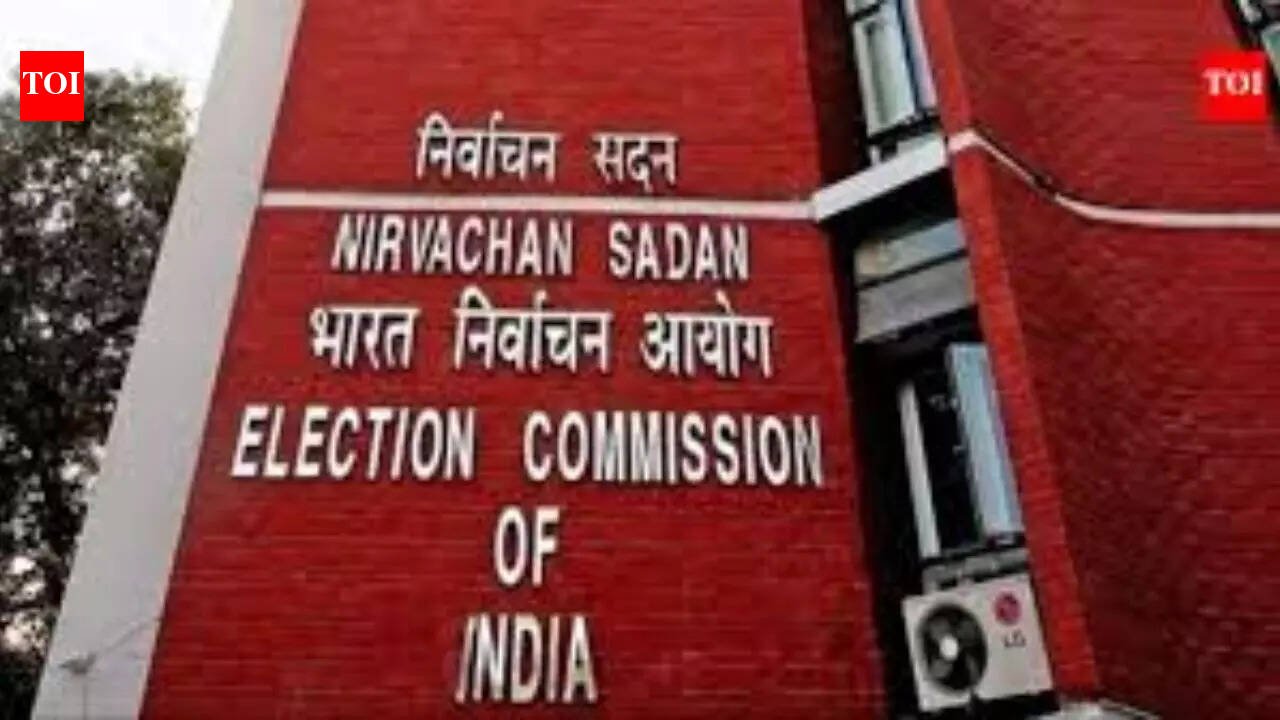
NEW DELHI: The Election Commission on Friday appointed ex-IPS officer N K Mishra and ex-IRS officer Pratap Singh as special observers for West Bengal and Tamil Nadu, respectively, tasked with overseeing the ongoing Special Intensive Revision (SIR) of electoral roll as well as the preparedness and conduct of impending assembly poll in the two states.Polls in West Bengal, Tamil Nadu, Assam and Kerala as well as the UT of Puducherry are expected to be held in April-May. EC usually appoints special observers after announcement of Lok Sabha/assembly poll schedule.“As a special observer, you will oversee that the process of SIR is strictly as per the directions of the commission issued from time to time. You will be required to visit West Bengal/Tamil Nadu from time to time to observe the ongoing SIR…poll preparedness and the conduct of forthcoming general election to the legislative assembly of West Bengal/Tamil Nadu, 2026, and give your inputs to the commission for necessary action,” EC said in separate communications sent to Mishra and Singh on Friday.EC asked the two retired officers — who will be under its superintendence — to visit their respective states in coordination with the chief electoral officer concerned. Per rules of the Election Commsission, special observers are paid a base slab of Rs 1 lakh for a two-week deployment, which goes up by Rs 25,000 with each extra week of deployment.Mishra had served as DGP of Sikkim and as special director in the Intelligence Bureau. Singh had served with Income Tax (Investigation) in Tamil Nadu.


Source link