Breaking News
Engineering entrance exam: JEE Main Session-1 sees record 14.5 lakh applications | Mumbai News


Mumbai: India’s biggest engineering entrance exam just broke its own record. JEE Main Session-1 has logged close to 14.5 lakh registrations as of 7 pm on Thursday, the highest ever, crossing last year’s peak of 13.11 lakh. And the rush didn’t slow down — students kept signing up right until 9pm on November 27, the deadline.“The applicant pool has more than doubled in six years,” said Amit Ahuja, career counsellor at Allen Career Institute. The numbers tell the story: 2021 saw 6.52 lakh students register. In 2024, it jumped to 12.21 lakh. Now, 2026 may go even further, with Ahuja predicting that additional applicants in April could push unique candidate numbers beyond 16 lakh—a surge that will stiffen competition for NITs and IIITs.For students who made mistakes in their forms, a two-day correction window will be open by the National Testing Agency from December 1 to 2. “It’s the first and last chance to fix errors,” Ahuja said.Because technology is rewriting the job market, tech graduates today walk into bigger and better opportunities than general degree holders, said experts. Engineering institutes are also expanding capacity every year, easing the race for top seats in the best colleges. India currently offers around 58,000 seats across IITs, NITs, IIITs and GFTIs, up from 49,767 in 2021, apart from a massive private college network feeding the same ambition.Government initiatives to skill the youth are pulling even small-town and village students into the engineering pipeline, said experts. A senior faculty member added, “Skill-based employment drives and training projects are telling young India a simple truth: ‘Get technical, get hired’.”


Source link

‘A challenging time’: Jemimah Rodrigues withdraws from WBBL to support Smriti Mandhana after wedding is postponed | Cricket News


File Pic: Jemimah Rodrigues and Smriti Mandhana

NEW DELHI: India’s Women’s World Cup hero Jemimah Rodrigues has withdrawn from the remainder of the Women’s Big Bash League (WBBL) season, choosing to stay back home to support close friend and teammate Smriti Mandhana after her wedding was postponed due to a sudden health issue concerning Mandhana’s father. Jemimah, who had flown to India 10 days ago after Brisbane Heat’s match against Hobart Hurricanes for what was supposed to be a brief pre-arranged trip, was scheduled to rejoin her WBBL side this week. But with the unforeseen development, she requested a release — one the franchise agreed to without hesitation.Go Beyond The Boundary with our YouTube channel. SUBSCRIBE NOW!“The Brisbane Heat have agreed to a request to release Jemimah Rodrigues from the remainder of the Women’s Big Bash League,” the club announced in a statement. It confirmed that Rodrigues “returned home to India” for Mandhana’s wedding but stayed back after the celebrations were “subsequently postponed due to a health issue with Mandhana’s father.”

Smriti Mandhana To Skip ‘Kaun Banega Crorepati’ Episode?

The Heat said they fully supported Jemimah’s decision: “Rodrigues will stay in India to support her teammate, and the Heat has agreed to her not returning for the final four games of the WBBL season.”Jemimah, who was Brisbane Heat’s No.1 pick in the International Player Draft this year, had been in strong form and remains a key figure in India’s cricketing rise. She was instrumental in India clinching their maiden Women’s World Cup title, smashing an unbeaten century in the semifinal against seven-time champions Australia — a knock that has already entered Indian cricket folklore.Brisbane Heat CEO Terry Svenson called it “a challenging time” for the 24-year-old. “While it is unfortunate that she will take no further part in the WBBL, we were more than willing to agree to her request to remain in India,” he said. “The Heat club obviously wish her and Smriti Mandhana’s family all the best. Jemi told us she was disappointed not to be coming back and has passed on her appreciation to the club and the fans for being so understanding.With Rodrigues staying back, the Heat will now play their final league games without one of their biggest international stars — but with full empathy for her decision.


Source link

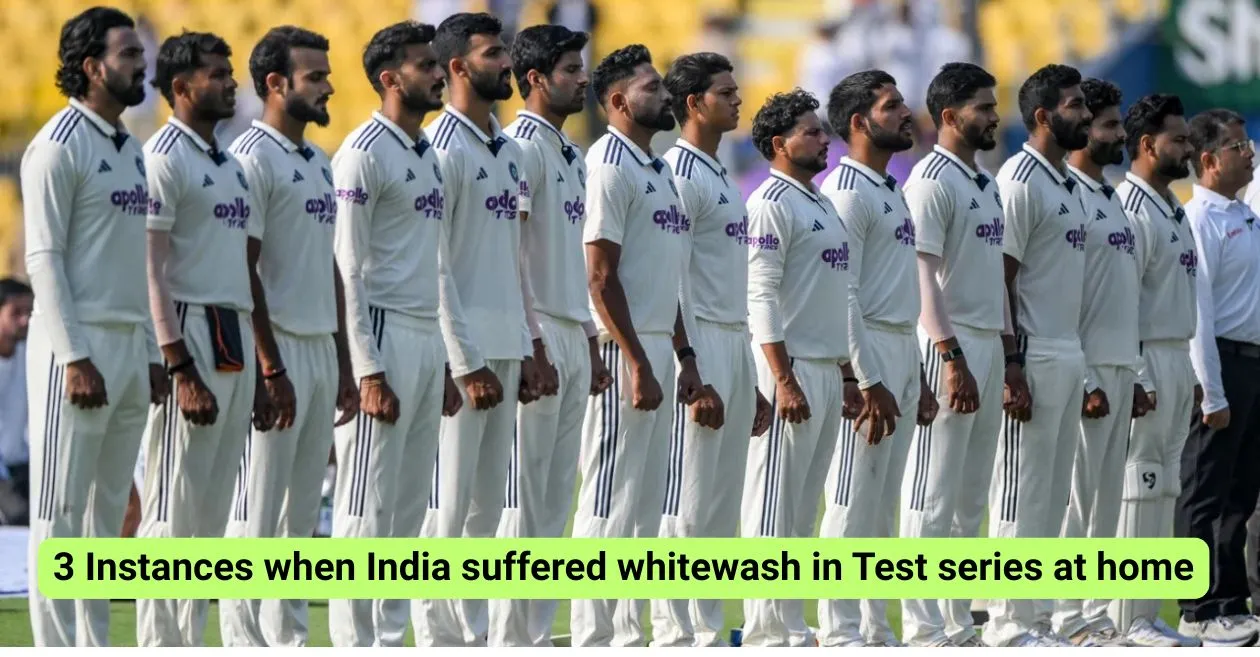
3 Instances when India suffered whitewash in Test series at home


India‘s proud home record in Test cricket has suffered a devastating blow with a 0-2 whitewash against South Africa in 2025, their third clean sweep on home soil and the first since New Zealand‘s 3-0 triumph in 2024. This marks South Africa’s second series victory in India, echoing their 2000 dominance after 25 years, as they crushed India by 408 runs in Guwahati—the hosts’ largest Test defeat by runs. Under head coach Gautam Gambhir, back-to-back home series losses against SENA countries have shattered the invincibility built over a decade, dropping India to fifth in the World Test Championship standings. Fans and analysts now question the end of India’s fortress-era, with five home Test defeats in seven matches—the most since 1959.

Three occasions when India were whitewashed in home Test series

  1. South Africa’s pioneering sweep in 2000
(Image source: X)

The first home whitewash came during the 1999-2000 South Africa tour, a two- match Test series where Hansie Cronje‘s Proteas triumphed 2-0, ending a 13-year drought for visiting teams in India. In Mumbai’s Wankhede Stadium, South Africa chased 236 to win by four wickets after India folded for 225 and 113, with Shaun Pollock and Allan Donald dismantling the batting. The Bengaluru decider saw India crumble to an innings defeat, bowled out for 250 chasing 400, as Nicky Boje claimed a five-wicket haul and 85 runs for Player of the Series honours alongside Jacques Kallis. This series, later tainted by match-fixing scandals involving Cronje, exposed India’s vulnerabilities against pace and spin.​

Also READ: Top 5 biggest defeats of Team India in Test cricket

  1. New Zealand’s shocking 3-0 Triumph in 2024
NZ 2024 clean sweep
(Image source: X)

Fast-forward to October-November 2024, New Zealand inflicted India’s first-ever 0-3 home whitewash in a three-Test series, the Black Caps’ maiden series victory on Indian pitches and India‘s initial multi-Test home clean sweep in 24 years. Spinners Ajaz Patel (11 wickets in the finale) and Glenn Phillips dominated, defending 146 in Mumbai despite Rishabh Pant‘s counter-attacking 64, while India managed just 29 for 5 early. Earlier losses in Bengaluru (including a 46 all out) and Pune highlighted batting collapses against pace and turn, with Rohit Sharma‘s side losing 37 wickets to spinners—the most at home in such a series. This rare feat made New Zealand only the fourth side to whitewash India in a 3+ Test rubber.​

  1. Proteas repeat history with 2025 dominance
SA 2025 clean sweep
(Image source: X)

South Africa reclaimed glory in November 2025, securing a 2-0 sweep—their first in India since 2000—via a 30-run first-Test win in Kolkata and a colossal 408-run thrashing in Guwahati, India’s largest home defeat by runs. Chasing 549, India collapsed to 140 all out on Day 5, as Simon Harmer and Marco Jansen overwhelmed the lineup, with no Indian innings reaching 250. Stand-in captain Pant’s side failed to score a century across both Tests, a drought unseen since 1969, amplifying scrutiny on Gambhir’s aggressive blueprint amid back-to-back whitewashes. These setbacks dent India’s World Test Championship hopes, signalling a turbulent transition.

Also READ: R Ashwin, Sourav Ganguly, Michael Vaughan and others react to India’s Test series whitewash against South Africa


Source link

Rate call: ECB signals steady stance; policy minutes hint at openness to cuts next year


Rate call: ECB signals steady stance; policy minutes hint at openness to cuts next year

The European Central Bank (ECB) sees interest rates as appropriately placed for now but has left room for potential cuts in 2026, according to minutes of its October meeting released on Thursday, AFP reported.The minutes showed that October’s unanimous decision to hold the key deposit rate at 2 per cent reflected broad agreement with Chief Economist Philip Lane’s view that inflation was under control. “Most measures of longer-term inflation expectations continued to stand at around two percent,” the minutes noted, adding that global economic activity showed signs of resilience.After two years of rate reductions, the ECB has kept rates unchanged for the past three meetings as inflation has retreated from a 2022 peak of 10.6 per cent to near the central bank’s two per cent target.However, concerns around slowing wage growth and subdued eurozone momentum — both weighing on inflation — have prompted some observers to anticipate rate cuts next year. The minutes confirmed that ECB members discussed the need to remain “entirely open-minded” about future easing.“While the economy was not so weak that it definitely implied an undershooting of the target over the medium term, it remained uncertain whether the economy had enough momentum to deliver the target,” the minutes said. They added that the governing council was “currently in a good place from a monetary policy point of view, though this should not be seen as a fixed place.”The ECB’s governing council will meet next on December 18, when it will unveil fresh economic projections extending for the first time to 2028.


Source link

WPL 2026 full squads: Complete players list for all teams after auction | Cricket News


WPL 2026 full squads: Complete players list for all teams after auction

NEW DELHI: Indian all-rounder Deepti Sharma dominated the headlines at the 2026 WPL mega auction, emerging as the most expensive signing of the day. UP Warriorz used their Right to Match (RTM) card to retain her for Rs 3.20 crore, making her the second-highest-paid Indian in WPL history, just behind Smriti Mandhana.Go Beyond The Boundary with our YouTube channel. SUBSCRIBE NOW!Other World Cup performers also cashed in. Shree Charani and Laura Wolvaardt secured significant deals following their impressive international seasons.Mumbai Indians made a major move by signing New Zealand star Amelia Kerr for Rs 3 crore, reinforcing their core after her successful stints in their 2023 and 2025 title-winning campaigns.UP Warriorz surprised many by spending Rs 2.40 crore on veteran India seamer Shikha Pandey, who hasn’t featured for India since 2023.

WPL Auction 2026: Full Breakdown of Every Major Number

Delhi Capitals were active and aggressive, securing Charani for Rs 1.30 crore, after a tense battle with Warriorz, and adding South Africa skipper Laura Wolvaardt (Rs 1.10 crore), Chinelle Henry (Rs 1.30 crore) and Sneh Rana (Rs 50 lakh).With the largest purse—Rs 14.5 crore—UP Warriorz remained one of the most influential teams in the room. They used RTM cards to bring back Kranti Gaud (Rs 50 lakh) and world No. 1 spinner Sophie Ecclestone (Rs 85 lakh).The franchise further strengthened its lineup by signing Asha Shobhana (Rs 1.10 crore) and Harleen Deol (Rs 50 lakh), while also adding young Australian talent Phoebe Litchfield (Rs 1.20 crore) and India batter Pratika Rawal (Rs 50 lakh).Among other major moves, Gujarat Giants secured Renuka Singh (Rs 60 lakh), and Royal Challengers Bengaluru picked up Nadine de Klerk (Rs 65 lakh) along with India all-rounders Arundhati Reddy (Rs 75 lakh) and Radha Yadav (Rs 65 lakh).Meanwhile, marquee names Meg Lanning and Sophie Devine were also snapped up, with Giants securing Devine for Rs 2 crore, while Lanning moved to UP Warriorz for Rs 1.90 crore after an intense bidding contest with Delhi Capitals.The biggest surprise of the day came early, as Australian captain Alyssa Healy went unsold after being the first name called. Fellow Australian Alana King also remained without a bidder, even in the accelerated round.By the end of the auction, 67 players were bought across 77 available squad slots.

WPL 2026 Full Team List and Squads

MUMBAI INDIANS

Player Price
Nat Sciver-Brunt Rs 3.5 Cr
Harmanpreet Kaur Rs 2.5 Cr
Hayley Mathews Rs 1.75 Cr
Amanjot Kaur Rs 1 Cr
G Kamalini Rs 50 Lakh
Amelia Kerr Rs 3 Cr
Shabnim Ismail Rs 60 Lakh
Sanskriti Gupta Rs 20 Lakh
Sajeevan Sajana Rs 75 Lakh
Rahila Firdous Rs 10 Lakh
Nicola Carey Rs 30 Lakh
Poonam Khemnar Rs 10 Lakh
Triveni Vasistha Rs 20 Lakh
Nalla Reddy Rs 10 Lakh
Saika Ishaque Rs 30 Lakh
Milly Illingworth Rs 10 Lakh
Rajeshwari Gayakwad Rs 40 Lakh
Ayushi Soni Rs 30 Lakh

DELHI CAPITALS

Player Price
Jemimah Rodrigues Rs 2.2 Cr
Shafali Verma Rs 2.2 Cr
Annabel Sutherland Rs 2.2 Cr
Marizanne Kapp Rs 2.2 Cr
Niki Prasad Rs 50 Lakh
Laura Wolvaardt Rs 1.1 Cr
Chinelle Henry Rs 1.3 Cr
Sree Charani Rs 1.3 Cr
Sneh Rana Rs 50 Lakh
Lizelee Lee Rs 30 Lakh
Deeya Yadav Rs 10 Lakh
Taniyaa Bhatia Rs 30 Lakh
Mamatha Madiwala Rs 10 Lakh
Nandani Sharma Rs 20 Lakh
Lucy Hamilton Rs 10 Lakh
Minnu Mani Rs 40 Lakh
G Trisha Rs 10 Lakh
Pratika Rawal Rs 50 Lakh

ROYAL CHALLENGERS BENGALURU

Player Price
Smriti Mandhana Rs 3.5 Cr
Richa Ghosh Rs 2.75 Cr
Ellyse Perry Rs 2 Cr
Shreyanka Patil Rs 60 Lakh
Georgia Voll Rs 60 Lakh
Nadine de Klerk Rs 65 Lakh
Radha Yadav Rs 65 Lakh
Lauren Bell Rs 90 Lakh
Linsey Smith Rs 30 Lakh
Prema Rawat (RTM) Rs 20 Lakh
Arundathi Reddy Rs 75 Lakh
Pooja Vastrakar Rs 85 Lakh
Grace Harris Rs 75 Lakh
Gautami Naik Rs 10 Lakh
Prathyoosha Kumar Rs 10 Lakh
D Hemalatha Rs 30 Lakh

GUJARAT GIANTS

Player Price
Ashleigh Gardner Rs 3.5 Cr
Beth Mooney Rs 2.5 Cr
Sophie Devine Rs 2 Cr
Renuka Singh Rs 60 Lakh
Bharti Fulmali (RTM) Rs 70 Lakh
Titas Sadhu Rs 30 Lakh
Kanika Ahuja Rs 30 Lakh
Kashvee Gautam (RTM) Rs 65 Lakh
Tanuja Kanwar Rs 45 Lakh
Georgia Wareham Rs 1 Cr
Anushka Sharma Rs 45 Lakh
Happy Kumari Rs 10 Lakh
Kim Garth Rs 50 Lakh
Yastika Bhatia Rs 50 Lakh
Shivani Singh Rs 10 Lakh
Danni Wyatt-Hodge Rs 50 Lakh

UP WARRIORZ

Player Price
Shweta Sehrawat Rs 50 Lakh
Deepti Sharma (RTM) Rs 3.2 Cr
Sophie Ecclestone (RTM) Rs 85 Lakh
Meg Lanning Rs 1.9 Cr
Phoebe Litchfield Rs 1.2 Cr
Kiran Navgire (RTM) Rs 60 Lakh
Harleen Deol Rs 50 Lakh
Kranti Goud (RTM) Rs 50 Lakh
Asha Sobhana Rs 1.1 Cr
Deandra Dottin Rs 80 Lakh
Shikha Pandey Rs 2.4 Cr
Shipra Giri Rs 10 Lakh
Simran Shaikh Rs 10 Lakh
Tara Norris Rs 10 Lakh
Chloe Tryon Rs 30 Lakh
Suman Meena Rs 10 Lakh


Source link

Manipur hosts biggest cultural showcase with 12th Sangai Festival – why is this edition special | India News


Manipur hosts biggest cultural showcase with 12th Sangai Festival - why is this edition special

Manipur is hosting the 12th edition of the Sangai Festival from November 21 to 30, 2025, marking a major cultural moment for the state as it prepares to welcome travellers, artisans and performers to one of India’s most immersive celebrations of heritage and identity.First held in 2010, the Sangai Festival has grown into Manipur’s flagship cultural showcase — a ten-day event described as a “Canvas of Culture”, where the state’s rich tapestry of ethnic communities, crafts and performing arts come alive. Officials and local stakeholders say the upcoming edition carries renewed energy, purpose and anticipation, with communities eager to share stories of resilience and revival.

Celebration of culture, community and storytelling

The festival takes its name from the endangered Sangai deer, Manipur’s state animal, and symbolises the deep connection between communities and the land they inhabit. Each edition is envisioned as an immersive experience that blends culture, identity and warmth, offering visitors a chance to step into a “living canvas” of traditions nurtured over generations.The 2025 edition continues this ethos, showcasing classical and folk dances, martial art demonstrations, musical performances, and storytelling sessions that reflect Manipur’s artistic soul.

Artistry and craftsmanship at the centre

Handwoven textiles, bamboo crafts, pottery and indigenous jewellery remain some of the festival’s biggest attractions. These creations, shaped by local artisans using natural materials, mirror Manipur’s geography, cultural motifs and the close bond between the people and their environment.Visitors often enjoy intimate conversations with artisans who recount the personal histories embedded in their creations. This exchange, organisers say, is a defining feature of the festival and helps deepen connections between visitors and Manipuri culture.

Music that bridges generations

Music continues to be one of the festival’s emotional anchors. Traditional instruments blend seamlessly with contemporary rhythms as young musicians reinterpret age-old forms. This fusion — increasingly popular among younger audiences — reflects a cultural continuity where heritage evolves in step with changing times.

A feast of flavours

Manipuri cuisine is another highlight of the Sangai Festival. Dishes prepared with fresh, local ingredients introduce visitors to the state’s culinary identity, known for its distinct flavours, herbal richness and wholesome preparations. Food stalls often become informal spaces of cultural exchange, where conversations spark connections among visitors and locals.

A ‘special edition’ with renewed purpose

Festival organisers describe the 12th edition as a “special edition” — one marked by renewal and resilience. After a period of challenges and uncertainty, communities are coming together with a revived sense of purpose, eager to showcase both traditional legacies and emerging contemporary talent.Artisans, dancers, musicians and storytellers are preparing to present their work with greater vibrancy, seeing the 2025 edition as a moment for the world to rediscover Manipur’s cultural harmony.

A festival that leaves a mark

Over the years, the Manipur Sangai Festival has earned a reputation for its authenticity, emotional warmth and immersive experiences, often leaving visitors with lasting memories and a deeper appreciation for the state’s cultural heritage.As preparations begin for the November 2025 edition, officials expect strong turnout and renewed national interest. For many travellers, the festival has become more than an event — it is an invitation to witness Manipur’s creative spirit, shared history and the unique bond between culture and community.With ten days of performances, crafts, cuisine and heartfelt storytelling, the Sangai Festival continues to stand out as one of India’s most soulful cultural gatherings, promising to touch hearts and inspire journeys yet again.


Source link

Meesho IPO: SoftBank-backed firm set to launch Rs 4,250 cr IPO on Dec 3; what investors should know


Meesho IPO: SoftBank-backed firm set to launch Rs 4,250 cr IPO on Dec 3; what investors should know

SoftBank-backed e-commerce firm Meesho will open its initial public offering on December 3, featuring a Rs 4,250-crore fresh issue of shares, according to the red herring prospectus filed on Thursday. The issue will close on December 5, while anchor investors will be allotted shares on December 2, PTI reported.Alongside the fresh issue, the IPO will include an offer-for-sale of 10.55 crore shares by existing investors. Early backers such as Elevation, Peak XV, Venture Highway and Y Combinator will offload part of their holdings through the OFS.Where the proceeds will goMeesho said the funds raised will be deployed for cloud infrastructure investments, marketing and brand-building initiatives, inorganic expansion through acquisitions and other strategic plans, and general corporate purposes. The size of the issue and the company’s valuation will depend on the price band, which will be released on Friday.Platform metrics show strong tractionIn FY25, Meesho connected more than 500,000 transacting sellers with 199 million annual transacting users, enabling 1.8 billion placed orders. The company’s Net Merchandise Value (NMV) rose 29 per cent year-on-year to Rs 29,988 crore in FY25, after growing 21 per cent in FY24.Meesho defines NMV as the cumulative checkout value of successfully delivered orders, including taxes. The metric is a key gauge of platform health as it reflects user adoption and repeat engagement, making it central to revenue, margin and cash-flow trends.On the financial front, Meesho reported a net loss of Rs 3,942 crore in FY25, driven largely by one-time exceptional items, including reverse flip tax and perquisite tax linked to its transition to a public structure.


Source link

Bengaluru Infrastructure: Building Bengaluru 2.0, City bets whopping Rs 1.5 lakh crore on its infrastructure | Bengaluru News


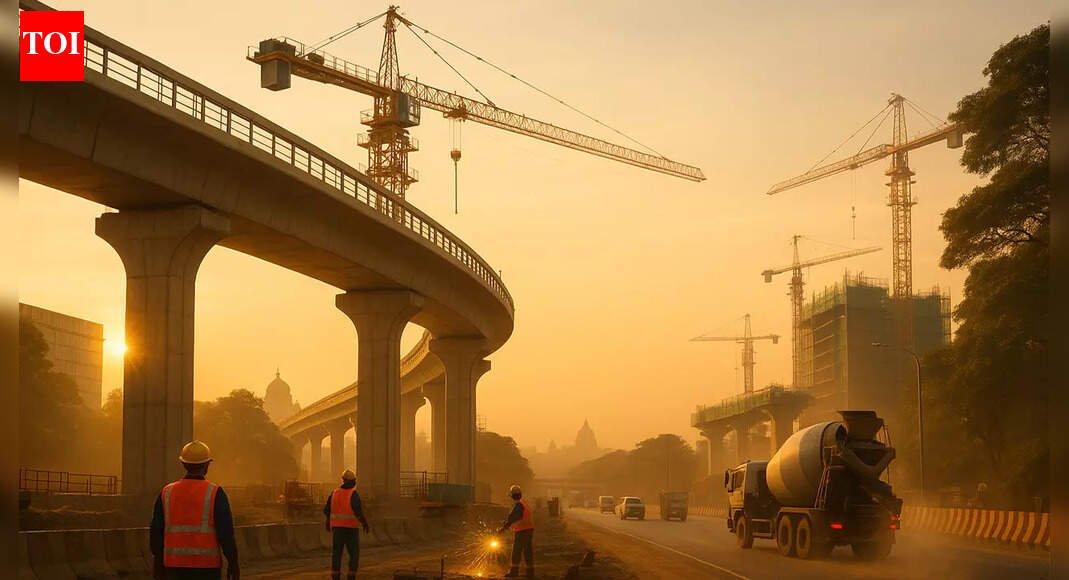
BENGALURU: Bengaluru, India’s technology and innovation powerhouse, is on the verge of one of its most ambitious infrastructure expansions yet. With a population exceeding 12 million and a sprawling IT/ITES ecosystem, the city faces mounting pressure on roads, public transport, water supply, waste management and urban amenities.

Google To Invest $15 Billion On AI Hub In Visakhapatnam, CEO Sundar Pichai Speaks To PM Modi

On 10 August 2025, deputy chief minister DK Shivakumar sent a note to Prime Minister Narendra Modi outlining a comprehensive set of projects aimed at transforming Bengaluru into a “truly global metropolis.”The proposed plan, totalling an estimated Rs 1.5 lakh crore, spans urban tunnels, elevated roads, mass transit upgrades, integrated waste management, and water infrastructure.

-

Urban Tunnels and Elevated CorridorsThe plan identifies the city’s former national highways — 76 km of critical urban corridors — as chokepoints that need urgent upgrades. Current traffic levels have pushed the Level of Service (LOS) to below 10 kmph, far exceeding the LOS “F” threshold.Proposed interventions include:

  • Tunnel 1: Hosur Road to Bellary Road (NH-7)
  • Tunnel 2: KR Puram to Mysuru Road (NH-4/NH-275)
  • Elevated corridor: Kanakapura Road for uninterrupted transit
  • Estimated cost: Rs 41,780 crore

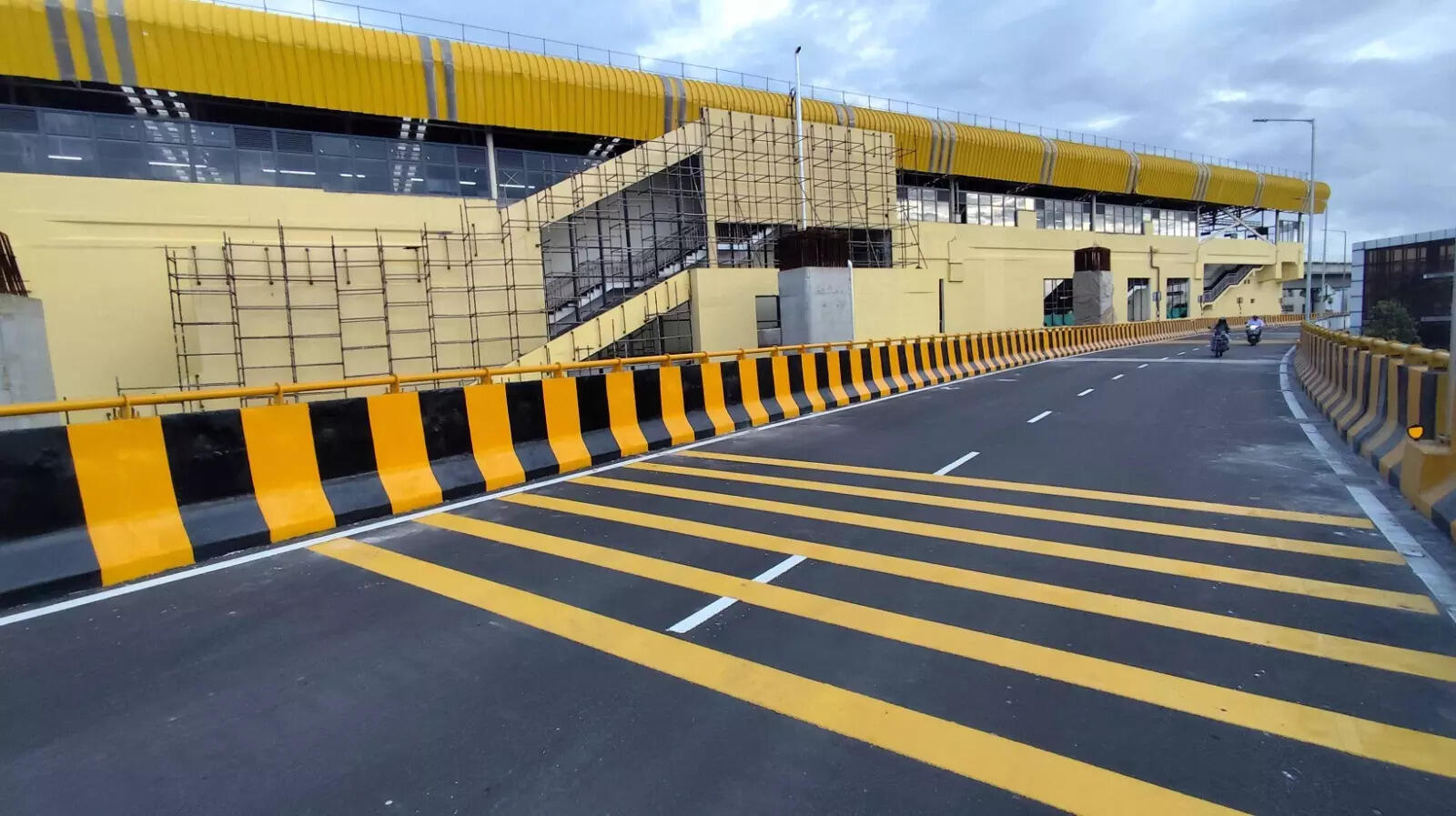
These interventions aim to reduce travel times on congested routes by 60–70% while minimising surface disruption. Additional elevated corridors are proposed along major arterial roads to connect business districts efficiently, with an estimated cost of Rs 15,000 croreAlso read: Bengaluru blues: The hidden cracks in megacity’s shining growth storyPeripheral Ring Road (PRR)To relieve congestion on the Outer Ring Road and city highways, Bengaluru Development Authority (BDA) is implementing a 73.5 km, 8-lane Peripheral Ring Road under a PPP model. The PRR is expected to.

  • Divert highway traffic from the city center
  • Reduce travel times
  • Route heavy vehicles efficiently
  • Estimated cost: Rs 27,000 crore (land acquisition: Rs 21,000 crore; construction: Rs 6,000 crore)

Revenue generation is expected through tolls, impact fees and advertising, while central assistance is requested to support the project.
-

Image Credit: TOI

Integrated Solid Waste ManagementBengaluru generates approximately 6,500 metric tonnes of solid waste daily. Current processing capacity is insufficient due to land constraints.The proposal includes:

  • Four 100-acre waste management facilities at city corners
  • Wet waste composting and bio-CNG units
  • Dry waste recycling
  • Waste-to-Energy (RDF-based) plants
  • Leachate treatment and green buffers

Estimated cost: Rs 3,200 crore, with Viability Gap Funding (VGF) support of Rs 960 crore sought under Swachh Bharat Mission 2.0.

-

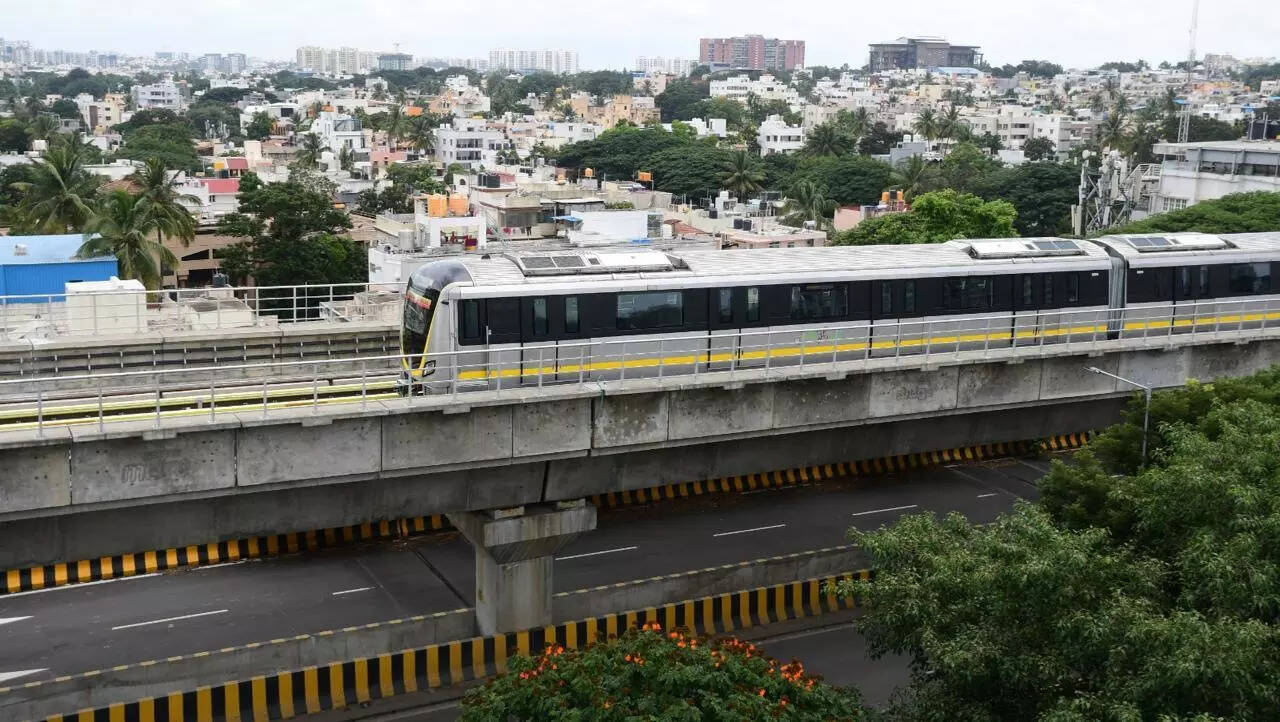
Metro Rail ExpansionBengaluru Metro Rail Corporation Limited (BMRCL) is in various phases of expansion:

  • Phase 1: 42 km (operational)
  • Phase 2: 75 km (partly operational)
  • Phase 2A & 2B: 69 km (under construction)
  • Phase 3: 44.65 km (sanctioned)
  • Phase 3A: 37 km (DPR approved, pending approval)
-

Image Credit: TOI

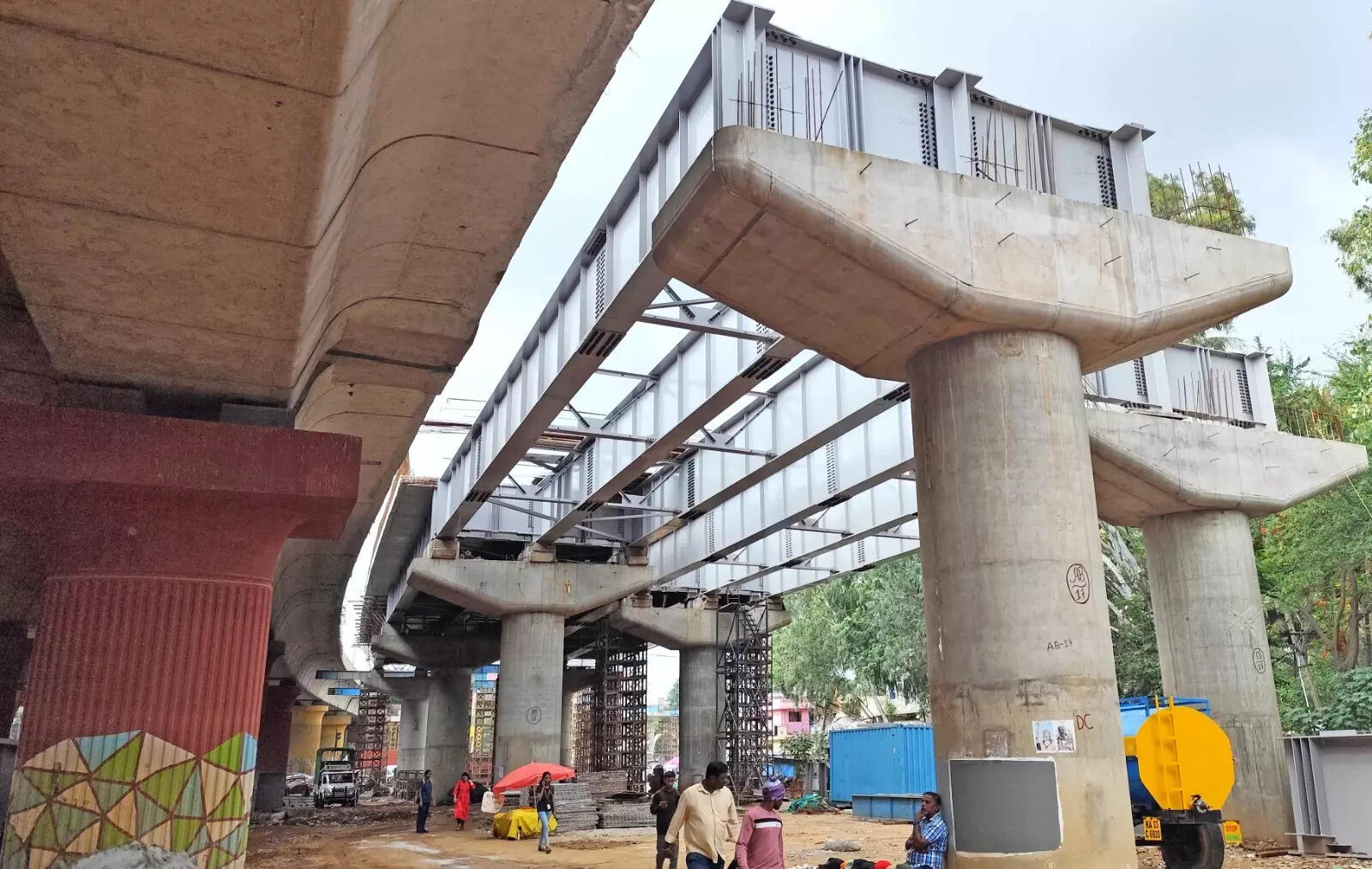
Five new metro extensions covering 128 km are planned to connect peripheral regions and satellite towns, aiming to integrate mass transit into the city’s growth framework.Double-Decker Elevated Roads Along Metro ViaductsFollowing the Yellow Line’s success (Silk Board–Ragigudda), Karnataka proposes extending double-decker roads to:

  • JP Nagar to Hebbal (via ORR West)
  • Hosahalli to Kadabagere (via Magadi Road East)

This approach optimises land vertically, reduces congestion, and combines road and metro infrastructure efficiently.
-

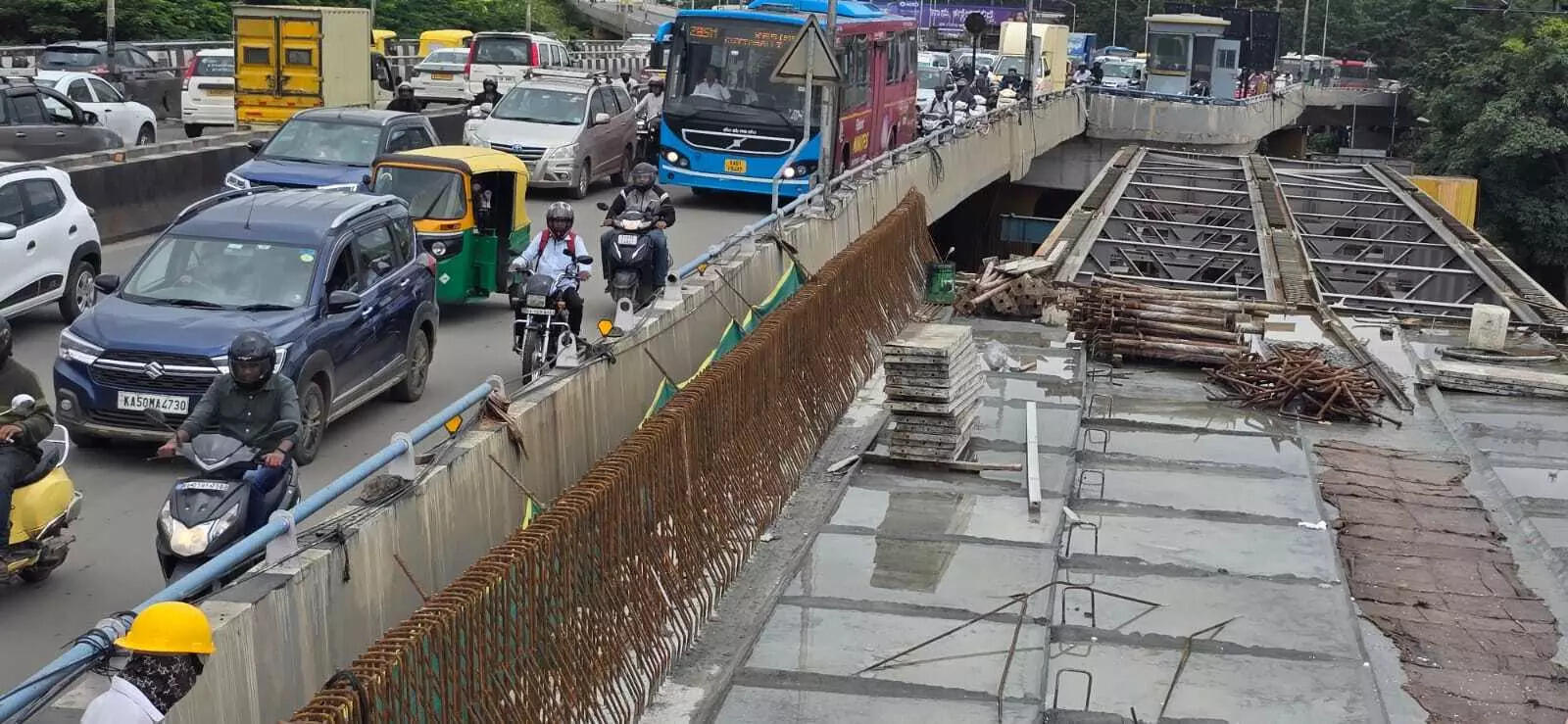
Hebbal Flyover (Image Credit: TOI)

Estimated cost: Rs 5,916 croreProtecting Lakes and Reducing CongestionBengaluru’s lakes are connected through SWDs (Raja Kaluves). Encroachment and traffic congestion prompted a plan to construct 300 km of roads along stormwater buffer zones, improving mobility while protecting hydrology.Estimated cost: Rs 3,000 croreAdditional Water SupplyThe Cauvery Water Supply Scheme Stage V is operational, while Stage VI aims to supply an additional 570 MLD by 2030 to meet the city’s growing demand.Estimated cost: Rs 6,939 crore.Rapid Rail Transit System (RRTS)Inspired by the Delhi–Meerut RRTS, Bengaluru proposes a regional rapid transit system connecting key corridors

Corridor Length (Km) Travel Time (Min)
Bengaluru – Bidadi – Mysuru 145 102
Bengaluru – Harohalli – Kanakapura 60 42
Bengaluru – Nelamangala – Tumakuru 60 42
Bengaluru – Airport – Chikkaballapur 64 46
Bengaluru – Hoskote – Kolar 65 46

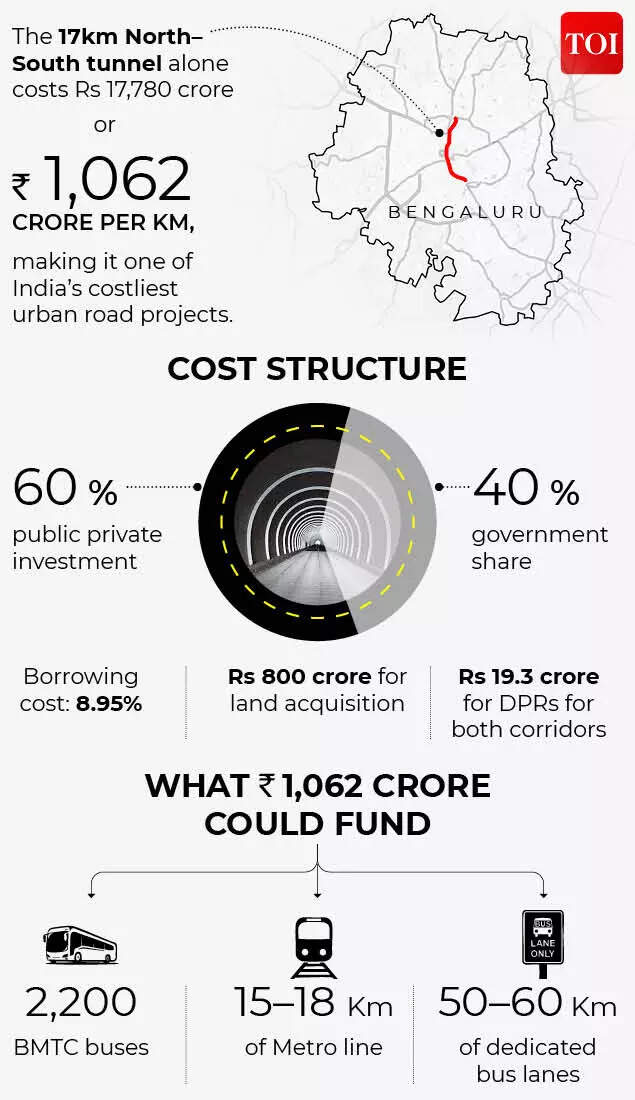
The plan aims to integrate regional transit with city-level infrastructure.The Broader DebateWhile the government positions the tunnel and elevated corridor projects as technical solutions to traffic woes, critics argue the focus remains car-centric.Environmental concerns also loom large. Tunnels intersect aquifers and flood-prone zones, with incomplete hydrological studies raising questions about climate resilience.
-

Image Credit: TOI

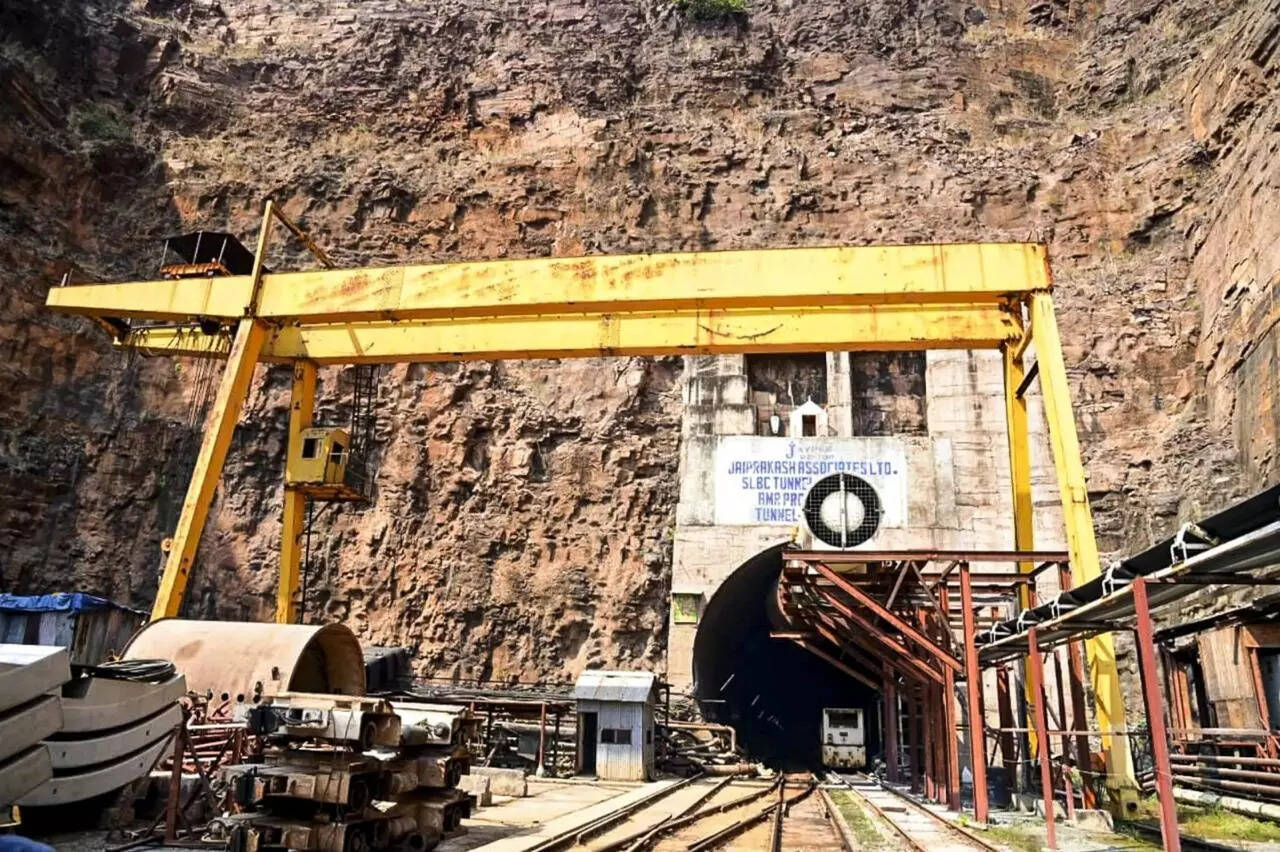
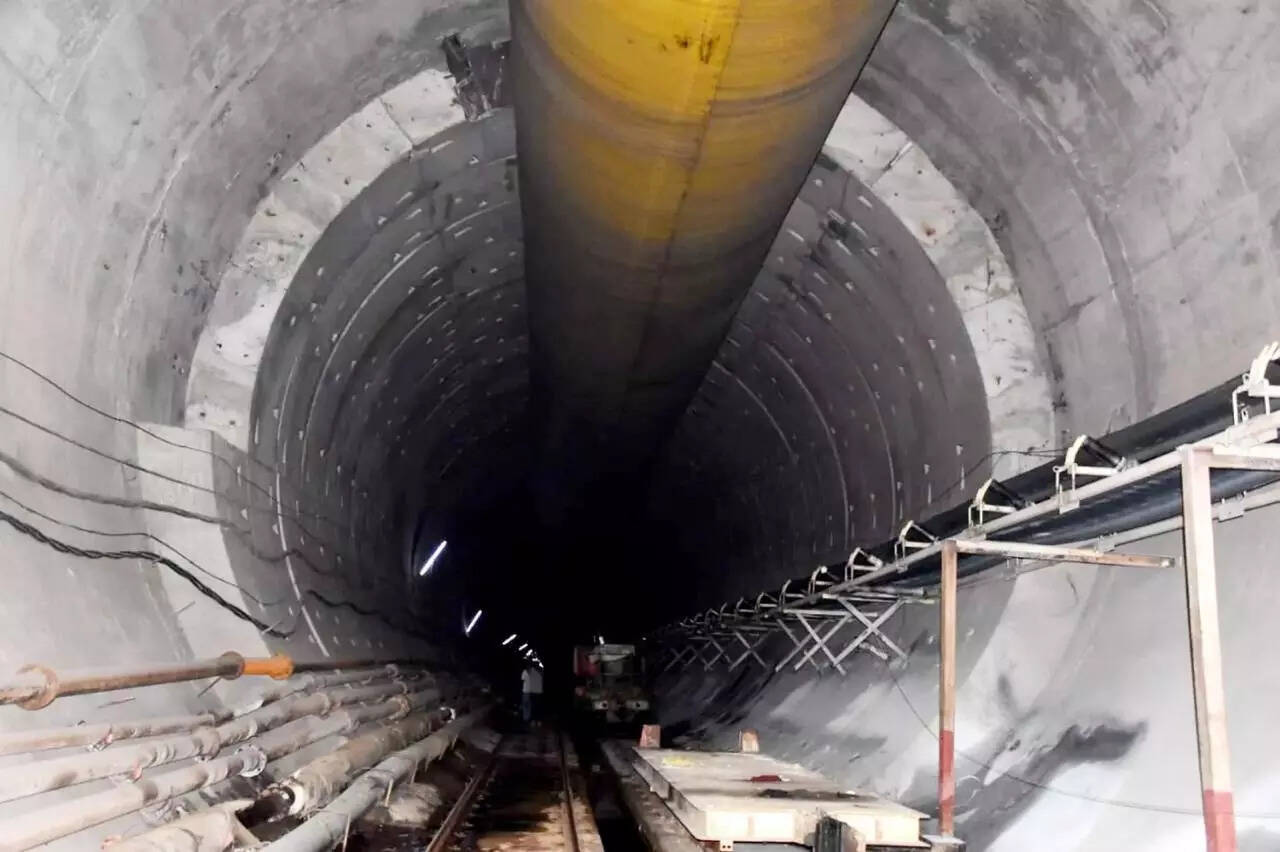
Transport economists note that funds allocated to tunnels could instead purchase thousands of buses, extend metro lines, or fund free BMTC travel for years.The Ambitious tunnel road projectBengaluru’s ambitious tunnel road project — pegged at Rs 17,698 crore — aims to become India’s costliest intra-city transport corridor. Stretching nearly 16.75 km, the fully underground expressway is designed to provide a high-speed, signal-free route between Silk Board Junction and Hebbal, potentially easing the city’s notorious north–south traffic congestion.
-

Image Credit: TOI

Officials claim that once operational, the tunnel will reduce travel time by up to 45 minutes, bringing the Silk Board–Hebbal commute down from 60–90 minutes to just about 20–25 minutes.The corridor is expected to bypass 25 major bottlenecks, offering Bengaluru commuters a smoother drive along one of the city’s busiest arterial stretches.Advanced Engineering Meets Deep-Bore TunnelsThe project plans to employ tunnel boring machines (TBMs) similar to those used in metro rail projects. Safety and operational efficiency are integral to the design

  • Emergency exits every 500 metres
  • Ventilation shafts along the route
  • Firefighting systems
  • Real-time monitoring units

The corridor is designed as a 3+3-lane expressway, although experts have recommended revising the configuration to 2+2 lanes based on projected traffic in 2041.Environmental ConcernsThe proposed alignment passes directly beneath Lalbagh — Bengaluru’s cherished green lung and a living heritage site. Environmentalists and citizen activists have raised multiple red flags:

  • Acquisition of six acres of Lalbagh land along Siddapura Road could disrupt its delicate ecosystem.
  • Two 15-metre-diameter tunnels, two 10-metre-diameter ramps, and a ventilation shaft are planned under the garden, at depths between 50 and 100 metres.
  • Potential damage to Lalbagh Rock, a Peninsular Gneiss National Geological Monument estimated to be 3,000 million years old, and the 16th-century watchtower built by Kempegowda.
  • Ventilation shafts could raise noise and air pollution, affecting the garden and nearby areas.
  • Concerns over Lalbagh Lake, with tunnel entry points less than 100 feet from the water’s edge.

Environmentalist Dr Yellappa Reddy warned that disruptions to the Dharwad craton system could have wider geological and hydrological repercussions, including water seepage into the Nimhans complex. Citizens for Citizens founder Rajkumar Dugar highlighted gaps in the DPR regarding tree removal and environmental mitigation measures.Expert Panel Flags Major DPR ShortcomingsA government-appointed committee, led by BMRCL executive director Siddanagouda Hegaraddi, reviewed the detailed project report (DPR) and found multiple flaws:

  • Geotechnical data inadequate: Soil-test boreholes were limited to four points; comprehensive testing needed
  • Aquifer and groundwater mapping missing: Electrical resistivity tomography (ERT) was not used
  • Stormwater drainage plan flawed: Hydraulic calculations missing; proposed Hebbal Lake diversion impractical
  • Tunnel alignment concerns: Runs almost parallel to Namma Metro corridor, potentially redundant
  • Traffic projections inflated: DPR did not account for Metro, suburban rail, or BMTC commuters
  • Ramp and lane mismatch: Current 3+3-lane design inconsistent with horizon year 2041; 2+2-lane design recommended
  • Cost estimation gaps: TBM cost based on a single vendor quote; land acquisition, utilities, and toll system costs rounded off
  • The panel recommended a complete revision of the DPR, including a fresh alignment study, updated traffic forecasts, and rigorous environmental safeguards.

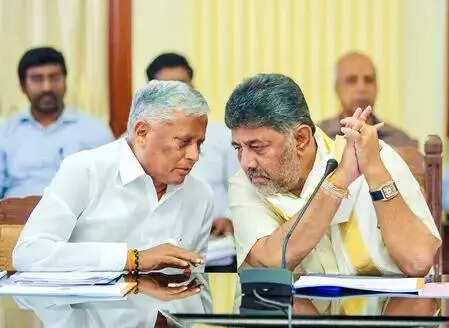
Cars vs Public TransitShivakumar defended the project as necessary for urban mobility. His remark — “people can’t be stopped from using cars” and “there’s hesitation to marry a boy who doesn’t own a car” — sparked sharp criticism from public transport advocates.

-

Bangalore South MP Tejasvi Surya argued the project favors a car-owning elite.“As per RTO records, only 12% of Bengalureans own cars. The more we widen and build new roads, the more vehicles we attract. Only a reliable and efficient public transport system can truly decongest our roads.”Surya noted that the tunnel’s capacity — around 1,600 cars per hour — pales in comparison to Metro corridors, which can move 10,000–20,000 passengers per hour. One-way travel costs would also favor private car users: Rs 330 versus Rs 50–60 for Metro commuters.Shivakumar responded that technical experts support the project and said urban rail initiatives are welcome if funding is secured.What’s Choking Bengaluru?According to article from AFP, entrepreneur RK Misra, co-founder of a multimillion-dollar start-up, avoids scheduling in-person meetings until nearly noon, then squeezes them in before the city’s gridlock returns.“The situation is pretty bad. And it hurts by not being able to plan your day,” Misra said, describing his gruelling 16-kilometre (nine-mile) commute, which can take up to two hours at peak times.“It also discourages people from doing anything other than work, because there’s no work-life balance any more.”Bengaluru, home to nearly 12 million people and the state capital of Karnataka, is the country’s tech hub, hosting thousands of start-ups, outsourcing firms, and global giants from Google to Microsoft.Yet its flagship Outer Ring Road (ORR) business district is clogged with traffic, riddled with potholes, and often flooded during the monsoon. Water shortages plague the city during summer months.The roughly 20-kilometre (12-mile) ORR corridor, lined with swanky tech parks, hosts dozens of Fortune 500 offices and more than a million employees.Frustration boiled over in September when Rajesh Yabaji, CEO of digital trucking logistics platform BlackBuck, announced he was moving his company out of ORR.Yabaji said he snapped after the “average commute for my colleagues shot up to 1.5+ hours (one way),” he wrote on social media, adding that the roads were “full of potholes and dust, coupled with lowest intent to get them rectified.”‘Now Or Never’Pharma tycoon Kiran Mazumdar-Shaw, founder of Biocon, also voiced concern.“I had an overseas business visitor to Biocon Park who said; ‘Why are the roads so bad and why is there so much garbage around? Doesn’t the government want to support investment?” she wrote on social media.Bengaluru had the world’s third-slowest traffic in 2024, according to the TomTom Traffic Index—far worse than San Francisco or London.Manas Das, of the Outer Ring Road Companies Association, works with city authorities to resolve infrastructure woes for global tech companies.“Companies would like to get the basics right—and today those basics are getting compromised,” Das said.BS Prahallad, technical director of the government-backed Bengaluru Smart Infrastructure Limited, set up to manage major projects, said an average resident needed 90–100 minutes to cover 16 kilometres.“Something has to be done, now or never,” he told AFP.“The next step is, we will decay.”Karnataka deputy chief minister DK Shivakumar wrote last month on X that “10000+ potholes” had been identified, with half fixed so far.“Instead of tearing Bengaluru down, let’s build it up—together,” he said.“The world sees India through Bengaluru, and we owe it to our city to rise united!”Borrowing a page from London’s playbook, authorities have also decided to split the municipal corporation into five smaller bodies and set up an overarching Greater Bengaluru Authority. Shivakumar said this move would “transform the way Bengaluru is planned and governed.”‘Choking On Pollution’The southern city was not always an overrun metropolis. India’s software boom kicked off in the 1990s, with outsourcing companies striking gold. Waves of investment from Silicon Valley companies and start-ups helped quadruple the state’s software exports from 2014 to 2024 to $46 billion.Venture capitalist TV Mohandas Pai, former CFO of Infosys, said the city’s infrastructure was “possibly three to five years behind.”Rapid expansion clogged waterways, cut trees, and filled wetlands, straining the infrastructure, ecologist Harini Nagendra said.“We have flooding because water has no place to go, drought because the water is not infiltrating into the ground,” she said.“People are choking on pollution, choking on the concrete—and all the dust that comes with the construction, traffic, smog, heatwaves,” she added.Nearly half the city depends on boreholes that run dry in summer, while the rest rely on costly water trucked in—a problem set to worsen with climate change, according to the Water, Environment, Land and Livelihoods (WELL) Labs research centre.Pai, 67, remains optimistic.“The future is going to be bright, but there is going to be pain,” he said.“We are suffering the pangs of growth because India knows how to handle poverty, not prosperity.”



Source link

Govt conspiring to classify Dharavi Koliwada as slum: Cong MP Gaikwad | Mumbai News


Mumbai: Congress MP Varsha Gaikwad alleged that officials are misclassifying the external boundary of Dharavi Koliwada as a slum and have begun a survey by Adani group company under the Dharavi Redevelopment Project despite the area not being included in the plan.She said it is a conspiracy to grab land and undermine the future of the original inhabitants.Gaikwad joined a protest march organised by the Dharavi Koli Community Trust, during which participants displayed black flags to condemn the ‘monstrous’ and ‘anti-Mumbai’ attitude of the govt.She demanded that the external boundary and extended land of Dharavi Koliwada be fixed before any survey under the DRP was carried out.Gaikwad pointed out that despite a govt order stating that the gaothans and Koliwadas of Mumbai are not slums, the state govt is attempting to declare them as such, thereby encroaching on the land and rights of the original inhabitants.The MP insisted on fixing the external boundaries of all gaothans and Koliwadas and for mapping them in the city development plan.


Source link

WPL 2026 Mega Auction: Complete list of unsold players


The WPL 2026 Mega Auction was a whirlwind of aggressive bidding, record-breaking buys, and, as always, some truly astonishing omissions. While the spotlight often shines on the players who bag crores, the story of the unsold list often reveals the deeper, more ruthless strategic calculations of the franchises. With a limited number of slots (especially overseas) and a cap on the purse, even world-class players found themselves overlooked.

The headliner shock: Alyssa Healy

The single biggest talking point of the auction was undoubtedly Alyssa Healy going unsold at her base price of ₹50 Lakh. Current Australian captain, a destructive opener, and one of the most successful wicketkeeper-batters in T20 history. She was UP Warriorz’s captain in the first season. Reports suggest that injury concerns, particularly a recurring calf and a previous foot injury that caused her to miss part of a previous WPL season, may have made franchises cautious about spending a high initial amount and blocking a crucial overseas spot on a player with a question mark over her immediate fitness.

Star players who missed out

Beyond Healy, several other established international and domestic players were left without a franchise, reflecting the sheer tactical nature of a mega-auction. The list of unsold overseas specialists contained several surprising omissions, highlighting the ruthless strategic planning of the franchises. High-profile names like one of the world’s premier T20 leg-spinners, Alana King went unsold. This suggests teams may have either secured strong Indian spin options or opted for cheaper overseas alternatives, prioritising other positions. Furthermore, Amy Jones, a reliable international wicketkeeper-batter, suffered the same fate as Healy, as franchises preferred to use their highly valuable overseas slots on all-rounders rather than specialist keepers, a role that can be efficiently covered by Indian talent.

Also READ: WPL 2026 Mega Auction: Complete list of sold players with their price

Complete list of Unsold players

  • Alyssa Healy
  • S Meghana
  • Tazmin Brits
  • Izzy Gaze
  • Amy Jones
  • Uma Chetry
  • Darcie Brown
  • Lauren Cheatle
  • Priya Mishra
  • Amanda-Jade Wellington
  • Alana King
  • Pranavi Chandra
  • Davina Perrin
  • Vrinda Dinesh
  • Disha Kasat
  • Arushi Goel
  • Sanika Chalke
  • Humairaa Kaazi
  • Amandeep Kaur
  • Jintimani Kalita
  • S Yashasri
  • Khushi Bhatia
  • Nandini Kashyap
  • Komalpreet Kour
  • Shabnam Shakil
  • Prakashika Naik
  • Bharti Rawal
  • Priyanka Koushal
  • Parunika Sisodia
  • Jagravi Pawar

Also READ: Fans stunned as Australia captain Alyssa Healy goes unsold in WPL 2026 mega auction

This article was first published at WomenCricket.com, a Cricket Times company.


Source link