Breaking News
LPG rumours: Centre urges remaining states to prevent panic buying after only 17 conduct briefings

LPG rumours: Centre urges remaining states to prevent panic buying after only 17 conduct briefings

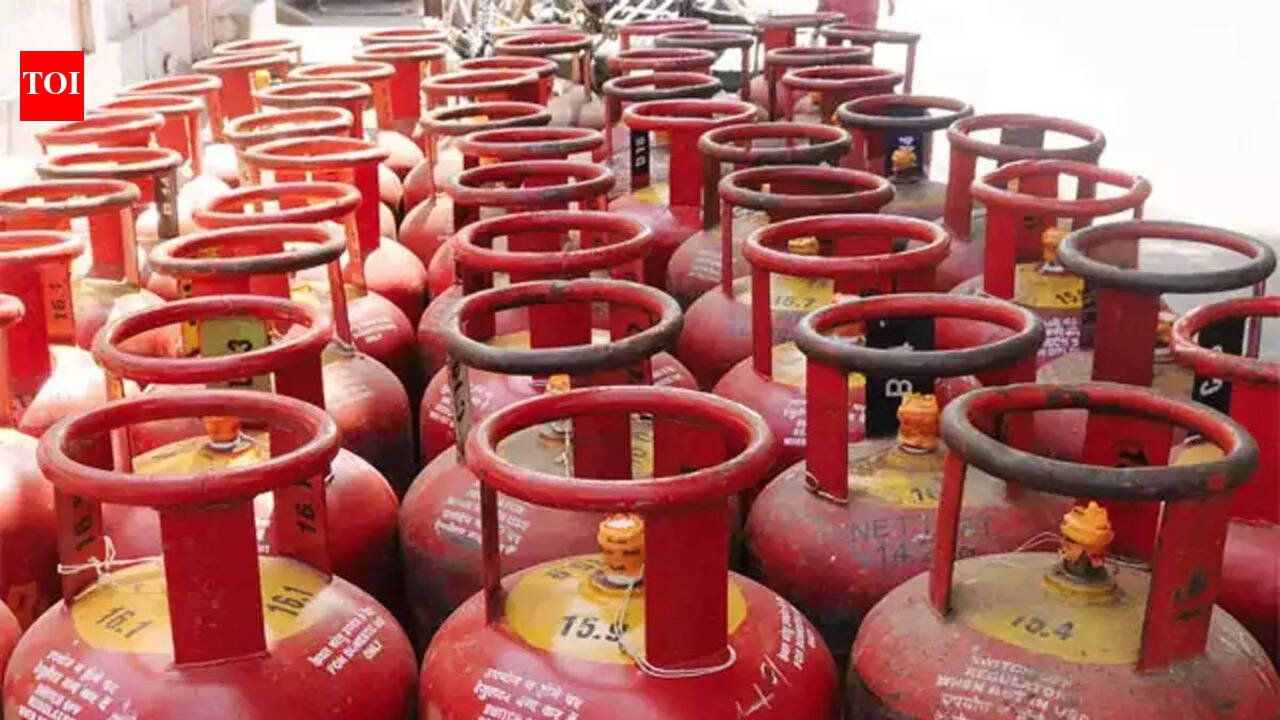
Centre has urged states and Union territories to step up efforts to counter rumours around LPG supply, warning that inadequate public communication is contributing to unnecessary concern and panic buying in some areas. In a letter addressed to chief secretaries, the ministry of petroleum and natural gas said that at present, only 17 states and UTs are holding regular or occasional press briefings to address the issue. It stressed the need for wider and more consistent outreach to reassure citizens about the availability and distribution of LPG. In the letter, petroleum secretary Neeraj Mittal said, “it is observed that rumours and misinformation continue to circulate in certain areas, leading to avoidable public concern and instances of panic buying. As per information provided by State-level Coordinators of OMCs, only 17 States/UTs are presently conducting regular or intermittent press briefings.

Watch

Iran War Impact Hits India: Commercial LPG Prices Rise, Airfares Set To Surge As Fuel Costs Double

The states conducting such briefings include:

  • Andhra Pradesh
  • Arunachal Pradesh
  • Bihar
  • Gujarat
  • Himachal Pradesh
  • Jammu & Kashmir
  • Kerala
  • Madhya Pradesh
  • Maharashtra
  • Meghalaya
  • Nagaland
  • Odisha
  • Rajasthan
  • Tamil Nadu
  • Telangana
  • Uttar Pradesh
  • Uttarakhand

The ministry has urged the remaining states to introduce similar measures without delay.“In this regard, States/UT Governments are requested to intensify proactive and regular public communication. Daily press briefings at an appropriately senior level, along with timely dissemination of accurate information through social and electronic media, may be ensured to reassure citizens regarding adequate availability and smooth distribution of LPG and to effectively counter misinformation,” the Secretary wrote.The communication also called on authorities to remain vigilant against unfair practices linked to the situation.“Necessary action may also continue to be taken to curb malpractices such as hoarding and black marketing,” the letter added.The advisory follows an earlier communication issued on March 27, which had highlighted the impact of geopolitical developments in West Asia on global supply chains. According to the Ministry, these developments had coincided with a rise in misleading information on social media about fuel prices and LPG availability, placing additional strain on the country’s distribution network.This comes as the government has repeatedly assured that India’s crude oil inventories are adequate, with sufficient supplies for the next two months. Earlier in the week, Sujata Sharma, joint secretary at the minitsry said, “our refineries are operating at the highest levels. There have been no reports of any dry-out at retail outlets.” Meanwhile, the government has moved to ease the impact of rising oil prices on consumers and businesses. It has revised fuel duties, cutting the special additional excise duty on petrol to Rs 3 per litre and scrapping it completely on diesel. The Centre has also encouraged states to step up the process for PNG transition.
Source link

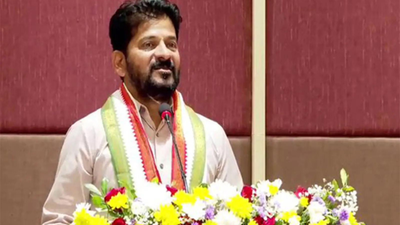
Kerala assembly polls: Telangana CM Revanth Reddy unveils UDF manifesto, calls it the beginning of a ‘golden era’ | India News


Kerala assembly polls: Telangana CM Revanth Reddy unveils UDF manifesto, calls it the beginning of a 'golden era'
Revanth Reddy (ANI image)

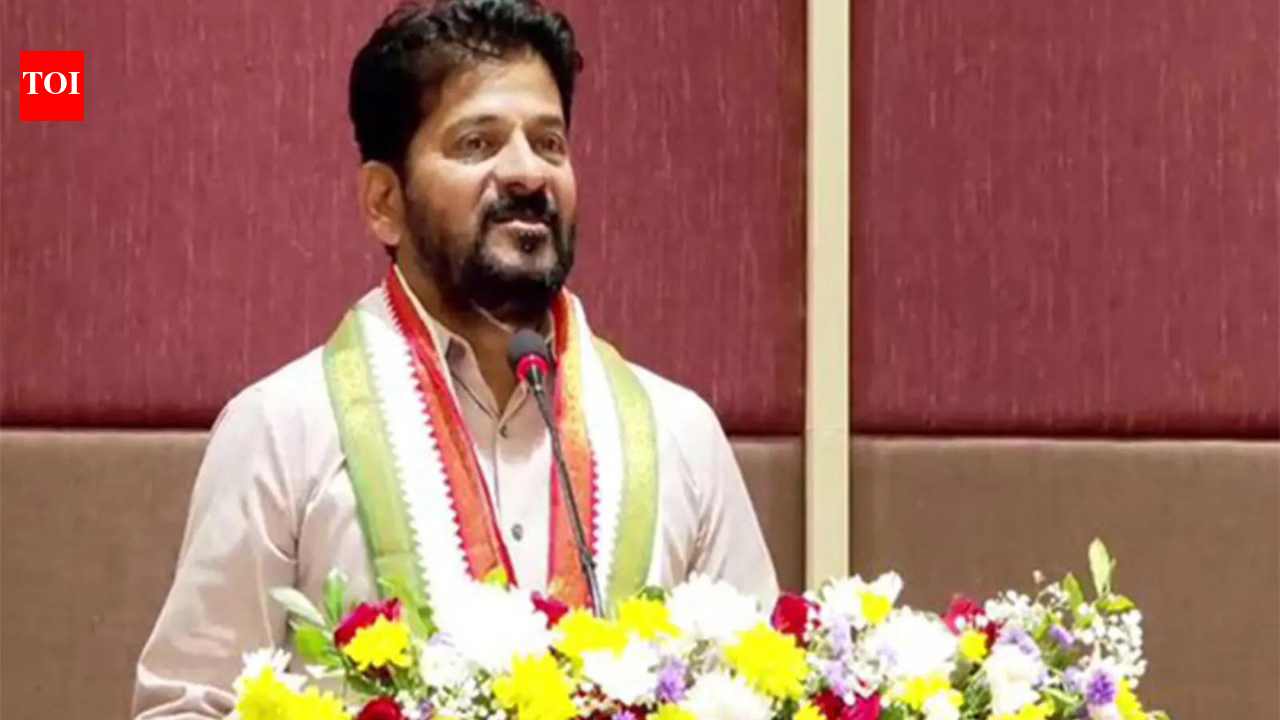
NEW DELHI: Telangana chief minister Revanth Reddy on Thursday unveiled United Democratic Front (UDF) manifesto ahead of the Kerala assembly elections.He also launched a scathing attack on the Pinarayi Vijayan-led government and declared that the ‘dark era’ in the state was coming to an end and a ‘golden era’ was beginning.The remarks were made in Kochi during the release of the Congress-led UDF’s manifesto for the upcoming elections. Addressing party workers and supporters, Reddy expressed confidence that the electorate was ready for a political shift and would vote out the incumbent Left government.He said the upcoming polls would mark a decisive turning point for Kerala, with public sentiment increasingly turning against the ruling dispensation. According to a statement from the Chief Minister’s Office, Reddy asserted that the people of the state were looking for change and would back the UDF.In a pointed political attack, Reddy also targeted both the Centre and the Kerala government, saying that India and Kerala were currently being ruled by the “Modi Brothers.”He further made an indirect reference to the Sabarimala gold controversy, alleging that even religious assets were not secure under the present administration. Referring to Kerala as “God’s Own Country,” he remarked that even “God’s own property” was not safe.Highlighting the UDF’s electoral promises, the manifesto outlines “Indira’s Five Guarantees,” which include free bus travel for women in KSRTC buses, a monthly financial assistance of Rs 1,000 for female college students, an increase in welfare pensions to Rs 3,000 per month, health insurance coverage of Rs 25 lakh per family named after former chief minister Oommen Chandy and interest-free loans of up to Rs 5 lakh for youth pursuing self-employment.In addition, the manifesto proposes five “Dream Projects” focusing on maritime and aviation sectors, along with the establishment of a Tribal University in Wayanad.Polling for the 2026 Kerala Legislative Assembly elections is scheduled to be held on April 9, while the counting of votes will take place on May 4. The tenure of the current assembly is set to end on May 23.


Source link

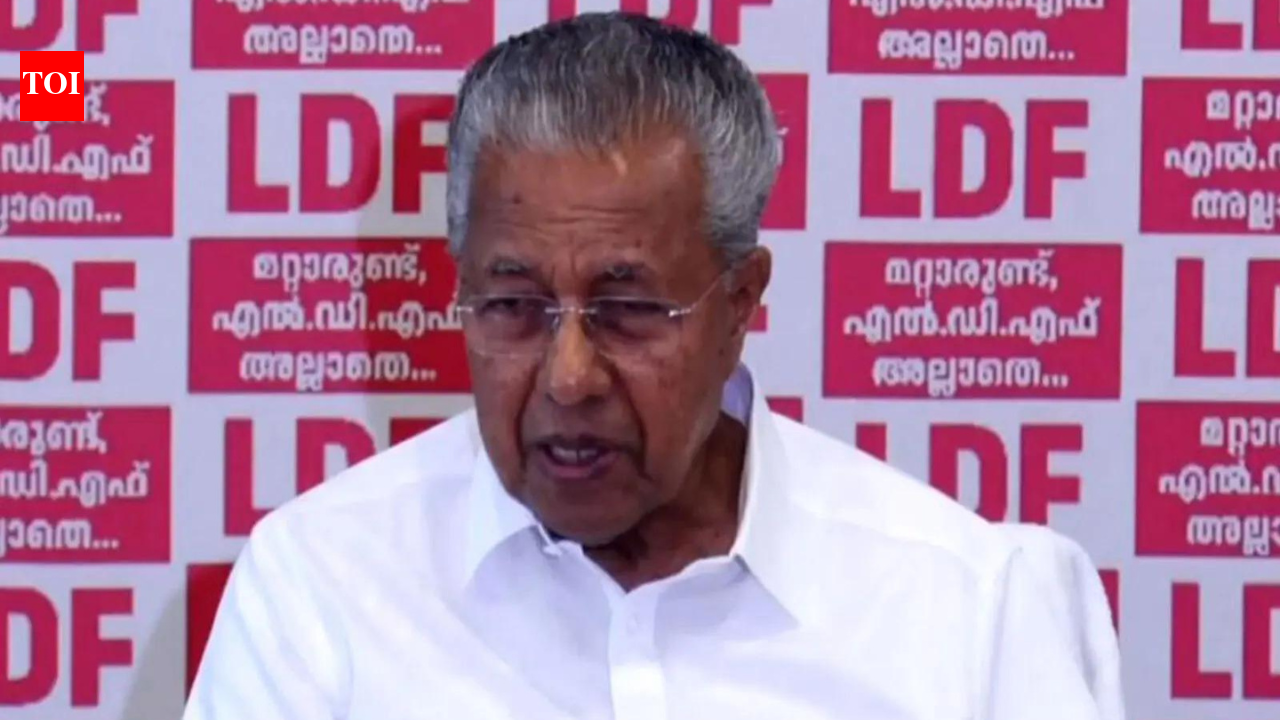
Will Brand Pinarayi survive Kerala’s electoral cycle? | India News


Will Brand Pinarayi survive Kerala’s electoral cycle?
Kerala CM Pinarayi Vijayan

Mounting voter unease, fiscal stress and rifts in CPM will test whether his governance model is enough to defy the state’s alternation patternThe road to the 2026 Kerala assembly elections is shaping up to be a defining political moment not just for the ruling Left Democratic Front (LDF), but, more crucially, for chief minister Pinarayi Vijayan. At stake is more than an electoral victory; it is a referendum on whether the “Pinarayi brand” of governance can withstand anti-incumbency and deliver an unprecedented third straight term in a state historically known for political alternation.Kerala’s electoral history has long been marked by a cyclical shift between the LDF and the United Democratic Front (UDF). The LDF’s return to office in 2021 broke this pattern, raising expectations and intensifying scrutiny. As the 2026 election approaches, the central question is whether that disruption was an exception shaped by extraordinary circumstances or the beginning of a new political trajectory.

Anti-incumbency: Undercurrent or wave?

The debate around anti-incumbency remains complex and, as many observers note, inherently difficult to quantify. Political commentator Roy Mathew describes it as an “undercurrent”, which may not always be visible but manifests itself decisively during polls. Yet, current indicators suggest antiincumbency is no longer merely speculative and has begun to take a more visible form, he says.The LDF’s setbacks in the 2024 Lok Sabha elections and the 2025 local body polls serve as early warning signals. While not definitive predictors, they point to growing unease among voters, driven less by ideological shifts than by governance concerns such as economic distress, delays in welfare delivery, and administrative fatigue, he adds.

Leadership vs govt: A dual challenge

What distinguishes the current political climate is the apparent shift from generic anti-incumbency against the govt to a more personalised critique of Vijayan himself. Increasing instances of dissent within CPM, including rebel candidates and internal discontent, point to friction within party ranks.Critics argue that perceptions of centralised decision-making, an assertive leadership style and allegations of political arrogance have contributed to this sentiment. This raises a critical question: is the anti-incumbency in 2026 primarily centred on leadership, or does it extend more broadly to the govt’s performance?

Economic strain, welfare pressures

Kerala’s fiscal stress has emerged as a key factor when it comes to voter sentiment. Welfare politics has traditionally been the cornerstone of LDF’s legitimacy, and disruptions, particularly delays in pension disbursal, directly affect its core support base. In addition, agrarian distress and unemployment have begun to erode the perception of administrative efficiency.Political analyst and psephologist Dr J Prabhash says LDF now carries the burden of a decade in office, adding that the absence of strong anti-incumbency in 2021 was largely due to the extraordinary context of the pandemic. In contrast, the current environment reflects broader and more palpable dissatisfaction cutting across social groups.

Perception gaps

Recurring allegations of corruption and governance-related controversies have further contributed to a narrative of disconnect between the ruling establishment and public sentiment. While no single issue may decisively sway the electorate, their cumulative effect has reinforced perceptions of strain and fatigue within the system, says Prabhash.

The counter-narrative

Despite these challenges, Vijayan continues to project confidence, seeking to reframe the political discourse around governance and development. His administration highlights achievements in infrastructure, public health and education as evidence of performancedriven legitimacy.Another political commentator, Jacob George, argues that the ‘Pinarayi brand’ remains intact. He points to projects such as the completion of the GAIL pipeline and the progress of the Vizhinjam port as examples of strong leadership. This narrative seeks to consolidate voter trust by emphasising continuity and administrative capability.

A high-stakes battle

The 2026 Kerala Assembly election is unlikely to be a straightforward verdict on anti-incumbency alone. Instead, it is evolving into a more nuanced contest in which leadership perception, governance outcomes, internal party cohesion and opposition mobilisation will all play decisive roles.For the LDF and Vijayan, the challenge lies in sustaining credibility amid economic pressures and political dissent. For the opposition, the task is to convert emerging discontent into a cohesive electoral alternative.Ultimately, whether the election becomes a reaffirmation of the ‘Pinarayi model’ or a reassertion of Kerala’s traditional anti-incumbency cycle will define not just the immediate political future, but also the evolving nature of leadership and voter behaviour in the state.


Source link

Stock market holiday on Good Friday: Are NSE, BSE closed or open for trading today on April 3, 2026?


Stock market holiday on Good Friday: Are NSE, BSE closed or open for trading today on April 3, 2026?

With Dalal Street swinging between gains and losses, investors are wondering: will the stock market stay open on April 3 for Good Friday? As per the exchange’s official holiday calendar, the stock market will remain closed on April 3 for the occasion, offering market participants a short trading week.Keeping a track of stock market holidays helps investors to plan their trading activity accordingly. It also makes it easier to manage things like fund transfers and settlements, which depend on trading days. Overall, it helps avoid disruptions and missing opportunities. Upcoming holidays for Dalal Street:

  • April 14 (Tuesday) — Dr Baba Saheb Ambedkar Jayanti
  • May 1 (Friday) — Maharashtra Day
  • May 28 (Thursday) — Bakri Id
  • June 26 (Friday) — Muharram
  • September 14 (Monday) — Ganesh Chaturthi
  • October 2 (Friday) — Mahatma Gandhi Jayanti
  • October 20 (Tuesday) — Dussehra
  • November 10 (Tuesday) — Diwali-Balipratipada
  • November 24 (Tuesday) — Prakash Gurpurb Sri Guru Nanak Dev
  • December 25 (Friday) — Christmas

Equity markets operate on all days except Saturdays, Sundays and holidays declared by the exchange. The pre-open session takes place between 09:00 hrs and 09:08 hrs, allowing orders to be placed and modified, with a random closure in the final minute before order matching begins. The main trading session for both normal and limited physical market segments runs from 09:15 hrs to 15:30 hrs. Following the close of regular trading, a closing session is held from 15:40 hrs to 16:00 hrs. Additionally, block deal transactions are conducted in two dedicated windows each trading day, the morning session from 08:45 AM to 09:00 AM and the afternoon session from 02:05 PM to 02:20 PM.


Source link

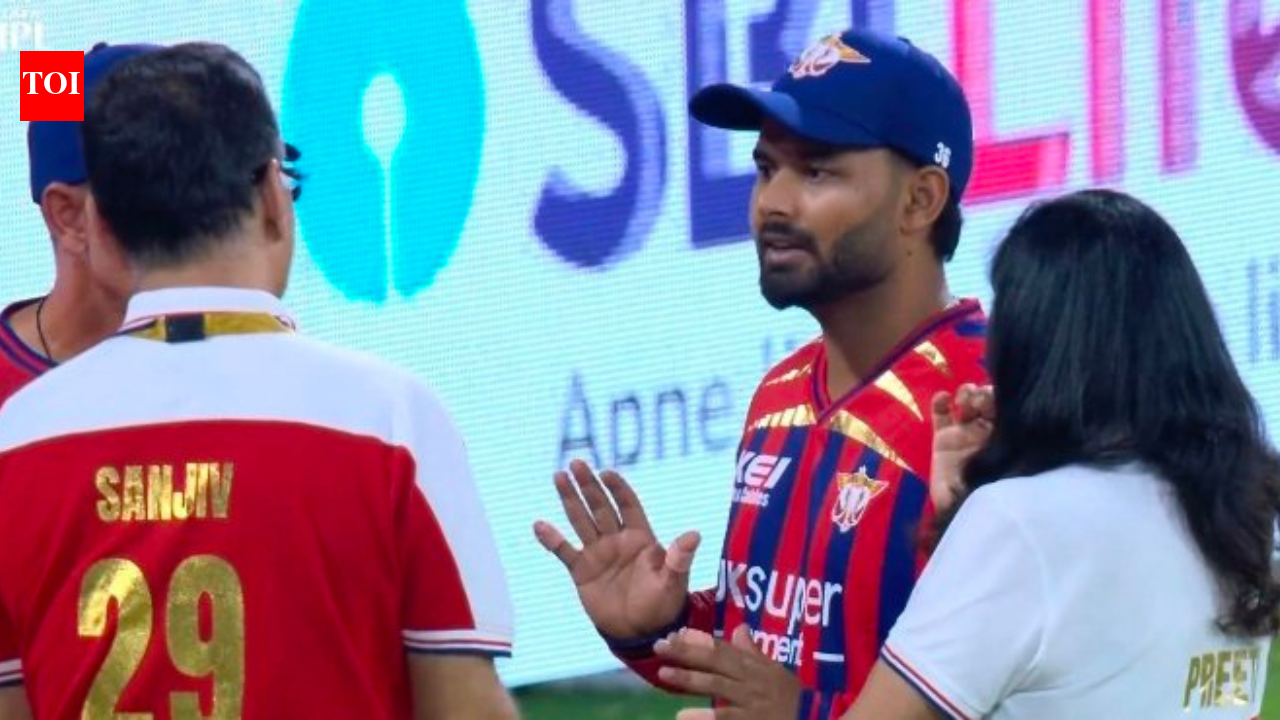
IPL 2026: Fans question LSG’s ‘unfiltered clip’ after viral Goenka-Pant exchange | Cricket News


IPL 2026: Fans question LSG’s ‘unfiltered clip’ after viral Goenka-Pant exchange
Rishabh Pant and Sanjiv Goenka (X)

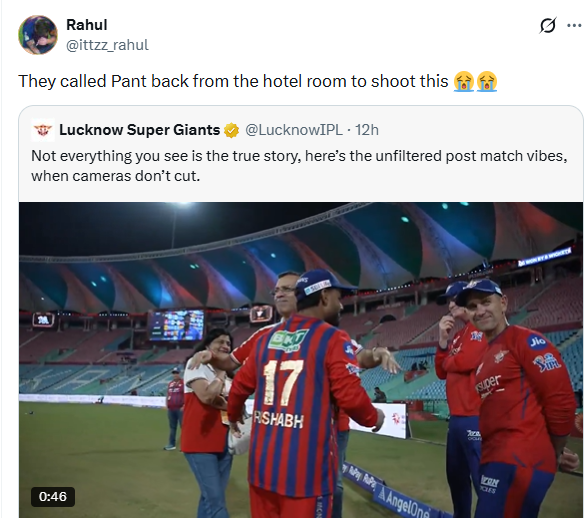
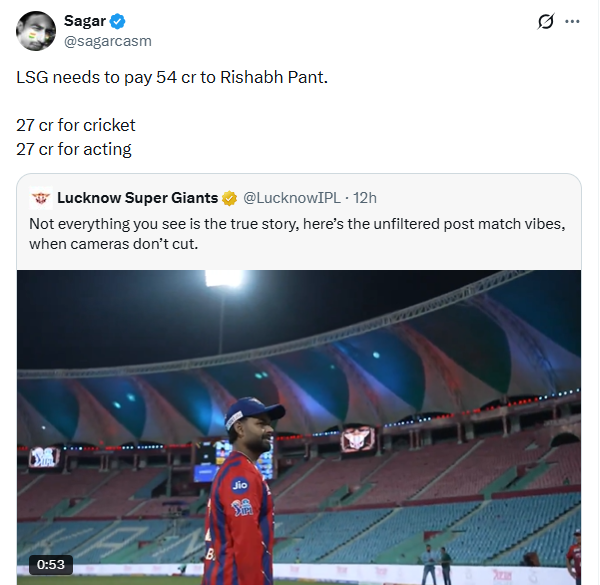
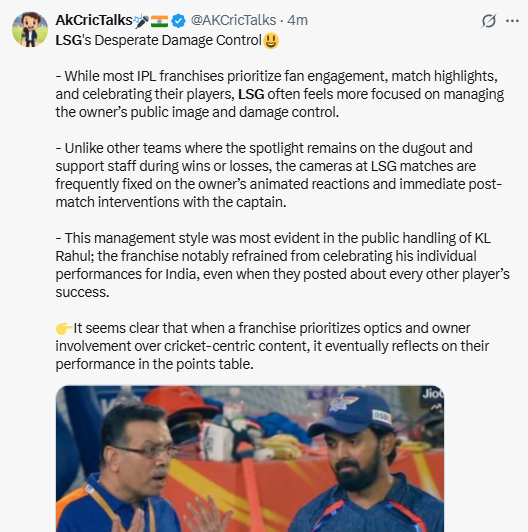
Lucknow Super Giants have pushed back against rising speculation after a viral post-match moment involving owner Sanjiv Goenka and captain Rishabh Pant triggered widespread debate online. The controversy erupted following Lucknow’s six-wicket defeat in their IPL 2026 opener at the Ekana Cricket Stadium on Wednesday. While the result exposed early concerns for the side, it was the visuals after the game that quickly took centre stage. Broadcast footage showed Goenka engaged in what appeared to be an intense conversation with Pant, with head coach Justin Langer also part of the discussion. With no audio available, the clip led to widespread speculation, with many drawing comparisons to the controversial interaction between Goenka and KL Rahul in 2024, which had previously raised questions over the involvement of franchise owners. Amid the growing noise, LSG attempted to address the situation by releasing what they called an “unfiltered clip” on social media. The video portrayed a more relaxed interaction between Pant and Goenka, with both seen sharing a hug. The caption read: “Not everything you see is the true story, here’s the unfiltered post-match vibes, when cameras don’t cut.” However, the explanation did little to quieten the chatter. Several fans remained sceptical, pointing to empty stands visible in the background and suggesting the footage may not have been captured immediately after the match. Some even speculated that the clip could have been staged to counter the narrative, though there is no evidence to support such claims.

​Fans reaction

Fans reaction

Fans reaction

Fans reaction

​Fans reaction

Fans reaction

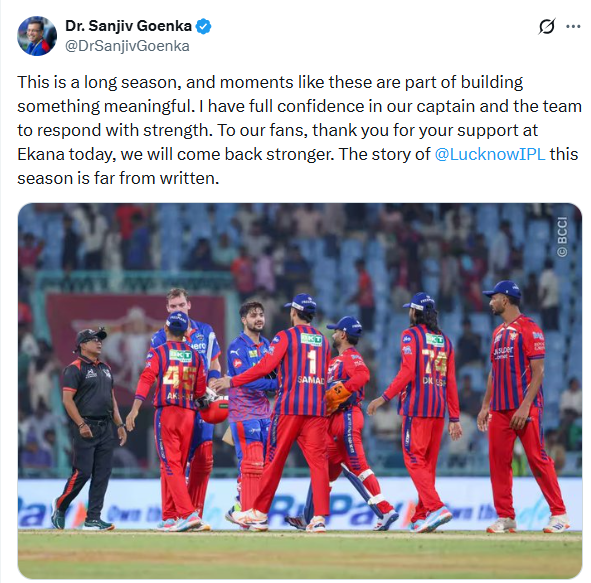
Earlier, Goenka had avoided directly addressing the controversy, instead choosing to focus on the bigger picture in a social media post.

Sanjiv Goenka post

Sanjiv Goenka post

“This is a long season, and moments like these are part of building something meaningful. I have full confidence in our captain and the team to respond with strength. To our fans, thank you for your support at Ekana today, we will come back stronger. The story of LSG this season is far from written,” he wrote. Lucknow will now look to move past the off-field distraction when they face Sunrisers Hyderabad at the Rajiv Gandhi International Stadium on April 5. SRH head into the contest with momentum after a commanding 65-run victory over Kolkata Knight Riders at Eden Gardens.


Source link

Another round of Liberation day tariffs? Trump slaps patented drugs with 100% tariff, lowers duties for steel, aluminium


Another round of Liberation day tariffs? Trump slaps patented drugs with 100% tariff, lowers duties for steel, aluminium

A year after the Liberation Day tariffs, US President Donald Trump has rolled out another set of duties, this time targeting medicines and key metals. The move is aimed towards pushing companies to manufacture within the US. The new measures impose tariffs on steel, aluminium and copper, strengthening efforts to boost domestic production.The announcements come a year after Trump rolled out sweeping tariffs on multiple trading partners under what he had termed “Liberation Day” on April 2, a move that had disrupted global supply chains and financial markets. Although those measures were struck down by the Supreme Court earlier this year, the administration has continued to pursue similar policies through alternate mechanisms.Here’s what the order says:

100% tariffs on pharma goods

The latest order on pharmaceuticals imposes a steep 100% tariff on patented drugs produced outside the United States. The measure is designed to encourage companies to relocate production domestically, unless countries negotiate trade agreements with Washington or firms commit to setting up manufacturing facilities in the US.Officials said large pharmaceutical companies have 120 days to present “reshoring plans”, while smaller firms have 180 days before the tariff comes into force. Companies that commit to building plants, expected to be completed by the end of Trump’s second presidency, will instead face a reduced tariff of 20%.“We expect the lion’s share of the world’s patented pharmaceuticals to be building in America,” a senior US official said. Commenting on the countries covered under the new move, which would also include India, a White House executive said that the measures will reduce US’s dependence on foreign nations for essential medicines. “100% tariff is on patented products. Any patented drug imports from India made by companies that do not get approved for a reshoring plan will be subject to a 100% tariff,” ANI cited the official.Nations with exemptionsSome partners have been granted exemptions and reduced rates. These include the European Union, Japan, South Korea and Switzerland, which will face a 15% tariff under prior agreements, while Britain has secured tariff-free access for its medicines for three years as part of a broader deal, according to the US Trade Representative’s office.Additional relief is available for companies that enter “Most Favored Nation” pricing arrangements with the administration while also investing in US-based manufacturing. Generic medicines are not currently covered by the tariffs, though this will be reviewed after a year.

Metals on the radar too

Alongside the pharmaceutical measures, Trump also signed a proclamation reshaping tariffs on steel, aluminium and copper, citing national security concerns and the need to strengthen domestic industry.Under the revised framework, tariffs will be calculated based on the full value of imported products rather than lower foreign price benchmarks. Products made almost entirely of these metals will attract a flat 50% tariff, while derivative goods containing substantial amounts will face a 25% duty on their full value. Certain industrial and electrical grid equipment will be taxed at 15% through 2027, and goods produced abroad using entirely American metals will face a lower 10% tariff. Items with minimal metal content, 15% or less, will no longer be subject to these duties.The changes will take effect from 12:01am Eastern Time on Monday.A senior administration official said the overhaul addresses concerns that “foreign countries were artificially manipulating” prices to reduce tariff payments. The revised structure, the official added, is intended to simplify the system and ensure fairer enforcement.“It’s a simplification and a fairness issue,” the official said.Despite concerns about rising costs ahead of midterm elections, the administration maintained that the measures would not affect household expenses. “These will not have impact on the price of the good on the shelf,” the official insisted.The White House said that the steps form part of a broader push to bolster domestic production of strategic materials and reinforce economic and national security. Officials highlighted ongoing expansion in US metals industries, including new steelmaking capacity and investments in aluminium and copper production, as evidence of the impact of existing tariff policies.The latest proclamation builds on earlier actions under the Section 232 programme, which has been used to impose and expand tariffs on key industrial imports. According to the administration, these measures have supported domestic producers, encouraged investment and helped create jobs, while ensuring that American industries can compete more effectively.


Source link

Access Denied


Access Denied

You don’t have permission to access “http://www.ndtv.com/india-news/india-ai-startup-sarvam-raises-funds-at-1-5-billion-valuation-11305042” on this server.

Reference #18.c7f5d217.1775190900.4428a48e

https://errors.edgesuite.net/18.c7f5d217.1775190900.4428a48e


Source link

Access Denied


Access Denied

You don’t have permission to access “http://www.ndtv.com/world-news/us-allies-work-on-plan-b-for-hormuz-strait-if-trump-walks-away-11305029” on this server.

Reference #18.cdf5d217.1775191117.9feae91b

https://errors.edgesuite.net/18.cdf5d217.1775191117.9feae91b


Source link

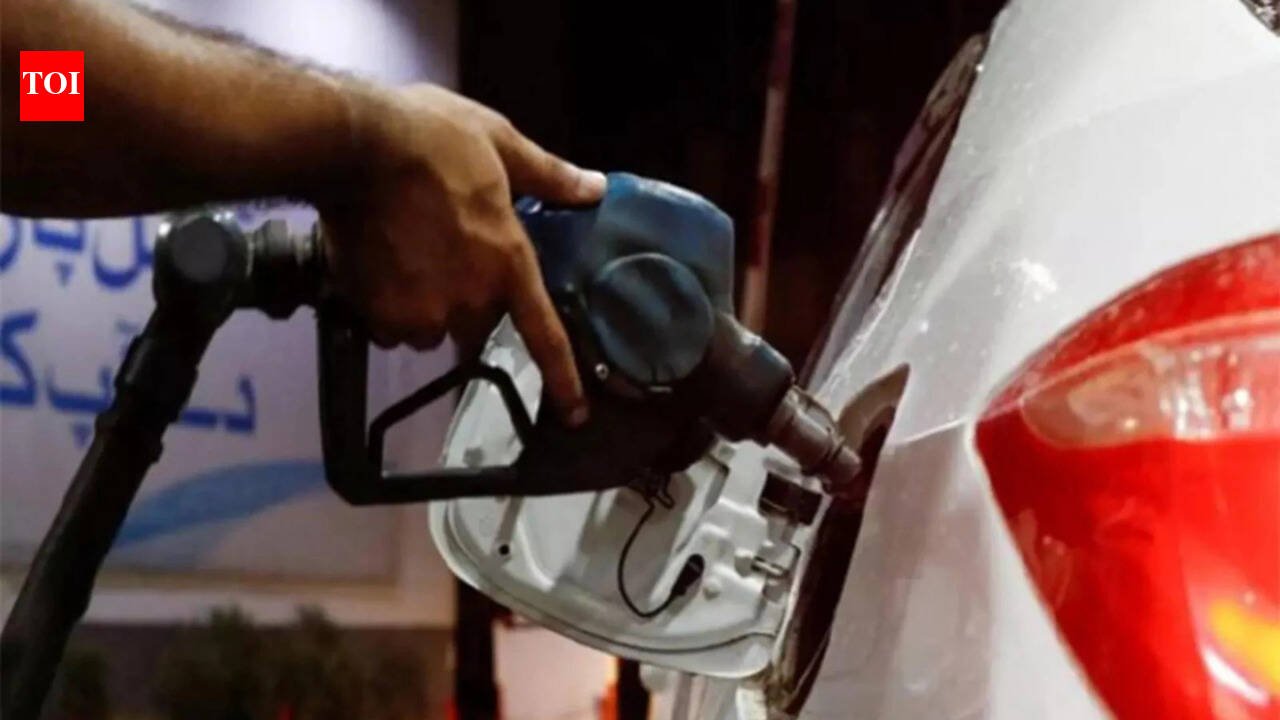
Pakistan fuel crisis deepens: Diesel up 55%, petrol rises 42% amid Hormuz disruption


As Iran War Jolts Pakistan's Economy, India Acts as Key Stabiliser for Neighbours

Pakistan has announced a sharp increase in petrol and diesel prices for the second time in less than a month, amid the ongoing Middle East war that has deeply impacted the global oil crisis.The latest hike is expected to worsen inflationary pressures and add to the economic burden on citizens already struggling with rising costs.The revised fuel prices were announced by petroleum minister Ali Pervaiz Malik during a press conference broadcast on state television, alongside finance minister Muhammad Aurangzeb.

Watch

As Iran War Jolts Pakistan’s Economy, India Acts as Key Stabiliser for Neighbours

Diesel prices have been raised by 54.9 per cent to 520.35 rupees per litre, while petrol prices have increased by 42.7 per cent to 458.40 rupees per litre, according to Reuters. The government has also increased kerosene prices by Rs34.08 per litre, taking it to Rs457.80 per litre. The new rates have come into effect immediately, making fuel significantly more expensive across the country.‘Inevitable decision’ amid global turmoilDefending the price hike, Malik said that the government had little choice but to pass on the burden of rising global oil prices to consumers. He stated that international markets had become highly volatile following the US-Iran war, which has disrupted supply chains and pushed crude prices sharply higher.Calling the decision ‘inevitable’, he said, “It ​was inevitable to raise the prices due to the international ⁠market prices going out of control after the US-Iran war.”

Why are fuel prices rising in Pakistan?

The sharp increase in fuel prices is closely linked to geopolitical tensions in the Middle East and Pakistan’s heavy reliance on imported oil. The ongoing conflict has disrupted supply routes, particularly through the Strait of Hormuz, a critical passage for global oil shipments. Pakistan depends largely on imports from countries such as Saudi Arabia and the United Arab Emirates, making it highly vulnerable to fluctuations in international prices. At the same time, global benchmarks have risen sharply, with oil markets witnessing significant volatility, leaving import-dependent economies like Pakistan with limited options.The government indicated that it can no longer sustain large-scale fuel subsidies due to mounting fiscal pressure. Malik said that around Rs129 billion had already been spent over the past few weeks to shield consumers from rising prices, according to Dawn. With limited resources and no immediate end to the conflict in sight, the government has decided to move away from blanket subsidies and instead focus on targeted assistance for the most vulnerable sections of society.“Since ​the resources are limited and there is no ​end to ⁠this war in sight, there was no way to continue with a blanket subsidy,” he said.

Relief measures for vulnerable groups

Finance minister Muhammad Aurangzeb announced a set of targeted relief measures aimed at cushioning the impact on specific groups. These include subsidies for motorcyclists, support for small farmers and financial assistance for the transport sector to help stabilise fares and ensure the continued movement of goods and passengers. The government also plans to extend support to low-income travellers using rail services.


Source link

‘Sister harassed’: Man open fires at 3 in Thane; 1 dead, 2 injured | Thane News


A man opened fire in Mumbra, killing one and injuring two, after a woman he considered his sister reported being harassed

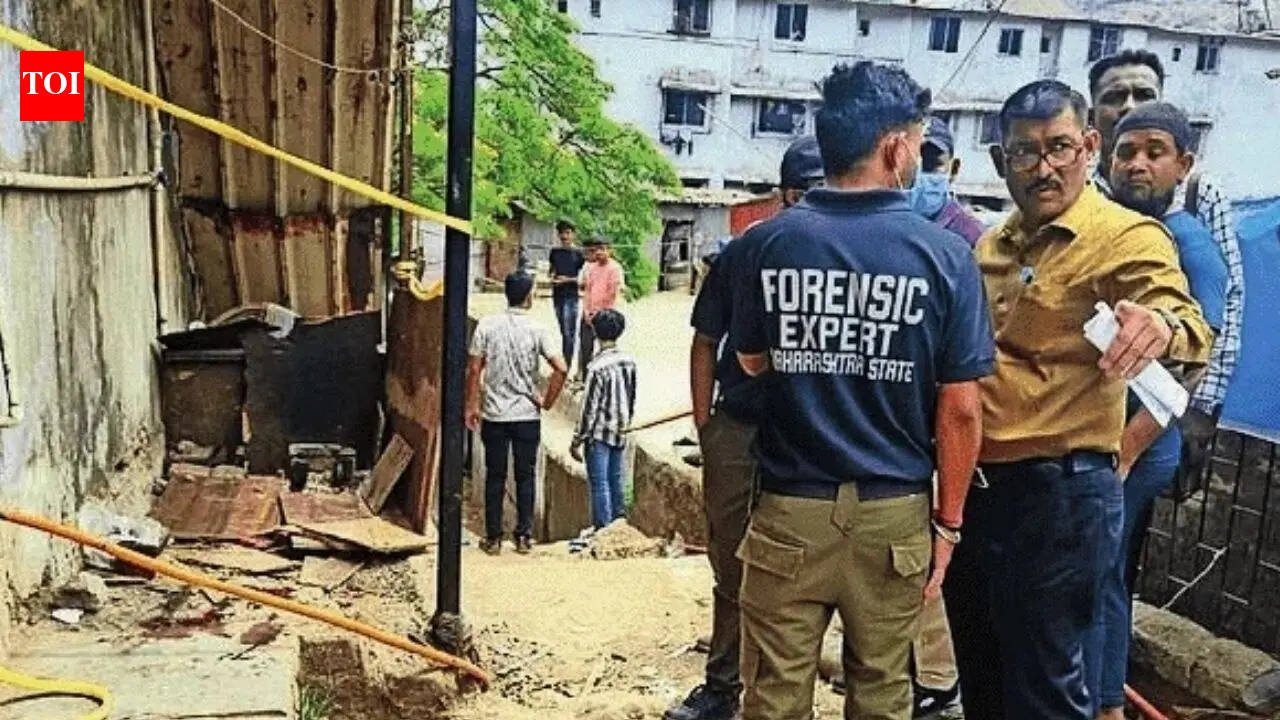
THANE: One person was killed and two others were injured in Mumbra on Thursday when a 51-year-old man fired at them for allegedly harassing a woman he considered his sister.The firing took place at around 11:30 am near Sumatibai Chavan Hindi Primary School in Mumbra’s Kailas Nagar area, which is under the jurisdiction of Mumbra police station. Police arrested the accused, Jayen Shivanandan Nair. According to the police, a minor dispute had erupted over the cutting of a banana tree within the school premises, where the woman accused considers his sister works as a caretaker. The dispute led to a heated argument between the woman and three individuals, during which, the woman allegedly told the accused, she was harassed by the men, Anil Shinde, senior inspector of Mumbra police station said.In a fit of rage, the accused then allegedly opened fire, injuring the three persons. The victims were rushed to Kalsekar Hospital, where one of them, Akbar Abdul Sheikh, was declared dead during treatment. The two other injured persons are in a stable condition, police said.Police said the accused shares a close bond with the woman’s family. When he was nine years old, he had lost his parents in Kolkata. During that period, the mother of the woman took him in and raised him, making him feel particularly protective towards the family, the police said.Police have recovered the weapon, a country-made firearm, used in the crime. During questioning, the accused claimed that he had found the firearm during a trip near a secluded spot along the Gujarat border and had kept it.The incident has raised fresh concerns over gun-related violence in Mumbra as it comes days after another firing case involving Nadeem Khan alias Baba Khan, where the accused allegedly fired at the police while attempting to evade arrest. A separate case of firing was also reported last week in Thane’s Pachpakhadi area.With at least three firing incidents in Thane within a month, questions have been raised about law and order, policing and public safety.


Source link