Breaking News
85% candidates finalised, 15% pending: Congress to seal Tamil Nadu list at CEC meet today | India News


85% candidates finalised, 15% pending: Congress to seal Tamil Nadu list at CEC meet today

NEW DELHI: The Indian National Congress is set to finalise its candidates for the upcoming Tamil Nadu Assembly elections at a Central Election Committee (CEC) meeting in Delhi, with 85 per cent of names already decided, according to state unit chief K Selvaperunthagai.Selvaperunthagai said discussions involving senior leaders, including Mallikarjun Kharge and Rahul Gandhi, have largely concluded, with only a small portion of seats left to be finalised.“All India Congress President Mallikarjun Kharge, Opposition leader Rahul Gandhi and senior leaders discussed the candidates. 85% have been decided, 15% are pending. Today we are going to decide,” he said.The Congress will contest 28 constituencies as part of the alliance led by the Dravida Munnetra Kazhagam, which heads the Secular Progressive Alliance (SPA).The DMK has retained the lion’s share, deciding to contest 164 of the 234 seats, while allocating the remaining 70 seats to its partners. Apart from Congress, key allies include the Communist Party of India (CPI) and Communist Party of India (Marxist) (CPI-M) with five seats each, Viduthalai Chiruthaigal Katchi (VCK) with eight seats, and Marumalarchi Dravida Munnetra Kazhagam (MDMK) with four seats.Other alliance partners include the Desiya Murpokku Dravida Kazhagam (DMDK) with 10 seats and the Indian Union Muslim League (IUML) with two seats, along with smaller regional players.Tamil Nadu chief minister and DMK president M K Stalin has already unveiled candidates for several key constituencies.Stalin will contest from Kolathur, while Deputy chief minister Udhayanidhi Stalin has been fielded from Chepauk-Thiruvallikeni.Other prominent candidates include Mahesh from Kanyakumari, Appavu from Radhapuram, Vahab from Palayamkottai, Kalaikathiravan from Tenkasi, and KKSSR Ramachandran from Aruppukottai. Additional names include Velu from Mylapore and Ma Subramanian from Saidapet.The main contest in the state is expected between the DMK-led SPA and the NDA led by the All India Anna Dravida Munnetra Kazhagam, which includes the BJP and PMK.A recent survey by polling agency Lok Poll projected a strong performance for the DMK alliance, estimating 181 to 189 seats with a vote share of 40.1 per cent. The AIADMK-led alliance was projected to secure 38 to 42 seats.Tamil Nadu will go to polls in a single phase on April 23, with counting scheduled for May 4.The last date for filing nominations is April 6, scrutiny will take place on April 7, and candidates can withdraw nominations until April 9.With candidate lists nearing completion and alliances finalised, political parties are entering the final phase of preparations for what is expected to be a closely watched electoral contest in the state.


Source link

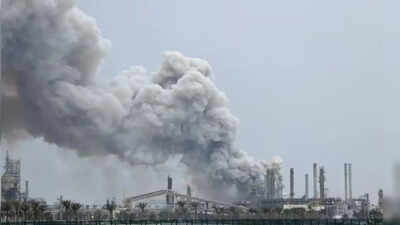
Watch: Kuwait refinery on fire after another Iranian drone attack, operations under threat


Watch: Kuwait refinery on fire after another Iranian drone attack, operations under threat

Iranian drones struck Kuwait’s key oil facility at Mina al-Ahmadi refinery on Friday, triggering fires at the site, Kuwait’s state-run Kuwait Petroleum Corporation said, adding that no injuries were reported.The company said firefighters were working to control the blazes following the attack, which marks another escalation in strikes on critical energy infrastructure in the Gulf region.Mina al-Ahmadi, one of Kuwait’s three major refineries, has been targeted multiple times during the ongoing conflict. Refineries play a crucial role in Kuwait’s oil production, as disruptions can force oil wells to shut due to lack of processing capacity. Restarting refinery operations is a time-consuming process, meaning production could remain affected even after fires are contained.The strike comes as Iran continues to launch attacks across the region amid ongoing hostilities with the United States and Israel. Early Friday, Iran targeted multiple locations in the Gulf, with both Kuwait and Bahrain reporting incoming attacks, while Israel issued alerts over missile threats.At the same time, the United States and Israel carried out airstrikes inside Iran, including in areas around Tehran and Isfahan, though details of the targets were not immediately clear.Despite claims by Washington and Tel Aviv that Iran’s military capabilities have been significantly degraded, Tehran has maintained sustained pressure on regional adversaries.Attacks on energy infrastructure and Iran’s tightening control over the Strait of Hormuz have disrupted global oil flows, pushing prices sharply higher.Brent crude prices rose to around $109, marking an increase of over 50 per cent since late February, when the conflict escalated.The Strait of Hormuz remains a critical chokepoint through which about a fifth of the world’s oil and gas supplies transit during peacetime, making any disruption a major concern for global markets.The United Nations Security Council is expected to vote on a proposal addressing security in the Strait of Hormuz, amid growing concerns over safe passage for commercial vessels.The proposal, put forward by Bahrain, initially included provisions allowing countries to “use all necessary means” to secure the waterway. However, permanent members including Russia, China and France have expressed opposition to authorising the use of force.Emmanuel Macron said a military solution would be impractical, warning that such an operation “would take an infinite amount of time and would expose anyone passing through the strait to coastal threats.”He added that reopening the route “can only be done in coordination with Iran,” pointing towards diplomacy following a potential ceasefire.The conflict, now entering its fifth week, has led to mounting casualties across multiple regions.More than 1,900 people have been reported killed in Iran, while 19 deaths have been confirmed in Israel. Additional fatalities have been reported in Gulf states, the occupied West Bank and among US forces.In Lebanon, over 1,300 people have been killed and more than one million displaced amid Israel’s ground operations against Hezbollah, with further casualties reported among Israeli troops.The attack on Kuwait’s refinery underscores the widening scope of the conflict, with energy infrastructure increasingly becoming a target in a war that continues to expand across the Middle East.


Source link

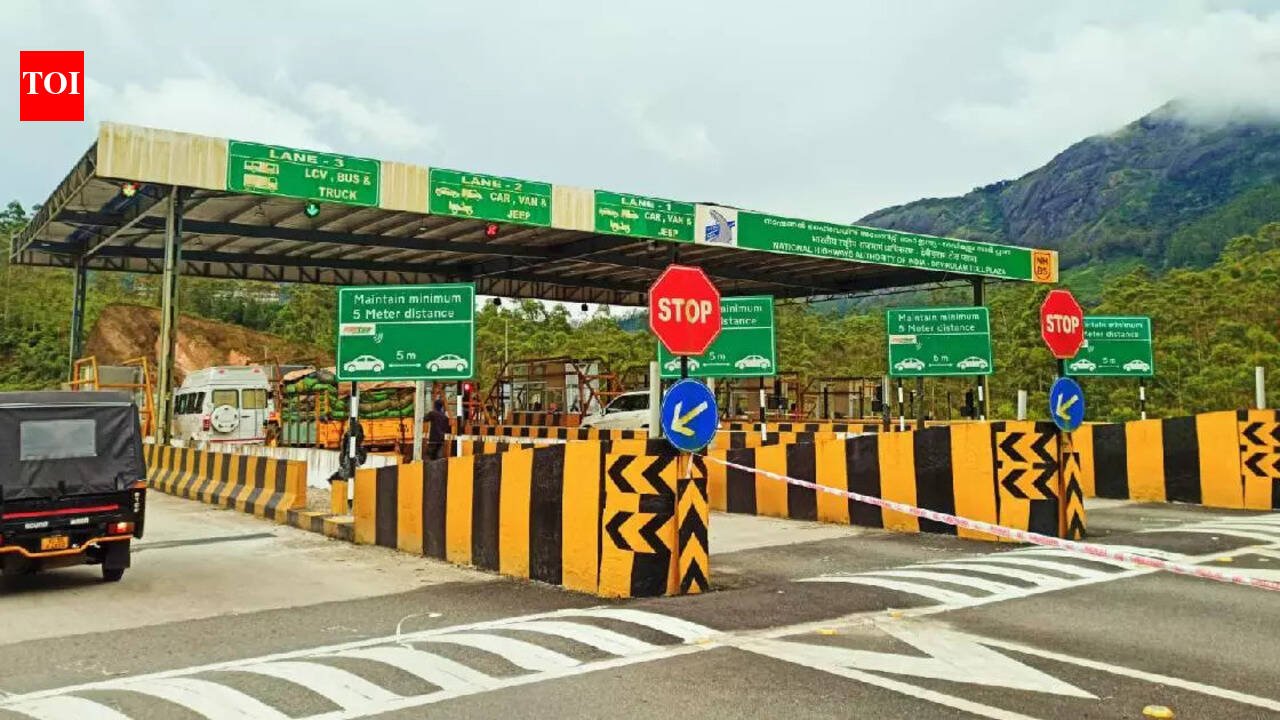
Toll plazas to go cashless from April 10; cash payments to be completely scrapped


Toll plazas to go cashless from April 10; cash payments to be completely scrapped

Cash payments at toll plazas across national highways will be discontinued from April 10, according to a government notification, marking a shift towards a fully digital tolling system. The move follows an earlier proposal by the government to phase out cash transactions at all National Highway fee plazas. The transition has been planned to build a fully digital tolling ecosystem and improve operational efficiency across the network.The National Highways Authority of India (NHAI) had earlier stated that all toll payments will now be processed exclusively through digital modes such as FASTag and the Unified Payments Interface (UPI). It said that the change is aimed at improving ease of commuting by increasing lane throughput, reducing congestion at toll plazas, and ensuring greater transparency and consistency in toll transactions.The authority further added that the complete shift to digital payments is expected to streamline traffic movement, minimise delays, and enhance the overall user experience at more than 1,150 fee plazas on national highways and expressways.Meanwhile, the National Highways Authority of India (NHAI) and the Uttar Pradesh Expressways Industrial Development Authority (UPEIDA) have revised toll rates.The updated charges, which will be applicable across national highways and expressways in the state, show a small upward revision. While toll on national highways will increase by up to 10% for passenger car owners, expressway charges in Uttar Pradesh have been raised in the range of 1.50% to 3.50%.Under the revised structure, car and SUV owners using the Lucknow–Agra Expressway will now pay Rs 675 instead of Rs 665, while two-wheeler riders will be charged Rs 335 instead of Rs 330 for a single trip.Similarly, user charges on the Gorakhpur Link Expressway have been increased by Rs 10 for four-wheelers and Rs 5 for two-wheelers, bringing the revised rates to Rs 295 and Rs 145 respectively. The increase will also apply to commercial vehicles, including buses and heavy multi-axle transport vehicles.


Source link

Anti-conversion law and Middle East conflict will reflect in Good Friday themes | Mumbai News


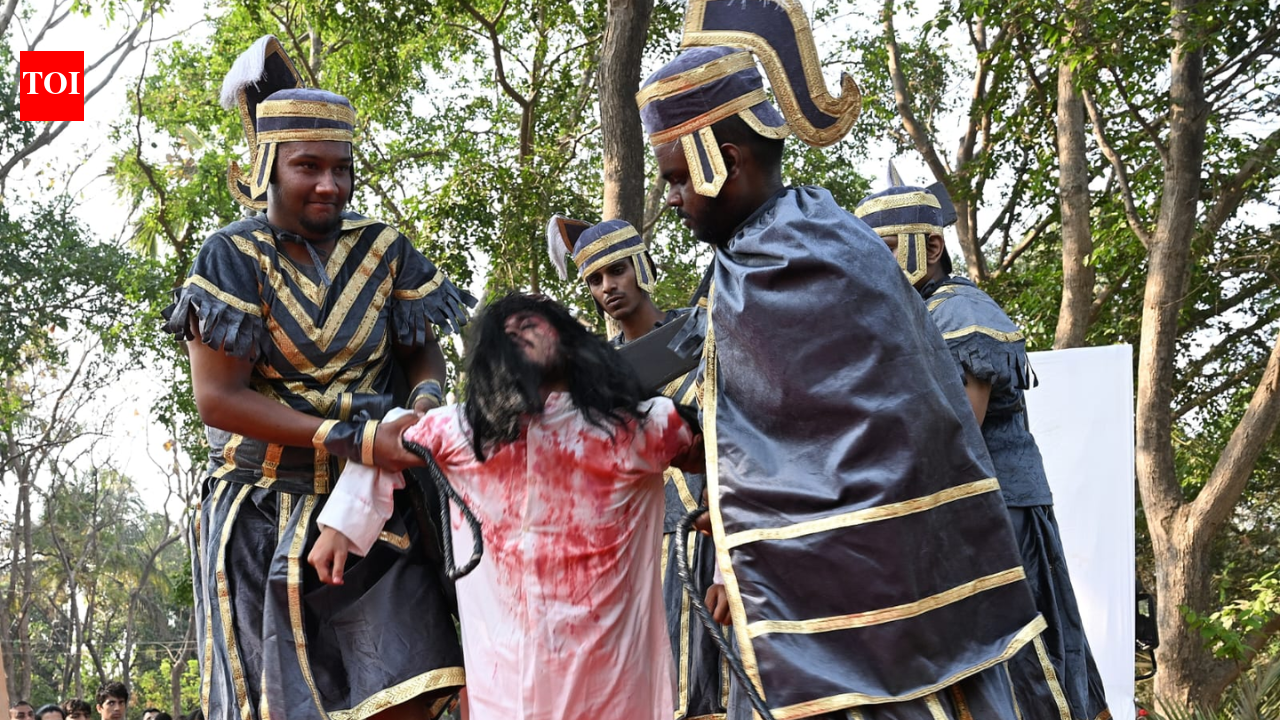
MUMBAI: The 40-day penance of Lent will peak at Good Friday April 3. The Christian community will lead live tableaux depicting the final hours of Jesus Christ followed by his crucifixion. Concern over the new anti-conversion law enacted in Maharashtra, and the conflict in the Middle East, will resonate in the themes.Around 600-800 parishioners of Our Lady of the Forsaken Church in Malwani will arrive for Good Friday service, said parish priest Fr Wilfred Vaz. “There is no mass since Jesus is absent [crucified], but we distribute communion which has been blessed on Holy Thursday. At the end of the service youngsters enact Christ’s crucifixion. In fact people ask why do you call it Good Friday, what is good about it if Christ died this day. However, the term derives from the fact that Christ died for the good of humanity,” Fr Wilfred said.Fr Nigel Barrett, spokesperson for the archdiocese of Bombay, is also parish priest of St Andrew’s Church, Bandra. He said, “Lenten observances culminate on Maundy Thursday with a life-size Last Supper display and on Good Friday with the Crucified Christ solemnly being brought down from the cross and entombed. Though seemingly defeated, the king of the universe was crowned with thorns, enthroned on the cross, and used his divine power to forgive his executioners, as he bore the sins of humanity.Around 10.00 am Friday at Sacred Heart Church in Santacruz, hundreds of Christians will attend the live Stations of the Cross enacted in Broadway musical style organised by the Christi Sevak Federation. Organiser Joseph Dias said the parade started 37 years ago when many non-Christians believed that Good Friday was a feast, rather than mourning.This year CSF will pray for “persecuted Christians and innocent people who may be affected by the anti-conversion law” passed by the Maharashtra state assembly. Taking a cue from Pope Leo, the gathering will also pray for peace in the Middle East.A 23-year-old marketing professional Del Jacinto will enact the part of Jesus. He says carrying the actual wooden cross for six hours as he walks through the streets does not pose a burden thanks to the love and faith of thousands of spectators who line the route. “Some people are so moved they come to seek my blessings. I do not bless them because I am not God, but I pray for them,” Jacinto said.Meanwhile in Thane after 52 years of litigation, parishioners of Our Lady of Mercy Church were able to offer Maundy Thursday mass at the 1562 church, said activist Melwyn Fernandes.


Source link

US imposes 100% tariff on patented pharma imports: How it impacts India


US imposes 100% tariff on patented pharma imports: How it impacts India

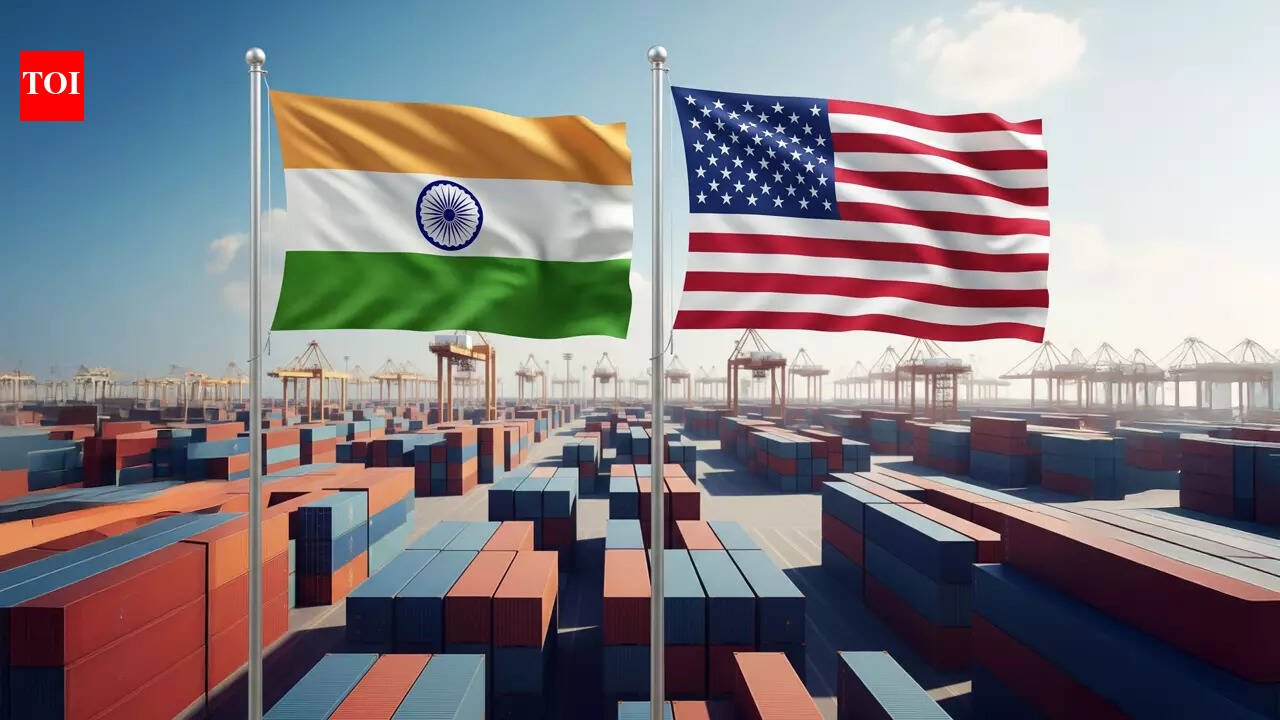
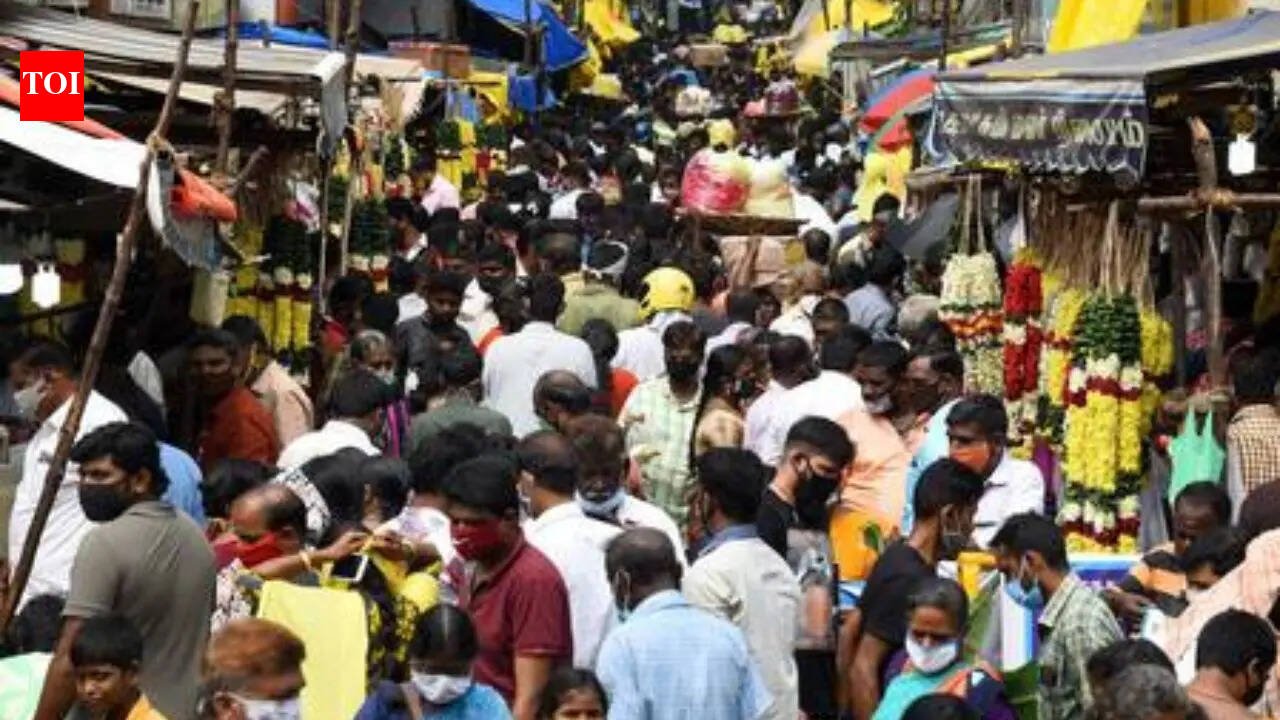
A year after US President Donald Trump’s “Liberation Day” tariffs shook global markets, Washington is back with another round, this time targeting drug and metal imports. The earlier tariffs, announced on April 2 last year, had sent ripples across major financial markets as investors assessed their impact. Now, the US has unveiled fresh measures on the same date, imposing duties of up to 100% on patented drugs made outside the country, while also tightening rules on key metals.But what does this mean for India? According to a report by the Global Trade Research Initiative (GTRI), the immediate impact is expected to be limited, although risks could emerge if the scope of these tariffs widens in the future. The latest move is aimed at pushing companies to manufacture within the US and reducing dependence on foreign supplies.

Watch

India Holds Off On US Trade Deal Signing As Washington Resets Global Tariff Architecture

What does Trump’s new tariff order say?

The US has imposed a steep 100% tariff on patented drugs manufactured outside the country, aiming to push pharmaceutical companies to shift production to the US. However, firms can avoid the full duty if they negotiate trade terms or commit to setting up manufacturing facilities locally. The US plans to impose tariffs of up to 100% on patented drugs and certain high-value pharmaceutical ingredients produced outside the country. These tariffs will take effect between August and September 2026, following a transition period of 120 to 180 days.Companies that lower prices or shift production to the US may benefit from reduced tariffs of 10–20% or avoid them altogether.The measure applies to multiple countries, including India. A White House official said the move is intended to cut reliance on foreign medicines, adding, “100% tariff is on patented products. Any patented drug imports from India made by companies that do not get approved for a reshoring plan will be subject to a 100% tariff,” ANI cited the official.Meanwhile, some countries have been granted relief. The European Union, Japan, South Korea and Switzerland will face a reduced tariff of 15% under existing arrangements, while Britain has secured tariff-free access for its medicines for three years. Companies can also benefit by adopting “Most Favored Nation” pricing and investing in US manufacturing.Generic medicines are currently exempt from the tariffs, although this will be reviewed after a year. “Generic medicines—making up over 90% of US drug use—are exempt for now, likely for about a year, to avoid shortages and price increases,” the report said.

How will Trump’s 100% tariff on pharma goods impact India?

For India, the impact is expected to be limited at present. The report notes that about 90% of India’s pharmaceutical exports to the US are generic medicines, which are currently exempt from the tariffs. In 2025, India exported $9.7 billion worth of pharmaceuticals to the US, accounting for 38% of its total global pharma exports of $25.8 billion. “The United States will impose tariffs of up to 100% on certain branded medicines and key pharmaceutical ingredients, while leaving generics untouched —a move that leaves India largely protected given its dominance in low-cost generic drug exports to the US,” GTRI said in its report. One senior White House official told ANI, “Generics, which constitute the majority of Indian pharma exports, are exempt from tariffs, but the Commerce Department will evaluate the state of generics reshoring and re-evaluate tariffs accordingly.” Meanwhile, some Indian companies could still be affected under the existing order, the think tank flagged.Firms producing branded or specialty drugs, or those supplying inputs for patented medicines, may face tariff pressure. The report also warns that generics are exempt only for now and may be reviewed after about a year, creating uncertainty. “A 100% tariff applies to patented products. Any patented drug imports from India made by companies that do not get approval for a reshoring plan will be subject to a 100% tariff,” the official clarified.Developed nations to face biggest impactThe tariffs are expected to hit developed pharmaceutical exporters the hardest. Countries such as Ireland, Germany, Switzerland, Belgium, Denmark, the United Kingdom and Japan, major suppliers of high-value and patented drugs, including biologics, are likely to be most affected.The report also highlights that the US has not offered exemptions based on trade agreements. Instead, relief depends on whether companies meet specific conditions such as cutting prices or investing in US manufacturing.

America’s tariff strategy: Pressure, not revenue

According to GTRI, the US is using tariffs mainly as a pressure tool rather than to raise revenue. The aim is to push companies to reduce drug prices in the US, shift manufacturing locally and strengthen control over key pharmaceutical supply chains.The order is based on a Section 232 investigation launched on May 1, 2025, which cited national security concerns over dependence on foreign drug supplies. It also signals continuity in US trade policy even after earlier tariff measures were struck down by the Supreme Court.The report further noted that the US is likely to continue using tools such as Section 232 of the Trade Expansion Act of 1962 and Section 301 of the Trade Act of 1974 to impose tariffs. “With the US Supreme Court striking down reciprocal tariffs, Washington is likely to rely more heavily on tools such as Section 232 of the Trade Expansion Act of 1962 (national security) and Section 301 of the Trade Act of 1974 (foreign trade barriers) to justify tariffs on a wide range of products and countries. In effect, the court’s decision has not changed the tariff strategy—it has only pushed the administration to shift the legal basis while keeping the pressure intact,” GTRI stated. This means even countries with trade agreements with the US are not fully protected, as such investigations and tariffs can still be applied regardless of existing deals.

Industry response and broader tariff push

Pharmaceutical companies, particularly in Europe, are expected to respond by adjusting their strategies. Some may offer limited price cuts, invest in US manufacturing or shift final-stage production such as packaging to the US. Others may revise pricing structures or delay product launches.Alongside pharmaceuticals, the US has also revised tariffs on metals including steel, aluminium and copper. These changes are aimed at boosting domestic production, addressing pricing concerns and strengthening national security.Overall, while India remains largely shielded for now due to the exemption on generics, the report cautions that any future expansion of the tariffs could increase risks for Indian exporters.India and the US have been in long-standing talks over a free trade agreement, culminating in an interim deal announced on February 2. As part of this, the US had agreed to lower tariffs on Indian goods to 18%. Last week, commerce and industry minister Piyush Goyal also met US trade representative Jamieson Greer to review the next steps in the negotiations. The meeting took place on the sidelines of the 14th WTO Ministerial Conference in Yaounde, where both sides discussed broader trade issues as well.However, the tariff structure has since changed. After the US Supreme Court struck down earlier sweeping tariff measures, US President Donald Trump introduced a temporary 10% tariff on all countries for 150 days starting February 24.

Source link

HC raps duo over vulgar song | Delhi News


Justice Purushaindra Kumar Kaurav observed that the song, reportedly dating back to 2006, was deeply offensive and had no artistic or social merit.

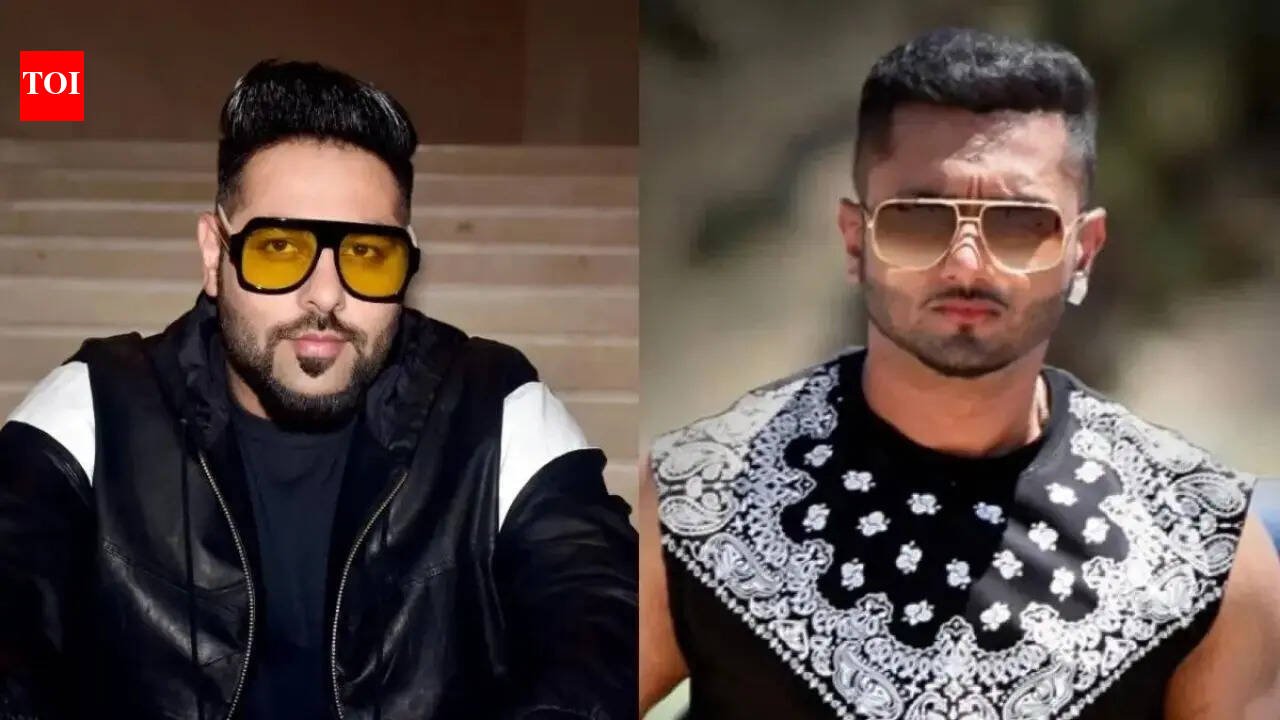
NEW DELHI: Delhi High Court on Thursday ordered removal of an allegedly “vulgar” and “derogatory” song linked to rappers Yo Yo Honey Singh and Badshah, stating that its content violated even basic standards of decency.Justice Purushaindra Kumar Kaurav observed that the song, reportedly dating back to 2006, was deeply offensive and had no artistic or social merit.Indicating the deep distaste with which the court viewed the song, the high court added that the lyrics were demeaning towards women and promoted an unacceptable portrayal that reduced them to objects, besides being grossly vulgar, obscene which no civil society can permit to remain on digital platforms.Directing immediate takedown, the high court expressed serious concern and said the availability of such content on public platforms, especially those accessible to minors, could not be justified under the protection of artistic freedom or free speech.It issued notices to both artists following a petition filed by an organisation called the Hindu Shakti Dal and directed the duo, along with any other entities holding any rights, to ensure the removal of the song and its versions from online platforms.It also instructed Central govt to take necessary steps to block additional links identified by the petitioner that host the track.During proceedings, the court remarked that the song’s content crossed acceptable limits of civility and should not remain in circulation. The judge further noted that the title itself was inappropriate to be recorded in the order.

Poll

Should offensive content be removed from public platforms?

The petition claimed that the song was originally released unofficially around 2006–07 and contains objectionable lyrics that promote misogyny and violence against women. It also pointed out that despite both artists reportedly denying involvement, portions of the song were allegedly performed by Honey Singh at a recent concert, reigniting the controversy.The petitioner has also sought a public apology from the artists, citing their influence and responsibility as public figures with large followings.


Source link

‘Glued to windows’: How Artemis II astronauts spent their first hours on Orion en route to Moon


'Glued to windows': How Artemis II astronauts spent their first hours on Orion en route to Moon

Nasa astronauts aboard the Orion spacecraft spent the first hours after launch observing Earth and documenting views from space, even as the mission successfully executed a critical engine burn to push towards the Moon.Mission specialist Jeremy Hansen described the view from orbit, saying, “We are getting a beautiful view of the dark side of the Earth, lit by the Moon.” The crew were “glued to the windows” taking photographs, prioritising the view over routine activities such as meals.Commander Reid Wiseman later contacted ground control to ask how to clean the spacecraft windows after continuous photography left them dirty. Ground teams advised the crew to use water and a dry wipe. Nasa confirmed that images captured during the mission will be shared publicly once transmitted back to Earth.

Artemis II completes key burn, spacecraft exits Earth orbit

The mission marked a major milestone after Orion completed its translunar injection burn, a manoeuvre that propels the spacecraft from Earth’s orbit towards the Moon.The burn began at 19:49 EDT (23:49 GMT) and lasted just under six minutes. Nasa described the operation as “flawless”, confirming that both the crew and spacecraft systems were functioning as expected.Following the manoeuvre, Hansen said, “Humanity has once again shown what we are capable of,” marking his first remarks after the burn.The spacecraft initiated the burn at its lowest orbital point relative to Earth, a planned trajectory designed to maximise efficiency and accuracy.

Crew and systems performing as planned, says Nasa

Nasa officials said the Artemis II mission is progressing according to plan, with all major systems operating within expected parameters.At a post-burn briefing, Artemis science lead Lori Glaze said the spacecraft remains “on the path we designed” and confirmed that astronauts are “doing great”.Flight data collected so far includes ascent performance, manual flight testing during proximity operations, and checks on life-support systems such as carbon dioxide scrubbers, all of which have functioned successfully.Ascent flight director Judd Freeling stated that the Space Launch System placed Orion precisely into its intended orbit, with subsequent burns executed as planned.Orion programme manager Howard Hu compared the mission phase to “test-driving the car”, noting that objectives related to manual control and system validation have been achieved.

Mission remains a test flight, Moon landing not planned

Nasa reiterated that Artemis II is a test mission aimed at evaluating how the Space Launch System rocket, Orion spacecraft, and a human crew operate together in deep space conditions.The mission will not include a Moon landing. Instead, the Orion capsule will travel around the Moon and return, allowing engineers to gather data critical for future crewed lunar landings.Officials said the coming days will focus on extracting as much data as possible from the flight, with an emphasis on system performance and crew operations.While minor issues are expected as part of testing, Nasa indicated that the mission has so far met all key objectives, marking a significant step in its broader lunar exploration programme.


Source link

How Sameer Rizvi embraced Axar Patel’s ‘challenge’ and seized his moment | Cricket News


How Sameer Rizvi embraced Axar Patel’s ‘challenge’ and seized his moment
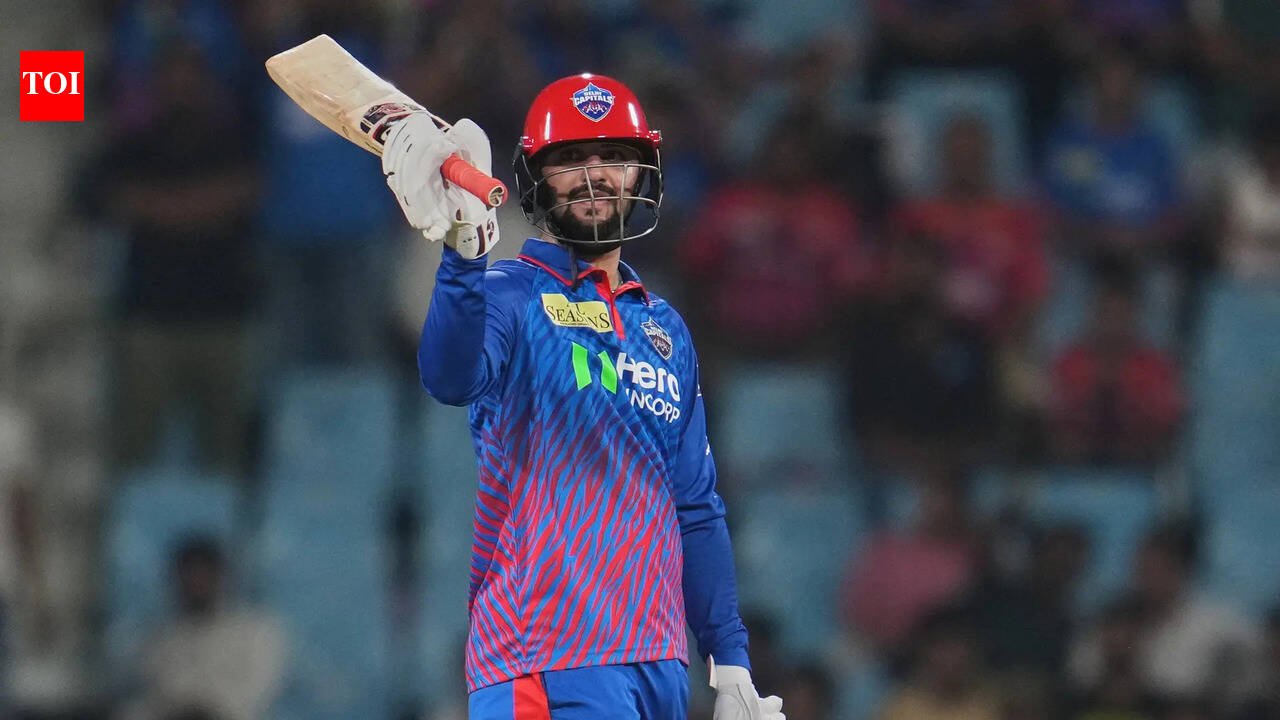
Delhi Capitals’ Sameer Rizvi celebrates his fifty (AP Photo/Manish Swarup)

NEW DELHI: “Tayyar rahio, ek challenge aane wala hai”That was Axar Patel’s message to Sameer Rizvi ahead of IPL 2026. What Rizvi did not know then was how quickly that challenge would arrive—or how decisively he would stamp his authority on it.When it did, the 22-year-old delivered a statement.Chasing 142 against Lucknow Super Giants, Rizvi walked in at No. 4 and produced a composed, unbeaten 70 off 47 balls, guiding Delhi Capitals to a six-wicket win. He walked into a ring of fire, with his UP teammate Mohsin Khan and the rest of the LSG pace battery making life difficult for the batters. But Rizvi weathered the early storm before settling into his comfort zone and accelerating with control.‘No. 4 is his favourite position’Rizvi’s comfort at the position comes as no surprise. He entered IPL 2026 on the back of consistent domestic form—491 runs in the UP T20 League, where he primarily batted at No. 4.“I am comfortable batting at No 4. I wanted to bat at the spot and the coach had told me earlier that I would come in at No 4 and that they would back me,” he said. “He asked me to play my natural game and stay positive,” Rizvi had told reporters after the game.Axar’s reminder ahead of DC’s season opener was a validation of the trust the management had placed in him.As per his uncle and formative coach, Tankeeb Akhtar, Rizvi relishes batting at No. 4, with time in the middle being key to his game.“Tujhe 4 pe batting karni hai. Tayyar rehna [You have to bat at No. 4. Be ready]. That’s what Axar Patel told him,” Akhtar tells Timesofindia.com. “He was very happy. No. 4 is his favourite batting position. When he called me, he was extremely happy and said, ‘That was amazing, mamu’]”.

​Sameer Rizvi with his uncle and formative coach,Tankeeb Akhtar​

Sameer Rizvi with his uncle and formative coach,Tankeeb Akhtar

“Even last year, in the final match, he played a fine knock—scoring 58 runs to help Delhi win. That’s where it all started for him. Against LSG too, he played a very good knock. The only change was that he needed time at the crease, and Axar gave him that time yesterday. Once he got time to settle on the wicket, he batted really well. He was happy,” he added.’Mamu, you’ll see – I will play well this time’Rizvi was the second-highest run-getter in the UP T20 League, averaging 61.38 and striking at 161.51. He continued his rich vein of form in the Vijay Hazare Trophy, scoring 238 runs at an average of 59.50.Back home in Meerut, his preparation for IPL 2026 was intense and methodical.“When he is in Meerut, he bats for three hours on the centre wicket. Medium pacers, spinners, fast bowlers—everyone was used to prepare him for the IPL. He has worked extremely hard for this season. I am sure he will continue to play match-winning knocks this season. While leaving, he just said, ‘Mamu, you’ll see – I will play well this time’,” says Akhtar.‘8 crore ho ya 20 lakh – cricket khelna hai bass’Rizvi’s IPL journey has already seen sharp turns. Picked by Chennai Super Kings for Rs 8.40 crore in 2024, he struggled to convert his opportunities and managed just 51 runs in eight matches.He was released the following season – a move that raised eyebrows and brought with it an inevitable dip in valuation. Delhi Capitals picked him up for Rs 95 lakh. That massive drop in price could have easily unsettled the youngster, but as Akhtar says, for Rizvi, it was always about playing the game, not the price tag attached to it.“Dekhiye bura bahot lagta hai but Sameer ne kabhi dikhaya nahi wo apne shakal pe [Look, it does hurt a lot, but Sameer never showed it on his face]. Cricket comes first for him. He never talks about the price tag. He used to say whether it is Rs 8 crore or a Rs 20 lakh base price, he just wants to play cricket, no matter which IPL team it is,” says Akhtar.In 2025, after starting in the playing XI for the initial matches, Rizvi lost his place to the likes of Abhishek Porel and Ashutosh Sharma, and eventually managed just five games the whole season – scoring 121 runs at 40.33 and striking at 153.16, including a fifty in DC’s final game.Making an Impact This year, though, as an impact substitute, Rizvi has made his mark with a match-winning knock in the first game itself. He will now hope for a consistent run – something Akhtar also believes is within reach.“Mauka bahut kam mila tha usko CSK mein [He didn’t get many opportunities at CSK]. Even in the IPL now, this was only his second or third chance, and he played a very good innings,” says Akhtar, adding that the CSK stint did help Rizvi evolve as a cricketer. “He learned a lot from MS Dhoni – both his approach to the game and his thinking evolved. But when Dhoni stepped down as captain, everything changed. I had even asked him about opportunities or moving up the batting order. He said the captain is different now. He just didn’t get enough chances, that’s all,” remembers Akhtar.At DC, Rizvi seems to have found the ideal support system – a captain who trusts him and a senior pro he can lean on.“Axar has supported him a lot. He treats him like an elder brother. He also spends time with KL Rahul. He has told him one thing: ‘Be focused on your goal,’” says Akhtar about the DC setup.From a quiet heads-up before the season to taking on the challenge head-on, Rizvi has shown early signs that he could seize his moment in his third IPL year.


Source link

Delhi CM Rekha Gupta Celebrates Hanuman Jayanti: Inspiring Nation-Building Through His Ideals | India News


Lord Hanuman's ideals continue to inspire nation-building: Delhi CM Rekha Gupta

Delhi Chief Minister Rekha Gupta offers prayers on the occasion of Hanuman Janmotsav at Jhandewalan Hanuman Mandir, in New Delhi on Thursday. (ANI Photo)

NEW DELHI: Delhi Chief Minister Rekha Gupta on Thursday offered prayers at the Sankat Mochan Dham in Karolbagh that houses an 108-foot idol of Lord Hanuman on the occasion of Hanuman Jayanti.Lord Hanuman, who symbolises service and courage, continues to inspire nation-building, Gupta said, as she prayed for the well-being, peace and prosperity of the people of Delhi, reciting Hanuman Chalisa along with the other devotees.“His ideals continue to inspire us to serve the society and the nation selflessly,” the chief minister said, adding that sacred occasions like Hanuman Jayanti foster positive energy, unity and spiritual awareness in society.


Source link

BMC clears 3-tier alternative reservoir plan at Malabar Hill | Mumbai News


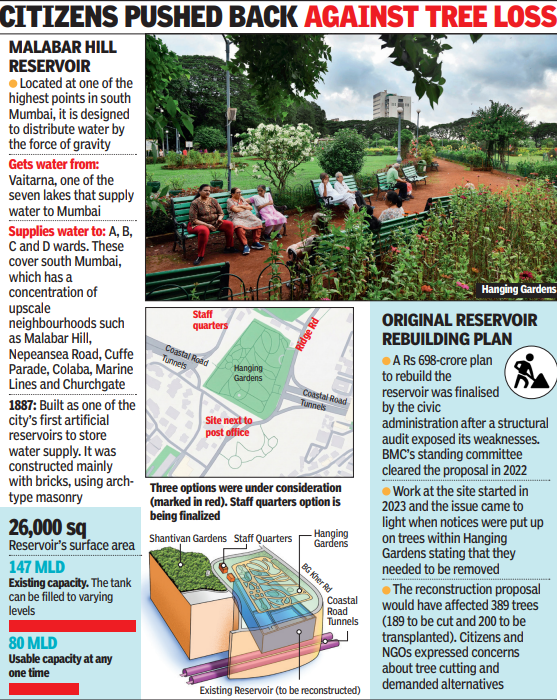
MUMBAI: Among the first civic projects reviewed by municipal commissioner Ashwini Bhide is the long-pending alternative reservoir at Malabar Hill, with officials zeroing in on a three-tier design of 52 MLD capacity.The water supply projects (WSP) department presented multiple options. The selected plan will comprise an underground tank, a ground-level tank and an upper-level tank. Water will be routed through the ground-level tank and pumped upwards to ensure uninterrupted supply when sections of the existing reservoir are shut for repairs. The push for an alternative facility stems from the need to repair the ageing Malabar Hill reservoir.

BMC clears 3-tier alternative reservoir plan at Malabar Hill

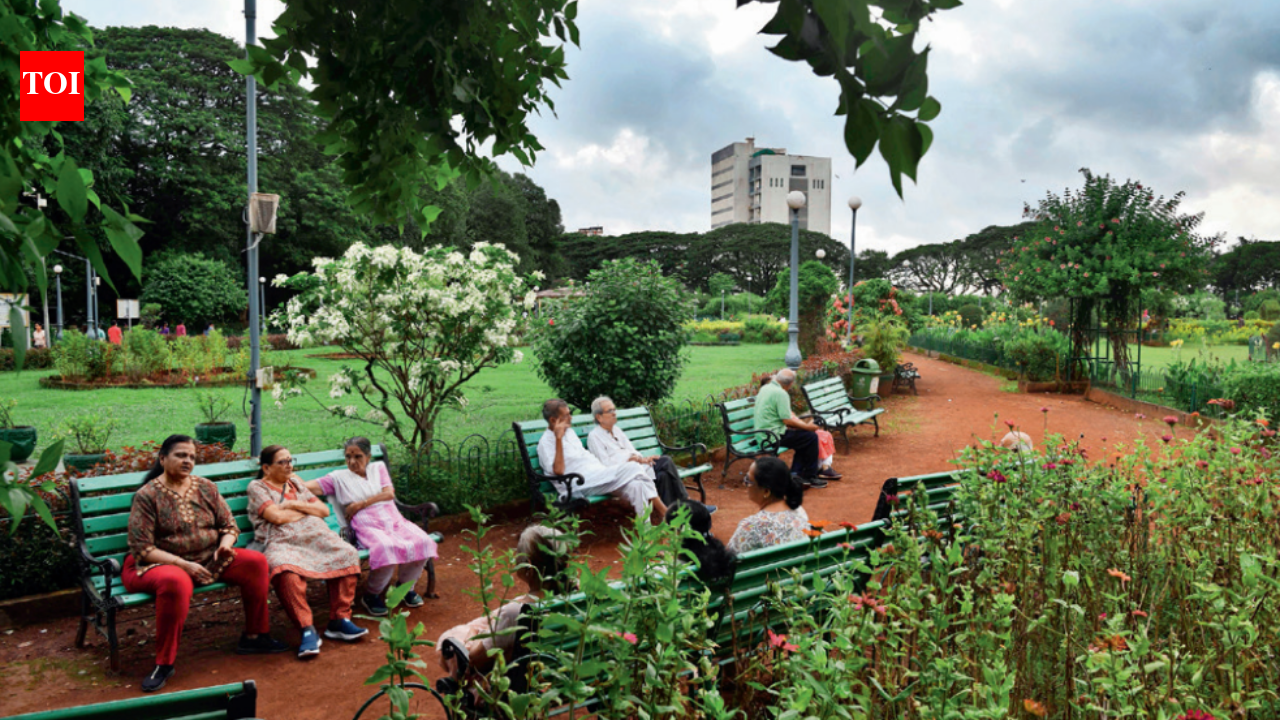
Earlier plans to demolish and rebuild the reservoir were shelved following strong public opposition in Sept 2023, as the move would have impacted the Hanging Gardens situated above it. Authorities have since opted for phased repairs, contingent on the alternative reservoir becoming operational. Bhide has directed officials to examine whether the proposed three-tier structure could affect the protected “funnel of vision” — a designated view corridor preserving uninterrupted vistas of Marine Drive and Backbay. Civic officials said that identified view-sensitive stretches include the eastern flank from Priyadarshini Park to Nepeansea Road (Sector 49), and the southern edge from the wooded limits of Raj Bhavan along Walkeshwar Road to Walkeshwar Circle. While preliminary assessments suggest the new structure is unlikely to obstruct these sightlines, officials said a detailed review is underway as part of due diligence.A civic official said, “Before deciding on the current site, two other sites — one near a post office and another on Ridge road — were studied. The plot near the staff quarters is being finalised for the project.”Once checks are completed to determine whether it could affect the protected “funnel of vision”, work on floating a tender for its construction will begin, officials said. “The administration is positive about getting started with this work, as the existing reservoir has already outlived its lifespan and there is a need for an alternate tank to be made ready,” an official said.


Source link