Breaking News
Maharashtra auto drivers to stage morcha at RTO on April 8 over welfare scheme fees | Mumbai News


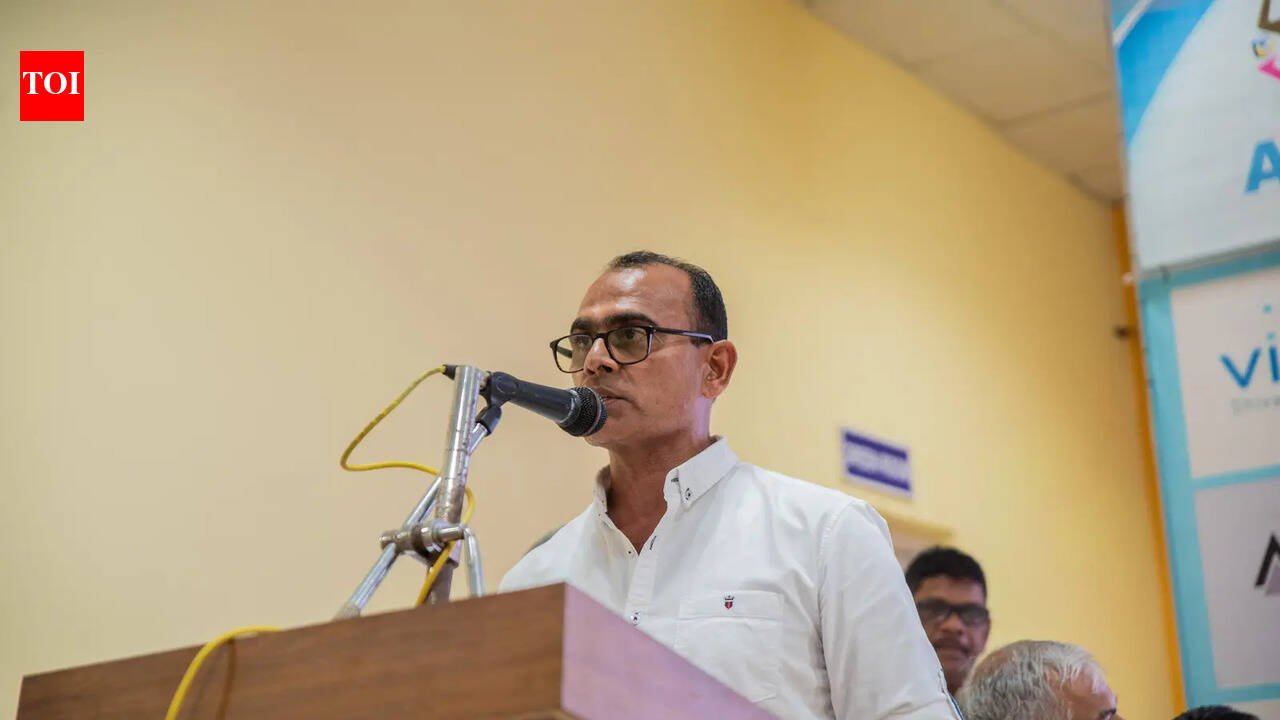
MUMBAI: Auto drivers across Maharashtra will stage a morcha to Regional Transport Office (RTO) premises on April 8, protesting what Unions have called an unjustified fee structure for joining the state welfare scheme for drivers.In Mumbai, the main protest will be held outside the Andheri RTO, where a large gathering of drivers is expected. Union leaders have warned that the agitation could disrupt autorickshaw services across the suburbs during the day.At the centre of the protest is the requirement for each driver to pay Rs 500 as a joining fee and Rs 300 as an annual fee to enrol in the welfare scheme, taking the total to Rs 800. Driver representatives said the charges defeat the very purpose of a welfare board, which was set up around a year ago to support workers in the sector.Union leader Shashank Rao said the fee is unreasonable, especially when several other welfare boards reportedly charge only one rupee for registration. He argued that autorickshaw drivers already bear heavy financial burdens, including permit costs and annual compliance expenses, and should not be forced to pay such a high amount in the name of welfare.Rao also questioned the scale of collections likely under the scheme. With an estimated 15 lakh drivers in the state, unions said the government could collect around Rs 120 crore from drivers. “Is this for our welfare or for the transport department’s welfare?” he asked.Adding to the anger are allegations from drivers that, unofficially, they are being told to first pay the Rs 800 before fitness certificates are cleared or transport-related documents are processed. Union leaders described this as coercive and extortionary, saying no driver can be compelled to pay to access routine approvals.The April 8 protest is expected to draw participation from auto unions across the state, with Mumbai likely to witness one of the biggest turnouts outside the Andheri RTO.


Source link

Top 10 things that change for your finances from April 1, 2026: From new PAN application norms, FASTag fee to income tax & ATM rules


Big April Financial Reset: New Rules For UPI, ATM, PAN, FASTag, Railway Booking To Impact Daily Life

Top 10 changes to your finances (AI image)

It’s the start of a new financial year 2026-27, and from today, April 1, 2026 several small and big changes in the way you manage your finance, and income tax come into effect. Some of the changes affect credit card users, FASTag subscribers, RuPay debit cardholders. Here are some of the key revisions scheduled for implementation from the start of the new financial year.

Watch

Big April Financial Reset: New Rules For UPI, ATM, PAN, FASTag, Railway Booking To Impact Daily Life

Revised PAN application normsUntil March 31, 2026, individuals could apply for a PAN card using Aadhaar as the sole document. From April 1, 2026, however, applicants will need to furnish additional documentation. Applicants can submit any of several documents as proof, such as a birth certificate, voter ID card, Class 10 certificate, passport, driving licence, or a magistrate-issued affidavit. With this update, those seeking a PAN are expected to have these documents prepared beforehand to prevent potential processing hold-ups. Going forward, the name printed on the PAN card will mirror the details recorded in the applicant’s Aadhaar, making it essential for individuals to ensure that their Aadhaar information is accurate.Increase in FASTag annual pass chargesThe National Highways Authority of India (NHAI) has revised the annual FASTag pass fee for the financial year 2026–27. The cost will rise from the existing Rs 3,000 to Rs 3,075, with the updated fee becoming effective from April 1, 2026.Changes to ATM usage rulesMultiple banks, including HDFC Bank, Punjab National Bank and Bandhan Bank, have revised their policies related to ATM cash withdrawals, including applicable charges and limits. These updated rules will be implemented starting April 1, 2026.New Income Tax Rules 2026Effective April 1, 2026 the Income Tax Act 2025 is applicable doing away with the decades old Income Tax Act 1961. The new act has several important changes with implications for salaried taxpayers in terms of higher HRA limits for some cities, higher exemption limits etc. You can read about it in detail here:Changes to SBI Card benefitsSBI Card has introduced modifications to the benefits associated with its Cashback SBI Card. From April 1, 2026, the redemption framework has been updated, with statement credit redemptions for select cards now allowed only in multiples of 4,000 reward points.Revisions to RuPay debit card lounge accessRevisions to RuPay debit card lounge access Starting April 1, 2026, holders of RuPay Platinum debit cards will lose access to airport and railway lounges. The National Payments Corporation of India (NPCI) has communicated these changes to member banks via a circular, signaling an update to the lounge access perks associated with specific RuPay debit cards.Updates by HDFC BankHDFC Bank has announced a series of changes that will affect its customers, including revisions to lending rates, fixed deposit returns, ATM withdrawal norms and locker fees. While some of these updates have already been rolled out, the remaining changes will come into force from April 1, 2026.Two-factor authentication normsThe Reserve Bank of India has reiterated that all digital payment transactions must comply with two-factor authentication requirements. Although no specific method has been mandated, the system has largely relied on SMS-based one-time passwords as an additional verification layer. These guidelines will come into effect from April 1, 2026, unless specified otherwise for certain provisions.Revised rules for Sovereign Gold Bonds (SGBs)From April 1, 2026, the benefit of tax-free redemption on Sovereign Gold Bonds will be limited only to original investors who retain their holdings until maturity. Investors who purchase these bonds in the secondary market will be subject to a 12.5% Long-Term Capital Gains (LTCG) tax at the time of maturity, which reduces the overall returns compared to the earlier framework.Lower TCS on overseas spendingThe Tax Collected at Source (TCS) applicable on foreign travel has been brought down, offering some relief to travellers. Previously, tour packages attracted a 5% TCS for amounts up to Rs 10 lakh and 20% for amounts exceeding that threshold. Under the revised structure, a uniform 2% TCS will now be levied on the entire cost of the tour.Furthermore, the tax collected at source (TCS) on remittances for education and medical expenses overseas has seen a reduction. Previously, the rate was 5% for amounts exceeding Rs 10 lakh. It’s now been cut to 2%, which should lessen the financial strain on those sending money abroad for educational or medical purposes.


Source link

Jammu Oil Tankers Fire: Several oil tankers catch fire in Jammu, 2 gutted | India News


Several oil tankers catch fire in Jammu, 2 gutted
Smoke plumes into the air as a fire broke out in an oil tanker in Narwal, Jammu (ANI photo)

NEW DELHI: Several oil tankers in Jammu caught fire on Wednesday. Emergency services responded quickly to the scene, averting a bigger tragedy involving people.No individuals people have been reported to be harmed, according to news agency PTI. However, two tankers with relatively less quantity of oil burst into flames and were complete gutted. The cause of the fire, that started with one tanker near the RTO office at Transport Nagar and spread to 4-5 other tankers, is not known.The area, home to numerous tankers and jhuggies, is considered highly vulnerable.

Poll

Do you think adequate safety measures are in place for oil tankers in vulnerable areas?

Officials said that fire service personnel rushed to the spot with several fire tenders and managed to bring the blaze under control after an hour-long operation.


Source link

Medeira joins Bengaluru FC as head of youth development | Goa News


Until Khalid Jamil took over as the coach last year, Savio Medeira, 58, was the last domestic coach for the senior national team

Panaji: Bengaluru FC have appointed former India coach and technical director, Savio Medeira, as head of youth development.The club is expected to make a formal announcement later this week.A respected figure in Indian football, Medeira brings over 35 years of experience at all levels of the game. He joins Bengaluru at a time when the club has increased its focus towards youth development and started contributing plenty of players to the national teams. Seven of the club’s players were part of the India U-20 squad at the SAFF Championship in Maldives, while six made it to the senior national team for the AFC Asian Cup qualifier against Hong Kong.“Medeira is a top profile and certain to make things work at Bengaluru,” said a senior official. “The expectations will be high as the club has always set high standards and Medeira is known to thrive in such a set-up. Everyone is looking forward to this partnership.”Until Khalid Jamil took over as the coach last year, Medeira, 58, was the last domestic coach for the senior national team. He had various stints as chief coach and then worked as technical director for the All India Football Federation (AIFF).The former India midfielder was also AIFF’s head of coach education for several years.Once he left AIFF, Medeira took up an assignment with Sporting Clube de Goa as technical director, before parting ways last year.More recently, he was technical expert with FIFA coaching development and conducted courses across the continent.Medeira enjoyed a 17-year playing career from 1983-2000 as a midfielder, majorly for Salgaocar FC, winning two Rover Cups, Federation Cup, and the 1997-98 National Football League (NFL) title. After retiring as a player, he transitioned into coaching with Salgaocar.


Source link

Shreyas Iyer provides update on his wrist injury after Punjab Kings’ narrow win over Gujarat Titans in IPL 2026


Punjab Kings captain Shreyas Iyer gave fans a sigh of relief after providing an update on his wrist injury following his team’s thrilling win over Gujarat Titans in the Indian Premier League (IPL) 2026 clash.

Cooper Connolly’s drive injures Shreyas Iyer

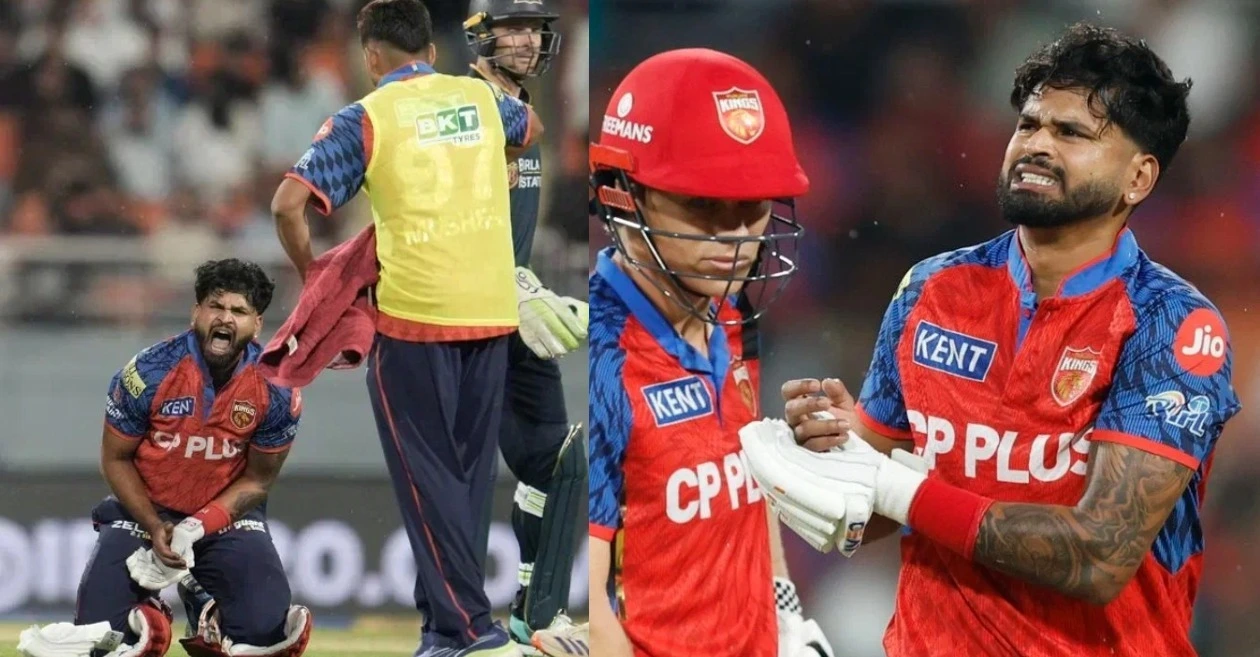
The incident occurred during a tense moment in the second innings when debutant Cooper Connolly struck a powerful drive that accidentally hit Iyer on the wrist at the non-striker’s end. The Punjab Kings skipper was visibly in discomfort, clutching his hand as the physio rushed onto the field. Ice was immediately applied, and the dugout looked concerned as their leader battled pain.

Iyer gives update on his wrist injury

Despite the worrying visuals during the game, Iyer appeared composed and smiling during the post-match presentation, easing fears about the severity of the injury.

Speaking about his condition, Iyer chose to remain cautiously optimistic, suggesting that the injury was not as serious as initially feared. He emphasized maintaining a positive mindset while avoiding making any definitive claims that could “jinx” his recovery. His calm demeanor reflected both relief and a sense of responsibility as captain, especially early in the tournament.

“All I can say, it’s nice. It’s the same as it was before. I don’t want to jinx anything. I just want to stay positive and hopefully everything comes out right,” said Iyer.

Also READ: Fans go wild as Cooper Connolly holds his nerve to steer PBKS past GT in IPL 2026 thriller

Connolly’s brilliance powers Punjab Kings to victory

While Iyer’s injury created a moment of tension, it was Connolly’s sensational knock that turned the match in Punjab’s favor. The young Australian all-rounder, playing his debut game, showcased remarkable composure under pressure, scoring a match-winning half-century.

Chasing a target of 163, Punjab Kings found themselves in a tricky situation after losing quick wickets. However, Connolly held his nerve and anchored the chase brilliantly, guiding his side to a three-wicket win in 19.1 overs.

Iyer, reflecting on the tense closing stages, admitted that he was briefly occupied with his injury inside the dressing room when the match situation became tighter. However, his message to the team remained clear—stay calm and take the game deep. He also praised Connolly’s awareness and temperament, highlighting his prior performances for Australia and his ability to handle high-pressure scenarios.

“Honestly speaking, I was focused on my hand inside, icing it and then suddenly we lost two wickets back-to-back. These things happen in the IPL and you have to remain calm and composed in such situations. So the message was pretty simple. Just take the game to the end and Cooper was there. He was pretty much set. And he’s got a great awareness as a player. I’ve seen him in the past as well, playing for Australia. He’s got a great mindset and hopefully he continues with the same form,” added Iyer.

The Punjab skipper was particularly impressed with Connolly’s fearless approach against quality bowlers. He singled out a stunning back-foot six off Rashid Khan as one of the standout moments of the match, calling it “phenomenal” and a testament to the youngster’s confidence.

Connolly’s innings not only secured victory but also signaled the arrival of a promising match-winner for Punjab Kings this season.

“Some of the shots that he played, it was surreal to watch. It was unbelievable. The back foot six off Rashid, one of the best bowlers in the IPL, to hit him so clearly and neatly, it was simply phenomenal,” Iyer added further.

Also WATCH: Xavier Bartlett plucks a screamer to remove steady Jos Buttler in PBKS vs GT game


Source link

FIFA World Cup 2026: All 48 teams confirmed, full groups revealed | Football News


FIFA World Cup 2026: All 48 teams confirmed, full groups revealed

The line-up for the FIFA World Cup 2026 is now complete, with all 48 teams confirmed following the final round of qualifiers and playoffs across continents.The last six spots were sealed in March, with Sweden, Turkey, Bosnia and Herzegovina and Czech Republic advancing through UEFA playoffs. Iraq and DR Congo grabbed the final two berths via intercontinental playoffs, with Iraq defeating Bolivia 2-1 to clinch the last slot.Co-hosts United States, Mexico and Canada will stage the expanded tournament from June 11 to July 19, marking the first edition to feature 48 teams and 12 groups.

Complete list of qualified teams for FIFA World Cup

  • Co-hosts: Canada, Mexico, USA
  • AFC: Australia, IR Iran, Japan, Jordan, Korea Republic, Qatar, Saudi Arabia, Uzbekistan, Iraq
  • CAF: Algeria, Cabo Verde, Congo DR, Côte d’Ivoire, Egypt, Ghana, Morocco, Senegal, South Africa, Tunisia
  • Concacaf: Curaçao, Haiti, Panama
  • CONMEBOL: Argentina, Brazil, Colombia, Ecuador, Paraguay, Uruguay
  • OFC: New Zealand
  • UEFA: Austria, Belgium, Bosnia and Herzegovina, Croatia, Czechia, England, France, Germany, Netherlands, Norway, Portugal, Scotland, Spain, Sweden, Switzerland, Türkiye

Note: Curaçao is the smallest nation to reach the World Cup, highlighting the expanded format’s inclusivity.

FIFA World Cup 2026 group-wise breakdown

The tournament will feature 12 groups of four teams each:

Group A Mexico, Czech Republic, South Africa, South Korea
Group B Canada, Bosnia and Herzegovina, Qatar, Switzerland
Group C Brazil, Haiti, Morocco, Scotland
Group D United States, Australia, Paraguay, Turke
Group E Curaçao, Ecuador, Germany, Ivory Coas
Group F Netherlands, Japan, Sweden, Tunisia
Group G Belgium, Egypt, Iran, New Zealand
Group H Cape Verde, Saudi Arabia, Spain, Uruguay
Group I France, Norway, Senegal, Iraq
Group J Algeria, Argentina, Austria, Jordan
Group K Colombia, Jamaica, Portugal, Uzbekistan
Group L Croatia, England, Ghana, Panama

The qualification journey, which began in 2023, concluded with dramatic playoff finishes, including Bosnia’s upset win over Italy and DR Congo’s narrow victory over Jamaica.With all teams locked in, anticipation now builds for what promises to be the biggest and most diverse World Cup in history.


Source link

‘Rs 5000 lagakar dekho’: Mohammed Shami on Sanjiv Goenka’s viral boundary talks with KL Rahul, Rishabh Pant | Cricket News


'Rs 5000 lagakar dekho': Mohammed Shami on Sanjiv Goenka's viral boundary talks with KL Rahul, Rishabh Pant
Mohammed Shami is set to feature in his first match in LSG colours against Delhi Capitals on Wednesday at the Ekana Cricket Stadium in Lucknow (Image credit: Agencies)

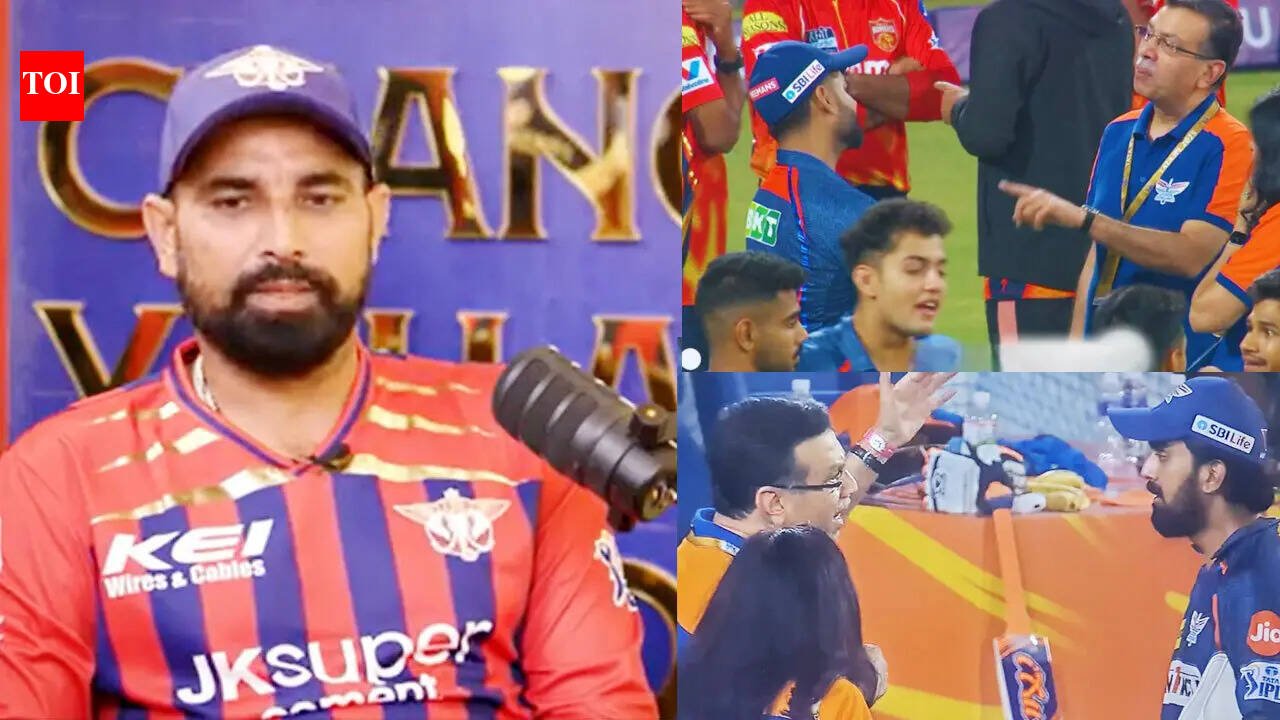
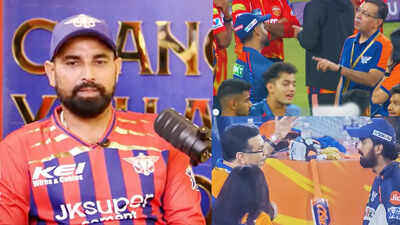
NEW DELHI: The visuals of Lucknow Super Giants (LSG) owner Sanjiv Goenka speaking to his former captain KL Rahul at the boundary ropes during IPL 2024, and then to current captain Rishabh Pant in IPL 2025 after defeats, have gone viral and have not gone down well with fans. There has been considerable chatter among cricket followers regarding Goenka’s strict approach, with many believing he demands strong results from his team.However, LSG’s star pacer Mohammed Shami has defended the owner, saying Goenka is passionate about cricket and communicates well with players.Shami, who is set to feature in his first match in LSG colours against Delhi Capitals on Wednesday at the Ekana Cricket Stadium in Lucknow, said it is natural for someone who invests heavily in a team to have high expectations.

Watch

Mike Hussey admits CSK were outplayed after batting collapse

“Jitni meri mulaqat hui hai, 2-3 mulaqat unse hui hai abhi tak. Bahut achhe tareeke se unhone baat ki hai, logic par baat ki hai, team ko lekar baat ki hai. Aur dekho, koi bhi insaan ho — jab aap par itna invest karta hai apni team banane ke liye, itna bada amount bharta hai, to uska expectation high hona to ek normal si baat hai. Wo jaayaz bhi hai [I’ve met him a few times — around two or three times so far. He has always spoken very well, very logically, and the conversations have been around the team. Look, anyone who invests so much money into building a team will naturally have high expectations. That’s completely normal, and it’s justified],” Shami said in a podcast with Shubhankar Mishra.LSG made it to the playoffs in their first two seasons in 2022 and 2023, but endured disappointing campaigns in 2024 and 2025, failing to qualify for the playoffs.“To agar Goenka ji itne possessive hain us cheez ke liye, to koi galat nahi hai. Wo agar aapse expectation rakhte hain ki mera player ye kare, mera player ye best kare, to usmein koi harj nahi hai. Bahut saare meme bhi bane hain, bahut saari cheezein bani hain jo sahi nahi hain. Kyunki aap kisi normal insaan ko lekar aao — 5000 rupaye lagakar dekho kisi cheez mein, 10 baar dil dhadakta hai ki mere 5000 na chale jaayein, mere 10 hazaar na chale jaayein [So if Goenka ji is that possessive about his team, there’s nothing wrong with it. If he expects his players to perform and deliver their best, there’s no harm in that. There have been a lot of memes and a lot of things going around that aren’t right. If you take a normal person — even if they invest Rs 5000 in something, their heart skips a beat thinking their money might be lost],” the pacer added.The veteran pacer has played 119 IPL matches so far and claimed 133 wickets in his career.Shami, who was bought by LSG for Rs 10 crore, said he has always had a positive experience interacting with Goenka. Over the years, he has represented multiple franchises, including Kolkata Knight Riders, Delhi Capitals, Punjab Kings, Gujarat Titans and Sunrisers Hyderabad.“Ek aadmi itna bada amount lagakar baitha hai, har cheez ki expect karega. Wo aapse har us chhoti si cheez ki expect karega jisse use khushi mile — aur wo cheez jaayaz hai. Agar saamne wala aapse koi baat karna chahta hai, to aapko baat karni chahiye. Kisi cheez ko agar wo discuss karna chahta hai, to aapko us tareeke se discuss karna chahiye. To main is cheez mein bahut open hoon. Goenka ji se jitni bhi maine baat ki hai, mujhe bahut achha laga unse baat karke — jis way mein unhone baat ki, jis tareeke se baat ki [When someone has invested such a huge amount, they will expect everything. They will expect even the smallest things that give them happiness — and that is justified. If someone wants to talk to you, you should talk. If they want to discuss something, you should engage in that discussion properly. I’m very open about these things. Whatever conversations I’ve had with Goenka ji, I’ve really liked them — the way he speaks, the clarity with which he communicates],” he said.“But dekho, kahin na kahin kuch na kuch hota hai. Aise captain bhi hote hain jahan aapko frustration ho jaata hai, aise player bhi hote hain jahan kabhi kabhi frustration hota hai. To agar kahin kuch hota hai aur koi expect kar raha hai, to usmein itne saare jo dramae chale hain, itne saare jo meme bane hain — ye sab cheezein kabhi kabhi unnecessary ho jaati hain. [But look, somewhere or the other, things do happen. There are times when even a captain gets frustrated, and there are times when players feel frustrated too. So if something happens and expectations are involved, then all the drama and memes that follow — sometimes they just become unnecessary],” the Indian pacer said.


Source link

Electricity Amendment Bill 2025: Why farmers, workers and states are pushing back | India News


Electricity Amendment Bill 2025: Why farmers, workers and states are pushing back

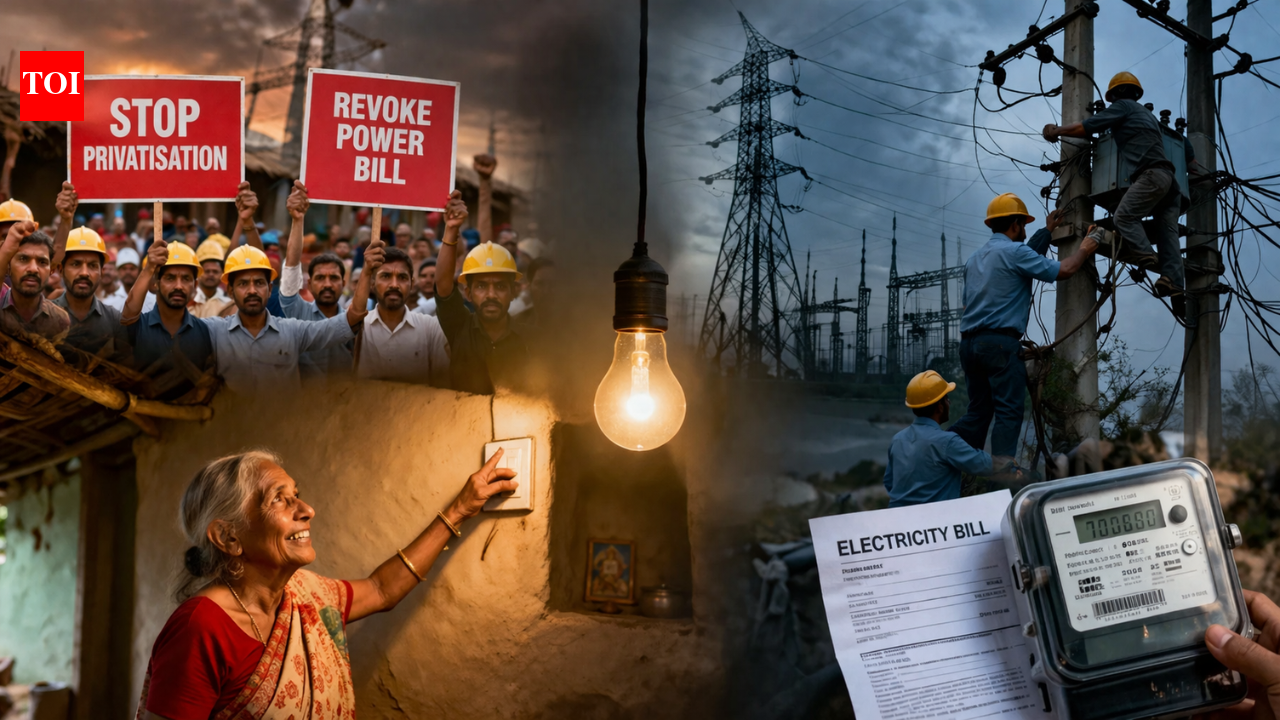
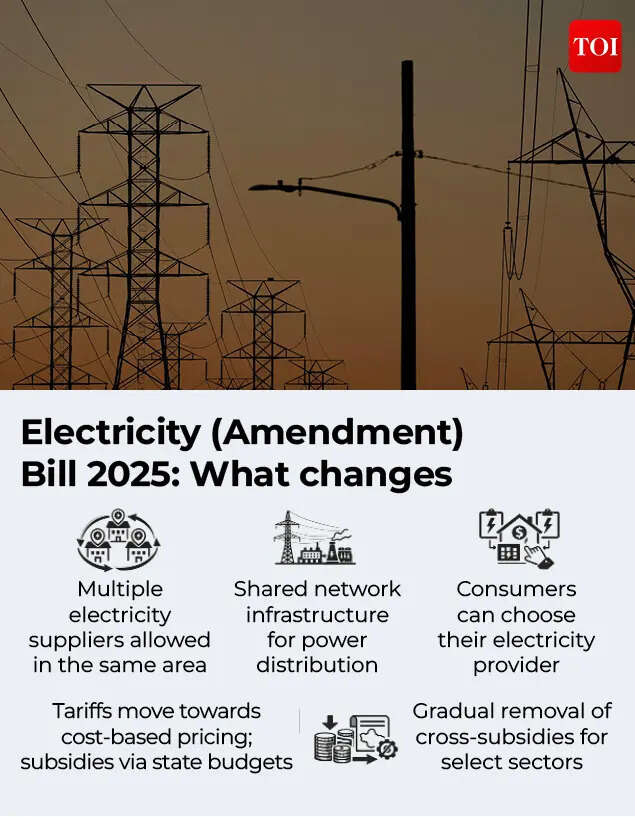
Nearly 27 lakh workers are gearing up for a nationwide strike—triggered by a single move: the introduction of the Electricity (Amendment) Bill, 2025 in Parliament. These aren’t just any workers, but the people who keep the country’s power running—engineers, linemen, and staff across the electricity system. Centre is yet to table the Bill in the Parliament.A glimpse of this unrest was already visible earlier this month, when employees from several state electricity boards walked off the job in protest.Opposition isn’t limited to the workforce. Farmer unions have also raised concerns, signalling that resistance to the Bill cuts across sectors. The government, however, has framed the Draft Electricity (Amendment) Bill, 2025 as a long-overdue reform—one that aims to make the power sector more competitive, efficient, and better equipped for future demand. At its core is a key shift: allowing multiple electricity distribution companies to operate in the same area, using shared infrastructure, while maintaining an obligation to supply power to all consumers.But it’s not quite as simple as one switch, one bulb, and a wave of happiness. For Kaveri Amma, electricity arrived like a quiet miracle—simple, shared, and powered by a single supplier who lit up the entire village.But if Kaveri Amma were around today, that simplicity wouldn’t hold. The power would still come at the flick of a switch—but behind it wouldn’t be just one Shah Rukh Khan-like figure running the show. It could be multiple companies, sharing the same wires, competing to supply electricity to the same home.That shift is at the heart of the Electricity (Amendment) Bill 2025. “Privatisation!”—that’s the word power sector employees, farmers, and trade unions have been rallying around as they push back against it. The Centre has been trying to rework the electricity law for over a decade, but each attempt has met resistance.The opposition isn’t just about the Bill, it’s also about how it’s being drafted. A working group set up by the power ministry in January 2026 to finalise the Bill has drawn criticism from the All India Power Engineers Federation, which has flagged the inclusion of the All India Discom Association, arguing it points to a tilt towards privatisation and sidelines worker concerns.

-

But privatisation is not the only concern. The Bill could change something far more immediate—who supplies electricity to consumers, and how much they end up paying for it.Here’s the thing, India’s power sector is at an interesting crossroads. Electricity use is climbing steadily–more appliances, more electric vehicles, more data centres quietly running in the background. And the system, for now, is keeping up. In 2025, the country met a record peak demand of over 240 GW, with total installed capacity crossing 5 lakh MW. What’s more striking is the shift in the energy mix—over half of this capacity now comes from non-fossil sources. On paper, it looks like a sector that’s expanding, modernising, and even getting cleaner.But behind this growth story lies a more complicated reality. Getting electricity to your home still depends on a vast and expensive network—generation, transmission, and finally distribution. And it’s this last leg that continues to carry the most stress. State-run distribution companies, or discoms, have historically struggled with mounting losses. In fact, only recently, after years of red ink, did they collectively post a modest profit of about Rs 2,700 crore in 2024–25. To put that in perspective, the sector had reported losses of over Rs 25,000 crore just a year earlier, and nearly Rs 68,000 crore a decade ago. It’s a turnaround, but a fragile one, built on a system that still struggles with underpriced tariffs, delayed subsidies, and persistent inefficiencies.This gap—between a fast-growing power system and financially strained distributors—is what the government is trying to address through the Electricity (Amendment) Bill 2025. The idea itself isn’t new; versions of it have surfaced multiple times over the past few years. But the pitch remains the same: introduce competition, allow multiple companies to supply electricity in the same area, and, give consumers more choice while pushing the system to become more efficient, at least in theory.

Why are farmers against it?

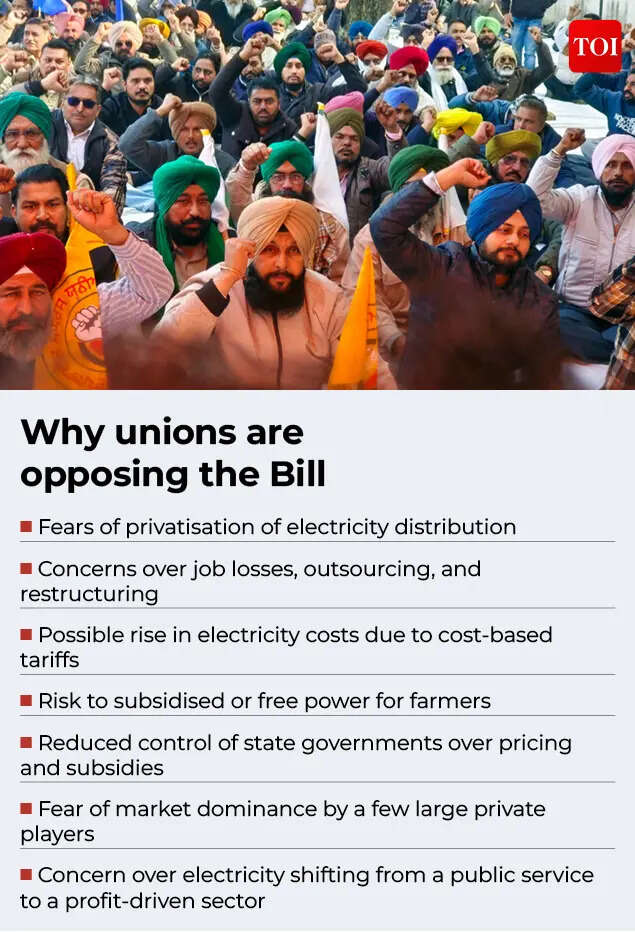
A key focus of the proposed changes is tariff reform and efficiency. The government says the bill will move towards cost-reflective tariffs, while continuing targeted subsidies for vulnerable groups such as farmers and low-income households through state budgets. But farmer unions are not buying this. In India, several states provide free or subsidized electricity to farmers. Entry of private players will eventually make the state-run discoms inefficient, leaving farmers to pay to opt for private suppliers.

-

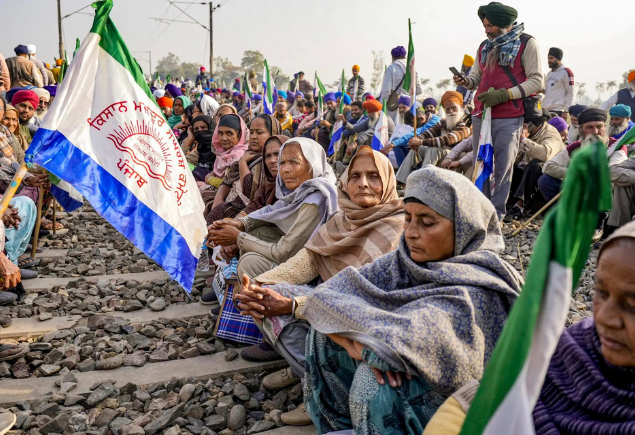
Kisan Mazdoor Morcha’s rail roko protest

Centre vs state question

Another concern runs deeper—who gets to call the shots. Right now, electricity distribution largely sits with the states. Each has its own utility, and with it, a degree of control over tariffs and subsidies—often used as a policy lever, and sometimes as a political promise.The worry is that this balance could shift. If greater control moves toward central regulators or new private players entering the system, states may find themselves with less say over how electricity is priced and who gets subsidised power. And for many, that’s not just an administrative tweak—it’s a loss of a key tool they’ve long relied on.These anxieties aren’t limited to policy alone. They extend to jobs as well. With more private participation, there are concerns about outsourcing, restructuring of state-run utilities, and the possibility of job losses across the sector—especially for the very workforce now leading the protests.“Privatisation and open access will lead to large-scale job losses, contractualisation, and outsourcing. By allowing private licensees in defence zones, the Bill also jeopardises national security in the name of ‘ease of doing business’,” said Centre of Indian Trade Unions (CITU) vice president Tapan Sen.

What about consumers?

Electricity is a politically sensitive subject in India. Elections are fought and won promising free or subsidised electricity in India. Hence, the commodification of the subject has sparked the welfare state debate.CITU said that “the Bill is part of a wider neoliberal strategy to hand over the entire electricity supply chain—from generation to distribution—to private monopolies.” “By promoting speculative power markets, the Bill converts electricity—a basic human necessity—into a tradable commodity. Such deregulation will lead to price volatility, unreliable supply, and the weakening of public control over energy security,” Sen said.The Bill seeks to make the power sector competitive. Competition offers choice to consumers, brings down prices and offers them best services. It clearly states “lack of competition in electricity supply, with consumers tied to a single discom, limiting service quality and innovation.”At least on paper, the promise is straightforward: more competition should mean more choice, better service, and lower prices. That’s the logic driving the Bill. If multiple companies can supply electricity in the same area, they’ll compete to keep consumers happy.But it doesn’t always play out that neatly. In some sectors, competition initially worked, like telecom. More players entered, prices dropped, and services improved. But over time, that same competition thinned out the field. What began as a crowded market eventually narrowed down to a handful of dominant players. Likewise, the effort to privatise Air India was initially welcomed but recent IndiGo crisis exposed perils of duopoly in the system.That possibility exists here too. Even if several electricity distributors enter the same area, the market may not stay crowded forever. It could settle around a few large companies. And when that happens, competition may still push for better service, but it doesn’t necessarily guarantee cheaper power.

-

How successful have privatisation moves been?

If the idea is to bring in private players to fix distribution, India has already tried that—just not at scale. Discoms sit at the very end of the electricity chain, responsible for delivering power to homes and collecting payments. They are, in effect, monopoly retailers in their areas. And yet, despite their central role, most state-run discoms have struggled for years with losses, inefficiencies, and mounting debt. Privatisation has often been pitched as a way out of this cycle.In practice, only a handful of states have gone down that route. Odisha was among the first to try in the late 1990s, but the initial attempt didn’t hold and had to be rolled back. Delhi’s experience, which followed in 2002, is often held up as the benchmark. After unbundling its electricity board and bringing in private operators, the results on the ground were visible—losses in the system dropped sharply. Aggregate Technical and Commercial (AT&C) losses, once as high as 45–60%, fell to under 6.5% over time. That’s a significant improvement, especially when the national average still hovers around 15%.But that’s only one part of the story. As research and analysis by the Centre for Social and Economic Progress points out, while efficiency improved and supply became more reliable, the financial picture remained complicated. Tariffs continued to be tightly regulated, and disagreements between the regulator and the discoms over cost approvals became routine. A large share of expenses claimed by discoms was not always allowed to be recovered through tariffs, leading to the buildup of “regulatory assets”—essentially costs deferred to the future. In Delhi’s case, these have piled up to tens of thousands of crores, with disputes dragging on across tribunals and courts for years.And that’s where the limits of privatisation start to show. Bringing in private operators may fix operational issues—like reducing theft or improving billing—but it doesn’t automatically resolve deeper structural problems. Questions around tariff-setting, cost recovery, and regulatory oversight don’t disappear. In fact, if anything, they become more contested. The result is a system where efficiency gains coexist with financial uncertainty—and where, eventually, the consumer may still have to bear the cost.That’s perhaps why most states haven’t rushed to follow Delhi’s path. Government-run discoms still dominate the landscape, and private participation remains limited. The broader lesson from the past two decades is fairly clear–privatisation can improve how electricity is delivered, but by itself, it doesn’t guarantee a financially stable system. That depends just as much on how the sector is regulated—and how those rules are enforced.

Source link

Goa nightclub fire: Luthra brothers granted bail; to remain jailed in NOC forgery probe | India News


Goa nightclub fire: Luthra brothers granted bail; to remain jailed in NOC forgery probe

NEW DELHI: A Goa court on Wednesday granted bail to brothers Gaurav and Saurabh Luthra, owners of the Birch by Romeo nightclub, where a fire killed 25 people in December last year.The court of the additional sessions judge in Merces, Goa, granted bail to the Luthras, who had fled to Thailand after the incident and were later extradited.The accused were represented by senior advocate Subodh Kantak.However, the Luthras will not be released from jail as the Mapusa police took the brothers into custody on Monday in connection with the alleged forgery of a no-objection certificate (NOC).


Source link

‘Smiling, mingling, taking selfies’: Iran’s top leaders Pezeshkian and Araghchi | World News


‘Smiling, mingling, taking selfies’: Iran’s top leaders Pezeshkian and Araghchi make public appearance as war rages on
Screengrab source: X/@ActualidadRT

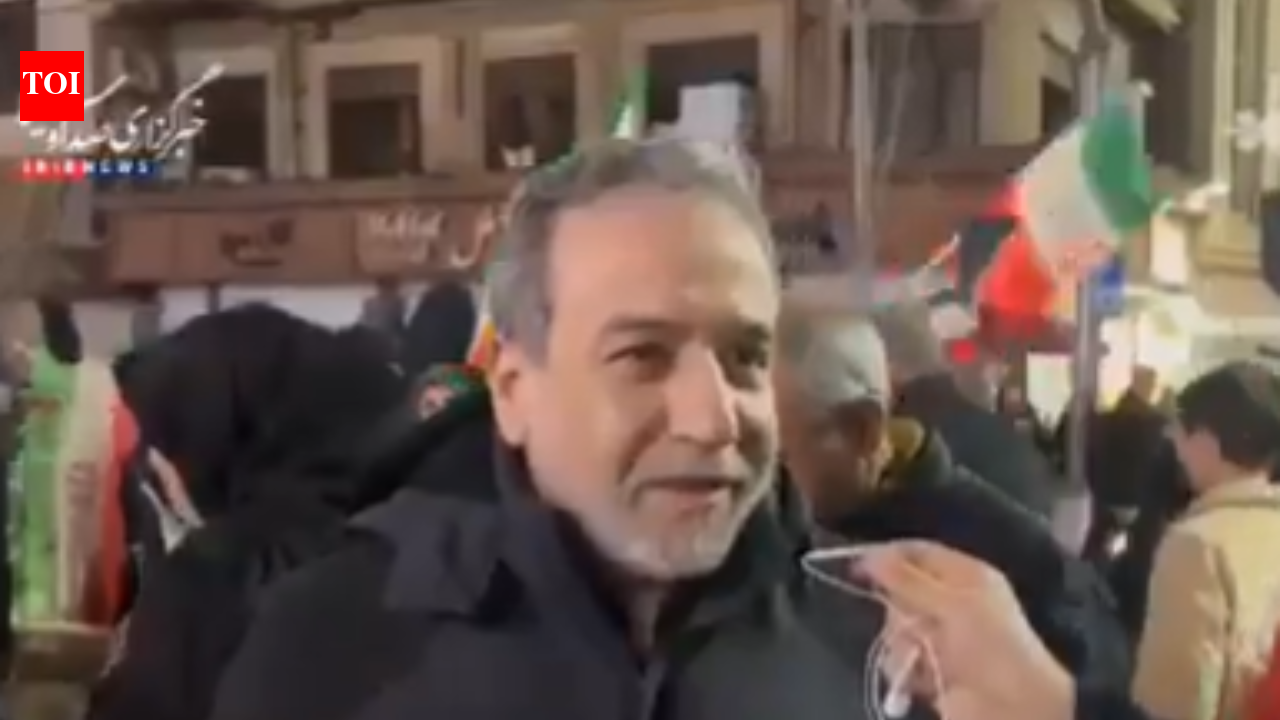
Iranian President Masoud Pezeshkian and foreign minister Abbas Araghchi, along with top Tehran officials in capital, made a rare public appearance on Tuesday, joining pro-regime rallies in the city to mark “Islamic Republic Day.Amid soaring tensions in the Middle East and ongoing threats to senior Iranian leaders, the officials were seen casually mingling with participants, taking selfies, and moving through the crowd without visible security.Araghchi told reporters, “I came to be among them, to draw energy from the movement on the ground and to enjoy this unity and popular cohesion.” Videos of their participation quickly circulated on social media, Ynet news reported. The last time Pezeshkian and Araghchi were seen publicly was on “Iranian Quds Day,” alongside former security chief Ali Larijani, who was killed days later in a US-Israeli strike.Their appearance comes after Israeli Prime Minister Benjamin Netanyahu publicly listed “10 plagues” against Iran, including strikes targeting the country’s senior leadership, and claimed Israel was “systematically crushing the terrorist regime.”In remarks to the European Council, Pezeshkian reiterated Iran’s willingness to end the ongoing conflict, provided “essential conditions are met — especially the guarantees required to prevent repetition of the aggression.” These statements reflect Tehran’s counterproposal to a 15-point US plan, demanding mechanisms that would prevent Israel and the United States from resuming hostilities.Araghchi confirmed ongoing communications with US Middle East envoy Steve Witkoff but denied they constituted negotiations. “What is happening now is not negotiations, but an exchange of messages, directly or through our friends in the region,” he told Al Jazeera. “We have not sent any response to the United States’ 15-point proposal. Our conditions for ending the war are clear. We will not accept a ceasefire.”Reports indicate that Araghchi and Parliament Speaker Mohammad Bagher Ghalibaf were temporarily removed from US and Israeli assassination lists about a week ago to allow for potential talks, which have not yet occurred. The Iranian leadership emphasized their readiness to defend the country in any scenario.


Source link