Breaking News
US-Iran conflict: Middle East war sends US fuel prices soaring, surcharges kick in

[ad_1]
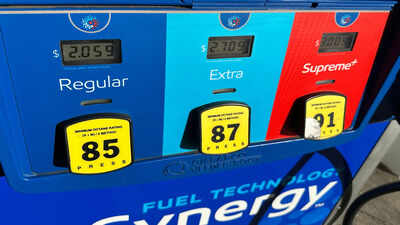
US-Iran conflict: Middle East war sends US fuel prices soaring, surcharges kick in

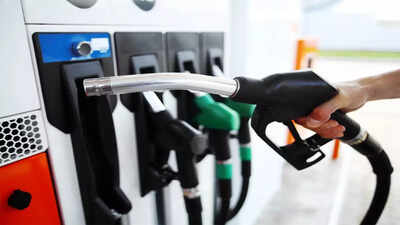
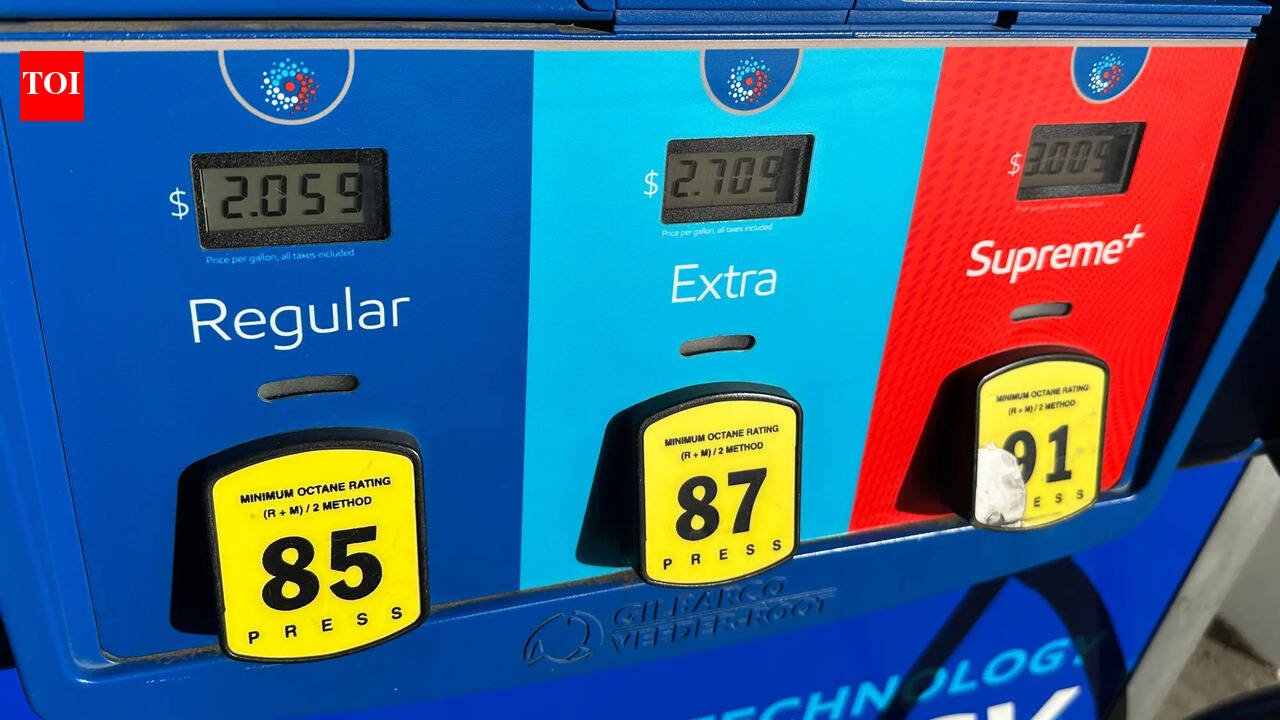
As tensions in the Middle East continue to escalate, the effects are no longer confined to the conflict zone, they are beginning to show up in daily routine across economies. In the United States, rising fuel costs triggered by the war against Iran are now filtering into everyday life, quietly reshaping how businesses operate and how much consumers pay. What began as a geopolitical flashpoint is steadily turning into an economic pressure point, with transportation costs climbing and companies adjusting their pricing to keep up. Petrol prices have climbed significantly, reaching $4.09 per gallon on Friday, an increase of more than one dollar compared to levels seen before the conflict began, and the highest since August 2022. Diesel has seen an even steeper rise, jumping from $3.64 per gallon a year ago to $5.53 per gallon, according to figures from the American Automobile Association (AAA). The surge is particularly significant given diesel’s widespread use in sectors such as farming, construction and transportation, PTI reported. In response to these mounting costs, companies have begun passing on the burden. Amazon announced it will impose a 3.5% fuel surcharge on third-party sellers from April 17. Airlines, too, have started increasing fees for checked-in baggage to offset fuel-related expenses. The US Postal Service is also seeking to introduce a temporary surcharge. It said on Wednesday that it plans to apply an 8% fuel fee on package and express mail deliveries. The proposal, if approved by the Postal Regulatory Commission, would come into effect on April 26 and remain until January 17, 2027. The broader economic impact could deepen if the conflict persists, with supply chain pressures expected to build over time. “I don’t think the US will avoid it. These are global markets,” Rachel Ziemba, a New York-based analyst who advises corporations on geopolitical risk, was quoted by The Washington Post as saying. “Experts, even a week ago, were worried. Now they are more worried,” she said. Economists have also warned of a wider knock-on effect on prices. “If transportation costs start rising, it’s going to bleed through in other prices,” Austan Goolsbee, president of the Federal Reserve Bank of Chicago, was quoted as saying by CBS. “So I think it’s in the near term, but not immediate, that you would start to see that weighing down of the consumer — they would just get sticker shock. People were already highly concerned about affordability and the cost of living, and this would just be piling onto it,” he said. At the centre of the disruption is the blockage of the Hormuz Strait, which has already removed hundreds of millions of barrels of oil from global supply, according to a JPMorgan client note cited by The Washington Post. The impact is being felt in phases, depending on shipping times from the Persian Gulf. Asian countries have been the first to face the shortfall, with governments introducing rationing and conservation steps. Europe is expected to encounter physical shortages by mid-April as the last shipments dispatched before the war arrive at its ports. The United States is likely to experience the effects later due to longer transit times of 35 to 45 days. While higher prices are expected nationwide, shortages of refined fuel products from late April or May are likely to remain limited to California, which is geographically isolated from the country’s broader fuel distribution network, the JPMorgan report said.

[ad_2]

Source link
Hong Kong Petrol Prices: Tank full, wallet empty? Hong Kong’s petrol prices worst hit amid Iran war

[ad_1]

Tank full, wallet empty? Hong Kong’s petrol prices worst hit amid Iran war

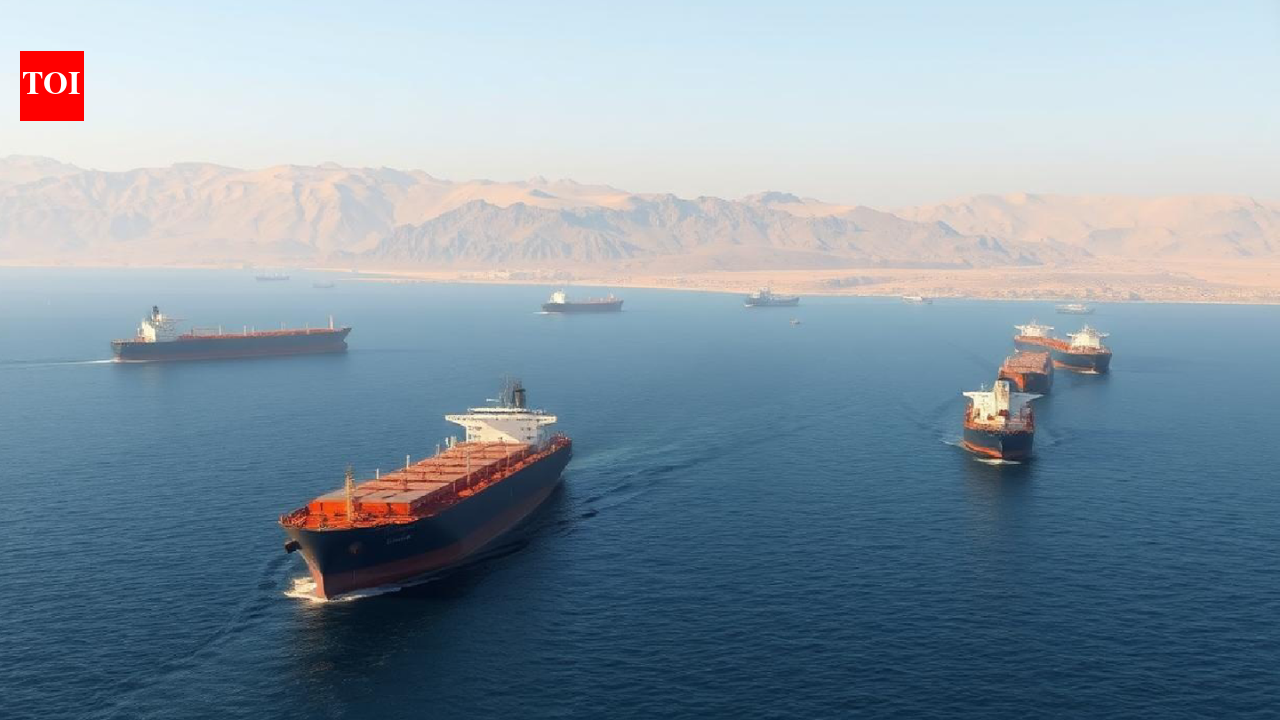
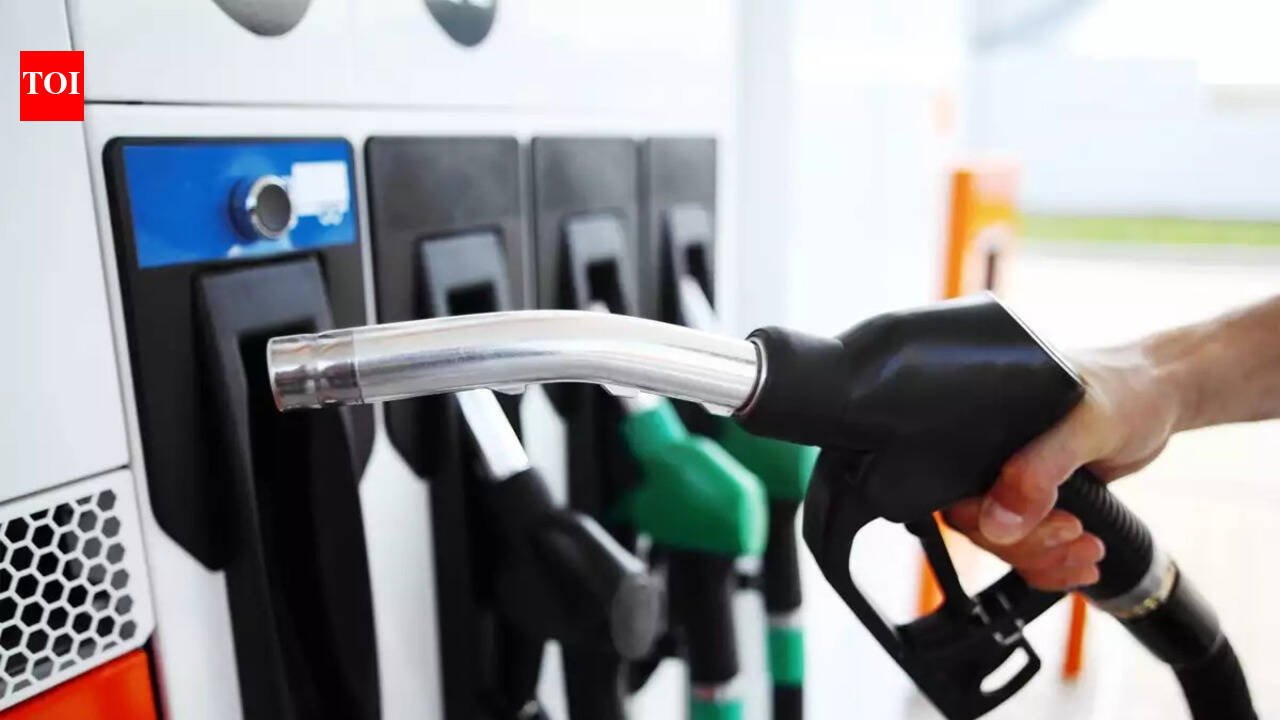
The Middle East war has pushed energy prices higher, affecting lives across the globe. As the crisis has crossed one month, oil prices have stayed beyond the $100 per barrel mark and ripples are visible across the globe. While some countries are encouraging measures to move beyond fuels, others are forced to raise prices, making everyday routine costlier. Residents in Hong Kong are contending with the highest petrol prices in the world, as global energy markets remain under strain and costs continue to climb. At roughly $15.6 per gallon, fuel in the city far exceeds prices seen elsewhere, even as motorists in the United States face their highest rates since 2022.The sharp rise in global oil prices follows escalating tensions involving oil-producing Gulf nations and the disruption of a crucial shipping corridor through the Strait of Hormuz. Over the past month, these developments have driven a surge in oil costs worldwide, placing added pressure on Asian economies that depend heavily on energy supplies routed through the region.The fuel price hike is not new for Hong Kong as the country had already been grappling with steep costs even before the latest crisis. Data from GlobalPetrolPrices.com shows the city has consistently ranked as the most expensive place for petrol, even prior to the conflict involving Iran, CNN reported.Although private vehicles are owned by only about 8.4% of the city’s 7.5 million residents, economists caution that the impact extends beyond motorists. Rising fuel costs are expected to push up logistics expenses, which could filter through to other parts of the economy and contribute to inflation.Authorities have sought to reassure the public on supply stability. Chief Executive John Lee had earlier voiced concern over rising oil prices and said the government would keep a close watch on movements in the market. Officials maintain that supply remains secure, with about 80% of Hong Kong’s oil products sourced from mainland China.“With the advantage of having strong support from the motherland, Hong Kong has been able to maintain a stable energy supply amid energy shortages in many regions and cities around the world,” a Wednesday government press release said as cited by CNN.At the consumer level, the price disparity with mainland China is becoming increasingly apparent. Reports suggest more drivers are crossing the border to refuel, where petrol can cost as little as one-third of Hong Kong prices.Hong Kong has long had relatively low car ownership levels among major cities, a trend shaped by high fuel prices, expensive parking and steep vehicle registration fees. The city’s extensive public transport network continues to serve as the primary mode of travel for most residents.Experts say a combination of high fuel duties and land costs continues to keep petrol prices elevated, reinforcing Hong Kong’s position at the top of global fuel price rankings.

[ad_2]

Source link

India makes first oil purchase from Iran in 7 years with no payment hurdle

[ad_1]

India makes first oil purchase from Iran in 7 years with no payment hurdle
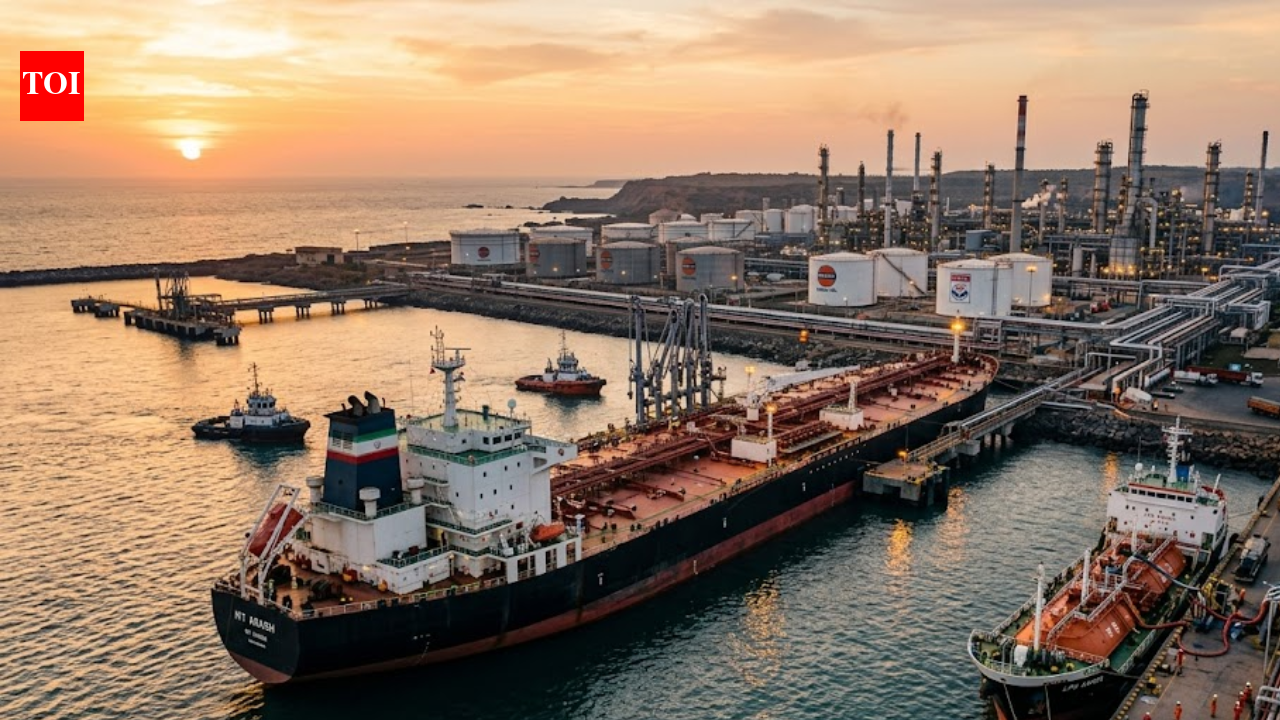
Representative image (AI-generated)

Amid the ongoing Middle East crisis that has disrupted the global oil supply chain, Indian refiners have made their first purchase in seven years since 2019, according to Reuters.India had not received any cargo from Tehran since the US pressured it to halt crude imports, according to the petroleum ministry. This marks the latest development in a significant shift in sourcing strategy.Indian refiners have purchased Iranian oil amid the escalating conflict in West Asia that has disrupted supplies through the Strait of Hormuz. India, the world’s third-largest oil importer and consumer had not received a single cargo from Iran since May 2019 after US sanctions forced a halt to trade.However, recent disruptions linked to the ongoing US-Israel conflict have tightened global supplies, impacting India’s energy security.In a statement, the ministry said, “Amid Middle East supply disruptions, Indian refiners have secured their crude oil requirements, including from Iran; and there is no payment hurdle for Iranian crude imports.”The ministry further assured that India’s crude oil needs for the coming months remain fully secured.

No payment issues, supply fully secured: Government

Dismissing reports that an Iranian oil shipment meant for India was diverted to China due to payment-related hurdles, the government termed such claims “factually incorrect.”Clarifying the situation, the ministry said, “The news reports and social media posts of an Iranian crude cargo being diverted from Vadinar, India to China due to ‘payment issues’ are factually incorrect.”The ministry added that Indian companies enjoy full flexibility in sourcing crude.“India imports crude oil from 40-plus countries, with companies having full flexibility to source oil from different sources and geographies based on commercial considerations.”

Why India stopped buying Iranian oil?

Before sanctions were tightened in 2018, India was among the largest buyers of Iranian crude, importing both Iran Light and Iran Heavy grades due to refinery compatibility and favourable pricing terms.At its peak, Iranian crude accounted for around 11.5 per cent of India’s total imports. In 2018, India imported approximately 518,000 barrels per day of Iranian oil.However, imports declined to about 268,000 bpd between January and May 2019 during a sanctions waiver period, before dropping to zero after the United States ended exemptions and reimposed restrictions.Since then, India has diversified its sourcing basket, shifting to suppliers in the Middle East, the United States and more recently, Russia.The waiver is expected to remain in place until April 19, with an estimated 95 million barrels of Iranian oil currently stored on vessels at sea.Apart from crude, India has also received Iranian liquefied petroleum gas (LPG).The ministry confirmed that a vessel carrying around 44,000 metric tonnes of Iranian LPG berthed at the western port of Mangalore on April 2 and is currently discharging fuel.

What a US sanctions waiver could mean for India?

India has not purchased Iranian crude since mid-2019 after the US withdrew sanction waivers. However, the current crisis has brought the possibility of limited relief back into focus.Nearly 35–40 per cent of India’s crude oil imports pass through the Strait of Hormuz, a route now disrupted due to the ongoing conflict. This has increased urgency for India to secure alternative and reliable supplies.To offset potential shortages, India has ramped up purchases of Russian crude. According to Kpler, the country bought nearly 30 million barrels of Russian oil in a single week after the conflict escalated.If the US were to allow limited “unsanctioned” trade of Iranian oil at sea, it could provide India with another crucial supply source.Energy experts suggest India could quickly step up imports. Sumit Ritolia, Lead Research Analyst at Kpler, highlighted that historically India has been a major buyer due to strong refinery compatibility and favourable commercial terms.He said speculation around easing sanctions has reintroduced Iran as a key variable in global oil flows, adding that India could emerge as a major demand centre alongside China and other Asian buyers.“India could emerge as a key demand centre to watch, alongside Chinese buyers (state-owned enterprises and large independents) and other Asian countries,” he said.

[ad_2]

Source link
Middle East War: Hormuz supply crunch: Rising energy prices impact roads, airlines and restaurants

[ad_1]

Hormuz supply crunch: Rising energy prices impact roads, airlines and restaurants

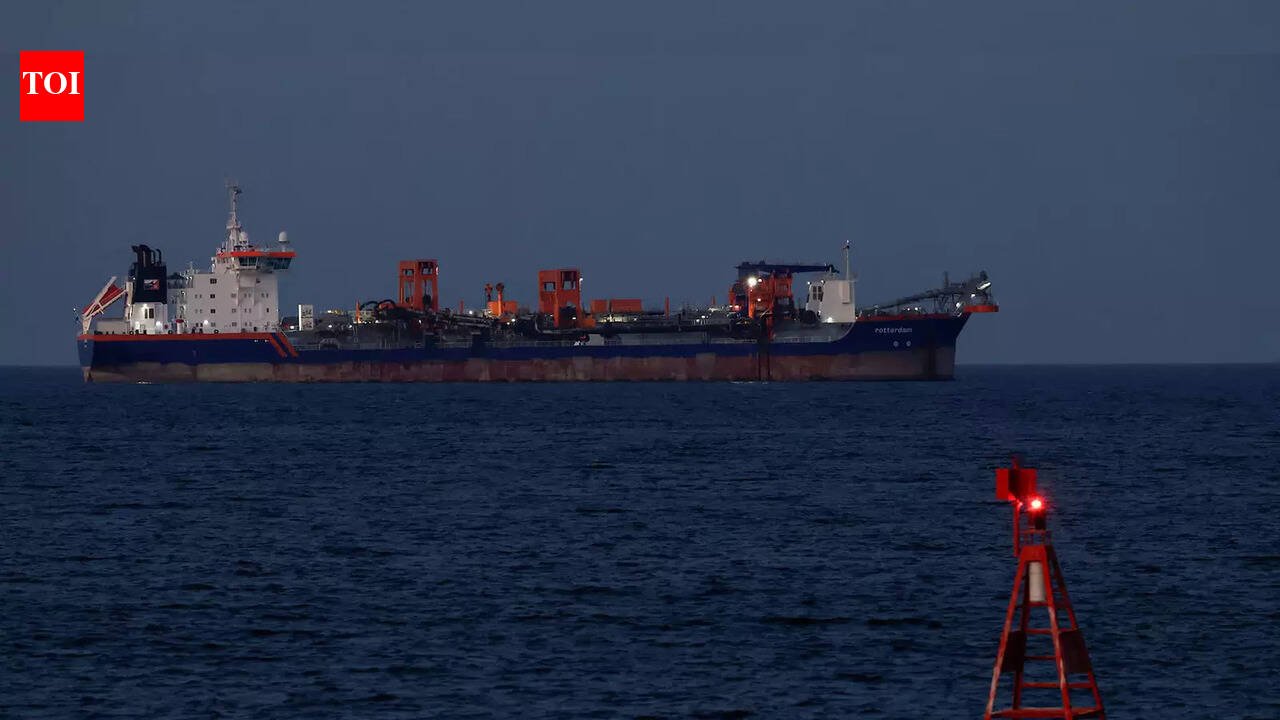
As the Middle East war has stretched beyond a month, energy prices have soared sharply, sending ripples across the globe. Iran’s chokehold of Strait of Hormuz has pushed fuel costs higher, hitting energy supplies for major economies. The impact is visible in multiple sectors in India, with higher costs of fuel and petrochemical products feeding into everyday operations. From infrastructure projects to aviation and hospitality, industries are being forced to adjust to a rapidly shifting cost environment. The impact is being felt through rising project expenses, increased operational costs and growing pressure on margins. While some sectors are absorbing part of the burden, others are considering price revisions or recalibrating plans, highlighting how deeply energy costs are influencing business decisions.

Watch

Amid Strait Of Hormuz Tensions, Iran Calls India A ‘Cherished Partner’ As Ships Transit Safely

Infrastructure

Rising prices of bitumen and fuel shortages have pushed up road construction and maintenance costs in Himachal Pradesh, with per-kilometre costs increasing across projects and maintenance expenses also climbing. The state estimates a cumulative burden of nearly Rs 100 crore and is exploring funding support and project adjustments while maintaining quality.“Light diesel oil and bitumen shortage will hit road tarring and construction costs,” said Public Works Department Minister Vikramaditya Singh.“There is no doubt that global inflation is affecting India as well. The rise in prices of LPG, petrol, diesel and other petrochemical products has directly impacted bitumen and, consequently, road construction costs,” he added.“We may delay some targets depending on the international situation, but we will ensure that quality standards are maintained,” Singh said.

Aviation

Aviation turbine fuel prices have surged sharply, with rates crossing Rs 2 lakh per kilolitre for some carriers. While domestic airlines have been partially shielded through a staggered increase, costs have still risen, adding pressure to an industry where fuel accounts for around 40% of operating expenses.“Due to the closure of Strait of Hormuz and extraordinary situation in global energy markets, the price of ATF for domestic markets was expected to increase by more than 100% on April 1,” the Ministry of Petroleum and Natural Gas said.“In order to insulate the domestic travel costs from the substantial increase in international prices, PSU Oil Marketing Companies of the Ministry of Petroleum, in consultation with the Ministry of Civil Aviation, have passed only a partial and staggered increase of 25% (only Rs 15 per litre) to the airlines. Foreign routes will pay for the full increase in ATF prices consistent with what they pay in other parts of the world.Civil Aviation Minister Rammohan Naidu Kinjarapu said, “This calibrated approach will help shield passengers from sharp fare increases, ease the burden on domestic airlines, and support the continued stability of the aviation sector at this crucial juncture. It will also benefit the broader economy by ensuring the smooth movement of cargo and maintaining vital air connectivity for trade and logistics.”

Hospitality

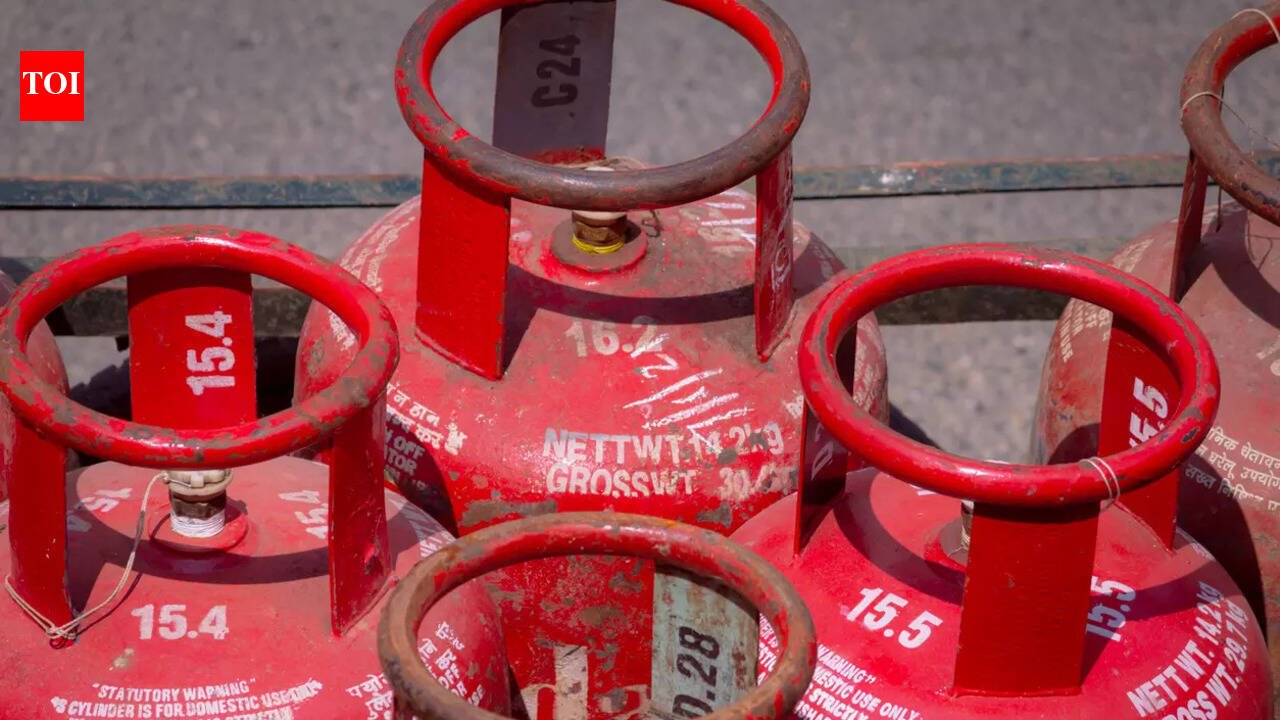
Higher commercial LPG prices have added to the challenges faced by hotels and restaurants, where operating costs have already risen by around 20% amid the West Asia conflict. With business volumes declining and expenses climbing, establishments are now considering increasing menu prices to offset the growing financial pressure.“The latest hike in commercial LPG cylinder prices has added yet another layer of pressure on already squeezed margins. Given this scenario, hospitality establishments may now be left with little choice but to consider an upward revision in menu prices to partially absorb the escalating cost burden,” said HRAWI spokesperson Pradeep Shetty.Meanwhile, the government has repeatedly assured thad the country has adequate energy supplies. Earlier this week, the Centre stated that there was no shortage of LPG in the country, and that it was prioritising Piped Natural Gas, adding that it had adequate diesel and petrol supply.

[ad_2]

Source link

Middle East conflict may hit India’s exports beyond region if prolonged, says government

[ad_1]

Middle East conflict may hit India’s exports beyond region if prolonged, says government

A prolonged conflict in Middle East could begin to hurt India’s exports not just to the region but also to other global markets, as disrupted supply chains ripple outward, commerce secretary Rajesh Agrawal said on Saturday, He also urged the pharmaceutical industry to reduce dependence on imported raw materials and build more resilient export and import linkages.Speaking on the sidelines of ‘Chintan Shivir – Scaling Up Pharma Exports’ in Hyderabad, Agrawal said the government has already seen an impact on both imports and exports over the past month because of the Middle East crisis, with energy imports and regional trade flows under pressure.

Watch

India Buys Iranian Oil After 7 Years, No Payment Hurdles Reported

“Middle East is also an important market. Around 12-13 per cent of our exports go to the region. So, that will directly get impacted. And if it goes on for long, maybe our exports to other parts of the world will also get impacted as some of the value chains will rotate back. We are cognizant of it,” Agrawal told reporters, as per news agency PTI.He said the exact impact of the conflict on India’s trade would become clearer in the next couple of weeks, but indicated that both exports and imports could see some decline.“And I assume, it will not only be a one-way traffic, in terms of export going down, but it will also be imports having some downfall,” he said.Agrawal cautioned that even if the war ends soon, the disruption may linger for months or even years, depending on the extent of damage to supply chains and infrastructure.“So, at this juncture, it will be very difficult to take a very long-term view on it,” he said.He said the Centre is trying to ensure that supply chains face the minimum possible disruption, while acknowledging that some trade numbers may soften in the near term.

Pharma sector already feeling supply pressure

The commerce secretary said the pharmaceutical sector has already seen some impact in the availability of key intermediates and solvents because supply chains are getting affected by the regional crisis.Agrawal said all arms of the government are working to prioritise limited LPG supply and are attempting to ease the situation by diversifying imports and sourcing from alternative suppliers.“So, as we are able to resolve that overall supply, we will try to alleviate some of the pain in every sector. The Pharma sector will be one of the priority sectors,” he said.He added that the government and industry are jointly working on ways to make supply chains more resilient.

Call for self-reliance in APIs, bulk drugs and intermediates

At the same event, Agrawal asked the pharmaceutical industry to use the current geopolitical uncertainty as a trigger to reduce dependence on critical imported inputs and strengthen domestic capacity.Addressing industry stakeholders in Hyderabad, he stressed “the importance of ensuring greater self-reliance by meeting 80-90 per cent (or higher) of domestic pharmaceutical requirements through indigenous production, while reducing critical import dependencies in APIs, bulk drugs, and intermediates”.He also emphasised the “importance of insulating import supply chains in a geopolitically fragmented world, where availability may be important”.Agrawal called for a broader strategic repositioning of India as a global hub for quality, affordable pharmaceuticals, saying that quality would remain the decisive factor in healthcare. He urged the sector to build a stronger quality ecosystem to enhance global trust and align with emerging areas such as biologics and biosimilars.He also encouraged the industry to shift from a volume-driven to a value-driven model, with greater focus on innovation and new patents, while maintaining India’s strength in generics.

Exports remain on positive path despite uncertainty

Despite the geopolitical overhang, Agrawal said India’s exports in the last financial year were expected to remain on a positive trajectory.The broader pharmaceutical export picture remains resilient. India’s pharma exports stood at $30.47 billion in 2024-25, up 9.4 per cent over the previous year.During April–February 2025-26, pharma exports reached $28.29 billion, registering growth of over 5 per cent compared with the corresponding period of the previous year.India remains the third-largest producer of pharmaceuticals globally by volume and 14th by value, underscoring both the sector’s scale and the stakes involved in insulating it from external shocks.

[ad_2]

Source link

India Pharmaceutical Exports: India’s pharma exports rise 5.6% to $28.29 billion till Feb in FY26; sector seen doubling to $130 billion by 2030

[ad_1]

India’s pharma exports rise 5.6% to $28.29 billion till Feb in FY26; sector seen doubling to $130 billion by 2030

India’s pharmaceutical exports remained on a growth track in the last financial year despite global headwinds, crossing $28 billion during April–February FY26, while industry leaders said the sector is on course to nearly double in size to $130 billion by 2030.Speaking at the inaugural session of the ‘Chintan Shivir: Scaling Up Pharma Exports’ on Saturday, K Raja Bhanu, director general of the Pharmaceuticals Export Promotion Council of India (Pharmexcil), said pharma exports stood at $28.29 billion in April–February FY26, marking a 5.6 per cent increase over the same period of FY25.“Despite global challenges, pharmaceutical exports have been among the few sectors to maintain growth momentum. Exports during April–February FY26 stood at $28.29 billion, reflecting a growth of 5.6 per cent compared to the same period in FY25, led by formulations, biologicals, vaccines and AYUSH products,” Bhanu said.Bhanu said the Indian pharmaceutical sector, currently valued at around $60 billion, is projected to grow to $130 billion by 2030. He added that pharma exports reached $30.47 billion in FY2024–25, recording a 9.4 per cent year-on-year growth despite global pricing pressures and trade volatility.He said Pharmexcil is targeting $65 billion in exports by 2030, backed by policy prioritisation, diversification beyond traditional markets, higher FDI inflows and faster regulatory clearances.India currently ranks third globally in pharmaceutical production by volume, with shipments reaching more than 200 markets, he said. Bhanu also noted that over 60 per cent of India’s pharma exports go to highly regulated markets, highlighting the sector’s quality and compliance standards.According to him, the United States accounts for 34 per cent of India’s pharmaceutical exports, followed by Europe at 19 per cent.Commerce secretary Rajesh Agrawal said the sector is likely to stay on a positive trajectory even if export targets prove difficult to meet in dollar terms, given the weakening rupee.“The target we have set appears difficult to meet, but we will remain on a positive trajectory,” Agrawal said.He added that regardless of whether targets are achieved in dollar terms, export growth would still reflect positively in rupee terms as the Indian currency continues to weaken against the US dollar.Pharmexcil chairman Namit Joshi said India is likely to end the current financial year at levels comparable to FY25, while flagging the effect of front-loaded US buying.“That is why we expect to end up close to last year’s performance, with some growth coming from that,” Joshi said.Joshi said tariff-related issues in 2025 led to higher procurement of medicines worth $1.6 billion in the US, above normal levels, and that this is expected to influence FY26 numbers.

US tariff backdrop may shape future outlook

While the immediate focus remains on export resilience, the external environment—especially in the US, India’s biggest pharma market—could become a key variable going forward.The US has announced a fresh tariff framework targeting patented drugs and certain high-value pharmaceutical ingredients manufactured outside America, with duties of up to 100 per cent set to take effect between August and September 2026 after a transition period.However, the near-term hit to India may be limited because generic medicines are currently exempt, and about 90 per cent of India’s pharmaceutical exports to the US are generics, as per a GTRI report. The report said India exported $9.7 billion worth of pharmaceuticals to the US in 2025, accounting for 38 per cent of its global pharma exports of $25.8 billion.

[ad_2]

Source link

‘India solidly through global shocks’: EAM Jaishankar calls for ‘hedge, de-risk, diversify’ strategy amid Iran war

[ad_1]

‘Came Through Solidly’: S Jaishankar Flags Global Risks, Says India Emerged Resilient Amid Crisis

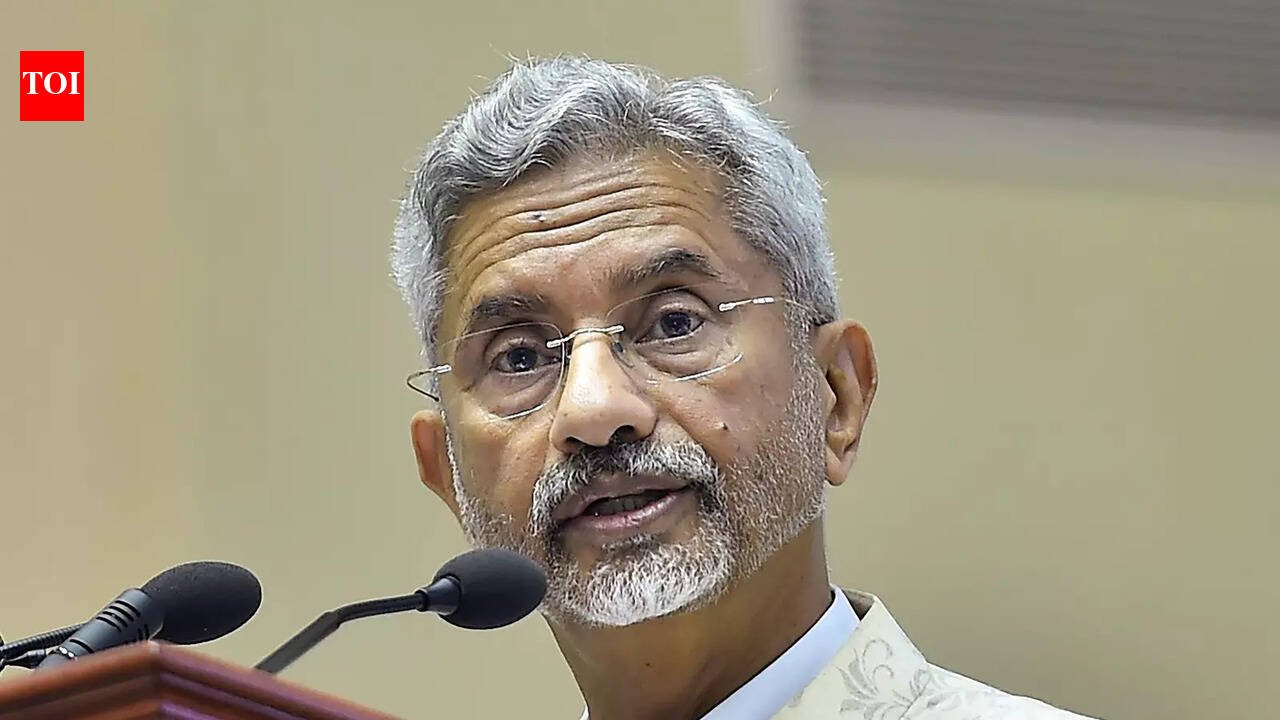
External affairs minister S Jaishankar on Saturday said that India has “solidly come through” a the ongoing turbulent geopolitical situation amid the Middle East conflict and the Russia-Ukraine war, adding that the country has been “managing domestic and external challenges successfully.Speaking at the 15th Annual Convocation Ceremony of IIM Raipur, he said countries today must focus on “hedging, de-risking and diversifying” as the global order changes rapidly.

Watch

‘Came Through Solidly’: S Jaishankar Flags Global Risks, Says India Emerged Resilient Amid Crisis

He said the world is going through a “structural” shift, adding, “The global order is changing before our very eyes with visible shifts in the relative power and influence of countries. The politics of some societies find it difficult to come to terms with these changes.”Jaishankar also said, “New developments in technology, in energy, military capabilities, in connectivity and in resources have encouraged risk-taking in an increasingly competitive environment. Everything today is being leveraged, if not actually weaponised. The world is then confronted with the prospect of securing itself in an increasingly volatile and unpredictable environment. This has necessitated the need to hedge, de-risk and diversify.”He said India has reasons for optimism compared to many other countries. “There is an optimism in our society that is lacking in many other parts of the world,” he said, adding that India is now among the top five economies and has handled recent global shocks well.He further stated, “No one can dispute that the multiple global shocks that have recently tested our resilience, and that India has come through that solidly. We have managed both domestic and external challenges fairly successfully.”The minister said building national capabilities is key for India’s goal of Viksit Bharat 2047. He also praised “inclusive growth, representative politics, and decisive leadership.”He said, “Building national capabilities has become more critical in the light of the global trends that I have mentioned… We must endeavour to build and secure within our control as many capacities as we can.”On foreign policy, Jaishankar said India is focusing on expanding market access, securing resources and technology, and supporting Indians abroad, while promoting “Brand India.”“Our foreign policy is today focused on expanding market access for Indian producers. It is also focused on helping to secure resources, technologies and essential goods. It looks after Indians… And it promotes Brand India,” he said.These remarks come at a time when the Middle East tensions that began on February 28 with US-Israel strikes on Iran have stretched beyond the 1 month mark. The crisis has since intensified with Iran’s chokehold over the strategically crucial Strait of Hormuz, sending ripples to oil baskets across the globe.

[ad_2]

Source link

Delhi govt tightens noose for fuel supply: Businesses to get LPG only if they apply for PNG connection

[ad_1]

Delhi govt tightens noose for fuel supply: Businesses to get LPG only if they apply for PNG connection

The Delhi government has introduced new conditions for the supply of commercial LPG cylinders, making eligibility contingent on steps taken towards adopting piped natural gas (PNG) in areas where the network is available. The changes were notified through an order issued by the Food, Supplies and Consumer Affairs Department, which amends a provision of the policy on commercial LPG distribution announced earlier.As per the revised framework, commercial and industrial users will now receive LPG supplies only if they are registered with the concerned oil marketing company (OMC) and have applied for a PNG connection wherever such infrastructure exists. In areas yet to be connected, consumers must submit a formal declaration indicating their intent to shift to PNG once it becomes available.

Watch

Iran War Impact Hits India: Commercial LPG Prices Rise, Airfares Set To Surge As Fuel Costs Double

To enforce compliance, OMCs have been tasked with verifying consumer records. They are required to collect documentation at least once to confirm registration status and ensure that the consumer has either applied for PNG or expressed intent to do so. Details of such consumers will also be shared with Indraprastha Gas Limited (IGL) for further processing.“When supplying to commercial gas consumers, the OMCs shall at least once collect documentation records to ensure that the consumer is registered with the OMC and has either applied for a PNG connection or has submitted an application indicating the intent to obtain a PNG connection upon its availability,” the order stated.The order, however, leaves room for operational flexibility. Businesses that require both LPG and PNG can approach the additional commissioner of the department with a request explaining their needs. These applications may also be collected by OMCs and forwarded for consideration, with decisions to be taken in consultation with the three OMCs.“The OMCs could also collect such applications and submit to the Additional Commissioner for a prompt decision. The Additional Commissioner shall promptly dispose of the same in consultation with the three Oil Marketing Companies,” the order stated.The revised norms come in the backdrop of the government’s recent measures aimed at easing pressure on LPG supplies. Speaking earlier, additional commissioner Arun Kumar Jha had said that Delhi has around 56 lakh domestic LPG connections and urged residents to ensure their connections are registered correctly to prevent misuse and diversion.He had also emphasised the expansion of PNG infrastructure, stating, “Wherever PNG connections are available, residents should shift from LPG to PNG,” and noted that the pipeline network has reached “every village”.The department has also set up a control room to monitor developments and gather complaints and inputs. Residents were previously asked to report suspicious activities through helpline numbers 011-23379836 and 8383824659 between 9 am and 7 pm, with assurances of prompt action on verified complaints.

[ad_2]

Source link

‘Factually incorrect’: India rejects ‘payment issues’ claim over Iranian crude tanker’s diversion to China

[ad_1]

'Factually incorrect': India rejects 'payment issues' claim over Iranian crude tanker's diversion to China

The Ministry of petroleum and Natural Gas on Saturday dismissed reports suggesting that an Iranian crude oil shipment meant for India had been rerouted to China due to payment-related hurdles, asserting that such claims are incorrect.Clarifying the situation, the ministry said, “The news reports and social media posts of an Iranian crude cargo being diverted from Vadinar, India to China due to “payment issues” are factually incorrect. India imports crude oil from 40+ countries, with companies having full flexibility to source oil from different sources & geographies based on commercial considerations.”Taking to social media platform X, the ministry assured that Indian refiners have already secured their energy supplies, for the upcoming months. “Amid Middle East supply disruptions, Indian refiners have secured their crude oil requirements, including from Iran; and there is no payment hurdle for Iranian crude imports, contrary to the rumours being circulated,” it stated.“It is reiterated that India’s crude oil requirements remain fully secured for the coming months.”Commenting on allegations of pending payments the ministry it also explained that changes in vessel destinations are not unusual in global oil trade. “Claims on vessel diversion ignore how oil trade works. Bills of Lading often carry indicative discharge ports destinations and on-sea cargoes can change destinations mid-voyage based on trade optimisation and operational flexibility.” The clarification comes after recent reports indicated that a tanker carrying Iranian crude had altered its destination mid-voyage due to payment problems. The Aframax tanker Ping Shun, which had earlier been indicating Vadinar in Gujarat, was later reported by ship-tracking firm Kpler to be heading towards Dongying in China. The cargo was expected to be India’s first Iranian crude shipment since 2019.On liquefied petroleum gas (LPG) supplies, the ministry also rejected related claims, stating, “On LPG too, some claims being made are incorrect as LPG vessel Sea Bird carrying around 44 TMT Iranian LPG berthed at Mangalore, India on April 2 and is currently discharging.”India had been a significant buyer in the past, importing around 518,000 barrels per day in 2018 before volumes fell in 2019 during a sanctions waiver period and eventually halted. Iranian crude once accounted for about 11.5 per cent of India’s total imports.Despite a recent US waiver permitting limited purchases of Iranian oil at sea for 30 days, financial constraints, including Iran’s exclusion from the SWIFT system, have continued to affect transactions. The waiver is set to expire on April 19, with an estimated 95 million barrels of Iranian oil currently stored on vessels at sea.

[ad_2]

Source link

IFFCO records highest profit and overall performance in FY26, set to cross Rs 4,106 crore PBT

[ad_1]

IFFCO records highest profit and overall performance in FY26, set to cross Rs 4,106 crore PBT

The Indian Farmers Fertiliser Cooperative Limited reported its highest-ever Profit Before Tax (PBT) for 2025–26, with projections indicating it will cross Rs 4,106 crore, following a year of steady production and strong sales across fertiliser categories.The cooperative produced 90.62 lakh metric tonnes (MT) of fertilisers during the financial year. This included 48.28 lakh MT of urea and 42.34 lakh MT of products such as NPK, DAP, water-soluble fertilisers and other speciality variants. It also recorded high output levels at its Phulpur, Aonla and Paradeep units, alongside improvements in operational efficiency and logistics, including port operations at Paradeep.Total fertiliser dispatches stood at 119.68 lakh MT, reflecting continued demand. Conventional fertilisers accounted for 118.75 lakh MT of sales, covering urea, DAP and NPK variants.Nano fertilisers also contributed to overall volumes, with total sales crossing 301 lakh bottles. This included 221 lakh bottles of Nano Urea Plus Liquid and over 64.89 lakh bottles of Nano DAP Liquid. The cooperative also recorded first-year sales of Nano Zinc and Nano Copper.IFFCO said it has continued work on products such as nano fertilisers and bio-stimulants, aimed at improving nutrient efficiency and supporting soil health.The cooperative added that its focus remains on supplying fertilisers, promoting balanced crop nutrition and supporting farmers through input access and awareness on usage.IFFCO chairman Dileep Sanghani said, “As we step into FY 2026–27, let us move forward with comprehensive cooperative growth, renewed energy, driven by innovation and a shared commitment to growth of our farmers. Each milestone we achieve is not just a business success, but a step towards serving our farmers better, the true backbone of our nation. We at IFFCO are realising the vision of Sahakar Se Samriddhi.” He further urged farmers to adopt Nano Fertilisers and utilise the cooperative strength for their growth.He further added, “I encourage every employee and official to continue striving with passion and purpose. Rooted in our cooperative values, powered by science, and guided by the vision of ‘Sahakar Se Samriddhi,’ let us work together to create a brighter, more prosperous future for every farmer and every cooperative we serve.”Managing director K J Patel took to social media platform X to congratulate the company for the milestone, adding, “The outstanding performance of our JVs and associates during FY 2025–26 reflects our collective dedication, resilience, and pursuit of excellence.For the coming financial year, IFFCO said that it will continue to focus on expanding its product range and operations in the coming financial year.

[ad_2]

Source link