Breaking News
US mainland under threat? What FBI memo says about possible Iranian drone strike amid Middle East conflict


US mainland under threat? What FBI memo says about possible Iranian drone strike amid Middle East conflict
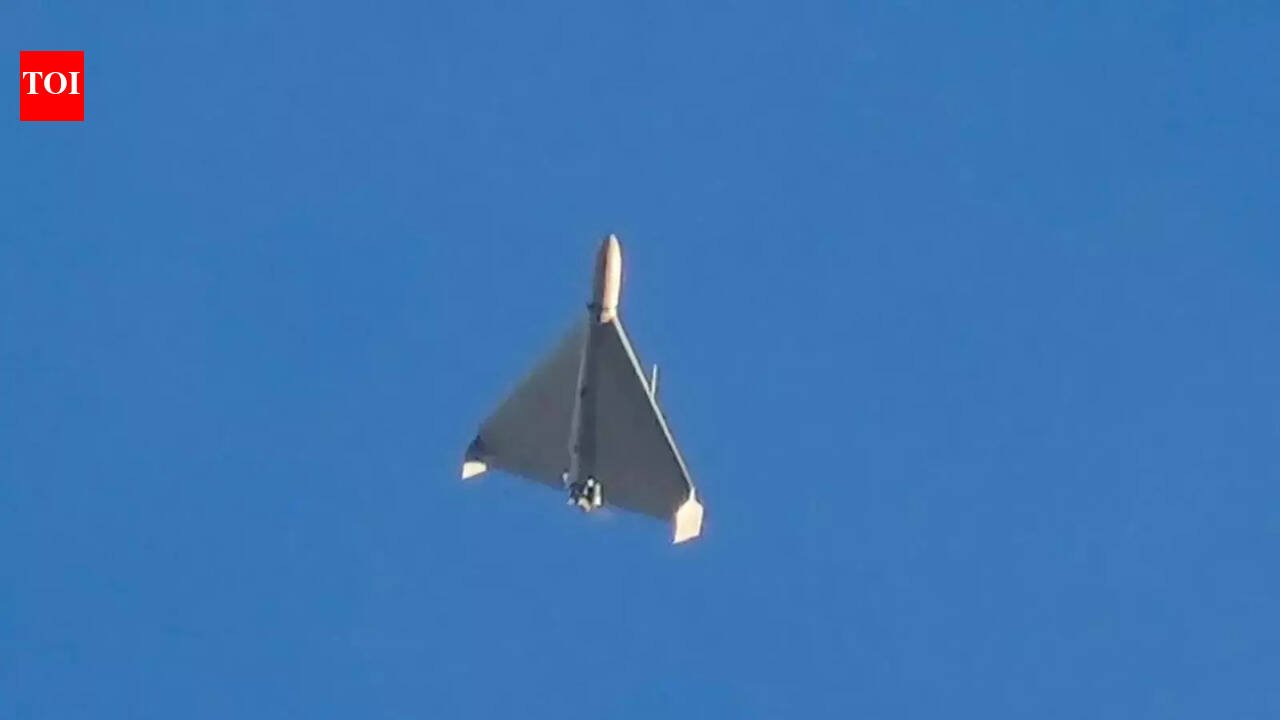
An Iranian Shahed (AP file photo)

A memo circulated by the FBI’s Los Angeles office last week raised the possibility that Iran could plan a surprise attack on California using drones from a ship off the US coast, CBS News reported.The memo reportedly said the FBI received “unverified” information before the US attack on Iran that the plan would be triggered if it conducted the strikes. It also said there was no further information on timing, method, targets, or perpetrators.Reacting to the reports, California Governor Gavin Newsom said on X on Wednesday, “While we are not aware of any imminent threats at this time, we remain prepared for any emergency in our state.”Newsom’s office added that the memo was “one of numerous security updates the state receives from federal partners daily and disseminates to local law enforcement and emergency responders.”According to Los Angeles Police Department’s statement, “At this time, there are no known or specific threats to Los Angeles. We continue to monitor global events and any potential related threats that could impact Los Angeles.”Samantha Vinograd, a former DHS assistant secretary, told CBS News: “The Iranian regime has a vast and diverse arsenal of drones that it has deployed throughout the Middle East. We have no indication that the FBI was sharing information on an imminent threat. It is standard operating procedure and prudent for the FBI to share information with its partners to ensure they are aware of the broader threat landscape.”The alert comes during the US-Israel military operation against Iran, which began last month with strikes that killed Iran’s Supreme Leader Ayatollah Ali Khamenei and triggered retaliatory attacks on US forces in the Middle East.


Source link

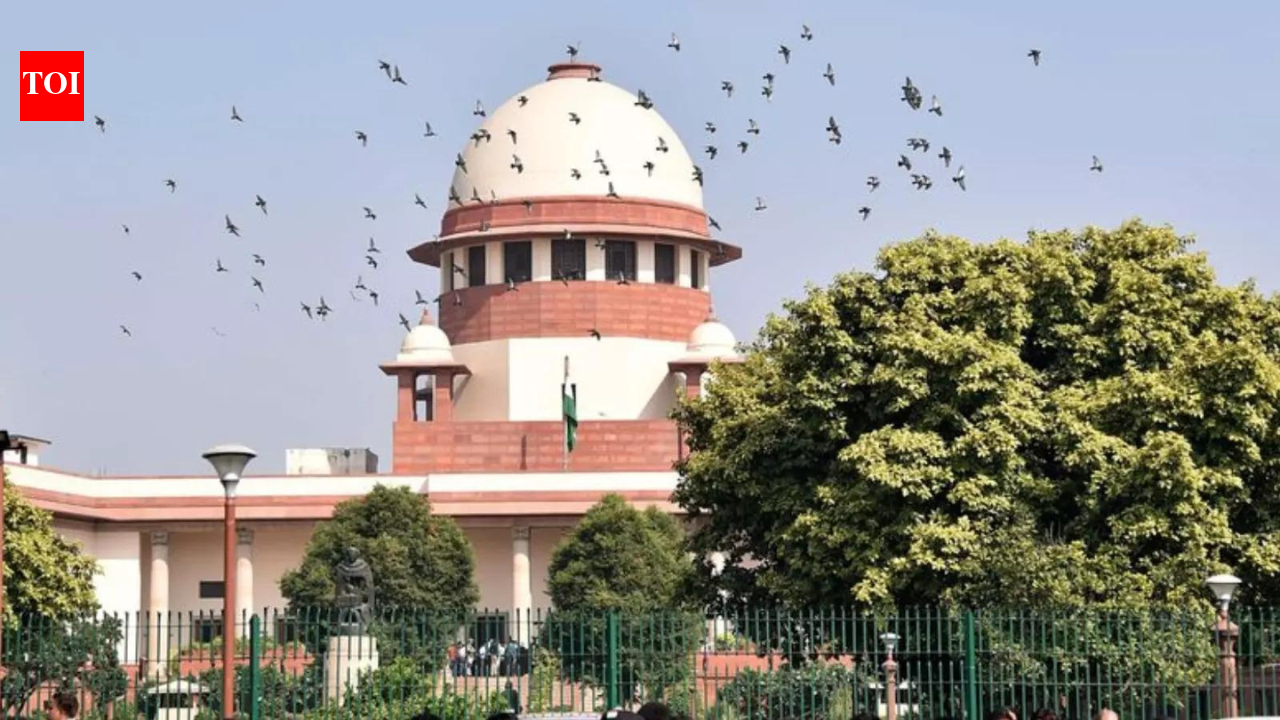
‘Unsustainable in law’: SC rules OBC creamy layer status cannot be decided on income alone | India News


'Unsustainable in law': SC rules OBC creamy layer status cannot be decided on income alone

NEW DELHI: The Supreme Court on Thursday ruled that the determination whether a candidate falls within the creamy layer or the non-creamy layer of the OBCs cannot be decided solely on the basis of the income.“Determination of creamy layer status solely on the basis of income brackets, without reference to the categories of posts and status parameters is clearly unsustainable in law,” the top court observed.


Source link

Why Hardik Pandya sometimes talks about himself in the third person: The psychology behind it


Why Hardik Pandya sometimes talks about himself in the third person: The psychology behind it
Photo: Hardik Pandya/ Instagram

The celebrations of India’s consecutive T20 World Cup triumph in 2026 are still fresh in Ahmedabad, and Hardik Pandya stands at the heart of the festivities. His transformation, from the most heavily criticized figure in Indian cricket in 2024 to the “Ice-Man” of the 2026 final, is a remarkable tale of comeback.But as the interviews rolled in, fans noticed a peculiar linguistic quirk. Instead of saying “I was nervous,” Hardik might say, “Hardik Pandya knows how to handle these moments.” While the internet loves a good “ego” meme, what we’re actually seeing is a sophisticated psychological tool called illeism.

Hardik Pandya Credits Girlfriend Mahieka Sharma After India’s T20 World Cup Glory

Far from being a “gaffe,” it’s the same mind hack used by legendary sport stars like LeBron James and Cristiano Ronaldo. Here is the science behind why Hardik speaks about “Hardik Pandya” in the third person.

1. The “Inner Coach” Effect (Self-Distancing)

When you are in the heat of a World Cup final over, your emotions are screaming. By using his own name, Hardik creates psychological distance. It’s the difference between being in the fire and watching the fire from a safe distance– a way of detaching from the moment and just being an observer.The Logic: Psychologists like Ethan Kross have shown that talking to yourself by name reduces emotional reactivity.The Result: It allows him to give himself objective advice. He isn’t a nervous guy under pressure; he’s a coach directing a player named “Hardik” on what to do next.

2. Branding the “Superstar” vs. the human

India v New Zealand: Final - ICC Men's T20 World Cup India & Sri Lanka 2026

AHMEDABAD, INDIA – MARCH 08: Hardik Pandya of India poses for a photo with the trophy after victory in the ICC Men’s T20 World Cup India & Sri Lanka 2026 Final between India and New Zealand at Narendra Modi Stadium on March 08, 2026 in Ahmedabad, India. (Photo by Prakash Singh/Getty Images)

For elite athletes, their name is a brand. There is “Hardik,” the guy who plays with his son Agastya at home, and then there is “Hardik Pandya,” the commercial powerhouse and India’s premier all-rounder cricketer.The Public Persona: When he refers to himself in the third person, he is often talking about the player and the expectations that come with that brand.The Shield: It helps him separate public criticism from his private self-worth. If people boo “Hardik Pandya,” it’s about the brand, not the man.

3. The Neuroscience: Amygdala vs. Logic

This isn’t just “sports speak”; it’s a brain bypass.Lowering the Alarm: Using the third person helps quiet the amygdala (the brain’s fear center).Boosting the CEO: It simultaneously engages the prefrontal cortex (the area responsible for logic and complex decision-making).In plain English: It turns the “panic” volume down and the “clear thinking” volume up. It’s why you’ll hear high-pressure performers say things like, “LeBron James has to do what’s best for the team.”

4. Builds authority

In a leadership role, saying “This is what Hardik Pandya expects” carries more weight than “I’d like us to do this.” It signals authority and certainty. It sets a standard for the entire dressing room, reinforcing his identity as a big-match player both to his teammates and—crucially—to himself.

How You Can Use the “Hardik Hack”

You don’t need a stadium full of fans to benefit from this. Psychologists actually recommend this to combat anxiety in daily life.Instead of: “I’m going to mess up this presentation.”Try: “XYZ [Your Name] has prepared for this. They just need to stay calm and deliver the key points.”It feels a bit weird at first, but it forces your brain to talk to you like a supportive mentor rather than a harsh critic.Hardik’s “third-person” talk is a masterclass instrumental resilience. Try it in high-pressure situations and see how this helps.


Source link

Watch: Video shows huge blaze after blasts hit oil tankers off Iraq’s Basra coast


Watch: Video shows huge blaze after blasts hit oil tankers off Iraq’s Basra coast

At least one person has died and two oil tankers caught fire in the Persian Gulf off the coast of Basra, Iraq on Wednesday, after explosions that officials suspect were caused by an attack.Reuters reported that explosive-laden Iranian boats may have struck the vessels, citing preliminary findings from an Iraqi-led investigation into the incident. The tankers were anchored side by side when the blasts occurred, triggering large fires that spread across the surrounding waters, footage of the incident showed.The ships involved were identified as the Maltese-flagged Zefyros and the Marshall Islands-flagged Safesea Vishnu, CNN reported. The vessels may have been carrying up to 400,000 barrels of Iraqi crude oil, according to NYPost. .Farhan al Fartousi, director general of the Iraqi Ports Company, told CNN that all 38 foreign crew members were evacuated from the damaged ships following the “explosions”. Images from the scene showed flames spreading across the water, suggesting oil was leaking from the vessels.According to Al Jazeera, the incident occurred within Iraq’s territorial waters at al Faw port near Basra. The Safesea Vishnu is owned by US-based Safesea Transport Inc., while the Zefyros is owned by a Greek company. Safesea Transport did not immediately respond to a request for comment. The reported attack comes amid rising tensions in the region and disruptions to global oil supply routes. Oil prices have surged this week due to concerns about shipping through the Strait of Hormuz, a key corridor through which roughly one-fifth of the world’s oil passes daily.Military actions and counterattacks linked to the ongoing Iran conflict have already disrupted traffic in the strait, prompting several producers to cut output. Iran has also threatened to block oil tankers from passing through the strategic waterway.The United States has responded by targeting several Iranian minelaying vessels earlier this week, while President Donald Trump has indicated he may release oil from the US Strategic Petroleum Reserve to stabilise prices. Separately, the International Energy Agency said its 31 member countries plan to release a record 400 million barrels of oil from emergency stockpiles to offset supply disruptions.


Source link

Noida Gaur Saundaryam Suicide News: Visiting home for Holi, MBA student jumps to death from 13th floor of Greater Noida apartment | Noida News


Visiting home for Holi, MBA student jumps to death from 13th floor of Greater Noida apartment
A 25-year-old MBA student died by suicide after jumping from the 13th floor of a Greater Noida West residential building (Representative image)

NOIDA: A 25-year-old MBA student died allegedly by suicide after jumping from the 13th floor of a residential high-rise in Greater Noida West on Tuesday. The incident occurred at Gaur Saundaryam Society, located under the Bisrakh police station limits, where the woman lived with her family. According to police, a team reached the spot after receiving information about the incident around 5.30am. The woman was found critically injured but was declared dead after being taken to the hospital. Her body was taken into custody and sent for postmortem examination. Police have not recovered a suicide note but sources said the woman had been battling depression and attempted suicide a couple of times in the past as well. Officials said she was pursuing an MBA in Mohali, Punjab, where she was also working, and had recently returned to Greater Noida West to celebrate Holi with her parents.The woman’s family told police that they had dinner together on Monday night before going to their rooms. On Tuesday morning, the family was informed by society security guards that the woman had jumped off the building, police said.The family has not lodged a formal complaint and said there were no immediate indications as to why she may have taken the extreme step. As part of the investigation, police are analysing CCTV footage installed within the society premises to reconstruct the sequence of events and determine the developments leading up to the incident.

Banner Insert


Source link

Reliance to fund oil refinery in US; Donald Trump calls it ‘historic $300 billion deal’


Reliance to fund oil refinery in US; Donald Trump calls it 'historic $300 billion deal'

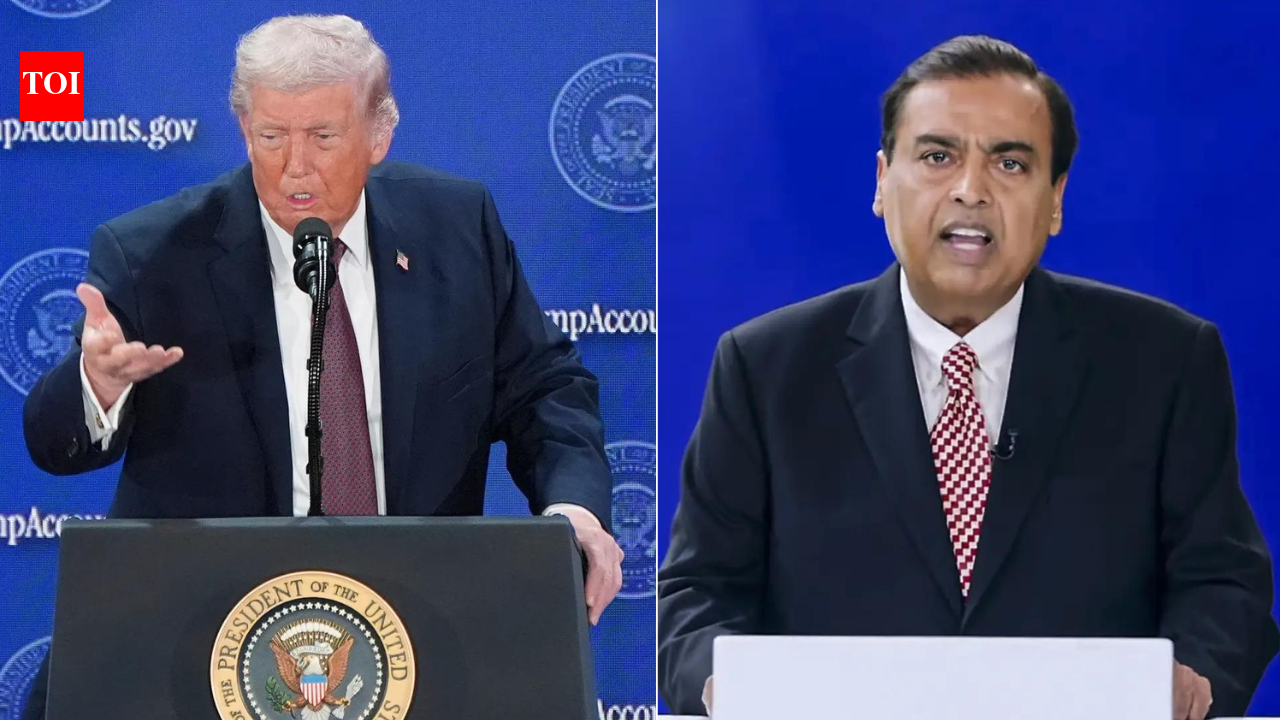
MUMBAI: Reliance Industries (RIL) will bankroll the first new oil refinery project in the US in 50 years, marking one of its biggest overseas bets and a return to the American energy market after four years.America First Refining (AFR), the startup developing the refinery at the Brownsville port in Texas, said it received a “nine-figure investment from a global supermajor at a 10-figure valuation” in Feb but did not name the investor. “For the first time in half a century, the US will build a new refinery designed specifically for American shale oil,” said AFR chairman & founder John Calce.US President Donald Trump, announcing the refinery project on his social media platform Truth Social, named RIL as the investor and called the investment by India’s largest privately held energy company “tremendous”.This announcement comes after RIL exited the upstream oil and shale gas business in the US in 2021.Construction of the 168,000-barrels-per-day shale oil refinery is expected to begin in the second quarter of this year.

-

‘Opportunity for Indian co to enter US refining ecosystem’AFR also said the “same global supermajor” had signed a 20-year agreement to purchase the refinery’s output.The project is also expected to help narrow India’s trade surplus with the US, an issue that has long been a point of concern for Trump. “This is a historic $300 billion deal, the biggest in US history,” read Trump’s post on Truth Social.According to AFR, the figure reflects the long-term offtake arrangement under which the global supermajor will purchase 1.2 billion barrels of shale oil valued at $125 billion and 50 billion gallons of refined petroleum products such as gasoline, diesel and jet fuel worth about $175 billion. Combined, the transactions are expected to improve the US trade balance by $300 billion, it said.Analysts noted that the actual equity investment in the refinery itself has been described as a “nine-figure” sum, implying several hundred million dollars, while the project valuation is in the “ten-figure” range, indicating that the capital commitment is likely to remain below $1 billion.The Texas refinery will mark RIL’s second greenfield investment outside India. In 2021, the company announced a partnership with Abu Dhabi National Oil Company (ADNOC) to build a $2 billion petrochemicals plant in the UAE.Industry experts say the project could deepen economic cooperation between India and the US. M S Banani, joint managing director of Axiom Gas Engineering, a fuel station developer, said Texas is one of the world’s most important energy hubs, hosting major companies such as ExxonMobil, Chevron, Shell and BP.“Establishing a refinery there provides direct access to crude supply and one of the largest fuel markets globally,” Banani said. “RIL has extensive experience in processing heavy and sour crude at its Jamnagar refinery complex, which gives it a strong technical advantage in refining diverse crude grades, including those available from regions such as Venezuela.”From a business perspective, the investment represents an opportunity for an Indian company to enter the American refining ecosystem and potentially expand into fuel distribution and retail in the future, Banani added.“It reflects both the growing global presence of Indian industry and the strengthening strategic partnership between India and the US.”The development coincides with volatility in global oil prices driven by the intensifying conflict in West Asia. However, the announcement had little impact on RIL’s shares. At close of trading, the stock was down 1.3% at Rs 1,391 on the BSE. RIL did not comment on the announcement.


Source link

Indian expat turns overnight millionaire in UAE: Takes home $1 million prize after big win in Dubai Duty Free draw


Indian expat turns overnight millionaire in UAE: Takes home $1 million prize after big win in Dubai Duty Free draw
Indian Expat in UAE Wins $1 Million in Dubai Duty Free Draw

For thousands of expatriates living and working in the Gulf, the dream of striking it rich often begins with a simple raffle ticket. For one Indian resident in the UAE, that dream has just become reality after winning $1 million (about Dh3.67 million) in the iconic Dubai Duty Free Millennium Millionaire draw, one of the region’s most famous life-changing promotions.Mahendihasanj Jamani emerged as the latest winner in the Millennium Millionaire Series 538, after his ticket number 1324 was selected in the draw. He had purchased the lucky ticket online on February 26. Jamani has yet to comment on the win, and organisers say he is likely to be pleasantly surprised once he learns about his newfound million-dollar fortune.Jamani is now the 273rd Indian national to win the coveted $1 million prize since the Millennium Millionaire promotion was launched in 1999. Organisers note that Indians remain the largest group of participants in the long-running raffle, which has produced hundreds of millionaires over the years. The latest win once again highlights a long-running trend that Indian expatriates continue to dominate the list of millionaires created by the Dubai Duty Free lottery, turning ordinary workers, business owners and professionals into overnight dollar millionaires.

A life-changing win at Dubai Duty Free draw

The announcement came during the Dubai Duty Free Millennium Millionaire draw, held at held at the Dubai Duty Free head office in Ramool, where organisers revealed the newest winners of the coveted $1-million prize. The event was conducted by Dubai Duty Free managing director Ramesh Cidambi along with senior executives including Dr Bernard Creed, senior vice president for finance; Sinead El Sibai, senior vice president for marketing; Michael Schmidt, senior vice president for retail; Sharon Beecham, senior vice president for purchasing; Mona Al Ali, senior vice president for human resources and Zayed Al Shebli, senior vice president for asset protection.The Indian expatriate was declared one of the latest winners in the draw, a programme that has been transforming the lives of participants since its launch in 1999. The Millennium Millionaire promotion is structured as a limited raffle system. Only 5,000 tickets are issued per series, and each ticket costs AED 1,000, giving buyers a chance to win the grand prize of $1 million. With such limited ticket numbers, the odds are significantly better than many traditional lotteries, one reason the draw has built a massive following among travellers and expatriates across the Gulf.

Indians dominate the winners’ list of Dubai Duty Free draw

Indian nationals have consistently formed the largest group of winners in the Dubai Duty Free promotion. In fact, statistics from the programme show that hundreds of Indian participants have won the $1-million prize since the promotion began, reflecting the large number of Indian residents in the UAE who regularly participate.From mechanics and sales assistants to bankers and entrepreneurs, Indian expatriates have repeatedly struck gold in the draw. Over the past few months alone, several similar stories have made headlines:

  • A 47-year-old Kerala expatriate working in a Dubai typing centre won $1 million earlier this year after buying a ticket at Terminal 2.
  • A Dubai-based Indian real estate brokerage owner also won the jackpot in a recent Millennium Millionaire draw.
  • Earlier in 2026, another Indian expat described the win as the “best gift for 2026” after becoming a millionaire through the same raffle.

These repeated victories have reinforced the idea that the draw continues to favour participants who buy tickets regularly over long periods. One striking feature of many Dubai Duty Free winners is that they participate for years, sometimes decades, before finally winning. Stories abound of long-time participants finally hitting the jackpot after countless attempts. Some participants buy tickets in groups with colleagues or friends to increase their chances.For instance, earlier winners have revealed that they often share the ticket cost among multiple people, meaning that when the winning number is drawn, the prize is split among the group. This collaborative approach has become particularly popular among expatriate workers, who pool their money together in hopes of transforming their fortunes overnight.

Why the Dubai Duty Free draw is so popular

The Dubai Duty Free Millennium Millionaire draw has become one of the most recognisable raffle promotions in the Middle East. Several factors explain its enduring popularity:

  • Limited Tickets – Each series is capped at 5,000 tickets, giving buyers a relatively higher chance compared to massive global lotteries.
  • Global Participation – Tickets can be purchased both online and at Dubai airports, allowing participants from across the world to take part.
  • Regular Draws – The promotion is held regularly throughout the year, creating a steady stream of winners.
  • Tax-Free Prize – Since the UAE does not impose personal income tax, winners typically receive the full prize amount.

These factors combine to make the draw one of the most attractive raffles globally.

The UAE’s culture of big lottery wins

Dubai Duty Free is not the only platform creating overnight millionaires in the UAE. Several other high-profile raffles have become extremely popular across the region, including:

  • Abu Dhabi Big Ticket
  • Emirates Draw
  • Mahzooz

These draws have collectively produced thousands of winners, often capturing the imagination of residents across the Gulf. Just recently, an Indian expatriate in Sharjah also became a millionaire overnight after winning Dh15 million in the Abu Dhabi Big Ticket draw, showing how frequently such life-changing wins occur in the UAE. The possibility of sudden wealth has made raffles a common topic of conversation among expatriate communities.

Why expatriates are drawn to these lotteries

For many expatriates working in the Gulf, particularly those supporting families back home, lottery wins represent far more than just financial gain. A jackpot can mean:

  • Paying off debts
  • Building a house in their home country
  • Funding children’s education
  • Starting a business
  • Retiring early

Due to this, many participants see buying a ticket not as gambling but as a hopeful investment in a better future. The emotional appeal of such stories cannot be underestimated. Across social media, the announcement of each new Dubai Duty Free winner sparks a wave of excitement among residents who imagine themselves as the next lucky participant.For many workers earning modest salaries, the possibility of becoming a millionaire overnight provides a rare moment of optimism and for the latest Indian winner, the moment of hearing their name announced likely marks the beginning of a completely new chapter in life. The latest $1-million win in the Dubai Duty Free draw once again reinforces why the promotion continues to captivate expatriates across the UAE.With limited tickets, regular draws and tax-free prizes, the Millennium Millionaire promotion has turned ordinary airport purchases into life-changing fortunes for hundreds of winners, many of them Indian expatriates and as long as hopeful participants continue buying tickets, the dream remains alive that the next time the winning number is announced, it could be theirs.


Source link

Expats alert: Dubai tightens housing rules, shared apartment violations may cost Dh1 million fines


Expats alert: Dubai tightens housing rules, shared apartment violations may cost Dh1 million fines
Bed-Space Living in Dubai Under Fire as New Law Imposes Dh500K to Dh1 Million Fines

Dubai has introduced a sweeping new law aimed at regulating shared housing and partition-style living arrangements, with violators facing fines of up to Dh500,000 and up to Dh1 million for repeat offences. The legislation marks one of the strongest steps yet by the emirate to tackle overcrowding, illegal “bed-space” rentals and unsafe residential practices in its booming property market.The new regulation comes at a time when Dubai’s population and rental demand are surging, pushing some residents toward shared accommodation arrangements that often fall into legal grey areas. Authorities say the law aims to balance affordability for residents with strict safety and quality standards for housing.

Why Dubai is targeting shared housing now

Shared accommodation, sometimes known locally as “bed space” living, has long been common in Dubai, particularly among low- and middle-income expatriate workers trying to manage rising rents. In many neighbourhoods, landlords or tenants convert apartments into multiple partitions or rented beds, allowing several people to live in a single unit.
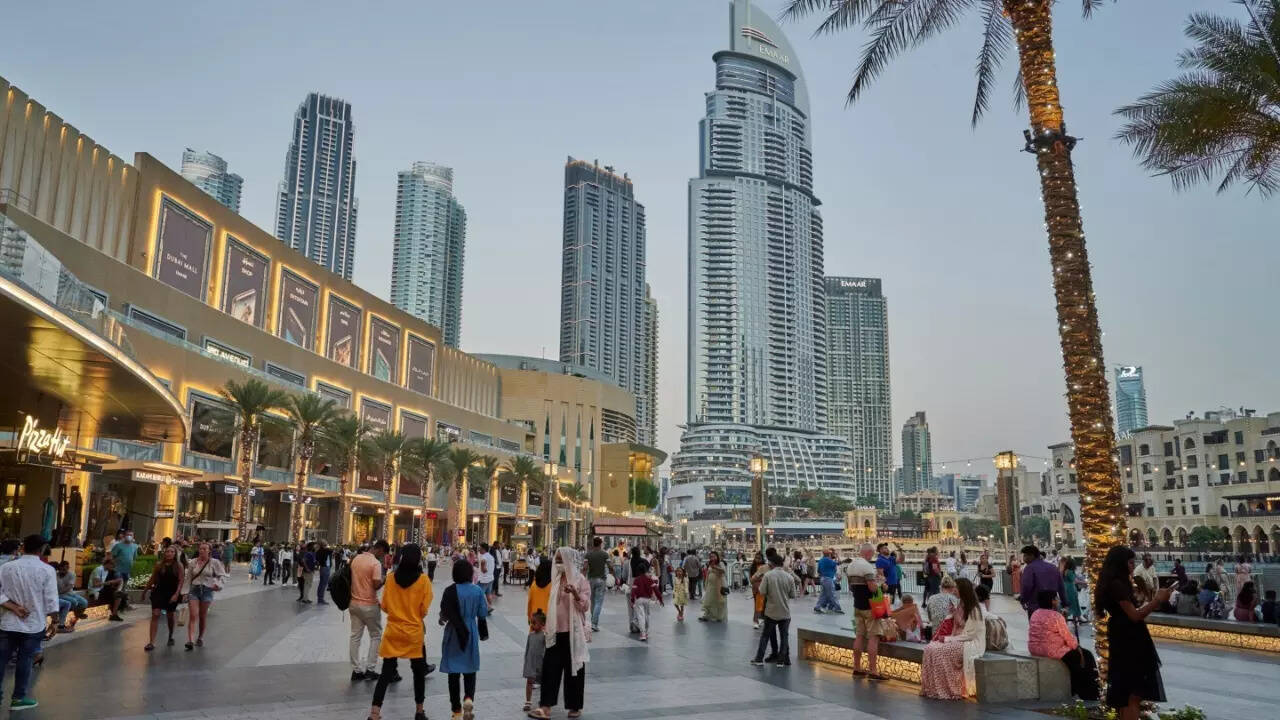
Renting a Bed-Space in Dubai? New Law Could Cost You Half a Million Dirhams

Renting a Bed-Space in Dubai? New Law Could Cost You Half a Million Dirhams

However, such setups can create serious safety, hygiene and overcrowding concerns, especially when properties are modified without approval or occupancy limits are ignored. Authorities have previously warned that illegal partitions can block ventilation, compromise fire safety and make emergency evacuations difficult. Dubai’s latest law is designed to curb these risks while bringing greater transparency to the rental market.

Dubai’s core rule: Permits required for shared housing

The central provision of the new law is straightforward: no individual or company may designate a property as shared housing without obtaining an official permit. This means that landlords, property managers and companies must secure regulatory approval before operating or advertising shared accommodation units.Authorities will regulate several aspects of shared housing, including:

  • Occupancy limits
  • Safety standards
  • Hygiene and living conditions
  • Building suitability
  • Licensing of operators

By introducing formal licensing requirements, Dubai aims to shift shared housing from informal arrangements into a regulated segment of the property market.

Dubai housing fines up to Dh500,000 and Dh1 million for repeat offences

The law comes with some of the toughest penalties seen in the emirate’s housing sector. Violations may result in fines ranging from Dh500 to Dh500,000, depending on the severity of the offence. If the same violation is repeated within one year, penalties can be doubled up to a maximum of Dh1 million.Authorities also have the power to impose additional sanctions, including:

  • Suspending the activity for up to six months
  • Cancelling permits
  • Revoking business licences
  • Disconnecting public utilities
  • Evicting occupants from non-compliant units

These measures indicate Dubai’s intent to enforce the new law aggressively.

The problem of overcrowding in Dubai apartments

Overcrowding has long been a major issue in certain districts with high concentrations of shared housing. Dubai’s housing regulations generally require a minimum amount of space per resident, with overcrowding defined as more than one person occupying five square metres of living space.Industry guidance often translates this into practical limits such as –

  • Studio apartments: up to 2 residents
  • 1-bedroom units: about 4 residents
  • 2-bedroom units: about 6 residents
  • 3-bedroom units: about 9 residents

When landlords exceed these limits by renting out partitions or beds, it can create cramped living conditions and raise safety concerns.

A long-running issue in Dubai’s rental market

Illegal partitions and subletting have been a persistent challenge for Dubai authorities. Inspections by municipal teams have previously targeted neighbourhoods such as Al Barsha, Deira, Satwa and Al Rigga, where overcrowded apartments and unauthorised partitions were discovered. In many cases, tenants subdivide rooms using temporary walls or wooden boards to create additional sleeping areas. While this allows residents to share rent costs, it often violates building regulations and tenancy agreements.

Dubai’s New Housing Law Could Shut Down Illegal Bed-Space Rentals

Dubai’s New Housing Law Could Shut Down Illegal Bed-Space Rentals

Under existing rental laws, tenants are already prohibited from subletting or sharing apartments without the landlord’s permission, and all occupants must be registered on the tenancy contract (Ejari). The new shared housing law strengthens these rules and introduces clearer enforcement mechanisms.

Why shared housing exists in Dubai

Despite regulatory concerns, shared housing remains a reality in Dubai’s housing ecosystem. The emirate’s rapid economic growth has attracted millions of expatriate workers, many of whom earn modest salaries and rely on shared accommodation to reduce living costs.For example:

  • A single room in a central Dubai apartment can cost thousands of dirhams monthly.
  • Bed-space rentals, where individuals rent a single bed rather than a full room, can significantly reduce costs.

This has created a thriving informal market for shared living spaces. However, authorities say regulation rather than prohibition is the goal. By licensing shared housing operators, Dubai hopes to allow affordable living options while ensuring safety and compliance.

New housing law’s impact on landlords and property owners in Dubai

The new law will significantly affect landlords and property investors. Property owners who previously allowed informal bed-space rentals may now need to:

  • Apply for permits
  • Modify properties to meet safety standards
  • Limit occupancy numbers
  • Register tenants officially

Failure to comply could lead to hefty fines or the suspension of rental activities. For landlords operating legally, however, the law may actually help by reducing unfair competition from illegal operators.

What Dubai tenants should know

For tenants, the new regulations carry several implications:

  1. Check if your accommodation is licensed – Tenants should ensure that the shared housing arrangement has the required permits.
  2. Avoid illegal bed-space rentals – Living in unauthorised shared housing could lead to eviction if authorities shut down the property.
  3. Ensure your name is on the tenancy contract – Official registration protects tenant rights and avoids legal complications.
  4. Watch for overcrowding risks – Unsafe living conditions may violate the law and expose tenants to penalties.

Dubai’s broader push for housing standards

The shared housing regulation is part of a broader strategy by Dubai to enhance safety, quality and transparency in its property sector. In recent years, the emirate has introduced multiple reforms targeting building safety standards, labour accommodation rules, illegal partitions and subletting and tenant protection mechanisms.Authorities say that these policies are essential as Dubai’s population continues to grow rapidly and demand for housing rises. Industry experts believe the new law could reshape parts of Dubai’s rental market.Possible outcomes include:

  • Fewer illegal partitions and bed-space rentals
  • More regulated shared housing facilities
  • Higher compliance costs for landlords
  • Improved safety standards for residents

Some analysts also predict that stricter enforcement may temporarily reduce the supply of low-cost housing, potentially pushing demand toward regulated shared living developments. Dubai’s new shared housing law sends a clear message that affordable living arrangements are allowed but only if they meet safety and legal standards.By imposing fines of up to Dh500,000 and potentially Dh1 million for repeat violations, authorities are signalling that overcrowded and unlicensed housing will no longer be tolerated. For a city that prides itself on world-class urban planning and high living standards, the crackdown is another step toward ensuring that rapid growth does not come at the expense of safety or quality of life.


Source link

Indian traveller flees Doha, drives across desert to Riyadh after Chennai to Barcelona flight stranded amid Iran vs US-Israel war


Indian traveller flees Doha, drives across desert to Riyadh after Chennai to Barcelona flight stranded amid Iran vs US-Israel war
Stranded in Doha as Iran vs US–Israel War Erupts, Indian Man Makes Daring Desert Escape to Riyadh

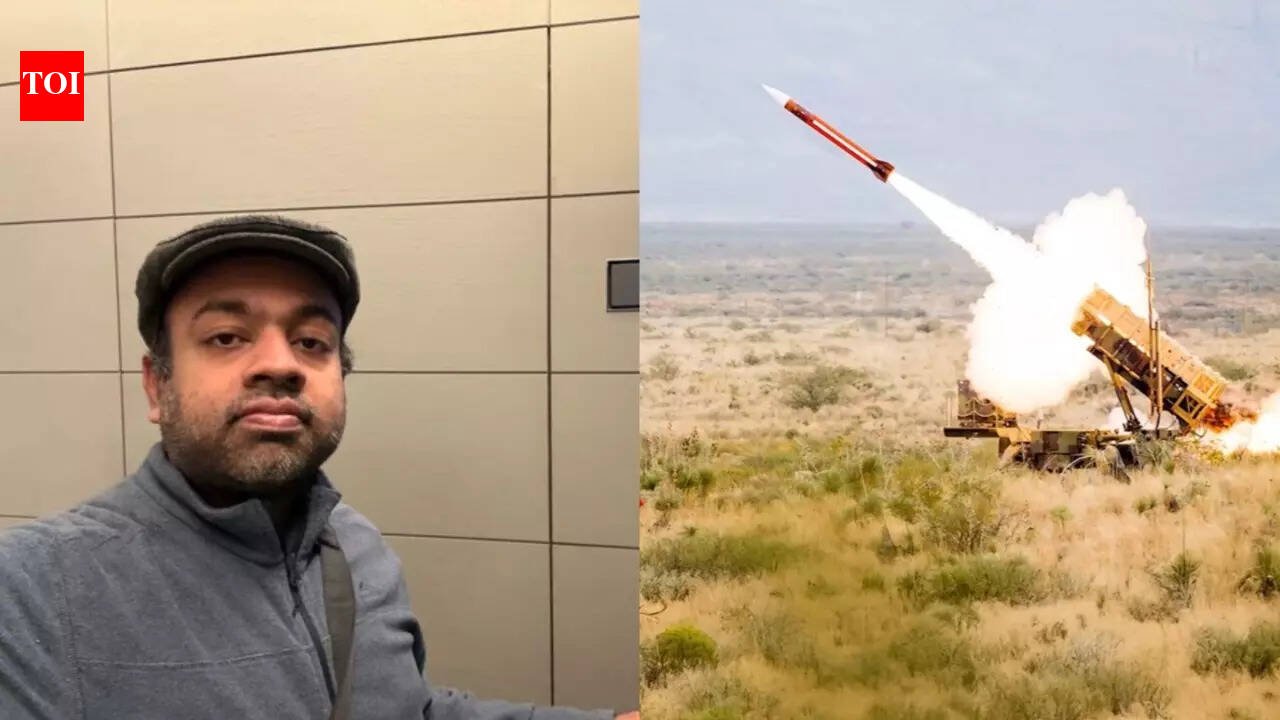
A dramatic story of an Indian traveller stranded in Qatar has gone viral after he decided to abandon waiting for flights and instead take a long desert road journey to Saudi Arabia in order to continue his trip home. The incident, highlighted in a viral video report, reflects a wider travel crisis unfolding across the Middle East as conflict involving Iran, Israel and the United States disrupts airspace and leaves thousands of passengers stuck at major transit hubs.The traveller, Varun Krishnan, was originally flying from Chennai in India to Barcelona in Spain when the escalation of regional tensions forced airlines to suspend or reroute flights across the Gulf. When his journey stalled in Doha, Krishnan decided the fastest way forward was not through the airport but across the desert.

A routine flight that suddenly stopped amid Iran vs US-Israel war

Krishnan’s journey began as a normal international trip with a flight from southern India to Europe with a connection in Qatar but as he landed in Doha, the region’s security situation deteriorated rapidly. Military strikes linked to the widening Iran-Israel-US conflict triggered widespread airspace restrictions across parts of the Gulf. Airlines began suspending flights, diverting routes and cancelling schedules.Major transit hubs like Doha and Dubai, among the busiest aviation gateways in the world, suddenly faced large-scale disruptions. Tens of thousands of passengers were left stranded as airlines cancelled thousands of flights, one of the largest travel disruptions since the Covid-19 pandemic. For travellers like Krishnan, this meant an indefinite wait at the airport with no certainty of when flights might resume.

Choosing the desert road instead of the airport while stranded amid Iran vs US-Israel war

Faced with growing uncertainty, Krishnan decided not to wait. Instead of remaining in Qatar hoping for flights to restart, he chose an unusual route to drive across the desert from Qatar to Riyadh in Saudi Arabia. The plan involved leaving Doha by road, crossing the Qatar–Saudi Arabia border, reaching Riyadh airport and attempting to continue his international journey from there.The trip meant hours of travel through remote desert highways, a stark contrast to the convenience of modern air travel but in a crisis where flights disappear overnight, such routes can become the only viable option.

Travel chaos across the Middle East amid Iran vs US-Israel war

Krishnan’s story is not an isolated case. Across the region, thousands of travellers, tourists, expatriate workers and transit passengers, have been caught in similar situations as the conflict escalates. Airspace closures and security alerts have forced airlines to cancel flights or reroute aircraft through longer and more expensive paths.In some cases, governments have advised their citizens to remain indoors until the security situation stabilises. The scale of disruption has been enormous. Reports suggest that tens of thousands of travellers scrambled for flights out of the Middle East during the crisis as airlines struggled to restore operations.With airports overwhelmed and tickets selling out quickly, many travellers have resorted to alternative routes, including long road journeys, emergency visas or transit through multiple countries.

Indians among the most affected travellers amid Iran vs US-Israel war

Indian nationals have been particularly affected by the crisis due to the large number of Indian workers and tourists in Gulf countries. Thousands of Indians travel through Gulf airports every day because the region serves as a key transit hub connecting India with Europe, North America and Africa. When the conflict disrupted flights, many Indian passengers found themselves stranded in Doha.Reports suggest over 500 Indians were stuck in Qatar during the crisis, prompting diplomatic efforts and special flights to bring them home. In the days following the disruption, the Indian Embassy in Doha coordinated evacuation flights, helping hundreds of stranded passengers return to cities such as Delhi, Mumbai and Kochi. However, many travellers still had to find their own solutions while waiting for official assistance.Krishnan’s road journey mirrors other remarkable travel stories emerging from the crisis. One widely reported case involved an American doctor stranded in Qatar whose flight was forced to turn back after hostilities escalated. To reach home, he travelled across multiple countries, including Saudi Arabia, Ethiopia and Italy, in a 62-hour journey across four continents before finally arriving in the United States.Such stories highlight how quickly modern travel networks can collapse during geopolitical emergencies. For travellers caught in the middle, returning home can require complex routes involving buses, taxis, multiple flights and long layovers.

Why airspace closures cause global travel chaos

Airspace disruptions in the Middle East have a global impact because the region sits at the crossroads of international aviation. Flights between Europe, Asia and Africa frequently pass through Gulf air corridors. When these routes close, airlines must either cancel flights or reroute planes thousands of kilometres around conflict zones.This leads to several cascading effects:

  • Flight cancellations
  • Longer travel times
  • Higher fuel costs for airlines
  • Massive passenger backlogs at airports

The result is a chain reaction that disrupts global travel far beyond the region itself.

Governments and airlines race to help stranded travellers amid Iran vs US-Israel war

As the crisis unfolded, airlines and governments began launching emergency measures to assist stranded passengers. These efforts include:

  • Special evacuation flights
  • Flexible ticket changes and refunds
  • Consular assistance from embassies
  • Temporary transit arrangements in neighbouring countries

Several airlines operating in the region, including major Gulf carriers, have begun gradually restoring flights as airspace conditions improve. However, officials warn that disruptions could continue as long as regional tensions remain high.

Travel in a conflict zone

For many travellers, the crisis has been a stark reminder of how quickly geopolitics can disrupt everyday life. Air travel has become so routine that most passengers rarely consider the fragile network of air corridors, diplomatic agreements and security conditions that keep planes flying safely across borders but when war erupts near major aviation routes, the consequences can be immediate.Flights disappear from departure boards. Airports fill with stranded passengers and travellers must suddenly improvise new routes across unfamiliar countries. In that sense, Varun Krishnan’s journey from Doha to Riyadh is more than just a dramatic travel story and reflects the larger impact of geopolitical conflict on ordinary people.What began as a routine international flight became an improvised overland expedition across the desert, simply to continue a journey that millions of travellers take every day. As airlines slowly restore operations and governments work to evacuate stranded citizens, the episode stands as a reminder that even in an age of instant global connectivity, the world’s travel networks remain vulnerable to the shocks of war and politics.


Source link

US can’t put conditions on India to buy Russian oil as it affects our sovereignty: Ex-NSA Narayanan | India News


US can’t put conditions on India to buy Russian oil as it affects our sovereignty: Ex-NSA Narayanan

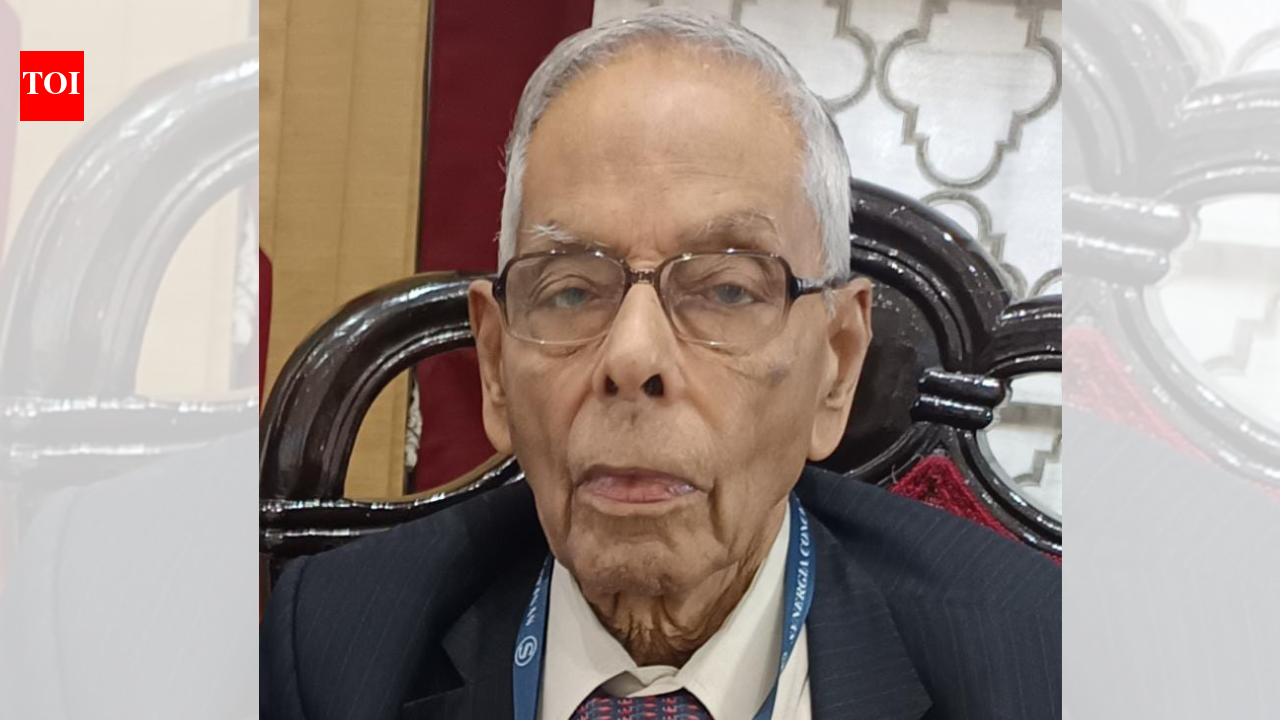
NEW DELHI: Former National Security Adviser and Intelligence Bureau chief M K Narayanan said on Wednesday “our country has every right to buy oil from wherever it is available” and that no country should impose condition on India, and that Pakistan won’t “dare go for another conflict with India” in the immediate future especially after Operation Sindoor.In an interview to TOI on the sidelines of Synergia Conclave in Delhi, Naryanan, when asked about another conflict with Pakistan, said, “Pakistan has enough problems to handle — with Afghanistan and Balochistan — to dare go for another conflict with India.” He further said, “I don’t think another war with Pakistan is imminent.”On US putting conditions on India over Russian oil imports, Narayanan, who served as IB chief for two terms between 2005 and 2014, said, “We have always borrowed the policy of dynamic neutrality. We have not sided with one country. Russia has been giving us crude oil and we have been accepting it. We will normally buy oil from wherever it is available based on its prices. The US wants us to reduce the quota and quantity of oil that we buy from Russia. Numerically, we need to make some changes. That is fine. But when it becomes a condition that is applied to you, then it affects our sovereignty. We have to balance things (as per our interest).”Slamming the US pressure on India over Russian oil imports, he said, “We don’t want to create problems for ourselves and we don’t want to create problems with other countries. There is a limit beyond which a country can compel us to do the following. The (Indian) govt knows it as the foreign minister has said recently. There are issues coming up and they have to deal with it.”On the US torpedo attack on an Iranian warship in the international waters off the Sri Lanka coast, Narayanan said, “There are international rules (in the maritime world). The attack on the Iranian warship (IRIS Dena by a US submarine) when that ship was on a friendly visit to India as it participated in our exercise was an embarrassment for India”.About a query on relations with the Iranian leadership, the former governor said, “There is nothing unusual. We have always interacted with Iranian leaders and we have played a role in trying to stabilise the situation.”About the India-China face-off along the LAC, the former intel boss said, “India and China are old civilisations. It is important for us to have peace on the border. I have been part of this process for several years. I understand India and China can’t be on the same side, certainly they should not be on the opposite side. We had long periods of peace. If some time things go out of hand, it is important for us to bring it back (to the normal situation). There are the same voices in China also. Today, China doesn’t want a conflict with India on the border as it has its own problem.” On China ties, he further said, “Indian diplomacy can be better handled by our diplomats and strategic thinkers. Please don’t outsource it to the US or the West. We have a better understanding of China”.Narayanan said that India should maintain good relations with the new leadership in Bangladesh. “We are a bigger country. We have a vested interest in Bangladesh. So, we have to ensure good relations. Economically too, it makes sense.”


Source link