Breaking News
NDMC to plant 2.6 lakh tulips; religious sites, public spaces to be decorated | India News


NDMC to plant 2.6 lakh tulips; religious sites, public spaces to be decorated

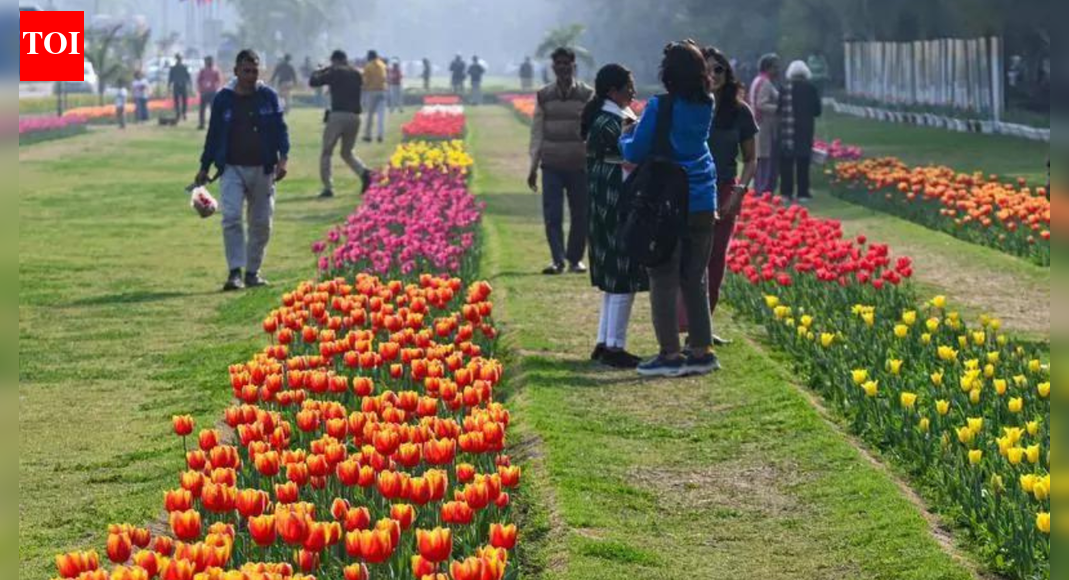
The New Delhi Municipal Council (NDMC) will launch a major beautification drive, planting over 2.6 lakh tulip bulbs across Lutyens Delhi starting December 27. NDMC Vice Chairperson Kuljeet Singh Chahal announced the initiative on Thursday, saying it aims to enhance the city’s aesthetics and combat pollution. Giving the details, Chahal said 5.17 lakh imported Dutch bulbs have arrived this season, with the NDMC receiving 3.25 lakh and the Delhi Development Authority (DDA) getting 1.92 lakh. “The NDMC will also plant 15,000 tulip bulbs preserved at the special conservation centre at the Tulip House in Lodhi Garden. Along with this, 20,700 tulip bulbs received from the CSIR-IHBT Research Centre, Palampur, will also be planted,” Chahal said. This year’s programme will prominently feature major religious sites in the NDMC area, Chahal said, adding that the council will decorate places like Birla Mandir, Hanuman Mandir and Bangla Sahib Gurudwara with vibrant tulip blooms, using both ground plantations and potted arrangements. Chahal shared details of the procurement of tulip bulbs in previous years, saying the NDMC purchased 62,800 in 2021-22, 1,40,210 in 2022-23, 2,00,000 in 2023-24 and 3,25,000 in 2024-25. He said the council will also create thematic displays in public gardens and roundabouts, conveying messages like “Ek Ped Maa Ke Naam”, “One Nation One Election”, and “Viksit Bharat”. The key locations for plantation include Shanti Path, Central Park at Connaught Place, Lodhi Garden and areas near the Vice President’s House. Sharing technical details, Chahal explained that tulip bulbs require a minimum temperature of around 5 degrees Celsius for nearly two months for proper germination. “Keeping Indian climatic conditions in mind, the NDMC has selected pre-treated and programmed tulip bulbs, which can develop well despite temperature fluctuations,” Chahal said. He said the council will make available approximately one lakh potted tulips for sale to citizens. The flowers, expected to bloom from February, will showcase various colours including white, yellow, red, pink, orange and purple. Chahal highlighted that the NDMC has pioneered public tulip plantation in India starting in 2017-18. He also cited broader green efforts, saying the NDMC planted over 3,400 trees and 29.9 lakh shrubs between April and October 2025, including drives at more than 20 foreign embassies under the “Ek Ped Maa Ke Naam” campaign.


Source link

CAQM flags delays, enforcement gaps in waste management across NCR | India News


CAQM flags delays, enforcement gaps in waste management across NCR

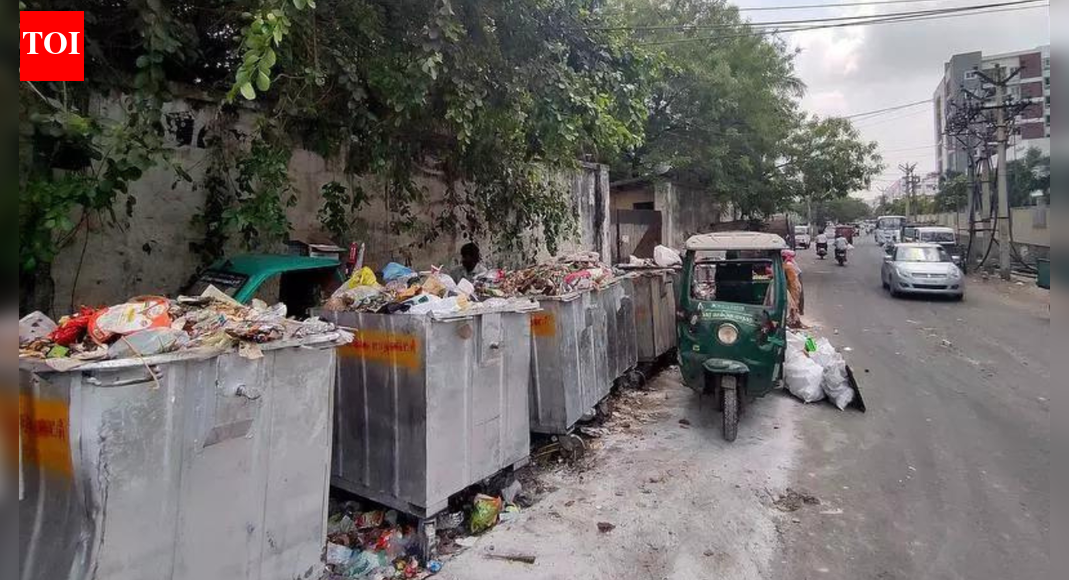
The Commission for Air Quality Management has directed civic bodies and state agencies across the National Capital Region to urgently strengthen municipal solid waste management, flagging persistent open burning of waste, delays in clearing legacy dumps and gaps in enforcement.The directions came after a detailed review of waste management systems in Delhi and NCR states, conducted through a series of meetings with state governments, municipal bodies and pollution control boards.The Commission for Air Quality Management (CAQM) said waste management remains a critical area requiring sustained attention because of its direct impact on air pollution.

‘Delhi NOT Most Polluted’: Doctor’s Shocking Reveal On Toxic Monster; And How To Fight Back

In Delhi, the CAQM noted continued incidents of open municipal solid waste and biomass burning despite the availability of infrastructure.It directed the Municipal Corporation of Delhi to complete remediation of 143.09 lakh metric tonnes of legacy waste by December 2027, at a processing rate of about 3.5 lakh metric tonnes per month, and to submit monthly progress reports.The commission also ordered immediate augmentation of waste-processing facilities without extending timelines and asked for stronger surveillance of garbage-vulnerable points, spill-free transportation of waste and intensified door-to-door segregation drives.Bulk waste generators in Delhi have been asked to ensure on-site wet waste processing within one month, while the rollout of the zero-waste colonies is to be accelerated.The Delhi Pollution Control Committee has been tasked with strict monitoring of waste-to-energy plants, fly ash disposal, verification of municipal data and monthly compliance reporting to the CAQM.In Haryana, the commission flagged significant delays in legacy waste remediation and processing infrastructure, particularly in Gurugram, Faridabad and Sonipat.Gurugram’s municipal corporation has been directed to complete tendering for the remediation of 14 lakh metric tonnes of legacy waste by January 20, 2026, and to start biomining by March 31, 2026.Faridabad has been asked to identify land for decentralised processing facilities within two months and make them operational by April 2026.In Uttar Pradesh’s NCR areas, the CAQM observed delays in legacy waste remediation, uneven segregation and coordination gaps.Authorities in Noida, Greater Noida and Ghaziabad have been told to complete remediation within committed timelines and not to seek further extensions for commissioning processing facilities.In Rajasthan’s NCR districts, including Bharatpur, Alwar and Bhiwadi, progress on waste remediation and segregation was found inadequate.Urban local bodies have been directed to complete remediation within timelines and strengthen segregation, surveillance and complaint redressal.The commission said it will closely monitor compliance, carry out follow-up reviews and take action wherever required.


Source link

Bengal BLO protests: Central forces to guard state poll body’s office; Union govt approves Election Commission proposal | India News


Bengal BLO protests: Central forces to guard state poll body's office; Union govt approves Election Commission proposal
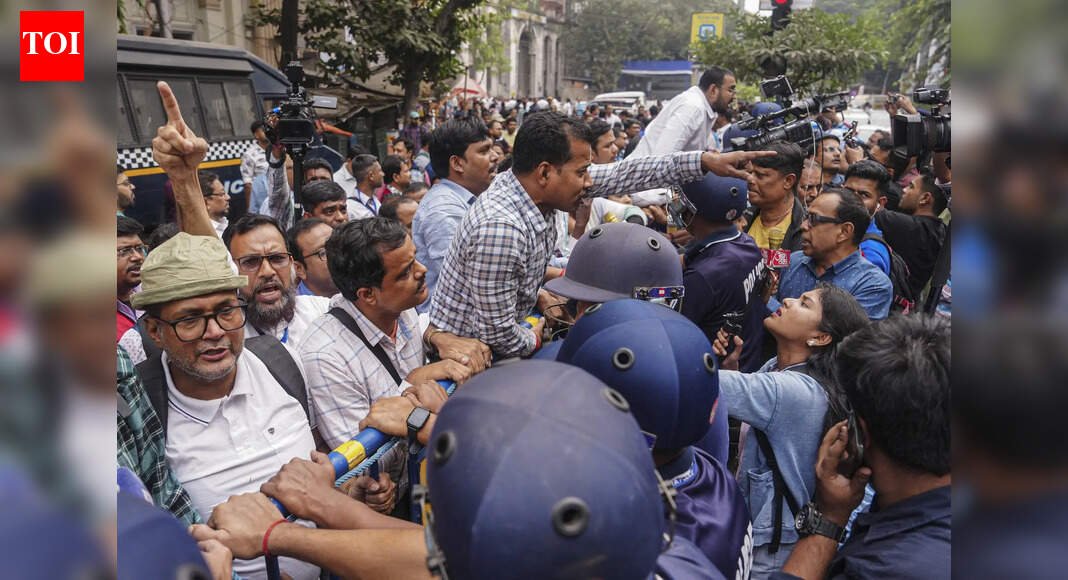
Kolkata: Booth Level Officers (BLOs) under the banner of ‘BLO Adhikar Raksha Committee’ stage a protest over alleged excessive workload during the ongoing Special Intensive Revision (SIR) of electoral rolls, outside Chief Electoral Officer’s (CEO) office, in Kolkata. (PTI Photo)

NEW DELHI: Central armed forces will be deployed at the office of the West Bengal chief electoral officer (CEO) in Kolkata and will assume responsibility for its security on Friday, an official said.Also Read: BLOs march to CEO office, protest ‘inhuman’ SIR stressThe Ministry of Home Affairs has approved the Election Commission’s (EC) proposal in this regard, the official added.“Central forces personnel will take charge of security on the second and third floors of the CEO’s office from Friday morning. They will also accompany officials of the CEO’s office when they travel outside the premises in government vehicles,” he told news agency PTI.

UP BLO Deaths Trigger Outrage As Families Blame Extreme SIR Stress While Officials Deny Any Pressure

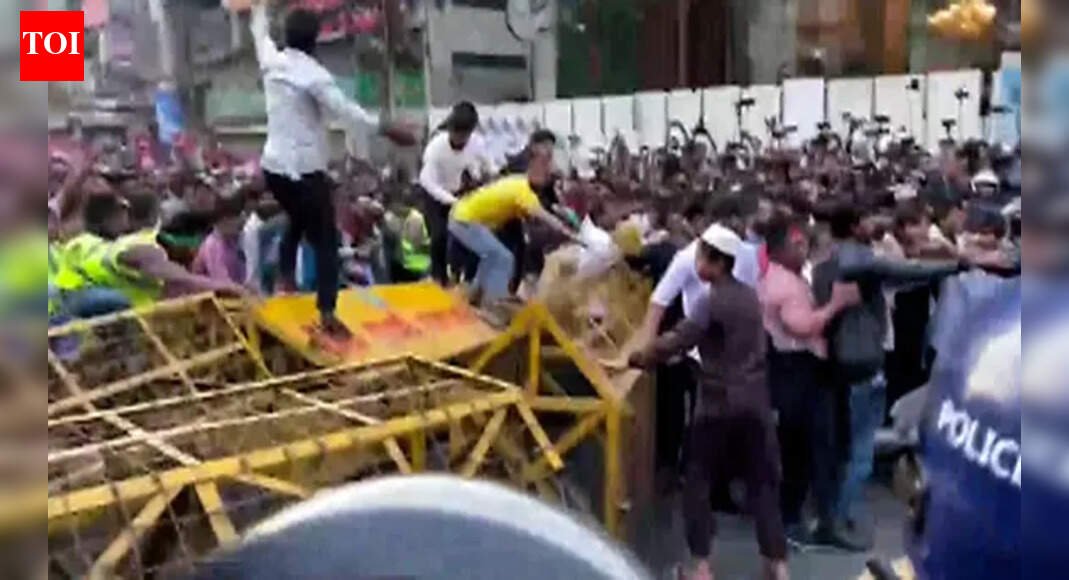
The decision follows repeated protests by Booth Level Officers (BLOs) outside the CEO’s office during the ongoing Special Intensive Revision (SIR) of electoral rolls. Demonstrators have staged sit-ins, with this raising concerns over the security of the premises.Also Read: Bengal BLOs break barricades outside Kolkata CEO office as BJP delegation arrivesThe protests were triggered by the deaths of several BLOs during the roll “purification” exercise, with the families of the deceased and leaders of the ruling Trinamool Congress alleging that many of the fatalities were linked to work pressure arising from SIR duties.The West Bengal assembly elections will be held in April-May next year.EC issues show-cause notice to voterMeanwhile, the EC on Thursday issued a show-cause notice to a voter after the individual’s name was found to be registered in two assembly constituencies—Shyampukur in Kolkata Uttar and Ashoknagar in North 24 Parganas—during draft roll verification.At one location, the voter personally signed the enumeration form, while at the other, the form was signed by another person.An official explained that such duplication could be linked to a change of address, but the notice was issued to establish the facts. “The objective is to seek the voter’s explanation and also examine the role of the BLO and other concerned officials,” the official added.Also Read: TMC miffed after 58 lakh names removed; set to carry out door-to-door scrutinyAccording to another official, the move forms part of “increased scrutiny” of the ongoing SIR exercise, aimed at strengthening oversight and addressing any procedural or administrative lapses.


Source link

Inside the London home party: Lalit Modi hosts Vijay Mallya’s 70th birthday bash – see pics | India News


Inside the London home party: Lalit Modi hosts Vijay Mallya’s 70th birthday bash – see pics
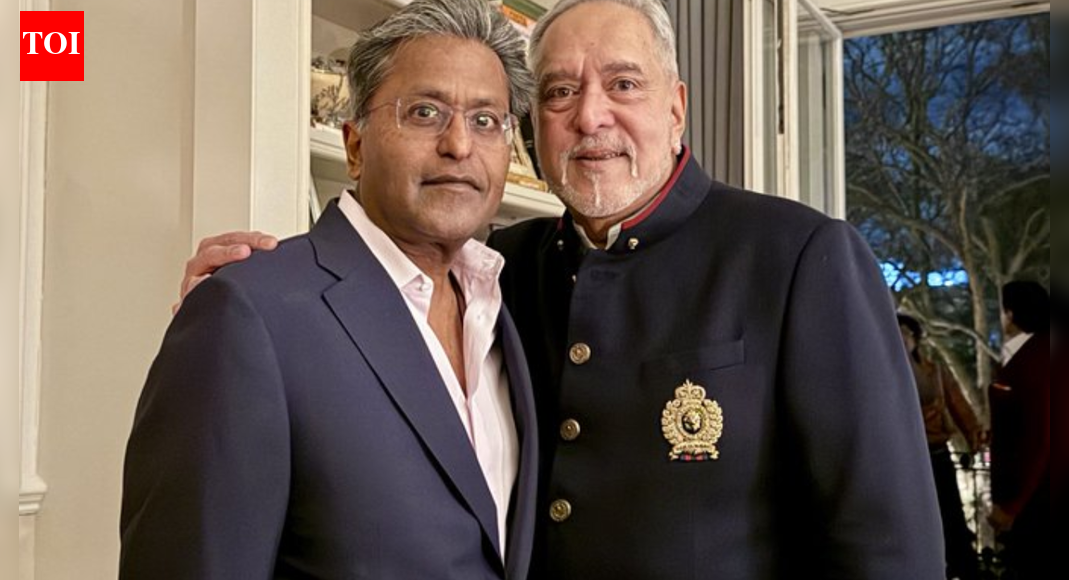
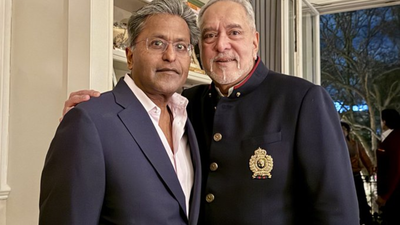
Lalit Modi and Vijay Mallya (iamge/X@jim_rydell)

NEW DELHI: A grand pre-birthday celebration was hosted in London for fugitive businessman Vijay Mallya, with photos and videos from the high-profile party being widely shared on social media.The event was hosted by former Indian Premier League (IPL) chairman Lalit Modi ahead of Mallya’s 70th birthday, which falls on December 18. The celebration took place at Lalit Modi’s residence at 2 Belgrave Square, London.Sharing pictures from the evening on X, Lalit Modi wrote, “Thank you all for coming and celebrating my friend Vijay Mallya’s pre-birthday bash at my house.”Jim Rydell thanked Lalit Modi for hosting the party. “Thank you to Lalit Modi for hosting a fabulous pre 70th Birthday party in honor of Vijay Mallya last night at his beautiful London Home,” his post read.The photographs were shared by Jim Rydell, offering glimpses of the celebrations, including images of the invitation card, cupcakes, ongoing festivities and guests at the venue.Several high-profile personalities were seen attending the party, including fashion designer Manoviraj Khosla, film producer Biren Ghose and actor Idris Elba.The invitation card for the event read: “Rima & Lalit invite you to a glamorous evening in honour of their dear friend Vijay Mallya, celebrating the King of Good Times.” It mentioned that the party was held on Tuesday, December 16, from 7 pm onwards at 2 Belgrave Square, London.

Invitation card (Image/Instagram@jim_rydell)

Vijay Mallya, the former owner of now-defunct Kingfisher Airlines, left India in 2016 and has since been living in the United Kingdom. He is facing multiple cases in India related to alleged financial irregularities and loan defaults amounting to several thousand crore rupees. Indian authorities have been seeking his extradition in connection with money laundering and fraud cases.Lalit Modi, who served as the first chairman of the IPL, has also been living abroad for several years. He is accused of financial misconduct and violations related to the IPL’s early years and left India in 2010 amid investigations by Indian agencies.


Source link

‘Greatest challenge since 1971’: House panel flags rising Pakistan, China influence in Bangladesh; what steps can India take? | India News


'Greatest challenge since 1971': House panel flags rising Pakistan, China influence in Bangladesh; what steps can India take?

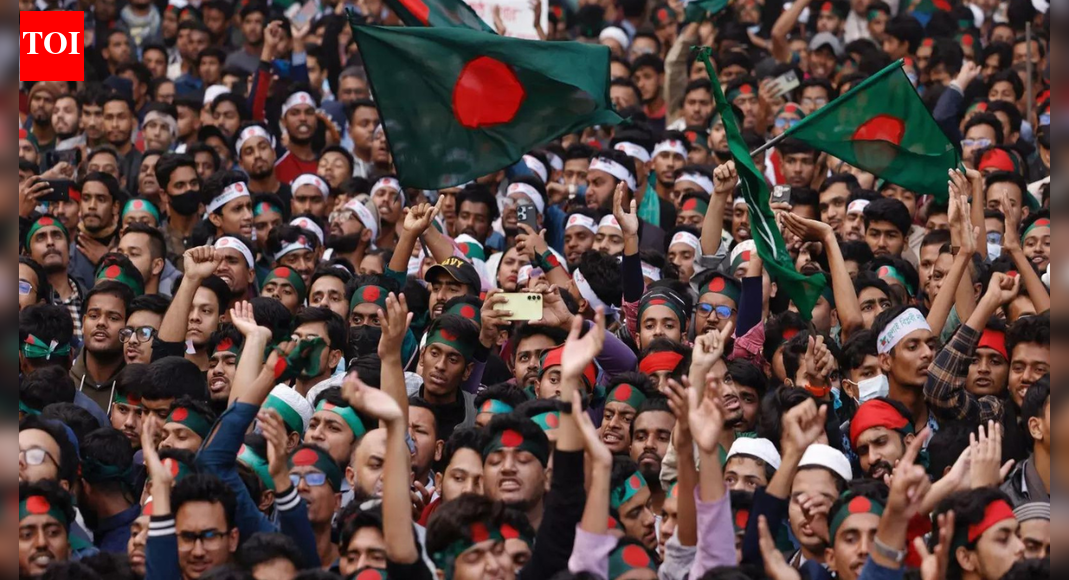
NEW DELHI: A parliamentary standing committee on external affairs has warned that India is facing its most significant strategic challenge since the 1971 war, due to the evolving political and security situation in Bangladesh, pointing to the resurgence of Islamist forces, weakening domestic political structures and growing influence of China and Pakistan in Dhaka.The committee on Thursday tabled its 9th report titled ‘Future of India-Bangladesh Relationship’ in the Lok Sabha. The panel, chaired by Congress MP Shashi Tharoor, said that while the situation does not pose an immediate existential threat to India, it represents a deeper, long-term strategic test with implications for regional stability and India’s neighbourhood policy.

India Flags Pakistan Role In Bangladesh Protests, Backs Awami League Demand For Free & Fair Polls

“India faces its greatest strategic challenge in Bangladesh since the Liberation war of 1971. While the challenge in 1971 was existential, a humanitarian and a birth of a new nation, the latter was of a graver, a generational discontinuity, a shift of political order, and a potential strategic realignment away from India,” the report said quoting an expert. The committee took into account multiple testimonies from government officials and non-governmental experts, the panel also noted that Bangladesh’s ongoing political transition and shifting external alignments could reshape India’s security and foreign policy environment over time.According to the panel, a key source of uncertainty is the declining political dominance of the Sheikh Hasina-led Awami League. While the party secured 224 of 300 seats in the January 2024 elections, the panel flagged an estimated voter turnout of around 40 per cent, which raises concerns over popular participation, political legitimacy, institutional control and public confidence.On the stay of former Bangladesh PM Sheikh Hasina in India the panel said, “The Committee note that the stay of former Prime Minister of Bangladesh, Sheikh Hasina, in the country and India’s approach in this regard is guided by its civilisational ethos and humanitarian tradition of offering refuge to individuals facing circumstances of grave distress or existential threat,” the report said.” The panel recommended that the government should “continue to uphold its principled and humanitarian approach”, consistent with India’s values and international responsibilities, while ensuring that such situations are “managed with due sensitivity”.The committee also pointed towards the emergence of youth-led nationalist sentiment alongside a renewed presence of Islamist groups, warning that the combination could act as a destabilising force with implications for both Bangladesh’s internal security and the wider region.Another major concern flagged by the panel is the expanding footprint of China and Pakistan in Bangladesh. It said these developments could dilute India’s traditional influence in Dhaka and complicate New Delhi’s strategic calculus in its immediate neighbourhood. “…The event was marked by collapse of Awami League dominance, the surge of youth-led nationalism, the re-entry of Islamists and intensifying Chinese and Pakistani influence collectively..if India fails to recalibrate at this moment, it risks losing strategic space in Dhaka not to war, but to irrelevance,” report added.The ministry of external affairs told the committee that India has made concerted efforts to insulate bilateral ties from recent political developments and to continue engagement with Bangladesh’s interim government, while supporting the wishes of the Bangladeshi people.On the question of collaboration between both nations, the route through SAARC and BIMSTEC also came up to which the foreign secretary told the panel, until Pakistan changes its state policy of cross border terrorism there can be no conversation around reviving SAARC.“We have made it very clear to anybody and everybody in SAARC who is coming up to us with proposals for reviving it that we cannot have dialogue and terrorism go on at the same time. Until Pakistan changes its policy of crossborder terrorism as an instrument of State policy, there is no possibility of going forward with SAARC. I did make the point also that BIMSTEC does pretty much everything that SAARC does and then some other things and since the organisation is headquartered in Dhaka, it would be useful if Bangladesh takes it forward. I must say that there was no pushback against it….” the report quoted foreign secretaryThe panel, however, questioned why Indian authorities failed to anticipate the political crisis despite what it described as warning signals and extensive media reporting ahead of the developments. In response, the government said the situation in Bangladesh is being monitored on a priority basis with continuous assessments underway.Concluding its report, the committee stressed that Bangladesh’s evolving political trajectory and external alignments would require sustained attention from India, given the country’s central role in regional stability.In its suggestions the committee said, “The Committee urge the Government to continue advocating a democratic, stable, peaceful, people-centric, forward-looking and inclusive Bangladesh, firmly anchored in the spirit of 1971 and mutual respect. The Committee further recommend that the Government should maintain sustained diplomatic engagement with all political, social, and civil society stakeholders in Bangladesh to foster an environment of trust and dialogue. Such engagement should be complemented by Track II and Track 1.5 diplomacy, involving Parliamentary exchanges, think tanks, academia, media, and cultural organizations, to strengthen people-to-people connections and counter misperceptions.”


Source link

India’s groundwater crisis: Which states are heading towards ‘Day Zero’ first | India News


India's groundwater crisis: Which states are heading towards 'Day Zero' first

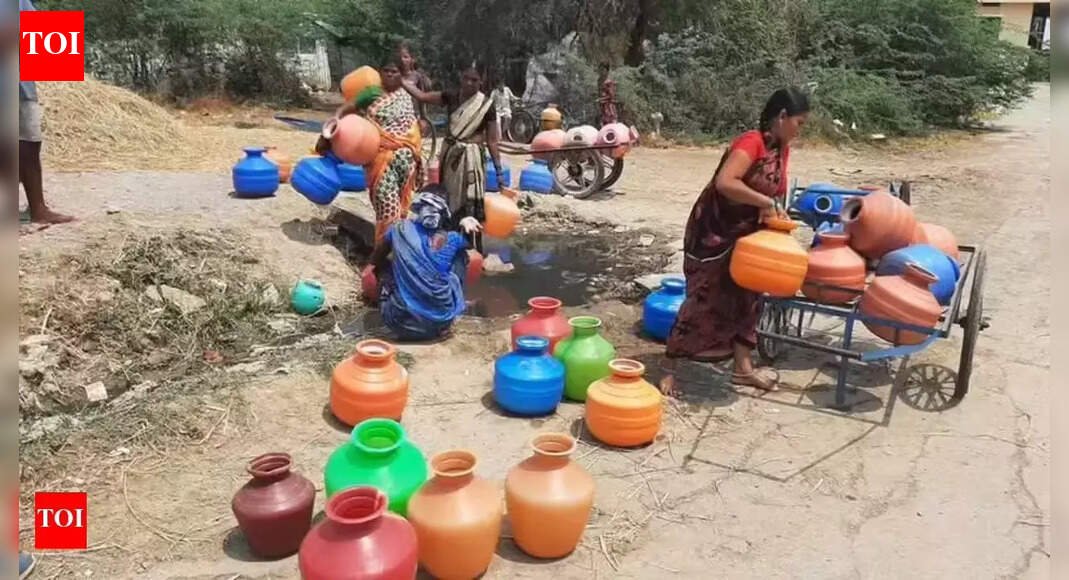
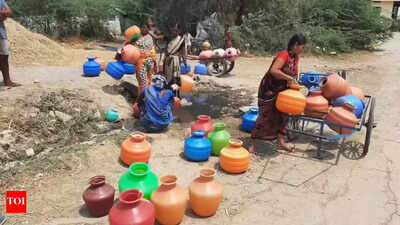
In a narrow lane of India, men and women wait quietly with plastic drums lined in rows. Some squat, some sit, with eyes fixed on the bend ahead. Suddenly, the silence breaks. A water tanker reverses into the alley, its engine drowning out the waiting. Young men rush forward, climbing atop the truck, lowering pipes into the tank. Within moments, quiet order unravels into chaos. Hundreds of kilometres away, in rural India, women walk long distances to empty wells, dried-up tubewells and shrinking water bodies, hoping to find a few litres of water.Just because some cities suffered floods doesn’t mean you have water. For a country that supports nearly 17% of the world’s population with just 4% of its freshwater resources, water scarcity has become a daily reality, and not just a distant threat.With India’s population expected to rise from 1.3 billion to nearly 1.7 billion by 2050, the question is no longer whether India is facing a water crisis.But how soon parts of the country will run out!

What is a water crisis? How severe is it in India?

A water crisis occurs when the availability of safe, usable water falls short of demand. The World Bank defines water scarcity as a situation where annual per capita water availability drops below 1,000 cubic metres.India is steadily moving towards this threshold.Despite supporting 17% of the world’s population, India has access to only 4% of global freshwater resources. According to NITI Aayog’s Composite Water Management Index (CWMI), the country is facing the worst water crisis in its history, with nearly 600 million people experiencing high to extreme water stress.India’s per capita water availability stood at 1,486 cubic metres in 2021, placing it in the water-stressed category (below 1,700 cubic metres). Government estimates suggest this could fall further to 1,341 cubic metres by 2025 and 1,140 cubic metres by 2050, pushing large parts of the country closer to scarcity.

A shrinking global water reserve

Globally, freshwater reserves have declined sharply over the last two decades, with losses estimated at 324 billion cubic metres every year, enough to meet the annual water needs of 280 million people.According to the Union minister of Jal Shakti releases Dynamic Ground Water Resource Assessment Report of the Country for the Year 2025, “Groundwater assessment units across India are categorised as safe, semi critical, critical and over exploited, based on the ratio of annual groundwater extraction and replenishment in the phreatic aquifer. The assigned categories aid in planning, management, and regulation of the country’s groundwater resources.Water consumption worldwide increased by 25% between 2000 and 2019, with nearly a third of that growth occurring in already water-stressed regions, the report stated.Northern India figures prominently among these drying zones, alongside parts of northern China, Central America and the southwestern United States. Rising temperatures, erratic rainfall, worsening droughts and unsustainable land and water use have accelerated the decline.For India, the implications are stark. Agriculture, livelihoods, urban growth and ecological sustainability all hinge on groundwater, the country’s most heavily used and least regulated water source.

Groundwater: India’s invisible lifeline

Groundwater forms the backbone of India’s water security. According to the 2019 NITI Aayog report, the Central Groundwater Board (CGWB) stated that the contribution of groundwater is nearly 62% in irrigation, 85% in rural water supply and 45% in urban water supply.Yet this invisible lifeline is being drawn down faster than it can be replenished. As per the Dynamic Ground Water Resource Assessment 2025, India’s total annual groundwater recharge stands at 448.52 billion cubic metres (bcm).After accounting for natural discharge, the annual extractable resource is estimated at 407.75 bcm. Current extraction has reached 247.22 bcm, pushing the national stage of groundwater extraction to about 60.6%.While the national average may suggest moderate stress, the reality on the ground is far more uneven.Out of the total 6,762 assessment units, around 25% have been categorised as Overexploited, Critical, or Semi-Critical. These are areas where extraction is approaching or exceeding natural recharge, a warning sign that aquifers are under severe stress.

States/cities staring at ‘Day Zero’

The most vulnerable regions are concentrated in three broad zones:

  • Northwest India: Punjab, Haryana, Delhi and western Uttar Pradesh — where groundwater recharge exists but indiscriminate withdrawal, driven largely by agriculture, has led to over-extraction.
  • Western India: Rajasthan and parts of Gujarat — where arid conditions limit natural recharge.
  • Southern peninsular India: including Karnataka, Tamil Nadu, Telangana and Andhra Pradesh, where hard, crystalline aquifers have low storage capacity.

States with the highest proportion of over-exploited and critical units include Punjab, Haryana, Rajasthan, Tamil Nadu and Delhi. In Punjab, groundwater extraction stands at over 156% of annual recharge. Rajasthan follows closely at 147%, while Delhi’s extraction level exceeds 90%, placing it in the critical category.Urban centres are not immune. NITI Aayog has warned that 21 major Indian cities, including Delhi, Bengaluru and Chennai, face the risk of depleting their groundwater reserves. Chennai already experienced ‘day zero’ in June 2019, when all four major reservoirs of the big city reservoirs ran dry. People had to line up for hours to wait for a small allocation of water brought in by trucks from other areas.A BBC report, citing UN projections, ranked Bengaluru second after Brazil’s São Paulo, among 11 global cities at risk of running out of drinking water. As water levels drop and summer temperatures rise, cities are imposing restrictions.In Bengaluru, authorities have banned the use of potable water for non-essential activities such as washing cars and watering gardens. Yet questions remain over whether fines and regulations alone can avert a full-blown crisis.In rural areas, the crisis manifests differently, in longer walks for water, abandoned wells and failed crops.

Why is India running out of water?

Experts point to multiple, interconnected causes:

  • Rising demand: India’s water demand is expected to outstrip supply by 2030
  • Agricultural overuse: Water-intensive crops like paddy in Punjab and Haryana
  • Encroachment of water bodies: Lakes and ponds disappearing, especially in cities like Bengaluru
  • Climate change: Erratic monsoons and declining river flows
  • Pollution: Industrial waste, sewage, and mining contaminating groundwater
  • Weak regulation: Outdated laws like the Easement Act of 1882, which ties groundwater ownership to land
  • Fragmented governance: Separate authorities for surface and groundwater management
  • Public apathy: Water treated as a free, unlimited resource

Groundwater overuse and contamination

India is the largest user of groundwater in the world, accounting for over 25% of global groundwater extraction. The consequences are severe:

  • Nearly 70% of groundwater sources are contaminated
  • India ranks 120th out of 122 countries on the global water quality index

Groundwater extraction in India is assessed using data from the Minor Irrigation Census and sample surveys conducted by State Ground Water Departments. According to the National Compilation on Dynamic Ground Water Resources of India, 2025, the country’s total annual groundwater extraction is estimated at 247.22 billion cubic metres (bcm).The agriculture sector remains the largest consumer, accounting for 87% of total extraction, or 215.10 bcm. Domestic use contributes 11% (27.89 bcm), while industrial use accounts for the remaining 2% (4.23 bcm).Water-intensive cropping patterns, such as paddy cultivation in Punjab and Haryana, and it continues to strain aquifers, even in regions where rainfall is relatively adequate. As India’s population grows and incomes rise, food demand is expected to surge.According to the NITI report, India’s population is expected to increase to 1.66 billion by 2050. At the same time, per capita income is estimated to increase by 5.5% per annum. With increasing population and purchasing power, the annual food requirement in the country will exceed 250 million tons by 2050. The total demand for grains will increase to 375 million tons including grain for feeding livestock by 2050.”“This will increase the demand for food. The surge in demand for these water-intensive crops will, ceteris paribus, multiply our current agricultural consumption of water,” it added.State and UT-wise classification shows:

  • Over-exploited (>100%): Haryana, Punjab and Rajasthan
  • Critical (90–100%): Delhi
  • High stress (70–90%): Tamil Nadu and Puducherry
  • Moderate to low stress (<70%): All remaining states and UTs, including Andhra Pradesh, Uttar Pradesh, Karnataka, Maharashtra, Telangana, West Bengal, Gujarat, Madhya Pradesh, and several northeastern states.

Despite a national average that masks local crises, groundwater stress is highly concentrated. More than 25% of administrative units fall under over-exploited, critical or semi-critical categories in nine states and UTs: Haryana, Karnataka, Madhya Pradesh, Punjab, Rajasthan, Tamil Nadu, Uttar Pradesh, Delhi and Puducherry.These regions face the highest risk of aquifer depletion, underscoring the urgent need for targeted groundwater management, crop diversification and demand-side interventions.Rainfall remains the primary source of groundwater recharge in India, but its distribution varies widely across regions and seasons. Most of the country receives rainfall during the southwest monsoon, while long dry spells dominate the rest of the year.

State-wise groundwater stress: What the data shows

Groundwater levels typically fall before the monsoon and recover partially during and after it. However, CGWB data shows that in 2024, more than 57% of monitored wells recorded a fall in water levels compared to the previous year, with significant declines observed in states such as Punjab, Rajasthan, Delhi, Maharashtra, Telangana and Uttar Pradesh.Geology further complicates the picture. Karnataka: According to the National Compilation on Dynamic Ground Water Resources of India, 2025, Karnataka’s annual groundwater recharge is estimated at 19.27 bcm, while extractable resources stand at 17.41 bcm. While recharge and extractable resources have increased marginally from 2024, extraction has also risen slightly. Overall, the state has seen a modest improvement, with extraction levels dropping from 68.44% in 2024 to 66.49% in 2025.Maharashtra: Central Maharashtra, a drought-prone region receiving only 400–700 mm of rainfall annually, remains heavily dependent on groundwater. The state’s annual groundwater recharge is estimated at 33.89 bcm, with extractable resources of 31.99 bcm. Extraction stands at 16.57 bcm, translating to a stage of extraction of 51.79% — a slight improvement from 2024.Punjab: Punjab remains among the most over-exploited states. Its annual groundwater extraction (26.27 bcm) far exceeds its extractable resource (16.8 bcm), pushing the stage of groundwater extraction to 156.36%.Although extraction has marginally declined from 2024, the state continues to draw far more water than it replenishes, largely due to water-intensive agriculture.Rajasthan: Rajasthan’s groundwater situation is similarly alarming. With an annual extraction of 17.10 bcm against extractable resources of 11.62 bcm, the stage of extraction stands at 147.11%. Despite slight improvements in recharge, over-extraction remains entrenched.Delhi: Delhi’s groundwater extraction stands at 92.10%, placing it in the critical category. While extraction has reduced slightly since 2024, the city remains heavily dependent on groundwater to meet domestic demand.

What is being done by govt?

Jal Shakti Abhiyan (JSA): To address India’s growing water crisis, the government has rolled out a series of initiatives aimed at conservation, recharge, and equitable access to water. One of the key programmes is the Jal Shakti Abhiyan (JSA), launched in 2019 as a nationwide movement to promote water conservation, groundwater recharge and rainwater harvesting. Atal Bhujal Yojana: Another major intervention is the Atal Bhujal Yojana, which emphasises sustainable groundwater management through community participation, improved recharge and regulated extraction.Atal Mission for Rejuvenation: In urban areas, the Atal Mission for Rejuvenation and Urban Transformation (AMRUT) 2.0 supports rainwater harvesting through stormwater drainage systems and promotes groundwater recharge via aquifer management plans.GIS based platform: To improve transparency and monitoring, the Central Ground Water Board (CGWB) has developed a GIS-based public platform called the India Groundwater Resource Estimation System (IN-GRES). The portal visualises groundwater recharge, extraction, rainfall and categorisation at the level of individual assessment units, allowing comparisons with previous years. Yet, even as policies and programmes expand on paper, a parallel and troubling reality persists.

The invisible crisis beneath our feet

India’s water crisis is not just about scarcity, but governance. Groundwater ownership laws dating back to the Easement Act of 1882 allow landowners to extract water beneath their land with few restrictions. Fragmented water management, weak enforcement and limited public awareness have allowed overuse to continue unchecked.While government initiatives, from the Jal Shakti Abhiyan and Atal Bhujal Yojana to large-scale rainwater harvesting and aquifer mapping programmes, aim to reverse the trend, experts warn that without behavioural change, crop diversification and strict regulation, these measures may not be enough.Water budgeting, which treats water like a financial account, balancing availability against demand is also increasingly being seen as a crucial tool to identify stressed regions before they reach breaking point.Behind this lies a darker reality, an informal and often illegal groundwater trade. Tankers extract water from over-exploited aquifers, frequently without regulation or quality checks, accelerating depletion while raising concerns over contamination.For now, the scenes of tankers, queues and dried wells serve as a warning. India may not be out of water yet, but in many places, it is running out of time. This underground trade, operating largely unchecked risks pushing India towards a long-term groundwater collapse tomorrow.

Source link

Manikrao Kokate resigns: Maharashtra minister steps down after conviction in fraud case; Ajit Pawar accepts resignation | India News


Manikrao Kokate resigns: Maharashtra minister steps down after conviction in fraud case; Ajit Pawar accepts resignation
Manikrao Kokate (File photo)

NEW DELHI: Maharashtra Cabinet minister Manikrao Kokate on Thursday submitted his resignation to deputy chief minister Ajit Pawar, a day after he was divested of all his ministerial portfolios.Kokate lost all his portfolio after a Nashik court issued warrants for his and his brother Vijay’s arrest in a 1995 EWS housing quota cheating case. Kokate has been sentenced to two years of rigorous imprisonment for securing two flats in 1995 under the state’s 10 per cent economically weaker sections (EWS) quota by understating their income.Pawar said the ex-minister’s resignation has been accepted in principle and has been forwarded to chief minister Devendra Fadnavis for due consideration and acceptance.“In keeping with our party’s long-standing philosophy that the rule of law is supreme and above all individuals, the resignation has been accepted in principle. I have forwarded Shri Kokate’s resignation to the Hon’ble CM for due consideration and acceptance, in accordance with constitutional procedure,” Ajit Pawar wrote on X.Meanwhile, Maharashtra governor Acharya Devvrat has allotted the Sports and Youth Affairs, Minority Affairs, and Waqf ministries, previously held by Manikrao Kokate, to Ajit Pawar. The governor approved the letter sent by Maharashtra CM Devendra Fadnavis in this regard yesterday.Kokate, who is the MLA from Sinnar, is the second NCP politician after Dhananjay Munde to have faced action since the Mahayuti alliance formed government in November 2024. Munde had to step down in March after the CM called for his resignation over allegations linking his associate Valmik Karad to the murder of Massajog sarpanch Santosh Deshmukh.While Nashik commissioner of police Sandeep Karnik said they had received a non-bailable warrant against Kokate and his brother, Bombay high court has posted the hearing of the minister’s application for relief on Friday. Kokate got admitted to Mumbai’s Leelavati Hospital on Wednesday.Earlier, a section of NCP functionaries demanded that Kokate should resign, and even the opposition said merely divesting him of portfolios was not enough, and he should be disqualified with immediate effect.The court of additional chief judicial magistrate Rupali C Narwadiya in Nashik rejected Kokate’s application citing medical grounds to seek four days to surrender and issued the arrest warrants.


Source link

Anti-India protests in Bangladesh: Two visa centres closed; rally at consulate | India News


Anti-India protests in Bangladesh: Two visa centres closed; rally at consulate
Dhaka, Dec 17 (ANI): A large number of people, under the banner of “July Oyikko” (July Unity), hold a protest march to the Indian High Commission, in Dhaka on Wednesday. (ANI Video Grab)

NEW DELHI: India resumed operations at its Dhaka visa application centre on Thursday, a day after it was temporarily shut following a march by a large group of anti-India protesters towards the Indian High Commission, which was stopped by police.“The Indian Visa Application Centre in Dhaka is now operational and functioning normally,” an IVAC official said.

Rise of Islamists In Bangladesh Sparks Alarm As Sheikh Hasina’s Son Warns India of Imminent Threat

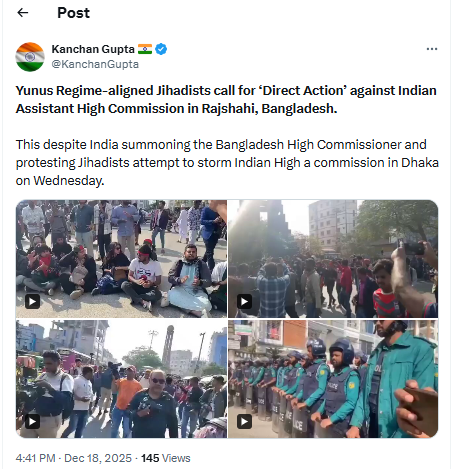
However, the Indian Visa Application Centres in Khulna and Rajshahi were closed due to security concerns. In a notice on its website, the IVAC said, “In view of the ongoing security situation, IVAC Rajshahi and Khulna will remain closed today. All applicants with appointments scheduled for today will be allotted fresh slots at a later date.”

Kanchan Gupta tweet

Kanchan Gupta tweet

Bangladesh has five visa centres for those applying to travel to India. While the Dhaka centre — located at Jamuna Future Park — and the IVAC in Chattogram are currently operational, centres in Khulna and Rajshahi are closed. The fifth centre is in Sylhet.Earlier on Wednesday, the Ministry of External Affairs (MEA) summoned Bangladesh High Commissioner Riaz Hamidullah and conveyed its “strong concern” over announcements by certain extremist elements to create a security situation around the Indian mission in Dhaka.“We expect the interim government to ensure the safety of Missions and Posts in Bangladesh in keeping with its diplomatic obligations,” the MEA said, adding that the envoy was apprised of India’s “strong concerns about the deteriorating security environment in Bangladesh.”


Source link

‘Nothing wrong’: BJP minister Giriraj Singh backs Bihar CM over hijab row; calls Nitish Kumar a ‘guardian’ | India News


'Nothing wrong': BJP minister Giriraj Singh backs Bihar CM over hijab row; calls Nitish Kumar a 'guardian'
Giriraj Singh (ANI image)

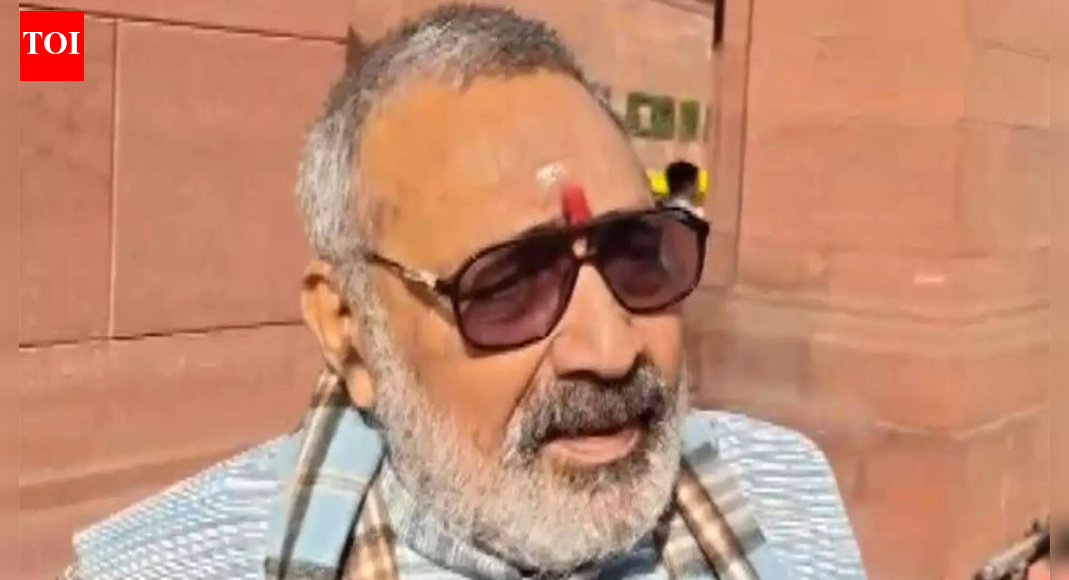
NEW DELHI: BJP leader and union minister Giriraj Singh on Thursday defended Bihar chief minister Nitish Kumar after a video showing him pulling down the hijab of a woman doctor during an official programme went viral. He claimed that there was “nothing wrong” in the chief minister’s action. His remarks came amid sharp criticism from opposition parties, which have termed the incident inappropriate and humiliating.

Former Dangal Star Zaira Wasim Reacts Strongly After Viral Hijab Video Involving Bihar CM

Speaking to reporters, Singh argued that the incident should not be viewed through a religious lens and justified Kumar’s action as procedural. Giving context to his remarks, Singh said the chief minister acted like a guardian while verifying the identity of a beneficiary at a government event. He said: “Nitish Kumar has done nothing wrong. If someone goes to collect their appointment letter, will they not show their face? Is this an Islamic nation? Nitish Kumar did this as a guardian. Do you not show your face when you go to the passport office? Do you not show your face when you go to the airport? This is India and it will be governed by the rule of law. What Nitish Kumar did is correct.”The controversy stems from an incident earlier this week during an appointment letter distribution programme for newly recruited AYUSH doctors at the chief minister’s residence in Patna. A video shared by the Rashtriya Janata Dal (RJD) on X shows Nitish Kumar on stage alongside deputy chief minister Samrat Choudhary and health minister Mangal Pandey.When a woman doctor, identified as Nusrat Parveen, approached the stage with her face covered by a hijab, Kumar appeared displeased, remarked “What is this?”, bent down and pulled the veil down.The woman was seen visibly flustered as an official moved her aside, while Samrat Choudhary appeared to tug at Kumar’s sleeve, seemingly trying to restrain him. According to the Chief Minister’s Office, the programme involved the distribution of appointment letters to 1,283 AYUSH doctors, including Ayurveda, Homeopathy and Unani practitioners, with only 10 receiving letters in person and the rest online.The video triggered an immediate political backlash. The RJD questioned Kumar’s conduct and mental state, writing on X, “What has happened to Nitish Ji? Has his mental state completely deteriorated, or has Nitish Babu now become a 100 per cent member of the Rashtriya Swayamsevak Sangh?”RJD MP Manoj Jha said the visuals were “unsettling” and raised serious concerns, adding that such actions did not send a good message from the state’s top constitutional authority.The Congress also came down heavily on the Bihar chief minister, calling the act “shameless” and “vile” and demanding his resignation. Congress MP Sukhdeo Bhagat said the incident was condemnable and violated traditions and faith, while the party said publicly humiliating a woman at a government event raised questions about women’s safety and dignity.“This does not seem appropriate from any angle. Treating a woman like this is condemnable,” Bhagat said.Leaders from other opposition parties echoed similar concerns. Shiv Sena (UBT) MP Priyanka Chaturvedi said no one, regardless of position, had the right to publicly humiliate an adult woman for her choice of attire, stressing that equality must be rooted in consent. The AAP also criticised the incident, warning against normalising control over women’s choices.Amid the outrage, the BJP sought to counter the criticism by sharing an old video of former Rajasthan chief minister Ashok Gehlot removing a woman’s ghoonghat, arguing that the opposition was being selective in its outrage. BJP leaders also accused opposition parties of politicising the issue for electoral gains.The row further escalated after Uttar Pradesh minister Sanjay Nishad made controversial remarks defending Kumar, which were widely criticised as misogynistic. Nishad later said his comments were misunderstood due to translation issues and offered to withdraw them if they had hurt sentiments, even as opposition parties continued to demand an unconditional apology.


Source link

VB-G RAM G Bill passed in Lok Sabha: House adjourned after ruckus – key points | India News


VB-G RAM G Bill passed in Lok Sabha: House adjourned after ruckus - key points

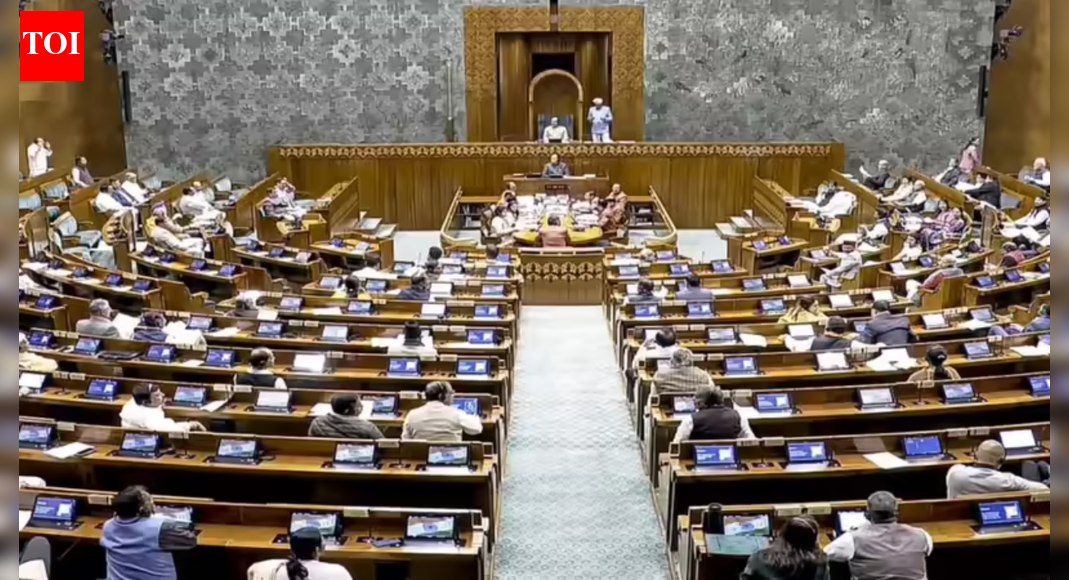
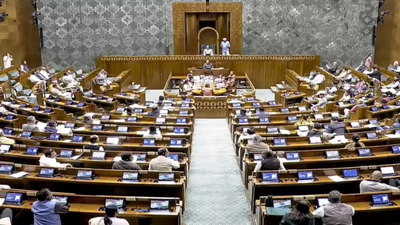
NEW DELHI: The Lok Sabha on Thursday passed the Viksit Bharat Guarantee for Rozgar and Ajeevika Mission (Gramin) Bill amid sustained opposition protests, leading to repeated disruptions and the adjournment of the House after a ruckus.The Bill, which replaces the 20-year-old Mahatma Gandhi National Rural Employment Guarantee Act, seeks to provide a statutory guarantee of 125 days of wage employment in a financial year to every rural household whose adult members volunteer to undertake unskilled manual work.Moving the Bill for consideration and passage, Union rural development minister Shivraj Singh Chouhan said the legislation would ensure employment and help fulfil Mahatma Gandhi’s vision of self-reliant villages. He said the VB-G RAM G Bill would ensure all-round development of villages, make them poverty-free and fuel their growth journey.Opposition parties, however, mounted a sharp attack on the government over the repeal and renaming of MGNREGA. Trinamool Congress MP Mahua Moitra accused the government of undermining Gandhi’s legacy. She said the Bill was destroying the idea of Ram Rajya both in letter and spirit by repealing MGNREGA and renaming the scheme.Moitra also accused the government of “dishonouring” Mahatma Gandhi and Rabindranath Tagore by removing Gandhi’s name from the landmark rural employment law. Taking a swipe at the ruling dispensation, she said the Bill showed that the government believed in “Na kisi ka saath, na kisi ka vikas, na Rahim ka, na Ram ka”.Opposing the Bill, she said the Mahatma Gandhi National Rural Employment Guarantee Act of 2005 had revolutionised rural India’s concept of livelihood security.Congress MP Jai Prakash said removing the name of the Father of the Nation from the legislation was “the biggest crime”. He claimed the proposed law would create fresh financial liabilities for states and deprive grassroots institutions such as gram sabhas of their right to decide on works under the scheme. He termed the Bill “anti-poor” and “anti-Dalit”, alleging it reflected a pro-rich approach.Speaker Om Birla had earlier said the debate on the Bill would take place on Wednesday, with the minister replying on Thursday before it was taken up for passage.Defending the legislation, BJP MP Brijmohan Agarwal said the previous Congress government had reduced MNREGA to a “dig the pit and cover the pit” scheme. He alleged it failed to strengthen the rural economy and led to large-scale corruption. Agarwal said the inclusion of “Ram” in the new law would deter corruption.According to the Bill, states will be required to frame schemes consistent with the new law within six months of the Act coming into force.


Source link