Breaking News
‘LLMs still find it difficult to pull off complex reasoning tasks’


'LLMs still find it difficult to pull off complex reasoning tasks'

BENGALURU: Cognizant AI CTO Babak Hodjat said at the Nasdaq-listed company’s AI Lab here that as enterprises race to embed large language models (LLMs) deeper into business operations, a key question remains unresolved: how much can these systems be trusted to reason correctly at scale? While today’s LLMs are powerful, he said, they tend to break down when pushed into longer or more complex chains of reasoning, making human oversight and stronger evaluation frameworks essential.Showcasing Cognizant’s AI work, Hodjat said the industry was “far from having a single panacea” to determine whether an AI system’s output could be trusted, especially as companies move towards autonomous, multi-agent systems. Research indicates that even the most advanced LLMs suffer what he described as “catastrophic breakdowns” when required to execute long sequences of reasoning steps.To illustrate the problem, Hodjat cited the Tower of Hanoi puzzle, a logically simple task where LLMs begin making errors after a few hundred reasoning steps. This limitation poses risks for enterprises deploying AI across complex workflows such as telecom networks, supply chains or financial systems, where decisions often compound over thousands or even millions of steps.To reduce these risks, Cognizant has embedded multiple human-in-the-loop mechanisms into its AI systems. One method triggers human intervention when an AI system’s confidence drops below a predefined threshold.


Source link

Sorry, what does that mean? Chaos, confusion & snarls mark Day 1 of Delhi’s non-BS 6 ban; 2,768 vehicles turned away | Delhi News


Sorry, what does that mean? Chaos, confusion & snarls mark Day 1 of Delhi’s non-BS 6 ban; 2,768 vehicles turned away

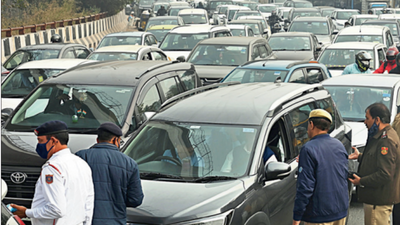
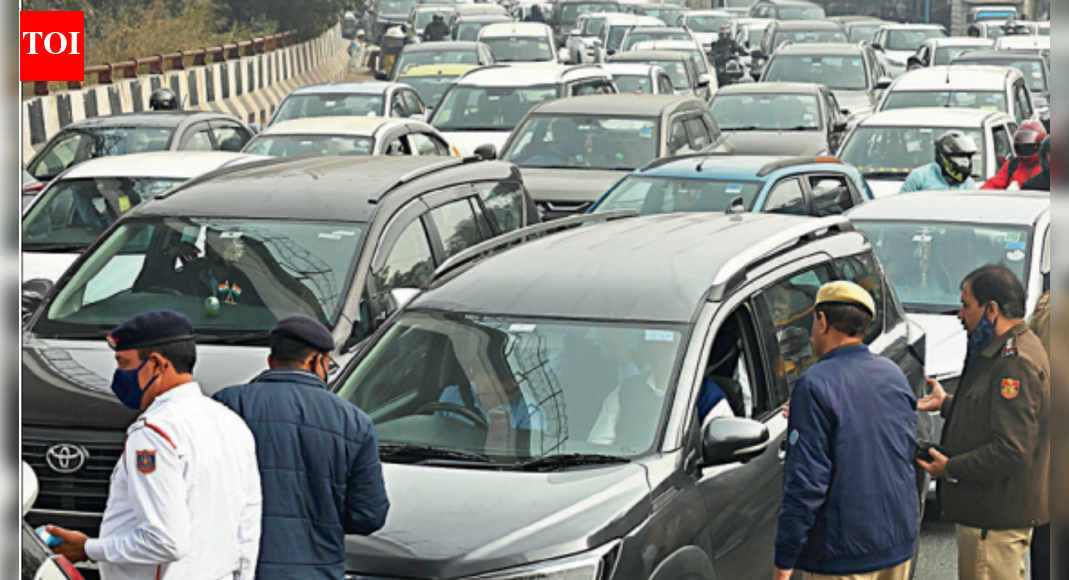
NEW DELHI: Barricades snapped shut, whistles pierced the air, and confusion spread quickly across Delhi’s borders Thursday morning as a rule barring non-Delhi, non-BS 6 vehicles came into force under GRAP Stage IV. Routine entry points rapidly turned into impromptu checkposts, catching many commuters off guard during peak hours.Traffic slowed to a crawl as police stopped vehicles bumper to bumper and scanned registration certificates, calling out “BS 6?”, and scribbling details into handwritten registers. Drivers waited inside idling cars, watching the line inch forward, unsure whether they would be allowed to proceed or forced to turn back.

From Work-From-Home To Vehicle Ban- Delhi Rolls Out Fresh Pollution Curbs

Across 13 main borders from Kapashera to Badarpur, till 4pm, 2,768 vehicles were checked for compliance with BS 6 norms, of which 460 were turned back. Most vehicles were turned back at Najafgarh (175), Sarita Vihar/Kalindi Kunj (93), and Badarpur (33). Fewer vehicles were sent back at Narela (9) and Kapashera (8).At the Noida-Kalindi Kunj border, around 30 cars were turned back between 9.30am and 10.30am, officials said. Each U-turn created fresh snarls metres away from the barricades, and compounding congestion on already clogged stretches.
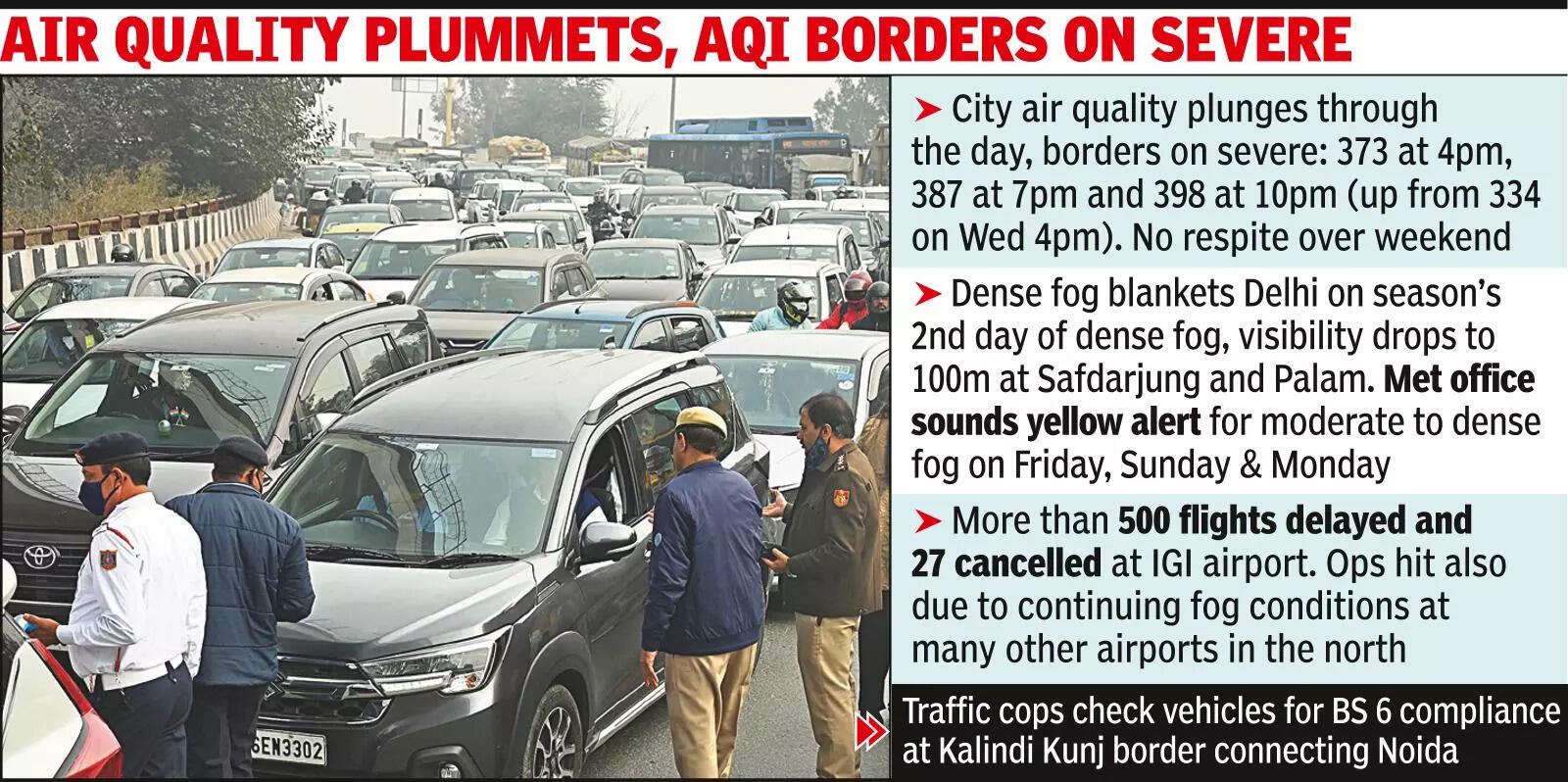
Chaos, confusion & snarls mark Day 1 of non-BS 6 ban

Pain In Peak Hrs; 2,768 Vehicles Turned Away

BS-VI: Some caught unawares, others fume Many commuters said the ban, announced on Tuesday, was enforced without warning. Dipak and his wife set out early from Pari Chowk in Greater Noida, hoping for a smooth drive towards Khatu Shyam for darshan, confidently following the route suggested by Google Maps. The journey was uneventful, until they reached Kalindi Kunj.A traffic policeman asked them to pull over, checked the vehicle details, and informed them that their car was BS V and not registered in Delhi. “We genuinely didn’t know about the rule,” Dipak said. “Google Maps showed this route, so we came. Now we have to go back 27km to Pari Chowk and start all over again. It’s very disappointing.”They were not alone. Just a few lanes away, Brigadier Chawla faced a similar setback while travelling with his daughter, who had arrived from the US, to their hometown in Haryana.The situation eased after peak hours as traffic volumes fell. Enforcement continued till late into the evening. Traffic cops said it was tough “stopping vehicles, checking them, and controlling traffic simultaneously”. Some 37 Prakhar vans and more than 500 traffic police personnel were deployed across major border points and key internal stretches. “We managed to stop and check vehicles to some extent, while also helping people understand the rules,” a traffic cop said. One person taking his father to dialysis had to be turned back, said a cop.As the day passed, and frustration coursed through the serpentine crawl of vehicles, commuters questioned the way the order was communicated. “There are people who don’t follow the news regularly. How are they supposed to know?” asked Anil Kumar, a real estate professional. “Why couldn’t the transport department send automated SMS or WhatsApp alerts? Anyway, it’s not like every car can be checked-there are just too many.” Others admitted they were unsure about emission categories and struggled to understand whether their vehicles were BS IVor BS VI.Similar scenes unfolded at the Mayur Vihar and Ghazipur borders too. When Poonam’s car was stopped at Mayur Vihar’s Chilla border, her driver quickly stepped out, fumbling with documents. “Arey, it’s a petrol car,” she told the policeman, visibly puzzled. When infor-med it still wasn’t BS VI compliant, she paused and asked, “Sorry, what does that mean?” Eventually, she took a U-turn, adding, “Maybe it’s a good move. We’ll take another car next time.”Others were confident until checks proved otherwise, and far less accepting. Praveen Kumar discovered his Camry met BS IV norms, not BS IV. “I was sure it was compliant,” he said, shaking his head in disbelief as he turned back.Advocate Vijay Mittal, who was stopped while heading to court, said he was aware of the order but did not realise his diesel BS IVcar would be barred. Ghaziabad resident Dr Pushkar Verma, travelling from Jaipur to report for duty at GTB Hospital, was also turned back. “My car is 10 years old. I didn’t think this would be an issue. I’ll now have to take the Metro,” he said.While cops turned back even those with genuine needs, questions lingered about the practicality of the exercise. At Kalindi Kunj, around 11 traffic personnel were deployed, while vehicle volumes during the morning peak can touch nearly 200,000, sources said. At Mayur Vihar, 7-9 were on duty, again vastly outnumbered by the flow of vehicles. With barricades and mid-way U-turns in place, congestion mounted rapidly.Transport expert Anil Chhikara called the ban “premature”, and said enforcement would inevitably be compromised, given the poor manpower. “Turning vehicles back at borders only leads to idling and higher emissions. Pollution in the NCR is a regional problem and treating it as only a Delhi issue won’t help,” he said.



Source link

Bondi Beach Shooting: ‘Could feel him dying’ Meet the Sikh who pounced on Bondi shooter; restrained gunman until cops took over | Chandigarh News


JALANDHAR: One moment he was enjoying kebabs on Bondi beach. The next, he was running headlong towards a hail of bullets.The Bondi shooting, horrifying as it was, also saw heroism by ordinary individuals, one of whom was Punjabi-Sikh origin New Zealander Amandeep Singh Bola, who sprinted in the direction of the gunfire, saw one of the shooters stagger back upon being hit by a police bullet, and pounced on him.

Bondi Beach Shooting: Terrorists’ Origin Mystery Deepens As Indian Passport, Hyderabad Link Emerges

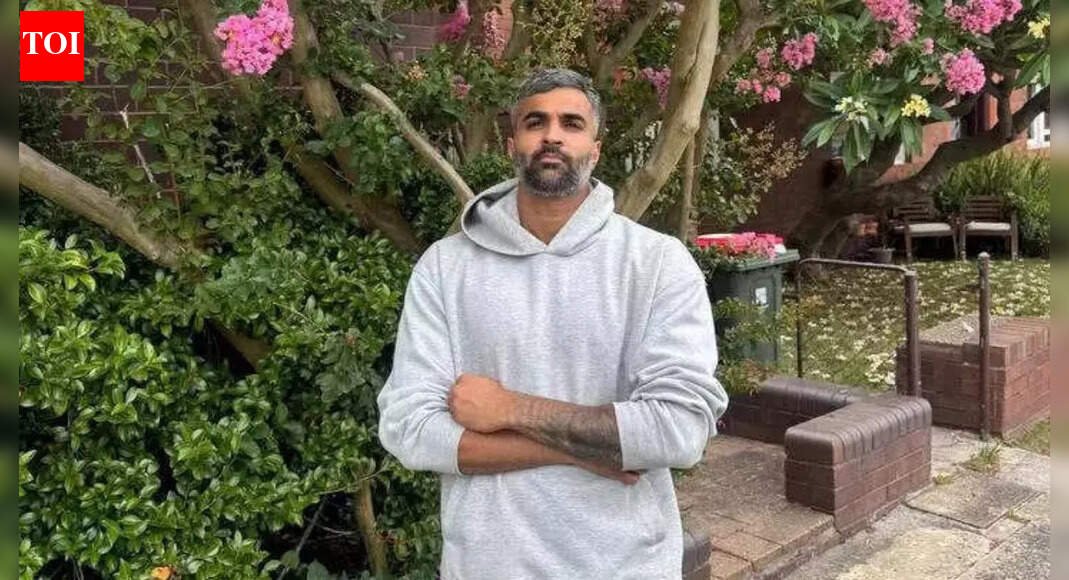
Bola, 34, who works as a personal trainer in Australia, kicked Sajid Akram’s gun away, held him down, and locked up his arms in case he tried to use any other weapon. “I could feel him dying under me,” Bola, whose roots are in Punjab’s Nawanshahr, told TOI on the phone on Wednesday.“I was having a kebab when I heard the gunshots. At first, I thought it was firecrackers, but soon I saw men and women running away in fear. I started running in the direction of the gunfire. On the way, I tried to ask some people what happened, and figured out that two gunmen were shooting at people on the beach,” Bola said.

Amandeep Singh Bola (R)

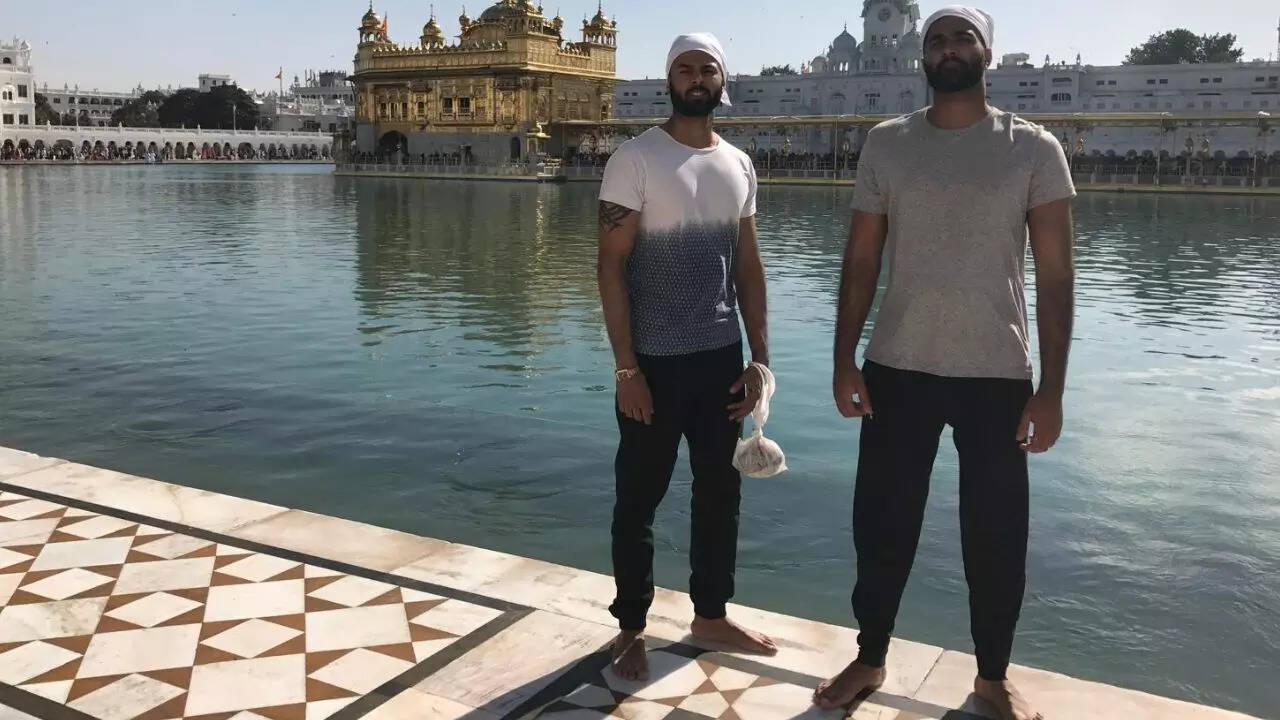
As he neared the footbridge where the shooters had positioned themselves, he slowed down and began advancing stealthily to try to get as close to them as possible before he made the final lunge.“When I saw one of them dropping down on the footbridge, I was just focused on getting him,” Bola told TOI. “I saw police shoot at one of the gunmen. I sprinted towards him, pounced upon him, and held his arms behind his back. A policeman also helped and asked me to keep a tight hold and not let him go. I could feel that he was dying while I was sitting over him. I told police that he seemed to be taking his last breaths. In moments, policemen took control of him,” he recalled.A short mobile phone video shows Bola, clad in a white T-shirt and shorts, sitting on Sajid’s back, holding his arms, as a policeman handcuffs the other shooter, Sajid’s son Naveed Akram. A man runs up and kicks Sajid in the head.“As I got up, there was a strong adrenaline rush. I felt like vomiting. People around me comforted me. Bondi has people from multiple cultures, and that brief moment reflected the true spirit of multiculturalism. A French guy gave me coconut water, two Africans remained by my side until I got comfortable, and a few others also stayed around, just to be close,” said Bola.Asked how he went against the natural instinct of running away from danger, Bola said, “In fact, I acted instinctively. My instincts took me there. I was only thinking of helping people in whichever way I could. But once I spotted the shooter, I was focused on getting him.” He said he hasn’t been able to sleep properly after the tragedy.Bola said his family hailed from Naura village near Banga in Nawanshahr district (around 100km from Chandigarh). “My great-grandfather, Puna Singh Bola, emigrated to New Zealand in 1916. He was one of the first Sikh immigrants to the island country. My grandparents, Mahan Singh Bola and Parkash Kaur, also lived here. My father, Manjit Singh Bola, who was born and raised in New Zealand, and my mother, Harvinder Kaur, who hails from Ludhiana, live in New Zealand while I moved to Australia six-seven years ago,” he said.Bola said he has visited Punjab quite a few times. “We last went to Darbar Sahib Amritsar in 2019,” he said.


Source link

South Africa Playing XI vs India- 5th T20I, South Africa Tour of India 2025


India will be up against South Africa in the fifth of the five-match T20I series. This article provides details about South Africa’s Playing 11 vs India for the fifth match of the series.

South Africa Playing XI vs India- 5th T20I, South Africa Tour of India 2025:

Openers: Reeza Hendricks, Quinton de Kock (wk)

South Africa will have no option other than winning when they step on the field to take on India in the final T20I of the five-match T20I series that the two teams are currently involved in.

The Proteas would hope for an improvement with bat and ball in the upcoming match as compared to what they did in the third game, in order to challenge India and increase their chances of leveling the series.

Your daily dose of cricket!

next

Having said that, irrespective of a below-par performance, the visitors are expected to go into the fifth game with an unchanged playing XI.

The reason being the side comprised of the same names outplayed India in the second T20I and wouldn’t want to press the panic button after the defeat that followed the win.

For that to happen, the Aiden Markram-led side would back its openers Quinton de Kock and Reeza Hendricks, both of whom will be entrusted to get the team off to a good start.

In addition to that, Quinton de Kock would wish to build on the half-century he scored in the second T20I, and for his partner Hendricks to make a vital contribution as well.

Middle-order batsmen and all-rounders: Aiden Markram, Dewald Brevis, Tristan Stubbs, Donovan Ferreira, Marco Jansen, Corbin Bosch

Like the openers, the team management would also bank on the South African middle order to come good, which wasn’t the case in the third T20I.

The responsibility will be on captain Aiden Markram to lead from the front once again, as he did in the third game of the series.

Markram would also look for support from the likes of Dewald Brevis, Tristan Stubbs, and Donovan Ferreira, all of whom are capable of taking the game away from the opposition and would want to do so in the next game.

It will take contributions from the top five batters in the South African lineup to create pressure on India’s bowling attack and increase the team’s chances of winning.

Bowlers: Anrich Nortje, Lungi Ngidi, Ottneil Baartman

Unlike the batting, South Africa’s bowling did a fine job by dragging the game beyond the 15-over mark in Dharamsal, despite not having enough runs to play, and that is what the bowlers would hope for the batters to provide them with in the final game of the tour.

If the batters are able to post a challenging total on the board, South Africa has enough quality in the bowling arsenal to give the Indian batters a run for their money.

Regardless of going with no specialist spinner in the previous match, the South African bowlers gave their best and would hope to do the same in the upcoming match.

The likes of Anrich Nortje, Lungi Ngidi, Ottneil Baartman, Corbin Bosch, and Marco Jansen would wish to bowl their team to victory and level the series in the process.


Source link

Airtel may raise up to Rs 16,000 crore, names new CEO


Airtel may raise up to Rs 16,000 crore, names new CEO

NEW DELHI: The board of Bharti Airtel on Thursday approved the appointment of Shashwat Sharma as MD & CEO from Jan 1 as Gopal Vittal will take charge as executive vice chairman for a period of five years. The board also green-lighted access of the remaining around Rs 15,740 crore proceeds from the Rs 21,000 crore rights issue that was originally issued in Sept 2021 as it looks to reduce debt and strengthen its balance sheet.“As per the objects of the issue, the proceeds from the Call on the partly paid-up equity shares will be utilised primarily for pre-payment/ repayment of borrowings (including accrued interest) and general corporate purposes. Following the pre/repayment of the borrowings and along with its organic cash generation, the company’s India operations are expected to become effectively net debt-free in the near term except for DoT liabilities and Finance Lease Obligations, thereby further strengthening its balance sheet,” it said.The board cleared the appointment of CFO Soumen Ray as group chief financial officer and Akhil Garg as CFO (Airtel India), effective Jan 1.


Source link

Mumbai University to award 577 PhDs in 2026, up 43% over 2025 | Mumbai News


Mumbai: Mumbai University has recorded a sharp increase in its PhD output this year, with the number of doctoral degrees set to be awarded increasing 43% from 401 last year to 577 this year so far. University officials said the figure is likely to cross 600 by the time the annual convocation is conducted on Jan 17, 2026—making it the highest number of PhD graduates in the past nine years. The rise comes amid MU’s growing focus on research.The last time the university crossed 500 PhD graduate degrees was in 2018. During the pandemic, submissions dropped sharply, touching a low of 153 in the second year of Covid-19. Since then, the numbers have steadily recovered, with several candidates still in the pipeline and expected to complete submissions before the convocation in Jan.Vice-chancellor Ravindra Kulkarni said the notable increase in PhD enrolment at the university reflects the sustained focus on strengthening research excellence and adhering to global academic standards. “Initiatives such as the establishment of a dedicated research and development cell, the implementation of a University Department Ranking Framework, and various research promotion activities have created a supportive academic environment. These measures have strengthened research governance and infrastructure, resulting in growing confidence among young researchers and increased participation in doctoral programmes,” said Kulkarni.Of the 577 PhD degrees approved so far, nearly 45% are from the faculty of science and technology, followed by 144 from commerce and management, and 106 from the humanities. TOI had earlier reported, based on the data from 2022-23, nearly 10% of researchers pursued PhD in Business Policy and Administration (BPA), followed by chemistry. Education, Hindi and business management and management studies are some of the other popular subjects. Chemistry is sought-after nationally too, according to data from the All-India Survey of Higher Education.The convocation in Jan, during which over 1.5 lakh undergraduate and postgraduate degrees will be conferred, will be presided over by governor and chancellor of public universities in the state Acharya Devvrat. Ajay Kumar Sood, principal scientific adviser to the govt of India, will be the chief guest and deliver the convocation address. A total of 21 gold medals will be awarded to 19 students for outstanding performance. The ceremony will be live-streamed on official MU platforms.


Source link

‘Gautam Gambhir is not a coach’: Kapil Dev drops bombshell | Cricket News


'Gautam Gambhir is not a coach': Kapil Dev drops bombshell
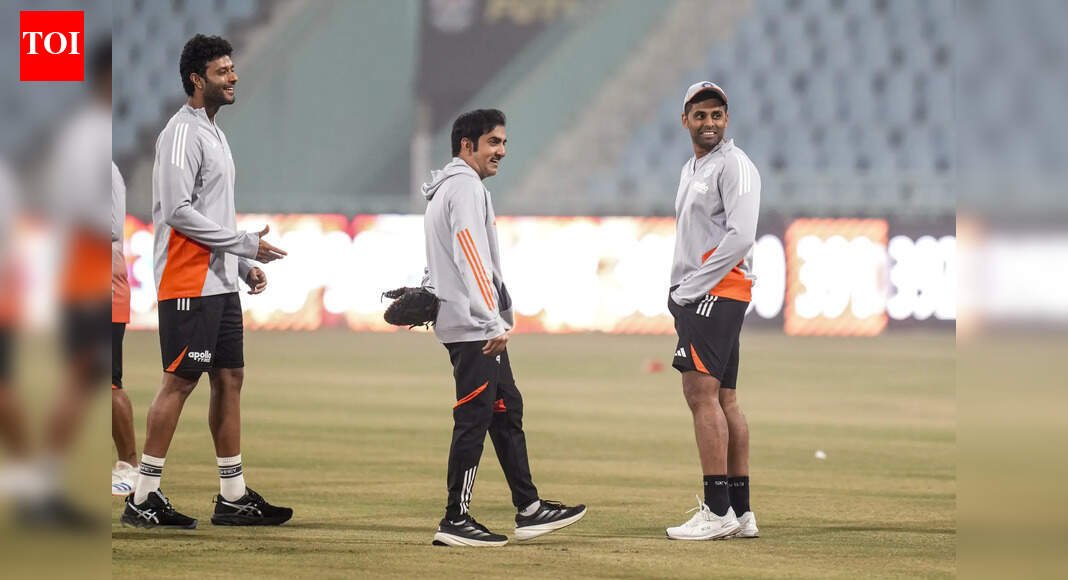
India’s headcoach Gautam Gambhir with captain Suryakumar Yadav and Shivam Dube (PTI Photo/Ravi Choudhary)

India’s first World Cup-winning captain Kapil Dev has weighed in on the debate surrounding Gautam Gambhir’s working style, saying the role of a head coach in modern-day cricket is more about player management than hands-on coaching. Gambhir has faced growing criticism after India’s 0-2 Test series loss to South Africa, with questions raised over frequent player rotation and the use of part-time options. Speaking at the Indian Chamber of Commerce’s ICC Centenary Session on Thursday, Kapil suggested the very idea of a “coach” is often misunderstood in today’s game.

Shashi Tharoor vs Rajeev Shukla breaks out on India match in Lucknow

“Today the word ‘coach’ is used very loosely. Gautam Gambhir cannot really be a coach. He can be a manager of the team,” Kapil said. “When I talk about a coach, I think of the people who taught me in school and college. Those were my coaches.” Kapil explained that at the international level, specialist players do not need technical instruction from a head coach. “How can you be a coach when someone is already a leg-spinner or a wicketkeeper? How can Gautam coach a leg-spinner or a wicketkeeper?” he asked. Instead, Kapil stressed that the key responsibility lies in managing personalities and creating the right environment. “Management is more important. As a manager, you have to encourage players and make them believe they can do it. Young players look up to you,” he said. According to Kapil, a coach or captain’s biggest role is to provide comfort and reassurance. “The job is to give confidence to the team and always tell them, ‘you can do better’. That’s how I see it,” he added. Reflecting on his own leadership style, Kapil said he made a conscious effort to support players struggling for form. “If someone scores a hundred, I don’t need to have dinner with him,” he said. “I would rather spend time with those who are not performing.” Kapil emphasised that building confidence in underperforming players is crucial to team success. “You need to give them belief. As a captain, your role is not just about your own performance, but about keeping the team together,” he said.


Source link

Devon Conway, Tom Latham script history; break 95-year-old record to become first pair to… | Cricket News


Devon Conway, Tom Latham script history; break 95-year-old record to become first pair to…
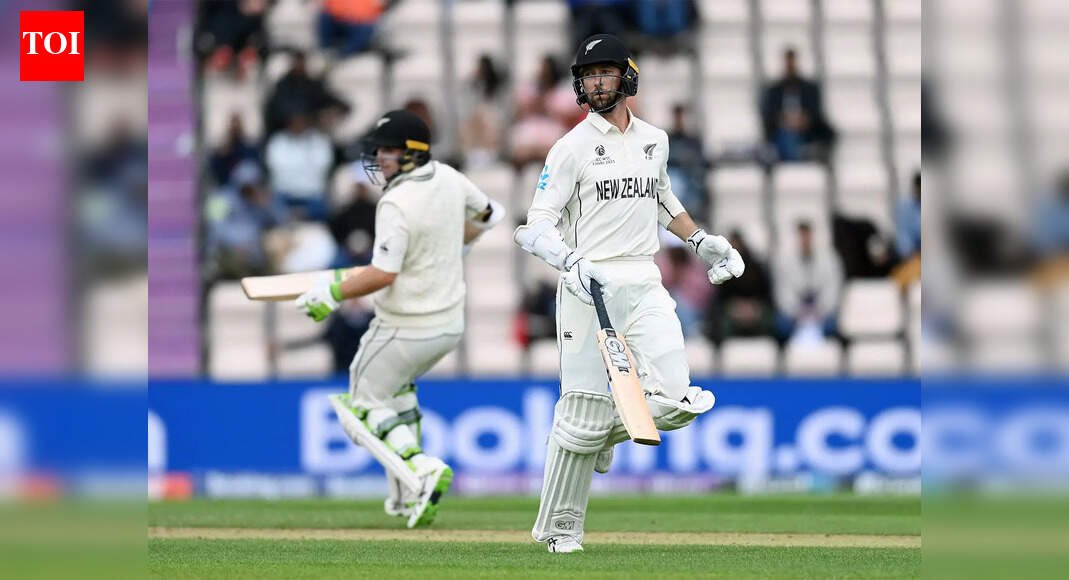
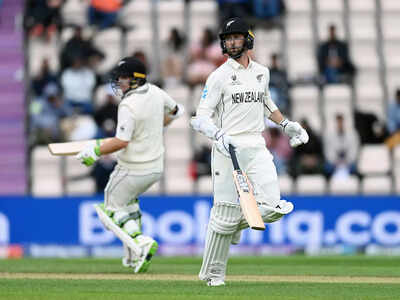
Latham-Conway register best opening partnership by a Kiwi pair in Test history (ANI)

New Zealand’s third Test against West Indies at the Bay Oval in Mount Maunganui began with a statement of dominance from the hosts, driven by a record-breaking opening stand on Day 1. After winning the toss, New Zealand chose to bat and were immediately rewarded by Devon Conway and Tom Latham, who turned the opening session into a marathon. Conway, coming into the match just two days after going unsold at the auction, remained unbeaten on 178 at stumps, while captain Latham anchored the other end with a fluent 137. By the close of play, the pair had already etched their names into the record books.Also Watch:

Prashant Veer’s parents react after their son gets a Rs 14.20 crore IPL deal

Their partnership of 323 for the first wicket is now the highest opening stand in the history of the World Test Championship. In the process, they moved past India’s Rohit Sharma and Mayank Agarwal, who had put together 317 against South Africa in 2019. The list of the biggest opening partnerships in WTC history now places Conway and Latham at the top. The stand also carried deep historical significance for New Zealand cricket. Conway and Latham surpassed a record that had stood for 95 years, registering the highest opening partnership ever by a New Zealand pair on home soil. The previous mark of 276 was set by Charles Stewart Dempster and John Ernest Mills against England in Wellington in 1930. In the wider context of New Zealand’s Test history, the 323-run opening stand is the second-highest by any Kiwi opening pair. Only Glenn Turner and Terry Jarvis, who added 387 against West Indies in Georgetown in 1972, sit above them on that list. What started as a strong opening day for New Zealand ultimately turned into a landmark moment, underlining both the class of Conway and Latham and the scale of their achievement in Mount Maunganui.


Source link

1 of 3 eateries wants to exit delivery apps: Report


1 of 3 eateries wants to exit delivery apps: Report

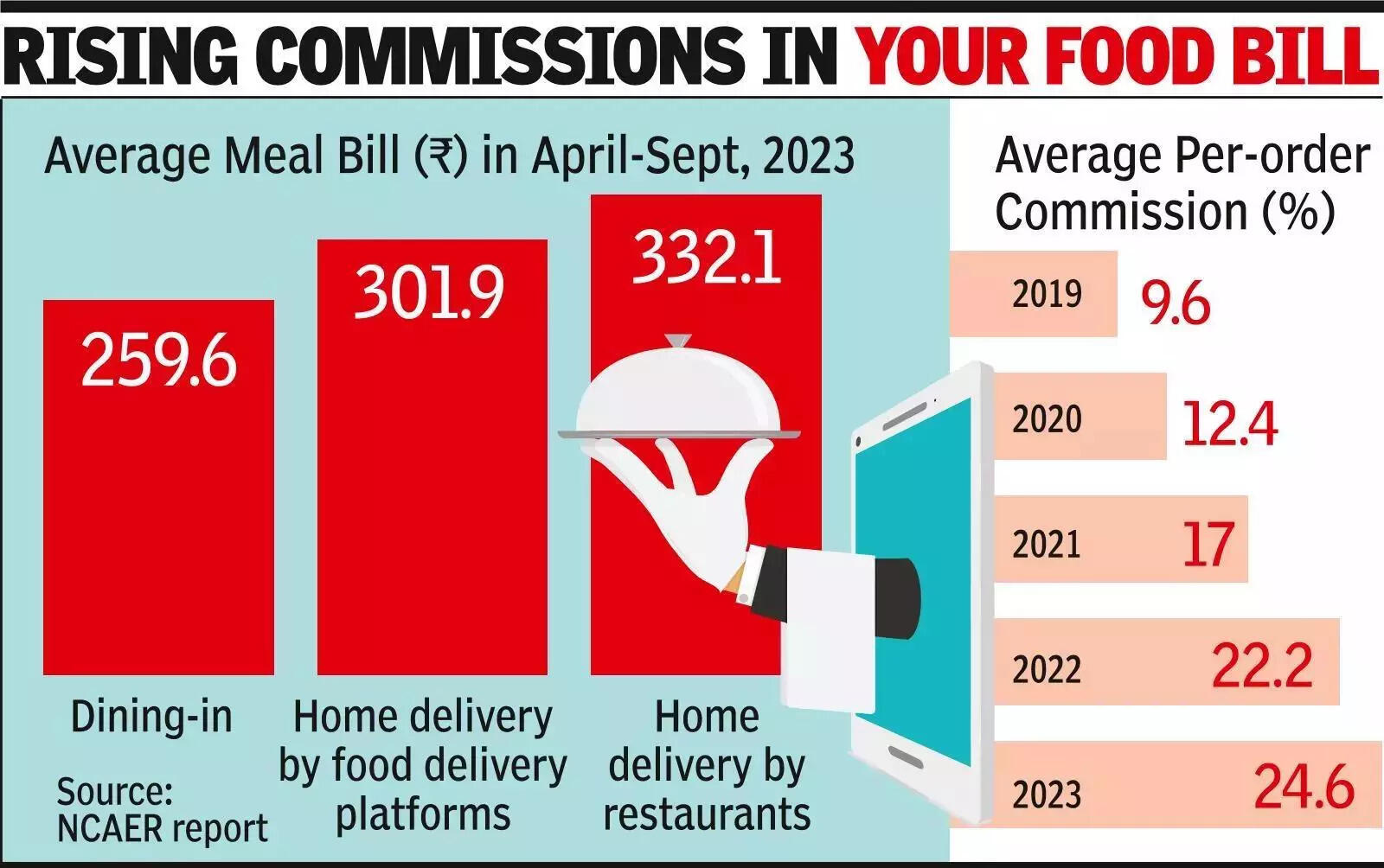
NEW DELHI: Nearly a third of restaurants listed on food delivery platforms said they would stop using them due to rising commissions and lower profits, according to a report by economic policy think tank NCAER and investment firm Prosus.The report stated that 30% of restaurants surveyed wanted a reduction in the commission structure, with the average commission per order rising sharply from 9.6% in 2019 to 24.6% in 2023. However, larger restaurant chains were found to have greater negotiating power, enabling them to settle for lower commissions.

-

The report showed that meals delivered directly by restaurants are the most expensive for consumers. The average bill for restaurant-led home delivery stood at Rs 332, compared with Rs 302 for orders placed through food delivery platforms and about Rs 260 for dine-in meals. “Firms were asked whether they would stop using food delivery platforms, and 35.4% of platform restaurants said that they would do so. The reasons are high commissions, poor customer service, and not giving enough profits, orders, and customers,” the report released Thursday said.The study found that the average share of restaurant revenue from food delivery platforms increased from 22.1% to 28.8%, with small restaurants in Tier-3 cities deriving nearly a third of their revenue from such platforms. Despite the concerns, most restaurants continue to remain on platforms such as Swiggy, where Prosus in an investor, and Zomato as these apps provide visibility and access to a wider customer base.The report also mentioned Zomato’s recent announcement on sharing customer information with restaurants after obtaining user consent, stating, “It could potentially address privacy concerns and restaurants’ demand for more customer information…policy changes by one platform may also hopefully influence other platforms to change their behavior.” Currently, access to customer information remains limited by city type and restaurant sizes and 67% of restaurants reported that platforms shared only customer names.Separately, another NCAER report assessing the overall economic impact of the food delivery platforms showed that the sector has expanded rapidly. The gross value of output nearly doubled from around Rs 61,000 crore in 2021-22 to about Rs 1.2 lakh crore in 2023-24, even though the sector still accounts for a small share of the overall economy.


Source link

LVMH-backed L Catterton takes bite of Haldiram’s


LVMH-backed L Catterton takes bite of Haldiram's

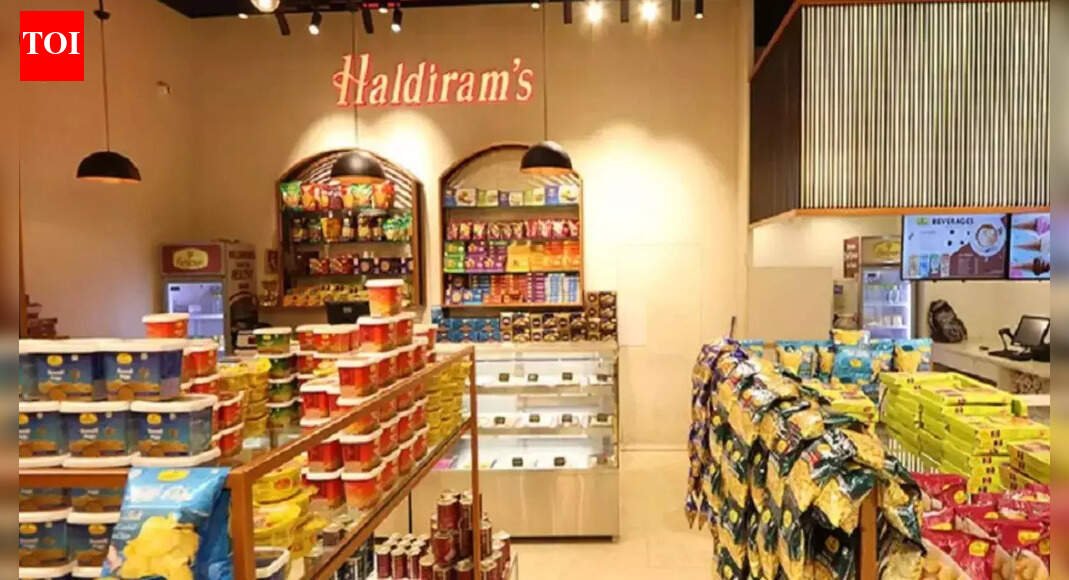
MUMBAI: US-based private equity firm L Catterton has picked up a minority stake in Haldiram Snacks Food amid a rush among investors to take a bite of India’s growing consumer market. The latest investment in Haldiram’s, known for its wide range of namkeen (snacks), sweets and ready to eat products comes less than a year after Singapore’s Temasek, UAE’s IHC and American firm Alpha Wave Global collectively acquired over 10% stake in the snacks brand in the biggest local private equity consumer deal at a valuation of $10 billion. L Catterton did not disclose the specifics of the transaction but people aware of the matter said that it’s a minority investment. Queries sent to a company spokesperson did not elicit any response. The investment has been made from L Catterton’s $400-million India focused fund (reached first close earlier this year) through which it plans to deploy capital in the range of $25-150 million in a clutch of companies. Deals in the local snacks space have heated up with investors vying for a share of the segment that broadly caters to the masses. India’s savoury snacks market is pegged at $6.2 billion. Besides Haldiram’s for which investors are making a beeline, Rajkot’s Balaji Wafers is also set to bag an investment from General Atlantic at a valuation of Rs 35,000 crore. The new generation of family run traditional businesses such as Haldiram’s and Balaji Wafers want to bring professional investors on board to scale their companies and take them global. This year, there’s been a flurry of activity in the broader foods (both packaged food and food services) space – ChrysCapital, for instance, bought bakery chain Theobroma in a more than Rs 2,000-crore deal earlier this year. A partnership with L Catterton which is backed by French luxury group LVMH and Groupe Arnault, the family holding company of LVMH CEO Bernard Arnault will allow Haldiram’s to tap into the PE investor’s global consumer sector expertise and wide industry network. Through the deal, Haldiram’s which is eyeing an IPO in the future, will “endeavour to foster a global India for the world brand,” L Catterton said in a statement on Thursday. “This will involve unlocking further value via a comprehensive range of initiatives in areas such as brand building, new product development, supply chain and distribution optimisation, geographic expansion, as well as talent development,” the PE firm said.


Source link