Breaking News
‘Pure force vs evil force’: TVK Vijay’s big charge against DMK ahead of 2026 polls; first rally after Karur stampede | India News

'Pure force vs evil force': TVK Vijay's big charge against DMK ahead of 2026 polls; first rally after Karur stampede

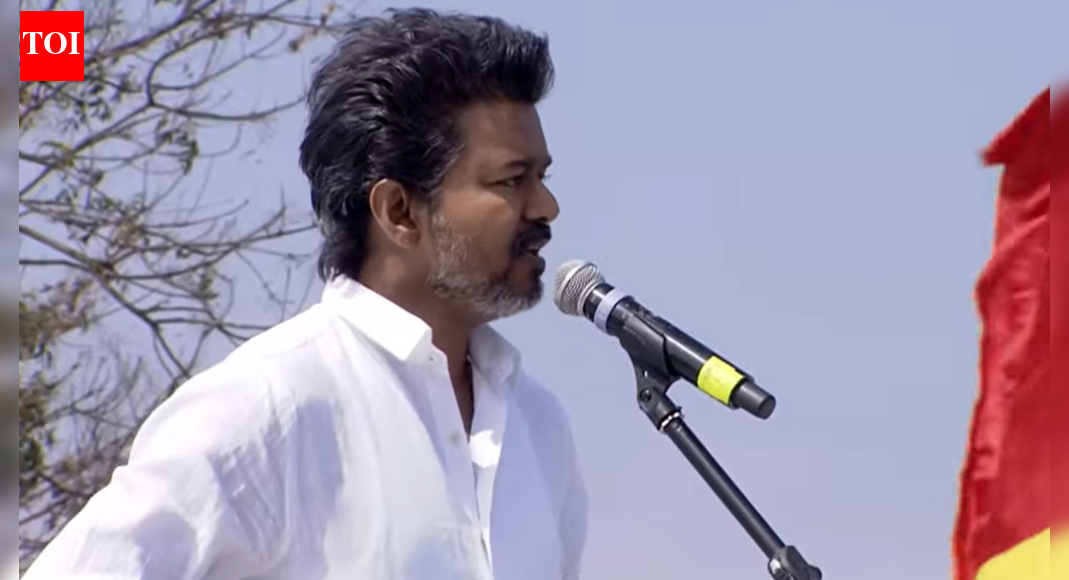
NEW DELHI: Actor-turned-politician Vijay on Thursday launched a sharp attack on Tamil Nadu’s ruling DMK, branding it an “evil force” and pitching his party, the Tamilaga Vettri Kazhagam (TVK), as a “pure force” ahead of the 2026 Assembly elections. Addressing a large public meeting in Erode, Vijay framed the coming political battle as a direct contest between the two, declaring that “the contest is now only between the thooya sakthi TVK and theeya sakthi DMK”.The rally marked Vijay’s first major public outreach in Tamil Nadu since the September 27 Karur stampede, in which at least 41 people were killed and over 100 injured during a TVK event. Following the tragedy, Vijay had limited his appearances to a closed-door meeting in Kancheepuram and a rally in neighbouring Puducherry. The Erode meeting therefore drew heightened political and public attention.

‘Reason For Deaths Is Vijay’: DMK Leader’s Big Attack On TVK Chief Over Karur Stampede

Invoking the legacy of former chief ministers M G Ramachandran and J Jayalalithaa, Vijay said they had often used the phrase “theeya sakthi” to describe the DMK. He added that leaders such as C N Annadurai and MGR were an inspiration for all and not the property of any single party, rejecting criticism over his references to them.Vijay also alleged that “vested interests” were running a smear campaign against him. “They do not understand that I have the people’s trust, built over 33 years,” he said, expressing confidence that such efforts would fail.Training his guns on the DMK government, Vijay accused it of neglecting key issues such as law and order and agriculture, claiming the state administration showed little interest in farmers’ concerns.The rally also underlined TVK’s organisational push ahead of future elections, with senior former AIADMK leader K A Sengottaiyan sharing the stage. Sengottaiyan, who recently joined TVK, has been appointed Chief Coordinator of the party’s high-level executive committee and given charge of western districts, a move party sources say strengthens TVK’s grassroots presence.Meanwhile, the Karur stampede continues to cast a shadow. The Supreme Court has ordered a CBI probe into the incident, to be monitored by a three-member committee headed by former judge Justice Ajay Rastogi, following a plea by TVK seeking an impartial investigation.

Source link

Uttarakhand CM Dhami reviews preparations for ‘Jan-Jan Ki Sarkar, Jan-Jan Ke Dwar’ programme | India News


Uttarakhand CM Dhami reviews preparations for 'Jan-Jan Ki Sarkar, Jan-Jan Ke Dwar' programme

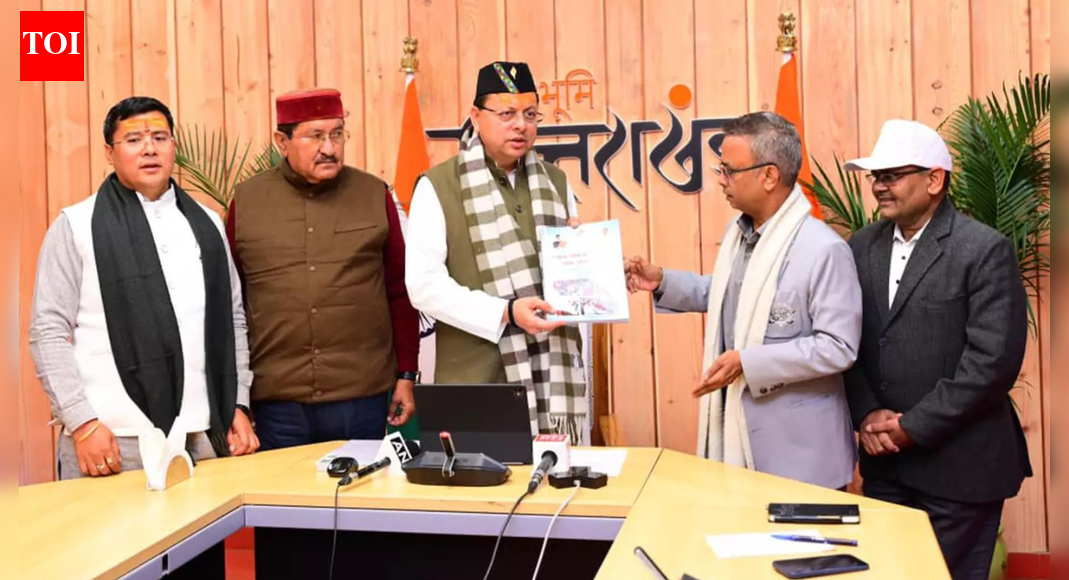
DEHRADUN: Uttarakhand chief minister Pushkar Singh Dhami on Wednesday conducted a detailed review of preparations for the “Jan-Jan Ki Sarkar, Jan-Jan Ke Dwar” programme at the chief minister’s residence. He emphasised the need to ensure that welfare scheme benefits reach every eligible citizen under the “Administration Towards the Village” campaign.The chief minister directed officials to organise multipurpose camps in all Nyaya Panchayats across the state over the next 45 days, starting from December 17. These camps will enable officials to visit rural areas, collect applications, ensure beneficiaries receive scheme benefits, and provide prompt redressal of public grievances.“Programmes should be conducted at the Nyaya Panchayat level, and in larger Nyaya Panchayats, more than one camp should be organised as required. Adequate information about Central and State Government schemes must be provided, and no eligible person should be deprived of benefits,” CM Dhami said.He also instructed officials to follow up by visiting nearby villages to help beneficiaries fill application forms and identify individuals left out of schemes. Extensive publicity should be ensured, informing all residents at least 3-4 days in advance.The chief minister further directed that the District Magistrate must be present at least one camp per week, while senior administrative officers should attend other camps. Officers from designated departments must remain available to resolve public grievances on the spot.Highlighting the role of public representatives, CM Dhami stressed 100 percent participation of MLAs and local leaders in the camps to lead efforts in addressing public issues and promoting welfare schemes.He also instructed that all programmes be properly registered, beneficiary satisfaction be prioritised, and weekly progress reports submitted to the chief minister’s Office, Chief Secretary’s Office, and General Administration Department. Information regarding programme success should be widely disseminated through the media.


Source link

Mid-air scare: Air India Express flight from Jeddah makes emergency landing in Cochin; tyres burst | India News


Mid-air scare: Air India Express flight from Jeddah makes emergency landing in Cochin; tyres burst

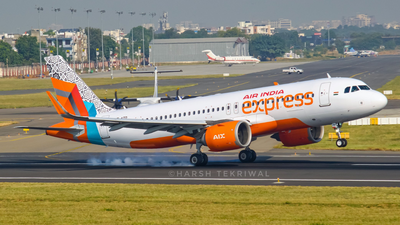
NEW DELHI: An Air India Express flight from Jeddah to Kozhikode carrying 160 passengers made an emergency landing at Cochin International Airport on Thursday after a technical issue involving its landing gear and tyre failure, officials said.The Cochin International Airport Limited said the Air India Express flight IX 398 was diverted to Kochi as a precaution after a problem was detected in the right main landing gear. The aircraft landed safely at 9.07 am under full emergency conditions.“All emergency services were activated in advance, and there were no injuries reported among passengers or crew. Post-landing inspection confirmed that both right-side tyres had burst,” a CIAL spokesperson said.The airport operator said the runway was subsequently cleared and released for normal operations.(with inputs from PTI)


Source link

‘Water bomb’: China building world’s most powerful mega dam in the Himalayas — how it impacts India | India News


'Water bomb': China building world's most powerful mega dam in the Himalayas — how it impacts India

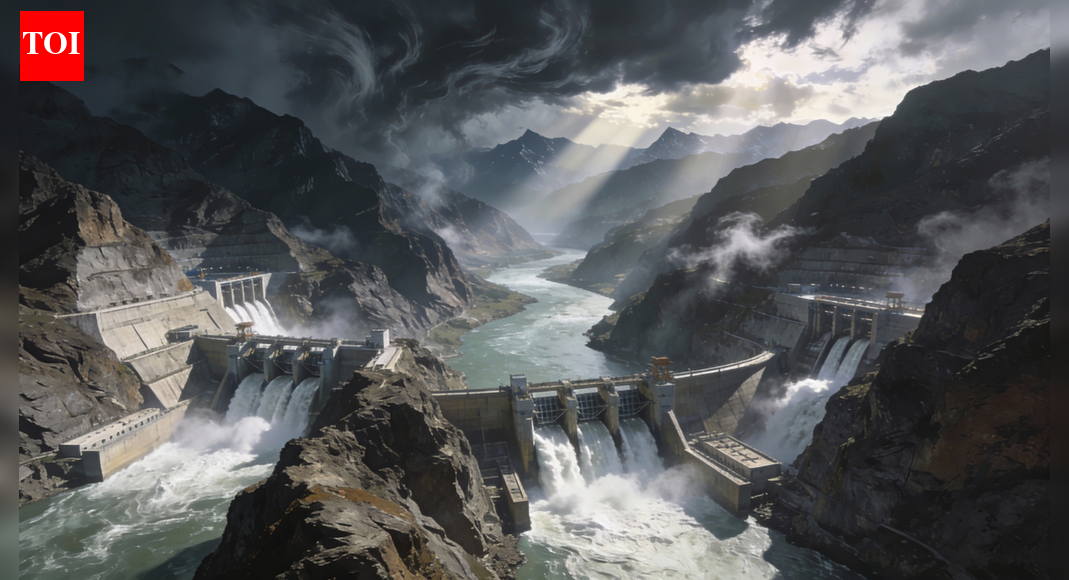
China is pressing ahead with a massive hydropower project on the Yarlung Tsangpo river in Tibet, a move that experts and Indian officials warn could seriously endanger water security, ecology and livelihoods downstream in India.As the river enters India as the Brahmaputra, any large-scale intervention upstream is seen as a direct risk to millions who depend on its natural flow. The proposed $168bn hydropower system will harness a steep 2,000 metre drop in altitude through an intricate network of dams, reservoirs, tunnels and underground power stations.

India Speeds Up Visas For Chinese Businesses Amid Thaw In Ties; Beijing Calls It ‘Positive Move’

For India, the concern is not just environmental but existential. Arunachal Pradesh chief minister Pema Khandu has warned that the project could be used as a “water bomb”, with China potentially controlling the timing and volume of water released into the Brahmaputra. Sudden discharges could trigger floods, while withholding water could dry out large stretches of the river during critical periods.Although much of the Brahmaputra’s water comes from monsoon rains and tributaries within India, experts say upstream manipulation can still disturb the river’s natural rhythm. Even limited changes could affect fertile floodplains, fisheries and groundwater recharge across Assam and Arunachal Pradesh, regions already vulnerable to climate stress.China has dismissed these concerns, as the Chinese foreign ministry has insisted that downstream countries will not be adversely affected. However, scepticism remains strong in India, partly shaped by China’s track record on other transboundary rivers.The technical scale of the project has also heightened fears. Brian Eyler, director of the Energy, Water and Sustainability Program at the Stimson Center in Washington, has described it as the most sophisticated hydropower system ever attempted, but also one of the riskiest.Any failure or miscalculation in such a seismically sensitive and ecologically fragile region could have cascading consequences downstream.Beijing’s management of the Mekong River has drawn repeated criticism from downstream nations, which accuse Chinese dam operators of worsening droughts by regulating water flow to suit power generation needs. While China denies these allegations, they have reinforced Indian fears about a similar approach on the Brahmaputra.The upstream developments have prompted India’s largest state-run hydropower company to push ahead with its own 11,200-megawatt project on the Brahmaputra, a move driven partly by fears of losing strategic and water security ground.Experts warn that competing mega projects on the same river system could worsen risks for both countries. Without cooperation and transparency, analysts caution, a dam-building race between India and China could undermine regional stability and place the future of the Brahmaputra and the millions who rely on it in jeopardy.


Source link

SC: Growing trend of judges ‘hitting sixes’ before retiring | India News


SC: Growing trend of judges 'hitting sixes' before retiring
‘What If Orders Are Palpably Dishonest?’

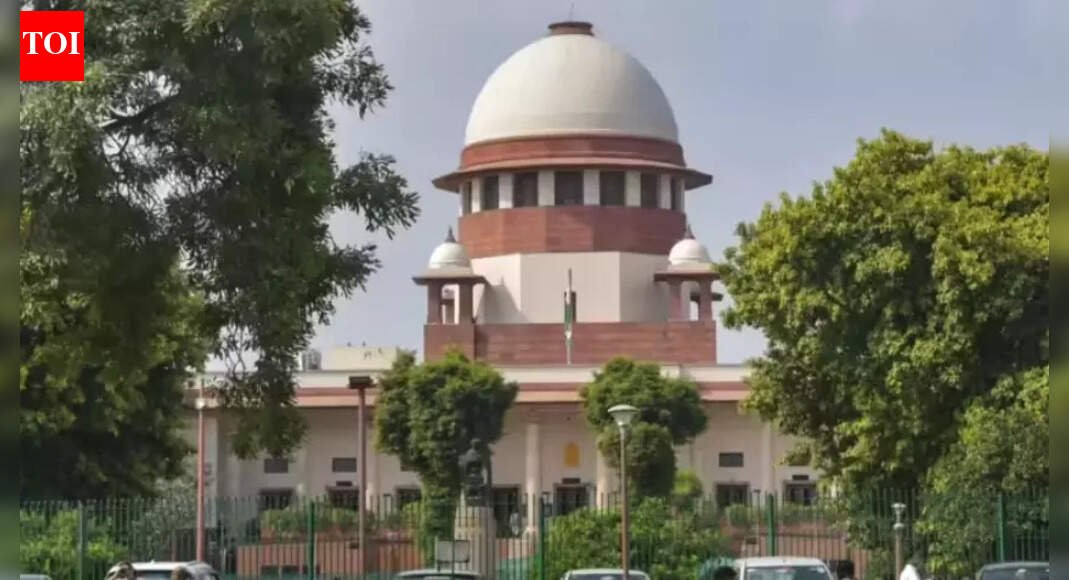
New Delhi: In a surprise public acknowledgement of corruption in judiciary, a Supreme Court bench led by CJI Surya Kant on Wednesday said there is a growing trend of judges passing a series of orders for extraneous considerations on the eve of their retirements.While hearing a petition filed by a Madhya Pradesh principal district judge challenging his suspension 10 days prior to retirement, allegedly because of two judicial orders passed by him, the bench of CJI Kant and Justice Joymalya Bagchi said, “Petitioner just before retirement started hitting sixes. It is an unfortunate trend. I do not want to elaborate on it.”Senior advocate Vipin Sanghi, appearing for the judicial officer, said he had an impressive career with very good rating in annual confidential reports. He was to superannuate on Nov 30 but was suspended on Nov 19, ostensibly because of two judicial orders. “How can an officer be suspended for judicial orders which can be appealed against and rectified by higher judiciary?” asked Sanghi.The bench said, “Disciplinary proceedings cannot be initiated against a judicial officer for passing orders which are erroneous. He cannot be suspended for this. But if the orders are palpably dishonest?” SC takes exception to seeking info on suspension through RTI applications The judicial officer was to retire on Nov 30. SC on Nov 20 directed the MP govt to postpone the retirement by one year as it had increased the retirement age of state employees to 62 years. The judicial officer would now retire on Nov 30, 2026. “The judicial officer did not know, when he passed those two orders, that his retirement age had been increased by one year. There is a growing trend of judges passing so many orders just before retirement,” the CJI said.The bench asked Sanghi as to why the judicial officer did not approach HC to challenge the suspension. Sanghi said that since it was a full court decision, the judicial officer thought it would be better to move SC for a fair hearing.The bench said, “There are so many instances when full court decisions have been set aside by HCs on the judicial side.” The bench also took exception to the judicial officer seeking grounds for his suspension through RTI applications. “He could have submitted a representation in this regard. It is not expected of a senior judicial officer to resort to the RTI route to get information. We see no ground to entertain the petition. The petitioner can make a representation to the HC for recall of the suspension order. The HC would decide his representation in four weeks,” the bench said.


Source link

7 years on, OBC list still to get Parliament’s stamp | India News


7 years on, OBC list still to get Parliament's stamp

New Delhi: The Centre has not notified the central list of OBCs for the last seven years since it granted constitutional status to the National Commission for Backward Classes, which mandated that the list of backwards will in the future be approved by Parliament as against the present practice of publishing it through an executive order.The indecision on the crucial list, well-placed govt sources said, is a result of the govt’s apparent reluctance to touch the Rohini commission report on sub-categorisation of backward classes – halting the transition to the new path laid down by the 102nd constitutional amendment of 2018. As a consequence, the central list of OBCs has remained frozen since 2018, without any fresh inclusion or exclusion of communities. Sources said the central list has to be notified by Parliament in view of the 102nd constitutional amendment which put NCBC at par with the national commissions for SCs and STs, while laying down that the OBC list too would follow the notification process of parliamentary approval like the lists of SCs and STs. “…A process that was initiated in 2019 was put in deep freeze,” a source said.The seeming hurdle created by the Rohini commission is puzzling. Sources said the govt cannot simply replicate the existing OBC list through Parliament because it was found to have many discrepancies, like spellings, and had asked the Rohini panel to compile corrections. But the panel’s main mandate was sub-division of the central list of OBCs, which emerged as the key political agenda of BJP a few years ago. But since then, the governing party gave up its push to divide the backward list because of apparently altered political sensitivity, and has kept the report confidential since July 31, 2023, when the commission finally submitted its report after 14 extensions over six years. “Moving to correct the OBC list would require opening the Rohini report,” an official said. Amid the limbo, the list has remained frozen for seven years as the old system of inclusion/exclusion, NCBC Act of 1993, was repealed along with the promulgation of the 102nd constitutional amendment. The 1993 Act had the exclusive mandate of inclusion/exclusion. Sources said there are around 450 proposals for inclusion/exclusion at different stages of processing with the social justice ministry.


Source link

National Highway contractors identified for poor work won’t be able to bid | India News


National Highway contractors identified for poor work won't be able to bid

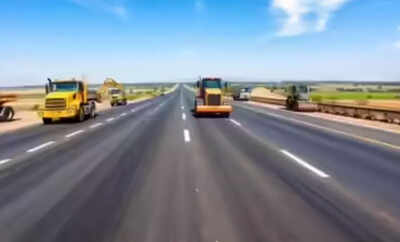
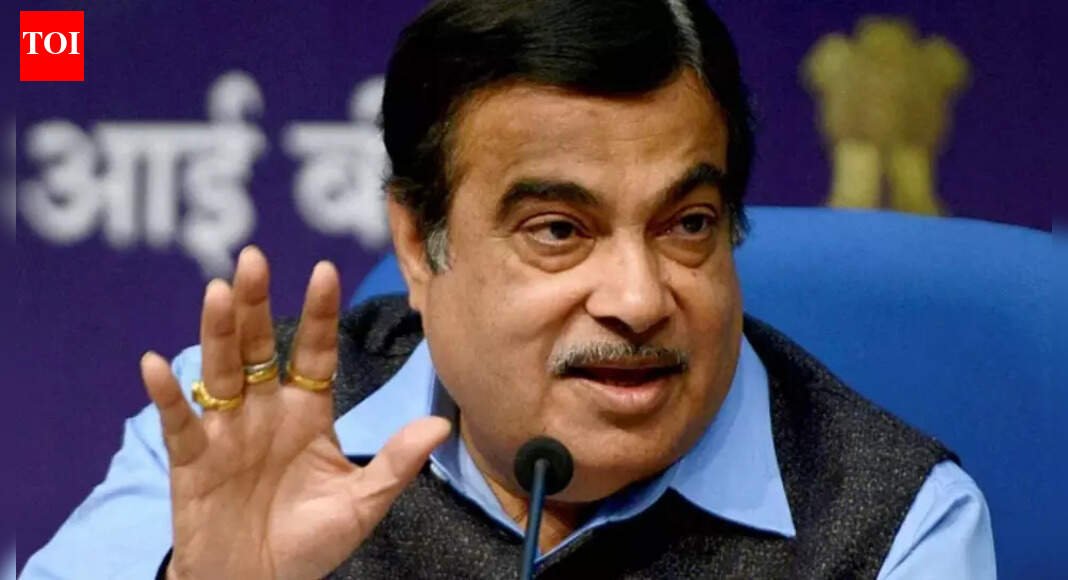
New Delhi: Cracking down on poor quality work by highway builders, govt will ban them from bidding for national highway projects for two years from the date of a “major incident”, such as bridge and reinforced wall collapses and severe road damage, reports Dipak Dash.TOI has learnt road transport and highways minister Nitin Gadkari has approved this condition in all fully govt-funded highway projects – which have the largest share of NH projects being implemented in the country. “Provision of ‘catastrophic’ damage or failure on part of contractors has been made in the contract document to trigger this action. This will be a big deterrent. The parameters are very objective. Currently, in most cases contractors are banned for a brief period and contractors take corrective measures at their own cost,” said a source.The ministry has taken this decision as it faces public ire for poor quality works and instances of newly built roads getting badly damaged even before these are opened for traffic.The ministry has informed Parliament that last year, there were 17 instances of collapse of structures, including on the Delhi-Vadodara Expressway, Dwarka Expressway, NH-48 (Gujarat), and NH-66 in Kerala. Meanwhile, Gadkari’s office has sought details of all show cause notices issued to contractors since Jan 2024, responses received from companies and the action taken so far.


Source link

Barrier-free highway toll collection system by 2026-end: Gadkari | India News


Barrier-free highway toll collection system by 2026-end: Gadkari

New Delhi: Highway commuters won’t have to stop to pay user fee at national highway toll plazas by 2026-end as the govt rolls out the multi-lane free flow (MLFF) system, road transport and highways minister Nitin Gadkari said on Wednesday. He added that the FASTag annual pass launched in Aug, which allows private vehicles to cross 200 plazas, has also come as a big relief for people.Gadkari said over 40 lakh private car owners have subscribed to the FASTag annual pass. “People will be rid of stopping or slowing down at toll plazas as we roll out the MLFF toll system. Cameras above the road will read the number plate and user fee will be automatically debited from the vehicle FASTag account. All this will happen even when someone is driving at a speed of 80 kmph. I made this announcement in Rajya Sabha today,” he said.Earlier in the day, he said in RS that the new system will help save fuel worth Rs 1,500 crore and increase toll revenue by Rs 6,000 crore. The system will make toll collection transparent and corruption-free, he said.Gadkari also said that a system is being put in place where vehicle owners will have to clear all dues, including pending toll fee and e-challans when they sell their vehicles or renew registration.On the next major focus of highway development in the country, Gadkari said that now there is more thrust on building greenfield highways, which is key to reduce logistics cost. “In India, earlier the logistics cost was 16%. But the latest study by IIM-Bangalore, IIT-Kanpur and IIT-Madras indicates that our logistics cost on road has reduced by 6%. The report was out three-four months back. So, I am confident that by now this logistics cost is in single digit at 9%,” he said.He said govt’s focus on infrastructure is driving India’s economic growth. “For the growth of any country, infrastructure is important. Roads, water, power, transport and communication, without developing this infrastructure, we can’t get capital investment in industry and trade & business. And, without investment, we cannot create jobs… Without jobs, we cannot eradicate poverty,” he added.


Source link

India summons envoy as Bangladesh tension rises | India News


India summons envoy as Bangladesh tension rises

New Delhi/Dhaka: India summoned Bangladesh high commissioner Riaz Hamidullah on Wednesday to express strong concerns at the deteriorating security environment in Bangladesh. In a statement, MEA said its attention was drawn, in particular, to activities of some extremist elements who have announced plans to create a security situation around the Indian mission in Dhaka, report Sachin Parashar & Ahsan Tasnim.In Dhaka, hundreds of protesters, under the banner of “July Oikya (July Unity)”, began a march towards the Indian High Commission on Wednesday afternoon, raising anti-India slogans and pressing several demands, including prevention of “anti-Bangladesh conspiracies” and the return of former PM Sheikh Hasina.Expect you to ensure safety of our posts, missions, India tells B’desh interim govtFormer PM Sheikh Hasina had fled Bangladesh last year following the “July Uprising” against her govt.Hamidullah was also told that India expects the interim govt to ensure the safety of missions and posts in Bangladesh in keeping with its diplomatic obligations.Officials in Dhaka said the protest march was stopped and security around the high commission strengthened.Earlier in the day, the Indian Visa Application Centre in Dhaka suspended its operations from the afternoon due to the prevailing security situation. Indian govt also completely rejected as false the narrative sought to be created by extremist elements regarding certain recent events in Bangladesh. “It is unfortunate that the interim govt has neither conducted a thorough investigation nor shared meaningful evidence with India regarding the incidents,” said the ministry.India reiterated it has close and friendly relations with the people of Bangladesh rooted in the liberation struggle, and strengthened through various developmental and people-to-people initiatives.“We are in favour of peace and stability in Bangladesh and have consistently called for free, fair, inclusive and credible polls, conducted in a peaceful atmosphere,” it said.Bangladesh foreign adviser Touhid Hossain, however, said summoning the high commissioner was a “normal diplomatic practice”. The Indian high commissioner had been summoned a few days earlier, he told reporters. “It is better to accept the reality that from the beginning of the interim govt till today, there has been tension with India”, but the govt is trying to build a good working relationship with India, he said.He also said Bangladesh does not want advice from India on how its elections should be conducted. The govt is committed to holding free and fair election, Hossain said, adding, “We know we will hold a fair election, and we will do so.” Referring to Hasina’s tenure, he said India did not issue similar calls for fair elections over past 15 years.


Source link

End-of-life: Only BS IV, VI vehicles exempt, says SC | India News


End-of-life: Only BS IV, VI vehicles exempt, says SC

New Delhi: The Supreme Court on Wednesday modified its earlier order restraining Delhi and NCR authorities from taking coercive action against “end-of-life” vehicles – 10-year-old diesel and 15-year-old petrol vehicles – and said the reprieve would apply only to BS 4 or BS 6 emission norm-compliant vehicles.This order will impact over 14.7 lakh BS 1 compliant cars, three-wheelers, two-wheelers, buses and goods carriers; more than 38.7 lakh BS 2 compliant ones; and another 53.7 lakh BS 3 vehicles. A bench of CJI Surya Kant and Justices Joymalya Bagchi and Vipul M Pancholi passed the order on an application by Commission for Air Quality Management (CAQM). Need to restrict plying of vehicles on basis of BS standards: CAQMOn Aug 12, an SC bench led by then CJI B R Gavai had said, “We direct that no coercive steps be taken against owners of vehicles on the ground that these are 10 years old (in case of diesel) and 15 years old (in case of petrol).”Additional solicitor general Aishwarya Bhati said BS 1, BS 2 and BS 3 vehicles have completed 24 years, 20 years and 15 years, respectively, and are a major cause of air pollution in Delhi-NCR. The CAQM said a BS 1 diesel vehicle produces 5.4 times more CO (BS-2 two times more and BS-3 1.28 times more), 12.13 times more NOx (BS-2 8.75 times more and BS-3 6.25 times more) and 31.11 times more PM (BS-2 18 times and BS-3 2.3 times more) than a BS 4 compliant diesel vehicle.Agreeing to modify its Aug-12 order that had asked the authorities not to take coercive measures against end-of-life vehicles, the bench said only vehicles which are BS 4 and BS 6 compliant would not be proceeded against if they are older than 15 years.The CAQM, in its affidavit, said, “One of the criteria determining the fitness of a vehicle is its emissions. The emissions of any vehicle are tested against its BS standard category. Thus, an otherwise fit vehicle would still be emitting pollutants as per its BS standard. Since Delhi-NCR faces an extraordinary situation, especially during the winter season due to poor dispersal of pollutants on account of unfavourable meteorological conditions, there is a need to restrict the plying of polluting vehicles based on emission standards in Delhi-NCR.In compliance with orders of SC and National Green Tribunal, CAQM had issued a directive on July 8 mandating retail outlets to refuse fuel to all end-of-life vehicles with effect from Nov 1 this year in Delhi and from April 1, 2026, in five high-vehicle-density districts contiguous to Delhi, besides other actions in accordance with law.


Source link