Breaking News
‘Congratulations India for restoring important civilizational symbol’: Israeli envoy on Ayodhya Dhwajarohan ceremony | India News


'Congratulations India for restoring important civilizational symbol': Israeli envoy on Ayodhya Dhwajarohan ceremony
‘Congratulations India for restoring important civilizational symbol’: Israeli Ambassador on Ayodhya Dhwajarohan ceremony

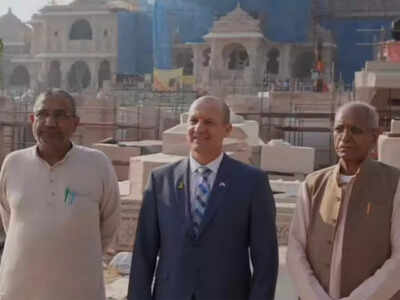
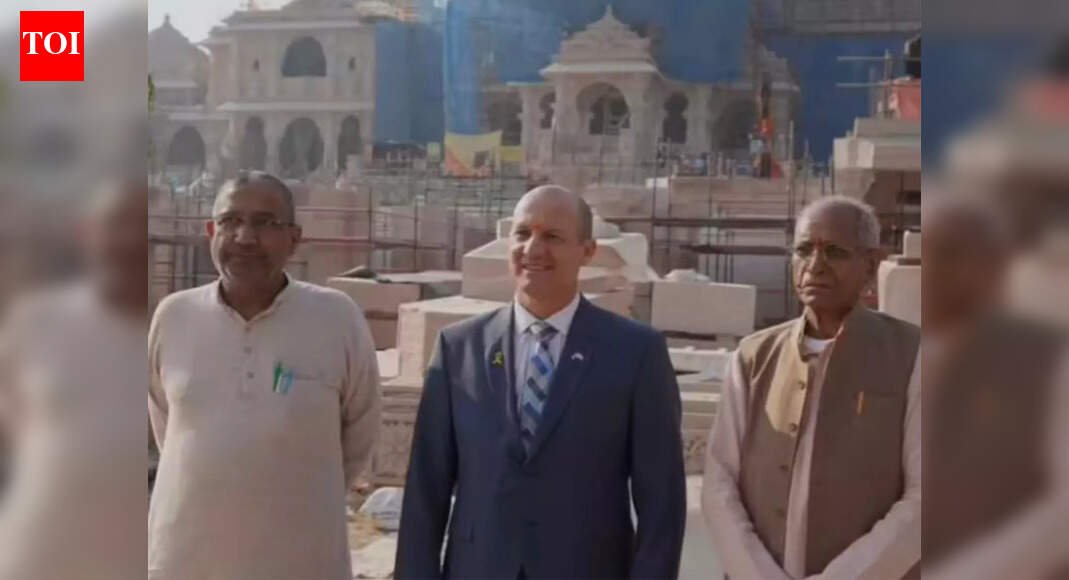
NEW DELHI: Reuven Azar, Israeli Ambassador to India, extended greetings on the Dhwajarohan ceremony in Ayodhya of the Ram Mandir and called it an important civilizational symbol.He also shared pictures from his visit to the temple during its construction.In a post on X on Tuesday, he said, “Congratulations India for the Ram Mandir Temple flag hoisting in Ayodhya today and for restoring such an important civilizational symbol. Here are some pictures of my visit while in construction last year.”Prime Minister Narendra Modi and Rashtriya Swayamsevak Sangh (RSS) chief Mohan Bhagwat on Tuesday ceremonially hoisted the saffron flag atop the Ram Janmabhoomi Temple’s 191-foot-high shikhar in Ayodhya, symbolising the completion of the temple’s construction.Uttar Pradesh Chief Minister Yogi Adityanath was also present at the ceremony.The ‘Dharma Dhwaj’ carries three sacred symbols, Om, the Sun and the Kovidara tree, each representing profound spiritual values rooted in the Sanatan tradition.The right-angled triangular flag, measuring 10 feet in height and 20 feet in length.The Kovidar tree is a hybrid of the Mandar and Parijat trees, created by Rishi Kashyap, showcasing ancient plant hybridisation. The Sun represents Lord Ram’s Suryavansh lineage, and Om is the eternal spiritual sound.The flag hoisting has coincided with the Abhijit Muhurat of Lord Ram and Goddess Sita’s Vivah Panchami.Earlier today, PM Modi performed a pooja at Ram Lalla Garbha Grah. He was accompanied by RSS Chief Mohan Bhagwat, Uttar Pradesh Chief Minister Yogi Adityanath and Governor Anandiben Patel, and offered prayers at Mata Annapurna Mandir.He also offered prayers at the Saptmandir at the Ram Janmabhoomi Temple premises, ahead of the flag-hoisting ceremony at the temple.Prime Minister Narendra Modi on Tuesday said that India and the world are “Ram-may”, as he described the installation of the Dharma Dhwaja atop the Ram Temple as a moment that heals “wounds of centuries” and marks the fulfilment of a civilisational resolve kept alive for 500 years.Elaborating on the symbolism of the flag, PM Modi noted that it reflects the rebirth of an ancient civilisation and embodies the ideals of Ram Rajya.Calling the hoisting of Dharma Dhwaja atop the Ram Janmabhoomi Temple in Ayodhya “historic,” Prime Minister Narendra Modi on Tuesday said India must simultaneously draw strength from its heritage and free itself from “the slave mentality” to achieve the goal of becoming a developed nation by 2047.Soon after hoisting the saffron flag atop the Ram Temple in Ayodhya, PM Modi invoked the values associated with Lord Ram to underline the vision of building a “confident” and “future-ready India”.While addressing the gathering at the ‘Dhwajarohan’ ceremony in Ayodhya, PM Modi said, “Ram is not a person, He is a value. If we want to make India developed by 2047, we have to awaken Ram within ourselves. What day can be better than today for this resolution?”He emphasised that “Lord Ram connects through emotion”, reaffirming that devotion and cooperation form the core of Indian society.Reflecting on India’s development journey of the past decade, the Prime Minister said, “In the last 11 years, every section of society, women, Dalits, backward classes, extremely backward classes, tribals, the deprived, farmers, workers, and youth, has been placed at the centre of development.”He said that by 2047, when the nation marks 100 years of Independence, the “goal of building a Viksit Bharat must be fully realised”. He urged citizens to act with vision, keeping future decades and centuries in mind.


Source link

‘I don’t care what Gautam Gambhir says’: Ex-India captain explodes in fiery attack on head coach | Cricket News


'I don’t care what Gautam Gambhir says': Ex-India captain explodes in fiery attack on head coach
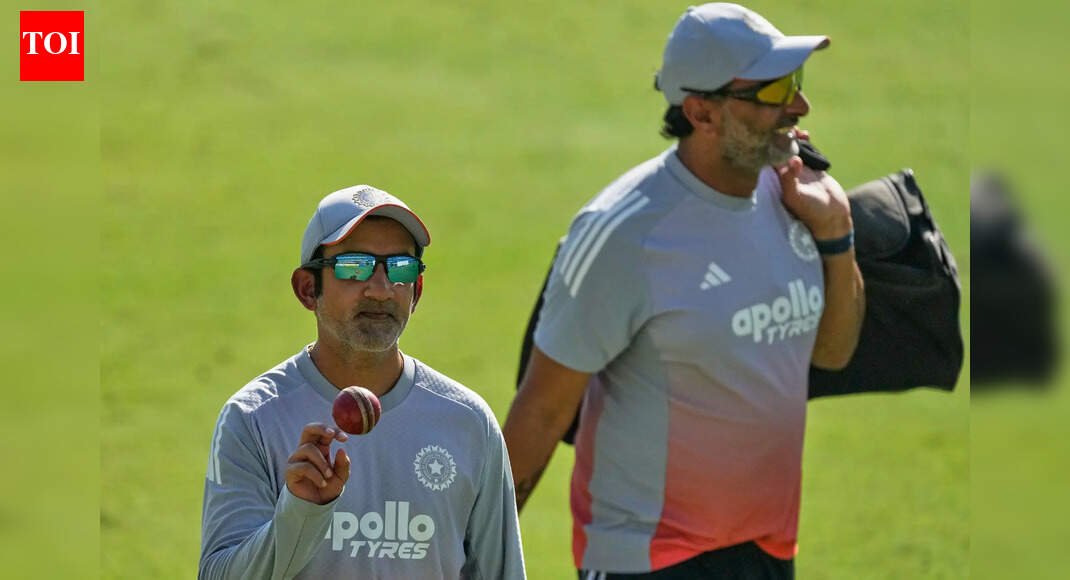
India’s head coach Gautam Gambhir (AP Photo/Anupam Nath)

Former India captain and ex–chief selector Krishnamachari Srikkanth has launched yet another fierce critique of head coach Gautam Gambhir, tearing into India’s selection policy after South Africa dominated the first three days of the second Test in Guwahati. With the visitors already 1–0 ahead after their Kolkata win, India’s struggles prompted Srikkanth to go on an explosive rant on his YouTube show Cheeky Cheeka, which he hosts with his son Anirudha. Srikkanth questioned several decisions made by the team management, beginning with the omission of Axar Patel.“Why didn’t Axar play? Was he injured? He’s been consistent everywhere. Why this constant chopping and changing?” he asked, criticising the continual rotation of players. He added that Gambhir’s approach looked like endless trial and error. “Gautam Gambhir can say whatever he wants — I don’t care. I’ve been a captain and a chairman of selectors. I know what I’m talking about.”

Are selectors confused? First Ravindra Jadeja now Axar Patel | Musical chairs!

This fresh attack comes after a series of heated exchanges between the two. Earlier, Srikkanth had labelled pacer Harshit Rana a “yes man to Gambhir,” a remark the Indian coach slammed as “shameful.” In his latest tirade, Srikkanth expressed disbelief at India’s collapse on a pitch their own players had earlier described as a “road.” He pointed out how Simon Harmer, Keshav Maharaj, and Marco Jansen exploited conditions India claimed were lifeless. “Kuldeep Yadav said nothing was happening on the wicket,” Srikkanth said. “But today our batters edged to slip against Harmer and Maharaj and also fell to Jansen’s short balls. Five wickets to bouncers on a so-called road.” He praised Harmer’s classic off-spin for its loop and drift, while criticising India’s spinners for firing the ball flat. The batting unit wasn’t spared either, with Rishabh Pant’s reckless attempt to slog Jansen drawing particular disapproval. “They will say it’s his natural game,” Srikkanth said. “But he’s the captain. Shouldn’t he understand the situation?” Srikkanth admitted that India might still scrape out a draw but insisted that the core problem lies in selection inconsistency. “Wrong policies,” he stated. “You need stability.” With South Africa firmly in command in Guwahati and holding a 1–0 lead, India’s management faces growing scrutiny — and Srikkanth’s latest outburst ensures Gambhir and the selectors remain under intense pressure.


Source link

Gold loan boom: Credit market poised for major expansion; NBFCs plan 3,000 new branches as demand jumps


Gold loan boom: Credit market poised for major expansion; NBFCs plan 3,000 new branches as demand jumps

India’s gold loan market is gearing up for strong expansion, with non-bank lenders preparing to open around 3,000 dedicated branches over the next year to meet rising demand. The market, which is largely led by public-sector banks, grew 36% year-on-year to Rs 14.5 lakh crore by the end of September.According to sector heads quoted by ET, this is the largest annual branch expansion undertaken by gold loan companies. Lenders are setting up exclusive gold-loan centres and adding the product to many existing branches to tap what they see as a fast-growing opportunity.George Alexander Muthoot, managing director of Muthoot Finance, was cited by ET as saying that demand for gold loans is increasing sharply, as borrowers struggling to secure unsecured microfinance loans are turning to secured lending against jewellery. Microfinance firms have become more selective due to heavy stress in their asset quality.Rising gold prices have also boosted loan ticket sizes, making the product particularly attractive to farmers and small traders seeking working capital. Rating agency ICRA has projected the organised market will reach Rs 15 lakh crore in FY26, a year ahead of earlier expectations.Shaji Varghese, CEO of Muthoot Fincorp, said that he expects the momentum to continue, noting that global central bank demand is driving gold prices, reported ET. His firm plans to open 200 branches by March. Major players such as Muthoot Finance, Muthoot Fincorp, IIFL Finance and Bajaj Finance together intend to add about 1,800 branches. Bajaj Finance alone aims to open 900 by March 2027, while IIFL Finance plans 500 by this fiscal year.New entrants are also expanding aggressively. L&T Finance, which entered the gold loan market in February after acquiring Paul Merchants Finance’s 130-branch business, plans to add 200 more outlets. Microfinance players such as Keertana Finserv and Uttrayan Financial Services are diversifying into gold loans to stabilise their portfolios. “We are scaling down our microfinance business,” Padmaja Reddy said, adding they will set up 175 gold-loan branches by FY26, ET reported.Setting up a gold loan branch requires significant security infrastructure, from strong rooms to vaults and cameras, costing between Rs 8 lakh and Rs 20 lakh. Such branches usually break even within 1.5–2 years.ICRA expects NBFC gold-loan assets under management to grow 30–35% in FY26, supported by high gold prices and slower growth in unsecured loan products. Public-sector banks remain dominant in the segment, with their gold loan portfolios growing at a CAGR of 27% in FY24 and FY25, compared with 22% for private banks.


Source link

How to be a value investor when Nifty is at 26,000, Sensex at 85,000: Guide to finding value when the market looks pricey


How to be a value investor when Nifty is at 26,000, Sensex at 85,000: Guide to finding value when the market looks pricey

Value investing is not about chasing the latest momentum darling. It is about spotting fundamentally sound businesses. (AI image)

When the Nifty hovers around 26,000 and the Sensex sits near 85,000, investors naturally wonder: Is there any juice left in the market? The answer is an unequivocal yes. Expensive markets are not uniformly expensive. Even near record highs, pockets of value quietly exist for investors who are willing to look past the noise and choose patience as their strategy.Value investing is not about chasing the latest momentum darling. It is about spotting fundamentally sound businesses that the market has temporarily ignored or punished. It requires temperament, not trend-following. Think of it as gardening: you plant when sentiment is dry, nurture your picks, and wait for the cycle to turn.History is full of reminders that value emerges when others are distracted. Midcap and small-cap stocks had surged to expensive valuations in October 2024, before profit taking brought them down to saner levels by the end of the year. Then a warning from Sankaran Naren, CIO of ICICI Prudential Mutual Fund, triggered an alarm in the markets.By March 2025, the BSE Midcap had slipped below 39,000 and the BSE Small Cap below 43000. Within those aggregates were dozens of companies that were fairly priced and not overvalued. But just as a rising tide lifts all boats, a surging tsunami destroys everything it touches. Even good stocks were beaten down, even as the broader indices fell 25% from their October 2024 peak.That was a wonderful opportunity for value investors. As Nathan Rothschild’s once said, “Buy when there’s blood in the streets.” Investors who stepped in during that massacre have pocketed rich rewards. Both the BSE Midcap and the BSE Smallcap have shot up 20% since their March lows.Value investors typically operate in two environments. There are absolute value phases, when there are sudden, fear-driven wipeouts. For instance, in March 2020, the Covid shock sent markets tumbling. At times like that, valuations detach from fundamentals, and quality stocks get thrown out with the junk. These moments don’t come often, but they are the closest thing to a bumper discount sale for a value investor.Then there are relative value periods, when the markets move sideways. Though the indices are stable, several stocks remain stuck in the doldrums. These are ideal hunting grounds. The challenge is to find companies priced well below their intrinsic worth. These are businesses whose long-term earning power is higher than what current prices imply.Valuation ratios like price-to-earnings (PE) and price-to-book (PBV) are good starting points but not always the best way to judge a stock. A stock may appear cheap simply because its growth engine is stalling. Earnings alone are not important. What is more important is the quality of the earnings.Companies often show inflated profits due to a one-off asset sale, divestment or windfall gains. That boosts the EPS but not the business. Sustainable value comes only from operations, not accounting fireworks. Always check whether operating margins are robust and consistent.Margin of safety is the cornerstone of value investing. It is the gap between a stock’s intrinsic value and its market price. The wider this gap, the lower your downside risk and the higher your probability of outsized returns.For example, if a company’s fair value is Rs 400 but trades at Rs 350, you already have a 12.5% buffer. If it corrects further to Rs 320, your margin of safety expands to 20%. For long-term investors, such declines are less of a threat and more of an opportunity. Market pessimism is often the discount coupon for future wealth creation.Bull markets distort perception. When frothy stocks trade at triple-digit PEs, even a PE of 35 can look like a bargain in comparison. But relativity is a trap. Overvaluation is overvaluation, regardless of what your peer group looks like. Never buy an expensive stock simply because another one is even more overpriced.To separate true value from low-quality cheapness, investors must dig deeper into profitability metrics. Return on Equity (RoE) helps measure how efficiently a company uses shareholder capital. Return on Capital Employed (RoCE) assesses overall capital productivity, especially crucial in capital-heavy industries like infrastructure, engineering, or manufacturing. A consistent RoE or RoCE above 10% signals that management is deploying capital wisely. In value investing, good businesses matter as much as good prices.Dividend payout is often overlooked but invaluable. Companies that share profits regularly demonstrate financial discipline and cash-flow strength. A decent dividend yield not only cushions returns during volatile periods but also discourages sharp price declines. ITC is a textbook example—its steady payouts have anchored its stock price through multiple market storms. Dividend-paying companies typically have mature business models, predictable earnings, and conservative capital allocation. These are traits a value investor should love.Value investing is part maths, part mindset. The maths helps you estimate fair value; the mindset helps you stay calm while the market decides what it wants to fret over next. At 26,000 Nifty or 85,000 Sensex, the discipline remains the same: buy businesses you understand, insist on a margin of safety, demand quality earnings, and give time the respect it deserves. Patience, not predictions, is what turns value investing into wealth building.


Source link

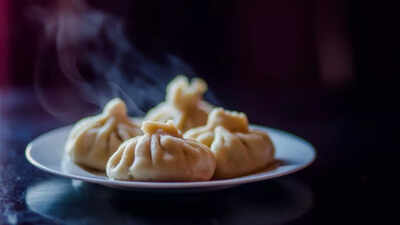
Why eating momos regularly could be putting your heart at serious risk; know other health risks too and how to stay safe |


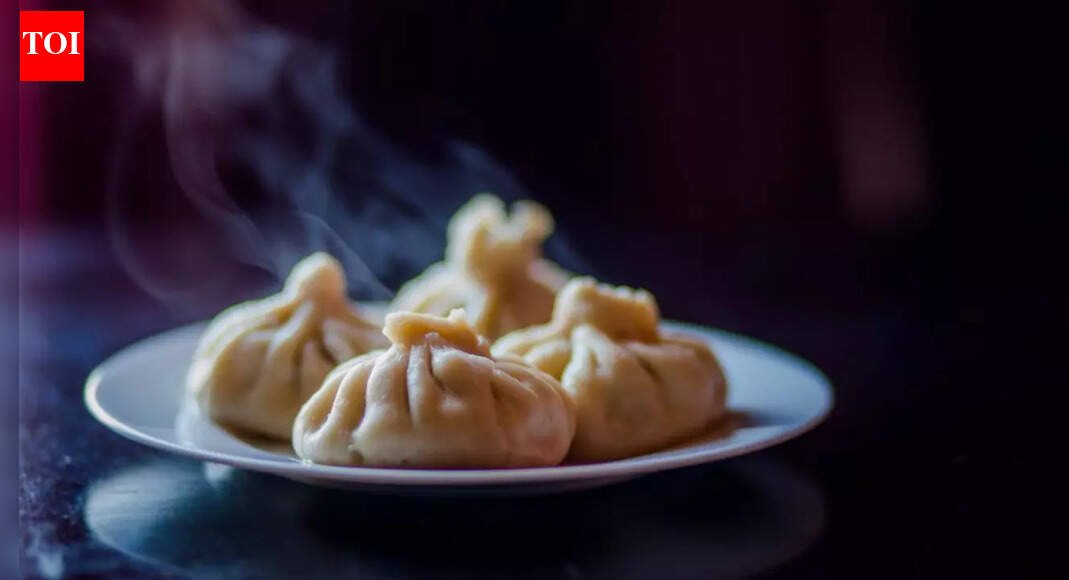
Momos are one of the most popular street foods in urban India. Their soft dough, spicy fillings, and quick preparation make them an easy go-to snack when you are out and about. But if you are eating them regularly, you are likely underestimating the health risks involved. Many momos sold in street stalls use refined, bleached flour and are prepared under questionable hygiene conditions. Add sodium-rich chutneys and fried versions to the mix, and what seems like a harmless treat can become a source of hidden calories, food-borne illness and long-term metabolic strain. If you are hooked on momos, knowing the real cost to your health may make you rethink just how often you indulge.

How momos make you gain weight

Momos may look light, but their nutritional profile tells a different story. Street-style momos are often made with bleached refined flour (maida), which lacks fibre and digests very rapidly. This causes sharp rises in blood sugar after a plate of momos, and repeated spikes make it easier for your body to store fat. On top of that, fried momos soak up a lot of oil, adding substantial calories without making you feel full for long. Over time, if momos become a frequent snack, multiple times a week, they quietly push your calorie intake up, encouraging gradual weight gain and impairing your body’s ability to regulate insulin effectively.Many nutritionists point out that regular intake of refined carbs and oily fillings creates a cycle of cravings, unstable blood sugar, and excess calorie consumption. Combined with lack of protein and fibre, this makes momos a poor choice for weight management and metabolic health.Key warnings you should not ignore:

  • Maida-based momo skins cause rapid digestion and blood-sugar spikes.
  • Fried momos absorb large amounts of oil, raising calorie load.
  • Low fibre leads to poor satiety, prompting overeating.
  • Frequent high-calorie momo intake increases risk of metabolic disturbances.

Why momos is bad for your gut and immunity

Frequent momo consumption can also expose you to food-safety hazards that many people overlook. A microbiological survey of street food vendors in Delhi found worrisome bacterial levels in vegetable momos, including coliforms and E. coli. A study published in the International Journal of Current Microbiology and Applied Sciences reported that many vendors handled food with bare hands, used the same cloths to clean utensils, and did not store food under proper hygienic conditions. These unsafe practices can lead to contamination by pathogens such as Staphylococcus aureus, Salmonella and other bacteria, posing a serious risk of foodborne illness. During humid conditions or monsoon season, when bacterial growth is more favourable, the danger escalates further.Hygiene concerns to keep in mind:

  • Many street vendors wash and handle food with bare hands without adequate sanitation.
  • Improper food storage and exposure increase risk of bacterial contamination.
  • High counts of coliform bacteria and E. coli have been found in momo samples.
  • Unsafe handling and environmental conditions make food-borne illness more likely.

How sodium levels in momos put your heart health at risk

The risk does not end with calories and microbes; salt and fat content in momos can also affect your health considerably. The chutney often served alongside momos is loaded with salt, spice and flavour enhancers. These ingredients can contribute to excessive sodium intake, which is linked to high blood pressure. When momos are fried or pan-tossed, they absorb unhealthy fats from reheated oils, potentially including trans fats. Regular consumption of foods high in sodium and unhealthy fats places strain on your cardiovascular system, increases the burden on your arteries, and may lead to elevated cholesterol over time.Key dietary risks you may be overlooking:

  • Accompanying chutneys often contain dangerously high sodium.
  • Fried momos add unhealthy fats via reheated cooking oil.
  • High salt and fat intake raises the risk of hypertension.
  • Persistent consumption burdens both heart and digestion.

How momos causes poor digestion and nutritional imbalance

If momos have become your regular snack, you may also be doing damage to your digestion and overall nutrition. The refined flour used in their wrapper slows down digestion in a way that can leave your gut feeling sluggish, contributing to bloating or acidity. Fillings often lack sufficient fibre, particularly when vendors prioritise cheap vegetables or meat-stuffing over greens. In addition, flavourings, sauces and spices may irritate the lining of your stomach, making digestion uncomfortable. By filling up on momos instead of balanced meals, you might miss out on essential vitamins, minerals, protein and fibre, leading to nutritional gaps over time.Digestive issues associated with overconsumption:

  • Low dietary fibre leads to bloating, acidity, and irregular bowel movement.
  • Substituting momos for meals reduces intake of important nutrients.
  • Strong sauces and spice mixes may irritate stomach lining.
  • Frequent maida consumption affects transit time and gut health.

Healthier alternatives that satisfy your momo cravings but protect your health

You do not have to give up your momo cravings entirely to protect your health. There are smarter ways to enjoy this snack without exposing yourself to excessive salt, unhealthy fat or hygiene risks. Resorting to homemade or carefully chosen restaurant versions can help you satisfy the texture and flavour of momos while retaining better nutritional balance. Whole-grain or multigrain wrappers, steamed cooking, and careful selection of fillings can turn this favourite street snack into a more wholesome option.Better choices to try instead:

  • Choose momos made with whole-wheat, multigrain or millet-based dough.
  • Prefer steamed momos filled with vegetables, lean meat, paneer, or tofu.
  • Make your own chutney at home using fresh tomatoes, garlic, and mild spices to reduce salt.
  • Use air-frying or very light oil application instead of deep frying.
  • Opt for vendors that visibly adhere to hygiene, or choose places that prepare momos fresh and in clean environments.

Could a momo obsession slowly push you toward long-term disease?

A momo habit might seem harmless in the short run, but long-term overconsumption can slowly push you toward serious health concerns. Refined carbohydrates, excess salt and fat, and repeated indulgence create a pattern that promotes insulin resistance. Over months or years, this raises your risk of weight gain, type 2 diabetes, high blood pressure and other metabolic conditions. Because momos are so widely available and cheap, it is easy to underestimate how damaging frequent consumption can be. What starts as a simple craving may evolve into a regular dietary behaviour that silently undermines your health.Long-term risks to be aware of:

  • Habit-forming cravings lead to more frequent overconsumption.
  • Refined carbs and fat raise insulin resistance over time.
  • Gradual weight gain increases danger of metabolic disease.
  • Prolonged momo intake heightens risk of hypertension and diabetes.

Disclaimer: This article is for informational purposes only and should not be considered medical advice. Please consult a healthcare professional before making any changes to your diet, medication, or lifestyle.Also Read | Urologist reveals 4 drinks quietly harming your kidneys and what to choose instead


Source link

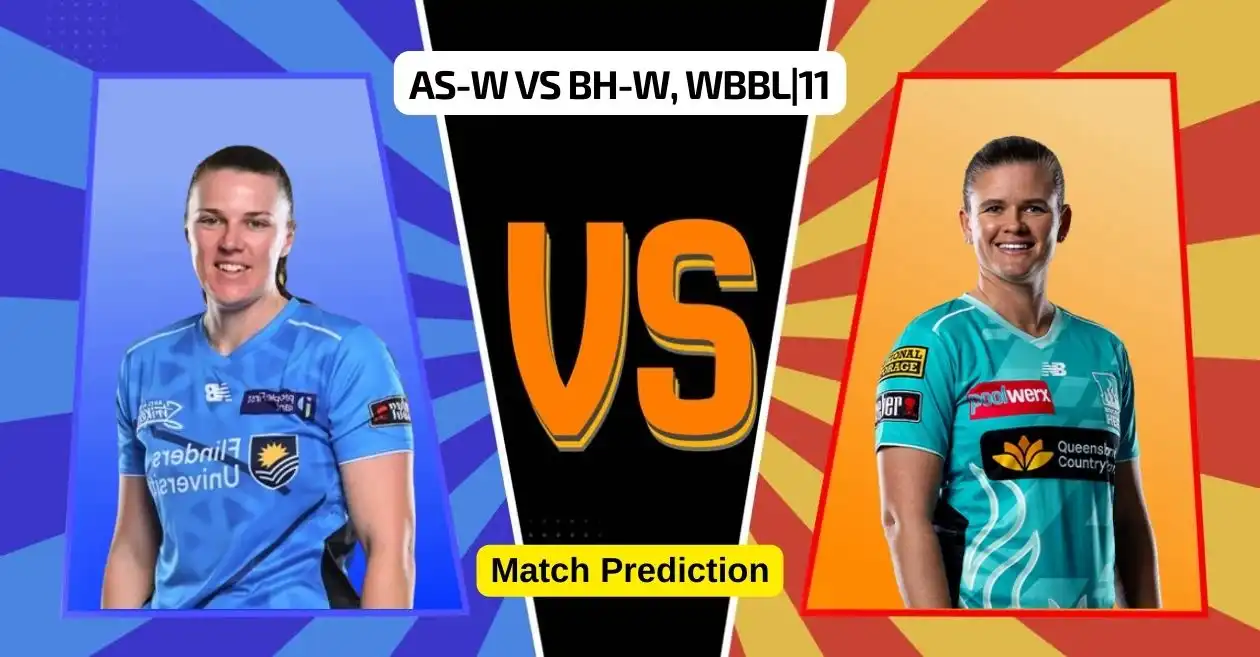
AS-W vs BH-W, WBBL|11 Match Prediction: Who will win today’s game between Adelaide Strikers and Brisbane Heat?


The 23rd match of the WBBL 2025 season brings a clash of desperation at the Karen Rolton Oval, as the Adelaide Strikers Women host the Brisbane Heat Women. In what can only be described as a ‘bottom-of-the-table derby,’ both teams are staring down the barrel of an early exit, making these four points absolutely vital for any hope of a mid-season revival.

The Strikers managed a solitary victory but have otherwise struggled to string together competitive performances. They are failing to capitalize on their superstar roster.

Having lost all five of their opening encounters, the Heat are in a crisis. They desperately need their first win to inject life into their campaign and halt a potentially season-defining losing streak.

AS-W vs BH-W, WBBL|11: Match details

  • Date and Time: November 25; 01:40 pm IST/ 08:10 am GMT/ 06:40 pm Local
  • Venue: Karen Rolton Oval, Adelaide, South Australia

AS-W vs BH-W, Head-to-Head Record in WBBL|11

Matches played: 25| Adelaide Strikers won: 10 | Brisbane Heat won: 14 | Tied: 01

Karen Rolton Oval Pitch Report:

The Karen Rolton Oval in Adelaide tends to offer a good batting surface, promising a contest where a score over 150 could be required. The pressure will be immense on the team batting first to post an imposing total, given the recent track record of both sides struggling to chase under pressure.

Squads:

Brisbane Heat: Charli Knott, Grace Harris, Jess Jonassen (c), Chinelle Henry, Nadine de Klerk, Georgia Redmayne (wk), Lauren Winfield-Hill, Annie O Neil, Mikayla Wrigley, Nicola Hancock, Lucy Hamilton, Sianna Ginger, Lily Bassingthwaighte, Lucinda Bourke, Bonnie Berry, Grace Parsons

Adelaide Strikers: Laura Wolvaardt, Tammy Beaumont, Madeline Penna, Tahlia McGrath (c), Bridget Patterson (wk), Ellie Johnston, Amanda-Jade Wellington, Sophie Ecclestone, Jemma Barsby, Darcie Brown, Megan Schutt, Tabatha Saville, Anesu Mushangwe, Ella Wilson, Eleanor Larosa

Also READ: WPL 2026: Complete list of players to register for Women’s Premier League mega auction with their base price

AS-W vs BH-W, WBBL|11: Today’s Match Prediction

Case 1:

  • Adelaide Strikers wins the toss and bats first
  • Adelaide Strikers powerplay score: 40-50
  • Adelaide Strikers total score: 140-150

Case 2:

  • Brisbane Heat wins the toss and bats first
  • Brisbane Heat powerplay score: 50-60
  • Brisbane Heat total score: 150-160

Match result: Team batting first to win the game

Also READ: WPL 2026: 3 franchises that can target Amelia Kerr in the mega auction

This article was first published at WomenCricket.com, a Cricket Times company.


Source link

Dharmendra’s final journey: Swift & simple funeral at Juhu crematorium; fans, celebrities reach after ceremony ends | Mumbai News


Dharmendra’s final journey: Swift & simple funeral at Juhu crematorium

MUMBAI: The first confirmation of actor Dharmendra’s death Monday came when his daughter Esha Deol followed by wife Hema Malini reached Pawan Hans crematorium in Juhu to prepare for the final rites. The family did not issue a formal statement about his demise.Shortly afterwards, the star’s remains were brought to the cremation ground by ambulance. An attendant seated beside the driver held the earthen pot used for the ritual.

Dharmendra Dies At 89; Bachchans, Aamir Khan, Salman Khan Pay Final Respects

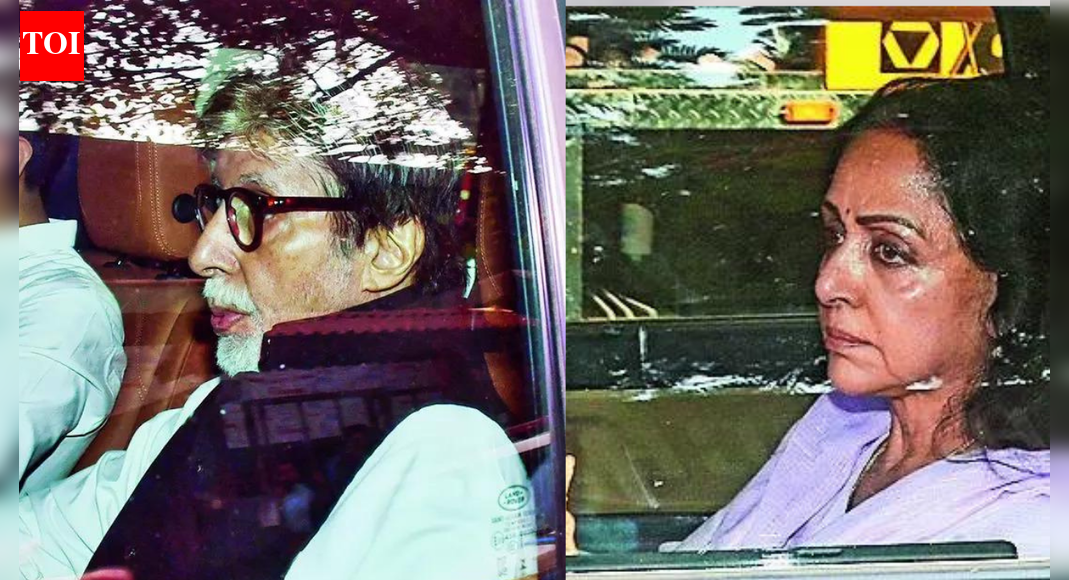
A large contingent of fans began gathering outside the crematorium. Among celebrities, Juhu residents Amitabh and Abhishek Bachchan were the first to arrive followed by Aamir Khan, Anil Kapoor, Sanjay Dutt, Salman Khan, Shah Rukh Khan and Shabana Azmi. Yesteryear stars Saira Banu and Biswajit also showed up to pay respects. Saira Banu later recalled, “Dilipsaab valued and loved him like his own blood and Dharamji was inspired to get into movies inspired by Dilipsaab. He would come over and they’d share each other’s lives and issues till 2am.”Sunny Deol as the eldest son performed the Mukhagni ceremony. The Deol clan dissolved in tears, especially younger son Bobby and grandson Karan.Sadly, Dharamji’s fans and even his colleagues from the film industry did not receive information of his death in time and began arriving at Pawan Hans only to find that the funeral was completed way before. Celebrities like Deepika Padukone and Ranveer Singh too came in the afternoon.Fans expressed a wish to see their favourite ‘He-Man’ up close one last time. An old acquaintance displayed a picture of himself with the star that dated back decades. He sought to know if the gates of the cremation ground would be opened to allow a final darshan. Another lady escorted by her young daughter said, “We knew the end was near given his deteriorating condition and ventilator support over the past weeks. Still his passing has caused deep sorrow. The younger generation knows Amitabh Bachchan as the only superstar. But Dharmendra preceded him.”The final farewell was marked by simplicity. The ambulance bearing Dharmendra’s remains was not bedecked with flowers nor was an opportunity granted to people to see him one last time at a formal wake. The Deols eschewed this ritual.Onlookers speculated that the family was keen to avoid media frenzy and large crowds given the false alarm over the star’s death that erupted a few days ago.Among those who mourned him were Shatrughan Sinha, who expressed his grief saying, “Heart broken, pained & deeply saddened by the passing away of our dearest family friend, our elder brother, people’s hero.”


Source link

Access Denied


Access Denied

You don’t have permission to access “http://www.ndtv.com/world-news/it-felt-like-a-sudden-bomb-eyewitness-on-ethiopias-hayli-gubbi-volcanic-eruption-9694860” on this server.

Reference #18.2ef63717.1764046473.444091b

https://errors.edgesuite.net/18.2ef63717.1764046473.444091b


Source link

Lindsey Halligan disqualified: Why federal judge threw out former Miss Colorado finalist’s attempt to prosecute former FBI chief James Comey | World News


Lindsey Halligan disqualified: Why federal judge threw out former Miss Colorado finalist's attempt to prosecute former FBI chief James Comey

The two most politically charged prosecutions of the season — the cases against James Comey and Letitia James — ended not with a dramatic courtroom revelation, but with something far more fundamental: the prosecutor who brought them should never have been a prosecutor in the first place. In one ruling, a federal judge dismantled the legal foundation on which the indictments rested and forced the Justice Department to confront how it allowed an unlawfully appointed attorney to lead cases of this magnitude.

How Lindsey Halligan landed at the centre of the storm

Lindsey Halligan had been a familiar face in Trump’s orbit long before she became a headline. She worked in insurance litigation, later joined Trump’s legal team, and held a White House role. Before any of that, she even appeared in the Miss Colorado USA pageant — a detail that made for easy social-media fodder but had no bearing on the courtroom battle that followed. What mattered was that Halligan had never served as a federal prosecutor, and yet she was suddenly placed at the head of one of the most powerful prosecutorial offices in the country.Her appointment as interim US attorney for the Eastern District of Virginia set off immediate debate, not because of her résumé, but because of the way she arrived in the job. A previous interim US attorney was pushed out, and Halligan was installed as a second interim replacement. That one administrative manoeuvre would unravel everything that came next.

Why the judge ruled her appointment unlawful

Federal law is clear: the attorney general may appoint only one interim US attorney before the role must be filled through Senate confirmation. The administration ignored that process entirely. By replacing one interim appointee with another, it bypassed the Senate, concentrated power in the hands of a loyalist, and turned a temporary exception into a revolving door.When the judge examined Halligan’s appointment, the conclusion was unavoidable. She had no lawful authority to hold the office, and therefore no authority to convene a grand jury, present evidence, or sign indictments. Everything she touched — including the Comey and Letitia James cases — collapsed instantly, because the law requires that prosecutors themselves must be legally installed before they can legally act.

How this invalidated the Comey and Letitia James prosecutions

Halligan did not merely participate in the prosecutions; she was the prosecutions. She alone presented the cases. She alone signed the indictments. She alone drove them forward, pushing past internal resistance and capitalising on the urgency created by an expiring statute of limitations in the Comey case. When her role was declared illegitimate, the indictments themselves evaporated. There was no backup prosecutor, no co-signatory, no safeguard built into the process. Removing her meant removing the cases entirely.The judge did not weigh the evidence or the political implications. She simply ruled that the legal mechanism used to bring the charges had failed. Without a properly appointed prosecutor, there was no prosecution.

What the charges actually were

James Comey was accused of giving false statements to Congress about media leaks during the FBI’s politically sensitive investigations. Letitia James was accused of mortgage-related fraud involving a Virginia property. Both figures are frequent critics of Donald Trump, which gave the prosecutions a political edge, but the judge avoided commenting on motive. The sole issue was whether the cases were brought by someone empowered to bring them at all.

Why this ruling reshapes Trump’s strategy

Trump's US Open visit sparks boos and long security lines

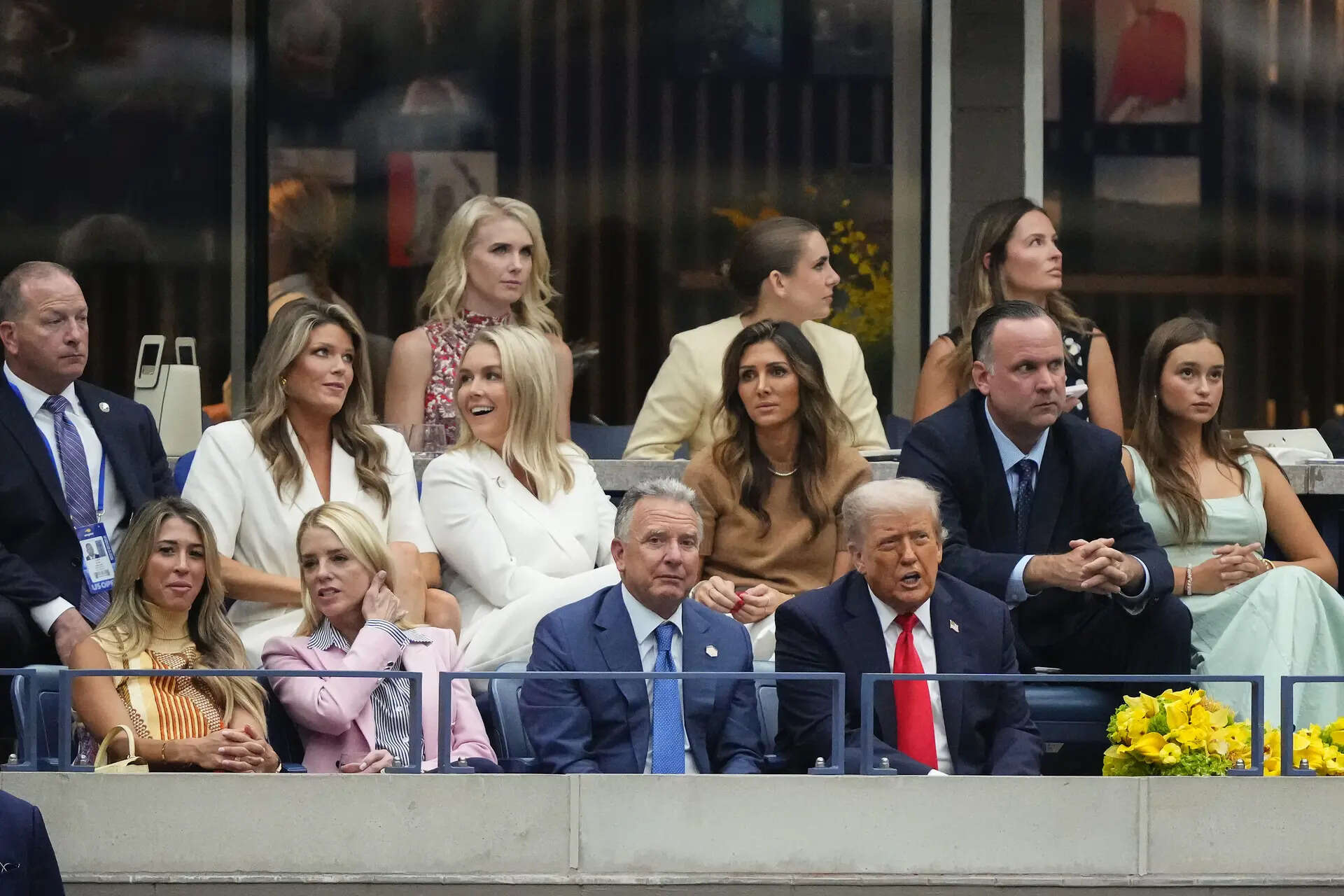
President Donald Trump, joined by Steve Witkoff, U.S. Attorney General Pam Bondi, Karoline Leavitt, White House press secretary, Lindsey Halligan, White House Deputy Chief of Staff, Dan Scavino, and Arabella Kushner, watches play between Carlos Alcaraz, of Spain, and Jannik Sinner, of Italy, during the men’s singles final of the U.S. Open tennis championships, Sunday, Sept. 7, 2025, in New York. (AP Photo/Yuki Iwamura)

Trump’s broader effort to pursue high-profile adversaries depended heavily on speed, loyalty and tightly controlled decision-making. That strategy now faces a structural problem: if the administration bypasses the rules that govern prosecutorial appointments, any case built on such appointments collapses upon inspection. In this instance, the urgency to file charges, the removal of a reluctant interim US attorney, and the rushed installation of Halligan created a chain of events that could not withstand legal scrutiny.The judge’s decision is more than a setback; it is a warning about the consequences of treating the Justice Department as a political instrument rather than an independent institution governed by clear statutory limits.

What happens next

The cases were dismissed “without prejudice,” which means the Justice Department can attempt to refile them. But doing so requires a lawfully appointed or Senate-confirmed US attorney, a willing grand jury, and a viable statute of limitations — especially in Comey’s case, where the deadline has likely already passed. Even if the administration appeals, time and procedure now work against it.The immediate impact is simple: the prosecutions of James Comey and Letitia James no longer exist. The broader impact is more profound. A judge has reminded the administration that the law governs not only defendants, but prosecutors too — and that even the most ambitious retribution campaign cannot function outside the boundaries of appointment, authority and constitutional process.


Source link

42 Muslims in batch of 50: J&K CM says Vaishno Devi college admissions are merit-based; BJP seeks changes — what’s the row? | India News


42 Muslims in batch of 50: J&K CM says Vaishno Devi college admissions are merit-based; BJP seeks changes — what’s the row?

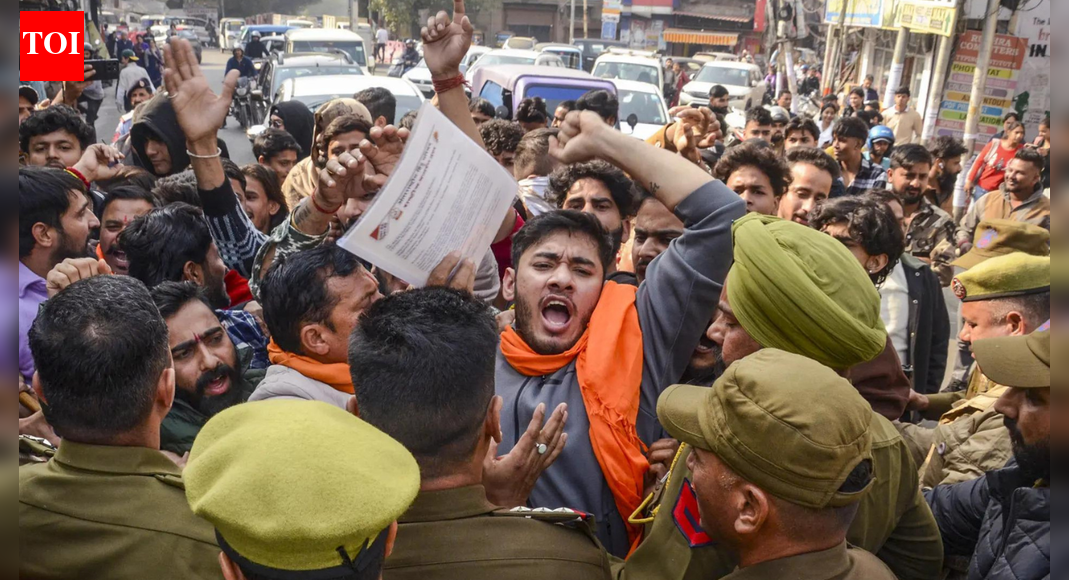
NEW DELHI: Admissions into the newly established Shri Mata Vaishno Devi Institute of Medical Excellence in Jammu and Kashmir has sparked a political row after 42 Muslim students were selected in a batch of 50.The Bharatiya Janata Party, Vishwa Hindu Parishad and Bajrang Dal protested, with the BJP demanding cancellation of admission list and questioning the merit of the students who got admission. Meanwhile, Jammu and Kashmir chief minister Omar Abdullah called dismissed such accusations saying that the admissions were based on merit.

What sparked the controversy?

The political row erupted after the medical college completed admissions through NEET’s merit list earlier this month. The college admitted students on NEET merit and allocated 85% of its seats to J&K residents. Eight Hindu students from Jammu were selected for the inaugural MBBS batch of 50.Following the completion of admissions, Vishwa Hindu Parishad and Bajrang Dal staged the initial protests, claiming that a college financed by the Mata Vaishno Devi Shrine Board should prioritise Hindu candidates. They further argued that, as the institution is supported by donations from Hindu devotees, it ought to advance Hindu interests.Officials maintained that admissions were merit-based since the institute lacked minority status and therefore could not apply any religion-based reservations.

‘Seats should be for Mata Vaishno Devi devotees’

The Hindu outfit organisations demanded “minority” institution status for the medical college. Meanwhile, BJP demanded that the admissions should be given to those who have faith in “Mata Vaishno Devi”, arguing that “donations to the shrine board come from Hindus, for the welfare of Hindus.” “Donations to the shrine board come from Hindus, for the welfare of Hindus. We are upset with the board and the college because they did not consider this sentiment. We told the LG that only those who have faith in Mata Vaishno Devi should get admission. This year’s admission is not acceptable to people here. The rules should be changed,” said BJP’s Sunil Sharma, who lodged a protest with J&K LG Manoj Sinha.

‘Our constitution has the word secular’

Criticising the outrage over the admissions, J&K CM Omar Abdullah said that the admissions were “merit-based” and those who wanted admissions otherwise should “take permission from the Supreme Court”. He further questioned the BJP’s demands saying that “if you do not want to keep this country secular, remove that word”.“Some people do not seem to like merit-based admissions. If you want admissions without merit, take permission from the Supreme Court because as far as I know, you cannot give admission without merit,” he said.“There is a demand that admissions be given on the basis of religion, by keeping merit aside, which is not permissible according to the Constitution. Will police perform their duty on the basis of religion,” the chief minister asked. “Our constitution has the word ‘secular’. If you do not want to keep this country secular, remove that word,” he added.Regarding Sharma’s assertion that LG promised to review their demands to scrap the admission list and introduce reservations in the future, Abdullah said, “How can anyone assure such a thing? Then why are you separating the Mata Vaishno Devi University and the hospital? Then say that the hospital was set up from the donations received at the shrine, and that Muslims and non-Hindus won’t be allowed to get treatment there.


Source link