Breaking News
Throwback: When MS Dhoni began his journey in Indian cricket — with a golden duck | Cricket News


Throwback: When MS Dhoni began his journey in Indian cricket — with a golden duck
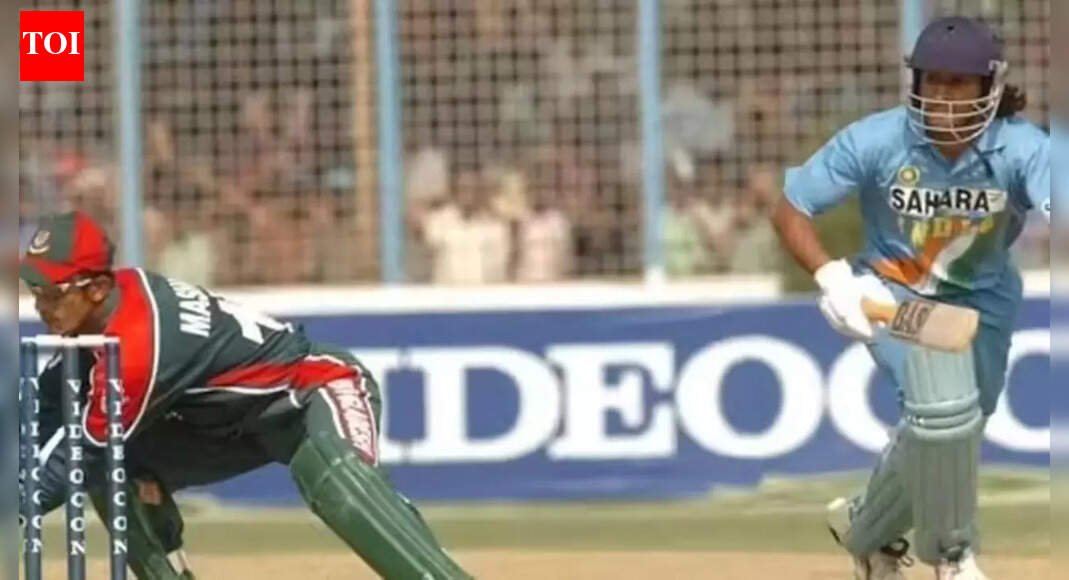
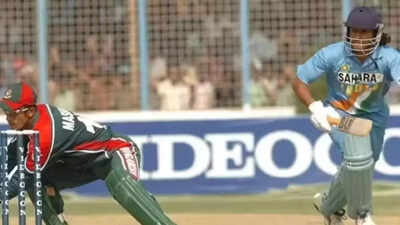
MS Dhoni made his international debut on this day in 2004 against Bangladesh (Photo by ICC)

NEW DELHI: On this day in 2004, Indian cricket welcomed a name that went on to change the game’s history forever. Mahendra Singh Dhoni made his international debut for India in an ODI against Bangladesh in Chittagong. At the time, there was little fanfare.

Why Suryakumar Yadav the batter could hurt India at T20 World Cup

He was just another debutant, a long-haired wicketkeeper from Ranchi, a town rarely associated with Indian cricketing stardom. Few outside close cricketing circles truly knew who he was. Fewer still could have imagined that this young man would one day become one of the most influential figures the game has ever seen.Dhoni did not come through elite academies or age-group teams with heavy media attention. Instead, his rise was built on performances in domestic cricket and strong outings for India A. What caught the selectors’ eyes was not just his ability to score runs, but how he scored them: with power and a fearless approach. Besides his batting duties, he was also a natural wicketkeeper, quick behind the stumps and unafraid of responsibility.When Dhoni was handed his debut cap in Chittagong, India were in a phase of transition. Senior players were nearing the end of their careers, and the team was searching for new match-winners. Dhoni was slotted in at No. 7, a position that demanded adaptability more than glamour. His role was clear: keep wickets and finish games when required.What followed, however, was not the fairytale start many might expect. Dhoni’s first international innings lasted just a few seconds. A misunderstanding with Mohammad Kaif led to a run-out, and Dhoni walked back to the pavilion on a golden duck. For a dubutant, going out like that means confidence can shatter, and opportunities often dry up. But Dhoni was made of a different material.Even in that brief appearance, those watching closely noticed something special. There was no visible panic, no sign of being overwhelmed by the occasion. Behind the stumps, he was lively and alert. His movements were sharp, his throws flat and fast. He spoke little, observed a lot, and seemed comfortable at the highest level almost immediately. Inside the Indian dressing room, there was a growing belief that this was not a one-match experiment.Just two matches later, Dhoni walked out to bat against Pakistan in Visakhapatnam and played an innings that would change the course of his career, and Indian cricket to a certain extent. His 148 off 123 balls was fearless, brutal, and utterly unforgettable. He took on some of the best bowlers in the world with audacity, launching them over the boundary with ease. The long hair, the helicopter-like bat swing, and the sheer confidence of that knock captured the imagination of fans overnight.From that moment, Dhoni was no longer just another wicketkeeper. He was a match-winner. Indian cricket had found a player who could turn games on their head, especially under pressure. More importantly, he redefined what was expected from a wicketkeeper-batter. No longer was the role limited to glovework and modest contributions with the bat. Dhoni showed that a wicketkeeper could be a team’s most dangerous batter.The raw aggression of his early days turned into calculated calm. Soon, he became a master of reading match situations as he would take games deep before delivering the final blow. Fans grew used to seeing him finish matches with boundaries.Leadership soon followed. Dhoni was handed the captaincy in stages, first in T20s and then in ODIs and Tests. Many questioned whether a player with such a short international career was ready to lead. Dhoni answered those doubts in his manner. India won the 2007 T20 World Cup, the 2011 ODI World Cup, and the 2013 Champions Trophy under his captaincy as he became the only captain in cricket history to win all three major ICC trophies.Off the cricket field, he backed young players, absorbed pressure, and rarely let emotions dictate decisions. His calm presence in the dressing room became legendary. Teammates spoke of how his silence could be reassuring. In a country obsessed with cricketing heroes, Dhoni stood out for his nonchalant attitude.Looking back from 2025, Dhoni’s debut feels almost poetic. A run-out for a duck, followed by a career that taught patience, resilience, and belief. His story reminds us that first impressions can be misleading, and that true greatness often reveals itself over time. Not every beginning is loud.Twenty-one years on, that day in Chittagong holds a special place in Indian cricket history. It was the day a legend took his first step, unaware of the path ahead. From a small-town boy with long hair to a global icon known simply as “Captain Cool” Dhoni’s journey remains one of the most inspiring tales the sport has ever told.


Source link

‘Economic golden age’: Donald Trump hails Q3 GDP beat as proof of tariffs push; inflation and jobs data add caution


'Economic golden age': Donald Trump hails Q3 GDP beat as proof of tariffs push; inflation and jobs data add caution

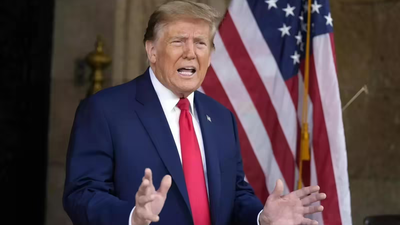
US President Donald Trump on Tuesday seized on stronger-than-expected third-quarter growth to claim an “economic golden age,” arguing that tariffs and his tax policies were driving a sharp acceleration in activity even as official data pointed to lingering inflation pressures and a softening labour market.In a post on Truth Social, Trump said the US economy’s 4.3% annualised growth rate in the July–September quarter had “BLOWN PAST expectations” and credited his policies for the performance. “The SUCCESS is due to Good Government, and TARIFFS,” he wrote, adding that “Consumer spending is STRONG, Net Exports are WAY UP, Imports and Trade Deficits are WAY DOWN, and there is NO INFLATION.” He also claimed that investment was “SETTING RECORDS” because of his tax bill and tariffs, declaring that the “Trump Economic Golden Age is FULL steam ahead.”The Commerce Department’s data showed that gross domestic product expanded at a 4.3% annual rate in the third quarter, accelerating from 3.8% growth in the April–June period and comfortably beating forecasts of around 3%, according to analysts surveyed by FactSet. It was the first of three official estimates for the quarter, released after delays linked to the government shutdown.Growth was supported by robust consumer spending, exports and government outlays. Consumer spending, which accounts for roughly 70% of US economic activity, rose at a 3.5% annual pace, up from 2.5% in the previous quarter. Exports increased at an 8.8% rate, while imports fell 4.7%, providing a boost to headline GDP.A measure of the economy’s underlying strength — combining consumer spending and private investment while excluding volatile components such as inventories, trade and government spending — grew at a 3% annual rate, slightly higher than the 2.9% pace recorded in the second quarter.However, the growth report also showed that inflation remains above the Federal Reserve’s comfort zone. The Fed’s preferred inflation gauge, the personal consumption expenditures (PCE) index, rose at a 2.8% annual pace in the third quarter, up from 2.1% in the previous quarter. Core PCE inflation, which strips out food and energy prices, climbed to 2.9% from 2.6%.The labour market data has also been mixed. The government reported last week that the US economy added 64,000 jobs in November but lost 105,000 in October, while the unemployment rate rose to 4.6%, the highest level since 2021. Despite inflation staying above the Fed’s 2% target, the central bank cut its benchmark interest rate three times toward the end of 2025, citing concerns about slowing momentum in hiring.


Source link

‘Why do you object when India targets you’: Pakistan cleric slams Munir’s army— watch


'Why do you object when India targets you': Pakistan cleric slams Munir's army— watch
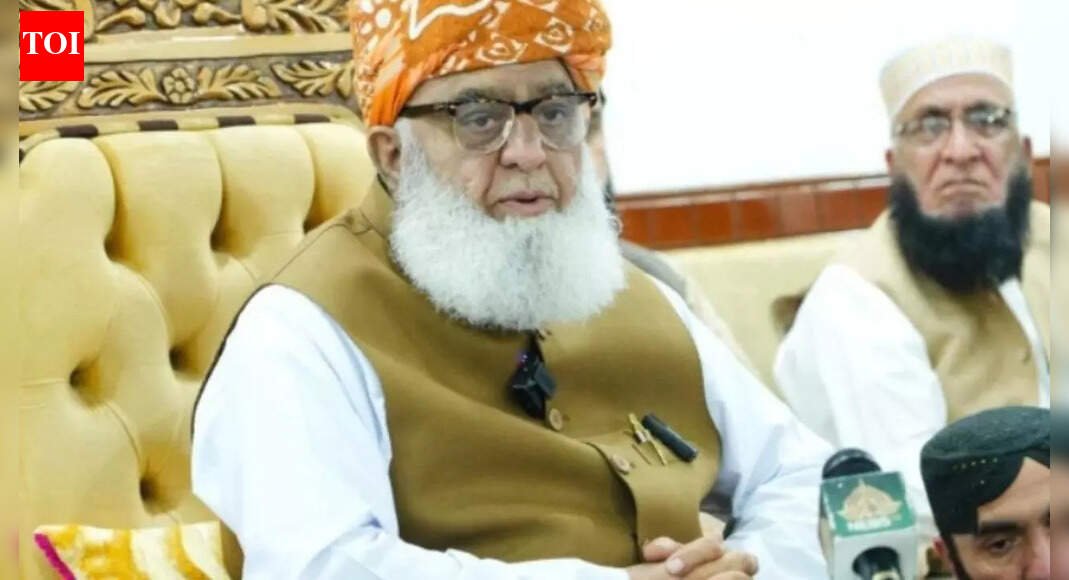
Maulana Fazlur Rehman (Facebook/JUI)

JUI-F chief Maulana Fazlur Rehman on Tuesday said that Pakistan should not oppose attacks by India if the country itself was attacking Afghanistan.Speaking to journalists in Rehman said, “If you justify attacking Afghanistan by claiming you are targeting your enemy there, then why do you object when India targets its enemy in Bahawalpur and Murid (inside Pakistan)?”He further warned that continued tensions between the two neighbours would only destabilise the region and said dialogue and political engagement were the only lasting solutions.

‘90% Own Tech…Took Out Rafale, S-400’: Asim Munir Makes Absurd Claims On India-Pak Conflict

The JUI-F chief also slammed Pakistan’s army saying political power belonged to the people and not the armed forces, reported local news paper The Express Tribune. “Political strength is not the right of defence institutions; it belongs to the people and politicians,” Rehman said.Rehman further said national progress depended on constitutional supremacy, not the dominance of one institution over others. The senior cleric-politician also opposed sending Pakistani troops to Palestine.On Afghanistan, Fazlur Rehman noted that no Afghan government, from the time of King Zahir Shah to Ashraf Ghani, had been friendly towards Pakistan, and asked whether this pointed to failures in Pakistan’s own policy. He said blaming Afghanistan alone would not help and called for honest internal debate.


Source link

Reforms have picked up pace, can deliver stronger growth: RBI DG Poonam Gupta


Reforms have picked up pace, can deliver stronger growth: RBI DG Poonam Gupta

RBI deputy governor Poonam Gupta is upbeat on India’s growth prospects, especially due to a series of reforms. In her first interview since taking charge eight months ago, she tells TOI that the recent movement of the rupee is not a concern. Excerpts:What’s your overall assessment on growth and inflation, and are we nearing the end of the current interest rate cycle?On the growth front, if one simply plots India’s growth rate over the past four decades, the trend exhibits steady acceleration. Currently, we are in a position similar to the East Asian economies when they transitioned to high-middle-income status. Beyond demographics, India has the advantage of large domestic consumption and a diversified economic base, unlike countries reliant on a couple of sectors such as natural resources or manufacturing.Across different sectors, agriculture is becoming more resilient to natural shocks, with rising productivity driven by greater mechanisation, scale, and diversification. Manufacturing remains aspirational and is growing broadly in line with the average of agriculture and services, at about 7-8%. Within manufacturing, diversification is also increasing. Services, where India is a global leader, continues to be the largest and the fastest growing part of the economy.Reforms have picked up pace in recent years and have now cumulated to a point where they can deliver even stronger growth outcomes. That is why, despite a 50% US tariff and elevated global uncertainty, the Indian economy is performing well. With no new structural risks in sight, growth could easily come at 7-7.5% in the coming years, with limited downside risks. Given the reforms already undertaken, their ongoing momentum, and the underlying strengths of the economy, growth could move to an even higher trajectory in the years to come.What is the outlook on inflation?From a medium term perspective, inflation has been trending downwards. We are just about to complete 10 years of inflation targeting. Inflation has declined on average during the last 10 years and has become less volatile. Inflation has been exceptionally benign this year, and is likely to remain so for several months. RBI’s forecast for 2025-26 stands at 2%, the lower end of the tolerance band. Structurally, as economies become larger, more mature, and more prosperous, inflation tends to decline. This happens for several reasons: their capacity increases, productivity improves, and their supply response becomes faster.If one goes by these global trends, inflation in India too should continue to trend lower and become more stable in the medium term.As for the current policy rate cycle, the Monetary Policy Committee has already reduced it by a cumulative 125 basis points in less than a year. Thus, a significant action has already occurred in the current cycle. Yet, the current neutral stance gives it the flexibility to take further action depending on incoming data. If the inflation outlook remains benign and the inflation-growth outlook so warrants, then hypothetically the MPC could consider further action.Given trade tensions, how do we build buffers?The economy is doing well despite the recent tariff shock because of its in-built strengths and buffers. It is partly owing to diversification and partly attributed to quick and nimble policy responses. The increasing number of FTAs signed, alongside GST and labour reforms, is leading to further strengthening of these buffers.Forex volatility is a concern. How will it impact the economy and to what extent can RBI defend the rupee?India’s external position has been and remains resilient across both the current and capital accounts. On the current account, three pillars hold. First, we have always had a merchandise trade deficit, but it has not been accelerating. Second, services continue to perform ever more strongly. Third, remittances are large and roughly match the services surplus at about 3% of GDP. For a fast-growing emerging market economy such as ours, a 2-3% current account deficit is considered sustainable. This year’s CAD estimate is much below that at around 1-1.2% of GDP, reflective of a growing economy.On the capital account, India receives a healthy dose of FDI. Besides FDI, it receives foreign portfolio investment and other sources of capital such as bank flows and external commercial borrowings, among others. This year, foreign portfolio investment has been relatively weak. Research shows a pecking order for capital flows for their stability, with FDI being the most stable, and portfolio flows being more fickle.The current observed pattern of India’s capital flows aligns with this ranking.The rupee’s current trajectory aligns well with its historical trends. Average depreciation over the past decade is about 3% a year. There are variations from year-to-year around the 3 % average. There are years when the exchange rate depreciation has been higher, followed by relatively stable periods. This year’s slide, at around 4.5%, is aligned with past experience and is in the ballpark. The inflation pass-through of such a rate of depreciation is likely to be very mild, limited to a few basis points. Instead, it should work as an automatic stabiliser and be somewhat positive, in net terms, for the economy.You said there is enough room for expansion in the economy. You want to touch on your reading of the output gap?Going by RBI’s capacity-utilisation survey, utilisation is currently at about 74% and has not risen. Although we do not have hard data on the level of capacity utilisation when fresh investment actually kicks in, my working hypothesis is that the trigger threshold has likely moved up and that it varies by sector—some sectors may run close to 90% before adding capacity.Going by this, we still have slack in the economy and the capacity for the economy to grow faster.Besides, the production process itself has possibly changed. Services—and parts of manufacturing—have turned nimble. Through gig-style supply, and contract hiring they can meet demand faster than before, stretching their existing capacity further. Hence, strong growth—about 8.2% this quarter and near 8% in the last quarter—coexists with benign inflation. Headline, food, and even core ex-gold inflation remains moderate. Besides, wage pressures are absent suggesting that there is still slack in the economy, implying that we are unlikely to see inflationary pressures or overheating anytime soon.There have been some criticism of RBI’s inflation forecasting…Forecast errors are a common feature around the world. Inflation forecasting is even more challenging in India, given the high and outdated weight of food in the CPI basket and the volatile nature of food prices.Just like most other central banks, professional forecasters or multilateral institutions, RBI makes forecast errors too. However, there’s no systematic bias in these errors. Besides, we are constantly striving to improve our approach to forecasting inflation. RBI uses a suite of structural and time-series models to forecast inflation. These models are continuously reviewed and upgraded. In addition, we have enhanced our engagement and have stepped up stakeholder consultation including with agriculture experts, industry bodies, and professional forecasters. We engage more, listen harder, and treat criticism as input, not noise.Bottom line: RBI does its job well, without systematic bias. Still, we stay on our toes. The intention is that policy must keep pace with fast changing economy, with expanding digital commerce, shifting consumption baskets and changes in financing.MoSPI will be undertaking changes to GDP, inflation and industrial production data. What are the points that you are watching closely?RBI has a close, two-way engagement with MoSPI. We exchange views and inputs year-round. MoSPI has run an impressively extensive, rigorous, and consultative process in revising the series and we are keenly awaiting the revised data series.It is being widely anticipated that food’s weightage in the CPI index will likely fall in the revised CPI series. Equally importantly, the composition of food is likely to change too. If it results in a lower weight of volatile food items like specific vegetables, that will make inflation series even more stable. If inflation volatility drops, policymaking will become smoother and business decisions steadier.Another important issue to watch out for would be reweighting: which items in the price basket will gain as the weightage of food weightage shrinks. Overall, we must wait and watch to assess the net implication of a revised series on the level of inflation and its volatility.You spoke about following economies that have lowered inflation targets and narrowed the tolerance band, do you see RBI adopting multiple targets as well?Most countries which have adopted inflation target have a single objective of price stability. India follows flexible inflation targeting. Flexibility comes from the tolerance band and from the mandate itself—price stability, while keeping in mind the objective of growth. The US is one of the few economies which has a dual target, pairing inflation with employment.We recently reviewed global practice for our discussion paper on inflation targeting and found no shift across countries toward multiple targets. Countries are choosing to retain a single target of price stability. There have also been instances of countries like New Zealand which reverted to price stability as the sole mandate before briefly working with a dual mandate.Another issue to consider is whether central banks have adequate policy tools to target multiple different targets.Take the target of employment, for example. Employment depends on a number of factors: economic growth, skills, efficiency of labour markets; regulation; sectoral mix of the economy and their respective employment elasticities; policies at the state level; labour market regulations etc. Central banks don’t control most of these levers. Their main policy tool is the policy rate.Targets without tools would not be effective. That’s why central banks generally avoid multiple targets. I guess one must stay humble about what all monetary policy can deliver.Most IT frameworks target headline as the metric. Globally countries review their frameworks every few years. Some emerging markets have lowered targets and narrowed bands during such periodic reviews.Having once adopted it, no country has ever abandoned inflation targeting. It is believed to have worked well for the most part, and no credible alternative has emerged. Thus far, it remains the global default.What is your view on the debate over whether the focus should be on headline or core inflation?This issue is under review, so I’ll respond more narrowly based on my previous work on cross country experiences and the extensive consultations that we have conducted around the framework. Globally, many economies have recently reviewed inflation targeting—the US, Canada, the European Central Bank—each via different routes. We chose a consultative path. We issued a discussion paper, in which we invited views on a few focused aspects of the framework. We have collated the responses that we have received and are sharing them with the government.The response we have collated articulated clear messages. The majority of the responses favour retaining headline inflation. They have backed a 4% target for India’s current trajectory. They have cautioned against narrowing or reshaping the band amidst global and climate related uncertainty.What is being done to improve research and monetary policy communication?RBI houses one of the country’s largest pool of economists/statisticians. We are continually trying to build and leverage that strength harder. We are engaging more internally as well as with the wider research community. We are striving to improve the relevance, rigour and reach of our research offerings.Results are emerging, but this is a continuous process. Timely, relevant, and rigorous policy research is a moving target.In terms of communication, both the literature and practices have evolved. Earlier, it was believed that there ought to be surprises in monetary policy announcements in order for them to be effective. After the advent of inflation targeting, it is increasingly believed that more transparency, more engagement, and fewer surprises yield better outcomes. In fact, communication and forward guidance are now being considered as additional policy tools at the disposal of central banks.What are your thoughts on the FTAs being signed by India with other countries? Will they help diversify exports and imports?I see FTAs strengthening India’s resilience and speeding prosperity. Opening more external markets will help. Even amid a shock as large as a 50% tariff by the US, the economy has stayed calm—and new market access will further cushion it. Among the feedback that we hear, most stakeholders are comfortable and optimistic about the outcomes of the trade deals being signed.Will FTAs curb over-reliance on specific export/import partners? In principle, yes—but trade diversions can take some time. Capacity must exist in the trading partners; they must be able to supply what we import, at competitive prices, and vice versa.More markets opening—and a potential US deal—could make external demand stronger than before. That additional demand would have the potential for us to use our existing capacity better, spur investment, and lift growth. Taken together, this appears to be an inflection point, setting the stage for an accelerated take-off.So, there will not be any risk of overstimulation?I do not perceive any overstimulation risk at this point. Enhanced demand can be met without strain with capacity utilisation sitting at nearly 74%. If demand accelerates beyond what the current capacity can handle, then more investment will follow and result in additional capacity creation. I see no roadblocks to more investment occurring in such a situation. There is ample and affordable financing available to fund any such investment push. Most nominal indicators do not point to overheating in the foreseeable future.

Source link

Put Chip on Every Leopard, House Them in Small National Parks: Sarnaik | Mumbai News


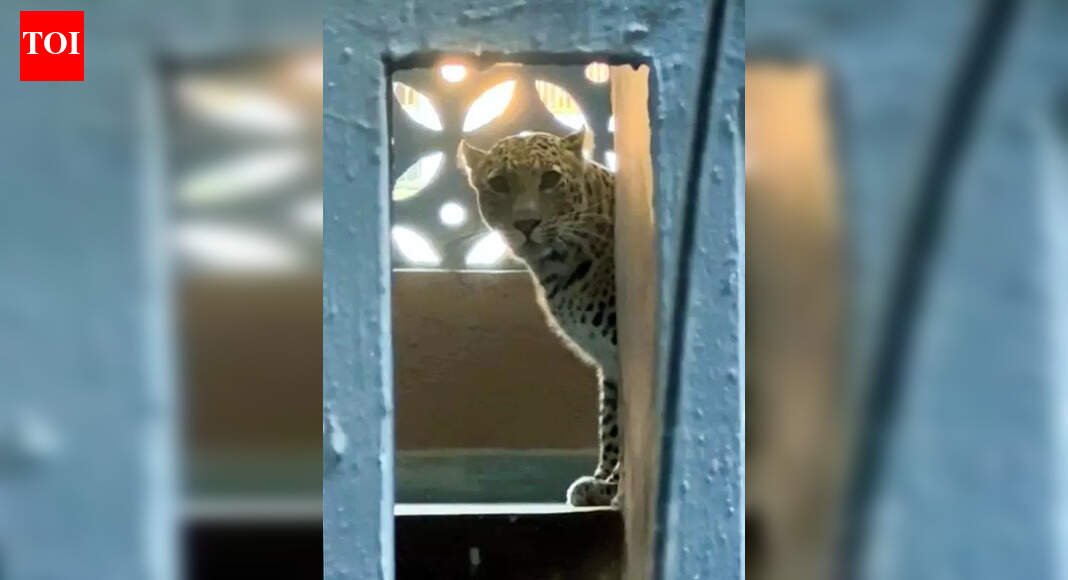
Mumbai: Setting up small national parks of 50 to 100 acres with corporate social responsibility (CSR) funding to house the growing population of leopards could stop their incursion into human habitats, said transport minister and Shiv Sena MLA Sarnaik on Tuesday.Sarnaik made the remark while visiting Anjali Tak, the 23-year-old Bhayandar resident who was attacked by a leopard in her home and is admitted at civic-run KEM Hospital, Parel, where she underwent plastic surgery.Sarnaik said 55 to 60 leopards are reportedly around the Sanjay National Park in Borivli and Tungareshwar Wildlife Sanctuary. “However, these parks are around the municipal limits of Mumbai, Thane, Mira-Bhayandar, and Vasai Virar where the frequency of attacks by leopards has increased,” he said.He said each leopard in this area should be fitted with a chip to monitor their movement. “Even though the entire chip process costs Rs 5 lakh per leopard, the administration shouldn’t cut corners as people’s safety is at stake,” said the minister, who visited the Bhayander colony even as an eight-hour leopard rescue operation was underway on Friday.He proposed encouraging Vantara-like private organisations to take over the care of the excess leopards. “There are private endeavours in Australia, South Africa, Dubai, and I have personally seen one in Hong Kong,” he said.Noting that there are 2,000 leopards in Maharashtra, he said private Vantara-like organisations should be contacted to participate in their care as sterilisation is not the answer. “We can also encourage corporates to financially adopt leopards so that their food and care are well-handled. My wife recently adopted a leopard living in the Borivali National Park, and we pay for its upkeep. Others can also do so,” he said.Regarding Tak, he promised the govt would support her complete treatment, including laser treatment to reduce scarring from the surgery. KEM Hospital doctors, including dean Dr Sangeeta Ravat and head of plastic surgery department Dr Vinita Puri, said the healing will take some time. “We will make arrangements for her laser treatment thereafter,” they assured the minister.


Source link

Access Denied


Access Denied

You don’t have permission to access “http://www.ndtv.com/india-news/were-biggest-fugitives-of-india-lalit-modi-vijay-mallyas-new-video-9902877” on this server.

Reference #18.77fdd417.1766507846.4dcce963

https://errors.edgesuite.net/18.77fdd417.1766507846.4dcce963


Source link

Mumbai: 37-year-old labourer gets 10-year RI for abducting and raping mentally challenged woman | Mumbai News


Mumbai: Ruling that consent given by a person of unsound mind is invalid, a sessions court convicted and sentenced a 37-year-old labourer to 10 years rigorous imprisonment, for abducting and repeatedly raping of a mentally challenged woman in 2016. The victim, suffers from moderate mental retardation and possesses the functional age of a child between six and ten years.The accused Dayanand Puran Chaudhary had argued that the relationship was consensual, claiming a love affair existed between the two. However, the judge dismissed these claims, citing Section 90 of the Indian Penal Code, which invalidates consent given by a person of unsound mind. Additional Sessions Judge Ashwini D Lokhande, said, “In the present case, though the consent given by the victim to the accused, it would not amounts to consent as victim was mentally retard person, was not knowing the consequences of her consent.”The judge noted the gravity of the crime, stating, “The incident has caused the adverse impact on the body and soul of victim girl who was mentally retard and was carrying age of 6 to 10 years.” The judge further observed that the accused took advantage of the victim’s inability to understand his intentions, noting, “He is very well knows that victim would not resist his act due to her mental capacity.”The woman’s mother told the court that she lived with her husband, a security guard and daughter. The victim made imitation jewelry. The mother said that on Nov 3, 2016, the victim disappeared after leaving her home to purchase materials for imitation jewellery. She returned five days later, narrating an ordeal of being forcibly taken in an autorickshaw to a confined location where she was sexually assaulted multiple times.The victim’s deposition, recorded in question-and-answer format, revealed she never attended school and lacks an understanding of dates. Her mother confirmed that the victim suffers from mental health issues and frequent memory loss. The victim deposed that while going to the market, the accused—a neighbour she recognized—grabbed her hand and took her by auto-rickshaw to a house. She stated he held her captive for four to five days, during which he raped her multiple times. After escaping, she informed her mother, who reported the incident to the police. The victim denied consenting to sexual relations. During her deposition via video conference, she identified the accused and her own clothing.During the trial, the judge relied on the deposition of the victim and medical experts. A critical component of the conviction was the testimony of Dr Alka Anand Subramanium, a psychiatric expert from Nair Hospital, who confirmed the victim’s intellectual disability. The judge noted that because of her mental state, the victim was incapable of giving legal consent.Chaudhary was sentenced to ten years of rigorous imprisonment for the charges of rape and kidnapping, along with a fine Rs 30,000. The court also ordered that a portion of the fine be paid to the victim as compensation. Having been in custody since his arrest on Nov 12, 2016, Chaudhary will receive a set-off for the period already served behind bars.


Source link

Unnao rape case: Delhi HC suspends jail term of Kuldeep Sengar; sets condition for bail | India News


Kuldeep Singh Sengar (File photo)

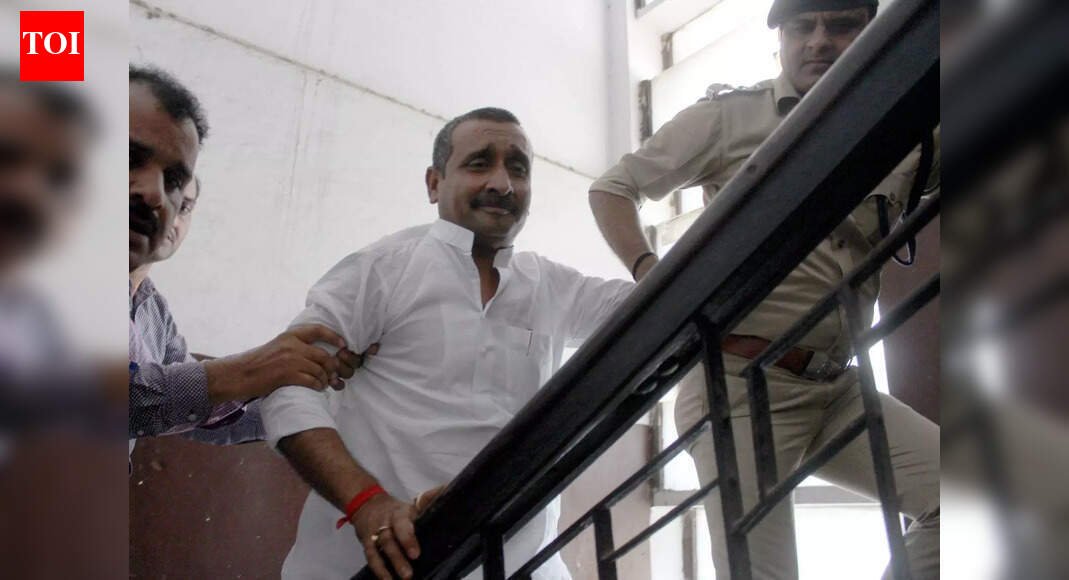
NEW DELHI: The Delhi high court on Tuesday granted conditional bail to expelled BJP leader Kuldeep Singh Sengar and suspended his jail sentence in the Unnao rape case.Also Read | ‘Put us in jail for safety’: Unnao rape survivor’s sister on HC relief for Kuldeep Sengar; ex-BJP leader’s life term suspendedA bench of Justices Subramonium Prasad and Harish Vaidyanathan Shankar suspended Sengar’s sentence for the duration of the pendency of his appeal challenging his December 2019 conviction and life sentence awarded by a trial court.Also Read | The high court ordered Sengar’s release subject to furnishing a Rs 15-lakh personal bond with three sureties of the same amount.

First Hyderabad, then Unnao: How cops fail India’s rape victims

It also imposed strict conditions, directing Sengar not to enter within a five-kilometre radius of the survivor’s residence and not to threaten or influence the survivor or her mother. The bench warned that violation of any of the conditions would lead to cancellation of bail.Sengar was convicted for kidnapping and raping a minor girl in Uttar Pradesh’s Unnao district in June 2017.On August 1, 2019, the Supreme Court transferred the rape case and other related matters from Uttar Pradesh to Delhi.Sengar’s appeal against his conviction in the case relating to the custodial death of the survivor’s father is also pending before the high court. He was sentenced to 10 years’ imprisonment and has sought suspension of that sentence on the ground that he has already undergone a “substantial period of incarceration.”(With PTI inputs)


Source link

EXPLAINED: Why Virat Kohli and Rohit Sharma’s Vijay Hazare Trophy 2025-26 games won’t be telecast live


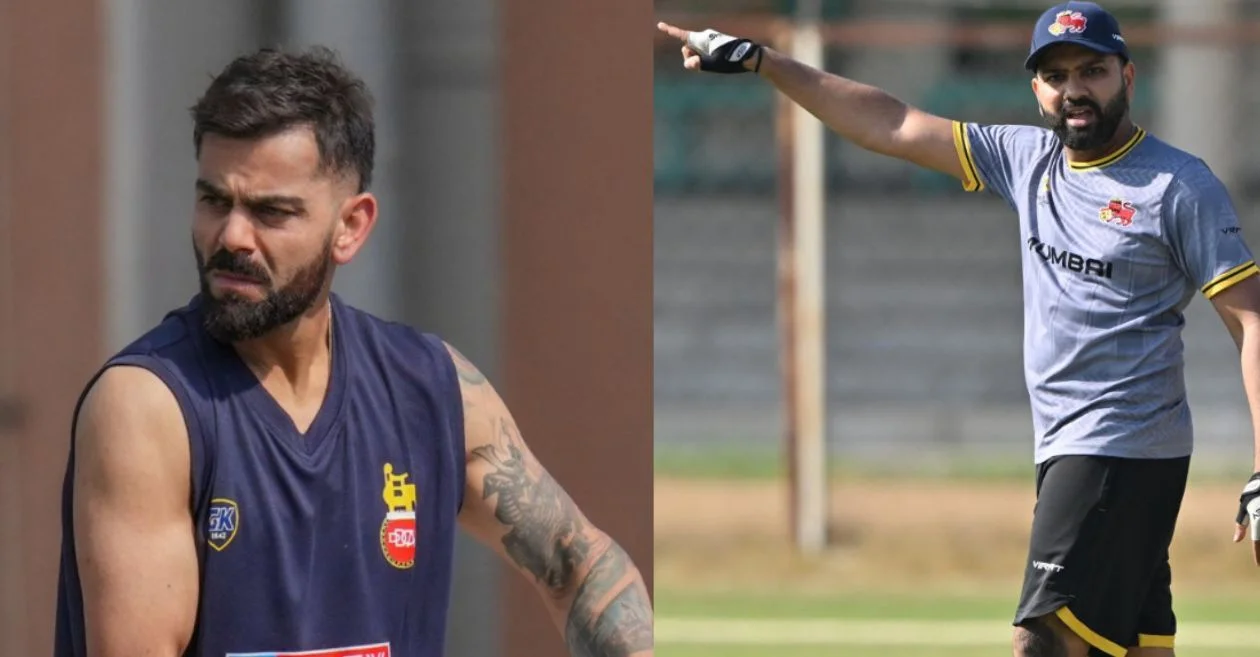
Domestic cricket in India is set for an electric spark as icons Virat Kohli and Rohit Sharma return to the Vijay Hazare Trophy this Wednesday. For Kohli, this marks a homecoming to the 50-over domestic format after a staggering 15-year hiatus, while Rohit returns to represent Mumbai for the first time since 2018. Their participation, alongside stars like Rishabh Pant, Shubman Gill and KL Rahul, has turned this edition into a high-stakes dress rehearsal for the upcoming ODI series against New Zealand. However, despite the massive star power, millions of fans across the country are facing a significant blackout as the Board of Control for Cricket in India (BCCI) navigates a complex logistical and broadcasting landscape.

The real reason behind no telecast of Virat Kohli and Rohit Sharma’s Vijay Hazare Trophy 2025-26 matches

As per NDTV Sports report, The primary reason fans will not see Kohli and Rohit on their screens is a simple matter of infrastructure. On the opening day of the tournament, all 38 teams are in action simultaneously across 19 different matches. The BCCI traditionally only provides full broadcasting and streaming setups for a select few games due to the immense cost and technical requirements of multi-camera coverage. For the 2025–26 season, high-definition broadcast facilities have only been established at two primary hubs: the Narendra Modi Stadium in Ahmedabad and the Niranjan Shah Stadium in Rajkot.

Since Rohit Sharma’s Mumbai is playing in Jaipur and Kohli’s Delhi has been moved to a facility in Bengaluru that lacks broadcasting infrastructure, neither match falls within the current televised window. While some reports initially suggested Star Sports and JioHotstar would carry the tournament, they will only be showing the matches held at the two designated broadcast venues.

VHT 2025-26 matches behind closed doors for Kohli

While Rohit Sharma fans in Jaipur still have the chance to watch their captain from the stands, the situation in Bengaluru has taken a far more restrictive turn for Virat Kohli. Just 24 hours before the opening match, the Karnataka government and local police denied permission for the M.Chinnaswamy Stadium to host Delhi’s fixtures. The match has been shifted to the BCCI Centre of Excellence (CoE) on the outskirts of the city, and in a crushing blow to local fans, it will be played behind closed doors

As per Times of India, The decision stems from a combination of factors:

  • Security Concerns: Local police are stretched thin managing Christmas and year-end festivities in the Central Business District.
  • Safety Legacy: Authorities remain cautious following a tragic stampede outside the Chinnaswamy Stadium during RCB’s IPL celebrations earlier in June, which resulted in 11 deaths.
  • Infrastructure Issues: The stadium has yet to fully implement safety recommendations from the Justice Cunha Commission report, which recently described the venue as “unsafe for large gatherings.”

However, there is still a glimmer of hope for a digital broadcast. Earlier this year, a Ranji Trophy match involving Delhi was not originally scheduled for streaming, but the BCCI reversed its decision at the eleventh hour following immense public demand to see Kohli in action. However, as it stands, the lack of fixed broadcast equipment at the CoE in Bengaluru and the Sawai Mansingh Stadium in Jaipur remains the definitive hurdle. For now, Kohli and the Rohit will be performing their domestic duties largely out of the public eye.


Source link

What is Michael Jordan’s net worth in 2025? NBA legend’s career earnings, investments, and more | NBA News


What is Michael Jordan’s net worth in 2025? NBA legend’s career earnings, investments, and more
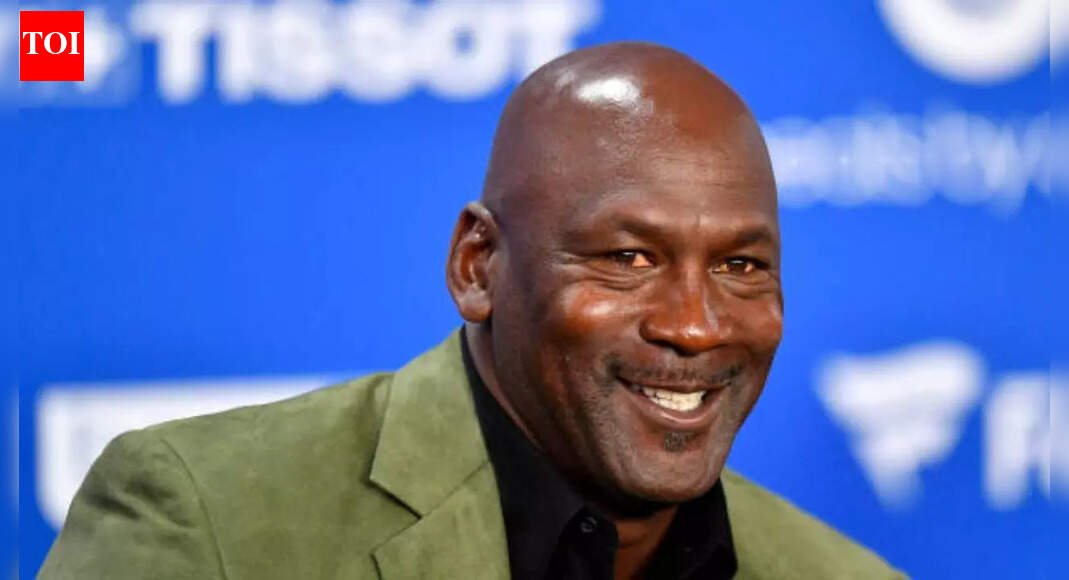
Michael Jordan (Image via: Getty Images)

Michael Jordan is one of the greatest players in NBA history. Beyond his unmatched achievements on the court, the legend has built extraordinary wealth. After retiring, Jordan turned several of his business ventures into huge financial successes. When it comes to net worth, the legend has earned massive fortunes that reflect his lasting impact on and off the game.Apart from his 15-year NBA career earnings, Jordan has earned huge amounts of money through his long-term partnership with top brands, including Nike, and his ownership in two professional sports teams. Jordan’s off-court impact is also huge, he is said to have donated $100 million in 2020 for various humanitarian causes like supporting racial equality, social justice, and education for all.

What is Michael Jordan’s net worth in 2025?

Michael Jordan’s $3,000,000,000 Lifestyle

As of 2025, Michael Jordan’s net worth is said to be around $3.8 billion, per Forbes. He earned $90 million from his contracts in the big league over the 15 seasons he played in, and his off-court earnings are also said to have increased when he partnered with major brands like McDonald’s and Nike. In 2023, Jordan sold his majority share in the Charlotte Hornets for $3 billion, becoming the first professional athlete to appear on Forbes’ list of the 400 richest Americans.

Michael Jordan’s investments, contracts, and more

Michael Jordan built much of his financial income through his team ownerships and business contracts. In 2010, he bought the majority of shares in the NBA Charlotte Hornets team for about $275 million. In August 2023, he sold that share for $3 billion, making it one of the biggest team trades in the history of sports. He still owns a small share of the team.Michael Jordan also co-owns the 23XI NASCAR Racing team, which he started in 2020 with Denny Hamlin. The team has grown very fast, with its funds increasing quickly over the years. Overall, Jordan’s success off the court has played a major role in making him one of the richest athletes ever.Also Read: “It’s just God disguised” – NBA legend shares rare insight he had while meeting Michael Jordan for the first time


Source link