Breaking News
Silver market jitters: ETFs see steep 20% drop; what’s causing the sudden drop?


Silver market jitters: ETFs see steep 20% drop; what’s causing the sudden drop?

Indian silver exchange-traded funds (ETFs) witnessed a sharp sell-off on Thursday, plunging up to 20% in early trade as investors rushed to exit amid heightened volatility in precious metals. The steep fall wiped out the unusually high premium at which these ETFs were trading compared to international prices and physical silver markets.Nippon India Silver ETF, ICICI Prudential Silver ETF and Kotak Silver ETF fell between 19% and 20% during morning trade. As per ET, the funds slipped below their indicative net asset values (iNAVs), turning what was earlier a steep premium into a discount. The sell-off was largely limited to ETFs, highlighting the risks associated with sharp price dislocations in these products.In contrast, silver prices in other markets saw relatively modest declines. Global spot silver was trading around $92.27 an ounce, just days after touching a record high of $95.87 earlier this week.On the domestic front, MCX March silver futures slipped about 2% in morning trade, far less severe than the ETF correction.Market experts pointed to extreme volatility as a key factor behind the move. Manoj Kumar Jain of Prithvi Finmart said investors should avoid fresh positions in precious metals for now. “We are experiencing very high price volatility in both precious metals,” Jain was quoted as saying by ET, advising traders to wait for stability.The correction came as global risk appetite improved and the US dollar strengthened, reducing demand for safe-haven assets. Sentiment also eased after US President Donald Trump ruled out using military force over Greenland and signalled restraint on tariffs against European nations.Despite the turbulence, some analysts remain constructive on silver’s broader outlook. Ponmudi R, CEO of Enrich Money, said COMEX silver remains firm near $92–$93, supported by strong industrial demand and tight global supply. However, he cautioned that near-term swings could remain sharp, especially in ETF prices, given their tendency to trade at premiums or discounts during volatile phases.(Disclaimer: Recommendations and views on the stock market, other asset classes or personal finance management tips given by experts are their own. These opinions do not represent the views of The Times of India)


Source link

Trump sanctions impact: India eyes alternatives to Russian crude; imports oil from Guyana, Saudi Arabia but Russia still top supplier


Trump sanctions impact: India eyes alternatives to Russian crude; imports oil from Guyana, Saudi Arabia but Russia still top supplier
India crude oil imports (AI image)

With supply of Russian crude hit due to US President Donald Trump’s sanctions, Indian refiners are looking at other sources of oil to fill the gap. Refiners are swiftly reshaping their crude sourcing strategy to offset reduced availability of Russian oil affected by US sanctions.While a more complete assessment of shifts in India’s crude import pattern will be available by the end of the month, preliminary figures indicate that refiners are increasingly drawing on new or previously minor suppliers to cover additional demand as Russian deliveries ease and uncertainty grows amid stronger US pressure. During the first half of January, only Indian Oil, Nayara Energy and Bharat Petroleum received Russian cargoes. Reliance Industries, which had been the largest buyer of Russian crude over the past year, did not import any during this period, nor did Hindustan Petroleum, HPCL-Mittal Energy, or Mangalore Refinery and Petrochemicals.

India Eyes Alternatives To Sanctioned Russian Crude Oil

Russia continues to be the country’s biggest source of crude, with inflows of around 1.179 million barrels per day in the first half of January. However, these volumes were about 3% lower than in the previous period and roughly 30% below the average seen in 2025. But diversification is happening.

Plugging the oil supply gap

Plugging the oil supply gap

For example; after a gap of two years, India’s refiners have lifted their first shipment from Guyana and have also stepped up purchases from Saudi Arabia by roughly one-third in January to cater to robust domestic fuel demand. As inflows from Russia taper off, Indian refiners are increasingly turning to Guyana to help fill the supply shortfall.Also Read | Trump’s 500% tariff pressure & global crude supply shock risks: Where does India’s oil security stand?Data from global analytics firm Kpler quoted in an ET report shows that during the first half of the month, refiners sourced around 297,000 barrels per day from Guyana. The South American country is fast gaining prominence as a major oil-producing nation, supported by significant discoveries and a sharp rise in output. Despite this growth, Guyana had earlier not featured prominently in India’s import mix because of the long transportation route involved.Crude purchases from West Asian producers such as Saudi Arabia and Iraq, along with shipments from African suppliers Nigeria and Angola, have increased this month as India’s oil consumption stays firm. India is the world’s third-largest user and importer of crude oil.According to Kpler, imports from Iraq, India’s second-largest supplier, climbed 18% on a month-on-month basis to nearly 1.071 million bpd, while purchases from Saudi Arabia surged 36% to approximately 954,000 bpd.Shipments from Nigeria almost doubled sequentially to about 305,000 bpd, and volumes from Angola rose nearly threefold to close to 195,000 bpd.In contrast, crude inflows from the UAE dropped sharply by 40% to roughly 352,000 bpd, while arrivals from the United States were largely unchanged at around 349,000 bpd during the first half of January.


Source link

MP: SC allows Hindus, Muslims to offer prayers at Bhojshala on Basant Panchami — what was the dispute? | India News


MP: SC allows Hindus, Muslims to offer prayers at Bhojshala on Basant Panchami — what was the dispute?

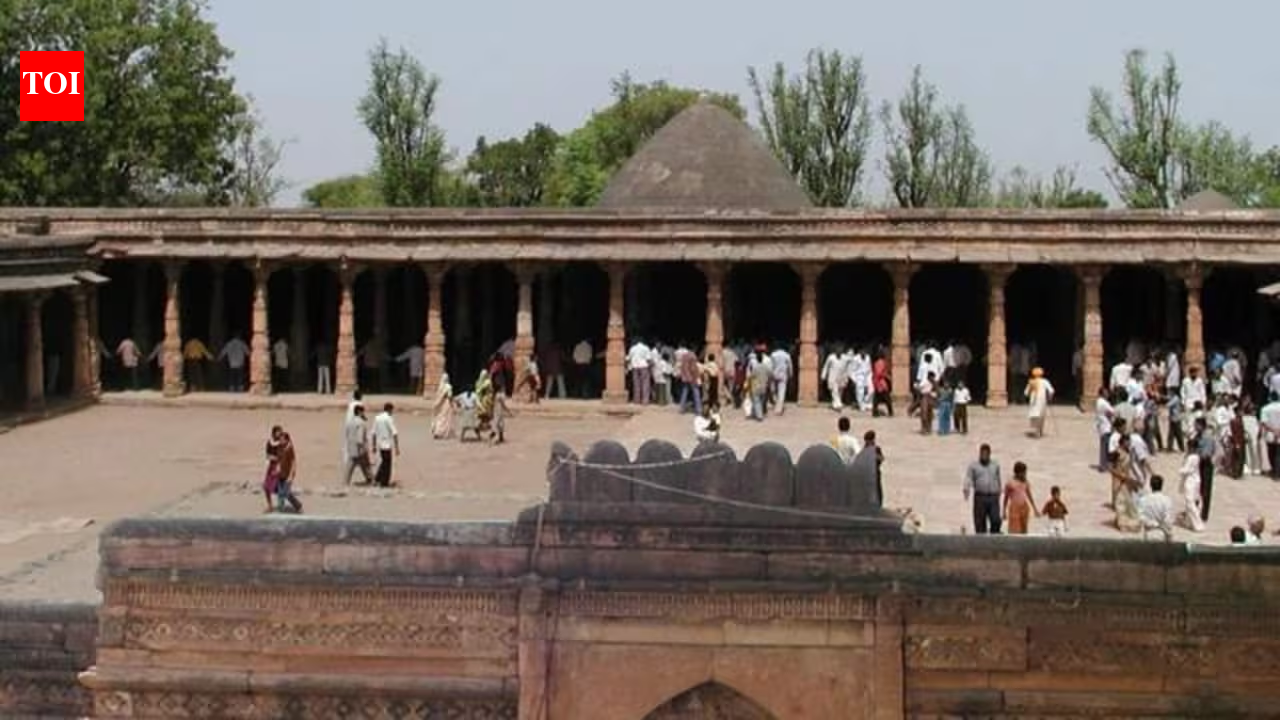
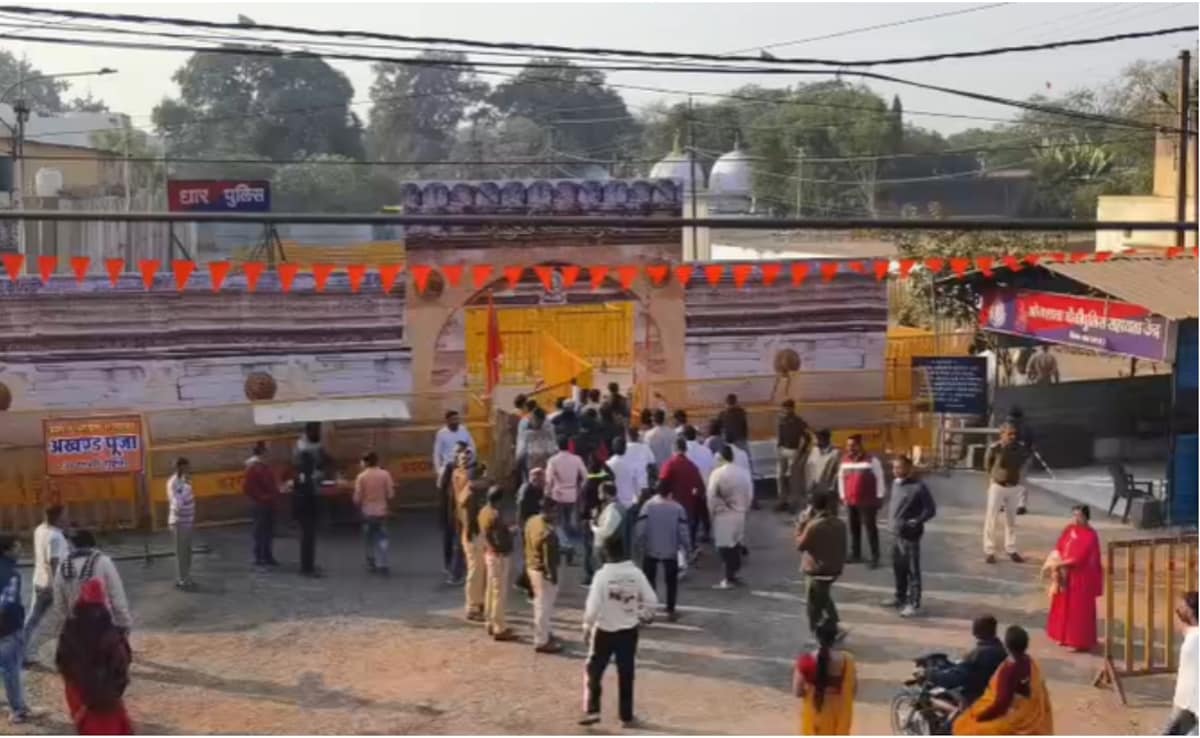
NEW DELHI: The Supreme Court on Thursday allowed Hindu prayers from sunrise to sunset on Basant Panchami at the disputed Bhojshala-Kamal Maula Mosque in Dhar, Madhya Pradesh, while permitting Muslims to offer namaz from 1 pm to 3 pm on the same day.The court also directed that a list of persons from the Muslim community coming for namaz be furnished to the district administration and instructed the administration to make law and order arrangements at the site for the offering of prayers.A bench comprising CJI Surya Kant and Justices Joymalya Bagchi and Vipul M Pancholi appealed to both sides to observe mutual respect and cooperate with the state and district administration for maintenance of law and order.Given the sensitivity of the situation, nearly 8,000 police personnel, including forces from the Central Reserve Police Force (CRPF) and Rapid Action Force (RAF), have been deployed across Dhar district. CCTV surveillance, foot and vehicle patrols, and social media activity are being closely monitored, officials said. Saffron flags and ‘Akhand Puja’ billboards have also been put up in the city ahead of Basant Panchami. Hindus consider Bhojshala, an ASI-protected medieval-era monument, to be a temple dedicated to Goddess Vagdevi (Saraswati), while the Muslim community calls it the Kamal Maula mosque. The Bhoj Utsav Committee has requested permission to perform puja throughout January 23, with patron Ashok Jain stating that 30,000 to 50,000 devotees are expected to participate in the ‘Akhand Puja’ (continuous prayers). Meanwhile, Zulfikar Pathan, head of the Kamal Maula Namaz Intezamia Committee, said the Muslim community has requested Friday prayers between 1 pm and 3 pm, in accordance with the ASI’s April 7, 2003 order, “without any hindrance. The Supreme Court also directed that the Archaeological Survey of India (ASI) report on the religious character of the Bhojshala-Saraswati Temple cum Kamal Maula Mosque be shared with both communities by the Madhya Pradesh High Court. The ASI report has been filed in a sealed cover before the High Court. Indore Rural Range Inspector General of Police, Anurag, has personally inspected the Bhojshala complex and reviewed the security arrangements ahead of the religious activities. Under the ASI’s 2003 arrangement, Hindus perform puja on Tuesdays, while Muslims offer namaz on Fridays.

What is the Bhojshala-Kamal Maula Mosque dispute

Historical research, both Indian and foreign, indicates that the Bhojshala complex, including the Vagdevi temple, existed centuries before the Kamal Maula Mosque, Radheshyam Yadav, former convenor of Hindu Jagaran Manch’s Indore division, has said. He claims the mosque was built after dismantling ancient Hindu temples.“Muslims refer to an ASI survey of Bhojshala in 1902-03 and ask why there should be a fresh study. Today, we have technology and scientific techniques that were not available then. This survey, along the lines of Gyanvapi and Ayodhya, will help reveal the truth about Bhojshala,” he said.Petitioners, Hindu Front for Justice, said the mosque was built during Alauddin Khilji’s reign over a preexisting temple, while Kamal Maula Mosque was constructed in 1514 under Mehmood Khilji II. ASI reports also note that parts of Bhojshala and the Vagdevi temple were dismantled to build the mosque. They point to inscriptions, carvings, and ritual structures as evidence of the temple’s prior existence.Dhar Shahar Qazi Sadiq countered, “For 700 years, salah/namaz has been offered at Kamal Maula Mosque. How can it be a temple? It was never a temple or school, and there was never any idol installed there. Dirty politics is leading to this tense situation.”The controversy began in 1893 when ASI’s German Indologist Alois Anton Fuhrer noted some sutras on the pillars but lacked evidence. The term “Bhojshala” was popularized in 1903 by Dhar Dewas’ education commissioner KK Lele, though the Imperial Gazetteer of 1908 later corrected this


Source link

Access Denied


Access Denied

You don’t have permission to access “http://www.ndtv.com/india-news/bhojshala-live-supreme-court-allows-hindus-muslim-friday-prayers-at-madhya-pradeshs-bhojshala-10826511” on this server.

Reference #18.c7f5d217.1769070392.7010e1be

https://errors.edgesuite.net/18.c7f5d217.1769070392.7010e1be


Source link

Budget 2026 for real estate: What FM Sitharaman can do for affordable housing – wishlist for reviving urban housing affordability


Budget 2026 for real estate: What FM Sitharaman can do for affordable housing - wishlist for reviving urban housing affordability

For the common man, this isn’t about chasing speculative gains—it’s about securing a stable home without overleveraging the future.

By Raj KhoslaFor India’s urban middle class, owning a home remains the single largest financial aspiration—and increasingly, the most elusive one. Despite rising incomes, homeownership in cities is being squeezed by high land prices, escalating construction costs and policy definitions that no longer reflect market realities. As the Budget approaches, the real estate sector—particularly urban housing—needs a pragmatic reset, with the common homebuyer at its centre.Redefining ‘Affordable Housing’ for Today’s CitiesThe first and most urgent reform lies in revisiting the definition of affordable housing. The current price cap of ₹45 lakh and size limits of 60–90 sq metres may have been relevant a decade ago, but in Tier 1 cities they are now disconnected from reality. Land prices, compliance costs, and material inflation have moved sharply upward, pushing even modest homes well beyond the official affordability threshold.A revised cap of ₹80–90 lakh and a size limit of up to 120 sq metres would better reflect urban market conditions and consumer expectations. For the common man, this isn’t about buying a luxury apartment—it’s about securing a livable, family-sized home within city limits. Updating this definition would immediately expand the universe of homes that qualify for incentives, unlocking both demand and supply in the mid-income segment.Boost Tax Relief to Improve Real AffordabilityTax incentives remain one of the most effective tools for improving housing affordability. Yet, the current home loan interest deduction under Section 24(b), capped at ₹2 lakh per year, has remained unchanged despite rising property prices and loan sizes.Raising this limit to ₹5 lakh annually would significantly improve the affordability equation for salaried buyers. For a typical middle-income household servicing a large home loan, this change alone could translate into meaningful monthly savings, improving cash flows and confidence to buy.Equally important is the reintroduction of Section 80EEA, which offered additional tax deductions for first-time homebuyers. Many young buyers today fall just outside the affordable housing bracket but still struggle with high EMIs and down payments. A targeted deduction under 80EEA would encourage this cohort to enter the market, converting renters into owners and reviving end-user demand.Interest Subsidies Beyond the Affordable BracketHousing policy has traditionally focused on economically weaker sections and lower-income groups—and rightly so. However, the middle-income segment increasingly finds itself without support, despite facing intense affordability stress in urban markets.Extending interest subsidies to first-time buyers who fall outside the affordable housing definition could bridge this gap. Even a modest subsidy can reduce EMIs meaningfully over the life of a loan, making ownership viable without distorting prices. From a common man’s perspective, this signals that policy recognises the pressures faced by the urban middle class—not just the extremes of the market.Strengthen PMAY-U 2.0 and CLSSThe revamped PMAY-U 2.0 offers an opportunity to restore confidence in government-backed housing initiatives. Expanding the Credit-Linked Subsidy Scheme (CLSS) with higher interest subsidies for low- and middle-income groups would directly reduce borrowing costs and improve affordability.Unlike upfront incentives, interest subsidies work quietly but powerfully over time, easing repayment stress and lowering default risks. For households balancing education, healthcare and retirement savings, this kind of long-term relief can be the difference between buying now and postponing indefinitely.Rationalise GST to Lower Acquisition CostsHigh GST on construction materials and under-construction properties continues to inflate home prices. A calibrated reduction in GST—especially for mid-income and under-construction homes—could meaningfully lower acquisition costs for buyers while improving project viability for developers.For the common man, this would reflect transparently in the final price, not just on paper. Lower GST can also encourage purchases in the under-construction segment, improving developer cash flows and reducing reliance on high-end luxury launches.Revive Section 80-IBA to Boost SupplyFinally, supply-side incentives must return to the policy agenda. The withdrawal of the 100% tax holiday under Section 80-IBA has dampened developer interest in affordable and mid-income housing, tilting supply towards luxury projects with higher margins.Reintroducing this tax holiday would encourage developers to re-enter the volume-driven housing space, improving availability and moderating prices over time. A healthier mix of housing supply is essential if the market is to move away from being luxury-led and towards sustainable, inclusive growth.A Budget for Balanced GrowthTogether, these measures can unlock pent-up demand, improve price-to-income ratios and restore balance to India’s urban housing market. For the common man, this isn’t about chasing speculative gains—it’s about securing a stable home without overleveraging the future.If the Budget can realign housing policy with ground realities, it can revive confidence, stimulate construction-led employment and reaffirm homeownership as an achievable goal for India’s urban middle class—not a distant dream.(Raj Khosla is Managing Director, MyMoneyMantra)


Source link

‘Monkey off the back’: Ashwin on Suryakumar Yadav’s knock in 1st T20I vs New Zealand | Cricket News


'Monkey off the back': Ashwin on Suryakumar Yadav's knock in 1st T20I vs New Zealand
Suryakumar Yadav (AP Photo)

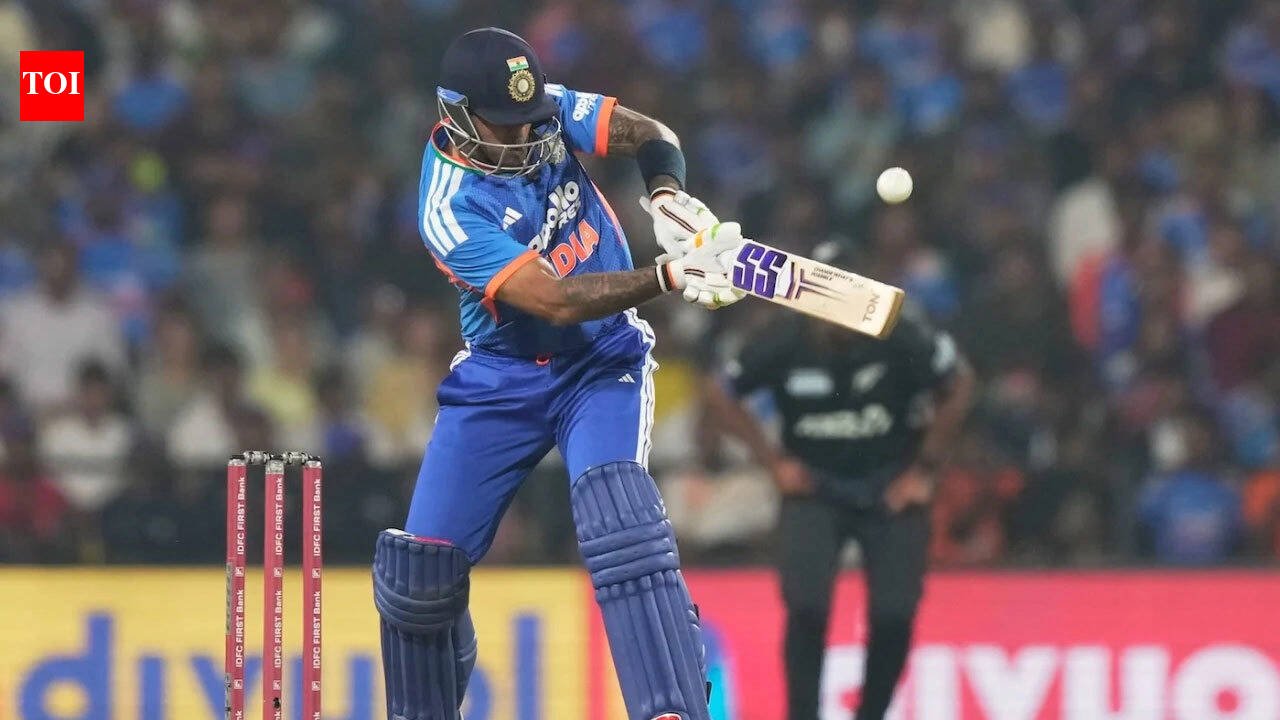
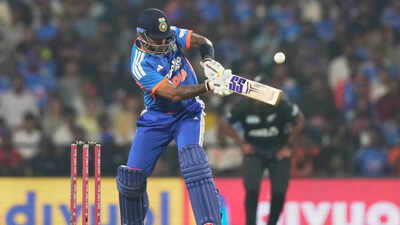
NEW DELHI: Former India cricketer Ravichandran Ashwin believes captain Suryakumar Yadav’s 22-ball 32 in the opening T20I against New Zealand helped take the “monkey off his back” after a prolonged lean patch. Ashwin pointed out that Suryakumar had been under scrutiny due to his form, having averaged just over 13 across his previous 21 innings, but said the Indian skipper “looked in his element” during his brief yet impactful knock that included four boundaries and a six.India extended their strong run with a convincing 48-run victory over New Zealand to take a 1-0 lead in the five-match series. The hosts piled up a formidable 238 for seven, driven by Abhishek Sharma’s explosive 84 off 35 balls and a finishing flourish from Rinku Singh, who remained unbeaten on 44 off 20 deliveries. In reply, New Zealand were powered by Glenn Phillips’ 78 off 39 balls and Mark Chapman’s 39 off 24, but the Indian bowling unit kept things under control to restrict the visitors to 190 for seven.

Suryakumar Yadav press conference: On India T20I Playing XI, personal form and more

Speaking on his YouTube channel Ash ki Baat, Ashwin felt Suryakumar could easily have pushed for a half-century but instead stayed true to the team’s attacking philosophy, calling the innings a “big positive”.“It is a monkey off the back. A lot of people were talking about Suryakumar’s batting and his form and all of that. In all honesty, in T20 cricket, you don’t have to aim for consistency. What I liked was that he got those runs; he looked in good touch today. If a batter wants to look to get runs, they would have looked to get a fifty. But Surya did not do that. This team has a theme, they will look to keep scoring and hitting. He looked in his element. He looked good and this is a big positive for him.”The innings marked only the third time Suryakumar crossed the 30-run mark in his last 20 outings.Ashwin also suggested that the current combination could be India’s blueprint for the upcoming T20 World Cup, stressing that Arshdeep Singh should not be rotated, calling him a “marquee bowler who cannot be left out”.“Maybe there will surely be a conversation to bring in a bowler, seeing how (Shivam) Dube’s bowling goes. But he got three overs today. So they are backing his bowling, and I think there are conversations around him bowling. This is probably the combination,” he added.Reflecting on Kuldeep Yadav missing the first T20I after a difficult ODI series, Ashwin termed it a “break to reflect upon”.“But I am a big fan (of Kuldeep). You will have to get strong as a pack in T20 cricket and address the strengths somewhere else. If you do not have Jasprit Bumrah or someone else, then you have to address with a bit of batting depth. But in this team, you are getting runs in the powerplay, Hardik (Pandya) is scoring, you have seven bowling options. I would like to play Bumrah, Arshdeep (Singh), Varun (Chakravarthy), and Kuldeep. But if it is like today, then it is absolutely fine,” he said.In the match, New Zealand opted to field first. Alongside Abhishek and Rinku, valuable contributions from Suryakumar (32 off 22) and Hardik Pandya (25 off 16) powered India to 238 for seven. Jacob Duffy (2/27) and Kyle Jamieson (2/54) were the standout bowlers for the visitors.New Zealand slumped to 52 for three during the chase before a 79-run stand between Phillips and Chapman revived hopes. However, disciplined spells from Varun Chakravarthy (2/37) and Arshdeep Singh (1/31) ensured India sealed a comfortable win and an early advantage in the series.


Source link

1 ticket, 2 flyers: UK man hands boarding pass to Sri Lankan in Bengaluru airport washroom; both held | Bengaluru News


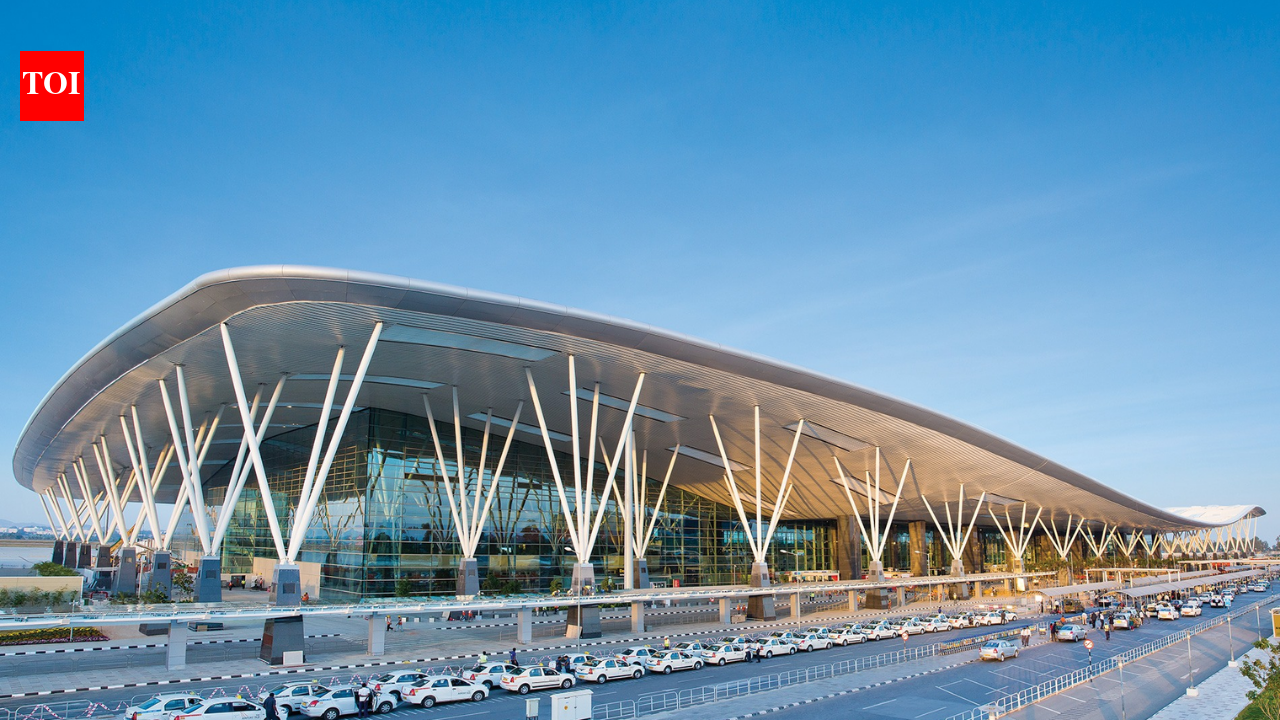
BENGALURU: It’s a tale of two travellers with one ticket to London. Boarding pass to London secretly passed on to Singapore-bound passenger in airport loo. However, their UK plan fell flat, and both are now behind bars on charges of committing several violations at Kempegowda International Airport last week.A 52-year-old United Kingdom national has been arrested for handing over his boarding pass to a Sri Lankan national to help him fly illegally to London from KIA on Jan 18.

Bengaluru Headlines Today — The Biggest Updates You Need to Know.

1 ticket, 2 flyers at KIA: UK man, Lankan held for boarding pass fraud

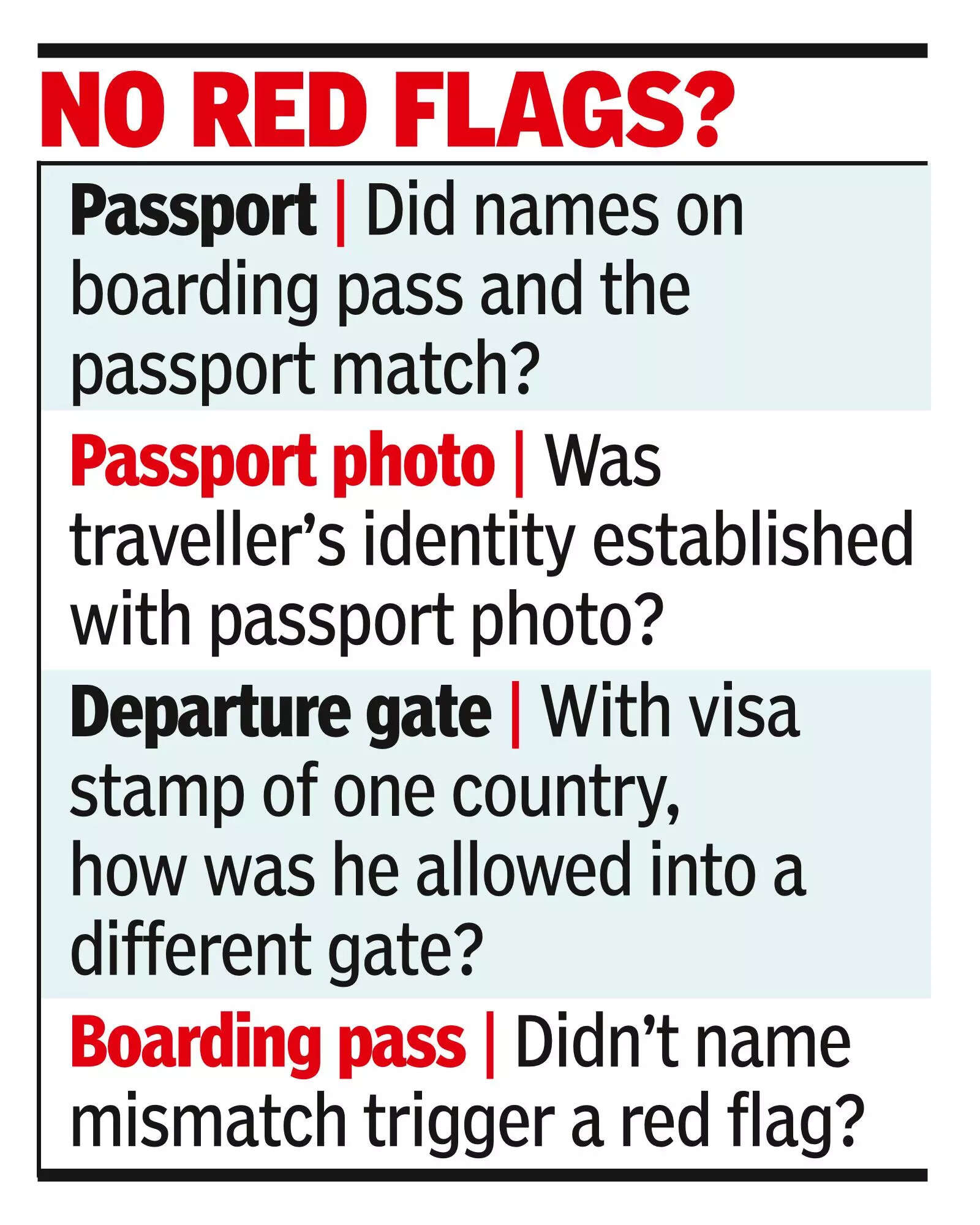
Kandiah Rajagopal, a businessman from West London, helped Lankan Sharusan Kunasekaran travel to London using his boarding pass in a story bristling with gaping holes. While Kandiah has been lodged in Bengaluru prison, Sharusan was detained in the UK and will soon be deported to Sri Lanka.A complaint filed by an immigration officer with KIA police Monday said Central Industrial Security Force personnel alerted immigration officials after Kandiah was found behaving suspiciously for nearly eight hours in the departure immigration section at Terminal 2 on Sunday.UK man handed over boarding pass to Sri Lankan in washroomHe was taken to the immigration section around 5.30pm for questioning. On checking his passport, the officers found Kandiah had arrived in India on a tourist visa and had visited several tourist destinations and pilgrimage spots in Karnataka, Tamil Nadu, and Andhra Pradesh.He had booked a ticket to London on Virgin Atlantic flight VS-347 which was to leave at 7.20am Sunday. However, he did not board the flight. Immigration officials verified the details of Kandiah’s boarding pass with Virgin Atlantic, which said another person had already travelled on Kandiah’s pass.Further verification said Lankan Sharusan had booked a ticket to Singapore on IndiGo flight 6E-1009, scheduled to depart at 10.20am the same day. He did not board his flight and was untraceable. Later, Kandiah was handed over to the KIA police.Police learned Sharusan and Kandiah were acquaintances. Kandiah reportedly wanted to help Sharusan fly to London. As Sharusan could not obtain a UK visa, Kandiah allegedly planned to help him land in London illegally. Both entered KIA Terminal 2 using their respective tickets and identity proofs on Sunday.After collecting boarding passes, they cleared CISF frisking and immigration separately. Later, they met inside a men’s washroom where Kandiah handed over his boarding pass to Sharusan.Kandiah stayed back at the airport and booked a ticket to Sri Lanka. He was found loitering in the security hold area for over eight hours while waiting for his flight. During questioning, Kandiah told police he is in the hotel business and has settled in London for 30 years. He stated that he was injured in a shootout in Trincomalee in Jan 2012. A case was registered against Kandiah under the Immigration and Foreigners Act, 2025. He was remanded to judicial custody and sent to Bengaluru central prison.Based on information provided about Sharusan, immigration officials alerted their counterparts in London. The UK authorities have detained Sharusan and are in the process of deporting him to Sri Lanka.


Source link

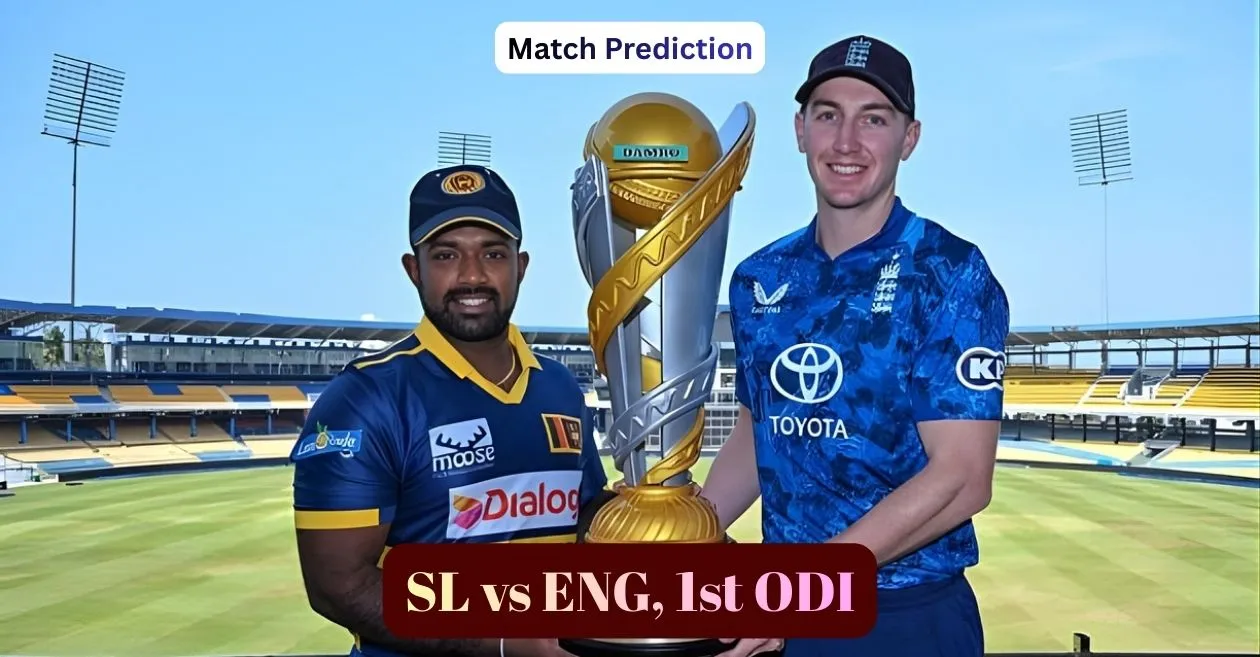
SL vs ENG, 1st ODI Match Prediction: Who will win today’s game between Sri Lanka and England?


The stage is set for an exciting start to the 2026 cricketing calendar as Sri Lanka hosts England for a three-match ODI series, beginning at the iconic R. Premadasa Stadium in Colombo. This series serves as a vital building block for both teams as they fine-tune their strategies for the upcoming ICC Men’s T20 World Cup, also hosted in the subcontinent.

Led by Charith Asalanka, Sri Lanka enter this series with a squad that emphasizes continuity. Despite a tough recent series against Pakistan, the selectors have kept faith in the core group. The batting looks solid with Pathum Nissanka and Kusal Mendis at the top, while the emergence of Kamindu Mendis provides versatility in the middle order.

The Lions’ primary strength remains their spin department. On a Colombo surface known to grip, the trio of Wanindu Hasaranga, Maheesh Theekshana, and the veteran Jeffrey Vandersay will look to stifle the aggressive English batters.

England arrives with Harry Brook at the helm, marking a significant step in the team’s leadership transition. The squad is a blend of world-class experience and fresh talent. The return of Zak Crawley to the ODI setup after a long hiatus (776 days) is a major talking point, as England looks to solidify their opening pair.

The visitors’ spin attack is bolstered by the presence of Adil Rashid and the young Rehan Ahmed, who managed to join the squad following visa delays. With Joe Root providing the anchor role, England’s “Bazball” influence on the white-ball game will be tested by the slow, turning tracks of Sri Lanka.

SL vs ENG, 1st ODI: Match Details

  • Date and Time: January 22 (Thursday); 2:30 pm IST / 9:00 pm GMT
  • Venue:  R. Premadasa Stadium, Colombo

SL vs ENG, Head-to-Head Record (ODIs):

Matches played: 79 | England won: 38 | Sri Lanka won: 37 | No result/Tied: 4

R. Premadasa Stadium Pitch Report

The pitch at the R. Premadasa Stadium in Colombo is expected to be a classic subcontinental surface, characterized by its slow nature and significant assistance for spin. While the black-soil track may offer some consistent bounce and a bit of zip for the pacers during the initial powerplay under the afternoon sun, it is prone to rapid deterioration as the match progresses. As the surface dries, it becomes grippier, making the middle overs a spinner’s paradise where variable bounce and sharp turn are likely. With an average first-innings score of 232, bowling first is the preferred strategy to avoid a challenging defence on a wet outfield due to dew factor.

Squads

Sri Lanka: Charith Asalanka (c), Kusal Mendis, Kamil Mishara, Pathum Nissanka, Pavan Rathnayake, Sadeera Samarawickrama, Dhananjaya de Silva, Janith Liyanage, Kamindu Mendis, Wanindu Hasaranga, Dunith Wellalage, Milan Rathnayake, Asitha Fernando, Eshan Malinga, Pramod Madushan, Maheesh Theekshana, Jeffrey Vandersay

England: Harry Brook (c), Tom Banton (wk), Jos Buttler (wk), Zak Crawley, Ben Duckett, Joe Root, Jacob Bethell, Brydon Carse, Sam Curran, Liam Dawson, Will Jacks, Jamie Overton, Rehan Ahmed, Adil Rashid, Luke Wood

Also READ: Will Bangladesh compete in T20 World Cup 2026 in India? Litton Das drops bombshell in press conference

SL vs ENG, 1st ODI: Today’s Match Prediction

Case 1:

  • Sri Lanka wins the toss and bowls first
  • England powerplay score: 55-65
  • England total score: 260-270

Case 2:

  • England wins the toss and bowls first
  • Sri Lanka powerplay score: 55-65
  • Sri Lanka total score: 300-310

Match result: Sri Lanka to win the contest 

Also READ: Pakistan suspends 2026 T20 World Cup preparations to show solidarity with Bangladesh



Source link

1984 anti-Sikh riots case: Delhi court acquits ex-Congress MP Sajjan Kumar | Delhi News


NEW DELHI: A Delhi court on Thrusday acquitted former Congress leader Sajjan Kumar in a case related to the 1984 anti-Sikh riots in Janakpuri and Vikaspuri, in which two people were killed. The Rouse Avenue Court held that the prosecution had failed to establish Kumar’s role in the violence. During the trial, Kumar maintained that he was innocent, denied any involvement in the incident, and said there was no evidence linking him to the case.Special Judge Dig Vinay Singh orally pronounced a brief order acquitting Kumar. In August 2023, a court had charged Kumar with rioting and promoting enmity, while discharging him of murder and criminal conspiracy offences.In February 2015, a special investigation team registered two FIRs against Kumar based on complaints of violence in the Janakpuri and Vikaspuri areas during the riots.The first FIR was over the violence in Janakpuri, where two men — Sohan Singh and his son-in-law Avtar Singh — were killed on November 1, 1984.The second FIR was registered in the case of Gurcharan Singh, who was allegedly set ablaze on November 2, 1984, in Vikaspuri.Kumar, who is presently in jail, was awarded life imprisonment on February 25 last year by a trial court in a case regarding the killings of Jaswant Singh and his son Tarundeep Singh on November 1, 1984, in the Saraswati Vihar area.It had said that though the killings of “two innocent persons” in the case were no less an offence, it was not a “rarest of rare case” warranting the imposition of the death penalty.The trial court had also said that the case at hand was part of the same incident and could be seen as a continuity of the incident for which Kumar was sentenced to life imprisonment by the Delhi High Court on December 17, 2018.The high court had found him guilty of having caused the death of five people during a similar incident of rioting in the Palam Colony area, post the assassination of former Prime Minister Indira Gandhi.According to a report of the Nanavati Commission — constituted to probe the violence and its aftermath — there were 587 FIRs filed in Delhi in relation to the riots that saw killings of 2,733 people. Of the total, about 240 FIRs were closed by police as “untraced”, and 250 cases resulted in acquittal.Of the 587 FIRs, only 28 resulted in convictions, in which about 400 people were convicted. About 50 people, including the former MP, were convicted of murder.Kumar, an influential Congress leader and an MP at the time, was accused in a case related to the killing of five people in Delhi’s Palam Colony on November 1 and 2, 1984.He was awarded life imprisonment by the Delhi High Court in the case, and his appeal challenging the punishment is pending before the Supreme Court.


Source link