Breaking News
‘I have not seen bowling like that’: Ex-India captain’s brutal take on Shivam Dube | Cricket News


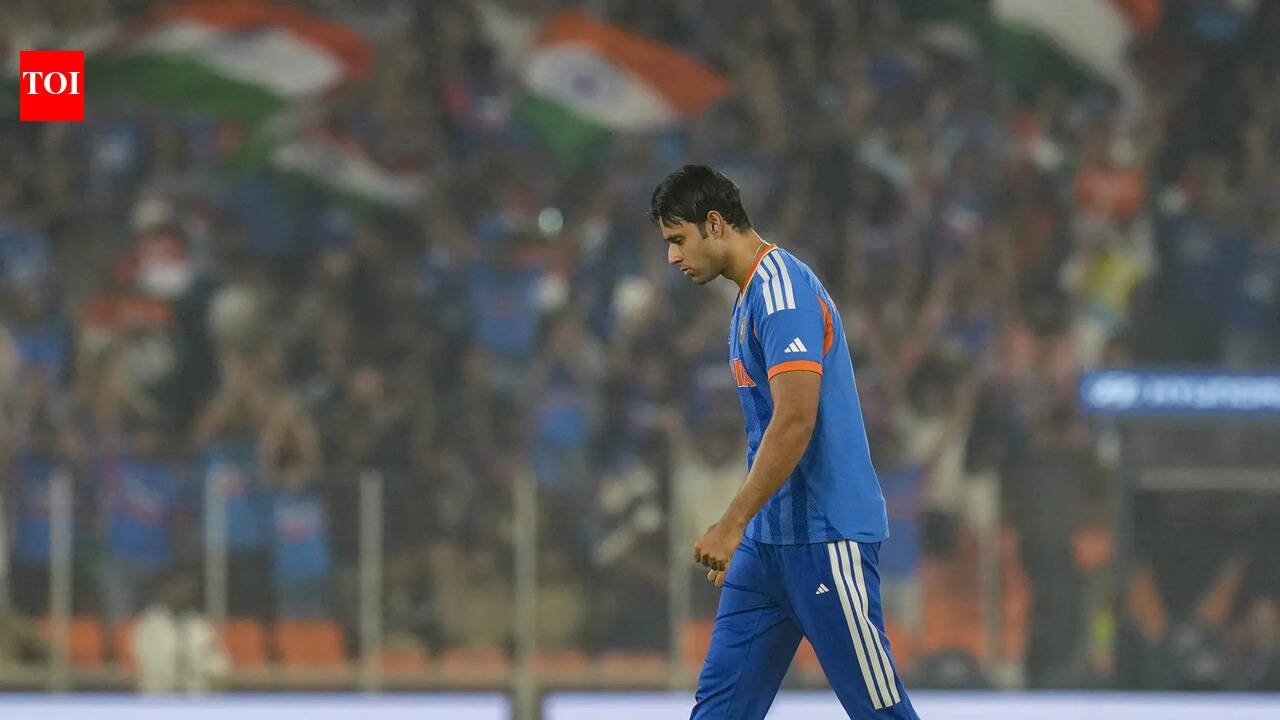
India’s Shivam Dube (PTI Photo)

India may have secured a comfortable win over Zimbabwe, but not everything went perfectly on the night. All-rounder Shivam Dube endured a tough spell with the ball, leaking 46 runs in just two overs as the sixth bowling option. While he has previously delivered handy contributions when captain Suryakumar Yadav has called upon him, this outing was far from ideal.Dube looked short of rhythm and control, struggling to maintain a consistent line and length. He failed to hit the off-side cut strip regularly and compounded matters with four wides and a couple of no-balls. Thankfully for India, net run rate was no longer a factor in their semi-final equation. Otherwise, such an expensive spell could have created complications.

India land in Kolkata for do-or-die WI clash | Semi-final spot on the line

Former India opener Krishnamachari Srikkanth analysed the performance on his show ‘Cheeky Cheeka’, acknowledging that it was a batting-friendly surface but raising concerns over Dube’s accuracy.“I don’t think bowling is a concern. It was a good batting track. My only concern is the sixth bowler. Did you see where Dube was bowling? He was bowling on the sixth stump. I have not seen bowling like that,” he said on ‘Cheeky Cheeka’.Srikkanth suggested that India’s large total allowed them the freedom to experiment and offer Dube additional overs, with the primary objective being victory rather than boosting net run rate.“I think they had the luxury of runs behind them so they wanted to give some bowling practice. The question of net run rate was out of the window. It was just about winning the game,” he added.Looking ahead, the former skipper exuded confidence in India’s balance and depth, insisting that the side remains firmly on course despite the earlier defeat to South Africa.“I said that even after losing to South Africa, India would win in Chennai and would be on the road to win the cup. It is a gun team. Arshdeep bowling well, Bumrah bowling well, Varun and Hardik are decent. You will not need to try six bowlers against the West Indies. If needed, we can look into it when the semifinal comes,” he said.


Source link

IND-W vs AUS-W Dream11 Prediction Today Match, Dream11 Team Today, Fantasy Cricket Tips, Playing XI, Pitch Report, Injury Update- India Women Tour of Australia 2026, 3rd ODI


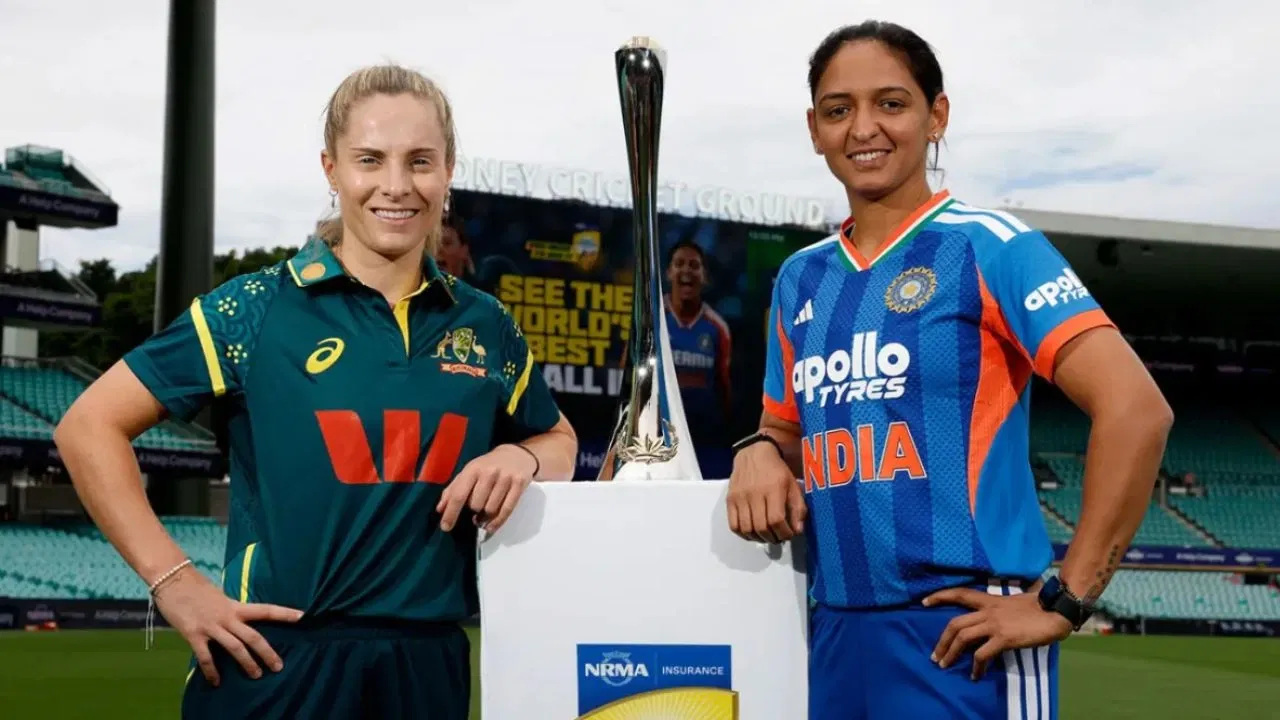
On 1st March at 9:20 AM IST, India Women will meet Australia Women in the third ODI match at Bellerive Oval, Hobart, where both teams will battle fiercely for supremacy. The contest will highlight skill and determination as the series reaches a crucial stage.

Get the best IND-W vs AUS-W Dream11 prediction, fantasy cricket tips, probable playing XI, and match insights for the 3rd ODI match of the India Women Tour of Australia 2026. Expert analysis and more.

Also Read: PSL seals ₹2,600 crore broadcast deal, yet remains dwarfed by IPL empire

Your daily dose of cricket!

next

IND-W vs AUS-W Match Preview:

Australia Women tightened their grip on the ODI series after securing a five-wicket victory at Bellerive Oval, Hobart on 27 February 2026. Consequently, they now hold a 2-0 advantage heading into the third and final ODI at Bellerive Oval, Hobart on 1 March 2026. Although India Women posted a competitive 251 for 9 in 50 overs, Australia completed the chase confidently in just 36.1 overs, showcasing superior control in the latter half of the contest.

India built their total through composed half-centuries from Pratika Rawal, who scored 52, and Harmanpreet Kaur, who added 54 to stabilize the innings. However, Australia’s bowlers maintained consistent pressure and prevented any late acceleration, which kept the target within reach. During the pursuit, Georgia Voll dominated with a superb 101, while Phoebe Litchfield accelerated with a fluent 80 to put the result beyond doubt. Furthermore, Beth Mooney contributed 31 and Ashleigh Gardner finished unbeaten on 19 to seal the win comfortably.

Therefore, the Hobart finale now carries contrasting objectives. India Women must respond with sharper execution to avoid a whitewash, whereas Australia Women will aim to extend their authority with another commanding display. A fiercely contested finish to the series now awaits.

IND-W vs AUS-W Head-to-Head Record:

Teams

Matches Won

India Women

10

Australia Women

42

IND-W vs AUS-W Weather & Pitch Report:

Temperature

18°C

Weather Forecast

Cool

Pitch Behaviour

Balanced

Best Suited To

Pace

Average 1st innings score

233

Record of chasing teams:

Records

Good

Winning %

53%

IND-W vs AUS-W Playing 11s (Predicted):

India Women Playing 11:

1) Smriti Mandhana

2) Pratika Rawal

3) Harmanpreet Kaur ©

4) Jemimah Rodrigues

5) Richa Ghosh (wk)

6) Deepti Sharma

7) Amanjot Kaur

8) Kashvee Gautam

9) Kranti Gaud

10) Vaishnavi Sharma

11) Shree Charani

Australia Women Playing 11:

1) Alyssa Healy ©

2) Phoebe Litchfield

3) Georgia Voll

4) Beth Mooney (wk)

5) Annabel Sutherland

6) Ashleigh Gardner

7) Tahlia McGrath

8) Nicola Carey

9) Alana King

10) Megan Schutt

11) Darcie Brown

Hot Picks for IND-W vs AUS-W Dream11 Prediction and Fantasy Cricket Tips:

Captaincy Picks:

Phoebe Litchfield – Enterprising left-handed opener for Australia Women has compiled 112 runs in 2 outings, punctuated by a commanding 80 off 62 balls in Hobart that set the tone for the hosts’ dominance.

Ashleigh Gardner – Australia Women’s influential right-handed batter and right-arm off-break specialist has contributed 24 runs and claimed 5 wickets in 2 fixtures, highlighted by a decisive 3/33 and an unbeaten 19* that secured the second ODI.

Top Picks:

Smriti Mandhana – India Women’s accomplished left-handed opener and vice-captain has accumulated 89 runs in 2 ODIs, crafting a fluent 58 in Brisbane followed by a composed 31 in Hobart to provide assured starts at the top.

Harmanpreet Kaur – Inspirational captain and right-handed mainstay for India Women has delivered 107 runs across 2 matches, striking back-to-back half-centuries of 53 and 54 to anchor the middle order with authority.

Budget Picks:

Amanjot Kaur – Promising right-handed batter and right-arm medium-fast bowler for India Women strengthens the squad with her balanced all-round skill set, offering composure with the bat and energetic seam options in crucial phases.

Darcie Brown – Express right-arm medium-fast bowler for Australia Women injects pace and aggression into the attack, consistently challenging batters with sharp movement and relentless intensity.

IND-W vs AUS-W India Women Tour of Australia 2026 Captain and Vice-captain Choices:

Captain

Ashleigh Gardner & Phoebe Litchfield

Vice-Captain

Smriti Mandhana & Harmanpreet Kaur

IND-W vs AUS-W Dream11 Prediction Team 1:

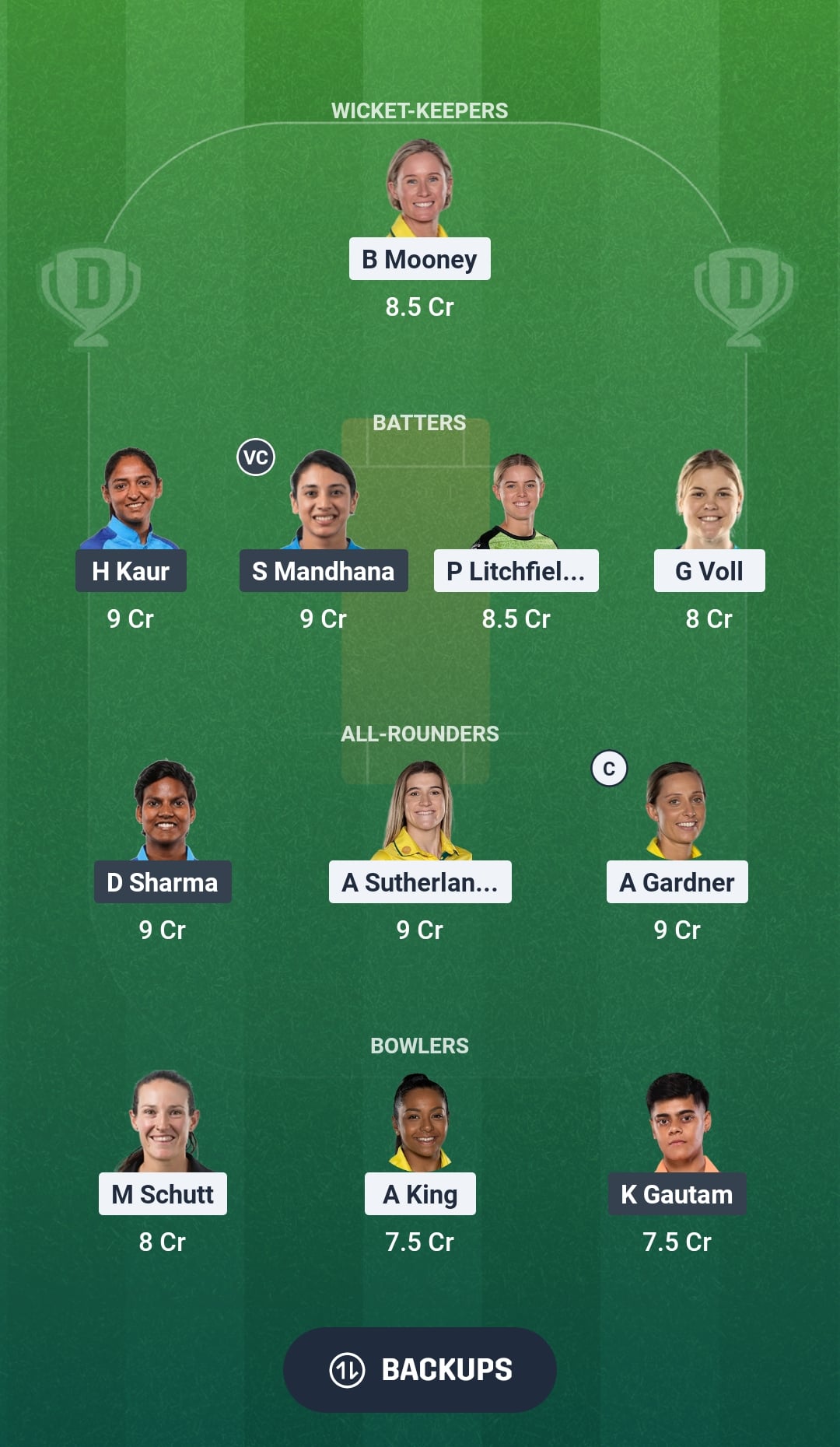
  • Keeper – Beth Mooney
  • Batters – Harmanpreet Kaur, Smriti Mandhana (vc), Phoebe Litchfield, Georgia Voll
  • All-rounders – Deepti Sharma, Annabel Sutherland, Ashleigh Gardner ©
  • Bowlers – Megan Schutt, Alana King, Kashvee Gautam
IND-W vs AUS-W Dream11 Prediction Fantasy Cricket Tips Dream11 Team India Women Tour of Australia 2026
IND-W vs AUS-W Dream11 Prediction

IND-W vs AUS-W Dream11 Prediction Team 2:

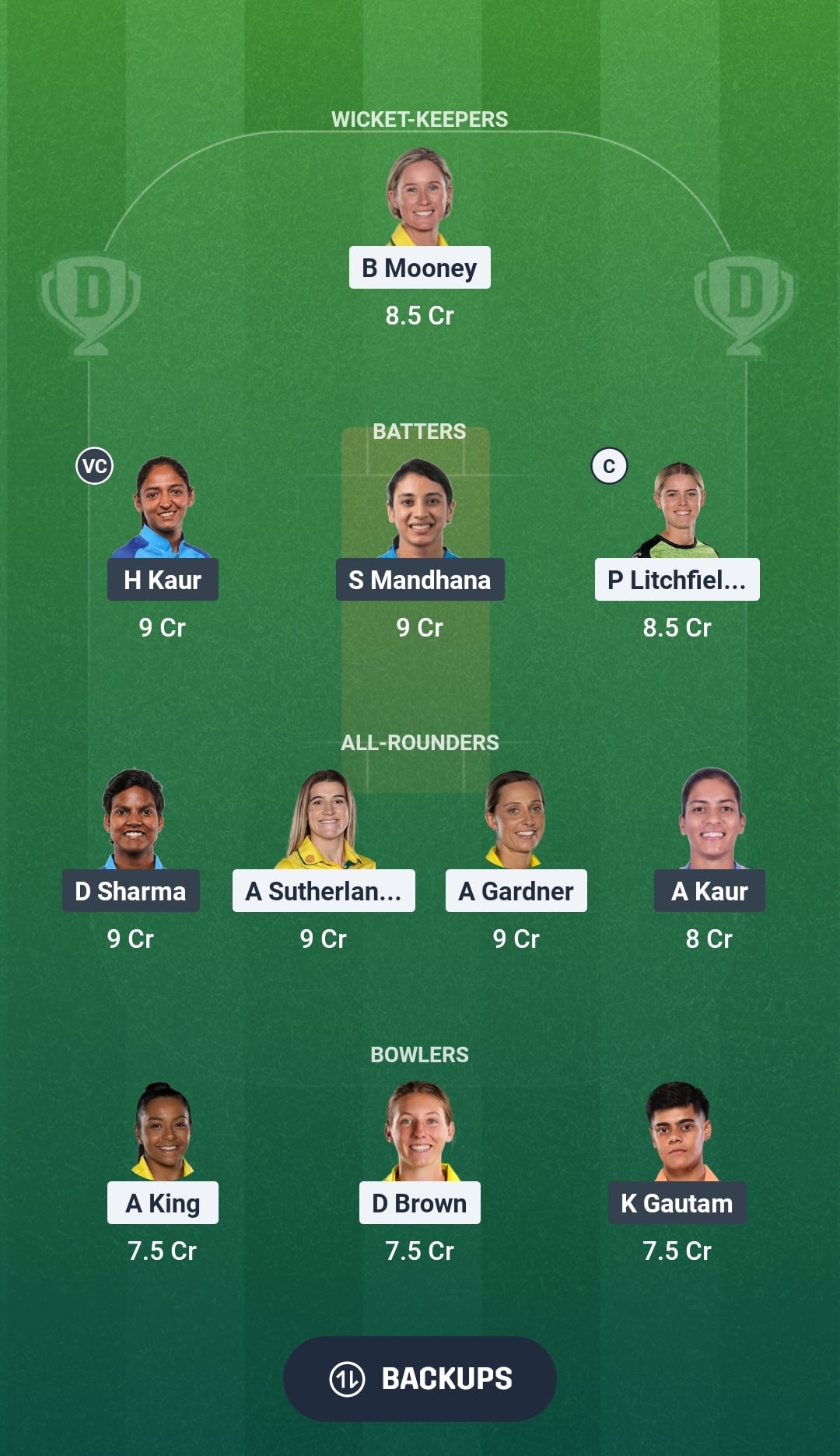
  • Keeper – Beth Mooney
  • Batters – Harmanpreet Kaur (vc), Smriti Mandhana, Phoebe Litchfield ©
  • All-rounders – Deepti Sharma, Annabel Sutherland, Ashleigh Gardner, Amanjot Kaur
  • Bowlers – Alana King, Darcie Brown, Kashvee Gautam
IND-W vs AUS-W Dream11 Prediction Fantasy Cricket Tips Dream11 Team India Women Tour of Australia 2026
IND-W vs AUS-W Dream11 Prediction

IND-W vs AUS-W Dream11 Prediction Today Match 3rd ODI India Women Tour of Australia 2026 Players to Avoid:

Players

Dream11 Credits

Dream11 Points (Last match)

Nicola Carey

8.0 credits

NA

Shafali Verma

8.5 credits

NA

IND-W vs AUS-W Dream11 Prediction Today Match Today 3rd ODI India Women Tour of Australia 2026 Expert Advice:

SL Captaincy Choice

Ashleigh Gardner

GL Captaincy Choice

Phoebe Litchfield

Punt Picks

Amanjot Kaur and Darcie Brown

Dream11 Combination

1-4-3-3

IND-W vs AUS-W Match Winner Prediction:

Considering the current performance and team combination, Australia Women is expected to win this match.


Source link

Ramzan ration kits bring relief, nutrition and hope to Mumbai’s poorest pockets | Mumbai News


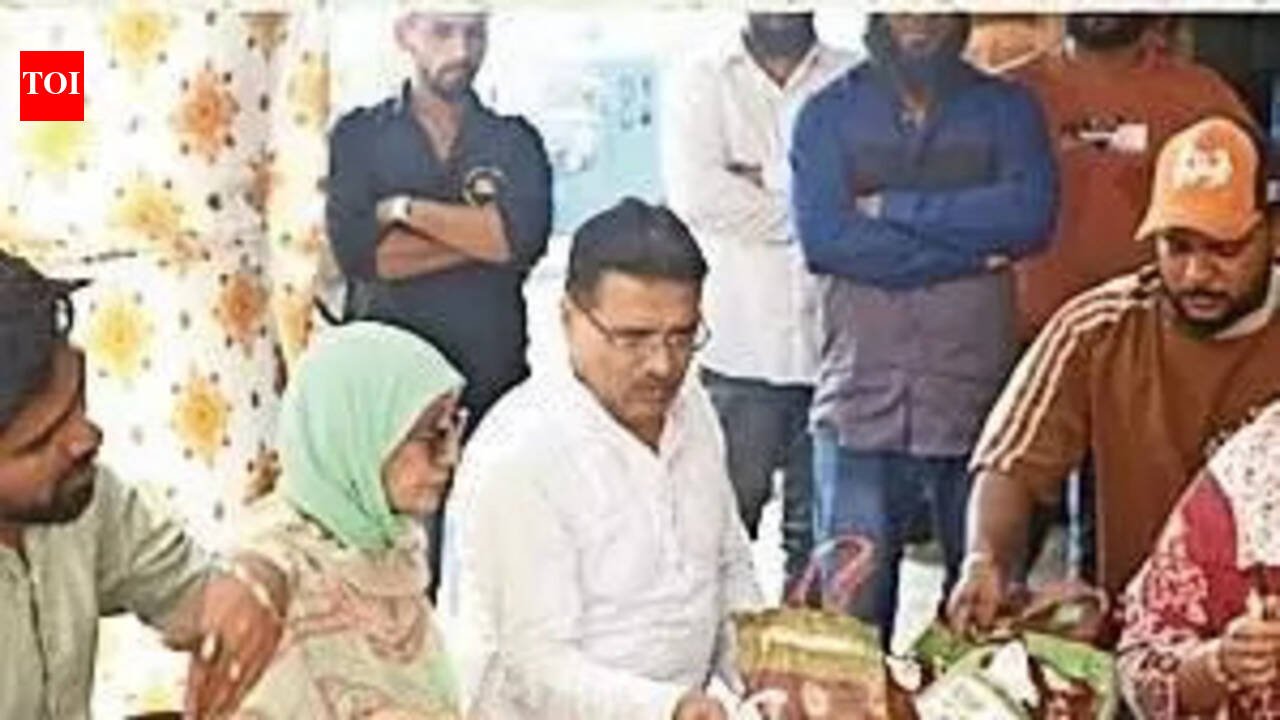
A group of burqa-clad women huddle in the ground-floor hall of Anjuman-i-Islam Saif Tayabji Girls’ School on Belassis Road in Mumbai Central. Brief speeches by Yama Patel, foundation head and city chairman of the World Memon Organisation (WMO), Haji Mudassar Patel, and Anjuman president and senior radiologist Padmashree Dr Zahir Kazi underscore the importance of supporting poor families with ration during the holy month of Ramzan. Moments later, the distribution of “Ramzan ration kits” begins.The scene is one of several such distribution drives across the city. A nutritious intake at iftar, dinner and sehri (pre-dawn meal) is essential to endure a day of fasting. For families that cannot afford groceries for wholesome meals, individuals and organisations step in with ration kits.“The idea is to ensure the poor receive nutritious food at night through the month. We began during Ramzan in 2020 amid Covid and have continued every year since,” says Patel, who, along with WMO India president Haseen Aghadi, partnered with Anjuman to expand the outreach.“The Memons are known for their generosity. This assistance in the holy month is vital for poor families,” says Dr Kazi, as senior Anjuman functionaries Mushtaq Antulay and Rehana Ahmed look on.For many, the effort transcends religious lines. Bandra-based businessman and BJP politician Asif Bhamla continues a 25-year-old initiative started by his late father, Wali Mohammed, sending thousands of ration kits to needy families each Ramzan.“My volunteers distribute kits in poor pockets of Malwani, Dharavi and other sprawling slums. The poor are the poor — we do not discriminate. Ramzan is also a time to promote communal harmony and national integration,” says Bhamla. At night, his decorated mandap near a mosque in Bandra West becomes a meeting point for community leaders, celebrities and politicians to exchange greetings.For Razia Chasmawala, deputy chairperson (women’s wing) of WMO, Ramzan means spending long hours in the slums of Malwani, Bhiwandi and Nalasopara. “The need is enormous. My heart breaks at the deprivation I see. Some argue charity should focus only on self-reliance, but my priority is to help the destitute fight hunger,” she says. Many fondly call her the “Mother Teresa of the Memons.”Typically, Ramzan kits contain flour, rice, pulses, sugar, sewaiyan, dates and bottles of sherbet — provisions meant to help families prepare nourishing iftar and dinner meals. Kits vary in size depending on family needs.Why does zakat — the obligatory charity of 2.5% of annual savings — and other giving assume special importance in Ramzan? “A hadith says good deeds performed in Ramzan earn rewards 70 times greater than in other months. That is why many devote more time to prayer and charity during this period,” explains Mufti Jasimuddin of the Andheri West-based Markazul Maarif Education and Research Centre.For beneficiaries like Amina Begum, a widow in Mumbai Central, the support is crucial. “We are a family of five. My income as a housemaid is barely enough this month. The ration kit is a great help,” she says.


Source link

‘Post DCPR 2034 construction rush is a public health hazard’ | Mumbai News


Mumbai: Is Mumbai’s new Development Control and Promotion Regulation (DCPR- 2034), which governs land use and building construction, triggering a public health crisis? With new laws permitting unusually tall towers due to excessive floor space index (FSI) in saturated wards, and unabated redevelopment and concessions in open spaces allowing five-foot distance between two buildings, medical experts warn of a potential health catastrophe.With large-scale road concretisation and loss of green cover, doctors said Mumbai is facing a slow but undeniable environmental and public health collapse. “We are witnessing a sustained increase in respiratory illnesses, cardiovascular disease, heat stress, anxiety disorders, and pollution-related complications,” they said.Senior architect Shirish Sukhatme, who has been talking to leading doctors about the correlation between the new DCPR and public health, said urban density in Mumbai already exceeds 20,000 persons per sq km in several wards, making it among the densest cities in the world.“Infrastructure capacity — drainage, road width, public transport, water supply — has not proportionately expanded. The result is environmental stress beyond carrying capacity,” he said.Senior cardiologist Dr Dev Pahlajani from Breach Candy Hospital said indiscriminate redevelopment worsens pollution because of the building materials used. “Smog and other pollutants cause accumulation of toxic particles in the atmosphere. Anything over the WHO guidelines for PM 2.5 (fine particulate matter) causes heart attacks. These particles get inhaled through the lungs, travel to the arteries, injuring or damaging them,” he said.Dr Arshad G Mohammad, ex-president of Indian Medical Association (Mumbai West), said unchecked redevelopment (where even solid buildings are demolished) and greed for more space is shrinking the city’s greenery. “The worst effect is on the respiratory tract, causing allergy problems, asthma, bronchitis and lung diseases. Debris and dust contain carcinogens, which trigger cancer,” he said. Post-Covid, he said, “we saw a rise in interstitial lung disease. Now, rampant redevelopment is causing further havoc.”Pulmonologist Dr Sujeet K Rajan calls Mumbai’s thick smog the price citizens pay for “so-called development”. The city wants coastal roads, metros, wider roads, and constant rebuilding, but the air has become the unpaid bill. Construction dust, diesel exhaust and traffic congestion are no longer background irritants; they are shaping what doctors prescribe, what patients fear, and what the city’s future health profile will look like.In clinics, the damage is already visible. Dr Rajan points to inhaler demand as a blunt indicator of worsening air. Patients now walk in asking for Budecort to “feel better,” unaware it’s a steroid-based inhaler meant for controlling inflammation after viral bronchitis. The market reflects this shift: Pharma sales data from Nov 2025 show Cipla’s Foracort, Budecort, and Duolin among India’s top ten bestselling medicines, together generating Rs 194 crore. Breathing appears to have become a retail category.Public health expert Dr Ravi Duggal argues pollution is rising not only because of activity, but because enforcement of existing rules is patchy. Construction sites are mandated to display electronic boards with pollutant levels and AQI. But AQI—the one number the public recognises and associates with danger— is often missing. He warns relentless construction is eroding the “sea effect” that once helped disperse and neutralise pollution. If construction outpaces what coastal winds can dilute, Mumbai risks becoming “another Delhi.”The harm is not limited to lungs. Senior nephrologist Dr Bharat Shah said while direct causal pathways are still being mapped, clean air is highlighted as essential for kidney health in the forthcoming World Kidney Day on March 12. A major 2024 review concluded PM2.5 can disrupt renal homeostasis and trigger oxidative stress and inflammation, potentially leading to DNA damage and kidney failure.Doctors may ask for undeniable proof but waiting decades for perfect studies is a luxury polluted cities do not have. The Global Burden of Disease study found ambient PM2.5 pollution India’s leading health burden, linked to 980,000 premature deaths in 2019. IIT Bombay researchers in 2017 estimated Mumbai’s excess mortality and morbidity rose sharply over two decades, driven largely by particulate matter. Gates Cambridge scholar Vijay Kanuru says administrators have allowed pollution to accumulate until it can be seen and smelled, demanding a war-footing response, not cosmetic fixes like watering of roads.Dr Pahlajani said Mumbai has got an “ocean”, so pollution was never this serious. “Now, it has a lot to do with the construction activity. These last two years have been very bad. And it has to do with the new DCPR, which has allowed more FSI everywhere. Every society is out to increase their area. They are also digging basements going four to five levels down, causing carbon emissions,” he said. Sukhatme recommends a review of the new DCPR. “This is no longer a planning issue. It is a medical emergency,” he warned.


Source link

Will England drop Jos Buttler for the semi-final? Harry Brook issues defiant message | Cricket News


Will England drop Jos Buttler for the semi-final? Harry Brook issues defiant message
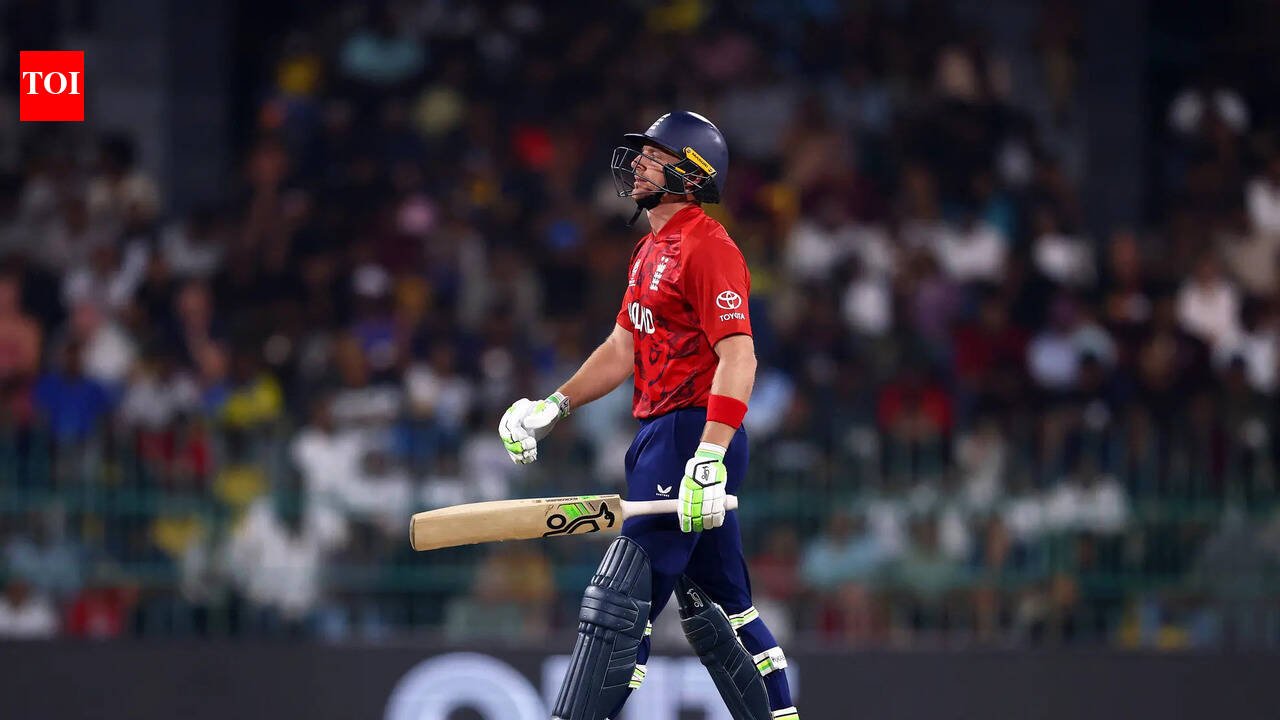
Jos Buttler of England (Photo by Robert Cianflone/Getty Images)

The T20 World Cup 2026 has been a campaign to forget so far for England’s senior batter Jos Buttler. The experienced right-hander has accumulated only 62 runs across seven innings, including five consecutive single-digit scores. He began the tournament with 26 against Nepal and 21 versus the West Indies, but his returns have dipped sharply since then. His struggles continued in the Super 8 clash against New Zealand in Colombo, where he was dismissed for a duck, caught behind off Lockie Ferguson. Across his last five outings against Scotland, Italy, Sri Lanka, Pakistan and New Zealand, Buttler has managed scores of 3, 3, 7, 2 and 0, totalling just 15 runs.

India land in Kolkata for do-or-die WI clash | Semi-final spot on the line

Despite the lean patch, England captain Harry Brook has thrown his full support behind his predecessor. Brook urged critics to consider Buttler’s long-standing contribution to England cricket and went as far as describing him as the finest white-ball player the game has seen. “There’s been a lot said about Jos. I said the other day that he’s played 150 games for England in T20Is, and people probably need to take a little step back from that. He’s probably the best white-ball player to have ever played the game. He’s in a little bit of a rut now, but I think that’s an exciting thing for everybody in the world to know what he could produce in the next couple of games,” Brook said at the post-match presentation. “He’s obviously got a lot of fire in the belly, and he wants to go out there and show everybody what he’s made of. Look, he averages 34 striking at 145 in 150 games. He’s a phenomenal player, and I have no doubts he’ll go out and do well,” he added. England have Ben Duckett available as an alternative should they opt for a change. However, Brook’s comments suggest Buttler is set to feature in the semi-final in Mumbai next week against either India or the West Indies. The dip in form is not limited to this tournament. Across England’s internationals and the S20, Buttler has registered just one half-century in his last 24 innings. His previous fifty in an ICC event came during the 2024 T20 World Cup, when he struck an unbeaten 83 against the USA.


Source link

Access Denied


Access Denied

You don’t have permission to access “http://www.ndtv.com/india-news/madhya-pradesh-police-trainees-reel-sparks-storm-show-cause-notices-issued-11152104” on this server.

Reference #18.7fdd417.1772322226.843817d

https://errors.edgesuite.net/18.7fdd417.1772322226.843817d


Source link

As forests shrink, these Mumbaikars fight plant blindness | Mumbai News


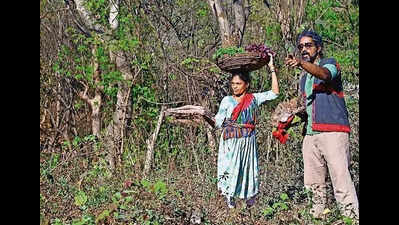
When illness strikes her family, Vanita Thakre, like most people, sends out for medicine. Only her pharmacy is the forest. “Some plants, like ambe, neeli and peeli halad (white, blue and yellow turmeric), are a permanent fixture in my home,” says Vanita, listing their benefits: blue turmeric treats asthma, white eases joint pains and yellow is an antiseptic.Drawing on an oral pharmacopeia committed to memory since childhood, she transforms roots, stems and leaves into salves, poultices and tonics at Aarey Forest.World Wildlife Day (March 3) turns the spotlight on the botanical bedrock of Vanita’s healthcare system: medicinal and aromatic plants. In India, medicinal plants account for approximately 15,000 of the country’s 45,000 plant species, according to the ICAR-Directorate of Medicinal and Aromatic Plants Research. Additionally, they form the plinth of India’s traditional healing systems—Ayurveda, Unani, Siddha, Naturopathy and Homeopathy. A 2023 survey by the Ministry of AYUSH found that 46% of rural respondents and 53% of urban respondents reported using at least one of these systems for the prevention and treatment of ailments.Yet, few people, like Thakre, go straight to the source. The plants themselves are harder to find. “Mumbai and the surrounding region grew several medicinal species, such as Chlorophytum borivilianum (Safed musli), a tonic, Tinospora cordifolia (Giloy), an immunity booster, and Helicteres isora (Murud Sheng, or the screw fruit), which treated colic,” says naturalist and author Vijaya Chakravarty. “You hardly see these plants today.Which is precisely what makes Thakre’s work important. Thakre—a Warli resident of Khambachapada, an adivasi hamlet in Aarey Forest—and Sanjiv Valsan—founder of Waghoba Habitat Foundation—work to conserve traditional ecological knowledge by curating wild food foraging walks, cookouts and planting exercises.Categorising plants as medicinal and aromatic is tricky, admits Vinita Gowda. “The definition of what constitutes a medicinal or aromatic plant needs clarification,” says the associate professor at the Indian Institute of Science Education and Research Bhopal.Every plant, she points out, can be medicinal when consumed in the right dosage. Beyond that threshold, it turns toxic. The semantics do not bother Thakre or Valsan. Their objective is to cultivate an affinity for all plants in the forest. When city folks understand the ecology of Aarey, they lend their voice to conservation protests, pay for events and buy forest produce. By creating a market for the plants, the nonprofit generated income for adivasi people and reopened routes to the forest that started to close because of a growing dependence on store-bought foods. “Foraging for both medicine and food declined. When people do not use plants, they lose that ecological knowledge and the will to protect it. Eventually, they stand to lose the forest.”By 2018, Mumbai lost 77% of its green cover, according to a 2021 study published in a Springer journal. As green cover depletes, people fail to notice what is left—a phenomenon called tree or plant blindness that can expose ‘unseen’ specimens to all manner of threats. Abhishek Khan— a research-based artist on weekdays and a “storyteller for botany” on weekends—works to cure it. His Theatre of Botany series of themed tree walks—with intriguing titles such as ‘Botany of Alcohol’ and ‘Botany of Nightmares and Dreams’—is part of his project Mumbai Vann that casts trees and plants as dramatis personae of the city. “Trees have to grow in two fertile, places to survive, ” says Khan, “the soil, and a person’s imagination.


Source link

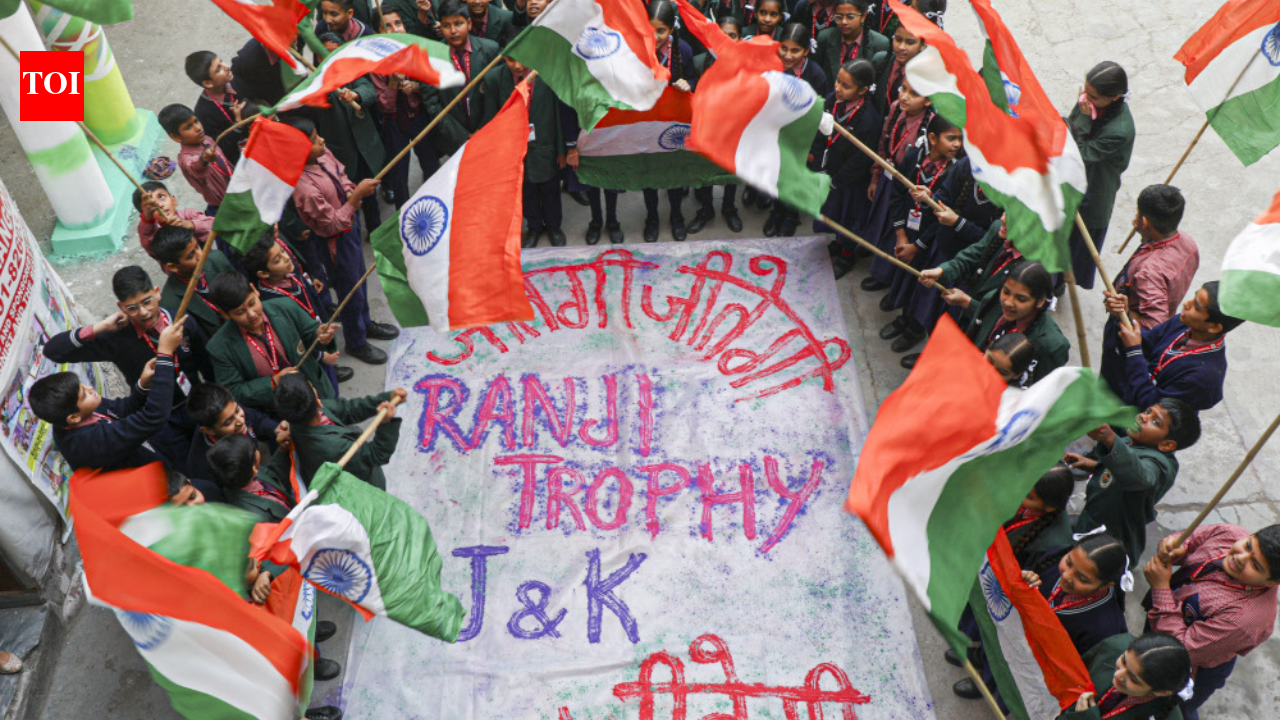
Can J&K’s Ranji triumph heal old wounds? | India News


Can J&K’s Ranji triumph heal old wounds?
Panacea on the Pitch? Cricket has the potential to tackle the sense of alienation that Kashmiris feel and bind them and other Indians closer together

Jammu and Kashmir have become India’s cricketing champs by thrashing favourites Karnataka in the Ranji Trophy finals. This is a fantastic, heart-warming Cinderella tale in a small state long viewed as a no-hoper in cricket. Experts say nobody watches Ranji Trophy cricket because it is not exciting and lacks top stars. But I followed the Ranji semi-final and the final avidly and, by the end, was cheering myself hoarse for J&K. There must have been many more viewers like me. Before this season, J&K had played 334 Ranji Trophy matches over 67 years and won only 45 of them. It took 44 years to win its first match, against the Services in 1982-83. But this year, it steadily eliminated one tough opponent after another—Rajasthan, Hyderabad, Delhi, Madhya Pradesh, West Bengal, and finally seven-time champions Karnataka.Karnataka had five Test players—KL Rahul, Mayank Agrawal, Devdutt Padikkal, Karun Nair, and Prasidh Krishna. J&K had none. A year ago, you would have been hard-pressed to name a single member of its team. Yet it won in commanding style.This is more than a cricketing story. Out of the blue, it provides a non-political avenue to help alienated Kashmiris feel part of the Indian mainstream. They suddenly find themselves kings of Ranji cricket, admired and applauded across India in a manner no one could have imagined a year ago. May Kashmiri youngsters once seduced by terrorism trade Kalashnikovs for cricket bats!Kashmir’s notorious cricket audiences have been known to cheer for Pakistan against India. This has drawn accusations of anti-nationalism and taunts asking them to leave India and go to Pakistan.Kashmiris say this is a grave misunderstanding of their sentiments. My former Economic Times colleague Najeeb Mubarki says that cricketing crowds in the state have no particular love for Pakistan, but they want to express their alienation from India and outrage at violations of human rights in the state. And so, said Najeeb, Kashmir’s cricketing crowds will cheer for any opponent of India — be it Pakistan, or anyone else.In the current World Cup T-20 super-eights, South Africa thrashed India last week. News reports from Srinagar spoke of Kashmiris cheering for South Africa while watching the match on TV. With draconian laws now in place against anything that can be interpreted as anti-national, youngsters are cautious today about celebrations in public. But laws cannot transform what they feel or whom they cheer for.Can the mere winning of a cricket trophy change hearts and minds? No, that is a stretch. But all conventional means of ending Kashmiri alienation — govt jobs, subsidies for industries, encouraging tourism — have not achieved much. Cricket has promise because Kashmir, like the rest of India, is cricket crazy. Team sports are an excellent way to bind together people from different communities. Football is the biggest spectator sport globally, and Manchester United has millions of fans even in China and Africa. Cricket is not too far behind.Once you play for a cricket team, all your teammates become vital partners, regardless of religion or region. This is true, at least in part, for cricketing audiences too, which in India means almost everyone. Once, cheering against India was a Kashmiri way of expressing alienation. But now that J&K is Ranji champion, cricket has the potential to tackle that alienation and bind Kashmiris and other Indians closer together. The state is now central to Indian cricket, not an outlier. Its Ranji victory was a team effort of six Hindus and five Muslims. It scored a mammoth 584 runs in its first innings, with Shubham Pundir (ever heard of him?) scoring a century and five others scoring half-centuries. But the J&K star was unquestionably fast bowler Auqib Nabi, nicknamed the ‘Baramulla Express’. At the age of 29, he is a late developer. But his bowling in the last two Ranji seasons has been so phenomenal that it seems a crime that he is not in the Indian Test team.Nabi took 44 wickets last season and 60 this season, the most by any bowler. Despite having catches dropped he snagged 5 for 54 in Karnataka’s first innings, including the cream of its batting stars. He had earlier spearheaded J&K’s victory in the quarter final against MP (12 wickets for 110 runs) and semi-final against Bengal (9 wickets for 123 runs). His bowling average this season has been an astonishing 12.7 runs per wicket —anything below 20 is outstanding. Very few bowlers can boast of a hat-trick—three wickets in three successive balls. But in the Duleep Trophy six months ago, Nabi (playing for North Zone) got four wickets in four successive balls, a feat so extraordinary that cricket has yet to invent a word for it. Hurrah for Kashmir! Hurrah for India!


Source link

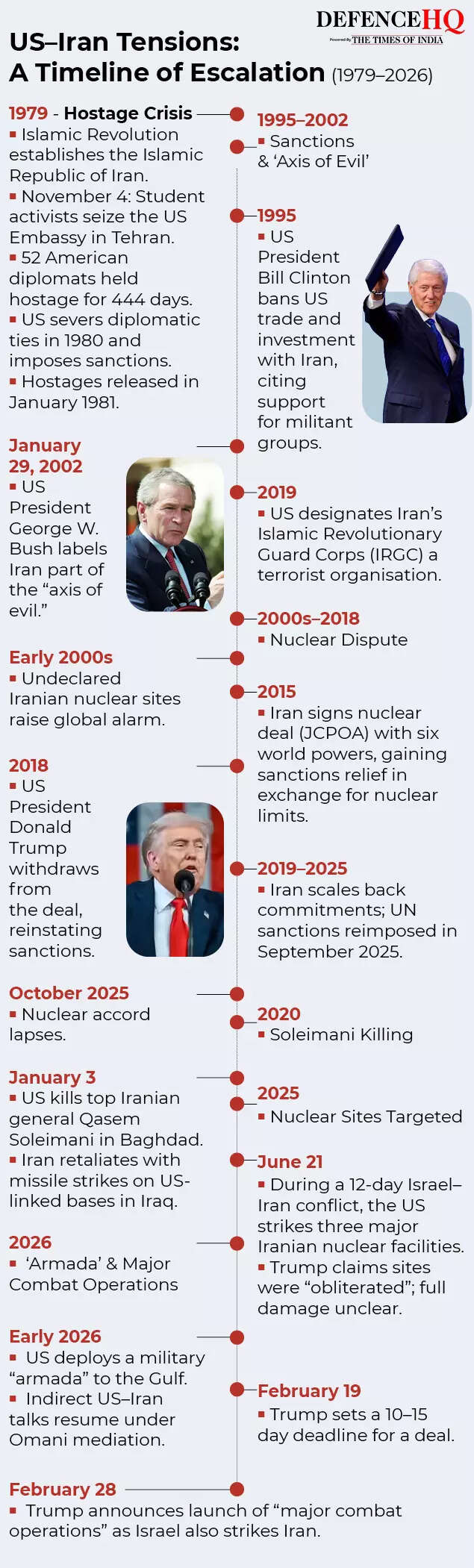
Khamenei killed after US-Israel strike; Iran issues ‘unforgettable lesson’ warning – 10 things to know


Khamenei killed after US-Israel strike; Iran issues 'unforgettable lesson' warning - 10 things to know

The Middle East is facing one of its most volatile moments in decades after US President Donald Trump announced that Iran’s Supreme Leader Ayatollah Ali Khamenei had been killed in a joint US-Israel strike on Tehran.In a post on Truth Social, Trump wrote: “Khamenei, one of the most evil people in History, is dead.” He claimed the cleric was tracked using “Highly Sophisticated Tracking Systems” and described the assassination as “the single greatest chance for the Iranian people to take back their Country.” Israeli Prime Minister Benjamin Netanyahu said there were “many signs” that the 86-year-old leader was “no more”.Iran has not formally confirmed his death. However, senior official Ali Larijani warned that the United States and Israel would “regret their actions”, vowing an “unforgettable lesson” from Iran’s armed forces. Within hours, missiles and drones were launched at Israel and at US military bases across the Gulf.

10 things to know

How Khamenei was targeted

Strikes began around 09:30 Tehran time, with explosions reported near Khamenei’s heavily guarded Leadership House compound. Satellite imagery showed blackened buildings and debris within a kilometre of the site. Israeli officials later said the compound had been destroyed in what they described as a “powerful, surprise strike”.

-

Trump confirmed US participation, saying the operation aimed to eliminate “imminent threats” from the Iranian regime. The attack reportedly formed part of a months-long joint operational plan between Washington and Jerusalem. If confirmed, Khamenei’s death would mark the first killing of a sitting Iranian supreme leader and the most direct US intervention in Iran’s leadership structure since 1979.

Leadership vacuum in Tehran

Khamenei had ruled since 1989, succeeding Ayatollah Ruhollah Khomeini. Over nearly four decades, he consolidated power over the clerical establishment, judiciary and armed forces.There is no publicly confirmed successor. Constitutionally, a panel of clerics selects the next supreme leader, but analysts warn that in wartime, power could shift to a temporary council or to the Islamic Revolutionary Guard Corps (IRGC). The absence of a clear transition plan risks internal rivalries. With tensions at boiling point, even minor factional splits could destabilise the political system that Khamenei spent decades fortifying.

Iran’s retaliation

Iran’s Islamic Revolutionary Guard Corps said it had launched “Operation Truthful Promise 4”, targeting Israel and five major US facilities in Qatar, Bahrain, Kuwait, Jordan and the UAE.Missiles and Shahed drones were fired in waves. In Israel, around 150 ballistic missiles were reportedly launched. Many were intercepted, though some struck open areas. Iran described the attacks as a proportionate response to what it called an “illegal and illegitimate” act of aggression.

US bases under fire

The headquarters of the US Navy’s Fifth Fleet in Bahrain, Al Udeid airbase in Qatar and Ali Al Salem airbase in Kuwait were among sites reportedly targeted. US Central Command said forces had defended against “hundreds” of incoming missiles and drones.Washington reported no fatalities and only minimal damage. However, footage showed explosions near strategic installations, underlining vulnerabilities. The US has roughly 30,000–40,000 troops across about 13 bases in the region. Even with Patriot and THAAD air defence systems deployed, experts say defences cannot guarantee complete protection against mass drone and missile salvos.

Civilian casualties mount

Iranian state media said at least 201 people were killed and more than 700 injured in the initial strikes across 24 provinces. Among the dead were reportedly dozens of schoolgirls in Hormozgan province, though independent verification remains limited.In the Gulf, falling debris and drone strikes injured civilians in Kuwait and the UAE. A luxury hotel in Dubai caught fire following an explosion nearby. Regional governments condemned the attacks as violations of sovereignty, even as they confirmed intercepting incoming projectiles.

Trump’s call for regime change

Trump went beyond military objectives, openly urging Iranians to overthrow their government. “When we are finished, take over your government. It will be yours to take,” he said in a video address.He offered Iranian armed forces “complete immunity” if they laid down weapons, warning others would face “certain death”. The rhetoric signals that Washington sees strategic opportunity in Khamenei’s removal. Critics argue such language risks inflaming nationalist sentiment inside Iran and uniting factions that might otherwise compete for power.

Israel’s strategic calculus

Netanyahu described the strike as eliminating an “existential threat”. Israel said around 200 fighter jets dropped hundreds of munitions on roughly 500 targets, including missile launchers, IRGC command centres and air defences.Israeli officials also claimed senior Iranian defence figures were killed. The operation builds on last year’s 12-day conflict, which had already weakened Iran’s air defences. Israeli military leaders said planning had intensified after that confrontation, reflecting concerns over Iran’s advancing nuclear capabilities.

How we got here

The strike came days after a failed round of nuclear negotiations. Trump had warned that military action would follow if Iran refused stricter limits on uranium enrichment.Iran insists its programme is peaceful. However, US officials say intelligence indicated Tehran had developed advanced centrifuge capabilities. Previous US and Israeli attacks last year damaged nuclear infrastructure but did not fully dismantle it. Saturday’s operation appears aimed at preventing further progress while also reshaping Iran’s political leadership.

Global economic shockwaves

The Strait of Hormuz, through which roughly a fifth of global oil shipments pass, remains a flashpoint. Iranian forces reportedly warned vessels that no ships should transit the waterway.Airlines suspended flights across the Gulf, and several countries partially closed their airspace. Markets reacted nervously amid fears of prolonged disruption. Any sustained closure of Hormuz would send energy prices soaring and strain global supply chains.

What happens next?

Much depends on confirmation of Khamenei’s death and who consolidates power in Tehran. The IRGC, already dominant in security and economic affairs, could assume a more overt governing role.


Source link

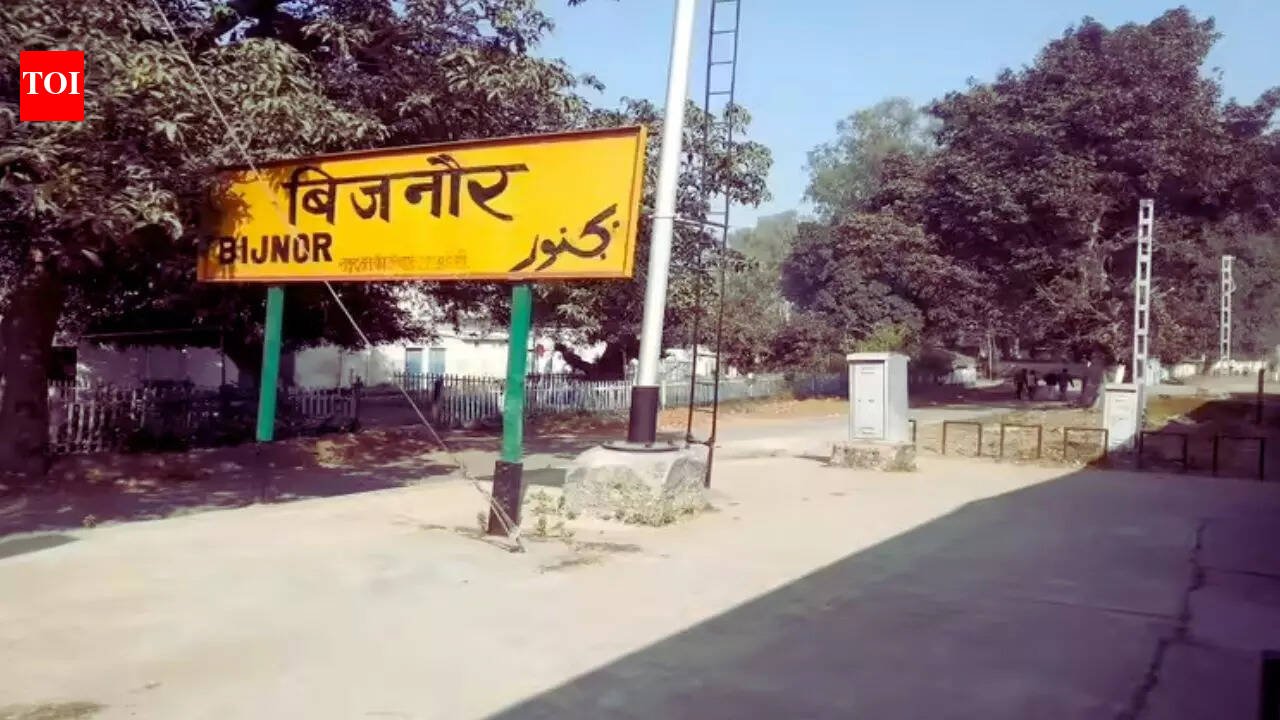
‘Will kill you’: Murder convicts tell judge after sentencing, say they know where he lives | Meerut News


Image Used For Representational Purpose Only

BIJNOR: Moments after Bijnor additional district and sessions court sentenced two men to life in prison in a murder case, the convicts sent out a chilling threat to the judge, telling him they knew where he lived and that they would kill him.After the verdict on Thursday afternoon, the convicts, Jaideep Singh, 35, and Pintu Chauhan, 30, said in the courtroom that they would also not spare the 28-year-old daughter of the man they had murdered in May 2014. It was on the woman’s complaint that an FIR against Singh and Chauhan had been filed. As the atmosphere in the courtroom became tense, the court administration alerted police. Senior police officers rushed and escorted the judge to his residence under heavy security. Additional police personnel were also deployed at his residence for his protection.Jaideep Singh and Pintu Chauhan were found guilty of murdering Pukhraj Singh (55), a resident of Matoora Durga village in Bijnor, over dowry-related dispute.Pukhraj’s daughter was married to Jaideep’s brother, Pradeep Singh, and she faced harassment soon after her wedding, the original complaint stated. It was alleged that her in-laws started demanding a car and cash as additional dowry. She then filed a complaint against her in-laws at Dhampur police station, and Pukhraj was pursuing his daughter’s case.Additional district govt counsel Ajit Pawar said, “The victim’s daughter filed a complaint on May 19, 2024, and alleged that the two men dragged her father onto the road and crushed him with their car.”


Source link