Breaking News
Watch: PM Modi kicks off International Kite Festival; shares kite-flying moment with German Chancellor | India News


Watch: PM Modi kicks off International Kite Festival; shares kite-flying moment with German Chancellor

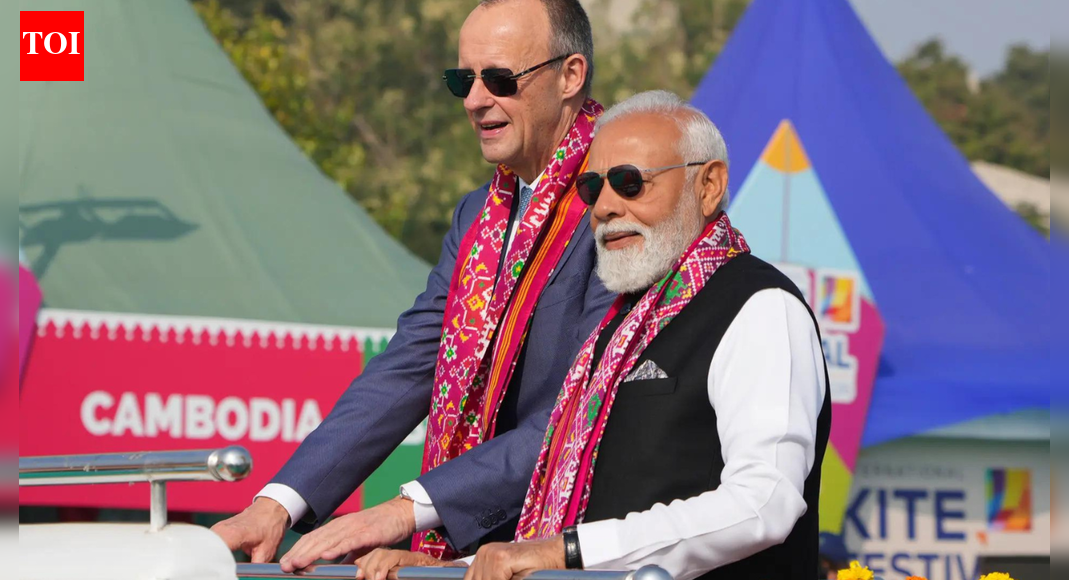
NEW DELHI: Prime Minister Narendra Modi on Monday welcomed German Chancellor Friedrich Merz to Ahmedabad during his first official visit to India. The two leaders attended the International Kite Festival at the Sabarmati Riverfront, where they were seen flying kites. Visuals from the event showed both leaders interacting with participants and taking part in the colourful festivities, which drew kite enthusiasts from India and abroad. Held ahead of Makar Sankranti, the three-day International Kite Festival will conclude on January 14 and features 135 international kite flyers from 50 countries, along with 65 participants from across India and 871 local flyers from Gujarat.Earlier, Prime Minister Narendra Modi welcomed German Chancellor Friedrich Merz to the Sabarmati Ashram in Ahmedabad ahead of the festival’s inauguration.Merz arrived in India on Sunday for a two-day official visit from January 12 to 13, his first since assuming office, and was welcomed by Prime Minister Narendra Modi at the Sabarmati Ashram. The two leaders are scheduled to hold bilateral talks from 11.15 am at Mahatma Mandir in Gandhinagar, where they will review progress in the India–Germany Strategic Partnership, which recently marked its 25th anniversary.The discussions will focus on strengthening cooperation in trade and investment, technology, education, skilling and mobility, as well as advancing collaboration in defence and security, science, innovation and research, green and sustainable development, and people-to-people ties. PM Modi and Merz will also exchange views on regional and global issues and engage with business and industry leaders from both countries.The visit is expected to build on ongoing high-level political engagement and reaffirm a shared commitment to a forward-looking partnership. On January 13, Chancellor Merz will visit Bosch and the Centre for Nano Science and Engineering (CeNSE) before departing for Germany.PM Modi and Merz last held talks on the sidelines of the G7 Summit in Canada, where they agreed to further expand the bilateral strategic partnership. The visit also comes ahead of the India–EU Summit scheduled for January 27.German Ambassador to India Philipp Ackermann recently underscored cooperation in defence and security, saying that “the strategic partnership between the nations has grown over the years.”


Source link

Bank holiday on Swami Vivekananda’s birth anniversary: Will banks remain shut on January 12? Check state-wise list


Bank holiday on Swami Vivekananda's birth anniversary: Will banks remain shut on January 12? Check state-wise list

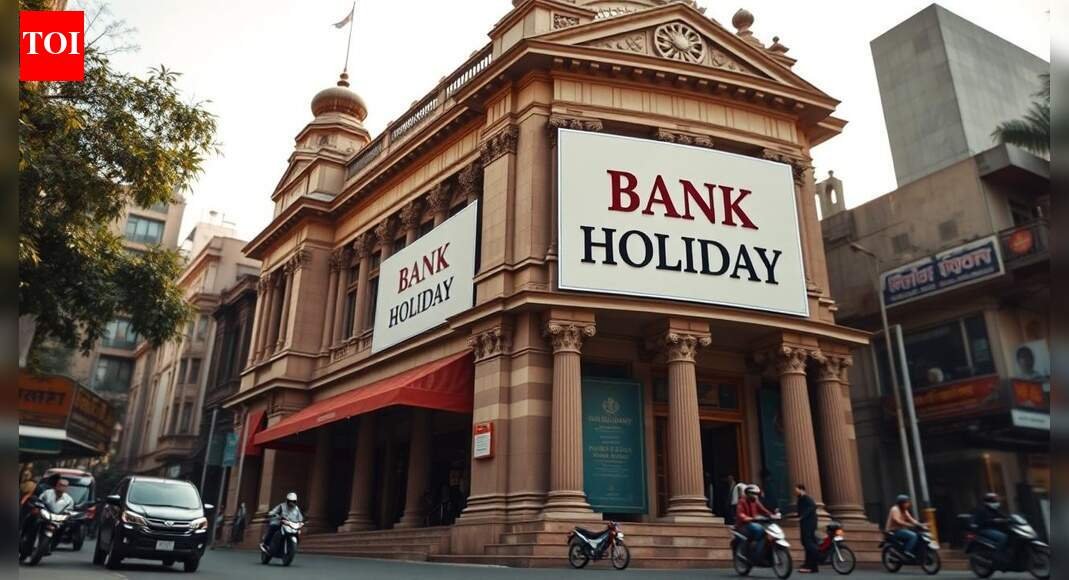
Bank holiday on Swami Vivekananda’s birth anniversary: Banks will be observing multiple holidays in January 2026, ranging from regional festivals to nationwide observances. On January 12, some banks will remain closed to mark the birth anniversary of Swami Vivekananda. Keeping track of bank holidays is essential for planning financial activities, as physical banking services will be unavailable on these days and customers are advised to schedule branch visits accordingly.

Where are banks closed on January 12?

On January 12, the birth anniversary of Swami Vivekananda, banks will remain closed in West Bengal.

Upcoming holidays in January:

January 14: Banks in Gujarat, Odisha, Assam and Arunachal Pradesh will remain closed on account of Makar Sankranti and Magh Bihu. January 15: Banks in Karnataka, Tamil Nadu, Sikkim, Telangana and Andhra Pradesh will shut for Uttarayana Punyakala, Pongal, Maghe Sankranti and Makara Sankranti. January 16 and January 17: Tamil Nadu will see additional banking holidays, in observance of Thiruvalluvar Day and Uzhavar Thirunal.January 23: Banks in Tripura, Odisha and West Bengal will shut to mark the birthday of Netaji Subhas Chandra Bose, Saraswati Puja (Shree Panchami), Vir Surendrasai Jayanti and Basanta Panchami. January 26: Banks across the country will remain closed for Republic Day. In addition to these holidays, banks will also be closed on the second and fourth Saturdays of the month, as per the standard banking schedule. While physical branches will not be operational on these days, customers will still be able to access online banking services, ATMs, mobile banking applications and UPI for routine transactions such as fund transfers and bill payments. However, services requiring an in-person visit, including large cash deposits, cheque clearances and the issuance of demand drafts, will not be available during closures. Customers are advised to plan essential banking activities in advance to avoid inconvenience and make use of digital banking options during holiday periods.


Source link

Vijay Hazare Trophy: In-form Sarfaraz Khan ruled out of Mumbai’s quarterfinal clash vs Karnataka | Cricket News


Vijay Hazare Trophy: In-form Sarfaraz Khan ruled out of Mumbai's quarterfinal clash vs Karnataka
Sarfaraz Khan (PTI Photo)

VADODARA: In a big blow to Mumbai, the domestic giants went into their Vijay Hazare Trophy quarterfinal match against Karnataka at the Centre of Excellence in Bengaluru on Monday without two of their key players — in-form batsman Sarfaraz Khan and pacer Tushar Deshpande.TOI has learnt that Sarfaraz, who had smashed a record 15-ball fifty against Punjab in the last league match of the stage — the fastest by an Indian in List A cricket — injured his finger after being struck by a ball from Sairaj Patil while batting in the nets.

Why India need leader Shreyas Iyer for 2027 World Cup | Greenstone Lobo prediction

Having scored 303 runs in six matches at an average of 75.75, with a strike rate of 190.56 and a highest score of 155 off 75 balls against Goa, Sarfaraz has been Mumbai’s highest run-getter in the Vijay Hazare this season by a long margin.Deshpande, meanwhile, had to rush back from Bengaluru to Mumbai due to an emergency situation at home — his wife, Nabha Gaddamwar, is about to give birth to their child and has been admitted to hospital. “He has informed and sought permission from the Mumbai Cricket Association president Ajinkya Naik and secretary Unmesh Khanvilkar to fly back home immediately,” a source told this paper.Deshpande took five wickets in six matches at 58.60 in the league stage, and is likely to rejoin the Mumbai team if they are still in the knockouts later in the tournament.Opener Ishan Mulchandani replaced Sarfaraz in the XI and was batting on 16 as Mumbai reached 27 without loss in the eighth over after Karnataka asked the visitors to bat first.


Source link

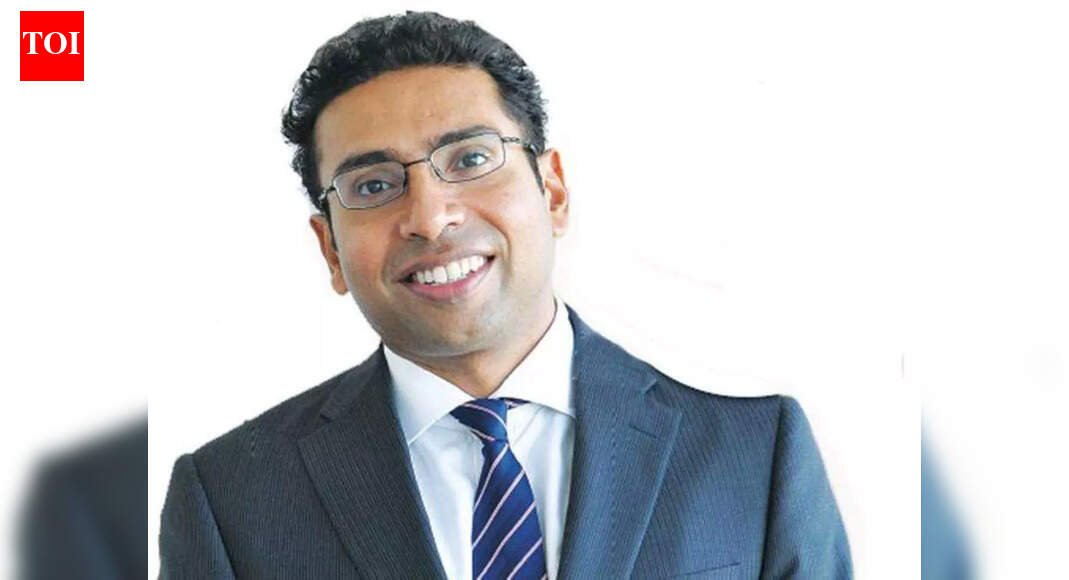
Is the era of salaried jobs ending? Here is why investor Saurabh Mukherjea tells students to focus on AI-resistant skills


Is the era of salaried jobs ending? Here is why investor Saurabh Mukherjea tells students to focus on AI-resistant skills
Saurabh Mukherjea tells students to focus on AI-resistant skills

India’s white-collar job boom is over. What once grew at 11% a year is now barely 1%, warns Saurabh Mukherjea, founder of Marcellus Investment Managers. He made the stark revelation in his podcast “Coffee and Investing with Saurabh Mukherjea”, in the episode titled “No Jobs & High Debt: The Silent Middle Class Crisis.”For decades, India’s urban middle class has relied on stable office jobs, especially in the IT sector, finance, and BPO services, as a ticket to economic mobility. Today, Mukherjea says, that ticket is being revoked. The combination of tech layoffs, automation, and AI disruption is changing the rules of employment, and students who cling to old career assumptions risk being left behind.“The salaryman era is over,” Mukherjea declares. “If students do not build skills that cannot be automated, they will not just miss opportunities—they may find themselves unemployed in a shrinking job market.”

Tech layoffs and automation are eating jobs

The IT sector, long the engine of white-collar employment, is shedding roles. Large companies like Tata Consultancy Services, HCL Tech, Infosys, and Wipro are reducing headcount while adopting AI, automation, and productivity-enhancing technologies. Entry-level coding, routine customer support, and administrative tasks are increasingly being done by software and intelligent systems rather than humans.The slowdown is not restricted to tech. Finance, legal services, logistics, and media are also experiencing structural shifts as AI-driven workflows replace traditional roles. According to Mukherjea, up to 25% of current tech and customer experience jobs could vanish by 2031.For college students and recent graduates, this serves as a wake, up call. Several job roles that were earlier deemed as ‘safe’ are now vulnerable. Besides this, even top, tier companies cannot be relied on for lifelong jobs, and due to the rapid technological disruption, the time for conventional career planning is almost gone.

Students can’t afford to wait

Mukherjea’s advice is clear: waiting for a salaried job to appear is no longer a strategy—it is a gamble. Students need to adapt, learn new skills, and focus on work that AI cannot do. Skills that involve humans, like creativity, problem-solving, empathy, negotiation, and critical thinking, are now the most valuable because they are harder to automate. Jobs in areas like healthcare, education, design, and other service-based fields offer good opportunities for growth and long-term stability.Technical skills are still important, but they need to be paired with the ability to adapt. Mukherjea points out that learning AI, machine learning, cloud computing, cybersecurity, or data analytics is useful, but only if students also stay flexible, curious, and take initiative.As he bluntly puts it: “The salaryman era is over. Students must focus on building skills that cannot be automated.”

Skills that will keep you relevant

To survive—and thrive—in the new job market, students must develop a balanced combination of technical, soft, and entrepreneurial skills. From a technical perspective, knowledge of artificial intelligence and machine learning, cloud computing and cybersecurity, as well as data analytics, coding, and software development will become increasingly necessary. Similarly, soft skills like creativity, problem, solving, communication, collaboration, emotional intelligence, and leadership that help students adapt and thrive in changing work environments are just as necessary. Entrepreneurial skills are equally important, such as being a freelancer, working on some side projects, pivoting quickly, seeking new opportunities, and creating a personal brand or portfolio. Practical knowledge is most important and thus students can be encouraged to undertake micro, projects, internships, or cross, disciplinary work, because the portfolio and tangible accomplishments will speak volumes about the person’s capabilities rather than the resume only, says Mukherjea.

How to adapt to the new job market

Students who will thrive in the future are those who can adapt quickly as the job market changes. Saurabh Mukherjea advises that students focus on a few important habits to stay ahead. First, they should keep learning continuously through online courses, certifications, and workshops. This helps them gain new knowledge and skills that are in demand and prepares them for changes in the workplace. Second, students should gain practical experience by doing internships, freelance projects, or even small side ventures. Real-world experience teaches problem-solving and gives them skills that cannot be learned from books alone.Building a strong professional network is crucial. Connecting with mentors, peers, and industry professionals helps students get guidance, find opportunities, and understand job market changes. They should also stay updated on AI and automation to know which jobs are disappearing and which are emerging. Using creativity to add value in ways AI cannot, solving problems, and taking initiative will help students stay competitive and stand out in the job market.

Why this matters now

Mukherjea’s warning is quite urgent in a rapidly changing world. There is an exponential growth in AI usage, and automation is extending its reach beyond just routine tasks to areas such as customer service, marketing, legal research, and financial analysis. Many of the “entry level” jobs as they are called that exist today, may not be there in 2030.For the middle class of India, which has been relying on salaried jobs for both stability and a way to move up, it is a hard hit. The truth is that graduates have to change their mindset from seeking security to being prepared for change and development, otherwise they may not catch up in a quickly changing economy.

No safety nets: Adapt or lose out

The white collar job market is rapidly evolving, but students willing to adapt still have opportunities. Those who over time develop skills that AI will never replace, develop people, oriented skills, and adopt an entrepreneurial mindset, without doubt, will be better equipped to succeed than the previous generations.Disruption is inevitable. Survival is optional. Mukherjea’s advice: act now, build skills, and redefine what “career success” means for the 21st century.

Source link

This village near Mussoorie hangs corn outside their homes for generations, and the reason goes far deeper than tradition |


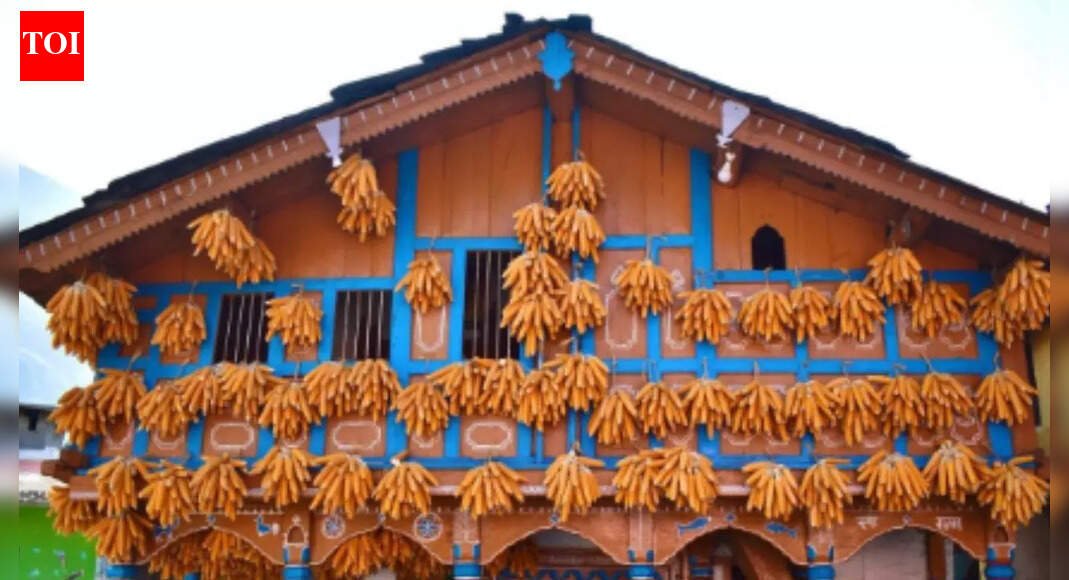
Just beyond the busy curves of Mussoorie, where the chatter of tourists slowly dissolves into birdsong and mountain wind, is a village that seems to breathe at its own pace. Sainji does not announce its arrival by signboards or souvenir shops. It states its name in colour: rows of golden corn cobs hang outside homes, within balconies, or across wooden windows, gently swaying in the crisp, fragrant Himalayan air, catching sunlight and soft breezes.This tiny hamlet in Uttarakhand’s Tehri Garhwal district has been wontedly termed India’s Corn Village, the name only a hint at a deeper story. Here, maize is not decoration or branding. Memory, survival, and a lifeline in how people have learned to prosper in harmony with their land.

How corn drying became the village’s agricultural identity

In the Sainji villages, the corn hung around the houses for display or for the outside world to see via photography on online social networking websites has never happened. This tradition has existed for many centuries and has arisen as a matter of wisdom. Once the harvests are complete, the corn is hung in bunches to dry in the cool mountain climate.It sustains the crop for months, ensures seed survival for the upcoming crop cycle, and also offers an endless source of flour for every meal. Over the years, this vital agricultural practice developed into the biggest mark in the village, where every corner is lit up with colours ranging from yellow to gold, symbolising dwellings that signify prosperity and future planning in every nook and cranny. Sainji consists of approximately 40 to 50 families, with agricultural practices that signify communal knowledge as opposed to contemporary agricultural trends. Most farmlands in Sainji are organic, as chemical fertilisers and intensive farmlands never took root in Sainji since there was no need for them in the first place.Crop rotation, seed conservation, and natural manure are also practised and have been passed down through observation and experience.

Why is community Sainji’s greatest resource

What truly distinguishes Sainji is not just what it grows, but how its people live together. Daily life here is deeply communal. Farming knowledge, seeds, and even labour are shared, ensuring no family stands alone during difficult seasons.Festivals, weddings, and celebrations are collective affairs, strengthening bonds and reducing unnecessary consumption. Even cultural practices follow local rhythms. Diwali, for instance, is celebrated later than in most of India, guided by regional traditions rather than mainstream calendars.This strong sense of togetherness has allowed Sainji to remain largely self-sufficient, proving that sustainability can thrive when community comes before convenience.

Discovering Sainji through everyday life, not attractions

Sainji’s growing recognition as an offbeat destination has emerged quietly. Travellers who find their way here are usually seeking something different from crowded hill stations, a slower, more grounded experience.There are no curated tours or staged cultural performances here. Instead, visitors wander through narrow lanes lined with corn-draped homes, walk past terraced fields, and sit quietly as village life unfolds around them. Conversations with locals often turn into lessons about farming, food, and the rhythms of mountain living.The food is simple and regional. Corn-based foods like makki ki roti and veggies are indicative of food with its roots in soil, and not in indulgences. Sainji’s houses are another aspect that holds an element of silent interest. Most of these are painted in bright colours, and the doorframes are made of wood with lower entrances. The lower entrances were originally meant to keep evil spirits at bay.In some of the houses, there are doors that look like windows. These details encourage questions and discussions among the guests. These architectural details show how the generations have learned to adapt to the environment with houses designed to overcome the weather, retain warmth, and observe traditions.

Why Sainji feels so different

Sainji leaves a lasting impression because nothing feels performative. Clean lanes, neatly stored harvests, and shared spaces reflect pride without display. Corn hanging outside homes was once a symbol of prosperity. Today, it still represents abundance, but of a quieter kind.There is enough food, enough community, and enough care for the land. Modern influences have reached the village, but they have not replaced its core values. Farming still dictates daily rhythms, neighbours still depend on one another, and sustainability remains a lived practice rather than a borrowed concept.

How to reach Sainji and the best time to visit

Sainji is in the Tehri Garhwal District of Uttarakhand, five kilometres away from Kempty Falls, which in turn is near Mussoorie. The nearest major transportation hub is Dehra Dun, easily accessible from anywhere by all kinds of transportation methods available on the route. One can drive or take a taxi to Mussoorie from Dehradun.The best time to visit the village will be during September and October, after the harvest period. It is during this time that corn is dried, making the entire village a gold canvas. The weather is also ideal, with greenery and daily village life that exhibits the authenticity of their culture.


Source link

Wanindu Hasaranga stars as Sri Lanka level series against Pakistan in rain-hit 3rd T20I


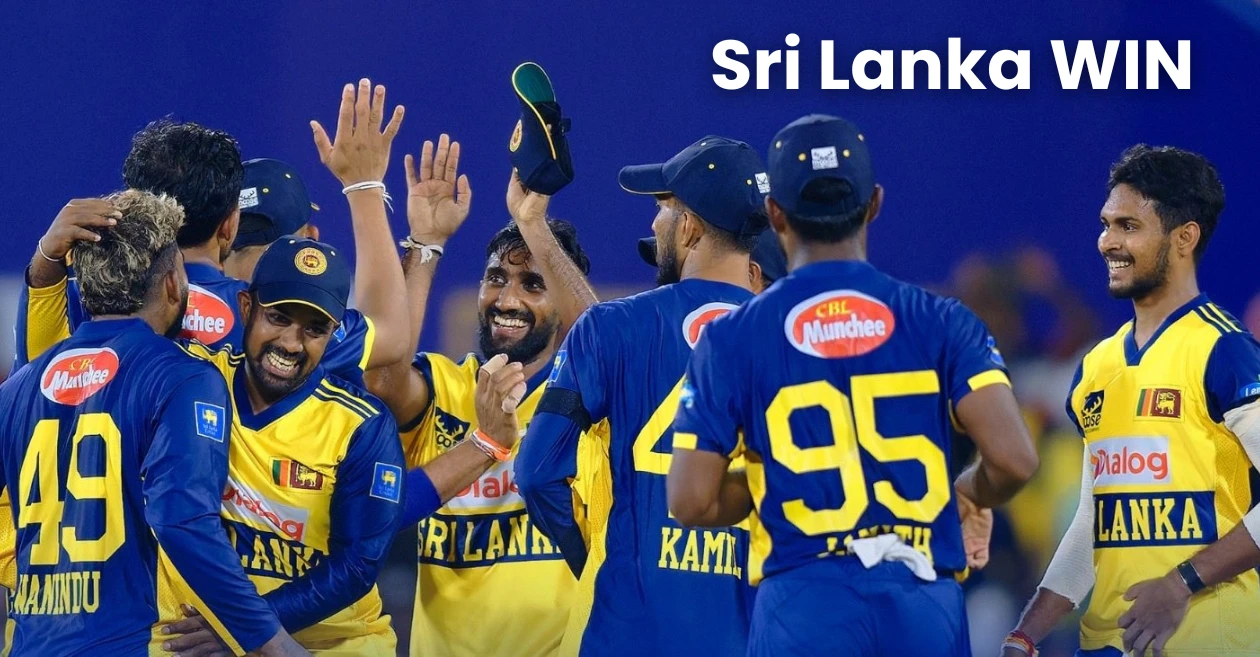
A sensational bowling performance from Wanindu Hasaranga powered Sri Lanka to a crucial 14-run victory [DLS] over Pakistan in a rain-shortened third T20I at the Rangiri Dambulla International Stadium on Sunday. The match, reduced to a 12-overs-a-side contest due to persistent showers, saw Sri Lanka defend a challenging total to square the series in dramatic fashion.

Sri Lanka post massive total after aggressive batting display

After Pakistan won the toss and elected to bowl, Sri Lanka came out with clear attacking intent despite losing Pathum Nissanka early. Kamil Mishara provided early momentum with a brisk 20 off eight balls, but it was Kusal Mendis who anchored the innings with a fluent 30 from just 16 deliveries, keeping the run rate well above 12 an over.

Middle-order contributions from Dhananjaya de Silva and Charith Asalanka ensured Sri Lanka maintained pressure despite regular wickets. Captain Dasun Shanaka then played a powerful cameo, smashing 34 off just nine balls as Sri Lanka surged past the 150-run mark in the final over.

Late hitting from Janith Liyanage (22 not out off 8) pushed Sri Lanka to an imposing 160 for 6 from 12 overs, a total that proved decisive on a damp surface. Pakistan’s bowlers, led by Mohammad Wasim Jr, struggled with execution as the shortened format left little margin for error.

Pakistan’s chase falters despite Salman Agha’s blitz

Pakistan’s reply began brightly through Salman Agha, who played a breathtaking knock of 45 from just 12 balls. His clean striking briefly swung momentum in Pakistan’s favour, especially during a rapid 51-run partnership that raised hopes of a successful chase.

However, Sri Lanka struck back at crucial moments. The dismissal of Salman Agha by Matheesha Pathirana triggered a collapse as wickets fell in quick succession. Saim Ayub and Usman Khan were also dismissed in single digits, leaving Pakistan behind the required rate.

Also READ: Fans go berserk as Virat Kohli and Harshit Rana power India to thrilling ODI win over New Zealand in Vadodara

Wanindu Hasaranga turns the match with game-changing spell

Hasaranga delivered the decisive blow with a match-winning spell, claiming four wickets for 35 runs in his three overs. His scalps included key batters Khawaja Nafay and Shadab Khan, breaking Pakistan’s middle-order resistance. Supported by disciplined bowling from Pathirana and Eshan Malinga, Sri Lanka tightened the screws in the final overs.

Despite late resistance from the tailenders, Pakistan finished on 146 for 8, falling 14 runs short of the target.

Also READ: Fans go wild as Sophie Devine’s all-round show powers Gujarat Giants to thrilling win over Delhi Capitals in WPL 2026


Source link

Rupee at 90: Currency falls 5 paise in early trade; reaches 90.23 against US dollar


Rupee at 90: Currency falls 5 paise in early trade; reaches 90.23 against US dollar

Rupee began the week in red, falling 5 paise to 90.23 against the US dollar in early Monday trade, weighed down by rising crude oil prices and persistent outflows from foreign investors. Traders said that ongoing geopolitical tensions and worries over potential US tariffs on Indian exports led foreign institutional investors to offload domestic equities. Market participants are now awaiting this week’s macroeconomic data for clearer direction. The interbank rupee opened at 90.23, marking a further decline from its previous close. On Friday, the rupee had lost 28 paise, ending the session at 90.18 against the dollar. Elsewhere, the dollar index, which gauges the strength of the US currency against six major peers, was down 0.14% at 98.75. Global crude prices also edged higher, with Brent crude futures trading 0.13% up at $63.44 per barrel. Domestic equities reflected the subdued sentiment. The Sensex fell 356.49 points, or 0.43%, to 83,219.75, while the Nifty lost 94.90 points, or 0.37%, to 25,588.40. Analysts highlighted multiple international developments affecting sentiment, including situations in Venezuela and Iran, as well as US President Donald Trump’s possible interest in Greenland. Foreign institutional investors sold shares worth Rs 3,769.31 crore on Friday, exchange data showed. The Reserve Bank of India’s latest weekly data further weighed on market confidence, showing a decline in forex reserves by $9.809 billion to $686.801 billion in the week ending 2 January. The previous week had seen reserves rise by $3.293 billion to $696.61 billion.


Source link

‘On its way to US’: Trump makes big claim on Venezuela oil; says ‘yes’ to 50 million barrels worth $4.2bn


‘On its way to US’: Trump makes big claim on Venezuela oil; says ‘yes’ to 50 million barrels worth $4.2bn

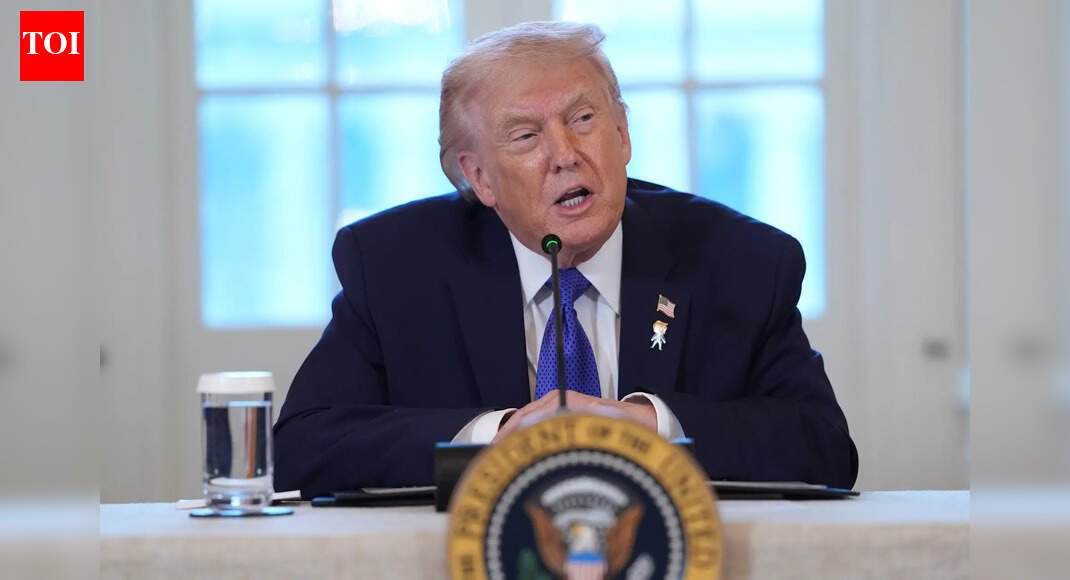
Washington is working “along really well” with Venezuela, US President Donald Trump said on Sunday (local time), pointing to oil shipments from the country. Speaking to reporters aboard Air Force One, Trump was talking about US’s approach towards the new leadership in Caracas after Nicolas Maduro was captured by American forces. “Venezuela is really working out well. We’re working along really well with the leadership, and we’ll see how it all works out,” he said.The US President further added that the acting President of Venezuela, Delcy Rodriguez, asked US if they could “take 50 million barrels of oil.” “I said, ‘yes, we can’ — that’s $4.2 billion, and it’s on its way right now to the United States,” Trump further added highlighting the scale of the deal.

Oil Tankers Flip Trump’s Game? Venezuela’s ‘Dark Mode’ Fleet TRICKS US, Then Comes Back. Here’s Why

This comes as the Trump administration is pushingimed at claiming control over Venezuelan oil production and sales. Earlier this week, the president invited oil executives to the White House and pressed them to move quickly into Venezuela, saying the administration was seeking around $100 billion in private investment to revive the country’s oil industry and fully tap its large reserves.Trump said that Washington had seized tankers carrying Venezuelan oil and would now take over the sale of between 30 million and 50 million barrels that had previously been under sanctions, with the US controlling sales globally for an indefinite period.In the meeting with oil industry leaders, Trump told executives, “You have total safety.” “You’re dealing with us directly and not dealing with Venezuela at all. We don’t want you to deal with Venezuela.”He stressed that the expected investments would come from private companies rather than public funds. “Our giant oil companies will be spending at least $100 billion of their money, not the government’s money. They don’t need government money. But they need government protection,” Trump said.According to the president, security assurances would be provided through cooperation with Venezuelan leaders and their people, rather than the deployment of US troops, although he added that companies would “bring over some security.”Trump also acknowledged the risks involved, noting that oil executives were accustomed to operating in challenging environments, even as Venezuela remains vulnerable to economic collapse.The White House meeting came shortly after US forces seized a fifth tanker in the past month linked to Venezuelan oil. The seizure reflected the administration’s determination to take control of Venezuela’s oil exports, refining and production, signalling continued US involvement in the sector as it pushes for firm investment commitments from private companies.


Source link

Vijay Hazare Trophy Quarterfinals, Live Score: Karnataka opt to bowl; Mumbai drop in-form Sarfaraz Khan


Vijay Hazare Trophy Quarterfinals, Live Score: In-form batters Sarfaraz Khan and Devdutt Padikkal will be keen to continue their stunning run when domestic heavyweights Mumbai and Karnataka clash in the Vijay Hazare Trophy quarterfinals here on Monday. The second quarterfinal, featuring Uttar Pradesh and Saurashtra, will also be played at the Centre of Excellence on the same day.

Karnataka’s only defeat in the group stage came in their final league outing on January 8, but they will back themselves to bring their best against Mumbai in a high-stakes knockout encounter.

Padikkal has been in sublime touch, topping the tournament’s run charts with 640 runs from seven innings, including four centuries and a half-century. If he continues to pile on runs, it will be difficult for the selectors to overlook him as attention gradually shifts towards the 2027 ODI World Cup once the T20 showpiece concludes in a couple of months.

Sarfaraz, too, has been pressing his case by seamlessly carrying his explosive T20 form into the 50-over format. In Mumbai’s surprise defeat to Punjab in their final league match, Sarfaraz struck the fastest fifty by an Indian in men’s List A cricket. Although the result had no bearing on qualification, it served as yet another reminder to the selectors of his exceptional talent in the shorter formats.

In the other quarterfinal, Uttar Pradesh will start as favourites against Saurashtra after finishing the league stage unbeaten — the only team across the four groups to achieve the feat.

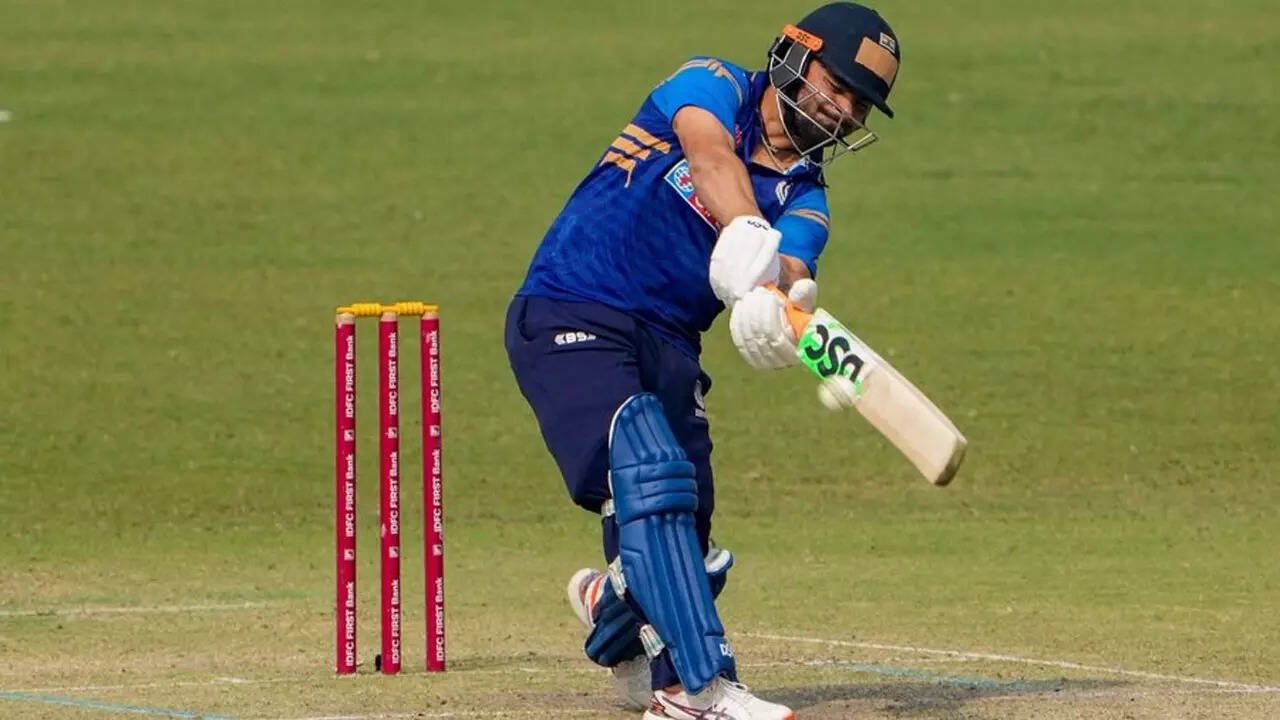
However, Uttar Pradesh will be without Dhruv Jurel, who has joined the Indian ODI squad following a side strain suffered by Rishabh Pant. Jurel was in sensational form during the league phase, amassing 558 runs in seven innings and proving virtually unstoppable.

Saurashtra, meanwhile, recovered strongly after losing two of their first three matches, winning their final four games to seal a place in the last eight. Their batters appear to be hitting form at the right time, while pacer Chetan Sakariya has also found good rhythm heading into the knockout clash.


Source link

‘Incumbent January 2026’: Trump posts fake image; calls himself ‘Acting President of Venezuela’


'Incumbent January 2026': Trump posts fake image; calls himself 'Acting President of Venezuela'

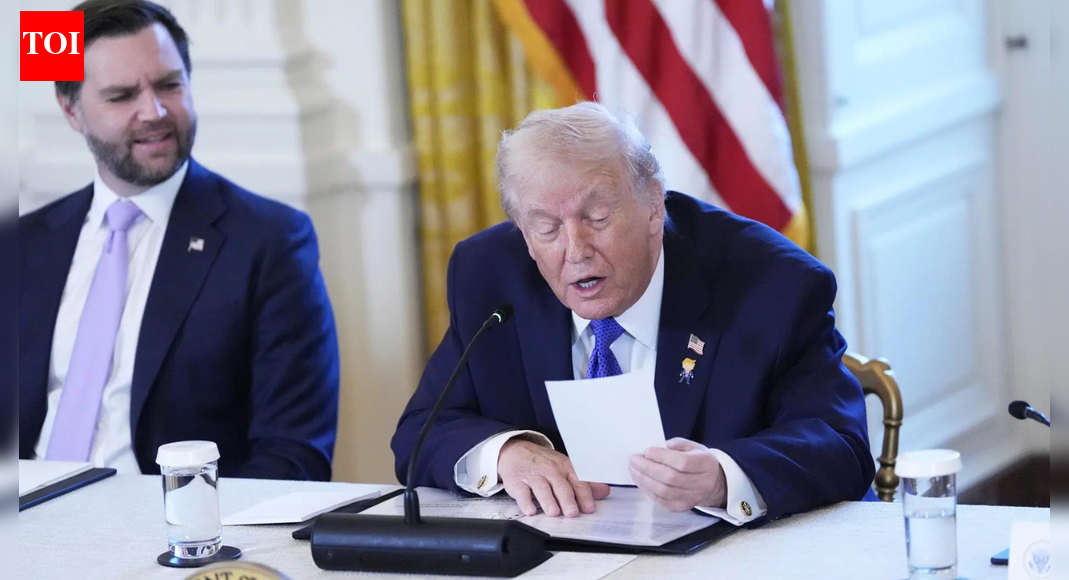
US President Donald Trump on Sunday shared an image of his Wikipedia page that described him as the “Acting President of Venezuela”.Shared on Truth Social, the image listed Trump as assuming office on January 20, 2025, and remaining incumbent as of January 2026. It also identified US Vice President JD Vance as his deputy.

Oil Tankers Flip Trump’s Game? Venezuela’s ‘Dark Mode’ Fleet TRICKS US, Then Comes Back. Here’s Why

However, the image appeared doctored, as no official documentation or legal framework exists indicating that the US president holds any governing role in Venezuela as of now.The controversial post comes amid major political and military developments in Venezuela following a US-led operation that resulted in the capture of former Venezuelan president Nicolas Maduro. Maduro and his wife, Cilia Flores, were detained during a US military operation in Caracas and flown to New York.The pair are being held at the Metropolitan Detention Center in Brooklyn and face federal charges related to drug trafficking and alleged cooperation with gangs designated by the US as terrorist organisations. Maduro, however, has denied the allegations.US officials told CBS News that the operation was carried out by the US Army’s Delta Force following months of military build-up in the region, including the deployment of the aircraft carrier USS Gerald R. Ford and other naval assets in the Caribbean.Following Maduro’s removal, Venezuela’s vice president and oil minister, Delcy Rodríguez, was formally sworn in last week as the country’s interim president. Rodríguez, a 56-year-old lawyer and senior figure within the ruling political movement, took the oath before the National Assembly, which is headed by her brother, Jorge Rodríguez.A total of 283 lawmakers elected in parliamentary elections held in May were also sworn in. Most opposition parties boycotted the vote, leaving the legislature dominated by pro-government figures. The only lawmaker absent from the ceremony was Cilia Flores, who remains in US custody, Reuters reported.Earlier, in a statement made in Washington, US President Trump said that the United States would “run” Venezuela temporarily during a transition period and would “get the oil flowing”. He later said the US was “in charge” of Venezuela. However, Secretary of State Marco Rubio sought to clarify the administration’s position, saying the US does not intend to directly govern the country but will enforce an “oil quarantine” as part of efforts to influence policy outcomes.


Source link