Breaking News
Balbharati remains relevant across generations, says Education minister Dada Bhuse at Diamond Jubilee launch | Mumbai News


Balbharati remains relevant across generations, says Education minister Dada Bhuse at Diamond Jubilee launch

MUMBAI: “Even as generations, curricula and technology have evolved, Balbharati’s textbooks have retained their emotional connect and educational value”, said education minister Dada Bhuse while inaugurating the Diamond Jubilee celebrations of the Maharashtra State Bureau of Textbook Production and Curriculum Research (Balbharati).Speaking at a function held at Bal Gandharva Rangmandir in Pune, Bhuse said several poems and lessons from Balbharati textbooks continue to feel alive even today. “From the era of printed textbooks to technologically advanced e-books, Balbharati has constantly adapted itself. That is why Balbharati remains relevant even today,” he said.Highlighting the institution’s deep emotional bond with the people of Maharashtra, Bhuse said “Balbharati has played a key role in introducing children to literacy and Marathi literature. “From learning the first letters of languages to understanding its most beautiful literature”.He noted that Balbharati has modernised its offerings through digital textbooks, QR codes, e-content, videos, audio material and curriculum aligned with the National Education Policy. Referring to the iconic Balbharati logo depicting a brother and sister designed by artist Dinanath Dalal, Bhuse said the logo and what it symbolises to connects across generations.State Council of Educational Research and Training (SCERT) director Rahul Rekhawar said Balbharati textbooks hold a special place in the minds of those who studied through them. “I too learnt from these books, which makes them particularly personally significant to me,” he said.Balbharati director Anuradha Oak traced the institution’s journey since 1967, stating that it was the first organisation in the country dedicated to textbook production. She said the boy and girl in Balbharati’s emblem symbolise gender equality and inclusive education.Bhuse also a special issue of Kishor magazine and unveiled Balbharati’s official song.The newly composed Balbharati song, written by lyricist Dasu Vaidya, sung by Vaishali Samant and composed by Avadhoot Gupte, received an enthusiastic response from the audience.


Source link

MPCB expands ‘Blue Category’ to boost circular economy | Mumbai News


MPCB expands ‘Blue Category’ to boost circular economy

MUMBAI: The Maharashtra Pollution Control Board (MPCB) has expanded the newly created ‘Blue Category’ of industries by including eight additional services that support the circular economy. The category was introduced by the Central Pollution Control Board (CPCB) in February 2025 to ease documentation and fast-track approvals for essential environmental facilities.The CPCB classifies industries into Red, Orange, Green and White categories based on their pollution potential, ranging from heavy polluting units to virtually non-polluting ones.The Blue Category sits alongside these four and is reserved for essential environmental facilities such as waste processing and sewage treatment, which are considered critical to municipal service delivery and waste management.The CPCB initially added facilities such as municipal solid waste processing units, waste-to-energy plants, biogas units, construction and demolition waste centres and sewage treatment plants under the Blue Category. Establishments in this category are eligible for simplified consents and quicker clearances as part of the Ease of Doing Business initiative.MPCB has gone further by adding eight more services including plastic waste recycling, PET bottle recycling, e-waste dismantling and sanitary e-waste management plants. Officials said the measure is expected to accelerate circular economy activity in the state and draw investors to allied sectors. Units in the category will also receive an additional two-year extension beyond the original consent validity period.A proposal to include the eight additional services has been sent to the CPCB for approval. Officials added that the initiative was driven by Board chairman Siddhesh Kadam and followed a policy study conducted by member secretary Devender Singh, IAS.


Source link

Access Denied


Access Denied

You don’t have permission to access “http://www.ndtv.com/india-news/ajit-pawar-death-news-devastated-supriya-sule-posts-whatsapp-status-after-dada-ajit-pawars-death-10897950” on this server.

Reference #18.6fdd417.1769682232.3643cd27

https://errors.edgesuite.net/18.6fdd417.1769682232.3643cd27


Source link

Instagram post, injection, viral video: Rajasthan’s Sadhvi Prem Baisa ‘suspicious death’ triggers protest | Jaipur News


Instagram post, injection, viral video: Rajasthan's Sadhvi Prem Baisa 'suspicious death' triggers protest

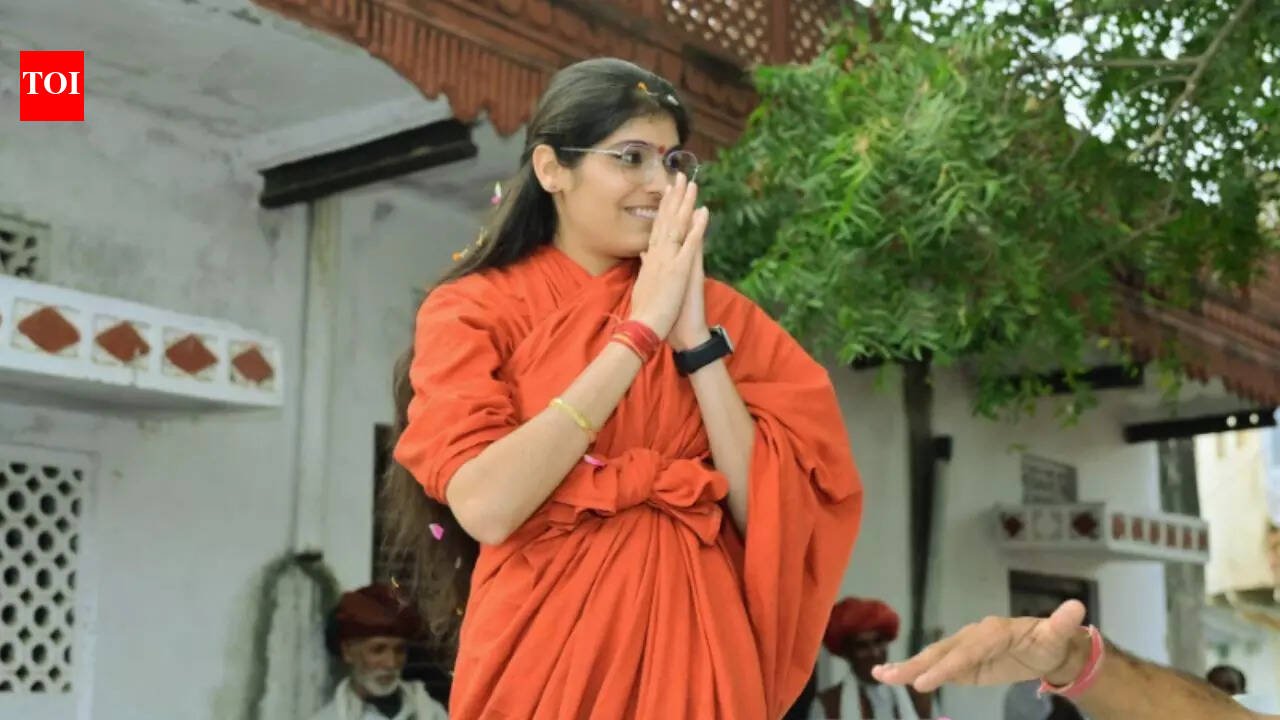
JAIPUR: A 25-year-old religious preacher died after allegedly collapsing while being treated for a fever at her ashram, prompting protests by devotees who have demanded a thorough investigation into what they describe as a “suspicious” death. Police said the woman, Sadhvi Prem Baisa, was taken to a private hospital on Wednesday evening by her father and a young man, but was declared dead on arrival. ACP (West) Chhavi Sharma said the sadhvi was brought to the hospital in a car at around 6pm. “After examination, the doctor declared her dead,” the officer said. She added that the body was being shifted to a government hospital for a post-mortem examination, which would determine the cause of death.

-

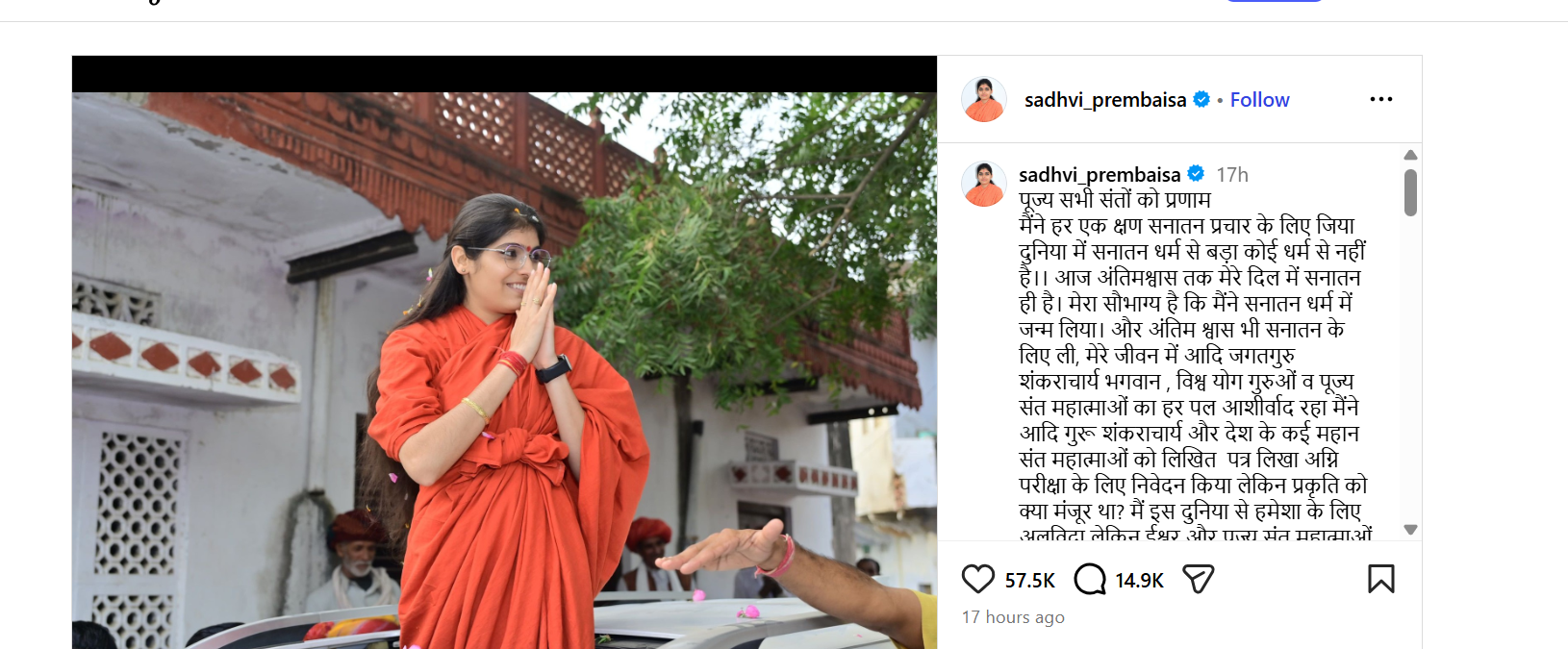
According to preliminary inquiries, the sadhvi had been suffering from a fever and was being treated at her ashram.Police said a compounder was called to administer an injection, after which she collapsed. Officials said she had been receiving in-house medication at the ashram. News of her death triggered unrest at the ashram, where a large number of devotees gathered and raised slogans, demanding a fair and transparent investigation. Further questions were raised after a post appeared on the sadhvi’s official Instagram account several hours after her death.The Instagram post In the post, described by police as a purported suicide note, she referred to an “agnipariksha” or trial by fire that she said she had been denied, and expressed hope that she would receive “justice” after her death.In an Instagram post, she said, “I have lived every moment for the propaganda of Sanatan. There is no religion greater than Sanatan religion in this world. Today till my last breath there is eternity in my heart. I am fortunate that I was born in Sanatan Dharma. “And also took last breath for Sanatan, every moment of blessings of Adi Jagatguru Shankaracharya, Vishwa Yoga Gurus and Pujya Saint Mahatma’s in my life I wrote letter written to Adi Guru Shankaracharya and many great saints of the country requested for fire examination but What was the nature approved? I am goodbye to this world forever but I have full faith in God and the revered saints Mahatma. If I live or justice will be served after I leave,” she added further.An ongoing investigation Police said they were examining the post as part of the investigation. The sadhvi had approached the police around six months ago, alleging that she was being blackmailed over a doctored video by members of her staff. She had claimed the video was being used to defame her and that she was being asked to pay Rs 20 lakh to prevent its circulation. The video was later widely shared online. Police had arrested one person in connection with the case, identified as Jogendra, also known as Jogaram, who had been working at the ashram installing sound systems for her sermons. Authorities said further action would depend on the findings of the post-mortem report.


Source link

UGC row: SC stays new rules; 2012 regulations to continue — what it means | India News


UGC Equity Regulations Explained: What Exists What Changed And Why It Has Sparked Protests

File photo

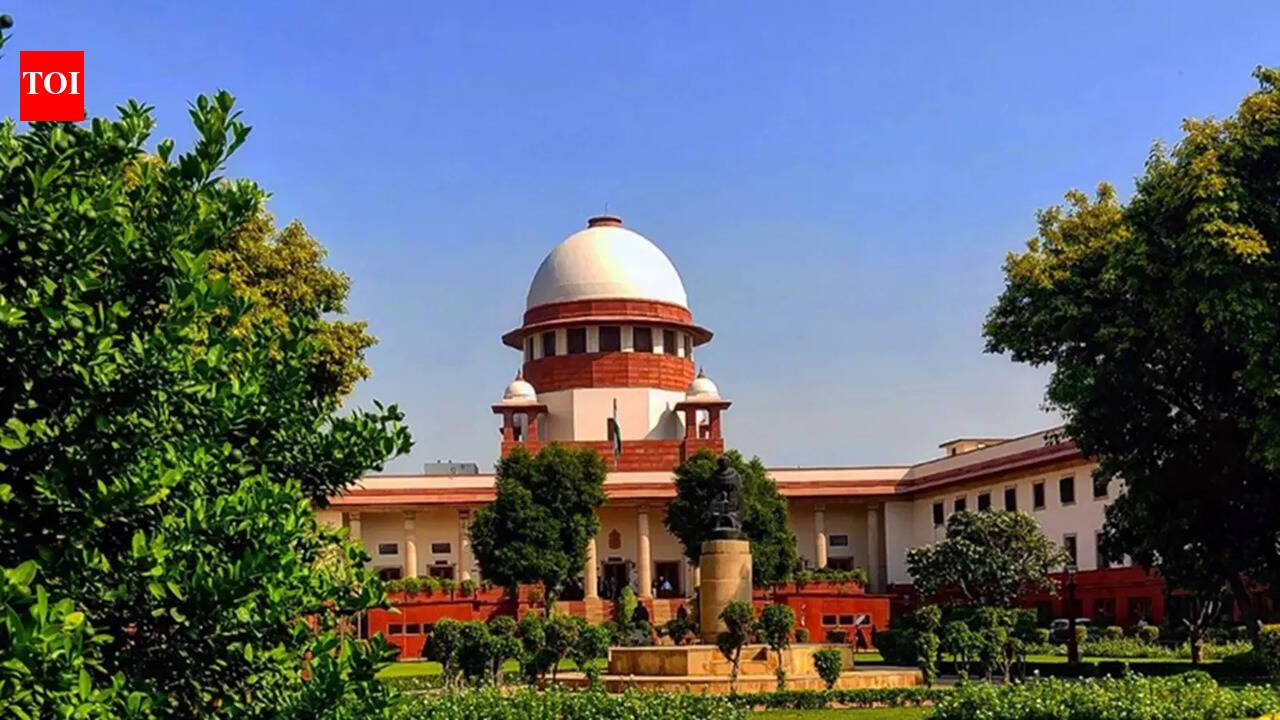
NEW DELHI: The Supreme Court on Thursday put on hold the University Grants Commission’s (UGC) Promotion of Equity in Higher Education Institutions Regulations, 2026, restoring the older 2012 framework for the time being. The court said the new rules suffer from vagueness, particularly in how caste-based discrimination is defined, and warned they could be misused.

UGC Equity Regulations Explained: What Exists What Changed And Why It Has Sparked Protests

With the stay in place, universities and colleges across the country will now continue to operate under the 2012 UGC regulations, at least until the legal challenge to the 2026 framework is resolved.So what exactly is the difference between the two regulations, and how will campuses function going forward?What the 2012 regulations providedThe 2012 rules were the UGC’s first formal attempt to address discrimination in higher education. They prohibited discrimination on several grounds, including caste, religion, gender, disability, language and place of birth.Under this framework, institutions were required to appoint an Anti-Discrimination Officer and establish an Equal Opportunity Cell. Complaints were handled internally, with the officer conducting a preliminary inquiry and recommending action under existing service or university rules.However, the system was largely advisory in nature. There were no strict timelines, no external oversight, and no penalties prescribed for institutions that failed to act. The rules also did not explicitly define false or malicious complaints, nor did they spell out safeguards for those accused.What the 2026 regulations sought to changeThe 2026 regulations marked a significant shift in scale and enforcement. They explicitly included Other Backward Classes within caste-based discrimination protections, alongside Scheduled Castes and Scheduled Tribes, bringing a much larger share of the student population under the framework.More importantly, enforcement moved from a single officer to an elaborate institutional system. Universities were required to set up Equal Opportunity Centres, multi-member Equity Committees, Equity Squads, Equity Ambassadors, a 24×7 helpline, and online complaint portals.Timelines were made mandatory. Committees had to meet within 24 hours of a complaint, submit reports within 15 working days, and institutions were required to act within seven days. Non-compliance carried serious consequences, including loss of UGC funding, degree-granting powers, and recognition.While intended to ensure accountability, critics argued that the framework gave wide discretion to internal committees, used broadly worded definitions of discrimination, and lacked safeguards against false or malicious complaints.Why Supreme Court intervenedSupreme Court found prima facie merit in concerns that the 2026 rules, especially the definition of caste-based discrimination under Regulation 3(c), were vague and open to misuse. The bench directed that the 2012 regulations would continue to apply until further orders and issued notices to the Centre and the University Grants Commission.The stay does not strike down the 2026 rules permanently, but pauses their implementation while the court examines their constitutional validity.What applies now on campuses

  • Anti-Discrimination Officers and Equal Opportunity Cells will handle complaints
  • There are no mandatory timelines prescribed by regulation
  • Enforcement remains largely internal and discretionary
  • There are no UGC-level penalties linked to equity compliance
  • Institutions cannot act under the expanded structures, strict timelines, or punitive provisions introduced in 2026.

“Today, the Supreme Court heard our writ petition challenging the UGC Regulations which have been enacted recently. The Supreme Court has stayed the UGC Regulations and has kept them in abeyance. The Supreme Court has directed that UGC Regulations 2012 will be in operation till further orders. The matter has been posted for hearing on March 19,” Vishnu Shankar Jain told ANI.Meanwhile, petitioner and advocate Vineet Jindal said that the Supreme Court’s decision aligned with the arguments raised before it regarding Clause 3C. He stated that while the clause addressed caste-based discrimination, it included only certain castes and excluded the general category, giving the impression that the general caste was being specifically targeted.Jindal further said that the new rules and regulations appeared to create divisions among students, which runs counter to the constitutional principle of equality. He added that the Chief Justice of India acknowledged shortcomings in the regulations and noted that they need to be reconsidered and reviewed.


Source link

‘Why wait?’: Parthiv Patel wants Ishan Kishan in, Sanju Samson out for final IND vs NZ T20I | Cricket News


‘Why wait?’: Parthiv Patel wants Ishan Kishan in, Sanju Samson out for final IND vs NZ T20I
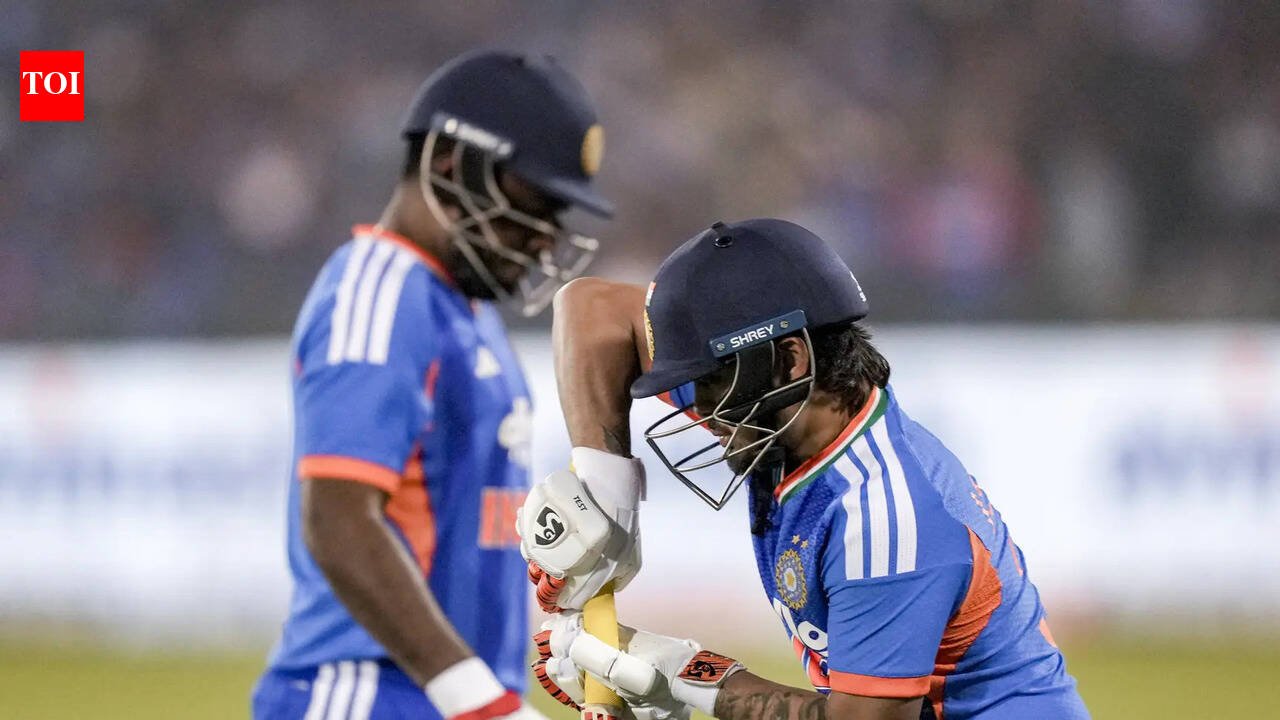
Ishan Kishan, right, arrives to bat as Sanju Samson walks off the field. (PTI Photo)

NEW DELHI: Former India wicketkeeper-batter Parthiv Patel has made a strong case for a selection shake-up ahead of the fifth and final T20I against New Zealand, urging the team management to back Ishan Kishan over Sanju Samson as preparations intensify for the T20 World Cup.Go Beyond The Boundary with our YouTube channel. SUBSCRIBE NOW!Samson’s struggles continued in the ongoing series, with another modest return in the fourth T20I adding to a run of low scores. In contrast, Kishan has impressed on his return to international cricket after nearly two-and-a-half years, prompting Patel to call for a decisive move.

Sanju Samson or Ishan Kishan? | Greenstone Lobo predicts the ideal player for T20 World Cup

“If I was part of Team India’s think tank, I would play Ishan Kishan over Sanju Samson for the last match of the series,” Patel said on JioHotstar. “I would make Sanju sit out and go with Ishan as the wicketkeeper-batter.”Patel stressed that if Kishan is being viewed as India’s primary wicketkeeper for the T20 World Cup, he should be handed responsibility immediately. “If I want Ishan as my main keeper for the T20 World Cup, I would give him the keeping gloves in the fifth T20I and the warm-up against South Africa too,” he said.Highlighting squad balance, Patel added that Tilak Varma’s expected return from injury could further complicate selection calls. “It is likely that Tilak Varma will be fit before the World Cup, and reports suggest he will be. If he is fully fit, you have to keep a spot for him. So, if that decision is coming, why wait? Play Ishan Kishan now over Sanju Samson in the final match.”

Poll

Should India prioritize Ishan Kishan over Sanju Samson for the final T20I against New Zealand?

Kishan has looked in ominous touch, scoring 112 runs in three matches, after a stellar Syed Mushtaq Ali Trophy campaign where he led Jharkhand to their maiden title. Samson, meanwhile, has managed just 40 runs across four innings, including a 24 in the fourth T20I that failed to rescue India in a 216-run chase.Despite Kishan’s form, he was benched in the fourth match, a decision that has drawn scrutiny with the World Cup fast approaching. “Ishan is coming back after two years and has batted well. He will need to keep wickets in the T20 World Cup as well, so why not start now?” Patel said.India face New Zealand in the series finale on Saturday in Thiruvananthapuram, having already sealed the five-match series 3-1.


Source link

Economic Survey 2026: Will India-US trade deal be sealed this year? What the document says


Economic Survey 2026: Will India-US trade deal be sealed this year? What the document says

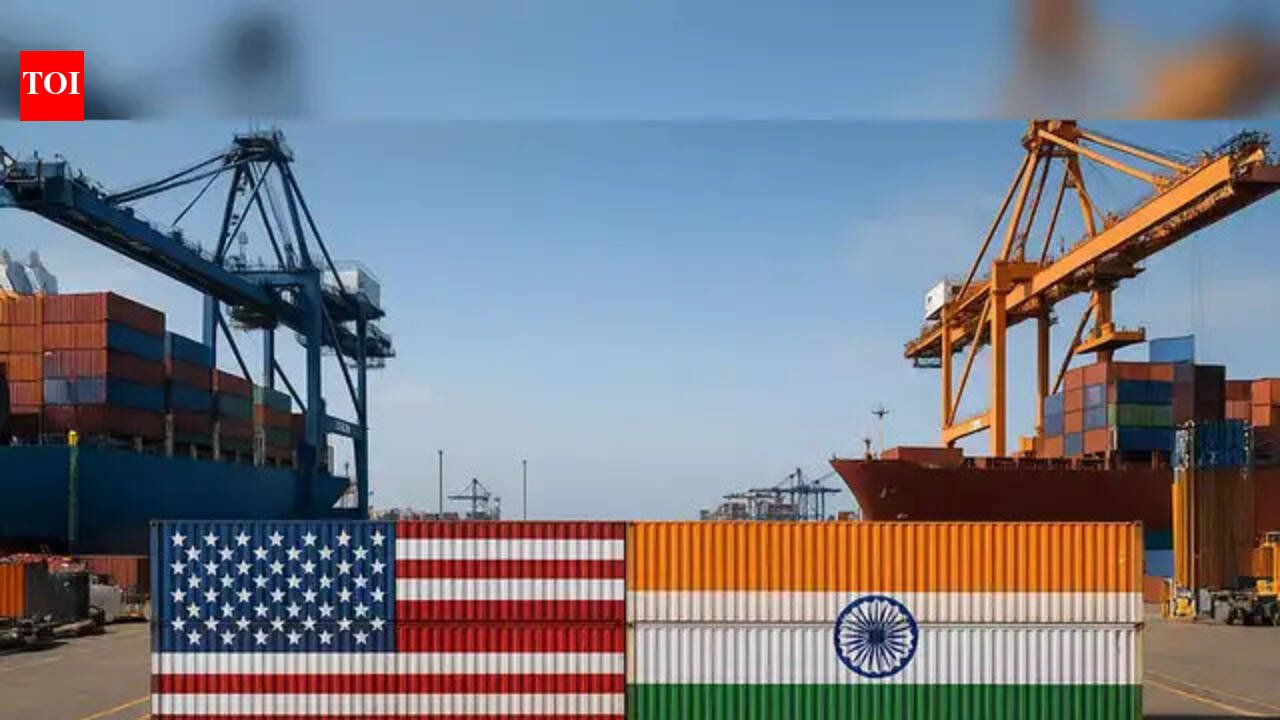
India’s ongoing trade talks with the United States may finally reach the finish line this year, the Economic Survey 2026 has suggested. The Economic Survey, presented in Parliament by finance minister Nirmala Sitharaman on Thursday, said the development would help in bringing down uncertainty on the external front.“At the same time, ongoing trade negotiations with the United States are expected to conclude during the year, which could help reduce uncertainty on the external front,” the Survey said.

‘India Emerges Stronger In EU FTA’: US Trade Chief Jamieson Greer Admits Deal Tilts Toward Delhi

Commenting on the global trade front the Economic Survey said India must improve its competitive manufacturing capacity to fully benefit from trade agreements, including the free trade agreements it has signed.It further noted that current global conditions pose external uncertainties for the country, rather than creating immediate macroeconomic stress. The Survey also cautioned that slower growth in major trading partners, tariff-driven disruptions to global trade and volatility in capital flows could at times weigh on exports and hit investor sentiment.India and the US have been negotiating a bilateral trade agreement since March last year, with six rounds of talks completed so far. The progress has, however, been slow after Trump administration imposed steep tariffs of 50% on Indian goods from August last year. The 50% tariffs include:

  • 25% reciprocal duty imposed in April 2025.
  • Additional 25% penalty, was due to India’s purchase of Russian crude, which US claimed fuels Moscow’s “war” machine in Ukraine.

Meanwhile, the long-anticipated trade agreement between the two nations could be sealed “any day now,” with sources in the ministry of external affairs indicating that talks are ongoing and have made substantial headway. The comments, made to ANI, come amid heightened trade tensions, with US President Donald Trump having imposed a 50% tariff on India, one of the highest rates globally.The update came after India announced the conclusion of negotiations with the European Union on a free trade agreement, described as the “mother of all deals”. With the India-EU FTA now wrapped up, New Delhi has shifted its attention to pushing its trade pact with Washington across the finish line.


Source link

Spanish scientist finds cure for pancreatic cancer in major medical breakthrough |


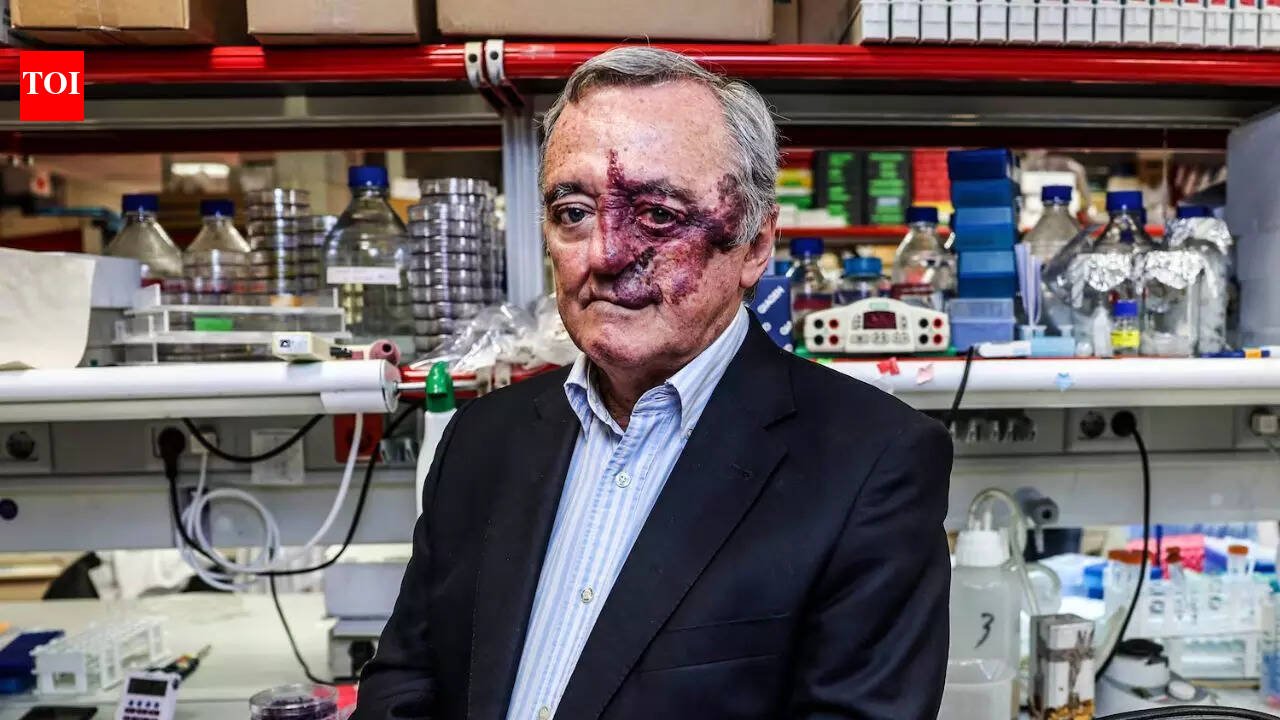
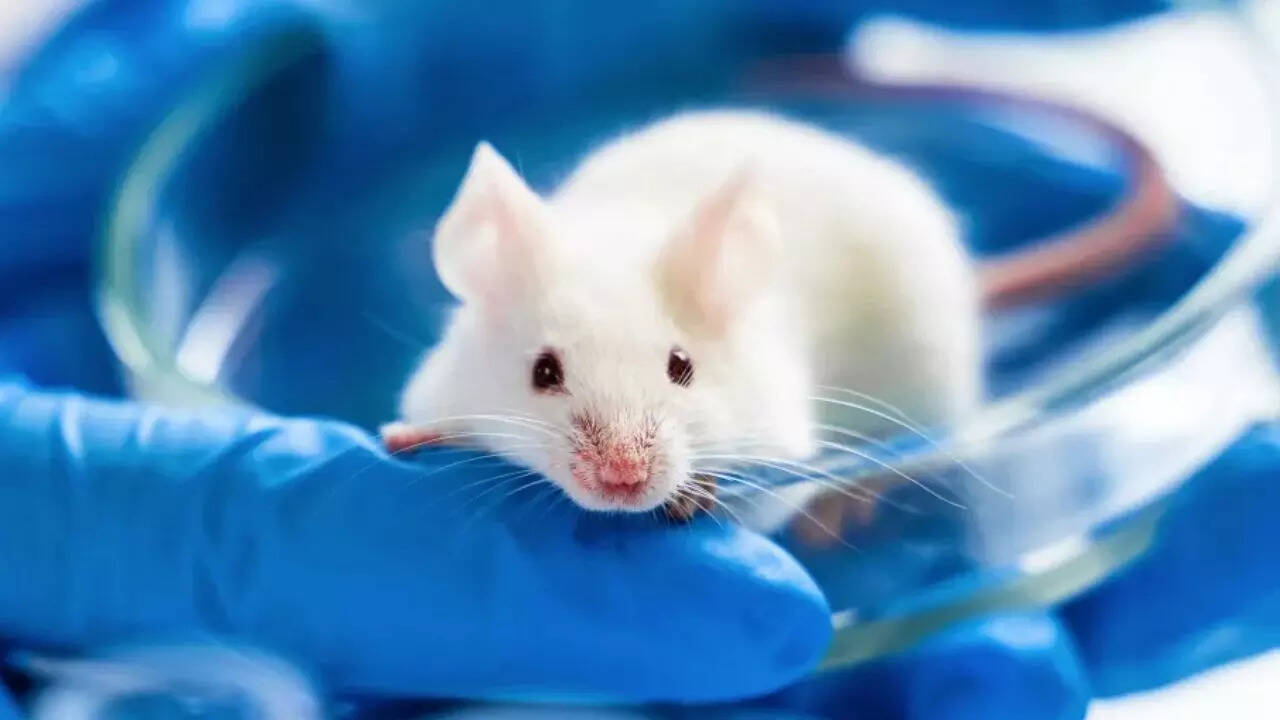
A Spanish research team says it has developed a treatment that completely eliminated the most aggressive form of pancreatic cancer in laboratory mice, raising fresh hopes against one of the deadliest cancers. The study, led by Mariano Barbacid at Spain’s Spanish National Cancer Research Centre, found that a newly designed triple-drug therapy wiped out pancreatic tumours with no relapse seen after treatment. After six years of work, researchers reported that the animals showed minimal side effects and no tumour recurrence, results that mark one of the most promising advances yet in pancreatic cancer research.

Pancreatic cancer and the therapy behind the breakthrough

Pancreatic cancer, particularly pancreatic ductal adenocarcinoma, is among the deadliest malignancies due to its resistance to treatment, dense tumour microenvironment, and late diagnosis. Standard therapies often fail because tumours rapidly adapt, bypassing single-target drugs.The CNIO therapy takes a different approach. Instead of attacking one pathway, it combines three drugs to shut down multiple tumour survival mechanisms simultaneously. According to the researchers, this strategy prevents cancer cells from rewiring themselves, a common cause of treatment failure.Barbacid has previously argued that pancreatic cancer cannot be defeated with a single-drug strategy. This tumour, he has said in earlier research discussions, is extraordinarily adaptable, and only coordinated inhibition of multiple pathways can produce lasting responses.

What the study found in laboratory models

In controlled laboratory experiments, mice with advanced pancreatic tumours experienced complete tumour elimination after receiving the triple-drug therapy. Even more notable was what happened afterwards. During extended follow-up, researchers observed no tumour regrowth, suggesting that the therapy may suppress the biological mechanisms that typically drive relapse.The findings were published inProceedings of the National Academy of Sciences (PNAS), where reviewers highlighted both the durability of the response and the unusually low toxicity seen in treated animals, a critical factor for any therapy aimed at human use.Independent cancer researchers not involved in the study have noted that durable responses without relapse are exceptionally rare in pancreatic cancer models, making the results particularly significant within the field.

Spanish scientist finds cure for pancreatic cancer in major medical breakthrough

Who is Mariano Barbacid?

Barbacid is one of Europe’s most influential cancer researchers. In the early 1980s, he helped identify the first human oncogene, a discovery that fundamentally reshaped modern cancer biology and established the genetic basis of cancer.Over the past four decades, his work has repeatedly focused on KRAS-driven tumours, long considered among the hardest cancers to treat. Because KRAS mutations are present in roughly 90 per cent of pancreatic cancers, Barbacid’s sustained focus on this pathway gives the current breakthrough added weight within the scientific community.

Funding, institutions, and credibility

The research was conducted at CNIO, one of Europe’s leading cancer research institutions, with support from Fundación CRIS Contra el Cáncer, which funds high-risk, high-impact cancer research projects.The study followed established experimental protocols and underwent independent peer review before publication. There is no evidence the findings were rushed or bypassed scientific safeguards, a point emphasised by CNIO officials amid online speculation.

Public reaction and online controversy

News of the breakthrough spread rapidly across social media, generating both excitement and scepticism. Many users hailed the findings as a cure, while others questioned whether pharmaceutical or regulatory barriers could delay progress.Such reactions reflect a broader tension in cancer research communication, namely the gap between legitimate scientific caution and public desperation for definitive cures, particularly for diseases with historically grim outcomes.

Pancreatic cancer From signs to treatment process, expert explains how to manage the condition

What happens next

The next phase involves further validation studies and safety testing, followed, if funding and regulatory approvals allow, by early-stage human trials. While a confirmed cure for pancreatic cancer in people remains years away, experts agree that this research provides one of the strongest indications yet that the disease may finally be vulnerable to targeted combination therapies rather than incremental treatment gains.



Source link

IND vs NZ: Suryakumar Yadav explains decision to bat second and go with just 6 specialist batters during 4th T20I


In a tactical experiment aimed at preparing for the T20 World Cup 2026, India‘s dominant run-streak came to a halt in the 4th T20I against New Zealand in Visakhapatnam on January 28, 2026. After securing three consecutive wins to take the series, the hosts suffered a 50-run defeat after being bowled out for 165 while chasing a massive target of 216.

Suryakumar Yadav reveals why India chose to bat second and go with 6 specialist batters

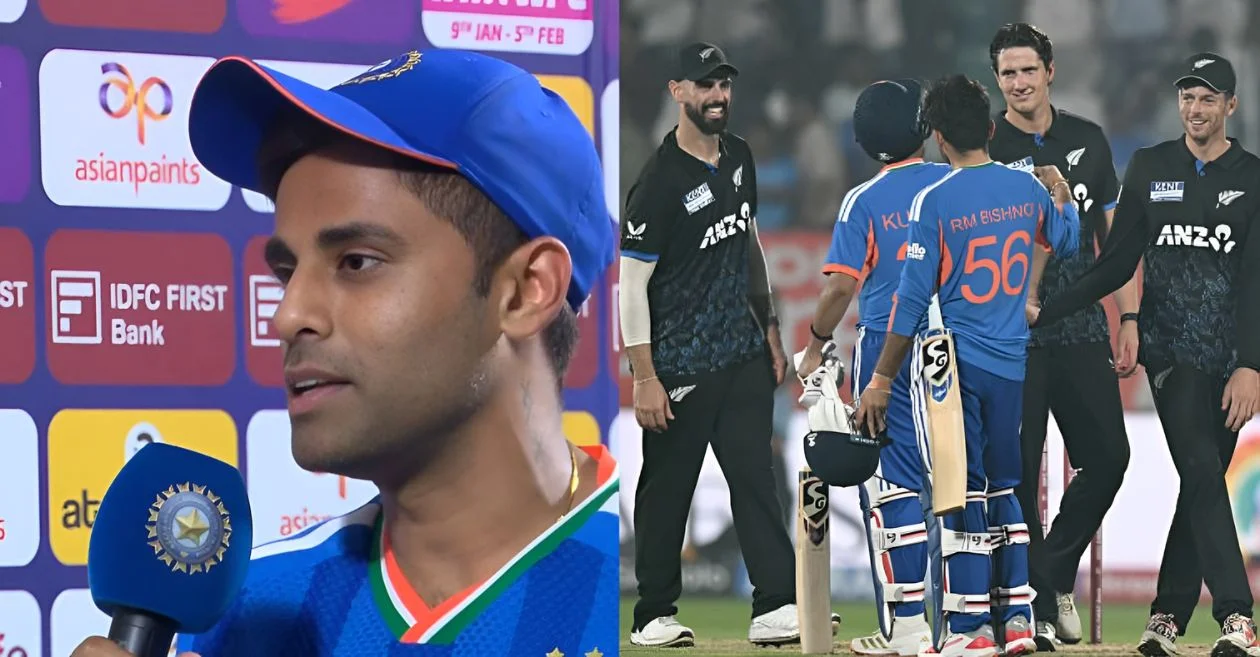
Following the match, captain Suryakumar Yadav revealed that the decision to bowl first and field a shorter batting lineup was a calculated ‘challenge’ for the squad. Yadav explained that the team intentionally played with only six specialist batters and five front-line bowlers to simulate high-pressure World Cup scenarios.

“I feel we purposely played six batters today. We wanted to have five perfect bowlers and wanted to challenge ourselves. Like for example, if we’re chasing 200 or 180, and we wanted to see if we were two down or three down, how does it look. But then it’s fine at the end of the day. And we wanted to play all the players who are part of the World Cup squad. Otherwise, we would have played other ones. (On opting to bat second) We’ve been batting really well when we’ve batted first. So I wanted the guys to take that responsibility if we’re chasing 180 or 200, and two wickets or three wickets are down and see how we bat. So it’s a good challenge. Hopefully if we get an opportunity again in the next game, we might chase again” Suryakumar Yadav said after the game.

Despite the loss, India retains a 3-1 lead in the series as they head into the final match in Thiruvananthapuram. This remains their final dress rehearsal before the World Cup begins on February 7.

Also READ: Fans react after Shivam Dube’s brave knock falls short as New Zealand ends losing streak with 50-run win over India in 4th T20I

New Zealand’s dominance against India in the 4th T20I

The Black Caps set a formidable total of 215/7, fueled by a blistering 100-run opening stand between Tim Seifert (62 off 36) and Devon Conway (44 off 23). Despite India clawing back through Jasprit Bumrah and Kuldeep Yadav, a late flourish from Daryl Mitchell (39 off 18)*, including 19 runs off Bumrah’s 19th over, pushed the Kiwis past the 200-mark.

In response, India’s chase faltered early. Abhishek Sharma fell for a golden duck, while the captain himself managed only 8 runs. Shivam Dube was the lone bright spot, smashing a career-best 65 off 23 balls (including seven sixes), reaching his fifty in just 15 deliveries. However, his unfortunate run-out at the non-striker’s end effectively ended India’s hopes, as the tail folded quickly under pressure from Mitchell Santner (3/26).

Also READ: Suresh Raina, Irfan Pathan and other experts predict Team India’s leading run-scorer at T20 World Cup 2026


Source link

Secularism lost a strong voice: Muslim leaders mourn Ajit Pawar’s death | Mumbai News


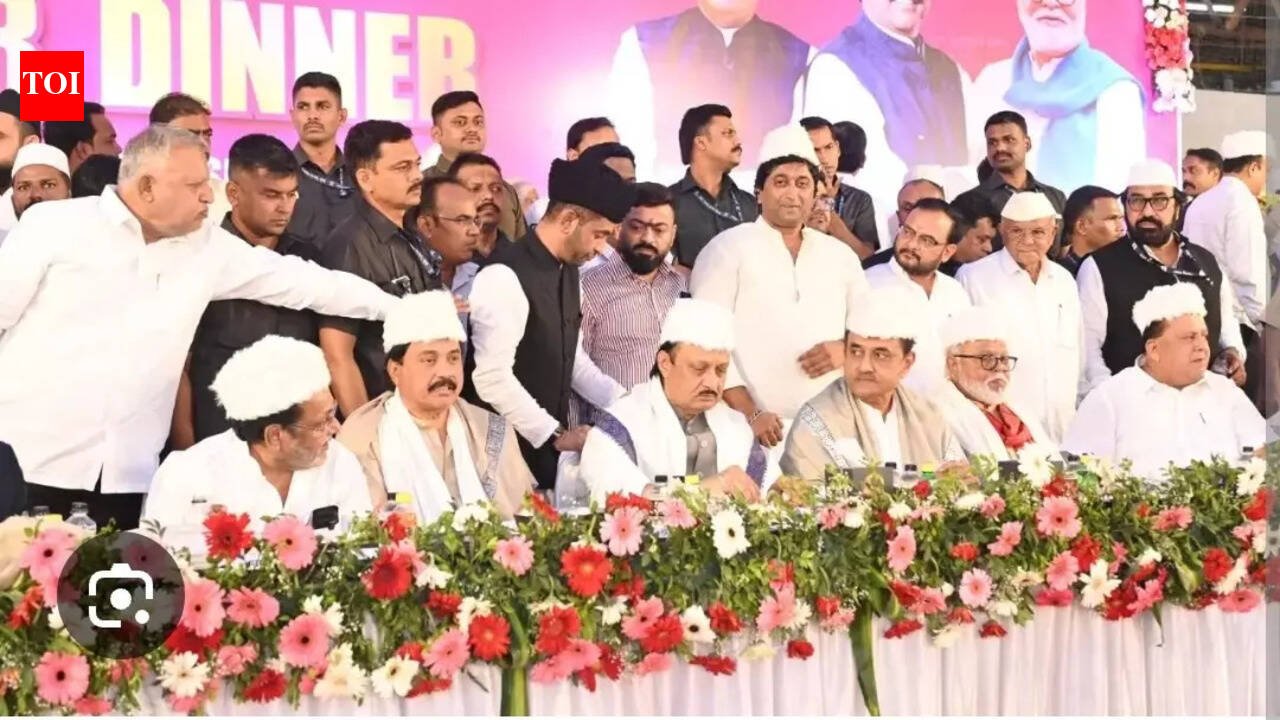
MUMBAI: A section of Muslim leaders said secularism lost s strong secular voice in the death of deputy CM Ajit Pawar.Many recalled Pawar’s public assurance to the community at the iftar party he hosted the Islam Gymkhana last year. “At this iftar dinner, he boldly said that he was brother of Muslims and he would not accept anyone intimidating the community,” said Nawab Malik, former minister and a senior leader NCP (Ajit Pawar).Pawar had made this statement amid the tense atmosphere created due to calls to demolish Aurangzeb’s mazar at Khuldabad near Sambhajinagar (Aurangabad) and in the aftermath of the Nagpur riots.Congress MLA Amin Patel who knew Pawar for decades said that his commitment to secularism and public service was exemplary.”I knew him very closely and never found him discriminating against anyone. He would work for everyone irrespective of caste and creed. This is a huge loss of Maharashtra,” said Patel.National chairman (minorities department) Syed Jalaluddin said that Pawar never compromised his secular credentials. “His alliance with BJP-led Mahayuti was strategic, not ideological. He remained secular and often demonstrated it with statements and action,” he said.


Source link